CBSE Class 10 Maths Board Prep
The whole syllabus taught properly, then the board paper practised until it holds no surprises.
Syllabus updated August 2026
Questions? WhatsApp +91 91233 66161 or email connect@modernagecoders.com
Recordings are free with a Google sign-in. These recordings show how we teach, not the exact syllabus of this course.
Our promise
The world's best learning experience, open to everyone.
- World-class instructorsEvery class is taught by an instructor who specialises in that exact field.
- No compromise on qualityEvery lesson, project and piece of feedback is held to the highest standard.
- Education for everyoneLearners aged 6 to 67, from first-time beginners to working professionals, in 25+ countries.
If you want the highest quality, Modern Age Coders is the right choice.
Book a Priority DemoHow long this course takes
This course runs 10 months (40 weeks) at 2 live classes/week + 3-4 hours practice, rising to timed papers in the mock phase. The range allows for background and pace: a complete beginner uses the full span, and a student with prior knowledge finishes sooner. The syllabus below is planned to the shorter end, with margin kept for revision.
For personalised duration planning, call +91 91233 66161 and we'll map a schedule to your goals.
At a glance
- Who it is for
- CBSE Class 10 students, Standard (041) and Basic (241).
- Prerequisites
- Class 9 promotion. Weak spots in Class 9 algebra or geometry are caught by the week 1 diagnostic and patched inside the course
- Format
- Live, interactive classes with a real instructor, never pre-recorded videos. Live classes run about one hour.
- Language
- English or Hindi, depending on the batch.
- Duration
- 10 months (40 weeks)
- Weekly commitment
- 2 live classes/week + 3-4 hours practice, rising to timed papers in the mock phase
- Class size
- Group batches of 5 to 10 students, mini batches of 3 to 4, or 1-on-1.
- Certificate
- Certificate from Modern Age Coders, awarded on passing the final assessment
- Watch first
- Free recordings of real classes for ages 13 and up, free with a Google sign-in. These recordings show how we teach, not the exact syllabus of this course.
- Live demo
- Optional. Enrol directly on this page, or book a Priority Demo: a full live class of about 45 to 60 minutes with a mentor reserved for you.
- Questions
- WhatsApp +91 91233 66161 or email connect@modernagecoders.com.
How we teach
Deep understanding. Real projects. Expert guidance.
Learn coding, AI and maths through careful explanations, practical demonstrations, and hands-on problem-solving. Our instructors guide you from the foundations to advanced ideas, helping you understand what happens, why it happens, and how to build it yourself.
You will explore concepts step by step, write and improve code, investigate mistakes, ask questions, and apply your knowledge to meaningful projects. Lessons are designed around active participation, thoughtful feedback, and growing independence.
Expert-led live teaching, with practical participation built into every lesson.
- Students explain their thinking.
- Instructors demonstrate, then guide practice.
- Learners code, solve, or build during lessons.
- Questions and misconceptions get attention.
- Assignments receive useful feedback.
- Progress is checked before advancing.
How to join CBSE Class 10 Maths Board Prep: Case Studies & Mocks
Four steps from this page to the first class. See a full class first with a Priority Demo, or choose a plan and enrol today.
Rated 4.9 across 547 Google reviews. Monthly billing, cancel any time.
How enrolment works
See a full class first (optional)
Book a Priority Demo: a live class of about 45 to 60 minutes with a mentor reserved for you, today or tomorrow. After the class the mentor sends a written skill report and a personal learning roadmap on WhatsApp. If you enrol, the demo fee is adjusted against your first month's fee. Share your demo Order ID with us on WhatsApp and we take it off.
Book a Priority DemoDemo fee ₹499Choose a plan
Group batch (5 to 10 students), mini batch (3 to 4 students, India only) or 1-on-1 with your own mentor. Every plan is live online, and each class runs about one hour. The cards below show classes per week and the monthly fee in your currency.
Enrol and pay the first month
Press Enrol Now on your plan, fill in the student's name, email and phone, and pay through secure Razorpay checkout: UPI, cards or net banking in India, and debit or credit card from any other country.
Fix your class timings
After payment, message us on WhatsApp or call +91 91233 66161 with the student's name, the course and your preferred time slot. We confirm the batch, send the class link and schedule the first class at your chosen time.
Billing is monthly and you can cancel any time.
International Students (Outside India)
Billed monthly in US dollars, the same price in every country. Contact us with any questions.
Questions before you enrol? Talk to our team.
Ask about class timings, the right level for your child, what they need to know already, or payment. Parents and adult learners can reach us on WhatsApp, by email or by phone.
Program Overview
Class 10 is the first year the maths marks travel with the student, and the current board paper rewards more than memorised solutions: roughly half of it is competency-based, case studies, data interpretation and situational problems, alongside about 20 percent MCQs and 30 percent traditional short and long answers. This 10-month live course is built for exactly that paper. Months 1 to 8 teach all 14 NCERT chapters across the seven syllabus units, with the unit weightage kept in view throughout: Algebra carries 20 of the 80 theory marks, Geometry 15, Trigonometry 12, Statistics and Probability 11, Mensuration 10, and Number Systems and Coordinate Geometry 6 each. Months 9 and 10 are pure exam craft: structured revision, CBSE sample papers and previous-year papers under real timing, and error clinics after every mock.
Case-study and MCQ practice is not saved for the end. From the first chapter, every topic closes with the question forms the board actually asks, so by the mock phase the format is familiar and only speed and polish remain. We teach both Standard (041) and Basic (241) tracks and help each family make that choice with evidence from the student's own test scores, not guesswork. What we promise is preparation and honest feedback; nobody can promise marks, and we do not.
What Makes This Program Different
- Aligned to the 2026-27 CBSE syllabus as released, all 14 chapters across the 7 units, with the 80-mark theory weightage steering how class time is spent
- Competency questions from week 1: every chapter closes with case-study, data and MCQ practice in the board's actual style, not as a panic module in January
- Two full months of revision and mocks, with CBSE sample papers and previous-year papers under real 3-hour timing and a marked review of every attempt
- Standard versus Basic decided with data: periodic test scores through the year tell each family which paper suits, and we advise honestly either way
- Proof writing and stepwise presentation taught explicitly, because the board marking scheme awards steps, and students lose easy marks by skipping them
- Live small batches where the teacher sees each student's working, not a video series with a doubt inbox
Your Learning Journey
Career Progression
Detailed Course Curriculum
Explore the complete week-by-week breakdown of what you'll learn in this comprehensive program.
Topics Covered
- Diagnostic paper on Class 9 essentials: identities, linear equations, basic geometry
- The fundamental theorem of arithmetic and prime factorisation
- HCF and LCM by prime factorisation, and the HCF x LCM relationship
- Proving irrationality: root 2, root 3, root 5 by contradiction, written to board standard
- Word problems on HCF and LCM: bells, circular tracks, stacking crates
- Board question forms for this chapter: 1-mark MCQs and 2-3 mark proofs
Projects You Build
- Chapter question bank entry: 15 solved board-style questions on real numbers, built and kept by the student
Practice & Assignments
25 prime factorisation and HCF-LCM problems plus 3 irrationality proofs written out in full board steps
Topics Covered
- Zeros of a polynomial read from the graph: where the curve cuts the x-axis
- Geometric meaning of zeros for linear and quadratic polynomials
- Relationship between zeros and coefficients of a quadratic polynomial
- Forming a quadratic polynomial from given zeros
- Verification questions: checking the zero-coefficient relationships
- MCQ traps in this chapter: sign errors and reversed relationships
Projects You Build
- Graph-reading sheet: 8 polynomial graphs interpreted for number and sign of zeros
Practice & Assignments
30 zeros-and-coefficients problems, 10 of them MCQ format, misses redone with the relationship written out
Assessment
Month 1 test: a 25-mark paper on Real Numbers and Polynomials in board format, marked with the board's stepwise scheme
Topics Covered
- Graphical solution: consistent, inconsistent and dependent pairs seen as line pictures
- The ratio test for number of solutions, and why it works
- Substitution method with clean recording of steps
- Elimination method and choosing which variable to remove
- Word problems: ages, two-digit numbers, speeds and boats, fixed plus per-unit costs
- Case-study practice: fare structures and cafeteria pricing, the board's favourite settings
Projects You Build
- Word-problem translation drill: 10 situations converted to equation pairs before any solving
Practice & Assignments
20 equation pairs solved by the method of your choice plus 6 word problems and 1 full case study, self-timed
Topics Covered
- Standard form and checking whether an equation is quadratic
- Solving by factorisation: splitting the middle term with speed
- The quadratic formula, derived once and then drilled
- The discriminant and nature of roots: real, equal, or none
- Word problems: consecutive numbers, areas, speed-time, work problems
- Finding unknown coefficients from conditions on the roots
Projects You Build
- Chapter question bank entry: 15 solved board-style quadratics including 2 case studies
Practice & Assignments
25 quadratics split between factorisation and formula, plus 8 nature-of-roots questions with reasons stated
Assessment
Month 2 test: a 30-mark paper on both equation chapters with MCQ, short answer and one case study
Topics Covered
- Recognising an AP and finding the common difference
- The nth term formula, forwards and in reverse: which term is 78
- Sum of the first n terms, both formula forms and when each helps
- Word problems: instalments, salaries, theatre seating, ladder rungs
- Three unknowns from two conditions: combining the nth term and sum formulas
- AP case studies: savings plans and stacked logs in board style
Projects You Build
- AP situations sheet: 8 real-life progressions identified, with first term and difference extracted
Practice & Assignments
30 AP problems from nth term to sums, including 5 word problems and 1 case study, misses logged by type
Topics Covered
- Mixed revision across all five phase 1 chapters
- Stepwise presentation clinic: what the marking scheme pays for and what it ignores
- Assertion-reason questions: the logic and the common traps
- Case-study workshop: reading the stem once, answering all sub-parts efficiently
- Timed sectional practice: the algebra questions of a sample paper in isolation
- Error log review: each student's top three algebra weak spots named and drilled
Projects You Build
- Personal error log formalised: every phase 1 test miss classified as concept, method or presentation
Practice & Assignments
One timed algebra-only sectional paper plus 10 assertion-reason questions, reviewed against the marking scheme
Assessment
Phase 1 milestone: a 40-mark algebra and number systems paper in full board format, 50 percent competency questions
Topics Covered
- Similar figures and what similarity actually claims
- The basic proportionality theorem and its converse, proved and applied
- Similarity criteria: AA, SSS and SAS, with when to use which
- Finding lengths in nested and overlapping triangle figures
- Writing a geometry proof the board way: given, to prove, construction, proof
- Similarity in the wild: shadows, ramps and scale models as case studies
Projects You Build
- Proof portfolio started: BPT and two similarity applications written to full board standard
Practice & Assignments
20 similarity problems including 4 proofs written out in the four-part format, figures drawn for every question
Topics Covered
- The distance formula, derived from Pythagoras and drilled
- Types of triangles and quadrilaterals verified by distances
- The section formula and midpoint as its special case
- Finding ratios: where the x-axis cuts a line segment
- Collinearity and equidistance problems
- Coordinate case studies: layouts of gardens, flags on a sports field
Projects You Build
- Chapter question bank entry: 12 solved coordinate geometry questions across all board formats
Practice & Assignments
25 distance and section formula problems with a labelled sketch for each, plus 1 case study
Assessment
Month 4 test: a 25-mark paper on Triangles and Coordinate Geometry with one full proof question
Topics Covered
- The six ratios defined in a right triangle, with the naming logic
- Exact values for 0, 30, 45, 60 and 90 degrees, and how to rebuild the table from two triangles
- Finding all ratios when one is given
- The fundamental identity and its two rearrangements
- Proving trigonometric identities: strategy, not trial and error
- MCQ speed work on ratio values and identity recognition
Projects You Build
- Identity toolkit card: the identities plus the five standard proof moves, in the student's own words
Practice & Assignments
30 ratio evaluations and 8 identity proofs, each proof annotated with which move was used at each step
Topics Covered
- Angles of elevation and depression, and reading them off a clean figure
- The non-negotiable first step: draw and label the right triangle
- Single-triangle problems: towers, kites, ladders
- Two-triangle problems: two observers, moving closer, two levels
- Choosing the ratio that solves in one step instead of three
- Case studies: lighthouses, drones and temple towers in board style
Projects You Build
- Figure-first drill set: 10 heights and distances problems where the marked figure is drawn before any calculation
Practice & Assignments
18 heights and distances problems including 4 two-triangle setups and 1 case study, every figure labelled
Assessment
Month 5 test: a 25-mark trigonometry paper mixing ratios, identities and applications
Topics Covered
- Tangents and secants: what touching actually means
- The tangent-radius perpendicularity theorem, proved and used
- Equal tangents from an external point, proved and used
- Angle chasing in tangent figures using both theorems
- Lengths in circumscribed quadrilaterals and triangles
- Circle proofs written to the four-part board standard
Projects You Build
- Proof portfolio extended: both tangent theorems plus two applications written in full
Practice & Assignments
20 circle problems including 3 proofs and 5 angle-chasing figures, figures redrawn not copied
Topics Covered
- Structured revision across phases 1 and 2: one summary mat per chapter
- Half-syllabus mock in full board format and timing
- Marking workshop: students mark an anonymised script against the scheme
- Error clinic: every mock miss classified and assigned a drill
- Basic versus Standard conversation opens: what the mock evidence suggests for each student
- Presentation audit: figures, steps and units checked across the whole script
Projects You Build
- Half-syllabus mock with a written self-review: three strengths, three fixes, one habit to change
Practice & Assignments
Redo every mock miss untimed with full working, then a 15-question drill on your weakest chapter
Assessment
Phase 2 milestone: half-syllabus board-format mock covering all ten chapters taught so far
Topics Covered
- Sector area and arc length, tied back to the fraction of the full circle
- Segment area: sector minus triangle, set up cleanly
- Combination figures: designs, running tracks, flower beds
- Working with standard angles in sectors and segments
- Leaving answers in terms of pi versus computing, and when the paper wants which
- Case studies: clock faces, umbrellas and window designs
Projects You Build
- Combination-figure sheet: 8 shaded-region problems with the decomposition drawn before any formula
Practice & Assignments
20 sector, segment and shaded-region problems with the decomposition stated in one line each time
Topics Covered
- Surface areas and volumes of cube, cuboid, cylinder, cone, sphere and hemisphere, consolidated
- Combined solids: capsule, tent, ice-cream cone, toy on a hemisphere
- Which surfaces vanish when solids join: the one idea behind every surface-area question
- Volume problems on combined solids
- Unit discipline: cubic centimetres, litres and the conversions the board expects
- Case studies: storage tanks, medicine capsules and circus tents
Projects You Build
- Solid dissection cards: 6 combined solids sketched, split into parts, with the joining surfaces marked
Practice & Assignments
18 combined-solid problems, half surface area and half volume, units checked on every answer
Assessment
Month 7 test: a 20-mark mensuration paper including one case study and one MCQ set
Topics Covered
- Grouped frequency tables: class marks, limits and boundaries
- Mean by the direct method, assumed mean and step deviation, and when each saves time
- Median of grouped data: the cumulative frequency column done carefully
- Mode of grouped data and the modal class
- Reading and interpreting data tables the way competency questions present them
- Choosing between mean, median and mode when a question asks which represents the data
Projects You Build
- Data study: the student collects a real dataset from home or school, groups it and computes all three measures
Practice & Assignments
12 full grouped-data problems covering all three measures, tables laid out to board standard
Topics Covered
- Classical probability: equally likely outcomes and the counting behind them
- Cards, dice, coins and balls: the standard sample spaces mastered
- Complementary events and the not-happening shortcut
- Two-object experiments: two dice, two coins, drawn without replacement kept simple
- Probability case studies and data-linked questions
- Full-syllabus map: every chapter now taught, revision plan issued
Projects You Build
- Chapter question bank completed: the student's own solved bank now covers all 14 chapters
Practice & Assignments
30 probability questions from single events to two-object experiments, plus 1 case study
Assessment
Phase 3 milestone: a 25-mark statistics and probability paper, plus the full-syllabus revision plan agreed with each student
Topics Covered
- Rapid re-teach of the five algebra-phase chapters, driven by each student's error log
- Mixed-chapter problem sets: questions that do not announce their chapter
- MCQ sprint sessions: 20 questions in 25 minutes with instant review
- Case-study circuit: four stems across four chapters in one sitting
- Formula-free fluency check: rebuilding key formulas from scratch
- One-page revision sheets finalised per chapter
Projects You Build
- Revision sheet set one: student-made single pages for all five algebra-phase chapters
Practice & Assignments
One mixed algebra paper of 30 marks self-timed, plus 20 MCQs, both marked in class
Topics Covered
- Proof rehearsal: BPT, tangent theorems and identity proofs rewritten from memory
- Heights and distances mixed set, figures first as always
- Mensuration decomposition drills on unseen combination figures
- Statistics and probability rapid set with full table discipline
- The 50 percent competency share: reviewing what the recent board papers actually asked
- Time budgeting: minutes per section planned for the 3-hour paper
Projects You Build
- Revision sheet set two: single pages for the remaining nine chapters, completing the personal revision pack
Practice & Assignments
One mixed geometry-trigonometry paper of 30 marks self-timed, plus a 15-question data-chapters drill
Assessment
Month 9 checkpoint: two sectional papers marked against the board scheme, error logs updated
Topics Covered
- The CBSE sample paper attempted in one 3-hour sitting
- Marking against the official scheme, step by step
- Error clinic one: concept gaps versus presentation losses separated
- Previous-year paper attempted under timing
- Question selection strategy: order of attack, when to move on, returning to parked questions
- Handling the case-study section efficiently: stem once, sub-parts in order
Projects You Build
- Mock file opened: each paper filed with its marked script, error classification and one-line fix per miss
Practice & Assignments
Between classes: one additional sample paper attempted at home under honest timing, brought marked to class
Topics Covered
- Two final full mocks under strict conditions, spaced for recovery
- Error clinic two: closing the last recurring mistakes
- Presentation final pass: figures, steps, units, boxed answers
- The last 48 hours: what to revise, what to leave alone, sleep over cramming
- Exam-day routine: admit card to answer script, walked through calmly
- Course close: results of the mock series reviewed with each family
Projects You Build
- Completed mock file: the full series with scores charted, handed to the student as their evidence of readiness
Practice & Assignments
Light targeted drills only, set individually from each student's final error log
Assessment
Course milestone: final full-syllabus mock in board format, reviewed one-on-one, plus certificate review
Projects You'll Build
Build a professional portfolio with A complete self-built revision system: question bank, proof portfolio, revision sheets, error log and marked mock file real-world projects.
Weekly Learning Structure
Certification & Recognition
Technologies & Skills You'll Master
Comprehensive coverage of the entire modern web development stack.
Support & Resources
Career Outcomes & Opportunities
Transform your career with industry-ready skills and job placement support.
Prerequisites
Who Is This Course For?
Career Paths After Completion
Course Guarantees
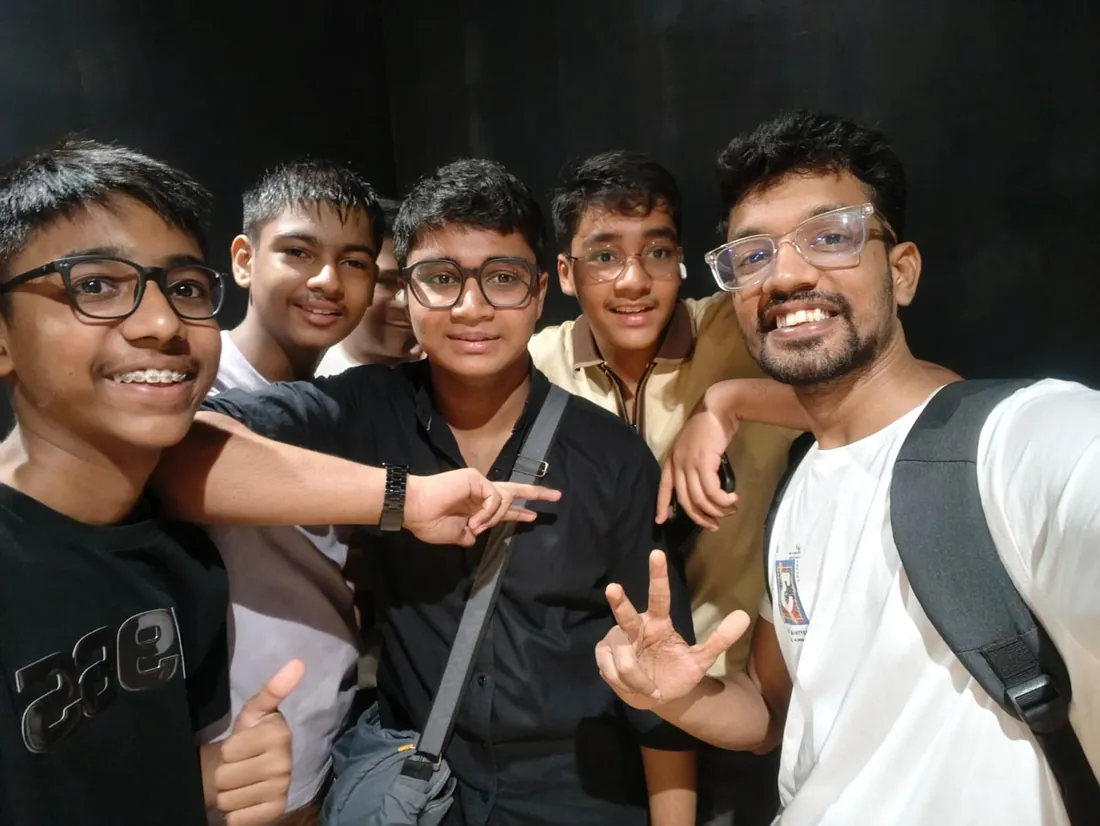
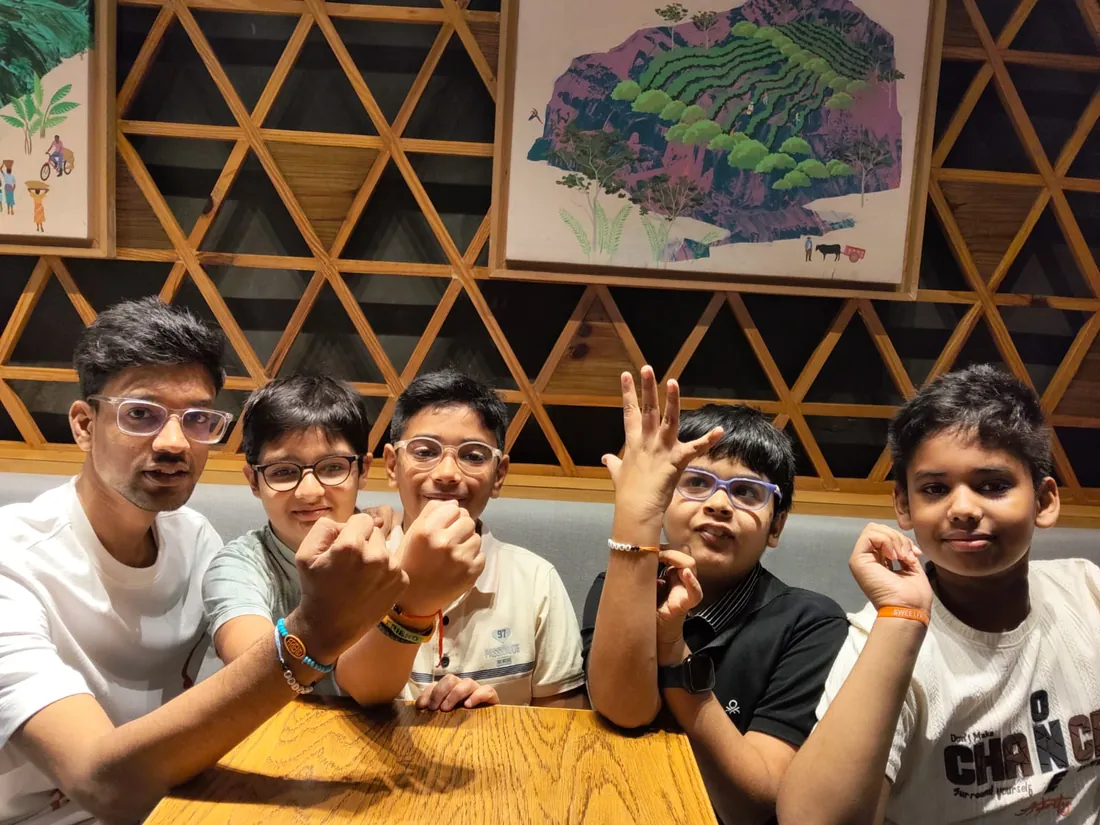
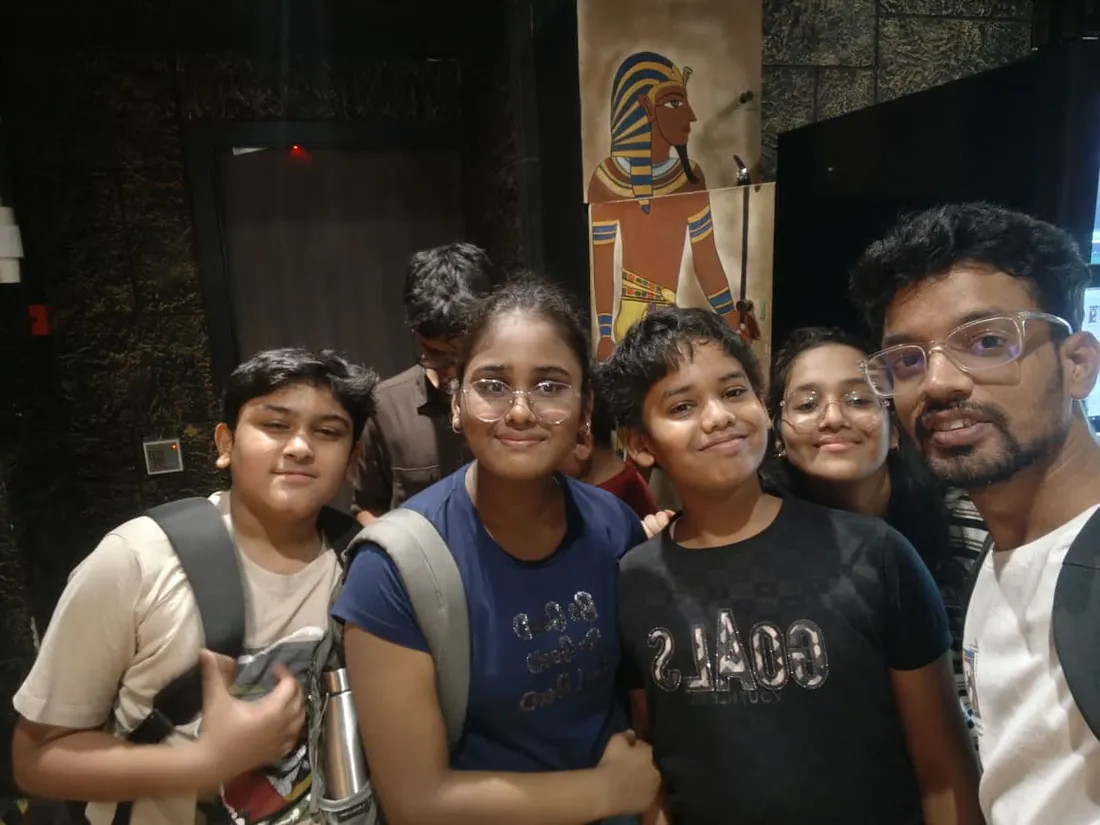
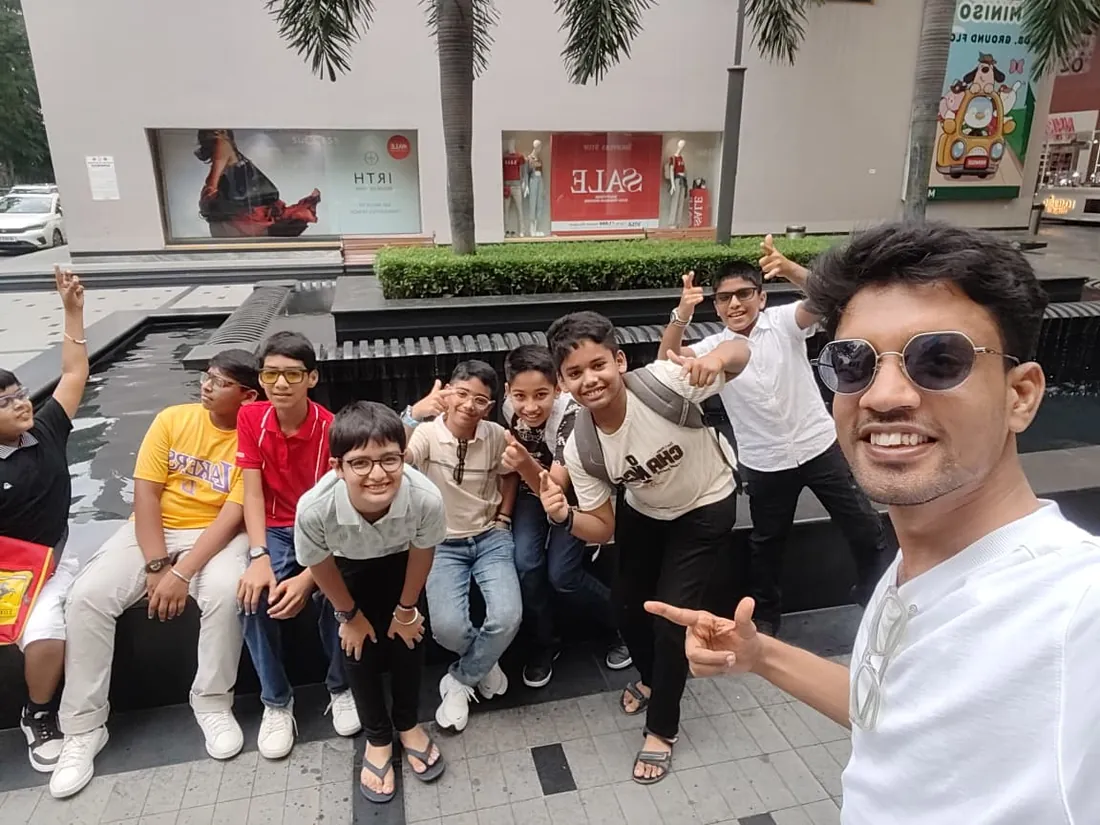
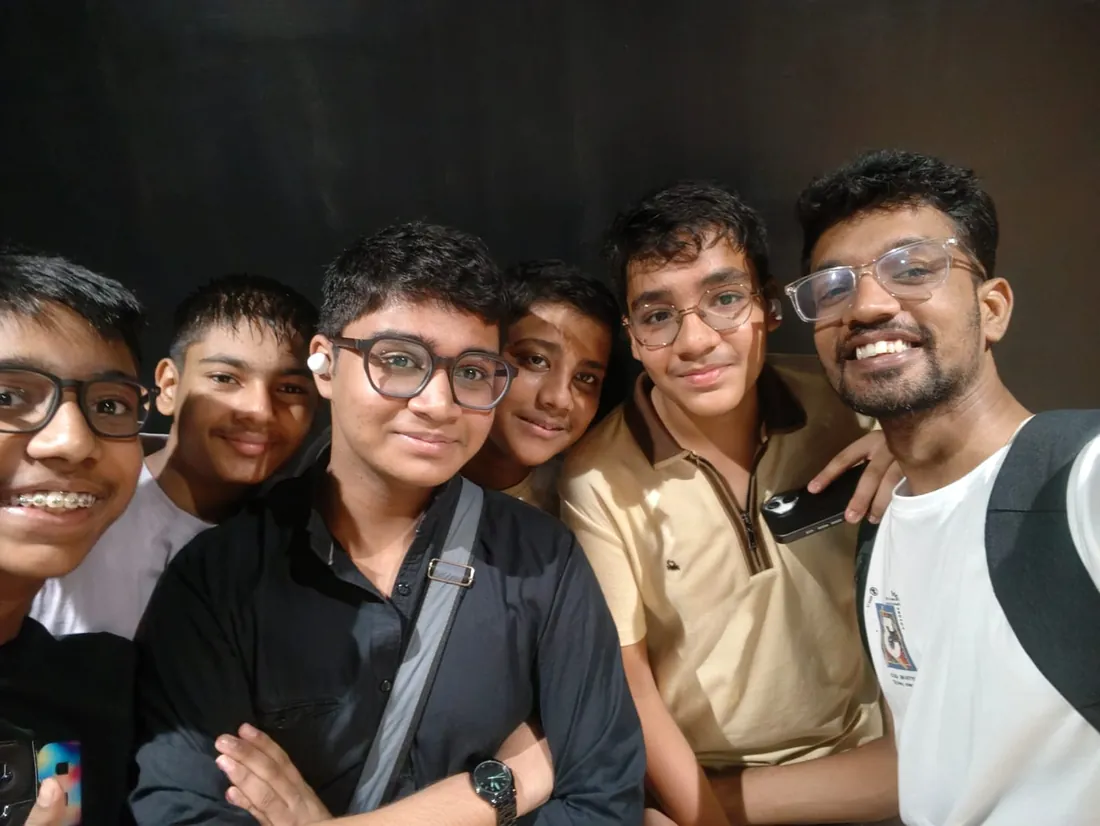
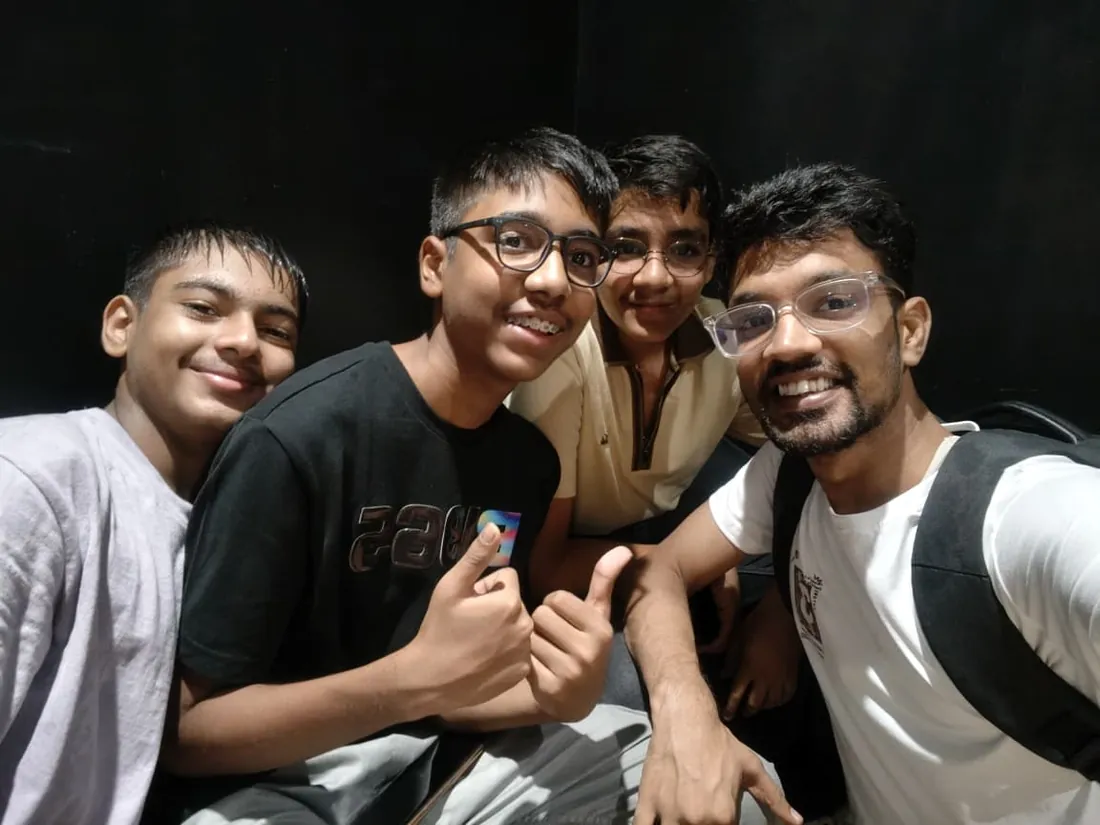
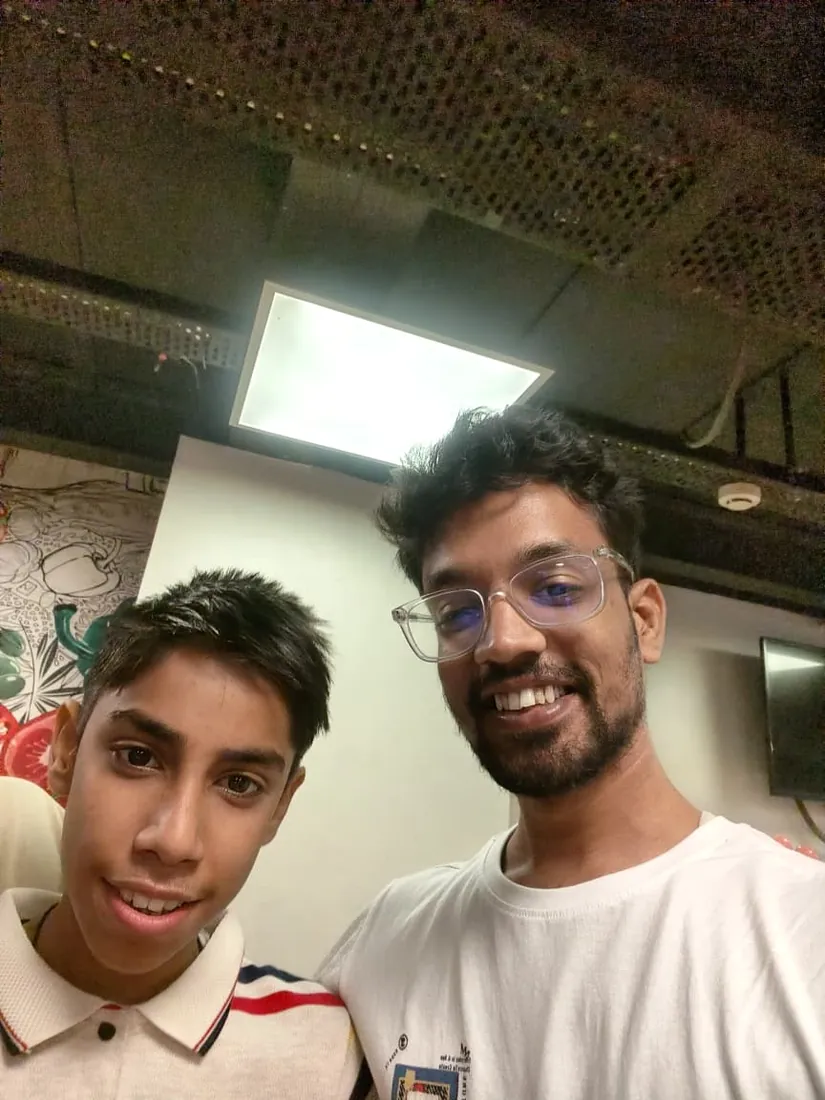
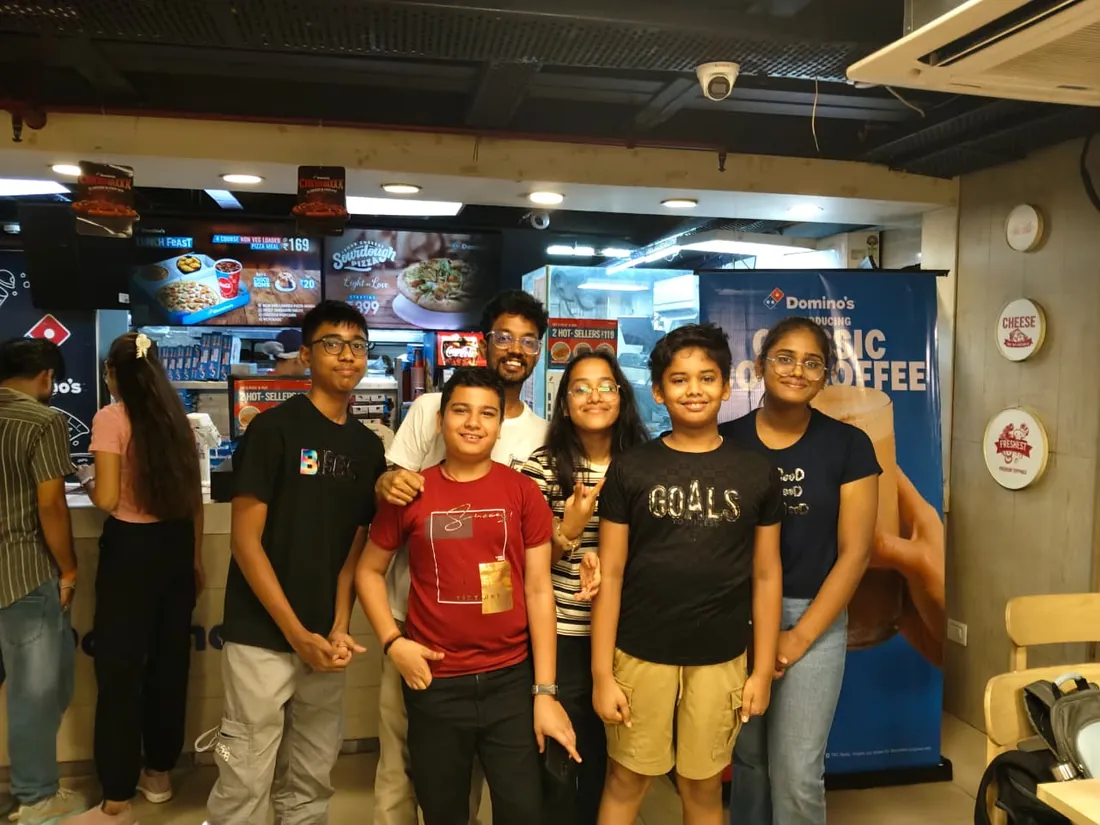
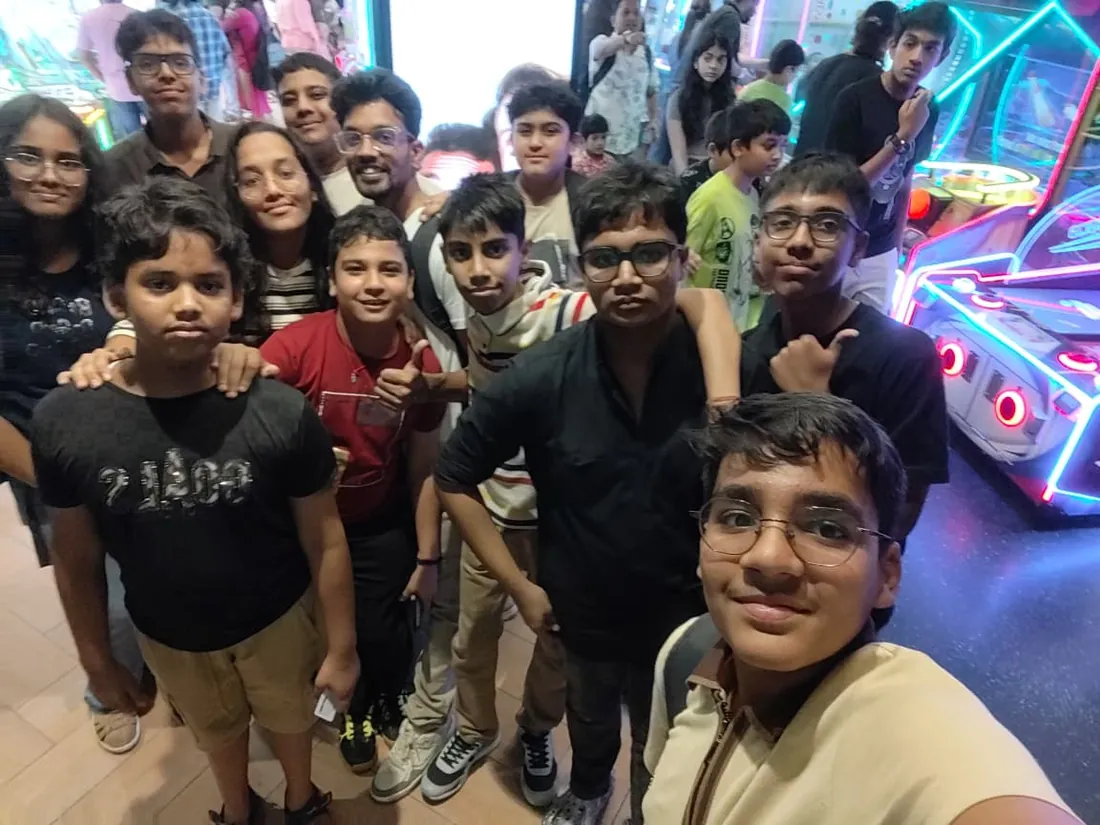
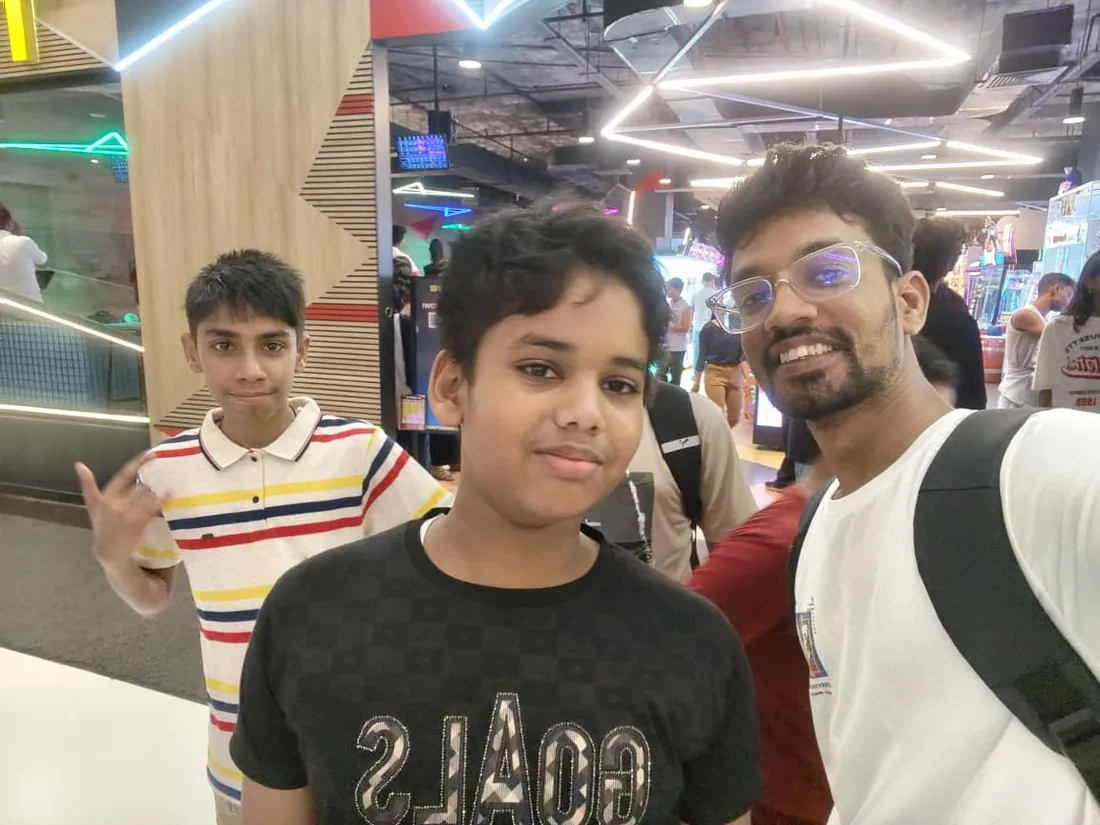
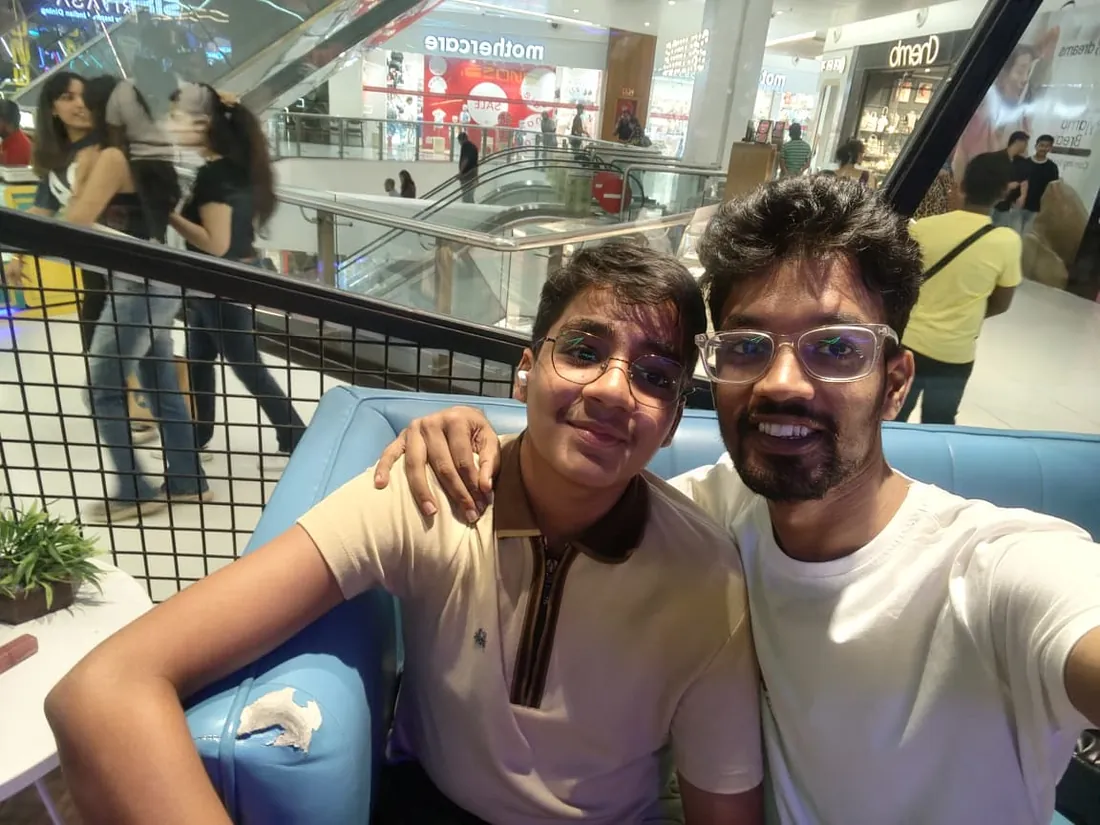
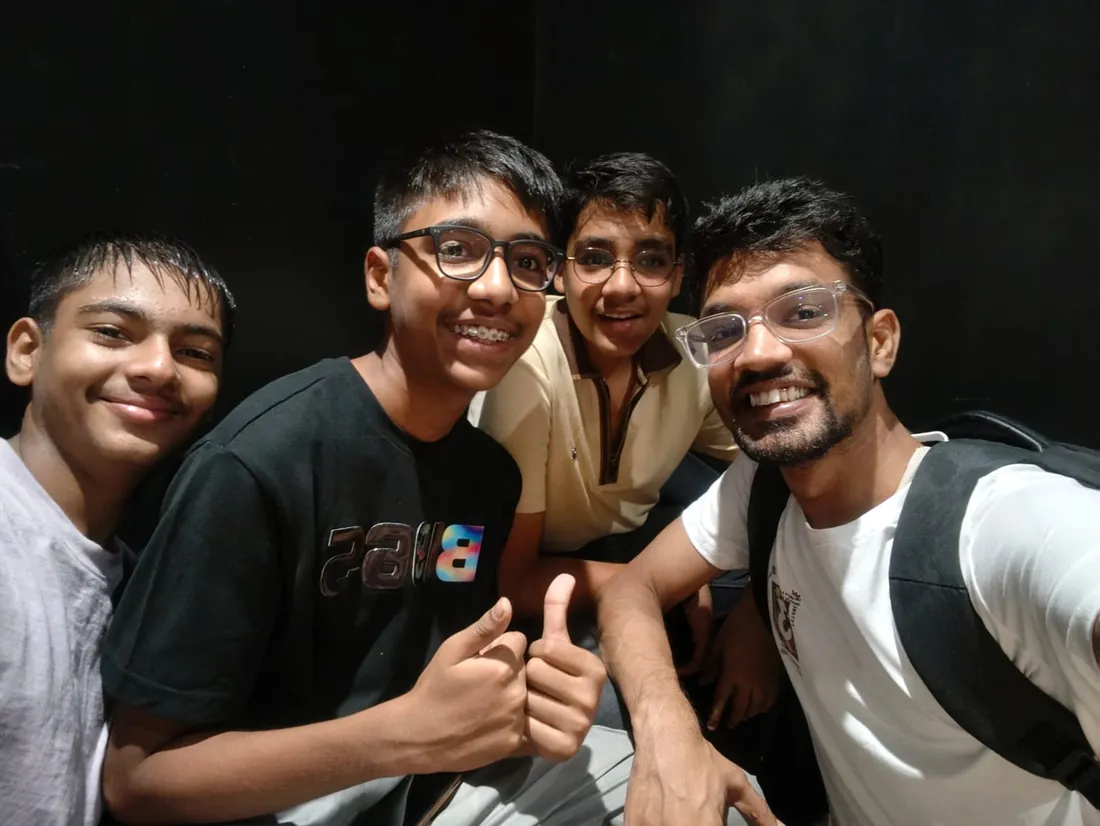
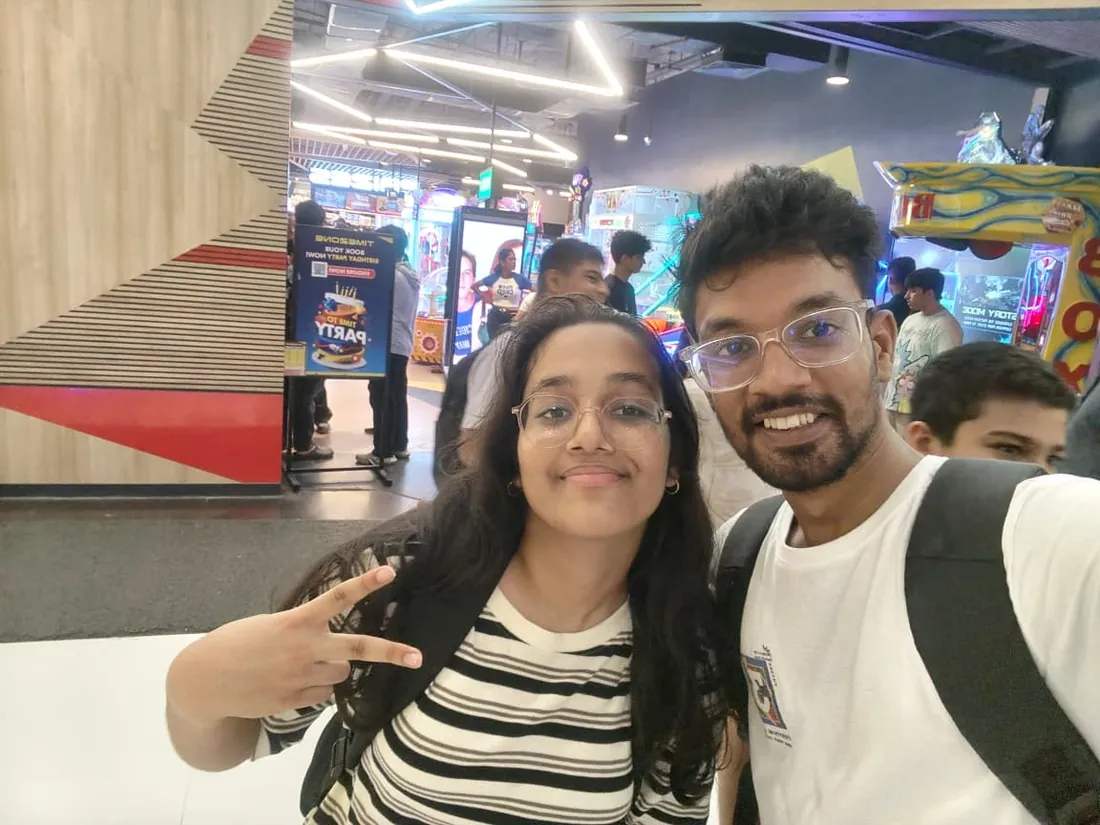
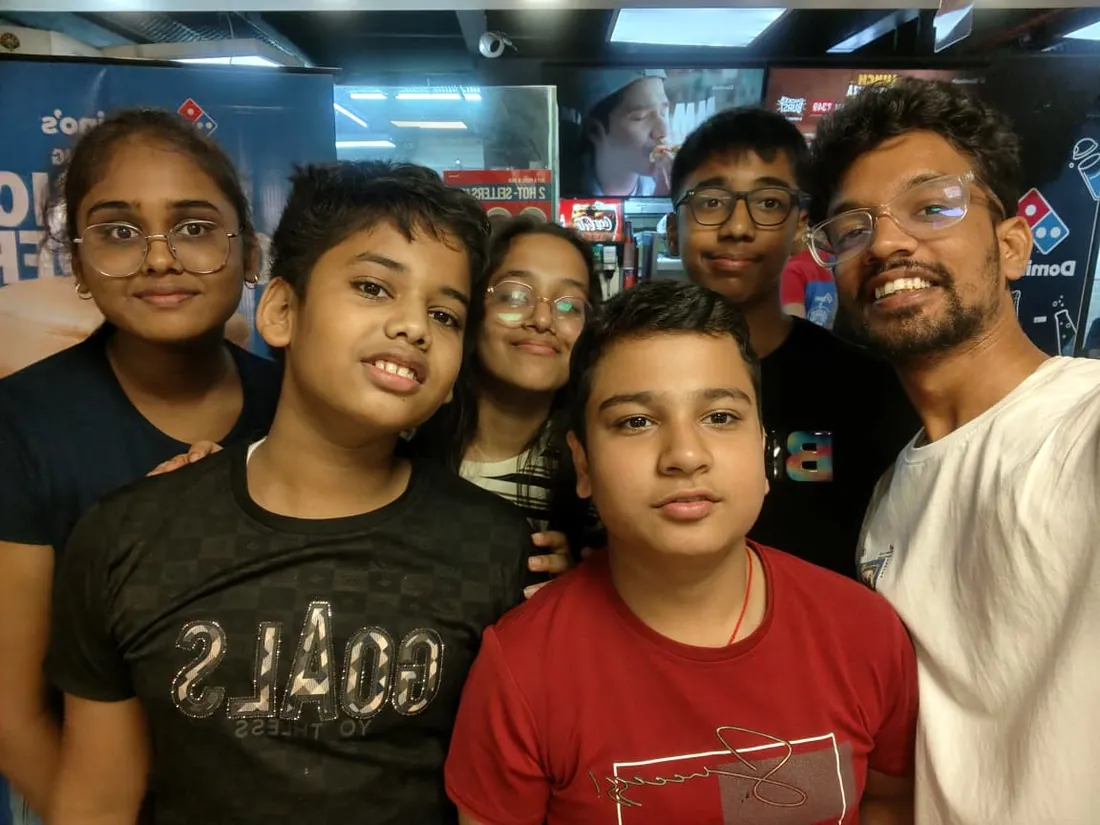
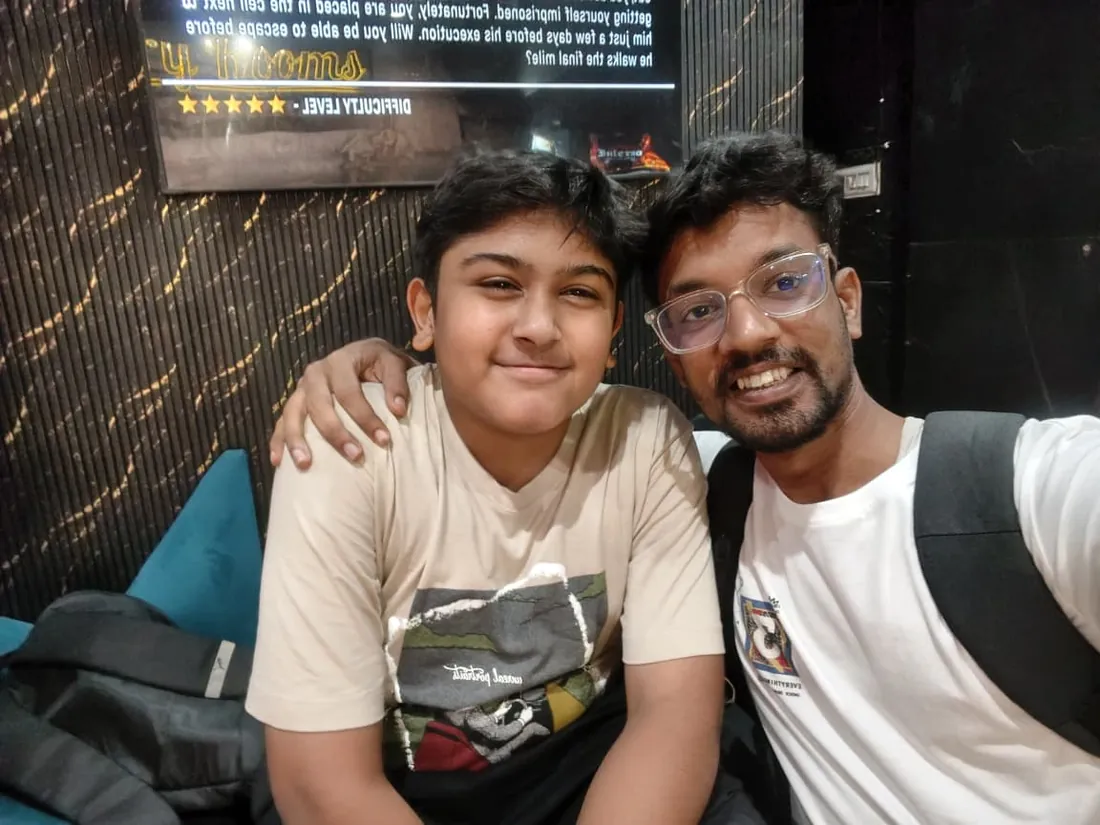
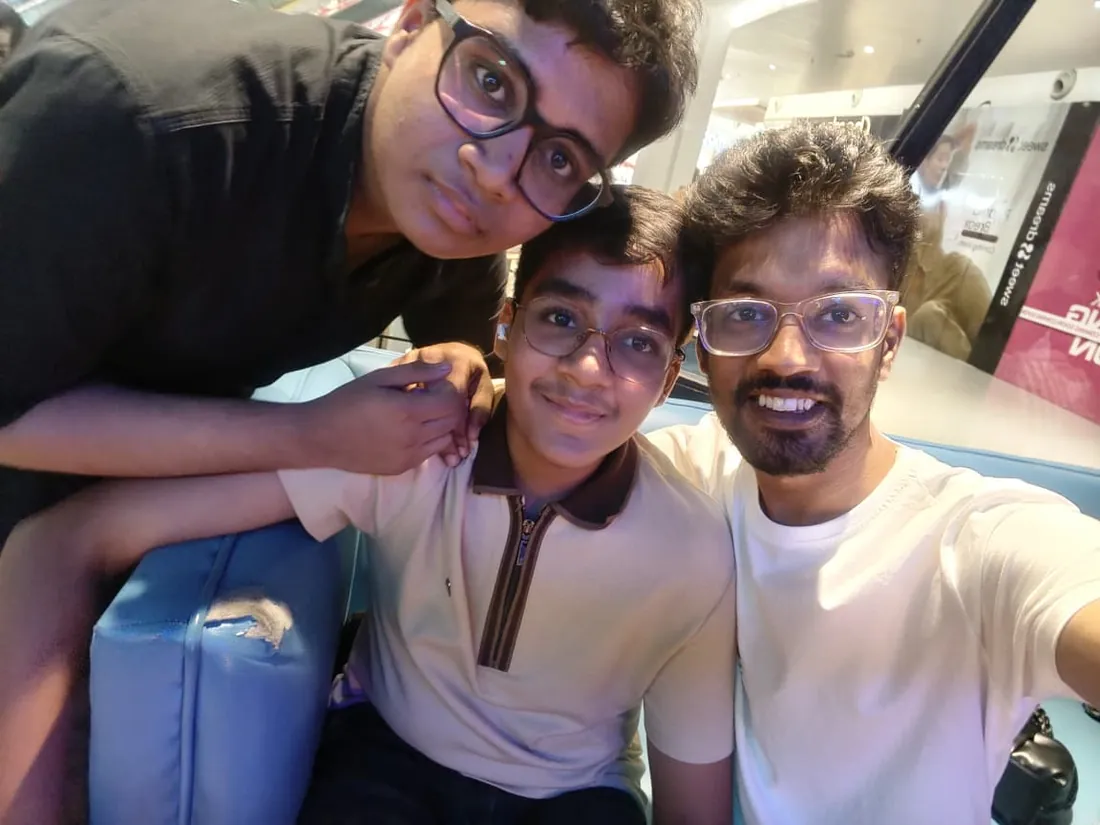
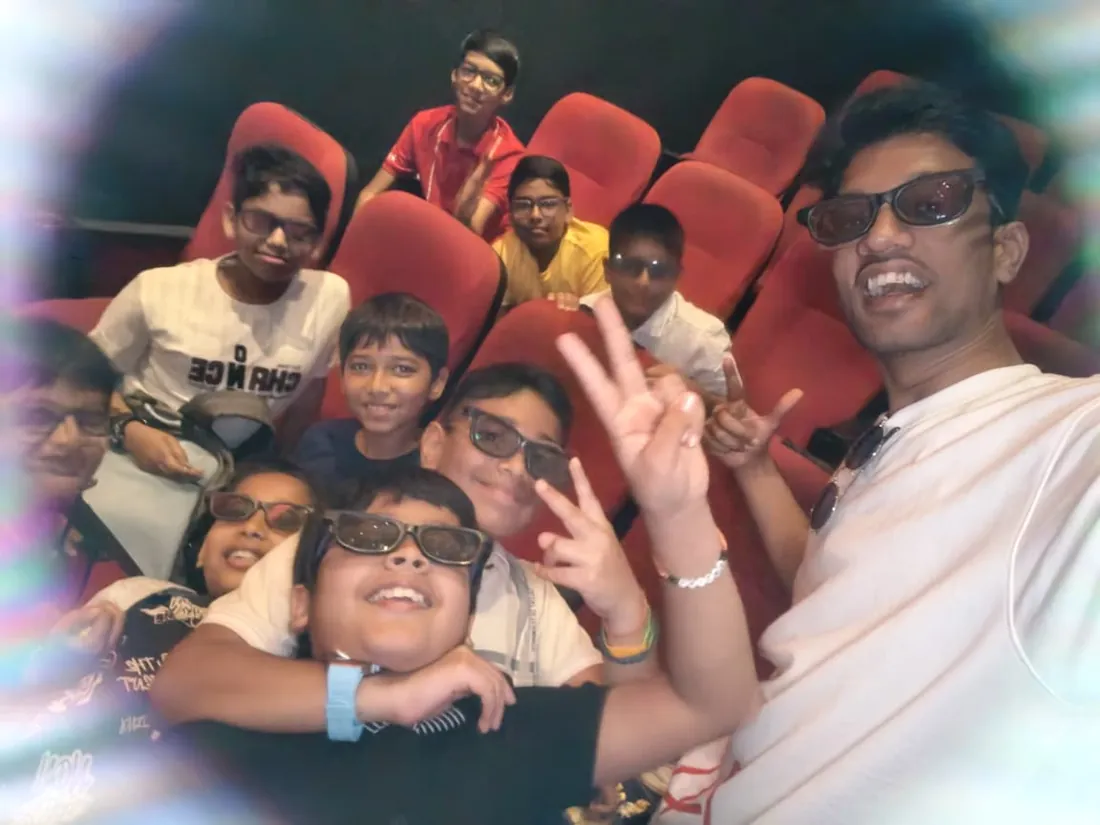
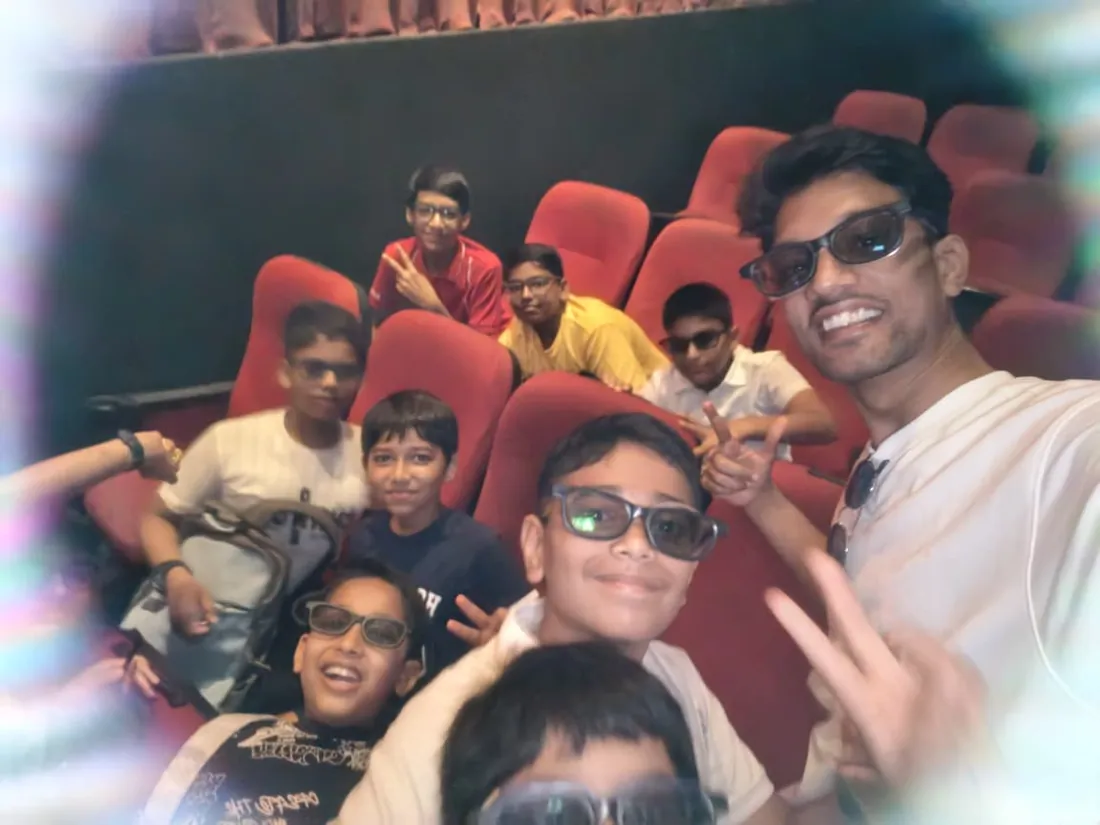
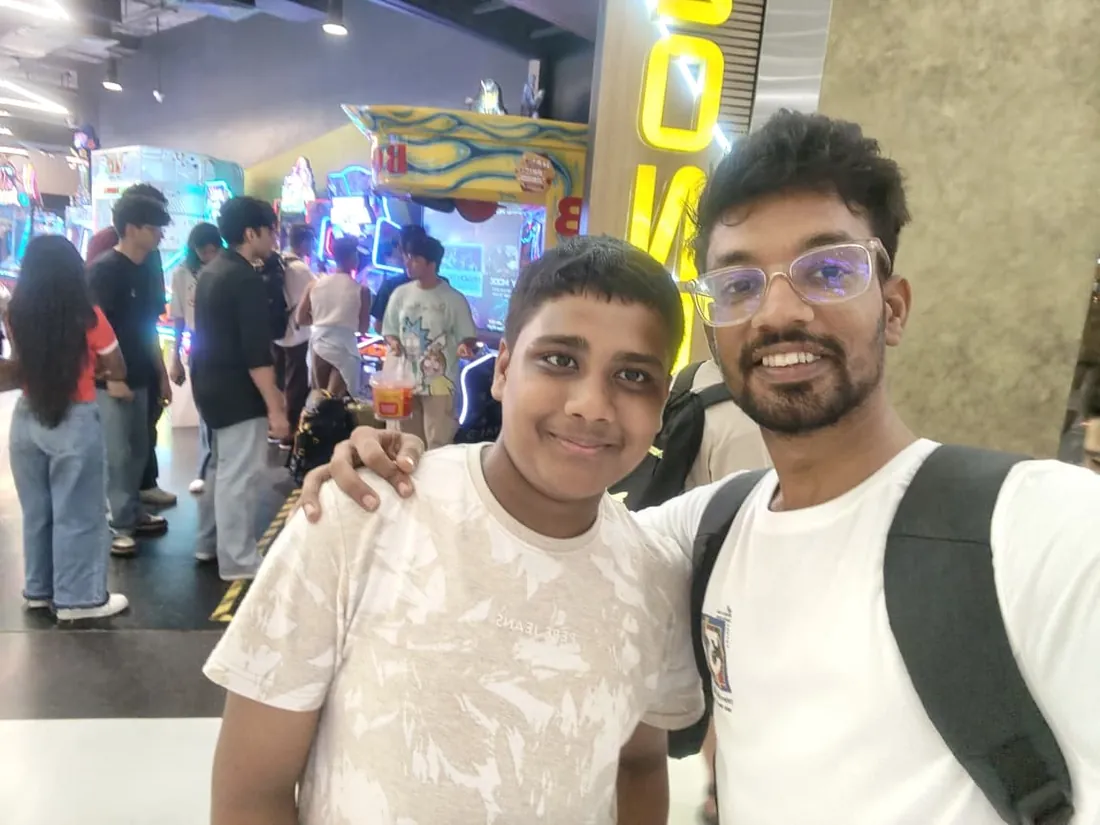
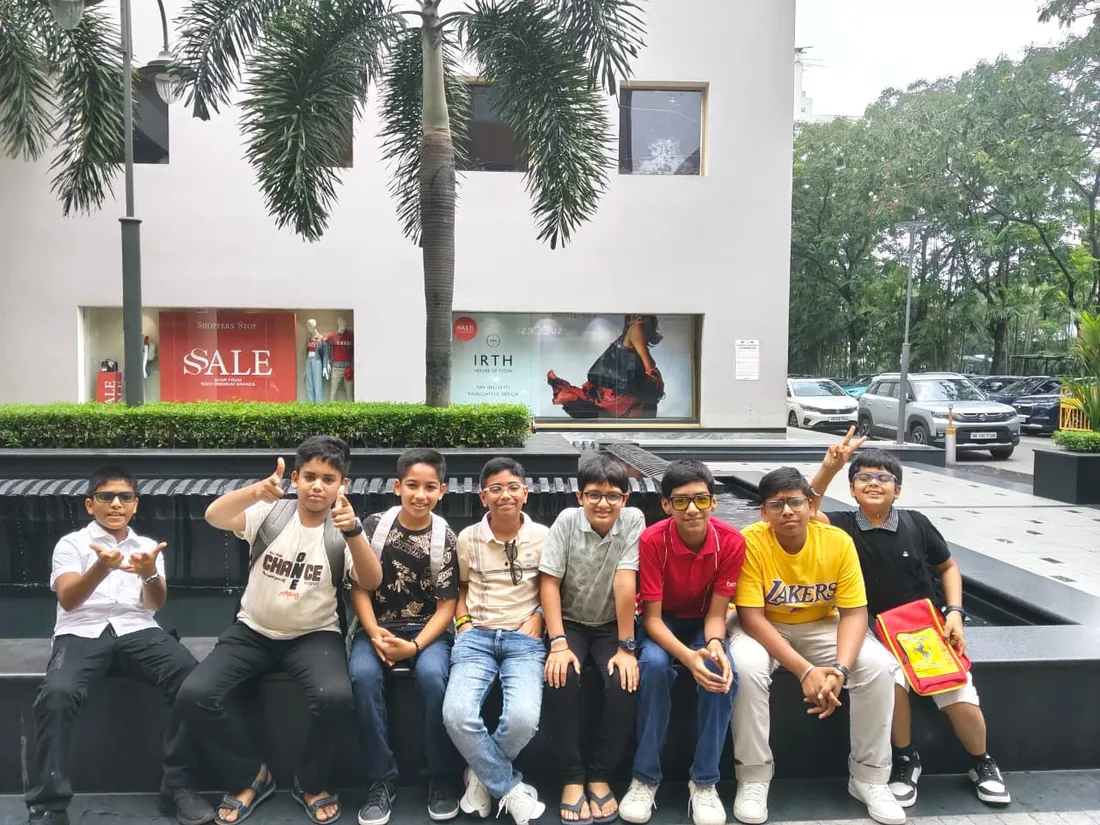
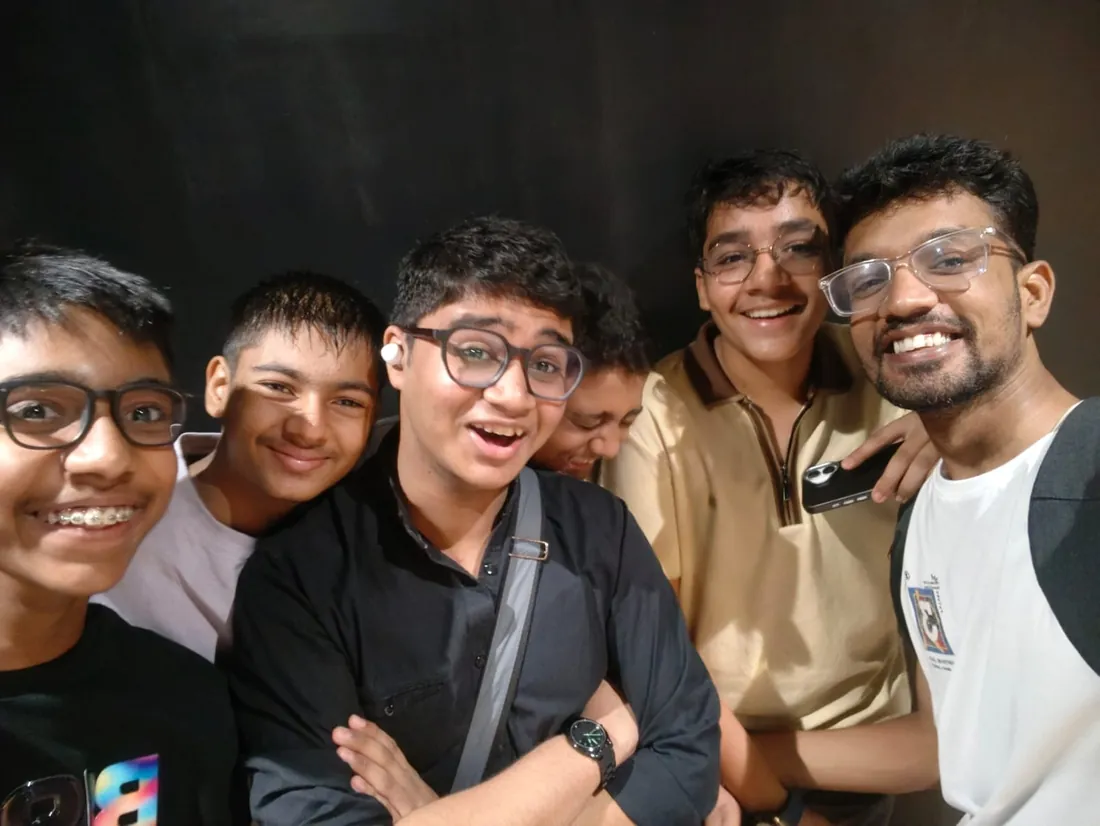
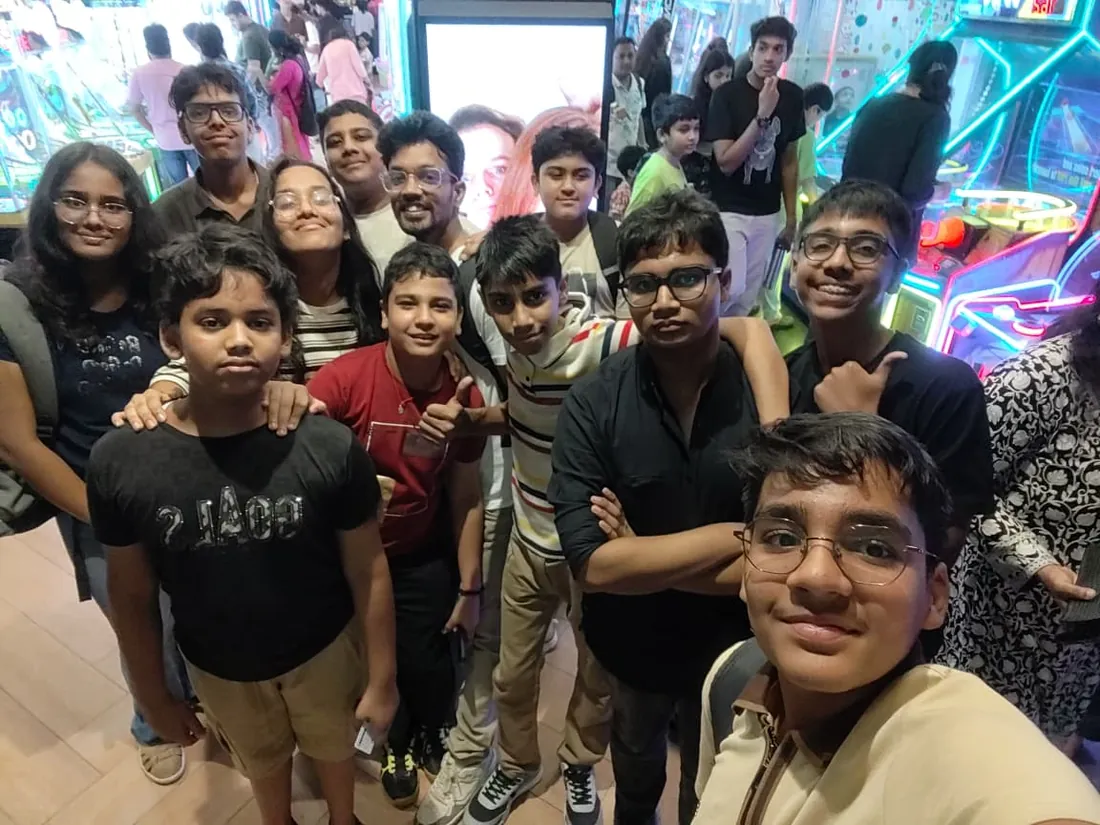
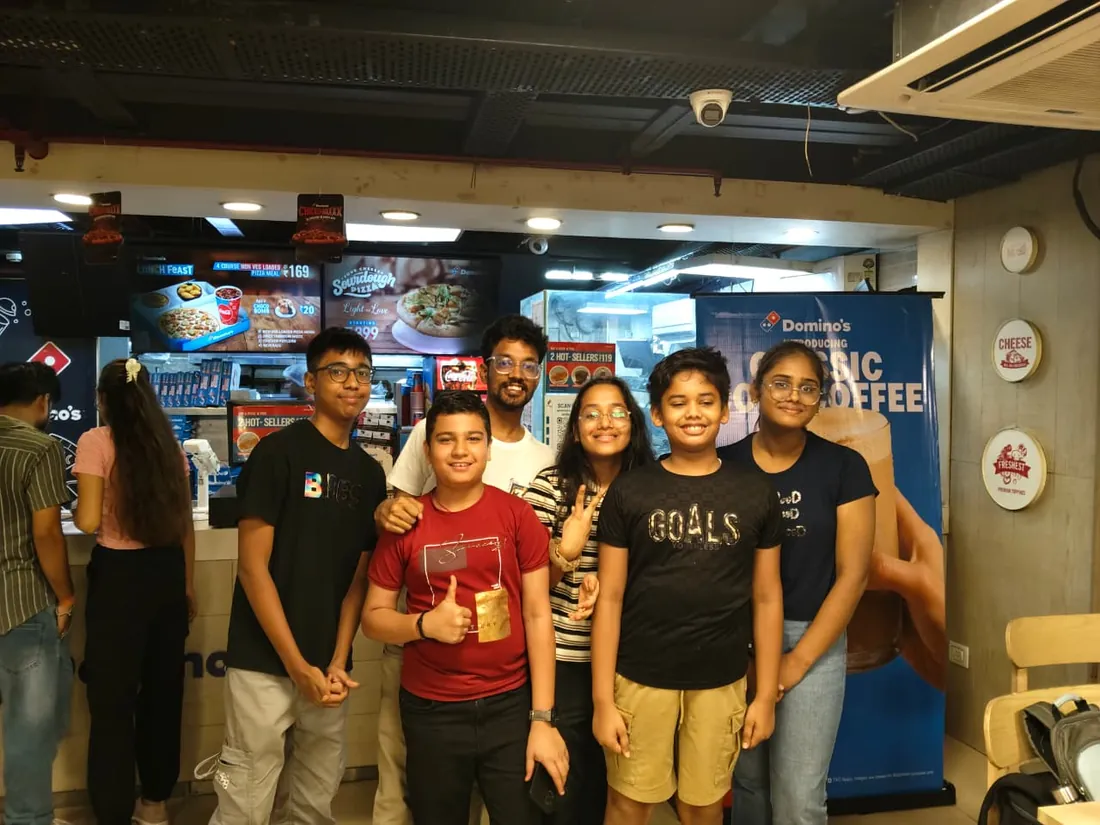
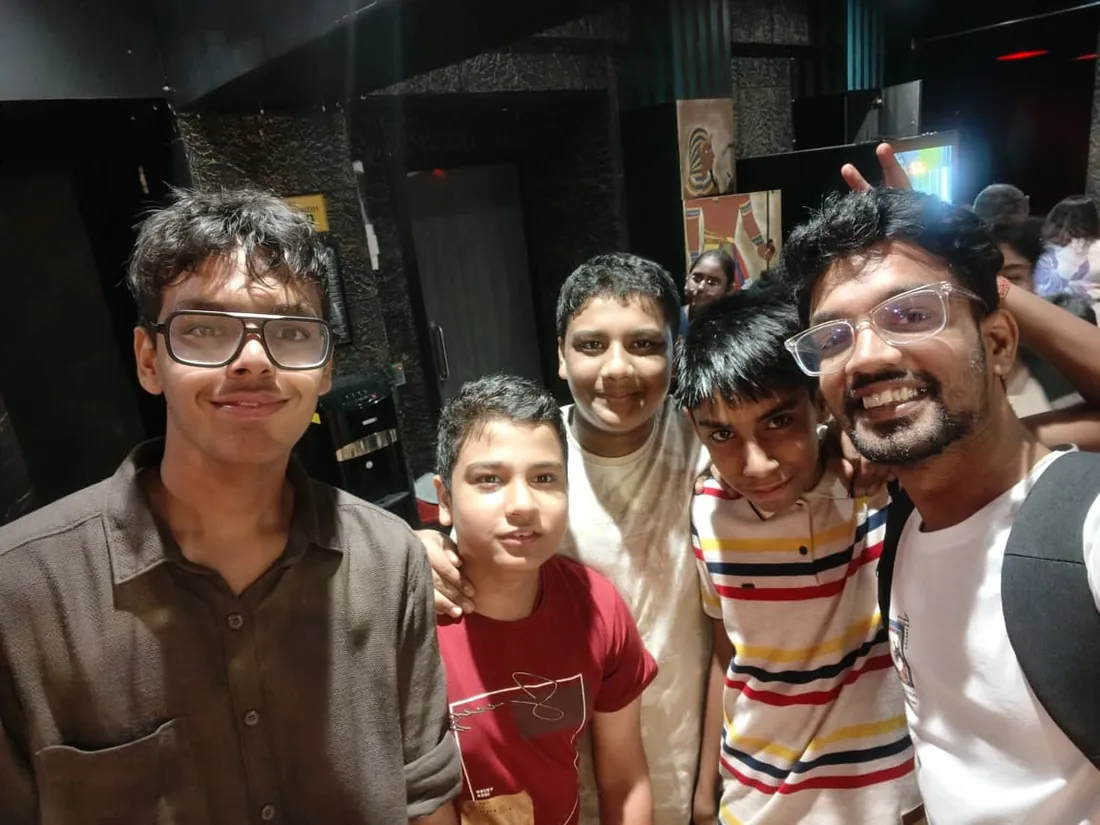
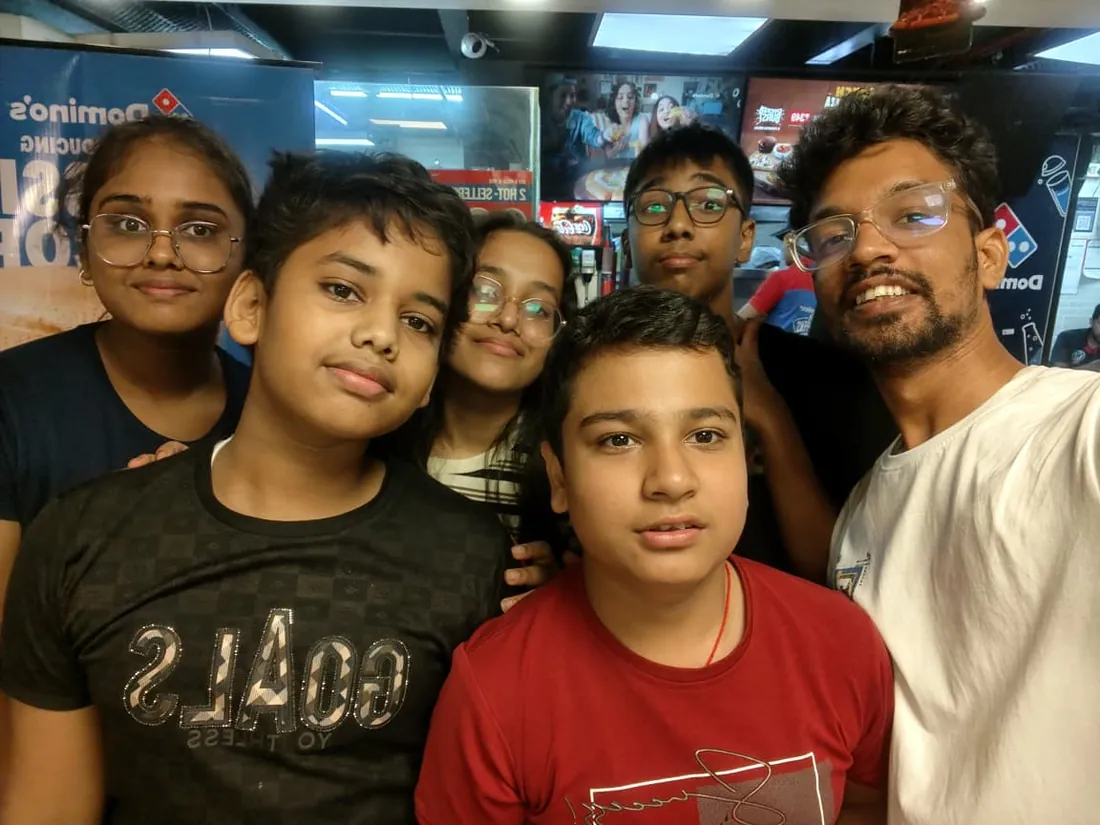
Real students. Real moments. Real joy.
These are our actual student meetups. No stock photos, no filters. Swipe through and meet the community you'll be joining.














What families say
Straight from the parents and students who learn with us. Rated 4.9 across 547 Google reviews.
“Mivaan enjoys the class. He understands the concepts and completes his tasks with excitement. He started taking interest in coding… truly amazing class.”
“I absolutely love it here! I made new friends and learned important valuable coding skills while having the fun of my life. It's not just coding here, it's outings, bonding and most importantly preparing you for your future. Definitely five stars.”
“What stands out most is how excited my son is before every class. He looks forward to learning, problem-solving, and sharing what he's built. I've noticed a big boost in his confidence!”
“Modern Age Coders has been a game-changer for me! I struggled to grasp IT concepts and coding before joining, but their classes transformed everything. I'm now the topper in my class and can confidently write complex programs with ease.”
“Modern Age Coder have wonderful teachers who teach in a clear, easy and practical way. The teacher boosts students' confidence, keeps them updated with technology, and inspires them to learn without hesitation.”
“The one step solution for my son. Modern Age Coders make learning coding so simple that kids love it.”
“Coding classes here make learning very interesting and conceptual. The teachers teach us in a very easy-to-understand and efficient manner.”
“One of the most wonderful education centres out there. Education is not limited to school syllabus but focuses on skill development. Learning here has been a wonderful journey and still continuing.”
“I highly recommend this computer coding class! The teachers are incredibly knowledgeable and passionate about coding. They make every session engaging and insightful.”
“My child Dhairya is really enjoying the Modern Age Coder IT classes. This is his first online class, and he eagerly looks forward to it.”
“Very good classes. Don't worry about coding. They teach the best, especially Shivam sir.”
“Very good classes. Makes learning very easy and interactive.”
Hear it from our students
Real parents and students in their own words, on our public YouTube channel.
Straight answers about CBSE Class 10 Maths Board Prep: Case Studies & Mocks
- Who should take this course?
- CBSE Class 10 students, Standard (041) and Basic (241). It suits cbse class 10 students who want the syllabus finished early and the board pattern practised properly, not crammed; students keeping science or maths streams open for class 11, who need standard (041) depth and proof fluency; students unsure between standard and basic, who want the choice made on test evidence rather than fear.
- What will they learn and build?
- Class 10 is the first year the maths marks travel with the student, and the current board paper rewards more than memorised solutions: roughly half of it is competency-based, case studies, data interpretation and situational problems, alongside about 20 percent MCQs and 30 percent traditional short and long answers. This 10-month live course is built for exactly that paper.
- How deeply are topics covered?
- The course runs 10 months (40 weeks) at 2 live classes/week + 3-4 hours practice, rising to timed papers in the mock phase, across 4 phases listed week by week in the syllabus below. A structured, well-paced curriculum taught step by step, with hands-on practice in every session.
- Who teaches it?
- Modern Age Coders mentors, who teach the live classes themselves. You can watch them at work in the free class recordings before you decide.
- How do practice, feedback and assessment work?
- Classwork every session, a task after every class, monthly reviews that mix in earlier topics, and a full mock paper as the final assessment that decides the certificate: real knowledge and real work, with a free retest after revision if needed. Doubt support between classes over WhatsApp, so you are never left stuck. A certificate you earn by passing the final assessment, with a free retest after revision if needed.
- What does it cost?
- Three monthly plans: a group batch, a mini batch and 1-on-1. Prices are shown in your currency in the plans section. Monthly billing, cancel any time.
- When can classes take place?
- Live classes are scheduled around your week. Group batches meet at a fixed weekly slot; 1-on-1 students choose their own. International students are scheduled in their own timezone. Ask on WhatsApp for the current slots.
- Can I watch the teaching before deciding?
- Yes. Full recordings of real 13 and up classes are free to watch, free with a Google sign-in. These recordings show how we teach, not the exact syllabus of this course. Some classes are in English and some in Hindi; everyone follows at their own pace. Watch a class end to end, like you are in it. Sessions are interactive and each moment builds on the last.
- Can I enroll without a live demo?
- Yes. Choose a plan on this page and enrol directly; a demo is not required. If you would like to see a full class with a mentor first, book a Priority Demo.
- How do I reach you with a question?
- WhatsApp +91 91233 66161, email connect@modernagecoders.com, or call +91 91233 66161. Tell us the student's age and what they have learned so far, and we will point you to the right plan and batch.
Common Questions About CBSE Class 10 Maths Board Prep: Case Studies & Mocks
Get answers to the most common questions about this comprehensive program
Still have questions? We're here to help!
Contact UsRelated Courses You May Like
Continue your learning journey with these recommended programs
 AI Agents & Automation
Build AI Agents with Google Gemini Enterprise
Build AI agents with Google Gemini Enterprise in 16 live 1-on-1 classes: Workflow Builder, connector...
Explore Course AI & Automation
Python Automation Course: Scripting, Scraping & Applied AI
Python automation course for college students and professionals: Python core, web scraping, browser ...
Explore CourseRelated Articles & Guides
Deepen your knowledge with these hand-picked articles
 Mathematics
18 min read
Mathematics
18 min read
Best Online CBSE Maths Tuition for Class 6-12 in India (2026 Guide)
Find the best online CBSE maths tuition for Class 6 to 12 in India. Live 1:1 classes, expert tutors,...
Read Article Programming
11 min read
Programming
11 min read
20 Python Programs for CBSE Class 12 Board Exam (083)
20 Python programs for the CBSE Class 12 Computer Science board exam: functions, text, binary and CS...
Read ArticleReady to start CBSE Class 10 Maths Board Prep: Case Studies & Mocks?
Book a Priority Demo to see a full live class with a mentor reserved for you, today or tomorrow. Or choose a plan and enrol now.
Questions? WhatsApp +91 91233 66161 or email connect@modernagecoders.com