At Modern Age Coders, we don't just teach syntax; we teach thinking. Over years of mentoring thousands of students, we've noticed that mistakes rarely come from a lack of intelligence. They come from rigid mental models and rushing to the answer.
Here are the most common logic traps students fall into, and proven strategies to overcome them.
1 Confusing "Running" with "Working"
Just because your code doesn't crash doesn't mean it's correct. Many students write code that passes one test case but fails spectacularly on edge cases.
Assuming if (x > 0) covers all possibilities, forgetting
that 0 is neither positive nor negative.
Always ask: "What happens if the input is 0? Negative? Huge?" Edge case thinking is the hallmark of a senior programmer.
2 Memorizing Formulas Instead of Deriving Logic
In our Maths Challenges, we often see students trying to plug numbers into a formula they half-remember. This is fragile knowledge that crumbles under pressure.
Blindly applying formulas without understanding the underlying principles. When the problem changes slightly, students are completely lost.
Focus on why the formula works. If you forget the formula but know the logic, you can re-derive it. If you only know the formula, you're stuck.
3 The "Off-By-One" Error
In loops and arrays, counting is deceptively hard. Students often loop one time too many or too few, leading to subtle bugs that are difficult to trace.
Using for i in range(1, n) when you need
range(0, n), or vice versa. Confusing inclusive vs exclusive boundaries.
Remember the fence post problem: A 10-meter fence with posts every 1 meter needs 11 posts, not 10. This logic applies everywhere.
4 Ignoring Data Types
Students frequently mix up integers and floats, or forget that string operations behave differently than numeric ones.
Expecting "5" + "3" to give 8 in JavaScript,
when it actually gives "53".
Always be explicit about types. Use parseInt() or type
conversion. Develop a habit of checking typeof when debugging.
5 Not Reading the Question Completely
In the rush to start solving, students miss crucial constraints or requirements hidden in the problem statement.
Starting to code immediately after reading the first sentence. Missing that the output should be "sorted" or "unique" or within certain bounds.
Read the problem three times before writing any code. Underline or note down all constraints and expected outputs.
6 Confusing = with ==
This classic mistake has haunted developers for decades, confusing assignment with comparison.
Writing if (x = 5) instead of if (x == 5). The
first assigns 5 to x and always evaluates to true.
Use a linter or IDE that warns about this. Some developers use "Yoda
conditions": if (5 == x) will error if you accidentally use =.
7 Not Testing Incrementally
Writing 100 lines of code before running it once is a recipe for confusion. When something breaks, you don't know where to look.
Building an entire feature before testing any part of it. Then spending hours debugging across hundreds of lines.
Test every 5-10 lines. Use print() statements or a debugger.
Build your solution step by step, verifying each piece works before moving on.
8 Showing Off Instead of Truly Learning
We see this all the time. A student learns something new, maybe loops or a cool library, and immediately they want everyone to know. "Look what I can do!" They answer questions in class not to help, but so others think they're smart. The focus shifts from understanding to impressing.
Rushing to appear knowledgeable rather than actually becoming knowledgeable. These students skip the boring fundamentals because they're not "impressive enough" to show off. They collect surface-level tricks but miss the deep understanding.
Real confidence comes from real skill. The best programmers we know are often the quietest. They don't need to prove anything. Focus on understanding, not applause. When you truly get it, people notice anyway.
9 Using AI to Do Homework, Then Claiming "I Did It Myself"
This one hurts to write, but we have to be honest. Some students paste their homework into ChatGPT, copy the answer, and tell their teacher (and parents) they solved it themselves. They might fool others for a while, but they're only fooling themselves in the end.
Getting the assignment "done" without any struggle or thinking. The brain grows when it faces a challenge, when you let AI handle the hard part, your brain gets nothing. You end up with a submitted assignment but zero learning.
AI is a tool, not a replacement for your brain. Struggle first. Try for at least 20-30 minutes on your own. If you're stuck, ask AI to explain the concept, not solve it for you. The struggle is where learning happens.
10 Copying Code Without Understanding the Logic
"It works!" they say, clicking run. But ask them why it works, and they have no idea. They found the code on Stack Overflow or their friend's notebook, pasted it in, and called it learning. The code runs, so they feel like a programmer. But deep down, nothing clicked.
Treating coding like a copy-paste activity. When the same problem appears in a slightly different form, these students are completely stuck. They never built the mental model. They just borrowed someone else's.
Before you copy any code, write it out by hand first (yes, pen and paper). Explain each line to yourself. Ask: "What would happen if I changed this part?" If you can't explain it, you don't understand it.
11 Skipping Practice at Home: "I'll Do It Later"
Class ends. The teacher says, "Practice this at home." The student thinks, "I understood it in class, I'll be fine." Days pass. When they sit for the next class or a test, everything feels vague. That confident feeling from class? Gone. The knowledge never got cemented.
Confusing "I understood it when the teacher explained" with "I can do it on my own." Understanding and doing are completely different things. Without practice, concepts fade within 24-48 hours. This is how memory works.
Practice the same day you learn something new, even just for 15 minutes. Your brain is still warm from class. This small habit makes a massive difference. Don't trust future-you to do it; do it now.
Ready to Train Your Logic?
We built a platform specifically to help you spot these mistakes in a calm, focused environment. Practice daily and watch your skills transform.
Start Today's ChallengeReal student projects
What our students actually build
Every one is a real, live project shipped by a Modern Age Coders student. Explore more in Student Labs.
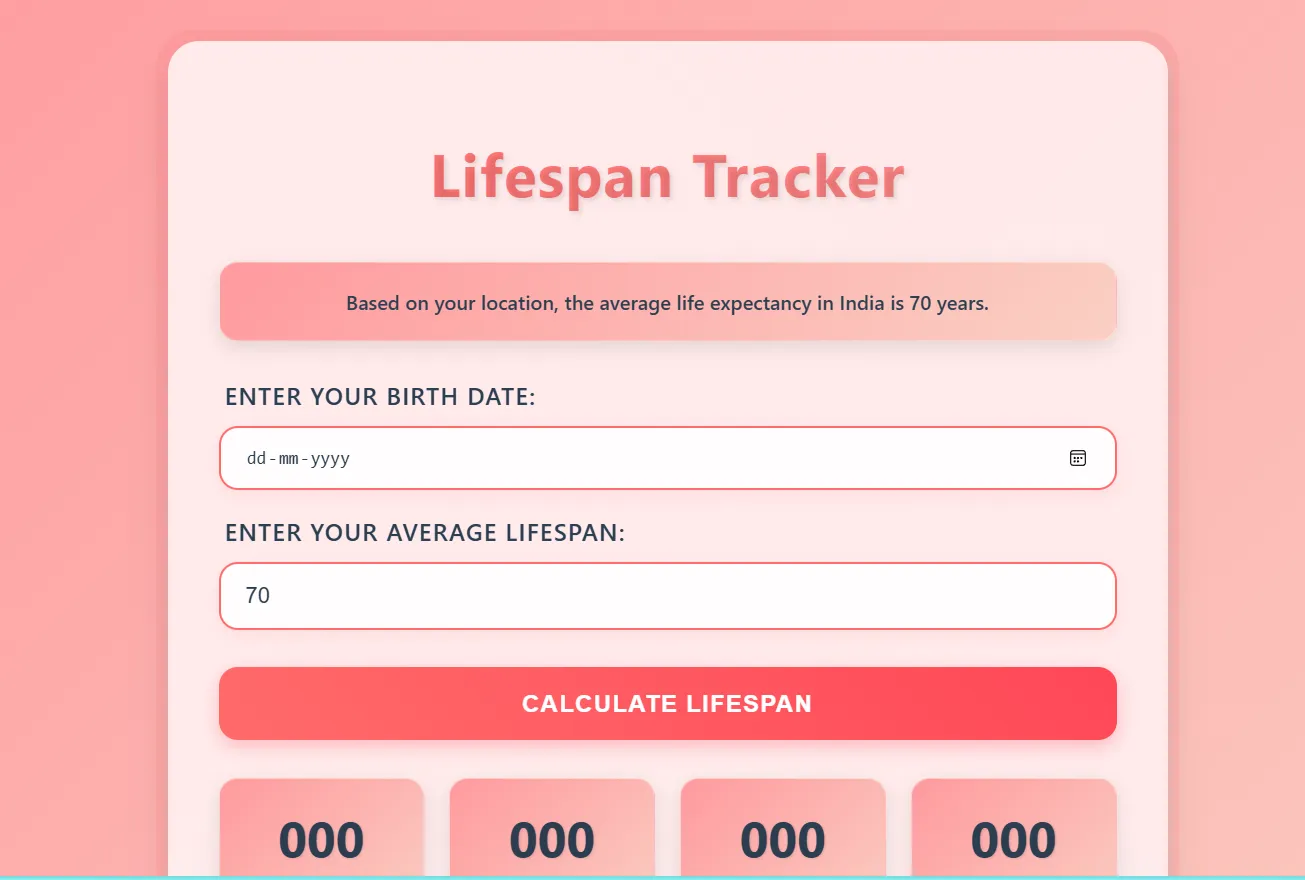 ToolLife Span TrackerAn interactive web tool that calculates expected lifespan, shows days, months and years lived, and visualises remaining time to motivate better habits.by ManayOpen the live project ↗
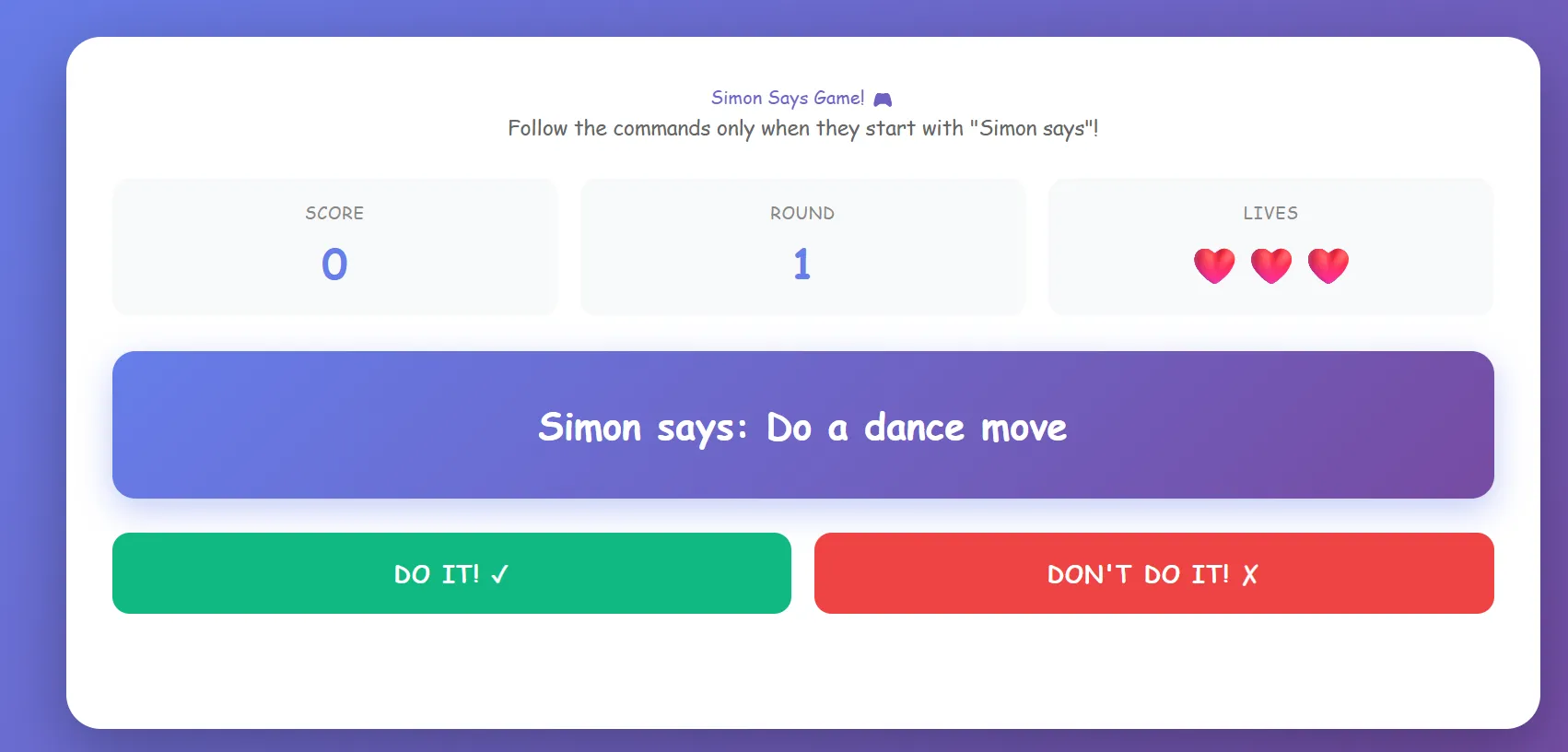 GameSimon GameA fun memory-based game where players repeat colour and sound sequences. Each level adds a new challenge, brain-boosting for kids learning logic and focus.by YashaswiOpen the live project ↗
 ToolImage Slider WebsiteA visually appealing site with a smooth image carousel, auto or manual navigation, responsive layout and beautiful transition effects.by SomrajOpen the live project ↗
Parent & student voices
What our families say
Real, verified reviews from Modern Age Coders families. Read hundreds more on our Wall of Love.
“Very good classes. Don't worry about coding. They teach the best, especially Shivam sir.”
Student
“Coding classes here make learning very interesting and conceptual. The teachers teach us in a very easy-to-understand and efficient manner.”
Student
“The classes are excellent. The teachers explain concepts very clearly and make code fun and easy to understand. The sessions are interactive and fun. They also help students boost their confidence. We not only focus on academics, but also on logic building and problem solving.”
Parent