GCSE Mathematics Mastery
Foundation to grade 5 secure, Higher to grade 9, taught for understanding, trained for the papers.
Syllabus updated August 2026
Questions? WhatsApp +91 91233 66161 or email connect@modernagecoders.com
Recordings are free with a Google sign-in. These recordings show how we teach, not the exact syllabus of this course.
Our promise
The world's best learning experience, open to everyone.
- World-class instructorsEvery class is taught by an instructor who specialises in that exact field.
- No compromise on qualityEvery lesson, project and piece of feedback is held to the highest standard.
- Education for everyoneLearners aged 6 to 67, from first-time beginners to working professionals, in 25+ countries.
If you want the highest quality, Modern Age Coders is the right choice.
Book a Priority DemoHow long this course takes
This course runs 18 months (72 weeks), joinable any month at 2 live one-hour classes per week + weekly past-paper work. The range allows for background and pace: a complete beginner uses the full span, and a student with prior knowledge finishes sooner. The syllabus below is planned to the shorter end, with margin kept for revision.
For personalised duration planning, call +91 91233 66161 and we'll map a schedule to your goals.
At a glance
- Who it is for
- Years 9-11 GCSE students, Foundation and Higher tiers, plus resit candidates.
- Prerequisites
- Years 9-11 GCSE students (AQA, Edexcel or OCR), or post-16 resit candidates
- Format
- Live, interactive classes with a real instructor, never pre-recorded videos. Live classes run about one hour.
- Language
- English or Hindi, depending on the batch.
- Duration
- 18 months (72 weeks), joinable any month
- Weekly commitment
- 2 live one-hour classes per week + weekly past-paper work
- Class size
- Group batches of 5 to 10 students, mini batches of 3 to 4, or 1-on-1.
- Certificate
- Course completion certificate + documented paper-score progression
- Watch first
- Free recordings of real classes for ages 13 and up, free with a Google sign-in. These recordings show how we teach, not the exact syllabus of this course.
- Live demo
- Optional. Enrol directly on this page, or book a Priority Demo: a full live class of about 45 to 60 minutes with a mentor reserved for you.
- Questions
- WhatsApp +91 91233 66161 or email connect@modernagecoders.com.
How we teach
Deep understanding. Real projects. Expert guidance.
Learn coding, AI and maths through careful explanations, practical demonstrations, and hands-on problem-solving. Our instructors guide you from the foundations to advanced ideas, helping you understand what happens, why it happens, and how to build it yourself.
You will explore concepts step by step, write and improve code, investigate mistakes, ask questions, and apply your knowledge to meaningful projects. Lessons are designed around active participation, thoughtful feedback, and growing independence.
Expert-led live teaching, with practical participation built into every lesson.
- Students explain their thinking.
- Instructors demonstrate, then guide practice.
- Learners code, solve, or build during lessons.
- Questions and misconceptions get attention.
- Assignments receive useful feedback.
- Progress is checked before advancing.
How to join GCSE Maths: Foundation & Higher (9-1), AQA, Edexcel, OCR
Four steps from this page to the first class. See a full class first with a Priority Demo, or choose a plan and enrol today.
Rated 4.9 across 547 Google reviews. Monthly billing, cancel any time.
How enrolment works
See a full class first (optional)
Book a Priority Demo: a live class of about 45 to 60 minutes with a mentor reserved for you, today or tomorrow. After the class the mentor sends a written skill report and a personal learning roadmap on WhatsApp. If you enrol, the demo fee is adjusted against your first month's fee. Share your demo Order ID with us on WhatsApp and we take it off.
Book a Priority DemoDemo fee ₹499Choose a plan
Group batch (5 to 10 students), mini batch (3 to 4 students, India only) or 1-on-1 with your own mentor. Every plan is live online, and each class runs about one hour. The cards below show classes per week and the monthly fee in your currency.
Enrol and pay the first month
Press Enrol Now on your plan, fill in the student's name, email and phone, and pay through secure Razorpay checkout: UPI, cards or net banking in India, and debit or credit card from any other country.
Fix your class timings
After payment, message us on WhatsApp or call +91 91233 66161 with the student's name, the course and your preferred time slot. We confirm the batch, send the class link and schedule the first class at your chosen time.
Billing is monthly and you can cancel any time.
International Students (Outside India)
Billed monthly in US dollars, the same price in every country. Contact us with any questions.
Questions before you enrol? Talk to our team.
Ask about class timings, the right level for your child, what they need to know already, or payment. Parents and adult learners can reach us on WhatsApp, by email or by phone.
Program Overview
An 18-month live program for GCSE mathematics across AQA, Edexcel and OCR, at Foundation or Higher tier. GCSE maths is three papers, one strictly non-calculator, with grades that gatekeep sixth form, apprenticeships and A-Level maths. This course teaches the syllabus understanding-first (so the mock slide of year 11 never happens), trains bare-hands fluency for Paper 1 in every class, brings the Higher-tier grade 7-9 topics in early enough to settle, and converts it all into marks through past-paper cycles against your exact board's mark schemes.
What Makes This Program Different
- Board-exact: AQA, Edexcel or OCR confirmed first, and every past paper comes from your board
- Tier-honest: evidence for Foundation-vs-Higher decisions, and a real runway from grade 4-risk to 6-secure, or 6 to 9
- Non-calculator Paper 1 fluency drilled in every class
- The grade 7-9 separator topics taught months early so they settle instead of being crammed
- Mark-scheme literacy: method marks, working discipline and the plus-minus habits that stop point leaks
- Understanding-first teaching: algebra as a language, so re-framed exam questions do not break the student
- One dedicated mentor across the whole GCSE run, a full interactive hour, twice a week
- Resit candidates welcome, with a compressed evidence-led plan
Your Learning Journey
Career Progression
Detailed Course Curriculum
Explore the complete week-by-week breakdown of what you'll learn in this comprehensive program.
Full diagnostic: board confirmed, tier fit assessed honestly, non-calculator fluency and algebra base measured
Topics Covered
- Exam board confirmed: AQA, Edexcel or OCR
- Foundation versus Higher tier fit assessed honestly
- Non-calculator fluency screen
- Algebra base measured
- Number and ratio accuracy audit
- Honest starting-grade picture
Practice & Assignments
A mixed non-calculator and algebra diagnostic set sized to the suspected tier.
Assessment
Baseline grade estimate with a written tier recommendation and a topic-priority map.
Fractions, decimals and percentages to fluency, Paper 1's exact territory, with estimation as a checking habit
Topics Covered
- The four operations with fractions
- Decimal calculations without a calculator
- Percentage of, increase, decrease and reverse
- Converting between the three forms
- Estimation and rounding as a check
- Paper 1 non-calculator territory
Practice & Assignments
A non-calculator FDP set with estimation checks on every answer.
Ratio and proportion reasoning: the best-buy, recipe and map-scale families
Topics Covered
- Sharing in a given ratio
- Best-buy and value comparisons
- Recipe scaling problems
- Map-scale and unit conversions
- Direct proportion reasoning
- Linking ratio to fractions
Practice & Assignments
Ratio and proportion questions across the best-buy, recipe and map-scale families.
Indices, standard form and bounds; error intervals done with meaning
Topics Covered
- Index laws with integer and negative powers
- Standard form and its arithmetic
- Upper and lower bounds
- Error intervals and truncation
- Rounding to significant figures
- Bounds applied in calculations
Practice & Assignments
An indices, standard-form and bounds set including error-interval questions.
Expressions, expansion and factorisation with the area model underneath
Topics Covered
- Simplifying and collecting like terms
- Expanding single and double brackets
- The area model behind expansion
- Factorising into brackets
- Common-factor extraction
- Algebraic notation discipline
Practice & Assignments
An expand-and-factorise set anchored by area-model diagrams.
Linear equations and inequalities read as sentences; rearranging formulae
Topics Covered
- Solving linear equations step by step
- Equations with brackets and fractions
- Solving and representing inequalities
- Number-line representation of solutions
- Rearranging formulae to change the subject
- Reading an equation as a sentence
Practice & Assignments
Linear equation, inequality and rearrangement questions with worded contexts.
Straight-line graphs: gradient as rate, y = mx + c as a story; real-life graphs read critically
Topics Covered
- Plotting straight-line graphs
- Gradient understood as a rate
- y = mx + c as intercept and slope
- Finding the equation of a line
- Parallel and intersecting lines
- Reading real-life graphs critically
Practice & Assignments
Straight-line graph questions plus interpretation of a real-life rate graph.
Simultaneous equations by structure; sequences and the nth term
Topics Covered
- Simultaneous equations by elimination
- Simultaneous equations by substitution
- Choosing a method by structure
- Linear sequences and the nth term
- Finding and using the nth term rule
- Special sequences and patterns
Practice & Assignments
A simultaneous-equations and nth-term set graded by structure.
Angle reasoning with justification language: parallel lines, polygons, bearings
Topics Covered
- Angles on lines and around points
- Parallel-line angle rules
- Interior and exterior angles of polygons
- Bearings and direction problems
- Stating a reason for every step
- Multi-step angle chains
Practice & Assignments
Angle problems requiring named reasons, including bearings.
Area, perimeter and volume including compound shapes; Pythagoras from a picture
Topics Covered
- Area and perimeter of standard shapes
- Compound and composite shapes
- Volume and surface area of solids
- Pythagoras derived from a picture
- Applying Pythagoras in context
- Units for length, area and volume
Practice & Assignments
A mensuration set combining compound shapes and Pythagoras problems.
Averages, charts, scatter graphs and correlation, data read like a sceptic
Topics Covered
- Mean, median, mode and range
- Averages from frequency tables
- Bar charts, pie charts and pictograms
- Scatter graphs and lines of best fit
- Correlation and its limits
- Reading data critically
Practice & Assignments
A statistics set interpreting charts and a scatter graph with commentary.
Phase checkpoint: a full Foundation-standard paper under timing, reviewed against the mark scheme
Topics Covered
- Full Foundation-standard paper under timing
- Mark-scheme review of every question
- Method-mark awareness introduced
- Error log started from the checkpoint
- Timing across a full paper
- Presentation and working discipline
Practice & Assignments
A complete Foundation-standard paper sat to time, then self-marked.
Assessment
Foundation-standard checkpoint paper marked against the real mark scheme, opening the error log.
Quadratics by factorising, completing the square and the formula, chosen by structure
Topics Covered
- Solving by factorising
- Completing the square
- The quadratic formula
- Choosing the method by structure
- Roots and their meaning
- Higher-tier quadratic manipulation
Practice & Assignments
A quadratics set requiring choice of factorising, completing the square or the formula.
Quadratic graphs, turning points and real contexts; quadratic inequalities (Higher)
Topics Covered
- Sketching quadratic graphs
- Turning points by completing the square
- Roots, intercepts and symmetry
- Quadratics in real contexts
- Quadratic inequalities (Higher)
- Reading a parabola for information
Practice & Assignments
Quadratic-graph questions including a Higher-tier quadratic inequality.
Function notation, composite and inverse functions, where half the function marks are lost
Topics Covered
- Function notation and evaluation
- Composite functions and order
- Inverse functions and how to find them
- Domain and range awareness
- Common function-mark traps
- Functions read as meaning
Practice & Assignments
A functions set focused on composite and inverse questions.
Graph transformations, cubic and reciprocal graphs; algebraic fractions (Higher)
Topics Covered
- Translations and reflections of graphs
- Cubic and reciprocal graph shapes
- Recognising graphs from equations
- Simplifying algebraic fractions (Higher)
- Adding and subtracting algebraic fractions
- Solving equations with algebraic fractions
Practice & Assignments
Graph-transformation questions plus a Higher-tier algebraic-fractions set.
Right-triangle trig consolidated; exact trig values for Paper 1
Topics Covered
- Sine, cosine and tangent ratios
- Finding sides and angles in right triangles
- Choosing the correct ratio
- Exact trig values for Paper 1
- Trig in worded and 2D contexts
- Non-calculator trig fluency
Practice & Assignments
Right-triangle trig questions including exact-value non-calculator items.
Sine and cosine rules with bearings and area applications; trig graphs (Higher)
Topics Covered
- The sine rule for sides and angles
- The cosine rule for sides and angles
- Area of a triangle with the sine formula
- Bearings and non-right-triangle problems
- Trig graphs and their features (Higher)
- Choosing the correct rule
Practice & Assignments
A non-right-triangle set applying sine and cosine rules with bearings.
Vectors and the classic geometric vector proof, defanged (Higher)
Topics Covered
- Vector notation and column vectors
- Adding and scaling vectors
- Position vectors and paths
- The classic geometric vector proof
- Proving points collinear or parallel
- Structuring a vector argument (Higher)
Practice & Assignments
Vector questions building to a full geometric vector proof.
Circle theorems with proof-quality justification
Topics Covered
- The main circle theorems
- Angle at the centre and at the circumference
- Cyclic quadrilaterals and tangents
- The alternate segment theorem
- Proof-quality justification language
- Multi-theorem angle chains
Practice & Assignments
Circle-theorem problems requiring a named theorem for each step.
Probability with tree and Venn diagrams; conditional probability without formula-panic
Topics Covered
- Probability of single and combined events
- Tree diagrams for dependent events
- Venn diagrams and set notation
- Conditional probability by reasoning
- With and without replacement
- Avoiding formula-panic on conditionals
Practice & Assignments
A probability set using tree and Venn diagrams, including a conditional question.
Direct and inverse proportion as equations; rates of change and pre-calculus gradient ideas (Higher)
Topics Covered
- Direct proportion as an equation
- Inverse proportion as an equation
- Finding the constant of proportionality
- Rates of change from graphs
- Gradient of a curve by tangent (Higher)
- Pre-calculus gradient ideas
Practice & Assignments
Proportion questions written as equations plus a rate-of-change graph task.
Histograms, cumulative frequency and comparing distributions like a statistician
Topics Covered
- Histograms with unequal class widths
- Frequency density
- Cumulative frequency curves
- Median, quartiles and interquartile range
- Box plots and comparing distributions
- Interpreting data like a statistician
Practice & Assignments
A set drawing and reading histograms, cumulative frequency curves and box plots.
Phase checkpoint: full Higher-tier past-paper cycle with mark-scheme review and error-log update
Topics Covered
- Full Higher-tier past-paper cycle
- Mark-scheme review of long questions
- Method-mark harvesting practice
- Error-log update from the cycle
- Timing across a Higher paper
- Weak-topic list refreshed
Practice & Assignments
A full Higher-tier past paper sat to time and reviewed against the mark scheme.
Assessment
Higher-tier past-paper cycle marked to the mark scheme, updating the error log and weak-topic list.
Paper 1 craft: non-calculator discipline, exact values and clean written working at speed
Topics Covered
- Non-calculator discipline under time
- Exact values for surds and trig
- Clean written working at speed
- Common Paper 1 question types
- Banking marks on short questions
- Order of attack on Paper 1
Practice & Assignments
Timed Paper 1 sections focused on non-calculator accuracy and clean working.
Papers 2-3 craft: calculator use that helps, multi-step chains, and method-mark harvesting on problems you cannot finish
Topics Covered
- Calculator use that saves time
- Multi-step problem chains
- Method-mark harvesting on hard questions
- Efficient calculator functions
- Presenting working on calculator papers
- Recovering marks when stuck
Practice & Assignments
Timed Paper 2 and 3 sections practising method-mark harvesting on unfinished problems.
Full timed papers from your exact board and tier; review rituals, why each mark was lost, and the named fix
Topics Covered
- Full timed papers from the exact board
- Tier-correct paper selection
- A review ritual after every paper
- Naming why each mark was lost
- A named fix for each error
- Board-specific question styles
Practice & Assignments
Complete board-exact papers sat to time, each followed by a why-and-fix review.
Timing plans from personal data; weakest-topic rotations by error-log priority; grade-boundary awareness used honestly
Topics Covered
- Personal timing plans from paper data
- Per-question time budgets
- Weakest-topic rotations by error-log priority
- Grade-boundary awareness used honestly
- Targeting the highest-value gaps
- Consistency across papers
Practice & Assignments
Weak-topic rotation sets chosen by error-log priority, timed to the personal plan.
Final cycles with documented progression; error-log closure; targeted revision that respects the mocks calendar
Topics Covered
- Final full paper cycles
- Documented score progression
- Error-log closure
- Targeted revision to the mocks calendar
- Sealing recurring mistakes
- Confidence on previously weak topics
Practice & Assignments
Final paper cycles with progression charted and each closed error re-tested.
Peak plan: light consolidations, rest discipline, and exam-day routines rehearsed across all three papers
Topics Covered
- Light consolidation in the peak week
- Rest discipline before the series
- Exam-day routines rehearsed
- Routines across all three papers
- Calm pacing under real conditions
- The series met as a known place
Practice & Assignments
Light consolidation tasks and a rehearsed exam-day routine across the three papers.
Assessment
Final full-series rehearsal across all three papers with documented progression before the exam.
Projects You'll Build
Build a professional portfolio with 5+ exam artifacts plus the student's own handbooks real-world projects.
Weekly Learning Structure
Certification & Recognition
Technologies & Skills You'll Master
Comprehensive coverage of the entire modern web development stack.
Support & Resources
Career Outcomes & Opportunities
Transform your career with industry-ready skills and job placement support.
Prerequisites
Who Is This Course For?
Career Paths After Completion
Course Guarantees
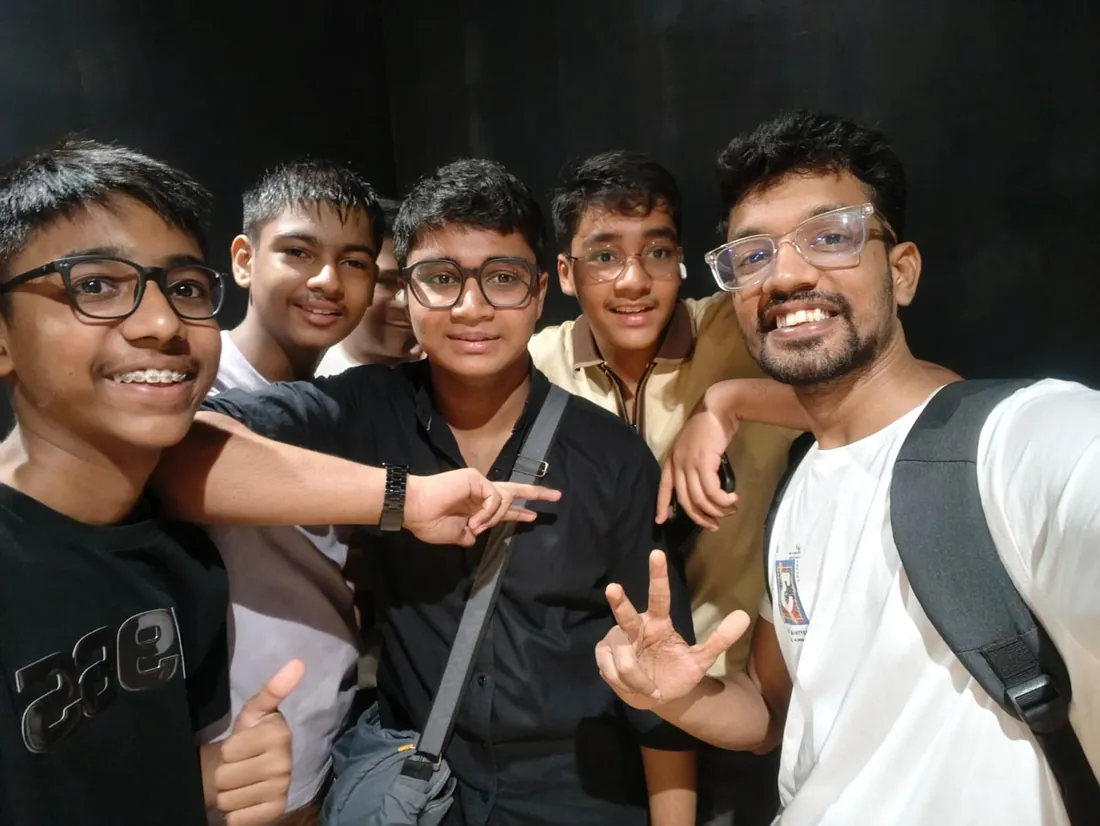
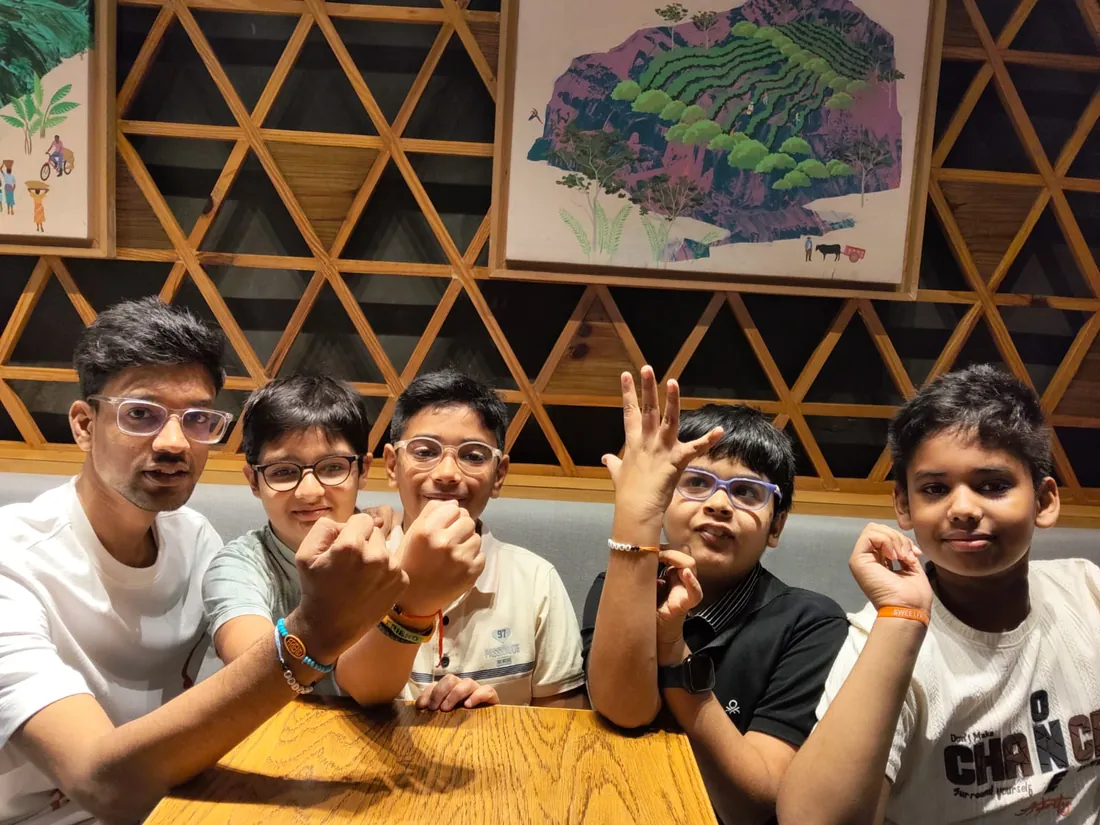
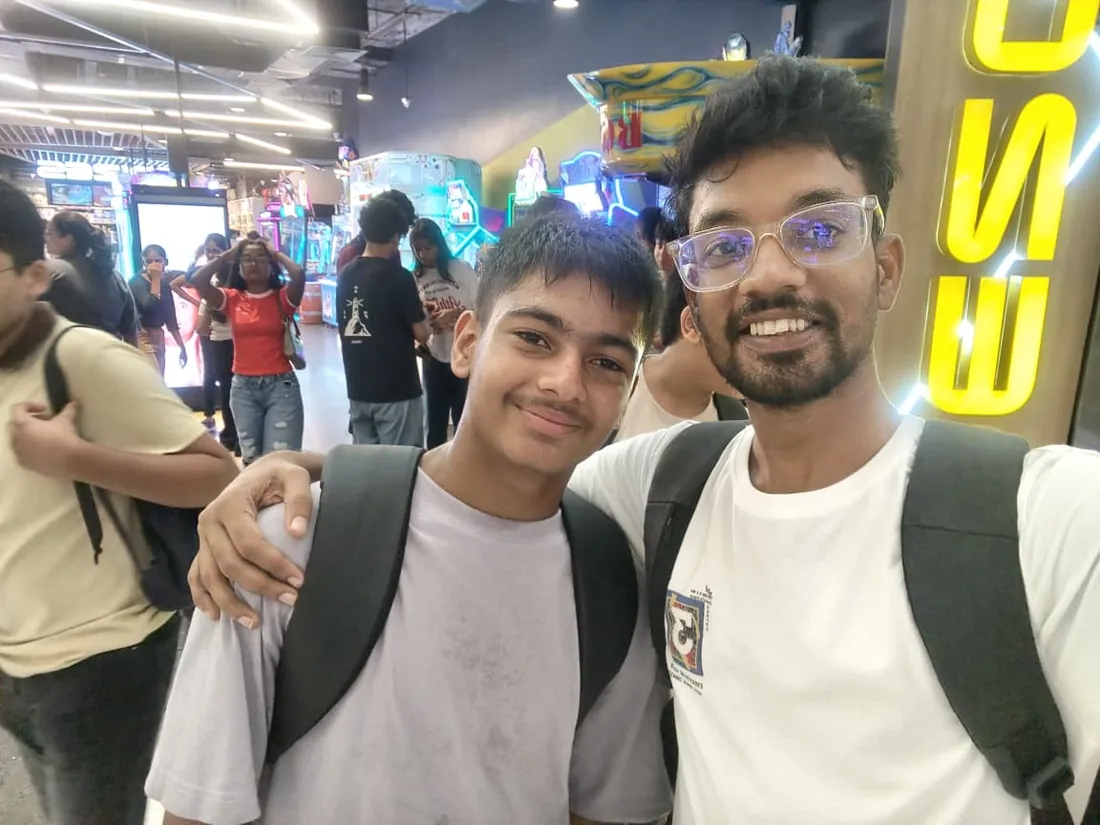
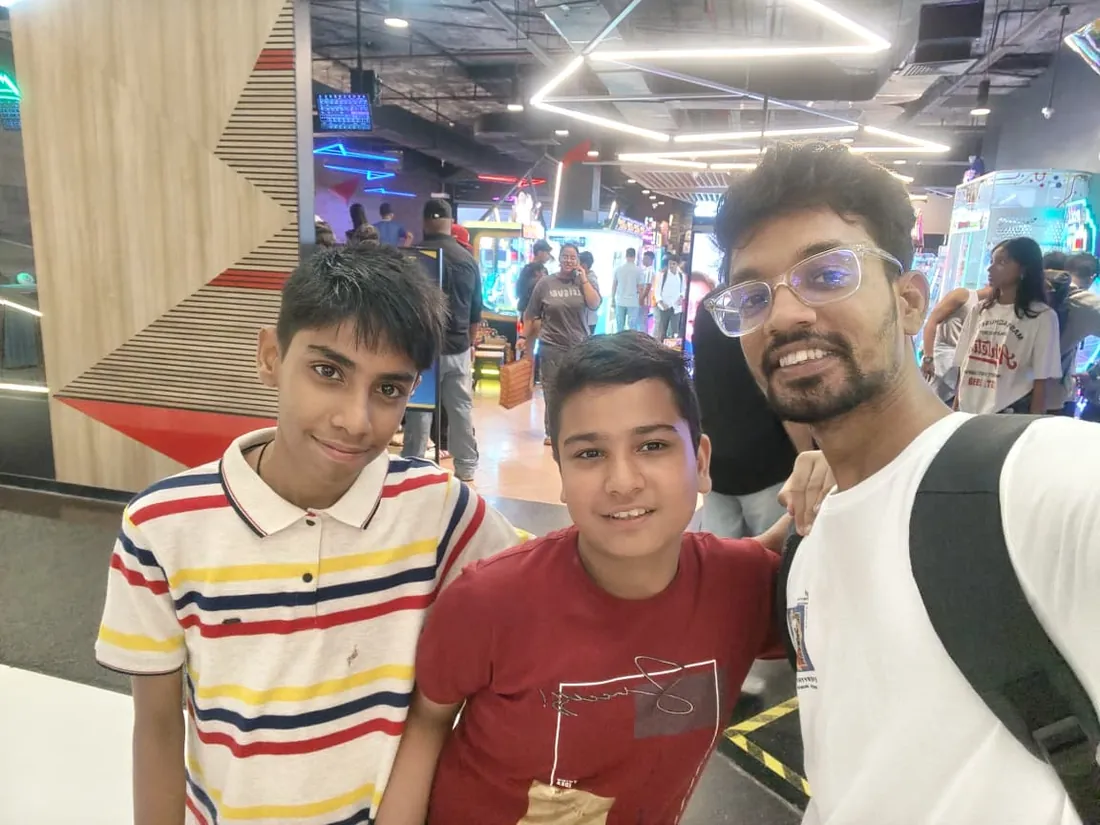
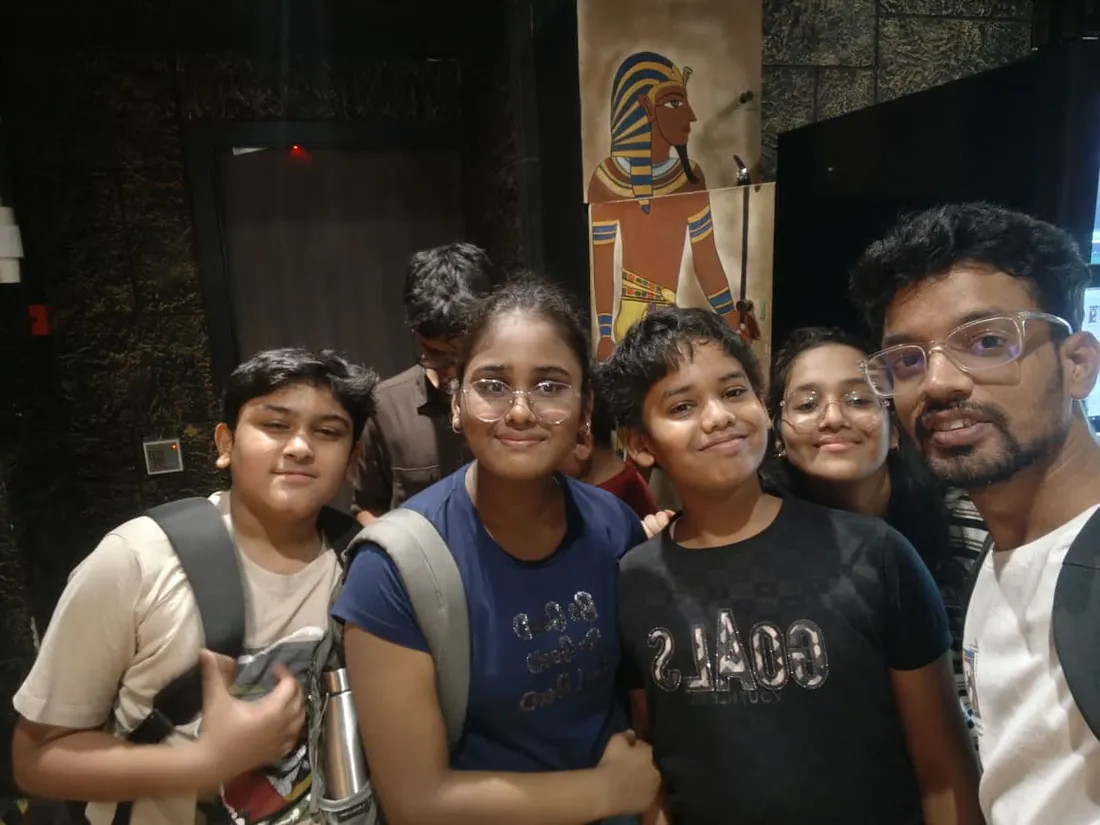
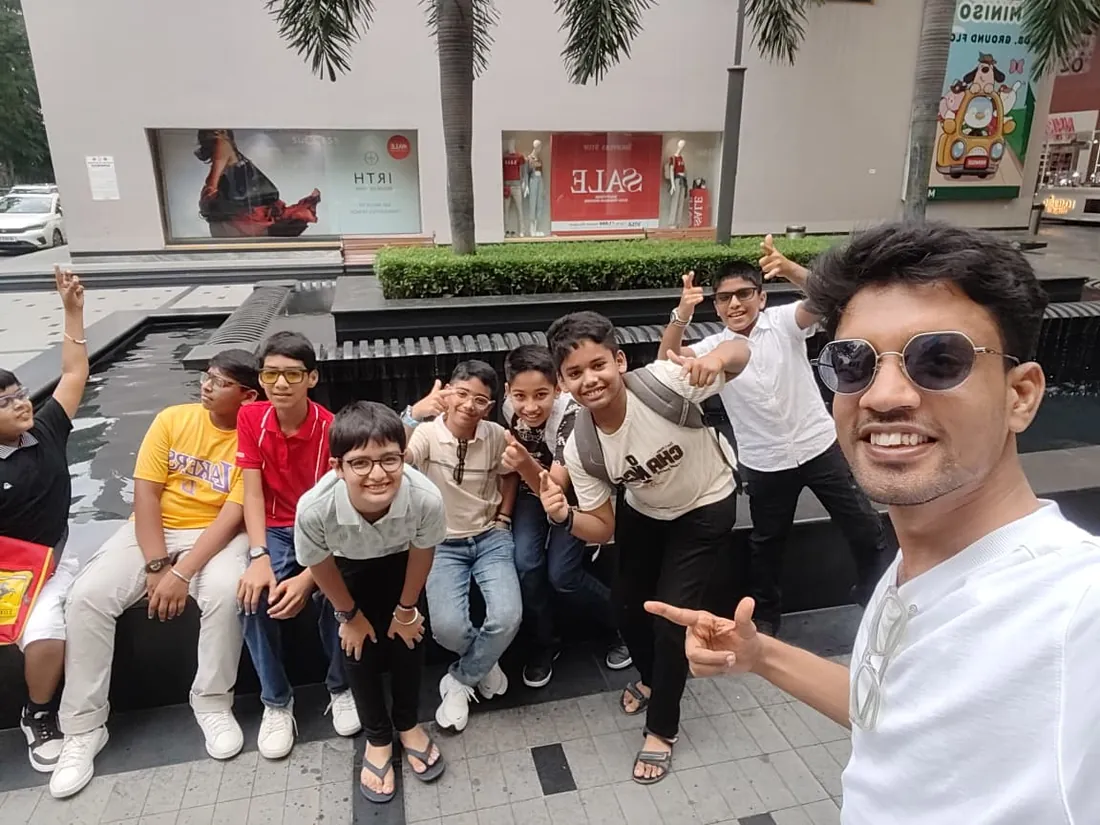
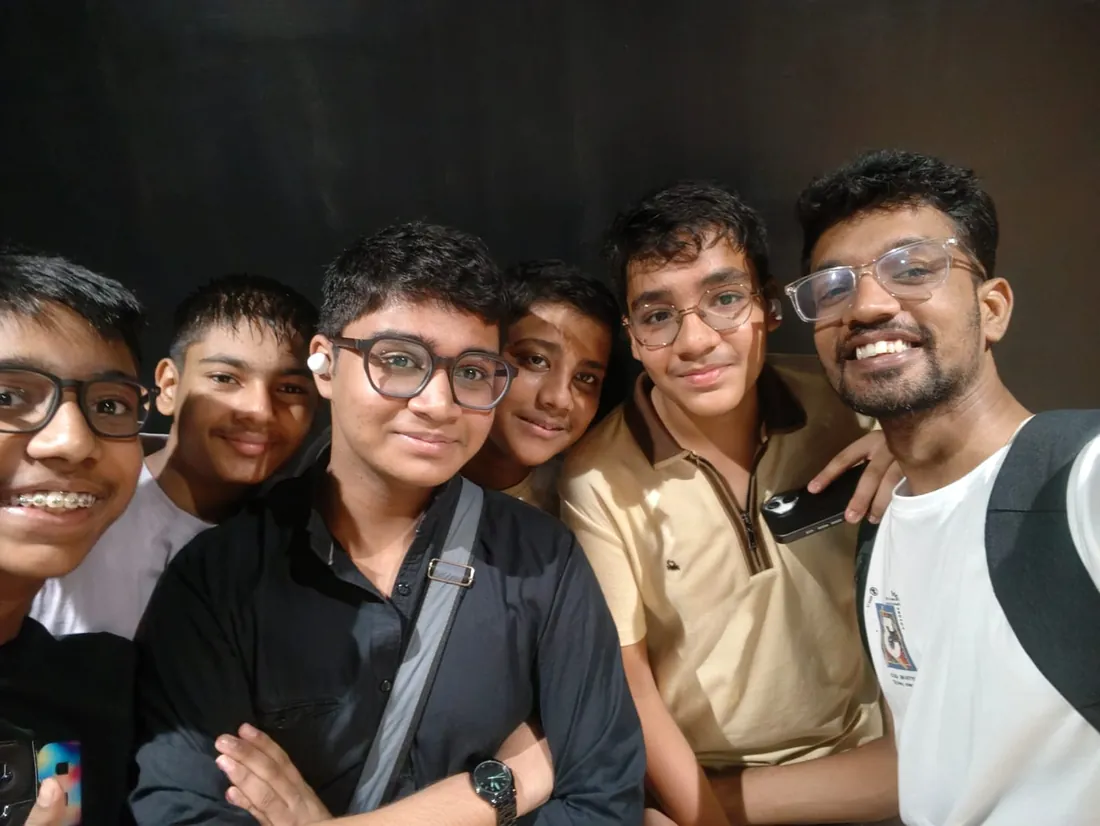
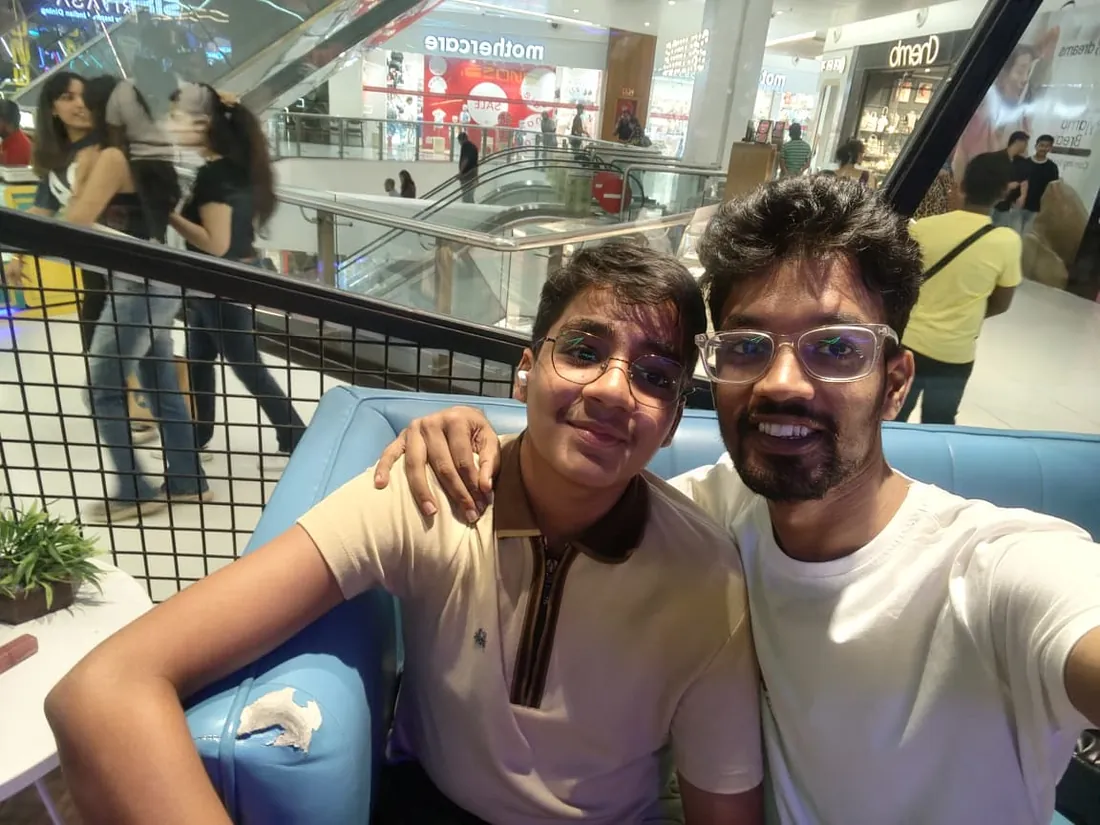
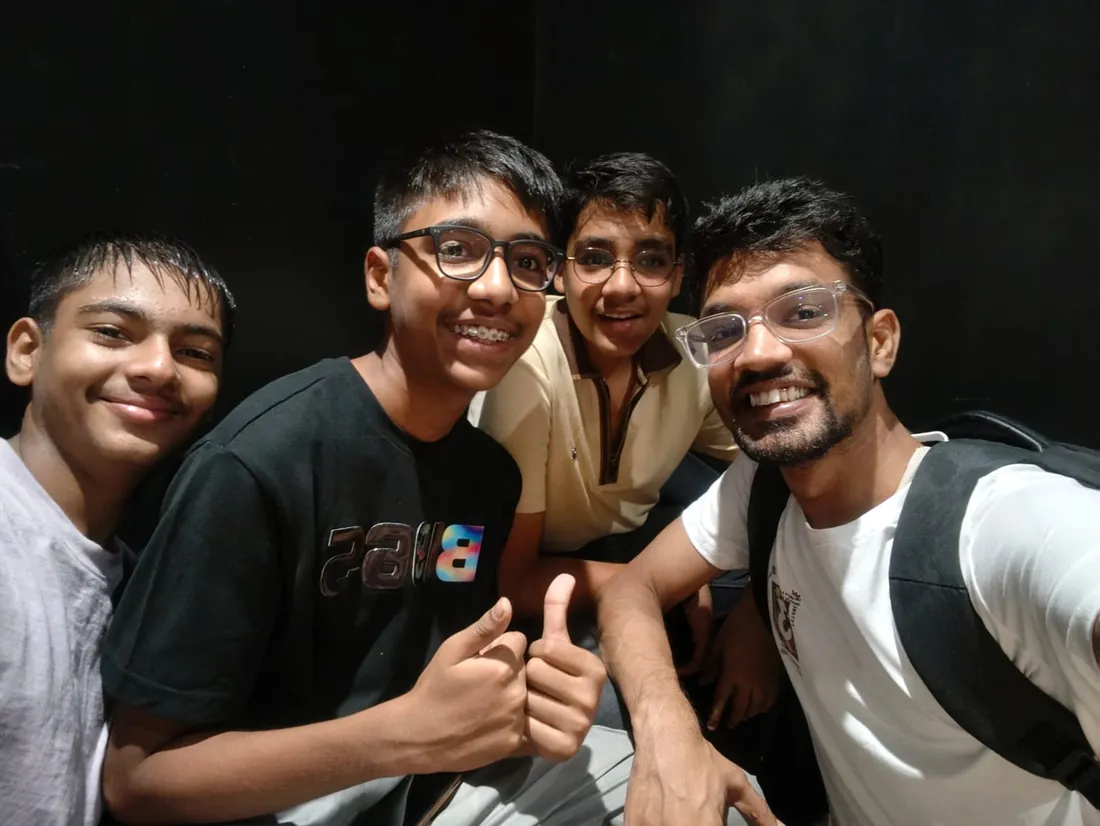
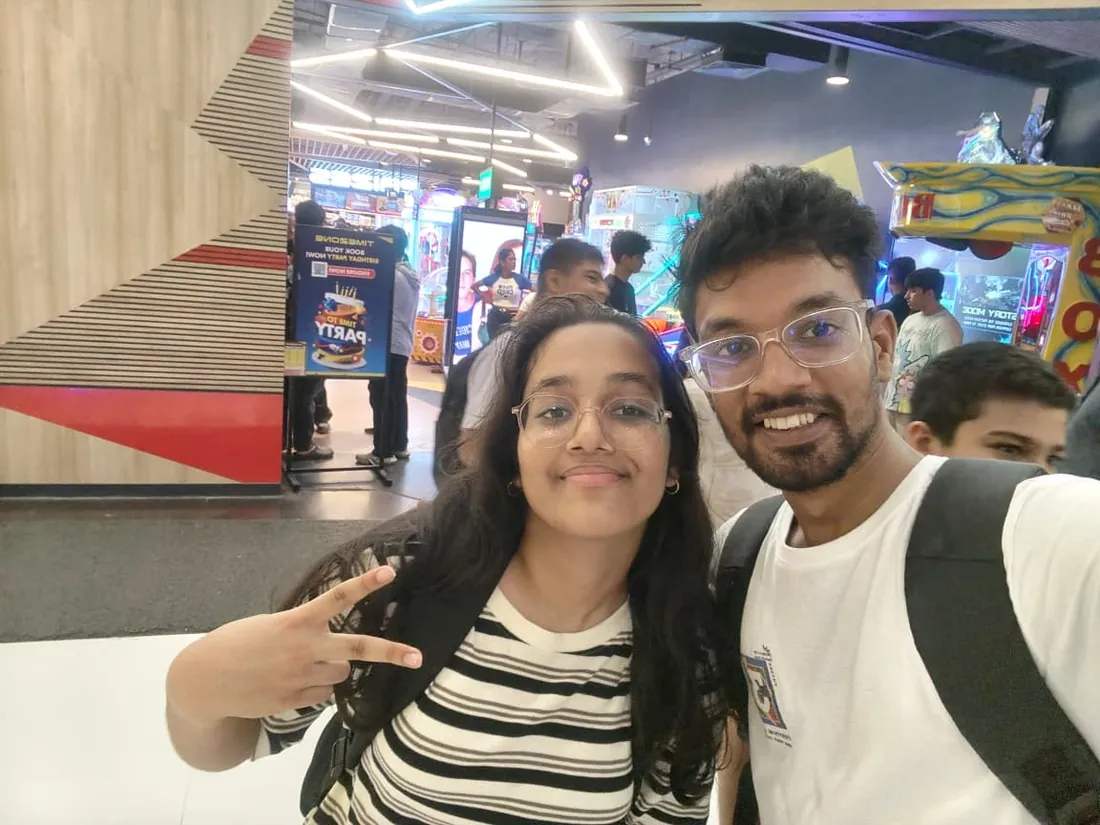
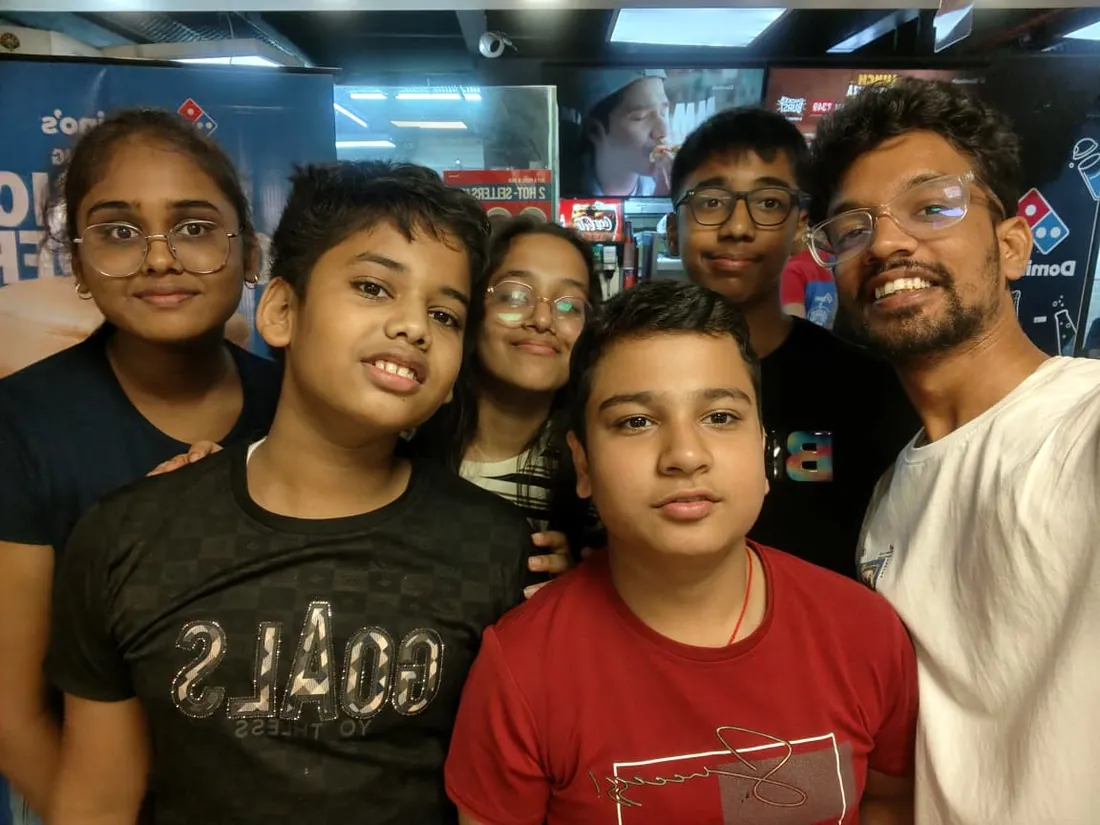
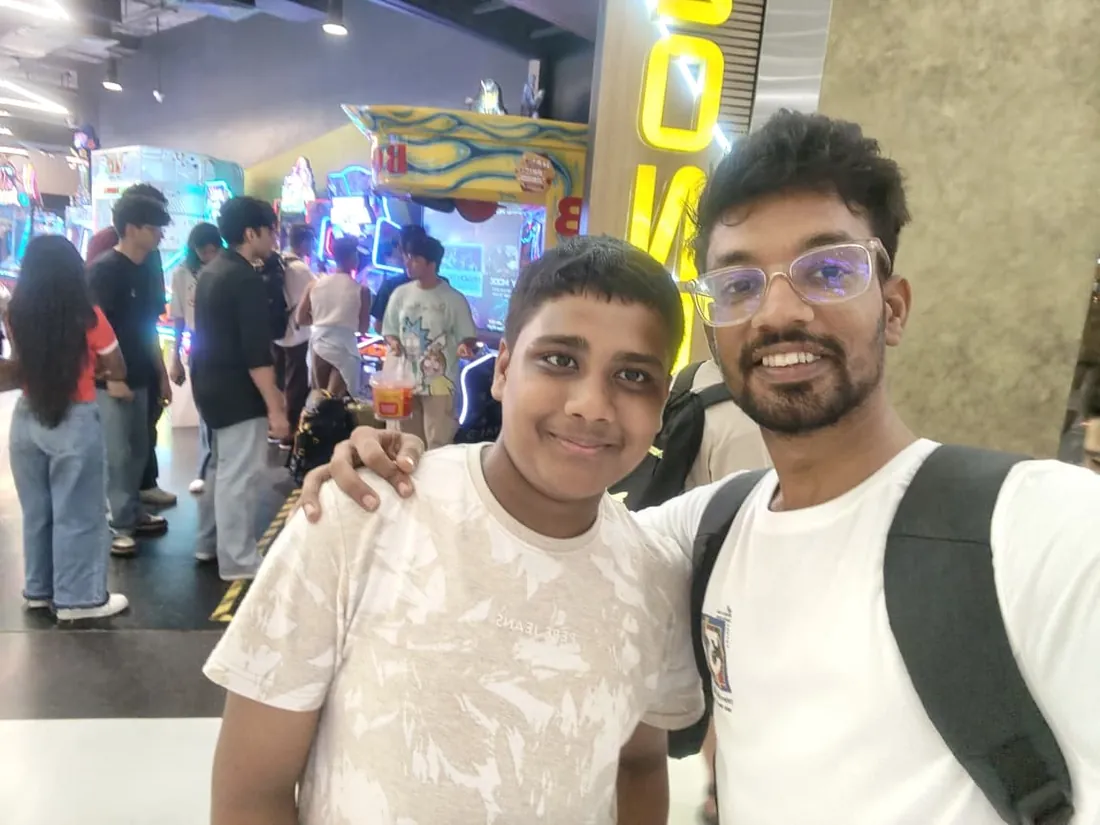
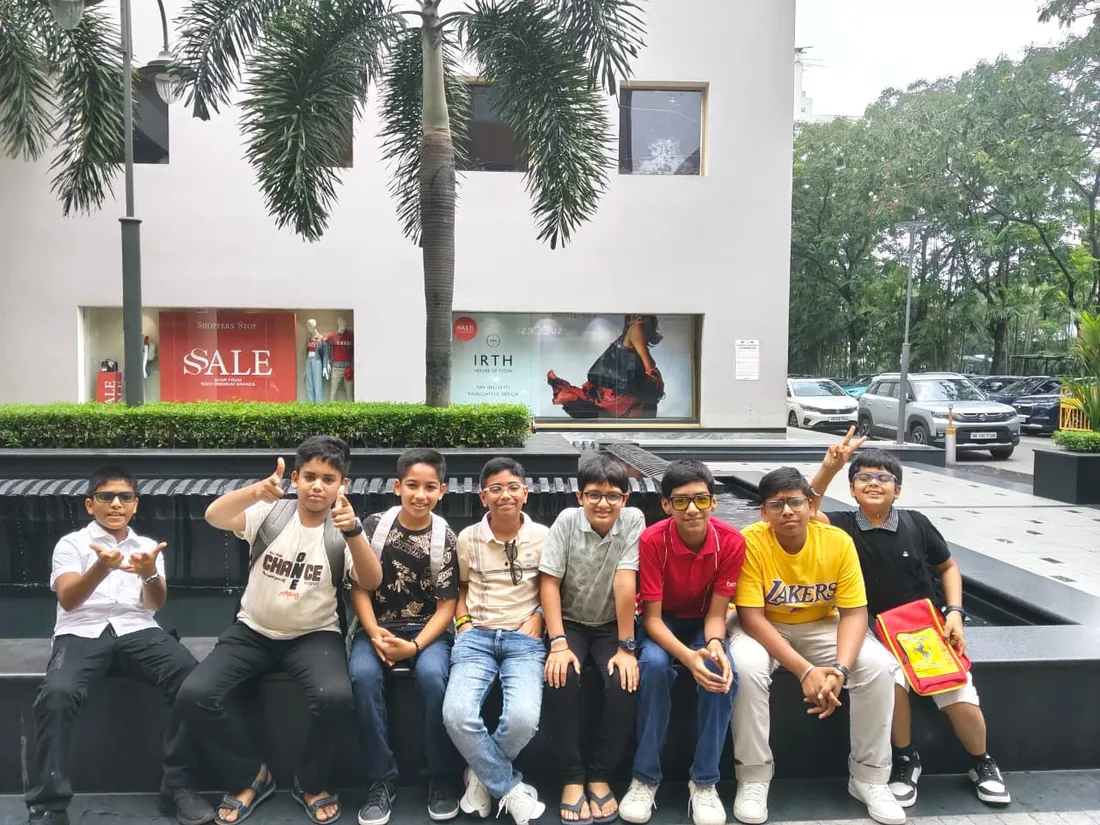
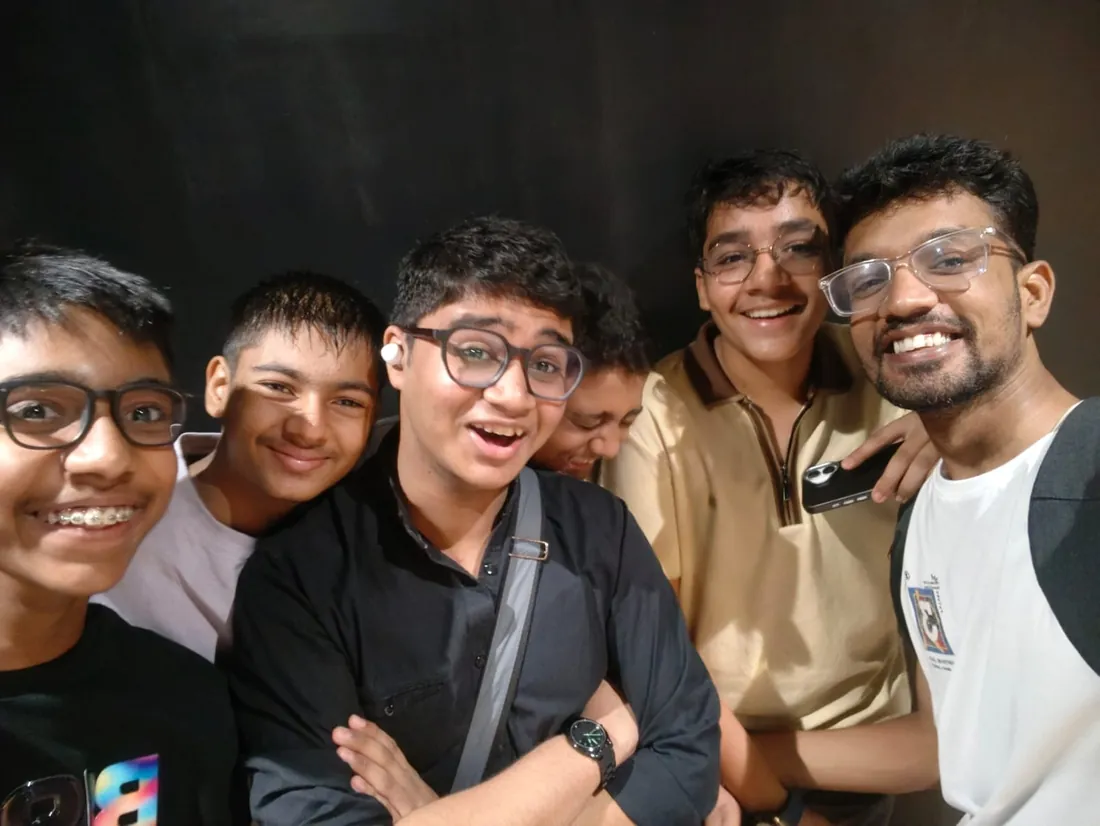
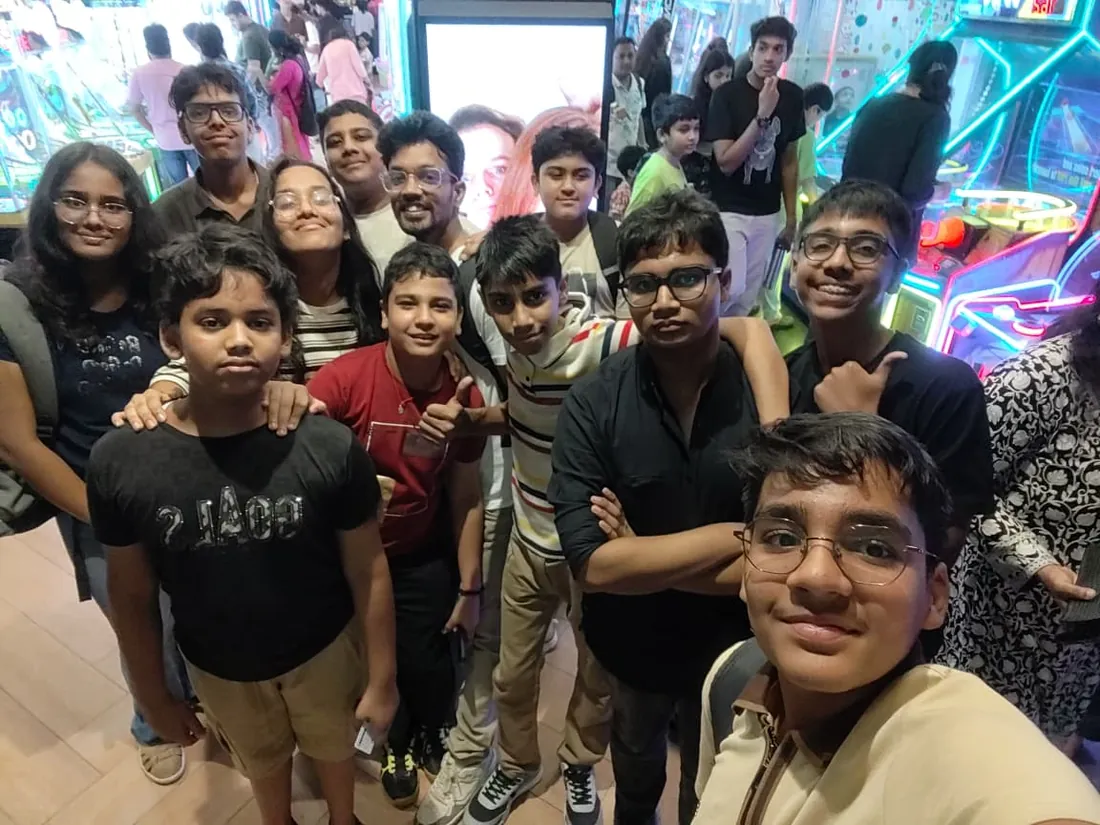
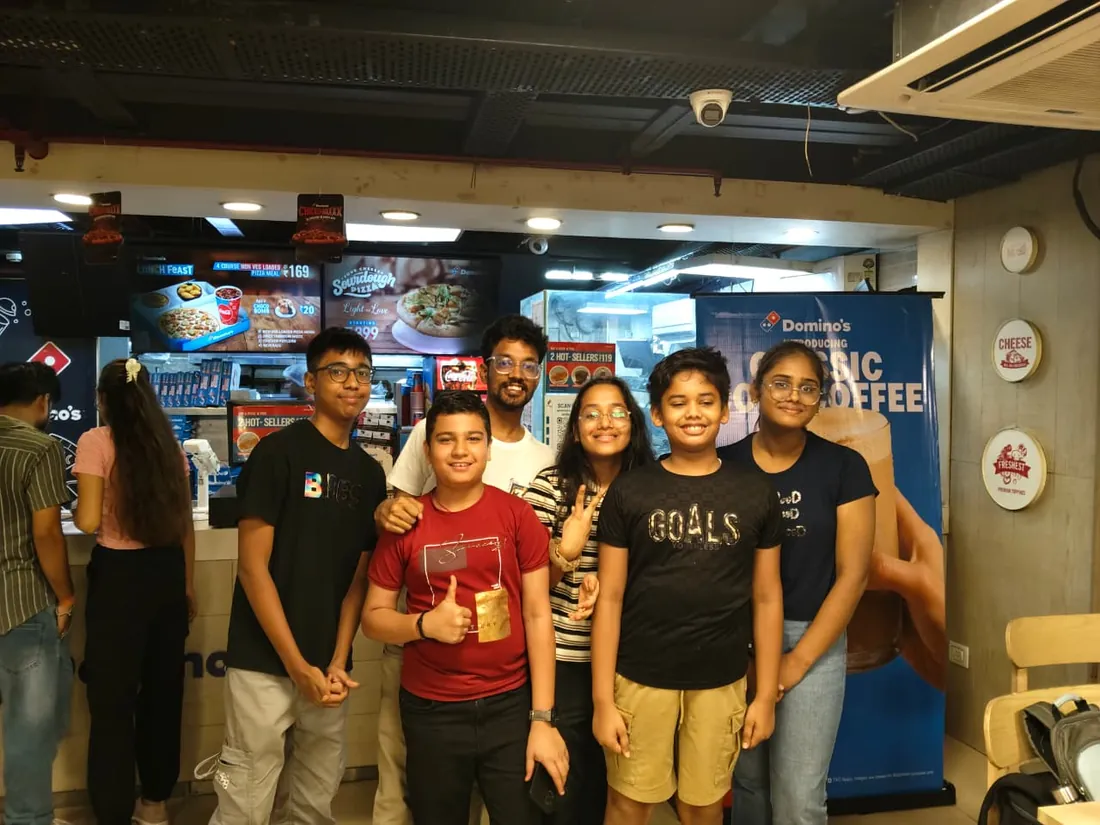
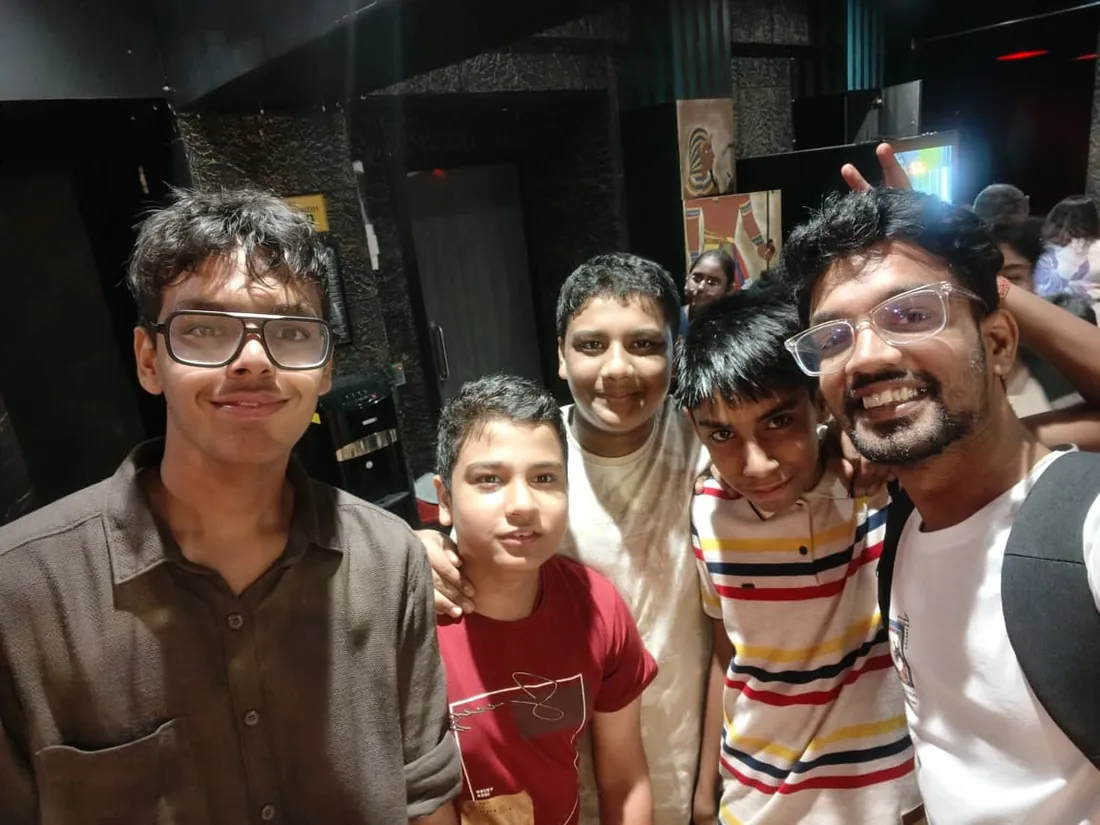
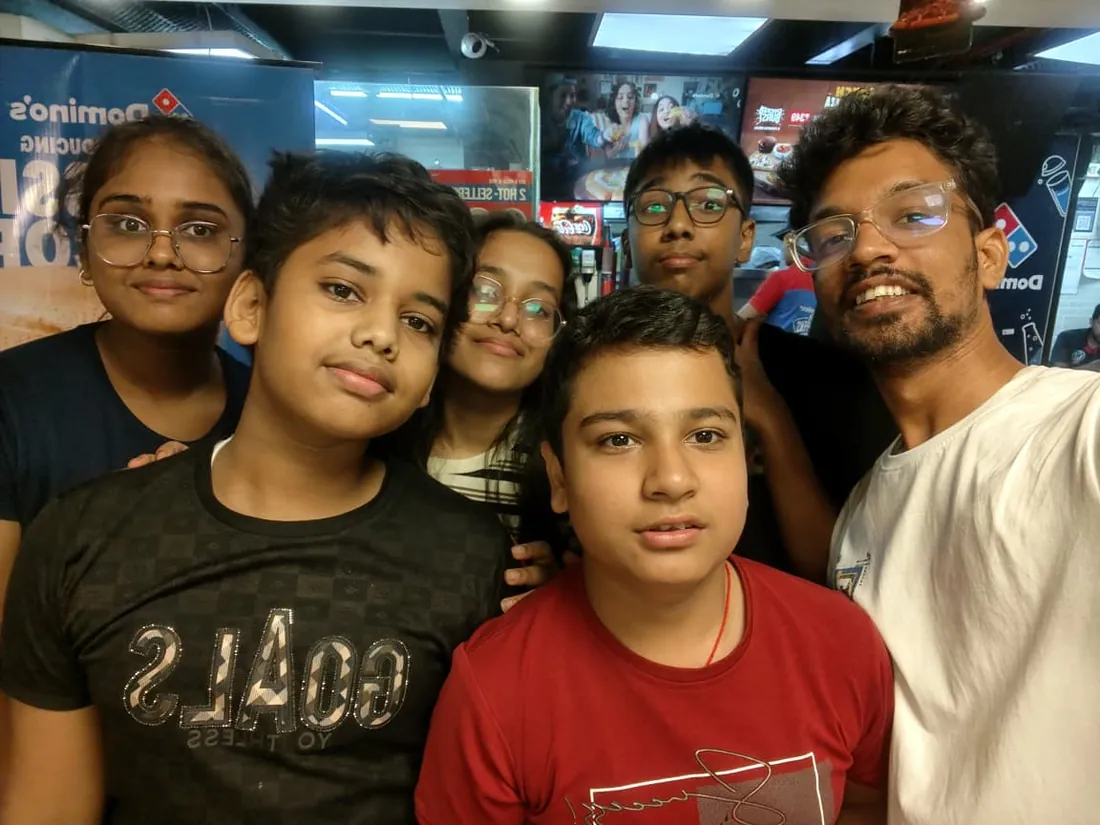
Real students. Real moments. Real joy.
These are our actual student meetups. No stock photos, no filters. Swipe through and meet the community you'll be joining.













What families say
Straight from the parents and students who learn with us. Rated 4.9 across 547 Google reviews.
“Mivaan enjoys the class. He understands the concepts and completes his tasks with excitement. He started taking interest in coding… truly amazing class.”
“I absolutely love it here! I made new friends and learned important valuable coding skills while having the fun of my life. It's not just coding here, it's outings, bonding and most importantly preparing you for your future. Definitely five stars.”
“What stands out most is how excited my son is before every class. He looks forward to learning, problem-solving, and sharing what he's built. I've noticed a big boost in his confidence!”
“Modern Age Coders has been a game-changer for me! I struggled to grasp IT concepts and coding before joining, but their classes transformed everything. I'm now the topper in my class and can confidently write complex programs with ease.”
“Modern Age Coder have wonderful teachers who teach in a clear, easy and practical way. The teacher boosts students' confidence, keeps them updated with technology, and inspires them to learn without hesitation.”
“The one step solution for my son. Modern Age Coders make learning coding so simple that kids love it.”
“Coding classes here make learning very interesting and conceptual. The teachers teach us in a very easy-to-understand and efficient manner.”
“One of the most wonderful education centres out there. Education is not limited to school syllabus but focuses on skill development. Learning here has been a wonderful journey and still continuing.”
“I highly recommend this computer coding class! The teachers are incredibly knowledgeable and passionate about coding. They make every session engaging and insightful.”
“My child Dhairya is really enjoying the Modern Age Coder IT classes. This is his first online class, and he eagerly looks forward to it.”
“Very good classes. Don't worry about coding. They teach the best, especially Shivam sir.”
“Very good classes. Makes learning very easy and interactive.”
Hear it from our students
Real parents and students in their own words, on our public YouTube channel.
Straight answers about GCSE Maths: Foundation & Higher (9-1), AQA, Edexcel, OCR
- Who should take this course?
- Years 9-11 GCSE students, Foundation and Higher tiers, plus resit candidates. It suits students who need the move from foundation-risk to higher-comfortable made real; grade 6-7 students converting understanding into 8-9 through separator topics and paper craft; students whose grades sink each mock as memorized methods run out.
- What will they learn and build?
- An 18-month live program for GCSE mathematics across AQA, Edexcel and OCR, at Foundation or Higher tier. GCSE maths is three papers, one strictly non-calculator, with grades that gatekeep sixth form, apprenticeships and A-Level maths.
- How deeply are topics covered?
- The course runs 18 months (72 weeks), joinable any month at 2 live one-hour classes per week + weekly past-paper work, across 3 phases listed week by week in the syllabus below. A structured, well-paced curriculum taught step by step, with hands-on practice in every session.
- Who teaches it?
- Modern Age Coders mentors, who teach the live classes themselves. You can watch them at work in the free class recordings before you decide.
- How do practice, feedback and assessment work?
- A diagnostic on entry, weekly past-paper work, and a documented paper-score progression: real knowledge, really tested. Doubt support between classes over WhatsApp, so you are never left stuck. A course-completion certificate you can share.
- What does it cost?
- Three monthly plans: a group batch, a mini batch and 1-on-1. Prices are shown in your currency in the plans section. Monthly billing, cancel any time.
- When can classes take place?
- Live classes are scheduled around your week. Group batches meet at a fixed weekly slot; 1-on-1 students choose their own. International students are scheduled in their own timezone. Ask on WhatsApp for the current slots.
- Can I watch the teaching before deciding?
- Yes. Full recordings of real 13 and up classes are free to watch, free with a Google sign-in. These recordings show how we teach, not the exact syllabus of this course. Some classes are in English and some in Hindi; everyone follows at their own pace. Watch a class end to end, like you are in it. Sessions are interactive and each moment builds on the last.
- Can I enroll without a live demo?
- Yes. Choose a plan on this page and enrol directly; a demo is not required. If you would like to see a full class with a mentor first, book a Priority Demo.
- How do I reach you with a question?
- WhatsApp +91 91233 66161, email connect@modernagecoders.com, or call +91 91233 66161. Tell us the student's age and what they have learned so far, and we will point you to the right plan and batch.
Common Questions About GCSE Maths: Foundation & Higher (9-1), AQA, Edexcel, OCR
Get answers to the most common questions about this comprehensive program
Still have questions? We're here to help!
Contact UsRelated Courses You May Like
Continue your learning journey with these recommended programs
 Exam Board Mathematics
A-Level Maths: Pure, Mechanics, Statistics (Edexcel/AQA)
A-Level Maths course online: live small-batch classes covering Pure, Mechanics & Statistics for Edex...
Explore Course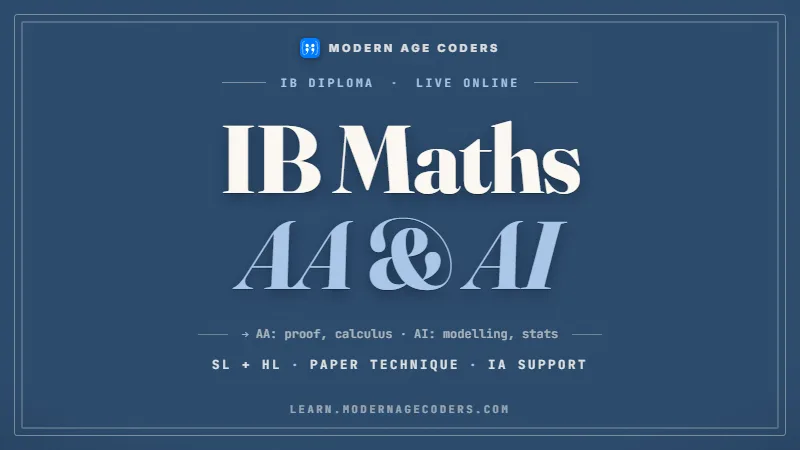 Exam Board Mathematics
IB Maths AA & AI: SL & HL, Live Online with IA Coaching
Live online IB Maths course for AA and AI, SL and HL: syllabus-exact teaching, paper-specific techni...
Explore CourseRelated Articles & Guides
Deepen your knowledge with these hand-picked articles
 Education
8 min read
Education
8 min read
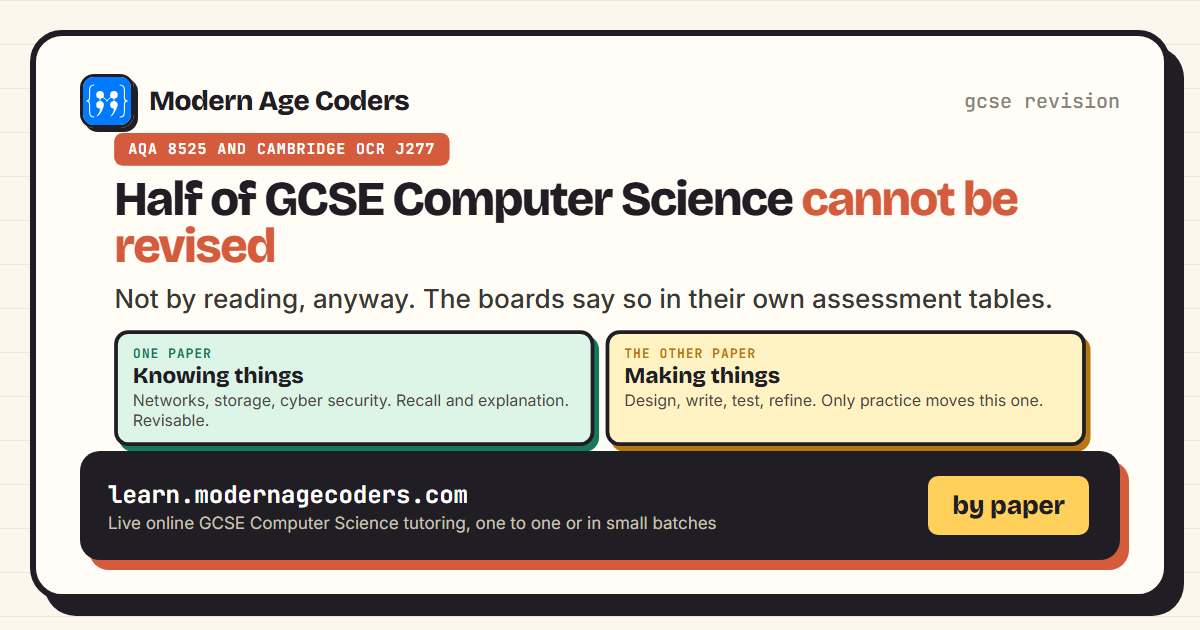
How to Revise GCSE Computer Science (AQA and OCR)
One GCSE Computer Science paper rewards knowing things and the other rewards making them. The boards...
Read Article Mathematics
18 min read
Mathematics
18 min read
Best Online CBSE Maths Tuition for Class 6-12 in India (2026 Guide)
Find the best online CBSE maths tuition for Class 6 to 12 in India. Live 1:1 classes, expert tutors,...
Read ArticleReady to start GCSE Maths: Foundation & Higher (9-1), AQA, Edexcel, OCR?
Book a Priority Demo to see a full live class with a mentor reserved for you, today or tomorrow. Or choose a plan and enrol now.
Questions? WhatsApp +91 91233 66161 or email connect@modernagecoders.com