Two Modern Age Coders Top Their Boards
Pranay Lohia, 99.2% in ICSE Class 10. Krishnam Bhatter, 98.0% in CBSE Class 10. Two students, the same Saturday classroom, and the slow, patient training of the way they think.
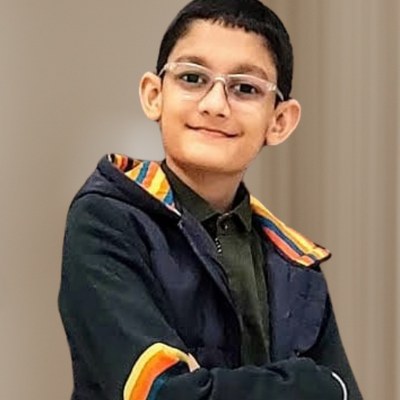
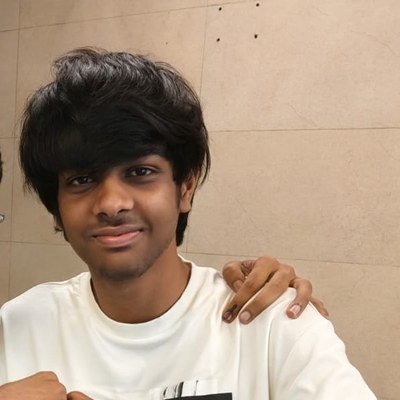
Two of our students appear on the board results page this year. Pranay Lohia, ICSE Class 10, ninety-nine point two per cent. Krishnam Bhatter, CBSE Class 10, ninety-eight per cent. They are different boys with different schools and different scripts. What they share is a Saturday morning, a teacher, and the long, patient training of the way they think.
Krishnam, asked to describe his time with us, wrote this in his own words: "The teaching approach of my legendary teachers, Shivam Sir, Mihir Sir and Sonu Sir, is extraordinary. They were not only my teachers but also mentors and friendly figures. The most impressive part was working on real-world projects." We did not write that for him. He wrote it. We have kept it.
The most impressive part was working on real-world projects.: Krishnam
We do not believe in shortcuts. We never have. The children who come to us are taught code the way one used to be taught mathematics, with patience, with rules, with proofs. A loop is not a button to press. It is a sentence in a language about thought. A function is not magic. It is a promise the programmer makes to herself, and keeps. By the time these students reach Class 10, they have written and rewritten, and rewritten again.
It is fashionable to say that artificial intelligence will write the code from now on, and the children need only learn the prompts. We disagree. The child who knows what is possible is the child who built the small thing first, with her own two hands, on her own computer, on her own Saturday afternoon. The child who has only watched the machine do it for her will, sooner or later, mistake the machine for the work.
Pranay and Krishnam did the work. So did the teachers around them, and the parents who said yes to one more class on a Saturday. The board score is the easy part of the story. The thinking is the hard part, and the thinking is what we will keep teaching, every Saturday, to whoever walks in.
Continued in the next edition ⟶