AI Research Engineering: Reproduce a Paper, Run Experiments You Can Defend, and Write Them Up
24 live 1-on-1 classes. Reproduce a real ML paper end to end, design experiments with baselines, ablations, seeds and confidence intervals, and finish with a reproduction-plus-extension report written like a workshop paper.
Published November 2026
Questions? WhatsApp +91 91233 66161 or email connect@modernagecoders.com
Recordings are free with a Google sign-in. These recordings show how we teach, not the exact syllabus of this course.
Fees and enrolment
How to join AI Research Engineering: Reproduce, Experiment, Publish
Choose how you want to pay, pick a plan and press Enrol. We then fix your class timing with you.
Rated 4.9 across 547 Google reviews. Monthly billing, cancel any time.
How enrolment works
Pick a plan
This course is taught 1-on-1 only: private live classes with your own mentor, about one hour each. Billing is monthly.
Press Enrol and pay
Fill in the student's name, email and phone, then pay securely: UPI, cards or net banking in India, or a debit or credit card from any other country.
Fix your class timing
After paying, WhatsApp or call +91 91233 66161 with the student's name and your preferred time. We confirm the batch or 1-on-1 slot and send the class link.
Start learning
Join your first live class at the time you chose. Your mentor takes it from there.
Want to see a class first? Book a Priority Demo: a live class of about 45 to 60 minutes with a mentor reserved for you. If you enrol, the demo fee is adjusted against your first month's fee. Share your demo Order ID with us on WhatsApp and we take it off.
Billing is monthly and you can cancel any time.
International Students (Outside India)
Billed monthly in US dollars, the same price in every country. Contact us with any questions.
Questions before you enrol? Talk to our team.
Ask about class timings, the right level for your child, what they need to know already, or payment. Parents and adult learners can reach us on WhatsApp, by email or by phone.
Our promise
The world's best learning experience, open to everyone.
- World-class instructorsEvery class is taught by an instructor who specialises in that exact field.
- No compromise on qualityEvery lesson, project and piece of feedback is held to the highest standard.
- Education for everyoneLearners aged 6 to 67, from first-time beginners to working professionals, in 25+ countries.
If you want the highest quality, Modern Age Coders is the right choice.
Book a Priority DemoHow long this course takes
This course runs 24 live 1-on-1 classes, 1 hour each at One live hour per class plus 4-6 hours of experiment, writing and reading time between classes. The range allows for background and pace: a complete beginner uses the full span, and a student with prior knowledge finishes sooner. The syllabus below is planned to the shorter end, with margin kept for revision.
For personalised duration planning, call +91 91233 66161 and we'll map a schedule to your goals.
At a glance
- Who it is for
- Advanced · college students, working engineers, graduate students and researchers who already train models in PyTorch.
- Prerequisites
- Strong Python and working PyTorch: you have trained at least one model yourself, can write a training loop without copying it, and are comfortable with git and the command line
- Format
- Live, interactive classes with a real instructor, never pre-recorded videos. Live classes run about one hour.
- Language
- English or Hindi, depending on the batch.
- Duration
- 24 live 1-on-1 classes, 1 hour each
- Weekly commitment
- One live hour per class plus 4-6 hours of experiment, writing and reading time between classes
- Class size
- Taught 1-on-1 only: every class is a private session with your own mentor.
- Certificate
- Certificate from Modern Age Coders, awarded on passing the final assessment and defending the capstone report
- Watch first
- Free recordings of real classes for ages 13 and up, free with a Google sign-in. These recordings show how we teach, not the exact syllabus of this course.
- Live demo
- Optional. Enrol directly on this page, or book a Priority Demo: a full live class of about 45 to 60 minutes with a mentor reserved for you.
- Questions
- WhatsApp +91 91233 66161 or email connect@modernagecoders.com.
How we teach
Deep understanding. Real projects. Expert guidance.
Learn coding, AI and maths through careful explanations, practical demonstrations, and hands-on problem-solving. Our instructors guide you from the foundations to advanced ideas, helping you understand what happens, why it happens, and how to build it yourself.
You will explore concepts step by step, write and improve code, investigate mistakes, ask questions, and apply your knowledge to meaningful projects. Lessons are designed around active participation, thoughtful feedback, and growing independence.
Expert-led live teaching, with practical participation built into every lesson.
- Students explain their thinking.
- Instructors demonstrate, then guide practice.
- Learners code, solve, or build during lessons.
- Questions and misconceptions get attention.
- Assignments receive useful feedback.
- Progress is checked before advancing.
Program Overview
Most published ML results are harder to reproduce than their papers suggest. The training recipe hides in an appendix or a config file nobody released, the baseline was tuned for an afternoon while the proposed method was tuned for a month, the headline number comes from one seed, and the benchmark may already sit in the pretraining data. A research engineer is the person who can find all of that, fix it, and produce numbers that hold up. This course teaches that job in 24 private one-hour classes. In Phase 1 you pick a real paper (sized to your GPU budget) and reproduce it end to end: you read it as a specification, build a research codebase with Hydra configs, pinned environments and controlled randomness, check your data for leakage using Kapoor and Narayanan's taxonomy, and learn to debug training runs that fail silently rather than loudly. Phase 2 is experiment design: fair baselines, variance across seeds, bootstrap confidence intervals, ablations that isolate one cause, sweeps that respect a budget, experiment tracking, and compute planning in FLOPs and GPU-hours. Phase 3 covers evaluation: harnesses like EleutherAI's lm-evaluation-harness and the UK AI Security Institute's Inspect, benchmark contamination and how to test for it, building your own eval set, and small-scale scaling experiments that let you say something about trends without a cluster. You then design and run an extension to the paper you reproduced. Phase 4 is publishing: paper structure, LaTeX, figures with honest error bars, open-sourcing code and models with model cards, peer review from both sides, and where a reproduction can go, from workshops to TMLR and the ML Reproducibility Challenge, which became an official NeurIPS track in 2026. Because every class is 1-on-1, the paper, the codebase, the GPU budget and the research question are yours.
What Makes This Program Different
- 1-on-1 only, because research is personal: your paper, your codebase, your hardware and your question. A dedicated mentor reads your actual loss curves, configs and drafts every class, which no group batch can do.
- Built around one real reproduction you carry through all 24 classes, so every technique (configs, seeds, ablations, CIs, contamination checks, figures) is applied to results you care about, not a toy notebook.
- Statistics treated as an engineering requirement: seeds, bootstrap confidence intervals, tuning budgets and fair baselines, drawn from Bouthillier et al. (2021) and Agarwal et al. (2021), so your claims survive a sceptical reviewer.
- Honest about compute: the course is designed for a single consumer GPU or modest cloud credits, with FLOPs and GPU-hour budgets planned before any run, and small-scale scaling experiments instead of pretending you have a cluster.
- Evaluation hygiene for the LLM era: harness-based evals, prompt-format sensitivity, contamination testing (Oren et al., 2023) and building held-out sets, the area where most current papers are weakest.
- You finish with an artefact that counts: a reproduction-plus-extension report in a real conference LaTeX template, with released code, a model card and a reviewer-style self-critique.
Your Learning Journey
Career Progression
Detailed Course Curriculum
Explore the complete week-by-week breakdown of what you'll learn in this comprehensive program.
Topics Covered
- The job described honestly: turning ideas into experiments, making results repeatable, finding the bug that explains the surprising number, and knowing when a result is real
- Research scientist versus research engineer versus ML engineer: where the roles overlap in labs, startups and university groups, and what each is judged on
- Why reproduction is the best training: the NeurIPS 2019 reproducibility programme and what Pineau et al. (2020) found about code release and the reproducibility checklist
- Choosing a paper to reproduce: a clear headline claim, public data, a training cost that fits your GPU, and ideally released code you can compare against later
- Sizing compute before committing: parameter counts, dataset size, reported training steps, and a first rough GPU-hour estimate
- Your setup: local GPU, Google Colab, Kaggle notebooks or rented cloud GPUs, and what each means for long runs and checkpointing
- Agreeing the capstone: reproduce one central result, then extend it with one question of your own
Projects You Build
- A one-page reproduction proposal: the paper, the exact claim (table and row) you will reproduce, data sources, a compute estimate, risks, and a first idea for an extension
Practice & Assignments
Shortlist three candidate papers and estimate the training cost of each from their reported settings.
Assessment
Defend your paper choice in five minutes: the claim, why it is reproducible on your budget, and what would count as a successful reproduction.
Topics Covered
- Extracting the recipe: architecture, optimiser, learning rate schedule, batch size, warmup, weight decay, regularisation, data preprocessing and evaluation protocol
- Where the real details hide: appendices, supplementary material, released configs, GitHub issues and OpenReview discussions
- The missing-details log: every unstated choice recorded with the default you picked and why, so deviations are explicit rather than accidental
- Reading results tables critically: which numbers are means, which are best-of-n, how many seeds, and whether the test set was used for model selection
- Comparing the paper to its official code: common mismatches between what is written and what was run
- Defining success before running anything: a tolerance band around the reported number, justified by the variance you expect
Projects You Build
- A reproduction specification document: every hyperparameter with its source (paper, appendix, code or assumption) and a written success criterion
Practice & Assignments
Read the official code (or the closest public implementation) and list every discrepancy with the paper text.
Assessment
Walk the mentor through your spec; every assumption must be named and justified.
Topics Covered
- Repository layout for research: separating data, models, training loops, evaluation and scripts, and why a notebook-only project collapses by the third experiment
- Config-driven experiments with Hydra and OmegaConf: composing configs, overriding from the command line, and saving the resolved config with every run
- Pinned environments: lock files with uv, pip or conda, recording CUDA and driver versions, and containers when the setup must be shared
- Controlling randomness in PyTorch: seeding Python, NumPy and torch, DataLoader worker seeds, torch.use_deterministic_algorithms, and the operations that remain nondeterministic on GPU
- Logging the git commit, a dirty-tree flag and the full config with every run, so any number can be traced back to its code
- Checkpointing and resuming correctly: model, optimiser, scheduler, scaler and RNG state
- Small tests that pay for themselves: shape checks, a tiny overfit test, and a determinism test that runs the same seed twice
Projects You Build
- Your reproduction repository: Hydra configs, a pinned environment, seeded and resumable training, and a determinism test that passes
Practice & Assignments
Kill a training run halfway, resume it, and show the resumed loss curve matches an uninterrupted run.
Assessment
Code review with the mentor: could a stranger rerun your experiment from the README alone?
Topics Covered
- Rebuilding the paper's data pipeline exactly: splits, preprocessing, tokenisation or augmentation, and the order in which they are applied
- The leakage taxonomy from Kapoor and Narayanan, Leakage and the Reproducibility Crisis in ML-based Science (2023): no clean test set, preprocessing on train and test together, feature selection on the full data, duplicates across splits, temporal leakage and non-independence
- Finding duplicates and near-duplicates across splits: exact hashing, MinHash-style near-duplicate checks, and what to do when the official split is contaminated
- Validation versus test discipline: model selection on validation only, and touching the test set once
- Dataset versioning: content hashes, dataset cards, and recording exactly which version produced which number
- Profiling the input pipeline so the GPU is not waiting on data
Projects You Build
- A data audit report for your paper's dataset: split statistics, duplicate and leakage checks, and the pipeline version used for every later run
Practice & Assignments
Run a duplicate check between train and test for your dataset and quantify the overlap.
Assessment
Present the data audit; any leakage found must come with a decision on how the reproduction will handle it.
Topics Covered
- Start with the simplest baseline that should work, and get it working before the paper's method
- Overfitting a single batch as the first proof that the model, loss and optimiser are wired correctly
- Andrej Karpathy's A Recipe for Training Neural Networks (2019) applied step by step: become one with the data, set up end-to-end skeletons, overfit, regularise, tune
- Sanity numbers to check before any training: loss at initialisation, chance-level accuracy, parameter count against the paper
- Scaling the run up gradually: tiny config, small config, full config, with the same code path
- Reading the first real loss curve: what normal looks like for your architecture and optimiser
Projects You Build
- A working baseline run and a first run of the paper's method at reduced scale, both tracked, with initial-loss and parameter-count sanity checks recorded
Practice & Assignments
Train the reduced-scale version to completion and compare its curve shape to any curves in the paper.
Assessment
Explain every sanity check you ran and what each would have caught.
Topics Covered
- Silent failures defined: code that runs, loss that goes down, and a result that is still wrong
- The usual suspects: a learning rate off by a factor, a wrong normalisation constant, labels shuffled separately from inputs, evaluation in train mode, dropout or batch-norm state, padding tokens counted in the loss, gradient accumulation without loss scaling
- Instruments that find them: gradient norms per layer, activation statistics, update-to-weight ratios, learning-rate schedule plots and per-class or per-length metrics
- Mixed precision issues: overflow, underflow, loss scaling and when to fall back to full precision to bisect a bug
- Bisecting a discrepancy against the official code: matching outputs layer by layer on the same input and weights
- Phase 1 gate: a reproduction status report with your number, the paper's number, the gap and your best explanation of it
Projects You Build
- A reproduction status report: your result versus the paper's with the tolerance you set in Class 2, a list of every bug found so far, and a plan for closing any remaining gap
Practice & Assignments
Deliberately inject two silent bugs into a copy of your code and find them using only the instruments from this class.
Assessment
Phase-gate review: the mentor plants a bug in your repository and you have 25 minutes to find it, plus questions mixing Classes 1 to 6.
Topics Covered
- Why weak baselines inflate progress: untuned baselines, outdated baselines and baselines run with different data or budgets
- Equal tuning budgets: Dodge et al., Show Your Work: Improved Reporting of Experimental Results (2019) and expected validation performance as a function of tuning trials
- Choosing baselines a reviewer expects: the strongest simple method, the previous state of the art under the same setting, and a trivial baseline
- Reproduced numbers versus copied numbers: when it is acceptable to quote a baseline from another paper and when you must rerun it
- The same data, same preprocessing and same evaluation code for every method in a table
- Writing down the comparison protocol before running it
Projects You Build
- A baseline suite for your paper: at least two baselines run under the same pipeline and tuning budget as the main method, with the protocol written up
Practice & Assignments
Give one baseline the same number of tuning trials as the paper's method and see how much the gap changes.
Assessment
Defend your baseline choices against a mentor playing a sceptical reviewer.
Topics Covered
- Where variance comes from: initialisation, data order, augmentation, dropout, nondeterministic kernels and hyperparameter choice, as measured in Bouthillier et al., Accounting for Variance in Machine Learning Benchmarks (2021)
- Lessons from deep RL, where the problem was worst: Henderson et al., Deep Reinforcement Learning that Matters (2018)
- How many seeds is enough, and reporting mean, standard deviation and confidence intervals correctly
- Bootstrap confidence intervals, stratified bootstrap and the interquartile mean, from Agarwal et al., Deep Reinforcement Learning at the Edge of the Statistical Precipice (2021), and the rliable library
- Paired comparisons, significance tests and their limits, with The Hitchhiker's Guide to Testing Statistical Significance in Natural Language Processing (Dror et al., 2018) as the reference
- Reporting that does not mislead: best-of-n versus mean-of-n, and why a single seed is an anecdote
Projects You Build
- A multi-seed version of your main result and baseline, reported with bootstrap confidence intervals and a written statement of whether the difference is distinguishable from noise
Practice & Assignments
Compute the probability of improvement between your method and your baseline across seeds.
Assessment
Given three published results tables, say which claimed improvements are supported by the reported variance and which are not.
Topics Covered
- What an ablation is for: testing which component causes the gain, not decorating a paper with extra rows
- Designing ablations: remove one component, replace with a simple alternative, or vary one factor across a range
- Interactions between components and why one-at-a-time ablations can mislead
- Keeping everything else fixed: same seeds, same budget, same tuning, and when a removed component needs its own retuning
- Prioritising ablations under a compute budget: which ones a reviewer will ask for first
- Presenting ablations: tables with variance, and the sentence each row is meant to support
Projects You Build
- An ablation plan and the first two ablations run on your reproduction, each tied to a specific claim in the paper
Practice & Assignments
Write the one-sentence claim each ablation row supports, before looking at the result.
Assessment
Explain a surprising ablation result and propose the follow-up run that would confirm your explanation.
Topics Covered
- The scientific, nuisance and fixed hyperparameter framing from Google Research's Deep Learning Tuning Playbook (Godbole et al., 2023)
- Grid versus random versus quasi-random search, and why random search usually beats grids in practice
- Running sweeps with Weights & Biases sweeps or Optuna, with early stopping and pruning
- Learning rate as the first knob: learning rate range tests, warmup and schedule interactions with batch size
- Hyperparameter transfer across scale: the idea behind muP in Yang et al., Tensor Programs V: Tuning Large Neural Networks via Zero-Shot Hyperparameter Transfer (2022), and when it is worth using
- Avoiding test-set tuning: what the sweep is allowed to see
Projects You Build
- A budgeted sweep on your reproduction with a written search space, a fixed trial budget, results plotted per hyperparameter, and the chosen configuration justified
Practice & Assignments
Plot validation metric against each swept hyperparameter and identify which ones actually mattered.
Assessment
Defend the size of your search space and trial budget against the cost of one more run.
Topics Covered
- Tracking with Weights & Biases or MLflow: runs, configs, metrics, system metrics, artifacts and model versions
- Naming, tagging and grouping runs so that a results table can be rebuilt from a query, not from memory
- Artifact lineage: which dataset version, which checkpoint and which commit produced which number
- The written lab notebook: dated entries with hypothesis, run IDs, result and next step, kept alongside the tracker
- Turning tracked runs into tables and plots with a script, so the paper's numbers regenerate on demand
- Cleaning up: archiving failed runs without deleting the evidence
Projects You Build
- A results-regeneration script that rebuilds every table so far from tracked runs, plus a lab notebook covering the course to date
Practice & Assignments
Delete your local results folder and regenerate every table from the tracker alone.
Assessment
The mentor names any number in your notes; you trace it to its commit, config and run in under two minutes.
Topics Covered
- Estimating training compute: the C ≈ 6ND approximation for transformers from Kaplan et al., Scaling Laws for Neural Language Models (2020), and its equivalents for other architectures
- From FLOPs to GPU-hours: peak throughput, realistic model FLOPs utilisation and memory limits on the GPU you actually have
- Planning a project budget: reproduction, seeds, ablations, sweeps and extension, with a reserve for reruns
- Making runs cheaper without changing the science: mixed precision, gradient accumulation, activation checkpointing and smaller proxies
- Preemptible and spot instances: checkpoint frequency and automatic resumption
- Phase 2 gate: an experiment plan for the rest of the course with a compute budget attached
Projects You Build
- A compute budget for the remaining classes: every planned run with its estimated GPU-hours, a total, and the cuts you would make if the budget halved
Practice & Assignments
Compare your estimate for one completed run to its actual GPU-hours and explain the gap.
Assessment
Phase-gate review: a mixed oral and written check covering baselines, variance, ablations, sweeps, tracking and compute, folding in Phase 1 topics.
Topics Covered
- Why ad-hoc evaluation scripts drift: prompt templates, answer extraction, normalisation and metric definitions that silently change numbers
- EleutherAI's lm-evaluation-harness: tasks, few-shot settings, and comparing your numbers to published ones under the same configuration
- The UK AI Security Institute's Inspect framework: tasks built from datasets, solvers and scorers, and when it suits agentic or multi-turn evaluation better
- Prompt-format and few-shot sensitivity: measuring how much a score moves when the template changes
- Evaluation for non-language tasks: fixed preprocessing, test-time augmentation choices and metric implementations checked against reference code
- Logging evaluation outputs, not just scores, so errors can be read
Projects You Build
- An evaluation harness for your project (harness task, Inspect task or a scripted equivalent) with logged per-example outputs and a prompt or preprocessing sensitivity check
Practice & Assignments
Rerun one published model on one benchmark and compare your number to the reported one.
Assessment
Explain a difference between your evaluation number and a published number and identify its cause.
Topics Covered
- What contamination is and why it matters more for models trained on web-scale data
- Detecting it: n-gram overlap checks against training data when you have it, and canary strings such as the one embedded in BIG-bench
- Testing without access to training data: Oren et al., Proving Test Set Contamination in Black Box Language Models (2023), and its exchangeability-based test
- Benchmark saturation and label errors, and why a higher score on an old benchmark may mean little
- What to do when contamination is likely: held-out or newly collected test sets, perturbed variants and reporting the risk honestly
- Writing a contamination and limitations note that a reviewer will believe
Projects You Build
- A contamination assessment for the benchmark in your project: the checks run, what they can and cannot show, and the reporting decision
Practice & Assignments
Run an overlap check between a public dataset and a sample of a web corpus or your own training data.
Assessment
Argue for or against trusting a specific benchmark result given what is known about its contamination risk.
Topics Covered
- When existing benchmarks are not enough: saturation, contamination or a mismatch with your research question
- Designing items: coverage, difficulty spread, and a target size justified by the confidence interval you need
- Annotation guidelines, double annotation and inter-annotator agreement such as Cohen's kappa
- Model-graded evaluation: rubric design, position and length bias, and validating an LLM judge against human labels
- Keeping a held-out set held out: access control, versioning and canaries
- Datasheets for Datasets (Gebru et al., 2018) as the template for documenting what you built
Projects You Build
- A small held-out evaluation set for your extension with annotation guidelines, an agreement measurement and a datasheet
Practice & Assignments
Annotate a sample twice, a few days apart, and measure your own agreement with yourself.
Assessment
Present your eval set and justify its size from the confidence interval width you need.
Topics Covered
- What scaling laws claim: Kaplan et al. (2020) and the compute-optimal correction in Hoffmann et al., Training Compute-Optimal Large Language Models (2022)
- Designing a scaling sweep you can afford: several model sizes and data sizes at small scale, with the same recipe
- Fitting power laws properly: log-log fits, the irreducible loss term, and confidence in the extrapolation
- Why learning rate and schedule must be retuned or transferred across sizes, linking back to the tuning playbook and muP
- Small-model research codebases such as Karpathy's nanoGPT as a testbed for language-model scaling questions
- What small-scale results can and cannot say about large models
Projects You Build
- A scaling mini-study related to your paper: at least four model or data sizes, a fitted trend with uncertainty, and a written claim scoped to what the data supports
Practice & Assignments
Leave out your largest run, fit the trend on the rest, and check how well it predicts the held-out point.
Assessment
Defend the scope of your scaling claim against a reviewer asking whether it holds at ten times the size.
Topics Covered
- From reproduction to contribution: generalising to a new dataset, testing a stated assumption, a stronger baseline, an ablation the authors skipped, or a failure mode
- Writing a falsifiable hypothesis and the result that would refute it
- A pre-registered-style experiment plan: runs, seeds, metrics, analysis and stopping rules written before results exist
- Budget check against your Phase 2 plan, and cutting scope rather than seeds
- Negative results: how to make them publishable through careful design
- Reading related work for the extension so you are not repeating something already published
Projects You Build
- A written extension plan: hypothesis, design, analysis plan, compute budget and a short related-work note
Practice & Assignments
Find the three papers closest to your extension and write one sentence on how yours differs from each.
Assessment
The mentor attacks your plan as a reviewer would; you revise it in the class.
Topics Covered
- Executing the plan with the tracking and seed discipline from Phase 2
- Mid-run checks: catching a broken run early without peeking at the test set
- Analysing results against the pre-written plan, and labelling any extra analysis as exploratory
- When results surprise you: debugging before believing, and the follow-up run that would confirm the explanation
- Assembling the evidence for the paper: final tables, plots and per-example error analysis
- Phase 3 gate: a results package ready to be written up
Projects You Build
- The extension results package: tables with confidence intervals, ablations, error analysis and an honest statement of what the results do and do not support
Practice & Assignments
Write a 200-word results summary that a reader could check against your tables line by line.
Assessment
Phase-gate review: present your results for 15 minutes and answer questions spanning evaluation, contamination, scaling and earlier phases.
Topics Covered
- The standard shape: title, abstract, introduction with an explicit contributions list, related work, method, experimental setup, results, limitations and conclusion
- Writing the introduction last-but-one and the abstract last, and the one-sentence claim every section must serve
- Writing a reproduction paper: what was reproduced, what was not, every deviation from the original and its likely effect
- LaTeX for ML papers: conference style files, Overleaf or a local TeX setup, BibTeX or BibLaTeX, cross-references and macros for repeated numbers
- Generating tables from tracked results into LaTeX so that numbers are never typed by hand
- Limitations, broader impact and ethics sections that say something specific
Projects You Build
- A full first draft of your report in a real workshop or conference LaTeX template, with auto-generated tables
Practice & Assignments
Write the contributions list in three bullet points and check every one is supported by a table or figure.
Assessment
The mentor reads the draft aloud as a reviewer would and you mark every sentence that is not supported by evidence.
Topics Covered
- Plotting with matplotlib for publication: vector output, consistent fonts, sizes that survive a two-column layout
- Showing uncertainty: error bars versus shaded confidence bands, and always saying what they represent
- Axis choices that mislead: truncated axes, log scales without labels, and cherry-picked ranges
- Learning curves, scaling plots and ablation tables done well, with examples from real papers
- Colour-blind safe palettes and figures that read in greyscale
- Captions that state the takeaway and the setup, so the figure stands alone
Projects You Build
- The final figures and tables for your report, each with a caption stating its takeaway and its uncertainty measure
Practice & Assignments
Redraw one figure from a published paper you think is misleading and explain what changed.
Assessment
Defend each figure: what claim it supports, and what a reader could wrongly conclude from it.
Topics Covered
- A release a stranger can use: README with exact commands to reproduce each table, environment files, configs and expected outputs
- Licences for code, weights and data, and checking the licences of everything you built on
- Model cards, following Mitchell et al., Model Cards for Model Reporting (2019), and dataset documentation with datasheets
- Publishing weights and datasets on the Hugging Face Hub, and archiving a release with a DOI through Zenodo
- CITATION.cff, version tags and making the paper and code point at each other
- A clean-machine test: someone else, or a fresh cloud instance, reproduces one table from your release
Projects You Build
- A public (or release-ready) repository with reproduction commands, licence, citation file, model card and a passing clean-machine reproduction of one table
Practice & Assignments
Follow your own README on a fresh environment and fix everything that breaks.
Assessment
The mentor attempts to reproduce one of your tables from the release alone during the class.
Topics Covered
- How review works on OpenReview: reviews, author responses, discussion and meta-reviews, and reading public reviews of accepted and rejected papers
- TMLR's review criteria: correct claims supported by evidence and interest to some part of the community, rather than novelty for its own sake
- Common weaknesses reviewers flag, using Lipton and Steinhardt, Troubling Trends in Machine Learning Scholarship (2018): explanation versus speculation, unclear sources of gain, mathiness and misused terms
- The NeurIPS paper checklist as a self-review tool: claims, limitations, reproducibility, compute and statistical significance
- Writing a review: summary, strengths, weaknesses, specific questions and a calibrated recommendation
- Writing a rebuttal: answering the real concern, adding evidence and conceding fairly
Projects You Build
- A full OpenReview-style review of a real recent paper in your area, plus a self-review of your own draft using the NeurIPS checklist
Practice & Assignments
Compare your review of the paper to its public reviews on OpenReview and note what you missed.
Assessment
Respond to a mock review of your draft with a rebuttal the mentor scores for directness and evidence.
Topics Covered
- Venue options: conference workshops, TMLR's rolling submissions, and the ML Reproducibility Challenge, which runs through TMLR acceptance and became an official NeurIPS track in 2026
- arXiv: preprint norms, categories and moderation, and when to post relative to submission
- Authorship, acknowledgements, contacting the original authors about discrepancies, and handling disagreement professionally
- Anonymisation for double-blind review: code links, self-citation and anonymous repositories
- Turning the project into a portfolio piece: a short blog post, a talk and a one-paragraph summary for research engineering applications
- Final edits: a full read-through against the checklist, reference checks and compile-from-clean
Projects You Build
- The submission-ready version of your report with a venue chosen, anonymised if needed, plus a one-page summary for job or graduate applications
Practice & Assignments
Draft the email to the original authors describing your reproduction and any discrepancy, politely and with evidence.
Assessment
Explain your venue choice and what reviewers there will look for.
Topics Covered
- Presenting the reproduction-plus-extension report as a workshop talk: claim, method, evidence and limitations
- Live reproduction of one result from your released code
- Questions from the mentor acting as a reviewer panel, across all four phases
- What to do next: a second reproduction, a full paper, contributing fixes upstream, or applying for research engineering roles
- A personal checklist for every future project: spec, codebase, seeds, baselines, ablations, evals, contamination, release
- Final written assessment covering the whole course
Projects You Build
- Capstone: a reproduction-plus-extension report written like a workshop paper, with released code, model card, figures with uncertainty and a self-review, defended live
Practice & Assignments
Rehearse the talk and time it; cut anything that does not support the main claim.
Assessment
Live capstone defence plus the final written assessment, which together decide the certificate.
Projects You'll Build
Build a professional portfolio with 24 research deliverables, one per class, finishing with a reproduction-plus-extension report written like a workshop paper, with released code and a model card real-world projects.
Weekly Learning Structure
Certification & Recognition
Technologies & Skills You'll Master
Comprehensive coverage of the entire modern web development stack.
Support & Resources
Career Outcomes & Opportunities
Transform your career with industry-ready skills and job placement support.
Prerequisites
Who Is This Course For?
Career Paths After Completion
Course Guarantees
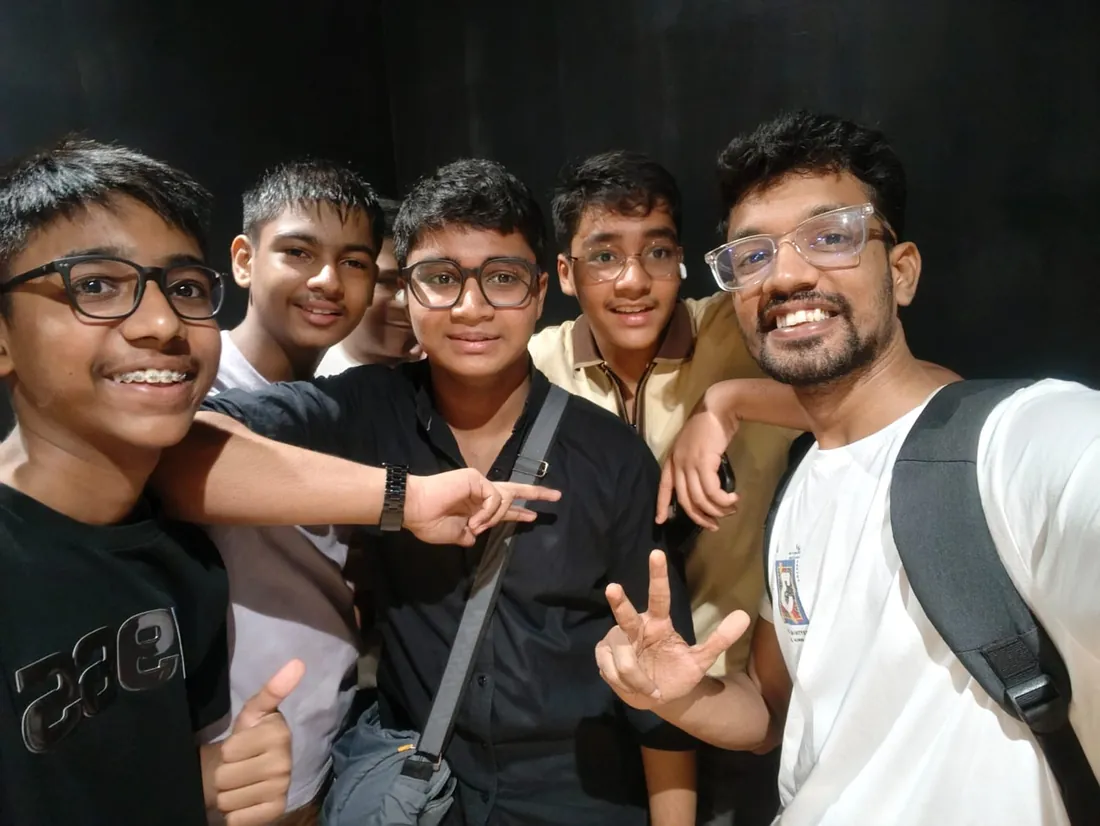
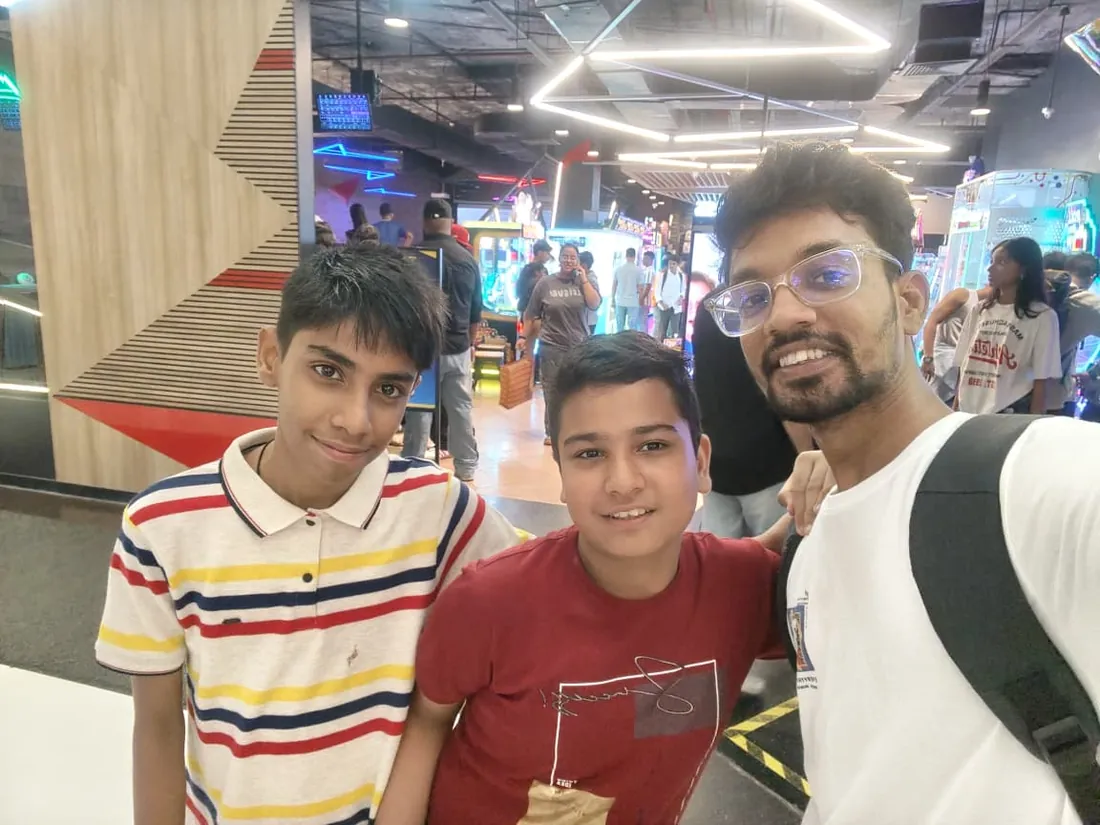
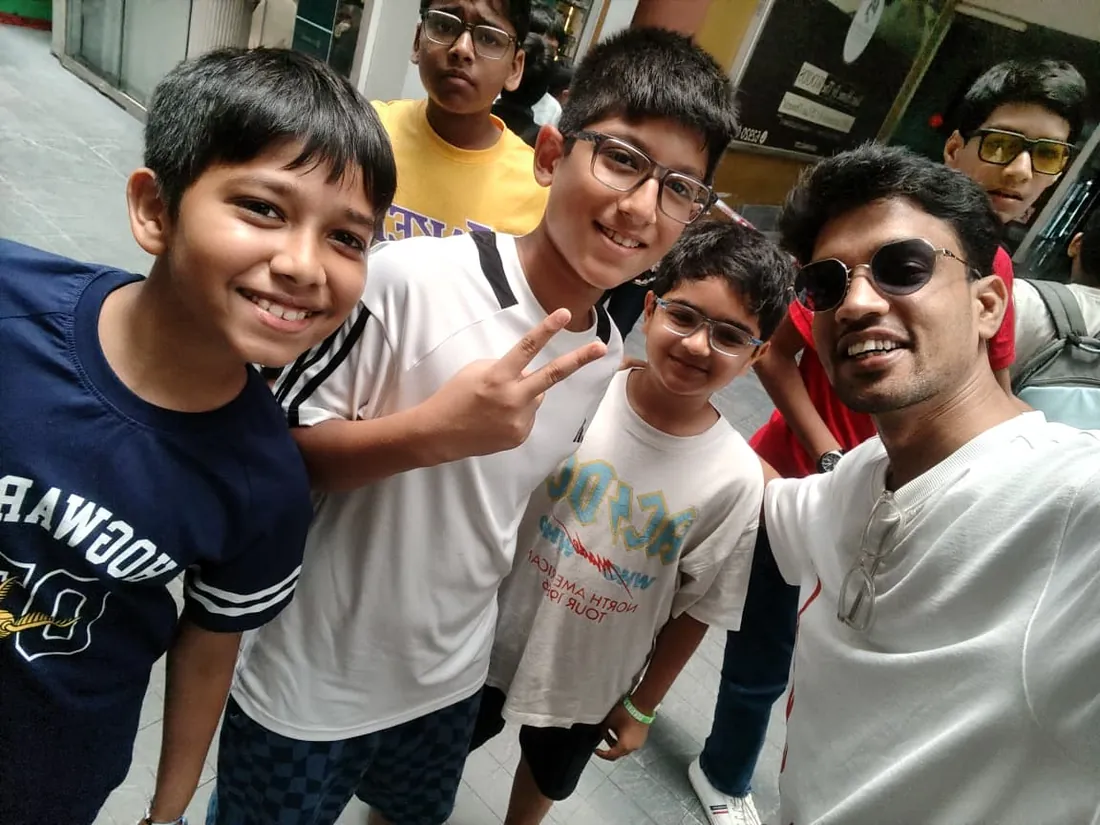
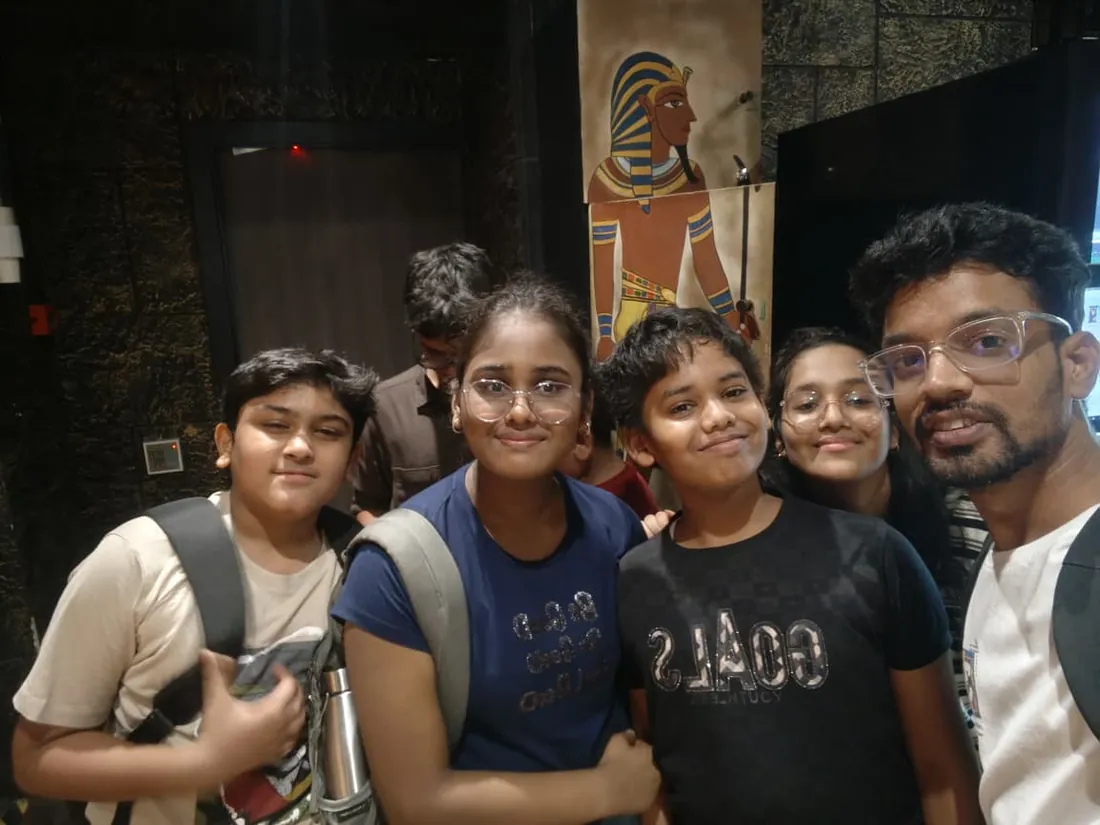
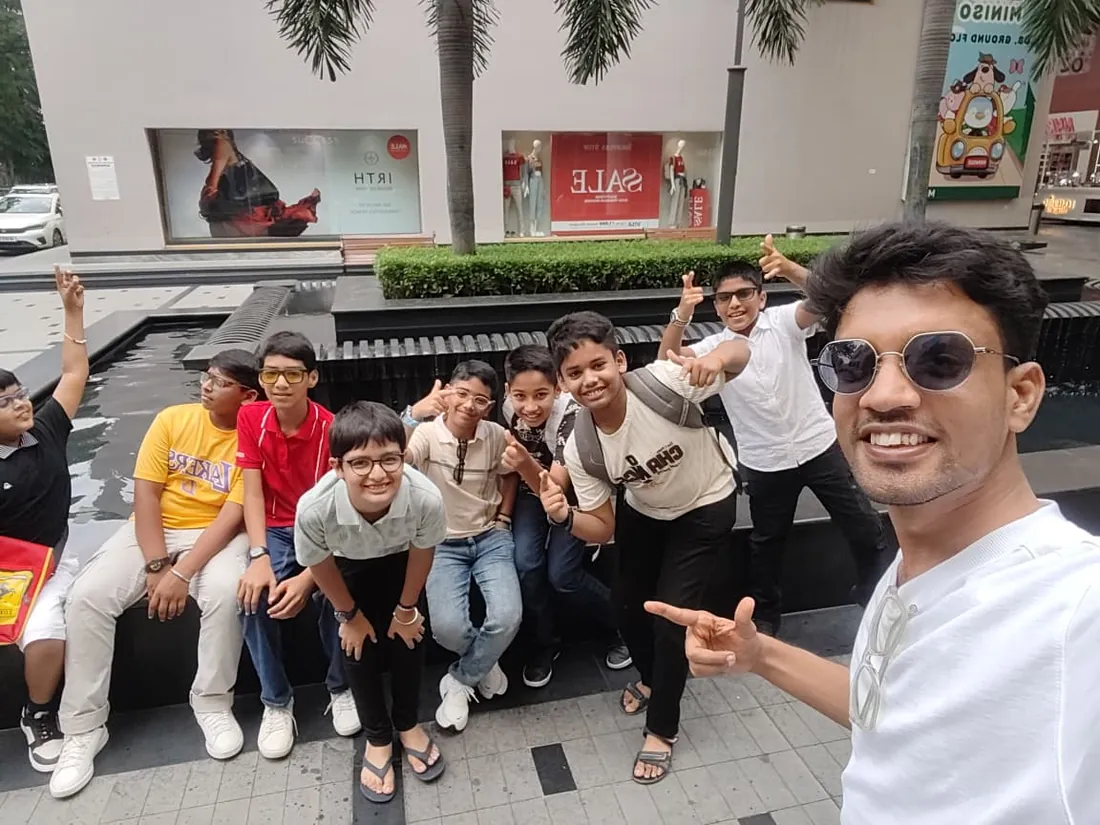
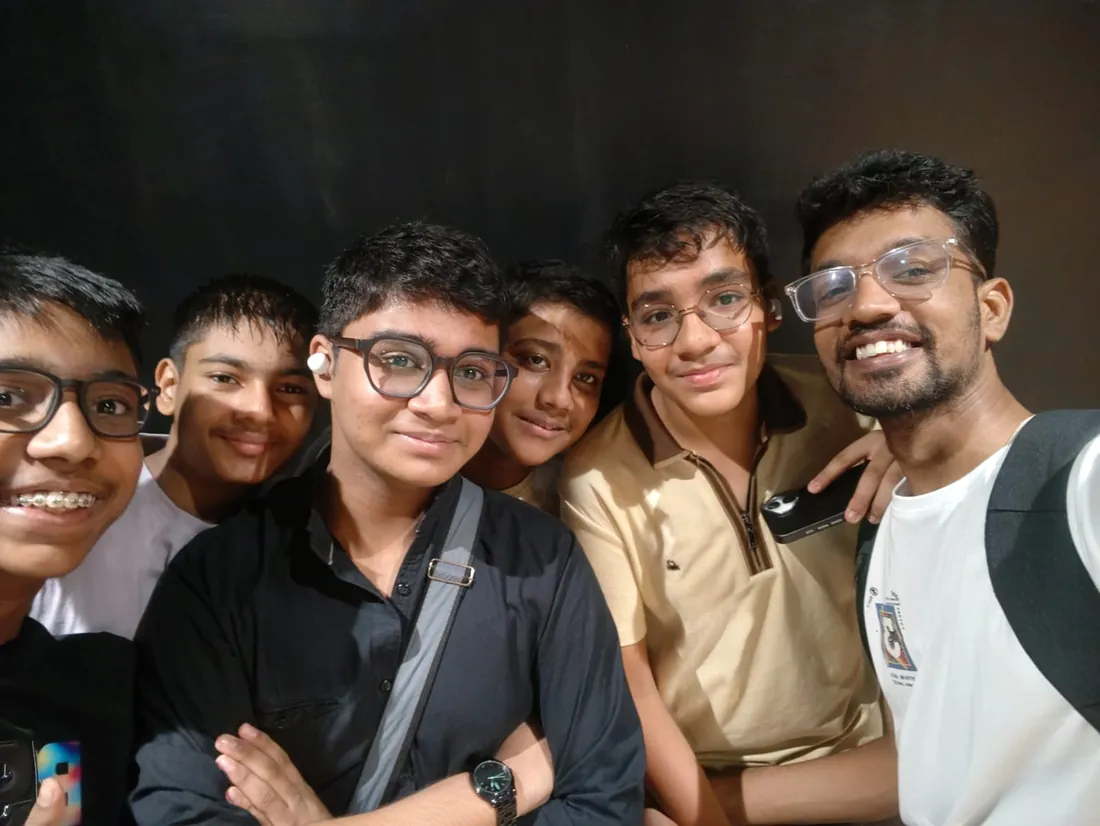
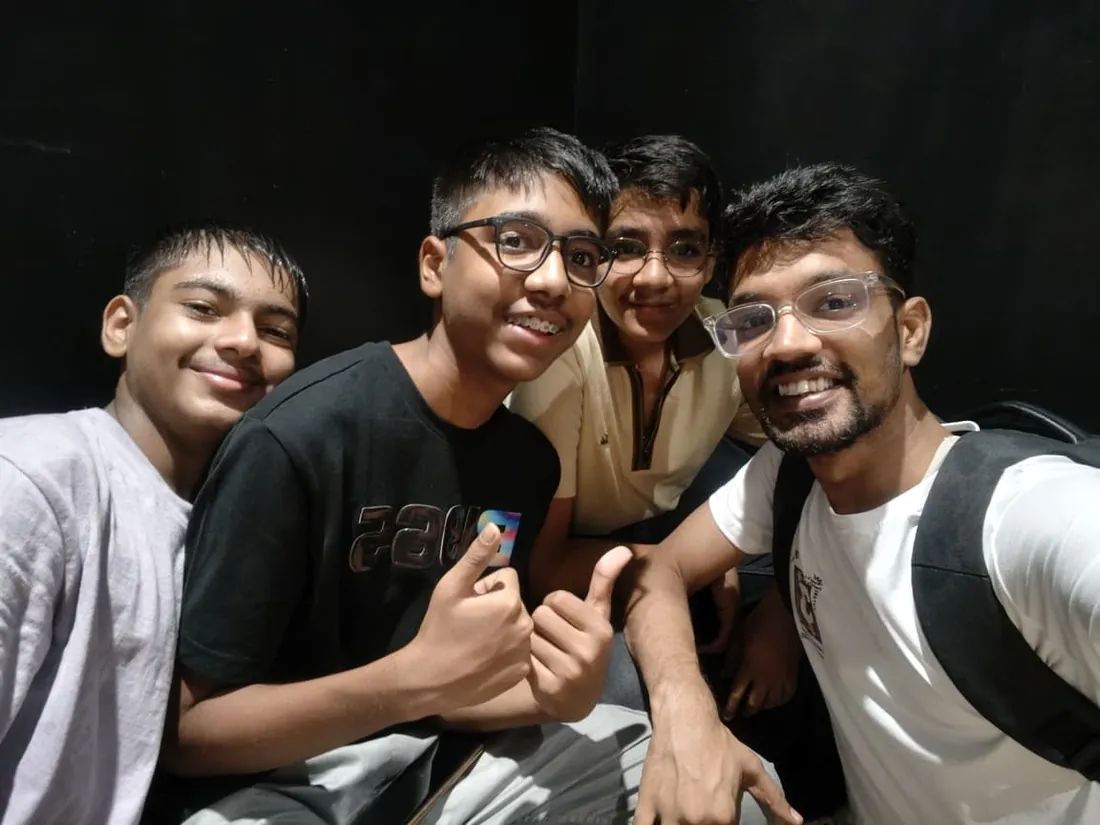
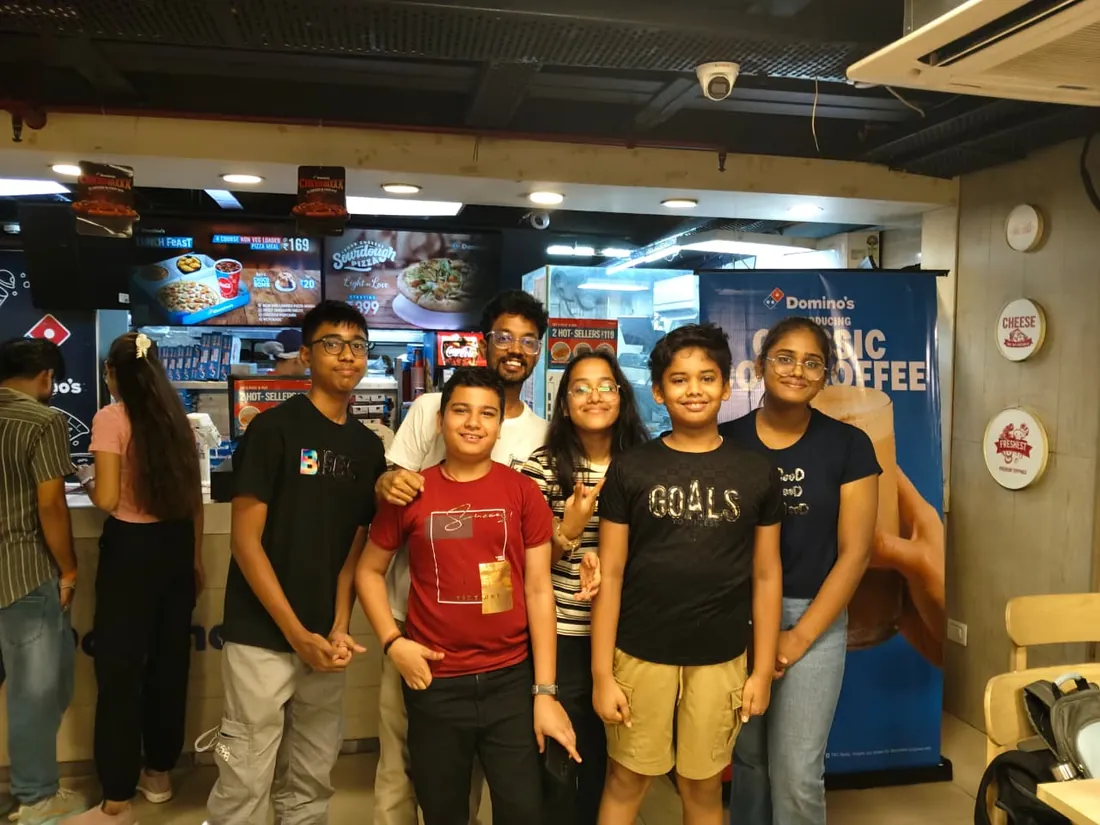
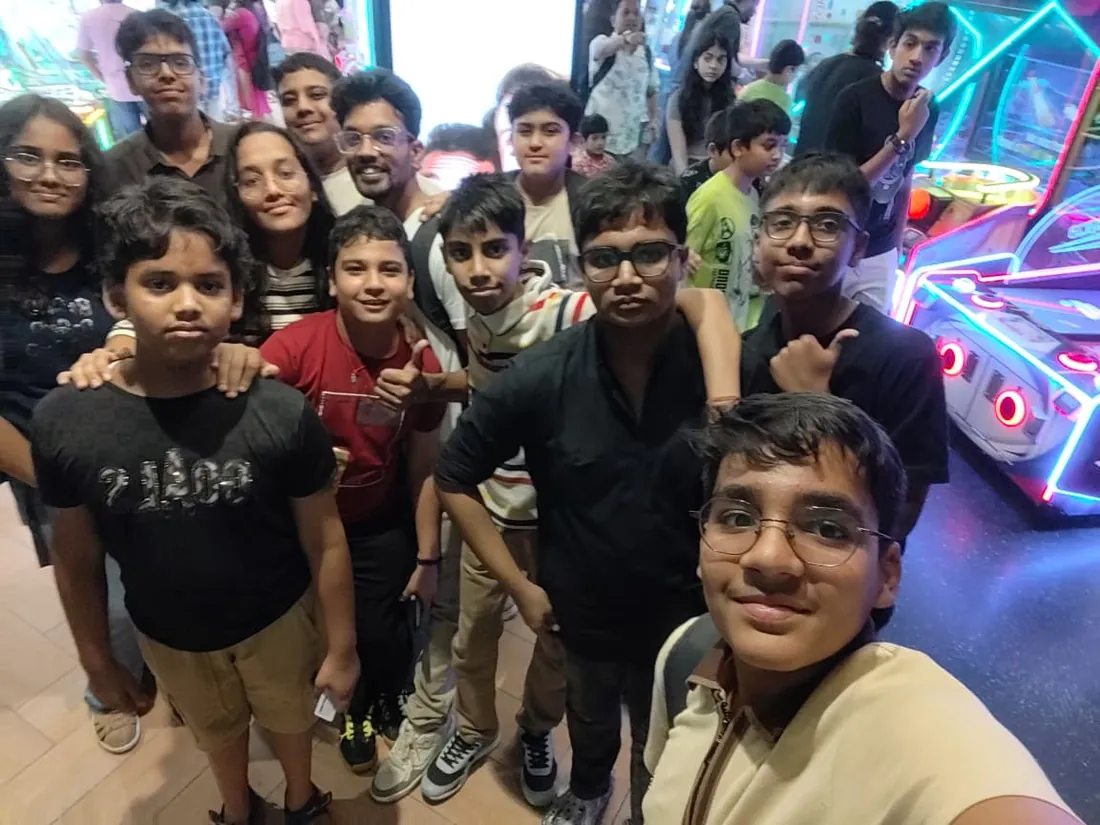
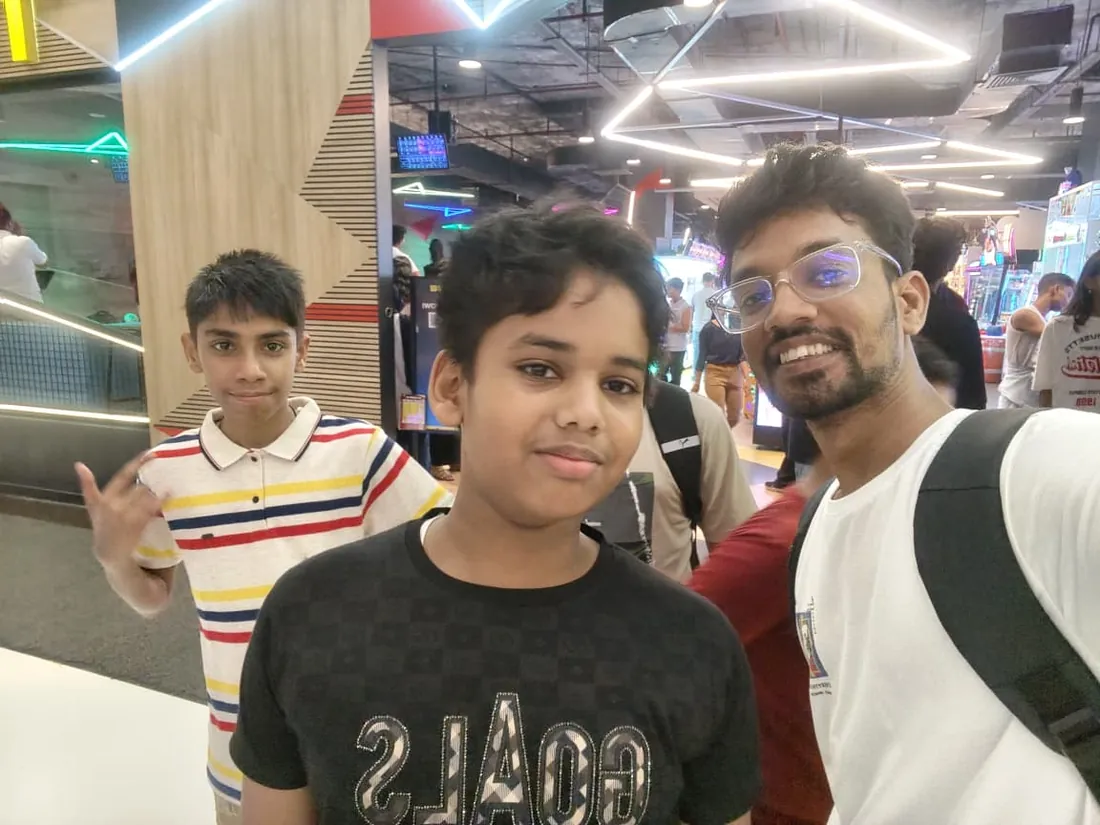
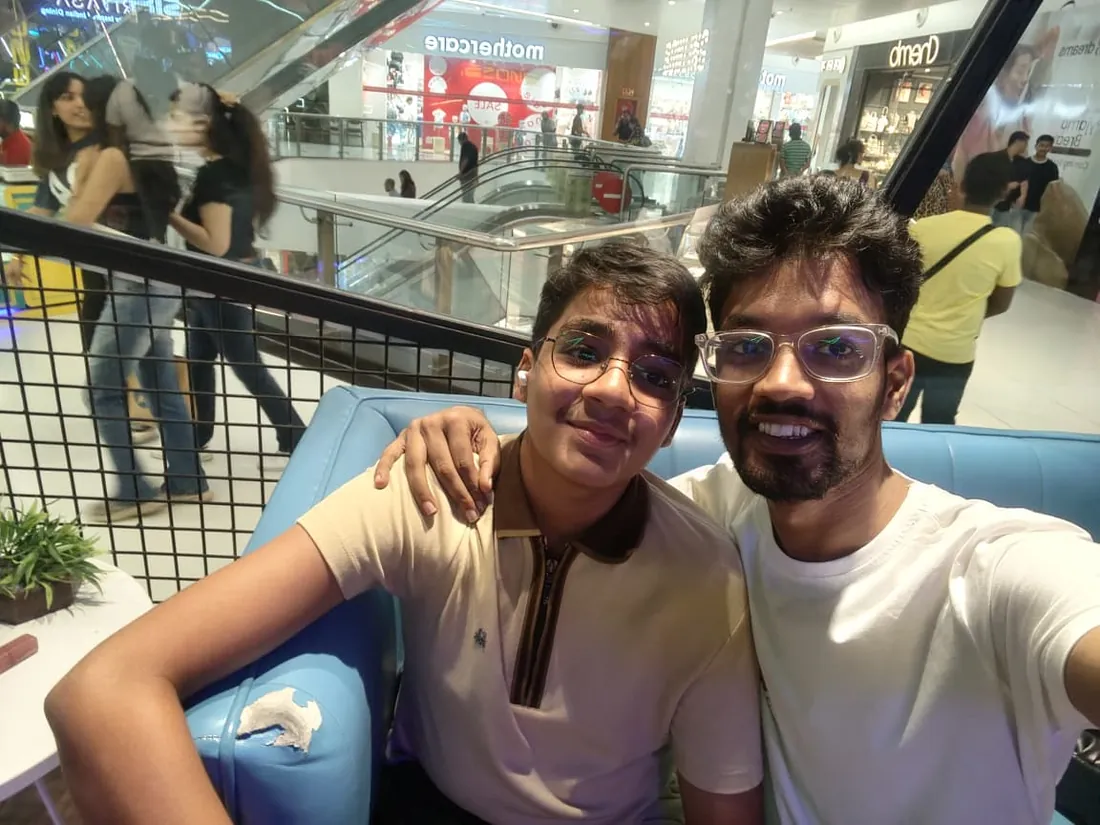
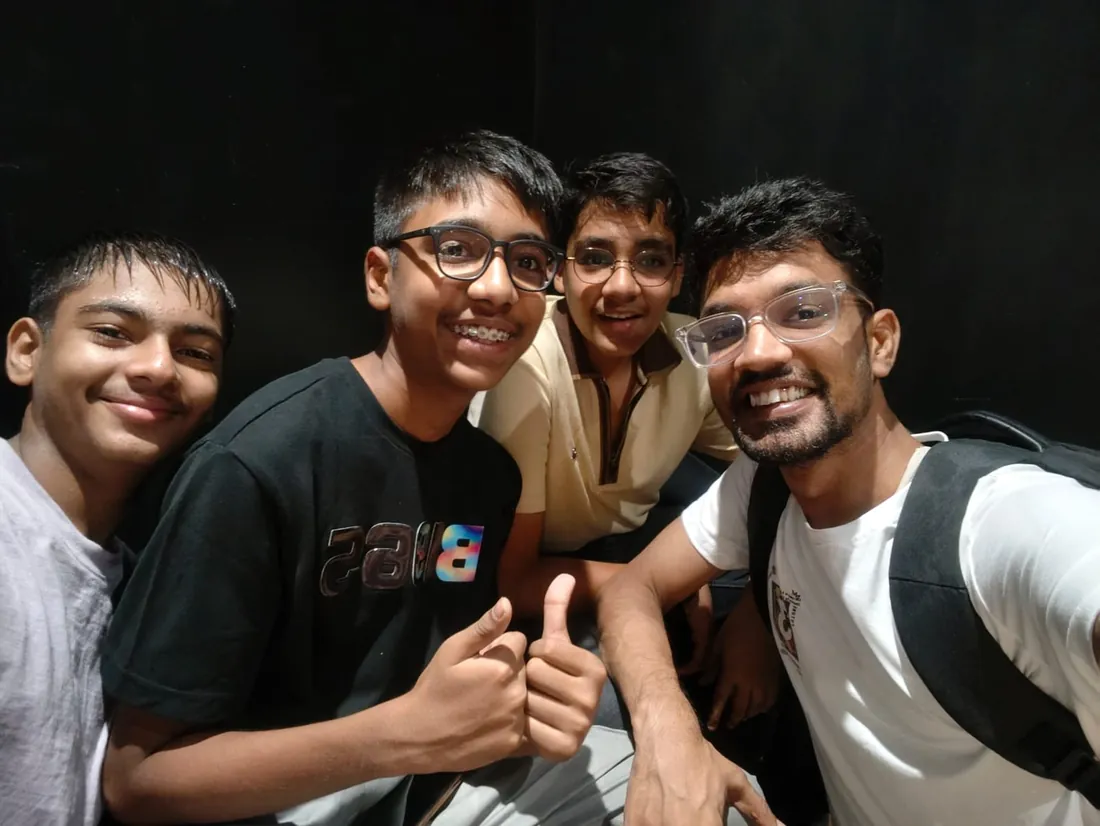
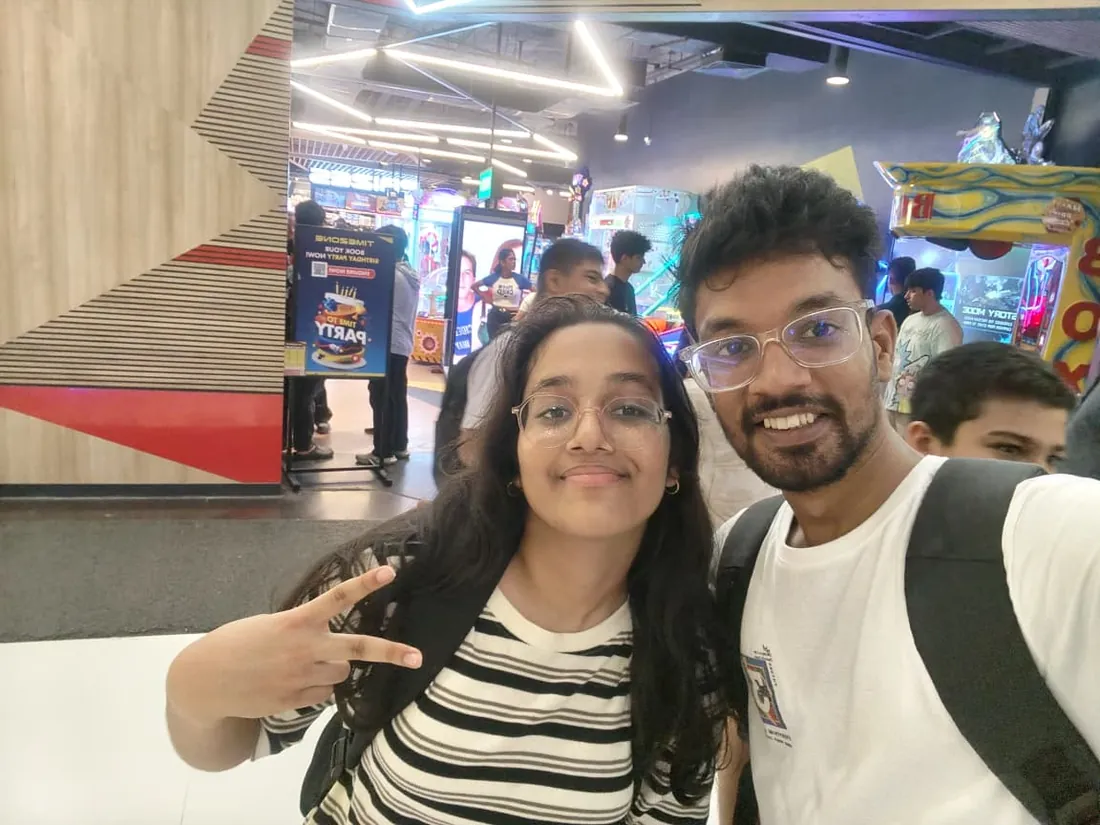
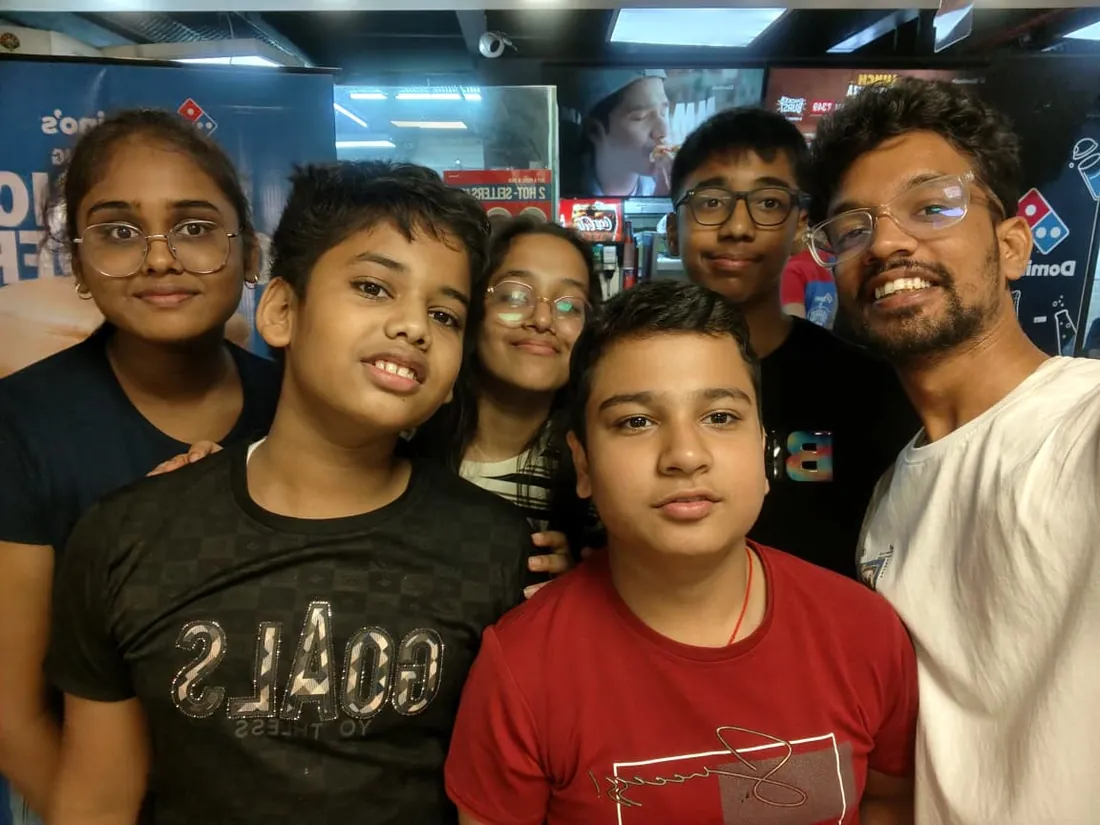
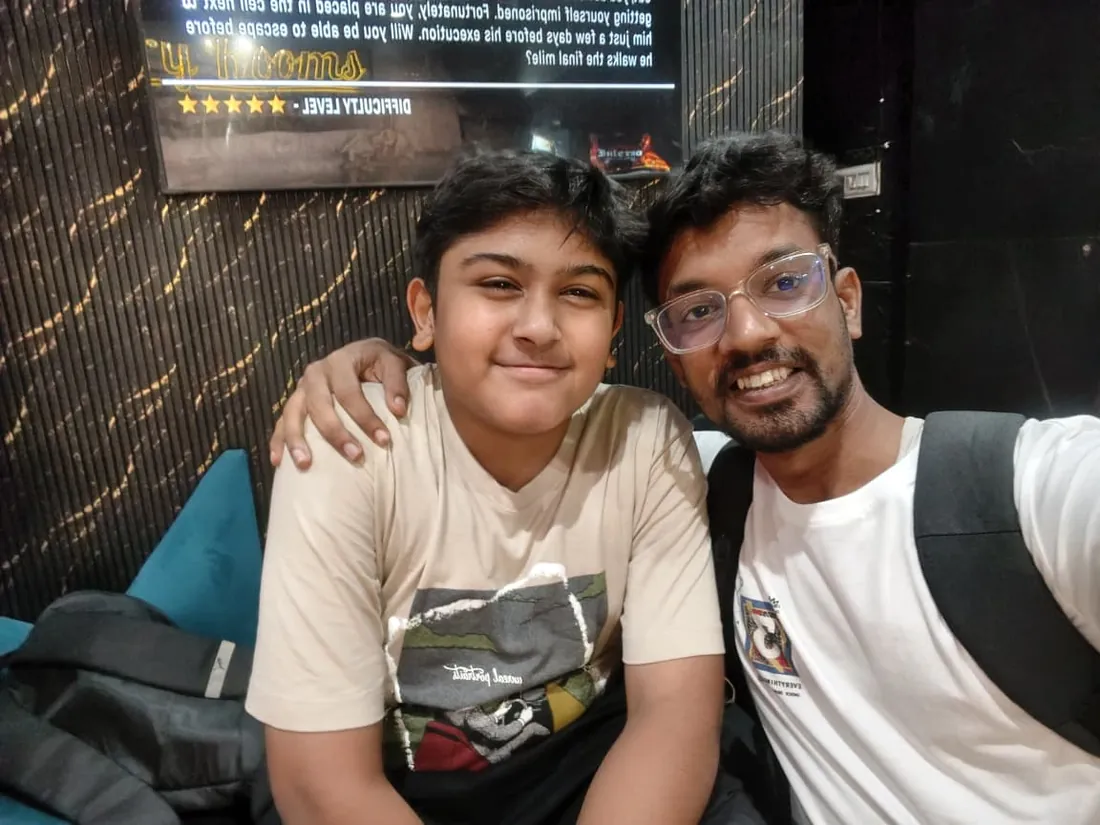
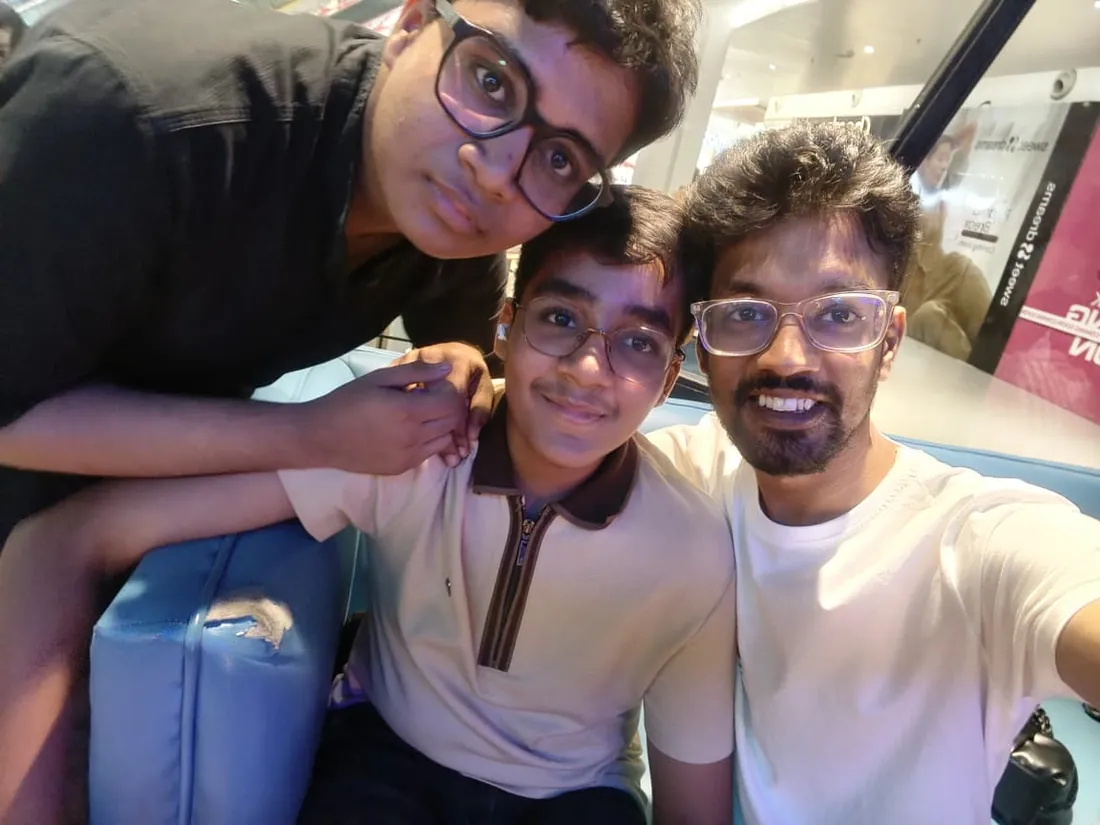
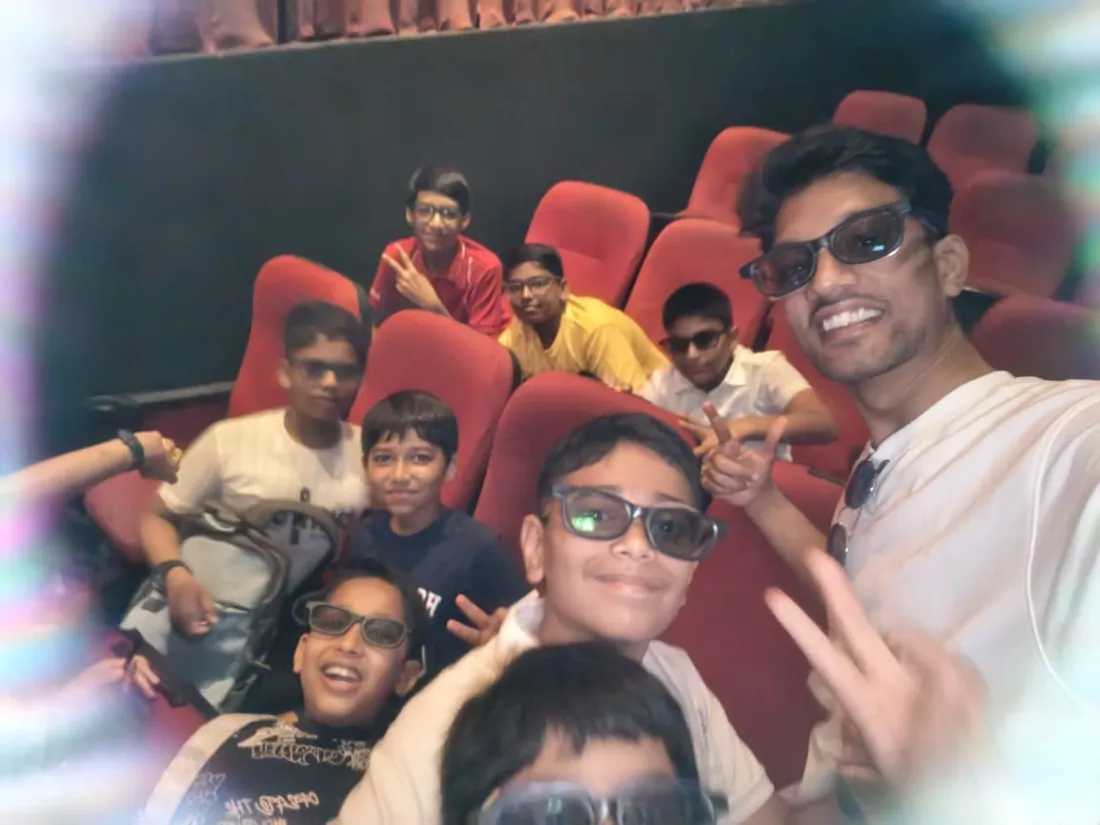
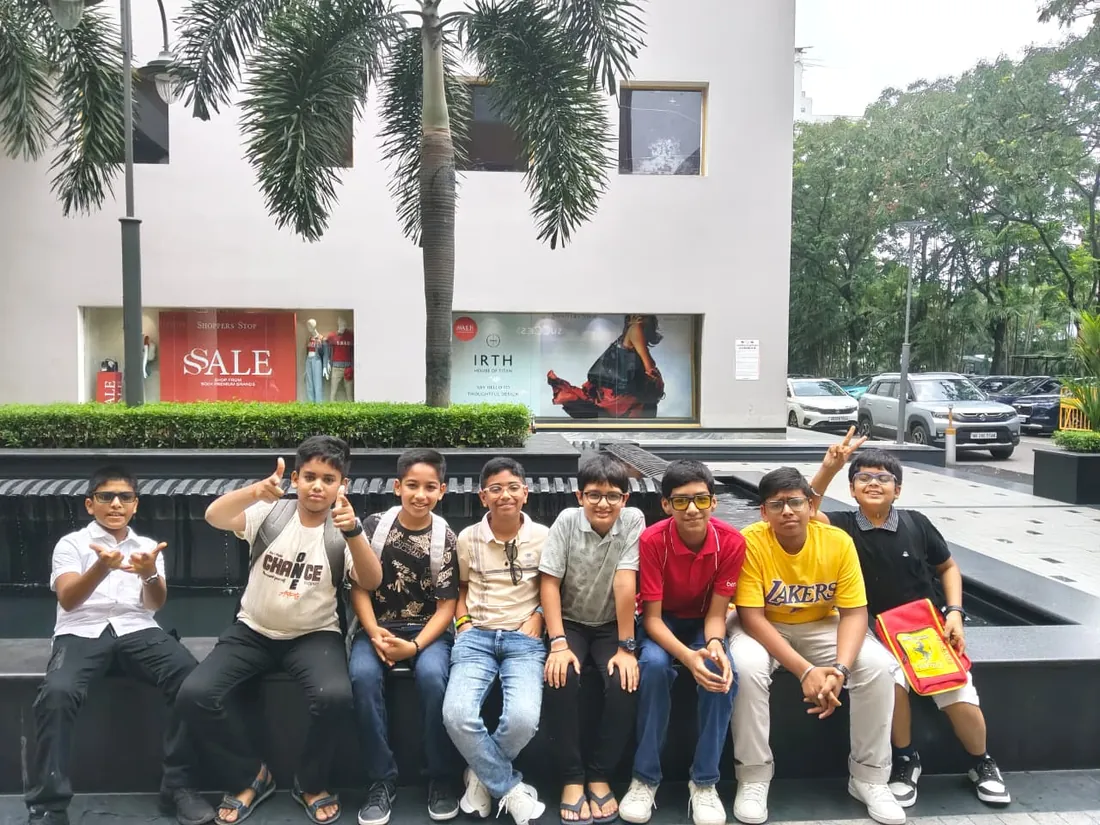
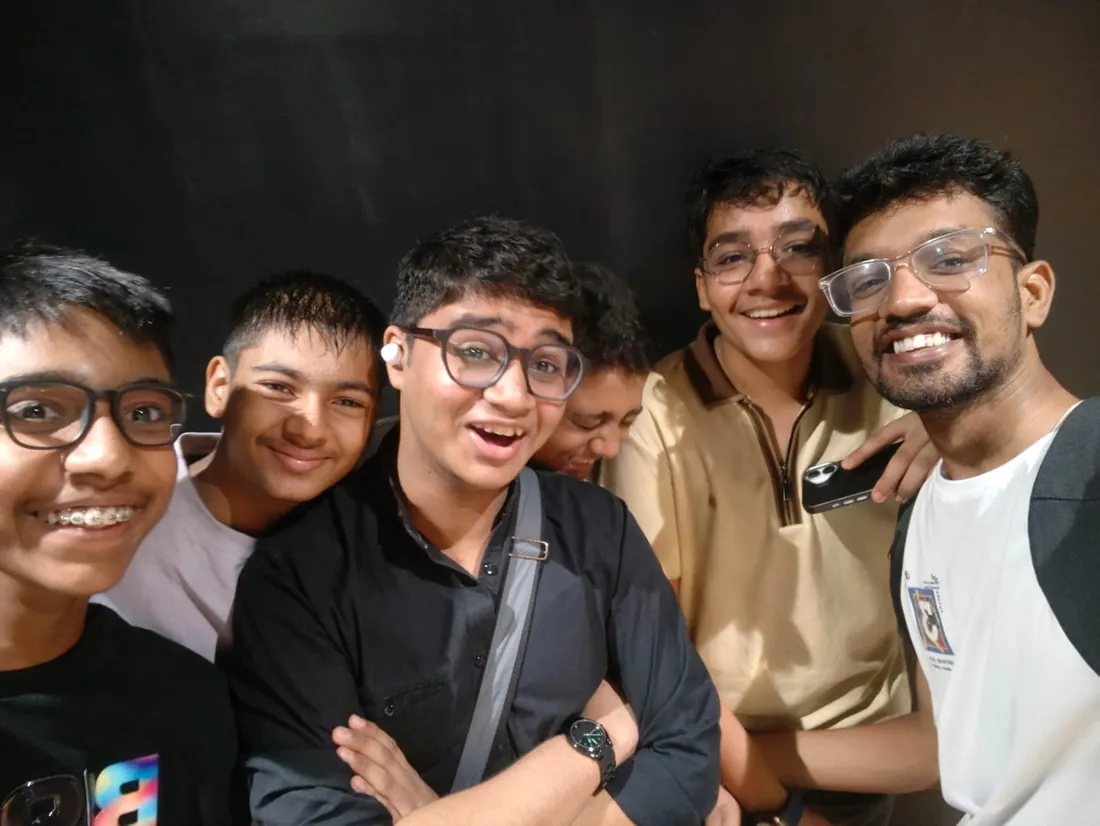
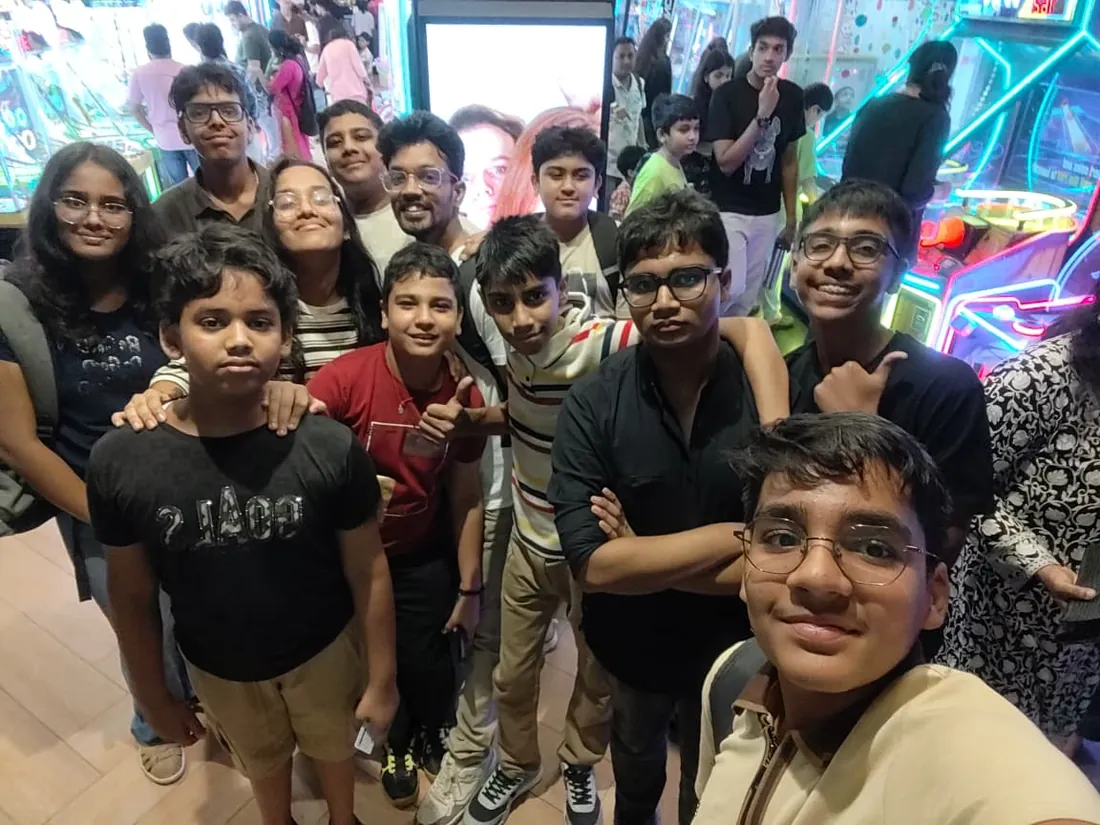
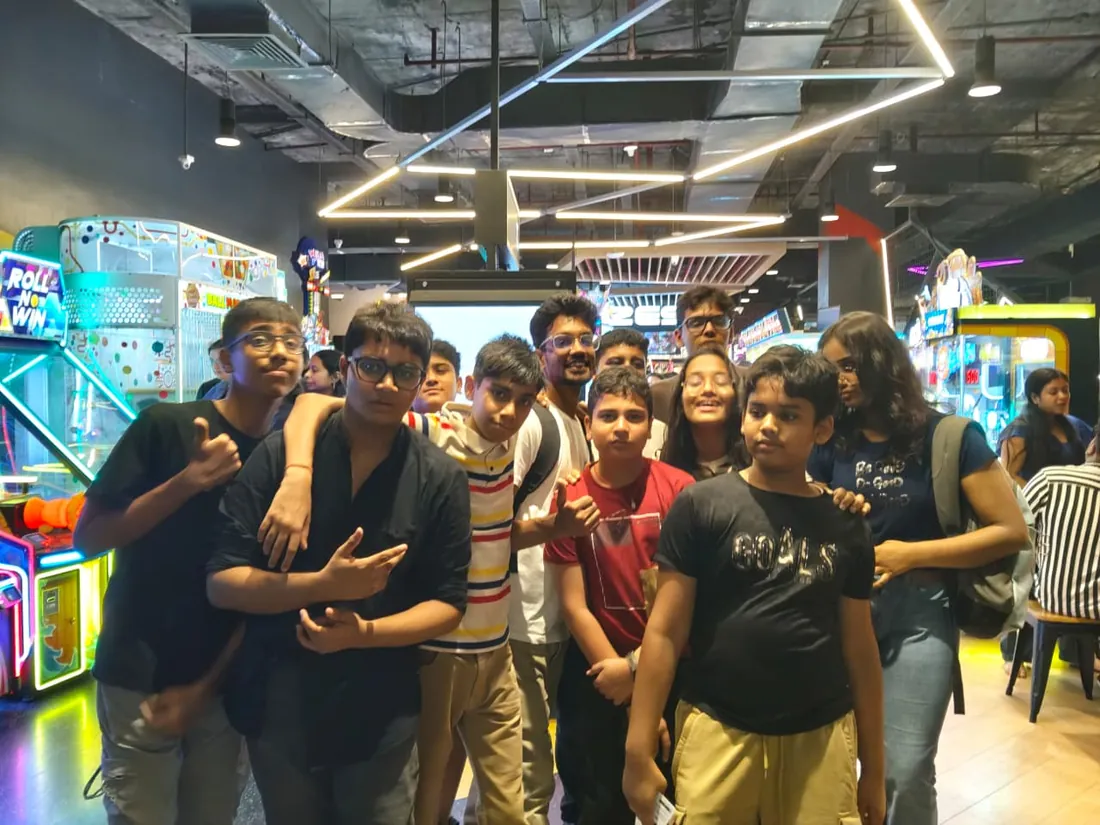
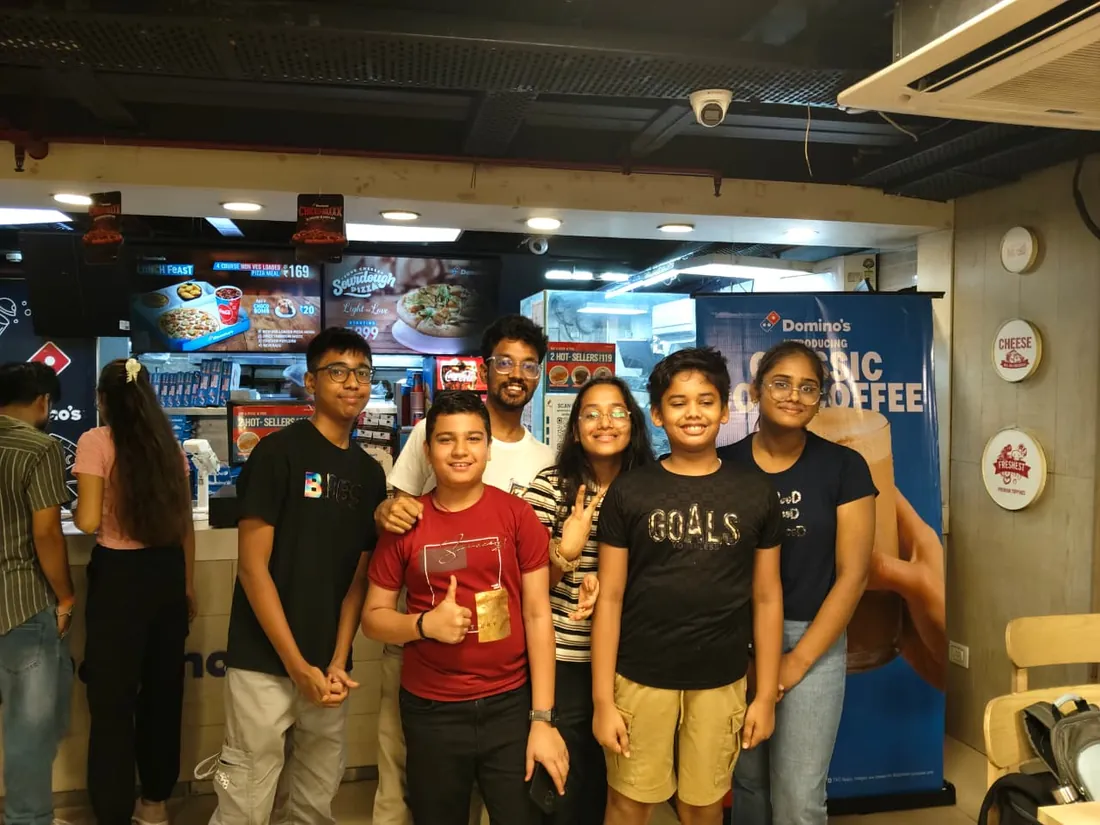
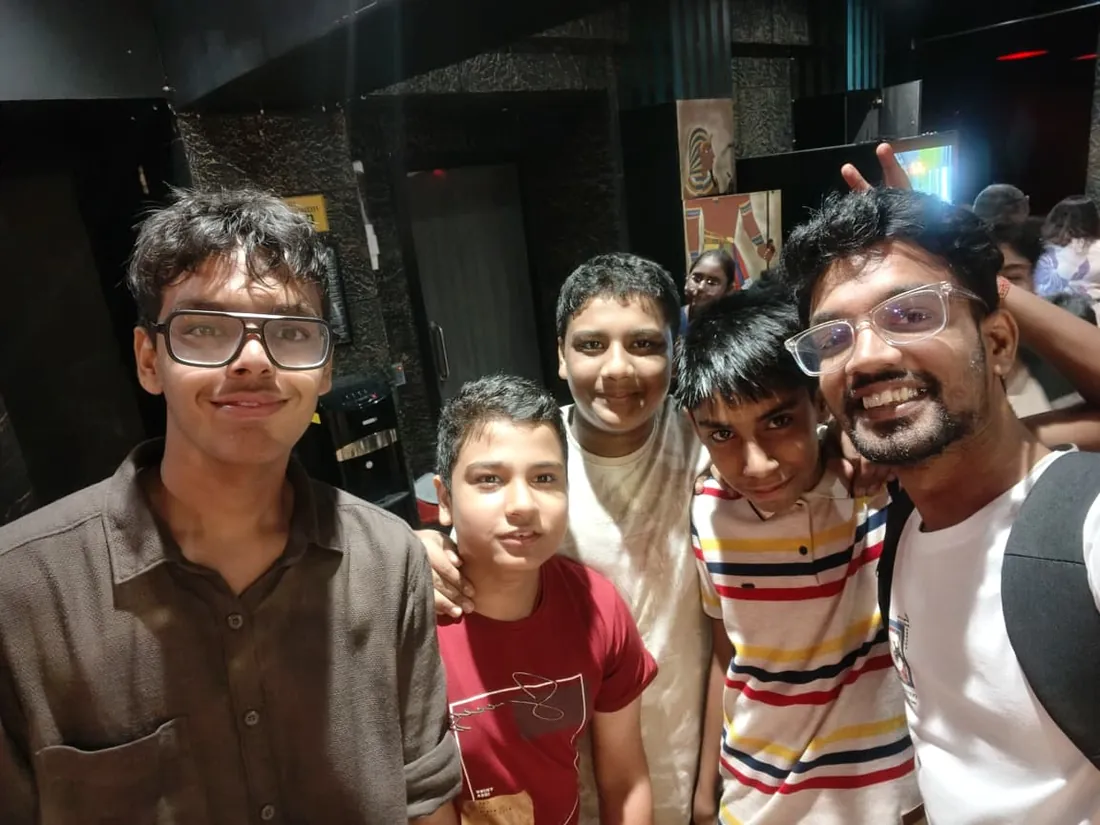
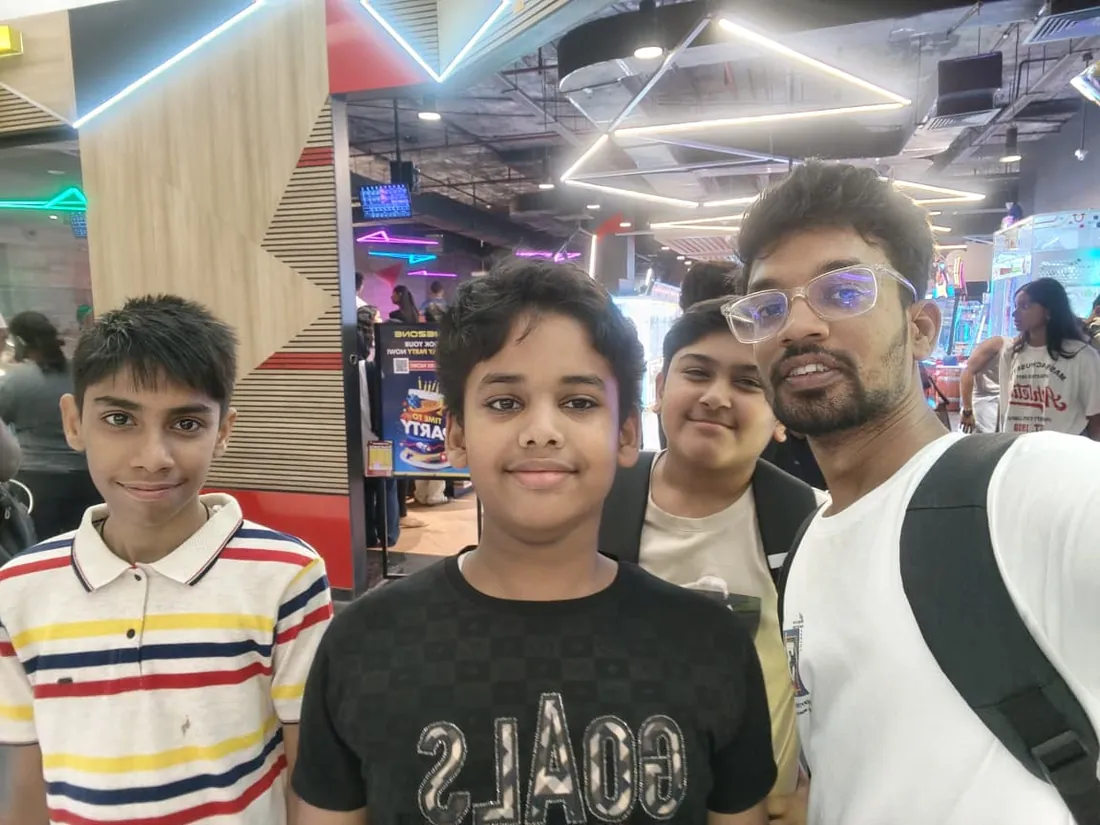
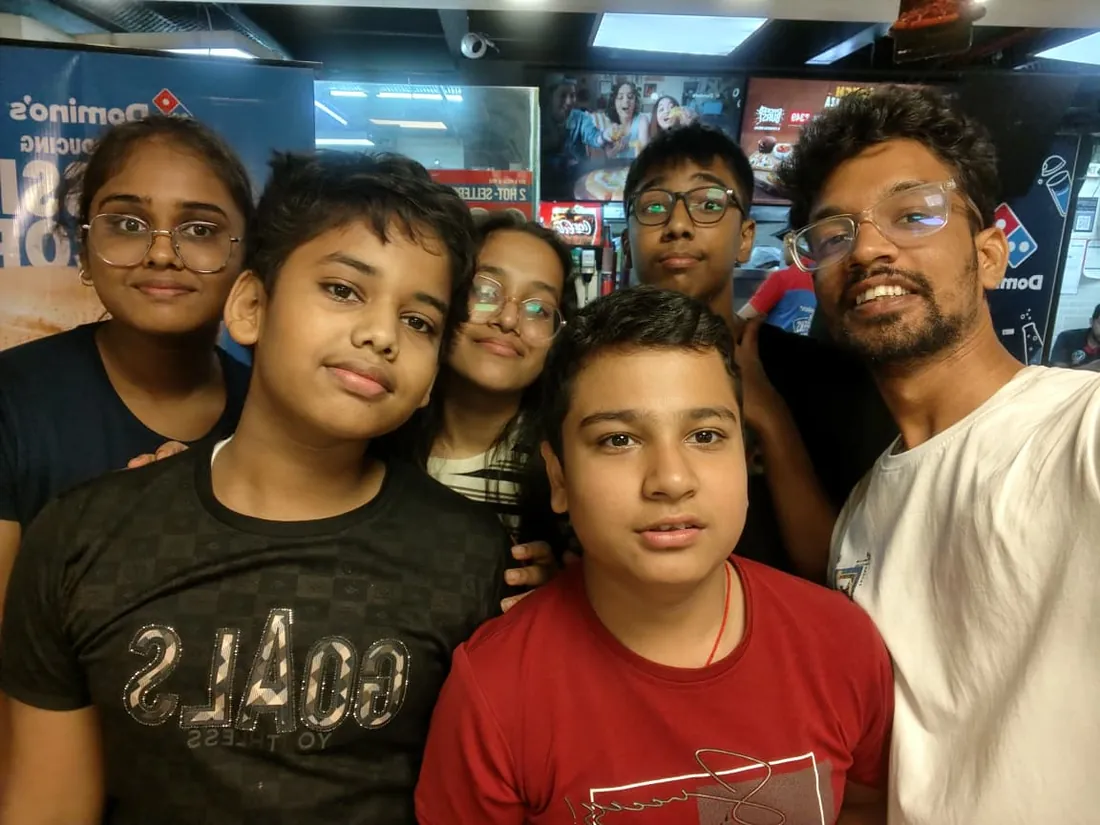
Real students. Real moments. Real joy.
These are our actual student meetups. No stock photos, no filters. Swipe through and meet the community you'll be joining.














What families say
Straight from the parents and students who learn with us. Rated 4.9 across 547 Google reviews.
“Mivaan enjoys the class. He understands the concepts and completes his tasks with excitement. He started taking interest in coding… truly amazing class.”
“I absolutely love it here! I made new friends and learned important valuable coding skills while having the fun of my life. It's not just coding here, it's outings, bonding and most importantly preparing you for your future. Definitely five stars.”
“What stands out most is how excited my son is before every class. He looks forward to learning, problem-solving, and sharing what he's built. I've noticed a big boost in his confidence!”
“Modern Age Coders has been a game-changer for me! I struggled to grasp IT concepts and coding before joining, but their classes transformed everything. I'm now the topper in my class and can confidently write complex programs with ease.”
“Modern Age Coder have wonderful teachers who teach in a clear, easy and practical way. The teacher boosts students' confidence, keeps them updated with technology, and inspires them to learn without hesitation.”
“The one step solution for my son. Modern Age Coders make learning coding so simple that kids love it.”
“Coding classes here make learning very interesting and conceptual. The teachers teach us in a very easy-to-understand and efficient manner.”
“One of the most wonderful education centres out there. Education is not limited to school syllabus but focuses on skill development. Learning here has been a wonderful journey and still continuing.”
“I highly recommend this computer coding class! The teachers are incredibly knowledgeable and passionate about coding. They make every session engaging and insightful.”
“My child Dhairya is really enjoying the Modern Age Coder IT classes. This is his first online class, and he eagerly looks forward to it.”
“Very good classes. Don't worry about coding. They teach the best, especially Shivam sir.”
“Very good classes. Makes learning very easy and interactive.”
Hear it from our students
Real parents and students in their own words, on our public YouTube channel.
Straight answers about AI Research Engineering: Reproduce, Experiment, Publish
- Who should take this course?
- Advanced · college students, working engineers, graduate students and researchers who already train models in PyTorch. It suits ml and software engineers who train models at work and want to move toward research engineering roles, or to run experiments their team can trust; master's and phd students and early-career researchers who want a mentor-guided reproduction, stronger experiment design and a first paper draft; final-year undergraduates who already know pytorch and want a serious research project for graduate applications or research internships.
- What will they learn and build?
- Most published ML results are harder to reproduce than their papers suggest. The training recipe hides in an appendix or a config file nobody released, the baseline was tuned for an afternoon while the proposed method was tuned for a month, the headline number comes from one seed, and the benchmark may already sit in the pretraining data.
- How deeply are topics covered?
- The course runs 24 live 1-on-1 classes, 1 hour each at One live hour per class plus 4-6 hours of experiment, writing and reading time between classes, across 4 phases listed week by week in the syllabus below. A structured 24-class curriculum taught step by step, with a real deliverable in every single class.
- Who teaches it?
- Modern Age Coders mentors, who teach the live classes themselves. You can watch them at work in the free class recordings before you decide.
- How do practice, feedback and assessment work?
- Classwork every session, a task after every class, phase-gate reviews that mix in earlier topics, and a capstone report defended live, plus a written assessment that decides the certificate: real knowledge and real work, with a free retest after revision if needed. Doubt support between classes over WhatsApp, so a diverging run or a number that will not match never waits until the next class. A certificate you earn by passing the final assessment and defending your capstone report, with a free retest after revision if needed.
- What does it cost?
- One plan, taught 1-on-1 only, billed per month of private classes. The price is shown in your currency in the plans section. Monthly billing, cancel any time.
- When can classes take place?
- Live classes are scheduled around your week: as a 1-on-1 student you choose your own slots with your mentor, and international students are scheduled in their own timezone. Ask on WhatsApp for the current availability.
- Can I watch the teaching before deciding?
- Yes. Full recordings of real 13 and up classes are free to watch, free with a Google sign-in. These recordings show how we teach, not the exact syllabus of this course. Some classes are in English and some in Hindi; everyone follows at their own pace. Watch a class end to end, like you are in it. Sessions are interactive and each moment builds on the last.
- Can I enroll without a live demo?
- Yes. Choose a plan on this page and enrol directly; a demo is not required. If you would like to see a full class with a mentor first, book a Priority Demo.
- How do I reach you with a question?
- WhatsApp +91 91233 66161, email connect@modernagecoders.com, or call +91 91233 66161. Tell us the student's age and what they have learned so far, and we will point you to the right plan and batch.
Common Questions About AI Research Engineering: Reproduce, Experiment, Publish
Get answers to the most common questions about this comprehensive program
Still have questions? We're here to help!
Contact UsWhy Choose AI Research Engineering: Reproduce, Experiment, Publish?
Related Courses You May Like
Continue your learning journey with these recommended programs
 Advanced AI & Research
Agentic AI Engineering: Build AI Agents from Scratch
Build AI agents in Python from scratch: tool calling, MCP, RAG, memory, evals, guardrails and deploy...
Explore Course Advanced AI & Research
How to Read AI Research Papers
Learn to read, critique and re-implement AI research papers in 24 live 1-on-1 classes: the three-pas...
Explore CourseRelated Articles & Guides
Deepen your knowledge with these hand-picked articles
 Artificial Intelligence
14 min read
Agent Terminology in AI: A Simple Guide to Understanding AI Agents
Decode AI agent terminology in ai with this beginner-friendly guide. Learn about autonomous agents, ...
Read Article Career
28 min read
Data Science, AI, and Math: Skills Every Tech Professional Must Learn
Master data science, AI, and math skills for 2025. Complete guide with skill assessments, learning p...
Read ArticleReady to start AI Research Engineering: Reproduce, Experiment, Publish?
Book a Priority Demo to see a full live class with a mentor reserved for you, today or tomorrow. Or choose a plan and enrol now.
Questions? WhatsApp +91 91233 66161 or email connect@modernagecoders.com