AI and Machine Learning Masterclass
Twelve months, honestly spent: the mathematics, the models, the modern generative layer, and enough engineering to ship what you train.
Syllabus updated August 2026
Recordings are free with a Google sign-in. These recordings show how we teach, not the exact syllabus of this course.
How long this course takes
This course runs 12-14 months (48-56 weeks) at 2 live classes/week + 5-6 hours practice. The range allows for background and pace: a complete beginner uses the full span, and a student with prior knowledge finishes sooner. The syllabus below is planned to the shorter end, with margin kept for revision.
For personalised duration planning, call +91 91233 66161 and we'll map a schedule to your goals.
At a glance
- Who it is for
- Complete beginner (18+); school maths refreshed, everything else built here. Age: 18+; college students, graduates and working professionals.
- Prerequisites
- None required; Python is built within phase 1 School mathematics; the course rebuilds everything it needs from there
- Format
- Live, interactive classes with a real instructor, never pre-recorded videos. Live classes run about one hour.
- Language
- English or Hindi, depending on the batch.
- Duration
- 12-14 months (48-56 weeks)
- Weekly commitment
- 2 live classes/week + 5-6 hours practice
- Class size
- Group batches of 5 to 10 students, mini batches of 3 to 4, or 1-on-1.
- Certificate
- Certificate from Modern Age Coders, awarded on passing the final exam
- Watch first
- Free recordings of real classes for ages 13 and up, free with a Google sign-in. These recordings show how we teach, not the exact syllabus of this course.
- Live demo
- Optional. Enroll directly on this page, or book a free live demo if you would like to meet a mentor first.
How we teach
Deep understanding. Real projects. Expert guidance.
Learn coding, AI and maths through careful explanations, practical demonstrations, and hands-on problem-solving. Our instructors guide you from the foundations to advanced ideas, helping you understand what happens, why it happens, and how to build it yourself.
You will explore concepts step by step, write and improve code, investigate mistakes, ask questions, and apply your knowledge to meaningful projects. Lessons are designed around active participation, thoughtful feedback, and growing independence.
Expert-led live teaching, with practical participation built into every lesson.
- Students explain their thinking.
- Instructors demonstrate, then guide practice.
- Learners code, solve, or build during lessons.
- Questions and misconceptions get attention.
- Assignments receive useful feedback.
- Progress is checked before advancing.
Ready to Master AI and ML Masterclass: Python, Deep Learning and GenAI?
Choose your plan and start your journey into the future of technology today.
Rated 4.9 across 547 Google reviews. Enroll directly, or see a class first. The free demo is a waiting list and needs no card. Monthly billing, cancel anytime.
Try this course in a full live class, today or tomorrow.The Priority Live Demo is a real class of about 45 to 60 minutes with a mentor reserved for you. You get a written skill report afterwards, and the fee is adjusted against your first month if you enrol.
Book priority demo · ₹499International Students (Outside India)
Billed monthly in US dollars, the same price in every country. Contact us with any questions.
Program Overview
AI and machine learning is the deepest track we teach, and this masterclass respects that: twelve months from zero, no shortcuts and no skipped mathematics. The foundations phase builds linear algebra, calculus intuition, probability and statistics alongside Python and the data stack, because everything downstream stands on them. Classical machine learning follows with scikit-learn, classification, feature engineering, unsupervised learning, and evaluation taught as the discipline that separates practitioners from demo-makers. The deep learning phase goes through PyTorch, the framework research and industry actually share, into CNNs, computer vision and NLP up to transformers. The final phase is the modern layer: generative AI and LLM engineering, retrieval, fine-tuning concepts, honest evaluation of generated output, plus deployment fundamentals, serving a model, tracking experiments, monitoring drift, and a capstone shipped and defended.
What this course refuses to do is fake the frontier: reinforcement learning, large-scale ML infrastructure and research careers are mapped honestly as next roads, not squeezed into hollow weeks. The reclaimed time goes into depth where it pays: evaluation, error analysis, and the engineering judgment interviews actually probe.
The pace is real: twelve months at two live classes a week plus five to six hours of practice, with two more months in hand when needed. Problem sets after every class, monthly mixed reviews, phase exams, and a final exam that decides the certificate, with focused revision and a free retest. Real models, real evaluation, depth over dopamine.
What Makes This Program Different
- Mathematics first, honestly: linear algebra, calculus and statistics built in-course, not waved at
- PyTorch as the spine of deep learning: the framework research and industry actually share
- Evaluation and error analysis treated as the core skill, because that is what interviews and real work probe
- A genuinely modern generative phase: LLM engineering, retrieval, fine-tuning concepts and honest output evaluation
- Deployment fundamentals included: serving, experiment tracking and monitoring, without pretending to be an infra course
- Real assessment: weekly problem sets, monthly mixed reviews, and a final exam that decides the certificate, with focused revision and a free retest
Your Learning Journey
Career Progression
Detailed Course Curriculum
Explore the complete week-by-week breakdown of what you'll learn in this comprehensive program.
Topics Covered
- Why mathematics matters in AI/ML
- Basic arithmetic and algebra review
- Functions and graphs
- Introduction to vectors: geometric and algebraic view
- Vector operations: addition, scalar multiplication
- Dot product and geometric interpretation
- Vector norms (L1, L2, infinity norm)
- Matrices: definition and notation
- Matrix operations: addition, multiplication
- Matrix transpose and symmetric matrices
Projects You Build
- Vector operations visualizer
- Matrix calculator implementation
- Linear equation solver
- Geometric transformations with matrices
Practice & Assignments
Solve 50 linear algebra problems, implement from scratch in Python
Topics Covered
- Eigenvalues and eigenvectors: concept and computation
- Eigendecomposition
- Singular Value Decomposition (SVD)
- Principal Component Analysis (PCA) mathematics
- Vector spaces and subspaces
- Linear transformations
- Introduction to calculus: limits
- Derivatives: definition and rules
- Power rule, product rule, quotient rule, chain rule
- Partial derivatives
Projects You Build
- PCA implementation from scratch
- Image compression using SVD
- Gradient descent visualizer
- Function optimizer using calculus
Practice & Assignments
Solve 60 calculus problems, implement gradient descent variants
Assessment
Month 1 check: a linear algebra and calculus problem set, marked line by line
Topics Covered
- Probability fundamentals: sample space, events
- Probability rules: addition, multiplication
- Conditional probability and Bayes' theorem
- Independent vs dependent events
- Random variables: discrete and continuous
- Probability distributions: uniform, Bernoulli, binomial
- Normal (Gaussian) distribution: properties and applications
- Poisson distribution
- Exponential distribution
- Probability density functions (PDF)
Projects You Build
- Probability calculator
- Distribution visualizer
- Bayes theorem applications
- Monte Carlo simulations
- Statistical analysis tool
Practice & Assignments
Solve 70 probability and statistics problems
Topics Covered
- Descriptive statistics: mean, median, mode
- Measures of spread: range, IQR, variance, std dev
- Hypothesis testing fundamentals
- Null and alternative hypotheses
- P-values and significance levels
- T-tests, Z-tests, Chi-square tests
- ANOVA (Analysis of Variance)
- Confidence intervals
- Statistical inference
- Python setup for ML: Anaconda, Jupyter
- NumPy for numerical computing
- Pandas for data manipulation
- Matplotlib and Seaborn for visualization
- Statistical computing with SciPy
Projects You Build
- Hypothesis testing framework
- A/B testing simulator
- Statistical analysis dashboard
- Data exploration toolkit with Python
- Interactive visualization app
Practice & Assignments
Statistical analysis of 10 real datasets
Assessment
Month 2 check: a statistics-in-Python exercise, plus mixed review of month 1
Topics Covered
- Advanced NumPy: broadcasting, vectorization
- NumPy for linear algebra
- NumPy random number generation
- Pandas DataFrames: advanced operations
- Data cleaning: handling missing values
- Data transformation: apply, map, applymap
- GroupBy operations and aggregations
- Merging, joining, and concatenating
- Time series data handling
- Categorical data handling
- Multi-index DataFrames
- Performance optimization in Pandas
Projects You Build
- Complete data cleaning pipeline
- Time series analysis tool
- Data aggregation and reporting system
- Advanced data transformations
- Performance benchmarking study
Practice & Assignments
Clean and analyze 15 messy datasets
Topics Covered
- Principles of data visualization
- Matplotlib deep dive: customization
- Seaborn for statistical plots
- Plotly for interactive visualizations
- Distribution plots: histograms, KDE, box plots
- Relationship plots: scatter, line, regression
- Categorical plots: bar, count, violin
- Heatmaps and correlation matrices
- Pair plots and joint plots
- Exploratory Data Analysis (EDA) process
Projects You Build
- Complete EDA on Titanic dataset
- House prices EDA and insights
- Customer segmentation visualization
- COVID-19 data analysis and dashboard
- Interactive data exploration tool
Practice & Assignments
Perform comprehensive EDA on 10 datasets
Assessment
Phase 1 exam: a full EDA on a fresh dataset with statistical claims defended, plus a written mixed paper
Topics Covered
- What is Machine Learning? AI vs ML vs DL
- Types of ML: supervised, unsupervised, reinforcement
- ML workflow: problem definition to deployment
- Data preparation for ML
- Train-test split and validation set
- Cross-validation: k-fold, stratified k-fold
- Overfitting and underfitting
- Bias-variance tradeoff
- Evaluation metrics: accuracy, precision, recall, F1
- Confusion matrix
Projects You Build
- House price prediction with linear regression
- Salary prediction model
- Sales forecasting
- Custom linear regression from scratch
- Gradient descent visualizer
Practice & Assignments
Implement linear regression from scratch, solve 30 regression problems
Topics Covered
- Logistic Regression: binary classification
- Sigmoid function and probability interpretation
- Log loss (binary cross-entropy)
- Multi-class classification: one-vs-rest, softmax
- Decision Trees: splitting criteria (Gini, entropy)
- Information gain and entropy
- Tree pruning to prevent overfitting
- Random Forest: ensemble of trees
- Bagging and bootstrap aggregating
- Feature importance in Random Forest
Projects You Build
- Email spam classifier (Naive Bayes)
- Iris flower classification (multi-class)
- Credit card fraud detection
- Customer churn prediction
- Disease prediction (Random Forest)
- Handwritten digit classification (KNN)
- Text classification with SVM
Practice & Assignments
Build 15 classification models on different datasets
Assessment
Month 4 check: train, tune and defend a classifier on fresh data, plus mixed review
Topics Covered
- Feature engineering importance
- Feature scaling: standardization vs normalization
- Min-Max scaling and Standard scaling
- Robust scaling for outliers
- Handling categorical features: one-hot encoding
- Label encoding and ordinal encoding
- Target encoding
- Feature creation: polynomial features
- Interaction features
- Binning and discretization
Projects You Build
- Feature engineering pipeline
- Automated feature selection tool
- Text feature extraction system
- Dimensionality reduction visualizer
- Complete preprocessing pipeline
Practice & Assignments
Engineer features for 20 different datasets
Topics Covered
- Clustering: grouping similar data
- K-Means clustering: algorithm and initialization
- Elbow method for choosing K
- Hierarchical clustering: agglomerative and divisive
- Dendrograms
- DBSCAN: density-based clustering
- Gaussian Mixture Models (GMM)
- Anomaly detection techniques
- Dimensionality reduction: PCA (practical)
- t-SNE for visualization
- UMAP for dimensionality reduction
- Association rule mining: Apriori algorithm
- Market basket analysis
- Autoencoders for unsupervised learning (intro)
Projects You Build
- Customer segmentation with K-Means
- Image compression with PCA
- Anomaly detection in transactions
- Document clustering
- Market basket analysis for retail
- High-dimensional data visualization
- Recommendation system basics
Practice & Assignments
Cluster 15 different datasets, visualize with t-SNE/UMAP
Assessment
Month 5 check: a clustering-and-features task with honest interpretation, plus mixed review
Topics Covered
- Evaluation metrics deep dive
- Classification metrics: precision, recall, F1, AUC-ROC
- Multi-class metrics: macro vs micro averaging
- Regression metrics: MAE, MSE, RMSE, R²
- Custom metrics creation
- Cross-validation strategies
- Stratified sampling
- Time series cross-validation
- Model interpretation: SHAP values
- LIME for local interpretability
Projects You Build
- Model evaluation framework
- Model interpretation dashboard
- Bias detection tool
- A/B testing simulator
- Error analysis toolkit
Practice & Assignments
Evaluate and interpret 20 different models
Topics Covered
- Complete ML pipeline development
- Problem definition and data collection
- EDA and feature engineering
- Model selection and training
- Hyperparameter tuning
- Model evaluation and interpretation
- Documentation and presentation
Projects You Build
- PHASE 2 CAPSTONE: End-to-End ML Project
- Option 1: Predict customer lifetime value (regression + classification)
- Option 2: Build complete recommender system
- Option 3: Time series forecasting for business metrics
- Requirements: Complete pipeline, feature engineering, ensemble methods, model interpretation, detailed report
Assessment
Phase 2 exam: a complete classical-ML project defended, plus a cumulative written paper over phases 1-2
Topics Covered
- Why deep learning?
- Neural networks basics: perceptron
- Activation functions: sigmoid, tanh, ReLU
- Forward propagation
- Backpropagation algorithm
- Gradient descent variants: SGD, momentum, Adam
- Loss functions for deep learning
- TensorFlow basics
- Keras Sequential API
- Building first neural network
- Training deep networks
- Regularization: dropout, L1, L2
- Batch normalization
Projects You Build
- Neural network from scratch (NumPy)
- MNIST digit classification (MLP)
- Binary classification with NN
- Multi-class classification NN
- Regression with neural networks
Practice & Assignments
Build 10 neural networks with Keras
Topics Covered
- PyTorch fundamentals
- Tensors and autograd
- Building models with nn.Module
- PyTorch data loading: Dataset, DataLoader
- Custom datasets creation
- Training loops in PyTorch
- GPU acceleration with PyTorch
- TorchVision for computer vision
- TorchText for NLP
- PyTorch Lightning for cleaner code
- Model checkpointing
- TensorBoard with PyTorch
- PyTorch vs TensorFlow comparison
Projects You Build
- Image classifier in PyTorch
- Custom CNN architecture
- Transfer learning in PyTorch
- RNN/LSTM in PyTorch
- GAN in PyTorch
- PyTorch Lightning project
- Multi-GPU training
Practice & Assignments
Reimplement 15 projects in PyTorch
Assessment
Month 7 check: build and train a network in raw PyTorch live, plus mixed review
Topics Covered
- Limitations of fully connected networks for images
- Convolution operation: filters and feature maps
- Padding and stride
- Pooling layers: max pooling, average pooling
- CNN architecture components
- LeNet architecture
- AlexNet and ImageNet revolution
- VGGNet: deep and simple
- Inception/GoogLeNet: multi-scale features
- ResNet: residual connections and skip connections
- Transfer learning with pretrained models
- Fine-tuning strategies
- Data augmentation for images
Projects You Build
- Image classification with CNN
- CIFAR-10 classification
- Transfer learning with ResNet
- Custom CNN architecture
- Dog vs Cat classifier
- Data augmentation pipeline
- Feature visualization in CNNs
Practice & Assignments
Build 15 computer vision models
Topics Covered
- Object detection: R-CNN, Fast R-CNN, Faster R-CNN
- YOLO (You Only Look Once): real-time detection
- SSD (Single Shot Detector)
- Semantic segmentation: FCN, U-Net
- Instance segmentation: Mask R-CNN
- Face recognition and verification
- Siamese networks
- Image generation introduction
- Style transfer with CNNs
- OpenCV for computer vision
- Image preprocessing techniques
- Handling class imbalance in CV
- Model optimization for edge devices
Projects You Build
- Object detection system (YOLO)
- Face recognition application
- Image segmentation for medical images
- Style transfer implementation
- Real-time object detection
- Custom dataset object detector
- Siamese network for similarity
Practice & Assignments
Complete 10 computer vision projects
Assessment
Month 8 check: a transfer-learning vision project with honest error analysis, plus mixed review
Topics Covered
- NLP pipeline and challenges
- Text preprocessing: tokenization, lowercasing
- Stop words removal and stemming/lemmatization
- Bag of Words (BoW) and TF-IDF review
- Word embeddings: Word2Vec (CBOW, Skip-gram)
- GloVe embeddings
- FastText embeddings
- Using pretrained embeddings
- Text classification with embeddings
- Named Entity Recognition (NER)
- Part-of-Speech (POS) tagging
- Dependency parsing basics
- spaCy for NLP
- Why attention replaced recurrence: the honest one-lesson history
Projects You Build
- Sentiment classifier with embeddings
- Spam detection (email/SMS)
- Named Entity Recognition system
- Text summarization basics
- Question answering system (simple)
- Topic modeling with LDA
- Language detection
Practice & Assignments
Complete 15 NLP tasks
Topics Covered
- Transformer architecture: self-attention
- Multi-head attention
- Positional encoding
- BERT: Bidirectional Encoder Representations
- GPT: Generative Pre-trained Transformer
- T5, RoBERTa, ALBERT
- Hugging Face Transformers library
- Fine-tuning BERT for classification
- Zero-shot and few-shot learning
- Prompt engineering basics
- Modern NLP pipeline
- Production NLP systems
Projects You Build
- BERT fine-tuning for sentiment
- Question-answering with BERT
- Text classification with Transformers
- Named Entity Recognition with BERT
- Summarization with T5
- Text generation with GPT
- Multi-task NLP model
Practice & Assignments
Fine-tune 10 transformer models
Assessment
Phase 3 exam: a vision or NLP project defended end to end, plus a cumulative written paper
Topics Covered
- How large language models actually work: tokens, attention, training and alignment in honest depth
- The frontier landscape read soberly: GPT-class, Claude-class and open-weight Llama-class models
- Prompting as engineering: structure, iteration and evaluation harnesses
- Retrieval-augmented generation: embeddings, vector search, and when plain search wins
- Fine-tuning and adapters: what they change, what they cost, when they are wrong
- Structured output and function calling: making models act reliably
- Generative image models: how diffusion works and where it fits
- Evaluating generated output without fooling yourself
- Cost, latency and caching: the engineering triangle of GenAI
Projects You Build
- A retrieval-augmented assistant over a real document set, with an evaluation harness
- A structured-output pipeline that survives adversarial inputs
Practice & Assignments
Run 50 evaluated queries through your assistant and publish the score honestly
Topics Covered
- ML model lifecycle
- Model serialization: pickle, joblib
- Flask for ML APIs
- FastAPI for high-performance APIs
- REST API design for ML
- Input validation and preprocessing
- Model serving basics
- Docker for ML applications
- Creating ML microservices
- Model versioning strategies
- A/B testing deployed models
- Monitoring model performance
- Experiment tracking: knowing which run produced which model
- Serving a model behind an API, measured under load
Projects You Build
- ML model API with Flask
- FastAPI ML service
- Dockerized ML application
- Model versioning system
- Simple ML deployment pipeline
Practice & Assignments
Deploy 10 ML models as APIs
Assessment
Month 10 check: ship one model behind an API with tracked experiments, plus mixed review
Topics Covered
- What is MLOps? DevOps for ML
- ML system architecture
- ML pipeline orchestration
- Kubeflow for ML workflows
- Apache Airflow for ML pipelines
- Feature stores: Feast, Tecton
- Model registry: MLflow, DVC
- Experiment tracking at scale
- Metadata management
- Data lineage and provenance
- Continuous training (CT)
- Automated retraining pipelines
- Model governance
- Monitoring and drift: knowing when your model quietly went stale
Projects You Build
- Complete MLOps pipeline
- Automated ML workflow with Airflow
- Feature store implementation
- Model registry setup
- Continuous training system
- End-to-end ML automation
Practice & Assignments
Build 5 MLOps pipelines
Topics Covered
- Ethics in AI/ML
- Bias in machine learning
- Fairness metrics and definitions
- Detecting and mitigating bias
- Interpretable vs explainable AI
- LIME and SHAP for explanations
- Privacy in ML: differential privacy
- Federated learning for privacy
- Adversarial attacks on ML models
- Adversarial training for robustness
Projects You Build
- Bias detection in models
- Fairness-aware classifier
- Model explanation dashboard
- Privacy-preserving ML experiment
- Adversarial examples generation
- Robust model training
- Ethical AI case studies
Practice & Assignments
Audit models for bias and fairness
Assessment
Month 11 check: an ethics-and-monitoring case argued in writing, plus cumulative review
Topics Covered
- Two focused weeks: data, model, evaluation, deployment
- Instructor checkpoints and honest scope cuts
- Error analysis before excitement: the metric chosen and defended
- The capstone served behind an API with tracked experiments
- A model card a skeptic could audit
Projects You Build
- The capstone: a complete ML or GenAI system, trained, evaluated, deployed and documented
Practice & Assignments
Daily training log; a working deployed build at all times
Topics Covered
- ML interview preparation strategy
- Coding interviews for ML roles
- ML theory and concepts questions
- System design for ML systems
- Take-home assignments approach
- Portfolio projects presentation
- GitHub for ML engineers
- Networking in AI community
- Conferences and meetups
- Building personal brand
- Salary negotiation for ML roles
- Career paths in AI/ML
- Walking through your own capstone the way interviews actually probe it
Projects You Build
- ML interview preparation guide
- Portfolio website with projects
- Technical blog writing
- GitHub profile optimization
- Mock interview practice
- System design case studies
Practice & Assignments
Daily LeetCode, ML questions, system design
Topics Covered
- Presenting the capstone: live system plus the hardest failure story
- A full-course spiral review before the exam
- The honest map of next roads: reinforcement learning, ML infrastructure, research
- Where our agents and Codex/Claude Code courses continue the modern layer
Projects You Build
- Demo day presentation delivered to the batch
Assessment
FINAL EXAM: a practical modeling task plus a written paper with questions mixed from every phase. Passing earns the certificate; falling short earns a focused revision plan and a free retest
Projects You'll Build
Build a professional portfolio with 25+ trained and evaluated builds, crowned by a deployed, defended capstone real-world projects.
Weekly Learning Structure
Certification & Recognition
Technologies & Skills You'll Master
Comprehensive coverage of the entire modern web development stack.
Support & Resources
Career Outcomes & Opportunities
Transform your career with industry-ready skills and job placement support.
Prerequisites
Who Is This Course For?
Career Paths After Completion
Salary & Market Context
The ranges below are general market salary bands for these roles in India and abroad, drawn from public industry data. They are shown for career context only and are not a promise or guarantee of income. Actual pay depends on your skills, experience, location, and the job market.
Course Guarantees
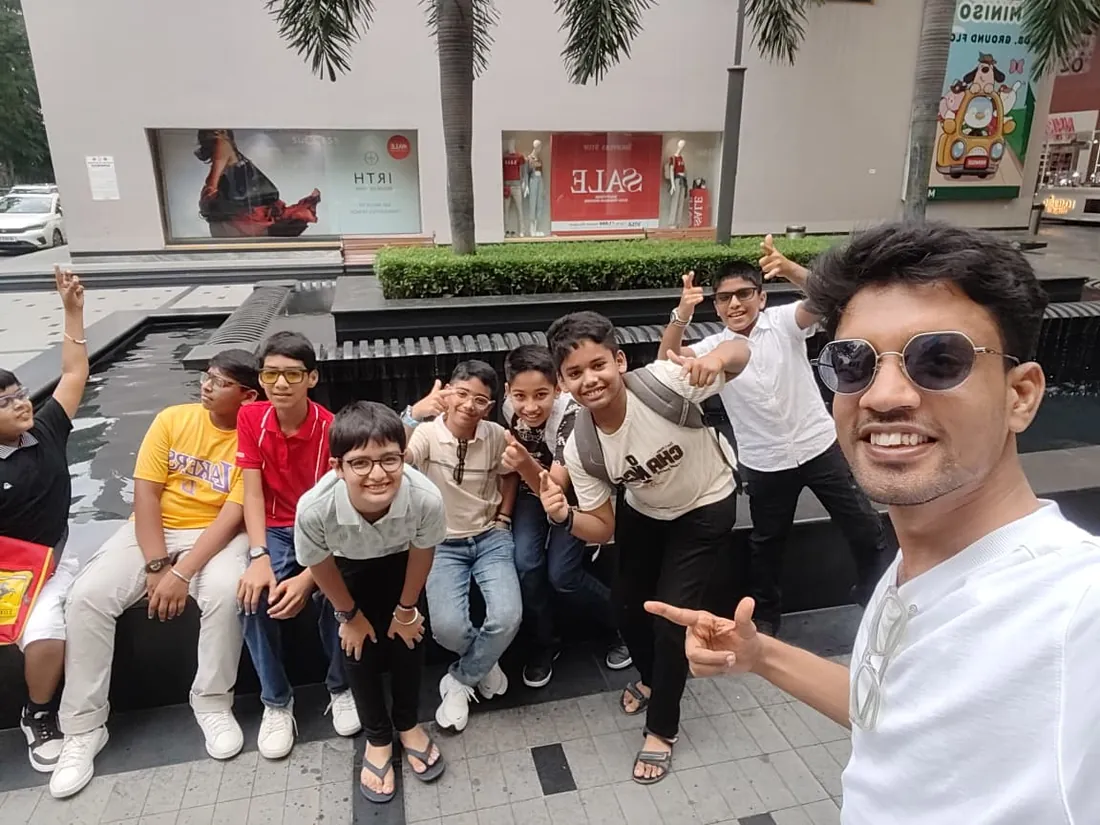
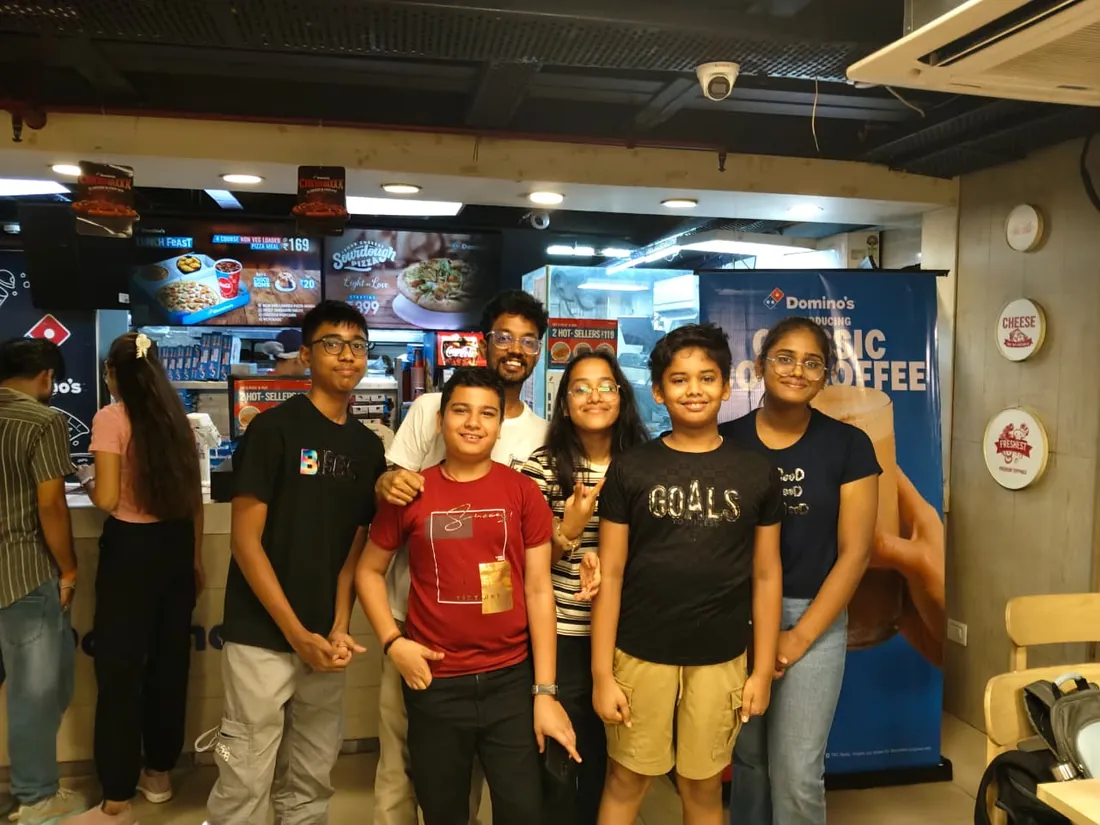
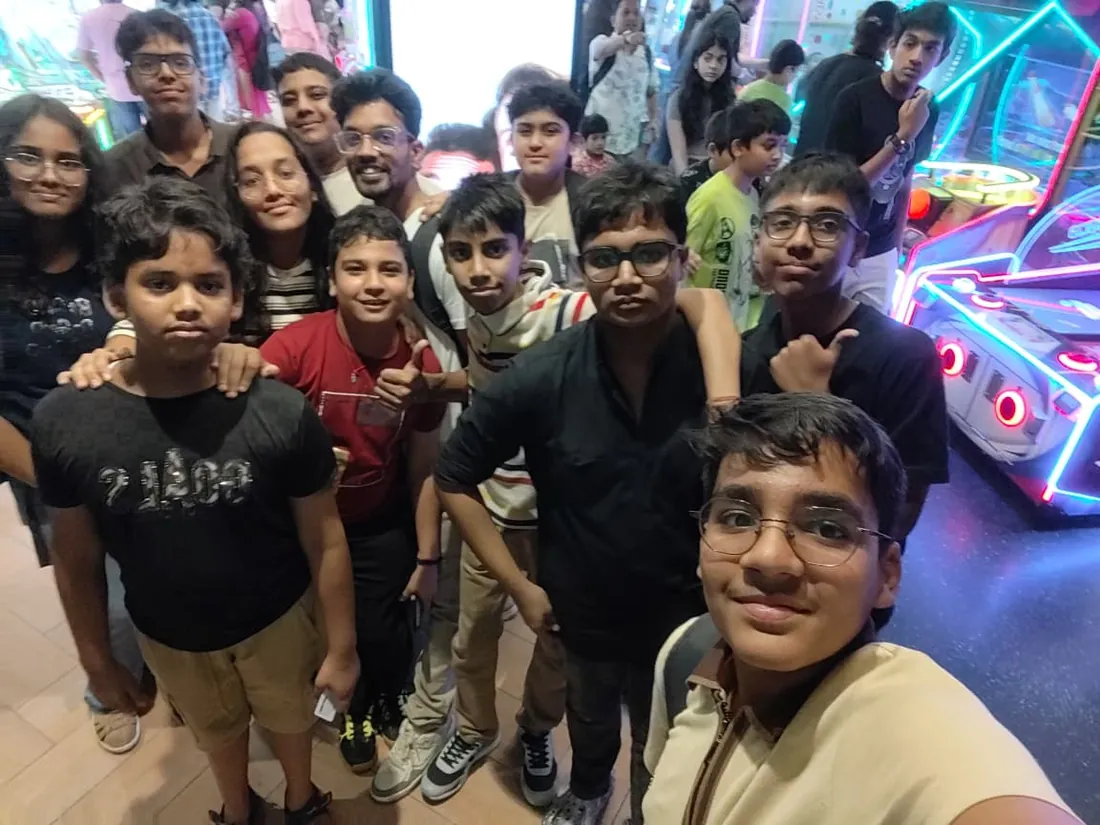
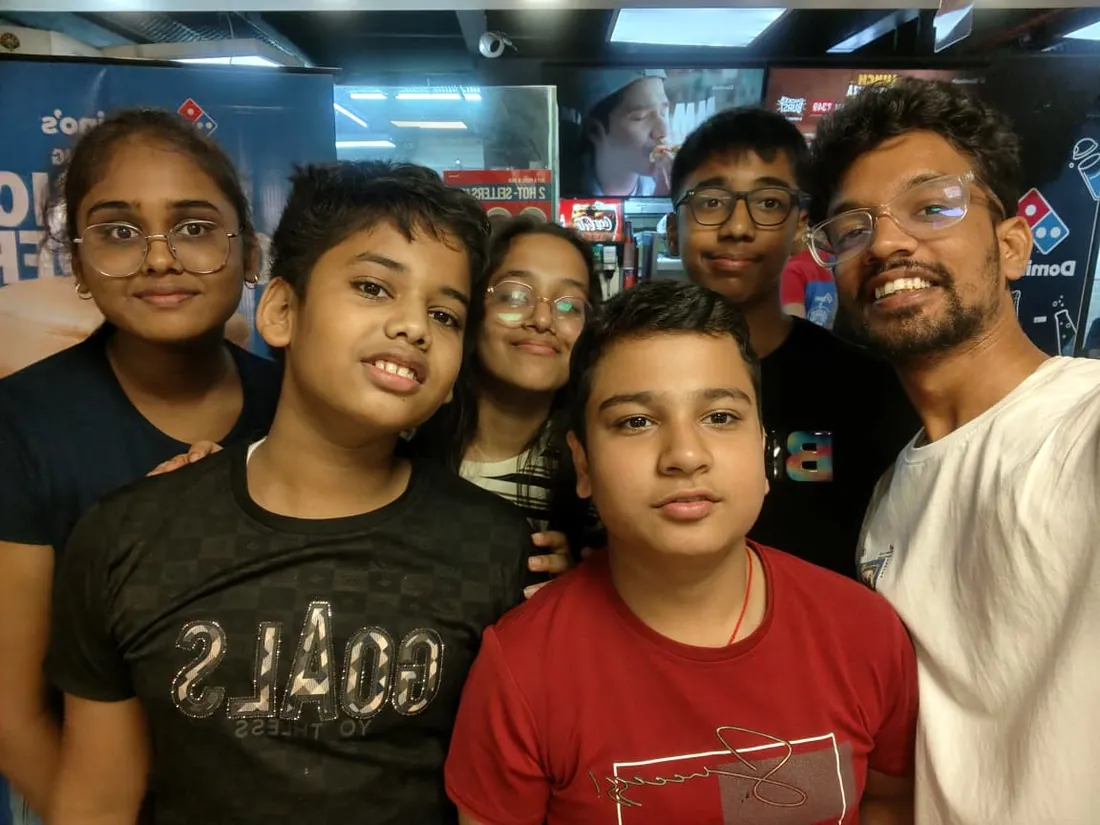
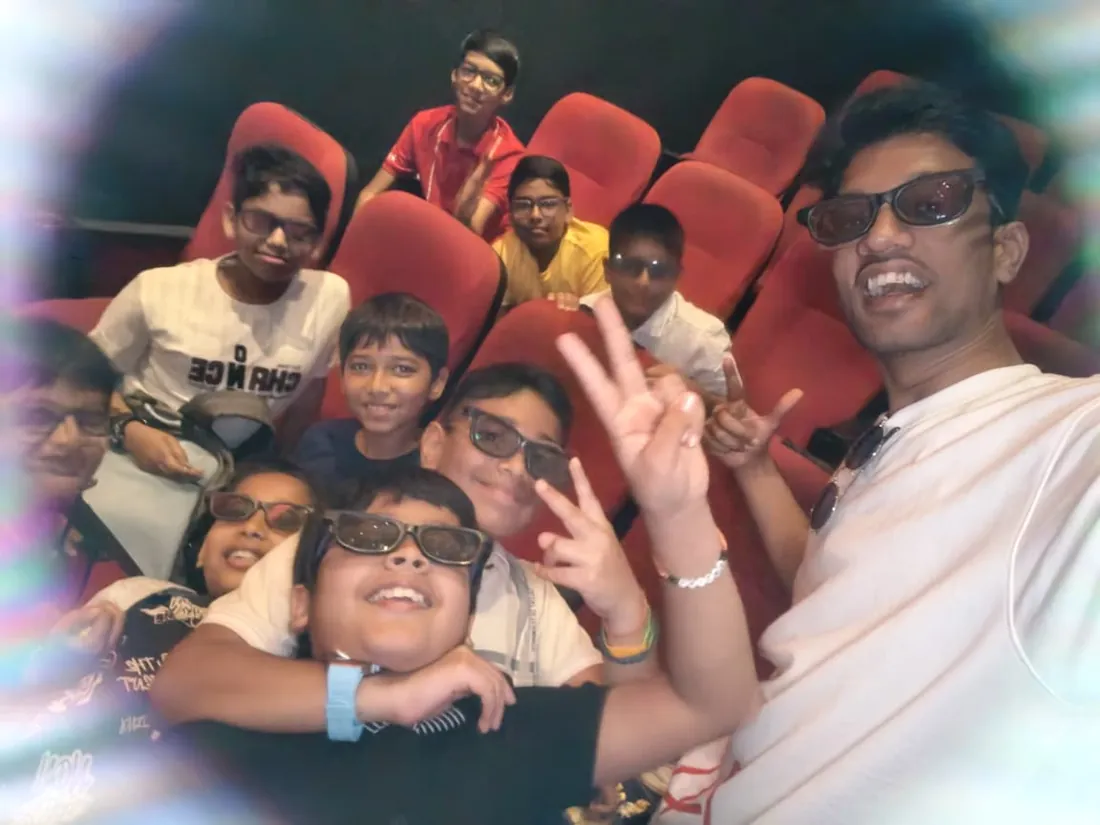
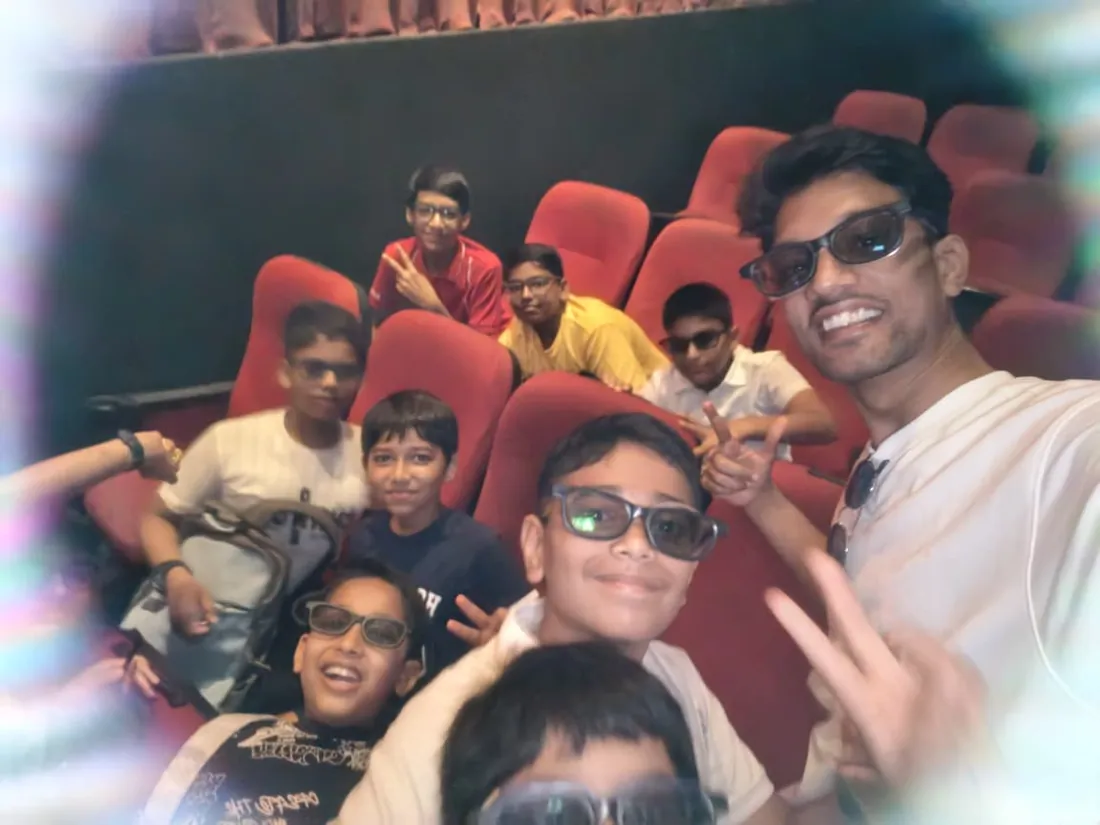
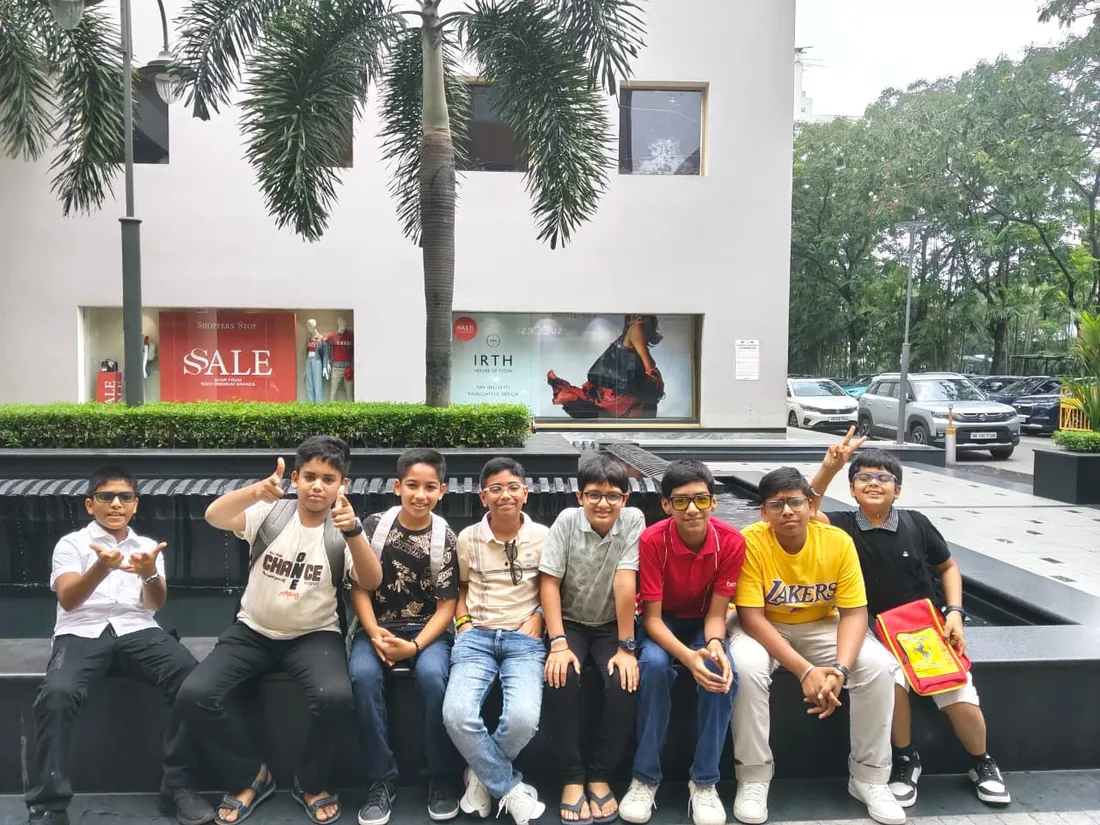
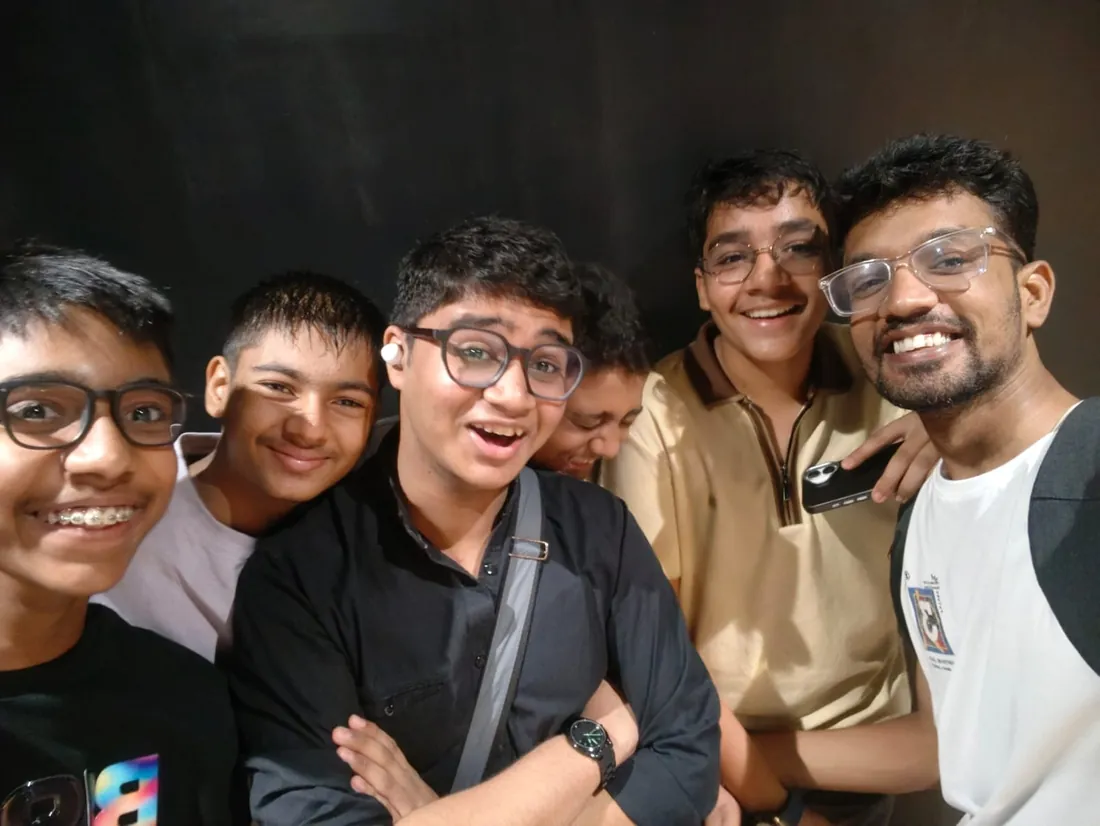
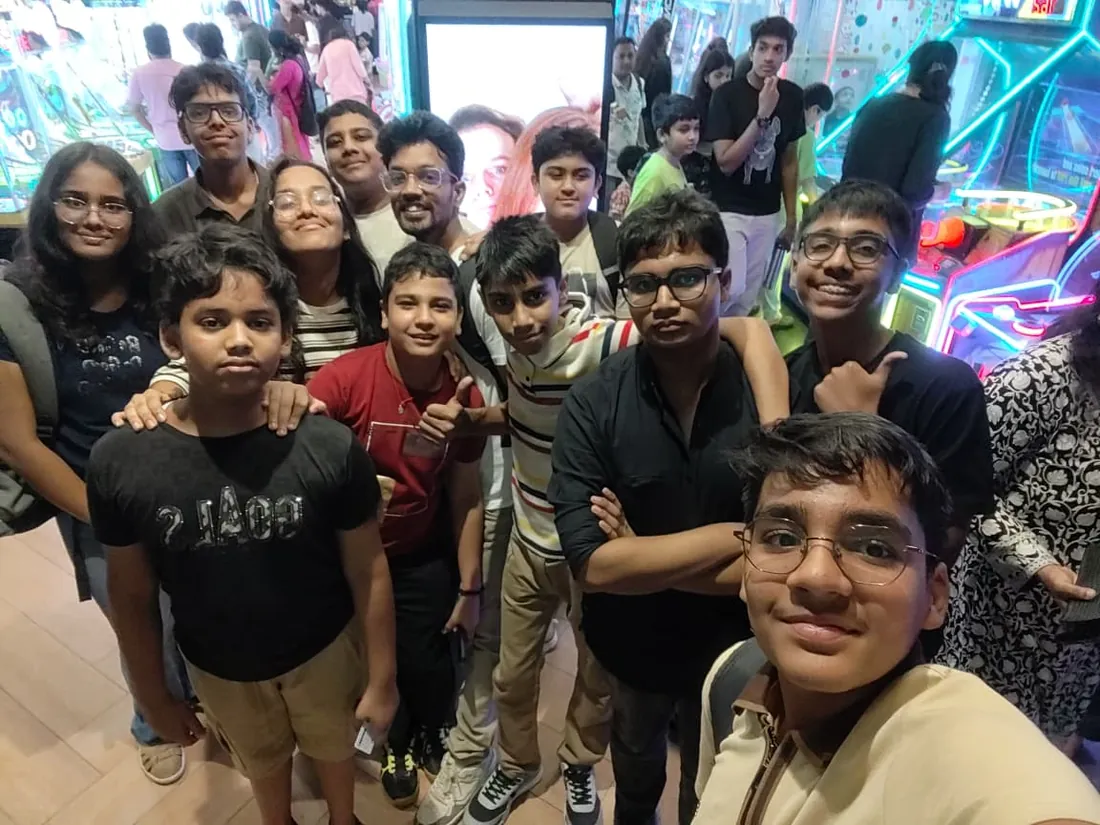
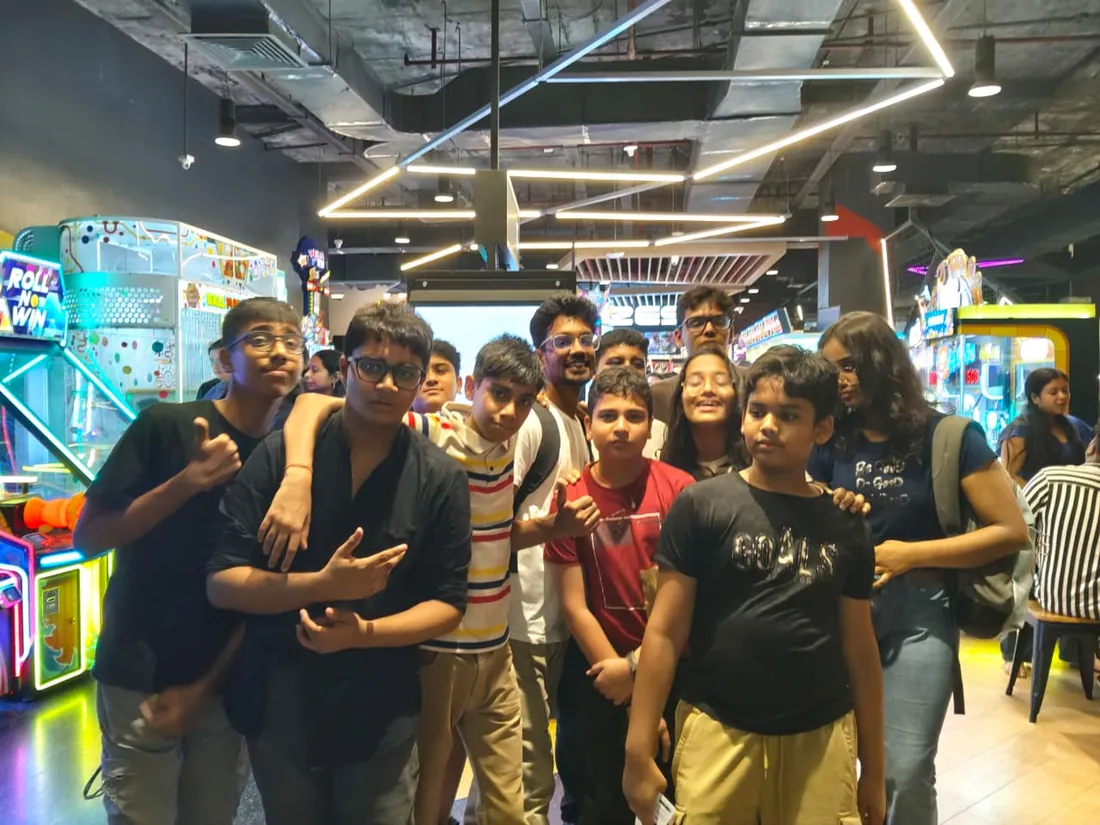
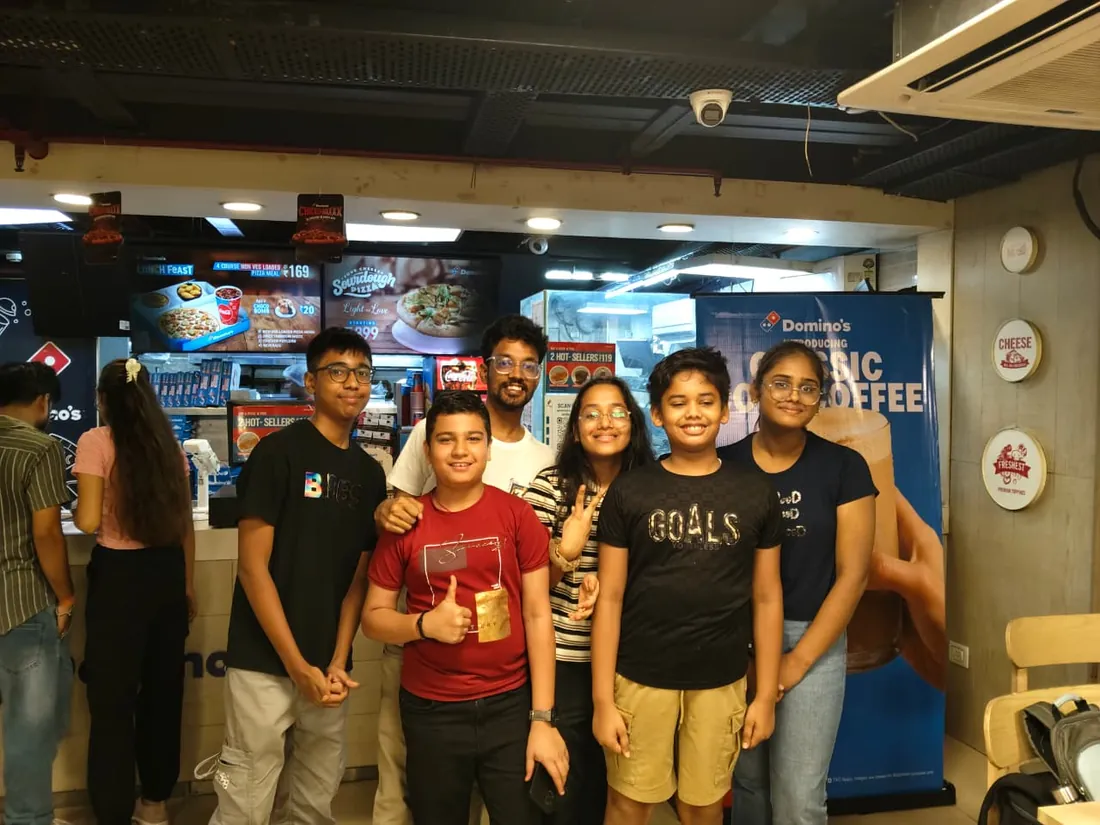
Real students. Real moments. Real joy.
These are our actual student meetups. No stock photos, no filters. Swipe through and meet the community you'll be joining.




























What families say
Straight from the parents and students who learn with us. Rated 4.9 across 547 Google reviews.
“Mivaan enjoys the class. He understands the concepts and completes his tasks with excitement. He started taking interest in coding… truly amazing class.”
“I absolutely love it here! I made new friends and learned important valuable coding skills while having the fun of my life. It's not just coding here, it's outings, bonding and most importantly preparing you for your future. Definitely five stars.”
“What stands out most is how excited my son is before every class. He looks forward to learning, problem-solving, and sharing what he's built. I've noticed a big boost in his confidence!”
“Modern Age Coders has been a game-changer for me! I struggled to grasp IT concepts and coding before joining, but their classes transformed everything. I'm now the topper in my class and can confidently write complex programs with ease.”
“Modern Age Coder have wonderful teachers who teach in a clear, easy and practical way. The teacher boosts students' confidence, keeps them updated with technology, and inspires them to learn without hesitation.”
“The one step solution for my son. Modern Age Coders make learning coding so simple that kids love it.”
“Coding classes here make learning very interesting and conceptual. The teachers teach us in a very easy-to-understand and efficient manner.”
“One of the most wonderful education centres out there. Education is not limited to school syllabus but focuses on skill development. Learning here has been a wonderful journey and still continuing.”
“I highly recommend this computer coding class! The teachers are incredibly knowledgeable and passionate about coding. They make every session engaging and insightful.”
“My child Dhairya is really enjoying the Modern Age Coder IT classes. This is his first online class, and he eagerly looks forward to it.”
“Very good classes. Don't worry about coding. They teach the best, especially Shivam sir.”
“Very good classes. Makes learning very easy and interactive.”
Hear it from our students
Real parents and students in their own words, on our public YouTube channel.
Straight answers about AI and ML Masterclass: Python, Deep Learning and GenAI
- Who should take this course?
- Complete beginner (18+); school maths refreshed, everything else built here. Age: 18+; college students, graduates and working professionals. It suits professionals moving toward ml roles who want the real foundation, mathematics included; students who want depth their electives gesture at, plus a deployed portfolio; software engineers adding the ml and genai layer properly.
- What will they learn and build?
- AI and machine learning is the deepest track we teach, and this masterclass respects that: twelve months from zero, no shortcuts and no skipped mathematics. The foundations phase builds linear algebra, calculus intuition, probability and statistics alongside Python and the data stack, because everything downstream stands on them.
- How deeply are topics covered?
- The course runs 12-14 months (48-56 weeks) at 2 live classes/week + 5-6 hours practice, across 4 phases listed week by week in the syllabus below. A structured, well-paced curriculum taught step by step, with classwork in every session and problem sets after every class.
- Who teaches it?
- Modern Age Coders mentors, who teach the live classes themselves. You can watch them at work in the free class recordings before you decide.
- How do practice, feedback and assessment work?
- Monthly mixed reviews and a final exam that decides the certificate: real models, really evaluated. Doubt support between classes over WhatsApp, so you are never left stuck. A certificate you earn by passing the final exam, with a free retest after revision if needed.
- What does it cost?
- Three monthly plans: a group batch, a mini batch and 1-on-1. Prices are shown in your currency in the plans section. Monthly billing, cancel any time.
- When can classes take place?
- Live classes are scheduled around your week. Group batches meet at a fixed weekly slot; 1-on-1 students choose their own. International students are scheduled in their own timezone. Ask on WhatsApp for the current slots.
- Can I watch the teaching before deciding?
- Yes. Full recordings of real 13 and up classes are free to watch, free with a Google sign-in. These recordings show how we teach, not the exact syllabus of this course. Some classes are in English and some in Hindi; everyone follows at their own pace. Watch a class end to end, like you are in it. Sessions are interactive and each moment builds on the last.
- Can I enroll without a live demo?
- Yes. Choose a plan on this page and enroll directly; a booking or a demo is not required. A free live demo is optional, for anyone who wants to meet a mentor first. Outside India, our team confirms the plan and completes payment with you over WhatsApp, so allow a little time for that step.
Common Questions About AI and ML Masterclass: Python, Deep Learning and GenAI
Get answers to the most common questions about this comprehensive program
Still have questions? We're here to help!
Contact UsRelated Courses You May Like
Continue your learning journey with these recommended programs
 AI and Machine Learning
AI and Machine Learning for Teens: Python to Real Models
AI and machine learning course for teens aged 13-18: Python, real ML models, neural networks, comput...
Explore Course Speed Mathematics
Vedic Maths Mastery: Speed Calculation with All 16 Sutras
Vedic maths course online with live classes: all 16 sutras for fast multiplication, squares, divisio...
Explore CourseRelated Articles & Guides
Deepen your knowledge with these hand-picked articles
 Artificial Intelligence
22 min read
Artificial Intelligence
22 min read
What is AI? Complete Beginner's Guide: How to Start, Which Languages, and How Deep to Go
Complete AI guide: Learn what AI is, languages, career paths, ethics, and 5 projects. Your roadmap f...
Read Article Career
28 min read
Career
28 min read
Data Science, AI, and Math: Skills Every Tech Professional Must Learn
Master data science, AI, and math skills for 2025. Complete guide with skill assessments, learning p...
Read ArticleReady to start AI and ML Masterclass: Python, Deep Learning and GenAI?
Book a free demo class to meet your mentor and see how we teach, with no commitment. Or enrol now and start this week.