Agentic AI Engineering: Build, Evaluate and Ship AI Agents in Python
24 live 1-on-1 classes. Write the agent loop yourself, connect it to real tools over MCP, measure it with evals, defend it against prompt injection and ship it, on your own problem.
Published November 2026
Questions? WhatsApp +91 91233 66161 or email connect@modernagecoders.com
Recordings are free with a Google sign-in. These recordings show how we teach, not the exact syllabus of this course.
Fees and enrolment
How to join Agentic AI Engineering: Build AI Agents from Scratch
Choose how you want to pay, pick a plan and press Enrol. We then fix your class timing with you.
Rated 4.9 across 547 Google reviews. Monthly billing, cancel any time.
How enrolment works
Pick a plan
This course is taught 1-on-1 only: private live classes with your own mentor, about one hour each. Billing is monthly.
Press Enrol and pay
Fill in the student's name, email and phone, then pay securely: UPI, cards or net banking in India, or a debit or credit card from any other country.
Fix your class timing
After paying, WhatsApp or call +91 91233 66161 with the student's name and your preferred time. We confirm the batch or 1-on-1 slot and send the class link.
Start learning
Join your first live class at the time you chose. Your mentor takes it from there.
Want to see a class first? Book a Priority Demo: a live class of about 45 to 60 minutes with a mentor reserved for you. If you enrol, the demo fee is adjusted against your first month's fee. Share your demo Order ID with us on WhatsApp and we take it off.
Billing is monthly and you can cancel any time.
International Students (Outside India)
Billed monthly in US dollars, the same price in every country. Contact us with any questions.
Questions before you enrol? Talk to our team.
Ask about class timings, the right level for your child, what they need to know already, or payment. Parents and adult learners can reach us on WhatsApp, by email or by phone.
Our promise
The world's best learning experience, open to everyone.
- World-class instructorsEvery class is taught by an instructor who specialises in that exact field.
- No compromise on qualityEvery lesson, project and piece of feedback is held to the highest standard.
- Education for everyoneLearners aged 6 to 67, from first-time beginners to working professionals, in 25+ countries.
If you want the highest quality, Modern Age Coders is the right choice.
Book a Priority DemoHow long this course takes
This course runs 24 live 1-on-1 classes, 1 hour each at One live hour per class plus 3-4 hours of build time between classes. The range allows for background and pace: a complete beginner uses the full span, and a student with prior knowledge finishes sooner. The syllabus below is planned to the shorter end, with margin kept for revision.
For personalised duration planning, call +91 91233 66161 and we'll map a schedule to your goals.
At a glance
- Who it is for
- Advanced · working engineers, college and graduate students, researchers; comfortable Python required.
- Prerequisites
- Comfortable Python: functions, classes, virtual environments, pip or uv, reading tracebacks and using git. You do not need machine learning experience; you do need to be able to write and debug a few hundred lines of code
- Format
- Live, interactive classes with a real engineer, never pre-recorded videos. Live classes run about one hour.
- Language
- English or Hindi, depending on the batch.
- Duration
- 24 live 1-on-1 classes, 1 hour each
- Weekly commitment
- One live hour per class plus 3-4 hours of build time between classes
- Class size
- Taught 1-on-1 only: every class is a private session with your own mentor.
- Certificate
- Certificate from Modern Age Coders, awarded on passing the final assessment
- Watch first
- Free recordings of real classes for ages 13 and up, free with a Google sign-in. These recordings show how we teach, not the exact syllabus of this course.
- Live demo
- Optional. Enrol directly on this page, or book a Priority Demo: a full live class of about 45 to 60 minutes with a mentor reserved for you.
- Questions
- WhatsApp +91 91233 66161 or email connect@modernagecoders.com.
How we teach
Deep understanding. Real projects. Expert guidance.
Learn coding, AI and maths through careful explanations, practical demonstrations, and hands-on problem-solving. Our instructors guide you from the foundations to advanced ideas, helping you understand what happens, why it happens, and how to build it yourself.
You will explore concepts step by step, write and improve code, investigate mistakes, ask questions, and apply your knowledge to meaningful projects. Lessons are designed around active participation, thoughtful feedback, and growing independence.
Expert-led live teaching, with practical participation built into every lesson.
- Students explain their thinking.
- Instructors demonstrate, then guide practice.
- Learners code, solve, or build during lessons.
- Questions and misconceptions get attention.
- Assignments receive useful feedback.
- Progress is checked before advancing.
Program Overview
Most agent tutorials start with a framework and stop at a demo. This course starts with the raw model APIs and stops at a deployed agent with an eval suite, because that is the distance between a prototype and something you can put in front of users. In the first phase you call OpenAI, Anthropic and Google models directly, design tools with JSON Schema, write the agent loop by hand in plain Python and make outputs reliable with structured schemas. In the second you build Model Context Protocol servers and clients against the current 2026-07-28 specification, add retrieval and memory, use planning and verifiers, and test whether multiple agents actually beat one. In the third you rebuild your agent in LangGraph, the OpenAI Agents SDK, the Claude Agent SDK and Google's Agent Development Kit so you can choose a framework on evidence, then build the eval harness, tracing and cost engineering that tell you whether it works. The last phase covers guardrails, prompt-injection defence, deployment, reliability and human oversight, and ends with a capstone you ship and defend. This is code-first and framework-agnostic: it is not a no-code platform course like our Copilot Studio or Gemini Enterprise programmes, and it is not about using coding agents like our Codex and Claude Code course. Here you build the agent. Every class is 1-on-1, so the material is your codebase, your data, your research question and your API budget.
What Makes This Program Different
Your Learning Journey
Career Progression
Detailed Course Curriculum
Explore the complete week-by-week breakdown of what you'll learn in this comprehensive program.
Topics Covered
- A working definition: a model running in a loop, choosing tools, observing results and deciding when to stop, versus a fixed workflow where your code decides the steps
- Anthropic's distinction in "Building Effective Agents" (2024) between workflows (prompt chaining, routing, parallelisation, orchestrator-workers, evaluator-optimiser) and agents, and why most production systems are mostly workflow
- The failure modes you are signing up for: compounding errors over long loops, non-determinism, cost that scales with turns, and tool calls with real side effects
- The landscape honestly mapped: raw provider APIs, LangGraph, the OpenAI Agents SDK, the Claude Agent SDK and Google's Agent Development Kit (ADK), and why this course builds from the API up before touching any of them
- How this course differs from no-code agent builders such as Copilot Studio or Gemini Enterprise Workflow Builder, and from using coding agents like Codex or Claude Code: here you write the agent itself in Python
- Environment setup: Python 3.11 or newer, uv or venv, API keys held in environment variables, a git repository, and a cost cap set on every provider account before the first call
- Choosing your capstone problem: a real task from your job, your research or your product, scoped so success is measurable
Projects You Build
- Write a one-page agent design brief for your capstone: the task, the tools it needs, what a wrong action costs, and the metric that will decide whether it works
Practice & Assignments
Take three AI products you use and classify each one as a workflow, an agent or a hybrid, with the evidence.
Assessment
Given five task descriptions, decide which need an agent, which need a workflow and which need a single prompt, and defend each in two sentences.
Topics Covered
- The message-based API shape shared across providers: system instructions, user and assistant turns, and why the model is stateless between calls
- Calling OpenAI, Anthropic and Google models directly from Python with their official SDKs, and writing a thin provider-neutral wrapper of your own
- Tokens as the unit of cost and latency: input versus output pricing, context window limits, and counting tokens before you send
- Sampling parameters that matter for agents: temperature, max output tokens, stop conditions, and why low temperature does not make a model deterministic
- Streaming responses, handling rate limits with exponential backoff and jitter, timeouts, and retries that are safe to repeat
- Prompt caching and its effect on the cost of long agent loops that resend the same system prompt and tool list every turn
- Logging every request and response with token counts from day one, because you cannot debug or cost an agent you did not record
Projects You Build
- Build llm_client.py: a provider-neutral client with streaming, retries, timeouts, token and cost accounting per call, and a JSONL request log
Practice & Assignments
Send the same 20 prompts to two providers and compare latency, output tokens and cost from your own log.
Assessment
Explain from your log why one call cost three times another with the same user message.
Topics Covered
- How tool calling works under the hood: you describe functions with JSON Schema, the model returns a structured request to call one, your code executes it and sends the result back
- Writing tool descriptions the model can actually use: names, argument descriptions, enums, examples and the cost of every extra token in a tool list
- Parallel tool calls, forced tool choice, and letting the model decide when no tool is needed
- Validating tool arguments with Pydantic before execution, and returning errors to the model as useful observations rather than crashing
- Toolformer (Schick et al., 2023) as the research background for models that learned when to call tools
- Designing the tool surface: few, well-named, composable tools beat many overlapping ones; read-only tools first, write tools later and gated
- Side effects and idempotency: what happens when the model calls send_email twice
Projects You Build
- Build three real tools for your capstone domain (for example a search, a database lookup and a calculator or code runner), each with a schema, validation and error messages written for the model
Practice & Assignments
Deliberately break each tool (bad arguments, timeouts, empty results) and record how the model recovers.
Assessment
Rewrite a poorly described tool so the model picks it correctly in at least 9 of 10 test prompts.
Topics Covered
- The core loop in about 60 lines of Python: call the model, execute requested tools, append observations, repeat until a final answer or a stop condition
- ReAct (Yao et al., 2022): interleaving reasoning and acting, and how modern native tool calling relates to the original prompt format
- Stop conditions that protect you: maximum turns, token budget, wall-clock limits, and a cost ceiling per run
- Conversation state as a list you own: what goes in, what gets trimmed, and how to keep tool results from flooding the context
- Error handling inside the loop: tool failures, malformed calls, refusals and provider outages
- Tracing each step (prompt, tool call, observation, tokens, latency) into a structured run record you can replay
- Reading a transcript like a debugger: finding the exact turn where the agent went wrong
Projects You Build
- Ship mini_agent.py: a framework-free agent loop running your Class 3 tools, with budgets, error handling and a replayable trace for every run
Practice & Assignments
Run your agent on 15 tasks and label each transcript as success, partial or failure, with the turn where things diverged.
Assessment
Live code review: walk the mentor through your loop and handle two injected failures without restarting.
Topics Covered
- Why free text breaks agents: downstream code needs fields, not prose
- Native structured output modes (JSON Schema constrained responses) across providers, and their documented limits on schema features
- Pydantic models as the single source of truth for output schemas, validation and retries on validation failure
- Designing schemas the model fills well: flat over deeply nested, enums over free strings, explicit null handling, and a reasoning field placed before the answer field when it helps
- Extraction, classification and routing as structured-output tasks that often replace an agent entirely
- When structured output fails: truncation, refusals, and schema drift between model versions
Projects You Build
- Build a structured triage step that classifies incoming capstone inputs and routes them, validated by Pydantic, with a measured accuracy on 50 labelled examples
Practice & Assignments
Convert one free-text step of your agent into structured output and measure how many downstream errors disappear.
Assessment
Design a schema for a messy real-world document type and justify every field and constraint.
Topics Covered
- System prompts as versioned code: role, task, constraints, tool-use policy, output format and refusal behaviour
- Few-shot examples inside agent prompts and their token cost over many turns
- Prompt regression: a small fixed test set you rerun on every prompt change
- Comparing two models on your own task rather than trusting public leaderboards
- Packaging the agent as an importable module with a CLI entry point and configuration in one place
- Gate review: everything from Classes 1 to 5 mixed into one build
Projects You Build
- Capstone v0: your first end-to-end agent on your real task, with tools, structured outputs, budgets, a trace per run and a 20-case regression set
Practice & Assignments
Run the regression set against two models and two prompt versions and table the results.
Assessment
Phase gate: a live build-and-explain session plus a written check on tool calling, loops and structured outputs.
Topics Covered
- What MCP standardises: a client-server protocol over JSON-RPC that exposes tools, resources and prompts to any compatible host
- The current specification revision, 2026-07-28, and what changed from 2025-11-25: protocol-level sessions and the initialize handshake removed, protocol version and client capabilities carried on every request, and a new server/discover method
- Transports: stdio for local servers and Streamable HTTP for remote ones
- Building a server in Python with the official MCP SDK: typed tools, resources and prompts with clear descriptions
- Explicit server-minted handles passed as tool arguments, now the specification's answer for servers that need state across calls
- Testing a server with the MCP Inspector and from a real host application
Projects You Build
- Wrap your capstone tools as an MCP server with at least three tools and one resource, tested in the MCP Inspector and in an MCP-capable host
Practice & Assignments
Read the 2026-07-28 changelog and list which of its changes affect your server and why.
Assessment
Explain, with your own server as the example, what a host, a client and a server each do in MCP.
Topics Covered
- Writing an MCP client so your own agent loop can discover and call tools from any server
- Authorization for remote servers: the OAuth-based flow in the specification, and the 2026-07-28 requirement that clients validate the iss parameter to prevent mix-up attacks
- The security reality of third-party servers: tool descriptions are untrusted input, tool poisoning, over-broad permissions and credentials in the wrong place
- Least privilege per server, allow-lists of tools, and human confirmation for destructive actions
- Agent2Agent (A2A), now hosted by the Linux Foundation, as the complementary protocol for agent-to-agent delegation, and when you need it versus plain MCP
- Version and capability negotiation, and what to do when a server speaks an older revision
Projects You Build
- Connect your hand-built agent loop to your own MCP server and one public server through a client you wrote, with a tool allow-list and confirmation on any write action
Practice & Assignments
Audit one public MCP server: what it can read, what it can change, and what you would restrict before using it at work.
Assessment
Threat-model your MCP setup and present the three highest risks with mitigations.
Topics Covered
- Retrieval-Augmented Generation (Lewis et al., 2020) and why agents use retrieval as a tool rather than a fixed pre-step
- Chunking strategies, embeddings and vector search, plus keyword (BM25) and hybrid retrieval with reranking
- Choosing a store for your scale: pgvector in Postgres, a local library such as FAISS, or a managed vector database, with the trade-offs stated plainly
- Lost in the Middle (Liu et al., 2023): long contexts are not read evenly, so fewer, better chunks often beat more
- Query rewriting, multi-hop retrieval and letting the agent decide when it has enough evidence
- Citations and grounding checks: every claim traceable to a retrieved passage
- Measuring retrieval separately from generation: recall at k on a labelled question set
Projects You Build
- Add a retrieval tool over your own documents (your codebase, papers, product docs or notes) with hybrid search, reranking and cited answers
Practice & Assignments
Build a 30-question labelled set and measure recall at 5 before and after one retrieval change.
Assessment
Diagnose three wrong answers as a retrieval failure or a generation failure, with evidence.
Topics Covered
- Context engineering: deciding exactly what the model sees each turn, because the context window is the agent's only working memory
- Short-term memory: trimming, summarising and compacting long transcripts without losing the facts that matter
- Long-term memory: storing user preferences, task facts and past outcomes, retrieved by relevance rather than replayed in full
- Scratchpads and notes files the agent writes and rereads on long tasks
- Memory as a liability: stale facts, wrong facts that persist, privacy, and giving users a way to inspect and delete what is stored
- Measuring the effect of memory on task success and cost, not just on how impressive the demo feels
Projects You Build
- Give your capstone agent session compaction and a long-term memory store, with an inspect and forget command
Practice & Assignments
Run a long multi-session task with and without memory and compare success, tokens and cost.
Assessment
Explain which facts your agent should remember, which it should forget, and who decides.
Topics Covered
- Plan-then-execute versus interleaved reasoning, and when an explicit plan helps
- Reflexion (Shinn et al., 2023): verbal self-feedback across attempts, and its limits when the model cannot judge its own output
- Tree of Thoughts (Yao et al., 2023) as a search over reasoning paths, and the cost it adds
- The evaluator-optimiser pattern: a separate check (tests, a validator, a rubric) driving revision
- Using reasoning models and extended thinking settings, and paying for them only where the task needs it
- Verifiers you can trust: code execution, unit tests, schema checks and retrieval checks beat a second opinion from the same model
Projects You Build
- Add a plan step and a verifier-driven retry to your capstone, and measure the change in success rate and cost per task
Practice & Assignments
Find a task where reflection makes results worse and explain why.
Assessment
Compare three strategies on your eval set (single pass, plan-then-execute, verify-and-retry) in a table with success, latency and cost.
Topics Covered
- Patterns: orchestrator and workers, handoffs between specialists, parallel fan-out, and debate or review setups
- The honest trade-off: multiple agents multiply tokens and failure points, so a single agent with good tools is the default
- Context isolation as the real reason to split: subagents that explore and return a short summary keep the main context clean
- Passing state between agents: shared stores versus messages, and avoiding conflicting writes
- Debugging multi-agent runs with a single trace that spans every agent
- Gate review mixing MCP, retrieval, memory and planning
Projects You Build
- Build a two-agent version of part of your capstone (for example a researcher subagent and a writer) and compare it against your single-agent version on the same eval set
Practice & Assignments
Write a one-page decision record on whether your capstone should stay single-agent, with numbers.
Assessment
Phase gate: live debugging of a broken multi-agent trace plus a written check on MCP, RAG, memory and planning.
Topics Covered
- LangGraph's model: nodes, edges, typed state and conditional routing, and why explicit graphs suit workflows with known structure
- LangGraph 1.0 (October 2025) and its focus on durable execution: checkpointers, resuming after failure, and long-running runs
- Human-in-the-loop with interrupts: pausing for approval and resuming with edited state
- Rebuilding your hand-written loop as a graph and comparing what you gained and what you gave up
- Streaming intermediate steps to a user interface
- When the abstraction gets in the way and dropping back to plain Python is the right call
Projects You Build
- Port your capstone agent to LangGraph with a checkpointer and a human approval interrupt before any write action
Practice & Assignments
Kill a run midway and resume it from the checkpoint.
Assessment
Compare your LangGraph and hand-built versions on the same eval set: success, latency, cost and lines of code.
Topics Covered
- The OpenAI Agents SDK primitives: agents, tools, handoffs, guardrails, sessions and built-in tracing, on top of the Responses API
- The Claude Agent SDK: the agent harness behind Claude Code exposed as a Python and TypeScript library, with built-in file, shell and search tools, hooks, subagents and custom tools served over in-process MCP
- Permission modes and hooks in the Claude Agent SDK as a control layer for what an agent may do
- Where each SDK ties you to one provider and how to keep your tools portable through MCP
- Building the same small agent in both SDKs and reading their traces side by side
- Checking current behaviour against official docs, because both SDKs release often
Projects You Build
- Rebuild one capstone sub-task in both the OpenAI Agents SDK and the Claude Agent SDK, reusing your MCP server, and write a comparison note
Practice & Assignments
List three things each SDK made easier and one thing each made harder than your hand-built loop.
Assessment
Pick the SDK you would ship your capstone on and defend the choice against the mentor's objections.
Topics Covered
- Google's Agent Development Kit (ADK): LLM agents, workflow agents (sequential, parallel and loop), tools and sessions, and its local developer UI
- Model choice inside ADK: Gemini by default, with other models available through its model integrations
- A2A support in ADK for exposing and calling remote agents
- A decision framework across all four options: control, portability, durability, observability, team skills and lock-in
- Framework-agnostic architecture: your tools behind MCP, your prompts and evals in your repository, the framework as a replaceable runtime
- Reading a framework's source code when its docs and your results disagree
Projects You Build
- Build one capstone sub-task in ADK and produce a four-way framework decision matrix for your own project
Practice & Assignments
Run the same eval set across your hand-built, LangGraph, SDK and ADK versions where they exist.
Assessment
Present your framework decision for the capstone in five minutes with evidence, not preference.
Topics Covered
- Why demos lie: an agent that succeeds on five hand-picked inputs can fail a third of real ones
- Building an eval set from real inputs, edge cases and past failures, with expected outcomes
- Grading methods: exact and programmatic checks first, rubric-based LLM-as-judge second, and checking the judge against human labels
- Trajectory evals: did the agent call the right tools in a sensible order, not just reach the right answer
- Running evals in CI so a prompt or model change cannot quietly regress
- Reporting with honesty: pass rates with sample sizes, variance across repeated runs, and cost per successful task
Projects You Build
- Build an eval harness for your capstone with at least 40 cases, programmatic and judged graders, trajectory checks and a single report command
Practice & Assignments
Label 20 judge decisions by hand and measure how often your LLM judge agrees with you.
Assessment
Explain a regression your harness caught and how you fixed it.
Topics Covered
- Traces and spans for agents: one trace per run, spans for model calls, tool calls and retrieval
- The OpenTelemetry generative AI semantic conventions and why vendor-neutral telemetry matters
- Observability tools such as Langfuse, LangSmith and Arize Phoenix, and what each shows you
- Online metrics: success signals from users, tool error rates, turns per task, latency percentiles and cost per run
- Turning production traces into new eval cases: the loop that makes agents improve
- Privacy in traces: redacting personal data and secrets before they are stored
Projects You Build
- Instrument your capstone with OpenTelemetry-compatible tracing into an observability tool, with a dashboard of success, latency, cost and tool errors
Practice & Assignments
Find the slowest and the most expensive run in your traces and explain both.
Assessment
From a set of traces, diagnose the top failure pattern and prove a fix with your eval harness.
Topics Covered
- Where the money goes in an agent: repeated context, long tool outputs, retries and over-powered models
- Model routing: a small fast model for easy steps and a stronger one only where evals show it is needed
- Prompt caching, output length limits, tool-result truncation and batching for offline workloads
- Latency: parallel tool calls, streaming to the user, and removing turns rather than speeding them up
- Cost per successful task as the number that matters, not cost per call
- Gate review mixing frameworks, evals and observability
Projects You Build
- Cut the cost per successful task of your capstone by a measured amount without lowering its eval pass rate, and document every change
Practice & Assignments
Build a cost model for your capstone at 100, 1,000 and 10,000 runs a day using your own measured token counts.
Assessment
Phase gate: present your before-and-after cost and latency report and answer questions on frameworks and evals.
Topics Covered
- Input and output guardrails: validation, policy checks and classifiers before and after the model
- Permissions for agents: least privilege, scoped credentials, read-only by default and approval for irreversible actions
- Sandboxing code execution and shell tools in containers or isolated environments
- The OWASP Top 10 for LLM Applications as a checklist, including excessive agency and sensitive information disclosure
- Rate limits, spend limits and kill switches for autonomous runs
- Logging decisions so a human can audit what the agent did and why
Projects You Build
- Add a guardrail layer to your capstone: input checks, output checks, sandboxed execution where relevant, and approval on every irreversible action
Practice & Assignments
Write ten inputs designed to make your agent misbehave and record which guardrail stops each one.
Assessment
Walk the mentor through your permission model and justify every write capability the agent keeps.
Topics Covered
- Direct versus indirect prompt injection, from "Not what you've signed up for" (Greshake et al., 2023): instructions hidden in web pages, documents, emails and tool results
- Why no prompt fully solves injection, and the architectural defences that limit damage: separating untrusted data from instructions, restricting what an agent can do after reading untrusted content, and human confirmation
- Data exfiltration paths: links, images, tool arguments and outbound requests
- Red-teaming your own agent: an attack set built from your tools and data sources
- Treating MCP tool descriptions and retrieved documents as untrusted input
- Writing the security section of your capstone documentation
Projects You Build
- Build an injection test suite of at least 20 attacks against your capstone, fix what gets through, and add the suite to your eval harness
Practice & Assignments
Plant an injection in a document your agent retrieves and trace exactly how far it gets.
Assessment
Present your capstone threat model and the residual risks you are accepting, with reasons.
Topics Covered
- Serving an agent behind an API with FastAPI, with streaming responses to a client
- Long-running tasks: background workers, job queues, status endpoints and resumable runs
- Configuration, secrets management and separate keys per environment
- Containerising with Docker and deploying to a cloud platform of your choice
- Versioning prompts, tools and models together so a deployment is reproducible
- Rollouts: shadow runs, canary traffic and rollback when evals or live metrics drop
Projects You Build
- Deploy your capstone as a containerised service with an API, background execution for long tasks, tracing in production and a rollback plan
Practice & Assignments
Run a load test with concurrent requests and record latency, errors and cost.
Assessment
Demonstrate a rollback from a deliberately bad prompt release.
Topics Covered
- Graceful degradation when a provider is down: fallbacks to another model, cached answers, or an honest error
- Idempotent tools, retries without duplicate side effects, and recovery after partial runs
- Human-in-the-loop design: what to escalate, how to present it to a reviewer, and measuring reviewer load
- Feedback capture from users and turning it into eval cases
- Model upgrades: rerunning evals before switching versions, because behaviour shifts between releases
- Writing the runbook: what to check when the agent misbehaves at 2 a.m.
Projects You Build
- Add provider fallback, idempotent writes and a human escalation path to your capstone, and write its operations runbook
Practice & Assignments
Simulate a provider outage and a malformed tool response in production and record the behaviour.
Assessment
Answer five incident scenarios from your runbook in real time.
Topics Covered
- Closing the gaps your evals, traces and threat model have exposed
- Final eval run with repeated trials and the numbers you will report
- Documentation: architecture diagram, tool inventory, security model, cost model and known limitations
- A clean repository: README, setup instructions, tests, eval command and example traces
- Preparing a demo that shows failures handled, not just successes
- Mentor review of code, evals and documentation before the defence
Projects You Build
- Capstone release candidate: deployed agent, eval suite, injection suite, cost report and full documentation in one repository
Practice & Assignments
Have someone outside the course run your setup instructions from scratch and fix whatever blocks them.
Assessment
Pre-defence review: the mentor runs your eval suite and tries to break the deployed agent.
Topics Covered
- Live defence: architecture, design decisions and the alternatives you rejected
- Results: eval pass rates with sample sizes, cost per successful task, latency and known failure modes
- Security and oversight: threat model, guardrails, injection results and escalation design
- Framework choice and portability: what it would take to move your agent to another stack
- Next steps: what you would build with more time and what you would monitor first in production
- Written final assessment covering the whole course
Projects You Build
- Defend your shipped capstone agent with its eval suite, cost report and security model in a live session
Practice & Assignments
Write a short public-facing case study of your capstone suitable for a portfolio or engineering blog.
Assessment
Capstone defence plus written final assessment; this decides the certificate, with a free retest after revision if needed.
Projects You'll Build
Build a professional portfolio with 24 engineering deliverables, one per class, finishing with a deployed capstone agent, its eval suite, injection suite and cost report real-world projects.
Weekly Learning Structure
Certification & Recognition
Technologies & Skills You'll Master
Comprehensive coverage of the entire modern web development stack.
Support & Resources
Career Outcomes & Opportunities
Transform your career with industry-ready skills and job placement support.
Prerequisites
Who Is This Course For?
Career Paths After Completion
Course Guarantees
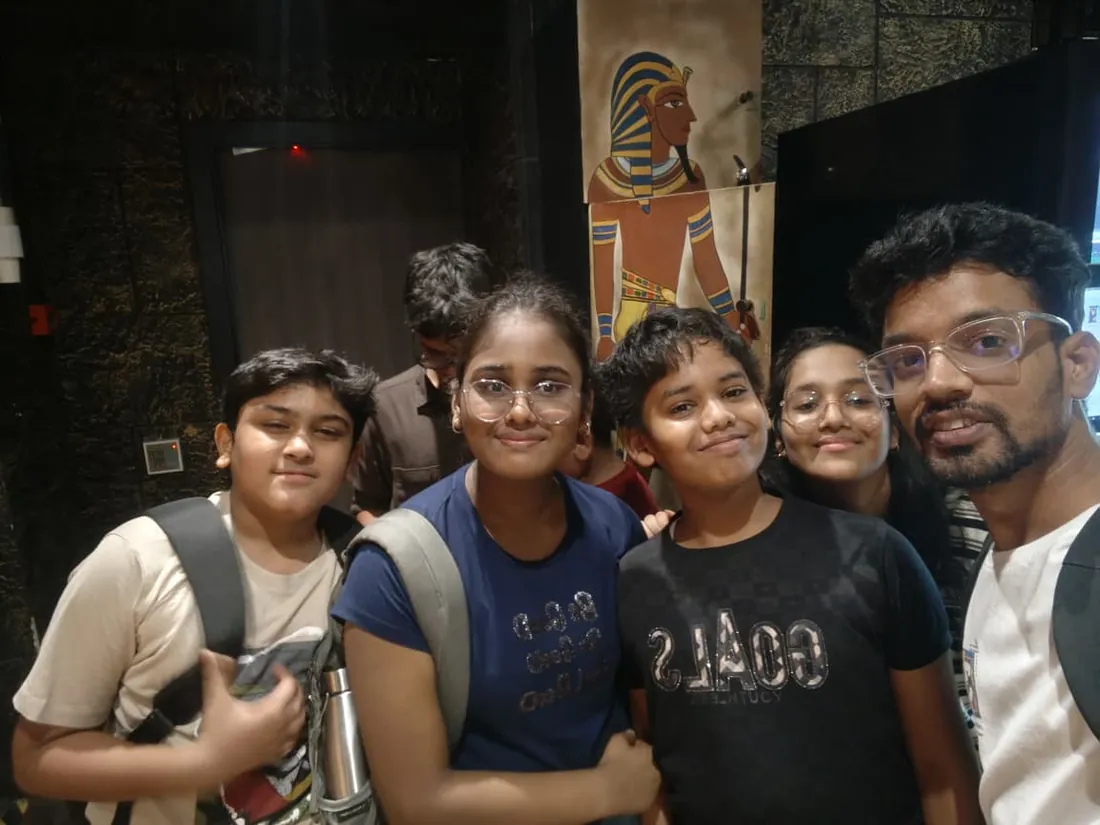
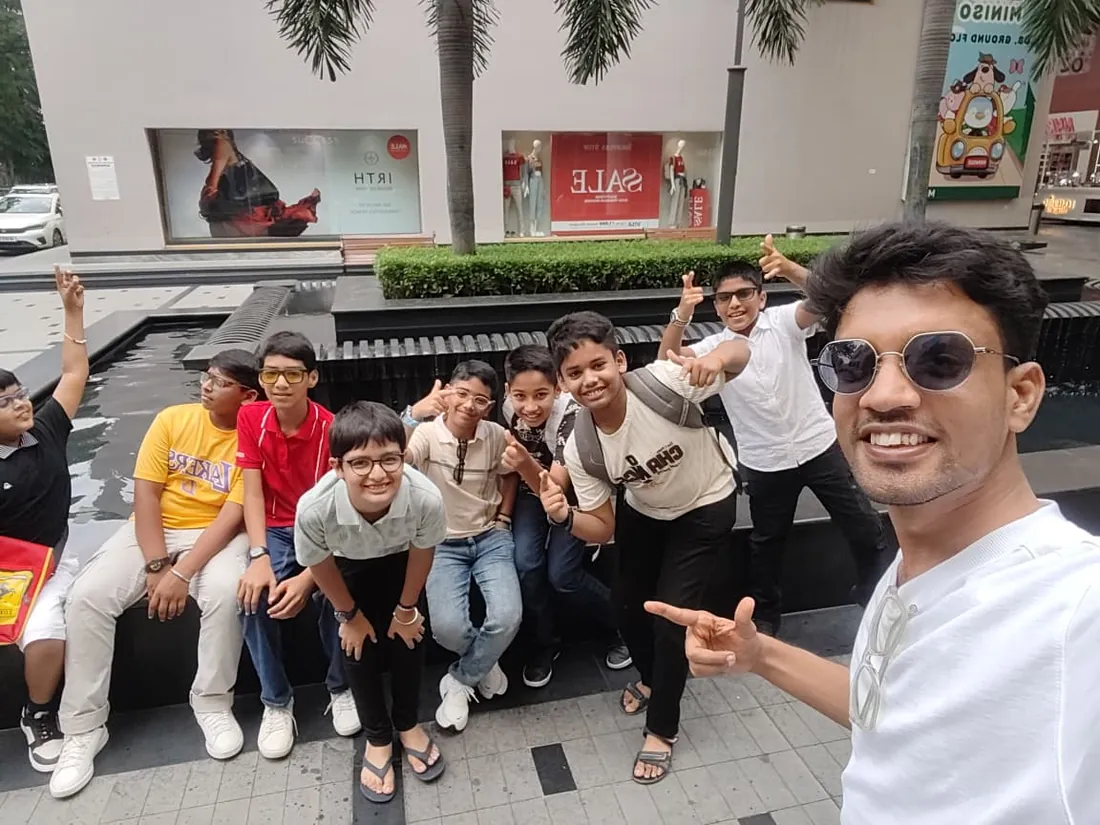
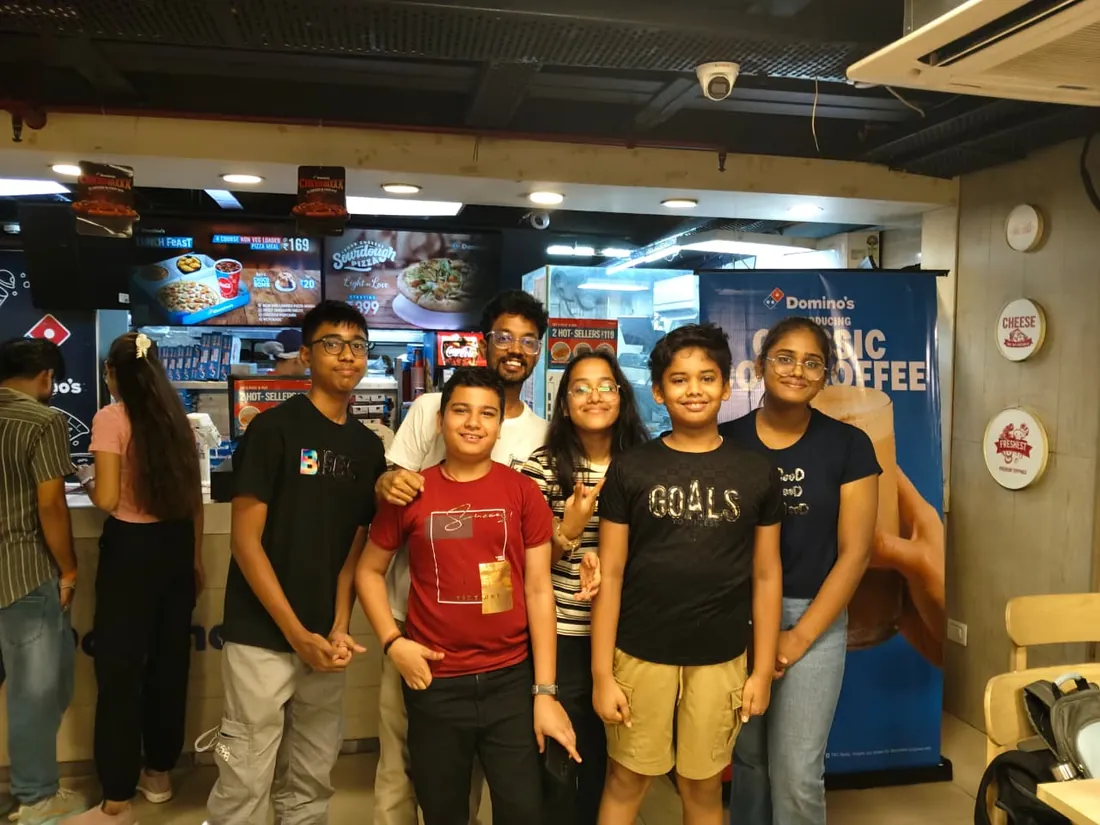
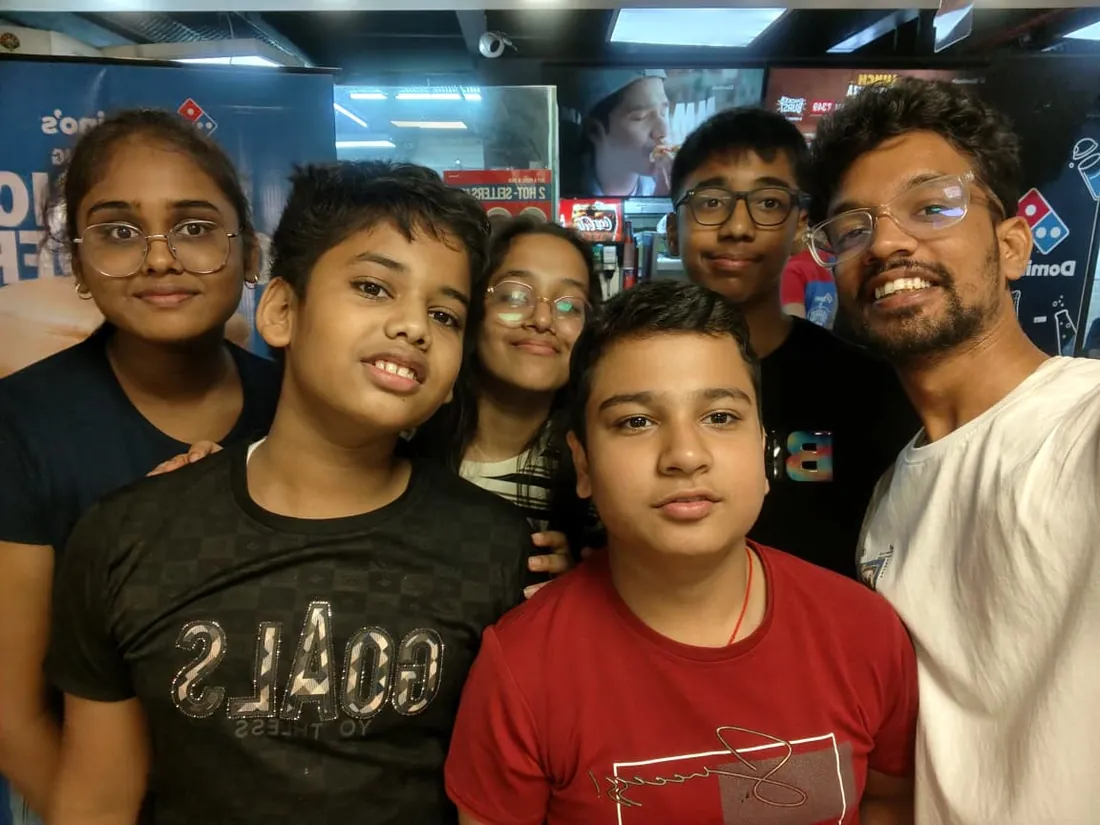
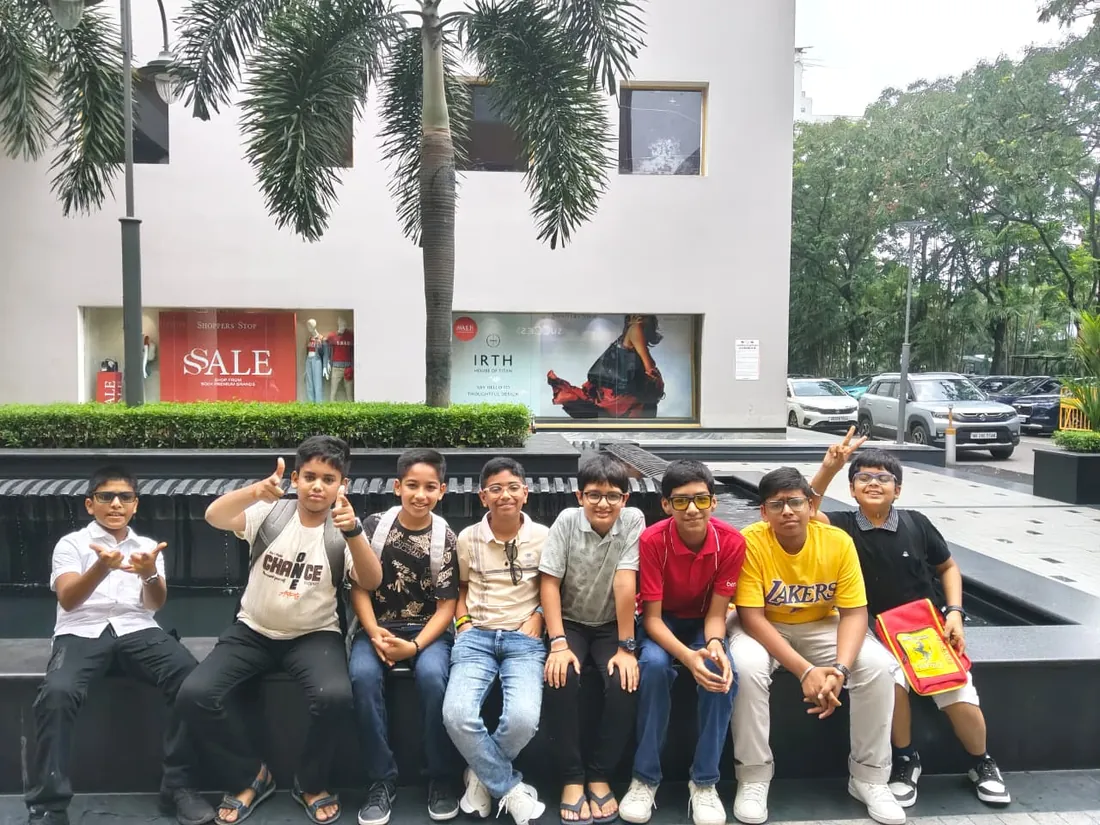
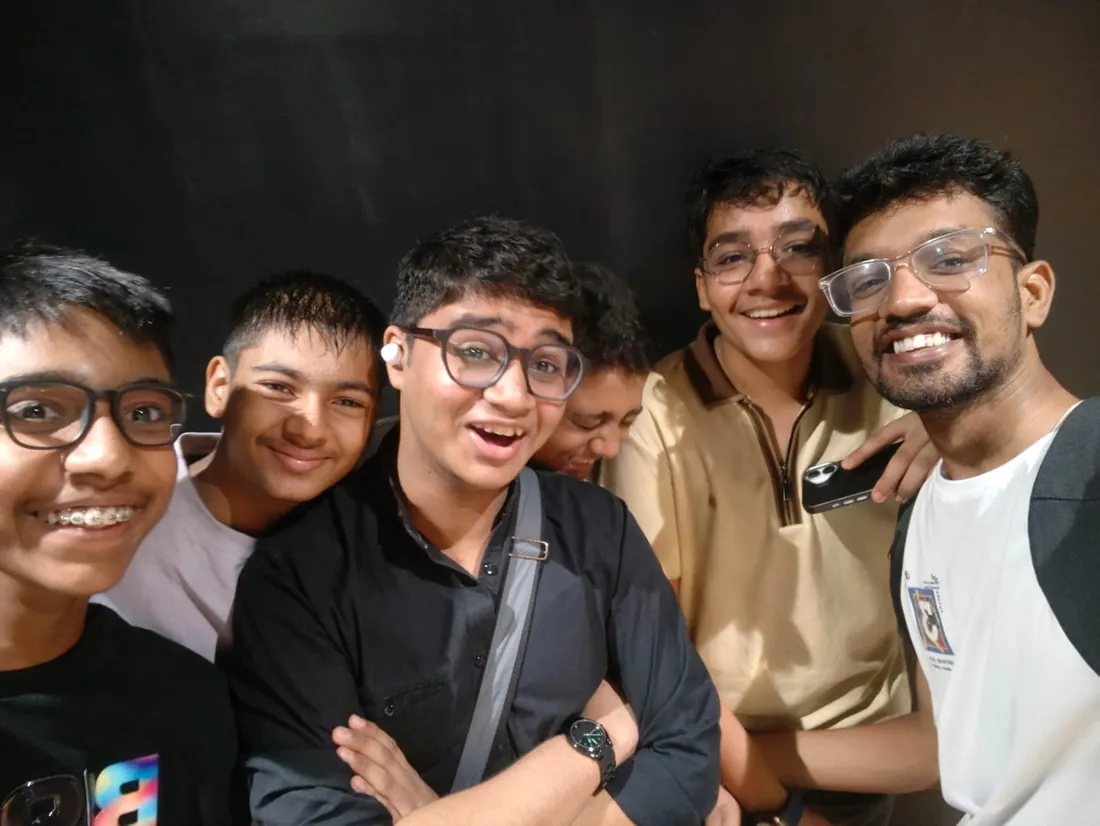
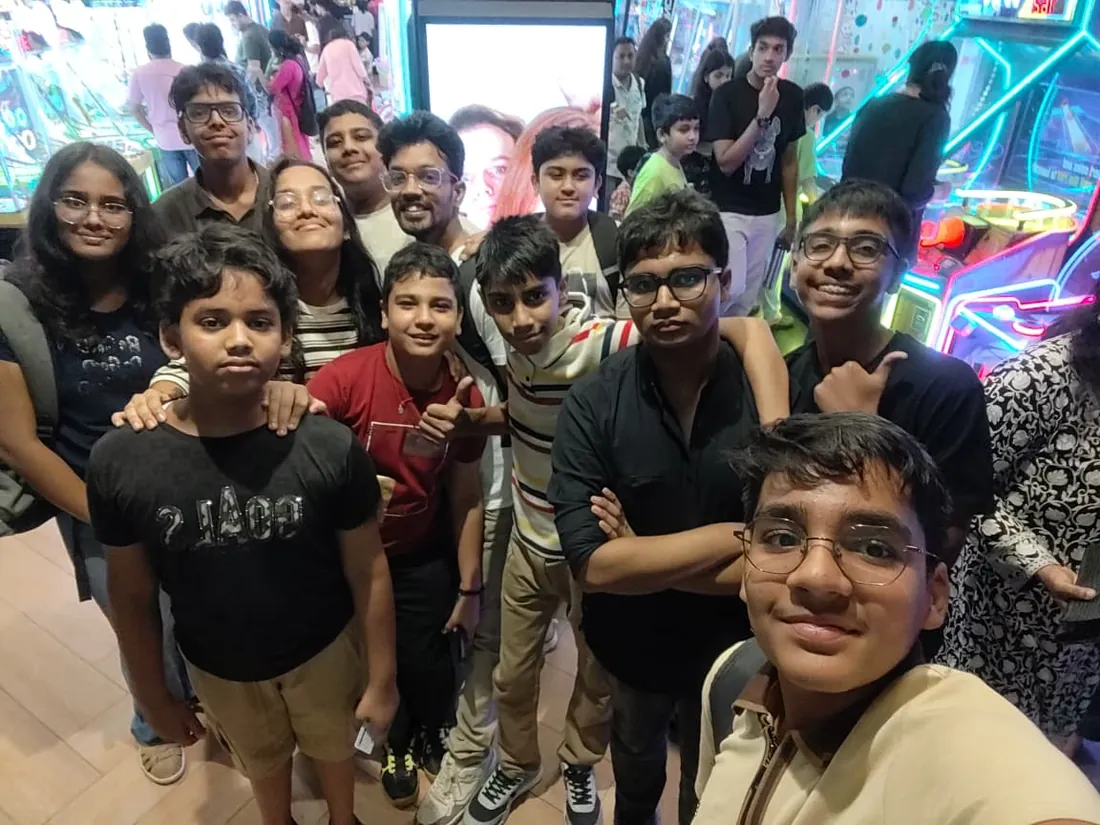
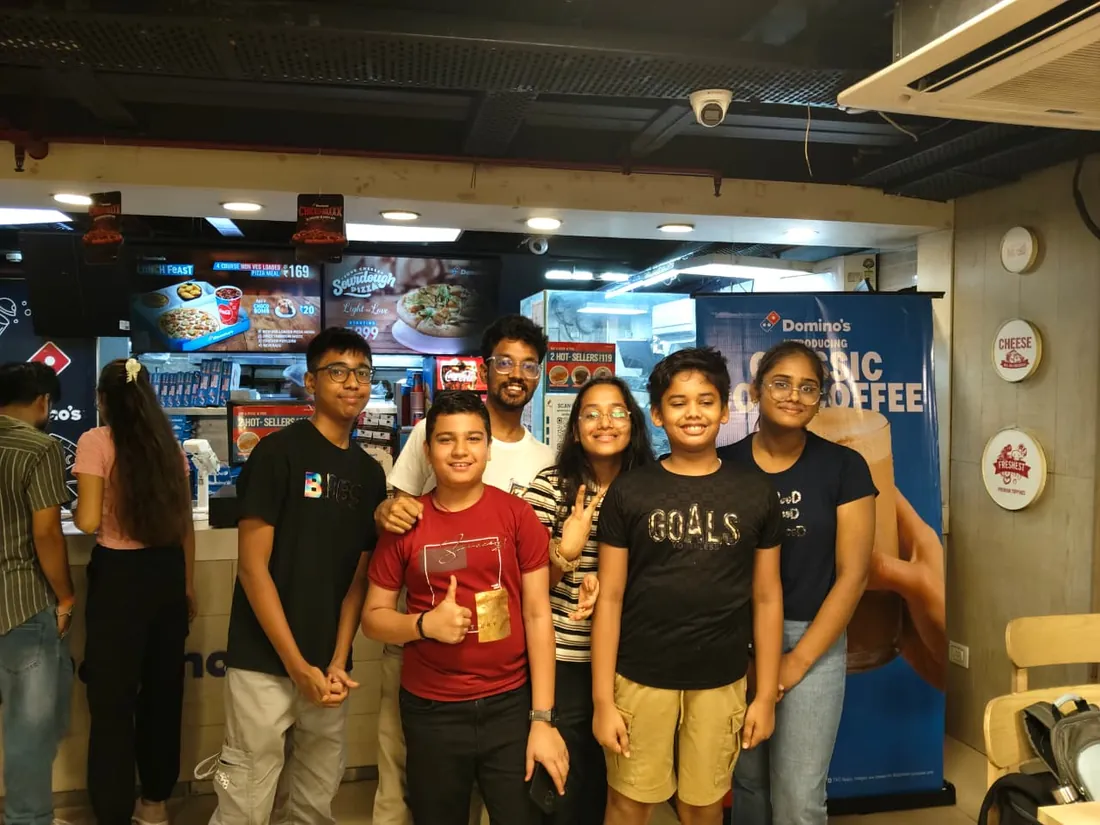
Real students. Real moments. Real joy.
These are our actual student meetups. No stock photos, no filters. Swipe through and meet the community you'll be joining.































What families say
Straight from the parents and students who learn with us. Rated 4.9 across 547 Google reviews.
“Mivaan enjoys the class. He understands the concepts and completes his tasks with excitement. He started taking interest in coding… truly amazing class.”
“I absolutely love it here! I made new friends and learned important valuable coding skills while having the fun of my life. It's not just coding here, it's outings, bonding and most importantly preparing you for your future. Definitely five stars.”
“What stands out most is how excited my son is before every class. He looks forward to learning, problem-solving, and sharing what he's built. I've noticed a big boost in his confidence!”
“Modern Age Coders has been a game-changer for me! I struggled to grasp IT concepts and coding before joining, but their classes transformed everything. I'm now the topper in my class and can confidently write complex programs with ease.”
“Modern Age Coder have wonderful teachers who teach in a clear, easy and practical way. The teacher boosts students' confidence, keeps them updated with technology, and inspires them to learn without hesitation.”
“The one step solution for my son. Modern Age Coders make learning coding so simple that kids love it.”
“Coding classes here make learning very interesting and conceptual. The teachers teach us in a very easy-to-understand and efficient manner.”
“One of the most wonderful education centres out there. Education is not limited to school syllabus but focuses on skill development. Learning here has been a wonderful journey and still continuing.”
“I highly recommend this computer coding class! The teachers are incredibly knowledgeable and passionate about coding. They make every session engaging and insightful.”
“My child Dhairya is really enjoying the Modern Age Coder IT classes. This is his first online class, and he eagerly looks forward to it.”
“Very good classes. Don't worry about coding. They teach the best, especially Shivam sir.”
“Very good classes. Makes learning very easy and interactive.”
Hear it from our students
Real parents and students in their own words, on our public YouTube channel.
Straight answers about Agentic AI Engineering: Build AI Agents from Scratch
- Who should take this course?
- Advanced · working engineers, college and graduate students, researchers; comfortable Python required. It suits backend, full-stack and platform engineers asked to add agents to a product who want to understand the loop, the tools and the failure modes rather than copy a framework example; ml and data engineers moving from model training or analytics into llm applications, who want retrieval, evals and observability done properly; computer science and engineering students, and graduate students, who want a portfolio project that is deployed and measured, not a notebook demo.
- What will they learn and build?
- Most agent tutorials start with a framework and stop at a demo. This course starts with the raw model APIs and stops at a deployed agent with an eval suite, because that is the distance between a prototype and something you can put in front of users.
- How deeply are topics covered?
- The course runs 24 live 1-on-1 classes, 1 hour each at One live hour per class plus 3-4 hours of build time between classes, across 4 phases listed week by week in the syllabus below. A structured 24-class curriculum, from raw API calls to a deployed agent, with a real deliverable in every class.
- Who teaches it?
- Modern Age Coders mentors, who teach the live classes themselves. You can watch them at work in the free class recordings before you decide.
- How do practice, feedback and assessment work?
- Classwork every session, a task after every class, phase-gate reviews that mix in earlier topics, and a capstone defended live, plus a written assessment that decides the certificate: real knowledge and real work, with a free retest after revision if needed. Doubt support between classes over WhatsApp, so a failing tool call or a broken trace never waits until the next class. A certificate you earn by passing the final assessment, with a free retest after revision if needed.
- What does it cost?
- One plan, taught 1-on-1 only, billed per month of private classes. The price is shown in your currency in the plans section. Monthly billing, cancel any time.
- When can classes take place?
- Live classes are scheduled around your week: as a 1-on-1 student you choose your own slots with your mentor, and international students are scheduled in their own timezone. Ask on WhatsApp for the current availability.
- Can I watch the teaching before deciding?
- Yes. Full recordings of real 13 and up classes are free to watch, free with a Google sign-in. These recordings show how we teach, not the exact syllabus of this course. Some classes are in English and some in Hindi; everyone follows at their own pace. Watch a class end to end, like you are in it. Sessions are interactive and each moment builds on the last.
- Can I enroll without a live demo?
- Yes. Choose a plan on this page and enrol directly; a demo is not required. If you would like to see a full class with a mentor first, book a Priority Demo.
- How do I reach you with a question?
- WhatsApp +91 91233 66161, email connect@modernagecoders.com, or call +91 91233 66161. Tell us the student's age and what they have learned so far, and we will point you to the right plan and batch.
Common Questions About Agentic AI Engineering: Build AI Agents from Scratch
Get answers to the most common questions about this comprehensive program
Still have questions? We're here to help!
Contact UsWhy Choose Agentic AI Engineering: Build AI Agents from Scratch?
Related Courses You May Like
Continue your learning journey with these recommended programs
 Advanced AI & Research
AI Research Engineering: Reproduce, Experiment, Publish
Reproduce an ML paper, run honest experiments with seeds, ablations and CIs, and write it up like a ...
Explore Course Advanced AI & Research
How to Read AI Research Papers
Learn to read, critique and re-implement AI research papers in 24 live 1-on-1 classes: the three-pas...
Explore CourseRelated Articles & Guides
Deepen your knowledge with these hand-picked articles
 Artificial Intelligence
14 min read
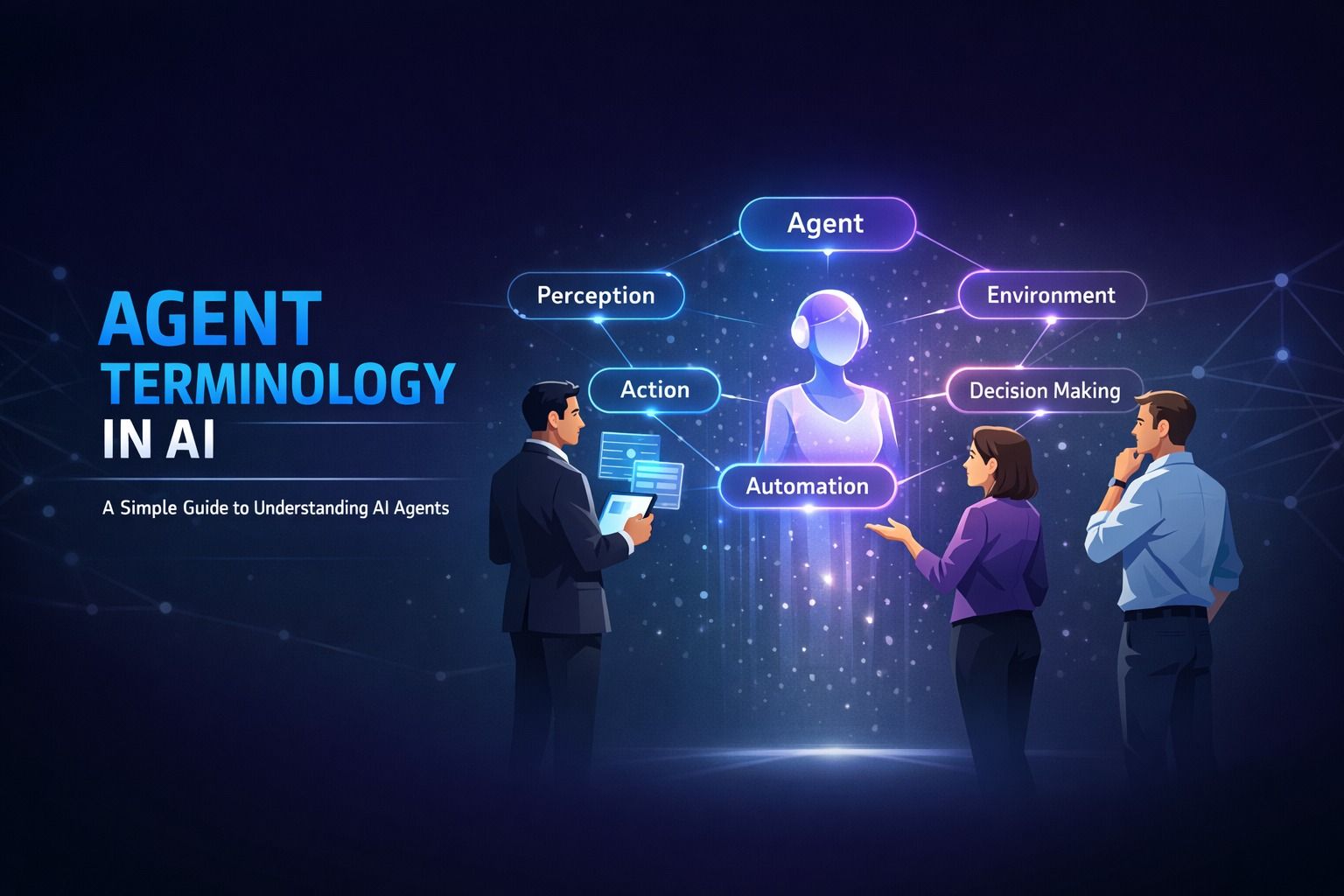
Agent Terminology in AI: A Simple Guide to Understanding AI Agents
Decode AI agent terminology in ai with this beginner-friendly guide. Learn about autonomous agents, ...
Read Article Education
14 min read
Robotics and Coding: How STEM Kits Build Logical Thinking
Compare top robotics kits for kids with pricing. Learn how STEM kits develop logical thinking, probl...
Read ArticleReady to start Agentic AI Engineering: Build AI Agents from Scratch?
Book a Priority Demo to see a full live class with a mentor reserved for you, today or tomorrow. Or choose a plan and enrol now.
Questions? WhatsApp +91 91233 66161 or email connect@modernagecoders.com