AI and Machine Learning for Teens
Not another course about using AI. Ten months of building it: real models, trained and evaluated by a teenager who understands what is inside them.
Syllabus updated August 2026
Questions? WhatsApp +91 91233 66161 or email connect@modernagecoders.com
Recordings are free with a Google sign-in. These recordings show how we teach, not the exact syllabus of this course.
Our promise
The world's best learning experience, open to everyone.
- World-class instructorsEvery class is taught by an instructor who specialises in that exact field.
- No compromise on qualityEvery lesson, project and piece of feedback is held to the highest standard.
- Education for everyoneLearners aged 6 to 67, from first-time beginners to working professionals, in 25+ countries.
If you want the highest quality, Modern Age Coders is the right choice.
Book a Priority DemoHow long this course takes
This course runs 10-12 months (40-48 weeks) at 2 live classes/week + 3-4 hours practice. The range allows for background and pace: a complete beginner uses the full span, and a student with prior knowledge finishes sooner. The syllabus below is planned to the shorter end, with margin kept for revision.
For personalised duration planning, call +91 91233 66161 and we'll map a schedule to your goals.
At a glance
- Who it is for
- Beginner friendly, ages 13 to 18; school maths is enough to start.
- Prerequisites
- None. Python is taught from the first line School algebra is enough to start; every further piece of maths is taught exactly when a model needs it
- Format
- Live, interactive classes with a real instructor, never pre-recorded videos. Live classes run about one hour.
- Language
- English or Hindi, depending on the batch.
- Duration
- 10-12 months (40-48 weeks)
- Weekly commitment
- 2 live classes/week + 3-4 hours practice
- Class size
- Group batches of 5 to 10 students, mini batches of 3 to 4, or 1-on-1.
- Certificate
- Certificate from Modern Age Coders, awarded on passing the final exam
- Watch first
- Free recordings of real classes for ages 13 and up, free with a Google sign-in. These recordings show how we teach, not the exact syllabus of this course.
- Live demo
- Optional. Enrol directly on this page, or book a Priority Demo: a full live class of about 45 to 60 minutes with a mentor reserved for you.
- Questions
- WhatsApp +91 91233 66161 or email connect@modernagecoders.com.
How we teach
Deep understanding. Real projects. Expert guidance.
Learn coding, AI and maths through careful explanations, practical demonstrations, and hands-on problem-solving. Our instructors guide you from the foundations to advanced ideas, helping you understand what happens, why it happens, and how to build it yourself.
You will explore concepts step by step, write and improve code, investigate mistakes, ask questions, and apply your knowledge to meaningful projects. Lessons are designed around active participation, thoughtful feedback, and growing independence.
Expert-led live teaching, with practical participation built into every lesson.
- Students explain their thinking.
- Instructors demonstrate, then guide practice.
- Learners code, solve, or build during lessons.
- Questions and misconceptions get attention.
- Assignments receive useful feedback.
- Progress is checked before advancing.
How to join AI and Machine Learning for Teens: Python to Real Models
Four steps from this page to the first class. See a full class first with a Priority Demo, or choose a plan and enrol today.
Rated 4.9 across 547 Google reviews. Monthly billing, cancel any time.
How enrolment works
See a full class first (optional)
Book a Priority Demo: a live class of about 45 to 60 minutes with a mentor reserved for you, today or tomorrow. After the class the mentor sends a written skill report and a personal learning roadmap on WhatsApp. If you enrol, the demo fee is adjusted against your first month's fee. Share your demo Order ID with us on WhatsApp and we take it off.
Book a Priority DemoDemo fee ₹499Choose a plan
Group batch (5 to 10 students), mini batch (3 to 4 students, India only) or 1-on-1 with your own mentor. Every plan is live online, and each class runs about one hour. The cards below show classes per week and the monthly fee in your currency.
Enrol and pay the first month
Press Enrol Now on your plan, fill in the student's name, email and phone, and pay through secure Razorpay checkout: UPI, cards or net banking in India, and debit or credit card from any other country.
Fix your class timings
After payment, message us on WhatsApp or call +91 91233 66161 with the student's name, the course and your preferred time slot. We confirm the batch, send the class link and schedule the first class at your chosen time.
Billing is monthly and you can cancel any time.
International Students (Outside India)
Billed monthly in US dollars, the same price in every country. Contact us with any questions.
Questions before you enrol? Talk to our team.
Ask about class timings, the right level for your child, what they need to know already, or payment. Parents and adult learners can reach us on WhatsApp, by email or by phone.
Program Overview
Most teens use AI daily; almost none understand it, and understanding is where all the opportunity lives. This live online course takes students aged 13 to 18 from zero, no coding assumed, to genuinely training, evaluating and shipping machine learning models: Python and the data stack first, then real machine learning with scikit-learn, neural networks built up from a single neuron, convolutional networks that see, language models that read, and the modern generative AI layer, understood from the inside and used through teen-legal tools with parent-involved accounts.
Honesty shapes the syllabus. Fields like reinforcement learning, robotics and ML infrastructure are named and mapped, not squeezed in as fake weeks; the depth goes where a teen can actually build: vision projects with their own trained models, an NLP project on real text, a generative AI application with guardrails, and a final capstone defended at demo day. The maths is taught as needed, school algebra is enough to start, and every concept lands in code the same week it is explained.
The pace is real: ten months at two live classes a week plus three to four hours of practice, with two more months in hand when needed. Homework after every class, monthly mixed reviews that reach back deliberately, phase exams, and a final exam that decides the certificate, with focused revision and a free retest. Real models, real evaluation, depth over dopamine.
What Makes This Program Different
- Builders, not passengers: teens train, evaluate and ship their own models, they do not just prompt someone else’s
- Maths handled honestly: taught as needed from school algebra, never assumed, never hand-waved
- Evaluation is the moral core: overfitting, leakage and misleading accuracy are taught as hard as the models themselves
- Generative AI from the inside: how LLMs and diffusion actually work, plus building on them through teen-legal tools with parent-involved accounts
- An honest 10-month arc with 2 months of margin: the frontier fields are mapped truthfully as next steps, not faked as weeks
- Real assessment: weekly homework, monthly mixed reviews, and a final exam that decides the certificate, with focused revision and a free retest
Your Learning Journey
Career Progression
Detailed Course Curriculum
Explore the complete week-by-week breakdown of what you'll learn in this comprehensive program.
Topics Covered
- What is Artificial Intelligence? Real examples teens use daily
- AI vs ML vs Deep Learning explained with examples
- History of AI: From chess to ChatGPT
- Setting up Python environment (Anaconda, Jupyter)
- Google Colab for free GPU access
- Python basics: Variables, data types, operations
- Lists and dictionaries for data storage
- Functions and code organization
- Python libraries introduction: NumPy, Pandas preview
- Your first AI program: Rule-based chatbot
- How machines 'think': Algorithms vs intelligence
- AI in everyday life: Spotify, TikTok, YouTube recommendations
Projects You Build
- Setup complete AI development environment
- Rule-based chatbot (like early Siri)
- Simple recommendation system using rules
- AI decision tree for game choices
Practice & Assignments
Daily: Python exercises, explore AI applications
Topics Covered
- Advanced Python lists: Slicing, comprehensions
- Working with dictionaries for data mapping
- Sets and tuples for data organization
- If-else logic for AI decisions
- Loops for processing data
- Functions for reusable AI components
- Object-oriented programming basics
- Classes for AI models
- File handling: Reading/writing data
- JSON for AI configuration
- Error handling in AI programs
- Debugging AI code effectively
Projects You Build
- Student grade predictor system
- Text-based adventure game with AI NPCs
- Data analyzer for social media stats
- Simple expert system for diagnosis
Practice & Assignments
Build 10 Python programs with AI logic
Assessment
Month 1 check: a Python data exercise live, plus a take-home mixing everything so far
Topics Covered
- NumPy arrays: The foundation of AI
- Array operations and broadcasting
- Mathematical operations on arrays
- Statistics basics: Mean, median, mode, std deviation
- Probability concepts for AI
- Linear algebra basics: Vectors and matrices
- Matrix operations: Addition, multiplication
- Why math matters in AI (visual explanations)
- Plotting with Matplotlib
- Visualizing data patterns
- Random numbers and simulations
- Mathematical functions in NumPy
Projects You Build
- Grade distribution analyzer
- Dice probability simulator
- Image manipulation with arrays
- Statistical analysis dashboard
Practice & Assignments
Complete 20 NumPy exercises daily
Topics Covered
- DataFrames: Spreadsheets in Python
- Reading data: CSV, Excel, JSON
- Data selection and filtering
- Handling missing data
- Data cleaning techniques
- Grouping and aggregation
- Merging and joining datasets
- Time series data basics
- Data visualization with Pandas
- Exploratory Data Analysis (EDA)
- Feature engineering introduction
- Preparing data for ML
Projects You Build
- YouTube channel analytics tool
- Sports statistics analyzer
- Weather pattern explorer
- Social media trends analyzer
Practice & Assignments
Analyze 5 real-world datasets
Assessment
Month 2 check: clean and explore a messy real dataset, with quiz questions reaching back to month 1
Topics Covered
- What is Machine Learning? Learning from examples
- Supervised vs Unsupervised vs Reinforcement Learning
- Classification vs Regression problems
- Training data, validation data, test data
- Features and labels explained
- Overfitting and underfitting (Goldilocks principle)
- Model evaluation metrics: Accuracy, precision, recall
- Confusion matrix understanding
- Cross-validation concept
- Bias-variance tradeoff simplified
- Feature scaling and normalization
- Introduction to Scikit-learn
Projects You Build
- Iris flower classifier (classic starter)
- Spam email detector
- Music genre classifier
- Friend group predictor
Practice & Assignments
Train 10 different ML models
Topics Covered
- K-Nearest Neighbors (KNN): Finding similar things
- Decision Trees: AI making choices
- Random Forests: Wisdom of crowds
- Naive Bayes: Probability-based predictions
- Logistic Regression for classification
- Support Vector Machines (SVM) basics
- Ensemble methods: Voting classifiers
- Multi-class classification
- Imbalanced data handling
- Feature importance analysis
- Model selection strategies
- Hyperparameter tuning basics
Projects You Build
- Handwritten digit recognizer
- Emoji sentiment analyzer
- Game outcome predictor
- Fashion item classifier
Practice & Assignments
Solve 15 classification challenges
Assessment
Phase 1 exam: train and evaluate a classifier live and explain its mistakes, plus a written mixed paper
Topics Covered
- Linear Regression: Finding patterns in data
- Polynomial Regression: Curved relationships
- Multiple Linear Regression
- Ridge and Lasso Regression
- Regression evaluation metrics: MSE, RMSE, R²
- Time series prediction basics
- Feature engineering for regression
- Dealing with outliers
- Residual analysis
- Gradient Descent visualization
- Learning rate importance
- Regression vs Classification: When to use what
Projects You Build
- House price predictor
- Exam score predictor
- YouTube views predictor
- Weather temperature forecaster
Practice & Assignments
Build 10 prediction models
Topics Covered
- Clustering: Finding groups in data
- K-Means clustering algorithm
- Hierarchical clustering
- DBSCAN for density-based clustering
- Dimensionality reduction: PCA basics
- t-SNE for visualization
- Anomaly detection methods
- Association rules (Market basket)
- Clustering evaluation metrics
- Choosing number of clusters
- Real-world clustering applications
- Visualization of high-dimensional data
Projects You Build
- Customer segmentation tool
- Music playlist generator
- Anomaly detector for gaming
- Friend group discoverer
Practice & Assignments
Apply clustering to 10 datasets
Assessment
Month 4 check: a regression-and-clustering task on fresh data, plus mixed review
Topics Covered
- Gradient Boosting Machines (GBM)
- XGBoost: Competition winner
- LightGBM for speed
- CatBoost for categorical data
- Stacking and blending models
- Feature engineering mastery
- Automated feature selection
- Cross-validation strategies
- Hyperparameter optimization: Grid, Random, Bayesian
- Pipeline creation in Scikit-learn
- Model interpretability: SHAP, LIME
- Handling big data with ML
Projects You Build
- Kaggle competition entry
- Advanced recommendation system
- Multi-model ensemble predictor
- AutoML system builder
Practice & Assignments
Optimize 10 ML models for performance
Topics Covered
- Biological inspiration: How brains work
- Artificial neurons (Perceptrons)
- Activation functions: ReLU, Sigmoid, Tanh
- Forward propagation explained
- Backpropagation intuition
- Gradient descent deep dive
- Building neural networks from scratch
- Introduction to TensorFlow/Keras
- Your first neural network
- Training neural networks
- Preventing overfitting: Dropout, regularization
- Batch normalization basics
Projects You Build
- Neural network from scratch (NumPy)
- XOR problem solver
- Simple pattern recognizer
- Basic neural network visualizer
Practice & Assignments
Build 5 neural networks for different tasks
Assessment
Month 5 check: build a small neural network by hand and explain each part, plus mixed review
Topics Covered
- What makes learning 'deep'?
- Deep vs shallow networks
- TensorFlow 2.0 and Keras API
- Building deep neural networks
- Optimizers: SGD, Adam, RMSprop
- Learning rate scheduling
- Early stopping and callbacks
- Model checkpointing
- Transfer learning concept
- Pre-trained models introduction
- GPU acceleration basics
- Debugging neural networks
Projects You Build
- MNIST digit classifier (deep version)
- Fashion MNIST challenger
- Simple image classifier
- Sound pattern recognizer
Practice & Assignments
Train 10 deep learning models
Topics Covered
- Why data augmentation matters
- Image augmentation techniques
- Text augmentation methods
- Audio data preprocessing
- Synthetic data generation
- Data balancing techniques
- SMOTE for imbalanced data
- Feature extraction from images
- Text vectorization methods
- Handling sequential data
- Data pipeline optimization
- TensorFlow Data API
Projects You Build
- Data augmentation toolkit
- Synthetic data generator
- Image preprocessing pipeline
- Text data preparation system
Practice & Assignments
Create 5 augmented datasets
Assessment
Phase 2 exam: train a deep model with proper splits and augmentation, plus a written mixed paper over phases 1-2
Topics Covered
- How computers see: Pixels to features
- Convolution operation explained visually
- Filters and feature maps
- Pooling layers: Max and average
- CNN architecture design
- Famous architectures: LeNet, AlexNet, VGG
- ResNet and skip connections
- Building CNNs in TensorFlow/Keras
- Image classification with CNNs
- Data augmentation for images
- Visualizing CNN layers
- Understanding what CNNs learn
Projects You Build
- Custom image classifier (personal photos)
- Face emotion detector
- Hand gesture recognizer
- Pet breed identifier
Practice & Assignments
Build 10 different CNN architectures
Topics Covered
- Object detection: Finding things in images
- YOLO (You Only Look Once) basics
- Face detection and recognition
- Image segmentation techniques
- Style transfer: Making art with AI
- Image generation basics
- OpenCV for computer vision
- Real-time video processing
- Pose estimation
- Optical Character Recognition (OCR)
- Medical image analysis basics
- AR filters like Snapchat
Projects You Build
- Object detection app
- Snapchat-style filter creator
- Document scanner with OCR
- Real-time pose detector for fitness
Practice & Assignments
Create 8 computer vision applications
Assessment
Month 7 check: an image classifier trained on your own collected dataset, plus mixed review
Topics Covered
- How computers understand text
- Tokenization and text preprocessing
- Word embeddings: Word2Vec, GloVe
- Sentiment analysis techniques
- Named Entity Recognition (NER)
- Part-of-speech tagging
- Text classification methods
- Topic modeling with LDA
- Text summarization basics
- Machine translation introduction
- Chatbot frameworks
- NLTK and spaCy libraries
Projects You Build
- Sentiment analyzer for reviews
- Fake news detector
- Chatbot for customer service
- Text summarizer for articles
Practice & Assignments
Build 10 NLP applications
Topics Covered
- Attention mechanism explained
- Transformer architecture basics
- BERT for understanding text
- GPT models introduction
- Fine-tuning pre-trained models
- Hugging Face library basics
- Zero-shot classification
- Question answering systems
- Text generation with GPT
- Prompt engineering basics
- Using APIs: OpenAI, Cohere
- Responsible AI and bias
- Why attention changed everything, drawn on one whiteboard
Projects You Build
- Question-answering system
- AI writing assistant
- Language translator
- Custom GPT for specific domain
Practice & Assignments
Fine-tune 5 transformer models
Assessment
Phase 3 exam: a vision or NLP mini-project defended live, plus a cumulative written paper
Topics Covered
- Diffusion models deep dive
- ControlNet for controlled generation
- InstructPix2Pix
- 3D generation: NeRF, 3D GANs
- Video generation models
- Audio generation: MusicLM, AudioLM
- Code generation with AI
- Generative agents and simulations
- AI for procedural generation
- Ethical implications of generative AI
- Future of generative models
- How diffusion models paint, concept-first with teen-legal tools like Firefly and Canva
- Building on LLM APIs with accounts set up alongside a parent
- Prompts as engineering: structure, iteration, evaluation
Projects You Build
- Custom image generator
- AI video creator
- 3D scene generator
- Code generation assistant
Practice & Assignments
Build 10 generative AI applications
Topics Covered
- Bias in AI systems
- Fairness metrics and evaluation
- Explainable AI (XAI)
- Privacy in machine learning
- Differential privacy basics
- AI safety considerations
- Environmental impact of AI
- AI regulations and compliance
- Adversarial attacks and defenses
- Deepfakes and detection
Projects You Build
- Bias detection tool
- Model explainability dashboard
- Fairness evaluation system
- AI ethics case study analysis
Practice & Assignments
Evaluate 5 models for bias and fairness
Assessment
Month 9 check: an ethics-and-evaluation case study argued in writing, plus mixed review
Topics Covered
- From model to product: wrapping a trained model in a usable interface
- Streamlit or Gradio: demos people can actually touch
- Guardrails: handling wrong answers gracefully
- Cost and speed: why small models often win
- Writing the honest model card: what it does, where it fails
Projects You Build
- Your best model shipped as a small usable app with a model card
Practice & Assignments
Have three people use your app and log where it failed them
Topics Covered
- Two focused weeks: data, model, evaluation, interface
- Instructor checkpoints and honest scope cuts
- Evaluation before excitement: the metric chosen and defended
- Daily progress with a training log
- Preparing the demo: the story of the build, failures included
Projects You Build
- The capstone: a complete AI project, vision, language, tabular or generative, built and evaluated end to end
Practice & Assignments
Daily training-log entries; a working demo at all times
Topics Covered
- Presenting the capstone: live demo plus the hardest failure story
- An honest skills inventory: strong, shaky, next
- The truthful map of what comes next: reinforcement learning, MLOps and research, as real paths not fake weeks
- Where our college AI/ML and Codex/Claude Code courses continue the road
Projects You Build
- Demo day presentation delivered to the batch and parents
Assessment
FINAL EXAM: a practical model-building task plus a written paper with questions mixed from every phase. Passing earns the certificate; a student who falls short gets a focused revision plan and a free retest
Projects You'll Build
Build a professional portfolio with 20+ trained models and AI builds, crowned by a defended capstone real-world projects.
Weekly Learning Structure
Certification & Recognition
Technologies & Skills You'll Master
Comprehensive coverage of the entire modern web development stack.
Support & Resources
Career Outcomes & Opportunities
Transform your career with industry-ready skills and job placement support.
Prerequisites
Who Is This Course For?
Career Paths After Completion
Course Guarantees
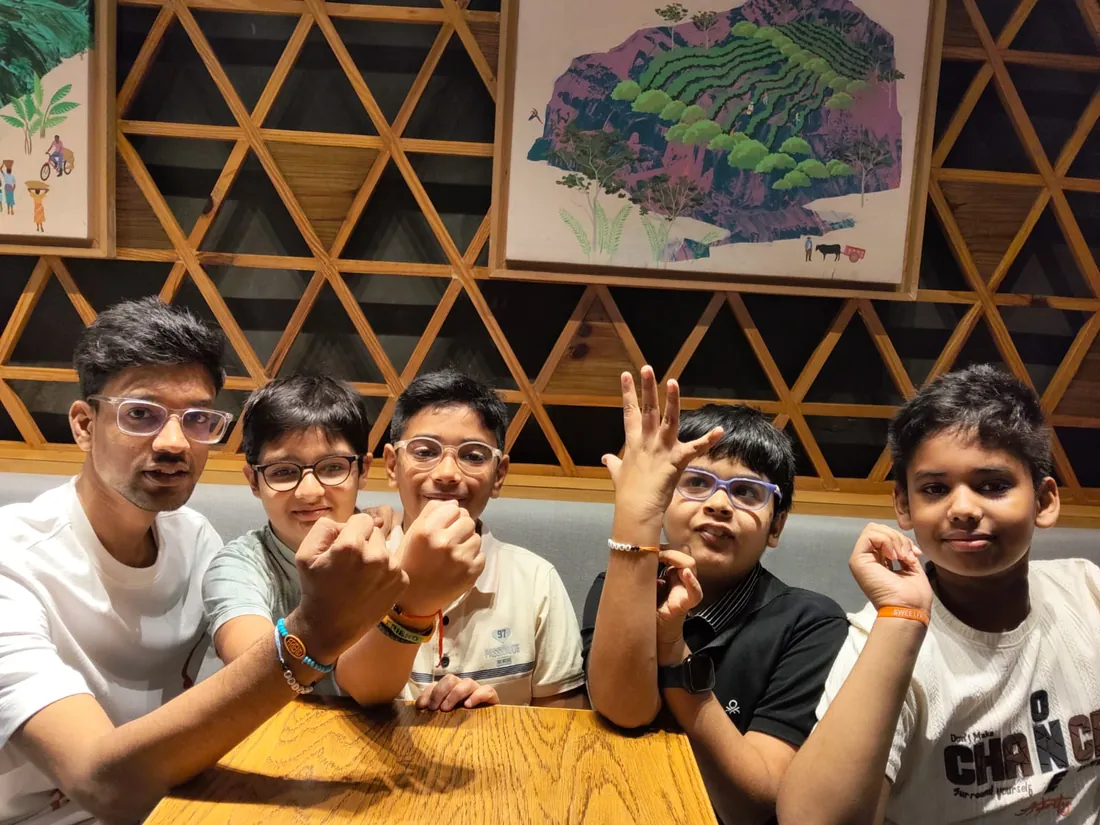
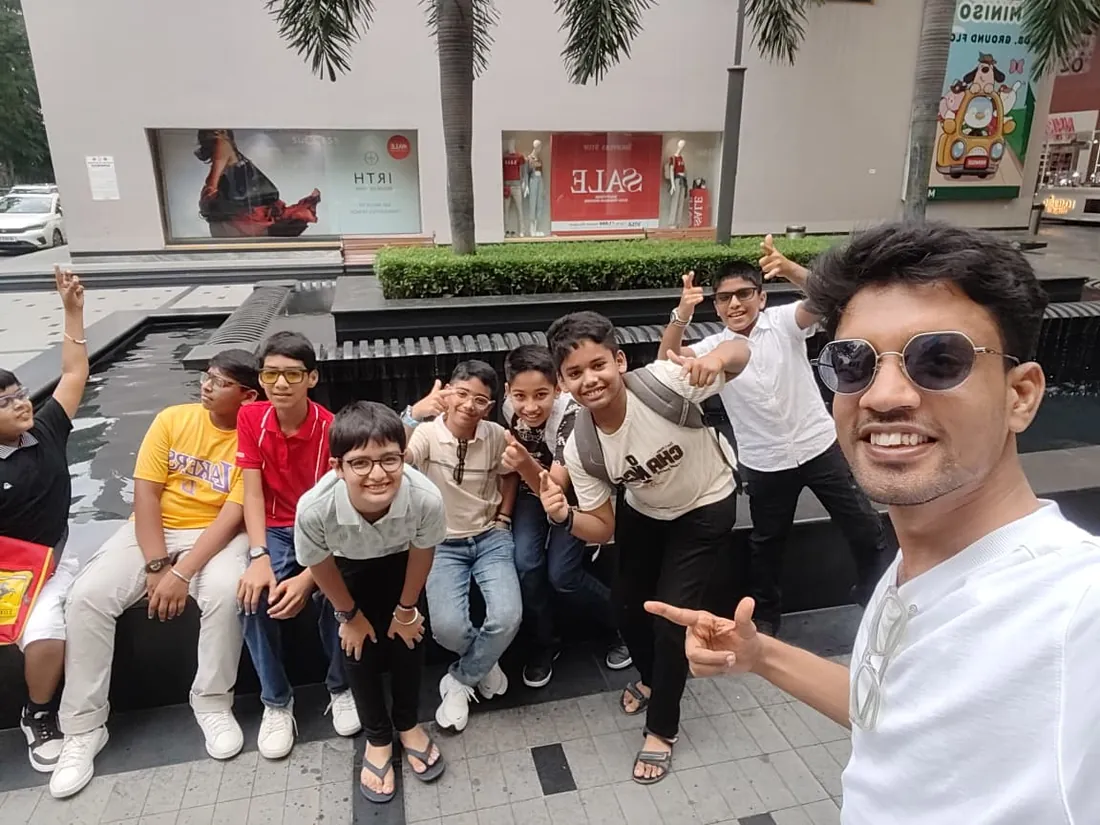
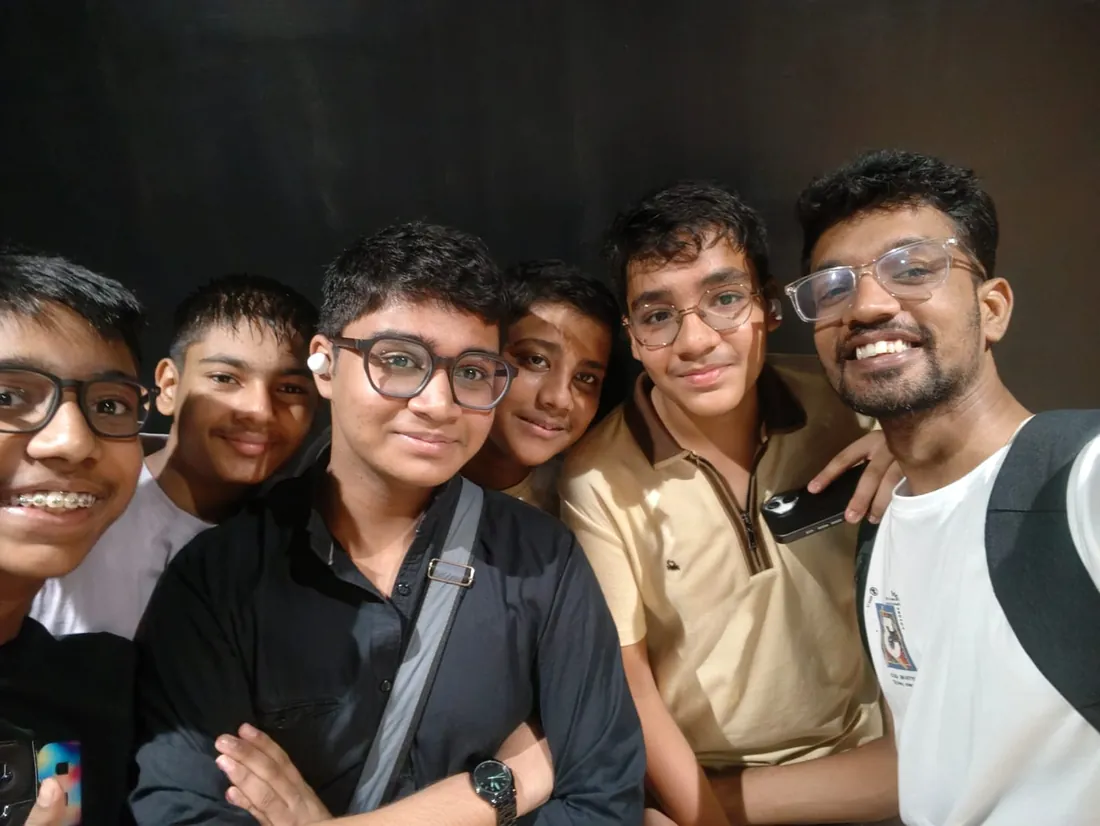
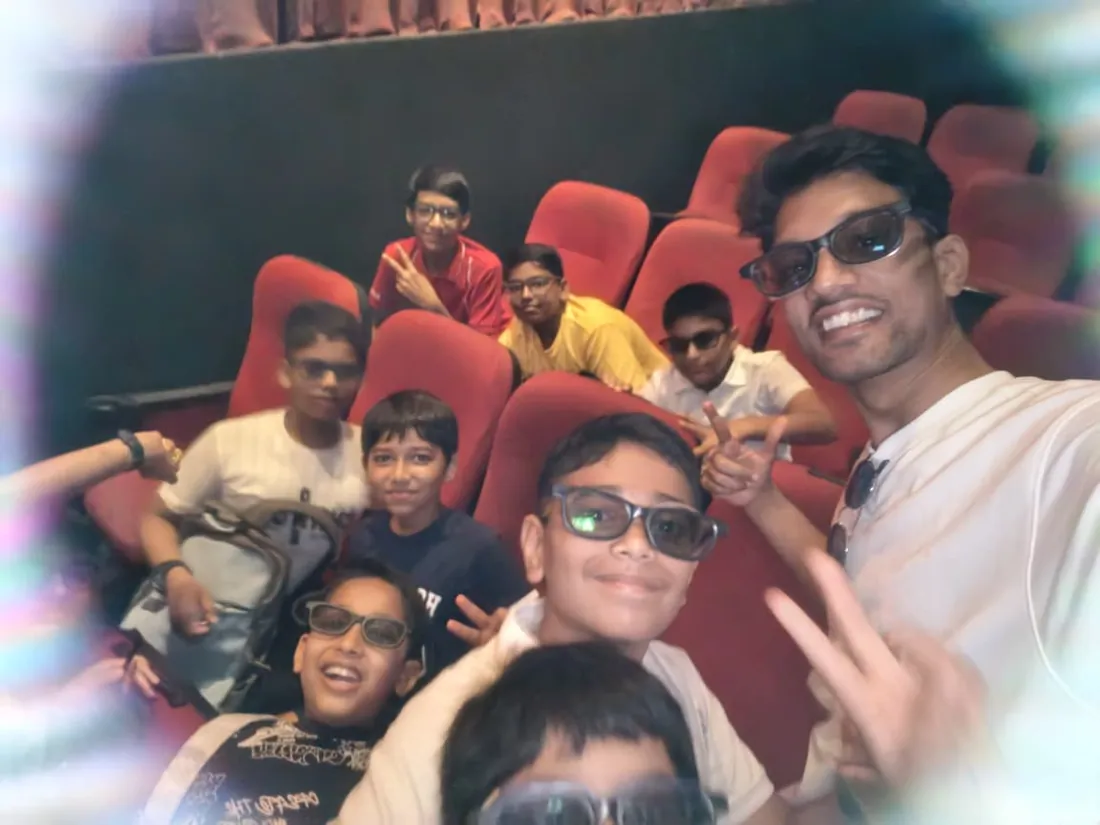
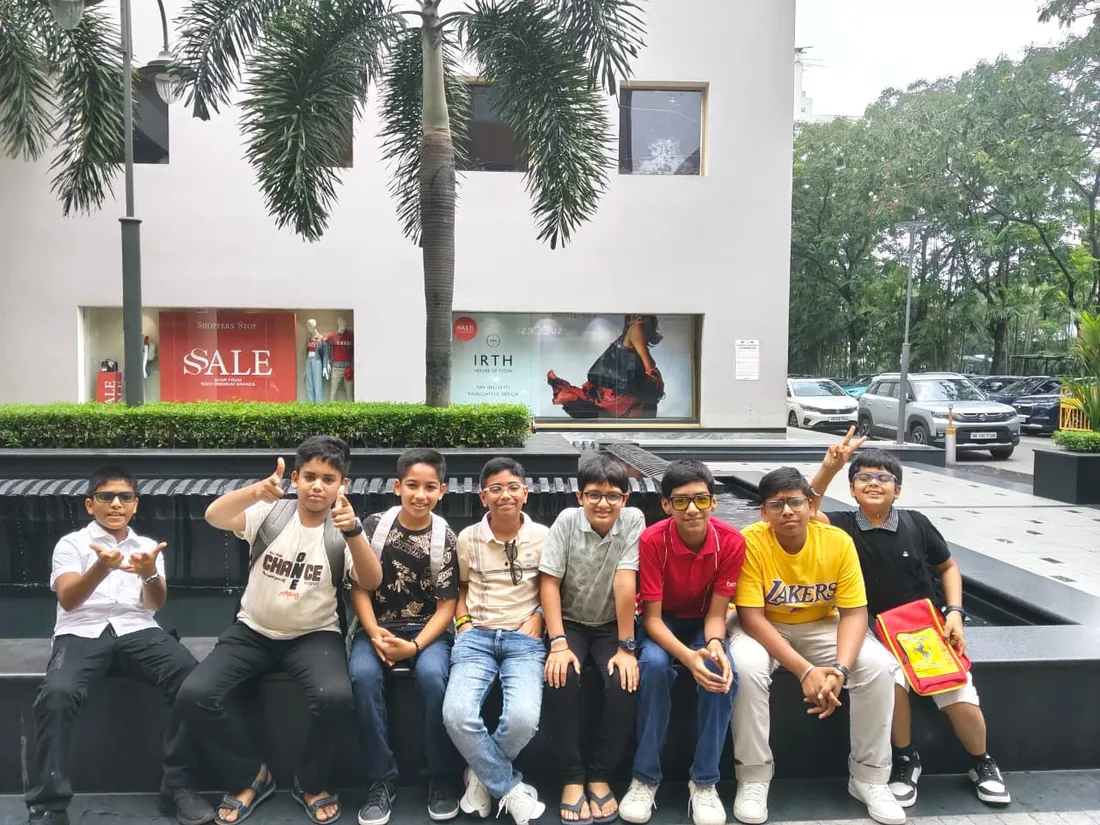
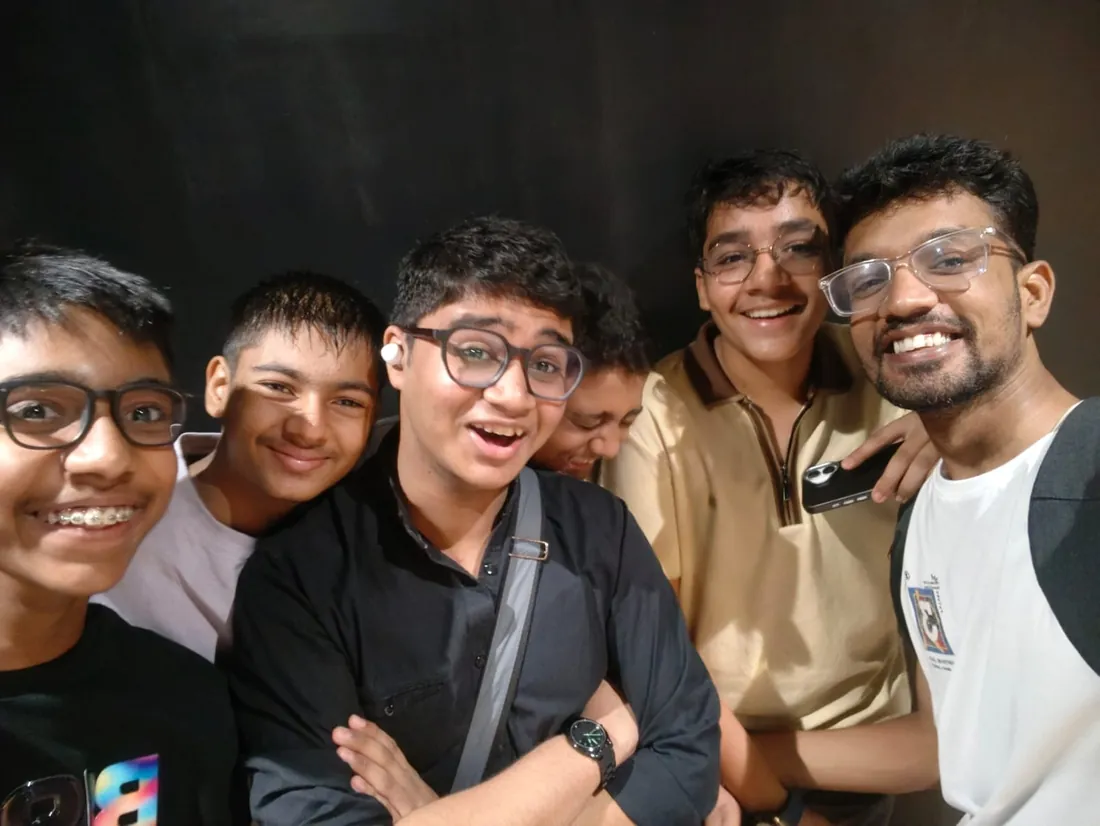
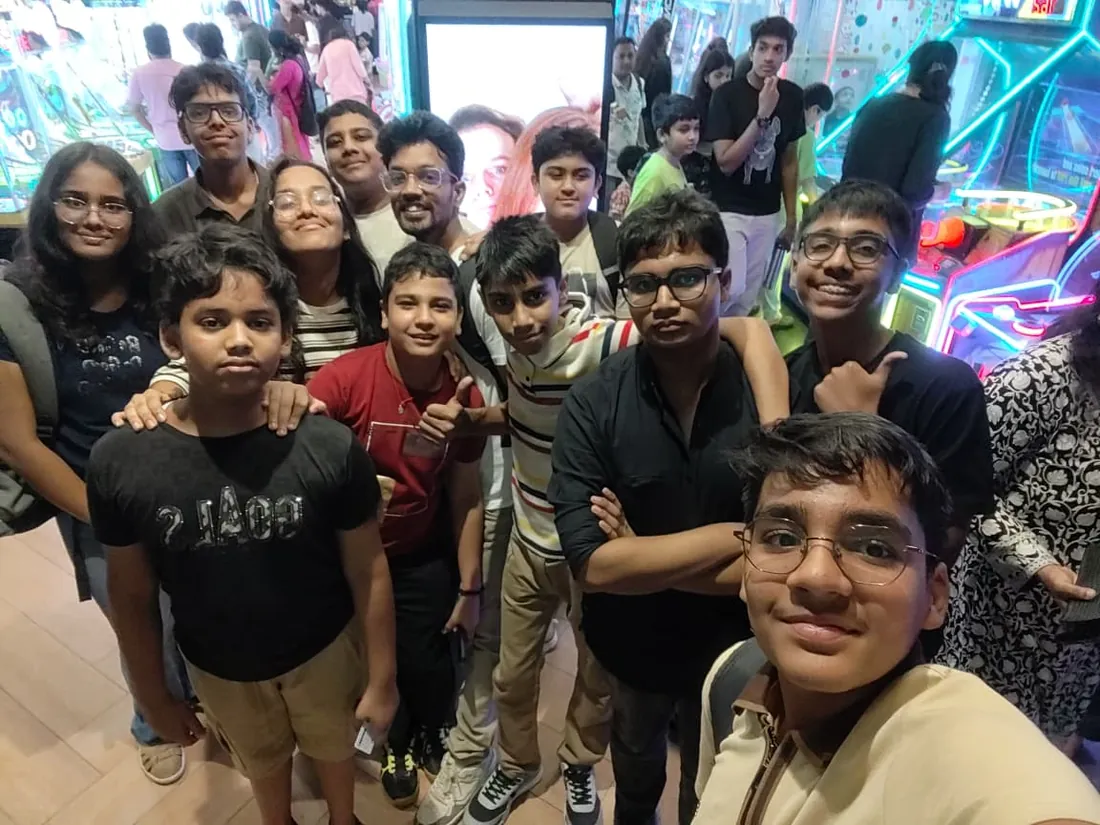
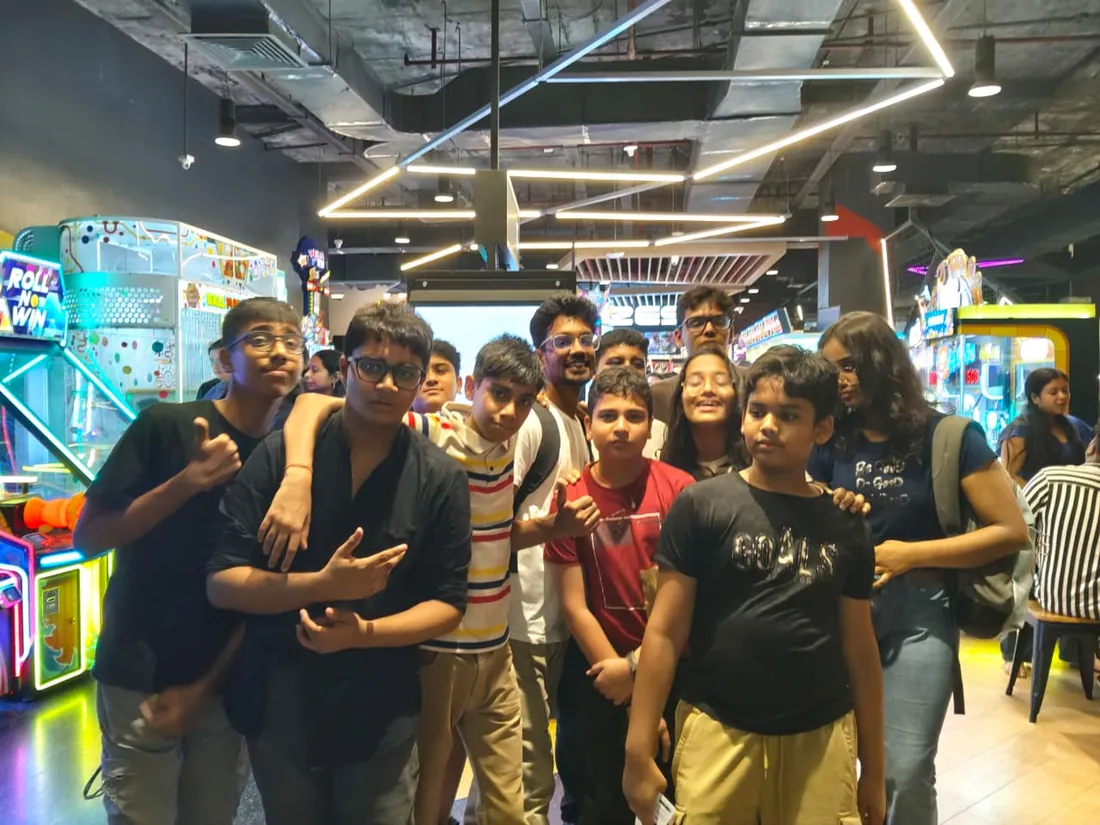
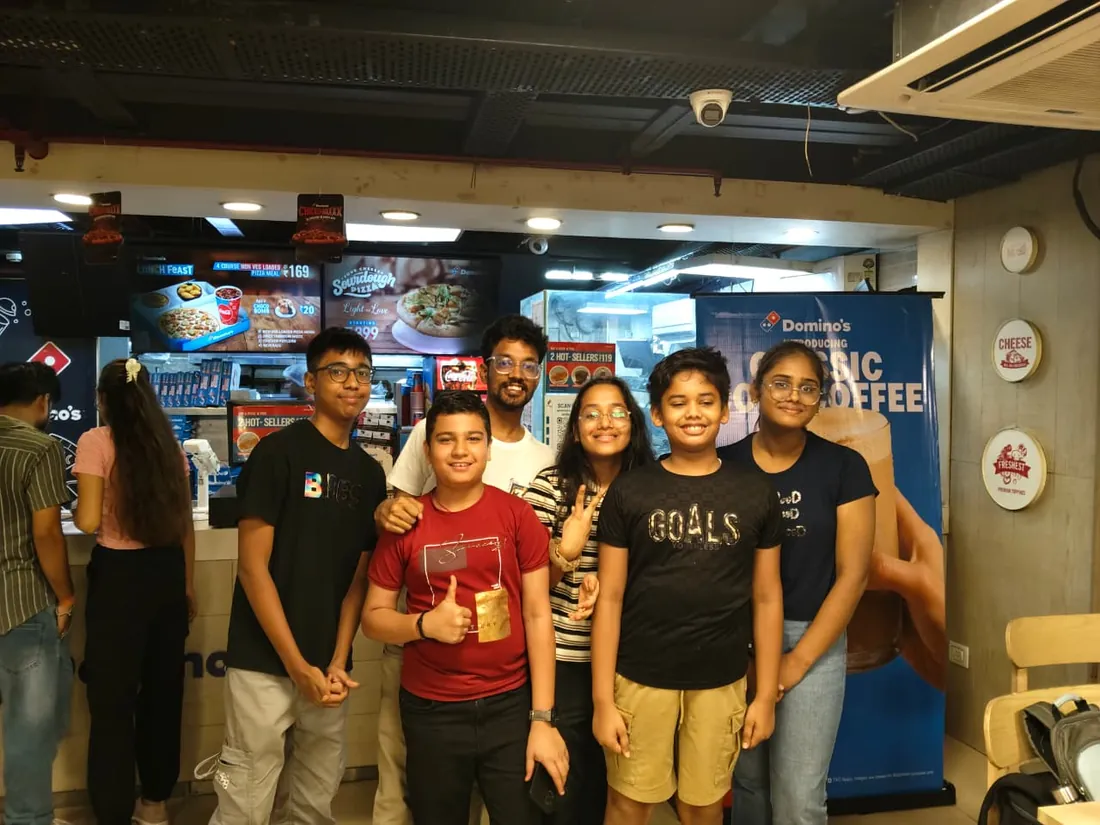
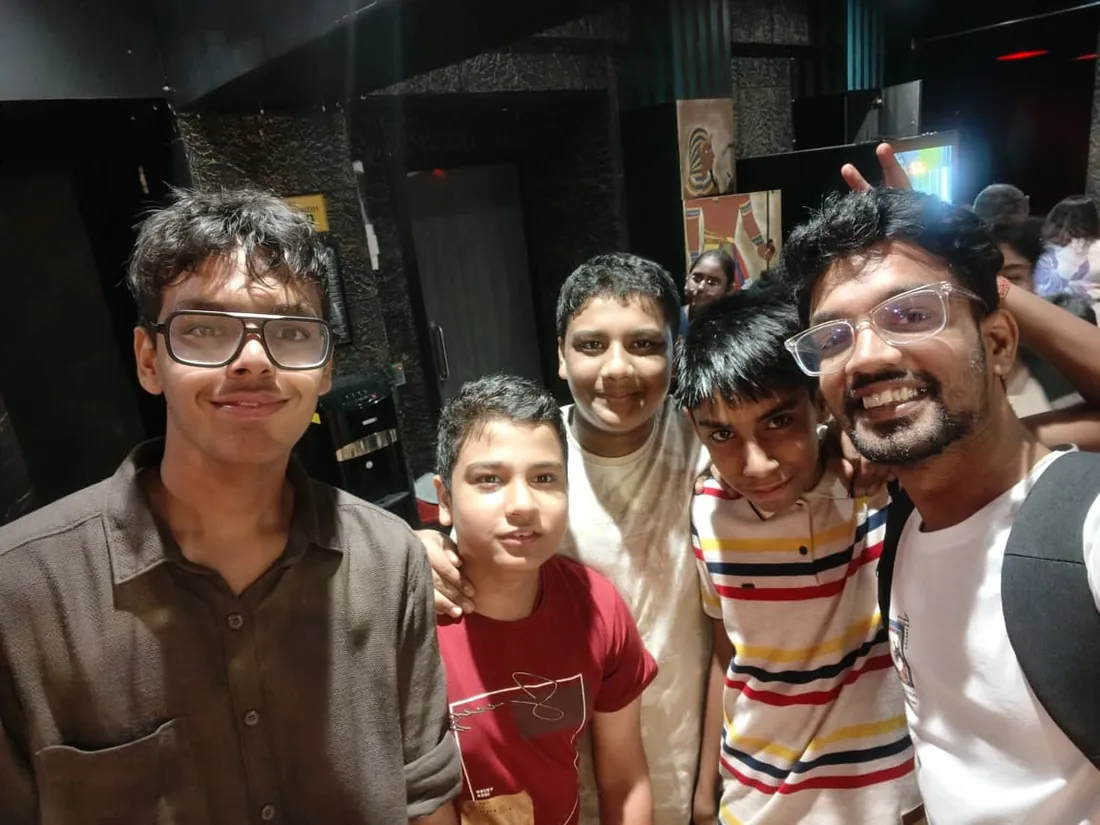
Real students. Real moments. Real joy.
These are our actual student meetups. No stock photos, no filters. Swipe through and meet the community you'll be joining.










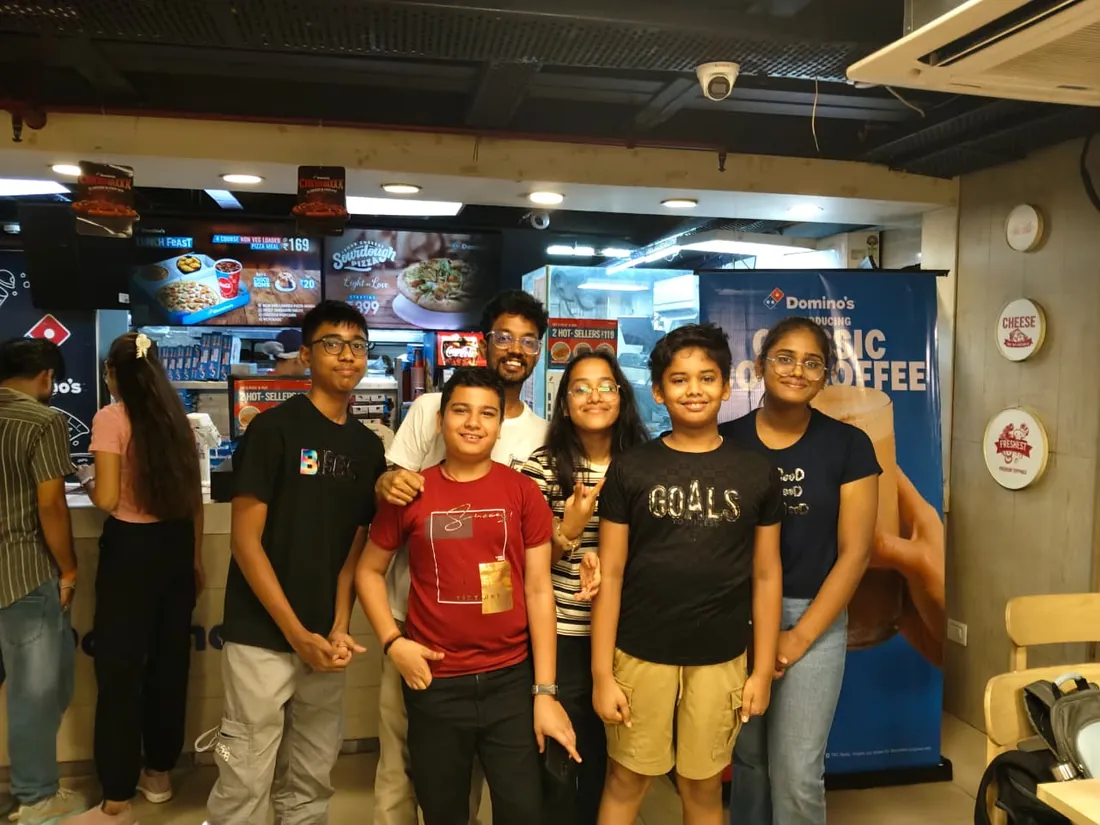
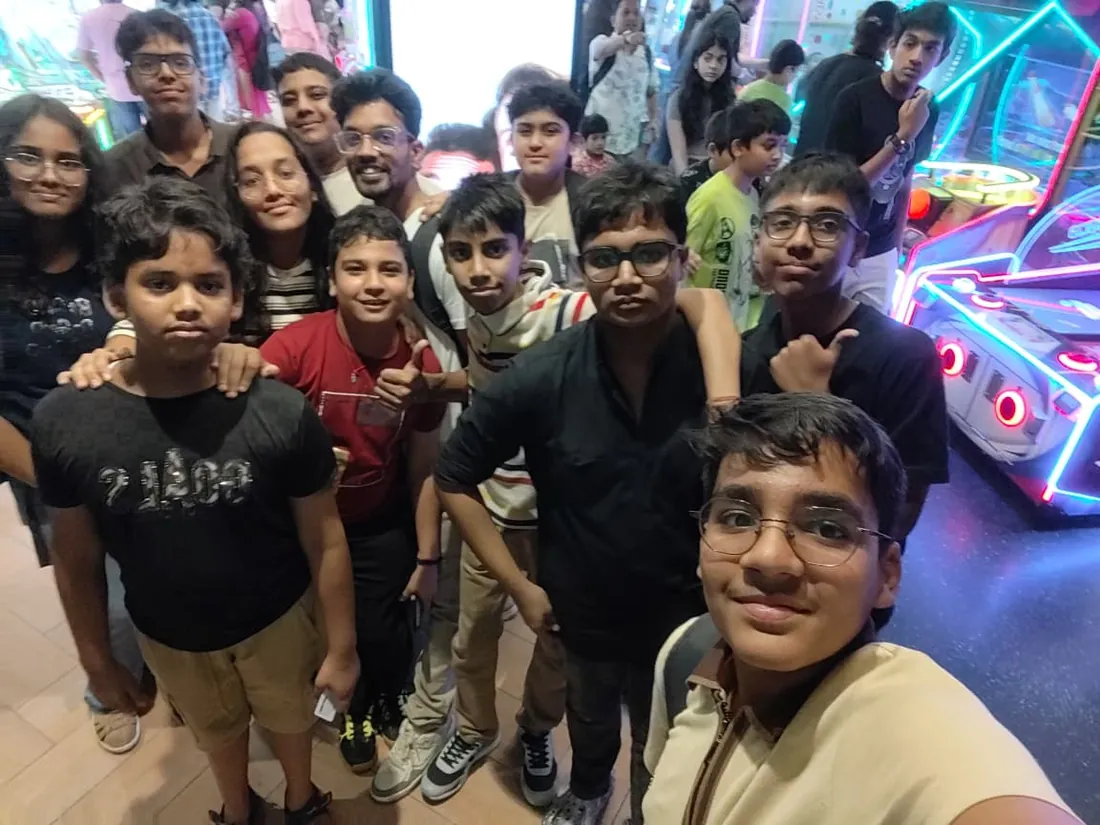






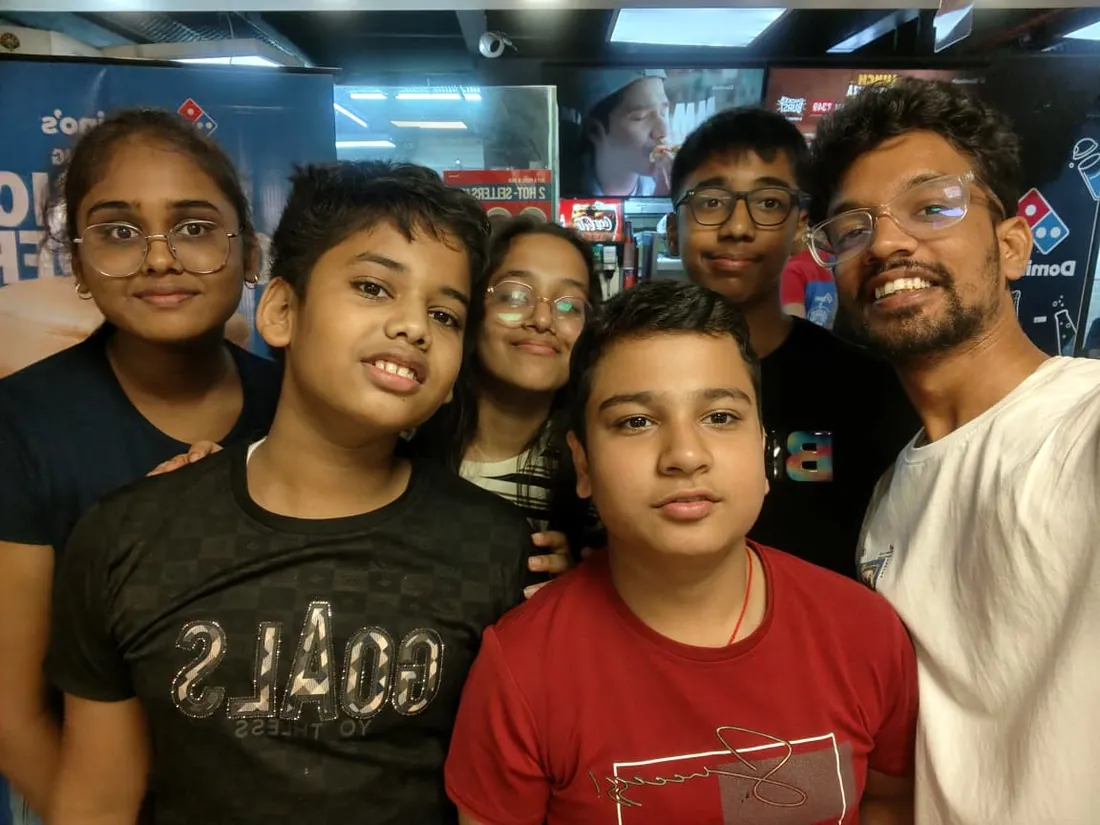



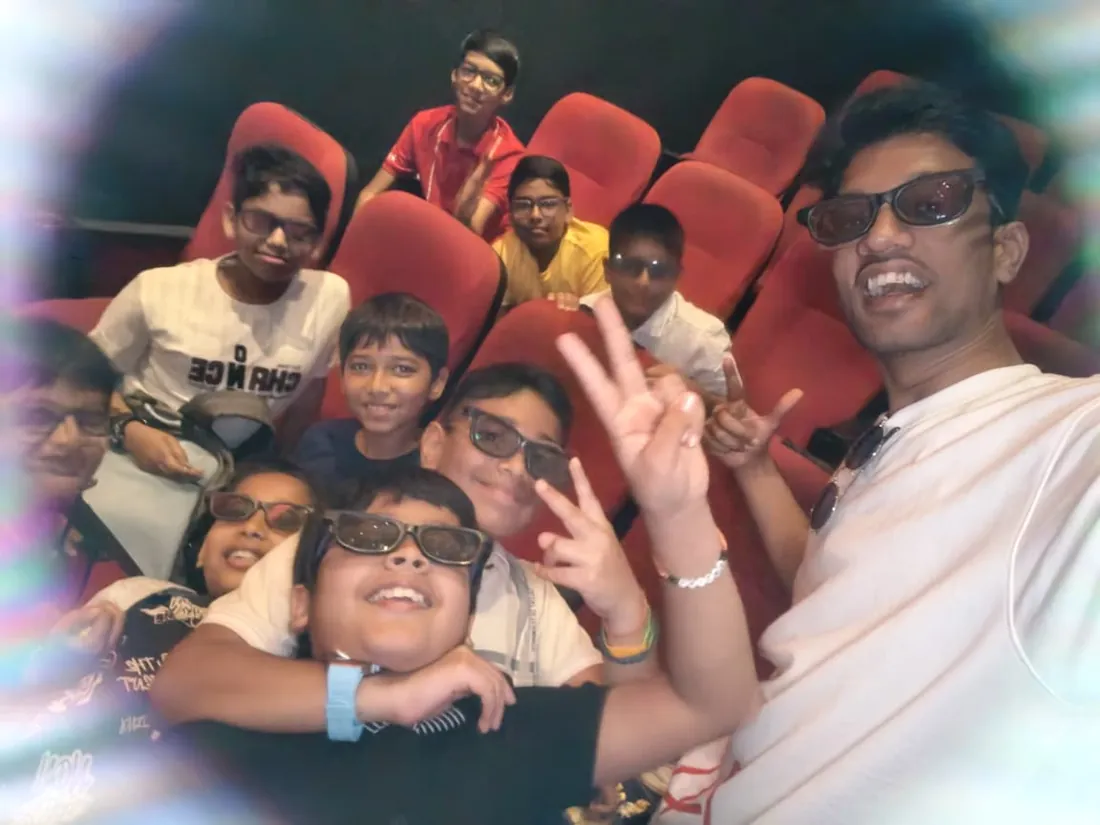






What families say
Straight from the parents and students who learn with us. Rated 4.9 across 547 Google reviews.
“Mivaan enjoys the class. He understands the concepts and completes his tasks with excitement. He started taking interest in coding… truly amazing class.”
“I absolutely love it here! I made new friends and learned important valuable coding skills while having the fun of my life. It's not just coding here, it's outings, bonding and most importantly preparing you for your future. Definitely five stars.”
“What stands out most is how excited my son is before every class. He looks forward to learning, problem-solving, and sharing what he's built. I've noticed a big boost in his confidence!”
“Modern Age Coders has been a game-changer for me! I struggled to grasp IT concepts and coding before joining, but their classes transformed everything. I'm now the topper in my class and can confidently write complex programs with ease.”
“Modern Age Coder have wonderful teachers who teach in a clear, easy and practical way. The teacher boosts students' confidence, keeps them updated with technology, and inspires them to learn without hesitation.”
“The one step solution for my son. Modern Age Coders make learning coding so simple that kids love it.”
“Coding classes here make learning very interesting and conceptual. The teachers teach us in a very easy-to-understand and efficient manner.”
“One of the most wonderful education centres out there. Education is not limited to school syllabus but focuses on skill development. Learning here has been a wonderful journey and still continuing.”
“I highly recommend this computer coding class! The teachers are incredibly knowledgeable and passionate about coding. They make every session engaging and insightful.”
“My child Dhairya is really enjoying the Modern Age Coder IT classes. This is his first online class, and he eagerly looks forward to it.”
“Very good classes. Don't worry about coding. They teach the best, especially Shivam sir.”
“Very good classes. Makes learning very easy and interactive.”
Hear it from our students
Real parents and students in their own words, on our public YouTube channel.
Straight answers about AI and Machine Learning for Teens: Python to Real Models
- Who should take this course?
- Beginner friendly, ages 13 to 18; school maths is enough to start. It suits teens who use ai daily and have started asking the right question: how does this actually work?; students who want trained models of their own, not just clever prompts; teens aiming at computer science and ai tracks who want the real foundation early.
- What will they learn and build?
- Most teens use AI daily; almost none understand it, and understanding is where all the opportunity lives.
- How deeply are topics covered?
- The course runs 10-12 months (40-48 weeks) at 2 live classes/week + 3-4 hours practice, across 4 phases listed week by week in the syllabus below. A structured, well-paced curriculum taught step by step, with classwork in every session and homework after every class.
- Who teaches it?
- Modern Age Coders mentors, who teach the live classes themselves. You can watch them at work in the free class recordings before you decide.
- How do practice, feedback and assessment work?
- Mixed-review assignments after every month and a final exam that decides the certificate: real models, really evaluated. Doubt support between classes over WhatsApp, so you are never left stuck. A certificate you earn by passing the final exam, with a free retest after revision if needed.
- What does it cost?
- Three monthly plans: a group batch, a mini batch and 1-on-1. Prices are shown in your currency in the plans section. Monthly billing, cancel any time.
- When can classes take place?
- Live classes are scheduled around your week. Group batches meet at a fixed weekly slot; 1-on-1 students choose their own. International students are scheduled in their own timezone. Ask on WhatsApp for the current slots.
- Can I watch the teaching before deciding?
- Yes. Full recordings of real 13 and up classes are free to watch, free with a Google sign-in. These recordings show how we teach, not the exact syllabus of this course. Some classes are in English and some in Hindi; everyone follows at their own pace. Watch a class end to end, like you are in it. Sessions are interactive and each moment builds on the last.
- Can I enroll without a live demo?
- Yes. Choose a plan on this page and enrol directly; a demo is not required. If you would like to see a full class with a mentor first, book a Priority Demo.
- How do I reach you with a question?
- WhatsApp +91 91233 66161, email connect@modernagecoders.com, or call +91 91233 66161. Tell us the student's age and what they have learned so far, and we will point you to the right plan and batch.
Common Questions About AI and Machine Learning for Teens: Python to Real Models
Get answers to the most common questions about this comprehensive program
Still have questions? We're here to help!
Contact UsRelated Courses You May Like
Continue your learning journey with these recommended programs
 AI and Machine Learning
AI and ML Masterclass: Python, Deep Learning and GenAI
AI and machine learning masterclass: maths foundations, Python, scikit-learn, PyTorch deep learning,...
Explore Course AI for Teens
AI Tools Course for Teens (13+): Prompting to Real Projects
AI tools course for teens aged 13-18: live online classes on ChatGPT prompting, safe AI art, study t...
Explore CourseRelated Articles & Guides
Deepen your knowledge with these hand-picked articles
 Artificial Intelligence
22 min read
Artificial Intelligence
22 min read
What is AI? Complete Beginner's Guide: How to Start, Which Languages, and How Deep to Go
Complete AI guide: Learn what AI is, languages, career paths, ethics, and 5 projects. Your roadmap f...
Read Article Technology
26 min read
Technology
26 min read
Best Data Science Courses in India for Students and Professionals in 2026
Comprehensive guide to the best data science courses in India for 2026. Compare IITs, IIMs, online p...
Read ArticleReady to start AI and Machine Learning for Teens: Python to Real Models?
Book a Priority Demo to see a full live class with a mentor reserved for you, today or tomorrow. Or choose a plan and enrol now.
Questions? WhatsApp +91 91233 66161 or email connect@modernagecoders.com