Vibe Coding for College, Build Production-Grade Software, Crack Placements, Shape Your Career
From Student to Software Engineer, Ship Real Code, Ace Interviews, Land the Offer.
Syllabus updated August 2026
Recordings are free with a Google sign-in. These recordings show how we teach, not the exact syllabus of this course.
How long this course takes
This course runs 3 months (12 weeks) at 10-15 hours/week. The range allows for background and pace: a complete beginner uses the full span, and a student with prior knowledge finishes sooner. The syllabus below is planned to the shorter end, with margin kept for revision.
For personalised duration planning, call +91 91233 66161 and we'll map a schedule to your goals.
At a glance
- Who it is for
- Intermediate to Advanced (Ages 18+ / College Students).
- Prerequisites
- Familiarity with at least one programming language (Python, Java, C++, or JavaScript)
- Format
- Live, interactive classes with a real instructor, never pre-recorded videos. Live classes run about one hour.
- Language
- English or Hindi, depending on the batch.
- Duration
- 3 months (12 weeks)
- Weekly commitment
- 10-15 hours/week
- Class size
- Group batches of 5 to 10 students, mini batches of 3 to 4, or 1-on-1.
- Certificate
- Vibe Coder, College Level Full Stack & AI Engineer Certification
- Watch first
- Free recordings of real classes for ages 13 and up, free with a Google sign-in. These recordings show how we teach, not the exact syllabus of this course.
- Live demo
- Optional. Enroll directly on this page, or book a free live demo if you would like to meet a mentor first.
How we teach
Deep understanding. Real projects. Expert guidance.
Learn coding, AI and maths through careful explanations, practical demonstrations, and hands-on problem-solving. Our instructors guide you from the foundations to advanced ideas, helping you understand what happens, why it happens, and how to build it yourself.
You will explore concepts step by step, write and improve code, investigate mistakes, ask questions, and apply your knowledge to meaningful projects. Lessons are designed around active participation, thoughtful feedback, and growing independence.
Expert-led live teaching, with practical participation built into every lesson.
- Students explain their thinking.
- Instructors demonstrate, then guide practice.
- Learners code, solve, or build during lessons.
- Questions and misconceptions get attention.
- Assignments receive useful feedback.
- Progress is checked before advancing.
Ready to Master Vibe Coding for College: Full Stack, AI & DSA (Ages 18+)?
Choose your plan and start your journey into the future of technology today.
Rated 4.9 across 547 Google reviews. Enroll directly, or take a free live demo first if you like. No card needed for the demo. Monthly billing, cancel anytime.
International Students (Outside India)
Billed monthly in US dollars, the same price in every country. Contact us with any questions.
Program Overview
Vibe Coding for College is the most comprehensive 3-month software engineering program for college students and fresh graduates aged 18+. 'Vibe Coding', coined by AI pioneer Andrej Karpathy in 2025, means building software by describing what you want in natural language and letting AI generate the code. In 2026, this has evolved into 'agentic engineering', orchestrating multiple AI agents to build production-grade software at startup speed.
This course teaches you both: deep engineering fundamentals AND professional-grade AI development tools. You will master the MERN stack using Cursor IDE (the #1 AI code editor), accelerate development with Claude Code (Anthropic's terminal-based AI engineer), prototype at speed with Lovable and Bolt.new, and ship code with GitHub Copilot as your AI pair programmer. You'll also dive deep into DSA for placements, build ML projects, and learn System Design.
But here's what separates great vibe coders from prompt-copy-pasters: understanding the code AI generates. That's why we teach you to be a developer FIRST and a vibe coder SECOND, so you can review, debug, secure, and scale what AI builds for you. Studies show 45% of AI-generated code contains security vulnerabilities (OWASP Top 10). We teach you to catch them.
At Modern Age Coders, we've placed students at top tech companies. Our curriculum is designed by engineers from FAANG-adjacent companies who know exactly what interviews look for and what internships demand of you from day one.
What Makes This Program Different
- Industry-grade curriculum, same tools used at Google, Amazon, and top startups
- Professional vibe coding tools: Cursor IDE, Claude Code, Windsurf, GitHub Copilot
- AI app builders for rapid prototyping: Lovable, Bolt.new, v0.dev, Replit Agent
- Learn to BUILD with AI AND REVIEW what AI builds, security-aware development
- MERN Stack mastery, the most in-demand full-stack for 2026 hiring
- DSA preparation integrated throughout, not an afterthought
- Machine Learning with Python, scikit-learn, TensorFlow fundamentals
- System Design basics, asked in every senior/product company interview
- Agentic engineering workflows, orchestrating AI agents for multi-step development tasks
- Real project deployment on cloud (AWS EC2 / Render / Vercel)
- Code reviews by industry-experienced mentors (including AI-generated code review)
- Placement preparation: mock interviews, resume reviews, LinkedIn optimization
- Access to Modern Age Coders alumni network of placed students
- Open-source contribution guidance, building a credible GitHub
Your Learning Journey
Career Progression
Detailed Course Curriculum
Explore the complete week-by-week breakdown of what you'll learn in this comprehensive program.
Topics Covered
- What is Vibe Coding?, Andrej Karpathy's 2025 concept → 2026's 'agentic engineering' evolution
- The professional vibe coding workflow: Intent → Spec → Prompt → Generate → Review → Iterate → Ship
- Setting up Cursor IDE, your primary AI-powered development environment
- Cursor Composer & Agent mode, multi-file AI development across your entire codebase
- Setting up GitHub Copilot (free for students), inline AI completions and chat
- Introduction to Claude Code, terminal-based AI that understands your full project
- Windsurf IDE overview, Cascade agent and SWE-1.5 model for lightning-fast completions
- Advanced JavaScript: ES6+ features, destructuring, spread/rest, optional chaining
- Asynchronous JavaScript: callbacks, promises, async/await deep dive
- Event loop and JavaScript's single-threaded model explained
Projects You Build
- Products REST API, CRUD operations for a product catalog (in-memory, no DB yet)
- URL Shortener API, shorten URLs and redirect, stored in memory
- News Aggregation Proxy, fetch and forward data from a public news API
Practice & Assignments
Build a small Node.js CLI utility in Cursor, then run one Composer multi file refactor and review the diff line by line before committing.
Topics Covered
- SQL vs. NoSQL, when to use each, MongoDB's document model
- MongoDB Atlas setup, cloud database in 5 minutes
- CRUD operations with MongoDB shell and Compass
- Mongoose ODM, schemas, models, and data validation
- Schema design: embedded vs. referenced documents
- Population, joining documents across collections
- Indexes for performance, understanding query plans
- Aggregation pipeline, complex data transformations
- Pagination and sorting on large datasets
- Data validation with Joi / Zod
- Seeding databases with realistic test data
- Connecting MongoDB Atlas to your Express app securely
Projects You Build
- Blogging Platform API, full CRUD for posts, with categories, tags, and pagination
- Student Records System, schema design with references between students, courses, grades
- E-Commerce Product Catalog, categories, variants, stock tracking in MongoDB
Practice & Assignments
Design a Mongoose schema for a blog with users, posts and comments, seed it on Atlas and run every CRUD operation from a script.
Topics Covered
- React fundamentals: JSX, components, props, and the virtual DOM
- State management with useState, reactive UI basics
- useEffect, side effects, data fetching, and cleanup
- Component composition, building UIs from small, reusable pieces
- Conditional rendering and list rendering with keys
- Event handling in React, forms, clicks, input controlled components
- React Router v6, client-side navigation and nested routes
- Custom hooks, extracting and reusing complex logic
- Context API, sharing state without prop drilling
- React Query / TanStack Query, server state management
Projects You Build
- Task Management Dashboard, Kanban-style board with drag and React state
- Movie Browser, fetches TMDB API, search, filter, detailed movie pages
- Expense Tracker, add/categorize/delete expenses, charts with Chart.js
Practice & Assignments
Build a searchable product list in React with useState, useEffect data fetching and correct list keys, then deploy it to a free host.
Topics Covered
- User authentication, registration, login, logout flows
- Password hashing with bcrypt, never store plain text passwords
- JWT (JSON Web Tokens), stateless authentication explained
- Protected routes, both API endpoints and React pages
- Role-based access control (RBAC), admin vs. user permissions
- Connecting React frontend to Express backend across environments
- CORS configuration, handling cross-origin requests
- HTTP-only cookies for secure token storage
- File uploads with Multer and Cloudinary / AWS S3
- Rapid prototyping with Lovable, build a full-stack MVP by chatting with AI
Projects You Build
- Full-Stack Social Notes App, register/login, create/edit/delete notes, private per user
- Recipe Sharing Platform, MERN app with auth, image uploads, saved recipes
Practice & Assignments
Add JWT based register and login plus a protected dashboard route to your MERN app, with bcrypt hashed passwords and one admin only endpoint.
Topics Covered
- Why DSA matters, the real purpose of data structures in engineering
- Time Complexity & Big O Notation, measuring efficiency
- Space Complexity, memory analysis
- Arrays: two-pointer technique, sliding window, prefix sums
- String problems: anagrams, palindromes, pattern matching
- Hash Maps & Hash Sets, O(1) lookup and counting patterns
- Linked Lists: singly, doubly, circular, implementation and operations
- Linked list problems: reverse, detect cycle, find middle, merge sorted lists
- Stacks: implementation, use cases (balanced brackets, undo operations)
- Queues: implementation, BFS patterns
- Deque and monotonic stack patterns
- LeetCode/HackerRank strategy, how to approach problems systematically
Projects You Build
- LeetCode Top 50 Arrays & Strings, solve 15 curated problems with explanations
- Custom Hash Map Implementation, build a hash map from scratch in Python
- Text Editor Undo/Redo, stack-based implementation with UI
Practice & Assignments
Solve eight array and string problems using two pointers, sliding window and prefix sums, recording time and space complexity for each.
Topics Covered
- Binary Trees, traversals: inorder, preorder, postorder, level order
- Binary Search Trees (BSTs), operations and balancing concepts
- Tree problems: height, diameter, LCA, path sum, zigzag traversal
- Heaps & Priority Queues, min-heap, max-heap, heapify
- Graphs: representations (adjacency list vs. matrix), directed vs. undirected
- BFS, shortest path in unweighted graphs, level-order problems
- DFS, cycle detection, topological sort, connected components
- Dijkstra's Algorithm, weighted shortest path
- Union-Find (Disjoint Set Union), efficient connectivity queries
- Dynamic Programming: memoization vs. tabulation, top-down vs. bottom-up
- Classic DP patterns: Fibonacci, coin change, 0/1 knapsack, LCS, LIS
- Greedy Algorithms, interval scheduling, activity selection
Projects You Build
- Graph Visualizer, interactive BFS/DFS visualization built with React
- Pathfinding Visualizer, Dijkstra's and A* in a grid, visually animated
- Course Prerequisite Checker, topological sort applied to a real problem
Practice & Assignments
Solve six tree and graph problems including one BFS, one DFS and one heap problem, and explain one solution aloud as if in an interview.
Topics Covered
- Machine Learning overview, supervised, unsupervised, reinforcement learning
- The ML workflow: data → features → model → evaluate → deploy
- Data exploration with pandas, statistical analysis and visualizations
- Feature engineering, creating meaningful inputs for ML models
- Train/test/validation split, avoiding overfitting and data leakage
- Linear Regression, predicting continuous values (housing prices, salaries)
- Logistic Regression, binary classification problems
- Decision Trees and Random Forests, ensemble methods
- Support Vector Machines (SVM), classification with hyperplanes
- K-Means Clustering, unsupervised customer segmentation
- Model evaluation: accuracy, precision, recall, F1, ROC-AUC
- scikit-learn pipelines, cleanly combining preprocessing and models
Projects You Build
- House Price Predictor, regression model trained on real estate dataset
- Email Spam Classifier, text-based binary classification with logistic regression
- Customer Segmentation, K-means on e-commerce purchase data
Practice & Assignments
Train a scikit-learn model on a public dataset with a proper train test split, reporting accuracy and one feature engineering decision.
Topics Covered
- Neural Networks, neurons, layers, activation functions explained intuitively
- How deep learning trains, gradient descent, backpropagation
- TensorFlow and Keras, building and training neural networks
- Convolutional Neural Networks (CNNs), image recognition
- Transfer Learning, using pre-trained models (MobileNet, ResNet) for new tasks
- Natural Language Processing basics, tokenization, embeddings, TF-IDF
- Hugging Face Transformers, using BERT and GPT models via Python
- Model serialization, saving and loading trained models
- Deploying ML models as REST APIs with Flask/FastAPI
- Streamlit, building beautiful ML demo apps with pure Python
- Using Claude Code to scaffold ML pipelines: describe your data → AI writes the training code
- Vibe coding ML dashboards: using Lovable or Bolt.new to build a frontend for your ML API
- Monitoring ML models in production, drift, versioning, logging
- AI responsible use, bias auditing and model transparency
Projects You Build
- Image Classifier API, custom CNN trained on a dataset of your choice, deployed
- Sentiment Analysis Web App, Hugging Face transformer, Flask API, Streamlit UI
- Real-Time Object Detector, webcam feed with YOLO model via OpenCV
Practice & Assignments
Fine tune a pre-trained CNN such as MobileNet on a small image dataset with Keras and record a short working demo.
Topics Covered
- What is System Design? Why it's asked in every senior tech interview
- Agentic Engineering, Karpathy's evolution of vibe coding: orchestrating AI agents for complex tasks
- Using Claude Code for large codebase navigation, AI that understands your entire project
- Cursor Agent mode: giving AI a task, letting it plan and execute across dozens of files
- Multi-agent workflows: using Cursor (planning) + Claude Code (execution) + Copilot (inline) together
- Scalability: horizontal vs. vertical scaling
- Load Balancers, distributing traffic, round-robin, least connections
- Databases at scale: sharding, replication, read replicas
- SQL vs. NoSQL selection framework, when each is right
- Caching strategies: Redis basics, cache-aside, write-through, TTL
- Content Delivery Networks (CDN), how your assets go global
- Microservices vs. Monolith, honest trade-offs, not just hype
- Docker and containerization, packaging apps for consistent deployment
- Case studies: Design Twitter, Design YouTube, Design WhatsApp, methodically
Projects You Build
- System Design Document, write a complete design document for a URL shortener at scale
- Redis Caching Layer, add Redis caching to your MERN capstone app
- Docker Compose Setup, containerize your full MERN stack with Docker Compose
Practice & Assignments
Give Cursor Agent or Claude Code one scoped multi file task in your capstone repo, then audit the output and document what you kept, fixed or rejected.
Topics Covered
- AWS core services: EC2, S3, RDS, CloudFront, Route 53
- Deploying a Node.js app on EC2 with Nginx reverse proxy
- AWS S3, storing and serving static assets and user uploads at scale
- SSL/TLS certificates, HTTPS with Let's Encrypt
- CI/CD pipelines with GitHub Actions, test, build, deploy automatically
- Environment management, dev, staging, production environments
- CRITICAL: Security risks of vibe-coded apps, 45% of AI-generated code contains OWASP vulnerabilities (Wiz Security study)
- Web Application Security: OWASP Top 10 for developers, with specific AI-generated code examples
- SQL injection, XSS, CSRF in AI-generated code, what AI commonly gets wrong
- Security audit workflow: using OWASP ZAP and Snyk to scan vibe-coded apps
- Rate limiting, IP blocking, and DDoS basics
- Secrets management, never commit credentials to GitHub (AI tools often leak .env files)
- Application monitoring with Datadog / Sentry (free tiers)
- The responsible vibe coder checklist: security review before every deployment
Projects You Build
- Production Deployment: Deploy your MERN capstone with HTTPS on AWS EC2 via Nginx
- Automated CI/CD: Full GitHub Actions pipeline, lint, test, deploy on merge to main
- Security Audit: Run OWASP ZAP against your app and fix at least 3 vulnerabilities
Practice & Assignments
Deploy your MERN app with HTTPS on EC2 or a comparable host, and add a GitHub Actions pipeline that runs tests before every deploy.
Topics Covered
- The placement roadmap, on-campus and off-campus strategy for 2026
- Resume that gets shortlisted, ATS optimization, STAR format, quantification
- GitHub portfolio for job seekers, README, contributions, and credibility
- LinkedIn optimization: headline, about section, skills endorsements
- Behavioural interview prep: STAR method for tech companies
- Technical interview process, online assessment, DSA round, system design, HR
- DSA rapid revision, top 20 most frequently asked interview questions
- Mock Interview Session 1: Full 45-minute technical mock with feedback
- Mock Interview Session 2: System design mock, 30 minutes
- Negotiating your offer, salary benchmarks for fresher SDE roles India
- Freelancing as a college developer, finding clients, pricing, contracts
- Open source strategy, how meaningful contributions open career doors
Projects You Build
- Professional Portfolio Website v2, updated with all 12-week projects, live, SEO-optimized
- Optimized Resume, ATS-ready, reviewed by an industry mentor
- GitHub Portfolio Cleanup, all key repos have great READMEs, demo links, and screenshots
Practice & Assignments
Finish an ATS friendly one page resume, refresh your GitHub profile README and rewrite your LinkedIn headline, then get feedback from one mentor or peer.
Topics Covered
- Grand Capstone final polish, code review, performance optimization
- Writing a technical blog post about your capstone project (Medium / Dev.to)
- SEO optimization for your portfolio, getting found by recruiters
- Open source contribution: submit a PR to a real open-source project
- The modern developer identity: traditional coding + vibe coding + agentic engineering
- Your vibe coding toolkit mastery recap: Cursor, Claude Code, Windsurf, Copilot, Lovable, Bolt.new, v0.dev
- The developer mindset, growth, continuous learning, imposter syndrome
- Building in public, Twitter/X, LinkedIn, community engagement
- Advanced paths beyond Vibe Coding: Competitive Programming, ML research, DevOps, AI Engineering
- Modern Age Coders Alumni Network, joining and giving back
- Capstone presentations, live demo to a panel of industry judges
- Project feedback from industry professionals
- Receiving the Vibe Coder, College Level Certification
- Next steps: internships, placements, freelancing, and startups
Projects You Build
- GRAND CAPSTONE, 'Production-Grade Vibe Project': A complete, full-stack (MERN) OR ML-powered application built using a professional vibe coding workflow (Cursor IDE + Claude Code + AI app builders for prototyping). Must include: user authentication, real data, API integrations, responsive UI, full cloud deployment, CI/CD pipeline, security audit (AI-generated code reviewed for OWASP vulnerabilities), documented on GitHub, and presented live to a panel of industry mentors with a walkthrough of both the product AND the AI-assisted development process
Assessment
Grand Capstone: Live Demo → Code Review → System Design Q&A → Panel Feedback
Projects You'll Build
Build a professional portfolio with 15+ production-grade projects + 100+ DSA problems solved real-world projects.
Weekly Learning Structure
Certification & Recognition
Technologies & Skills You'll Master
Comprehensive coverage of the entire modern web development stack.
Support & Resources
Career Outcomes & Opportunities
Transform your career with industry-ready skills and job placement support.
Prerequisites
Who Is This Course For?
Career Paths After Completion
Salary & Market Context
The ranges below are general market salary bands for these roles in India and abroad, drawn from public industry data. They are shown for career context only and are not a promise or guarantee of income. Actual pay depends on your skills, experience, location, and the job market.
Course Guarantees
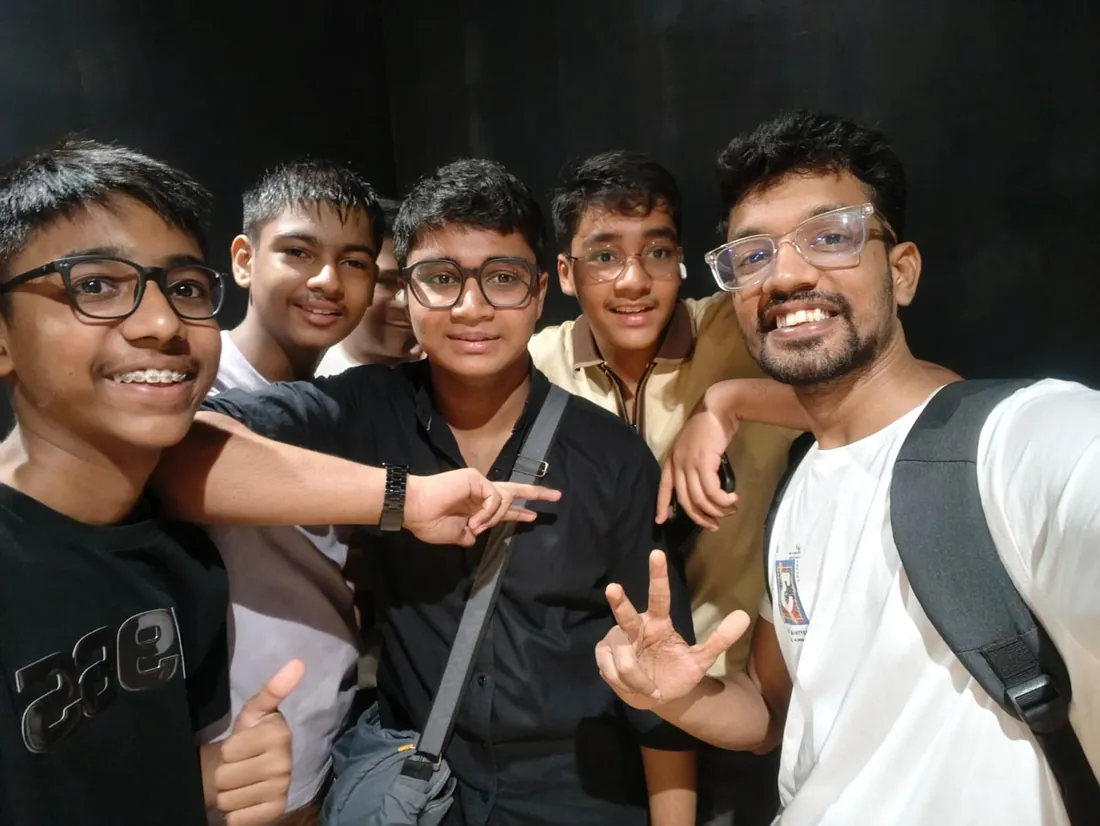
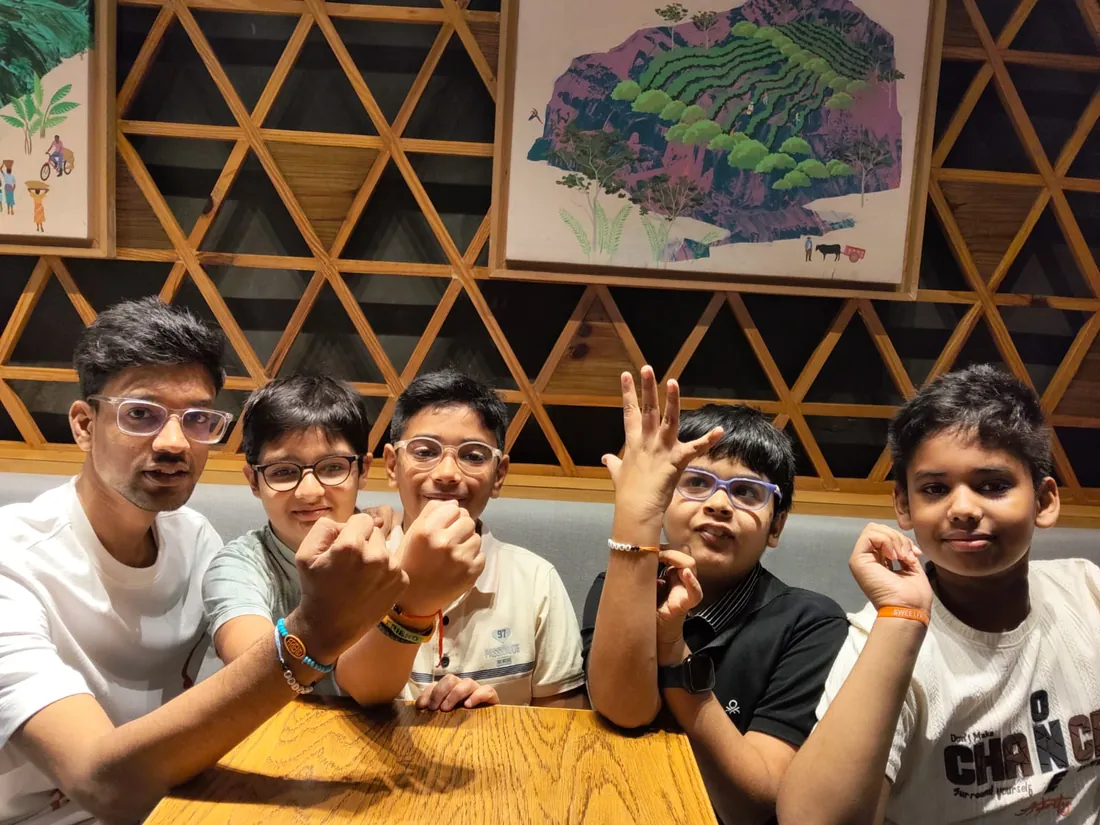
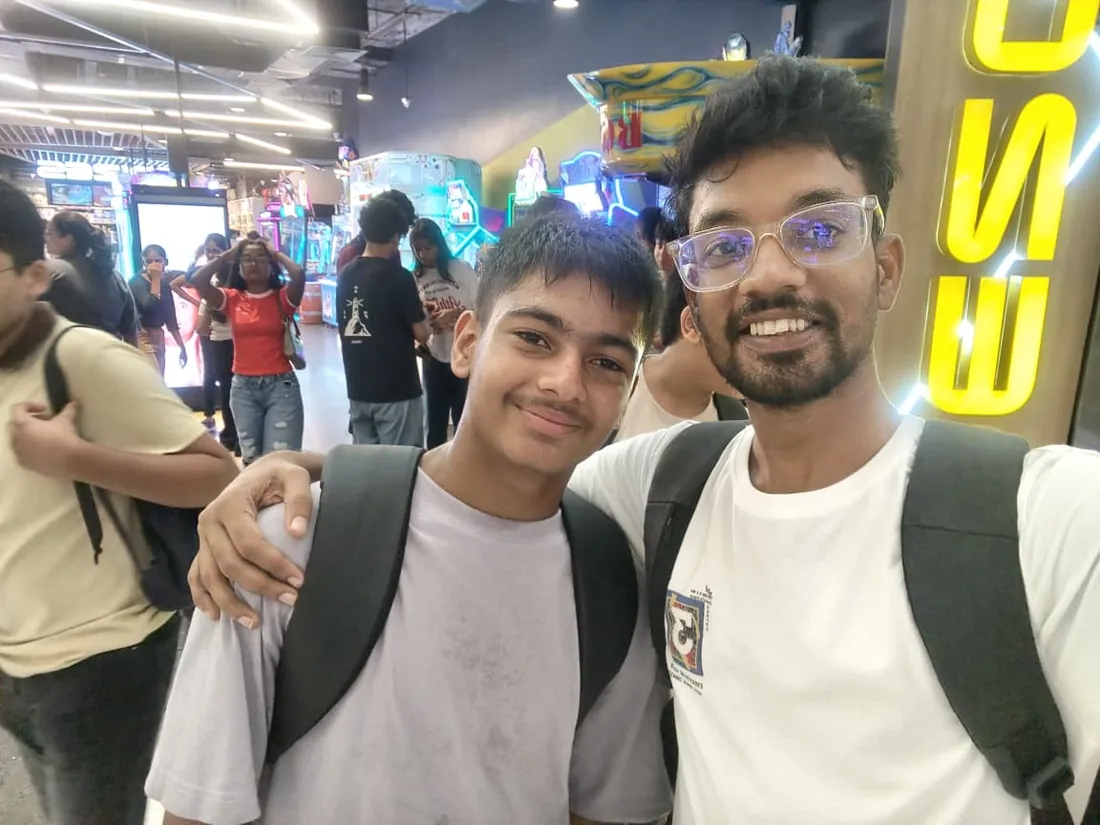
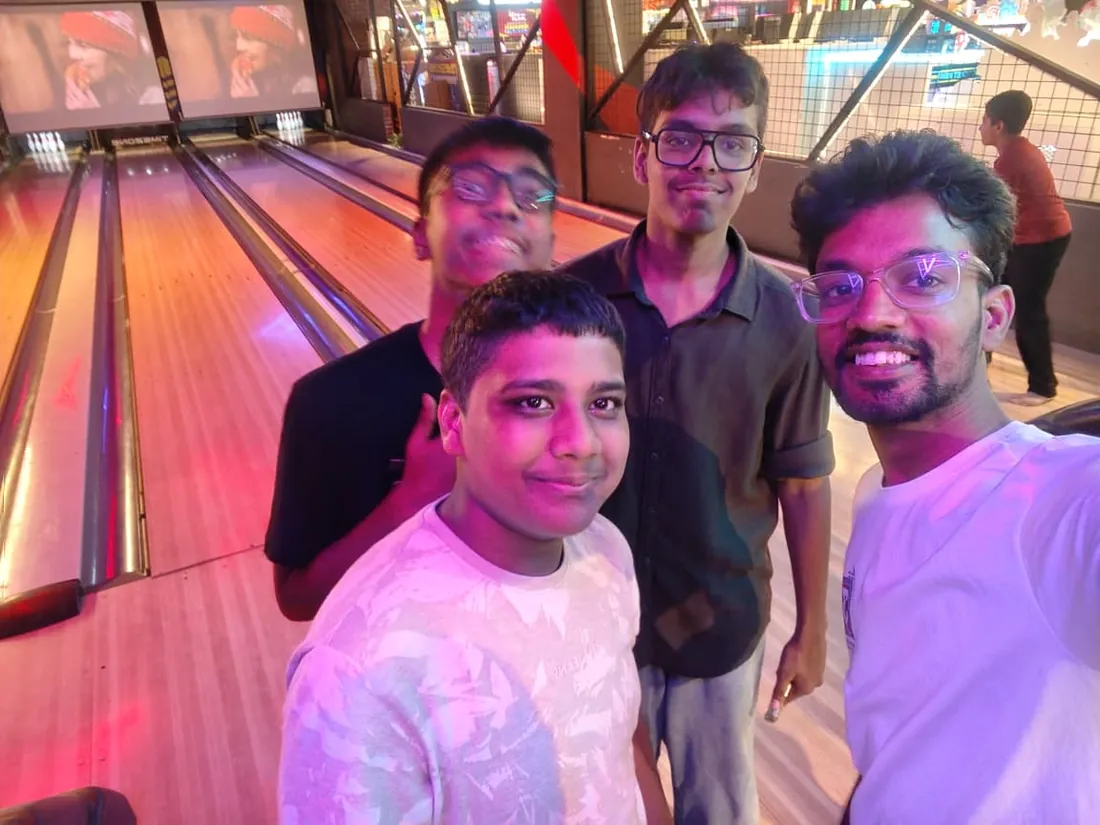
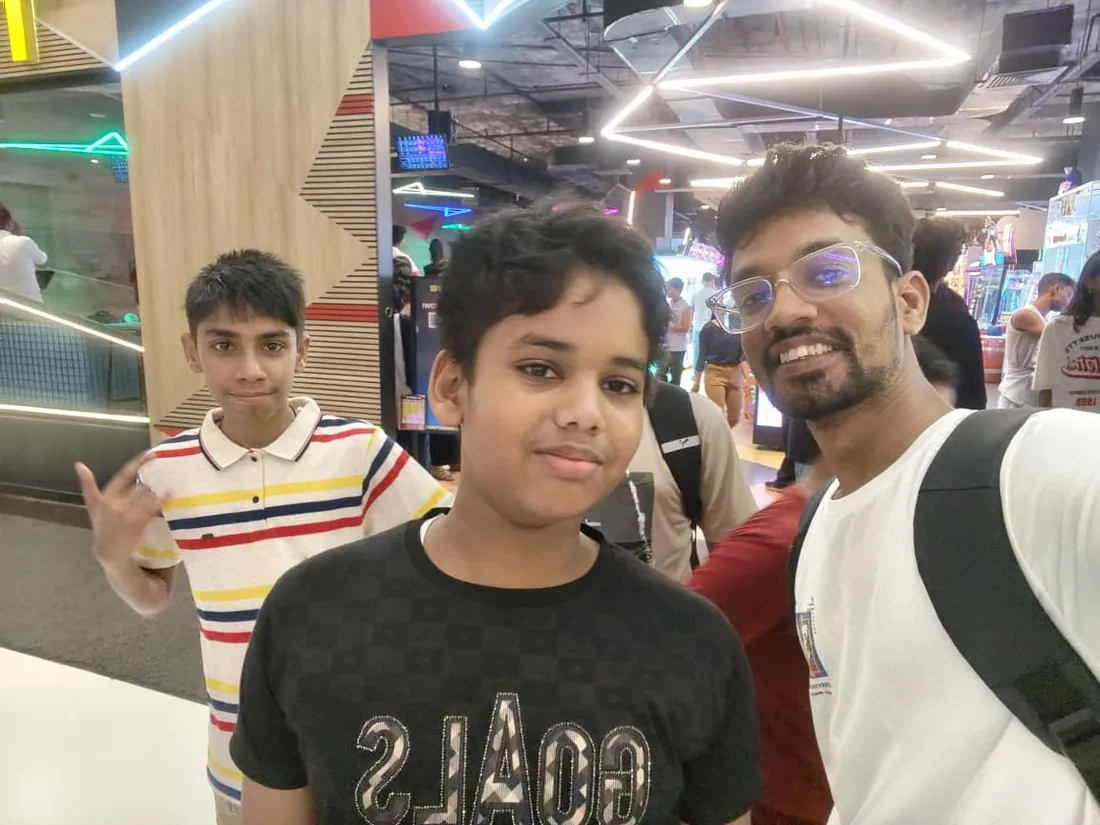
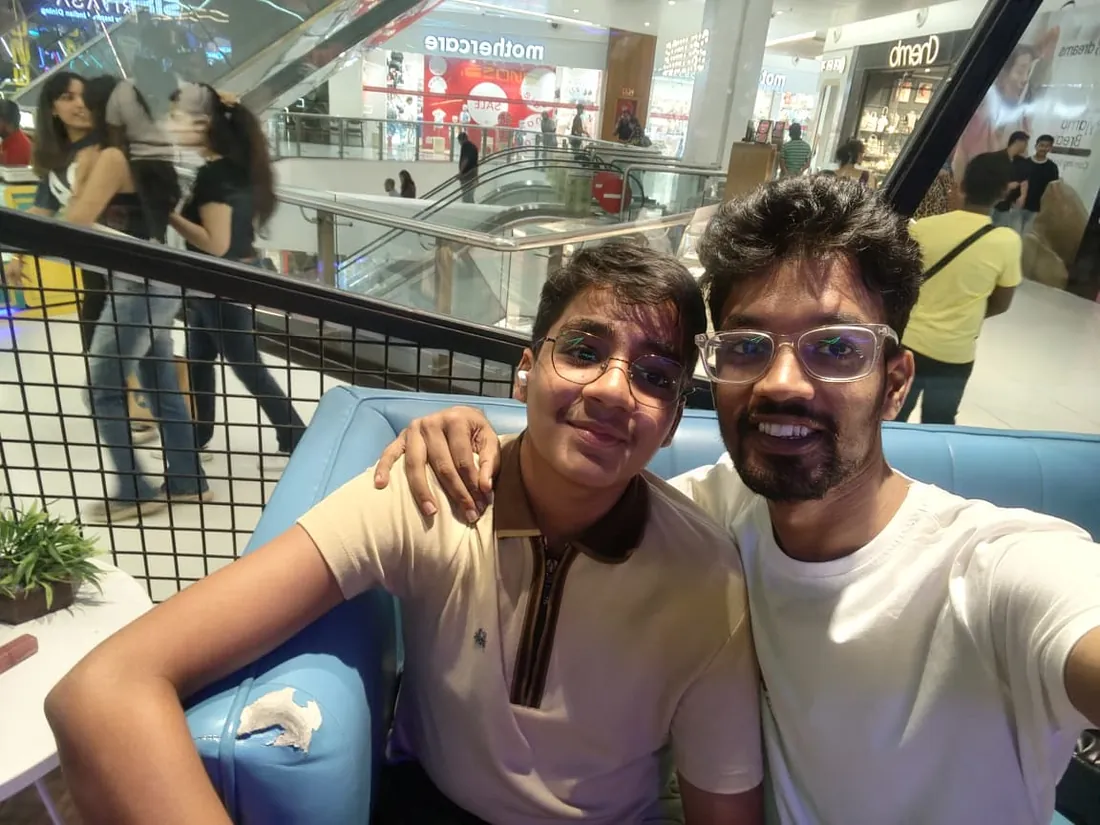
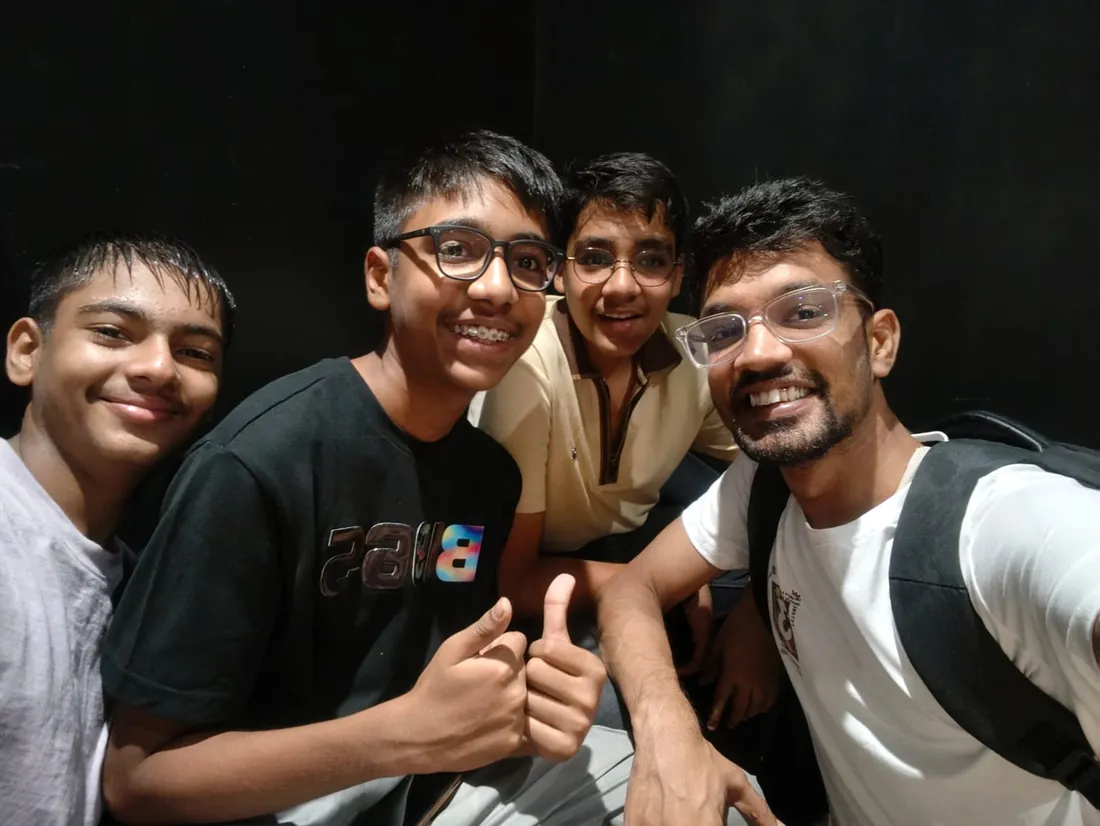
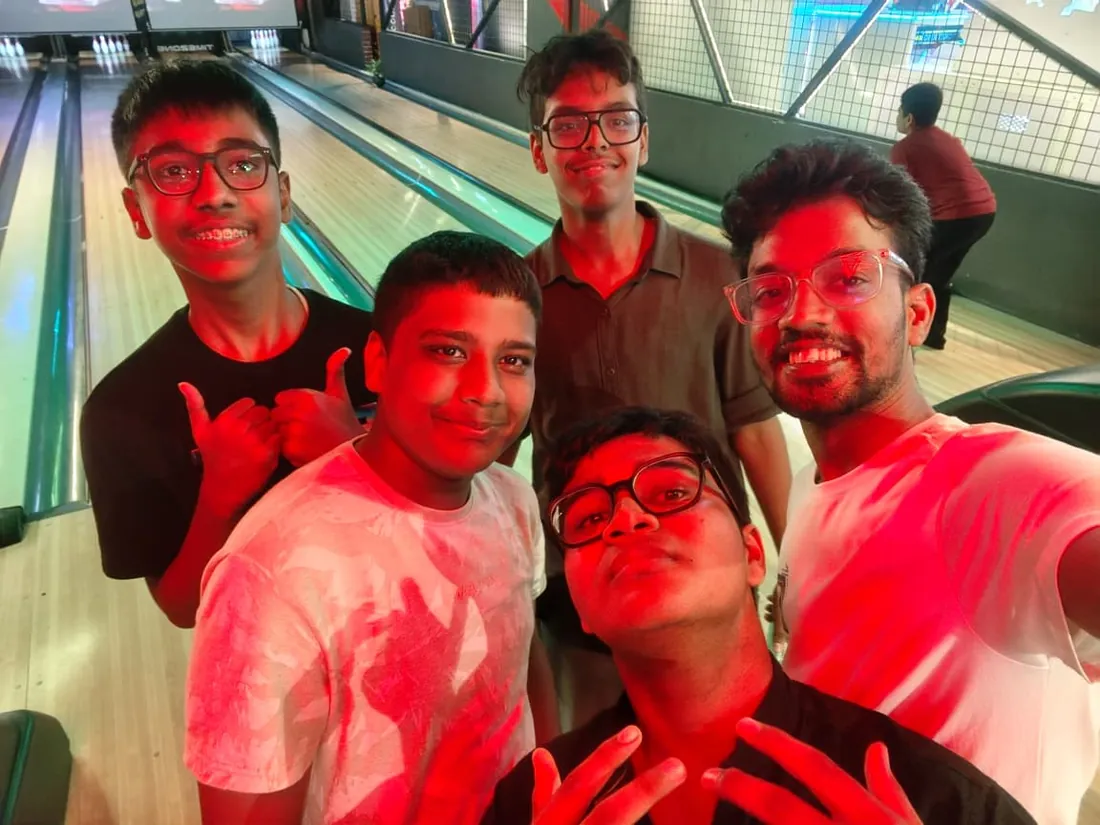
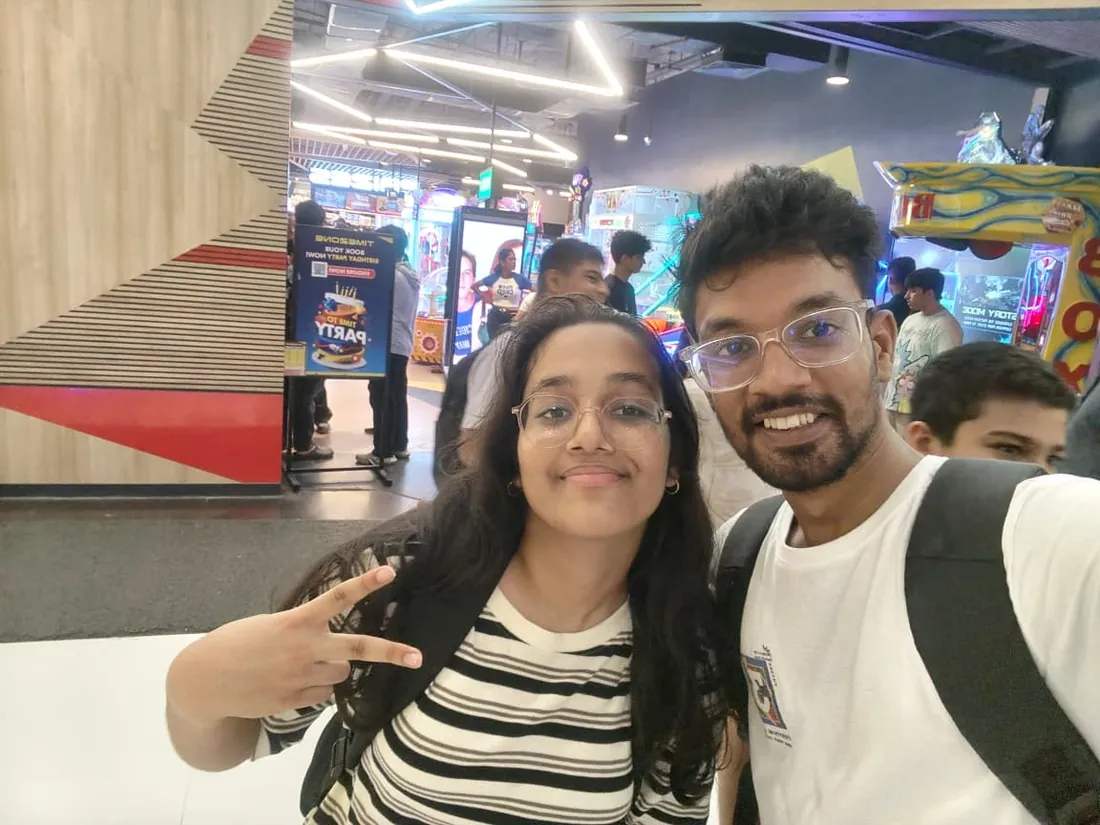
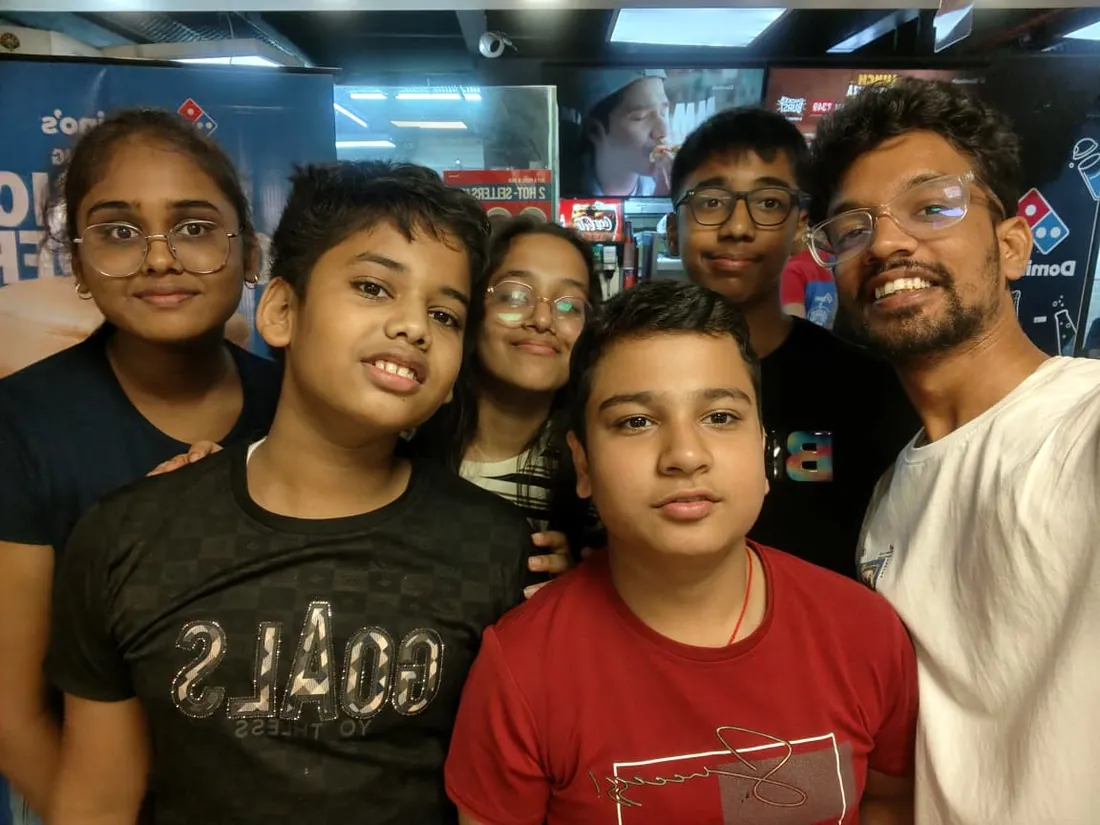
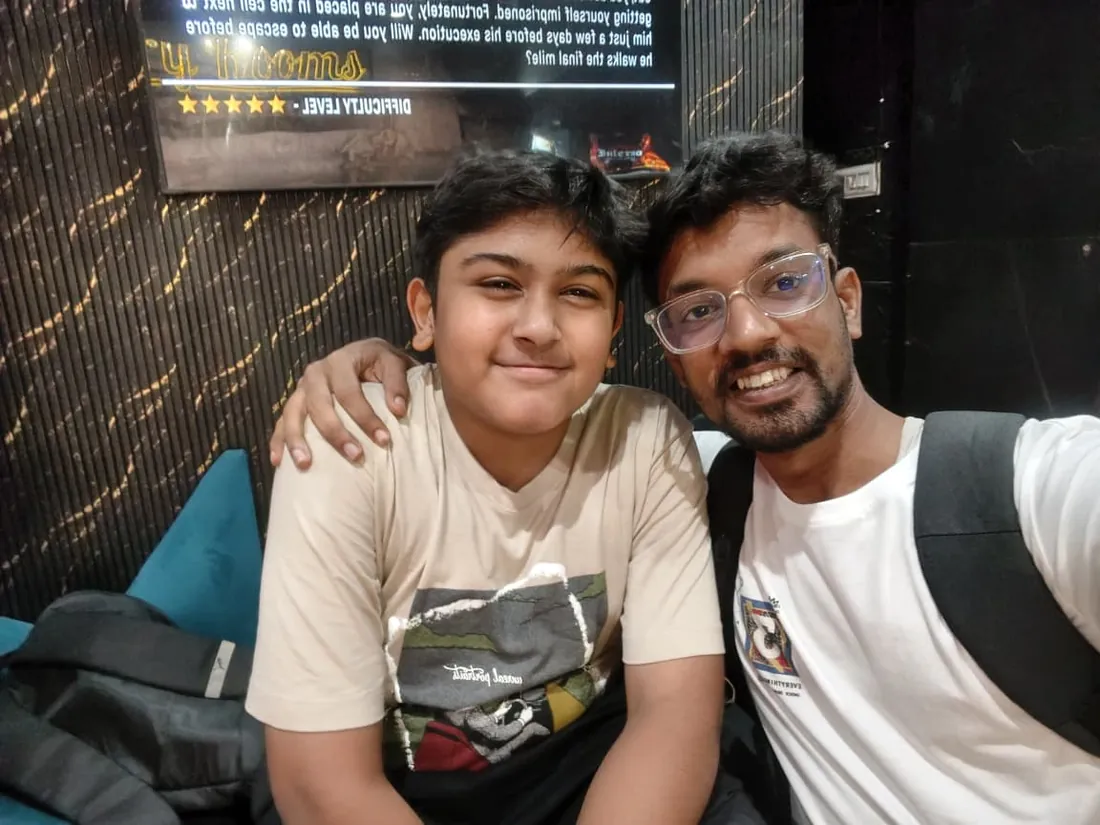
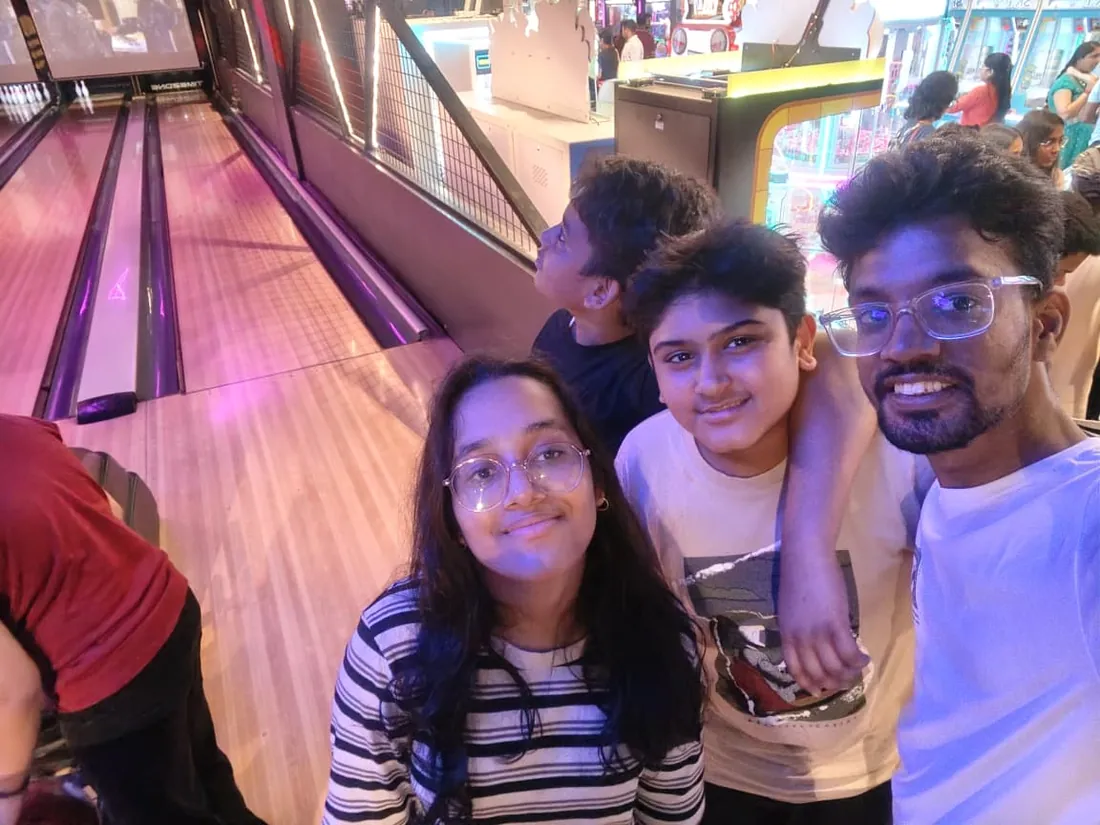
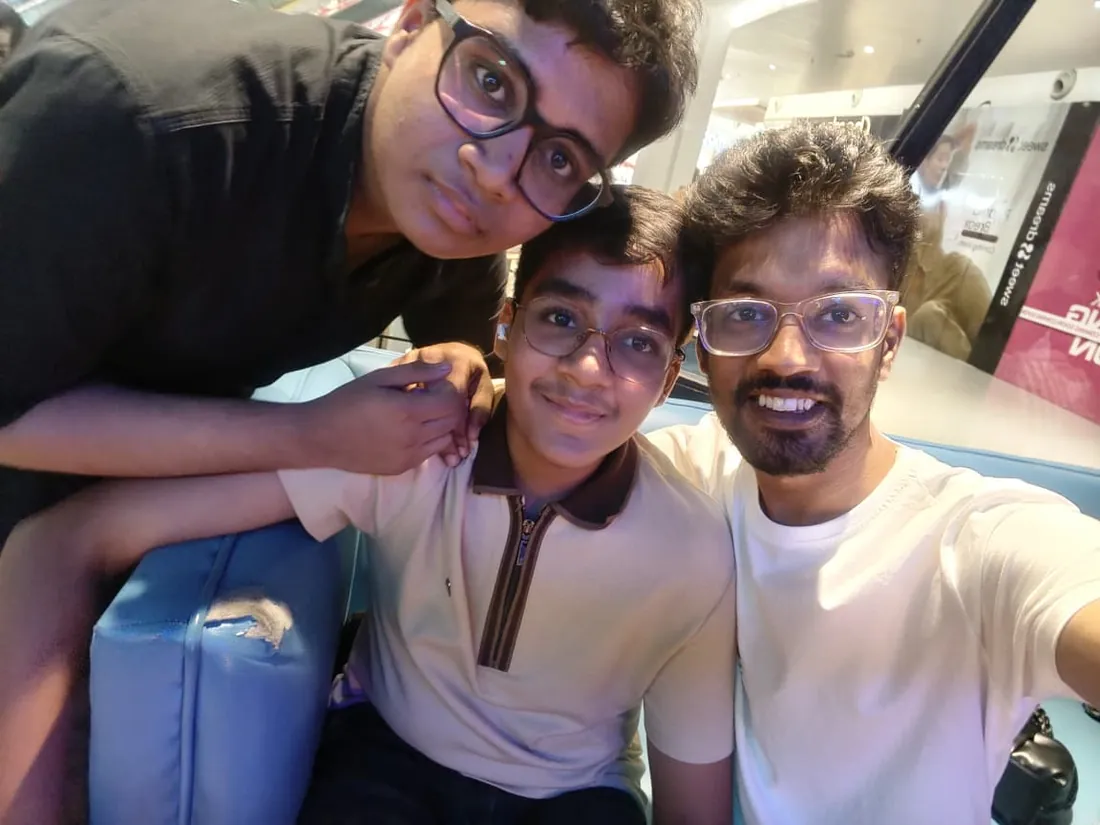
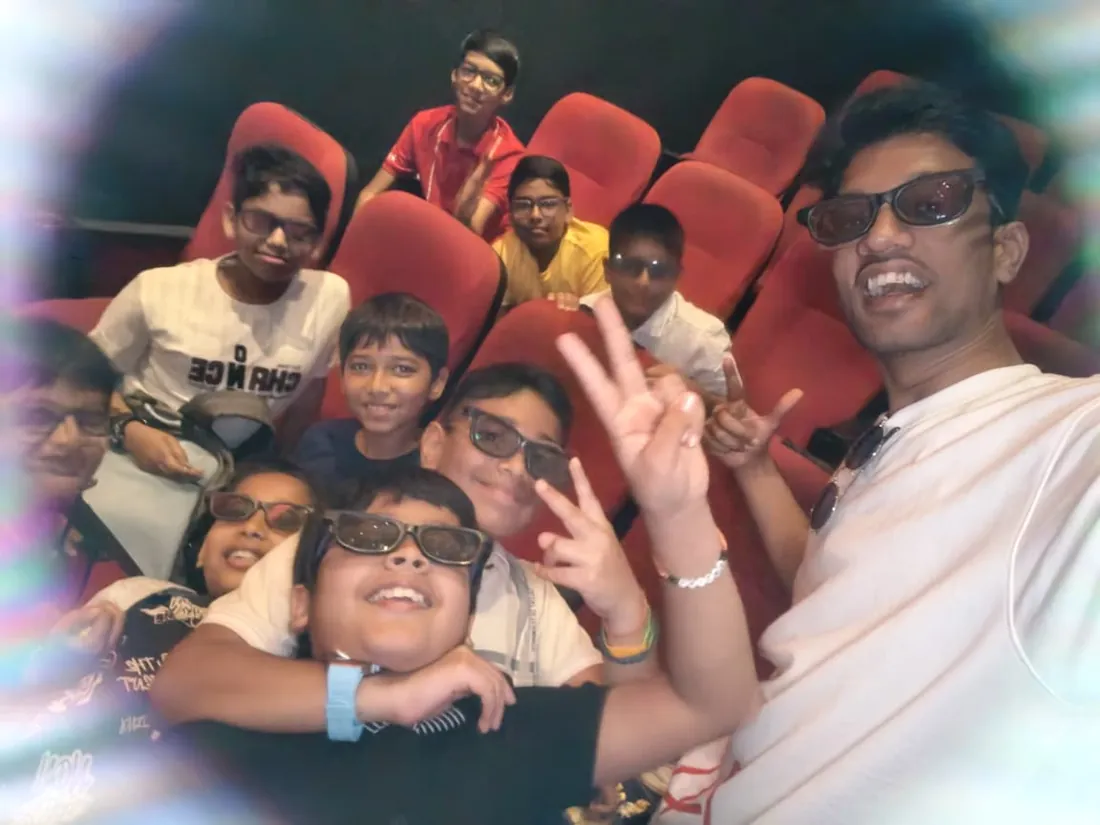
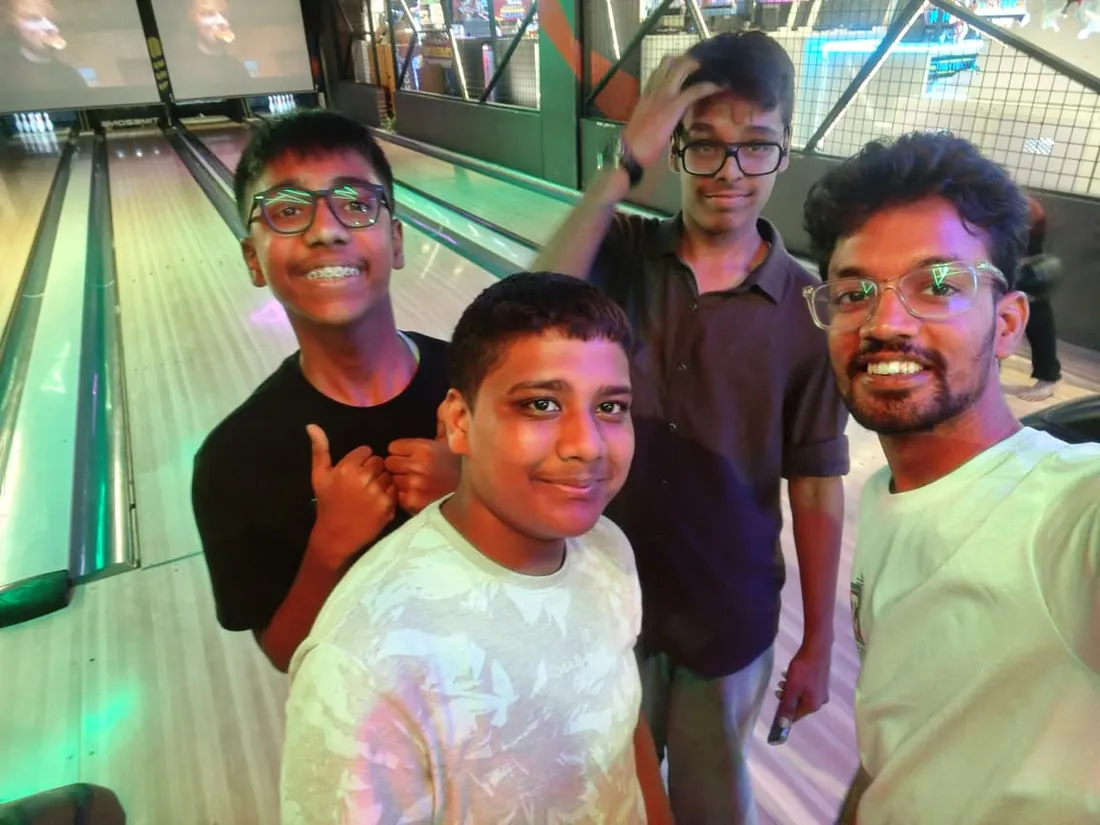
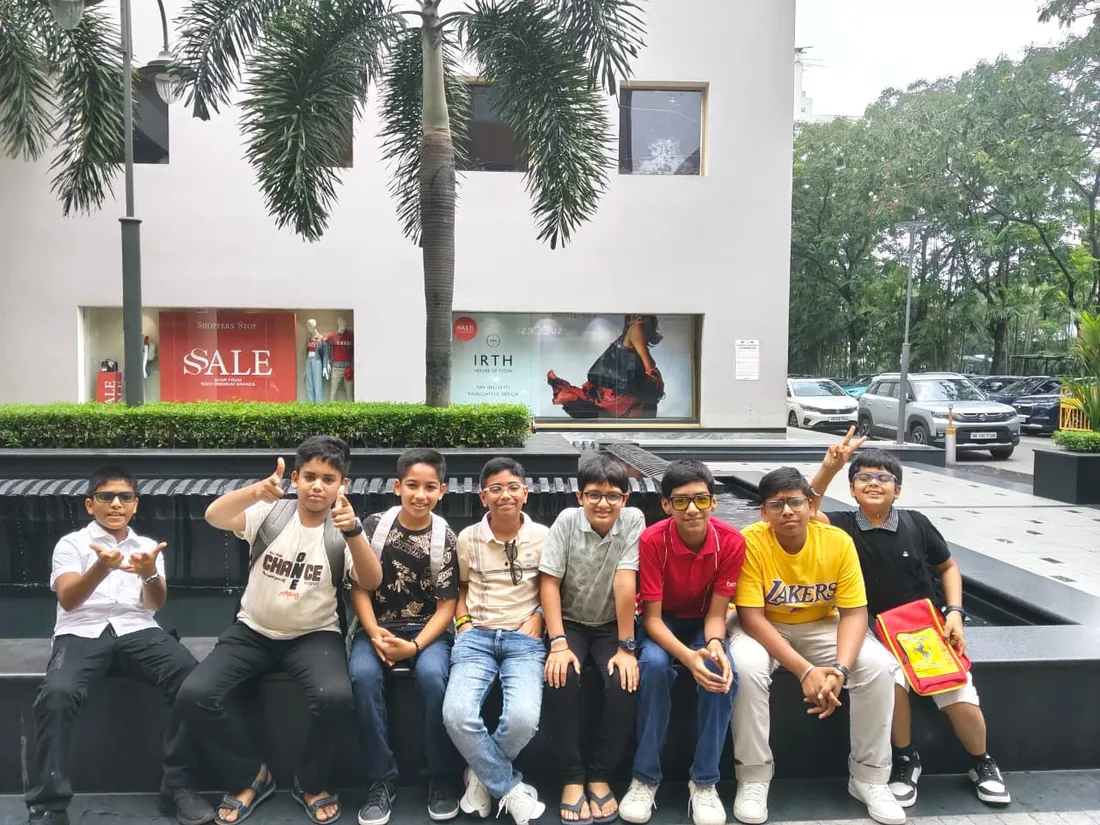
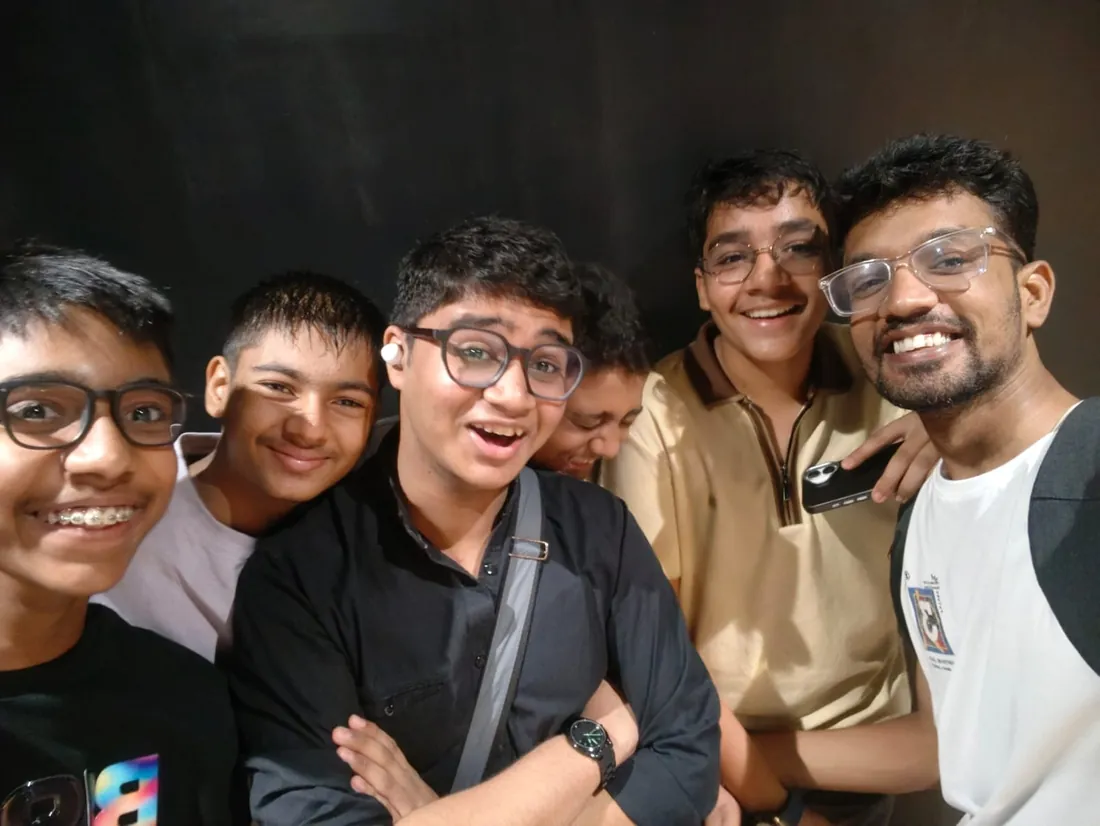
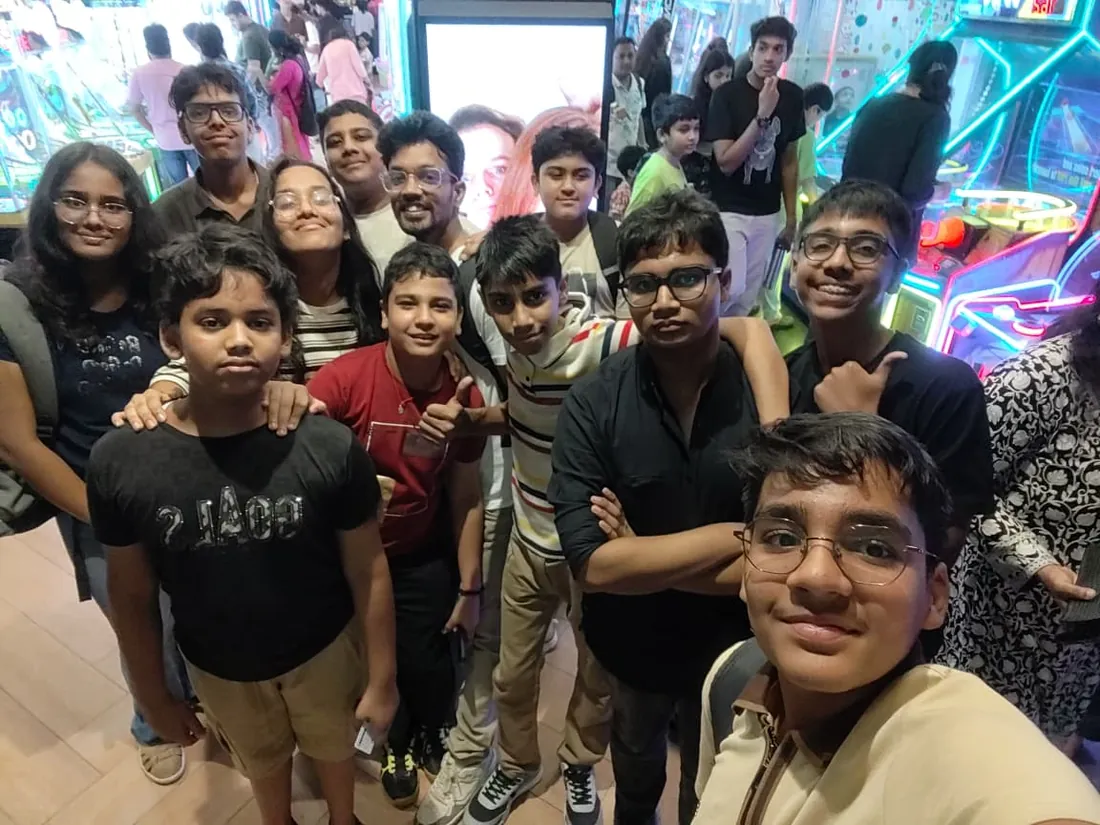
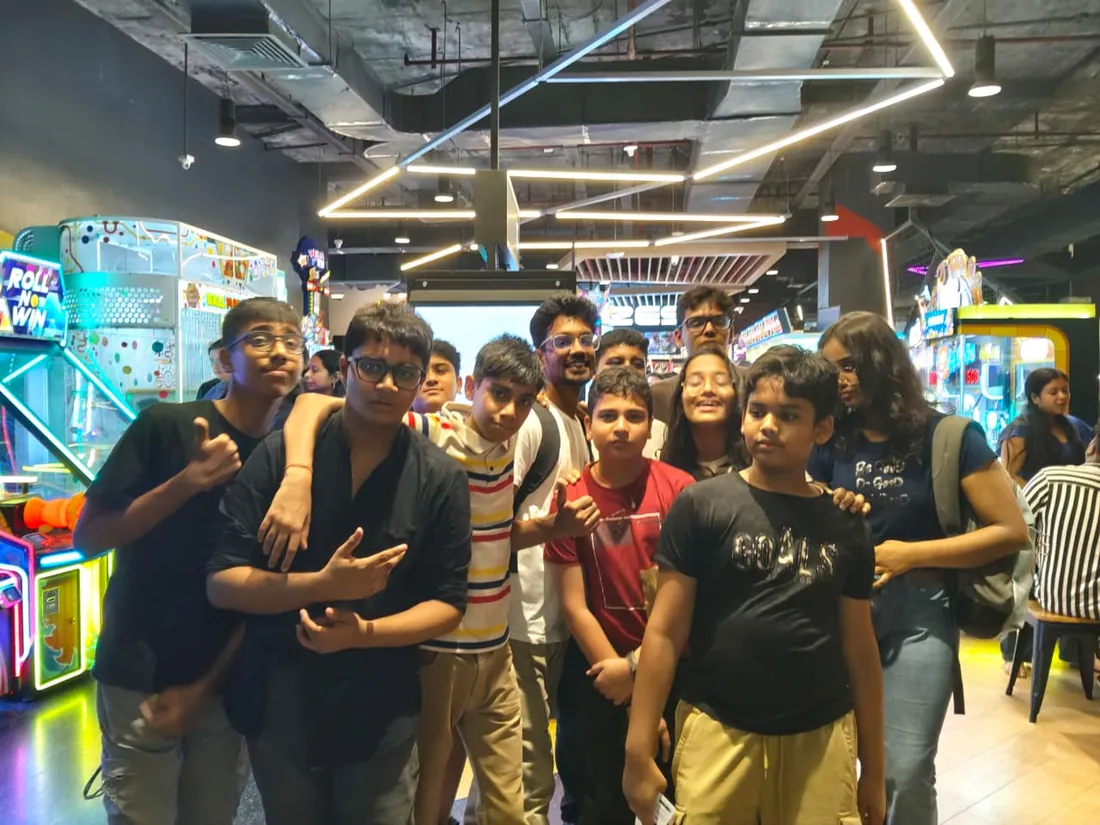
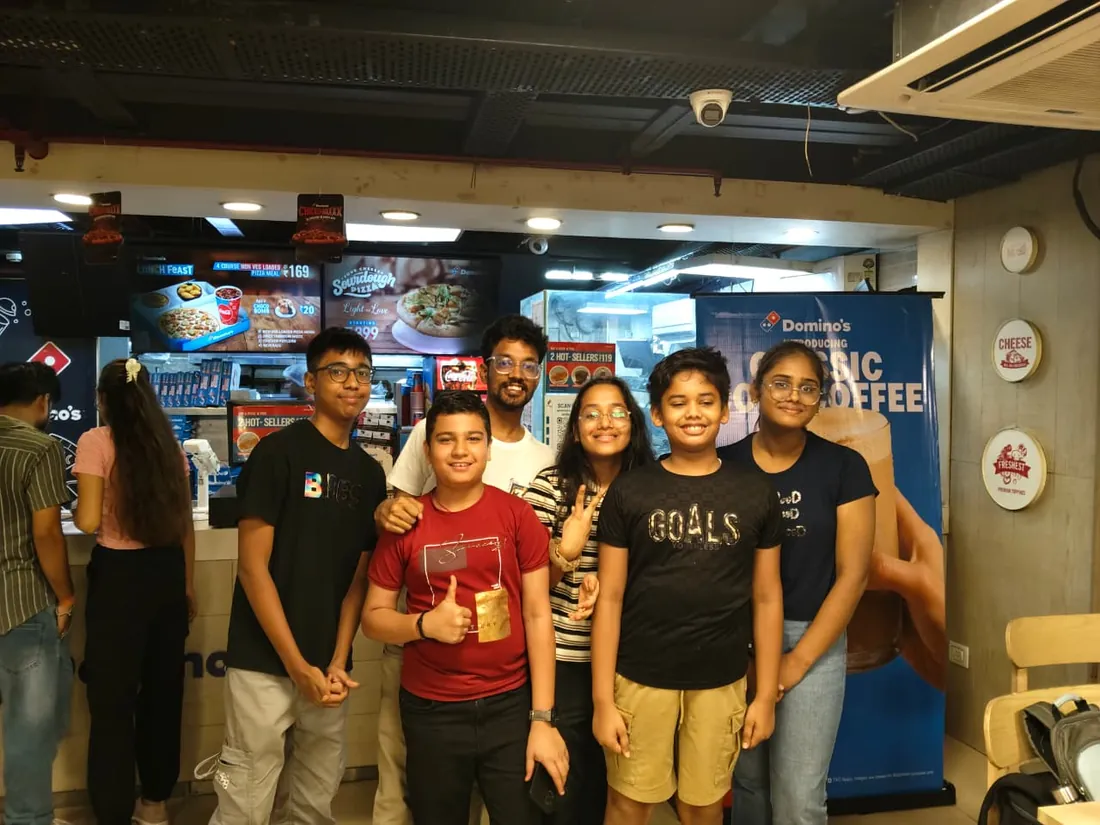
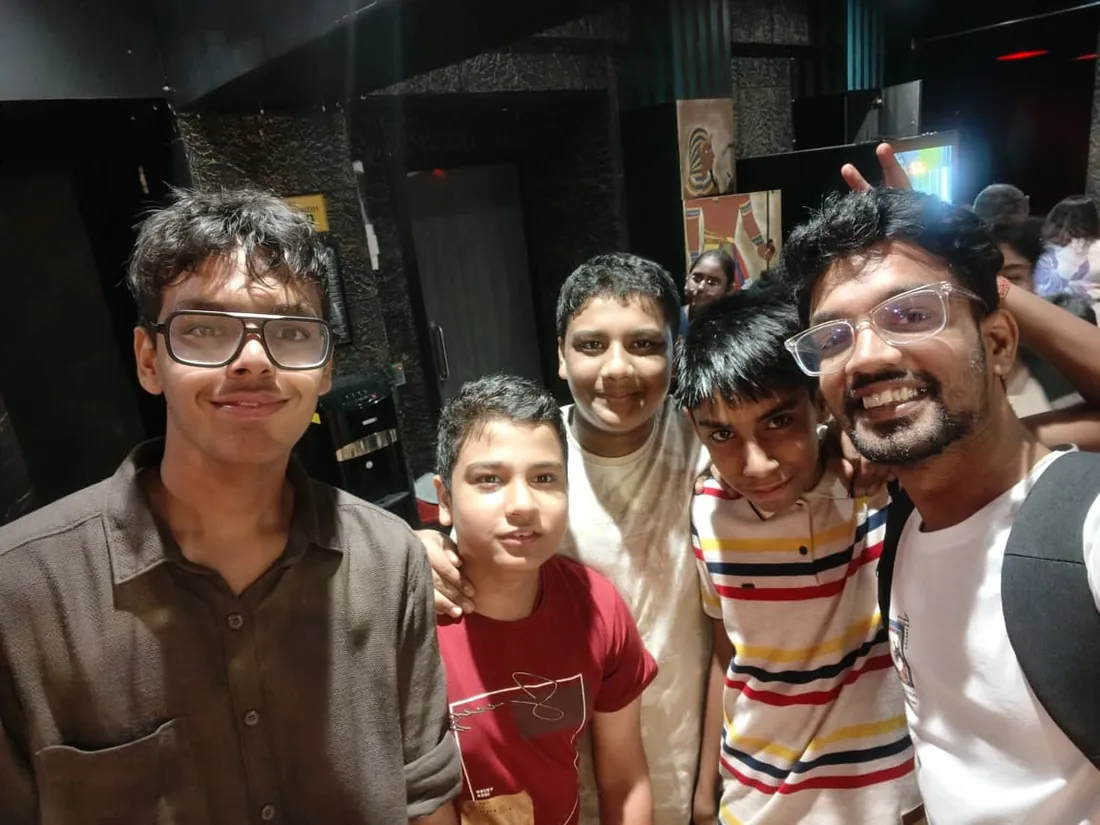
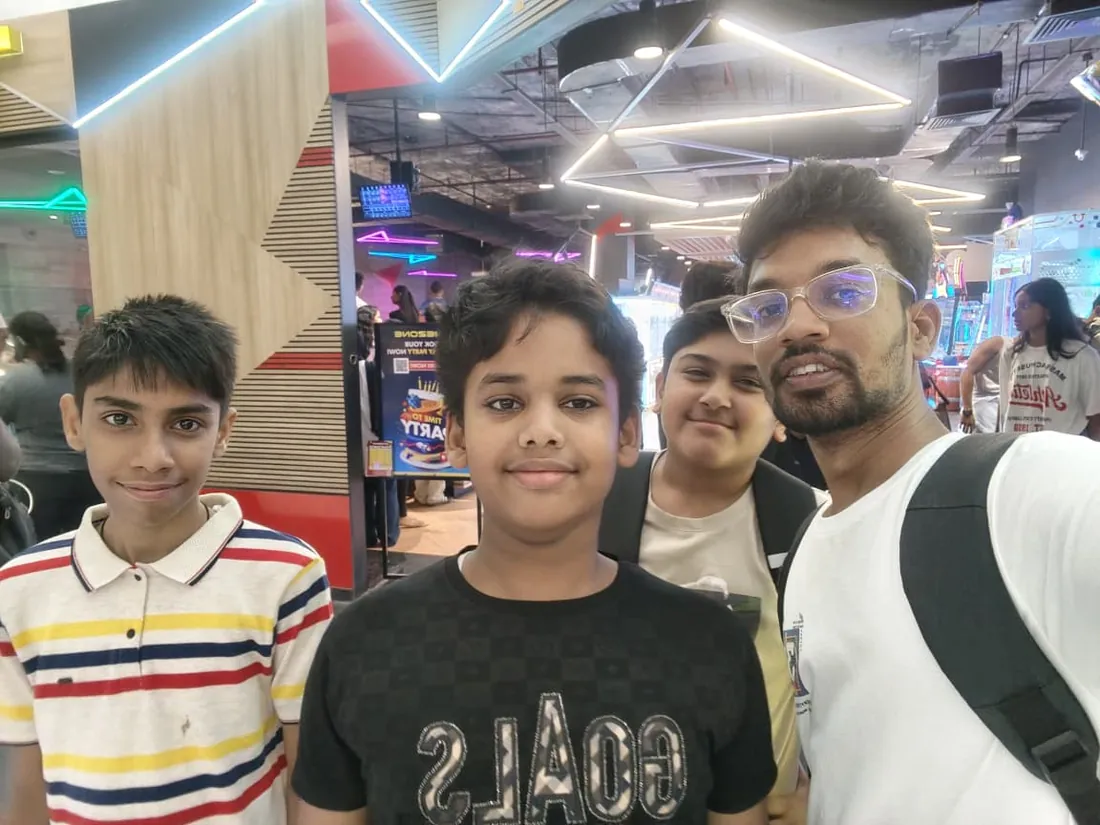
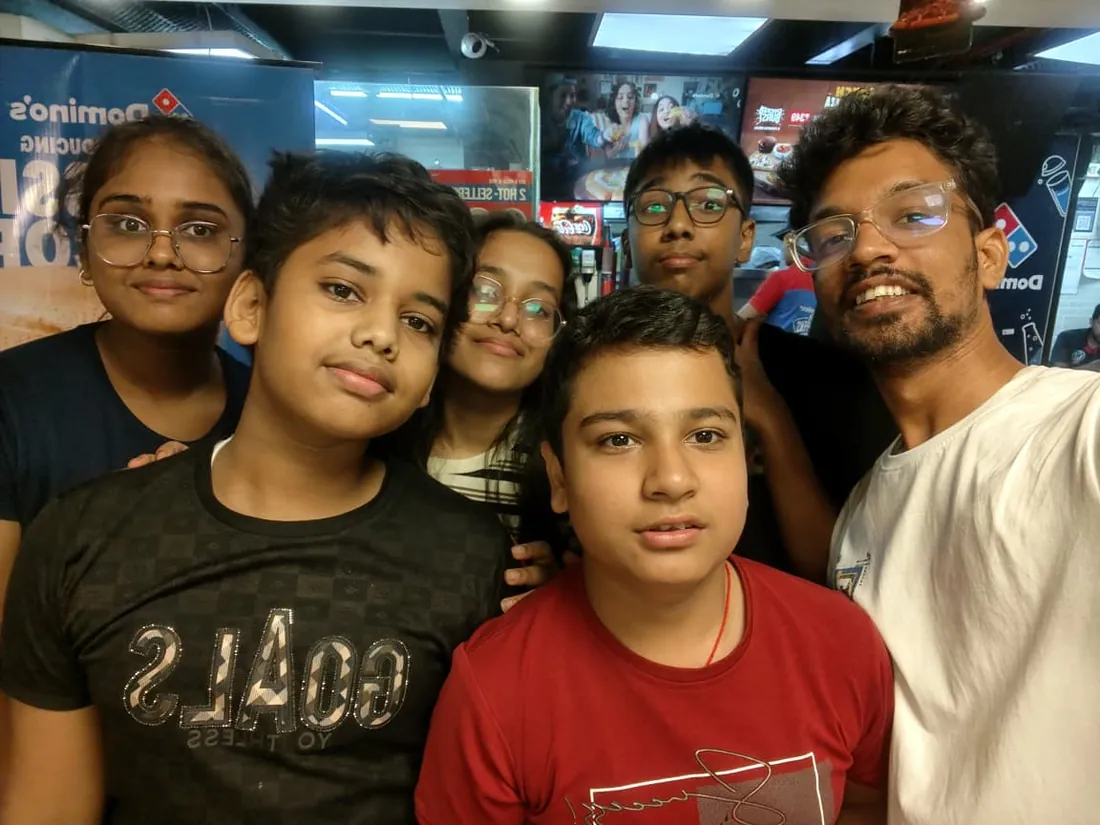
Real students. Real moments. Real joy.
These are our actual student meetups. No stock photos, no filters. Swipe through and meet the community you'll be joining.
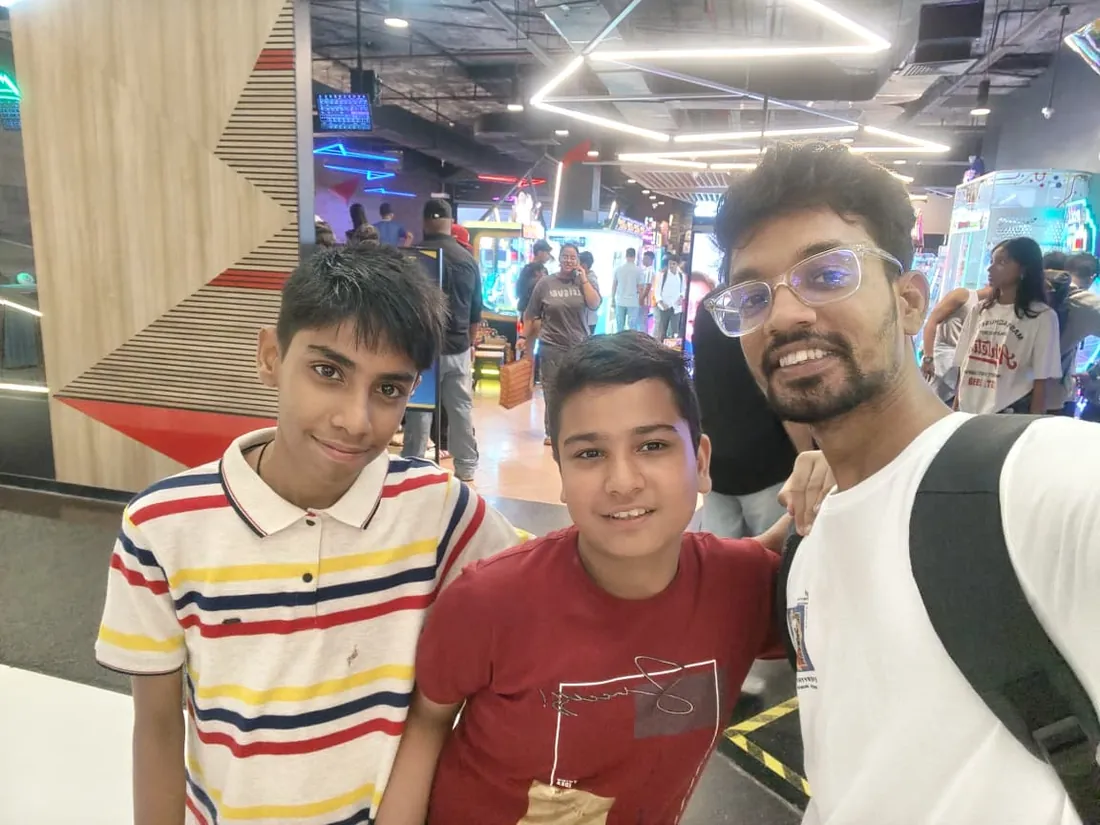
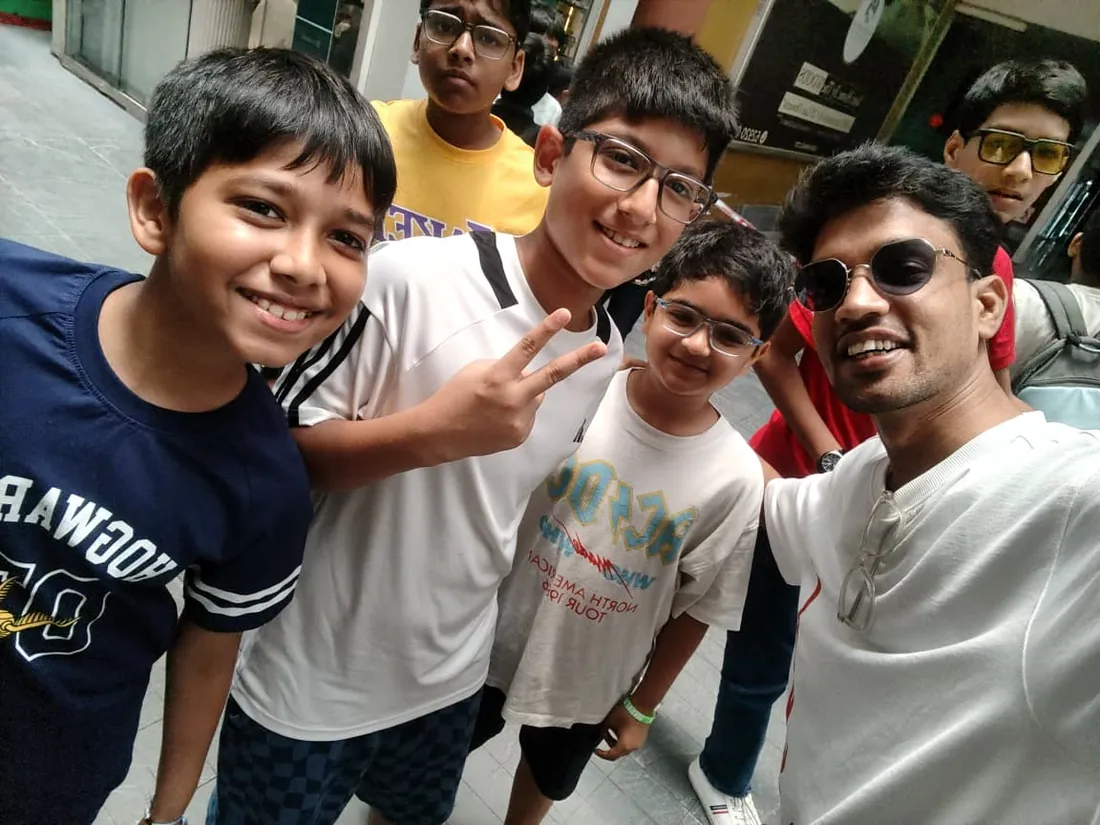
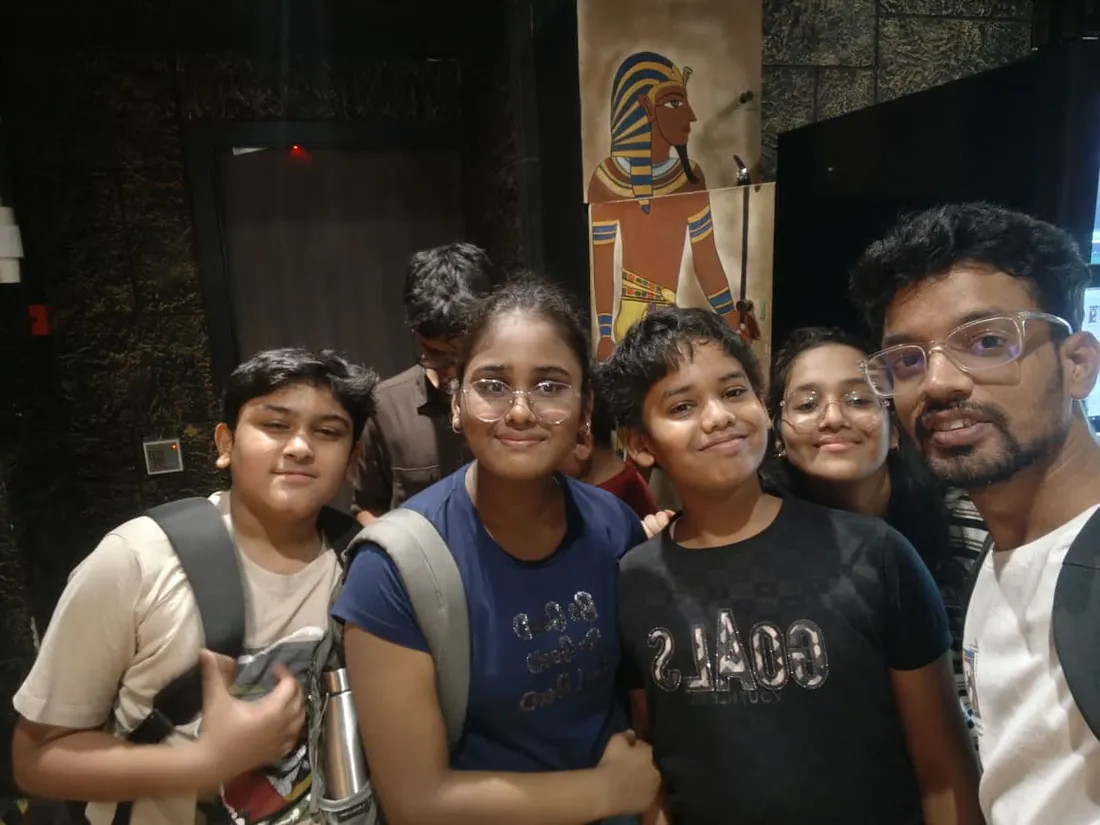
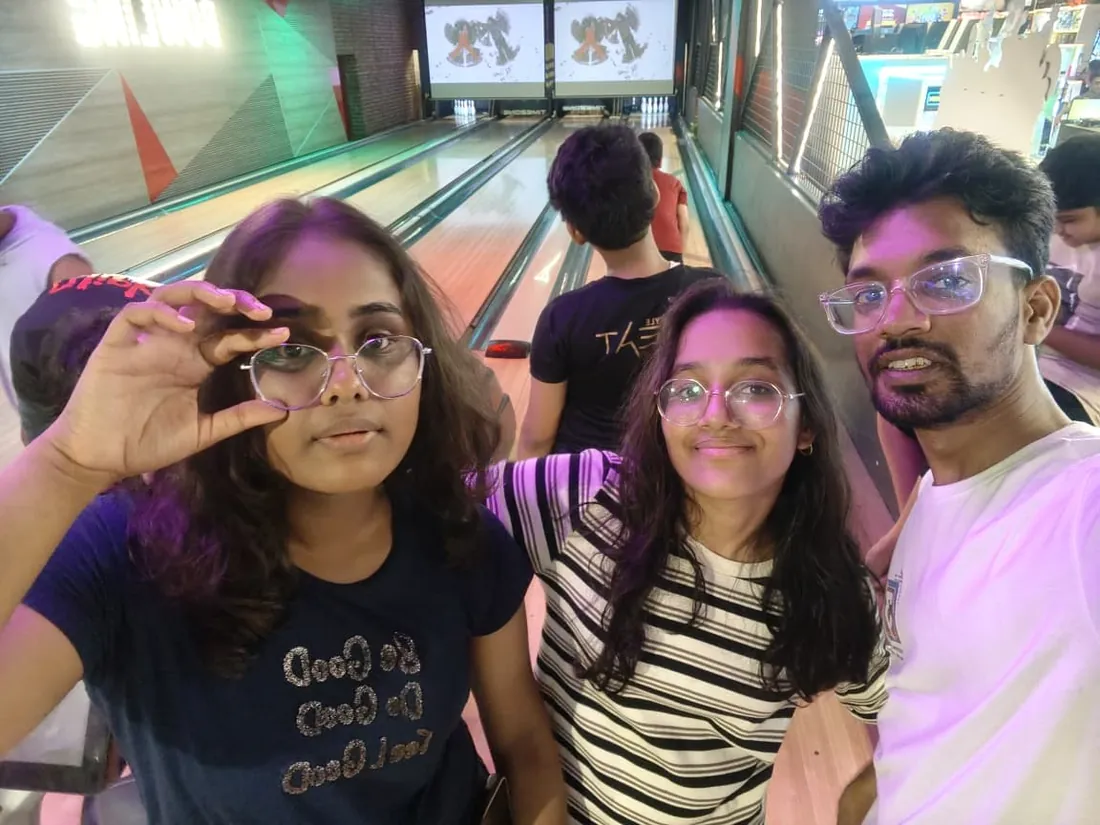
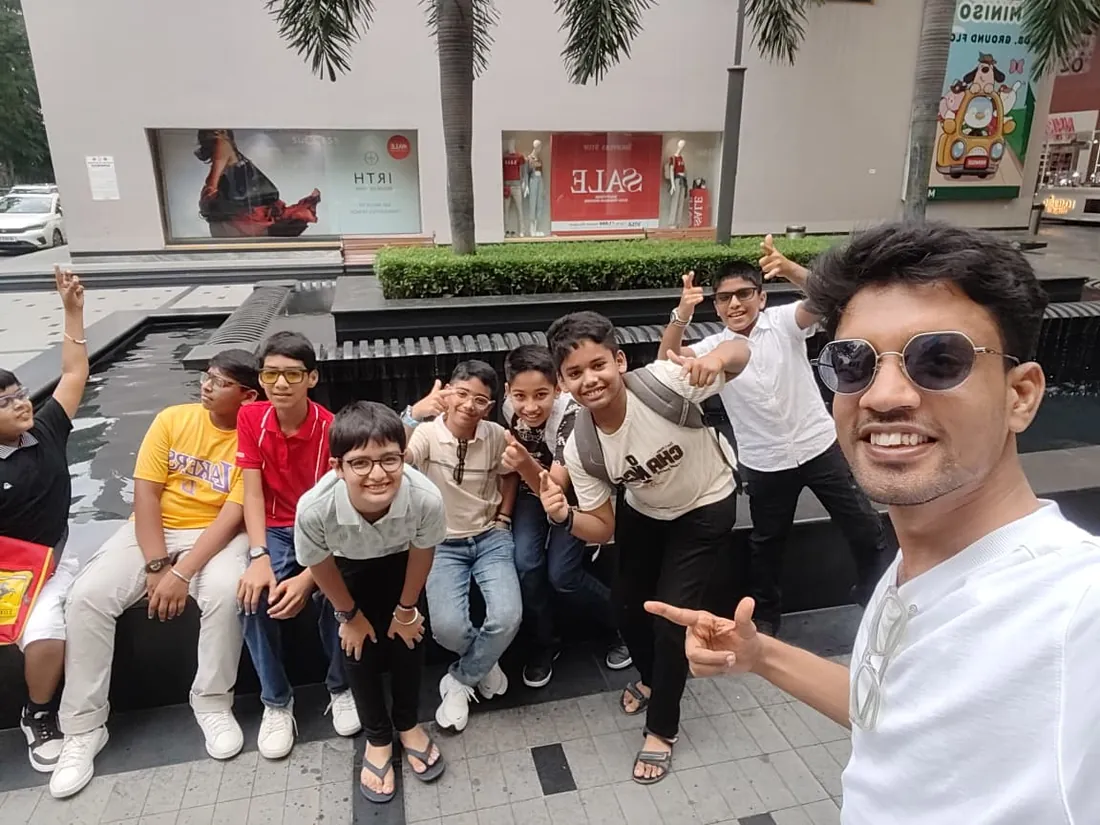
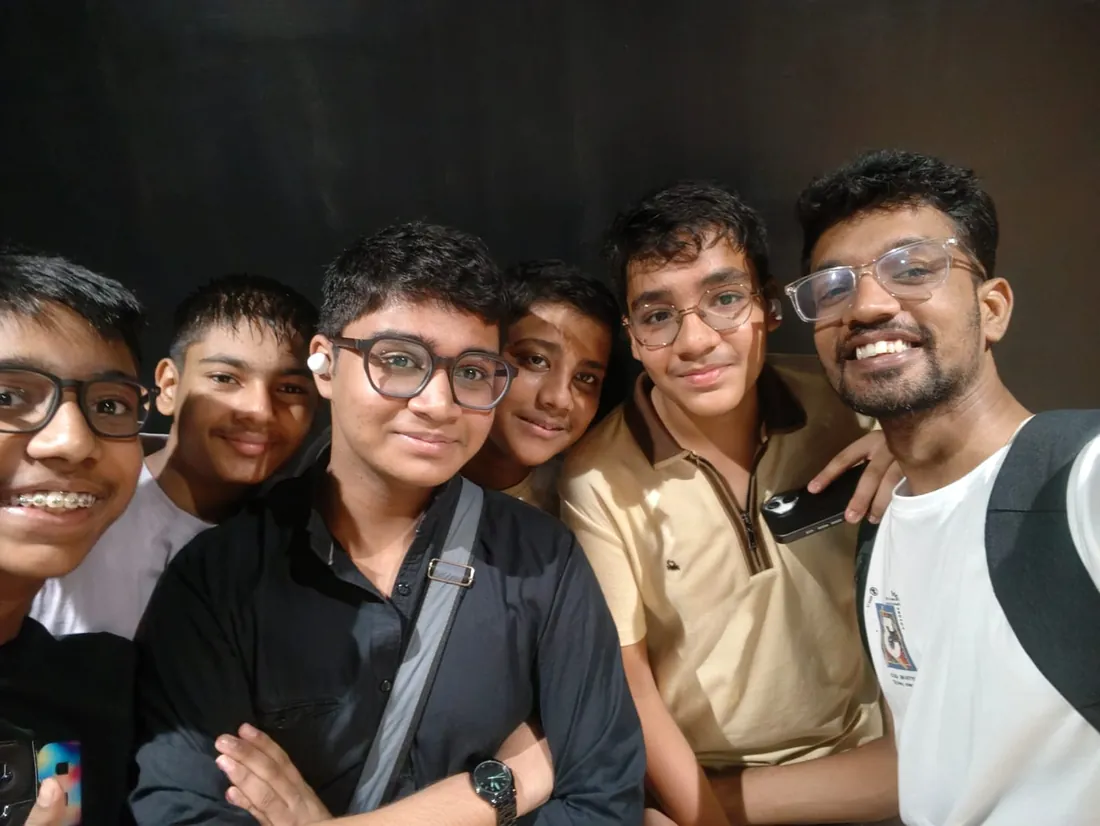
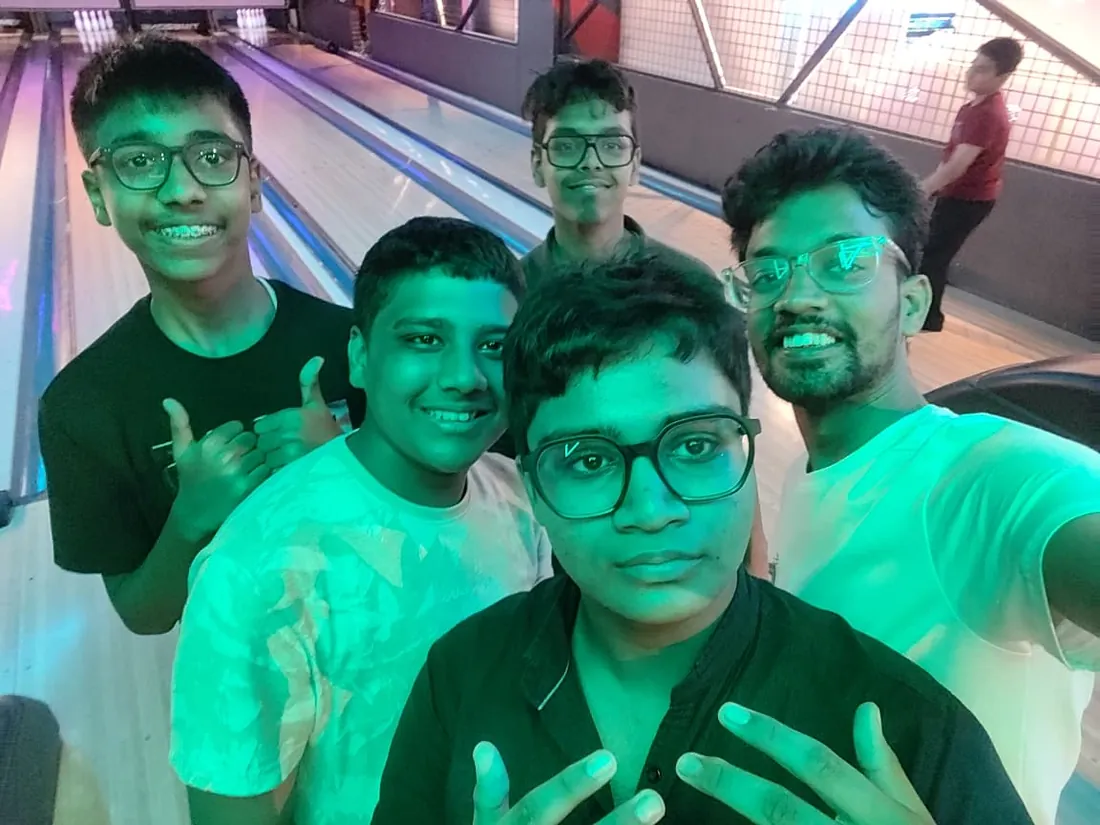
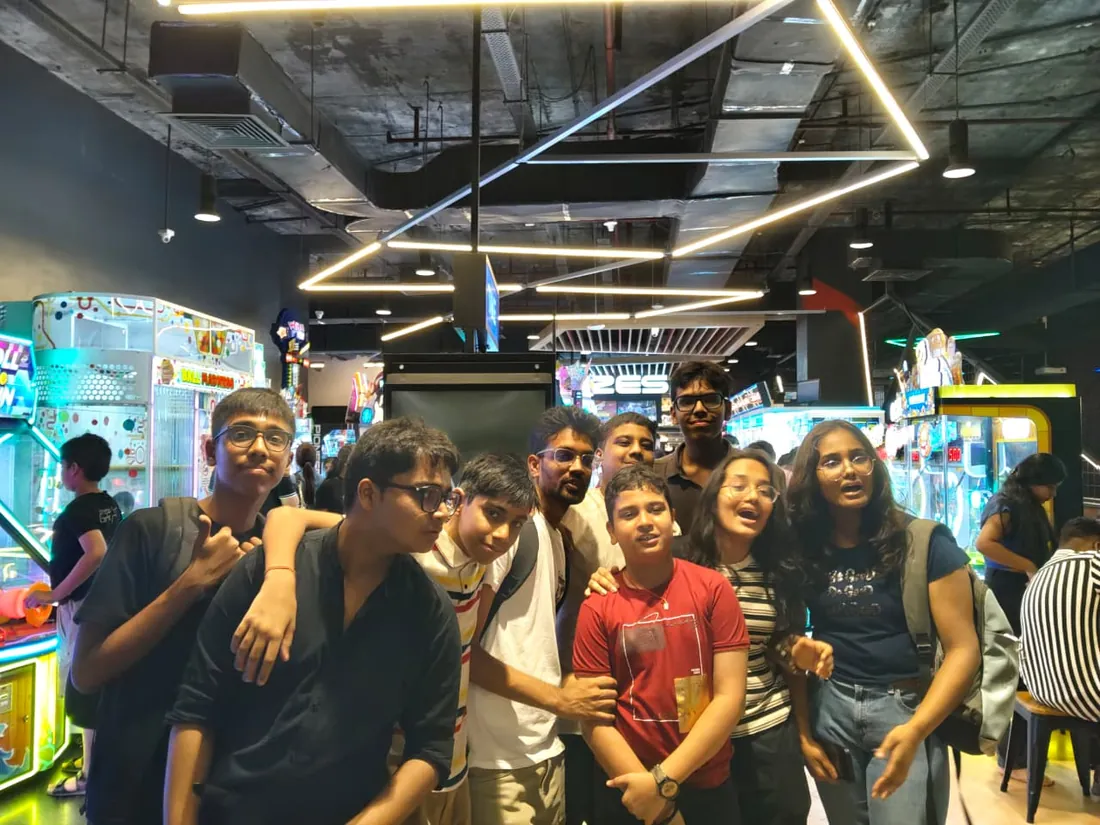
What families say
Straight from the parents and students who learn with us. Rated 4.9 across 547 Google reviews.
“Mivaan enjoys the class. He understands the concepts and completes his tasks with excitement. He started taking interest in coding… truly amazing class.”
“I absolutely love it here! I made new friends and learned important valuable coding skills while having the fun of my life. It's not just coding here, it's outings, bonding and most importantly preparing you for your future. Definitely five stars.”
“What stands out most is how excited my son is before every class. He looks forward to learning, problem-solving, and sharing what he's built. I've noticed a big boost in his confidence!”
“Modern Age Coders has been a game-changer for me! I struggled to grasp IT concepts and coding before joining, but their classes transformed everything. I'm now the topper in my class and can confidently write complex programs with ease.”
“Modern Age Coder have wonderful teachers who teach in a clear, easy and practical way. The teacher boosts students' confidence, keeps them updated with technology, and inspires them to learn without hesitation.”
“The one step solution for my son. Modern Age Coders make learning coding so simple that kids love it.”
“Coding classes here make learning very interesting and conceptual. The teachers teach us in a very easy-to-understand and efficient manner.”
“One of the most wonderful education centres out there. Education is not limited to school syllabus but focuses on skill development. Learning here has been a wonderful journey and still continuing.”
“I highly recommend this computer coding class! The teachers are incredibly knowledgeable and passionate about coding. They make every session engaging and insightful.”
“My child Dhairya is really enjoying the Modern Age Coder IT classes. This is his first online class, and he eagerly looks forward to it.”
“Very good classes. Don't worry about coding. They teach the best, especially Shivam sir.”
“Very good classes. Makes learning very easy and interactive.”
Hear it from our students
Real parents and students in their own words, on our public YouTube channel.
Straight answers about Vibe Coding for College: Full Stack, AI & DSA (Ages 18+)
- Who should take this course?
- Intermediate to Advanced (Ages 18+ / College Students). It suits cs/it/mca students preparing for campus placements and off-campus hiring; engineering students from any branch (mech, civil, ee) switching to tech careers; recent graduates wanting to break into software development.
- What will they learn and build?
- Vibe Coding for College is the most comprehensive 3-month software engineering program for college students and fresh graduates aged 18+. 'Vibe Coding', coined by AI pioneer Andrej Karpathy in 2025, means building software by describing what you want in natural language and letting AI generate the code.
- How deeply are topics covered?
- The course runs 3 months (12 weeks) at 10-15 hours/week, across 3 phases listed week by week in the syllabus below. A structured, well-paced curriculum taught step by step, with hands-on practice in every session.
- Who teaches it?
- Modern Age Coders mentors, who teach the live classes themselves. You can watch them at work in the free class recordings before you decide.
- How do practice, feedback and assessment work?
- Weekly build challenges and a final showcase project: real builds, really shipped. Doubt support between classes over WhatsApp, so you are never left stuck. A course-completion certificate you can share.
- What does it cost?
- Three monthly plans: a group batch, a mini batch and 1-on-1. Prices are shown in your currency in the plans section. Monthly billing, cancel any time.
- When can classes take place?
- Live classes are scheduled around your week. Group batches meet at a fixed weekly slot; 1-on-1 students choose their own. International students are scheduled in their own timezone. Ask on WhatsApp for the current slots.
- Can I watch the teaching before deciding?
- Yes. Full recordings of real 13 and up classes are free to watch, free with a Google sign-in. These recordings show how we teach, not the exact syllabus of this course. Some classes are in English and some in Hindi; everyone follows at their own pace. Watch a class end to end, like you are in it. Sessions are interactive and each moment builds on the last.
- Can I enroll without a live demo?
- Yes. Choose a plan on this page and enroll directly; a booking or a demo is not required. A free live demo is optional, for anyone who wants to meet a mentor first. Outside India, our team confirms the plan and completes payment with you over WhatsApp, so allow a little time for that step.
Common Questions About Vibe Coding for College: Full Stack, AI & DSA (Ages 18+)
Get answers to the most common questions about this comprehensive program
Still have questions? We're here to help!
Contact UsRelated Courses You May Like
Continue your learning journey with these recommended programs
 AI Coding Agents
Codex & Claude Code: AI Coding Agents for Professionals
Live online Codex + Claude Code masterclass for professionals. 24 mentor-led classes: CLIs, MCP, sub...
Explore Course AI Coding Agents
Codex & Claude Code for Teens: AI Coding Agents Course
Live online Codex + Claude Code course for teens 13-18. 24 mentor-led classes: install the CLIs, pla...
Explore CourseRelated Articles & Guides
Deepen your knowledge with these hand-picked articles
 Technology Trends
45 min read
Technology Trends
45 min read
What is Vibe Coding? The Ultimate Deep-Dive Guide to AI-Powered Development (2026)
The most comprehensive guide to Vibe Coding in 2026. Learn what vibe coding really means, who coined...
Read Article Technology
26 min read
Technology
26 min read
Best Data Science Courses in India for Students and Professionals in 2026
Comprehensive guide to the best data science courses in India for 2026. Compare IITs, IIMs, online p...
Read ArticleReady to start Vibe Coding for College: Full Stack, AI & DSA (Ages 18+)?
Book a free demo class to meet your mentor and see how we teach, with no commitment. Or enrol now and start this week.