UK / A1 / 01
Python, zero to advanced
Well past GCSE, into the structures and object work a skeleton program assumes.
Open the syllabusEngland · AQA 7517 · Years 12 and 13
Most A-level teaching prepares students to write programs from nothing. AQA's Paper 1 asks for something else entirely. The board issues "Preliminary Material, a Skeleton Program (available in each of the Programming Languages) and, where appropriate, test data, for use in the exam", and then sits the paper on screen, with candidates writing, adapting and extending programs inside an Electronic Answer Document. So a candidate spends weeks with a substantial codebase they did not write, and then modifies it under a clock. That is a fair description of professional software work, and it is almost never what a sixth form practises. This page covers the skeleton program, both papers, the project, and how to prepare for three things that reward three different habits.
Live teaching since 2020 · 10,000+ students · Reading code, not only writing it
In short
AQA 7517 splits three ways: an on-screen Paper 1 of two and a half hours at 40 per cent, a written Paper 2 of the same length at 40 per cent, and a practical project worth 75 marks and 20 per cent. Paper 1 is the unusual one. AQA issues preliminary material and a skeleton program in advance, in whichever of C#, Java, Python or VB.Net a school has chosen, and candidates then write, adapt and extend programs in an electronic answer document during the exam. Preparing for it means reading and navigating a codebase somebody else wrote, which is a distinct skill from writing one from scratch and the one most students have least practice in. We teach both, plus the theory Paper 2 rewards. The first lesson is free, then USD 100 a month in a group or USD 150 one to one.
Start here
Depth in a language, the algorithms Paper 2 leans on, and the data work the project usually needs. Cards open the syllabus.

AQA A / 01
Depth well past GCSE, including the file handling, structures and object work a skeleton program will assume.
Open the syllabus →
AQA A / 02
Trees, graphs, complexity and the theory of computation content, worked on paper before any code.
Open the syllabus →
AQA A / 03
For students whose project involves real data, and for the Big Data content in the specification.
Open the syllabus →The skeleton program
This is the defining feature of AQA's A-level and the one students most often under-prepare for.
What the specification says
For Paper 1, "We will issue Preliminary Material, a Skeleton Program (available in each of the Programming Languages) and, where appropriate, test data, for use in the exam." Candidates "answer a series of short questions and write/adapt/extend programs in an Electronic Answer Document provided by us".
Writing a program from an empty file and extending somebody else's program are not the same activity. The second demands that you find your way around unfamiliar structure, work out what a function is for from how it is used, and change one part without breaking three others.
A student who has only ever written their own code from scratch meets that for the first time in an exam, which is the worst possible place to meet it.
Read the skeleton out loud, function by function, and say what each one is for before changing anything. Draw the call structure on paper. Run it and break it deliberately to see what depends on what.
Then practise small modifications against a clock. Adding a feature to somebody else's program in twenty minutes is a skill that improves quickly and only with repetition.
| Habit | What it looks like | Why the exam rewards it |
|---|---|---|
| Reading before typing | Explaining each subroutine in your own words, without changing anything | The questions assume you know where things are; hunting in the exam costs minutes you do not have |
| Tracing by hand | Following a value through the program on paper | Short questions frequently ask what the program does with a given input |
| Small safe changes | Extending behaviour without disturbing what already works | Adapt and extend are the specification's own words for what Paper 1 asks |
The skeleton is provided in each supported language, so a candidate works in whichever one their school picked. AQA supports C#, Java, Python and VB.Net, notes that Python 2 is no longer supported, and says schools "will be asked to indicate their programming language preference at the start of the study of the" course. That decision is made for a student, usually before they arrive in Year 12.
Source, read 20 September 2026: AQA AS and A-level Computer Science (7516, 7517) specification, version 1.6, 31 July 2023, for exams June 2016 onwards. Check the current version on AQA's site; your school will confirm which applies and which language it has chosen.
How it is assessed
Three components, two of them exams of identical length and very different character.
| Component | Format | Weight | What it assesses |
|---|---|---|---|
| Paper 1 | On-screen exam, 2 hours 30 minutes | 40 per cent | The ability to program, plus theory from the programming, data structures, algorithms and theory of computation sections, and the systematic approach to problem solving |
| Paper 2 | Written exam, 2 hours 30 minutes | 40 per cent | Data representation, computer systems, organisation and architecture, consequences of computing, networking, databases, Big Data and functional programming |
| Project | Non-exam assessment, 75 marks | 20 per cent | Using the knowledge and skills from the course "to solve or investigate a practical problem", following a systematic approach |
It is sat on screen, in an electronic answer document AQA provides. A student who has revised programming only on paper is preparing for the wrong medium.
It ranges from logic gates to databases to functional programming, and the extended-answer questions reward writing that is structured rather than merely correct.
Twenty per cent and 75 marks, and unlike the papers it is spread over months, which makes it the component most often left too late.
Two A-level topics catch GCSE-strong students out because they have no GCSE equivalent at all: functional programming and Big Data. Neither is hard once taught, and both are frequently squeezed into the last term because they sit late in the specification. Planning them earlier is one of the cheapest improvements available to a Year 12.
On the project itself, the marks and the board-specific rules are set out on the A-level coursework page, which compares AQA and OCR directly. We do not work on any candidate's project, and that line does not move.
Preparing for each part
The most common A-level mistake is revising all three the same way. They reward almost nothing in common.
| Component | The highest-value habit | The commonest mistake |
|---|---|---|
| Paper 1 | Working inside somebody else's codebase, weekly, at a keyboard | Practising only from a blank file, so the skeleton is unfamiliar in May |
| Paper 2 | Writing extended answers and having them marked by a person | Revising by reading notes, which shows knowledge but never tests expression |
| Project | Starting early and keeping a decision log from day one | Beginning in Year 13 and writing the analysis after the code |
Use a codebase that is not yours every single week. Any real program will do: read it, explain it, extend it, break it. The specific skeleton arrives when AQA issues it, and by then the skill should already exist.
Then work at the keyboard, in the language your school chose, with the clock running. Fluency and navigation are the two things that decide this paper.
The content is broad and mostly learnable, so the marginal marks are in extended answers. Write them, hand them to somebody who will mark them honestly, and rewrite.
Functional programming and Big Data deserve a term of their own rather than a fortnight in April.
Our line on the project is the same as everywhere on this site. We do not work on it, we do not review it, and we will decline if asked, because a project that counts for 20 per cent has to be the candidate's own. What we do teach is everything it assumes: structuring a program, testing it properly, working with data, and writing about your own decisions clearly. The page on understanding the code covers what the awarding bodies now say about AI in assessed work, which matters more at A level than anywhere else.
For students weighing up A level in the first place, or arriving from a different GCSE board, the three English GCSE specifications differ more than most people expect, and the AQA GCSE page is the natural place to start.
Progression
Where a student stands is judged by what they can do inside an unfamiliar program, not by what they can recite.
| Rung | When | What should be true |
|---|---|---|
| 1. Fluent beyond GCSE | Early Year 12 | Comfortable with structures, files and objects in the school's chosen language |
| 2. Reading other people's code | Across Year 12 | Able to explain an unfamiliar program and extend it without breaking it |
| 3. The hard theory | Year 12 into Year 13 | Theory of computation, complexity, functional programming and Big Data actually taught, not deferred |
| 4. Writing to be marked | Year 13 | Extended answers that are structured, and a project with a decision log behind it |
It is the rung nobody sets out to climb, because school work is almost always writing your own program from nothing. The exam is not.
The topic sequence past A level runs down the coding roadmap.
Functional programming and Big Data have no GCSE ancestor, so a student meets them cold. Late exposure turns learnable content into a panic.
Lessons ease off before the papers and restart afterwards.
The catalogue
Grouped by which part of the A-level they serve. The free lesson settles the starting point.
UK / A1 / 01
Well past GCSE, into the structures and object work a skeleton program assumes.
Open the syllabusUK / A1 / 02
For sixth forms that chose Java, taught with the same emphasis on reading as writing.
Open the syllabusUK / A1 / 03
Navigating and changing a codebase safely, which is the exact Paper 1 skill in professional form.
Open the syllabusUK / A2 / 01
Trees, graphs and complexity, worked on paper where the exam will ask for them.
Open the syllabusUK / A2 / 02
The databases section done properly rather than skimmed in the final term.
Open the syllabusUK / A2 / 03
Speed and correctness under constraint, for students who want to be well clear of the syllabus.
Open the syllabusUK / A3 / 01
For projects built on real data, and for the Big Data content in the specification.
Open the syllabusUK / A3 / 02
Building something with a database behind it, which many projects turn out to need.
Open the syllabusUK / A3 / 03
Working alongside tools properly, with a record of what came from where.
Open the syllabusHow lessons work
Teachers work from India, where the clock never moves, so the UK is five and a half hours behind from October and four and a half from March. Slots are agreed in UK time.
Early evening
The usual choice for Year 12 and 13 students.
Later evening
For students with sport, work or a long journey home.
Weekend morning
Long enough for full timed practice and a proper review.
Every week a student explains a program they did not write, function by function, before changing a line of it.
Paper 1 is on screen, so practice is on screen, in the language the school chose.
Written responses handed in and marked by a person, because that is the only way expression improves.
Functional programming and Big Data planned into Year 12 rather than left to the final term.
We never work on it, review it or advise on its content. We teach the skills it assumes.
Five to ten students at one stage, reading each other's changes to the same program.
Student work
Four projects built in lessons, none of them anybody's assessed coursework. More in student labs.
AI and ML
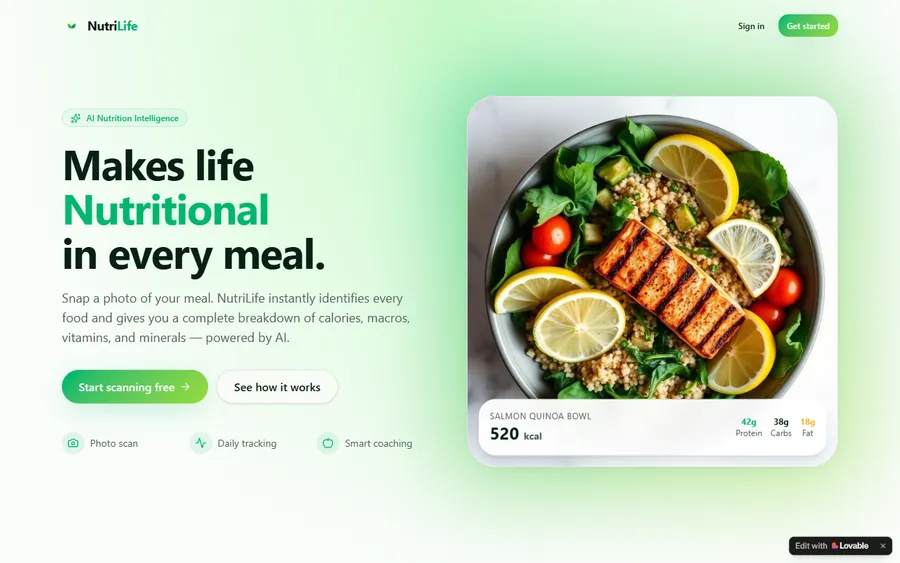
An AI nutrition coach that reads what you eat and works you toward a target.
AI and ML
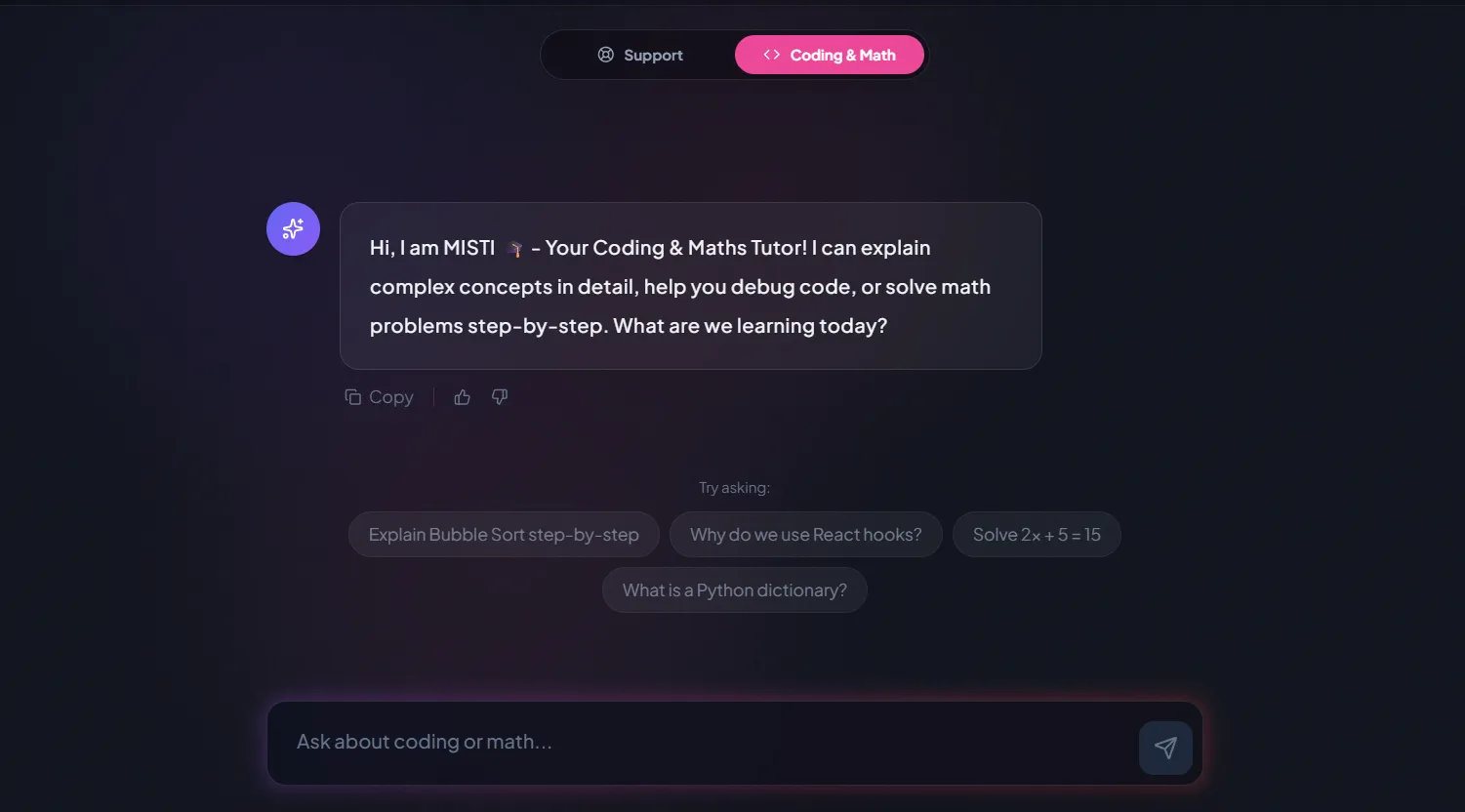
A chatbot that answers mathematics and programming questions, built and deployed by a student.
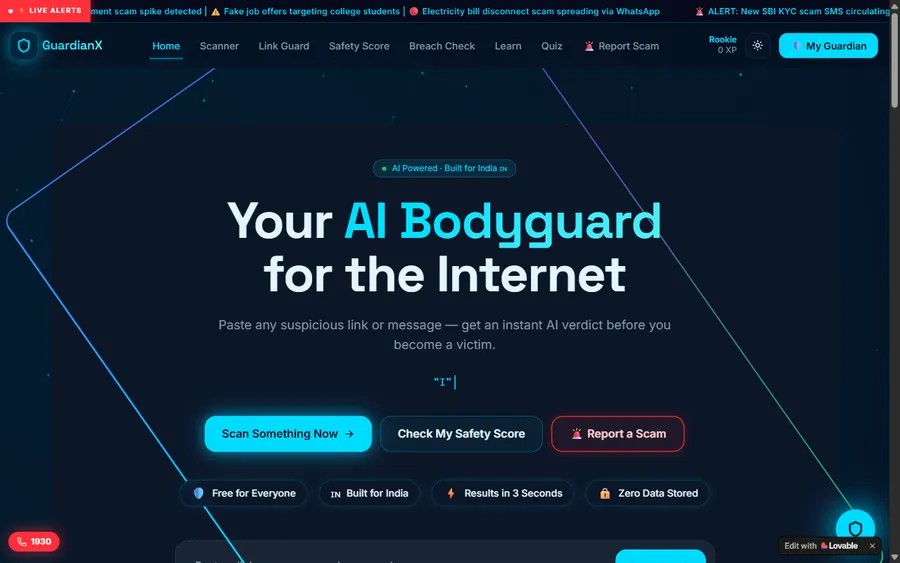
AI and ML
An assistant that helps a young person recognise unsafe situations online.
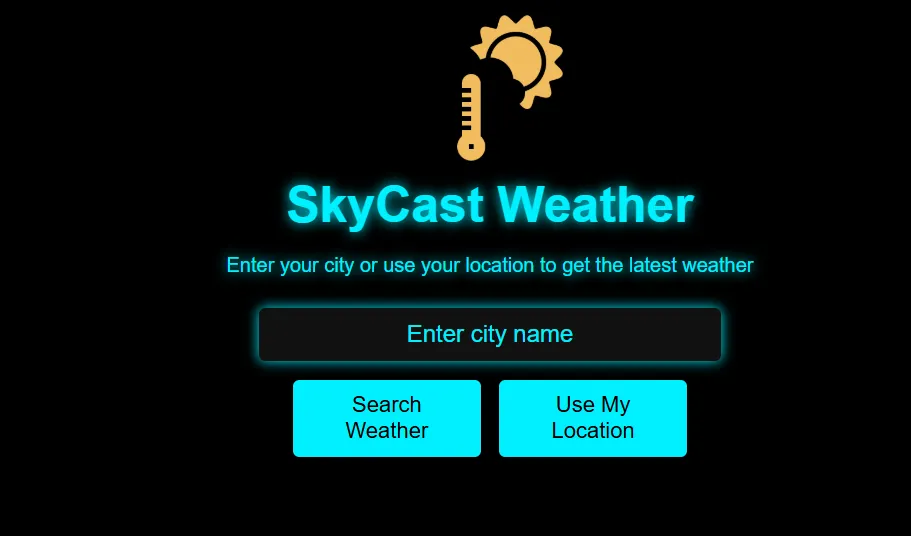
Web app
A weather forecasting site with live conditions for any location.
Fees
One charge a month in US dollars, the rate for every country outside India. The free lesson comes first and billing starts only when a course and a weekly time are agreed.
Free first class
USD 0
no card required
Group batch
USD 100
a month, billed in US dollars
One to one
USD 150
a month, billed in US dollars
What families say
From Google, word for word, unpaid and unprompted.
★★★★★
"The one step solution for my son. Modern Age Coders make learning coding so simple that kids love it. The teachers explain complex concepts clearly with practical exercises and interactive content."
Ria Mukherjee
Parent
★★★★★
"Modern Age Coders has been a game-changer for me. I struggled to grasp IT concepts and coding before joining, but their classes transformed everything. I can now confidently write complex programs with ease."
Samriddha Mondal
Student
★★★★★
"One of the most wonderful education centres out there. Education is not limited to school syllabus but focuses on skill development."
Vansh Agarwal
Student
★★★★★
"My child Dhairya is really enjoying the Modern Age Coders classes. This is his first online class and he eagerly looks forward to it. I can already see his improvement, and the teachers are very cooperative."
Sonam Oswal
Parent of Dhairya
★★★★★
"Modern Age Coders have wonderful teachers who teach in a clear, easy and practical way. The teacher boosts students' confidence and inspires them to learn without hesitation."
Sonu Goyal
Parent
★★★★★
"I highly recommend this computer coding class! The teachers are incredibly knowledgeable and passionate about coding."
Ritu Kedia
Parent
Questions about AQA 7517
Paper 1 is an on-screen exam of two and a half hours worth 40 per cent, Paper 2 is a written exam of the same length worth 40 per cent, and the non-exam assessment is 75 marks and 20 per cent.
A program AQA issues before Paper 1, available in each supported language, alongside preliminary material and, where appropriate, test data. Candidates work with it during the exam.
Yes. Students answer short questions and write, adapt and extend programs in an electronic answer document AQA provides.
C#, Java, Python and VB.Net, with Python 2 no longer supported. Schools indicate their preference at the start of the course, so the choice is usually made for a student.
By working inside other people's programs every week, long before the skeleton arrives. Reading, explaining, extending and breaking code is a separate skill from writing your own.
Data representation, computer systems, organisation and architecture, consequences of computing, networking, databases, Big Data and functional programming, in compulsory short-answer and extended-answer questions.
Functional programming and Big Data, because neither has a GCSE equivalent and both sit late in the specification, so they are often rushed in the final term.
No. It is 20 per cent of the A-level and it has to be the candidate's own. We teach the skills it assumes and decline any request to work on the project itself.
For our own exercises, yes, in a fixed order: understand, predict, then ask, with a record of what the tool contributed. For assessed work the awarding bodies' rules apply and they are strict.
The opening lesson is free. After that a group place is USD 100 a month and one-to-one teaching USD 150, billed monthly with nothing in advance.
Elsewhere on this site
Each page takes a different part of this further.
Where the project marks sit at AQA and OCR, and what the boards say about AI.
The same board two years earlier, where the difficulty is notational.
Why declared AI content cannot earn marks in assessed work.
What the computing curriculum requires and who has to follow it.
Where a strong A-level student can go beyond the specification.
The national page, and the index of every UK page we publish.
Start here
Send a number and we will reply at a British hour you choose. The lesson uses real A-level material, at a keyboard, and finishes by naming the weakest of the three components.
Prefer reading? Each course page publishes its syllabus, how we teach covers the method and its limits, and the coding roadmap sets out the sequence.
WhatsApp us · +91 91233 66161 · contact@modernagecoders.com
WhatsApp is free from a British mobile and gets the fastest reply. The number is registered in India, which we say here rather than leave you to find.