Data Structures & Algorithms Masterclass
The skill every serious coding interview tests, built the only way it sticks: patterns understood, hundreds of problems solved, explained out loud under time.
Syllabus updated August 2026
Recordings are free with a Google sign-in. These recordings show how we teach, not the exact syllabus of this course.
How long this course takes
This course runs 10-12 months (44-52 weeks) at 2 live classes/week + 4-6 hours practice. The range allows for background and pace: a complete beginner uses the full span, and a student with prior knowledge finishes sooner. The syllabus below is planned to the shorter end, with margin kept for revision.
For personalised duration planning, call +91 91233 66161 and we'll map a schedule to your goals.
At a glance
- Who it is for
- Complete beginner (18+); college students, graduates and working professionals. Age: 18+; college students, graduates and working professionals.
- Prerequisites
- None. Everything is taught from the first line
- Format
- Live, interactive classes with a real instructor, never pre-recorded videos. Live classes run about one hour.
- Language
- English or Hindi, depending on the batch.
- Duration
- 10-12 months (44-52 weeks)
- Weekly commitment
- 2 live classes/week + 4-6 hours practice
- Class size
- Group batches of 5 to 10 students, mini batches of 3 to 4, or 1-on-1.
- Certificate
- Certificate from Modern Age Coders, awarded on passing the final exam
- Watch first
- Free recordings of real classes for ages 13 and up, free with a Google sign-in. These recordings show how we teach, not the exact syllabus of this course.
- Live demo
- Optional. Enroll directly on this page, or book a free live demo if you would like to meet a mentor first.
How we teach
Deep understanding. Real projects. Expert guidance.
Learn coding, AI and maths through careful explanations, practical demonstrations, and hands-on problem-solving. Our instructors guide you from the foundations to advanced ideas, helping you understand what happens, why it happens, and how to build it yourself.
You will explore concepts step by step, write and improve code, investigate mistakes, ask questions, and apply your knowledge to meaningful projects. Lessons are designed around active participation, thoughtful feedback, and growing independence.
Expert-led live teaching, with practical participation built into every lesson.
- Students explain their thinking.
- Instructors demonstrate, then guide practice.
- Learners code, solve, or build during lessons.
- Questions and misconceptions get attention.
- Assignments receive useful feedback.
- Progress is checked before advancing.
Ready to Master Data Structures & Algorithms Course: Interview-Ready DSA?
Choose your plan and start your journey into the future of technology today.
Rated 4.9 across 547 Google reviews. Enroll directly, or take a free live demo first if you like. No card needed for the demo. Monthly billing, cancel anytime.
International Students (Outside India)
Billed monthly in US dollars, the same price in every country. Contact us with any questions.
Program Overview
DSA is the great filter of technical hiring: the same topics appear in every serious interview, and the gap between having seen a problem and being able to solve a new one live is exactly what interviewers probe. This live online masterclass closes that gap the honest way, no memorized solution lists. It builds the full canon in order: complexity analysis and linear structures, searching, sorting and hashing, trees, heaps and graphs, then the hard middle, shortest paths, network flow, dynamic programming to real depth, greedy and backtracking, then interview mastery: company-style problem sets, timed simulations, and explaining your reasoning aloud the way the room demands. A finale month runs a mock-interview gauntlet and sits the final exam.
The pace is honest: ten teaching months at two live classes a week plus four to six hours of problem-solving, with two more in hand. Problem sets after every class, monthly mixed reviews, phase exams, and a final exam that decides the certificate with a free retest.
What Makes This Program Different
- Patterns, not memorization: you learn to solve unseen problems, which is the actual test
- Explaining aloud is trained, not assumed: interviews score communication too
- Dynamic programming taught until it clicks, the topic that breaks most candidates
- Company-style problem sets and timed mock interviews, honestly framed as practice
- An honest 10-month arc with 2 months in hand
- Real assessment: weekly problem sets, monthly mixed reviews, phase exams and a final exam with a free retest
Your Learning Journey
Career Progression
Detailed Course Curriculum
Explore the complete week-by-week breakdown of what you'll learn in this comprehensive program.
Topics Covered
- Course introduction and roadmap
- Setting up coding environment (VS Code, online judges)
- Introduction to problem-solving approach
- Time complexity and Big O notation
- Space complexity analysis
- Best, average, and worst case analysis
- Common complexity classes: O(1), O(log n), O(n), O(n log n), O(n²)
- Analyzing nested loops
- Recursion complexity analysis
- Amortized analysis basics
- Trade-offs: time vs space
- How to approach a problem systematically
Projects You Build
- Complexity analyzer tool
- Problem-solving template creator
- Personal progress tracker
Practice & Assignments
Analyze complexity of 50 code snippets
Topics Covered
- Static vs dynamic arrays
- Array operations and complexity
- Two-pointer technique
- Sliding window technique
- Prefix sum arrays
- Kadane's algorithm
- Moore's voting algorithm
- String manipulation techniques
- String matching algorithms
- KMP algorithm basics
- Rabin-Karp algorithm
- Character encoding and Unicode
Projects You Build
- Array manipulation library
- String utilities toolkit
- Pattern matching visualizer
Practice & Assignments
Solve 40 array/string problems
Topics Covered
- Singly linked list implementation
- Doubly linked list
- Circular linked list
- Fast and slow pointer technique
- Floyd's cycle detection
- Linked list reversal (iterative and recursive)
- Merge operations on linked lists
- Recursion fundamentals
- Base case and recursive case
- Call stack and memory
- Tail recursion optimization
- Recursion tree analysis
Projects You Build
- Linked list library from scratch
- Recursion visualizer
- Memory stack simulator
Practice & Assignments
Implement 25 linked list operations
Topics Covered
- Stack implementation using array and linked list
- Stack applications: expression evaluation, parentheses matching
- Infix to postfix conversion
- Queue implementation: array-based and linked list
- Circular queue implementation
- Deque (double-ended queue)
- Priority queue basics
- Monotonic stack patterns
- Monotonic queue patterns
- Stack and queue in recursion
- BFS and DFS preview
- Real-world applications
Projects You Build
- Expression evaluator
- Browser history simulator
- Task scheduler with priority queue
Practice & Assignments
Build 20 stack/queue applications
Topics Covered
- Linear search and optimizations
- Binary search deep dive
- Binary search on answer
- Search in rotated sorted array
- Finding boundaries with binary search
- Ternary search
- Exponential search
- Jump search
- Interpolation search
- Search in 2D matrices
- Finding peak elements
- Search space reduction techniques
Projects You Build
- Search algorithm visualizer
- Binary search template library
- Search complexity analyzer
Practice & Assignments
Solve 30 binary search problems
Topics Covered
- Bubble sort and optimizations
- Selection sort analysis
- Insertion sort and when to use
- Merge sort implementation
- Quick sort and partitioning
- Randomized quick sort
- Heap sort preview
- Counting sort for integers
- Radix sort implementation
- Bucket sort technique
- Stability in sorting
- External sorting for large data
Projects You Build
- Sorting visualizer application
- Hybrid sorting algorithm
- Performance comparison tool
Practice & Assignments
Implement all sorting algorithms
Topics Covered
- Hash function design
- Collision resolution: chaining vs open addressing
- Load factor and rehashing
- Hash table implementation from scratch
- Hash map vs hash set
- Rolling hash technique
- Consistent hashing basics
- Bloom filters introduction
- Hash table patterns in problems
- Two-sum pattern and variations
- Frequency counting with hash maps
- Hash table optimization techniques
Projects You Build
- Custom hash table implementation
- LRU cache implementation
- Distributed hash table simulator
Practice & Assignments
Solve 35 hashing problems
Topics Covered
- Binary number system review
- Bitwise operators: AND, OR, XOR, NOT
- Left shift and right shift
- Bit manipulation tricks
- Setting, clearing, toggling bits
- Counting set bits
- Power of 2 checks
- XOR properties and applications
- Bit masking techniques
- GCD and LCM algorithms
- Prime number algorithms
- Modular arithmetic basics
Projects You Build
- Bit manipulation toolkit
- Number theory library
- Cryptography basics implementation
Practice & Assignments
Master 25 bit manipulation techniques
Topics Covered
- Tree terminology and properties
- Binary tree representation
- Tree traversals: inorder, preorder, postorder
- Level order traversal (BFS)
- Recursive vs iterative traversals
- Morris traversal (O(1) space)
- Tree construction from traversals
- Diameter, height, and width of tree
- Path sum problems
- Lowest Common Ancestor (LCA)
- Serialize and deserialize trees
- Tree isomorphism
Projects You Build
- Binary tree visualizer
- Tree traversal animator
- Tree problem solver toolkit
Practice & Assignments
Solve 40 binary tree problems
Topics Covered
- BST properties and operations
- BST insertion and deletion
- BST validation and searching
- Inorder successor and predecessor
- Convert sorted array to BST
- Self-balancing trees introduction
- AVL tree rotations
- AVL tree implementation
- Red-Black tree basics
- B-trees and B+ trees overview
- Segment trees introduction
- Binary Indexed Tree (Fenwick Tree)
Projects You Build
- BST implementation with all operations
- AVL tree from scratch
- Range query data structure
Practice & Assignments
Implement 20 BST operations
Topics Covered
- Heap properties: min-heap and max-heap
- Heap implementation using array
- Heapify operation and complexity
- Heap sort implementation
- Priority queue operations
- Binary heap vs Fibonacci heap
- K-way merge using heaps
- Median finding with two heaps
- Top K elements pattern
- Heap applications in algorithms
- Dijkstra's algorithm preview
- Custom comparators in heaps
Projects You Build
- Heap implementation from scratch
- Task scheduler with priority
- Real-time median finder
Practice & Assignments
Master 25 heap problems
Topics Covered
- Trie data structure implementation
- Trie insertion, search, and deletion
- Prefix matching with tries
- Auto-complete functionality
- Word search in matrix using trie
- Suffix trees and arrays basics
- N-ary tree operations
- Quad trees and Oct trees
- K-d trees for spatial data
- Disjoint Set Union (DSU/Union-Find)
- Path compression and union by rank
- Applications of DSU
Projects You Build
- Autocomplete system
- Spell checker implementation
- Contact list with search
Practice & Assignments
Build 15 trie applications
Assessment
Phase 1 exam: a practical build defended live, plus a written paper mixing this phase with everything before it
Topics Covered
- Graph representations: adjacency matrix vs list
- Directed vs undirected graphs
- Weighted vs unweighted graphs
- Graph properties: connected, cyclic, bipartite
- Depth-First Search (DFS) implementation
- Breadth-First Search (BFS) implementation
- DFS applications: cycle detection, topological sort
- BFS applications: shortest path, level order
- Connected components finding
- Strongly connected components (Kosaraju's, Tarjan's)
- Bridges and articulation points
- Graph coloring basics
Projects You Build
- Graph visualizer with traversals
- Social network analyzer
- Maze solver with BFS/DFS
Practice & Assignments
Solve 35 graph traversal problems
Topics Covered
- Dijkstra's algorithm implementation
- Dijkstra's with priority queue
- Bellman-Ford algorithm
- Negative weight cycles detection
- Floyd-Warshall algorithm
- A* search algorithm basics
- Shortest path in DAG
- Single source vs all pairs
- Path reconstruction techniques
- Multi-source BFS
- 0-1 BFS technique
- Bidirectional search
Projects You Build
- Route finder application
- Navigation system simulator
- Network routing optimizer
Practice & Assignments
Implement all shortest path algorithms
Topics Covered
- Minimum Spanning Tree (MST) concept
- Kruskal's algorithm with DSU
- Prim's algorithm implementation
- Applications of MST
- Network flow introduction
- Ford-Fulkerson method
- Maximum flow problem
- Minimum cut theorem
- Bipartite matching
- Hungarian algorithm basics
- Stable marriage problem
- Assignment problems
Projects You Build
- Network designer tool
- Resource allocation system
- Matching algorithm implementation
Practice & Assignments
Solve 20 MST and flow problems
Topics Covered
- Topological sorting variations
- Cycle detection in directed/undirected graphs
- Bipartite graph checking and coloring
- Eulerian path and circuit
- Hamiltonian path problem
- Graph dynamic programming
- Tree DP on graphs
- Centroid decomposition basics
- Heavy-light decomposition intro
- Graph compression techniques
- Parallel BFS/DFS
- Graph optimization problems
Projects You Build
- Dependency resolver
- Circuit board router
- Tournament scheduler
Practice & Assignments
Master 25 advanced graph patterns
Topics Covered
- KMP algorithm implementation
- Z-algorithm for pattern matching
- Rabin-Karp with rolling hash
- Boyer-Moore algorithm
- Suffix arrays construction
- Longest Common Prefix array
- Manacher's algorithm for palindromes
- Edit distance algorithms
- Longest common subsequence/substring
- String hashing techniques
- Suffix automaton basics
- Aho-Corasick algorithm
Projects You Build
- Text editor with find/replace
- Plagiarism detector
- DNA sequence analyzer
Practice & Assignments
Implement 15 string algorithms
Topics Covered
- Introduction to dynamic programming
- Recursion to DP transition
- Memoization techniques
- Top-down vs bottom-up approach
- 1D DP patterns
- State definition in DP
- Fibonacci variations
- Climbing stairs variations
- House robber pattern
- Jump game problems
- Decode ways pattern
- DP space optimization
Projects You Build
- DP visualizer tool
- Recursion tree analyzer
- DP pattern identifier
Practice & Assignments
Solve 40 basic DP problems
Topics Covered
- 2D DP table construction
- Grid-based DP problems
- Path counting in grids
- Longest common subsequence
- Edit distance problem
- 0/1 Knapsack problem
- Unbounded knapsack
- Subset sum problems
- Matrix chain multiplication
- Palindrome partitioning
- Regular expression matching
- Wildcard matching
Projects You Build
- Sequence alignment tool
- Knapsack optimizer
- Pattern matcher implementation
Practice & Assignments
Master 35 2D DP problems
Topics Covered
- State machine DP
- DP on trees
- DP with bitmasking
- Digit DP technique
- Probability DP
- Game theory and DP
- Interval DP pattern
- String DP problems
- DP optimization techniques
- Convex hull trick
- Divide and conquer optimization
- Knuth-Yao speedup
Projects You Build
- Stock trading simulator with DP
- Game AI using minimax
- Optimal strategy finder
Practice & Assignments
Solve 30 advanced DP problems
Topics Covered
- Greedy algorithm principles
- When greedy works: proof techniques
- Activity selection problem
- Huffman coding
- Fractional knapsack
- Job scheduling problems
- Interval scheduling maximization
- Minimum platforms problem
- Gas station circuit problem
- Jump game greedy approach
- Greedy vs DP comparison
- Exchange argument proof
Projects You Build
- Task scheduler optimizer
- Huffman compression tool
- Resource allocator
Practice & Assignments
Master 25 greedy problems
Topics Covered
- Backtracking fundamentals
- State space tree
- N-Queens problem
- Sudoku solver
- Subset generation
- Permutation generation
- Combination sum problems
- Word search in grid
- Graph coloring with backtracking
- Branch and bound technique
- Pruning strategies
- Optimization in backtracking
Projects You Build
- Sudoku solver application
- N-Queens visualizer
- Constraint satisfaction solver
Practice & Assignments
Implement 20 backtracking solutions
Topics Covered
- Divide and conquer mastery
- Master theorem for recurrence
- Fast Fourier Transform basics
- Karatsuba multiplication
- Strassen's matrix multiplication
- Closest pair of points
- Convex hull algorithms
- Line sweep technique
- Mo's algorithm basics
- Square root decomposition
- Heavy-light decomposition
- Centroid decomposition
Projects You Build
- Computational geometry library
- Big integer calculator
- Algorithm complexity analyzer
Practice & Assignments
Implement 15 advanced algorithms
Topics Covered
- System design interview approach
- Scalability basics
- Load balancing concepts
- Caching strategies
- Database design basics
- SQL vs NoSQL
- Microservices overview
- API design principles
- Rate limiting algorithms
- Consistent hashing
- Distributed systems basics
- CAP theorem introduction
Projects You Build
- URL shortener design
- Rate limiter implementation
- Simple cache system
Practice & Assignments
Design 10 systems
Assessment
Phase 2 exam: a practical build defended live, plus a written paper mixing this phase with everything before it
Topics Covered
- Google interview process overview
- Google's evaluation criteria
- Googliness and Leadership
- Common Google problem patterns
- Array and string manipulation focus
- Graph algorithms emphasis
- Dynamic programming at Google
- System design at Google scale
- Google coding style guide
- Time complexity requirements
- Follow-up questions handling
- Google behavioral questions
Projects You Build
- Google-style problem solver
- MapReduce implementation
- PageRank algorithm
Practice & Assignments
Solve 50 Google tagged problems
Topics Covered
- Amazon interview process
- Leadership Principles deep dive
- Amazon problem-solving approach
- Object-oriented design at Amazon
- Scalability focus
- Two-pointer and sliding window emphasis
- Tree and graph problems
- Amazon system design topics
- Working backwards methodology
- Bar raiser round preparation
- Amazon behavioral questions
- STAR format examples
Projects You Build
- E-commerce system design
- Recommendation engine
- Warehouse robot pathfinding
Practice & Assignments
Solve 50 Amazon tagged problems
Topics Covered
- Meta interview structure
- Ninja, Pirate, Jedi expectations
- Meta's focus areas
- Array and string heavy problems
- BFS/DFS variations
- Dynamic programming patterns
- Design Facebook features
- Meta's behavioral assessment
- Move fast philosophy
- Impact-focused answers
- Coding signal importance
- System design for social networks
Projects You Build
- Social network features
- News feed algorithm
- Friend recommendation system
Practice & Assignments
Solve 50 Meta tagged problems
Topics Covered
- Microsoft interview approach
- Problem-solving communication
- Microsoft stack questions
- Linked list and tree focus
- String manipulation problems
- Apple interview process
- Quality and attention to detail
- iOS/macOS specific questions
- Design patterns emphasis
- Both companies' behavioral focus
- Growth mindset demonstration
- Innovation and creativity
Projects You Build
- Operating system scheduler
- File system design
- Music streaming service
Practice & Assignments
Solve 40 MS/Apple problems
Topics Covered
- Startup interview differences
- Full-stack expectations
- Practical coding tests
- Take-home assignments
- System design for startups
- Real-world problem solving
- API design and implementation
- Database design questions
- DevOps and deployment
- Startup culture fit
- Ownership and initiative
- Rapid iteration mindset
Projects You Build
- MVP product design
- Real-time collaboration tool
- Payment processing system
Practice & Assignments
Complete 3 take-home projects
Topics Covered
- Multi-threaded programming problems
- Concurrency and locks
- Design patterns in problems
- Object-oriented design problems
- Database query problems
- SQL in interviews
- Machine learning basics for interviews
- Security-related problems
- Cryptography basics
- Blockchain basic problems
- Mobile-specific problems
- Real-time system problems
Projects You Build
- Thread-safe data structures
- Distributed lock manager
- Real-time chat system
Practice & Assignments
Solve 30 advanced mixed problems
Topics Covered
- Full day interview simulation
- Multiple rounds back-to-back
- Phone screen practice
- Technical rounds practice
- System design rounds
- Behavioral rounds
- Hiring manager rounds
- Lunch interview practice
- Stress management techniques
- Energy management
- Recovery between rounds
- End-of-day strategies
Projects You Build
- Complete interview portfolio
- Problem solution database
- Personal story bank
Practice & Assignments
5 full interview simulations
Topics Covered
- Technical communication skills
- Explaining complex concepts simply
- Asking clarifying questions
- Requirements gathering
- Trade-off discussions
- Collaborative problem solving
- Handling hints effectively
- Dealing with stuck situations
- Time management during interviews
- Body language and confidence
- Virtual interview best practices
- Follow-up communication
Projects You Build
- Technical presentation
- Code review exercise
- Team project simulation
Practice & Assignments
Record and review 10 problem explanations
Topics Covered
- Job search strategies
- Resume optimization for ATS
- LinkedIn profile optimization
- Cover letter writing
- Portfolio website creation
- GitHub profile enhancement
- Networking strategies
- Referral seeking techniques
- Offer evaluation framework
- Salary negotiation tactics
- Benefits comparison
- Career growth planning
Projects You Build
- Professional portfolio website
- Optimized resume versions
- LinkedIn article publishing
Practice & Assignments
Apply to 20 positions strategically
Assessment
Phase 3 exam: a practical build defended live, plus a written paper mixing this phase with everything before it
Topics Covered
- Choosing the capstone: a full mock-interview gauntlet plus a solved-problem portfolio spanning every pattern
- A one-page spec: scope, milestones, stack
- Repository and skeleton ready on day one
- Instructor sign-off before the build begins
Projects You Build
- Approved capstone spec plus the running skeleton
Practice & Assignments
Pitch the spec to the batch and absorb one hard question
Topics Covered
- Two focused weeks in vertical slices
- Instructor checkpoints and honest scope cuts
- Using the whole course: every structure and algorithm, under interview-style time pressure with reasoning spoken aloud
- Daily commits and an always-working build
Projects You Build
- The capstone, feature-complete with version control
Practice & Assignments
A working build at the end of every session
Topics Covered
- The finishing pass: edge cases, errors, documentation
- Clean, optimal, explained: solutions that are correct, efficient and communicated well
- A README worth reading and a demo worth watching
- A full-course spiral review before the exam
Projects You Build
- The capstone shipped, documented and rehearsed
Practice & Assignments
Two mock demos, each tighter than the last
Topics Covered
- Presenting the capstone: live demo plus the hardest bug story
- The honest map of next roads: placement interviews, competitive programming, or system design depth
- Where our other courses continue the journey
Projects You Build
- Demo day presentation delivered to the batch
Assessment
FINAL EXAM: a practical build plus a written paper with questions mixed from every phase. Passing earns the certificate; falling short earns a focused revision plan and a free retest
Projects You'll Build
Build a professional portfolio with 300+ problems solved and every core structure implemented, crowned by a mock-interview gauntlet real-world projects.
Weekly Learning Structure
Certification & Recognition
Technologies & Skills You'll Master
Comprehensive coverage of the entire modern web development stack.
Support & Resources
Career Outcomes & Opportunities
Transform your career with industry-ready skills and job placement support.
Prerequisites
Who Is This Course For?
Career Paths After Completion
Salary & Market Context
The ranges below are general market salary bands for these roles in India and abroad, drawn from public industry data. They are shown for career context only and are not a promise or guarantee of income. Actual pay depends on your skills, experience, location, and the job market.
Course Guarantees
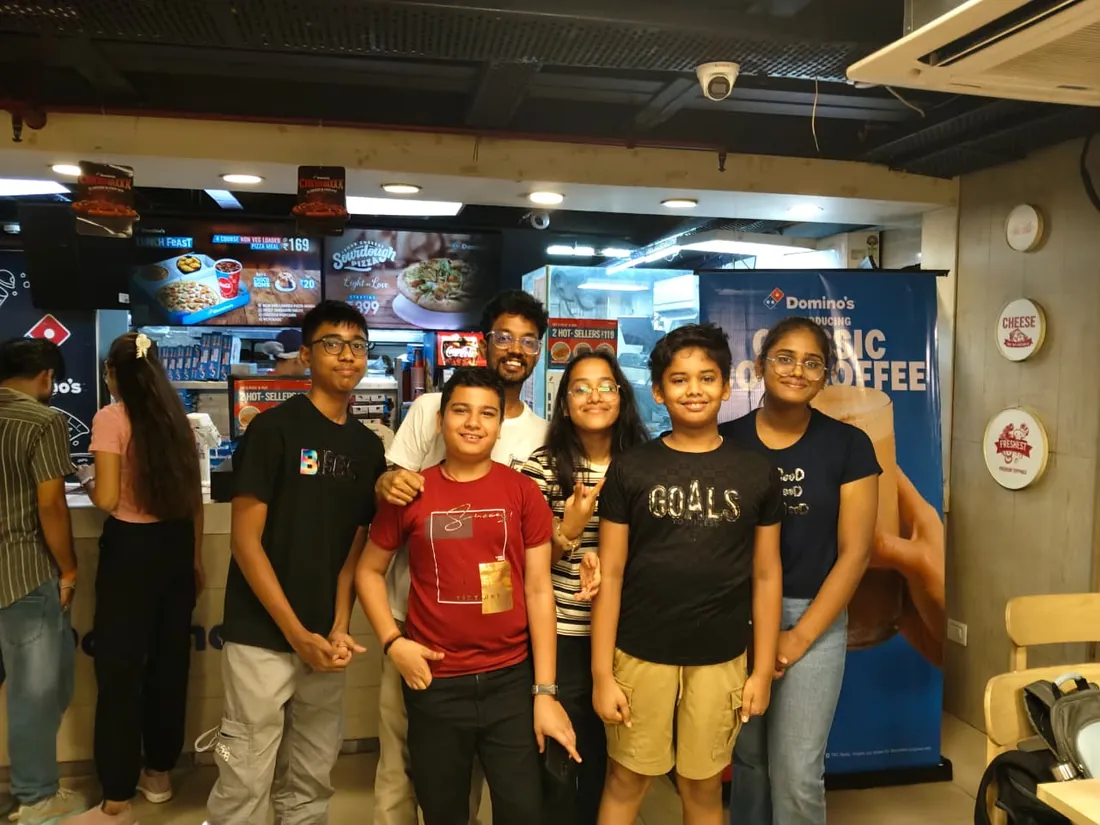
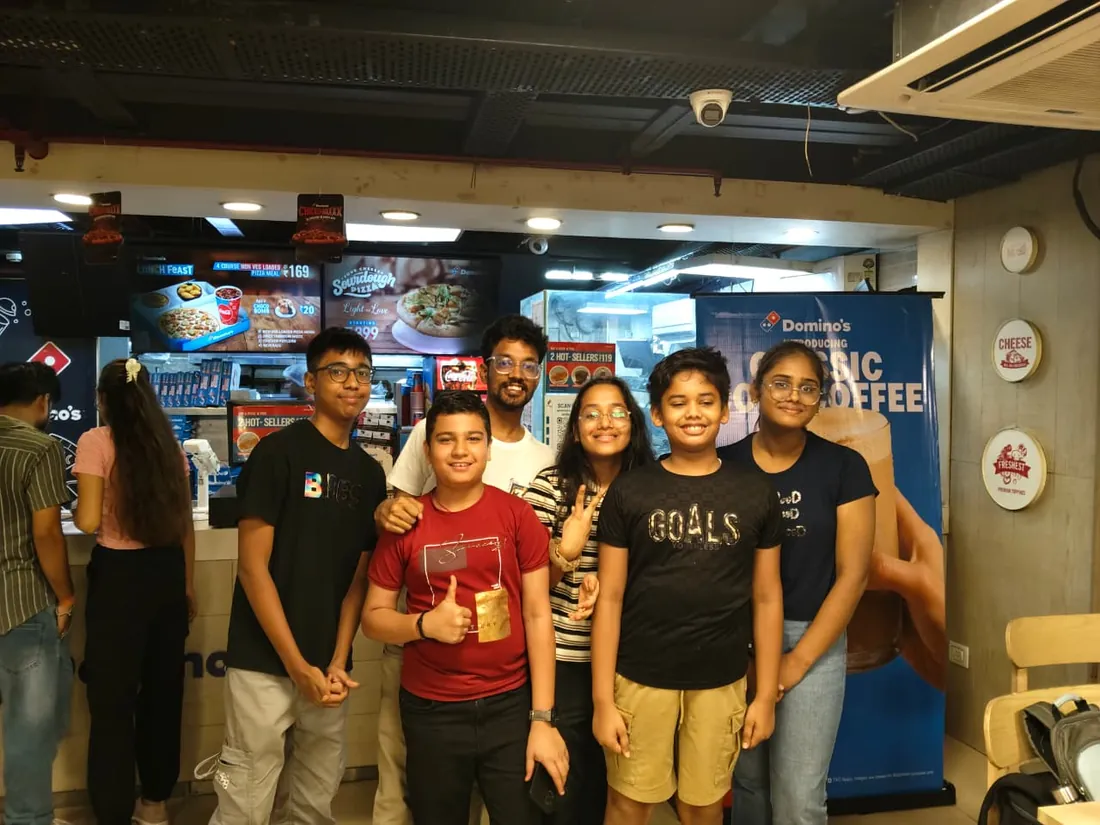
Real students. Real moments. Real joy.
These are our actual student meetups. No stock photos, no filters. Swipe through and meet the community you'll be joining.





































What families say
Straight from the parents and students who learn with us. Rated 4.9 across 547 Google reviews.
“Mivaan enjoys the class. He understands the concepts and completes his tasks with excitement. He started taking interest in coding… truly amazing class.”
“I absolutely love it here! I made new friends and learned important valuable coding skills while having the fun of my life. It's not just coding here, it's outings, bonding and most importantly preparing you for your future. Definitely five stars.”
“What stands out most is how excited my son is before every class. He looks forward to learning, problem-solving, and sharing what he's built. I've noticed a big boost in his confidence!”
“Modern Age Coders has been a game-changer for me! I struggled to grasp IT concepts and coding before joining, but their classes transformed everything. I'm now the topper in my class and can confidently write complex programs with ease.”
“Modern Age Coder have wonderful teachers who teach in a clear, easy and practical way. The teacher boosts students' confidence, keeps them updated with technology, and inspires them to learn without hesitation.”
“The one step solution for my son. Modern Age Coders make learning coding so simple that kids love it.”
“Coding classes here make learning very interesting and conceptual. The teachers teach us in a very easy-to-understand and efficient manner.”
“One of the most wonderful education centres out there. Education is not limited to school syllabus but focuses on skill development. Learning here has been a wonderful journey and still continuing.”
“I highly recommend this computer coding class! The teachers are incredibly knowledgeable and passionate about coding. They make every session engaging and insightful.”
“My child Dhairya is really enjoying the Modern Age Coder IT classes. This is his first online class, and he eagerly looks forward to it.”
“Very good classes. Don't worry about coding. They teach the best, especially Shivam sir.”
“Very good classes. Makes learning very easy and interactive.”
Hear it from our students
Real parents and students in their own words, on our public YouTube channel.
Straight answers about Data Structures & Algorithms Course: Interview-Ready DSA
- Who should take this course?
- Complete beginner (18+); college students, graduates and working professionals. Age: 18+; college students, graduates and working professionals. It suits students whose placements will live or die on dsa rounds; professionals targeting product-company roles that test algorithms; coders who can build but freeze on algorithmic interview problems.
- What will they learn and build?
- DSA is the great filter of technical hiring: the same topics appear in every serious interview, and the gap between having seen a problem and being able to solve a new one live is exactly what interviewers probe. This live online masterclass closes that gap the honest way, no memorized solution lists.
- How deeply are topics covered?
- The course runs 10-12 months (44-52 weeks) at 2 live classes/week + 4-6 hours practice, across 4 phases listed week by week in the syllabus below. A structured, well-paced curriculum taught step by step, with classwork in every session and problem sets after every class.
- Who teaches it?
- Modern Age Coders mentors, who teach the live classes themselves. You can watch them at work in the free class recordings before you decide.
- How do practice, feedback and assessment work?
- Monthly mixed reviews, cumulative phase exams, and a final exam that decides the certificate: real knowledge, real work. Doubt support between classes over WhatsApp, so you are never left stuck. A certificate you earn by passing the final exam, with a free retest after revision if needed.
- What does it cost?
- Three monthly plans: a group batch, a mini batch and 1-on-1. Prices are shown in your currency in the plans section. Monthly billing, cancel any time.
- When can classes take place?
- Live classes are scheduled around your week. Group batches meet at a fixed weekly slot; 1-on-1 students choose their own. International students are scheduled in their own timezone. Ask on WhatsApp for the current slots.
- Can I watch the teaching before deciding?
- Yes. Full recordings of real 13 and up classes are free to watch, free with a Google sign-in. These recordings show how we teach, not the exact syllabus of this course. Some classes are in English and some in Hindi; everyone follows at their own pace. Watch a class end to end, like you are in it. Sessions are interactive and each moment builds on the last.
- Can I enroll without a live demo?
- Yes. Choose a plan on this page and enroll directly; a booking or a demo is not required. A free live demo is optional, for anyone who wants to meet a mentor first. Outside India, our team confirms the plan and completes payment with you over WhatsApp, so allow a little time for that step.
Common Questions About Data Structures & Algorithms Course: Interview-Ready DSA
Get answers to the most common questions about this comprehensive program
Still have questions? We're here to help!
Contact UsRelated Courses You May Like
Continue your learning journey with these recommended programs
 Programming
Competitive Programming Course: Codeforces to ICPC
Competitive programming course for students and professionals: C++ and STL speed, number theory, gra...
Explore Course Programming
Java Course for College: Core Java to Spring Boot
Java course for college students and professionals: core Java, collections and concurrency, then Spr...
Explore CourseRelated Articles & Guides
Deepen your knowledge with these hand-picked articles
 Programming
15 min read
Programming
15 min read
Top 10 Java Programs Every College Student Must Know (With Solutions)
Master 10 essential Java programs with complete solutions and explanations. Perfect for college stud...
Read Article Programming
10 min read
Programming
10 min read
Armstrong Number in Python, Code Examples & 5-Min Tutorial
Armstrong number in Python, copy-paste code, step-by-step tutorial, and 5 worked examples (3-digit &...
Read ArticleReady to start Data Structures & Algorithms Course: Interview-Ready DSA?
Book a free demo class to meet your mentor and see how we teach, with no commitment. Or enrol now and start this week.