ADU / APP / 01
App Development for Teens
React Native, ages 13 to 18.
Open the syllabusUK · Teens and adults · iOS and Android
Most app courses start with a button and end with a store listing. In the UK, two sets of rules sit between those points. The Department for Science, Innovation and Technology's code of practice for app store operators and app developers asks developers, among other things, not to "request permissions and privileges which are not functionally required by the app", to let people delete the personal data an app gathers, and to keep fixing security problems after launch. And if children are likely to use an app, the Information Commissioner's Office says its Children's code needs to be considered, whether or not children were ever the intended audience: "Settings must be 'high privacy' by default", geolocation off unless there is a compelling reason, no nudging children into giving away more data. The code covers what the law calls information society services, which the ICO says includes most for-profit online services, so a young developer planning to publish needs to know it exists. This course teaches UK teenagers and adults to build real apps in React Native, Flutter, Swift or Kotlin with both rulebooks designed in from the first screen, because retrofitting privacy is harder than building it.
Live teaching since 2020 · 10,000+ students · apps with permissions, privacy and updates done properly
In short
App developers in the UK work under two sets of guidance. DSIT's voluntary code of practice for app store operators and app developers, updated in October 2023, sets eight principles, including that developers use industry-standard encryption, request only the permissions an app functionally needs, keep the primary function working when optional permissions are refused, offer a way to delete personal data, run a vulnerability disclosure process and ship security updates. The ICO's Children's code sets 15 standards for online services likely to be accessed by children, even if they are not the target audience, including high-privacy default settings, data minimisation, geolocation off by default and no nudge techniques; it applies to non-UK companies processing UK children's data too. Modern Age Coders teaches app development live and online to UK teenagers, in React Native, and adults, in Flutter, Swift and Kotlin, with those rules built into every project. The first class is free; afterwards a group place is USD 100 a month and one-to-one lessons USD 150 a month.
Start here
React Native for teenagers, a cross-platform course for adults, and native iOS. Each card opens the full syllabus.
ADU / 01
Real apps with React Native, for ages 13 to 18, from first screen to a finished project.
Open the syllabus →
ADU / 02
Flutter, iOS and Android, for university students, graduates and professionals.
Open the syllabus →
ADU / 03
SwiftUI apps from zero, for adults who want to build natively for Apple devices.
Open the syllabus →The app code
DSIT published the code in December 2022 and updated it on 24 October 2023. It describes itself plainly: "This voluntary Code of Practice sets out practical steps for App Store Operators and App Developers to protect users."
| Provision | What it asks | In a student's app |
|---|---|---|
| 2.1 | Industry-standard encryption for data in transit and data stored locally | HTTPS only; no secrets saved in plain text |
| 2.2 | "Developers shall ensure that the primary function of an app operates if a user chooses to disable its optional functionality and permissions." | A weather app still works when location is refused; the user types a town instead |
| 2.3 | "Developers should not request permissions and privileges which are not functionally required by the app." | No contacts or microphone permission for a to-do list |
| 2.5 | A simple uninstall process | Nothing left running after removal |
| 2.6 | A process to update and monitor software dependencies for known vulnerabilities | Libraries checked and updated as part of every release |
| 2.7 | A way for users to request deletion of personal data the app gathered | A delete-my-account option that actually deletes |
| 3.1 | A vulnerability disclosure process, such as contact details or a form, accessible in the app store | A security contact on the listing |
| 4.1 and 4.2 | Security updates, including when a third-party library or SDK receives a security or privacy update | Updates shipped after launch, not only before it |
The code is voluntary, and responsibility for the principles is shared between app store operators, app developers and platform developers. The government also notes that some of the principles are already mandated by existing legislation, including data protection law.
App stores are asked to vet submissions, remove clearly malicious apps within 48 hours of verifying them, and contact any developer whose app has had no update for two years to check it is still supported.
The code lists them in no priority order: apps meeting a security and privacy baseline; apps adhering to baseline requirements; a vulnerability disclosure process; keeping apps updated; accessible security and privacy information for users; guidance for developers; clear feedback to developers; and steps when a personal data breach arises.
Four of those are aimed mainly at developers, and they are the four a course can teach.
Source, read 21 September 2026: DSIT, Code of practice for app store operators and app developers (updated), 24 October 2023.
The Children's code
The ICO's Children's code, also called the Age appropriate design code, sets 15 standards. Its scope is the part developers most often miss.
In the ICO's own words: "If children are likely to access your service, even if they are not your target audience or user, then you need to consider the Children's code." It applies to "UK-based companies and non-UK companies who process the personal data of UK children", and children here means anyone under 18. It covers information society services, which the ICO says means most for-profit online services, and it does not apply to schools processing pupils' information for education.
| Standard | The ICO's summary | In the app |
|---|---|---|
| Default settings | "Settings must be 'high privacy' by default" | Profiles private and sharing off until a child chooses otherwise |
| Data minimisation | "Collect and retain only the minimum amount of personal data you need" | No date of birth, contacts or photos unless a feature needs them |
| Geolocation | "Switch geolocation options off by default" | Location off at install, with an obvious sign when it is on |
| Profiling | "Switch options which use profiling 'off' by default" | No personalised feeds for children by default |
| Nudge techniques | "Do not use nudge techniques to lead or encourage children to provide unnecessary personal data or weaken or turn off their privacy protections." | No guilt-trip buttons or pre-ticked boxes |
| Transparency | Privacy information "concise, prominent and in clear language suited to the age of the child" | A privacy screen a 12-year-old can read |
| Online tools | "Provide prominent and accessible tools to help children exercise their data protection rights and report concerns." | Report and delete options in plain sight |
The other eight cover the best interests of the child, data protection impact assessments, age appropriate application, detrimental use of data, upholding your own policies, data sharing, parental controls and connected toys and devices.
For a first app, the practical ones are the defaults: what the app does before anyone changes a setting.
The Data (Use and Access) Act 2025 added an explicit requirement for online services likely to be used by children to take their needs into account when deciding how to use their information. The ICO's view: "You should already satisfy this requirement if you conform to our Age appropriate design code (AADC)."
So one well-designed set of defaults answers both.
Sources, read 21 September 2026: ICO, Children's code standards; Introduction to the Children's code; ICO, the Data Use and Access Act 2025 for organisations. This page is not legal advice.
Designed in
Every project on the course carries the same small checklist. It costs a few extra lessons and saves rewriting an app later.
| Feature every project gets | The rule behind it |
|---|---|
| Permissions requested at the moment they are needed, with a reason shown | App code 2.3 |
| The main feature still works when a permission is refused | App code 2.2 |
| Location off by default, with a visible indicator when used | Children's code, geolocation |
| A plain-language privacy screen | Children's code, transparency; app code 5.2 |
| A delete-my-data option that removes the data from the server too | App code 2.7 |
| A dependency check before every release | App code 2.6 and 4.2 |
| A contact for security reports in the store listing | App code 3.1 |
Flashcards and quizzes for a subject the student knows, with progress stored locally and nothing shared by default.
Events and sign-ups for a school club or sports team, with parental controls explained clearly to the children who use it.
A map of places for a town or campus, where the app works without location and asks only when the user taps near me.
None of this makes an app legally compliant on its own, and the course does not claim to. It builds the habits the codes describe, so that a student who publishes an app later starts from the right defaults. How apps talk to servers safely connects directly to our cyber security course for teens.
Which route
The right framework depends on age, devices and what the learner already knows. The free first class settles it.
| Route | Who it suits | Builds for |
|---|---|---|
| React Native (teens course) | Ages 13 to 18, especially with some JavaScript | iOS and Android from one codebase |
| Flutter | Adults who want one codebase and a clean UI toolkit | iOS, Android and more, in Dart |
| Swift and SwiftUI | Adults building for iPhone, iPad and Mac | Apple platforms natively |
| Kotlin, within the adult app course | Adults building for Android natively | Android |
Teenagers can start the React Native course as complete beginners, and adults can start the app courses from zero. Some JavaScript or Python beforehand makes the first months smoother.
Web foundations help too, and our full stack software development page covers the servers most apps rely on.
Students can run apps on their own phones and emulators without publishing anything. Publishing to a store involves the store's own developer accounts and rules, which the learner or a parent controls.
We never publish apps on a student's behalf or hold their store accounts.
Stages
Placement follows what you can already do.
| Stage | What should be true |
|---|---|
| 1. Screens | You build screens with layout, navigation and input |
| 2. Data | You store data locally and fetch it from an API safely |
| 3. Permissions and privacy | Your app asks only what it needs, works when refused, and deletes data on request |
| 4. Finished and maintained | A complete app runs on a real phone, with dependencies updated and a plan for fixes |
It is where the app code and the Children's code turn into code.
The wider sequence of subjects is on the coding roadmap.
Apps need updates after launch; the code of practice expects security fixes.
Students learn to treat a release as a beginning.
The catalogue
The app courses themselves, the foundations under them, and the back end they talk to.
ADU / APP / 01
React Native, ages 13 to 18.
Open the syllabusADU / APP / 02
Flutter, iOS and Android.
Open the syllabusADU / APP / 03
Dart to real cross-platform apps.
Open the syllabusADU / FND / 01
The language under React Native.
Open the syllabusADU / FND / 02
SwiftUI apps from zero.
Open the syllabusADU / FND / 03
Object-oriented foundations for Android work.
Open the syllabusADU / BCK / 01
APIs and databases for teen developers.
Open the syllabusADU / BCK / 02
Full stack JavaScript for adults.
Open the syllabusADU / BCK / 03
Why the security rules exist.
Open the syllabusHow lessons run
Teaching comes from India, which keeps one clock all year; the UK is four and a half hours behind India in British Summer Time and five and a half in winter. After-school, evening and weekend slots in UK time are all possible.
After school
For teenagers on weekdays.
Evening
For adults after work or lectures.
Weekend
Longer sessions for building features.
We check your starting point and choose a framework with you.
Five to ten learners of similar age and level.
For a specific app idea or a faster pace.
Apps run on your phone or an emulator from the early weeks.
Every project passes the same short checklist before it counts as done.
Code lives in your own repository; store accounts stay yours.
Student work
Four projects our students finished. More, from every age group, are in student labs.
AI and ML
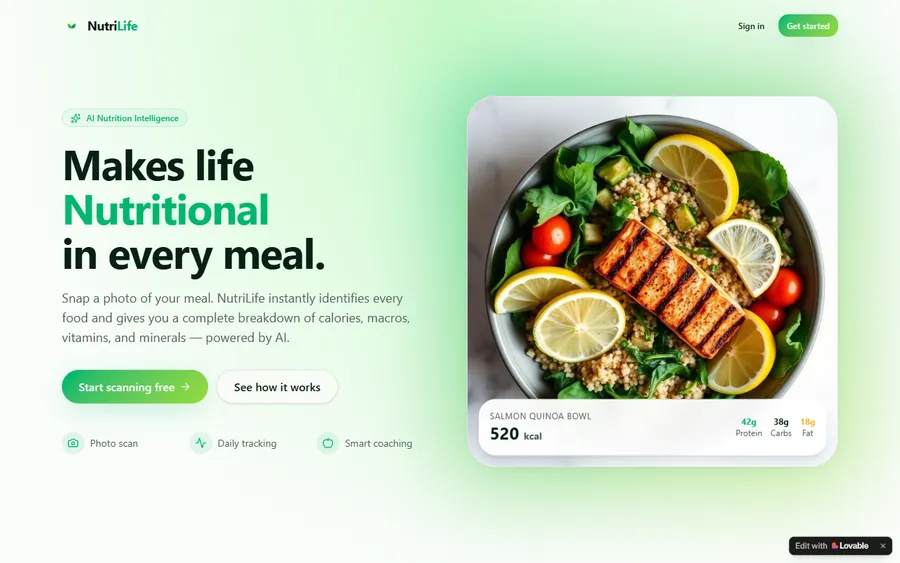
An AI nutrition coach that reads what you eat and works you toward a target.
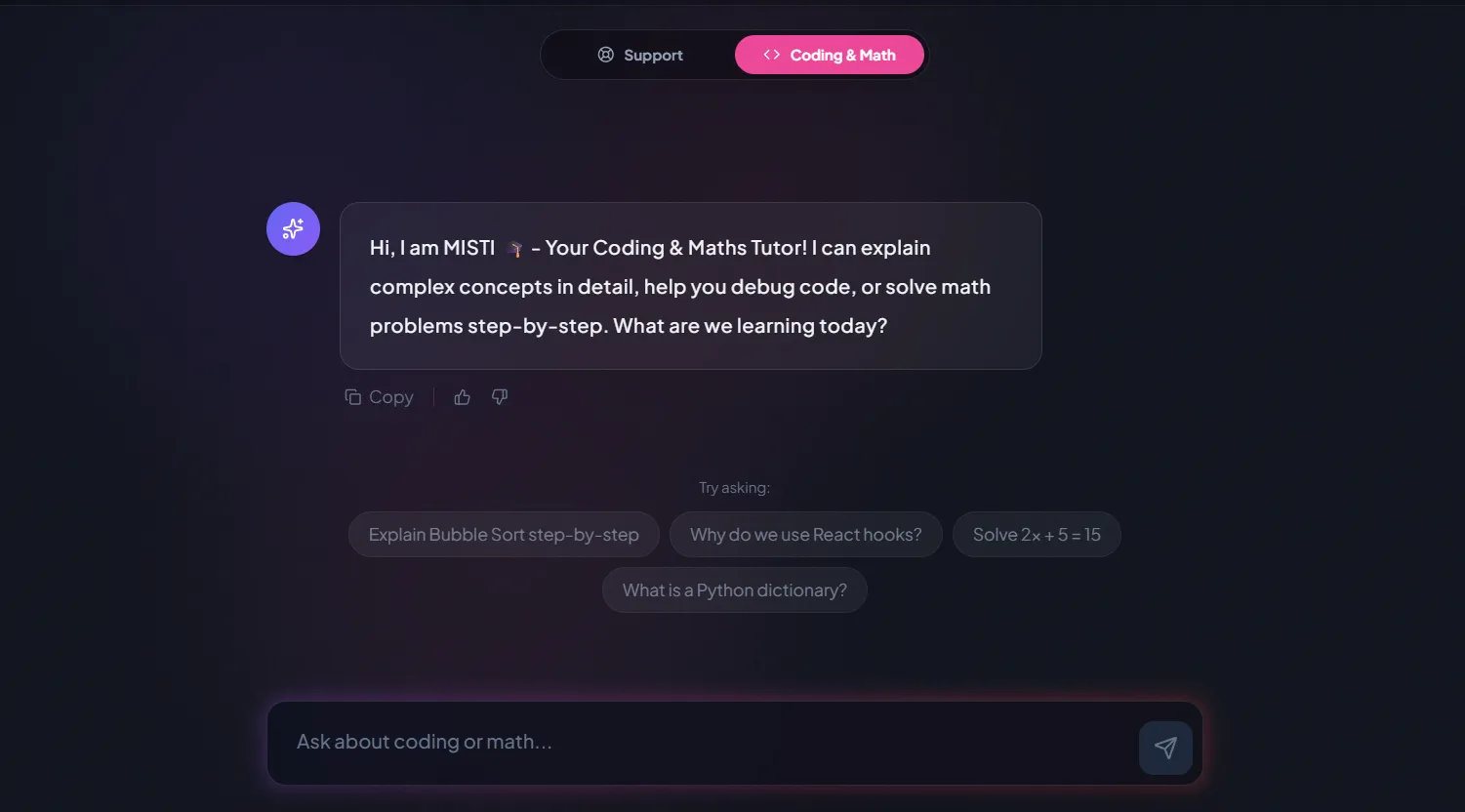
AI and ML
A chatbot that answers mathematics and programming questions, built and deployed by a student.
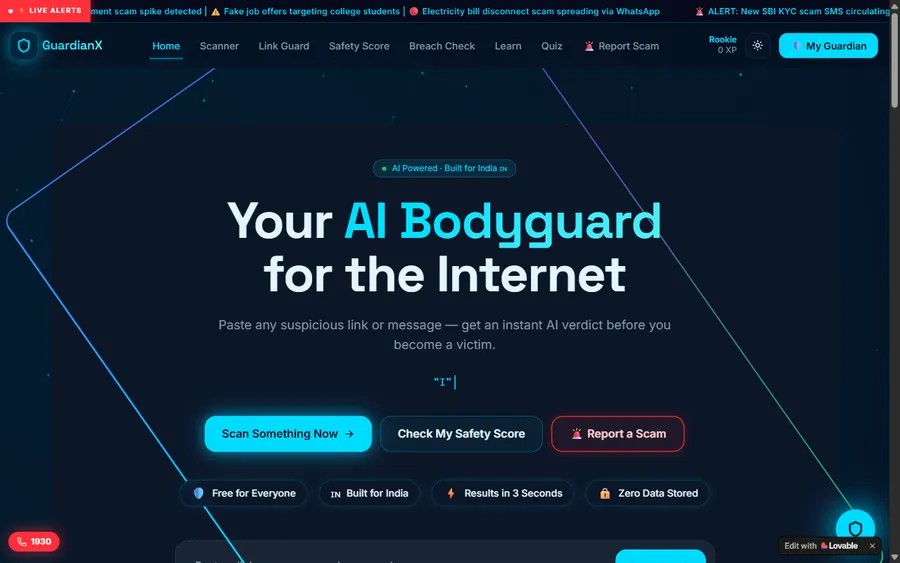
AI and ML
An assistant that helps a young person recognise unsafe situations online.
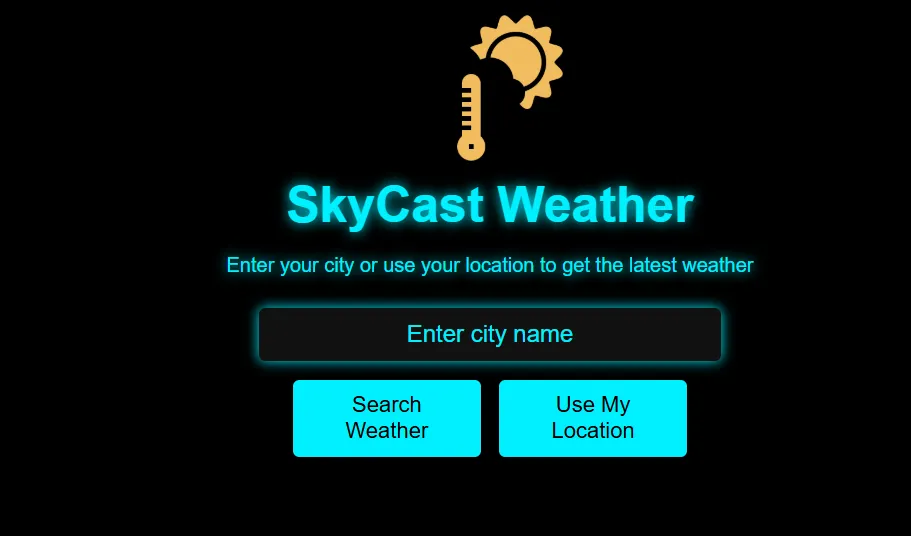
Web app
A weather forecasting site with live conditions for any location.
Fees
One monthly fee in US dollars, the same for every country outside India, with no enrolment fee and nothing to commit to beyond the current month. Store developer accounts, if you choose to publish, are separate and paid to the store.
Free first class
USD 0
no card required
Group batch
USD 100
a month, billed in US dollars
One to one
USD 150
a month, billed in US dollars
What families say
Google reviews from our students and their families, in their own words.
★★★★★
"The one step solution for my son. Modern Age Coders make learning coding so simple that kids love it. The teachers explain complex concepts clearly with practical exercises and interactive content."
Ria Mukherjee
Parent
★★★★★
"Modern Age Coders has been a game-changer for me. I struggled to grasp IT concepts and coding before joining, but their classes transformed everything. I can now confidently write complex programs with ease."
Samriddha Mondal
Student
★★★★★
"One of the most wonderful education centres out there. Education is not limited to school syllabus but focuses on skill development."
Vansh Agarwal
Student
★★★★★
"My child Dhairya is really enjoying the Modern Age Coders classes. This is his first online class and he eagerly looks forward to it. I can already see his improvement, and the teachers are very cooperative."
Sonam Oswal
Parent of Dhairya
★★★★★
"Modern Age Coders have wonderful teachers who teach in a clear, easy and practical way. The teacher boosts students' confidence and inspires them to learn without hesitation."
Sonu Goyal
Parent
★★★★★
"I highly recommend this computer coding class! The teachers are incredibly knowledgeable and passionate about coding."
Ritu Kedia
Parent
Questions about app development
DSIT publishes a voluntary code of practice for app store operators and app developers, updated in October 2023, with eight principles on security and privacy. Data protection law applies regardless.
The ICO's Age appropriate design code: 15 standards for online services likely to be accessed by under-18s, such as high-privacy defaults, data minimisation and geolocation off by default.
Possibly. The ICO says that if children are likely to access your service, even if they are not your target audience, you need to consider the code.
Our teen course uses React Native, which builds for iOS and Android from one codebase. Some JavaScript first helps but is not required.
Flutter for one codebase across platforms, Swift for Apple devices, or Kotlin for Android. The free class helps you choose.
For Swift and publishing to Apple's store, a Mac is generally needed. React Native and Flutter work can begin on Windows, with Android devices or emulators.
No. Apps can run on your own devices without publishing. If you publish, you or a parent control the store account.
No course can promise that. The checklist builds the habits the codes describe; compliance depends on the real app and how it handles data.
The first class is free. After that it is USD 100 a month in a group or USD 150 a month one to one, with no enrolment fee.
After school, evenings or weekends in UK time, agreed in the free class. Teachers are four and a half hours ahead of the UK in summer and five and a half in winter.
Elsewhere on this site
The servers behind apps, security, and the languages underneath.
The back end your app talks to.
Why the security rules exist.
Object-oriented foundations.
How we teach teenagers.
Starting as an adult.
All our UK pages.
Start here
Leave a number and we will call at a UK time that suits you. Bring an idea, however rough; the class checks your level, chooses a framework and sketches the first screens.
Reading first? Browse the course list, see how we teach, or look at what students have built.
WhatsApp us · +91 91233 66161 · contact@modernagecoders.com
A WhatsApp message from a UK phone is the quickest way to reach us. We work from India, so the number starts +91; there is no UK office.