Four papers, and two of them want opposite things
Live online Cambridge AS and A Level Computer Science 9618 classes across all four papers, including the split most students are unprepared for: Paper 2 does not require program code, and Paper 4 is nothing but.
Syllabus updated August 2026
Questions? WhatsApp +91 91233 66161 or email connect@modernagecoders.com
Recordings are free with a Google sign-in. These recordings show how we teach, not the exact syllabus of this course.
Our promise
The world's best learning experience, open to everyone.
- World-class instructorsEvery class is taught by an instructor who specialises in that exact field.
- No compromise on qualityEvery lesson, project and piece of feedback is held to the highest standard.
- Education for everyoneLearners aged 6 to 67, from first-time beginners to working professionals, in 25+ countries.
If you want the highest quality, Modern Age Coders is the right choice.
Book a Priority DemoHow long this course takes
This course runs 9 months (36 weeks) for the full A Level, joinable any month at 2 live classes/week + weekly programming and past-paper practice. The range allows for background and pace: a complete beginner uses the full span, and a student with prior knowledge finishes sooner. The syllabus below is planned to the shorter end, with margin kept for revision.
For personalised duration planning, call +91 91233 66161 and we'll map a schedule to your goals.
At a glance
- Who it is for
- Cambridge AS and A Level students on 9618; an IGCSE Computer Science background helps but is not required.
- Prerequisites
- None. The course starts from the beginning.
- Format
- Live, interactive online classes with a real mentor, never pre-recorded videos. Live classes run about one hour.
- Language
- English or Hindi, depending on the batch.
- Duration
- 9 months (36 weeks) for the full A Level, joinable any month
- Weekly commitment
- 2 live classes/week + weekly programming and past-paper practice
- Class size
- Group batches of 5 to 10 students, mini batches of 3 to 4, or 1-on-1.
- Certificate
- Certificate from Modern Age Coders, awarded on passing the final assessment
- Watch first
- Free recordings of real classes for ages 13 and up, free with a Google sign-in. These recordings show how we teach, not the exact syllabus of this course.
- Live demo
- Optional. Enrol directly on this page, or book a Priority Demo: a full live class of about 45 to 60 minutes with a mentor reserved for you.
- Questions
- WhatsApp +91 91233 66161 or email connect@modernagecoders.com.
How we teach
Deep understanding. Real projects. Expert guidance.
Learn coding, AI and maths through careful explanations, practical demonstrations, and hands-on problem-solving. Our instructors guide you from the foundations to advanced ideas, helping you understand what happens, why it happens, and how to build it yourself.
You will explore concepts step by step, write and improve code, investigate mistakes, ask questions, and apply your knowledge to meaningful projects. Lessons are designed around active participation, thoughtful feedback, and growing independence.
Expert-led live teaching, with practical participation built into every lesson.
- Students explain their thinking.
- Instructors demonstrate, then guide practice.
- Learners code, solve, or build during lessons.
- Questions and misconceptions get attention.
- Assignments receive useful feedback.
- Progress is checked before advancing.
How to join Cambridge AS and A Level Computer Science 9618 Course
Four steps from this page to the first class. See a full class first with a Priority Demo, or choose a plan and enrol today.
Rated 4.9 across 547 Google reviews. Monthly billing, cancel any time.
How enrolment works
See a full class first (optional)
Book a Priority Demo: a live class of about 45 to 60 minutes with a mentor reserved for you, today or tomorrow. After the class the mentor sends a written skill report and a personal learning roadmap on WhatsApp. If you enrol, the demo fee is adjusted against your first month's fee. Share your demo Order ID with us on WhatsApp and we take it off.
Book a Priority DemoDemo fee ₹499Choose a plan
Group batch (5 to 10 students), mini batch (3 to 4 students, India only) or 1-on-1 with your own mentor. Every plan is live online, and each class runs about one hour. The cards below show classes per week and the monthly fee in your currency.
Enrol and pay the first month
Press Enrol Now on your plan, fill in the student's name, email and phone, and pay through secure Razorpay checkout: UPI, cards or net banking in India, and debit or credit card from any other country.
Fix your class timings
After payment, message us on WhatsApp or call +91 91233 66161 with the student's name, the course and your preferred time slot. We confirm the batch, send the class link and schedule the first class at your chosen time.
Billing is monthly and you can cancel any time.
International Students (Outside India)
Billed monthly in US dollars, the same price in every country. Contact us with any questions.
Questions before you enrol? Talk to our team.
Ask about class timings, the right level for your child, what they need to know already, or payment. Parents and adult learners can reach us on WhatsApp, by email or by phone.
Program Overview
Cambridge 9618 examines through four papers of 75 marks each. AS candidates sit Papers 1 and 2; A Level candidates sit all four. The structural fact that catches most students is the relationship between Paper 2 and Paper 4. Paper 2, Fundamental Problem-solving and Programming Skills, states that candidates will not be required to write programming code, and provides an Insert with pseudocode built-in functions. Paper 4, Practical, is programming and nothing else, based around a small number of scenarios, with program code and evidence of testing submitted. The same qualification therefore asks a student to reason about programs without writing them, and then to write nothing but programs. Preparing for one does not prepare for the other, and this course treats them as the two separate disciplines they are.
What Makes This Program Different
Your Learning Journey
Career Progression
Detailed Course Curriculum
Explore the complete week-by-week breakdown of what you'll learn in this comprehensive program.
Topics Covered
- Binary, denary and hexadecimal, converted quickly in both directions
- Two's complement, binary addition and subtraction, and overflow
- Binary coded decimal and where it is genuinely used
- Character sets, and the size calculations that follow
Topics Covered
- Bitmap and vector images, resolution and colour depth
- Sample rate, bit depth and the file-size calculations examiners set
- Lossy and lossless compression with a defensible reason for each
- The exact wording that earns marks in a comparison question
Topics Covered
- Von Neumann architecture, registers and buses
- The fetch-decode-execute cycle, sequenced and explained precisely
- Interrupts, and how they change the cycle
- Assembly language and addressing modes as the syllabus treats them
Topics Covered
- Devices, and what each is genuinely suited to
- Primary, secondary and offline storage compared
- RAID, and why redundancy is not the same as backup
- First timed set of Paper 1 style questions
Topics Covered
- LAN, WAN, client-server and peer-to-peer
- Hardware, protocols and the layered model
- Bit streaming, and the bandwidth calculations that go with it
- The internet, and what a URL actually resolves to
Topics Covered
- Threats named precisely, and matched to their mitigations
- Encryption, symmetric and asymmetric, with the key exchange explained
- Digital certificates, signatures and SSL as an examined chain
- Validation and verification, distinguished as the syllabus distinguishes them
Topics Covered
- Copyright, licensing and the models compared
- Professional conduct as the syllabus frames it
- Structuring an extended answer that reaches the top band
- Both sides, then a supported judgement
Topics Covered
- Relational databases, keys, normalisation to third normal form
- Entity relationship modelling, drawn as the paper expects
- SQL: DDL and DML, written correctly under exam conditions
- Why normalisation questions reward method over memory
Topics Covered
- State, describe, explain and evaluate as Cambridge uses them
- Answering to the mark allocation rather than to the topic
- Marking your own work against the real scheme
- Correct ideas that the scheme does not credit, and why
Topics Covered
- Gates, expressions, truth tables and simplification
- Karnaugh maps where the syllabus requires them
- Drawing circuits with the specified symbols
- Reliable marks, treated as reliable marks
Topics Covered
- A complete 75-mark paper under exam conditions
- Detailed review of every lost mark with the reason named
- A revision list built from actual errors, not from the topic list
- Retesting the same question types a fortnight later
Topics Covered
- Rebuilding the two or three areas the mock exposed
- Number-system arithmetic drilled back to automatic
- Extended responses rewritten to the band descriptors
- Short daily retrieval rather than long revision blocks
Topics Covered
- Cambridge pseudocode conventions, written exactly as specified
- Using the Insert of built-in functions rather than inventing names
- Why a personal style costs marks even when the logic is correct
- Selection, iteration and assignment in the expected format
Topics Covered
- Breaking a problem into modules the way the paper assesses it
- Structure charts with parameters shown correctly
- Flowchart symbols exactly as the syllabus specifies
- Stepwise refinement, examined directly
Topics Covered
- Completing a trace table for an unfamiliar algorithm
- Identifying the purpose of an algorithm from its trace
- Finding the deliberate error the question has planted
- Writing it down rather than tracing in the head
Topics Covered
- Linear and binary search, bubble and insertion sort in pseudocode
- Records, arrays and files as the syllabus treats them
- Abstract data types: stack, queue and linked list operations
- Timed Paper 2 questions on each
Topics Covered
- Procedures and functions, by value and by reference
- Local and global scope, a reliable short-answer topic
- Designing an interface before writing anything
- Reading a specification and reasoning about it
Topics Covered
- Serial, sequential, random and direct access files
- File operations in pseudocode with the correct built-in functions
- Exception handling as the syllabus describes it
- Test data: normal, boundary and erroneous
Topics Covered
- Analysis, design, coding, testing and maintenance
- Development models compared, with a reason for choosing one
- Program testing strategies and corrective maintenance
- Extended-response structure on this recurring topic
Topics Covered
- A complete 75-mark paper under exam conditions
- Marked against the real scheme rather than against intent
- Confirming pseudocode is written in the expected conventions
- Naming the specific habits costing marks
Topics Covered
- Papers 1 and 2 in the same week, as the series presents them
- Pacing across two 75-mark papers
- Identifying which of the two carries the remaining risk
- Directing the final weeks at the weaker one
Topics Covered
- Questions that span sections, which students meet unprepared
- Databases plus SQL plus data integrity in one question
- Networks plus security plus encryption in one question
- Recognising the shape rather than the topic
Topics Covered
- Both papers again from a different series
- Measuring improvement question type by question type
- Confirming that pacing holds on unfamiliar questions
- Final list of what still costs marks
Topics Covered
- A short specific plan for the final fortnight
- What is provided in each paper and what is not
- The first five minutes of each paper
- Walking in with the format already familiar
Topics Covered
- Floating-point representation, normalisation and precision
- Bit manipulation and the operations the syllabus names
- Protocols and circuit switching against packet switching
- Questions that combine representation with arithmetic
Topics Covered
- Processor scheduling, interrupts and virtual memory
- Paging, segmentation and thrashing explained precisely
- Virtual machines, and the trade-offs examiners ask about
- Translation software and the stages of compilation
Topics Covered
- Encryption and protocols at A Level depth
- Artificial intelligence as the syllabus frames it
- Machine learning concepts at the level the paper expects
- The newest content, where past questions are thinnest
Topics Covered
- Binary trees, traversal, hash tables and dictionaries
- Recursion, traced as well as written
- Big O reasoning at the level the syllabus requires
- Timed Paper 3 questions on each
Topics Covered
- The transition Paper 4 demands and Paper 2 forbids
- Choosing the language and committing to it
- Setting up the environment so the exam format is familiar
- Writing code that runs, from a scenario, from nothing
Topics Covered
- Classes, inheritance, polymorphism and encapsulation in code
- Implementing from a described design without deviating
- Where the practical paper expects object orientation
- Common errors that cost working marks
Topics Covered
- Implementing stacks, queues and linked lists that actually run
- File handling in the chosen language against the scenario
- Recursion implemented, tested and evidenced
- Programs written to a scenario rather than to a topic
Topics Covered
- What must be submitted alongside the program code
- Producing test evidence that demonstrates the program works
- Screenshots and output as the paper requires them
- Practising submission, not just programming
Topics Covered
- A complete 75-mark advanced theory paper
- Marked to the real scheme, reviewed mark by mark
- Identifying whether theory or practical is the risk
- A repair list from actual errors
Topics Covered
- A complete practical paper with code and test evidence submitted
- Working under time pressure with a compiler and a scenario
- Reviewing what did not run and why
- Repeating the scenario type until it is routine
Topics Covered
- Papers 3 and 4 again from a different series
- Measuring improvement question by question
- Confirming the practical workflow holds under time
- The last specific list of what still costs marks
Topics Covered
- A short specific plan for the final fortnight
- What each paper provides and what it does not
- The first five minutes of the practical paper
- Walking in with all four formats already familiar
Projects You'll Build
Build a professional portfolio with 50+ projects real-world projects.
Weekly Learning Structure
Certification & Recognition
Technologies & Skills You'll Master
Comprehensive coverage of the entire modern web development stack.
Career Outcomes & Opportunities
Transform your career with industry-ready skills and job placement support.
Prerequisites
Who Is This Course For?
Career Paths After Completion
Course Guarantees
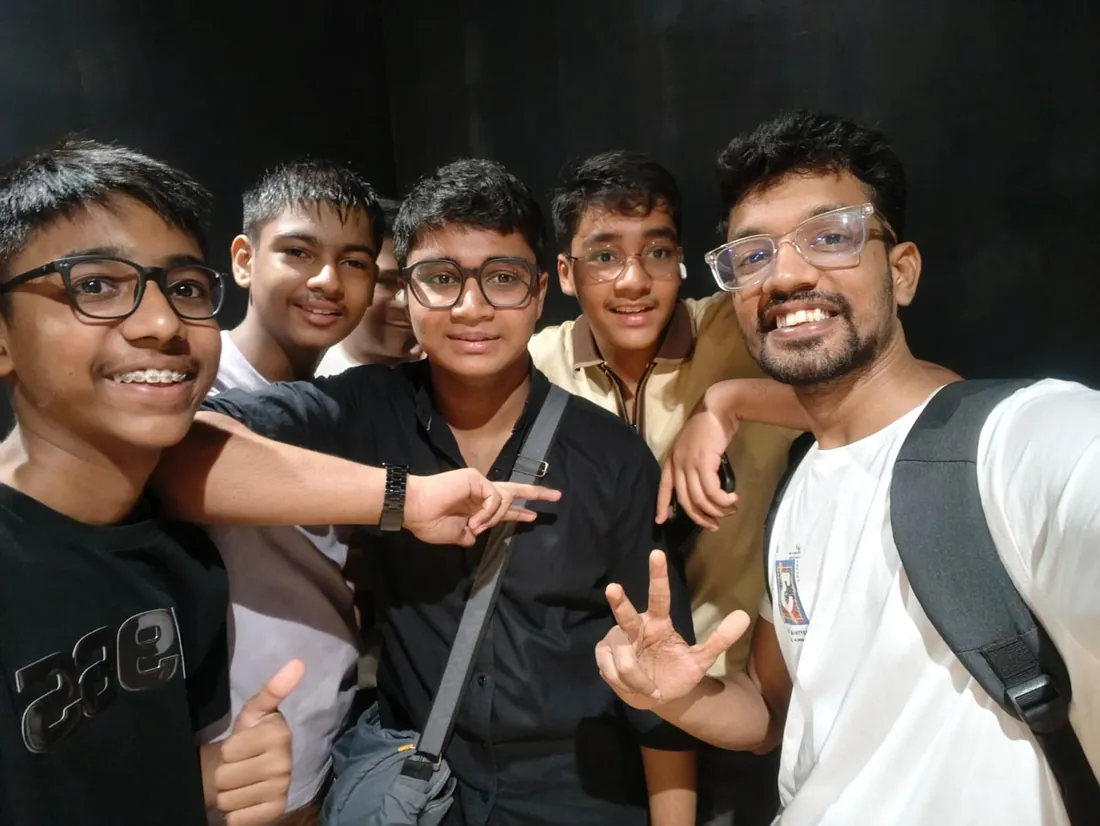
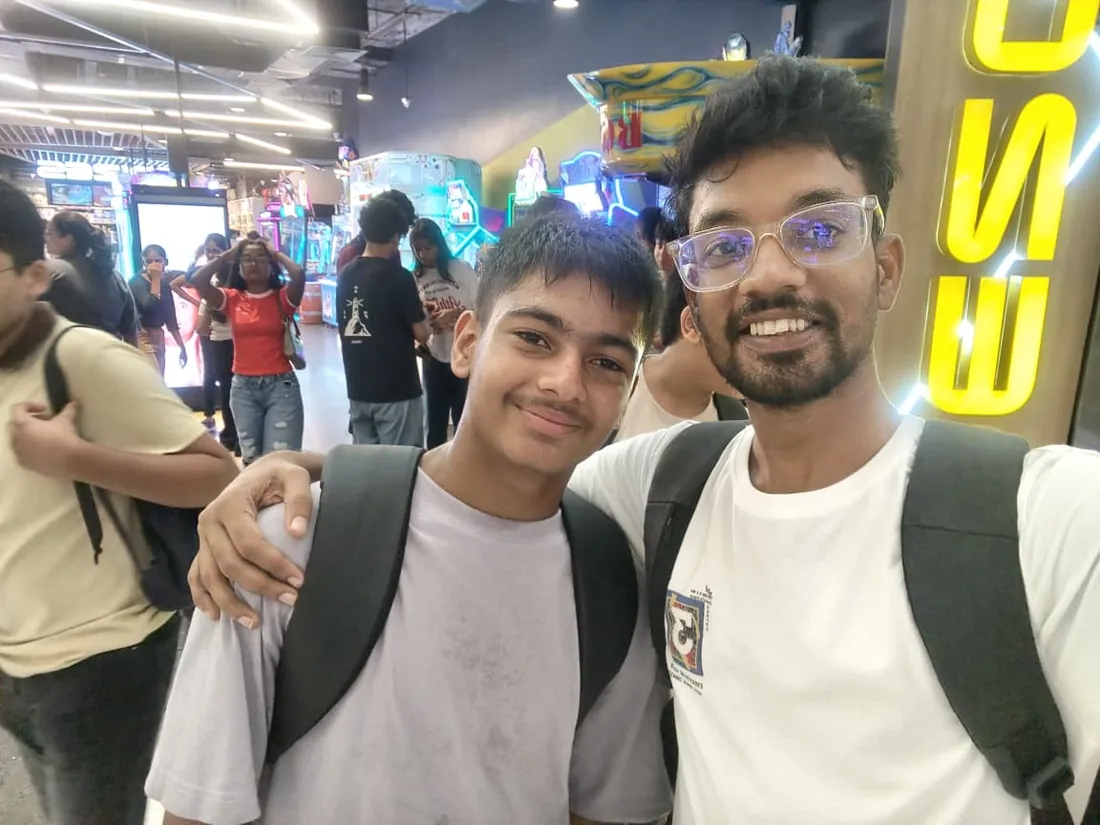
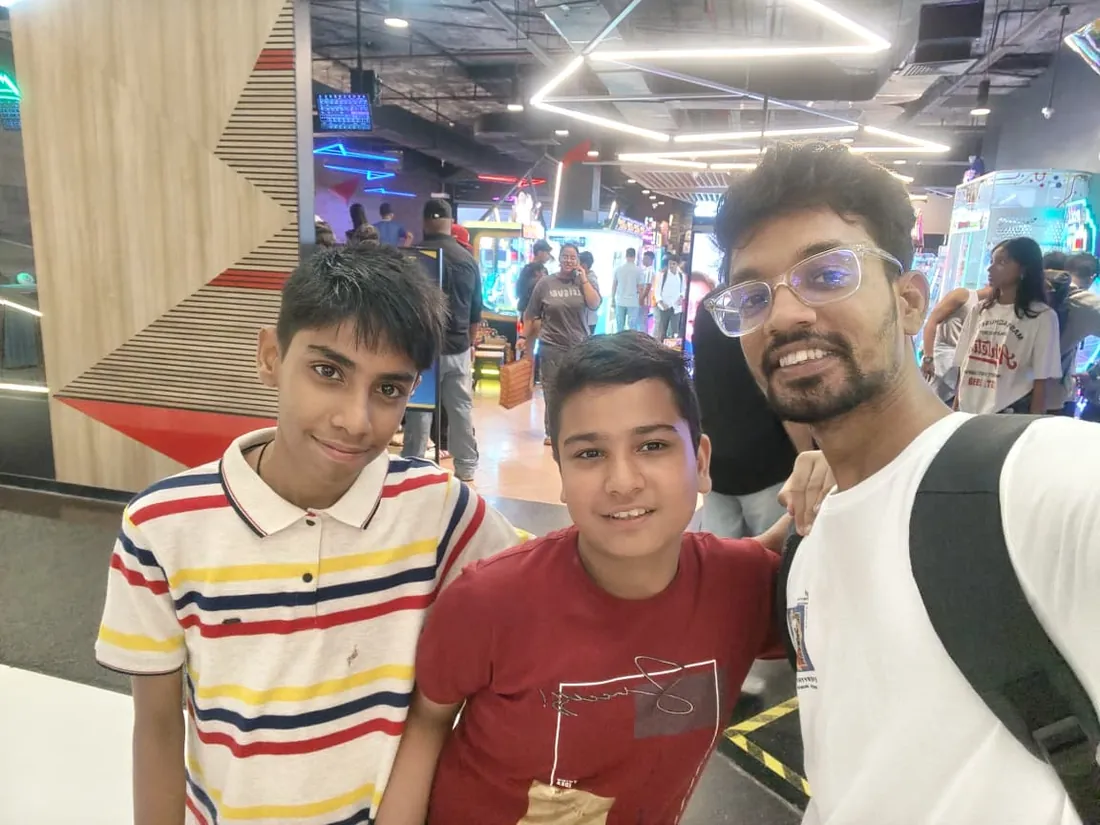
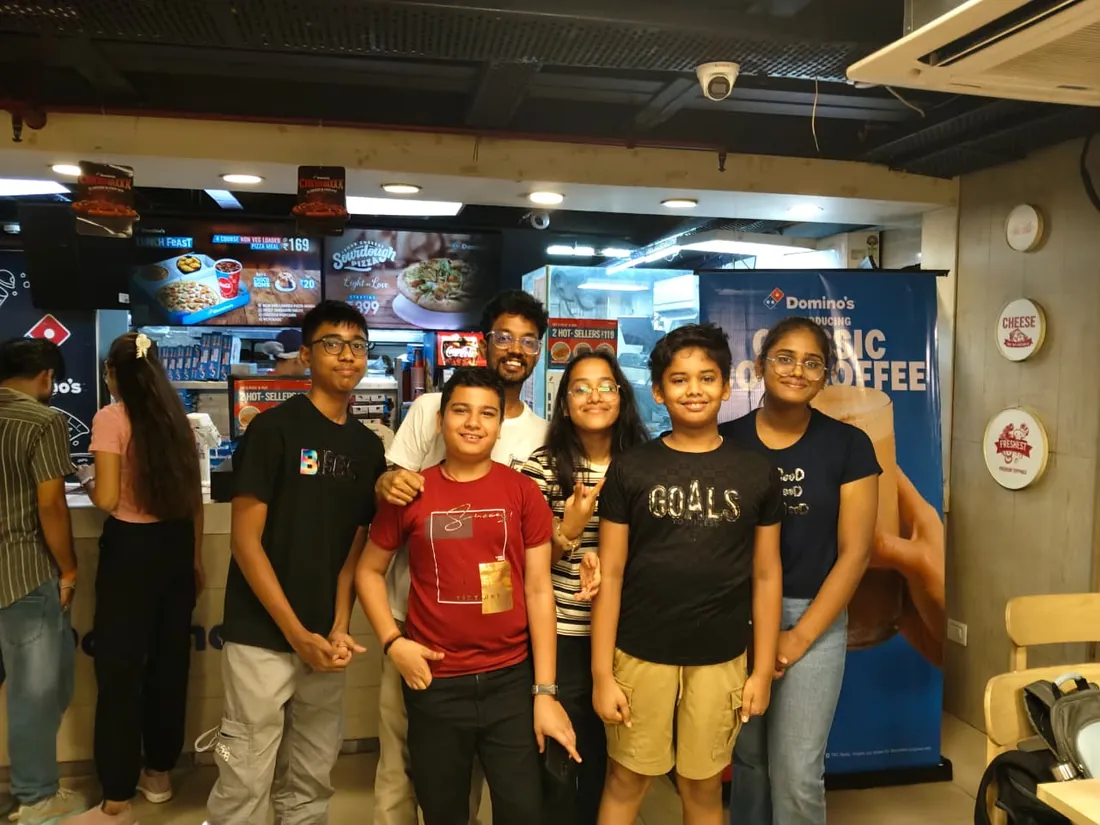
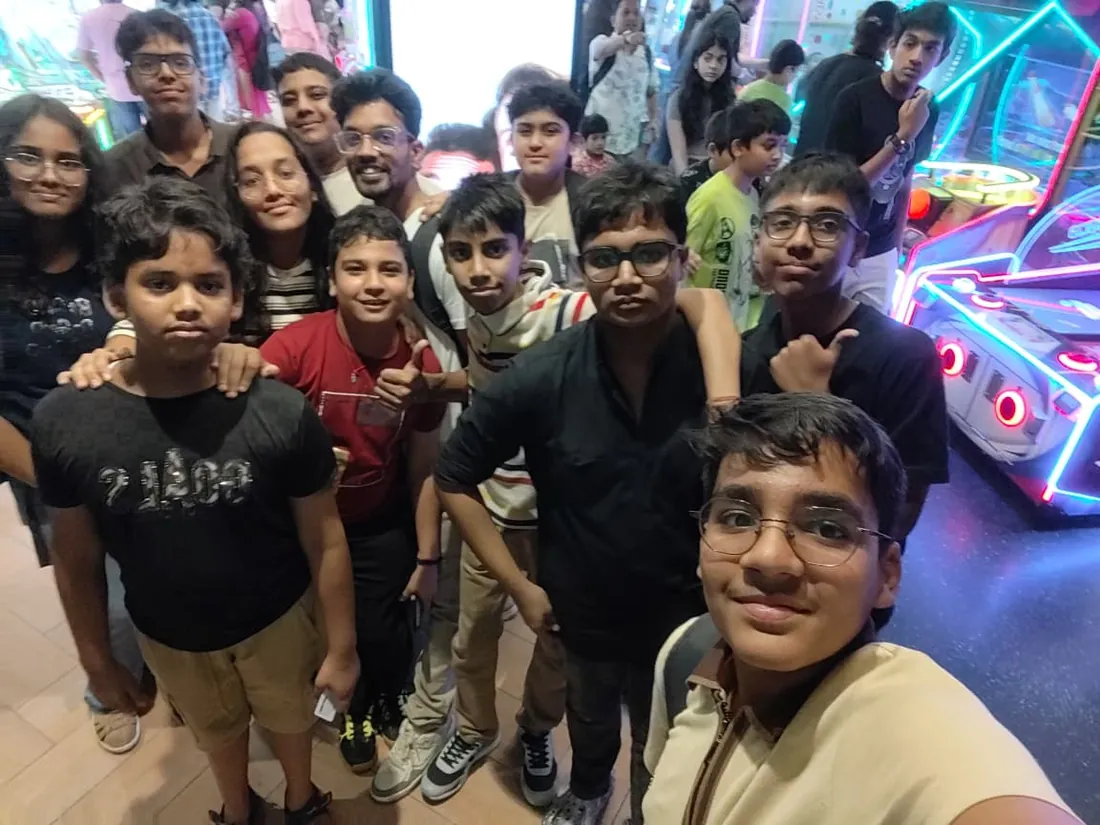
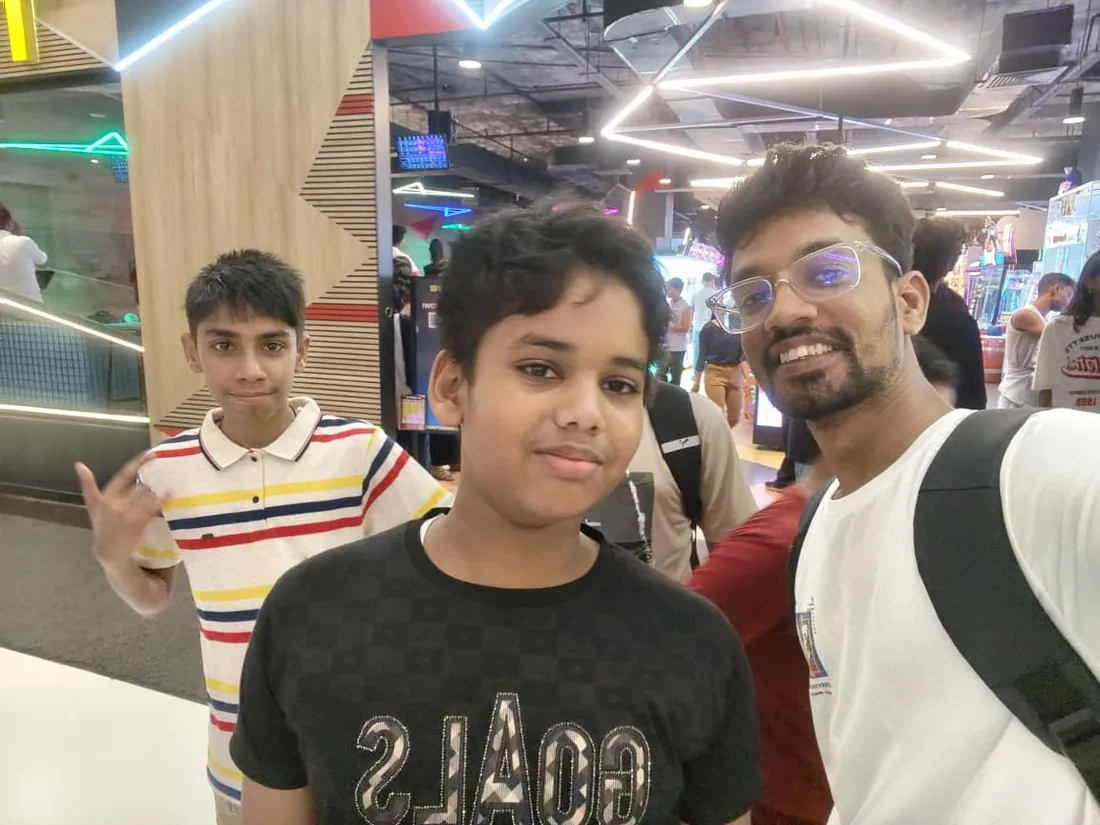
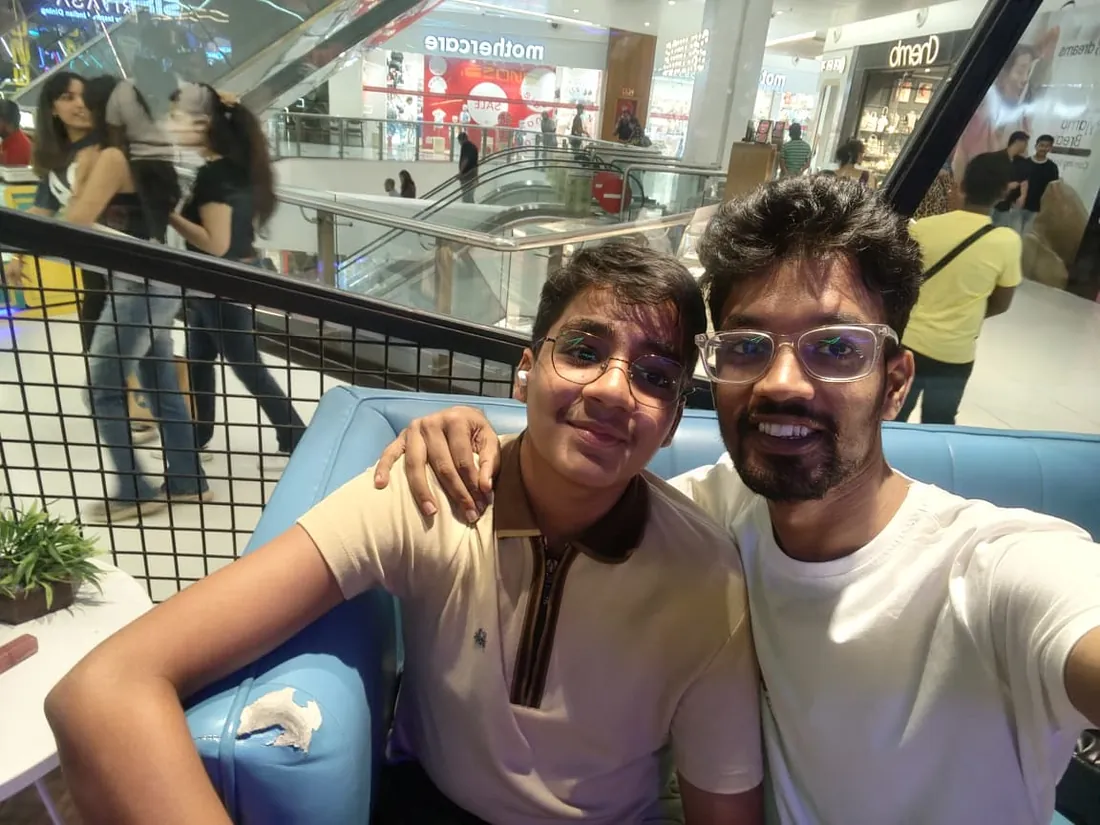
Real students. Real moments. Real joy.
These are our actual student meetups. No stock photos, no filters. Swipe through and meet the community you'll be joining.












What families say
Straight from the parents and students who learn with us. Rated 4.9 across 547 Google reviews.
“Mivaan enjoys the class. He understands the concepts and completes his tasks with excitement. He started taking interest in coding… truly amazing class.”
“I absolutely love it here! I made new friends and learned important valuable coding skills while having the fun of my life. It's not just coding here, it's outings, bonding and most importantly preparing you for your future. Definitely five stars.”
“What stands out most is how excited my son is before every class. He looks forward to learning, problem-solving, and sharing what he's built. I've noticed a big boost in his confidence!”
“Modern Age Coders has been a game-changer for me! I struggled to grasp IT concepts and coding before joining, but their classes transformed everything. I'm now the topper in my class and can confidently write complex programs with ease.”
“Modern Age Coder have wonderful teachers who teach in a clear, easy and practical way. The teacher boosts students' confidence, keeps them updated with technology, and inspires them to learn without hesitation.”
“The one step solution for my son. Modern Age Coders make learning coding so simple that kids love it.”
“Coding classes here make learning very interesting and conceptual. The teachers teach us in a very easy-to-understand and efficient manner.”
“One of the most wonderful education centres out there. Education is not limited to school syllabus but focuses on skill development. Learning here has been a wonderful journey and still continuing.”
“I highly recommend this computer coding class! The teachers are incredibly knowledgeable and passionate about coding. They make every session engaging and insightful.”
“My child Dhairya is really enjoying the Modern Age Coder IT classes. This is his first online class, and he eagerly looks forward to it.”
“Very good classes. Don't worry about coding. They teach the best, especially Shivam sir.”
“Very good classes. Makes learning very easy and interactive.”
Hear it from our students
Real parents and students in their own words, on our public YouTube channel.
Straight answers about Cambridge AS and A Level Computer Science 9618 Course
- Who should take this course?
- Cambridge AS and A Level students on 9618; an IGCSE Computer Science background helps but is not required.
- What will they learn and build?
- Cambridge 9618 examines through four papers of 75 marks each. AS candidates sit Papers 1 and 2; A Level candidates sit all four. The structural fact that catches most students is the relationship between Paper 2 and Paper 4. Paper 2, Fundamental Problem-solving and Programming Skills, states that candidates will not be required to write programming code, and provides an Insert with pseudocode built-in functions.
- How deeply are topics covered?
- The course runs 9 months (36 weeks) for the full A Level, joinable any month at 2 live classes/week + weekly programming and past-paper practice, across 3 phases listed week by week in the syllabus below.
- Who teaches it?
- Modern Age Coders mentors, who teach the live classes themselves. You can watch them at work in the free class recordings before you decide.
- How do practice, feedback and assessment work?
- Classwork in every session and homework after every class. Classwork every session, a task after every class, monthly reviews that mix in earlier topics, and a full mock paper as the final assessment that decides the certificate: real knowledge and real work, with a free retest after revision if needed. A certificate you earn by passing the final assessment, with a free retest after revision if needed.
- What does it cost?
- Three monthly plans: a group batch, a mini batch and 1-on-1. Prices are shown in your currency in the plans section. Monthly billing, cancel any time.
- When can classes take place?
- Live classes are scheduled around your week. Group batches meet at a fixed weekly slot; 1-on-1 students choose their own. International students are scheduled in their own timezone. Ask on WhatsApp for the current slots.
- Can I watch the teaching before deciding?
- Yes. Full recordings of real 13 and up classes are free to watch, free with a Google sign-in. These recordings show how we teach, not the exact syllabus of this course. Some classes are in English and some in Hindi; everyone follows at their own pace. Watch a class end to end, like you are in it. Sessions are interactive and each moment builds on the last.
- Can I enroll without a live demo?
- Yes. Choose a plan on this page and enrol directly; a demo is not required. If you would like to see a full class with a mentor first, book a Priority Demo.
- How do I reach you with a question?
- WhatsApp +91 91233 66161, email connect@modernagecoders.com, or call +91 91233 66161. Tell us the student's age and what they have learned so far, and we will point you to the right plan and batch.
Common Questions About Cambridge AS and A Level Computer Science 9618 Course
Get answers to the most common questions about this comprehensive program
Still have questions? We're here to help!
Contact UsRelated Courses You May Like
Continue your learning journey with these recommended programs
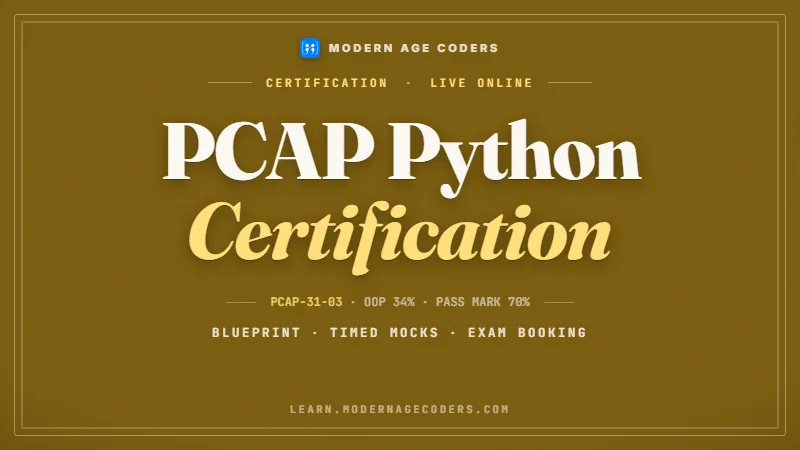 Python Certification
PCAP Certification Prep: Certified Associate in Python Programming
Live online PCAP-31-03 preparation covering every exam objective: modules and packages, exceptions, ...
Explore Course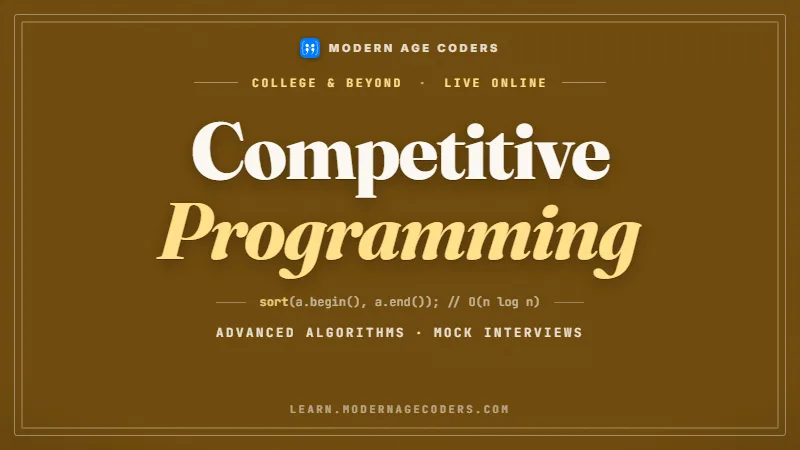 Programming
Competitive Programming Course: Codeforces to ICPC
Competitive programming course for students and professionals: C++ and STL speed, number theory, gra...
Explore CourseRelated Articles & Guides
Deepen your knowledge with these hand-picked articles
 Education
8 min read
Education
8 min read
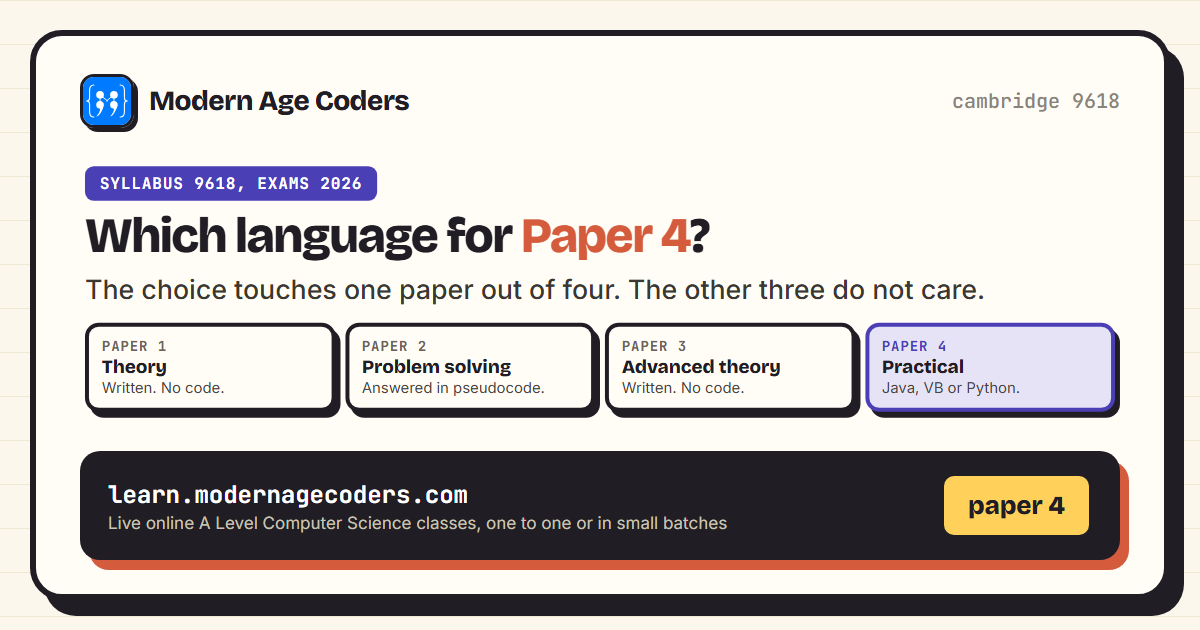
Cambridge 9618 Paper 4: Python, Java or Visual Basic?
The language choice in Cambridge A Level Computer Science reaches one paper out of four. Here is wha...
Read Article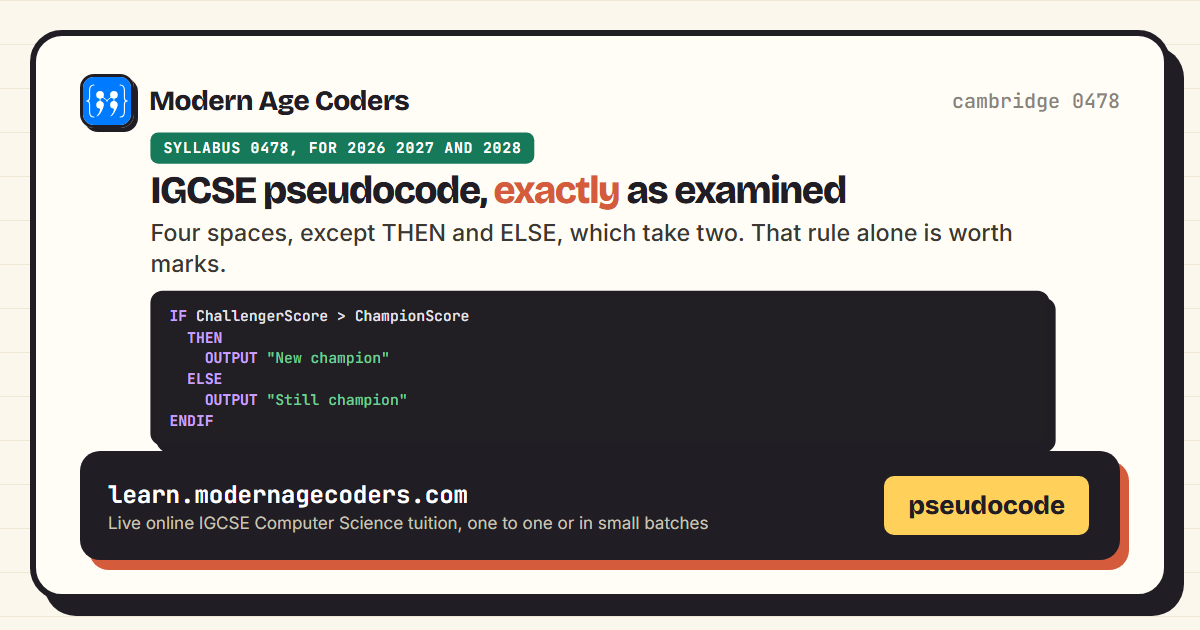 Education
8 min read
Education
8 min read
IGCSE 0478 Pseudocode: The Rules Examiners Mark
Cambridge publishes the exact pseudocode conventions used in 0478 papers. Here they are, with the in...
Read ArticleReady to start Cambridge AS and A Level Computer Science 9618 Course?
Book a Priority Demo to see a full live class with a mentor reserved for you, today or tomorrow. Or choose a plan and enrol now.
Questions? WhatsApp +91 91233 66161 or email connect@modernagecoders.com