Full Stack Web Development Masterclass
The complete road from a first HTML tag to a deployed, tested, AI-capable application, walked at a professional pace in twelve months.
Syllabus updated August 2026
Recordings are free with a Google sign-in. These recordings show how we teach, not the exact syllabus of this course.
How long this course takes
This course runs 12-14 months (48-56 weeks) at 2 live classes/week + 4-6 hours practice. The range allows for background and pace: a complete beginner uses the full span, and a student with prior knowledge finishes sooner. The syllabus below is planned to the shorter end, with margin kept for revision.
For personalised duration planning, call +91 91233 66161 and we'll map a schedule to your goals.
At a glance
- Who it is for
- Complete beginner; college students, graduates and career switchers (18+).
- Prerequisites
- None. The course starts from how computers and the web actually work
- Format
- Live, interactive classes with a real instructor, never pre-recorded videos. Live classes run about one hour.
- Language
- English or Hindi, depending on the batch.
- Duration
- 12-14 months (48-56 weeks)
- Weekly commitment
- 2 live classes/week + 4-6 hours practice
- Class size
- Group batches of 5 to 10 students, mini batches of 3 to 4, or 1-on-1.
- Certificate
- Certificate from Modern Age Coders, awarded on passing the final exam
- Watch first
- Free recordings of real classes for ages 13 and up, free with a Google sign-in. These recordings show how we teach, not the exact syllabus of this course.
- Live demo
- Optional. Enroll directly on this page, or book a free live demo if you would like to meet a mentor first.
How we teach
Deep understanding. Real projects. Expert guidance.
Learn coding, AI and maths through careful explanations, practical demonstrations, and hands-on problem-solving. Our instructors guide you from the foundations to advanced ideas, helping you understand what happens, why it happens, and how to build it yourself.
You will explore concepts step by step, write and improve code, investigate mistakes, ask questions, and apply your knowledge to meaningful projects. Lessons are designed around active participation, thoughtful feedback, and growing independence.
Expert-led live teaching, with practical participation built into every lesson.
- Students explain their thinking.
- Instructors demonstrate, then guide practice.
- Learners code, solve, or build during lessons.
- Questions and misconceptions get attention.
- Assignments receive useful feedback.
- Progress is checked before advancing.
Ready to Master Full Stack Developer Course: React, Node.js and DevOps Basics?
Choose your plan and start your journey into the future of technology today.
Rated 4.9 across 547 Google reviews. Enroll directly, or see a class first. The free demo is a waiting list and needs no card. Monthly billing, cancel anytime.
Try this course in a full live class, today or tomorrow.The Priority Live Demo is a real class of about 45 to 60 minutes with a mentor reserved for you. You get a written skill report afterwards, and the fee is adjusted against your first month if you enrol.
Book priority demo · ₹499International Students (Outside India)
Billed monthly in US dollars, the same price in every country. Contact us with any questions.
Program Overview
Full stack development remains the most employable generalist skill in software: one person who can take an idea from empty folder to running product. This live online masterclass builds that person deliberately, from absolute zero, using the stack that dominates hiring in 2026: JavaScript and TypeScript, React and Next.js, Node and Express, MongoDB and PostgreSQL, with Docker, CI/CD and cloud fundamentals where employers expect them.
The arc runs in four phases. Foundations first: HTML, CSS and JavaScript learned to real depth, including the asynchronous patterns most self-taught developers never quite trust. Then the modern frontend: TypeScript, React with hooks and honest state management, styling with Tailwind, and a production-grade frontend capstone. Then the backend: Express APIs designed properly, both database families (document and relational), authentication done safely, OWASP security and real-time features. The final phase is what separates course graduates from employable developers: testing, Next.js, performance, Docker, CI pipelines, cloud fundamentals, a system design introduction, AI features built with guardrails, and a capstone shipped like a product.
The pace is honest: two live classes a week plus four to six hours of practice fits this in twelve months, and learners who need longer take up to fourteen, the batch adapts. Assessment is honest too: homework after every class, monthly assignments that mix new questions with earlier topics, cumulative phase exams, and a final exam that decides the certificate. Real knowledge, real work, real projects, depth over dopamine.
What Makes This Program Different
- One coherent stack learned to depth: JavaScript, TypeScript, React, Node, both SQL and MongoDB, the combination hiring actually asks for
- Professional habits are the syllabus, not a bonus: Git workflow, testing, code review, CI, Docker and deployment run through the course
- Everything ships: projects live on public URLs from month 3, ending in a deployed, tested capstone
- AI features built properly: server-side model calls, streaming, retrieval over your own data, guardrails and cost control
- An honest 12-month arc with 2 months of margin built in: learners who need more practice take up to 14, nobody is rushed
- Real assessment: weekly homework, mixed-review assignments every month, and a final exam that decides the certificate, with focused revision and a free retest for those who fall short
Your Learning Journey
Career Progression
Detailed Course Curriculum
Explore the complete week-by-week breakdown of what you'll learn in this comprehensive program.
Topics Covered
- How computers work: CPU, Memory, Storage
- Binary, data representation, and encoding
- Operating systems basics (Windows, Mac, Linux)
- Internet fundamentals: How the web works
- Client-server architecture explained
- IP addresses, DNS, and HTTP basics
- Development environment setup
- VS Code installation and configuration
- Terminal/Command Line basics
- Git installation and first commands
- Creating your first GitHub account
- Introduction to HTML: What is markup?
Projects You Build
- Set up complete development environment
- Create first GitHub repository
- Write 'About Me' HTML page
Practice & Assignments
Daily: 30 min terminal practice, 1 hour HTML basics
Topics Covered
- HTML document structure and anatomy
- Semantic HTML5 elements (header, nav, main, section, article, aside, footer)
- Text elements: headings, paragraphs, lists, quotes
- Links and navigation (absolute vs relative URLs)
- Images: img tag, srcset, responsive images
- Tables: structure, accessibility, styling
- Forms: input types, labels, validation
- Form elements: textarea, select, radio, checkbox
- HTML5 APIs: audio, video, canvas basics
- Meta tags and SEO fundamentals
- Accessibility basics: ARIA labels, semantic structure
- HTML best practices and code organization
Projects You Build
- Personal portfolio website (HTML only)
- Restaurant menu page with images and tables
- Multi-page contact form with validation
Practice & Assignments
Build 5 different webpage layouts from scratch
Topics Covered
- CSS syntax: selectors, properties, values
- Three ways to add CSS: inline, internal, external
- CSS selectors: element, class, ID, descendant, child
- CSS specificity and cascade rules
- Color systems: hex, rgb, rgba, hsl, hsla
- Typography: font-family, size, weight, line-height, letter-spacing
- Text styling: alignment, decoration, transformation
- The Box Model: content, padding, border, margin
- Width, height, and box-sizing
- Display property: block, inline, inline-block, none
- Background properties: color, image, position, repeat, size
- CSS units: px, em, rem, %, vh, vw
Projects You Build
- Style your portfolio with beautiful CSS
- Create a styled blog post layout
- Design a product card component
Practice & Assignments
Recreate 10 designs from screenshots using HTML/CSS
Topics Covered
- CSS positioning: static, relative, absolute, fixed, sticky
- Z-index and stacking contexts
- Float and clear (legacy layout)
- Flexbox: flex container and flex items
- Flexbox properties: justify-content, align-items, flex-direction, flex-wrap
- Flex grow, shrink, and basis
- CSS Grid: rows, columns, and grid template
- Grid areas and named grid lines
- Grid gap, auto-fit, auto-fill, minmax
- Responsive design principles
- Media queries: breakpoints and mobile-first approach
- Viewport meta tag and mobile optimization
Projects You Build
- Holy grail layout with Flexbox and Grid
- Responsive navigation menu
- Photo gallery with Grid
- Complete responsive landing page
Practice & Assignments
Build 5 different layout patterns (sidebar, header-footer, card grid, etc.)
Assessment
Month 1 check: build a responsive layout live from a wireframe, plus a take-home assignment mixing all of month 1
Topics Covered
- What is JavaScript? History and ecosystem
- Adding JavaScript to HTML: script tags, external files
- Console and debugging basics
- Variables: var, let, const (differences and scope)
- Data types: string, number, boolean, null, undefined, symbol
- Type conversion and coercion
- Operators: arithmetic, comparison, logical, assignment
- String methods: length, charAt, slice, indexOf, replace
- Template literals and string interpolation
- Comments and code documentation
- Naming conventions and code style
- First program: interactive calculator
Projects You Build
- Temperature converter
- Simple tip calculator
- Age calculator with leap year handling
Practice & Assignments
Solve 20 basic JavaScript problems on variables and operators
Topics Covered
- If-else statements and conditions
- Switch statements
- Ternary operator
- Truthy and falsy values
- Logical operators: &&, ||, !
- Loops: for, while, do-while
- Break and continue statements
- Nested loops and patterns
- Arrays: creation, indexing, length
- Array methods: push, pop, shift, unshift
- Iterating arrays with loops
- Multi-dimensional arrays
Projects You Build
- Number guessing game
- FizzBuzz challenge
- Pattern printing (stars, pyramids)
- Shopping cart with array manipulation
Practice & Assignments
Solve 30 logic problems on loops and arrays
Topics Covered
- Function declaration vs expression
- Parameters and arguments
- Return statements
- Default parameters
- Rest parameters and spread operator
- Arrow functions (ES6)
- Function scope and hoisting
- Lexical scope and closure
- IIFE (Immediately Invoked Function Expressions)
- Callback functions introduction
- Higher-order functions basics
- Pure functions and side effects
Projects You Build
- Reusable utility function library
- Password strength validator
- Text analyzer (word count, reading time)
- Simple quiz application
Practice & Assignments
Refactor previous projects using functions
Topics Covered
- Object literals and properties
- Accessing properties: dot vs bracket notation
- Adding and deleting properties
- Methods and 'this' keyword
- Object destructuring
- Object.keys, values, entries
- JSON: parsing and stringifying
- Nested objects and arrays
- Iterating over objects
- Object spread operator
- Sets and Maps introduction
- Comparing objects vs primitives
Projects You Build
- Student management system
- Todo list with objects
- Contact book application
- Product inventory manager
Practice & Assignments
Build 5 mini-projects using objects and arrays
Assessment
Month 2 check: solve a data-modeling exercise live, with quiz questions reaching back to month 1
Topics Covered
- What is the DOM? Tree structure
- Window and document objects
- Selecting elements: getElementById, getElementsByClassName, querySelector
- querySelectorAll and NodeList vs HTMLCollection
- Traversing the DOM: parent, children, siblings
- Creating elements: createElement, createTextNode
- Modifying content: innerHTML, textContent, innerText
- Modifying attributes: getAttribute, setAttribute
- Modifying styles: style property, classList
- Adding and removing classes
- Inserting elements: appendChild, insertBefore, append, prepend
- Removing elements: removeChild, remove
Projects You Build
- Dynamic HTML generator
- Color scheme switcher
- Content management system (CMS) simulator
- Live form preview
Practice & Assignments
Manipulate DOM in 15 different ways
Topics Covered
- Event listeners: addEventListener, removeEventListener
- Common events: click, dblclick, mouseenter, mouseleave
- Keyboard events: keydown, keyup, keypress
- Form events: submit, focus, blur, input, change
- Event object and properties
- Event bubbling and capturing
- Event delegation pattern
- preventDefault and stopPropagation
- Creating custom events
- DOMContentLoaded vs load event
- Mouse position and coordinates
- Touch events for mobile
Projects You Build
- Interactive image gallery with lightbox
- Drag and drop interface
- Keyboard-controlled game
- Real-time form validation
- Modal window system
Practice & Assignments
Create 10 interactive UI components
Topics Covered
- Array methods: map, filter, reduce, find, findIndex
- forEach, some, every
- Sort and reverse
- Method chaining
- String methods: split, join, trim, includes
- Regular expressions basics
- Date and time in JavaScript
- Math object and methods
- Error handling: try-catch-finally
- Throwing custom errors
- Strict mode
- localStorage and sessionStorage
Projects You Build
- Data filtering and sorting dashboard
- Expense tracker with local storage
- Date and time utilities app
- Form validation with regex
Practice & Assignments
Master array methods with 25 exercises
Topics Covered
- Synchronous vs asynchronous code
- setTimeout and setInterval
- Callbacks and callback hell
- Promises: creating and consuming
- Promise chaining
- Promise.all, Promise.race, Promise.allSettled
- Async/await syntax
- Error handling with async/await
- Fetch API basics
- Making HTTP requests
- Working with APIs and JSON
- CORS and API authentication basics
- Deploying the phase capstone to a public URL
Projects You Build
- Weather app using a live API
- GitHub profile viewer
- PHASE CAPSTONE: an interactive, API-powered application, deployed
Practice & Assignments
Integrate 3 public APIs, then ship the capstone
Assessment
Phase 1 exam: build a small app with live data in class, plus a written mixed paper over months 1-3
Topics Covered
- Destructuring: arrays and objects (deep)
- Spread and rest operators (advanced usage)
- Enhanced object literals
- Computed property names
- For...of and for...in loops
- Iterators and generators
- Optional chaining (?.)
- Nullish coalescing operator (??)
- Private class fields
Projects You Build
- Build utility library with modern JS
- Data transformation pipeline
- Custom iterator implementation
Practice & Assignments
Refactor old code using modern ES6+ features
Topics Covered
- Constructor functions
- Prototypes and prototype chain
- ES6 Classes syntax
- Class inheritance and extends
- Super keyword
- Static methods and properties
- Getters and setters
- Public, private, and protected fields
- Encapsulation principles
- Polymorphism in JavaScript
- Composition over inheritance
- Design patterns: Factory, Singleton, Module
Projects You Build
- Bank account system with OOP
- Game character class hierarchy
- Library management system
- Vehicle rental system
Practice & Assignments
Build 5 different systems using OOP principles
Topics Covered
- First-class functions
- Higher-order functions
- Pure functions and immutability
- Function composition
- Currying and partial application
- Closures (advanced)
- Recursion and recursive patterns
- Memoization and optimization
- Functional array methods (advanced)
- Immutable data structures
- Functional vs OOP: when to use what
Projects You Build
- Functional utility library
- Data pipeline with function composition
- Recursive algorithms (tree traversal, etc.)
Practice & Assignments
Solve 30 problems using functional approach
Topics Covered
- ES6 modules: import/export
- Named vs default exports
- CommonJS vs ES modules
- NPM and package management
- Package.json explained
- Semantic versioning
- Installing and managing dependencies
- Webpack basics: entry, output, loaders
- Webpack dev server
- Babel for transpiling
- Bundling and code splitting
- Environment variables
Projects You Build
- Set up a custom build pipeline
- Multi-page application with a modern bundler
Practice & Assignments
Configure build tools for 3 different project types
Assessment
Month 4 check: refactor a legacy snippet live using modern patterns, plus a mixed assignment reaching back to phase 1
Topics Covered
- Why TypeScript? Benefits and ecosystem
- TypeScript setup and tsconfig.json
- Basic types: string, number, boolean, any, unknown
- Arrays and tuples
- Enums and literal types
- Functions and optional parameters
- Type inference vs explicit typing
- Union and intersection types
- Type aliases and interfaces
- Compiling TypeScript
- TypeScript with vanilla JS projects
Projects You Build
- Convert JavaScript project to TypeScript
- Todo app with TypeScript
- Type-safe utility functions
Practice & Assignments
Write TypeScript for all future projects
Topics Covered
- What is React? Virtual DOM explained
- Vite setup
- JSX syntax and rules
- Components: functional vs class
- Props and prop drilling
- Props validation with PropTypes
- Rendering lists with map
- Conditional rendering techniques
- React fragments
- Component composition
- Children prop pattern
- Event handling in React
Projects You Build
- Component library showcase
- Profile card components
- Product listing page
- Interactive counter app
Practice & Assignments
Build 20 reusable React components
Topics Covered
- useState hook: primitive and object state
- State updates and batching
- useEffect hook: lifecycle equivalent
- useEffect dependencies array
- Cleanup functions in useEffect
- useContext for prop drilling solution
- useReducer for complex state
- Custom hooks creation
- useRef for DOM access and mutable values
- useMemo for expensive calculations
- useCallback for function memoization
- Rules of hooks
Projects You Build
- Todo app with hooks
- Theme switcher with Context
- Form builder with useReducer
- Custom hooks library
Practice & Assignments
Create 10 custom hooks for common use cases
Topics Covered
- Controlled vs uncontrolled components
- Form handling and validation
- React Router: routes, navigation, params
- Nested routes and layouts
- Protected routes and authentication
- Lazy loading and code splitting
- React.memo for performance
- Error boundaries
- Portals for modals and tooltips
- Higher-Order Components (HOC)
- Render props pattern
- Compound components pattern
Projects You Build
- Multi-page app with React Router
- Complex form with validation
- Dashboard with authentication
- Modal and notification system
Practice & Assignments
Build 5 advanced UI patterns
Assessment
Month 5 check: build a routed, validated mini-app live, plus a mixed quiz over months 1-5
Topics Covered
- Why external state management?
- Redux fundamentals: store, actions, reducers
- Redux Toolkit (modern Redux)
- createSlice and configureStore
- Redux DevTools
- Async logic with Redux Thunk
- Zustand (lightweight alternative)
- When to use Context vs Redux
- State management best practices
Projects You Build
- E-commerce app with Redux
- Social media feed with state management
- Multi-user chat application
- Complex dashboard with multiple data sources
Practice & Assignments
Refactor Context apps to use Redux
Topics Covered
- Setting up React with TypeScript
- Typing props and state
- Event handlers type
- Children and generic components
- Hooks with TypeScript
- Context API with TypeScript
- Redux with TypeScript
- Type-safe API calls
- Utility types for React
Projects You Build
- Rewrite React projects in TypeScript
- Type-safe form builder
- Strongly-typed Redux application
Practice & Assignments
All future React projects in TypeScript
Topics Covered
- CSS Modules in React
- Styled Components library
- Tailwind CSS with React
- Tailwind configuration and customization
- Component libraries: Material-UI (MUI)
- Theme management
- Responsive design in React
- CSS animations in React
- Framer Motion for animations
Projects You Build
- Design system with Styled Components
- Dashboard with Tailwind CSS
- Animated landing page with Framer Motion
- Custom theme system
Practice & Assignments
Restyle your best project with Tailwind and one component library
Topics Covered
- Scoping a production-feel frontend in one week
- Component architecture planned before coding
- TypeScript throughout, loading and error states everywhere
- State management where it earns its keep
- Responsive, accessible and fast
- Deployment and the case-study README
Projects You Build
- PHASE CAPSTONE: a polished, deployed React + TypeScript application: dashboard, social feed or store frontend
Practice & Assignments
Daily commits; one feature finished per session
Assessment
Phase 2 exam: capstone walkthrough plus a written mixed paper spanning phases 1 and 2
Topics Covered
- What is Node.js? V8 engine explained
- Node.js architecture and event loop
- Blocking vs non-blocking code
- Global objects: process, __dirname, __filename
- Modules system: require and module.exports
- Core modules: fs, path, os, http
- File system operations: read, write, append, delete
- Asynchronous file operations
- Buffer and streams
- Event emitters
- Creating HTTP server with Node.js
- Handling requests and responses
Projects You Build
- File-based note-taking CLI
- Simple HTTP server
- File upload utility
- Log management system
Practice & Assignments
Build 10 CLI tools with Node.js
Topics Covered
- Express.js introduction and setup
- Routing: GET, POST, PUT, DELETE
- Route parameters and query strings
- Middleware concept and usage
- Built-in middleware: express.json, express.static
- Custom middleware creation
- Error handling middleware
- Request and response objects
- Sending responses: JSON, HTML, files
- Template engines: EJS, Pug
- Serving static files
- Express Router for modular routes
Projects You Build
- RESTful API for blog
- User management system
- File upload service
- Server-side rendered website
Practice & Assignments
Build 5 different APIs with Express
Topics Covered
- REST principles and constraints
- HTTP methods semantics
- Status codes: 2xx, 3xx, 4xx, 5xx
- API versioning strategies
- Resource naming conventions
- Query parameters for filtering, sorting, pagination
- Request/response body structure
- Error response format
- API documentation with Swagger/OpenAPI
- Postman for API testing
- HATEOAS principle
- API best practices
Projects You Build
- Complete REST API for task management
- E-commerce product API
- Social media API endpoints
- API documentation with Swagger
Practice & Assignments
Design and document 5 different API systems
Topics Covered
- Application-level vs router-level middleware
- Third-party middleware: helmet, cors, morgan
- Rate limiting and throttling
- Request validation with Joi/Yup
- File upload with Multer
- Cookie and session management
- CSRF protection
- Compression middleware
- Graceful shutdown
- Environment-based configuration
- Logging with Winston
- Security best practices
Projects You Build
- Secure API with all middleware
- File upload service with validation
- Session-based authentication system
- Production-ready Express template
Practice & Assignments
Secure and optimize Express applications
Assessment
Month 7 check: design and defend an API surface live, plus a mixed quiz reaching back to earlier phases
Topics Covered
- SQL vs NoSQL databases
- MongoDB introduction and architecture
- MongoDB installation and setup
- MongoDB shell commands
- Collections and documents
- CRUD operations in MongoDB
- Query operators: comparison, logical, element
- Update operators: $set, $inc, $push, $pull
- Aggregation pipeline basics
- Indexing for performance
- Data modeling in MongoDB
- Embedded documents vs references
Projects You Build
- User database with MongoDB
- Product catalog system
- Blog posts with comments
- Analytics data aggregation
Practice & Assignments
Design 10 different database schemas
Topics Covered
- Mongoose introduction and setup
- Schema definition and types
- Schema validation rules
- Custom validators
- Default values and required fields
- Virtuals and getters/setters
- Instance methods and static methods
- Query helpers
- Middleware (pre/post hooks)
- Population for references
- Discriminators for inheritance
- Schema design patterns
Projects You Build
- User management with Mongoose
- E-commerce data models
- Social network schema
- Complex relationships modeling
Practice & Assignments
Build 5 complex data models with Mongoose
Topics Covered
- Relational database concepts
- PostgreSQL installation and setup
- SQL basics: SELECT, INSERT, UPDATE, DELETE
- WHERE clause and filtering
- ORDER BY, LIMIT, OFFSET
- Aggregate functions: COUNT, SUM, AVG, MIN, MAX
- GROUP BY and HAVING
- JOINs: INNER, LEFT, RIGHT, FULL
- Subqueries and nested queries
- Data types in PostgreSQL
- Constraints: PRIMARY KEY, FOREIGN KEY, UNIQUE, CHECK
- Normalization (1NF, 2NF, 3NF)
Projects You Build
- Library management system
- Inventory tracking database
- School database with relationships
- Complex reporting queries
Practice & Assignments
Write 50 SQL queries of increasing complexity
Topics Covered
- Model definition and associations
- Prisma ORM introduction
- Prisma schema and migrations
- Type-safe database queries
- Connection pooling
- Database transactions in Node.js
- Choosing the right database
- Polyglot persistence
- Prisma as the modern default for typed Node backends
Projects You Build
- Type-safe API with Prisma
- The same feature built twice: Mongo vs Postgres, with a written comparison
Practice & Assignments
Model one real domain in both database families
Assessment
Month 8 check: schema design exercise live, plus a mixed assignment over phases 1-3 so far
Topics Covered
- Authentication vs authorization
- Password hashing with bcrypt
- Salt and rainbow table attacks
- Session-based authentication
- Token-based authentication
- JWT (JSON Web Tokens) structure
- Creating and verifying JWTs
- Access tokens and refresh tokens
- OAuth 2.0 protocol
- Social login: Google, Facebook, GitHub
- Passport.js middleware
- Role-based access control (RBAC)
Projects You Build
- Complete auth system with JWT
- Social login integration
- Multi-role authorization system
- Password reset functionality
Practice & Assignments
Implement authentication in 5 different ways
Topics Covered
- OWASP Top 10 vulnerabilities
- SQL injection prevention
- NoSQL injection attacks
- Cross-Site Scripting (XSS)
- Cross-Site Request Forgery (CSRF)
- Security headers: helmet.js
- CORS configuration and security
- Rate limiting strategies
- API keys and secrets management
- Environment variables and .env
- Input validation and sanitization
- HTTPS and SSL/TLS
Projects You Build
- Secure API with all protections
- Security audit tool
- Rate limiting service
- Input validation library
Practice & Assignments
Security audit 5 existing APIs
Topics Covered
- WebSockets protocol
- Socket.io library
- Real-time events: emit, on, broadcast
- Rooms and namespaces
- Private messaging
- Real-time notifications
- Server-Sent Events (SSE)
- Real-time database sync
- Building chat applications
Projects You Build
- Real-time chat application
- Live notification system
- Collaborative editor
- Real-time dashboard
- Multiplayer game backend
Practice & Assignments
Add real-time features to previous projects
Topics Covered
- Scoping a complete API product
- Resource design, auth and validation before code
- Environment configuration and secrets done right
- Deploying the API with its database
- Documentation a stranger could build against
- A cumulative review of the backend phase
Projects You Build
- PHASE CAPSTONE: a documented, authenticated, deployed API with real-time features: social backend, store backend or project tool
Practice & Assignments
Have a classmate integrate against your API using only the docs
Assessment
Phase 3 exam: API walkthrough from schema to deployed URL, plus a written mixed paper over phases 1-3
Topics Covered
- Introduction to testing: why test?
- Jest testing framework
- React Testing Library
- Writing unit tests
- Testing components and hooks
- Mocking API calls and modules
- Integration testing
- Test-driven development (TDD)
- Testing best practices
- Code coverage reports
- API testing with supertest
- What to test first when time is short
Projects You Build
- Add tests to existing projects
- TDD todo application
- E2E tests for complete user flow
- Testing utilities library
Practice & Assignments
Write tests for all previous projects
Topics Covered
- Next.js introduction and setup
- File-based routing
- Pages and layouts
- Server-side rendering (SSR)
- Static site generation (SSG)
- Incremental static regeneration (ISR)
- API routes in Next.js
- Data fetching strategies
- Image optimization with next/image
- Next.js deployment
- SEO optimization
Projects You Build
- Blog with Next.js SSG
- E-commerce with SSR
- Portfolio with Next.js
- Full-stack Next.js application
Practice & Assignments
Migrate React app to Next.js
Topics Covered
- React DevTools Profiler
- Identifying performance bottlenecks
- Virtual scrolling for large lists
- Image optimization techniques
- Lazy loading images
- Code splitting strategies
- Bundle size optimization
- Lighthouse audits
- Core Web Vitals
- Performance monitoring tools
- Memoization best practices
- Backend performance: the N+1 query problem and friends
Projects You Build
- Optimize slow React application
- Large list with virtualization
- Image gallery with lazy loading
- Performance dashboard
Practice & Assignments
Audit and optimize 5 projects
Topics Covered
- MVC architecture pattern
- Repository pattern
- Service layer pattern
- Dependency injection
- SOLID principles
- Caching strategies: Redis
- Cache invalidation patterns
- Background jobs: Bull queue
- Task scheduling with cron
- Email sending: Nodemailer
- Payment flow anatomy, studied in test mode
Projects You Build
- Layered architecture API
- Background job processor
- Email notification service
- Payment processing system
Practice & Assignments
Refactor projects using design patterns
Assessment
Month 10 check: a mixed assignment spanning testing, performance and earlier phases
Topics Covered
- What is Docker? Containers vs VMs
- Docker installation and setup
- Docker images and containers
- Dockerfile creation
- Docker commands: run, build, push, pull
- Docker volumes for persistence
- Docker networks
- Multi-container apps with Docker Compose
- Docker Compose YAML
- Environment variables in Docker
- Docker best practices
- Container security
Projects You Build
- Dockerize Node.js application
- Multi-container app with database
- Docker Compose for full stack
- Custom Docker images
Practice & Assignments
Containerize all previous projects
Topics Covered
- Continuous Integration explained
- Continuous Deployment explained
- Git workflow strategies
- GitHub Actions basics
- Writing workflow YAML files
- Automated testing in pipelines
- Build and deployment automation
- Environment management
- Blue-green deployments
- Canary releases
Projects You Build
- GitHub Actions pipeline
- Automated testing workflow
- Multi-environment deployment
- Complete CI/CD for full stack app
Practice & Assignments
Set up CI/CD for all projects
Topics Covered
- What is system design?
- Scalability: vertical vs horizontal
- Load balancing concepts
- Load balancer types: Layer 4 vs Layer 7
- Caching strategies and levels
- Content Delivery Networks (CDN)
- Database sharding and partitioning
- Database replication: master-slave
- CAP theorem explained
- Consistency models
- Latency vs throughput
- Back-of-envelope calculations
Projects You Build
- Design URL shortener
- Design pastebin service
- Design simple caching system
- Load balancer simulation
Practice & Assignments
Solve 10 system design problems
Topics Covered
- Where AI belongs in a full-stack app
- Server-side model calls: never from the browser
- Streaming responses without freezing the UI
- Structured output and validation
- Retrieval over your own database
- Function calling to trigger app actions
- Cost, caching and rate limits
- Guardrails and untrusted input
- Telling users honestly what the AI did
- TensorFlow.js and ML APIs: the pre-trained shortcut
Projects You Build
- AI-powered search
- Retrieval Q&A feature
- Agentic action endpoint
- Guardrail + eval harness
Practice & Assignments
Add an AI feature end to end
Assessment
Month 11 check: design an AI feature on paper with guardrails and costs, plus a cumulative quiz
Topics Covered
- Choosing the capstone: your strongest idea, scoped to four weeks
- A one-page spec: users, features, stack, milestones
- Schema and API design before UI
- Cloud fundamentals: where each piece of your app will live
- Repository, CI check and deployment target ready on day one
Projects You Build
- Approved capstone spec, repository, schema and first deployed endpoint
Practice & Assignments
Pitch the spec to the batch and absorb one hard question
Topics Covered
- Vertical slices: database to API to UI, one feature at a time
- Instructor checkpoints and course corrections
- Tests on the logic that must not break, running in CI
- Docker for a reproducible development environment
- An AI feature where it genuinely helps
- Daily commits and an always-working build
Projects You Build
- The final capstone, built over two focused weeks with version control, tests and CI
Practice & Assignments
A working build at the end of every session, no exceptions
Topics Covered
- Production deployment with a custom domain and HTTPS
- Error tracking and logs: knowing when it breaks
- The launch checklist run end to end
- Presenting the capstone: live demo plus the hardest bug story
- Portfolio final pass: GitHub profile, case studies, README quality
- Where each path leads: DSA for interviews, deeper backend, or system design at scale
Projects You Build
- The capstone live on its own URL, presented at demo day
Assessment
FINAL EXAM: a practical build plus a written paper with questions mixed from every phase. Passing earns the certificate; a learner who falls short gets a focused revision plan and a free retest
Projects You'll Build
Build a professional portfolio with 30+ real projects, crowned by a deployed, tested full-stack application with an AI feature real-world projects.
Weekly Learning Structure
Certification & Recognition
Technologies & Skills You'll Master
Comprehensive coverage of the entire modern web development stack.
Support & Resources
Career Outcomes & Opportunities
Transform your career with industry-ready skills and job placement support.
Prerequisites
Who Is This Course For?
Career Paths After Completion
Salary & Market Context
The ranges below are general market salary bands for these roles in India and abroad, drawn from public industry data. They are shown for career context only and are not a promise or guarantee of income. Actual pay depends on your skills, experience, location, and the job market.
Course Guarantees
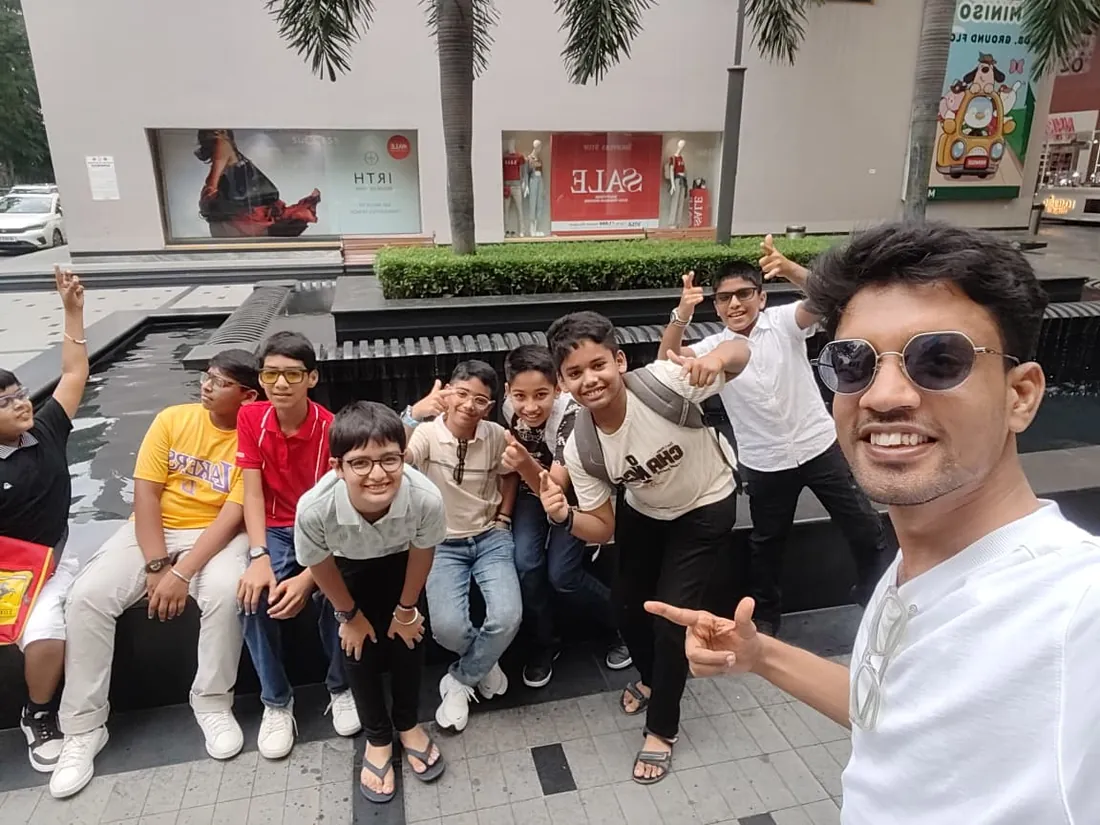
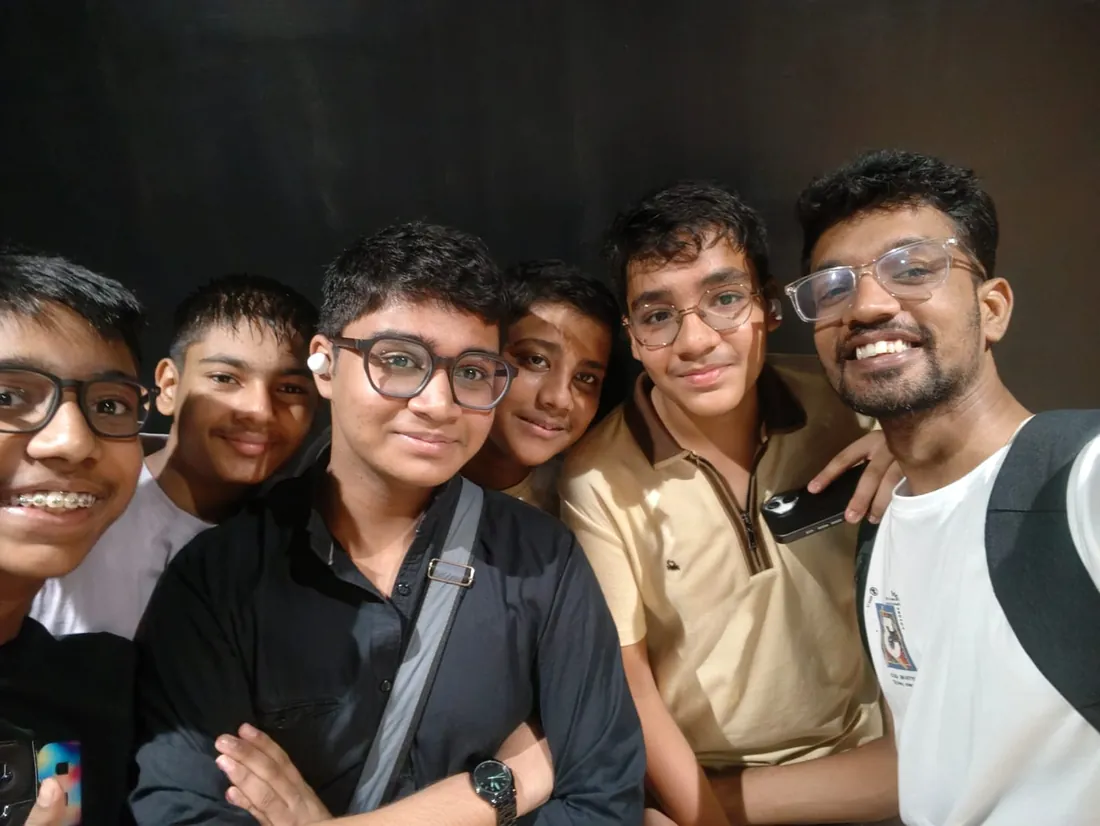
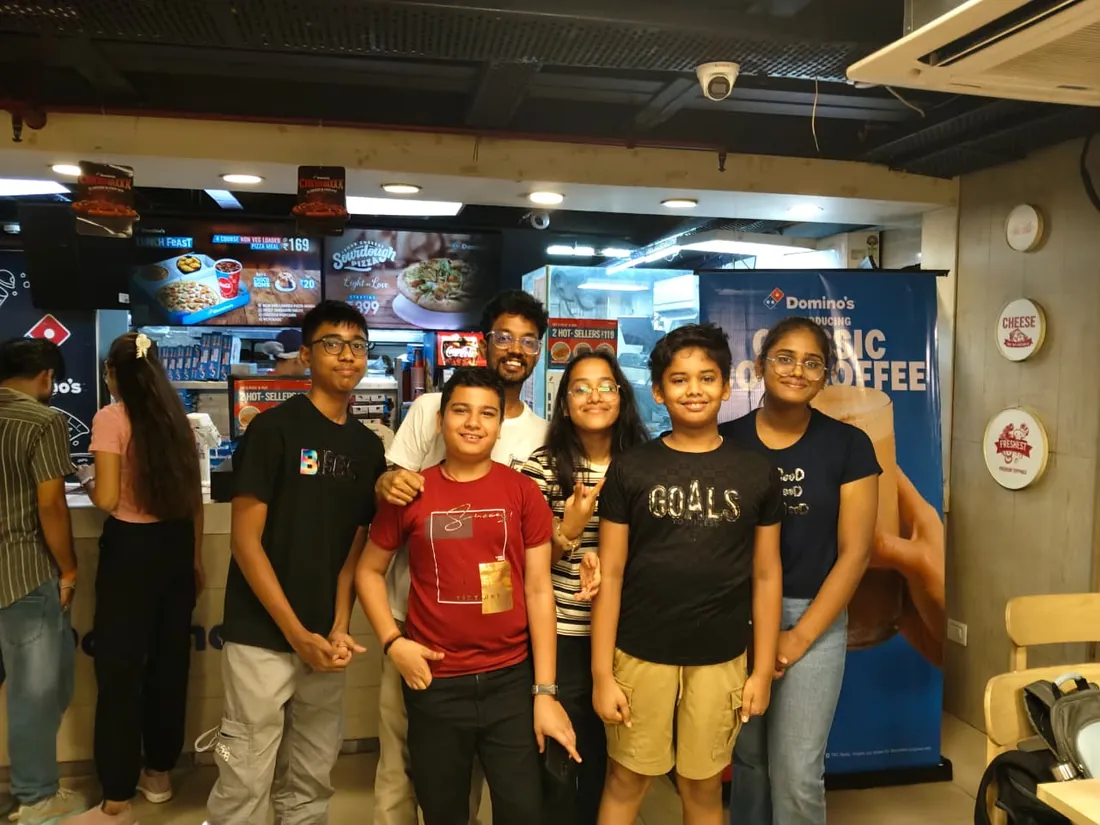
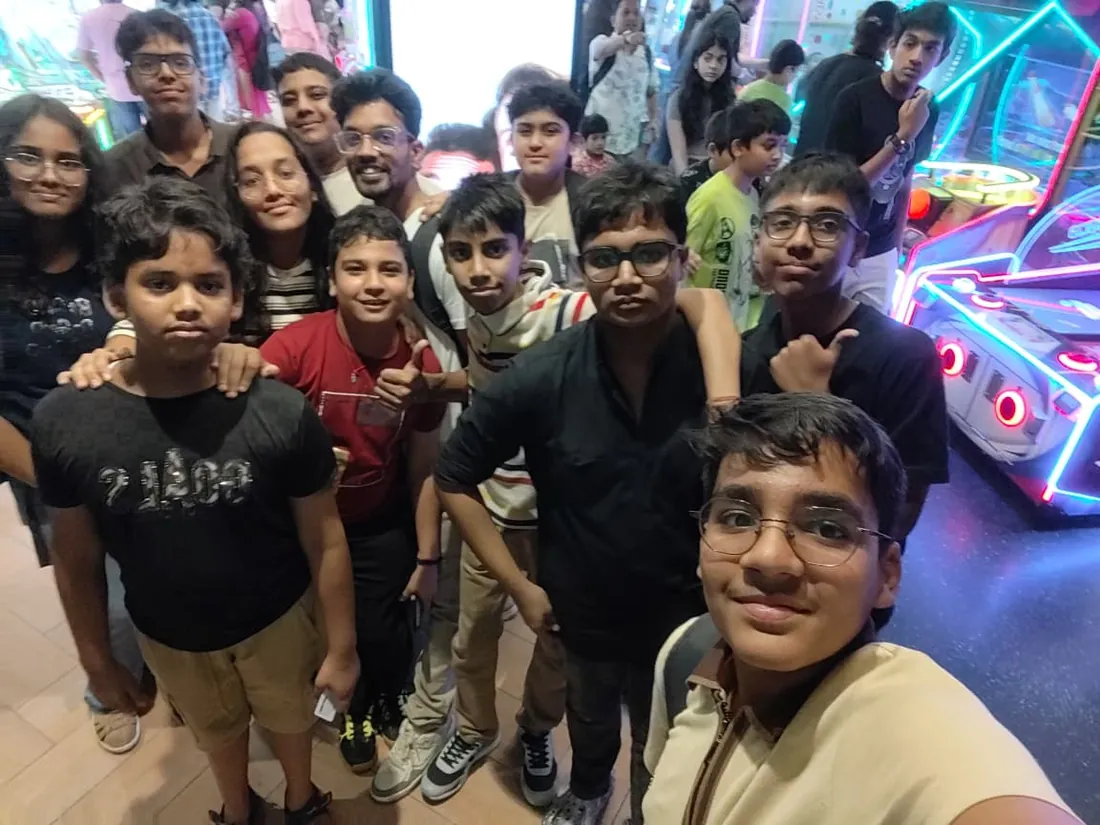
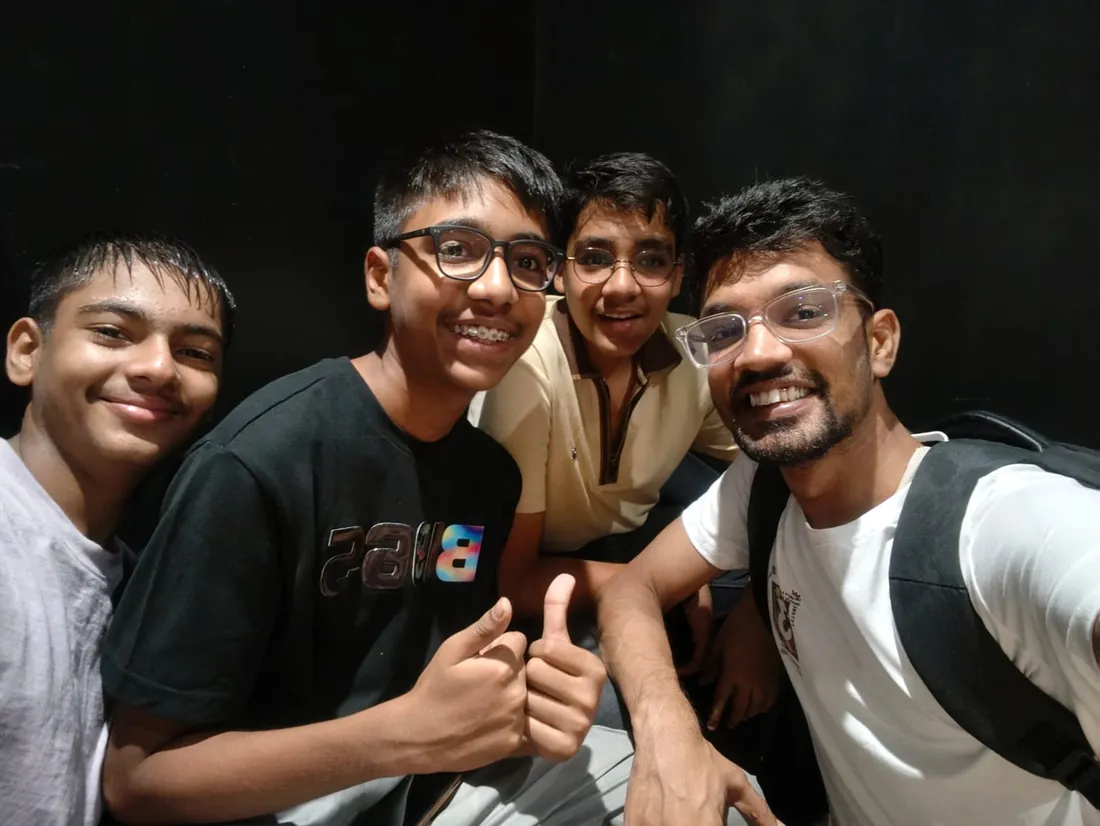
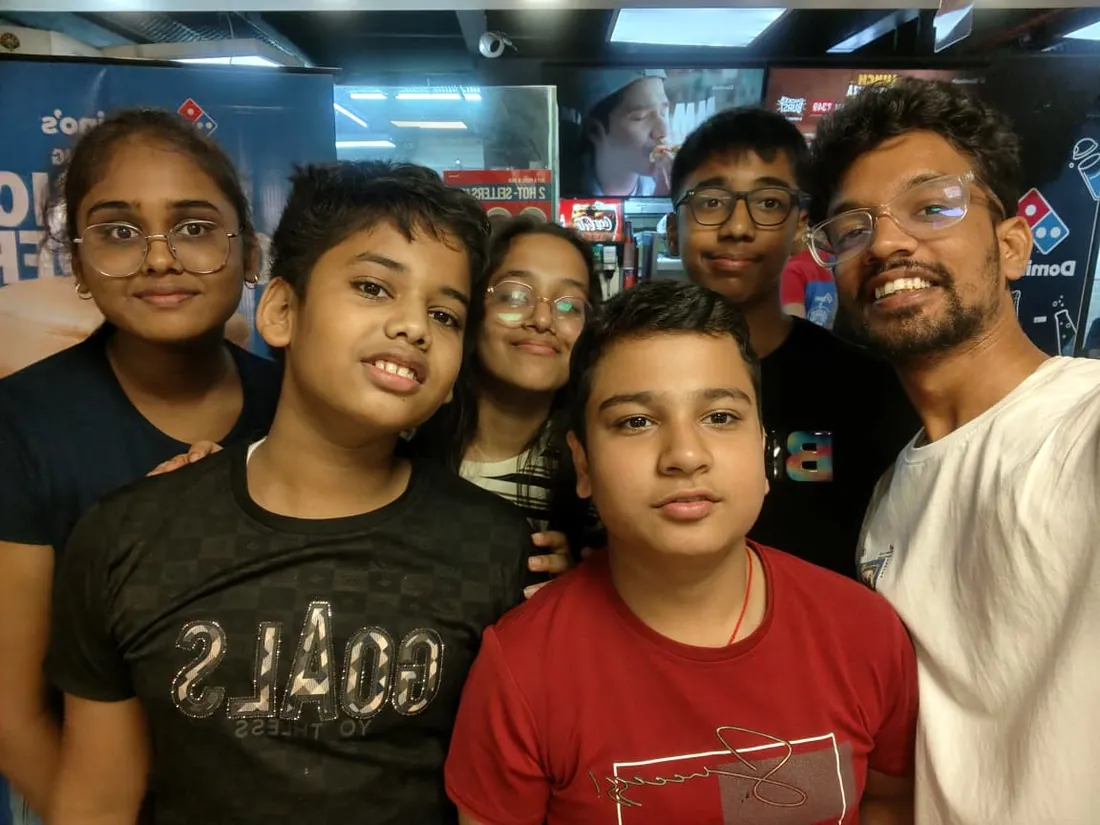
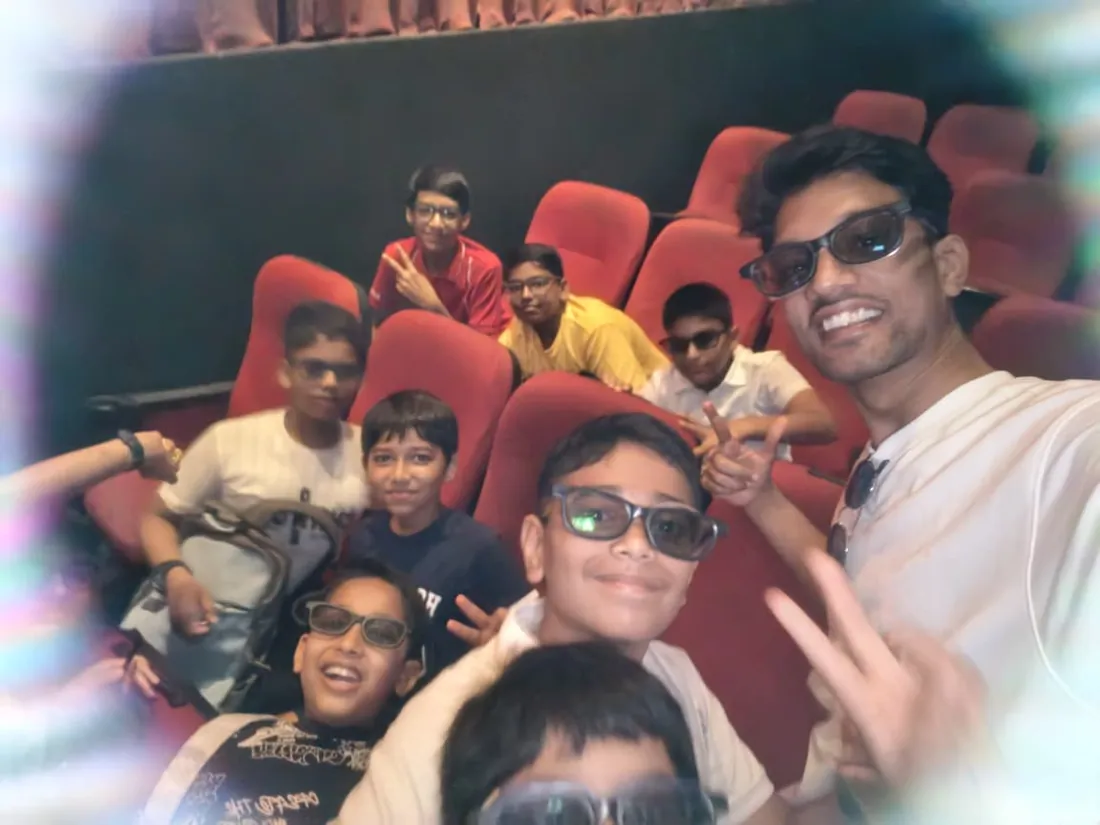
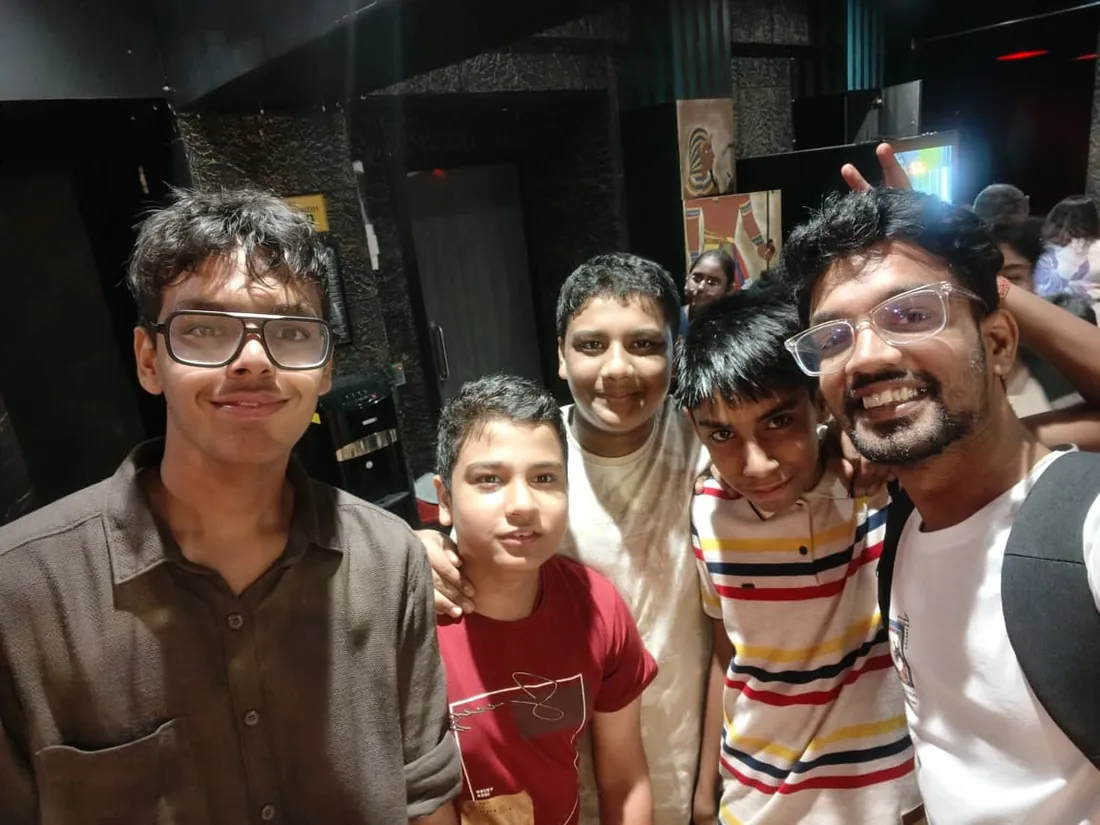
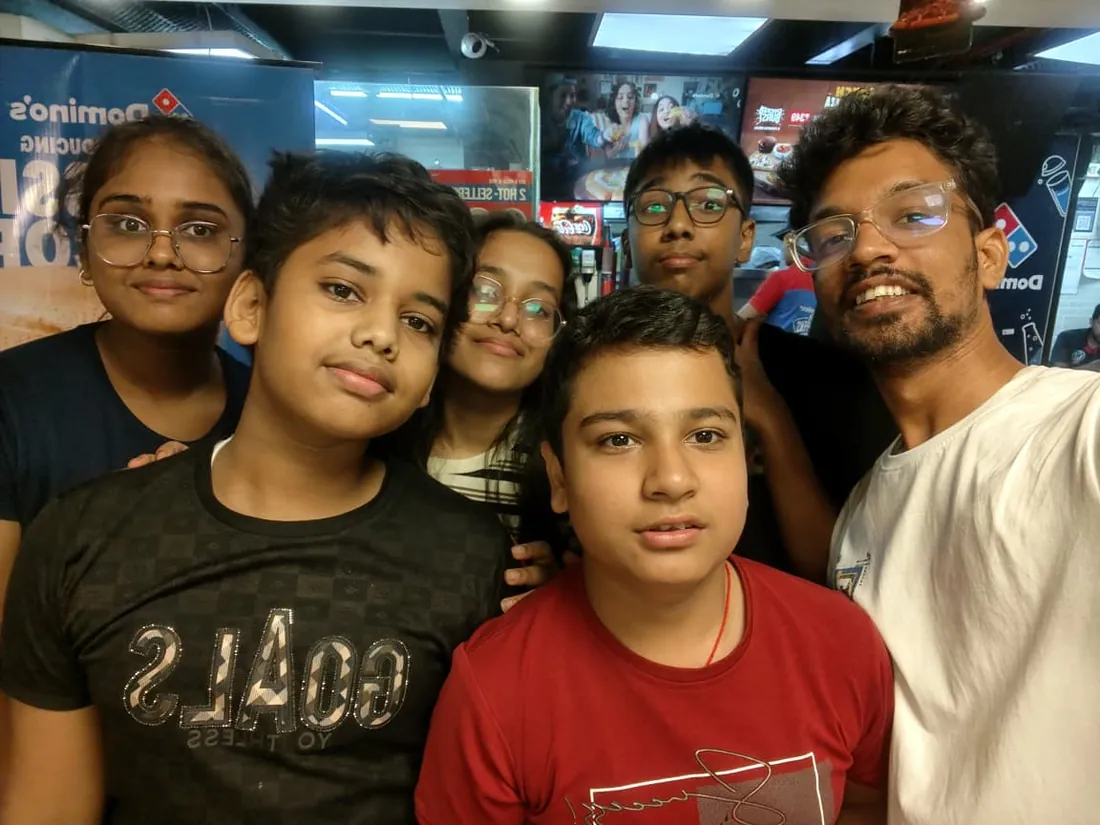
Real students. Real moments. Real joy.
These are our actual student meetups. No stock photos, no filters. Swipe through and meet the community you'll be joining.
























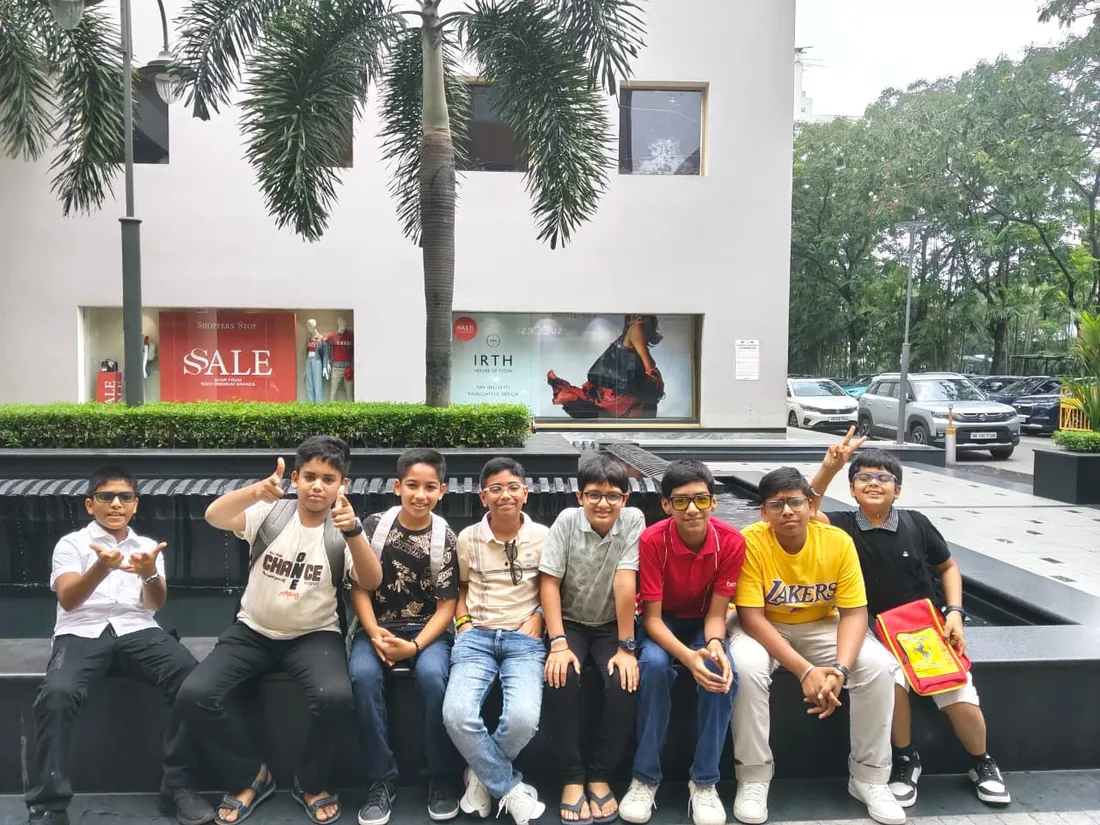
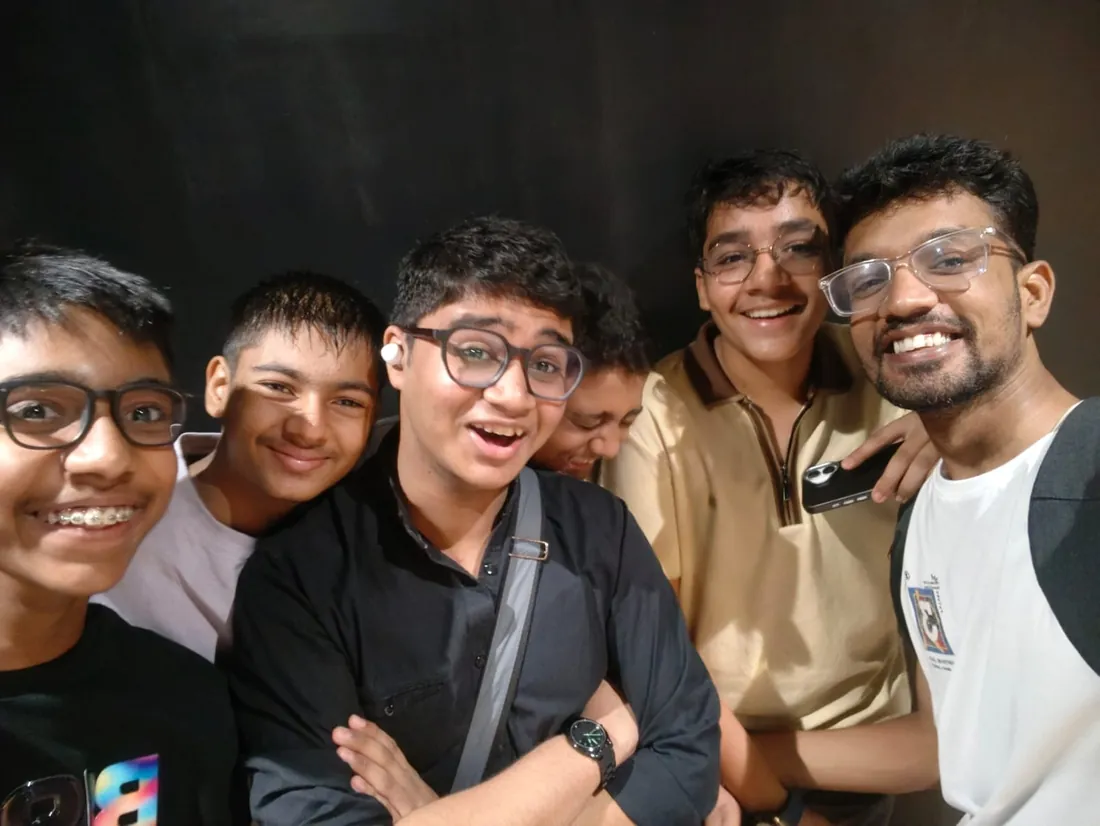
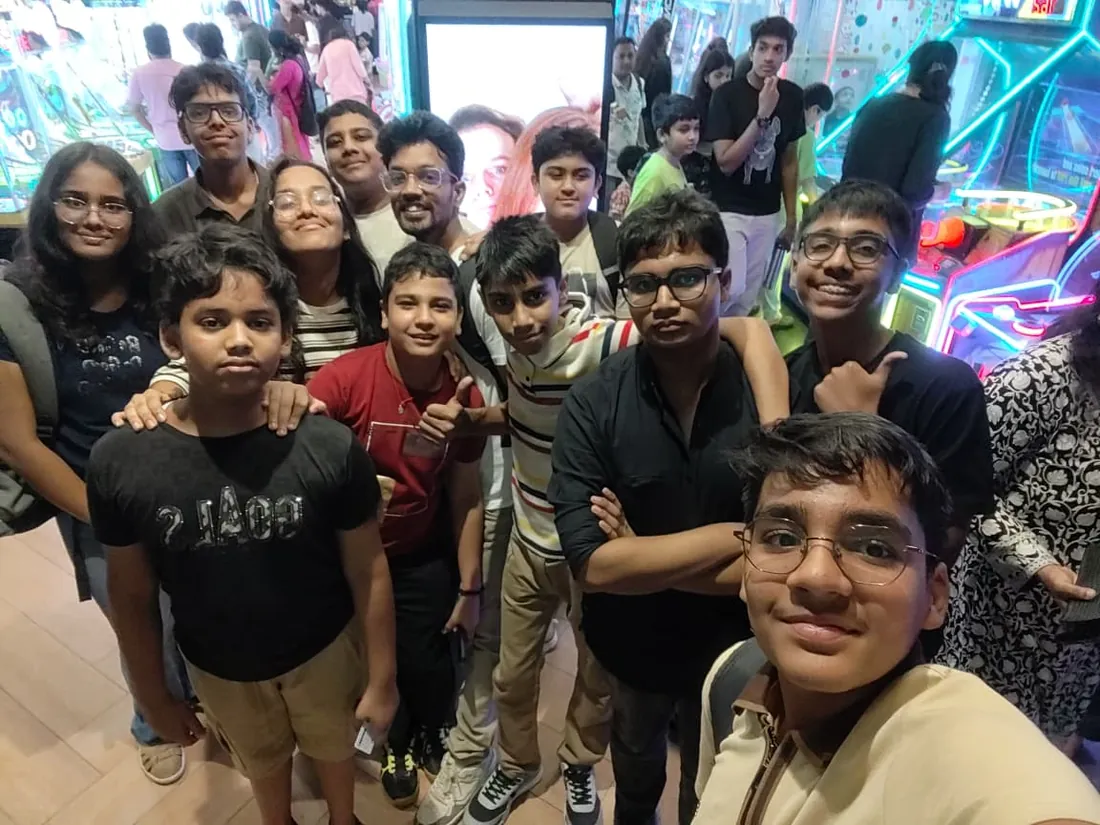

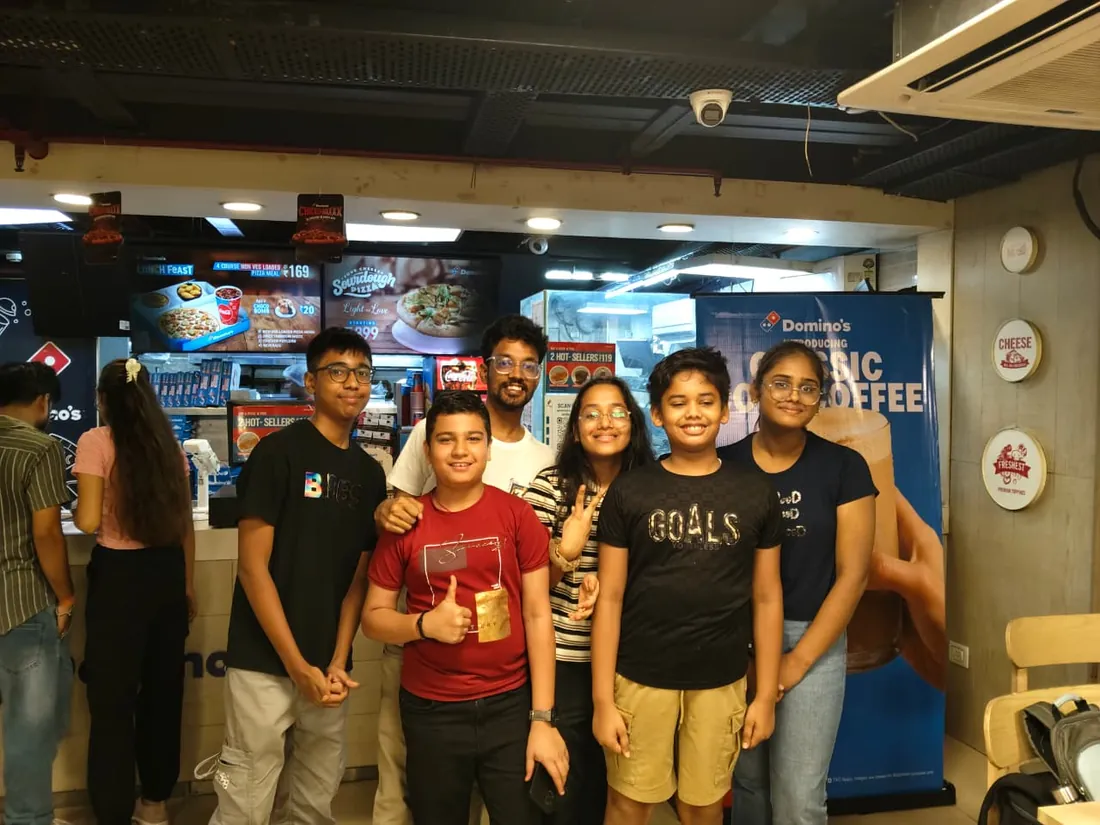

What families say
Straight from the parents and students who learn with us. Rated 4.9 across 547 Google reviews.
“Mivaan enjoys the class. He understands the concepts and completes his tasks with excitement. He started taking interest in coding… truly amazing class.”
“I absolutely love it here! I made new friends and learned important valuable coding skills while having the fun of my life. It's not just coding here, it's outings, bonding and most importantly preparing you for your future. Definitely five stars.”
“What stands out most is how excited my son is before every class. He looks forward to learning, problem-solving, and sharing what he's built. I've noticed a big boost in his confidence!”
“Modern Age Coders has been a game-changer for me! I struggled to grasp IT concepts and coding before joining, but their classes transformed everything. I'm now the topper in my class and can confidently write complex programs with ease.”
“Modern Age Coder have wonderful teachers who teach in a clear, easy and practical way. The teacher boosts students' confidence, keeps them updated with technology, and inspires them to learn without hesitation.”
“The one step solution for my son. Modern Age Coders make learning coding so simple that kids love it.”
“Coding classes here make learning very interesting and conceptual. The teachers teach us in a very easy-to-understand and efficient manner.”
“One of the most wonderful education centres out there. Education is not limited to school syllabus but focuses on skill development. Learning here has been a wonderful journey and still continuing.”
“I highly recommend this computer coding class! The teachers are incredibly knowledgeable and passionate about coding. They make every session engaging and insightful.”
“My child Dhairya is really enjoying the Modern Age Coder IT classes. This is his first online class, and he eagerly looks forward to it.”
“Very good classes. Don't worry about coding. They teach the best, especially Shivam sir.”
“Very good classes. Makes learning very easy and interactive.”
Hear it from our students
Real parents and students in their own words, on our public YouTube channel.
Straight answers about Full Stack Developer Course: React, Node.js and DevOps Basics
- Who should take this course?
- Complete beginner; college students, graduates and career switchers (18+). It suits students who want employable, portfolio-proven skills alongside the degree; professionals from any field ready to move into software properly, not through shortcuts; self-taught learners with tutorial miles but no structure, who need the gaps closed.
- What will they learn and build?
- Full stack development remains the most employable generalist skill in software: one person who can take an idea from empty folder to running product.
- How deeply are topics covered?
- The course runs 12-14 months (48-56 weeks) at 2 live classes/week + 4-6 hours practice, across 4 phases listed week by week in the syllabus below. A structured, well-paced curriculum taught step by step, with classwork in every session and homework after every class.
- Who teaches it?
- Modern Age Coders mentors, who teach the live classes themselves. You can watch them at work in the free class recordings before you decide.
- How do practice, feedback and assessment work?
- Mixed-review assignments after every month and a final exam that decides the certificate: real knowledge, real work, real projects. Doubt support between classes over WhatsApp, so you are never left stuck. A certificate you earn by passing the final exam, with a free retest after revision if needed.
- What does it cost?
- Three monthly plans: a group batch, a mini batch and 1-on-1. Prices are shown in your currency in the plans section. Monthly billing, cancel any time.
- When can classes take place?
- Live classes are scheduled around your week. Group batches meet at a fixed weekly slot; 1-on-1 students choose their own. International students are scheduled in their own timezone. Ask on WhatsApp for the current slots.
- Can I watch the teaching before deciding?
- Yes. Full recordings of real 13 and up classes are free to watch, free with a Google sign-in. These recordings show how we teach, not the exact syllabus of this course. Some classes are in English and some in Hindi; everyone follows at their own pace. Watch a class end to end, like you are in it. Sessions are interactive and each moment builds on the last.
- Can I enroll without a live demo?
- Yes. Choose a plan on this page and enroll directly; a booking or a demo is not required. A free live demo is optional, for anyone who wants to meet a mentor first. Outside India, our team confirms the plan and completes payment with you over WhatsApp, so allow a little time for that step.
Common Questions About Full Stack Developer Course: React, Node.js and DevOps Basics
Get answers to the most common questions about this comprehensive program
Still have questions? We're here to help!
Contact UsWhy Full Stack Development Is Still the Smartest Skill to Build
Full stack developers are the generalists every product team needs: capable of taking a feature from database schema to deployed interface without waiting on anyone. That end-to-end capability is why the role stays consistently hired through hype cycles, and why it makes such a strong first profession or career switch.
This course is deliberately honest about scope. In twelve months you will not become a senior engineer, nobody does, but you will build the complete, modern, tested foundation seniors are grown from: one coherent stack learned deeply, professional habits practiced weekly, and a portfolio where every skill has a live URL behind it.
The emphasis on real projects is the whole method: more than 30 builds, four deployed capstones, tests and CI on the work that matters, and a final exam that makes the certificate mean something. You graduate with proof, not just exposure.
Related Courses You May Like
Continue your learning journey with these recommended programs
 Web Development
Backend Development for Teens: Node, APIs and Databases
Backend course for teens aged 13-18: Node.js, Express, REST APIs, MongoDB and PostgreSQL, auth, secu...
Explore Course Web Development
Frontend Development for Teens: CSS Craft to React UI
Frontend course for teens aged 13-18 with a design soul: CSS mastery, Tailwind, animations, JavaScri...
Explore CourseRelated Articles & Guides
Deepen your knowledge with these hand-picked articles
 Web Development
38 min read
Web Development
38 min read
20 HTML, CSS, and JavaScript Project Ideas (With Code)
20 HTML, CSS, and JavaScript project ideas from beginner to advanced, each with the exact skills it ...
Read Article Programming
15 min read
Programming
15 min read
Learn Web Development with JavaScript - Basics, Projects & Hands-On Guide
Learn JavaScript with 7 hands-on projects! Master variables, functions, DOM manipulation, and event ...
Read ArticleReady to start Full Stack Developer Course: React, Node.js and DevOps Basics?
Book a free demo class to meet your mentor and see how we teach, with no commitment. Or enrol now and start this week.