Python Programming Masterclass
One language, learned to professional depth: core Python, the working toolkit, and an honest guided taste of the three roads beyond.
Syllabus updated August 2026
Recordings are free with a Google sign-in. These recordings show how we teach, not the exact syllabus of this course.
How long this course takes
This course runs 9-11 months (36-44 weeks) at 2 live classes/week + 4-6 hours practice. The range allows for background and pace: a complete beginner uses the full span, and a student with prior knowledge finishes sooner. The syllabus below is planned to the shorter end, with margin kept for revision.
For personalised duration planning, call +91 91233 66161 and we'll map a schedule to your goals.
At a glance
- Who it is for
- Complete beginner (18+); college students, graduates and professionals. Age: 18+; college students, graduates and working professionals.
- Prerequisites
- None. The course starts at the very first line
- Format
- Live, interactive classes with a real instructor, never pre-recorded videos. Live classes run about one hour.
- Language
- English or Hindi, depending on the batch.
- Duration
- 9-11 months (36-44 weeks)
- Weekly commitment
- 2 live classes/week + 4-6 hours practice
- Class size
- Group batches of 5 to 10 students, mini batches of 3 to 4, or 1-on-1.
- Certificate
- Certificate from Modern Age Coders, awarded on passing the final exam
- Watch first
- Free recordings of real classes for ages 13 and up, free with a Google sign-in. These recordings show how we teach, not the exact syllabus of this course.
- Live demo
- Optional. Enroll directly on this page, or book a free live demo if you would like to meet a mentor first.
How we teach
Deep understanding. Real projects. Expert guidance.
Learn coding, AI and maths through careful explanations, practical demonstrations, and hands-on problem-solving. Our instructors guide you from the foundations to advanced ideas, helping you understand what happens, why it happens, and how to build it yourself.
You will explore concepts step by step, write and improve code, investigate mistakes, ask questions, and apply your knowledge to meaningful projects. Lessons are designed around active participation, thoughtful feedback, and growing independence.
Expert-led live teaching, with practical participation built into every lesson.
- Students explain their thinking.
- Instructors demonstrate, then guide practice.
- Learners code, solve, or build during lessons.
- Questions and misconceptions get attention.
- Assignments receive useful feedback.
- Progress is checked before advancing.
Ready to Master Python Masterclass: Zero to Advanced, Live Online?
Choose your plan and start your journey into the future of technology today.
Rated 4.9 across 547 Google reviews. Enroll directly, or take a free live demo first if you like. No card needed for the demo. Monthly billing, cancel anytime.
International Students (Outside India)
Billed monthly in US dollars, the same price in every country. Contact us with any questions.
Program Overview
Python is the most useful single language a professional can learn, and the most commonly half-learned. This live online masterclass fixes the half: nine months from zero to genuinely advanced Python, the kind that reads stdlib source without fear, plus the professional toolkit, testing, Git, virtual environments, APIs, automation and concurrency, that turns language skill into working capability.
The scope is deliberately honest. Web frameworks, data science and machine learning are each their own multi-month disciplines, and this course refuses to fake all three in survey weeks. Instead, the final month is a guided, hands-on taste of the three roads, a real Flask build, a real pandas analysis, a real AI-API script, so every graduate chooses their specialization from experience rather than marketing, and continues into our dedicated Django, data analysis or AI courses with the Python depth those courses quietly assume.
The pace is real: nine months at two live classes a week plus four to six hours of practice, with two more months in hand when needed. Problem sets after every class, monthly mixed reviews that reach back deliberately, phase exams, and a final exam that decides the certificate, with focused revision and a free retest. Real Python, real depth, depth over dopamine.
What Makes This Program Different
- Depth where it compounds: core and advanced Python owned properly, not surveyed
- The professional toolkit is the syllabus: testing, Git, environments, APIs, automation, concurrency
- Honest specialization: the three roads (web, data, AI) tasted hands-on, then continued in dedicated courses instead of faked in survey weeks
- Pythonic style taught deliberately: comprehensions, iterators and the standard library as a first resort
- Certification-aware: the syllabus covers what PCEP and PCAP examine, for students who want the credential road
- Real assessment: weekly problem sets, monthly mixed reviews, and a final exam that decides the certificate, with focused revision and a free retest
Your Learning Journey
Career Progression
Detailed Course Curriculum
Explore the complete week-by-week breakdown of what you'll learn in this comprehensive program.
Topics Covered
- What is programming? How computers understand code
- Why Python? History, features, and popularity
- Python applications: web, data science, AI, automation, games
- Python 3 installation (Windows, Mac, Linux)
- Setting up development environment: VS Code, PyCharm
- Running Python: interactive shell vs script files
- IDLE, Jupyter Notebook, and Google Colab introduction
- Your first Python program: print('Hello World')
- Python syntax rules and code structure
- Comments: single-line (#) and multi-line (''')
- Indentation and its importance in Python
- Python PEP 8 style guide basics
Projects You Build
- Hello World variations (personalized greetings)
- Simple calculator using print statements
- About Me program (display personal information)
- ASCII art creator
Practice & Assignments
Daily: 30 min typing practice, write 5 simple print programs
Topics Covered
- Variables: naming rules and conventions
- Assignment operator (=) and multiple assignments
- Data types: int, float, string, boolean
- Type checking with type() function
- Type conversion: int(), float(), str(), bool()
- Arithmetic operators: +, -, *, /, //, %, **
- Comparison operators: ==, !=, >, <, >=, <=
- Logical operators: and, or, not
- Assignment operators: +=, -=, *=, /=
- String basics: creation, concatenation, repetition
- String indexing and slicing [start:stop:step]
- F-strings and string formatting (format(), %)
Projects You Build
- Temperature converter (Celsius/Fahrenheit)
- Age calculator with days, hours, minutes
- Simple interest calculator
- BMI (Body Mass Index) calculator
- Tip calculator with bill splitting
Practice & Assignments
Solve 25 problems on variables, data types, and operators
Assessment
Month 1 check: a small program built live, plus a take-home mixing everything so far
Topics Covered
- Boolean expressions and truthiness
- If statement: basic conditional execution
- If-else: two-way branching
- If-elif-else: multi-way branching
- Nested if statements
- Ternary operator (conditional expression)
- While loop: condition-based repetition
- Infinite loops and break statement
- Continue statement to skip iterations
- For loop: iterating over sequences
- Range function: range(start, stop, step)
- Nested loops and loop patterns
Projects You Build
- Number guessing game with attempts
- Grade calculator with letter grades
- Even/odd number checker
- Multiplication table generator
- Pattern printing (stars, pyramids, diamonds)
- Simple password validator
- FizzBuzz challenge
Practice & Assignments
Solve 30 conditional and loop problems
Topics Covered
- What are functions? DRY principle
- Defining functions with 'def' keyword
- Parameters and arguments (positional, keyword)
- Return statement and return values
- Multiple return values (tuples)
- Default parameter values
- Variable scope: local vs global
- Global and nonlocal keywords
- Docstrings for function documentation
- *args for variable positional arguments
- **kwargs for variable keyword arguments
- Lambda functions (anonymous functions)
- Built-in functions: len, sum, max, min, abs, round
Projects You Build
- Function library for common calculations
- Password strength checker function
- Text analyzer (word count, character count)
- Prime number checker and generator
- Palindrome checker
- Simple quiz game with scoring
- Unit converter (length, weight, temperature)
Practice & Assignments
Create 20 different utility functions
Assessment
Month 2 check: refactor a messy script into clean functions live, plus mixed review
Topics Covered
- Lists: creating and accessing elements
- List indexing (positive and negative)
- List slicing: extracting sublists
- List methods: append, insert, extend
- Removing elements: remove, pop, clear
- List methods: sort, reverse, copy
- index() and count() methods
- List comprehensions: compact list creation
- Nested lists (2D lists, matrices)
- Iterating lists with for loops
- Enumerate function for index-value pairs
- List vs tuple: mutability difference
Projects You Build
- Todo list application (add, remove, display)
- Shopping cart system
- Student grade manager
- Number list statistics (average, min, max)
- List sorting and searching programs
- Tic-tac-toe board representation
Practice & Assignments
Solve 25 list manipulation problems
Topics Covered
- Tuples: immutable sequences
- Tuple packing and unpacking
- Tuple methods: count, index
- When to use tuples vs lists
- Sets: unordered unique collections
- Set operations: union, intersection, difference
- Set methods: add, remove, discard, clear
- Dictionaries: key-value pairs
- Accessing, adding, updating dictionary items
- Dictionary methods: keys(), values(), items()
- get() method with default values
- Dictionary comprehensions
- Nested dictionaries for complex data
- String mastery: slicing, methods, f-strings and first regular expressions
Projects You Build
- Contact book (name, phone, email)
- Word frequency counter
- Student database with grades
- Inventory management system
- English-Spanish dictionary translator
- Vote counting system
Practice & Assignments
Build 10 projects using dictionaries and sets
Assessment
Phase 1 exam: a data-wrangling task built live, plus a written mixed paper over months 1-3
Topics Covered
- What is Object-Oriented Programming?
- Classes and objects: blueprint and instances
- Creating classes with 'class' keyword
- The __init__ constructor method
- Instance variables (attributes)
- Instance methods
- Self parameter explained
- Creating and using objects
- Class vs instance attributes
- Class methods with @classmethod decorator
- Static methods with @staticmethod decorator
- __str__ and __repr__ magic methods
Projects You Build
- Bank account class with deposit/withdraw
- Student class with grades management
- Book class for library system
- Car class with properties and methods
- Rectangle/Circle classes with area calculation
Practice & Assignments
Create 15 different classes modeling real-world objects
Topics Covered
- Inheritance: parent and child classes
- Method overriding in child classes
- Super() function to call parent methods
- Multiple inheritance
- Method Resolution Order (MRO)
- Polymorphism: same interface, different implementation
- Duck typing in Python
- Abstract base classes (ABC module)
- Encapsulation: public, protected, private
- Name mangling with double underscore
- Property decorators: @property, @setter
- Composition vs inheritance
Projects You Build
- Animal hierarchy (Animal -> Dog, Cat, Bird)
- Employee management system (Employee -> Manager, Developer)
- Shape calculator with inheritance
- Vehicle rental system
- Game character classes with different abilities
Practice & Assignments
Build 10 class hierarchies with inheritance
Assessment
Month 4 check: design a small class hierarchy live and defend it, plus mixed review
Topics Covered
- Opening files: open() function and modes (r, w, a, r+)
- Reading files: read(), readline(), readlines()
- Writing to files: write(), writelines()
- With statement for automatic file closing
- File paths: absolute vs relative
- Working with CSV files
- JSON file handling: json.dump(), json.load()
- Exception handling: try-except blocks
- Catching specific exceptions
- Multiple except blocks
- Else and finally clauses
- Raising exceptions with 'raise'
- Creating custom exceptions
Projects You Build
- Note-taking app with file persistence
- Contact manager with CSV storage
- Configuration file reader/writer
- Log file analyzer
- Student records system with JSON
- Error-safe calculator
Practice & Assignments
Build 8 file-based applications
Topics Covered
- Importing modules: import, from...import
- Creating custom modules
- Module search path and PYTHONPATH
- Packages and __init__.py
- Creating package structures
- Math module: mathematical functions
- Random module: random numbers and choices
- Datetime module: working with dates and times
- OS module: operating system interface
- Sys module: system-specific parameters
- Collections module: deque, Counter, defaultdict
- Itertools module: efficient iterators
- Comprehensions and generator expressions: Pythonic style as a habit
Projects You Build
- Dice rolling simulator with statistics
- Birthday reminder application
- File organizer using os module
- Random password generator
- Custom utility package creation
- Date calculator (age, days between dates)
Practice & Assignments
Explore 15 standard library modules
Assessment
Month 5 check: solve three tasks stdlib-first, plus mixed review reaching back to phase 1
Topics Covered
- Why testing matters
- Manual testing vs automated testing
- Unit testing with unittest module
- Test cases and assertions
- SetUp and tearDown methods
- Pytest framework introduction
- Writing pytest test functions
- Test fixtures in pytest
- Parameterized testing
- Code coverage with coverage.py
- Debugging techniques in Python
- Using Python debugger (pdb)
- Logging with logging module
Projects You Build
- Test suite for calculator
- Testing OOP classes
- Testing file operations
- TDD (Test-Driven Development) mini project
- Debugging exercise solutions
Practice & Assignments
Write tests for all previous projects
Topics Covered
- Object-oriented design
- Algorithm implementation
- File-based data persistence
- Error handling throughout
- Unit testing
- Code documentation
Projects You Build
- PHASE 2 CAPSTONE: Library Management System (OOP-based)
- Features: Books, members, lending, returns, fines, search, file storage, testing
- Alternative: School Management System
- Alternative: Banking System with multiple account types
- Alternative: E-commerce Inventory System
Assessment
Phase 2 exam: a tested, documented capstone defended, plus a cumulative written paper
Topics Covered
- What is version control?
- Git installation and setup
- Git basic commands: init, add, commit
- Git workflow: working directory, staging, repository
- Checking status and history: status, log
- Branches: creating and switching
- Merging branches
- Handling merge conflicts
- Remote repositories: GitHub
- Push, pull, clone operations
- GitHub collaboration basics
- .gitignore file for Python projects
Projects You Build
- Initialize Git for existing projects
- Create GitHub repository
- Collaborate on shared repository
- Open source contribution preparation
Practice & Assignments
Use Git for all future projects
Topics Covered
- Advanced BeautifulSoup techniques
- Navigating HTML tree
- CSS selectors for scraping
- Scrapy framework introduction
- Creating Scrapy spiders
- Item pipelines for data processing
- Scrapy selectors and XPath
- Handling pagination
- Selenium for dynamic websites
- WebDriver automation
- Headless browsing
- Ethics, robots.txt, and rate limiting
Projects You Build
- News scraper with BeautifulSoup
- E-commerce price tracker
- Job listings aggregator with Scrapy
- Social media scraper (ethical)
- Automated form filler with Selenium
Practice & Assignments
Build 8 scraping and automation projects
Assessment
Month 7 check: build an API client live with error handling, plus mixed review
Topics Covered
- File and folder automation
- Batch file processing
- PDF manipulation with PyPDF2
- Excel automation with openpyxl
- CSV data processing
- Email automation with smtplib
- Scheduling tasks with schedule library
- System administration scripts
- Desktop automation with PyAutoGUI
- Clipboard automation
- Screenshot and image manipulation
- Building CLI tools with Click/argparse
- Virtual environments and dependency hygiene as reflexes
Projects You Build
- File organizer automation
- Excel report generator
- Email sender with attachments
- PDF merger and splitter
- Automated backup system
- Desktop notification system
- System monitoring script
Practice & Assignments
Create 10 automation scripts for daily tasks
Topics Covered
- Concurrency vs parallelism
- Threading basics with threading module
- Creating and starting threads
- Thread synchronization
- Multiprocessing module
- Process creation and management
- Pool for parallel execution
- AsyncIO for asynchronous programming
- Async/await syntax
- Concurrent.futures module
- ThreadPoolExecutor and ProcessPoolExecutor
- When to use threading vs multiprocessing
Projects You Build
- Multi-threaded file downloader
- Parallel data processing
- Async web scraper
- CPU-intensive task with multiprocessing
Practice & Assignments
Optimize slow programs with concurrency
Assessment
Phase 3 exam: an automation built and scheduled live, plus a cumulative written paper
Topics Covered
- Road one, web: a real Flask app built in two sessions, routes to deployment
- Road two, data: a real pandas analysis, load, clean, group, chart, conclude
- Road three, AI: a real script on a modern AI API, structured output included
- What each road demands next, told straight
- Where our Django, data analysis and AI courses continue each road
- Choosing from experience: which build did you not want to stop?
Projects You Build
- Three small real builds: a deployed Flask app, a pandas analysis, an AI-API tool
Practice & Assignments
Extend the road that pulled hardest by one more feature
Topics Covered
- One focused week: a complete Python product using the whole course
- Tested core logic, clean structure, honest README
- Instructor checkpoint and scope cuts
- Version control history that tells the story
Projects You Build
- The final capstone: a tool, automation or application built to be shown
Practice & Assignments
Daily commits; a working build at the end of every session
Topics Covered
- Presenting the capstone: live demo plus the hardest bug story
- A full-course spiral review before the exam
- PCEP and PCAP: how this syllabus maps to the certifications, for those who want them
- The road chosen, and the dedicated course that continues it
Projects You Build
- Demo day presentation delivered to the batch
Assessment
FINAL EXAM: a practical build plus a written paper with questions mixed from every phase. Passing earns the certificate; falling short earns a focused revision plan and a free retest
Projects You'll Build
Build a professional portfolio with 25+ real builds, crowned by a tested, defended capstone real-world projects.
Weekly Learning Structure
Certification & Recognition
Technologies & Skills You'll Master
Comprehensive coverage of the entire modern web development stack.
Support & Resources
Career Outcomes & Opportunities
Transform your career with industry-ready skills and job placement support.
Prerequisites
Who Is This Course For?
Career Paths After Completion
Salary & Market Context
The ranges below are general market salary bands for these roles in India and abroad, drawn from public industry data. They are shown for career context only and are not a promise or guarantee of income. Actual pay depends on your skills, experience, location, and the job market.
Course Guarantees
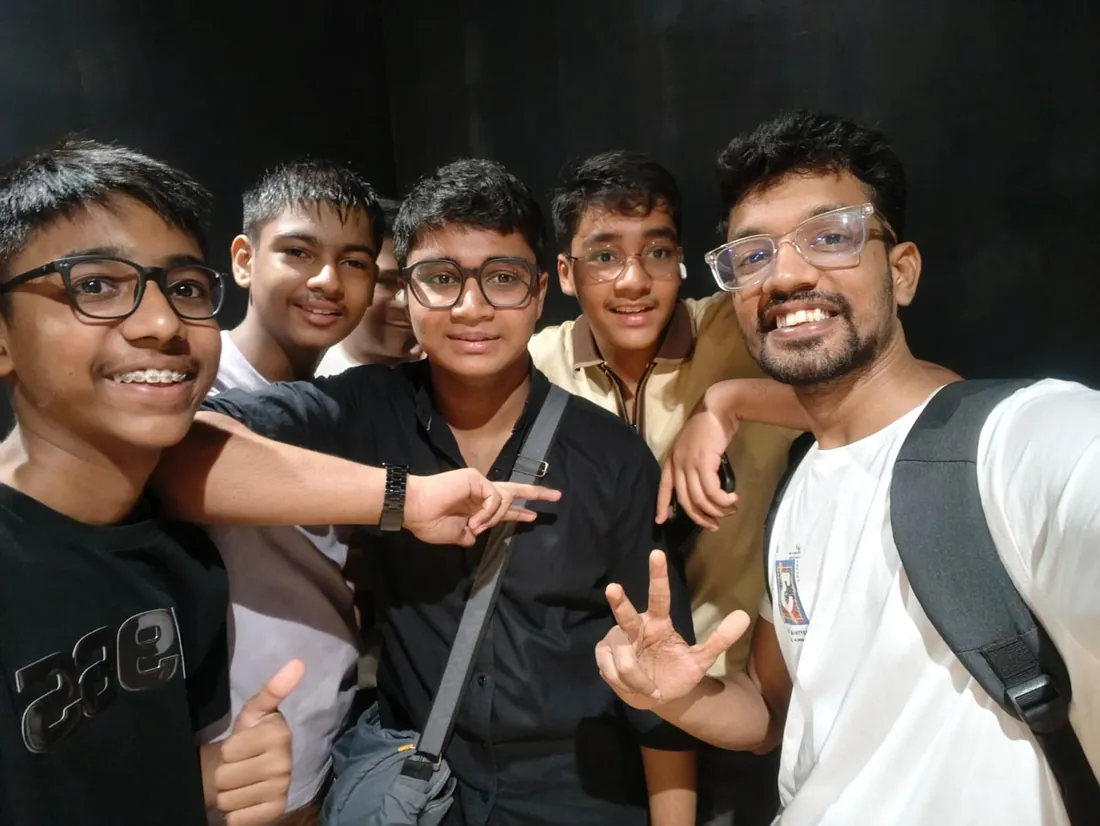
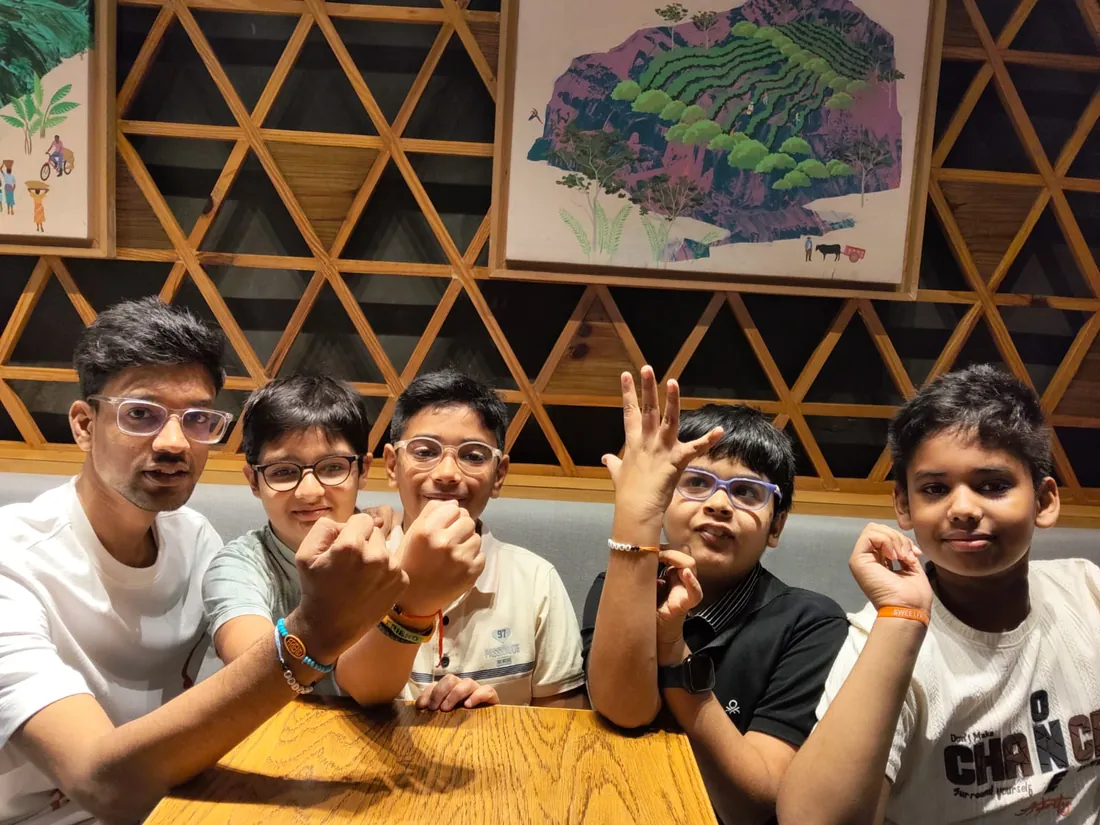
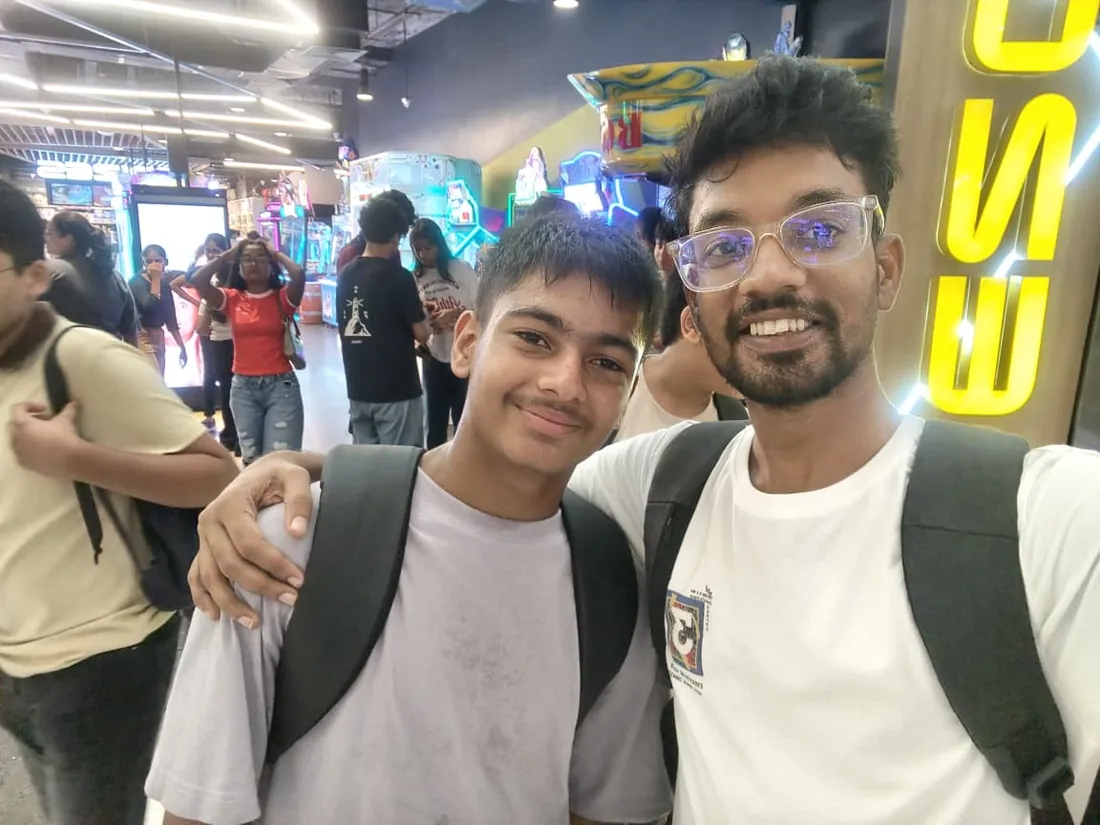
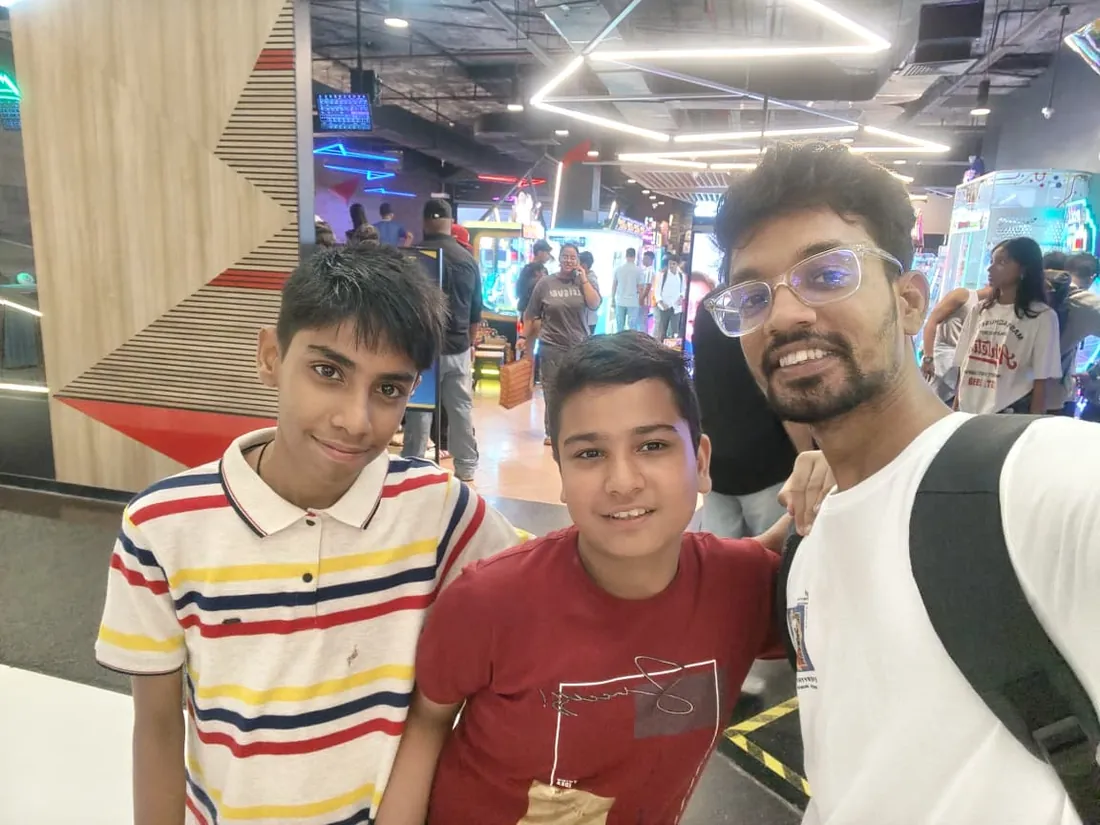
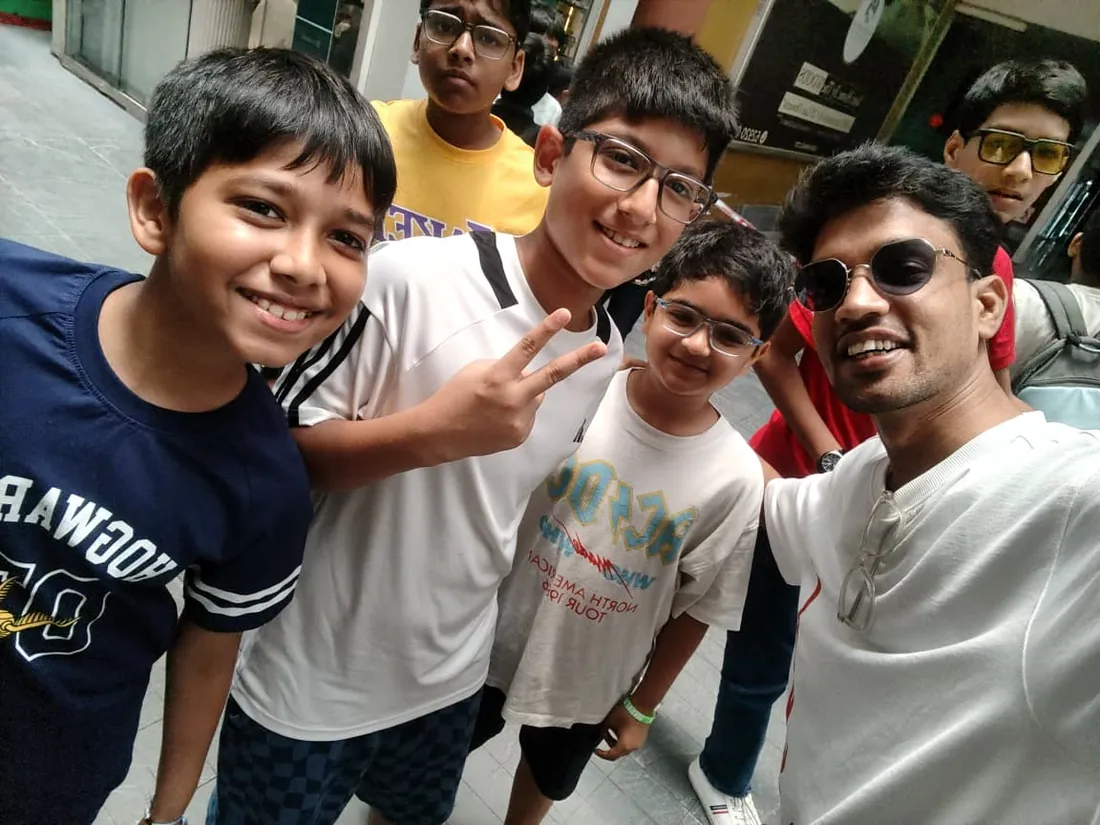
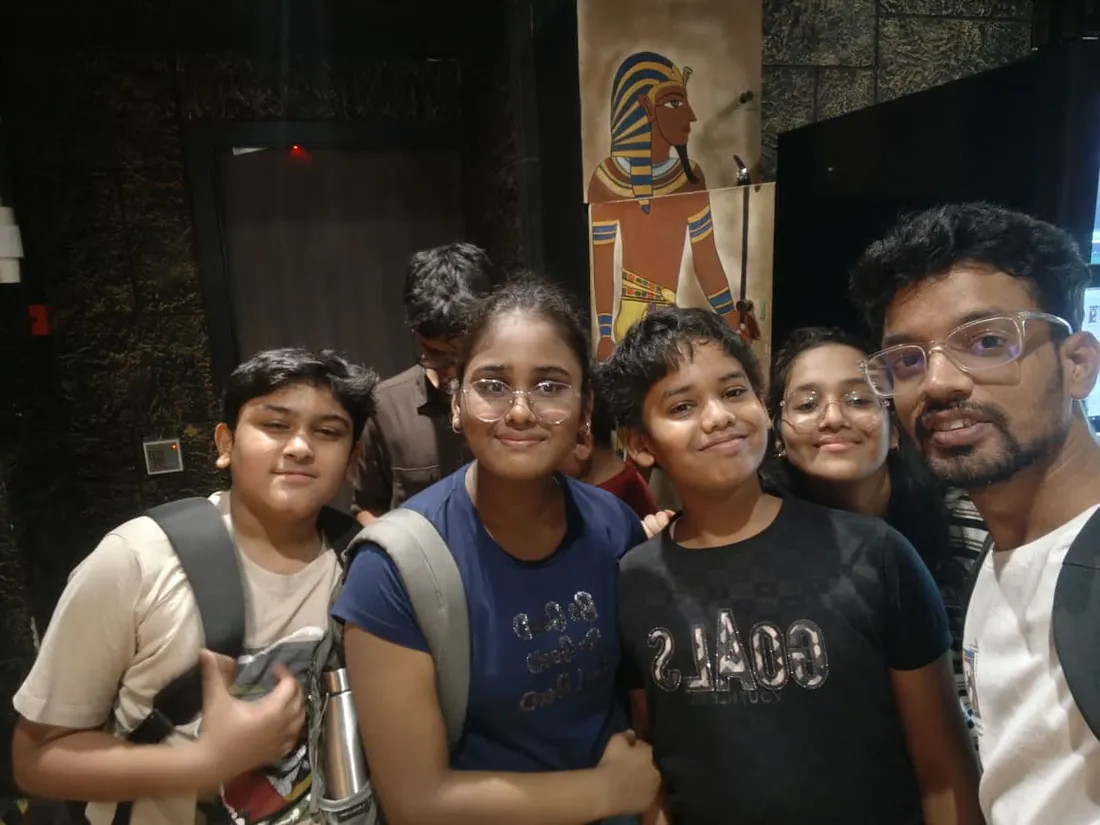
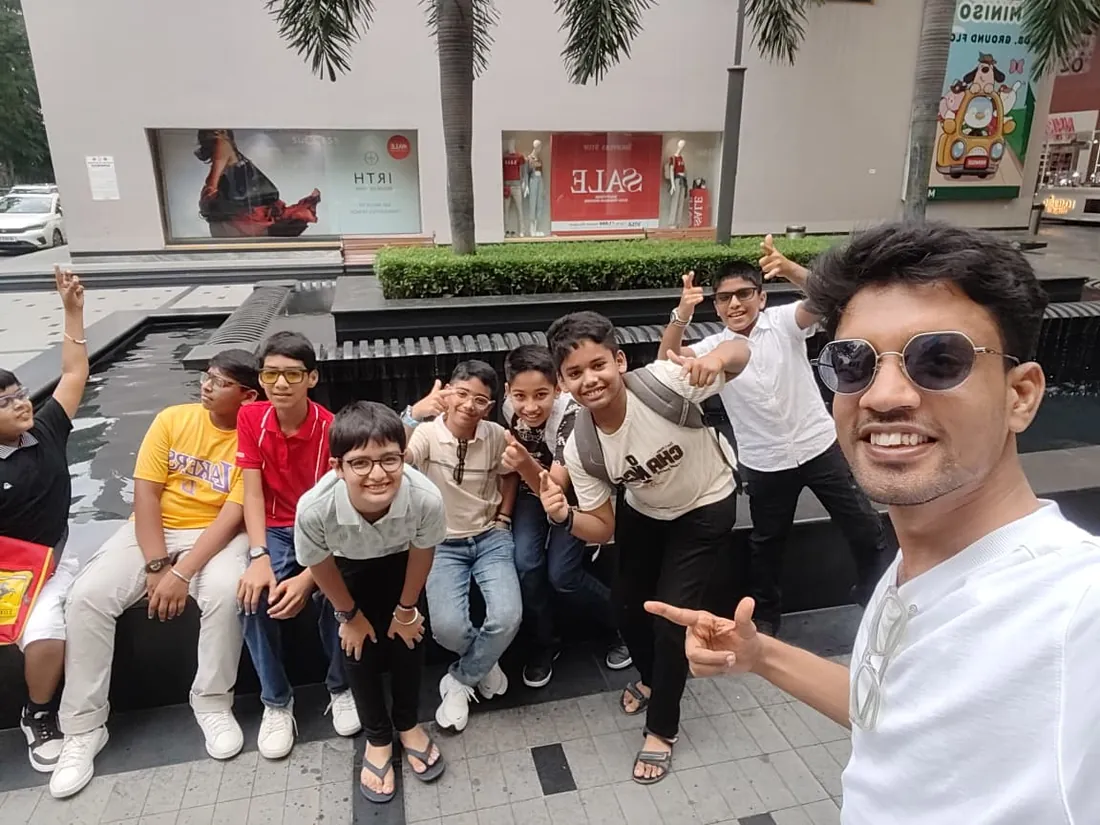
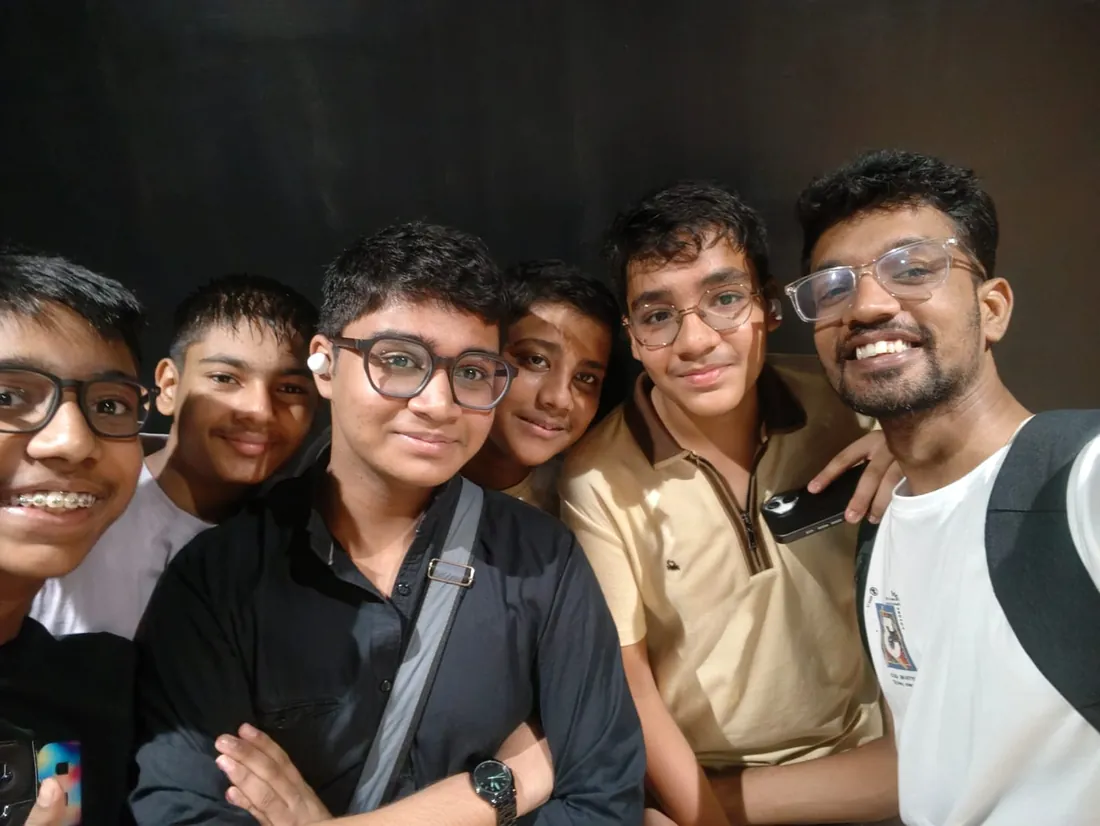
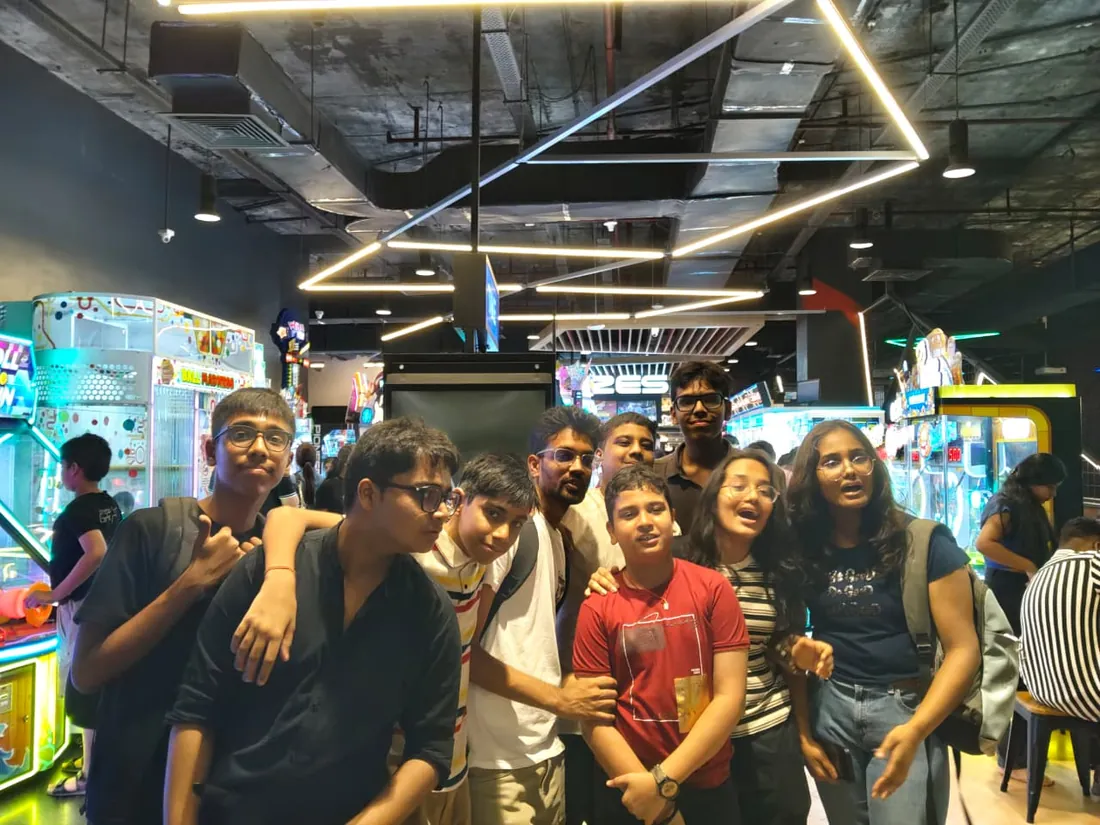
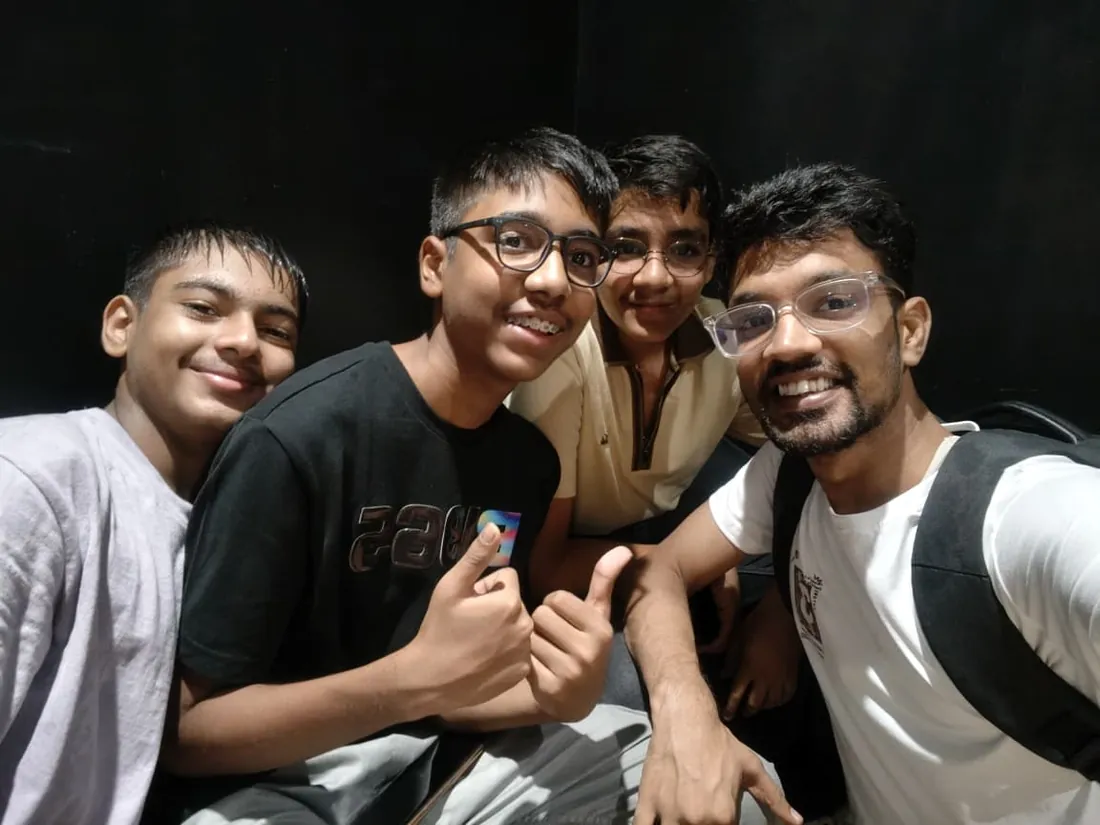
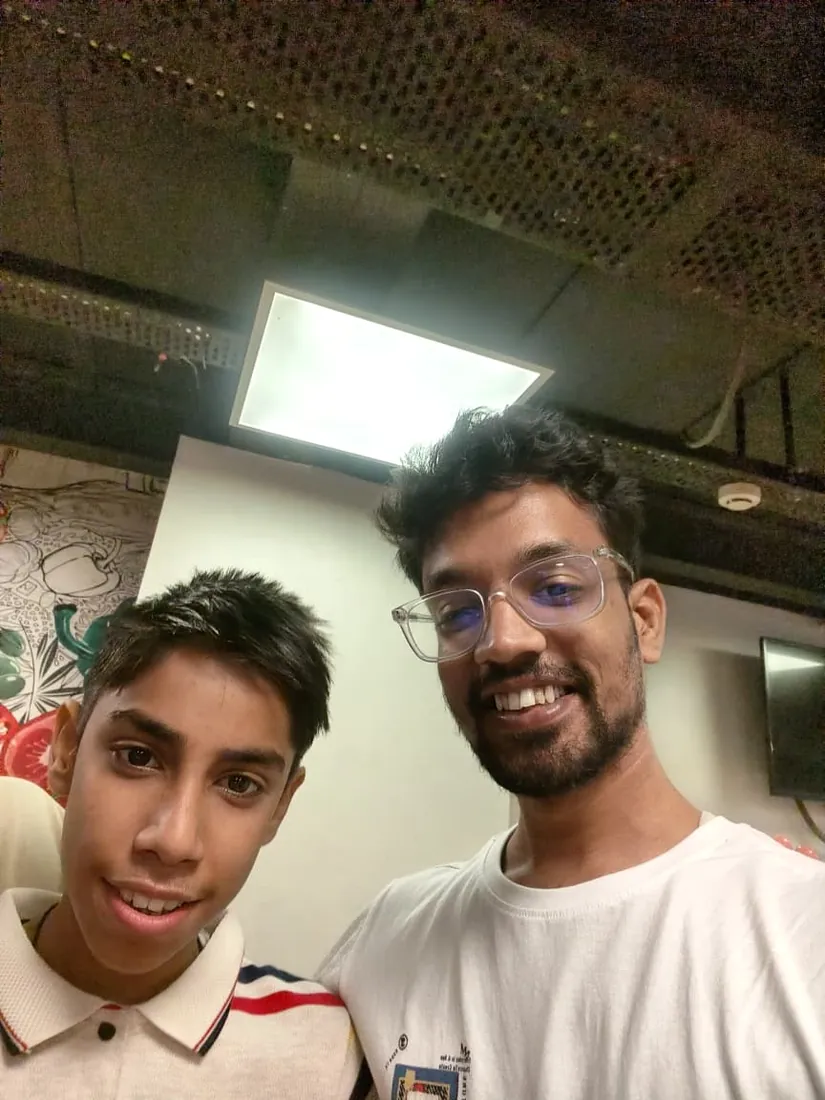
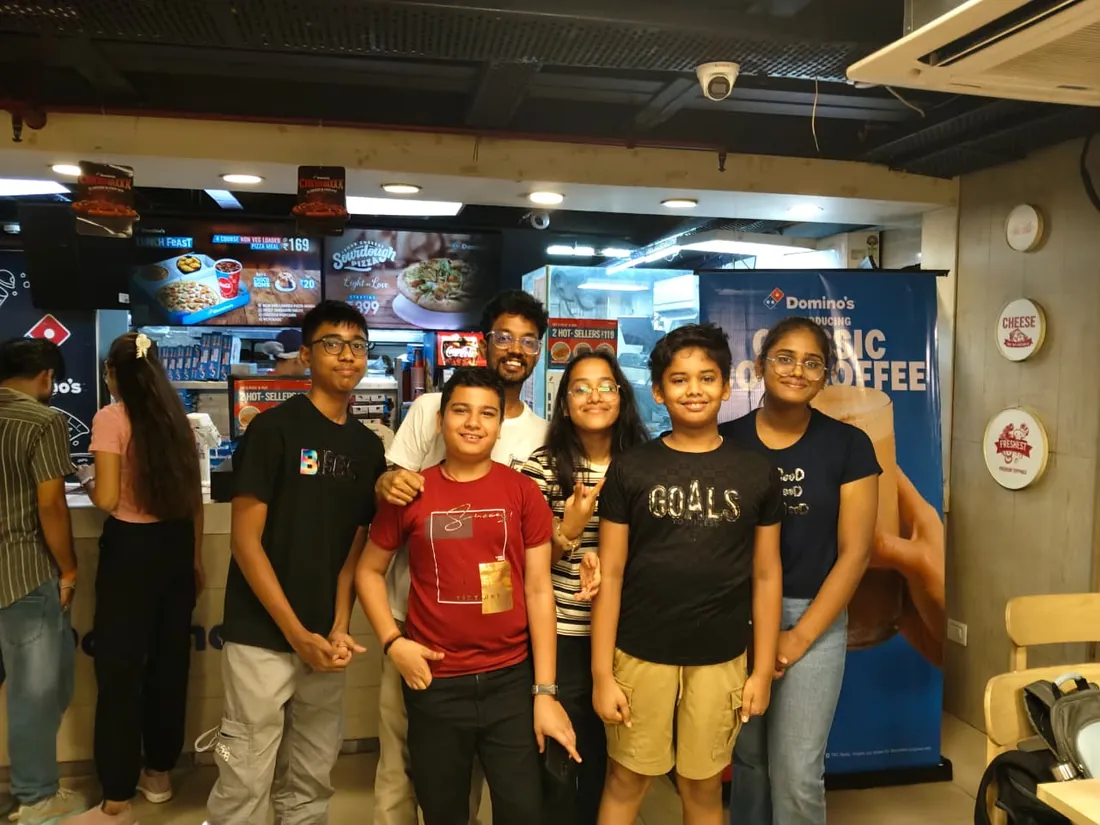
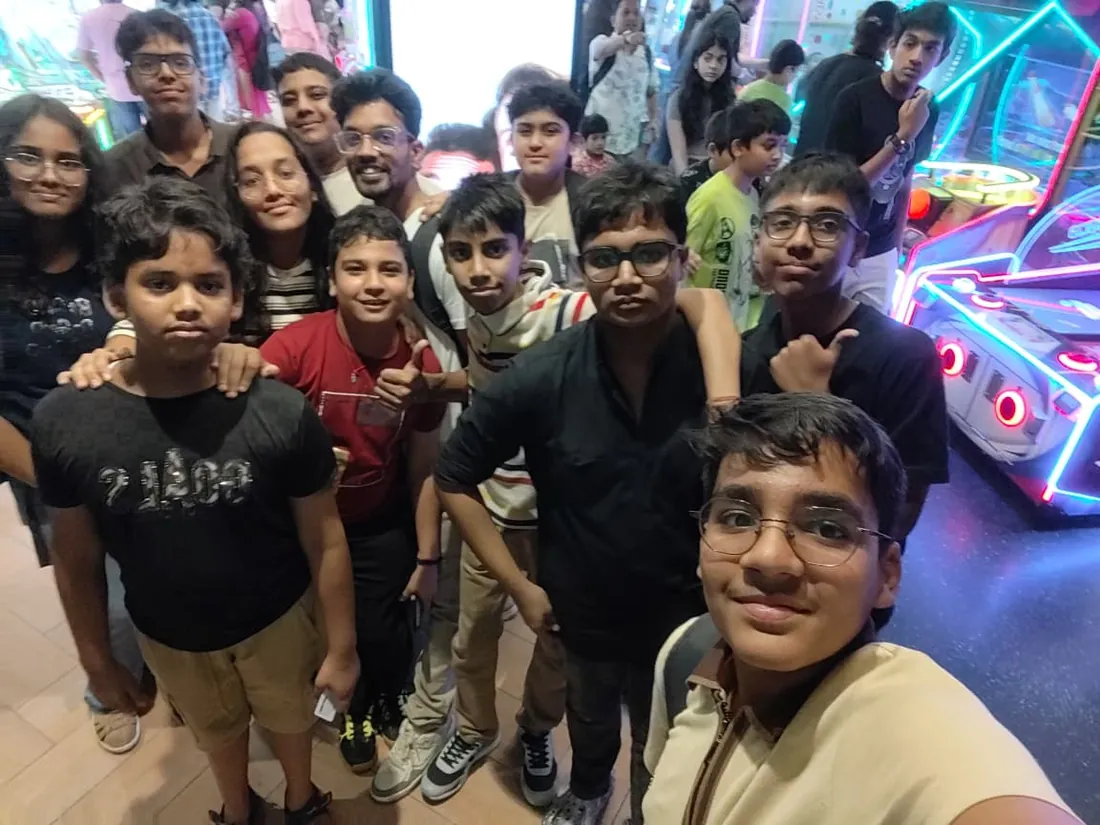
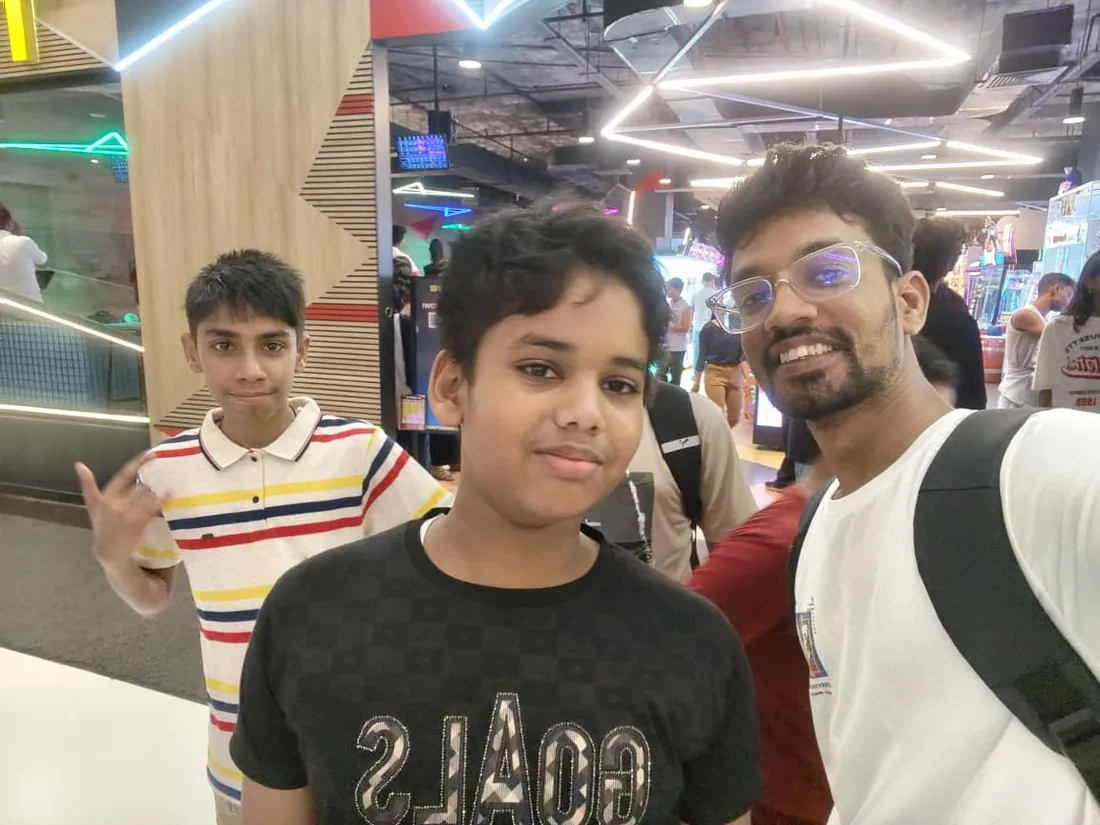
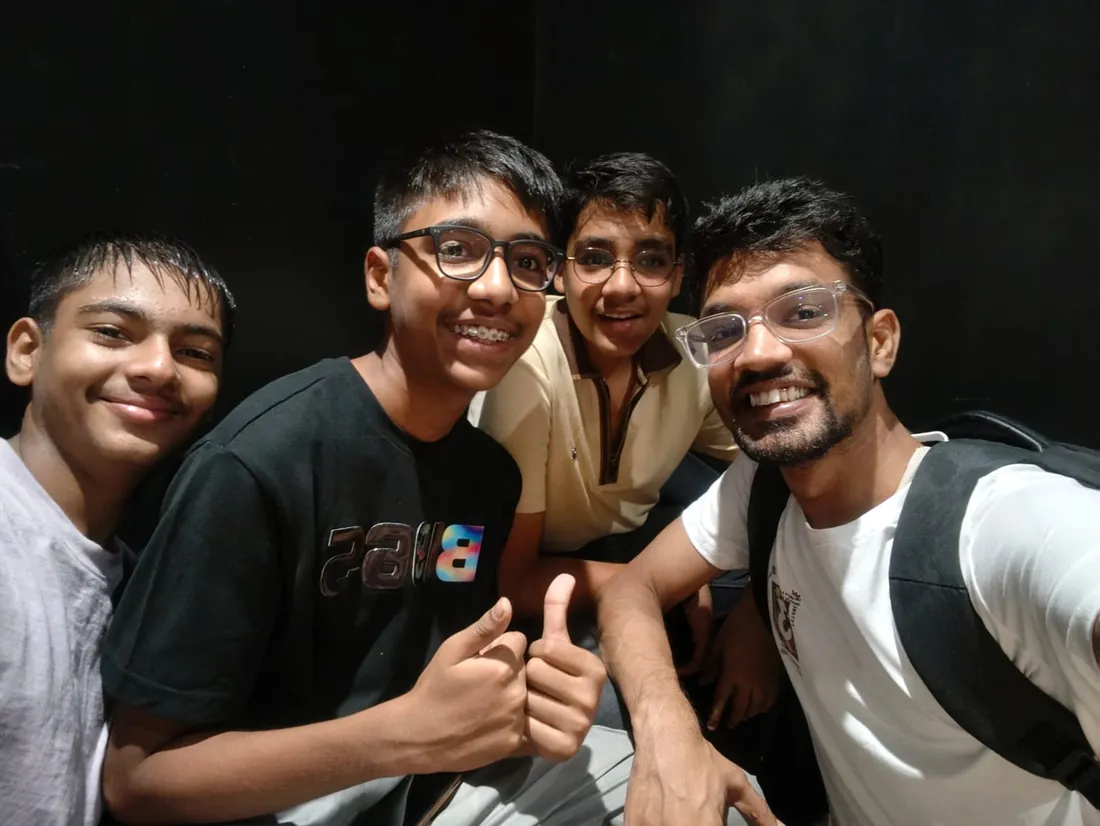
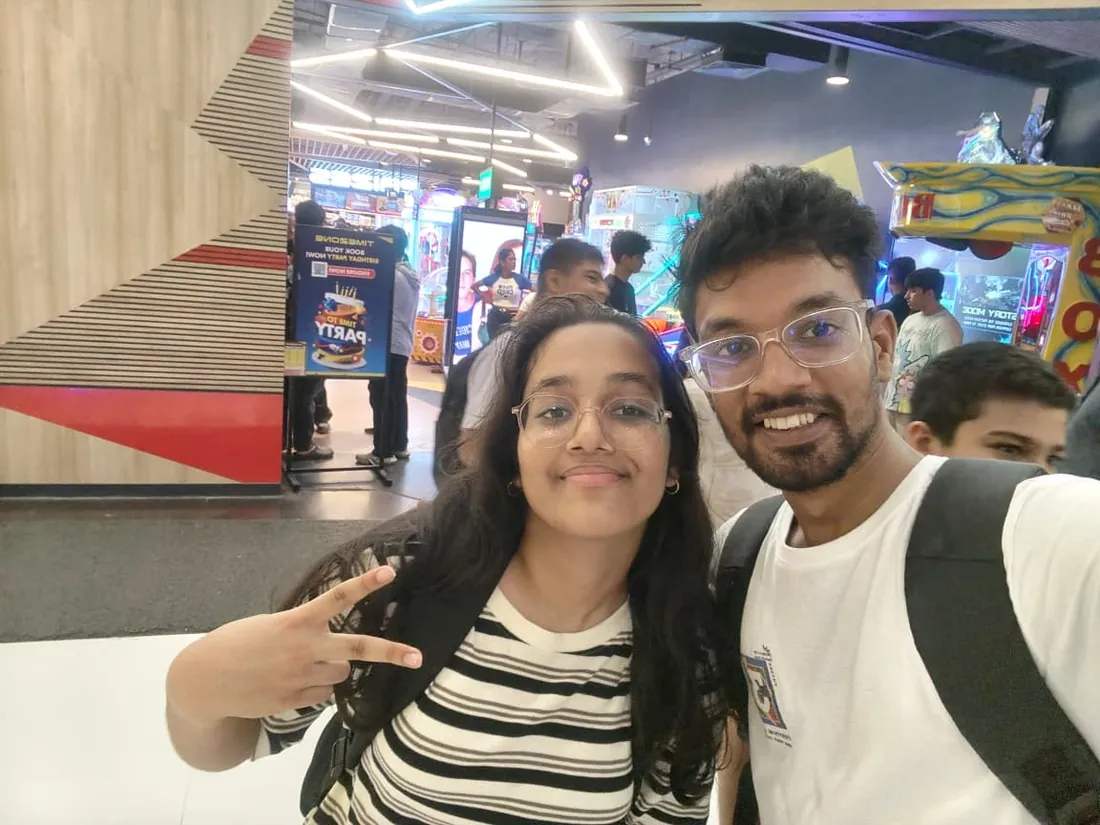
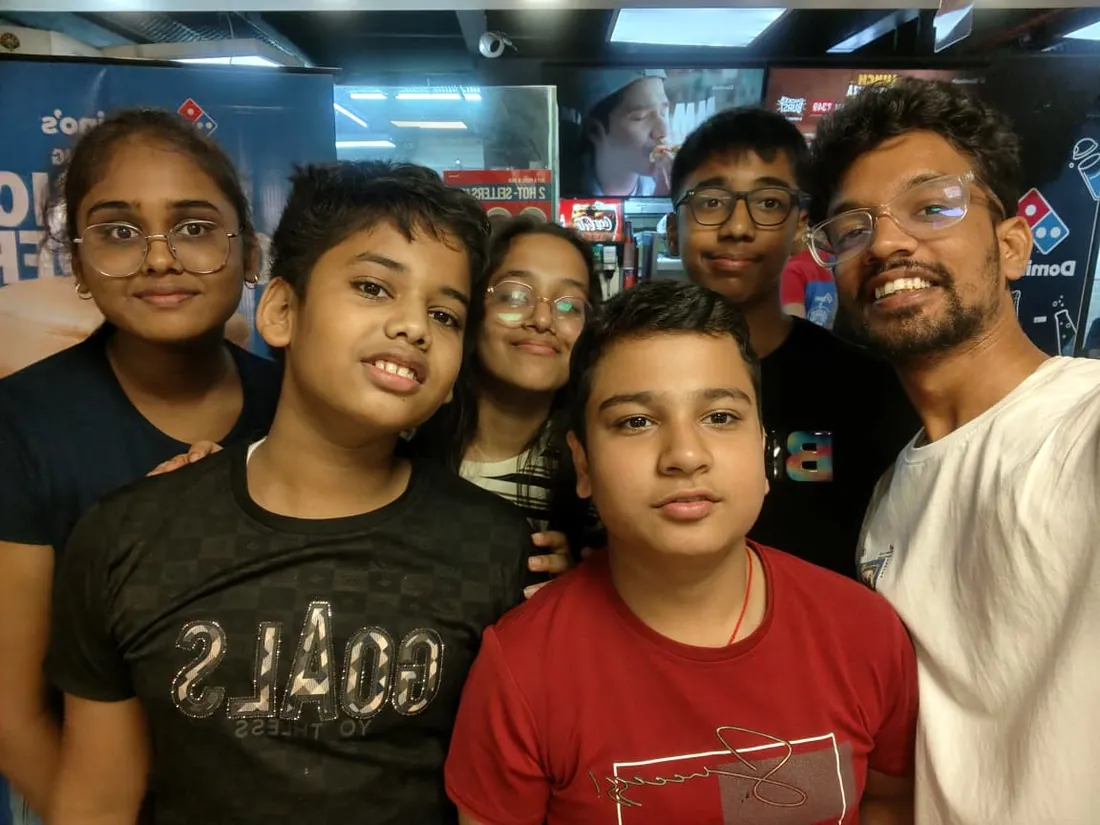
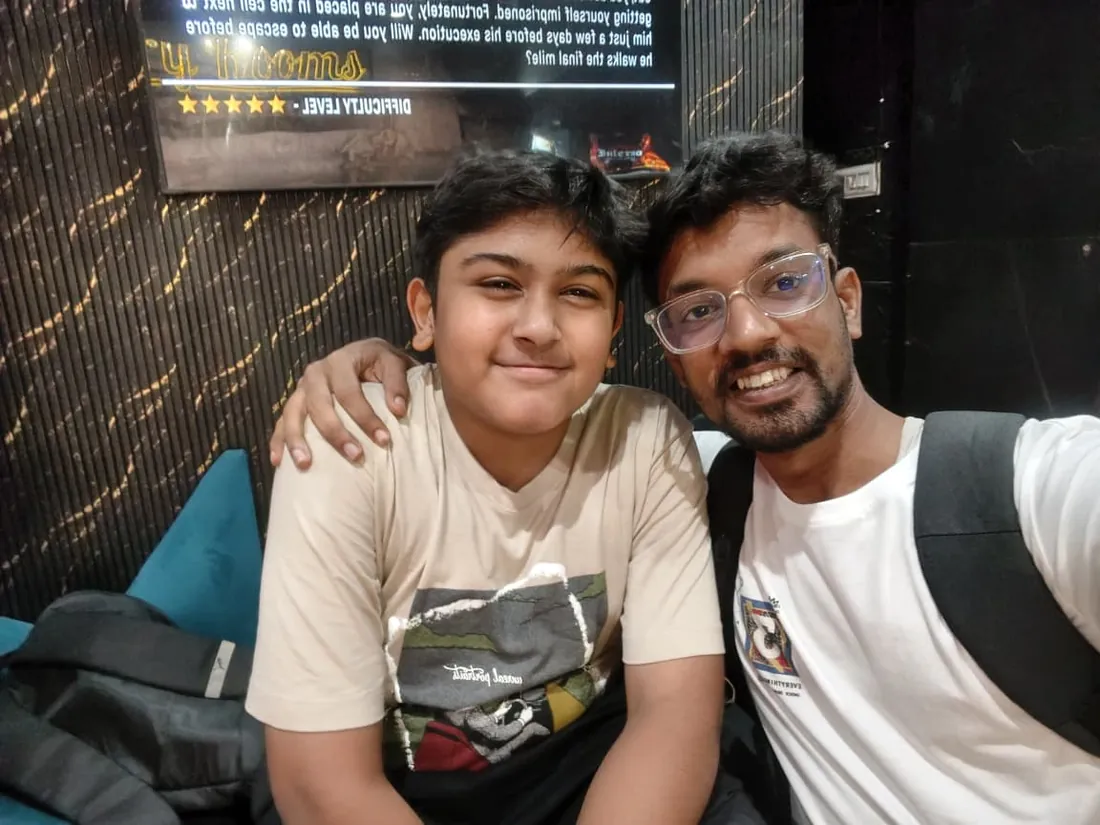
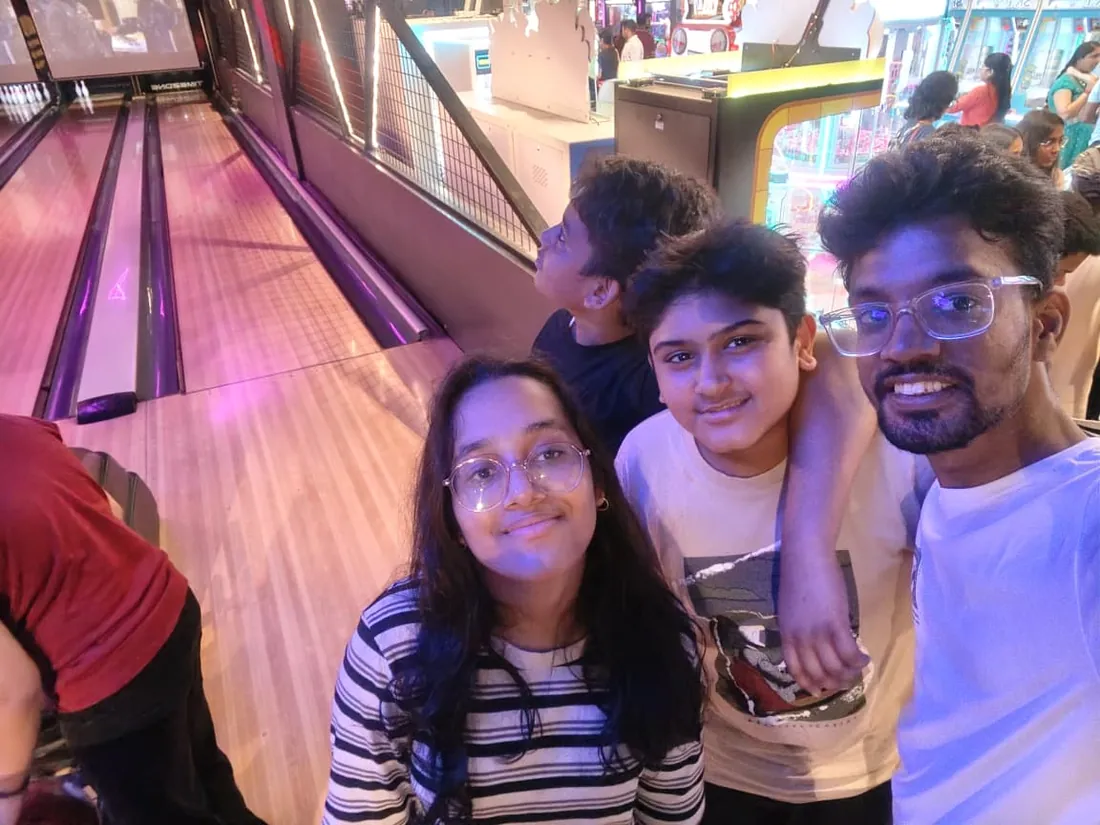
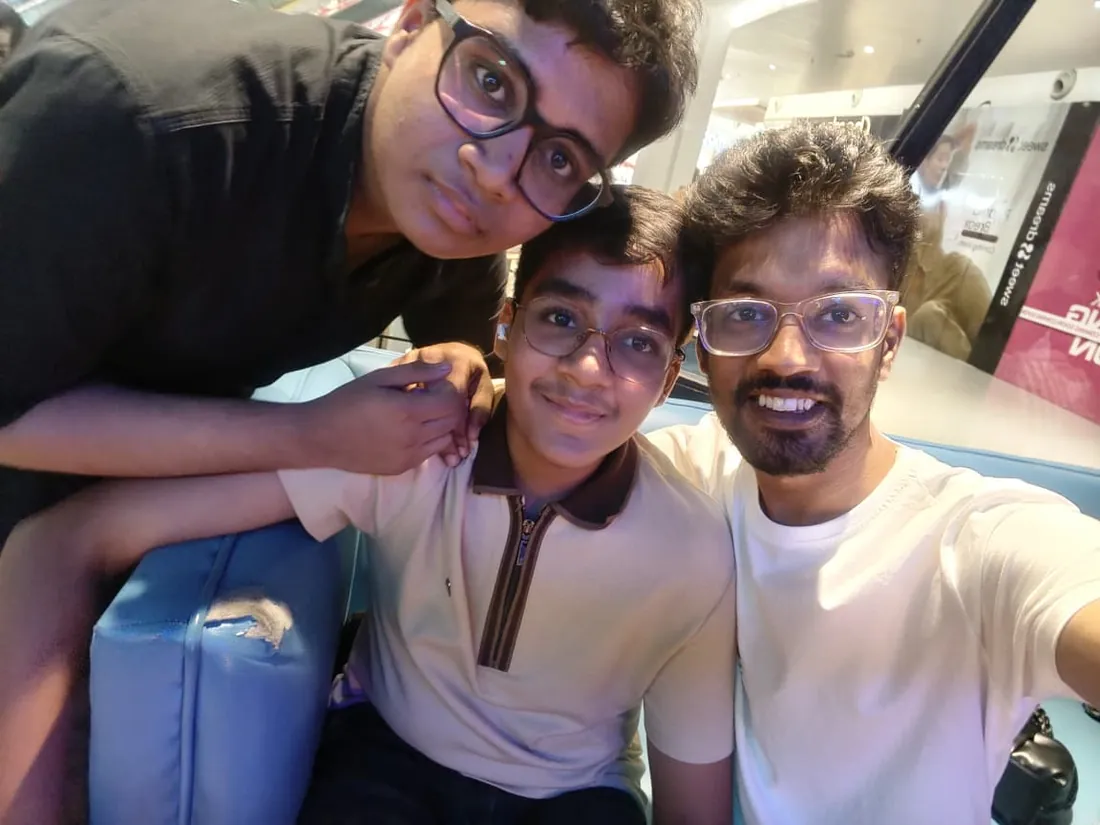
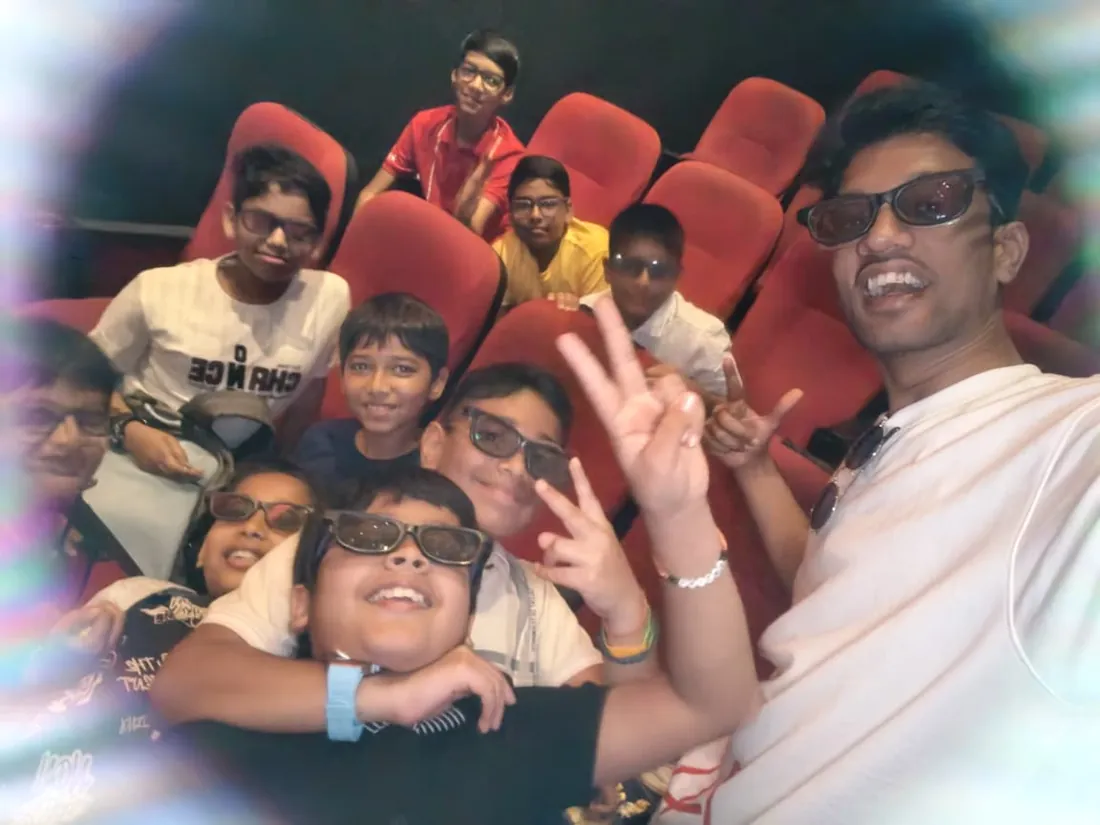
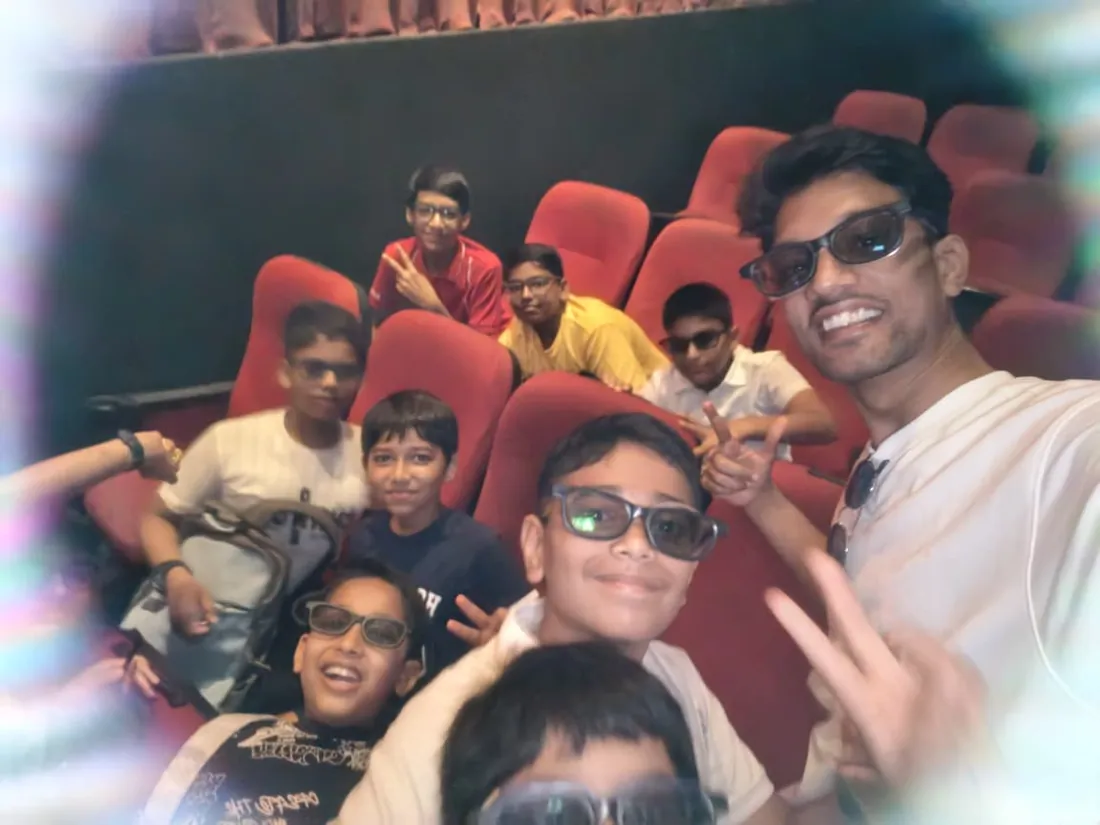
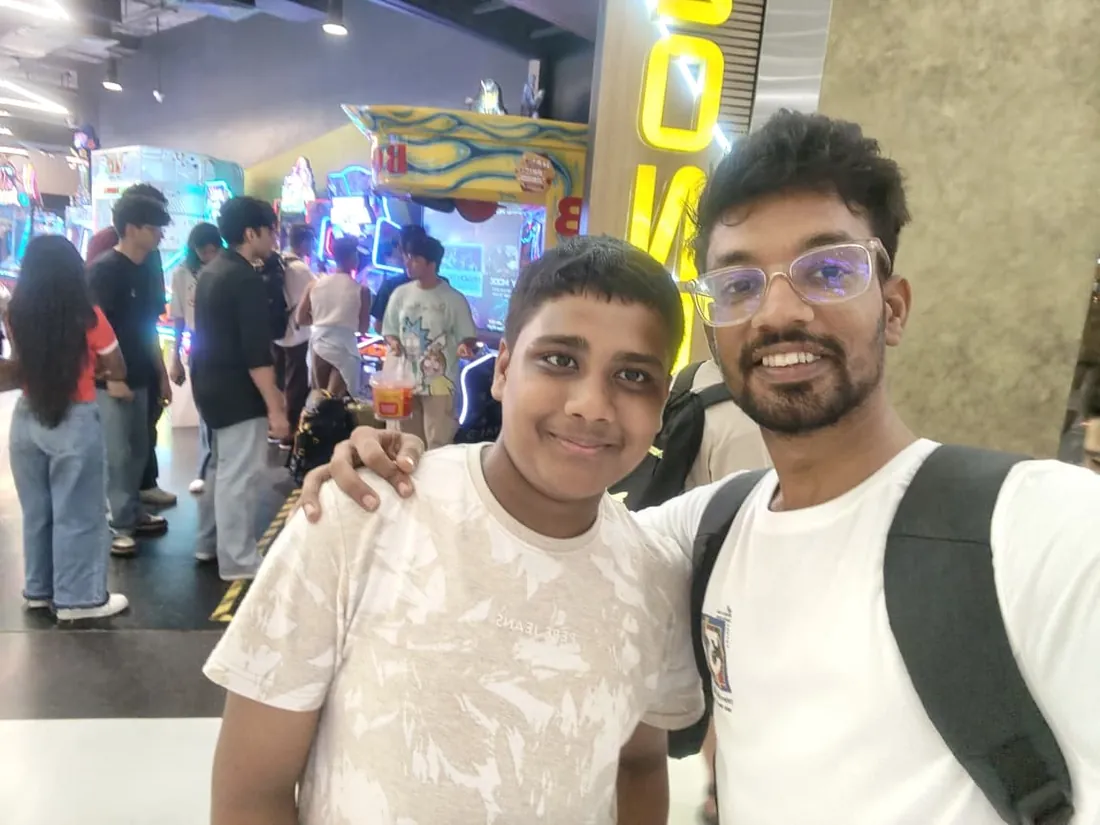
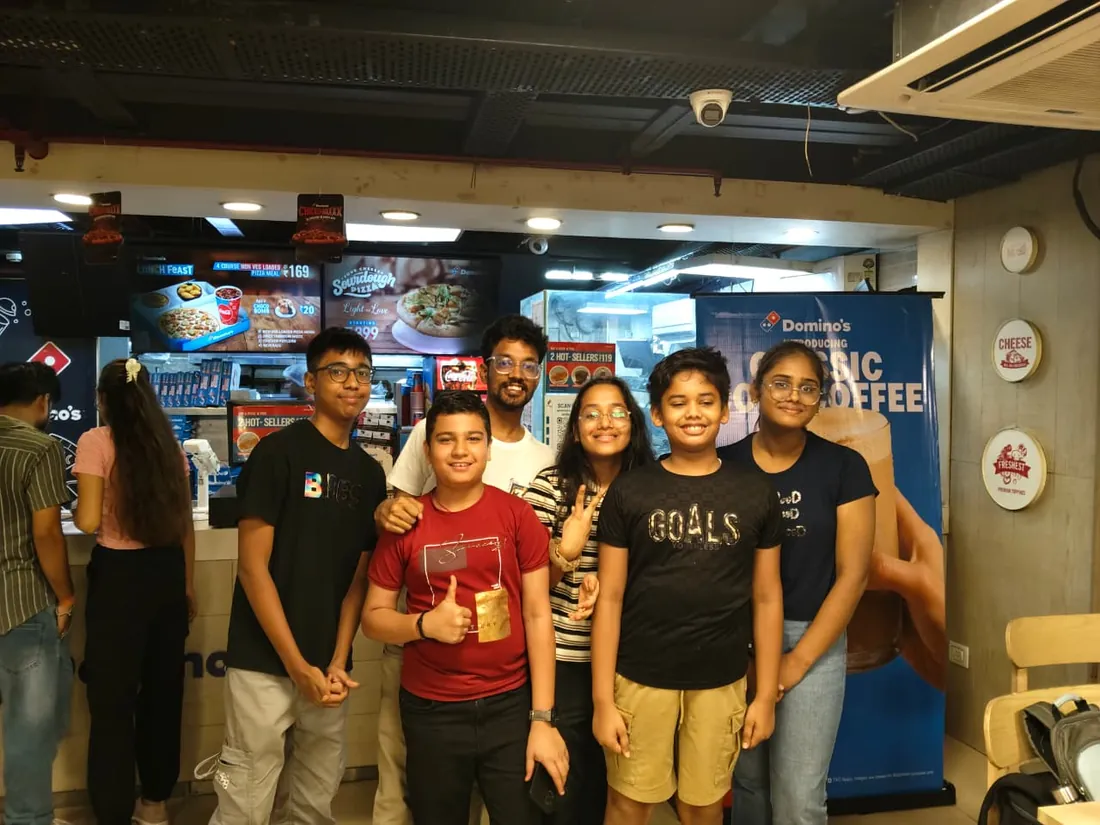
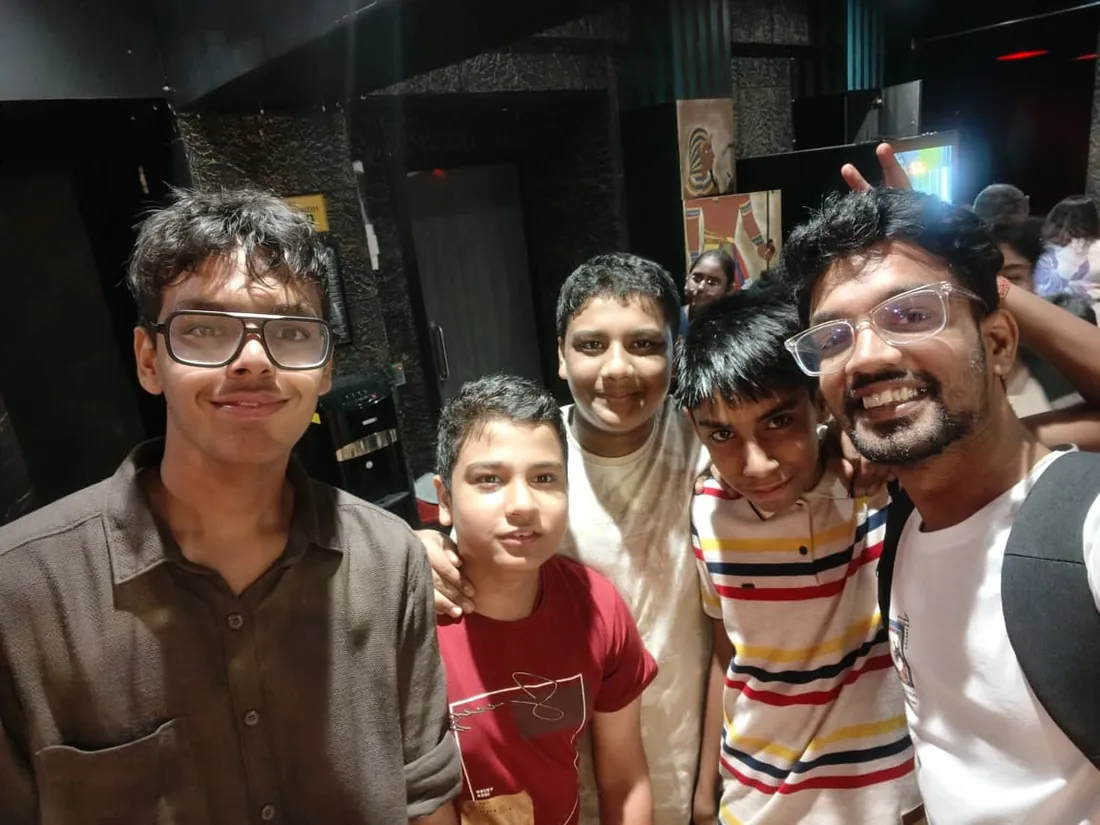
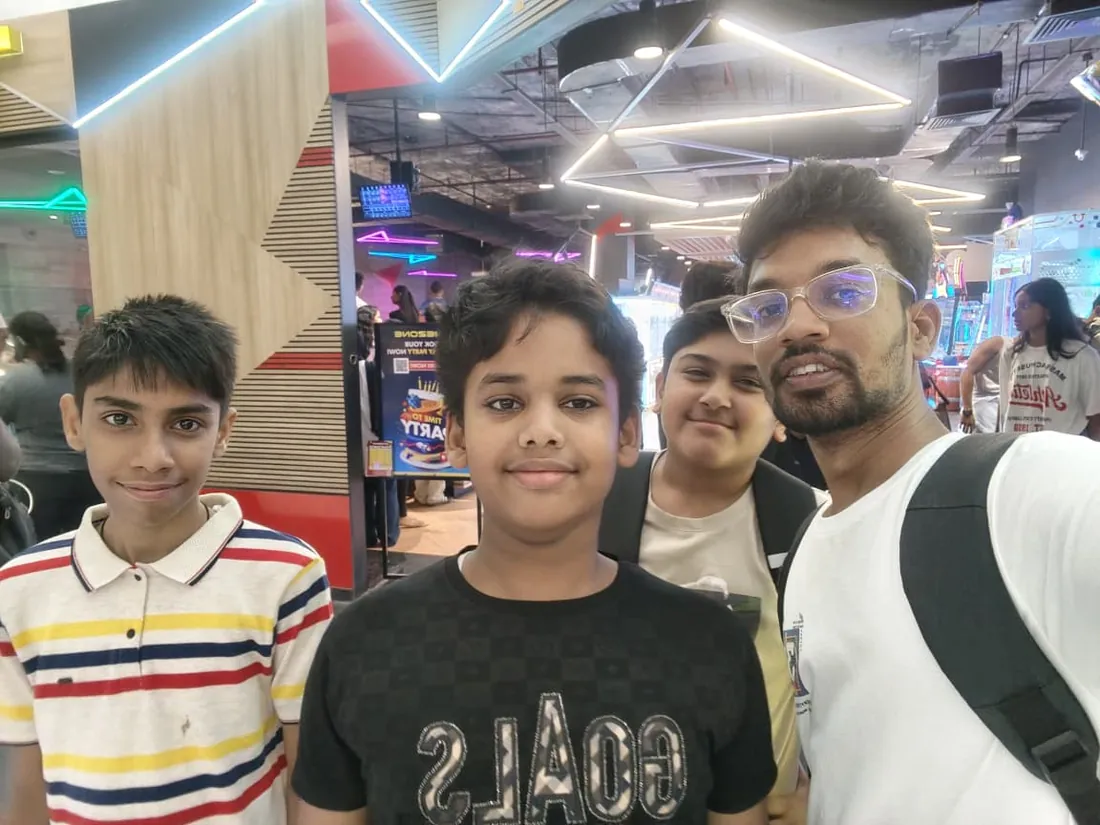
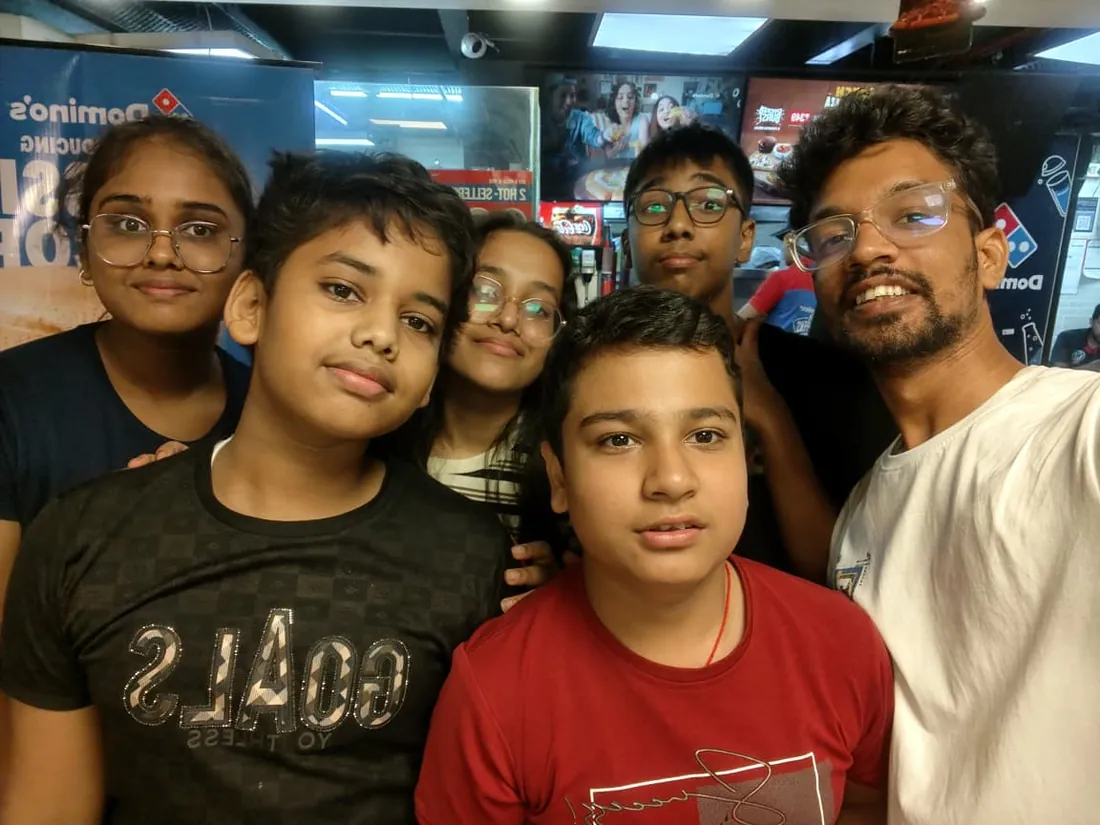
Real students. Real moments. Real joy.
These are our actual student meetups. No stock photos, no filters. Swipe through and meet the community you'll be joining.








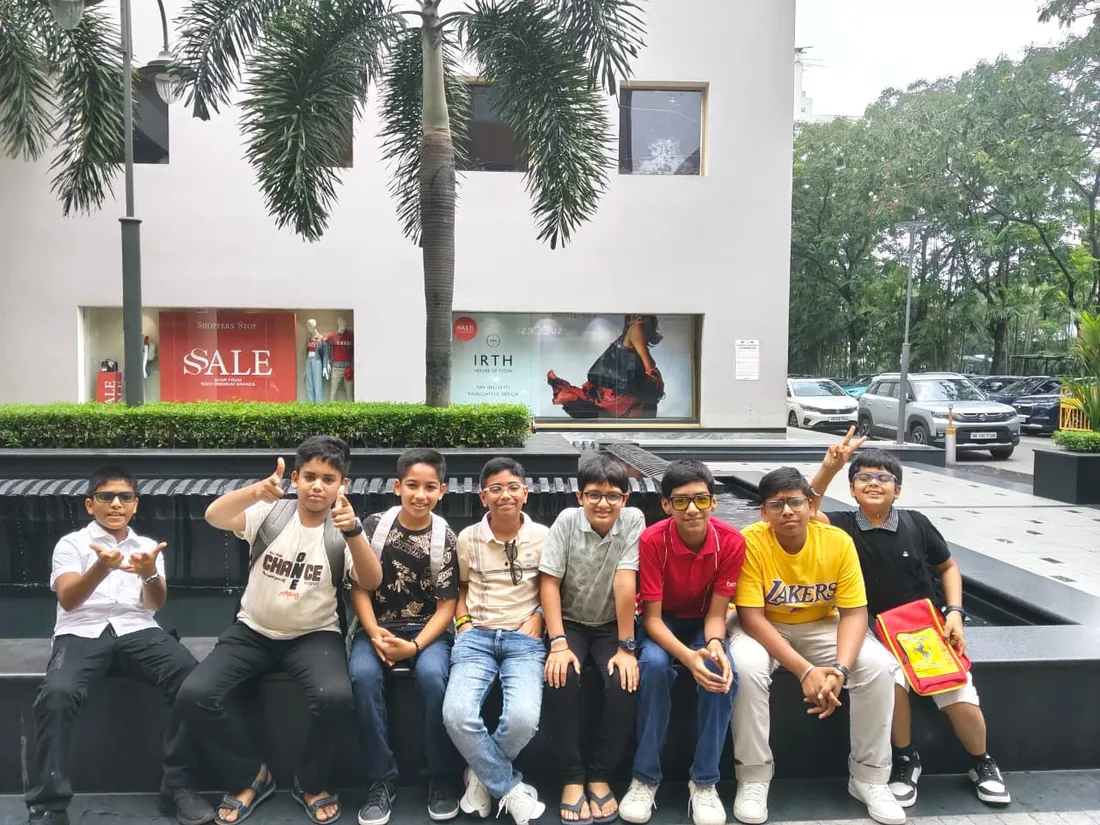
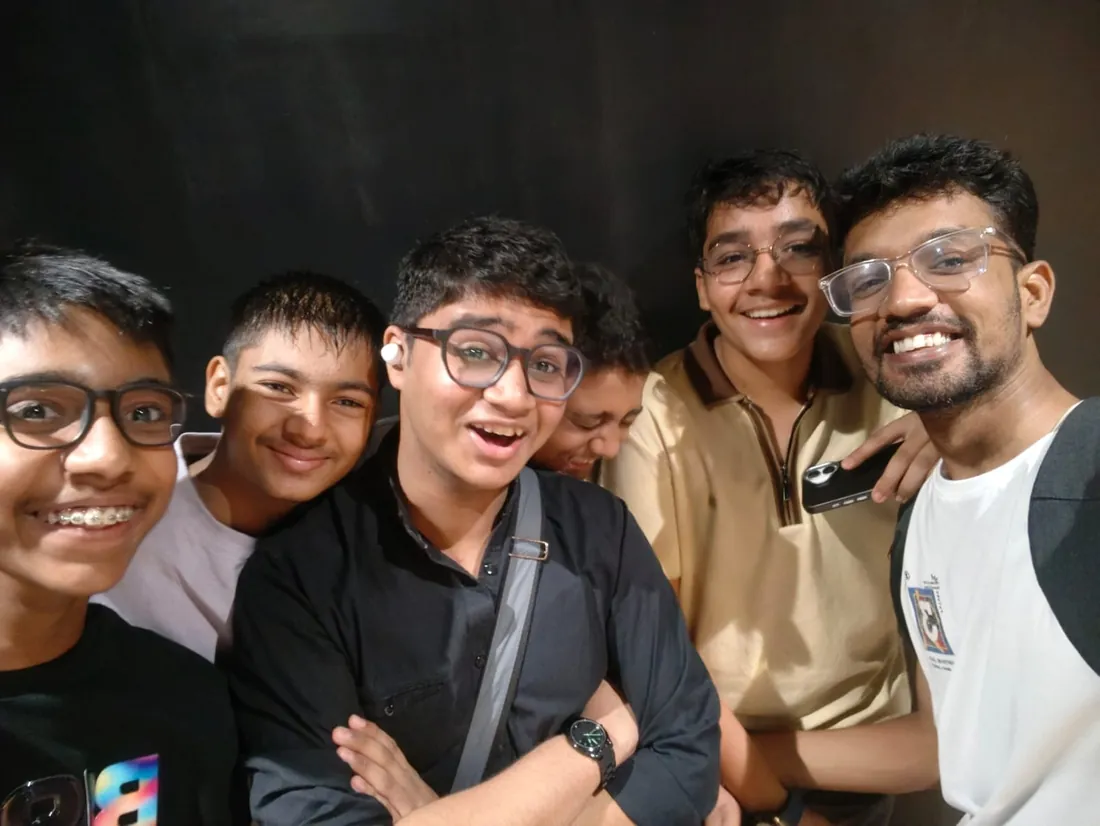
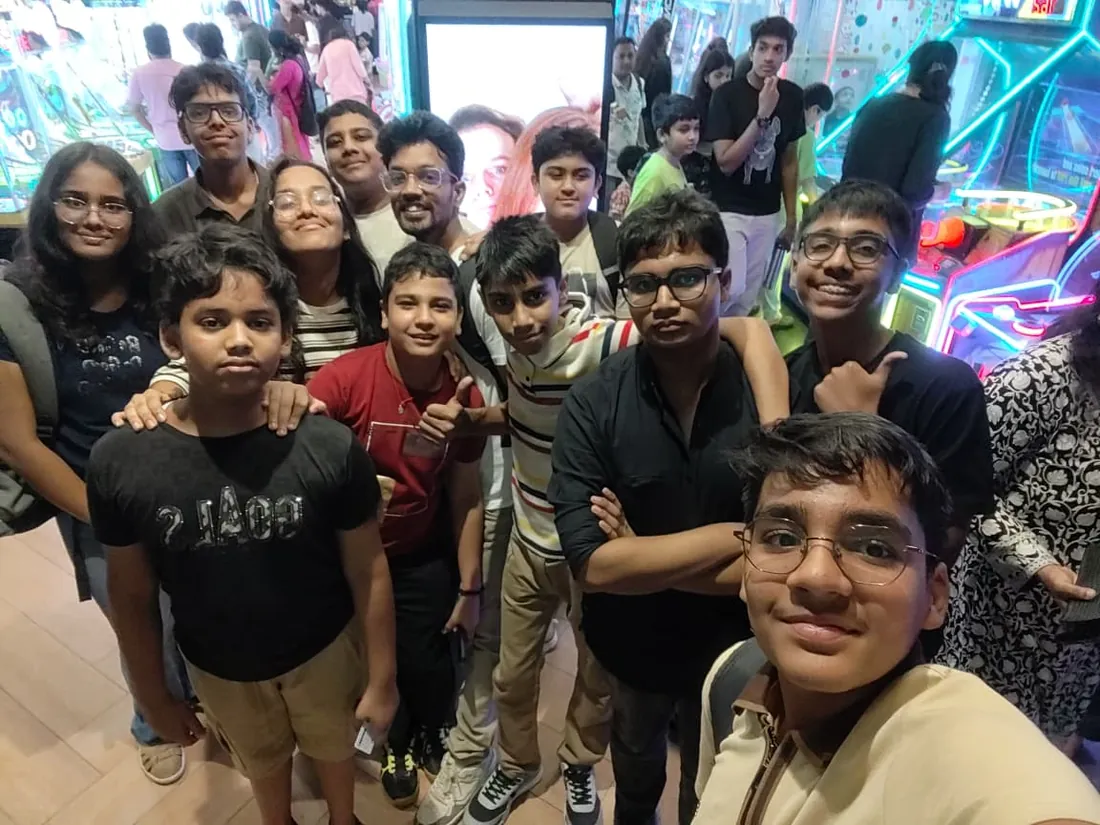
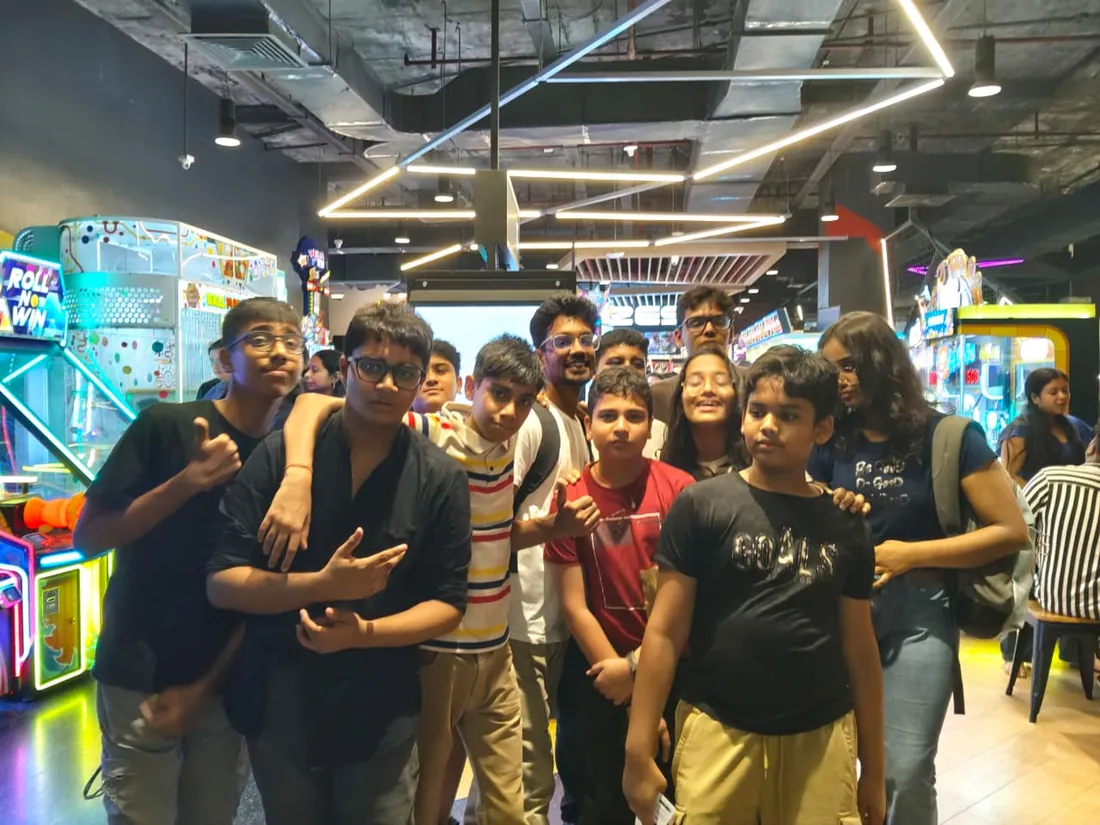
What families say
Straight from the parents and students who learn with us. Rated 4.9 across 547 Google reviews.
“Mivaan enjoys the class. He understands the concepts and completes his tasks with excitement. He started taking interest in coding… truly amazing class.”
“I absolutely love it here! I made new friends and learned important valuable coding skills while having the fun of my life. It's not just coding here, it's outings, bonding and most importantly preparing you for your future. Definitely five stars.”
“What stands out most is how excited my son is before every class. He looks forward to learning, problem-solving, and sharing what he's built. I've noticed a big boost in his confidence!”
“Modern Age Coders has been a game-changer for me! I struggled to grasp IT concepts and coding before joining, but their classes transformed everything. I'm now the topper in my class and can confidently write complex programs with ease.”
“Modern Age Coder have wonderful teachers who teach in a clear, easy and practical way. The teacher boosts students' confidence, keeps them updated with technology, and inspires them to learn without hesitation.”
“The one step solution for my son. Modern Age Coders make learning coding so simple that kids love it.”
“Coding classes here make learning very interesting and conceptual. The teachers teach us in a very easy-to-understand and efficient manner.”
“One of the most wonderful education centres out there. Education is not limited to school syllabus but focuses on skill development. Learning here has been a wonderful journey and still continuing.”
“I highly recommend this computer coding class! The teachers are incredibly knowledgeable and passionate about coding. They make every session engaging and insightful.”
“My child Dhairya is really enjoying the Modern Age Coder IT classes. This is his first online class, and he eagerly looks forward to it.”
“Very good classes. Don't worry about coding. They teach the best, especially Shivam sir.”
“Very good classes. Makes learning very easy and interactive.”
Hear it from our students
Real parents and students in their own words, on our public YouTube channel.
Straight answers about Python Masterclass: Zero to Advanced, Live Online
- Who should take this course?
- Complete beginner (18+); college students, graduates and professionals. Age: 18+; college students, graduates and working professionals. It suits students who want python owned properly, not survived for a semester; professionals entering software through its friendliest serious door; the tutorial-experienced who can follow along but cannot build alone, this course closes that gap.
- What will they learn and build?
- Python is the most useful single language a professional can learn, and the most commonly half-learned. This live online masterclass fixes the half: nine months from zero to genuinely advanced Python, the kind that reads stdlib source without fear, plus the professional toolkit, testing, Git, virtual environments, APIs, automation and concurrency, that turns language skill into working capability.
- How deeply are topics covered?
- The course runs 9-11 months (36-44 weeks) at 2 live classes/week + 4-6 hours practice, across 4 phases listed week by week in the syllabus below. A structured, well-paced curriculum taught step by step, with classwork in every session and problem sets after every class.
- Who teaches it?
- Modern Age Coders mentors, who teach the live classes themselves. You can watch them at work in the free class recordings before you decide.
- How do practice, feedback and assessment work?
- Monthly mixed reviews and a final exam that decides the certificate: real knowledge, real work. Doubt support between classes over WhatsApp, so you are never left stuck. A certificate you earn by passing the final exam, with a free retest after revision if needed.
- What does it cost?
- Three monthly plans: a group batch, a mini batch and 1-on-1. Prices are shown in your currency in the plans section. Monthly billing, cancel any time.
- When can classes take place?
- Live classes are scheduled around your week. Group batches meet at a fixed weekly slot; 1-on-1 students choose their own. International students are scheduled in their own timezone. Ask on WhatsApp for the current slots.
- Can I watch the teaching before deciding?
- Yes. Full recordings of real 13 and up classes are free to watch, free with a Google sign-in. These recordings show how we teach, not the exact syllabus of this course. Some classes are in English and some in Hindi; everyone follows at their own pace. Watch a class end to end, like you are in it. Sessions are interactive and each moment builds on the last.
- Can I enroll without a live demo?
- Yes. Choose a plan on this page and enroll directly; a booking or a demo is not required. A free live demo is optional, for anyone who wants to meet a mentor first. Outside India, our team confirms the plan and completes payment with you over WhatsApp, so allow a little time for that step.
Common Questions About Python Masterclass: Zero to Advanced, Live Online
Get answers to the most common questions about this comprehensive program
Still have questions? We're here to help!
Contact UsRelated Courses You May Like
Continue your learning journey with these recommended programs
 Python Programming
Python for Teens: Complete Course from Beginner to Advanced
Python course for teens aged 13-18. Live online classes, 30+ projects: games, web apps, automation, ...
Explore Course AI & Automation
Python Automation Course: Scripting, Scraping & Applied AI
Python automation course for college students and professionals: Python core, web scraping, browser ...
Explore CourseRelated Articles & Guides
Deepen your knowledge with these hand-picked articles
 Programming
12 min read
Programming
12 min read
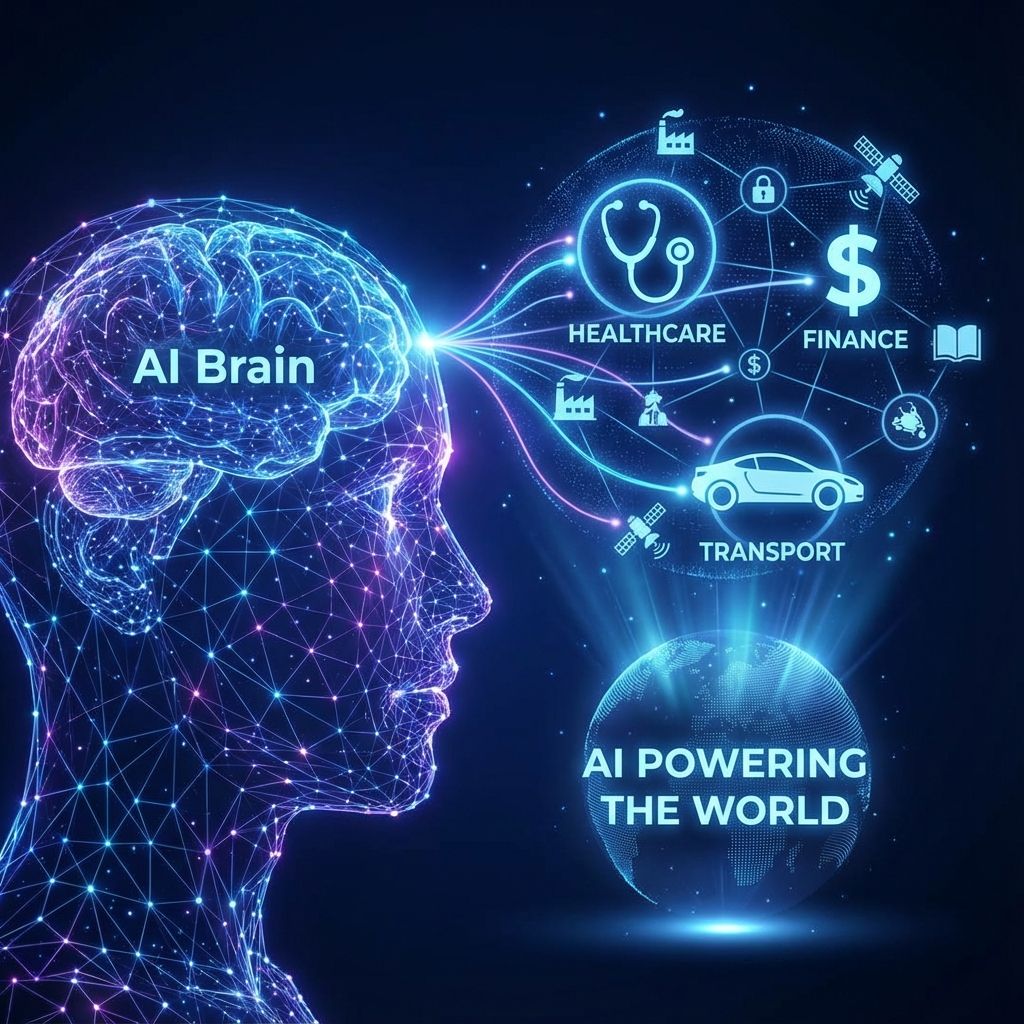
Learn Python for Beginners: Complete Step-by-Step Guide (2026)
Learn Python for beginners with our free step-by-step guide. Covers variables, loops, functions, OOP...
Read Article Career
14 min read
Career
14 min read
Why Python is the Most Powerful Skill for Professionals Today
Discover why Python is the most valuable skill for professionals. Learn salary impact, industry use ...
Read ArticleReady to start Python Masterclass: Zero to Advanced, Live Online?
Book a free demo class to meet your mentor and see how we teach, with no commitment. Or enrol now and start this week.