Python for Teens: Beginner to Advanced
One language carries a teenager from a first print statement to games, web apps, automation and AI projects. This is that road, walked properly in 10 months.
Syllabus updated August 2026
Questions? WhatsApp +91 91233 66161 or email connect@modernagecoders.com
Recordings are free with a Google sign-in. These recordings show how we teach, not the exact syllabus of this course.
Our promise
The world's best learning experience, open to everyone.
- World-class instructorsEvery class is taught by an instructor who specialises in that exact field.
- No compromise on qualityEvery lesson, project and piece of feedback is held to the highest standard.
- Education for everyoneLearners aged 6 to 67, from first-time beginners to working professionals, in 25+ countries.
If you want the highest quality, Modern Age Coders is the right choice.
Book a Priority DemoHow long this course takes
This course runs 10-12 months (40-48 weeks) at 2 live classes/week + 3-4 hours practice. The range allows for background and pace: a complete beginner uses the full span, and a student with prior knowledge finishes sooner. The syllabus below is planned to the shorter end, with margin kept for revision.
For personalised duration planning, call +91 91233 66161 and we'll map a schedule to your goals.
At a glance
- Who it is for
- Absolute beginner, ages 13 to 18.
- Prerequisites
- None. The course starts from the very first line of code
- Format
- Live, interactive classes with a real instructor, never pre-recorded videos. Live classes run about one hour.
- Language
- English or Hindi, depending on the batch.
- Duration
- 10-12 months (40-48 weeks)
- Weekly commitment
- 2 live classes/week + 3-4 hours practice
- Class size
- Group batches of 5 to 10 students, mini batches of 3 to 4, or 1-on-1.
- Certificate
- Certificate from Modern Age Coders, awarded on passing the final exam
- Watch first
- Free recordings of real classes for ages 13 and up, free with a Google sign-in. These recordings show how we teach, not the exact syllabus of this course.
- Live demo
- Optional. Enrol directly on this page, or book a Priority Demo: a full live class of about 45 to 60 minutes with a mentor reserved for you.
- Questions
- WhatsApp +91 91233 66161 or email connect@modernagecoders.com.
How we teach
Deep understanding. Real projects. Expert guidance.
Learn coding, AI and maths through careful explanations, practical demonstrations, and hands-on problem-solving. Our instructors guide you from the foundations to advanced ideas, helping you understand what happens, why it happens, and how to build it yourself.
You will explore concepts step by step, write and improve code, investigate mistakes, ask questions, and apply your knowledge to meaningful projects. Lessons are designed around active participation, thoughtful feedback, and growing independence.
Expert-led live teaching, with practical participation built into every lesson.
- Students explain their thinking.
- Instructors demonstrate, then guide practice.
- Learners code, solve, or build during lessons.
- Questions and misconceptions get attention.
- Assignments receive useful feedback.
- Progress is checked before advancing.
How to join Python for Teens: Complete Course from Beginner to Advanced
Four steps from this page to the first class. See a full class first with a Priority Demo, or choose a plan and enrol today.
Rated 4.9 across 547 Google reviews. Monthly billing, cancel any time.
How enrolment works
See a full class first (optional)
Book a Priority Demo: a live class of about 45 to 60 minutes with a mentor reserved for you, today or tomorrow. After the class the mentor sends a written skill report and a personal learning roadmap on WhatsApp. If you enrol, the demo fee is adjusted against your first month's fee. Share your demo Order ID with us on WhatsApp and we take it off.
Book a Priority DemoDemo fee ₹499Choose a plan
Group batch (5 to 10 students), mini batch (3 to 4 students, India only) or 1-on-1 with your own mentor. Every plan is live online, and each class runs about one hour. The cards below show classes per week and the monthly fee in your currency.
Enrol and pay the first month
Press Enrol Now on your plan, fill in the student's name, email and phone, and pay through secure Razorpay checkout: UPI, cards or net banking in India, and debit or credit card from any other country.
Fix your class timings
After payment, message us on WhatsApp or call +91 91233 66161 with the student's name, the course and your preferred time slot. We confirm the batch, send the class link and schedule the first class at your chosen time.
Billing is monthly and you can cancel any time.
International Students (Outside India)
Billed monthly in US dollars, the same price in every country. Contact us with any questions.
Questions before you enrol? Talk to our team.
Ask about class timings, the right level for your child, what they need to know already, or payment. Parents and adult learners can reach us on WhatsApp, by email or by phone.
Program Overview
Python is the language teenagers can grow with: simple enough that a working program exists by the end of class one, serious enough that it runs Instagram’s backend and most of modern AI. This live online course takes students aged 13 to 18 from zero to genuinely advanced, with every concept practiced through projects a teen actually wants to build and keep.
The first three months build real foundations: variables to functions, the core data structures, files and JSON, algorithms, and object-oriented programming taught with patience instead of jargon. The middle months turn skill into products: 2D games with Pygame that get shared online, desktop apps, automation scripts that do real chores, web scraping done politely, and a first taste of data analysis with pandas. The final months put Python on the web with Flask, databases, user accounts and a real deployment, then finish with machine learning fundamentals, AI-powered features built on modern AI APIs, and a capstone shipped like a real product.
The pace is honest: two live classes a week plus three to four hours of practice, and the syllabus fits ten months of that rhythm. Students who need longer take up to twelve months, the class adapts instead of rushing ahead. Learning is checked the honest way too: homework after every class, monthly assignments that mix new questions with earlier topics, and a final exam that decides the certificate. Real knowledge, real work, real projects, depth over dopamine. By the end, a student owns a portfolio of 30+ projects, a web app on a public URL, and the kind of understanding that makes the next step, whether AI, data science or competitive programming, feel natural.
What Makes This Program Different
- Projects teens choose to keep: games, bots, automations and apps they actually use, not textbook exercises
- An honest 10-month arc with 2 months of margin built in: students who need more practice time take up to 12, nobody is rushed
- Modern Python throughout: the latest Python 3, VS Code, pytest, pandas and real AI APIs, the same tools working developers use
- Every submitted project comes back with written feedback, and recurring gaps are reopened in class instead of left behind
- A deployed capstone: the course ends with an app on the public internet, not screenshots on a laptop
- Small live batches capped at 10 students, with mini-batch and 1-on-1 options for closer attention
- Real assessment: weekly homework, mixed-review assignments every month, and a final exam that decides the certificate, with focused revision and a free retest for students who fall short
Your Learning Journey
Career Progression
Detailed Course Curriculum
Explore the complete week-by-week breakdown of what you'll learn in this comprehensive program.
Topics Covered
- Why Python? The language that runs Instagram, YouTube, and NASA
- Installing the latest Python 3 and understanding versions
- VS Code setup with Python extensions
- Terminal basics: running programs like a developer
- Understanding Python's philosophy: The Zen of Python
- Variables and memory: How Python stores data
- Data types deep dive: int, float, str, bool, None
- Input/Output: Building interactive programs
- Comments and documentation: Writing readable code
Projects You Build
- A personal greeting bot that asks questions and answers back
- Calculator with memory
- Mad libs story generator
Practice & Assignments
Short daily challenges: 15 mini-programs in the first week
Topics Covered
- If-elif-else: Teaching computers to make decisions
- Boolean logic: and, or, not, and De Morgan's laws
- Comparison operators and chaining
- Match-case statements (Python 3.10+)
- Ternary operators for elegant code
- Truthy and falsy values in Python
- Short-circuit evaluation
- Exception handling basics: try, except, finally
Projects You Build
- Rock-Paper-Scissors-Lizard-Spock game
- Password strength analyzer with rules
- Choose-your-own-adventure text game
Practice & Assignments
20 logic puzzles, build 5 decision-based programs
Topics Covered
- For loops: Automating repetitive tasks
- While loops: Conditional repetition
- Nested loops and performance implications
- Loop control: break, continue, else with loops
- Range() function secrets and memory efficiency
- Enumerate() for index tracking
- Zip() for parallel iteration
- List comprehensions: Python's superpower
- Generator expressions for memory efficiency
- Performance: When to use which loop
Projects You Build
- Pattern generator (ASCII art)
- Prime number visualizer
- Multiplication table game
- Progress bar implementation
Practice & Assignments
25 loop challenges, then rebuild 3 earlier programs with less code
Topics Covered
- Functions: Building blocks of programs
- Parameters vs arguments: The complete guide
- Return values and multiple returns
- Default arguments and keyword arguments
- *args and **kwargs: Flexible functions
- Scope and LEGB rule
- Closures and their power
- Lambda functions and when to use them
- Function annotations and type hints
- Docstrings: writing functions someone else can use
- Breaking a big program into small functions
Projects You Build
- Homework helper library of reusable functions
- Unit converter covering 20+ conversions
- Menu-driven mini app assembled from functions
Practice & Assignments
Build a personal library of 15 reusable functions
Assessment
Month 1 check: build a small menu-driven program live using input, conditionals, loops and functions, then a take-home assignment mixing everything from month 1
Topics Covered
- Lists: Python's Swiss Army knife
- List methods: the ones you will actually use, and how to look up the rest
- Slicing notation mastery [start:stop:step]
- List comprehensions with conditions
- Nested list comprehensions
- Tuples: Immutable sequences
- Named tuples for readable code
- List vs Tuple: Performance and use cases
- Unpacking and starred expressions
- Deep vs shallow copy issues
Projects You Build
- Spotify playlist manager
- Tic-tac-toe with AI opponent
- Matrix calculator
- Todo list with priorities
Practice & Assignments
40 list and tuple drills, build 3 small data managers
Topics Covered
- Dictionaries: Key-value mastery
- Dictionary methods and operations
- Dictionary comprehensions
- Nested dictionaries and JSON
- OrderedDict, defaultdict, Counter
- Sets: Unique collections
- Set operations: union, intersection, difference
- Frozen sets for immutable sets
- When to use sets vs lists
- Hash tables: How dictionaries work internally
- Performance characteristics and Big O
Projects You Build
- Contact manager with search
- Word frequency analyzer
- Inventory system for game
- Social network graph analyzer
Practice & Assignments
30 dictionary and set challenges, refactor 2 earlier projects to use them
Topics Covered
- Strings: More than just text
- String methods: the toolkit you will actually reach for
- F-strings: Modern string formatting
- Regular expressions with re module
- Unicode and encoding: UTF-8, ASCII
- Text processing techniques
- String algorithms: searching, matching
- Template strings for safe substitution
- Textwrap for formatting
Projects You Build
- Wordle game clone
- Text encryption tool
- Markdown to HTML converter
- Plagiarism checker
Practice & Assignments
30 string problems, build 3 text tools
Topics Covered
- Reading and writing text files: programs that remember
- The with statement, and why it protects your files
- Working with paths using pathlib
- CSV files: reading and writing spreadsheet-style data
- JSON: saving structured data the way real apps do
- Exceptions in practice: try, except, else, finally
- Raising your own errors with clear messages
- Designing a save-and-load feature for any program
- Where real programs keep their data
Projects You Build
- Journal app that saves entries between runs
- Quiz game with its question bank stored in JSON
- Expense tracker that writes and reads CSV
Practice & Assignments
Add save and load to three of your earlier projects
Assessment
Month 2 check: build a small app that loads data, changes it and saves it back, live, with quiz questions that reach back to month 1
Topics Covered
- Collections module deep dive
- Deque: Double-ended queue
- Heapq: Priority queues in Python
- Bisect: Maintaining sorted lists
- Dataclasses for structured data
- Enum for constants
- Queue and stack implementations
- Linked lists in Python
- Trees and graphs: the intuition, drawn before coded
Projects You Build
- LRU cache implementation
- Task scheduler with priorities
- Undo-redo system using stacks
Practice & Assignments
Implement a stack, a queue and a linked list from scratch
Topics Covered
- Algorithm complexity and Big O
- Searching algorithms: Binary, jump, interpolation
- Sorting algorithms: Quick, merge, heap, radix
- Recursion and memoization
- Greedy algorithms
- Algorithm visualization
- Problem-solving strategies
- A taste of competitive programming, and where our DSA course goes deeper
- Practicing on HackerRank and LeetCode without drowning
- Breadth-first and depth-first search, on a maze you can see
Projects You Build
- Sorting visualizer with Pygame
- Pathfinding algorithm demo
- Sudoku solver with GUI
- Algorithm complexity analyzer
Practice & Assignments
Solve 25 algorithm problems, implement 8 classic algorithms
Topics Covered
- Classes and objects: Building blueprints
- Attributes and methods
- __init__ and object initialization
- self: The magic first parameter
- Class vs instance attributes
- Property decorators for getters/setters
- Method types: instance, class, static
- __str__ and __repr__ for object representation
- Encapsulation and information hiding
- Documentation with docstrings
- Type hints in classes
Projects You Build
- Bank account system
- RPG character creator
- School management system
- E-commerce cart system
Practice & Assignments
Design and build 8 classes for things you know: players, playlists, pets, plans
Topics Covered
- Inheritance: Building class hierarchies
- super() and method resolution order (MRO)
- Multiple inheritance and mixins
- Abstract base classes (ABC)
- Polymorphism and duck typing
- Method overriding and extending
- Composition vs inheritance
- Interface design in Python
Projects You Build
- Game entity system with players, enemies and items
- Shape hierarchy that draws itself
- School management system with people who share behavior
Practice & Assignments
Design 5 class hierarchies, defend each design choice in one sentence
Assessment
Phase 1 exam: build a small OOP system live and explain the design decisions
Topics Covered
- Magic methods (dunder methods) complete guide
- Operator overloading with magic methods
- Container protocols: __len__, __getitem__, __setitem__
- Iterator protocol: __iter__, __next__
- Context managers: __enter__, __exit__
- Arithmetic magic methods
- Comparison magic methods
- Callable objects with __call__
- Properties for safe attributes
- Building a class other code enjoys using
Projects You Build
- Vector class with real operator overloading
- Deck-of-cards class ready for any card game
- Smart inventory that validates what goes in
Practice & Assignments
Give three earlier classes proper __str__, __repr__ and comparison behavior
Topics Covered
- How every game works: the loop, events, update, draw
- Setting up Pygame and the game window
- Drawing shapes, images and sprites
- Keyboard and mouse input that feels responsive
- Movement, velocity and frame rate
- Collision detection: rectangles first
- Sprite groups for clean game code
- Keeping score and rendering text
- Structuring a game file a friend could read
Projects You Build
- Pong from scratch
- Dodge-the-asteroids arcade game
- Collect-the-coins game with a timer
Practice & Assignments
Build one tiny game variant on your own between classes
Topics Covered
- Sprite sheets and animation
- Simple physics: gravity, jumping, bouncing
- Sound effects and music
- Game states: menu, playing, game over
- Particle effects with restraint
- Scrolling levels and a simple camera
- Saving high scores to a file (month 2 pays off)
- Difficulty curves: making a game fair but tense
- Playtesting: watching someone else play your game
Projects You Build
- Platformer with gravity, jumps and levels
- Space shooter with waves, sounds and a menu
Practice & Assignments
Add sound, a menu and a high-score table to your month 4 games
Topics Covered
- AI for enemies: state machines that chase, patrol and flee
- Pathfinding on a grid: BFS first, then a look at A*
- Min-max for turn games: an unbeatable tic-tac-toe
- Procedural content generation
- Packaging a game so someone else can run it
- Publishing on itch.io and writing the game page
Projects You Build
- Tic-tac-toe with an unbeatable AI opponent
- Enemy AI pack for your platformer: patrol, chase, flee
- Your best game published on itch.io
Practice & Assignments
Ship it: publish one finished game and send the link to three people
Assessment
Game demo: present a finished, published game and explain one system inside it, plus a mixed-review assignment covering months 1-4
Topics Covered
- Tkinter: windows, widgets and layouts
- CustomTkinter for apps that look like this decade
- GUI design principles
- Event-driven programming
- Packaging desktop apps
- Connecting buttons to your own functions
- Saving app data with JSON (your month 2 skills)
- Packaging a desktop app with PyInstaller
Projects You Build
- Pomodoro study timer
- Flashcards app for any school subject
- Notes app with save and search
Practice & Assignments
Design and build one desktop tool you will personally use this term
Topics Covered
- The automation mindset: never do a boring task three times
- Organizing folders and files with pathlib and shutil
- Renaming, sorting and de-duplicating hundreds of files safely
- Excel automation with openpyxl
- Reading and creating PDFs with pypdf
- Resizing and watermarking images with Pillow
- Sending yourself email reports from Python
- Scheduling scripts to run on their own
- Dry runs and undo plans: automating without disasters
Projects You Build
- Downloads-folder organizer that runs on a schedule
- School timetable to calendar converter
- Photo batch resizer and watermarker
Practice & Assignments
Automate 5 real chores from your own computer
Topics Covered
- How web pages are structured: HTML through a scraper’s eyes
- Downloading pages with requests
- Parsing with BeautifulSoup: find, select, extract
- Scraping tables and lists into CSV
- Being polite: robots.txt, delays and identifying yourself
- When scraping is the wrong tool: finding the site’s API instead
- Handling pages that change or break
- A look at Playwright for JavaScript-heavy pages
- Legal and ethical lines, in plain language
Projects You Build
- Book or game price tracker with history
- Sports statistics collector into CSV
- News headline digest that emails itself to you
Practice & Assignments
Build one scraper for a site you actually check every week
Topics Covered
- Choosing an automation worth building: your most boring hour
- Breaking a chore into steps a script can do
- Combining skills: files, scraping, email, scheduling
- Logging: knowing what your script did while you slept
- Handling failure gracefully instead of silently
- Writing a README so future-you can maintain it
- Presenting an automation: before, after, time saved
Projects You Build
- The personal automation suite: one real multi-step chore, fully automated, scheduled and logged
Practice & Assignments
Run your automation for a full week and fix what reality breaks
Assessment
Automation review: demonstrate the suite running end to end and walk through the code, alongside a quiz that revisits earlier months
Topics Covered
- NumPy arrays: why they beat lists for numbers
- pandas DataFrames: loading, filtering, sorting, grouping
- Data cleaning and preprocessing
- Exploratory data analysis (EDA)
- Dealing with missing data
- Outlier detection
- Reading CSVs from the real world, mess included
- Asking a dataset questions and trusting the answers
Projects You Build
- Class marks analyzer with honest averages
- Personal screen-time or sports data breakdown
- Music streaming history explorer
Practice & Assignments
Explore 3 real datasets and write down 5 true findings from each
Topics Covered
- Matplotlib: the chart types that cover 90% of real needs
- Seaborn for statistical plots
- Plotly for interactive visualizations
- Animation creation
- Design for honesty: labels, scales and not misleading people
- Plotly for charts you can hover and zoom
Projects You Build
- A visual report on a dataset you care about
- Interactive chart set built with Plotly
Practice & Assignments
Make 10 charts, then rework the 3 weakest until they explain themselves
Topics Covered
- Choosing a dataset and a question worth asking
- Cleaning: missing values, weird rows, wrong types
- Exploratory analysis: distributions, groups, trends
- Correlation and the classic causation trap
- Building the story: from table to chart to sentence
- What data cannot tell you, said out loud
- Packaging analysis in a clean, rerunnable script
Projects You Build
- Full analysis of a real public dataset: cleaned, explored, visualized and written up
Practice & Assignments
Trade datasets with a classmate and check each other’s conclusions
Topics Covered
- Portfolio thinking: choosing your best work so far
- Refactoring old code with new skills
- Code review: reading each other’s projects kindly and usefully
- Filling gaps: a targeted review week shaped by the batch
- Writing project descriptions people understand
- Planning phase 3: what the web changes
Projects You Build
- Polish pass on your two best phase 2 projects, README included
Practice & Assignments
Publish your top 3 projects in a personal portfolio folder
Assessment
Phase 2 review: portfolio walkthrough of the term’s builds, plus a written mixed review spanning phases 1 and 2
Topics Covered
- What happens when you visit a URL: DNS, HTTP, servers, browsers
- HTTP methods and status codes developers actually meet
- HTML and CSS: a working crash course for Python developers
- What JSON is doing in every modern app
- APIs: how programs talk to other programs
- Reading API documentation without fear
- The client-server picture, drawn until it sticks
- Developer tools: watching real traffic in the network tab
Projects You Build
- A hand-built personal page in HTML and CSS
- HTTP explorer: a script that inspects any site’s responses
Practice & Assignments
Map the requests behind 3 sites you use daily
Topics Covered
- Calling real APIs with requests
- API keys, and keeping them out of your code with .env files
- Parsing JSON responses into useful Python objects
- Handling errors, timeouts and rate limits like a professional
- Pagination: getting all the data, not just page one
- Building a small client library around an API
- Command-line tools people can actually use
- Free public APIs worth building on
Projects You Build
- Weather dashboard in the terminal
- Currency converter with live rates
- Trivia game powered by a public API
Practice & Assignments
Build clients for 3 different public APIs
Topics Covered
- Flask: a real web server in seven lines
- Routes and view functions
- Templates with Jinja2
- Static files handling
- Request and response objects
- Debug mode and reading Flask errors calmly
- Passing data from Python into pages
Projects You Build
- Personal site served by Flask
- Dice-roller and random-picker web tools
- Quote-of-the-day site with rotating content
Practice & Assignments
Build 3 tiny Flask apps from scratch without notes
Topics Covered
- Jinja templates: loops and conditionals inside HTML
- Template inheritance: one layout, many pages
- Forms: getting data from the visitor safely
- Validating input, and never trusting the browser
- Redirects and flash messages
- Sessions and cookies: remembering visitors
- Organizing a Flask project as it grows
- Styling with a lightweight CSS framework
Projects You Build
- Multi-page site with one shared layout
- Feedback form that validates and thanks properly
- Mini poll app that remembers your vote
Practice & Assignments
Convert two phase 2 tools into small web apps
Assessment
Month 7 check: build and explain a small Flask feature live, plus a mixed quiz reaching back to earlier phases
Topics Covered
- SQL fundamentals: select, insert, update, delete, join
- SQLite for development
- SQLAlchemy models: tables as Python classes
- Query optimization and indexing
- Transactions and ACID properties
- Designing tables for a real app before coding it
- When a spreadsheet stops being enough
Projects You Build
- Book or game library app backed by SQLite
- Class notice board with posts stored properly
Practice & Assignments
Design and build 3 small database schemas
Topics Covered
- Sign up and log in with Flask-Login
- Password hashing: why plain text is never stored, ever
- Protecting pages: login required
- Each user sees their own data: ownership in queries
- Web security awareness: SQL injection and XSS, shown safely
- CSRF protection with Flask-WTF
- Secrets and settings kept in environment variables
- A security checklist for every app you ship
Projects You Build
- To-do app with real accounts, where every user has their own list
Practice & Assignments
Add accounts to your week 29 app, then try to break your own login
Topics Covered
- What deployment actually means: your laptop is not a server
- Preparing an app: requirements.txt, gunicorn, configuration
- Deploying to Render step by step
- Environment variables in production
- Keeping secrets out of GitHub, permanently
- Custom domains and HTTPS, demystified
- Reading production logs when something breaks
- The deploy checklist you will reuse for years
Projects You Build
- Your accounts app deployed to a public URL anyone can visit
Practice & Assignments
Deploy a second app solo, using only your own checklist
Topics Covered
- Scoping a web app you can finish in a week
- Building in slices: one working feature at a time
- Testing your app the way a stranger uses it
- Polish: empty states, error pages, small screens
- A mid-week review with the instructor
- Shipping and sharing the link
Projects You Build
- The web capstone: a Flask app with a database, accounts and a live URL. Classic picks: link shortener, study planner, club site with sign-ups, or your own idea
Practice & Assignments
Collect feedback from 3 real users and ship one improvement
Assessment
Web capstone review: live walkthrough from route to database to deployed URL, with cumulative questions from phases 1-3
Topics Covered
- What machine learning actually is: functions learned from data
- Supervised learning algorithms
- Unsupervised learning techniques
- Evaluating honestly: train/test splits and why accuracy can lie
- Overfitting: the model that memorized the homework
- Reading what a model learned, and its limits
Projects You Build
- Movie or game rating predictor
- Handwritten digit classifier
- Spam detector trained on real messages
Practice & Assignments
Train 5 models, and for each write one sentence on where it fails
Topics Covered
- Calling a modern AI model from Python (accounts set up with a parent where required)
- Structured output with Pydantic
- Function calling: giving the model real tools
- The agent loop: plan, act, observe, repeat
- Retrieval over your own documents
- Vector search basics, and when it is overkill
- Guardrails: validating what comes back
- When the agent is confidently wrong
- Cost control: tokens, caching, spend caps
- Automating a real, boring task end to end
- Evaluating an agent: does it actually work?
Projects You Build
- Tool-using research helper
- Document Q&A over your own class notes
- Automate one real weekly chore with an AI step
Practice & Assignments
Build 3 small AI-powered scripts and note where each one is confidently wrong
Topics Covered
- Designing an AI feature people would actually use
- Adding an AI endpoint to your Flask app
- Prompts as code: versioned, tested, improved
- Streaming responses so the app feels alive
- Caching to control cost and speed
- Failure modes: timeouts, refusals and nonsense, handled
- Simple evaluation: is the feature actually good?
- AI ethics for builders, in plain terms
Projects You Build
- Study-buddy feature added to your deployed web app: ask questions, get grounded answers
Practice & Assignments
Run 20 real queries through your feature and grade the answers yourself
Topics Covered
- Why every developer uses version control
- The core loop: status, add, commit, log
- Branches: experimenting without fear
- GitHub: pushing your work to the world
- READMEs that make a project understandable in a minute
- Undoing mistakes: the calm guide
- .gitignore and never committing secrets
- Your GitHub profile as a living portfolio
- Where our full Git and GitHub course goes further
Projects You Build
- Course portfolio pushed to GitHub: best projects, clean READMEs, pinned repositories
Practice & Assignments
Commit daily for two weeks; make the history readable
Assessment
Month 9 check: a mixed assignment spanning machine learning, AI features and Git, with questions revisiting earlier phases
Topics Covered
- pytest: your first real test suite
- Test-first thinking on one small feature
- Fixtures and factories
- API testing strategies
- Black and flake8: code that reads like it was written on purpose
- Reading tracebacks like a detective, not a victim
- Debugging with breakpoints instead of print spam
Projects You Build
- Test suite for your web capstone’s core logic
- Bug hunt: find and fix 5 planted bugs using the debugger
Practice & Assignments
Write 25 tests across your three best projects
Topics Covered
- Choosing the capstone: a game with an AI opponent, a full web app with an AI feature, or an automation product
- Writing a one-page spec before any code
- Milestones: working core by day 4, feature-complete by day 10
- Instructor checkpoints and course corrections
- Using everything: OOP, files, web, data, AI, Git, tests
- Cutting scope without cutting quality
- Preparing the demo: story, not feature list
Projects You Build
- The final capstone, built over two weeks with version control, tests on the core logic, and a README worth reading
Practice & Assignments
Daily commits; a working build at the end of every session
Topics Covered
- Presenting the capstone: live demo plus the hardest bug story
- Portfolio final pass: GitHub profile, project pages, screenshots
- An honest skills inventory: strong, shaky, next
- Where each path leads: AI and machine learning, data structures and algorithms, deeper web development
- How school and board computer science connect to what you now know
- Staying sharp: projects, communities and healthy practice habits
Projects You Build
- Demo day presentation delivered to the batch and parents
Assessment
FINAL EXAM: a practical build plus a written paper with questions mixed from every phase. Passing earns the certificate; a student who falls short gets a focused revision plan and a free retest
Projects You'll Build
Build a professional portfolio with 30+ real projects, ending with a deployed web app and an AI-powered capstone real-world projects.
Weekly Learning Structure
Certification & Recognition
Technologies & Skills You'll Master
Comprehensive coverage of the entire modern web development stack.
Support & Resources
Career Outcomes & Opportunities
Transform your career with industry-ready skills and job placement support.
Prerequisites
Who Is This Course For?
Career Paths After Completion
Course Guarantees
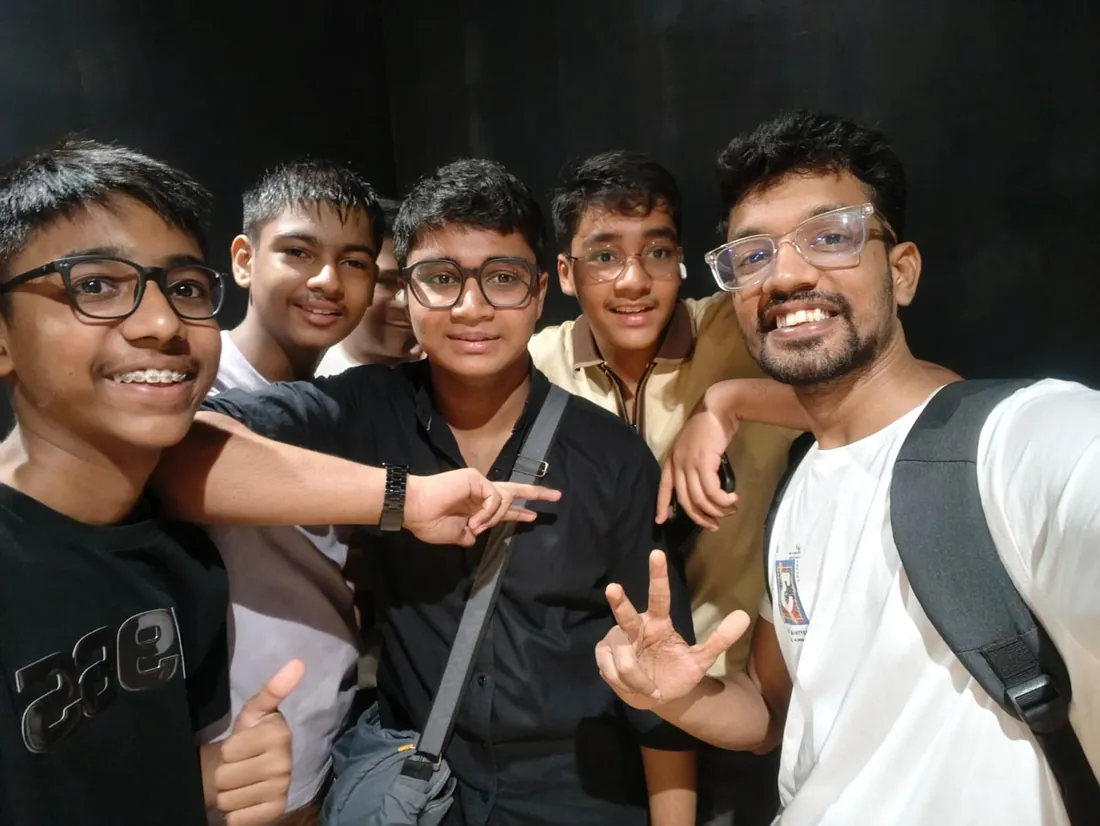
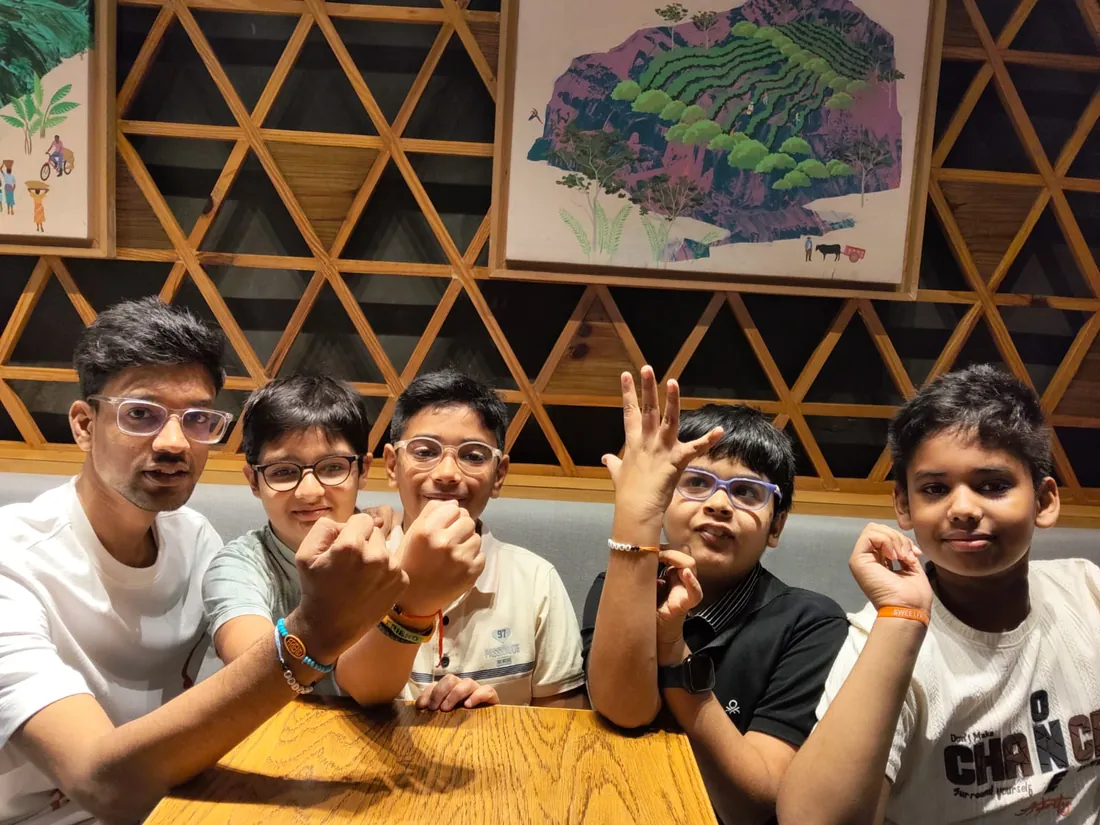
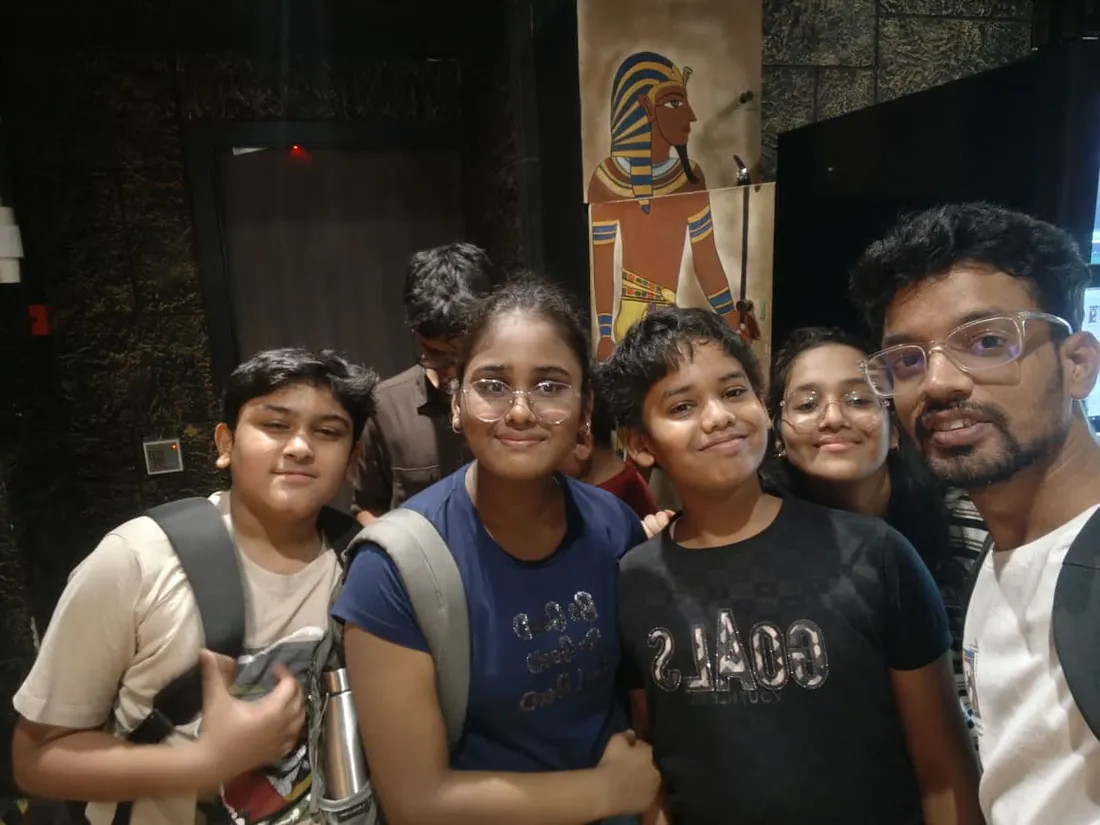
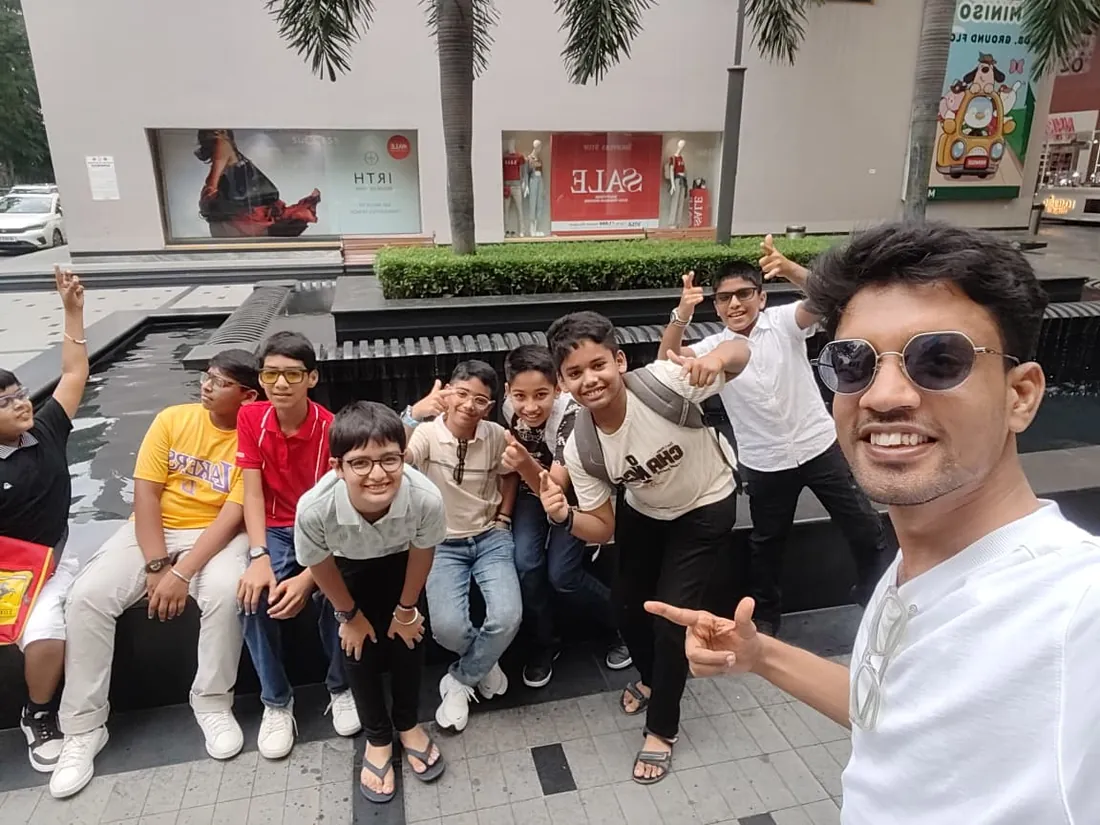
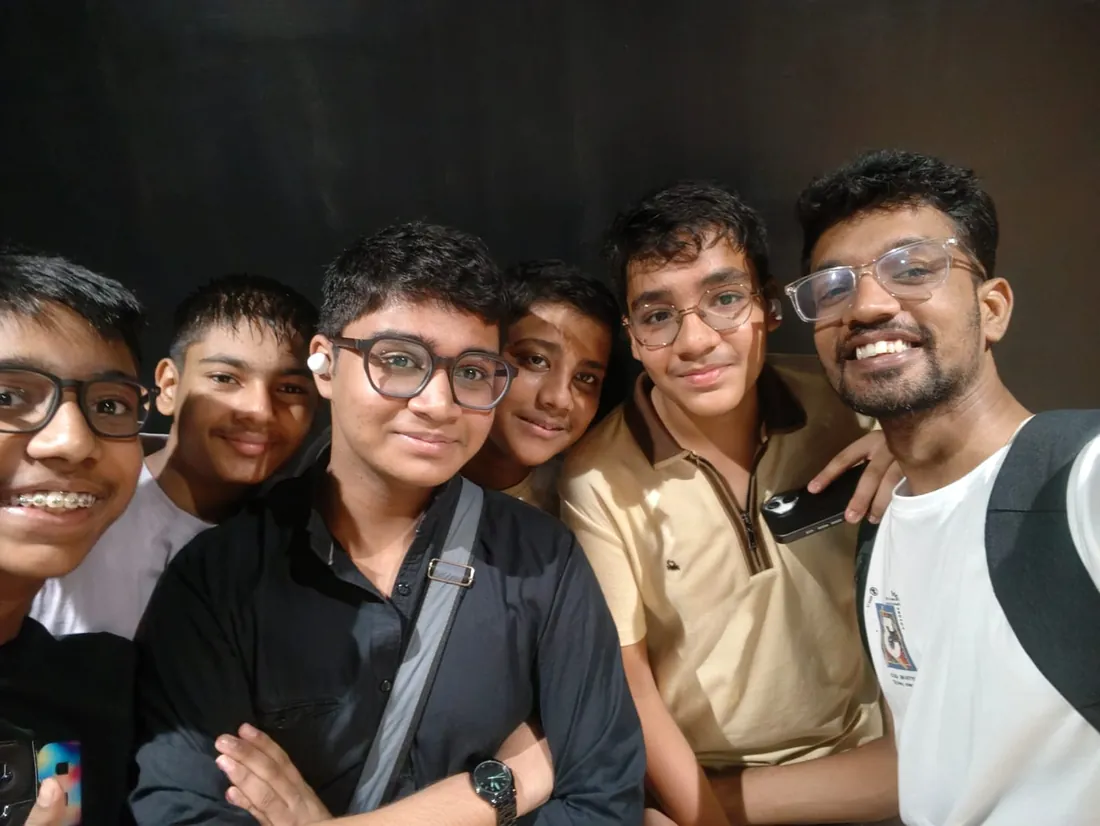
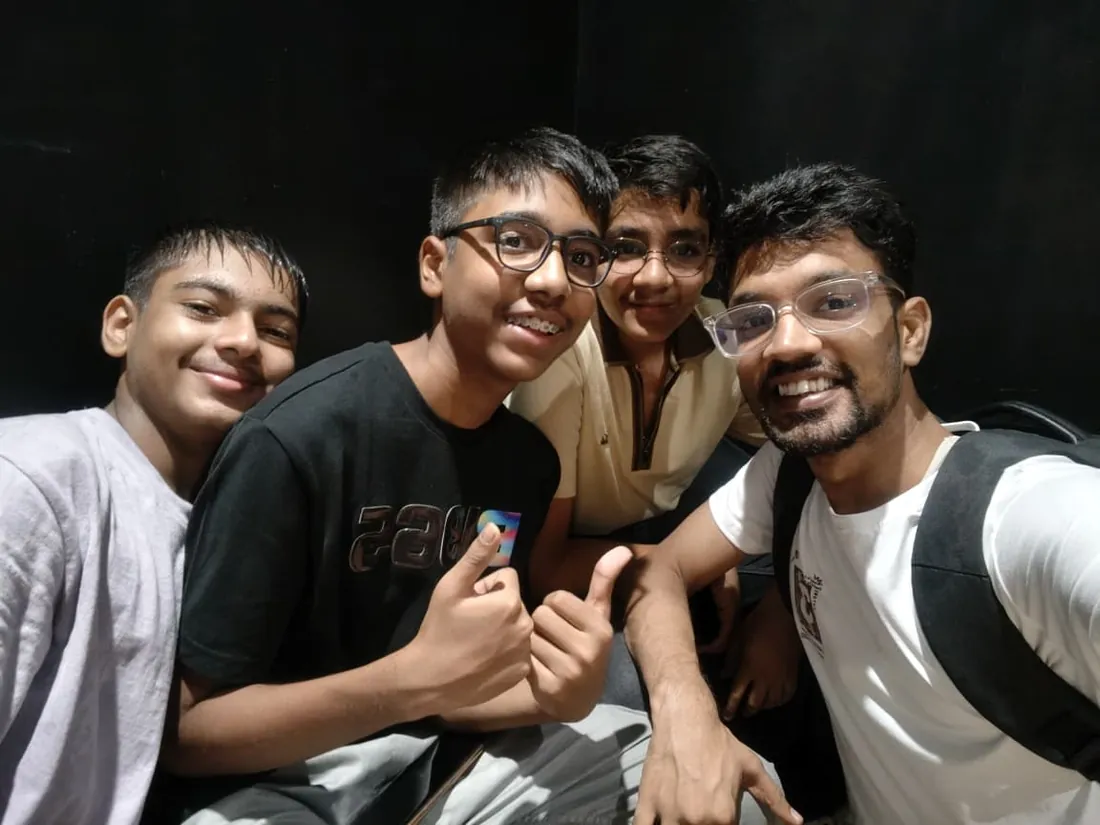
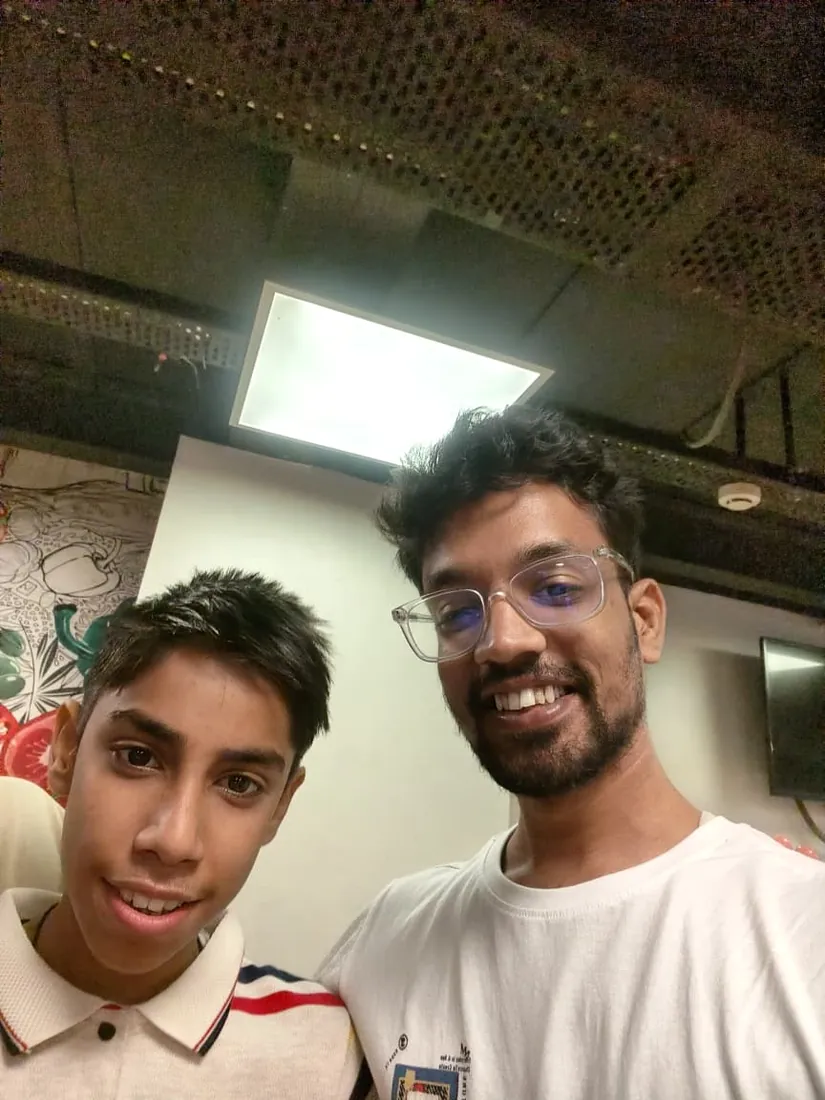
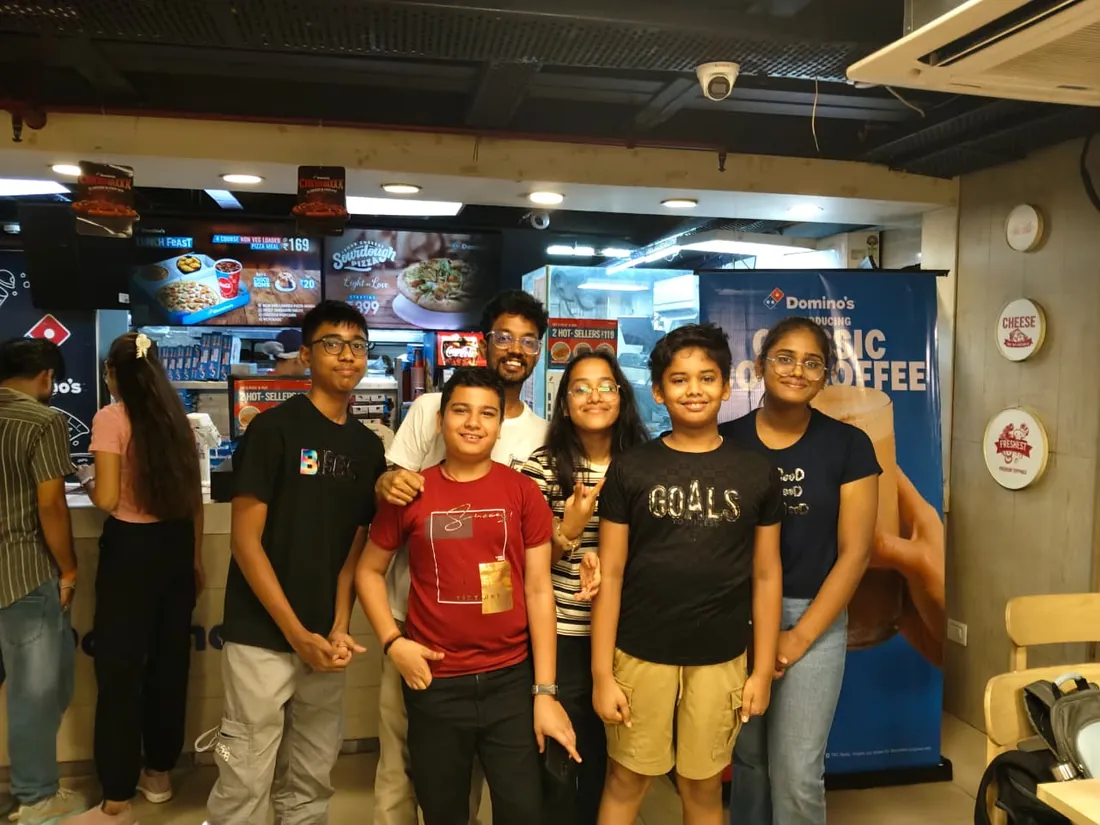
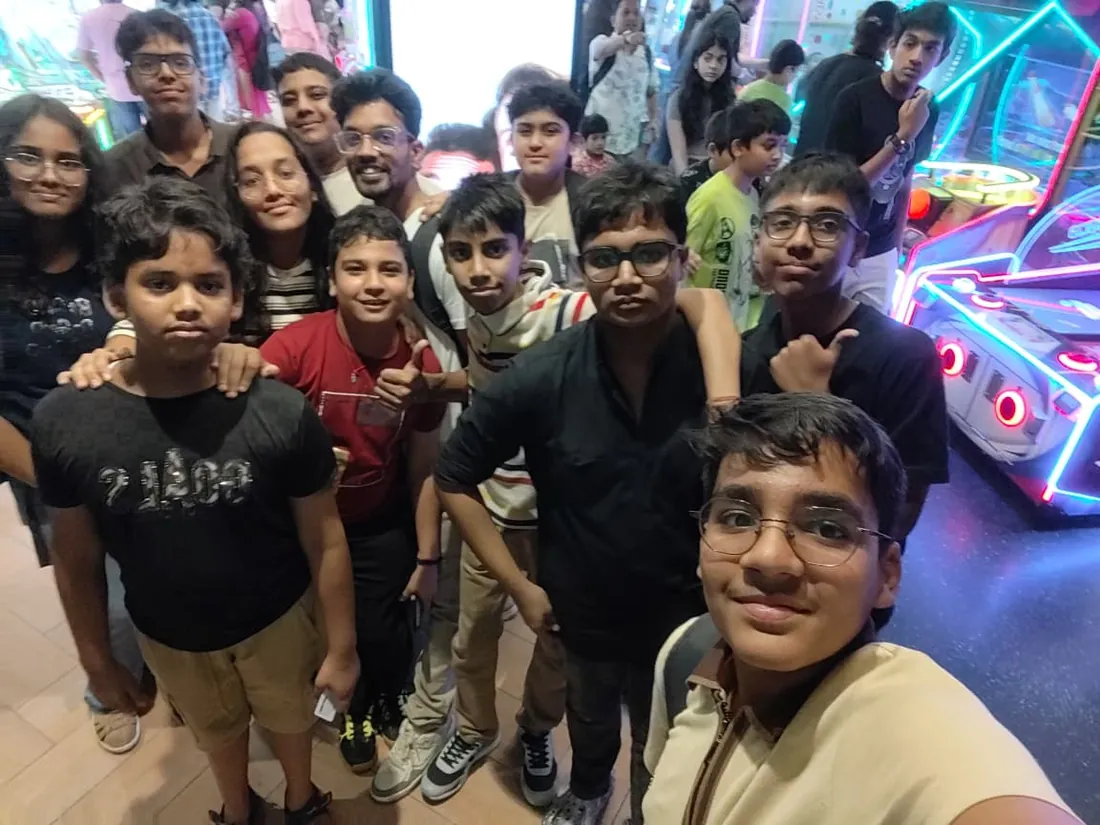
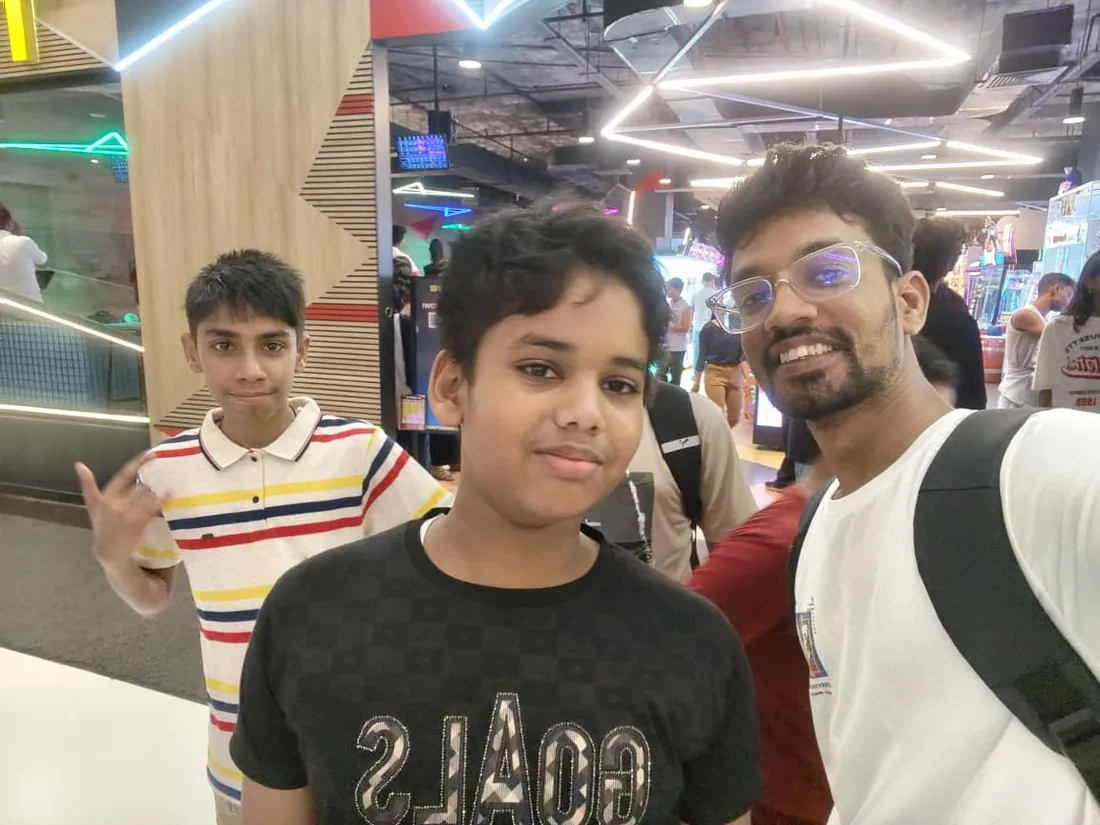
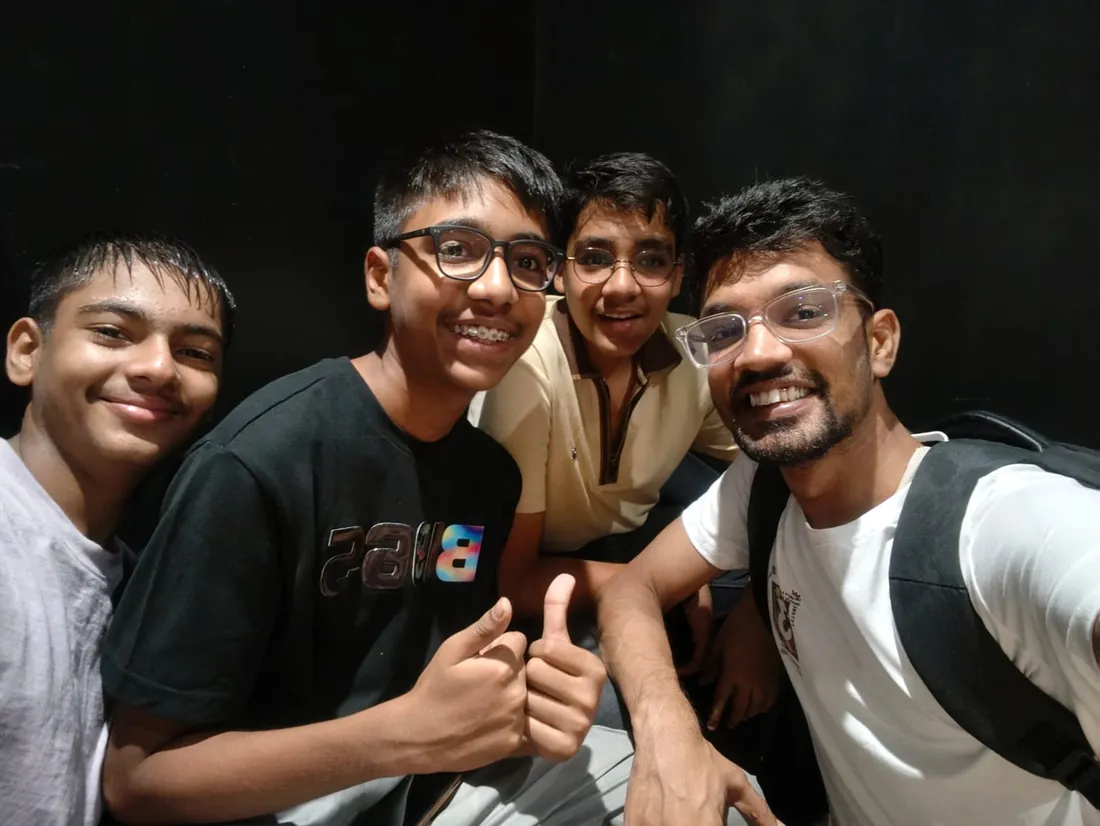
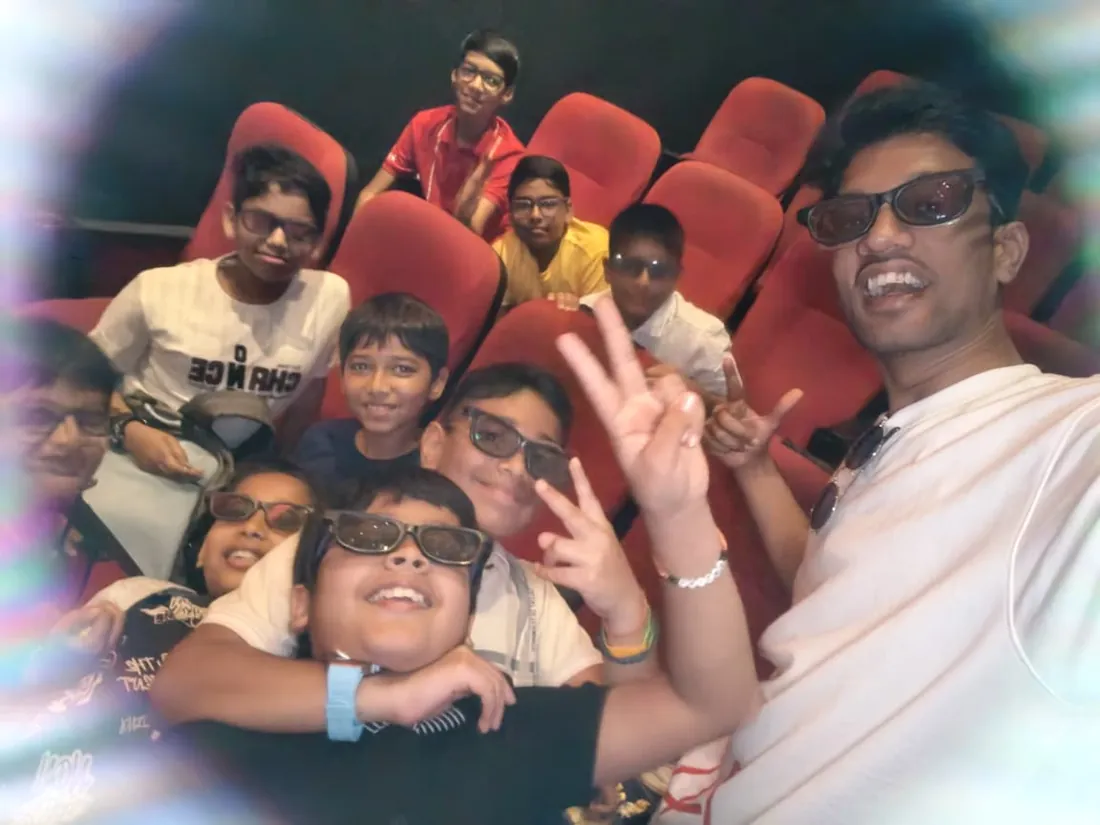
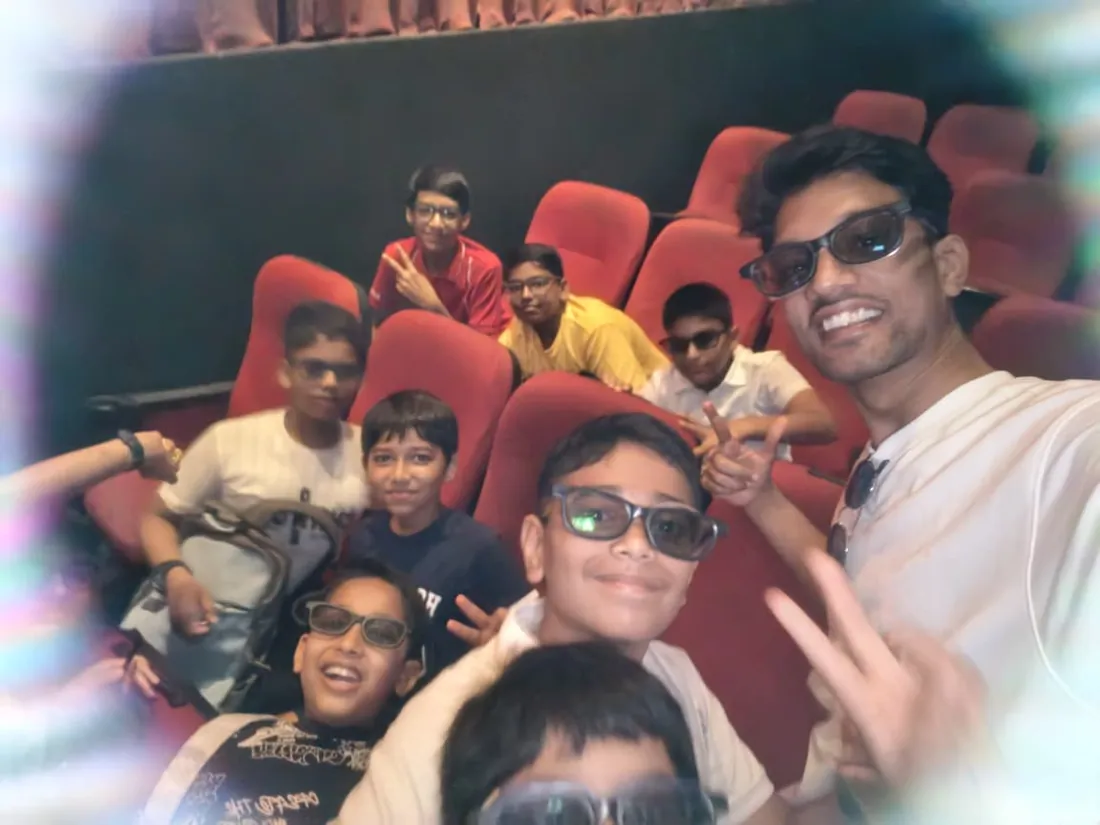
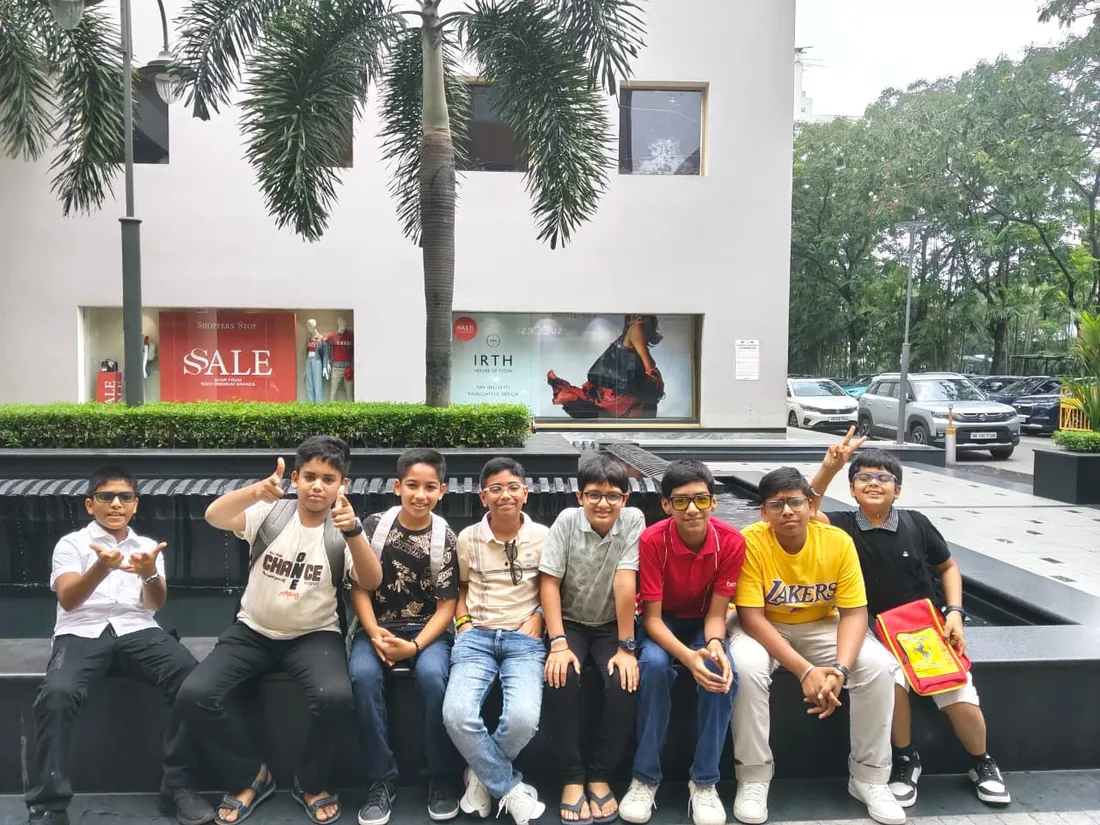
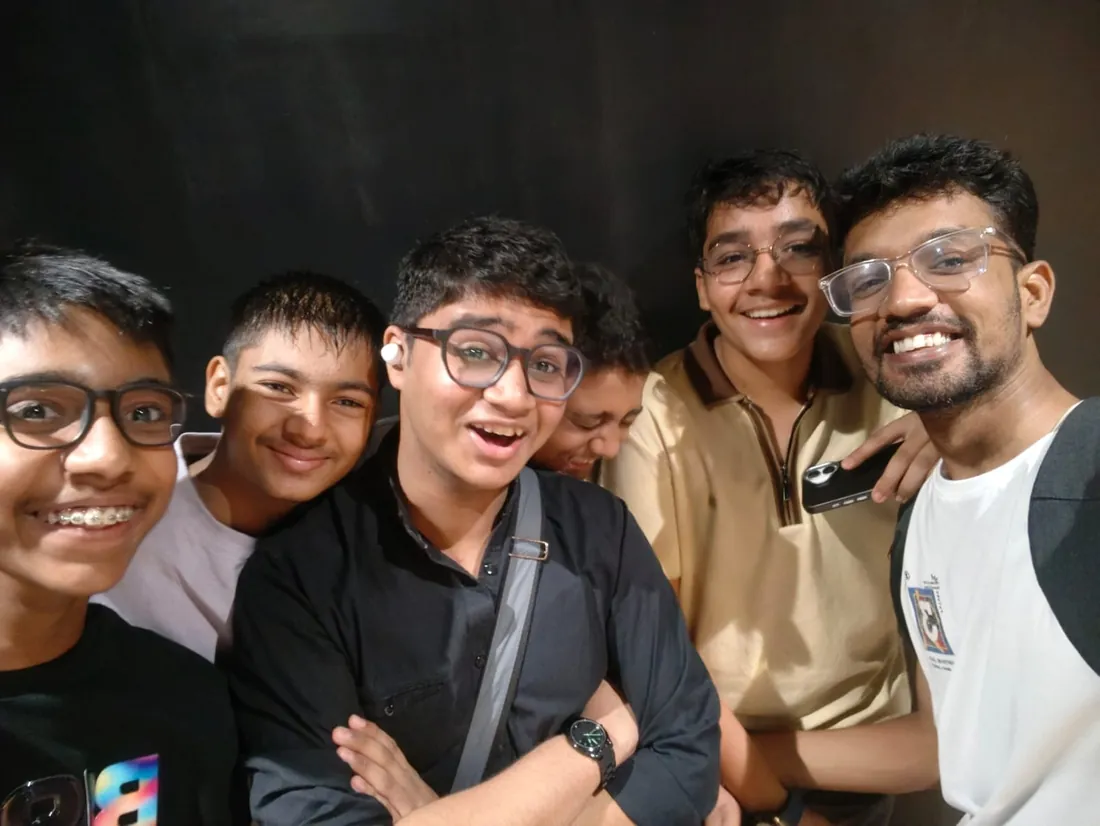
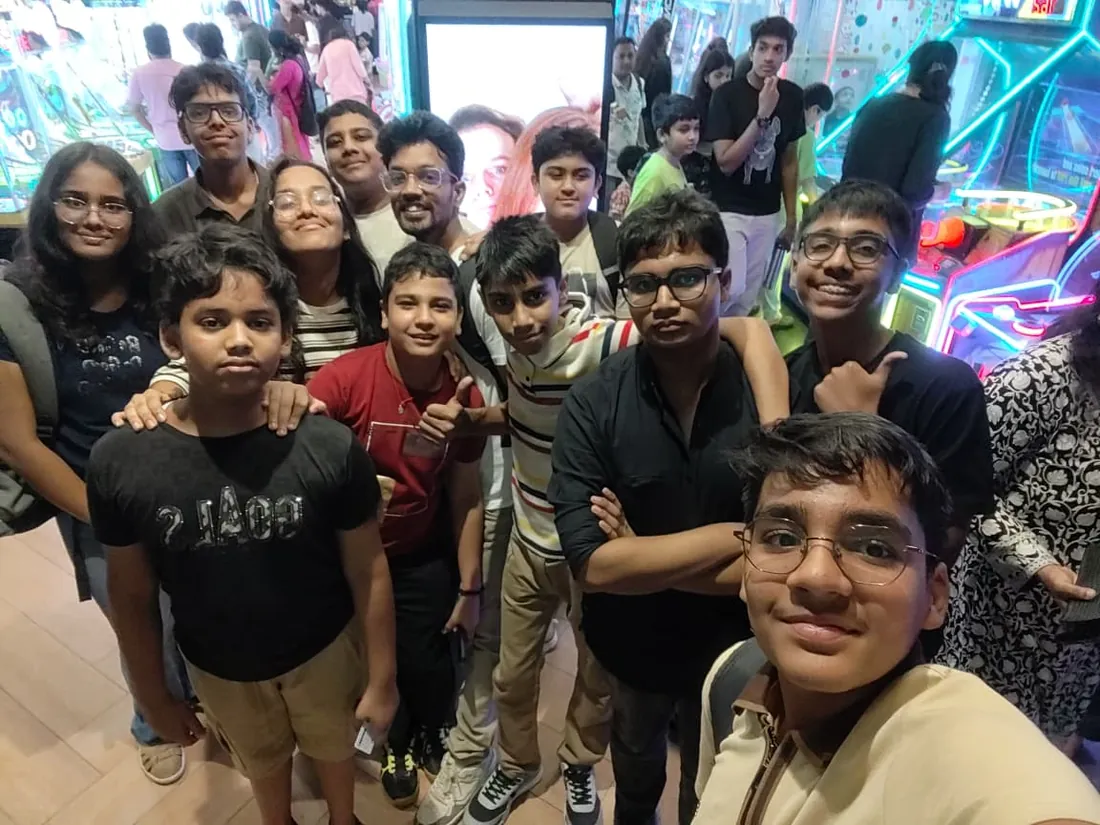
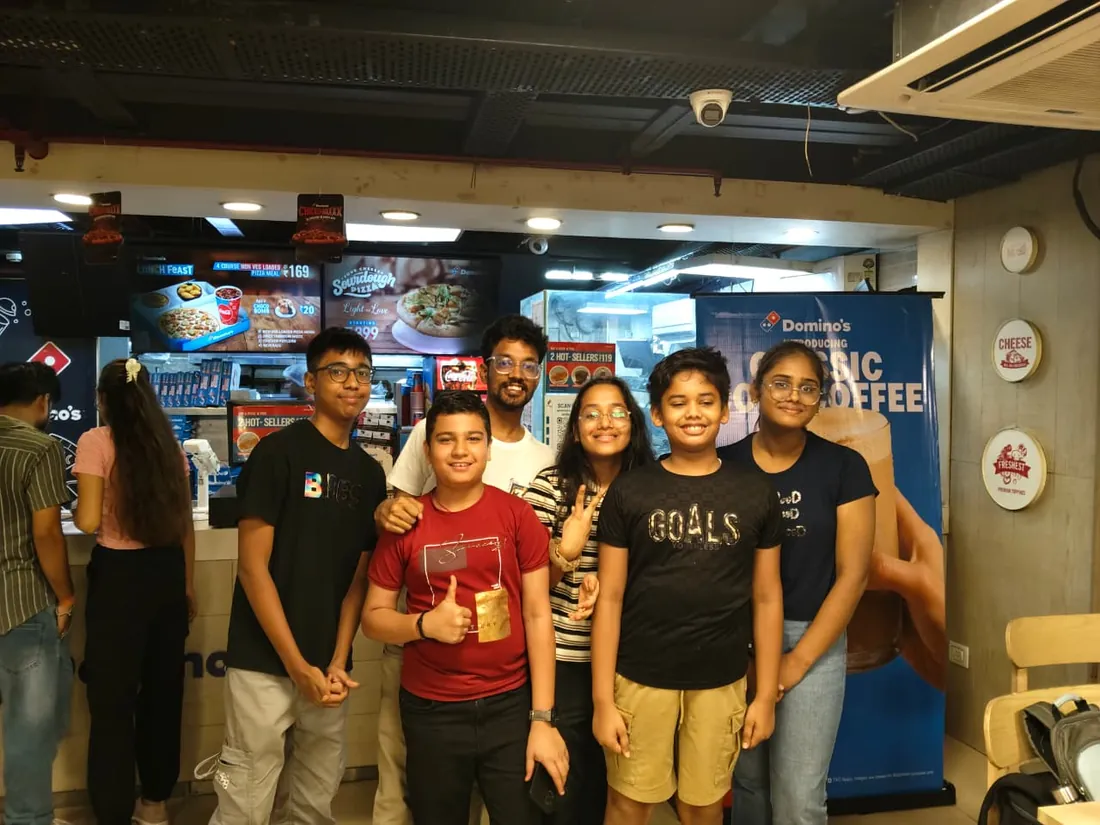
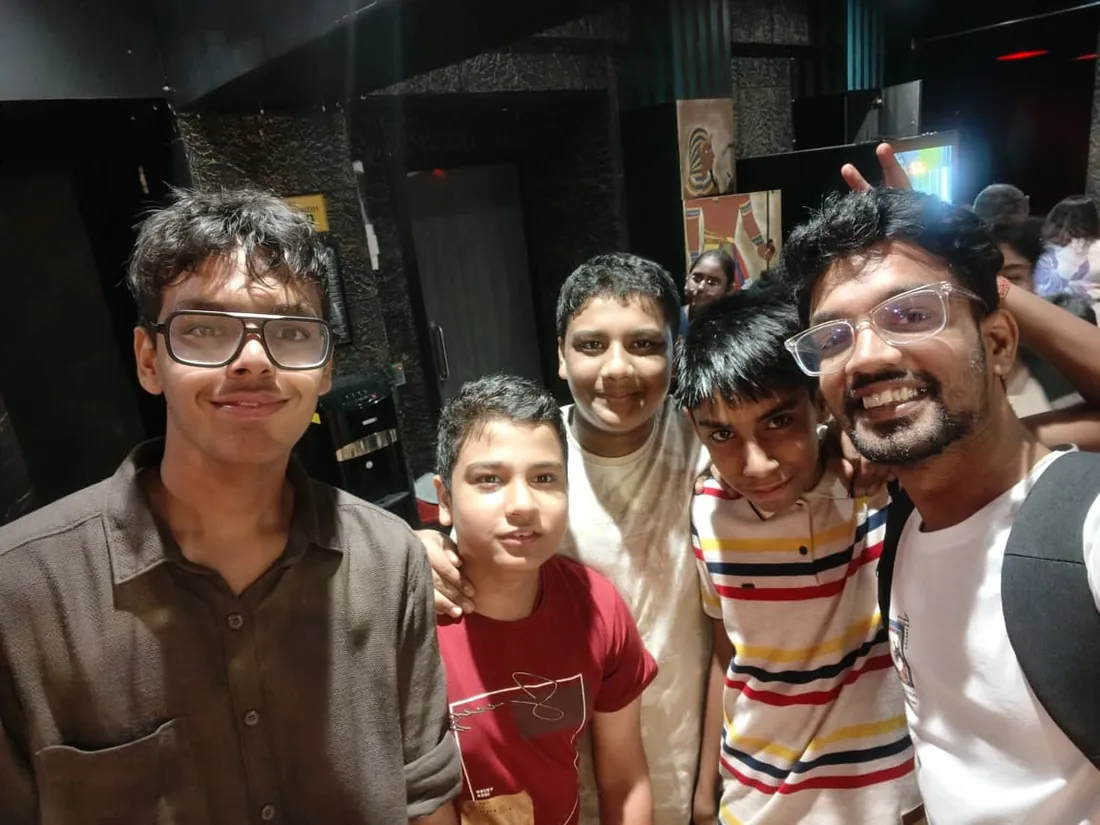
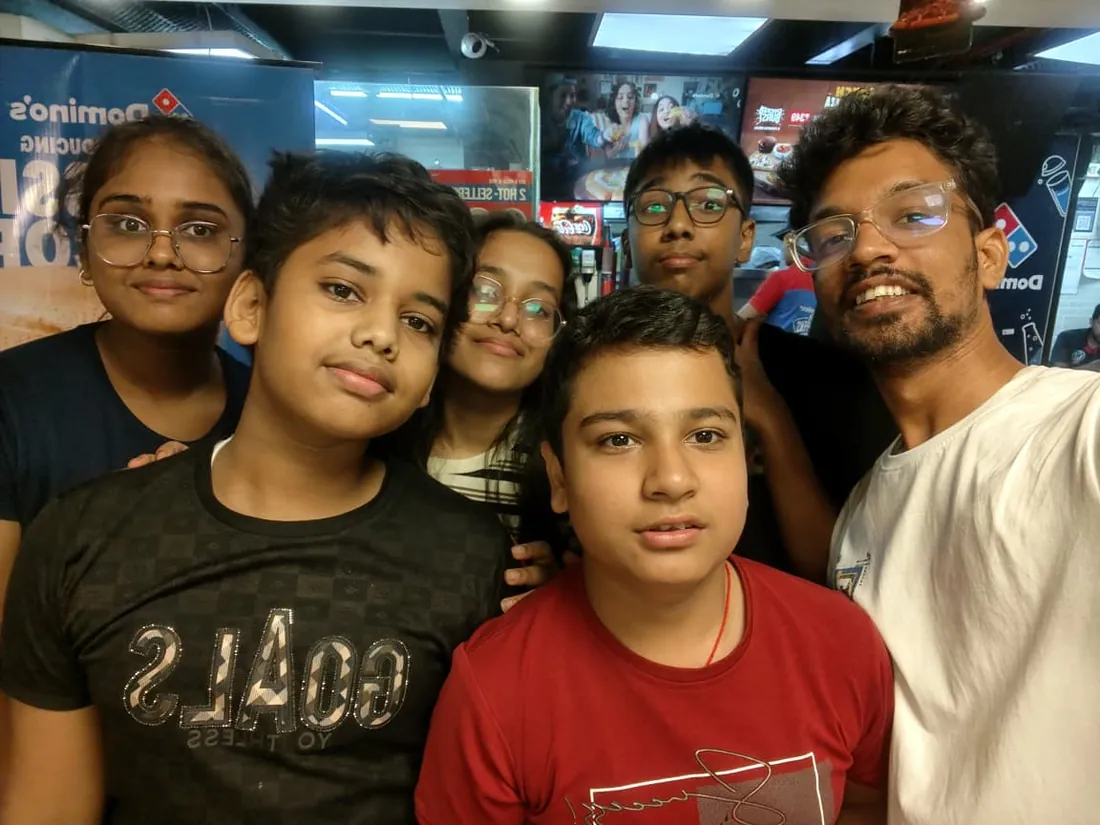
Real students. Real moments. Real joy.
These are our actual student meetups. No stock photos, no filters. Swipe through and meet the community you'll be joining.
















What families say
Straight from the parents and students who learn with us. Rated 4.9 across 547 Google reviews.
“Mivaan enjoys the class. He understands the concepts and completes his tasks with excitement. He started taking interest in coding… truly amazing class.”
“I absolutely love it here! I made new friends and learned important valuable coding skills while having the fun of my life. It's not just coding here, it's outings, bonding and most importantly preparing you for your future. Definitely five stars.”
“What stands out most is how excited my son is before every class. He looks forward to learning, problem-solving, and sharing what he's built. I've noticed a big boost in his confidence!”
“Modern Age Coders has been a game-changer for me! I struggled to grasp IT concepts and coding before joining, but their classes transformed everything. I'm now the topper in my class and can confidently write complex programs with ease.”
“Modern Age Coder have wonderful teachers who teach in a clear, easy and practical way. The teacher boosts students' confidence, keeps them updated with technology, and inspires them to learn without hesitation.”
“The one step solution for my son. Modern Age Coders make learning coding so simple that kids love it.”
“Coding classes here make learning very interesting and conceptual. The teachers teach us in a very easy-to-understand and efficient manner.”
“One of the most wonderful education centres out there. Education is not limited to school syllabus but focuses on skill development. Learning here has been a wonderful journey and still continuing.”
“I highly recommend this computer coding class! The teachers are incredibly knowledgeable and passionate about coding. They make every session engaging and insightful.”
“My child Dhairya is really enjoying the Modern Age Coder IT classes. This is his first online class, and he eagerly looks forward to it.”
“Very good classes. Don't worry about coding. They teach the best, especially Shivam sir.”
“Very good classes. Makes learning very easy and interactive.”
Hear it from our students
Real parents and students in their own words, on our public YouTube channel.
Straight answers about Python for Teens: Complete Course from Beginner to Advanced
- Who should take this course?
- Absolute beginner, ages 13 to 18. It suits teens starting from zero who want a structured road instead of a pile of scattered tutorials; students who learn best when the output is a game they can hand to a friend; teens eyeing engineering or computer science who want the real foundation under the grades.
- What will they learn and build?
- Python is the language teenagers can grow with: simple enough that a working program exists by the end of class one, serious enough that it runs Instagram’s backend and most of modern AI. This live online course takes students aged 13 to 18 from zero to genuinely advanced, with every concept practiced through projects a teen actually wants to build and keep.
- How deeply are topics covered?
- The course runs 10-12 months (40-48 weeks) at 2 live classes/week + 3-4 hours practice, across 4 phases listed week by week in the syllabus below. A structured, well-paced curriculum taught step by step, with classwork in every session and homework after every class.
- Who teaches it?
- Modern Age Coders mentors, who teach the live classes themselves. You can watch them at work in the free class recordings before you decide.
- How do practice, feedback and assessment work?
- Mixed-review assignments after every month and a final exam that decides the certificate: real knowledge, real work, real projects. Doubt support between classes over WhatsApp, so you are never left stuck. A certificate you earn by passing the final exam, with a free retest after revision if needed.
- What does it cost?
- Three monthly plans: a group batch, a mini batch and 1-on-1. Prices are shown in your currency in the plans section. Monthly billing, cancel any time.
- When can classes take place?
- Live classes are scheduled around your week. Group batches meet at a fixed weekly slot; 1-on-1 students choose their own. International students are scheduled in their own timezone. Ask on WhatsApp for the current slots.
- Can I watch the teaching before deciding?
- Yes. Full recordings of real 13 and up classes are free to watch, free with a Google sign-in. These recordings show how we teach, not the exact syllabus of this course. Some classes are in English and some in Hindi; everyone follows at their own pace. Watch a class end to end, like you are in it. Sessions are interactive and each moment builds on the last.
- Can I enroll without a live demo?
- Yes. Choose a plan on this page and enrol directly; a demo is not required. If you would like to see a full class with a mentor first, book a Priority Demo.
- How do I reach you with a question?
- WhatsApp +91 91233 66161, email connect@modernagecoders.com, or call +91 91233 66161. Tell us the student's age and what they have learned so far, and we will point you to the right plan and batch.
Common Questions About Python for Teens: Complete Course from Beginner to Advanced
Get answers to the most common questions about this comprehensive program
Still have questions? We're here to help!
Contact UsRelated Courses You May Like
Continue your learning journey with these recommended programs
Related Articles & Guides
Deepen your knowledge with these hand-picked articles
 Programming
12 min read
Programming
12 min read
Learn Python for Beginners: Complete Step-by-Step Guide (2026)
Learn Python for beginners with our free step-by-step guide. Covers variables, loops, functions, OOP...
Read Article Artificial Intelligence
22 min read
Artificial Intelligence
22 min read
What is AI? Complete Beginner's Guide: How to Start, Which Languages, and How Deep to Go
Complete AI guide: Learn what AI is, languages, career paths, ethics, and 5 projects. Your roadmap f...
Read ArticleReady to start Python for Teens: Complete Course from Beginner to Advanced?
Book a Priority Demo to see a full live class with a mentor reserved for you, today or tomorrow. Or choose a plan and enrol now.
Questions? WhatsApp +91 91233 66161 or email connect@modernagecoders.com