Computer Science Class 11 & 12, Complete Board Exam Mastery Program
100% Syllabus Coverage · Separate CBSE & ICSE Batches · Board Topper Strategy · Live Expert Mentoring
Syllabus updated August 2026
Questions? WhatsApp +91 91233 66161 or email connect@modernagecoders.com
Recordings are free with a Google sign-in. These recordings show how we teach, not the exact syllabus of this course.
Our promise
The world's best learning experience, open to everyone.
- World-class instructorsEvery class is taught by an instructor who specialises in that exact field.
- No compromise on qualityEvery lesson, project and piece of feedback is held to the highest standard.
- Education for everyoneLearners aged 6 to 67, from first-time beginners to working professionals, in 25+ countries.
If you want the highest quality, Modern Age Coders is the right choice.
Book a Priority DemoHow long this course takes
This course runs 24 months (Class 11 + Class 12, the full 2-year board cycle), joinable any month at 8-10 hours/week (4 classes + self-practice). The range allows for background and pace: a complete beginner uses the full span, and a student with prior knowledge finishes sooner. The syllabus below is planned to the shorter end, with margin kept for revision.
For personalised duration planning, call +91 91233 66161 and we'll map a schedule to your goals.
At a glance
- Who it is for
- Class 11 Beginner to Class 12 Board Exam Ready.
- Prerequisites
- No programming experience required - Class 11 starts from the very basics; Class 12 joiners get a bridge revision of Class 11 topics
- Format
- Live, interactive classes with a real instructor, never pre-recorded videos. Live classes run about one hour.
- Language
- English or Hindi, depending on the batch.
- Duration
- 24 months (Class 11 + Class 12, the full 2-year board cycle), joinable any month
- Weekly commitment
- 8-10 hours/week (4 classes + self-practice)
- Class size
- Group batches of 5 to 10 students, mini batches of 3 to 4, or 1-on-1.
- Certificate
- Certificate from Modern Age Coders plus a documented mock-exam progression toward the board exam
- Watch first
- Free recordings of real classes for ages 13 and up, free with a Google sign-in. These recordings show how we teach, not the exact syllabus of this course.
- Live demo
- Optional. Enrol directly on this page, or book a Priority Demo: a full live class of about 45 to 60 minutes with a mentor reserved for you.
- Questions
- WhatsApp +91 91233 66161 or email connect@modernagecoders.com.
How we teach
Deep understanding. Real projects. Expert guidance.
Learn coding, AI and maths through careful explanations, practical demonstrations, and hands-on problem-solving. Our instructors guide you from the foundations to advanced ideas, helping you understand what happens, why it happens, and how to build it yourself.
You will explore concepts step by step, write and improve code, investigate mistakes, ask questions, and apply your knowledge to meaningful projects. Lessons are designed around active participation, thoughtful feedback, and growing independence.
Expert-led live teaching, with practical participation built into every lesson.
- Students explain their thinking.
- Instructors demonstrate, then guide practice.
- Learners code, solve, or build during lessons.
- Questions and misconceptions get attention.
- Assignments receive useful feedback.
- Progress is checked before advancing.
How to join Computer Science Class 11-12: CBSE Python & ICSE/ISC Java
Four steps from this page to the first class. See a full class first with a Priority Demo, or choose a plan and enrol today.
Rated 4.9 across 547 Google reviews. Monthly billing, cancel any time.
How enrolment works
See a full class first (optional)
Book a Priority Demo: a live class of about 45 to 60 minutes with a mentor reserved for you, today or tomorrow. After the class the mentor sends a written skill report and a personal learning roadmap on WhatsApp. If you enrol, the demo fee is adjusted against your first month's fee. Share your demo Order ID with us on WhatsApp and we take it off.
Book a Priority DemoDemo fee ₹499Choose a plan
Group batch (5 to 10 students), mini batch (3 to 4 students, India only) or 1-on-1 with your own mentor. Every plan is live online, and each class runs about one hour. The cards below show classes per week and the monthly fee in your currency.
Enrol and pay the first month
Press Enrol Now on your plan. Choose Pay online for secure Razorpay checkout (you fill in your name, email and phone), or WhatsApp enrolment to talk to our team first.
Fix your class timings
After payment, message us on WhatsApp or call +91 91233 66161 with the student's name, the course and your preferred time slot. We confirm the batch, send the class link and schedule the first class at your chosen time.
Billing is monthly and you can cancel any time.
International Students (Outside India)
Billed monthly in US dollars, the same price in every country. Contact us with any questions.
Questions before you enrol? Talk to our team.
Ask about class timings, the right level for your child, what they need to know already, or payment. Parents and adult learners can reach us on WhatsApp, by email or by phone.
Program Overview
This is the most thorough Computer Science program built for Indian Class 11 & 12 students across both CBSE and ICSE boards. We run completely separate batches for CBSE and ICSE students because the syllabus, programming language, exam pattern, and marking scheme are fundamentally different.
CBSE students learn Python programming (as per Code 083 syllabus), SQL with MySQL, computer networking, file handling, data structures using Python, and Python-MySQL connectivity. ICSE/ISC students learn Java programming, object-oriented programming, data structures (stack, queue, linked list, binary trees), Boolean algebra with Karnaugh maps, and advanced recursion.
Every class is aligned chapter-by-chapter with Sumita Arora, Preeti Arora, and NCERT textbooks. Students get complete practical file preparation, project guidance, viva preparation, previous year paper solving, and dedicated board exam revision modules. Our students consistently score 95+ in board exams because we don't just teach, we drill, practice, and perfect every concept until it becomes second nature.
What Makes This Program Different
- Separate CBSE and ICSE batches, no mixing of syllabus or programming languages
- 100% syllabus coverage aligned with latest 2026-27 CBSE & ISC curriculum
- Chapter-wise teaching matching Sumita Arora, Preeti Arora & NCERT textbooks
- Complete practical file with 20+ programs (CBSE) / lab assignments (ISC) included
- Board exam project guidance with documentation and viva preparation
- Weekly chapter tests + monthly unit tests + mock board exams
- Previous 10 years solved papers with detailed marking scheme analysis
- Dedicated doubt-clearing sessions before exams
- Sample paper solving with CBSE/ISC marking scheme training
- Programming logic building from scratch, no prior coding needed
- SQL hands-on practice with live MySQL database
- Assertion-Reason, Case Study, and MCQ-specific exam strategies
Your Learning Journey
Career Progression
Detailed Course Curriculum
Explore the complete week-by-week breakdown of what you'll learn in this comprehensive program.
Topics Covered
- Evolution of computers, from Abacus to AI-powered machines
- Computer generations: First (vacuum tubes) to Fifth (AI)
- Block diagram of a computer system, Input, CPU, Memory, Output
- CPU architecture: ALU (Arithmetic Logic Unit), Control Unit, Registers
- Types of processors: CISC vs RISC, multicore processors
- Input devices: keyboard, mouse, scanner, touchscreen, biometric devices, microphone
- Output devices: monitor (LCD, LED, OLED), printer (laser, inkjet, 3D), speaker, projector
- Memory hierarchy: registers → cache → RAM → secondary storage
- Primary memory: RAM (SRAM vs DRAM), ROM (PROM, EPROM, EEPROM), Cache memory
- Secondary storage: HDD, SSD, USB flash drive, optical discs (CD, DVD, Blu-ray)
- Cloud storage concepts and modern storage solutions
- Units of memory: bit, nibble, byte, KB, MB, GB, TB, PB
Projects You Build
- Create an illustrated computer system diagram with all components labeled
- Memory hierarchy comparison chart with speed, cost, and capacity
- Research report: Evolution of processors from Intel 4004 to latest chips
Practice & Assignments
Chapter-end exercises from Sumita Arora Chapter 1, NCERT textbook questions, 30 MCQs on computer fundamentals
Topics Covered
- Software classification: System software vs Application software
- System software: operating system, language processors (compiler, interpreter, assembler), device drivers
- Application software: general purpose (MS Office, browsers) vs specific purpose (Tally, hospital management)
- Open source vs proprietary software, examples and differences
- Operating system functions: process management, memory management, file management, device management
- Types of OS: batch processing, time-sharing, real-time, distributed, mobile OS
- User interface: CLI (Command Line Interface) vs GUI (Graphical User Interface)
- Language processors: compiler vs interpreter, detailed comparison
- High-level vs low-level vs machine-level languages
- Utility software: antivirus, disk defragmenter, backup tools, compression tools
- Firmware and embedded systems concepts
- Mobile operating systems: Android, iOS, overview
Projects You Build
- Software classification mind map with 20+ real-world examples
- OS comparison: Windows vs Linux vs macOS, features and use cases
- Install and explore Linux (Ubuntu) in a virtual machine
Practice & Assignments
NCERT exercises, Sumita Arora solved examples, 40 MCQs, 10 short-answer questions
Topics Covered
- Why computers use binary, the digital foundation
- Decimal number system (base 10), positional notation explained
- Binary number system (base 2), counting in binary, place values
- Octal number system (base 8), uses in Unix/Linux file permissions
- Hexadecimal number system (base 16), uses in memory addresses, colors (#FF0000)
- Conversion: Decimal to Binary (successive division method)
- Conversion: Decimal to Octal and Hexadecimal
- Conversion: Binary to Decimal (positional value method)
- Conversion: Binary to Octal (grouping of 3 bits) and Binary to Hexadecimal (grouping of 4 bits)
- Conversion: Octal to Binary, Hexadecimal to Binary
Projects You Build
- Number system converter calculator (manual worksheet with 50 conversions)
- Color code converter: RGB decimal to hexadecimal
- Binary arithmetic drill, 30 addition and subtraction problems
Practice & Assignments
100 conversion problems across all bases, previous year board questions on number systems, timed practice tests
Topics Covered
- Introduction to Boolean algebra, George Boole's contribution
- Boolean values: True (1) and False (0)
- Basic logic gates: AND, OR, NOT, symbols, truth tables, expressions
- Derived gates: NAND, NOR, XOR, XNOR, truth tables and equivalences
- Universal gates: NAND and NOR, implementing any gate using only NAND/NOR (ISC focus)
- Boolean expressions and evaluation
- De Morgan's theorems: NOT(A AND B) = NOT A OR NOT B, NOT(A OR B) = NOT A AND NOT B
- Verification of De Morgan's theorems using truth tables
- Basic Boolean laws: Identity, Complement, Idempotent, Absorption, Involution
- Simplification of Boolean expressions using algebraic method
- Character encoding schemes: ASCII (7-bit, 128 characters)
- ISCII (Indian Script Code for Information Interchange), 8-bit
- Unicode (UTF-8, UTF-16, UTF-32), multilingual support, emojis
- Difference between ASCII, ISCII, and Unicode, why Unicode is the modern standard
Projects You Build
- Truth table generator for any 2-3 variable Boolean expression
- Gate diagram drawing practice, 10 circuits
- Encoding explorer: Convert your name to ASCII, Unicode values
Practice & Assignments
50 Boolean expression simplification problems, 30 truth table exercises, previous year questions on encoding
Topics Covered
- Why Python?, Used by Google, Instagram, YouTube, NASA, Netflix
- Python history: Guido van Rossum, Python 2 vs Python 3
- Installing Python 3.12+ on Windows/Mac/Linux
- Python IDLE, Interactive mode vs Script mode
- Setting up VS Code with Python extensions
- First Python program: print('Hello, World!')
- Python tokens: keywords, identifiers, literals, operators, punctuators
- Python keywords list, import, def, class, if, else, elif, for, while, etc.
- Identifiers: naming rules (start with letter/underscore, case-sensitive, no keywords)
- Variables: declaration, assignment, dynamic typing
Projects You Build
- Personal bio generator, takes name, age, hobby as input and formats output
- Simple calculator, add, subtract, multiply, divide two numbers
- Temperature converter, Celsius to Fahrenheit and vice versa
- Area calculator for circle, rectangle, triangle with formatted output
Practice & Assignments
Sumita Arora Chapter 3 & 4 exercises, 50 output prediction questions, 20 error-finding programs
Topics Covered
- Arithmetic operators: + - * / // (floor division) % (modulus) ** (exponent)
- Floor division vs true division, 7//2 = 3 vs 7/2 = 3.5
- Modulus operator applications, even/odd check, digit extraction
- Relational/Comparison operators: == != < > <= >=
- Logical operators: and, or, not, truth tables and short-circuit evaluation
- Short-circuit evaluation: how Python skips unnecessary checks
- Assignment operators: = += -= *= /= //= %= **=
- Identity operators: is, is not, comparing object identity vs equality
- Membership operators: in, not in, checking presence in sequences
- Bitwise operators: & (AND), | (OR), ^ (XOR), ~ (NOT), << (left shift), >> (right shift)
Projects You Build
- Expression evaluator, predict output of 20 complex expressions
- Bill calculator with tax and discount using all arithmetic operators
- Bitwise operation visualizer, show binary representation and result
- Operator precedence quiz game
Practice & Assignments
100 expression evaluation problems, 30 output prediction MCQs, Sumita Arora Chapter 5 exercises
Topics Covered
- Sequential flow vs conditional flow vs iterative flow, program flow types
- if statement: syntax, indentation rules, single-line and multi-line body
- if-else statement: two-way branching
- if-elif-else ladder: multi-way branching
- Nested if statements: decision trees within decisions
- Ternary operator / conditional expression: value = x if condition else y
- Common patterns: finding max/min of 2/3 numbers, grade calculator
- Leap year detection algorithm, complete logic
- Character type checking: vowel/consonant, uppercase/lowercase, digit/letter
- Menu-driven programs, building interactive applications
Projects You Build
- Grade calculator, CBSE marking scheme with A1, A2, B1, B2, C1, C2, D, E
- Income tax calculator, with Indian tax slab rates for 2026-27
- Triangle type detector, equilateral, isosceles, scalene, right-angled
- Simple login system with username and password validation
- Day of the week finder, input a number, output the day
Practice & Assignments
60 conditional logic problems, 30 output prediction questions, previous year board questions, Sumita Arora exercises
Topics Covered
- for loop: iterating over sequences (range, string, list)
- range() function: range(stop), range(start, stop), range(start, stop, step)
- Negative step in range: range(10, 0, -1) for countdown
- while loop: condition-based repetition
- Infinite loops: while True, when and how to use safely
- Loop control statements: break (exit loop), continue (skip iteration)
- else clause with loops, executes when loop completes without break
- Nested loops: outer and inner loop, execution flow tracing
- Pattern printing with nested loops, stars, numbers, alphabets
- Common patterns: pyramid, diamond, Floyd's triangle, Pascal's triangle
Projects You Build
- Pattern printer, 15 different star and number patterns
- Prime number checker and generator (Sieve of Eratosthenes approach)
- Number guessing game with limited attempts
- Multiplication table generator with formatted output
- Fibonacci series generator up to n terms
- Armstrong number finder in a given range
Practice & Assignments
80 loop tracing problems, 20 pattern programs, Sumita Arora loop exercises, previous year board pattern questions
Topics Covered
- Why Java?, Platform independence, Android development, enterprise applications
- Java history: James Gosling, Sun Microsystems, Oracle acquisition
- Installing JDK 17+ and setting up PATH environment variable
- Setting up BlueJ IDE (preferred for ISC) and IntelliJ IDEA
- First Java program: public static void main(String[] args)
- Understanding class structure, main method, System.out.println()
- Java tokens: keywords, identifiers, literals, operators, separators
- Primitive data types: byte, short, int, long, float, double, char, boolean
- Size and range of each primitive type, exam favorite
- Variables: declaration, initialization, naming conventions
Projects You Build
- Student profile program, input name, roll number, marks, display formatted
- Simple calculator with Scanner input
- Type casting demonstrator, show widening and narrowing
- Wrapper class explorer, convert between primitives and objects
Practice & Assignments
50 output prediction questions, 20 type casting problems, ISC specimen paper MCQs
Topics Covered
- Arithmetic operators: + - * / %, integer vs floating-point division
- Relational operators: == != < > <= >=
- Logical operators: && (AND), || (OR), ! (NOT), short-circuit evaluation
- Assignment operators: = += -= *= /= %=
- Increment/Decrement: ++x (prefix) vs x++ (postfix), critical for ISC exams
- Ternary operator: condition ? value1 : value2
- Bitwise operators: & | ^ ~ << >>
- Operator precedence and associativity, complete table
- Expression evaluation with mixed types, promotion rules
- Math class methods: Math.sqrt(), Math.pow(), Math.abs(), Math.max(), Math.min()
Projects You Build
- Scientific calculator with Math library functions
- Expression evaluator, step-by-step breakdown of complex expressions
- Prefix vs postfix increment quiz, 20 tricky questions
- Random number generator game
Practice & Assignments
100 expression evaluation problems, ISC previous year questions, operator precedence drills
Topics Covered
- if statement: syntax with curly braces, single statement shortcuts
- if-else statement: two-way branching
- if-else if-else ladder: multi-way branching
- Nested if statements: complex decision trees
- switch-case statement: syntax, break keyword, default clause
- switch vs if-else: when to use which, ISC exam favorite
- Fall-through in switch: what happens without break
- Menu-driven programs using switch-case
- Ternary operator for concise conditions
- Common programs: largest of 3, grade calculator, day finder
- Leap year, vowel/consonant, positive/negative/zero checks
- Character-based conditions: ASCII value ranges for A-Z, a-z, 0-9
- Dangling else problem and how Java resolves it
- Board exam focus: output tracing with nested conditions
Projects You Build
- Menu-driven calculator using switch-case
- Income tax calculator with Indian tax slabs
- Student grade card generator with ISC marking scheme
- Electric bill calculator with slab-based pricing
Practice & Assignments
ISC specimen paper conditional questions, 50 output tracing problems, 20 switch-case programs
Topics Covered
- for loop: initialization, condition, update, execution flow
- while loop: pre-test loop, condition checked before body
- do-while loop: post-test loop, body executes at least once (NOT in Python!)
- for vs while vs do-while: choosing the right loop
- Nested loops: matrix traversal, pattern printing
- Loop control: break (exit loop), continue (skip iteration)
- Labeled break and continue, for nested loop control
- Pattern printing: stars, numbers, alphabets, ISC exam staple
- Pyramid, inverted pyramid, diamond, Floyd's triangle patterns
- Digit extraction: sum of digits, reverse number, palindrome
Projects You Build
- Pattern printer, 20 different patterns (stars, numbers, alphabets)
- Special number detector, checks Armstrong, palindrome, perfect in one program
- Prime number generator with sieve approach
- Number series generator: Fibonacci, triangular, square numbers
Practice & Assignments
100 loop tracing problems, 30 pattern programs, ISC previous year loop questions, number program drills
Topics Covered
- String creation: single quotes, double quotes, triple quotes
- String as a sequence, indexing (0-based, negative indexing)
- String slicing: [start:stop:step], extracting substrings
- String immutability, why strings cannot be changed in place
- String operators: + (concatenation), * (repetition), in, not in
- String comparison: lexicographic ordering, ASCII values
- Traversing strings: for loop, while loop, enumerate()
- String methods (MUST KNOW for boards): len(), capitalize(), title(), upper(), lower(), swapcase()
- count(), find(), index(), rfind(), rindex()
- startswith(), endswith(), isalpha(), isdigit(), isalnum()
Projects You Build
- Word counter and analyzer, count words, vowels, consonants, digits, special chars
- Palindrome checker for strings and sentences
- Caesar cipher, encrypt and decrypt messages
- String formatting report generator
Practice & Assignments
Sumita Arora Chapter 7 complete exercises, 50 string output prediction MCQs, 30 string programs
Topics Covered
- List creation: [], list(), list comprehension
- Lists as mutable sequences, key difference from strings and tuples
- Indexing and negative indexing in lists
- List slicing: [start:stop:step]
- List operations: + (concatenation), * (repetition), in, not in
- List methods (BOARD EXAM CRITICAL): append(), extend(), insert()
- remove(), pop(), pop(index), clear()
- index(), count(), sort(), sort(reverse=True), reverse()
- copy(), shallow copy vs deep copy explained
- Built-in functions with lists: len(), min(), max(), sum(), sorted()
Projects You Build
- Student marks management system, add, remove, search, sort, average
- Inventory management with nested lists
- Matrix operations, addition, subtraction, transpose using 2D lists
- List-based quiz application
Practice & Assignments
Sumita Arora Chapter 8 exercises, 60 list operation MCQs, 25 list programs
Topics Covered
- Tuples: creation with () and tuple(), single element tuple (a,) trap
- Tuple immutability, cannot add, remove, or change elements
- Tuple indexing, slicing, and operations (+, *, in)
- Tuple methods: count(), index()
- Built-in functions: len(), min(), max(), sum(), sorted() with tuples
- Tuple packing and unpacking: a, b, c = (1, 2, 3)
- Tuple vs List: when to use which, performance and safety
- Nested tuples and accessing elements
- Dictionaries: key-value pair data structure, {} and dict()
- Dictionary keys must be immutable (strings, numbers, tuples), why?
Projects You Build
- Contact book application using dictionary
- Word frequency analyzer, count occurrence of each word in text
- Student report card using nested dictionaries
- English-Hindi dictionary with search feature
Practice & Assignments
Sumita Arora Chapters 9 & 10 exercises, 50 MCQs on tuples and dictionaries, 20 programs
Topics Covered
- What are functions?, code reusability, modularity, abstraction
- Built-in functions vs user-defined functions
- Defining functions: def keyword, function name, parameters, body, return
- Calling functions: positional arguments, keyword arguments
- Default parameter values, avoiding mutable default argument trap
- *args, variable-length positional arguments
- **kwargs, variable-length keyword arguments
- Return statement: returning single value, multiple values (as tuple)
- Functions without return, returns None by default
- Scope of variables: local scope, global scope, LEGB rule
Projects You Build
- Math utility library, custom module with 20+ mathematical functions
- Random password generator using random module
- Statistics calculator using statistics module
- Menu-driven bank account system using functions
Practice & Assignments
Sumita Arora function chapter exercises, 40 function tracing MCQs, 25 function-based programs, scope identification exercises
Topics Covered
- Methods: defining, calling, return types, parameters
- Formal parameters vs actual parameters (arguments)
- Pass by value in Java, primitive types are copied
- Pass by reference behavior, objects are passed by reference copy
- Method overloading: same name, different parameter lists
- Constructors: default, parameterized, copy constructor
- Constructor overloading, multiple constructors in a class
- this keyword: referring to current object, constructor chaining
- Static methods and static variables, class-level members
- Static vs non-static: when to use which
Projects You Build
- Bank account class with deposit, withdraw, balance methods
- Student class with multiple constructors and method overloading
- Calculator class with static utility methods
- Library book management with encapsulation
Practice & Assignments
ISC method-based questions, 40 output tracing problems, constructor MCQs
Topics Covered
- Array declaration, creation with new keyword, initialization
- Array as reference type, memory allocation on heap
- Accessing elements: indexing (0-based), ArrayIndexOutOfBoundsException
- Array traversal: for loop, for-each (enhanced for) loop
- Array input with Scanner, reading n elements
- 1D array operations: sum, average, max, min, counting
- Linear search: sequential search algorithm
- Binary search: divide and conquer on sorted arrays
- Sorting algorithms: Bubble sort, swapping adjacent elements
- Selection sort, finding minimum and placing in position
Projects You Build
- Student marks analyzer, input marks, sort, find topper, grade distribution
- Matrix calculator, all operations with menu-driven interface
- Address calculation worksheet, 20 problems
- Sorting visualizer, trace each pass of bubble, selection, insertion sort
Practice & Assignments
ISC array-based programs (30+), sorting algorithm tracing, address calculation formula problems
Topics Covered
- String class: immutable strings in Java
- String creation: literal vs new keyword, String pool concept
- String methods: length(), charAt(), indexOf(), lastIndexOf()
- substring(), concat(), replace(), toUpperCase(), toLowerCase()
- trim(), startsWith(), endsWith(), contains()
- equals() vs == : content comparison vs reference comparison, EXAM CRITICAL
- equalsIgnoreCase(), compareTo(), compareToIgnoreCase()
- String to char array: toCharArray(), and vice versa valueOf()
- Character class methods: isLetter(), isDigit(), isUpperCase(), isLowerCase()
- Character.toUpperCase(), Character.toLowerCase()
Projects You Build
- Text analyzer, word count, sentence count, character frequency
- Pig Latin converter
- Unique word extractor from a sentence
- String encryption/decryption program
Practice & Assignments
ISC string programs (40+), method output prediction MCQs, character manipulation problems
Topics Covered
- What is recursion?, method calling itself
- Base case and recursive case, avoiding infinite recursion
- Stack memory and recursion, how function calls are stacked
- StackOverflowError, what happens without base case
- Factorial using recursion, tracing each call
- Fibonacci series using recursion
- GCD using Euclidean algorithm (recursive)
- Power calculation: a^n using recursion
- Sum of digits using recursion
- Reverse a number using recursion
Projects You Build
- Recursive function library, 15 recursive solutions
- Tower of Hanoi solver with step-by-step output
- Recursive pattern printer
- Recursive maze solver (bonus challenge)
Practice & Assignments
ISC recursion questions (30+), call stack tracing exercises, output prediction problems
Topics Covered
- Digital footprint: active vs passive, what you leave behind online
- Net etiquette (Netiquette): proper online behavior, email etiquette
- Social media ethics and responsible usage
- Data protection and privacy, personal data, consent, GDPR concepts
- Intellectual Property Rights (IPR): copyright, patent, trademark
- Plagiarism: what it is, how to avoid, proper citation
- Software licensing: proprietary vs open source
- Free and Open Source Software (FOSS): Linux, LibreOffice, GIMP, Python
- Creative Commons licenses: CC-BY, CC-BY-SA, CC-BY-NC
- GPL (GNU General Public License), Apache License, MIT License
Projects You Build
- Digital citizenship presentation, 20 dos and don'ts
- Cybercrime awareness poster/infographic
- E-waste management plan for your school
- Research report: Famous cyberattacks and lessons learned
Practice & Assignments
NCERT society chapter questions, 50 MCQs on cyber ethics, case study questions, IT Act scenario-based questions
Practice & Assignments
Mixed concept revision, integrated programs using multiple concepts
Topics Covered
- CBSE Practical file: Minimum 20 Python programs covering all chapters
- ISC Practical: Year-long programming assignments compilation
- Program 1-5: Basic Python/Java programs (variables, operators, input/output)
- Program 6-10: Control flow programs (if-else, loops, patterns)
- Program 11-15: String manipulation programs
- Program 16-20: List/Array, Tuple, Dictionary programs
- Program 21-25: Function-based programs with modules (CBSE) / OOP programs (ISC)
- Project selection and planning, choosing a meaningful project
- CBSE suggested projects: Quiz game, Library management, Student database
- ISC suggested projects: Inventory system, Bank management, School management
Topics Covered
- Revision of Class 11 function concepts, parameters, return, scope
- Global vs local scope deep dive, LEGB rule revisited
- global keyword, modifying global variables inside functions
- Nested functions and closures
- Functions as first-class objects, passing functions as arguments
- Advanced default arguments and keyword-only arguments
- Recursive functions: factorial, Fibonacci, sum of digits, power, GCD
- Recursion depth and sys.setrecursionlimit()
- Exception handling: what are exceptions vs syntax errors
- try block: code that might cause an exception
Projects You Build
- Robust calculator with exception handling for all edge cases
- Recursive problem set, 10 programs using recursion
- Error-proof input validator using try-except
- Function library with comprehensive error handling
Practice & Assignments
Sumita Arora Class 12 function chapters, 40 exception handling MCQs, 20 recursive function tracing problems
Topics Covered
- What are files?, persistent storage, file vs variable
- Types of files: text files vs binary files
- Opening a file: open(filename, mode), file handle/object
- File modes: 'r' (read), 'w' (write), 'a' (append), 'r+' (read+write), 'w+' (write+read), 'a+' (append+read)
- Reading text files: read(), read(n), readline(), readlines()
- Difference between read(), readline(), readlines(), EXAM CRITICAL
- Writing to text files: write(), writelines()
- Difference between write() and writelines()
- Closing files: close(), why it's important
- with statement: automatic file closing, best practice
Projects You Build
- Text file analyzer, count lines, words, characters, vowels, consonants
- Log file processor, search and filter entries
- Student record manager using text files
- File copy and merge utility
Practice & Assignments
Sumita Arora file handling chapter, 30 file handling programs, 40 MCQs on file operations
Topics Covered
- Binary files: what and why, storing non-text data
- Binary file modes: 'rb', 'wb', 'ab', 'r+b', 'w+b', 'a+b'
- pickle module: serialization and deserialization
- pickle.dump(object, file_handle): writing Python objects to binary file
- pickle.load(file_handle): reading Python objects from binary file
- Pickling different data types: int, float, string, list, tuple, dictionary
- Writing and reading multiple records to/from binary file
- Searching records in a binary file, reading until EOFError
- Updating and deleting records in binary files (read all, modify, write all)
- EOFError handling with try-except, standard pattern for binary files
Projects You Build
- Student database with binary file, add, search, update, delete records
- Employee payroll system using pickle
- CSV report generator, attendance tracker
- Data migration tool, text file to CSV to binary file conversion
Practice & Assignments
30 binary file handling programs, 15 CSV programs, Sumita Arora exercises, previous year board questions
Topics Covered
- What are data structures?, organizing data efficiently
- Linear vs non-linear data structures
- Stack: Last-In-First-Out (LIFO) principle
- Real-world stack analogies: stack of plates, undo/redo, browser back button
- Stack operations: push (insert at top), pop (remove from top), peek/top (view top)
- isEmpty(), check if stack is empty, size(), number of elements
- Stack overflow and stack underflow conditions
- Implementing stack using Python list: append() for push, pop() for pop
- Complete stack implementation with all operations
- Stack applications: parenthesis matching, expression evaluation
Projects You Build
- Stack implementation, complete menu-driven program
- Parenthesis/bracket matcher using stack
- Reverse a string/list using stack
- Undo feature simulation using stack
Practice & Assignments
25 stack programs, operation tracing exercises, Sumita Arora data structure chapter, board exam stack questions from last 10 years
Topics Covered
- Inheritance: creating new classes from existing classes
- extends keyword, subclass inherits from superclass
- Types of inheritance: single, multilevel, hierarchical
- Why Java doesn't support multiple inheritance (through classes)
- super keyword: calling superclass constructor, accessing superclass methods/variables
- Constructor chaining in inheritance, order of constructor execution
- Method overriding: subclass redefining superclass method
- Method overloading vs method overriding, EXAM CRITICAL comparison
- Polymorphism: one interface, multiple forms
- Compile-time polymorphism (method overloading) vs Runtime polymorphism (method overriding)
Projects You Build
- Shape hierarchy: Shape → Circle, Rectangle, Triangle with area/perimeter
- Employee payroll with Manager, Developer, Intern subclasses
- Vehicle inheritance: Vehicle → Car, Bike, Truck
- Banking system with different account types
Practice & Assignments
ISC inheritance questions (40+), output tracing with polymorphism, method dispatch problems
Topics Covered
- Stack: LIFO principle, push, pop, peek, isEmpty
- Stack implementation using arrays in Java
- Stack overflow (array full) and underflow (array empty) handling
- Stack applications: parenthesis matching, infix to postfix conversion
- Infix to prefix conversion using stack
- Postfix expression evaluation using stack
- Queue: FIFO principle, enqueue, dequeue, front, rear, isEmpty
- Queue implementation using arrays in Java
- Limitation of linear queue, wasted space
- Circular Queue: efficient queue implementation
Projects You Build
- Stack class with complete implementation and menu-driven testing
- Infix to Postfix converter using stack
- Circular Queue implementation
- Postfix expression evaluator
Practice & Assignments
ISC data structure questions (40+), stack/queue operation tracing, conversion problems
Topics Covered
- What is a linked list?, dynamic data structure, nodes and links
- Node class: data field and next reference
- Singly Linked List: creating, traversing
- Insertion: at beginning, at end, at specific position
- Deletion: from beginning, from end, specific node by value
- Searching in a linked list, sequential traversal
- Counting nodes in a linked list
- Reversing a linked list, iterative approach
- Extracting a sublist from a linked list
- Checking if linked list is empty
Projects You Build
- Complete Linked List class with all operations, ISC exam format
- Polynomial addition using linked lists
- Student record management using linked list
- Sorted linked list with insertion and deletion
Practice & Assignments
ISC linked list questions (30+), operation tracing, complete class implementation practice
Topics Covered
- Binary trees: concept, terminology, root, node, leaf, parent, child, sibling
- Tree properties: height, depth, level, degree
- Types of binary trees: full, complete, perfect, balanced
- Binary Search Tree (BST): property, left < root < right
- Tree traversals (conceptual, ISC doesn't require implementation):
- In-order traversal: Left → Root → Right (gives sorted order for BST)
- Pre-order traversal: Root → Left → Right
- Post-order traversal: Left → Right → Root
- Constructing BST from given data
- Tracing traversal outputs for given trees, EXAM FAVORITE
Projects You Build
- BST traversal tracer, draw tree and show all 3 traversal outputs
- Complexity comparison chart for all algorithms learned
- Algorithm efficiency analyzer, compare running times
Practice & Assignments
ISC tree traversal questions (20+), complexity analysis MCQs, BST construction exercises
Topics Covered
- Why sorting matters, organizing data for efficient processing
- Bubble Sort: comparing adjacent elements, swapping, multiple passes
- Bubble sort algorithm: step-by-step with example array
- Bubble sort Python code with complete explanation
- Optimized bubble sort with swap flag, early termination
- Bubble sort complexity: O(n²) average/worst, O(n) best (optimized)
- Selection Sort: finding minimum, placing in correct position
- Selection sort algorithm: step-by-step with example
- Selection sort Python code with explanation
- Selection sort complexity: O(n²) in all cases
Projects You Build
- Sorting visualizer, show each pass of all 3 algorithms
- Performance comparison, time 1000 sorts with each algorithm
- Sort student records by name, marks, roll number
Practice & Assignments
30 sort tracing problems, write all 3 algorithms from memory, previous year board sorting questions
Topics Covered
- Linear Search: sequential checking, works on unsorted data
- Linear search algorithm and Python implementation
- Linear search: best case O(1), worst case O(n), average O(n/2)
- Binary Search: divide and conquer, requires sorted data
- Binary search algorithm: finding mid, comparing, narrowing range
- Binary search Python implementation, iterative approach
- Binary search: best case O(1), worst case O(log n)
- Why binary search is dramatically faster, logarithmic vs linear
- Binary search edge cases: element not found, first/last element
- Linear vs Binary search comparison, detailed table
- When to use which: unsorted data → linear, sorted data → binary
- Searching in lists, tuples, and dictionaries
- Python's built-in search: in operator, index() method, bisect module
- Board exam pattern: tracing binary search steps, code output prediction
Projects You Build
- Search algorithm comparison tool, count comparisons for both
- Phone book search, linear for names, binary for sorted entries
- Searching programs from past 10 years board papers, complete solutions
Practice & Assignments
20 binary search tracing problems, comparison with linear search, board exam questions
Topics Covered
- What is a database?, organized collection of related data
- File system vs DBMS: advantages of database approach
- DBMS examples: MySQL, PostgreSQL, Oracle, SQL Server, MongoDB
- Relational Database Management System (RDBMS), storing data in tables
- Relational model terminology: relation (table), attribute (column), tuple (row), domain (valid values)
- Degree of a relation: number of columns, Cardinality: number of rows
- Keys in RDBMS, EXAM CRITICAL:
- Candidate key: uniquely identifies each row (may have multiple)
- Primary key: chosen candidate key for unique identification (only one per table)
- Alternate key: candidate keys that are not primary key
Projects You Build
- Design a school database: tables for Students, Teachers, Classes, Marks
- Identify keys for 10 different real-world scenarios
- Install MySQL and create your first database and tables
Practice & Assignments
50 MCQs on database concepts, key identification exercises, Sumita Arora SQL chapter theory questions
Topics Covered
- DDL, Data Definition Language (structure commands):
- CREATE DATABASE database_name;, creating a new database
- USE database_name;, selecting active database
- SHOW DATABASES; SHOW TABLES;, listing databases and tables
- CREATE TABLE: defining table structure with columns, data types, constraints
- CREATE TABLE with PRIMARY KEY, NOT NULL, UNIQUE, DEFAULT constraints
- DESCRIBE/DESC table_name;, viewing table structure
- ALTER TABLE: ADD column, MODIFY column data type/size, DROP column
- ALTER TABLE: ADD PRIMARY KEY, DROP PRIMARY KEY
- DROP TABLE table_name;, deleting entire table
Projects You Build
- Create complete school database with 5 tables
- Insert 20+ records in each table, realistic data
- Practice ALTER TABLE: add, modify, drop columns
- UPDATE and DELETE operations with various conditions
Practice & Assignments
40 DDL/DML practice queries, Sumita Arora exercises, create-insert-update-delete drill
Topics Covered
- SELECT statement: retrieving data from tables
- SELECT * FROM table;, all columns, all rows
- SELECT column1, column2 FROM table;, specific columns
- SELECT DISTINCT column FROM table;, removing duplicates
- Column aliases: SELECT column AS alias_name
- WHERE clause: filtering rows based on conditions
- Comparison operators in WHERE: = <> < > <= >=
- Logical operators: AND, OR, NOT, combining conditions
- BETWEEN operator: WHERE column BETWEEN value1 AND value2
- IN operator: WHERE column IN (value1, value2, value3)
Projects You Build
- 50-query drill: write SELECT queries for given scenarios
- Student performance analysis: average marks by subject, topper per class
- Employee database queries: salary analysis, department-wise stats
- SQL query challenge: 20 real-world business questions
Practice & Assignments
100 SELECT query practice problems, Sumita Arora SQL exercises, previous 10 years board SQL questions
Topics Covered
- SQL Functions, Single row functions:
- Math functions: POWER(base, exp), ROUND(num, decimals), MOD(a, b)
- TRUNCATE(num, decimals), ABS(num), CEIL(num), FLOOR(num)
- String/Text functions: UCASE()/UPPER(), LCASE()/LOWER()
- MID()/SUBSTRING()/SUBSTR(str, start, length)
- LENGTH(str), LEFT(str, n), RIGHT(str, n)
- INSTR(str, substr), find position of substring
- LTRIM(), RTRIM(), TRIM(), removing spaces
- CONCAT(str1, str2), joining strings
- Date functions: NOW(), DATE(), MONTH(), MONTHNAME()
Projects You Build
- Multi-table database project: Student-Marks-Subject tables with joins
- Query-the-database challenge: 30 join-based questions
- SQL function practice: 40 function-based queries
- Complete SQL revision, all concepts in one project
Practice & Assignments
50 join queries, 30 function queries, Sumita Arora advanced SQL exercises, board exam SQL from last 10 years
Topics Covered
- Evolution of networking: ARPANET → NSFNET → Modern Internet
- Data communication: sender, receiver, message, transmission medium, protocol
- Types of data: text, numbers, images, audio, video
- Bandwidth: definition, units (bps, Kbps, Mbps, Gbps)
- Communication modes: simplex, half-duplex, full-duplex
- Switching techniques: circuit switching vs packet switching
- IP addressing: IPv4 (32-bit, dotted decimal), IPv6 (128-bit)
- IP address classes: A, B, C, D, E, ranges and default subnet masks
- Public IP vs Private IP addresses
- Transmission media, Guided (wired):
Projects You Build
- Network diagram design for a school/office, choose appropriate devices and media
- IP addressing worksheet, classify 30 IP addresses, identify class
- Transmission media comparison chart, speed, cost, distance, use cases
Practice & Assignments
Sumita Arora network chapters, 60 MCQs, previous year network questions, case study practice
Topics Covered
- Network topologies, physical layout:
- Star topology: central hub/switch, easy troubleshooting, single point of failure
- Bus topology: single backbone cable, terminators, difficult troubleshooting
- Tree/Hierarchical topology: combination of star and bus
- Mesh topology: every device connected to every other, maximum redundancy
- Ring topology: circular connection, token passing
- Types of networks based on geographical spread:
- PAN (Personal Area Network): Bluetooth, within 10m
- LAN (Local Area Network): within a building, Ethernet, WiFi
- MAN (Metropolitan Area Network): across a city, cable TV network
Projects You Build
- Network design case study, layout for multi-floor building with 200 computers
- Protocol identification quiz, match scenarios to protocols
- Web technology report, how the Internet works from URL to page load
Practice & Assignments
50 protocol MCQs, topology comparison questions, case study practice (CBSE favorite), board exam network questions
Topics Covered
- Network security threats:
- Malware: virus (needs host), worm (self-replicating), trojan horse (disguised)
- Ransomware: encrypts data, demands payment, WannaCry, NotPetya examples
- Spyware: secretly monitors, keyloggers
- Adware: unwanted advertisements
- Phishing: fake websites/emails to steal credentials
- Pharming: redirecting website traffic to fake sites
- Denial of Service (DoS): overwhelming server with requests
- Man-in-the-middle attack: intercepting communication
- Security measures: antivirus software, firewall (hardware/software)
Projects You Build
- Complete student management system, Python frontend + MySQL backend
- Library management system with Python-MySQL connectivity
- 4 Python-MySQL programs as required for practical file
- Network security awareness presentation
Practice & Assignments
30 Python-MySQL programs, connectivity code output prediction, board exam connectivity questions from last 5 years
Topics Covered
- CBSE Practical file requirements: 15+ Python programs + 5+ SQL sets + 4+ Python-MySQL programs
- ISC Practical: complete programming assignment compilation
- Python programs list: functions, file handling (text, binary, CSV), stack, sorting, searching
- SQL query sets: DDL, DML, DQL with single and multi-table queries
- Python-MySQL connectivity programs: CRUD operations
- Project selection for board practical: Python file handling OR Python-MySQL application
- Project documentation template: cover page, certificate, acknowledgement
- Project components: introduction, system requirements, source code, output screenshots, bibliography
- CBSE project ideas: Inventory management, Quiz application, Student database, E-commerce simulator
- ISC project ideas: Library system, Banking application, School management, Payroll system
- Viva voce preparation: top 50 questions with model answers
- Internal assessment preparation and marks distribution understanding
Topics Covered
- CBSE: Python revision, functions, scope, recursion (40 marks in board)
- Exception handling revision with practice programs
- File handling complete revision: text, binary (pickle), CSV
- Data structures revision: stack operations, applications
- Sorting algorithms revision: bubble, selection, insertion, code + tracing
- Searching algorithms revision: linear, binary, code + tracing
- ISC: Java revision, OOP, inheritance, polymorphism
- Data structures revision: stack, queue, circular queue, deque
- Linked list complete revision, all operations
- Binary tree traversal revision
- Recursion revision with 15 standard programs
- Complexity analysis revision, Big O for all algorithms
Practice & Assignments
Topic-wise previous year questions, formula sheets, quick reference cards
Topics Covered
- SQL complete revision: DDL, DML, DQL commands
- SQL functions revision: math, string, date, aggregate
- GROUP BY, HAVING, ORDER BY, combined query practice
- Joins revision: Cartesian product, equi-join, natural join
- CBSE: Python-MySQL connectivity revision, connection, cursor, execute, fetch, commit
- Computer networks complete revision: media, devices, topologies, protocols
- ISC: Boolean algebra revision, laws, simplification, K-maps
- Society, law and ethics revision: cybercrime, IPR, IT Act, e-waste
- Case study questions practice, network design scenarios
- Assertion-Reason questions practice, all chapters
Practice & Assignments
100 SQL queries revision, network diagram practice, case study solving
Topics Covered
- Full-length Mock Exam 1: 70 marks, 3 hours, strict exam conditions
- Detailed solution discussion and marking scheme analysis
- Common mistakes identification and correction
- Full-length Mock Exam 2: 70 marks, 3 hours, different question set
- Detailed solution discussion with alternative approaches
- Marks improvement strategies based on mock performance
- Section-wise time allocation strategy:
- Section A (21 marks): 35 minutes, 1.5 min per MCQ
- Section B (14 marks): 20 minutes, 3 min per 2-mark question
- Section C (9-12 marks): 20 minutes, 5 min per 3-mark question
- Section D (8-16 marks): 25 minutes, 6 min per 4-mark question
- Section E (10-15 marks): 20 minutes, 8 min per 5-mark question
- Presentation tips: writing code in exams, proper indentation, comments
Topics Covered
- Mock Exam 3, 4, 5: Full-length papers with varying difficulty
- CBSE Previous Year Papers: 2020, 2021, 2022, 2023, 2024, 2025, full solved
- ISC Previous Year Papers: 2020, 2021, 2022, 2023, 2024, 2025, full solved
- CBSE Sample Paper 2026-27, detailed solution with marking scheme
- ISC Specimen Paper 2026-27, detailed solution
- Frequently repeated questions analysis, top 30 most-asked topics
- Marking scheme tricks: how examiners award step marks
- Partial credit strategies: getting marks even if full answer unknown
- Common errors students make, and how to avoid them
- Important program outputs that repeat in exams
Practice & Assignments
5 mock papers + 6 previous year papers = 11 full papers solved
Topics Covered
- One-shot revision: complete syllabus in 2 days, key points only
- Formula sheet / cheat sheet revision: all Python/Java syntax, SQL commands, network concepts
- Top 50 most important programs, practice writing by hand
- Top 30 SQL queries, write without thinking
- Top 20 output prediction questions, instant answer practice
- Board exam day strategy: reading time usage, question selection
- How to write Python code in board exams: indentation, proper syntax
- How to write SQL queries: uppercase commands, proper formatting
- How to draw network diagrams: clean, labeled, with proper legends
- Common last-minute doubts cleared
- Confidence building: you've prepared more than 95% of students
- Final practical exam preparation: lab test strategy, viva confidence
Projects You'll Build
Build a professional portfolio with 40+ graded programs and mini projects across Class 11 and 12, including 2 complete board practical files and 2 board-submission projects real-world projects.
Weekly Learning Structure
Certification & Recognition
Technologies & Skills You'll Master
Comprehensive coverage of the entire modern web development stack.
Support & Resources
Career Outcomes & Opportunities
Transform your career with industry-ready skills and job placement support.
Prerequisites
Who Is This Course For?
Career Paths After Completion
Course Guarantees
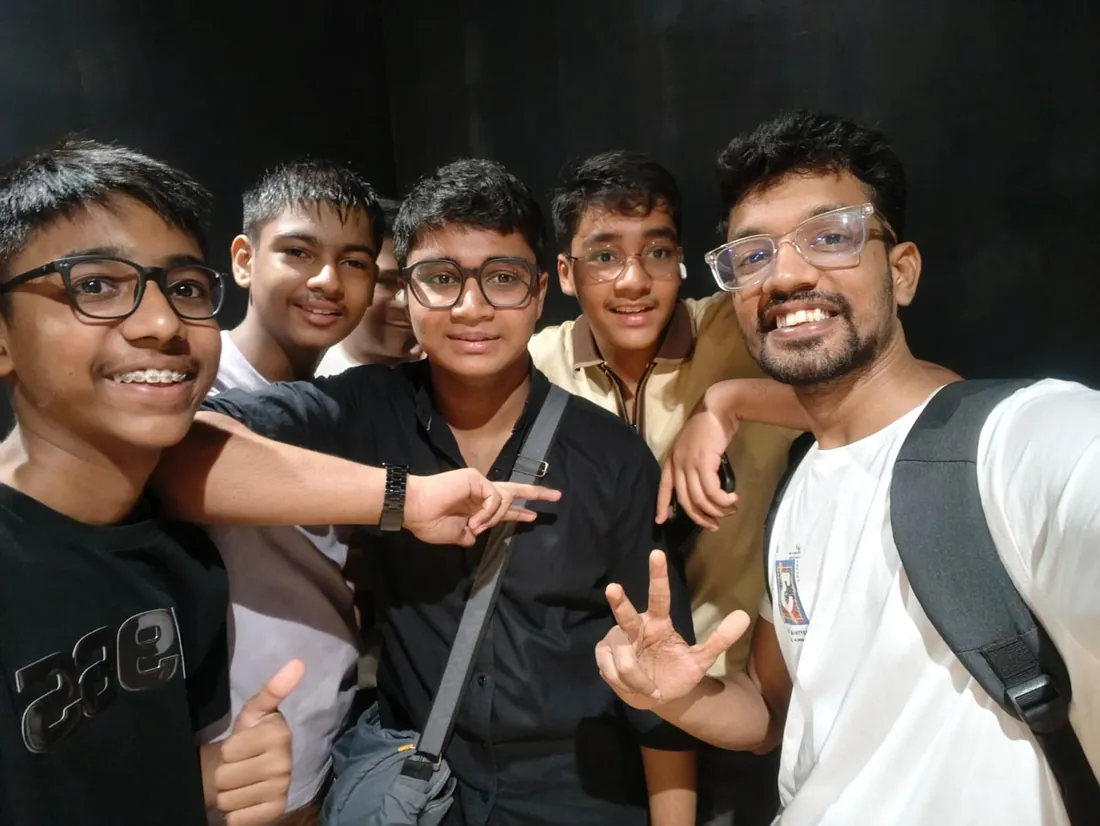
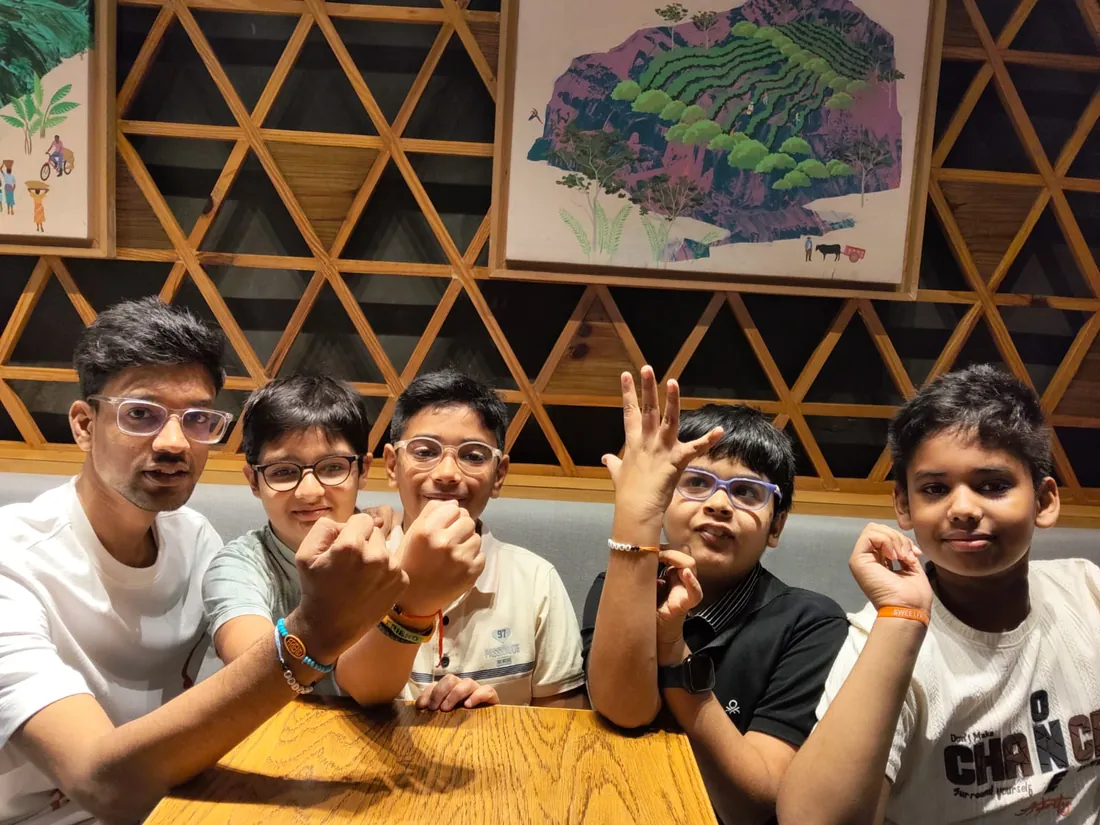
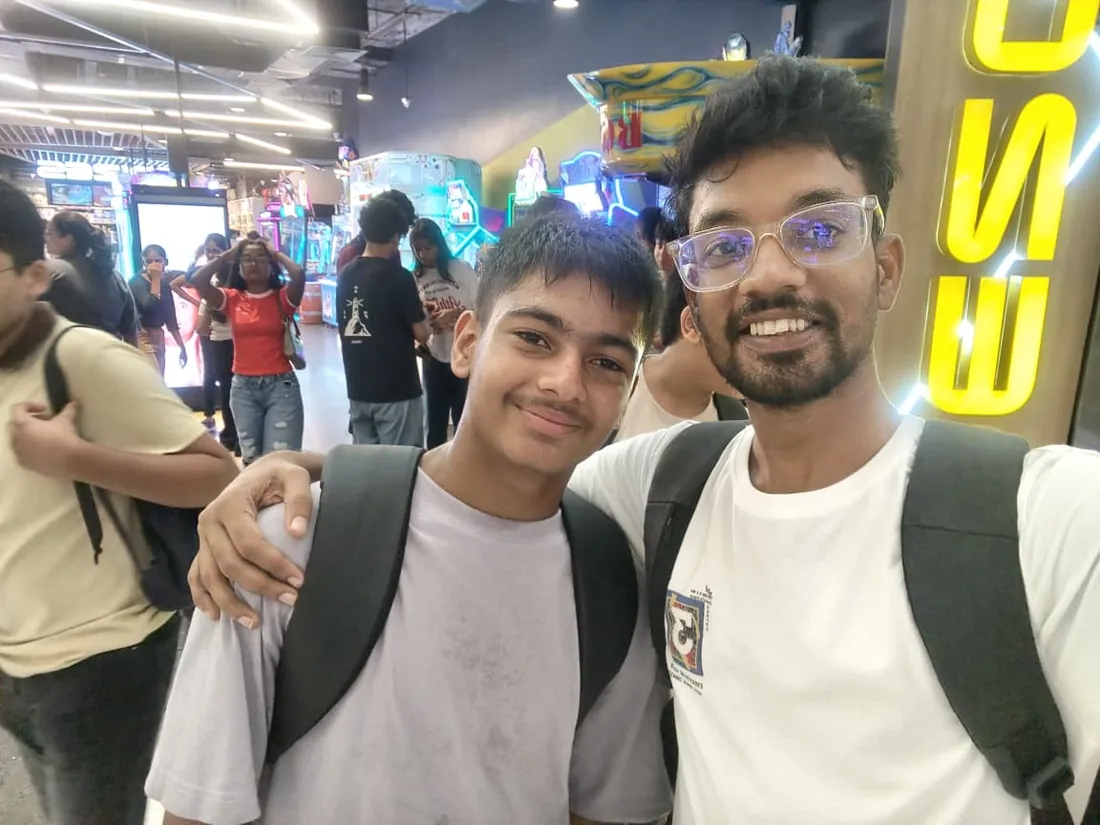
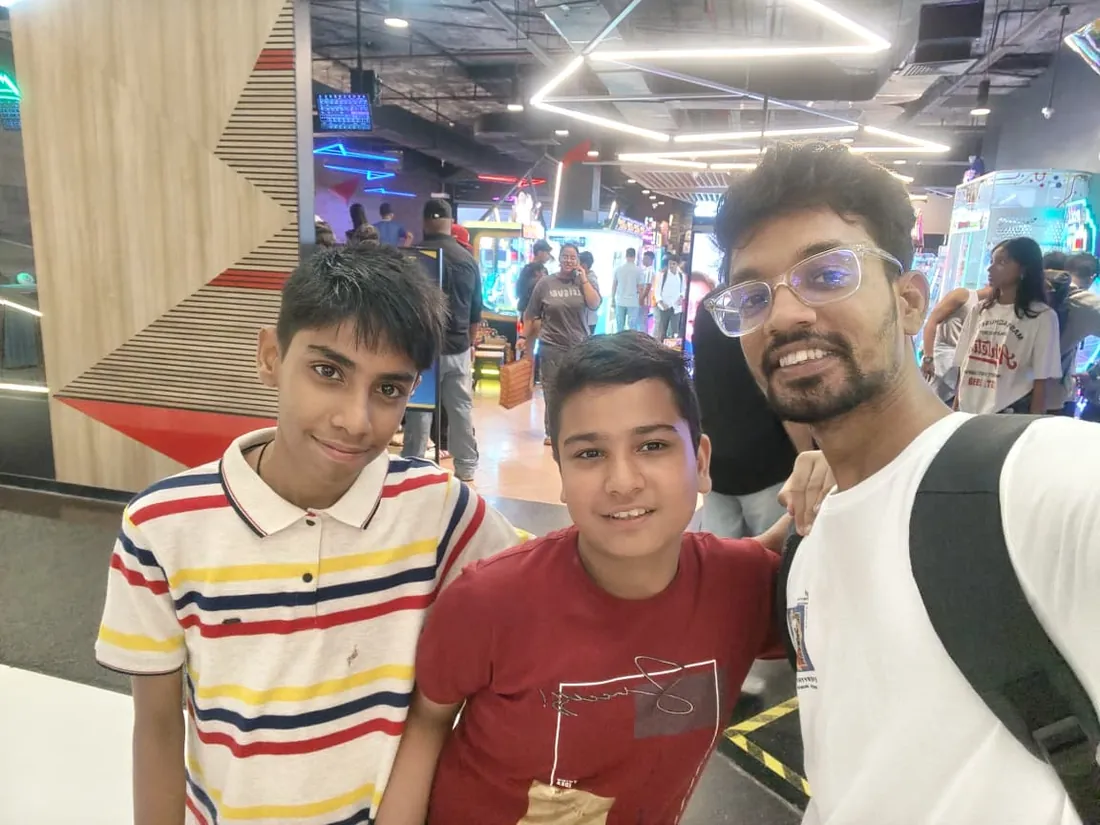
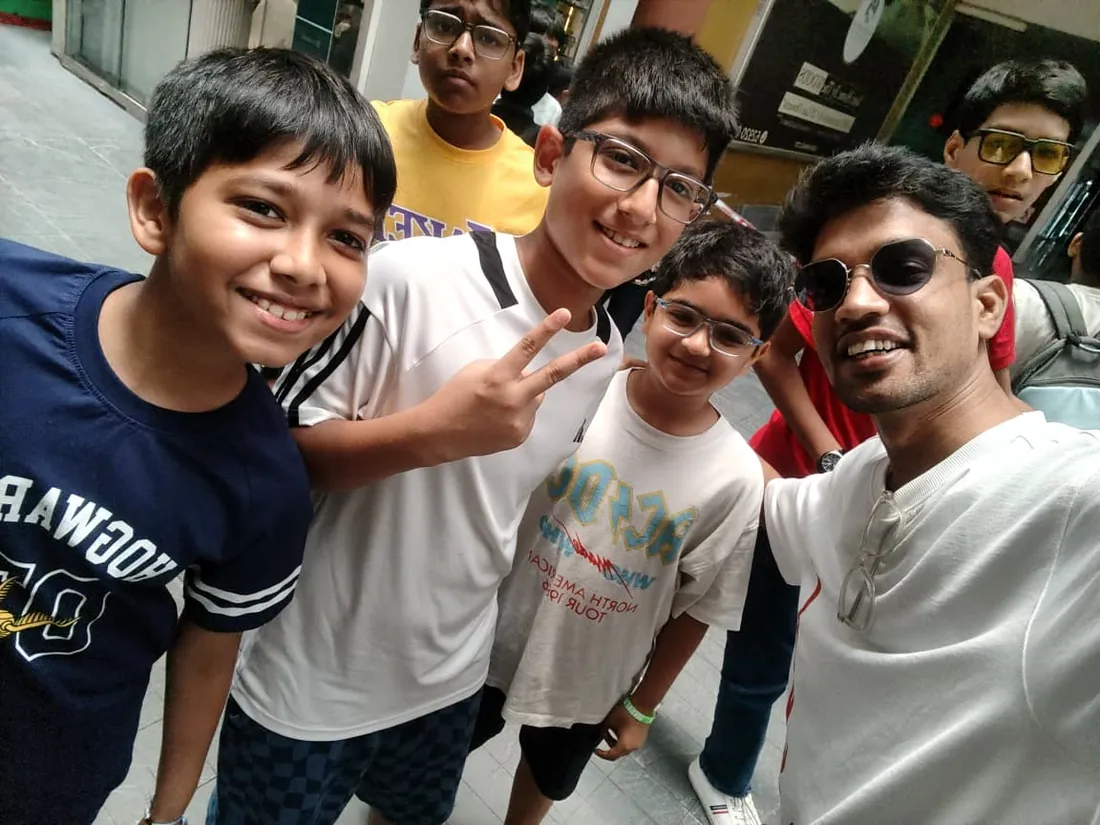
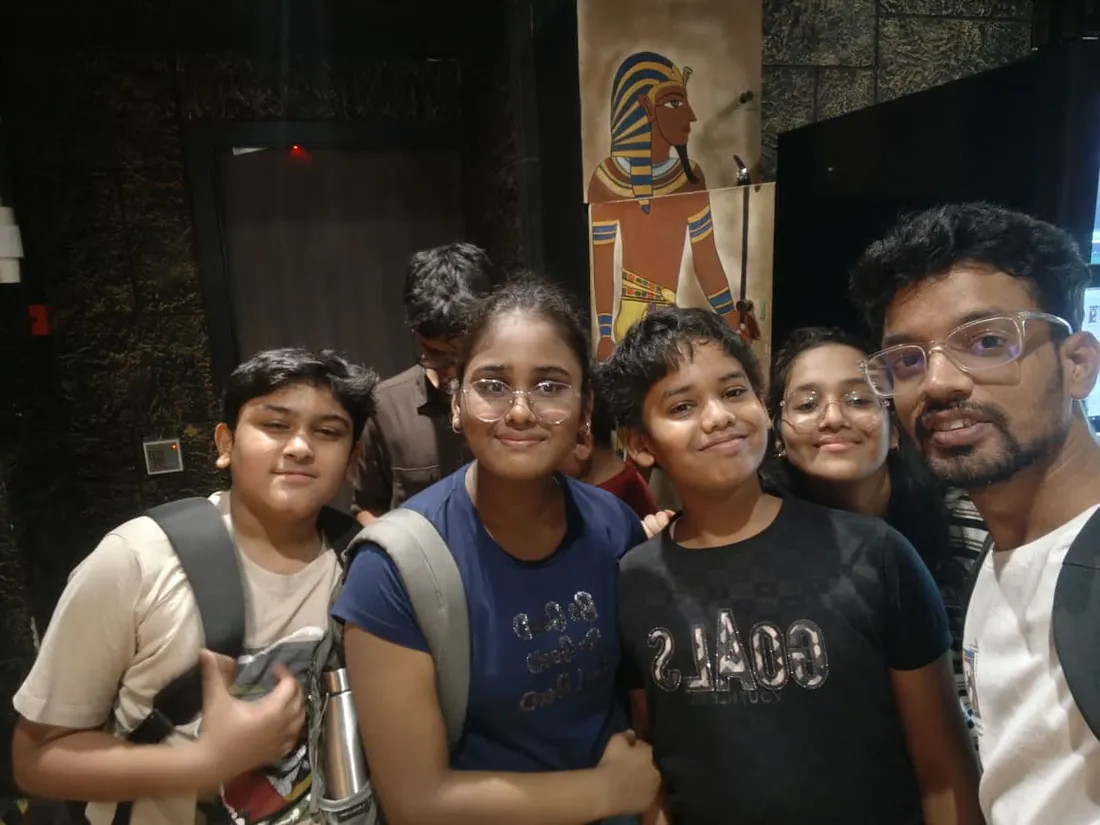
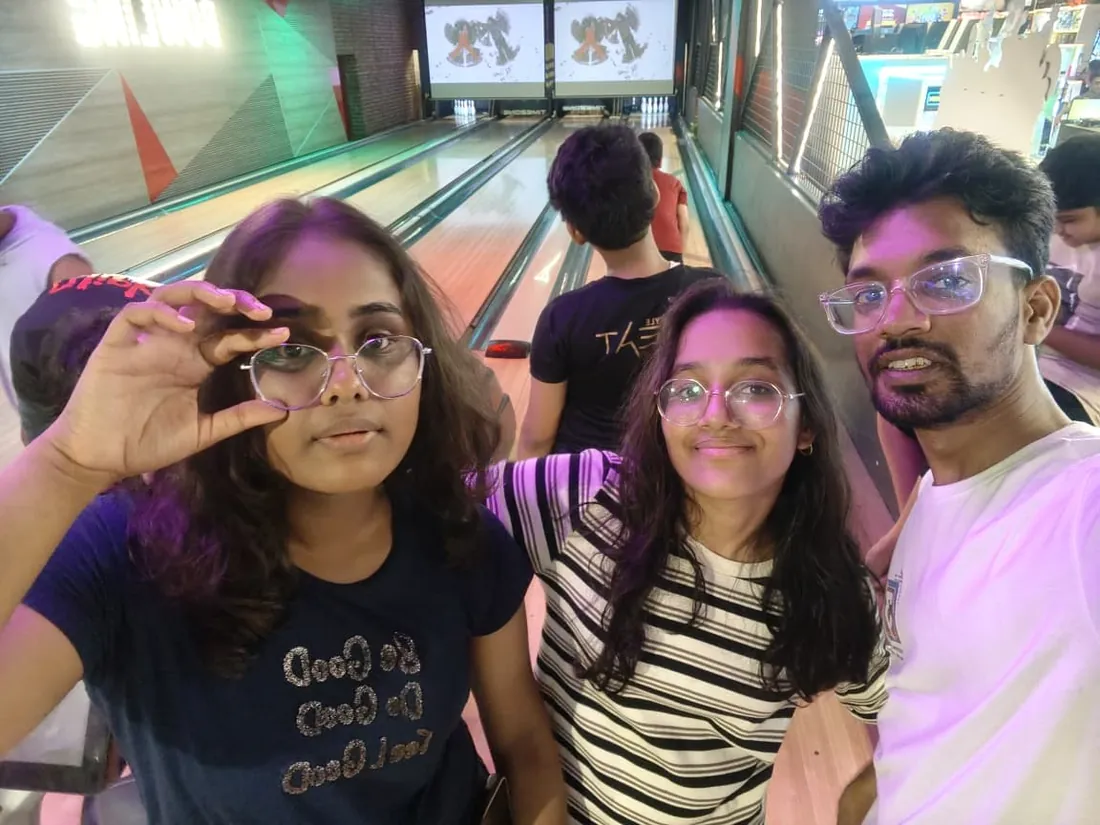
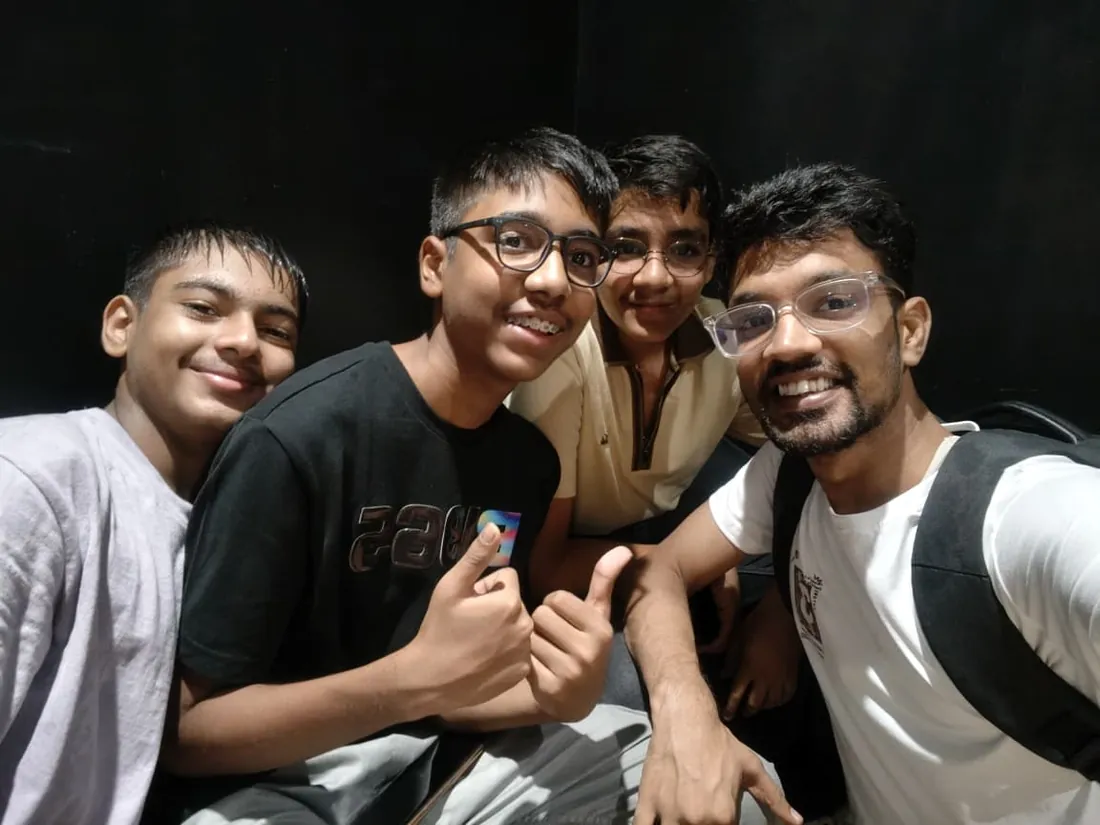
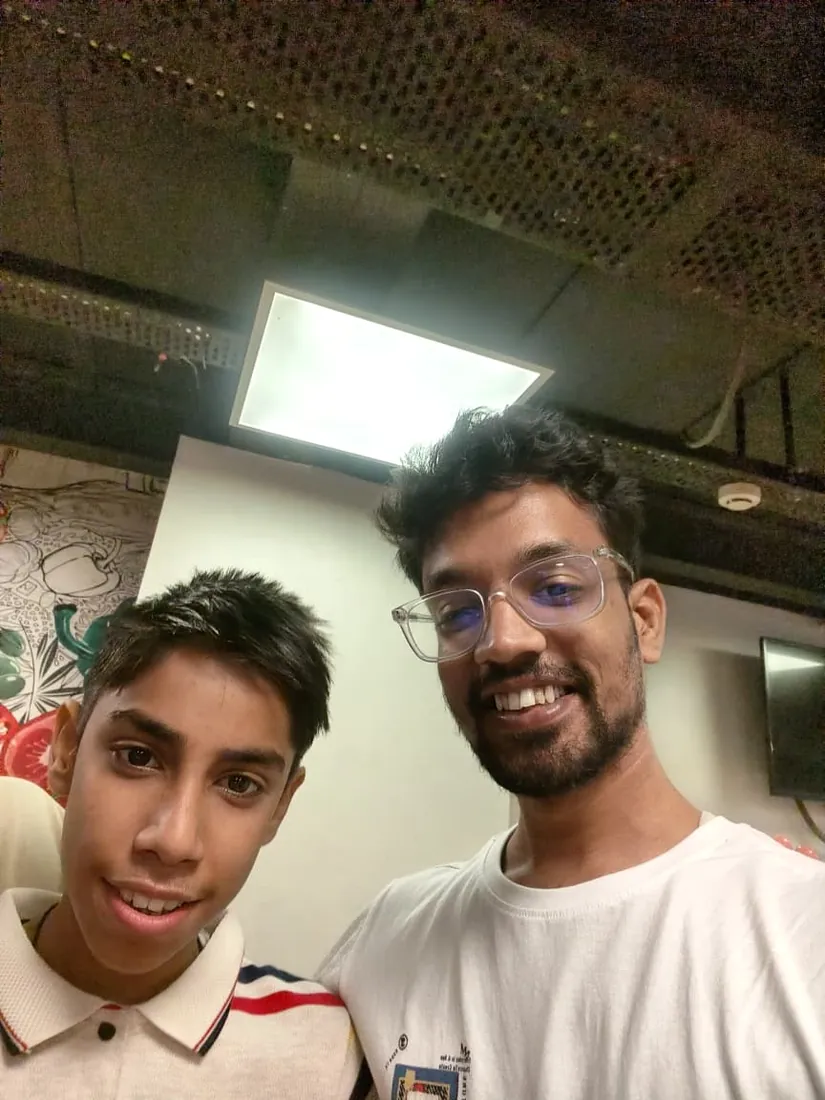
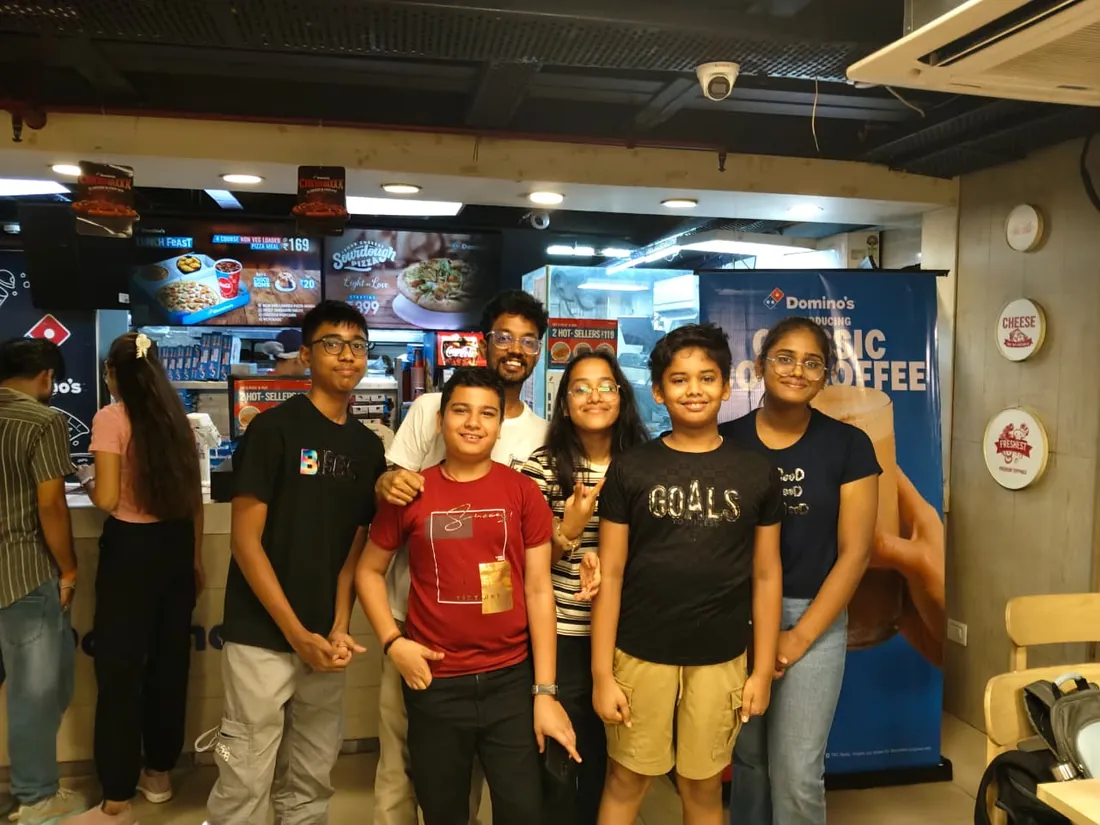
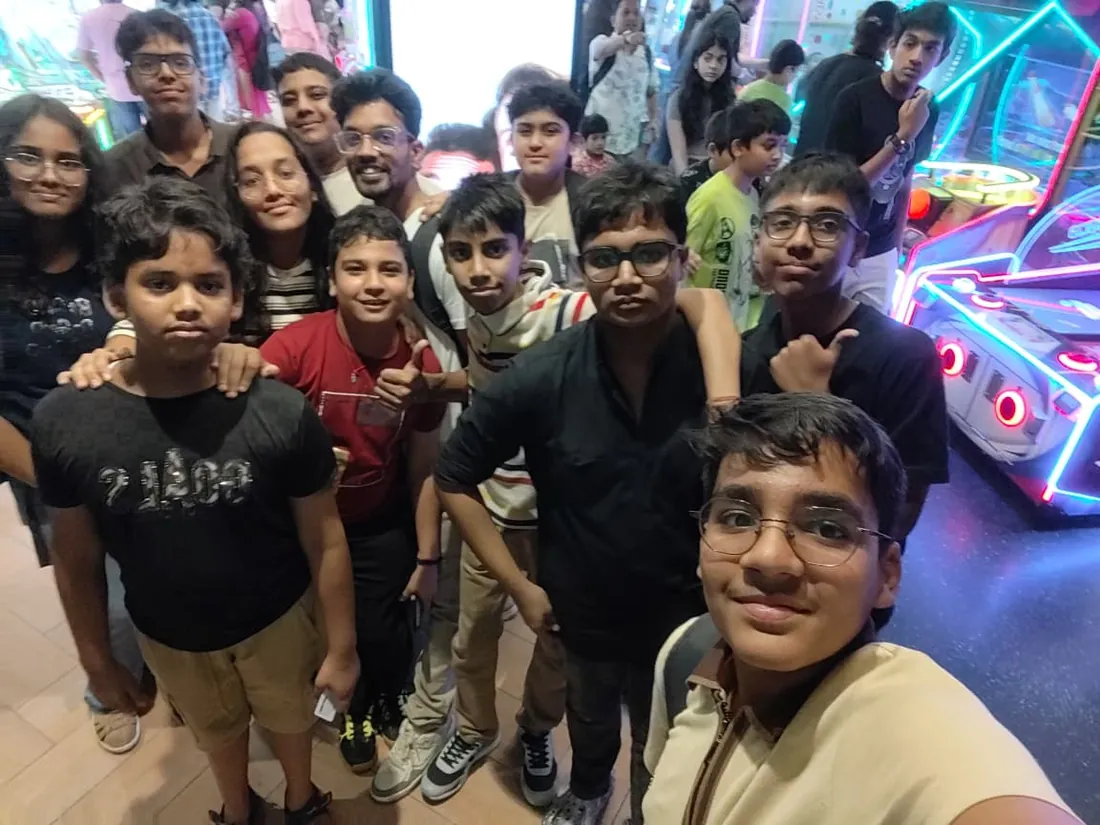
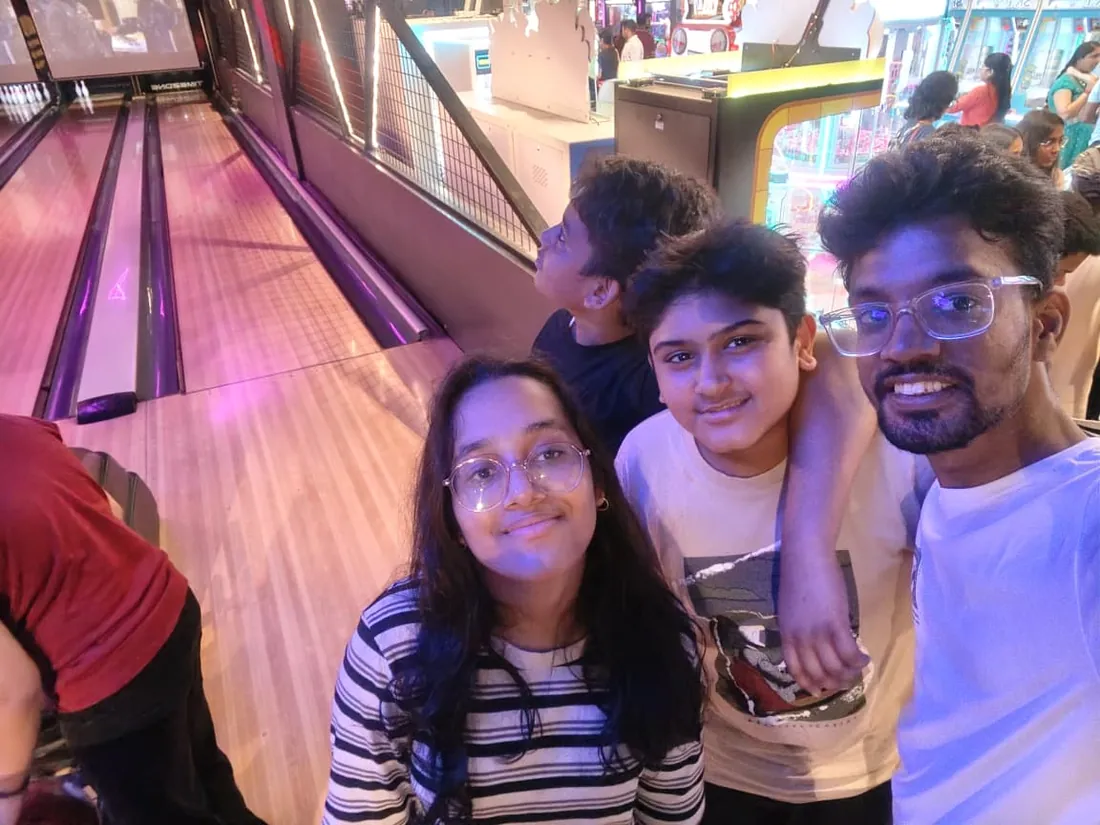
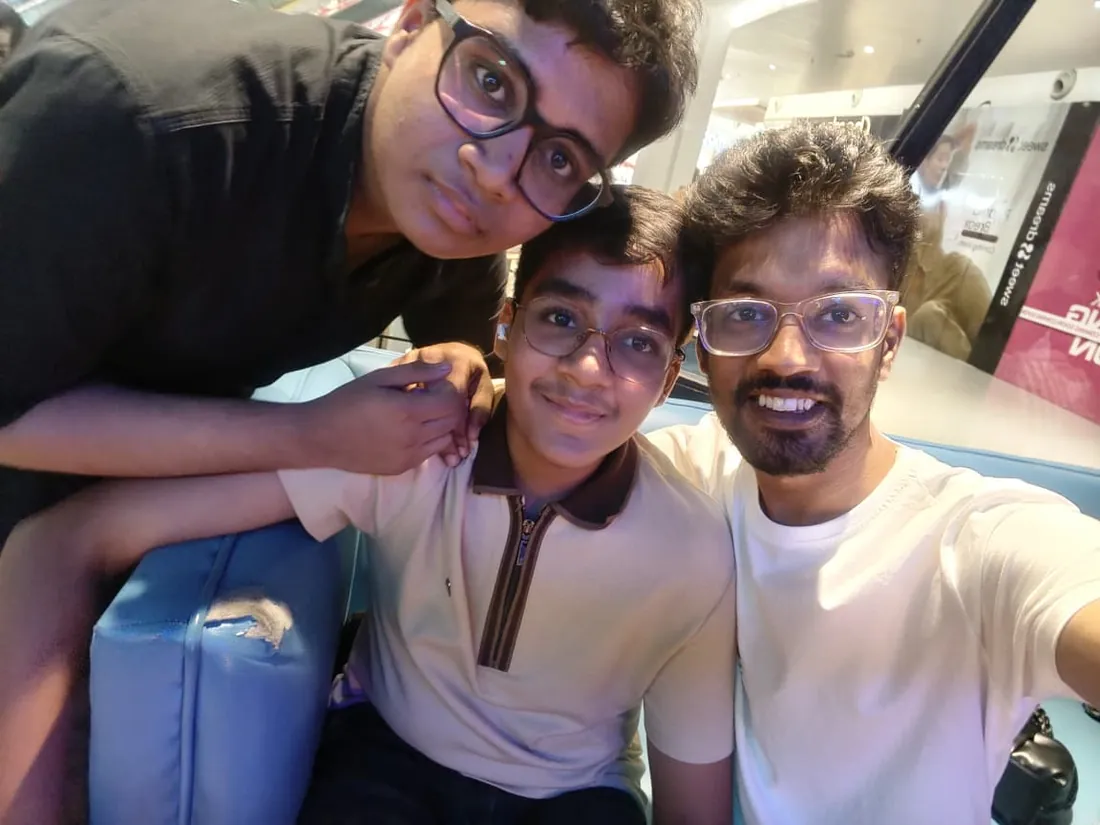
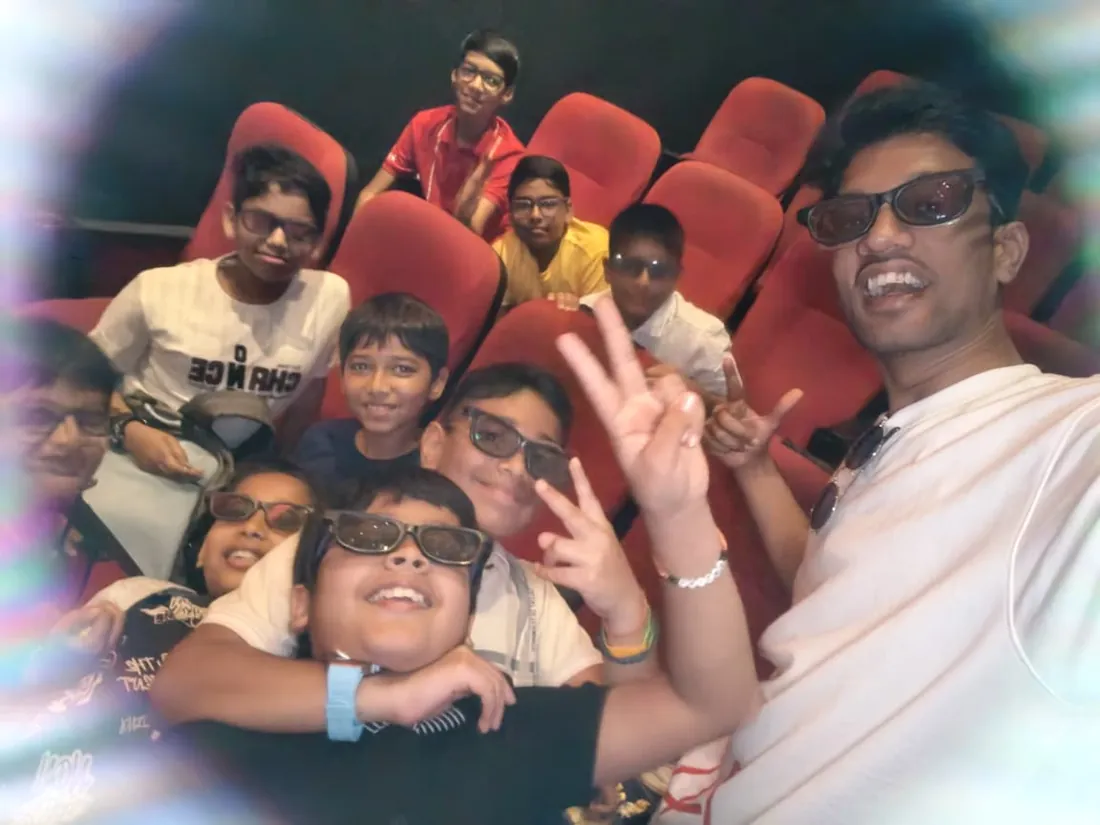
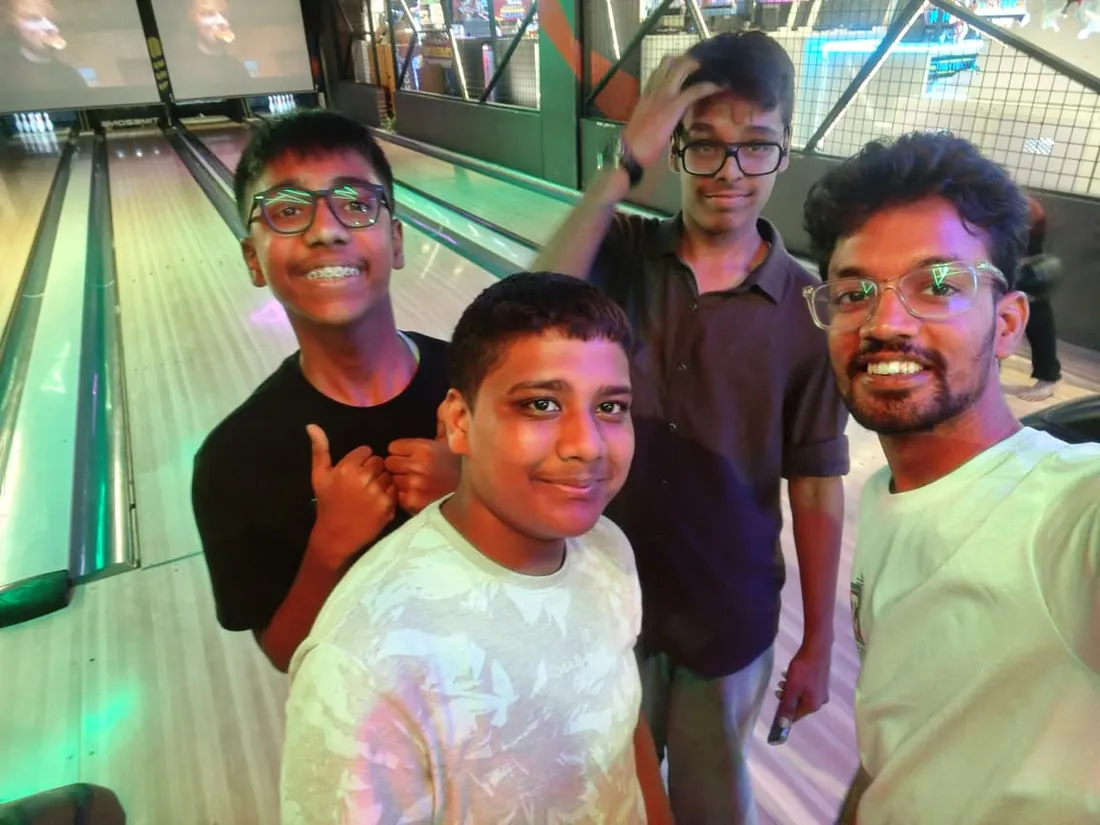
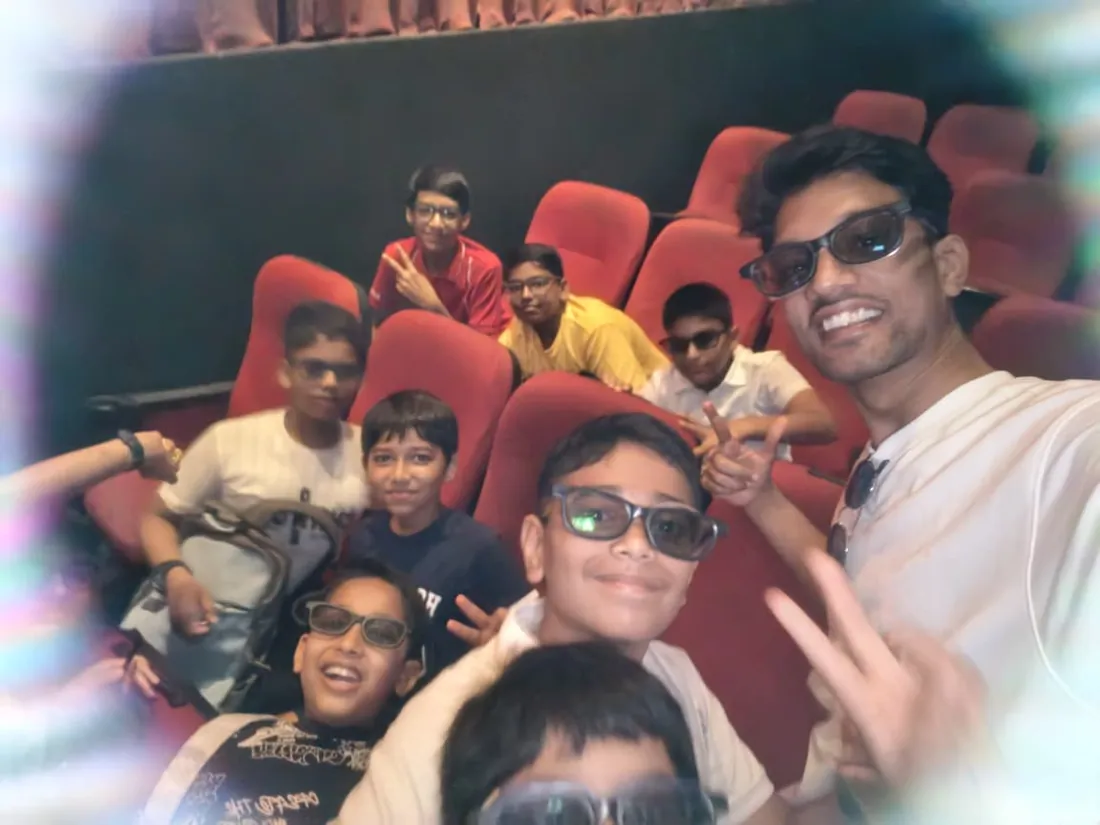
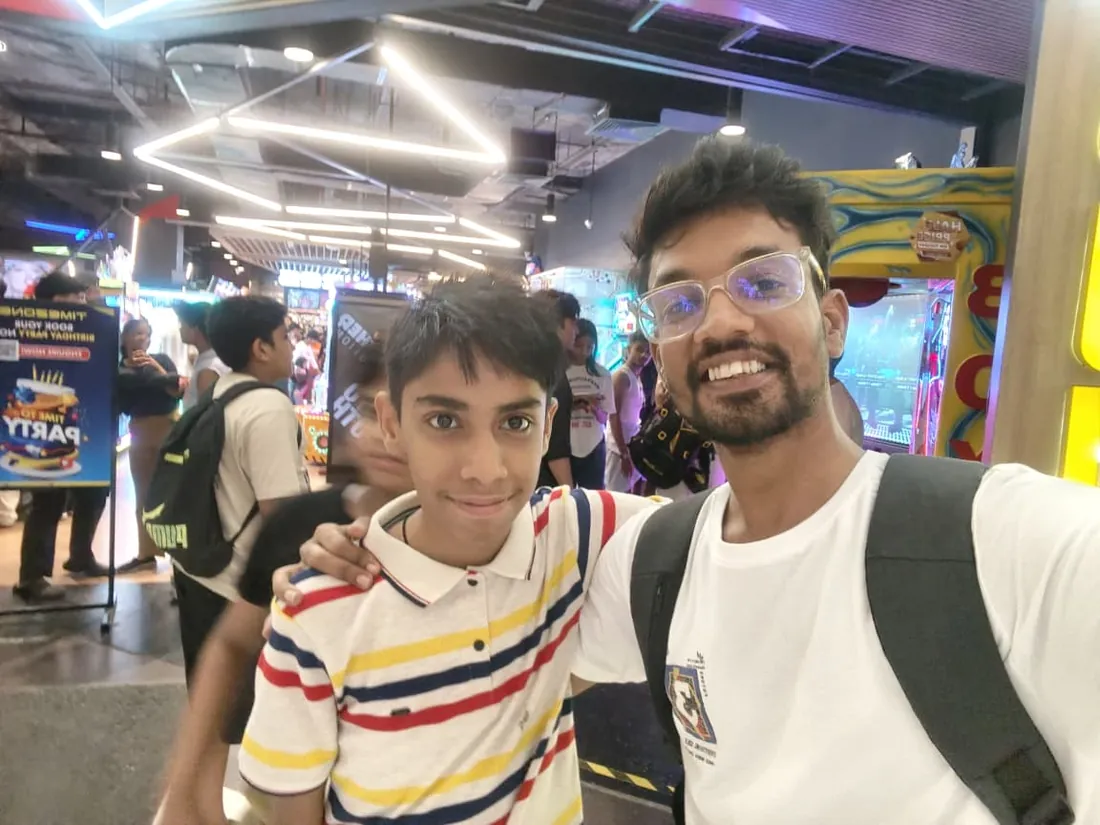
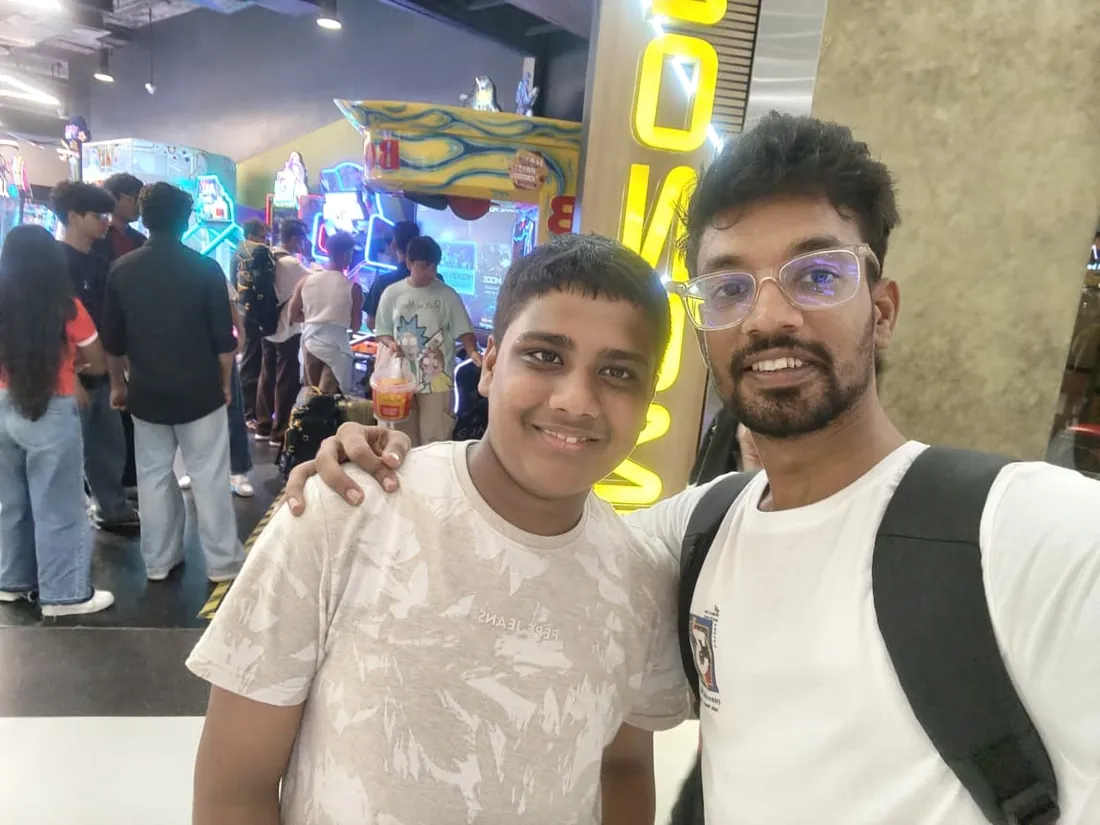
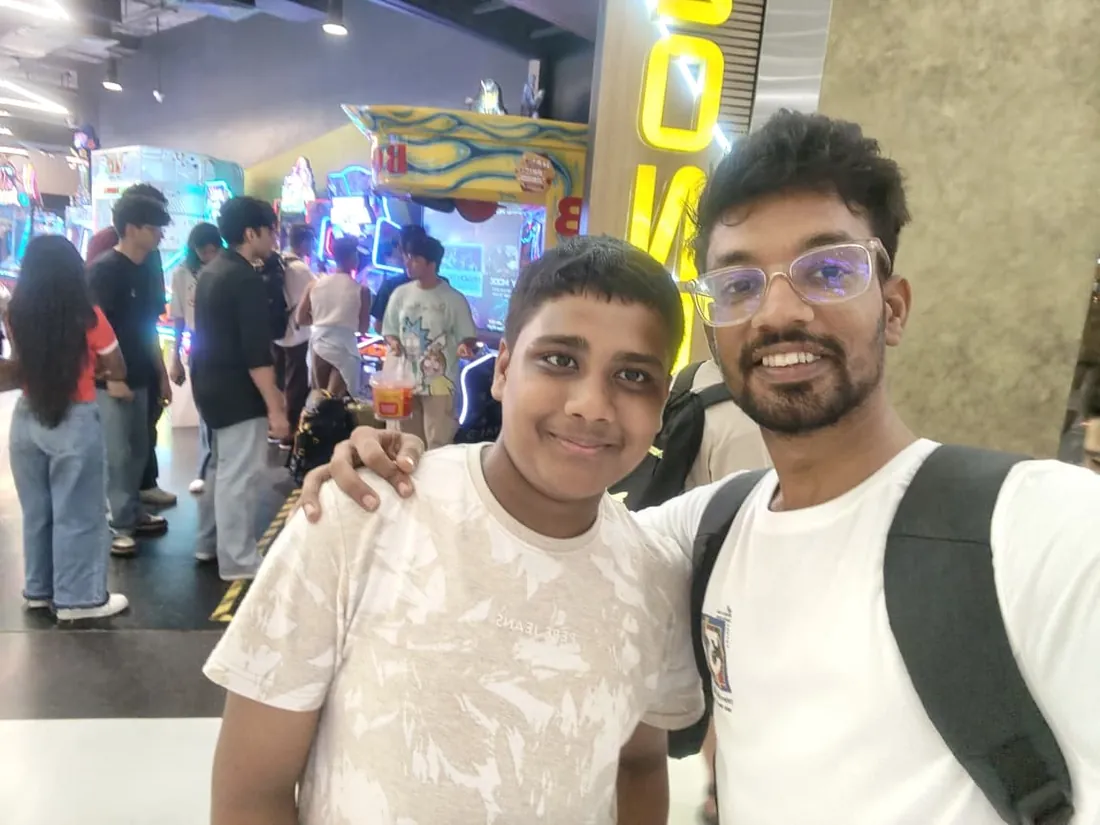
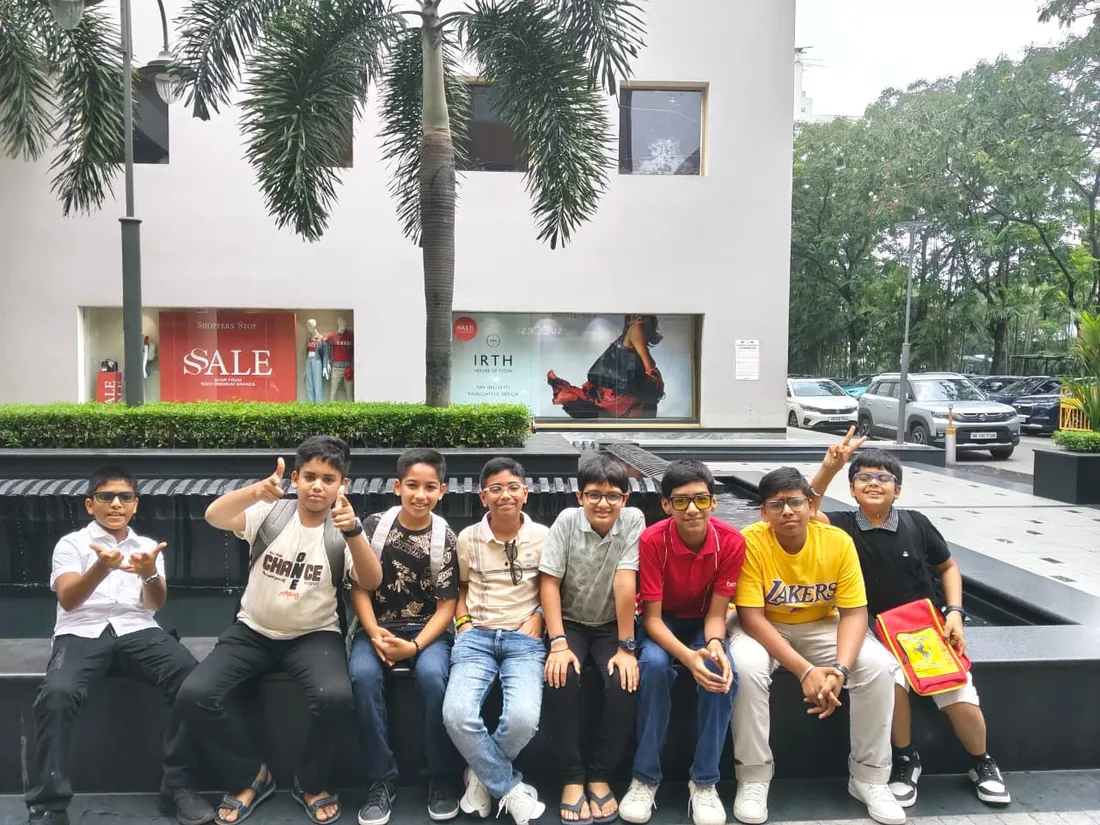
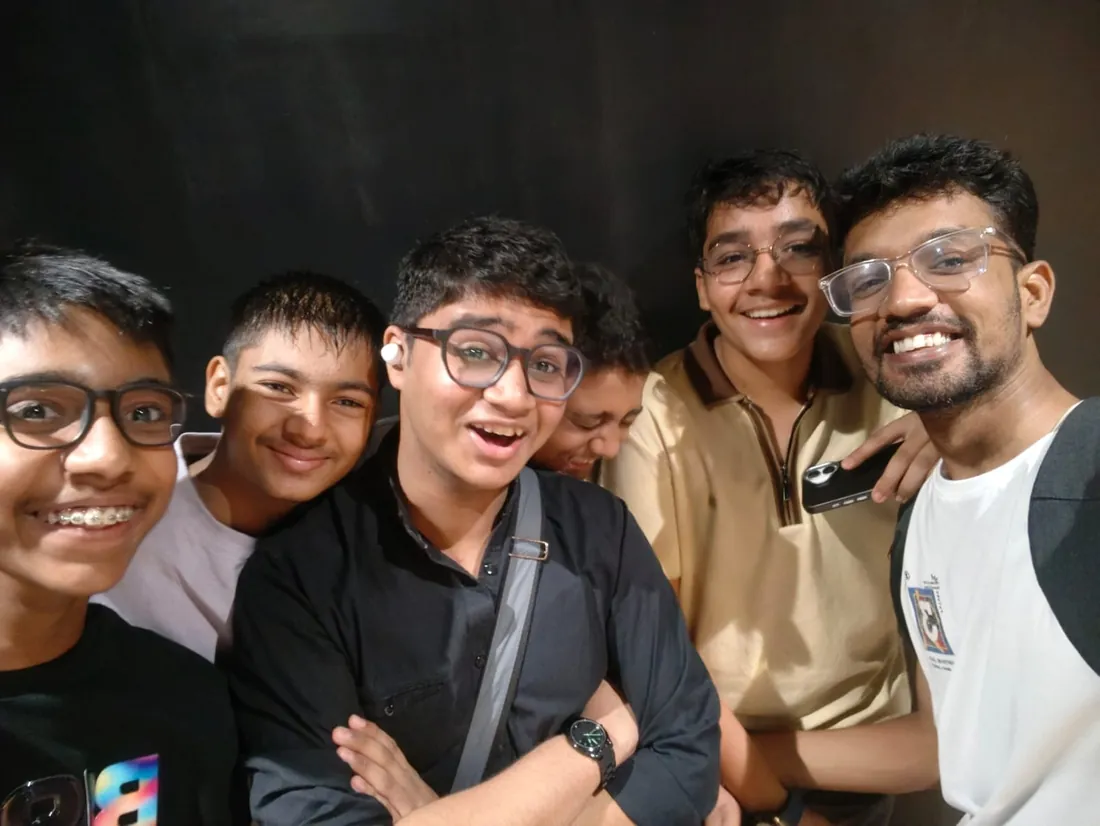
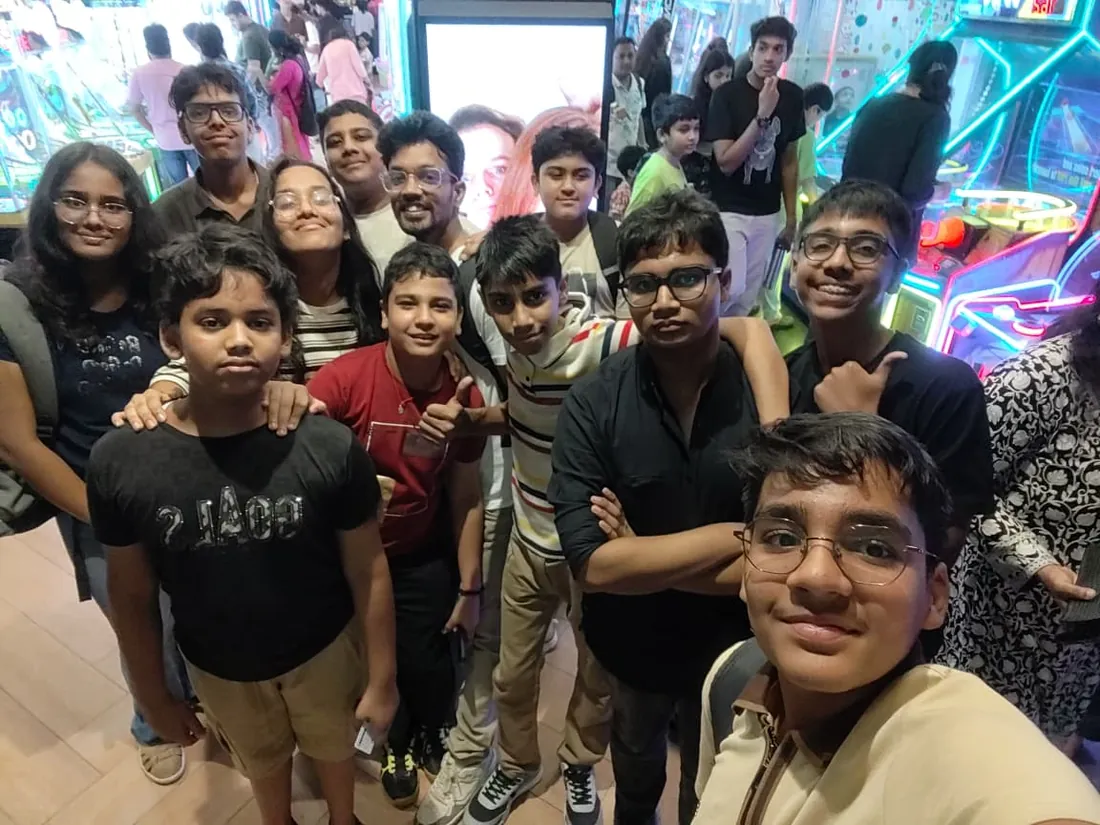
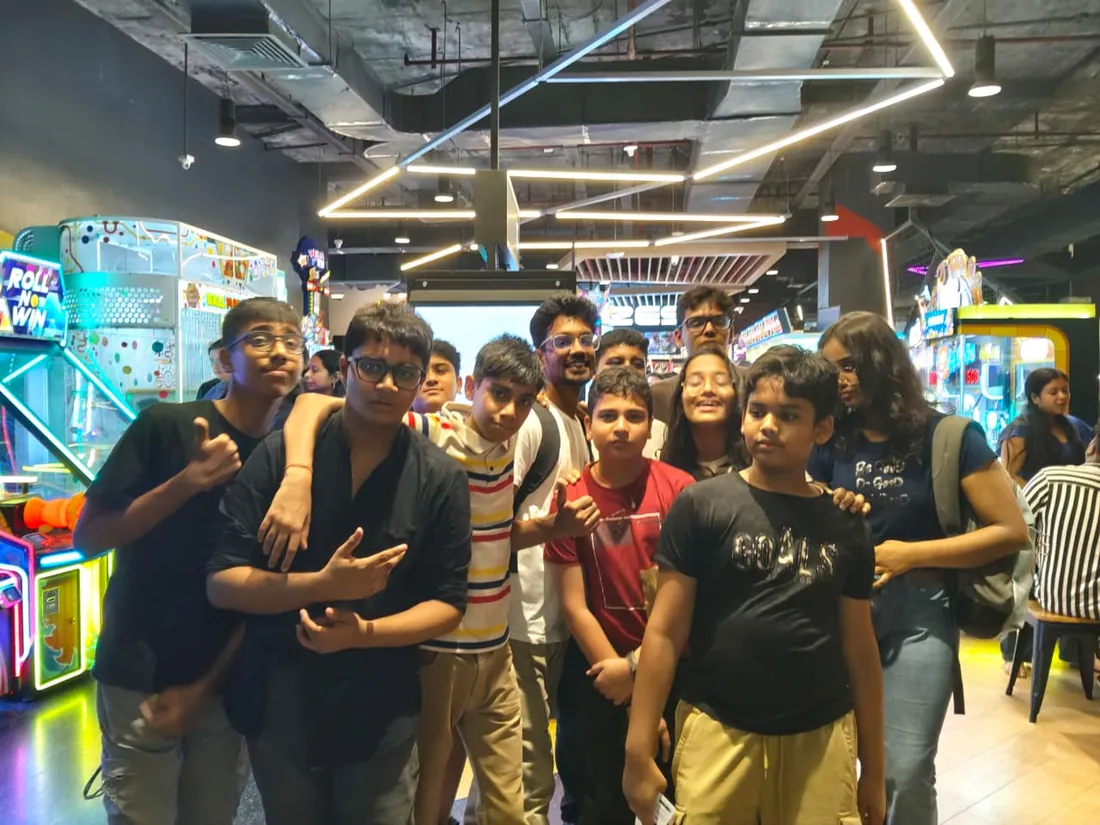
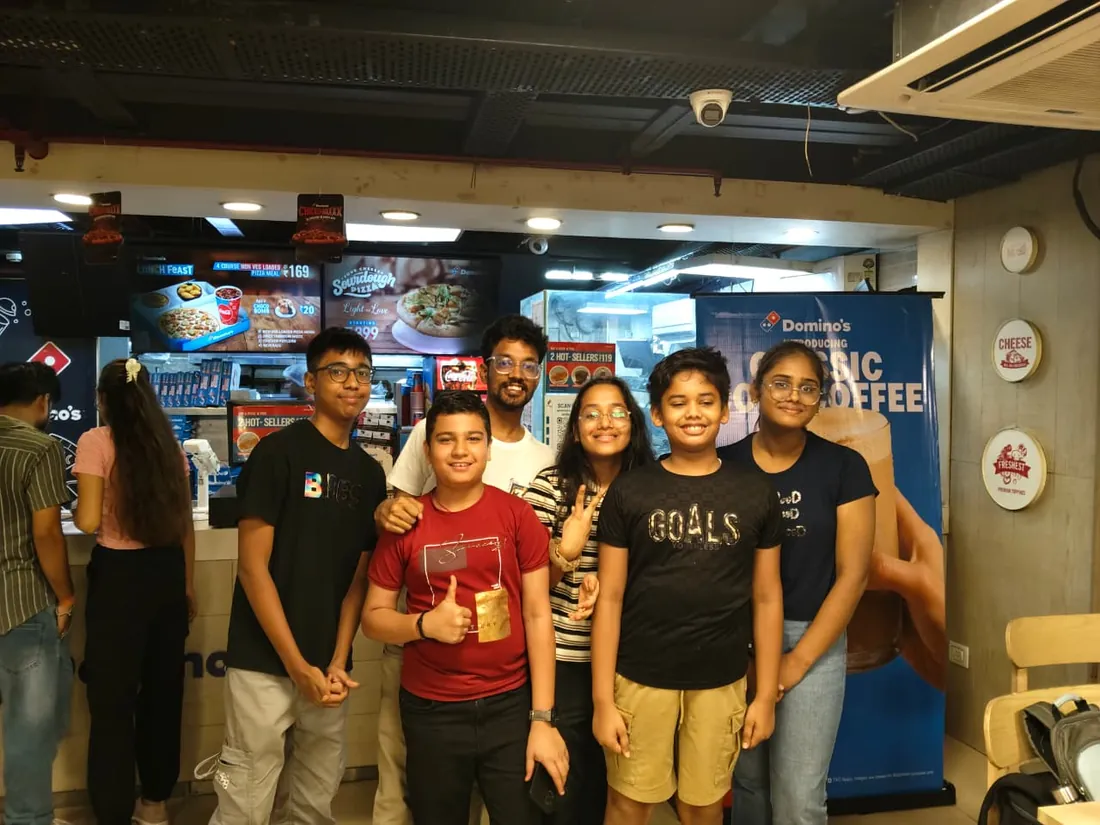
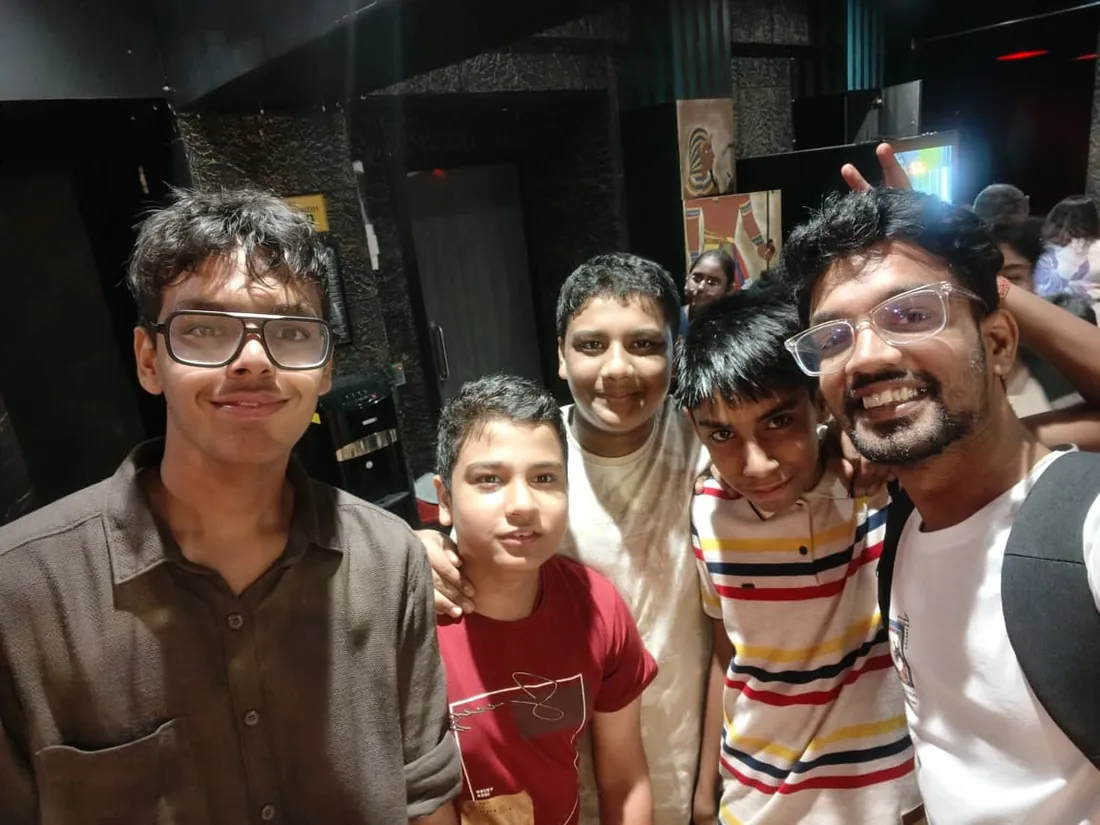
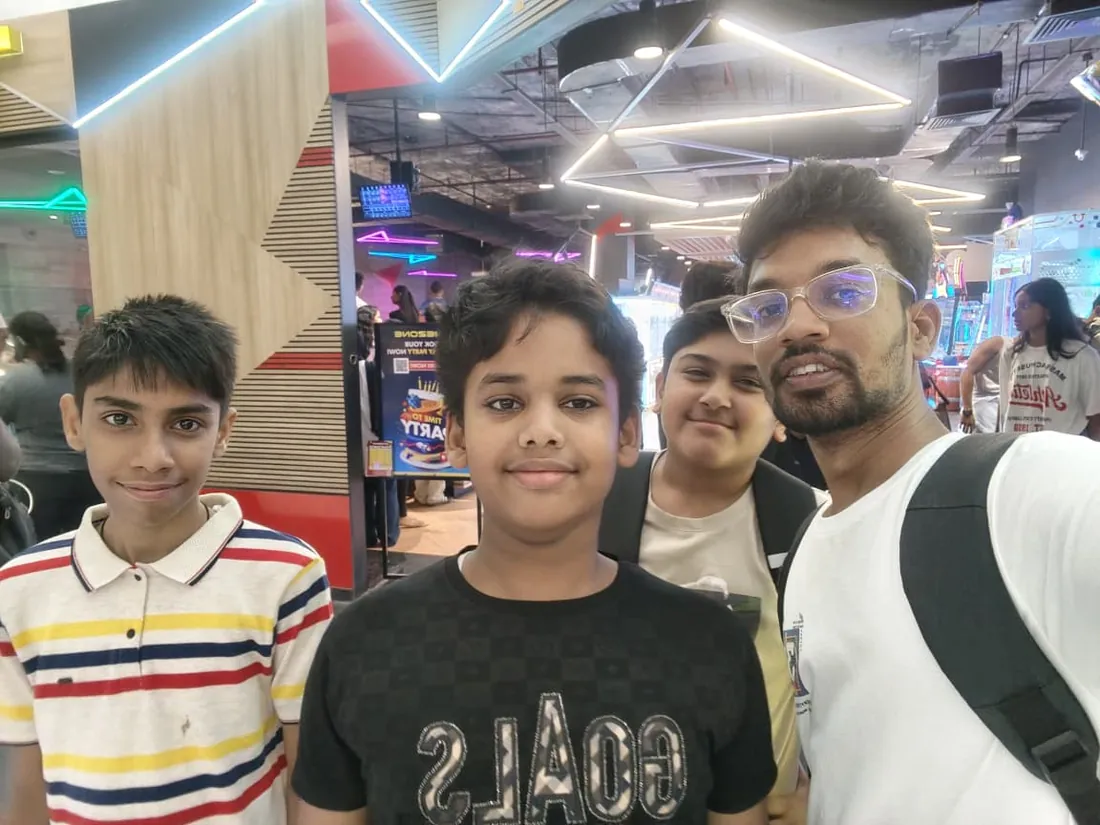
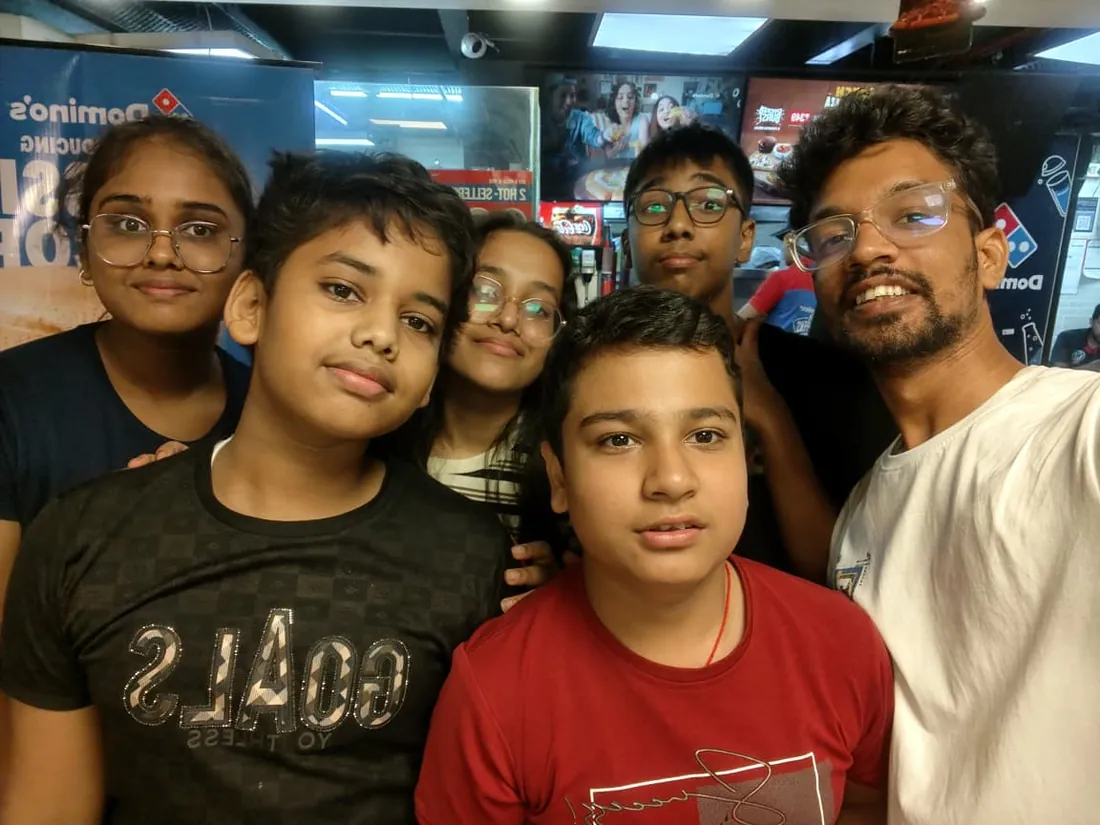
Real students. Real moments. Real joy.
These are our actual student meetups. No stock photos, no filters. Swipe through and meet the community you'll be joining.
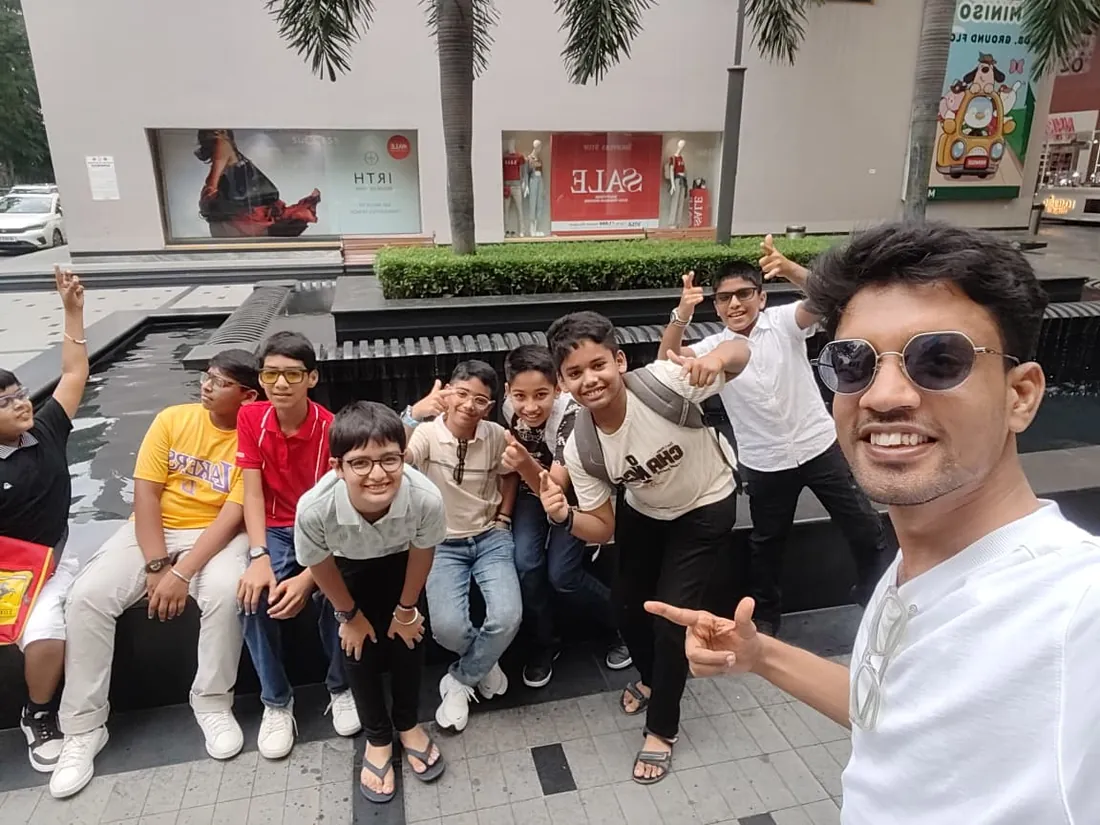
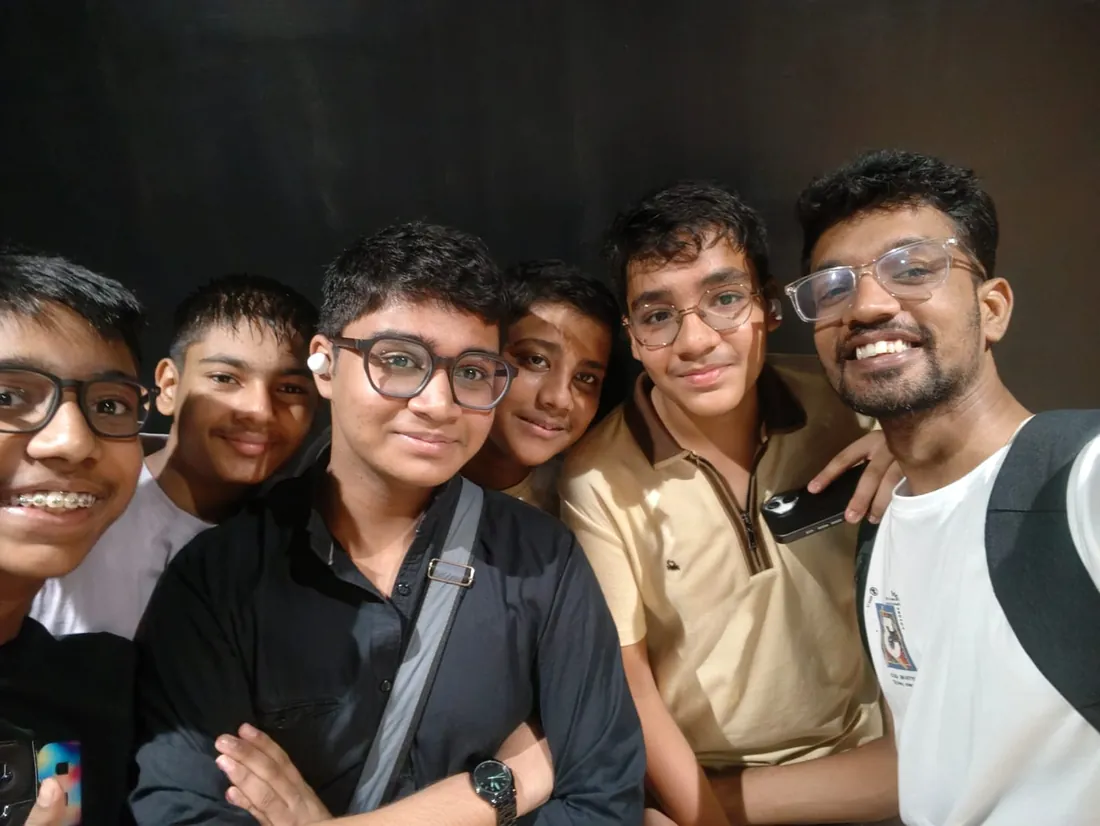
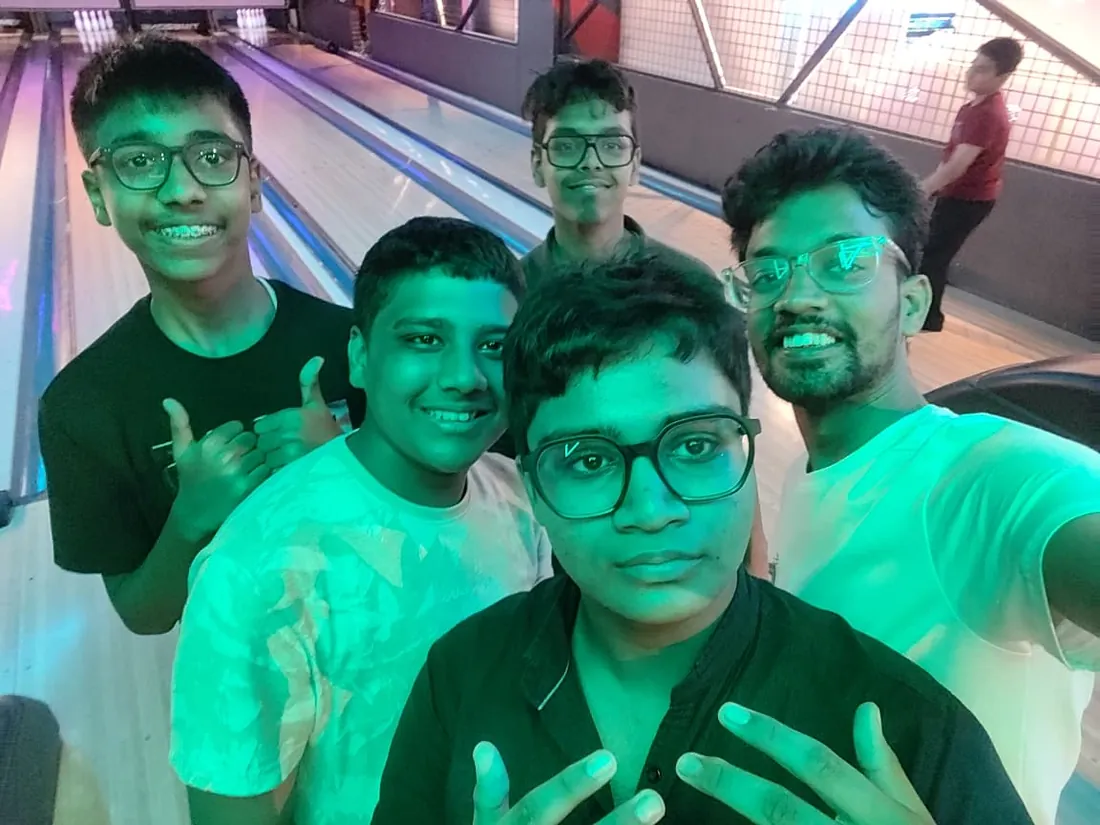
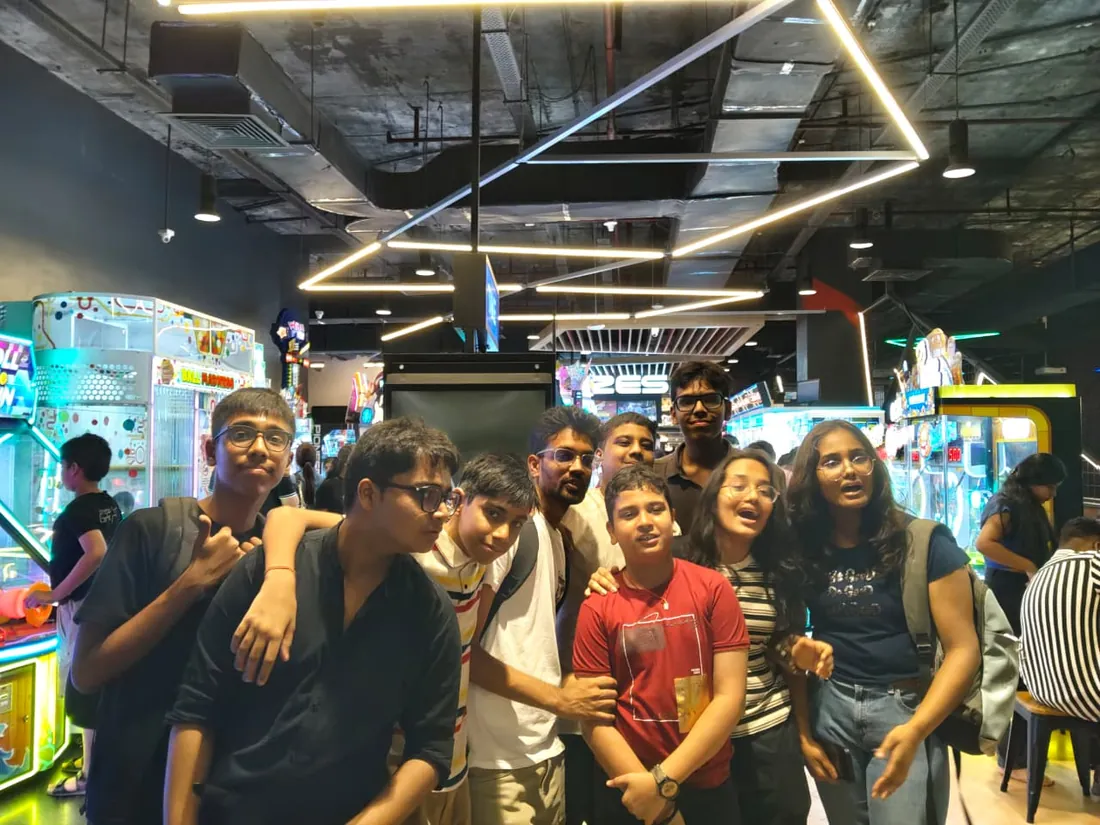
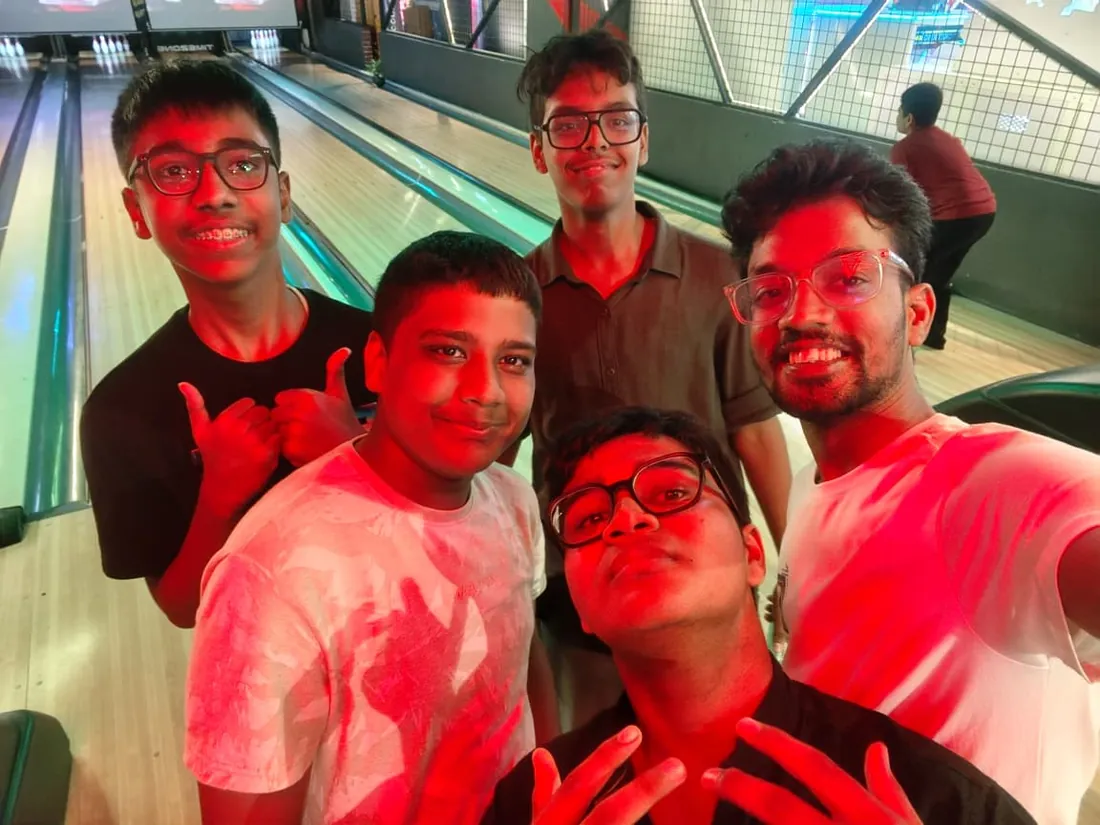
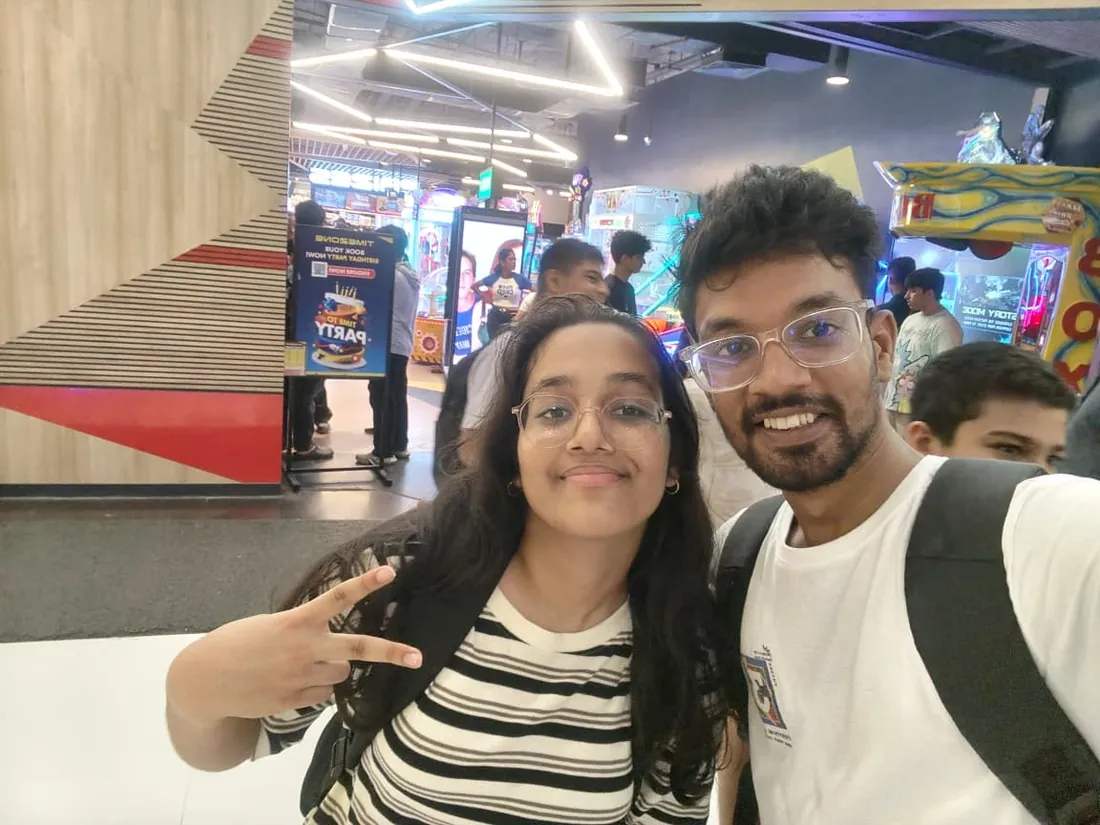
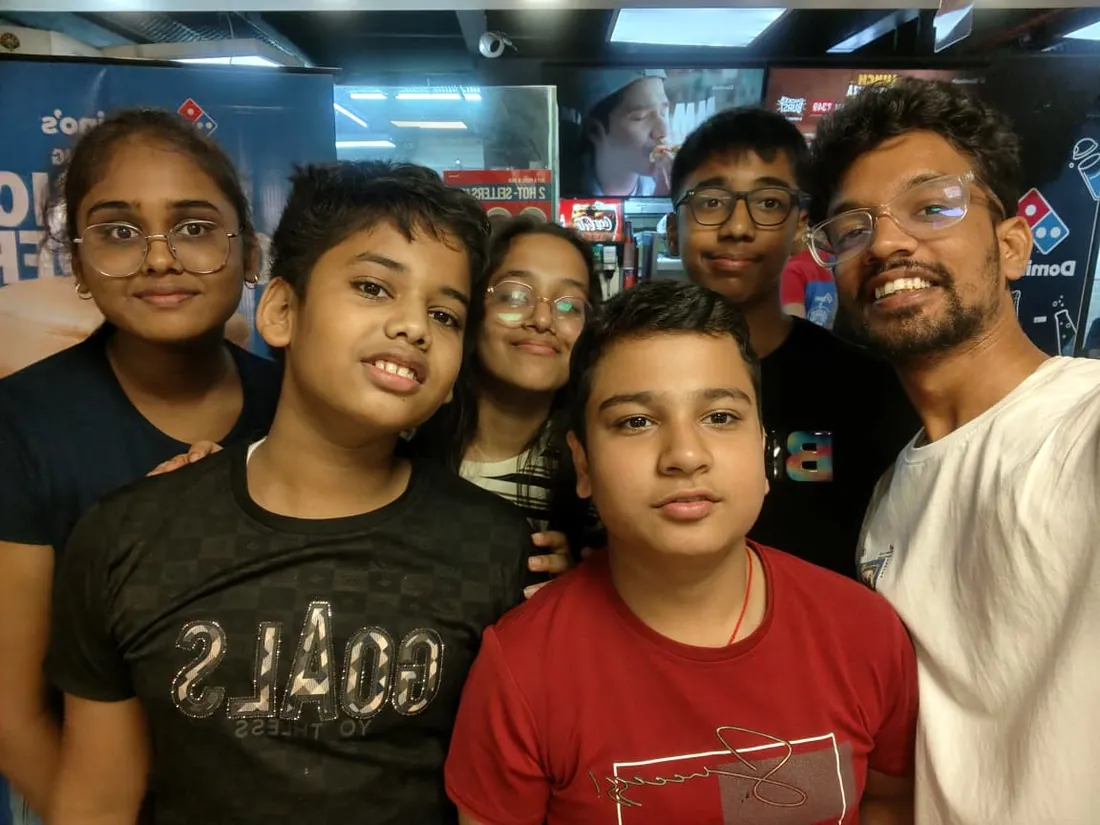
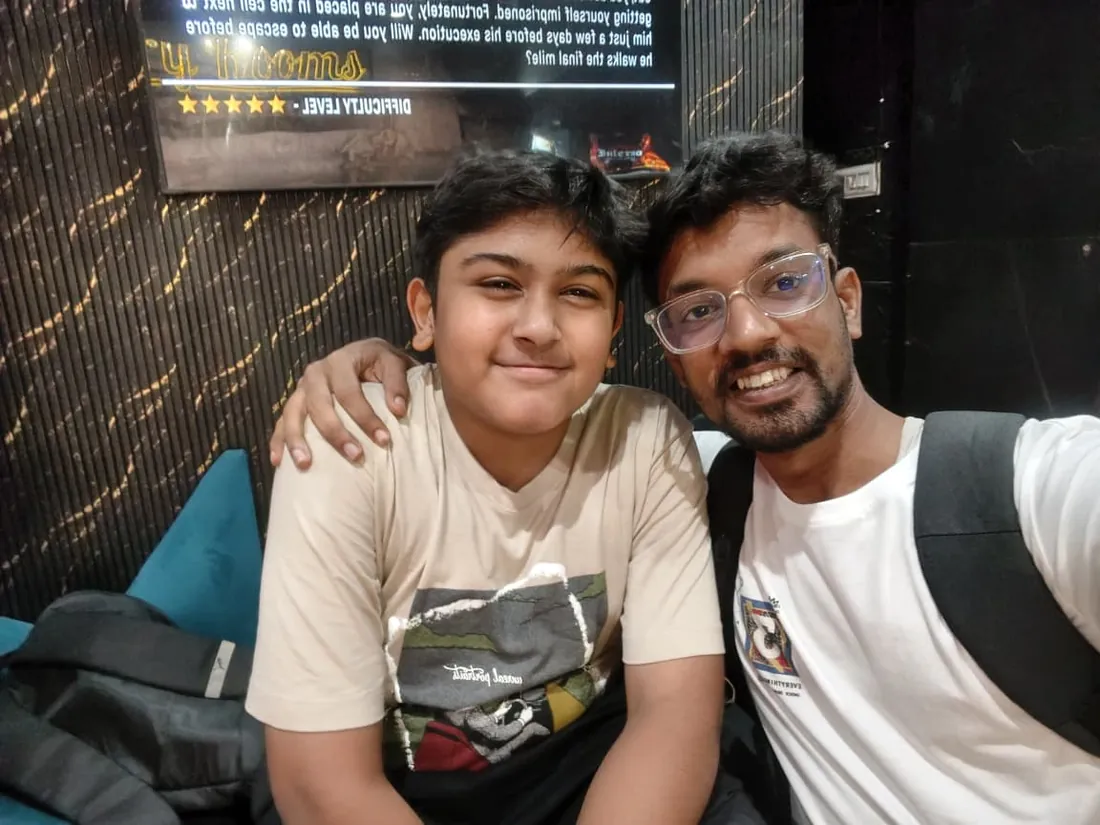
What families say
Straight from the parents and students who learn with us. Rated 4.9 across 547 Google reviews.
“Mivaan enjoys the class. He understands the concepts and completes his tasks with excitement. He started taking interest in coding… truly amazing class.”
“I absolutely love it here! I made new friends and learned important valuable coding skills while having the fun of my life. It's not just coding here, it's outings, bonding and most importantly preparing you for your future. Definitely five stars.”
“What stands out most is how excited my son is before every class. He looks forward to learning, problem-solving, and sharing what he's built. I've noticed a big boost in his confidence!”
“Modern Age Coders has been a game-changer for me! I struggled to grasp IT concepts and coding before joining, but their classes transformed everything. I'm now the topper in my class and can confidently write complex programs with ease.”
“Modern Age Coder have wonderful teachers who teach in a clear, easy and practical way. The teacher boosts students' confidence, keeps them updated with technology, and inspires them to learn without hesitation.”
“The one step solution for my son. Modern Age Coders make learning coding so simple that kids love it.”
“Coding classes here make learning very interesting and conceptual. The teachers teach us in a very easy-to-understand and efficient manner.”
“One of the most wonderful education centres out there. Education is not limited to school syllabus but focuses on skill development. Learning here has been a wonderful journey and still continuing.”
“I highly recommend this computer coding class! The teachers are incredibly knowledgeable and passionate about coding. They make every session engaging and insightful.”
“My child Dhairya is really enjoying the Modern Age Coder IT classes. This is his first online class, and he eagerly looks forward to it.”
“Very good classes. Don't worry about coding. They teach the best, especially Shivam sir.”
“Very good classes. Makes learning very easy and interactive.”
Hear it from our students
Real parents and students in their own words, on our public YouTube channel.
Straight answers about Computer Science Class 11-12: CBSE Python & ICSE/ISC Java
- Who should take this course?
- Class 11 Beginner to Class 12 Board Exam Ready. It suits students starting computer science in class 11 who want strong fundamentals from the first chapter; students facing boards in the 2026-27 session who need complete syllabus coverage plus intensive exam practice; students who understand the theory but struggle to write, trace, or debug programs on their own.
- What will they learn and build?
- This is the most thorough Computer Science program built for Indian Class 11 & 12 students across both CBSE and ICSE boards. We run completely separate batches for CBSE and ICSE students because the syllabus, programming language, exam pattern, and marking scheme are fundamentally different.
- How deeply are topics covered?
- The course runs 24 months (Class 11 + Class 12, the full 2-year board cycle), joinable any month at 8-10 hours/week (4 classes + self-practice), across 4 phases listed week by week in the syllabus below. A structured, well-paced curriculum taught step by step, with hands-on practice in every session.
- Who teaches it?
- Modern Age Coders mentors, who teach the live classes themselves. You can watch them at work in the free class recordings before you decide.
- How do practice, feedback and assessment work?
- Chapter tests, mixed revision, and board-pattern mocks with a documented score progression: real preparation, really measured. Doubt support between classes over WhatsApp, so you are never left stuck. A course-completion certificate you can share.
- What does it cost?
- Three monthly plans: a group batch, a mini batch and 1-on-1. Prices are shown in your currency in the plans section. Monthly billing, cancel any time.
- When can classes take place?
- Live classes are scheduled around your week. Group batches meet at a fixed weekly slot; 1-on-1 students choose their own. International students are scheduled in their own timezone. Ask on WhatsApp for the current slots.
- Can I watch the teaching before deciding?
- Yes. Full recordings of real 13 and up classes are free to watch, free with a Google sign-in. These recordings show how we teach, not the exact syllabus of this course. Some classes are in English and some in Hindi; everyone follows at their own pace. Watch a class end to end, like you are in it. Sessions are interactive and each moment builds on the last.
- Can I enroll without a live demo?
- Yes. Choose a plan on this page and enrol directly; a demo is not required. If you would like to see a full class with a mentor first, book a Priority Demo.
- How do I reach you with a question?
- WhatsApp +91 91233 66161, email connect@modernagecoders.com, or call +91 91233 66161. Tell us the student's age and what they have learned so far, and we will point you to the right plan and batch.
Common Questions About Computer Science Class 11-12: CBSE Python & ICSE/ISC Java
Get answers to the most common questions about this comprehensive program
Still have questions? We're here to help!
Contact UsRelated Courses You May Like
Continue your learning journey with these recommended programs
 Version Control & Developer Tools
Git & GitHub Course for College Students: Team-Ready Skills
Master Git and GitHub in a live 24-class course for college students: team branching workflows, pull...
Explore Course Game Development
Game Development for Teens: Unity, C# and Real Shipped Games
Game development course for teens aged 13-18: build and publish real 2D and 3D Unity games with C#, ...
Explore CourseRelated Articles & Guides
Deepen your knowledge with these hand-picked articles
 Programming
11 min read
Programming
11 min read
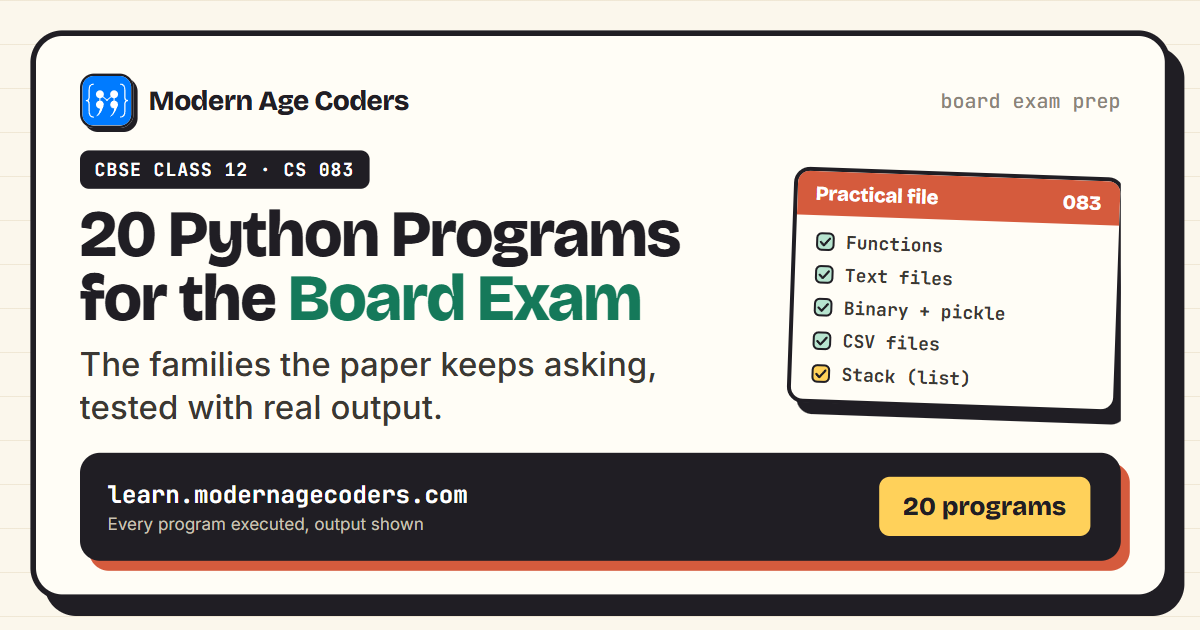
20 Python Programs for CBSE Class 12 Board Exam (083)
20 Python programs for the CBSE Class 12 Computer Science board exam: functions, text, binary and CS...
Read Article Mathematics
18 min read
Mathematics
18 min read
Best Online CBSE Maths Tuition for Class 6-12 in India (2026 Guide)
Find the best online CBSE maths tuition for Class 6 to 12 in India. Live 1:1 classes, expert tutors,...
Read ArticleReady to start Computer Science Class 11-12: CBSE Python & ICSE/ISC Java?
Book a Priority Demo to see a full live class with a mentor reserved for you, today or tomorrow. Or choose a plan and enrol now.
Questions? WhatsApp +91 91233 66161 or email connect@modernagecoders.com