Python Web Development with Django and Flask
You know Python. Six months from now, your code answers requests on a real URL.
Syllabus updated August 2026
Questions? WhatsApp +91 91233 66161 or email connect@modernagecoders.com
Recordings are free with a Google sign-in. These recordings show how we teach, not the exact syllabus of this course.
Our promise
The world's best learning experience, open to everyone.
- World-class instructorsEvery class is taught by an instructor who specialises in that exact field.
- No compromise on qualityEvery lesson, project and piece of feedback is held to the highest standard.
- Education for everyoneLearners aged 6 to 67, from first-time beginners to working professionals, in 25+ countries.
If you want the highest quality, Modern Age Coders is the right choice.
Book a Priority DemoHow long this course takes
This course runs 6 months (24 weeks) at 2 live classes/week + 3-4 hours practice. The range allows for background and pace: a complete beginner uses the full span, and a student with prior knowledge finishes sooner. The syllabus below is planned to the shorter end, with margin kept for revision.
For personalised duration planning, call +91 91233 66161 and we'll map a schedule to your goals.
At a glance
- Who it is for
- Intermediate, college students and working professionals with Python basics.
- Prerequisites
- Required: variables, loops, functions, lists, and dictionaries. Our Python courses cover this if you are not there yet
- Format
- Live, interactive classes with a real instructor, never pre-recorded videos. Live classes run about one hour.
- Language
- English or Hindi, depending on the batch.
- Duration
- 6 months (24 weeks)
- Weekly commitment
- 2 live classes/week + 3-4 hours practice
- Class size
- Group batches of 5 to 10 students, mini batches of 3 to 4, or 1-on-1.
- Certificate
- Certificate from Modern Age Coders, awarded on passing the final assessment
- Watch first
- Free recordings of real classes for ages 13 and up, free with a Google sign-in. These recordings show how we teach, not the exact syllabus of this course.
- Live demo
- Optional. Enrol directly on this page, or book a Priority Demo: a full live class of about 45 to 60 minutes with a mentor reserved for you.
- Questions
- WhatsApp +91 91233 66161 or email connect@modernagecoders.com.
How we teach
Deep understanding. Real projects. Expert guidance.
Learn coding, AI and maths through careful explanations, practical demonstrations, and hands-on problem-solving. Our instructors guide you from the foundations to advanced ideas, helping you understand what happens, why it happens, and how to build it yourself.
You will explore concepts step by step, write and improve code, investigate mistakes, ask questions, and apply your knowledge to meaningful projects. Lessons are designed around active participation, thoughtful feedback, and growing independence.
Expert-led live teaching, with practical participation built into every lesson.
- Students explain their thinking.
- Instructors demonstrate, then guide practice.
- Learners code, solve, or build during lessons.
- Questions and misconceptions get attention.
- Assignments receive useful feedback.
- Progress is checked before advancing.
How to join Python Web Development with Django and Flask Course
Four steps from this page to the first class. See a full class first with a Priority Demo, or choose a plan and enrol today.
Rated 4.9 across 547 Google reviews. Monthly billing, cancel any time.
How enrolment works
See a full class first (optional)
Book a Priority Demo: a live class of about 45 to 60 minutes with a mentor reserved for you, today or tomorrow. After the class the mentor sends a written skill report and a personal learning roadmap on WhatsApp. If you enrol, the demo fee is adjusted against your first month's fee. Share your demo Order ID with us on WhatsApp and we take it off.
Book a Priority DemoDemo fee ₹499Choose a plan
Group batch (5 to 10 students), mini batch (3 to 4 students, India only) or 1-on-1 with your own mentor. Every plan is live online, and each class runs about one hour. The cards below show classes per week and the monthly fee in your currency.
Enrol and pay the first month
Press Enrol Now on your plan, fill in the student's name, email and phone, and pay through secure Razorpay checkout: UPI, cards or net banking in India, and debit or credit card from any other country.
Fix your class timings
After payment, message us on WhatsApp or call +91 91233 66161 with the student's name, the course and your preferred time slot. We confirm the batch, send the class link and schedule the first class at your chosen time.
Billing is monthly and you can cancel any time.
International Students (Outside India)
Billed monthly in US dollars, the same price in every country. Contact us with any questions.
Questions before you enrol? Talk to our team.
Ask about class timings, the right level for your child, what they need to know already, or payment. Parents and adult learners can reach us on WhatsApp, by email or by phone.
Program Overview
Knowing Python and being able to ship a web application are two different skills, and the second one is what this course builds. It starts where confusion usually begins: what actually happens when a browser asks a server for a page. Month 1 answers that with HTTP fundamentals and Flask, a framework small enough to see through: routes, templates, and forms with nothing hidden. Month 2 adds the database layer, SQL first and then the SQLAlchemy ORM, plus sessions and login, so by the halfway mark students have built a complete Flask application from scratch. Months 3 and 4 move to Django, the framework Indian and global companies run in production: models, migrations, the admin, authentication, relationships, and class-based views, ending in a database-backed project with real users. Month 5 covers what most jobs actually ask for, REST APIs with Django REST Framework: serializers, token authentication, permissions, and a documented API tested end to end. Month 6 is deployment and the capstone: environment configuration, Postgres, Gunicorn, static files, a live host, and a project of the student's own design shipped to a public URL and defended.
Classes are live and small, everything is built by typing, and code review is part of the course, not a bonus.
What Makes This Program Different
- Flask before Django, on purpose: a small framework first means Django's conveniences read as solutions, not magic
- SQL is taught before the ORM, so students understand what save() and filter() actually send to the database
- The middle of the course is a complete Flask app and a complete Django app, not fragments that never meet
- REST APIs get a full month with Django REST Framework, because that is what backend job descriptions actually list
- Deployment is a taught skill, not a footnote: every student ships the capstone to a real public URL
- Code review from a working instructor on every project, with the same standards a team lead would apply
Your Learning Journey
Career Progression
Detailed Course Curriculum
Explore the complete week-by-week breakdown of what you'll learn in this comprehensive program.
Topics Covered
- Client and server: who asks, who answers
- HTTP requests dissected: method, path, headers, body
- Status codes worth knowing: 200, 301, 404, 500
- Watching real traffic in the browser network tab
- Making requests by hand with curl and Python's requests library
- GET vs POST, and why the difference matters before any framework
Projects You Build
- Request detective: a written trace of one real page load, every request annotated, plus a script that fetches and inspects three sites
Practice & Assignments
Use curl to make ten requests against a public API, logging method, status, and one header for each
Topics Covered
- Virtual environments and pip: project hygiene from day one
- A Flask app in seven lines, and what each line does
- Routes and view functions
- Dynamic routes: reading values out of the URL
- The development server and debug mode
- Project structure that will survive growth
Projects You Build
- Personal API: a Flask app with five routes returning text and JSON, including a dynamic greeting route
Practice & Assignments
Build a dice-roll and coin-flip service with routes that take the number of rolls from the URL
Topics Covered
- Why string concatenation dies fast: enter Jinja2
- render_template and passing data to pages
- Template logic: loops and conditionals in Jinja2
- Template inheritance: one base layout, many pages
- Static files: CSS and images served properly
- Just enough HTML and CSS, taught as the projects need it
Projects You Build
- Movie catalog site: a browsable list rendered from Python data with a shared base layout and detail pages
Practice & Assignments
Add a search-results page and an empty-state design to the movie catalog using template conditionals
Topics Covered
- HTML forms: action, method, and named fields
- Reading form data in Flask with request.form
- The POST-redirect-GET pattern and why refreshing resubmits without it
- Validating input on the server, always
- Flash messages: telling users what just happened
- Never trusting the client: a first look at input handling as a security matter
Projects You Build
- Feedback board: a form that accepts, validates, and displays entries, with flash messages for errors and success
Practice & Assignments
Add server-side validation rules to the feedback board and prove each one works with a bad submission
Assessment
Month 1 build check: a small multi-page Flask app with one form, built live from a spec
Topics Covered
- Why files stop working: the case for databases
- SQLite: a real database with zero setup
- CREATE TABLE, data types, and primary keys
- INSERT, SELECT, UPDATE, DELETE by hand
- WHERE, ORDER BY, and LIMIT
- Running queries from Python with sqlite3
Projects You Build
- Query workbook: a seeded database of books and members, interrogated with fifteen handwritten SQL queries
Practice & Assignments
Write ten more queries against the workbook database, including two that join tables
Topics Covered
- What an ORM is and what it is hiding
- Defining models as Python classes
- Creating, querying, updating, and deleting through the ORM
- Echoing the generated SQL: seeing what the ORM sends
- Filtering and ordering with query methods
- When to drop to raw SQL, honestly
Projects You Build
- Movie catalog, database edition: the month 1 site rebuilt on SQLAlchemy models instead of Python lists
Practice & Assignments
For five ORM queries, predict the SQL before enabling echo, and score your predictions
Topics Covered
- The CRUD pattern: create, read, update, delete as routes
- Forms that create and edit database records
- Deleting safely: confirmation and POST-only deletes
- URL design for resources: lists, details, edits
- Handling the missing record: 404 done properly
- Keeping view functions thin
Projects You Build
- Notes application: full CRUD with create, edit, delete, and detail pages backed by the database
Practice & Assignments
Add pinning and archiving to the notes app, each touching the model, routes, and templates
Topics Covered
- Cookies and sessions: how a server remembers you
- Password hashing with werkzeug: why plain text is malpractice
- Register, login, and logout routes
- Protecting routes: login required, by hand once
- Per-user data: your notes are not my notes
- The complete Flask app: what we built and what Django will automate
Projects You Build
- Notes app with accounts: registration, hashed passwords, login, logout, and notes scoped to their owner
Practice & Assignments
Write a short attack review of your own app: three things a hostile user might try, and what stops each
Assessment
Phase 1 project review: the complete Flask notes app submitted with a README, code-reviewed one on one
Topics Covered
- Why Django after Flask: batteries included, and which batteries
- startproject and startapp: what every generated file is for
- URLconf: routing requests to views
- Function-based views and HttpResponse
- Django templates: familiar ground after Jinja2
- settings.py toured honestly: the settings that matter now
Projects You Build
- Django hello-world done right: a two-app project with routed pages, shared base template, and static files
Practice & Assignments
Port your Flask movie catalog's pages to Django views and templates, noting what moved where
Topics Covered
- Defining models with Django fields
- Migrations: what makemigrations and migrate actually do
- The ORM: create, filter, get, exclude, order_by
- The Django shell as your laboratory
- Field options: defaults, null, blank, and choices
- Changing a model after data exists: the migration workflow
Projects You Build
- Job board, part one: JobPosting and Company models, migrated, seeded, and queried from the shell
Practice & Assignments
Fifteen ORM exercises in the Django shell against the job board data, saved as a script
Topics Covered
- The Django admin: a working back office for free
- Registering models and customizing list displays
- Search, filters, and inline editing in the admin
- Wiring list and detail pages to real data
- get_object_or_404 and clean URL patterns with slugs
- Why the admin exists and where its limits are
Projects You Build
- Job board, part two: public listing and detail pages, plus a configured admin where postings are managed
Practice & Assignments
Customize the admin with two list filters and a search field, and add a published/draft toggle that the public site respects
Topics Covered
- The Form class: declaration instead of repetition
- ModelForm: forms generated from models
- Validation: built-in validators and clean methods
- Rendering forms in templates and displaying errors well
- CSRF protection: what that token was always for
- File uploads, introduced carefully
Projects You Build
- Job board, part three: a post-a-job form with validation, plus an application form with resume upload
Practice & Assignments
Write three custom validation rules, including one clean method that checks two fields against each other
Assessment
Month 3 review: job board demo plus live ORM queries answered in the Django shell
Topics Covered
- django.contrib.auth: the battery you were promised
- Login, logout, and signup flows with Django's views and forms
- login_required and testing it properly
- The User model and when to extend it with a profile
- Permissions and groups, introduced with real cases
- Password reset flow, understood even before email is wired
Projects You Build
- Job board accounts: employer and candidate signup, login, and pages that respond to who is viewing them
Practice & Assignments
Protect three routes with different rules: any logged-in user, employers only, and owner only
Topics Covered
- ForeignKey: companies have many postings
- Querying across relationships in both directions
- ManyToManyField: tags and saved jobs
- related_name and readable reverse queries
- The N+1 query problem: found with the debug toolbar, fixed with select_related
- Designing a schema on paper before typing it
Projects You Build
- Job board relationships: companies, postings, tags, and saved-jobs wired together with efficient queries
Practice & Assignments
Hunt N+1 queries on two pages using the debug toolbar, and record the query count before and after fixing
Topics Covered
- Class-based views: ListView and DetailView without mystery
- CreateView, UpdateView, DeleteView and when generic views earn their keep
- Pagination that holds up with real data
- The messages framework for user feedback
- Query parameters for search and filtering
- Function-based vs class-based: an honest decision guide
Projects You Build
- Job board, refactored: listing pages moved to generic views with pagination, search, and tag filtering
Practice & Assignments
Convert two of your remaining function-based views to class-based views, and write three lines on which reads better
Topics Covered
- Feature freeze and a finishing checklist
- Seeding believable demo data with a management command
- Error pages: custom 404 and 500
- A structured self-review before the instructor's review
- Writing a README with setup steps that actually work
- Django's request lifecycle, reviewed now that every piece is familiar
Projects You Build
- Complete job board: multi-user Django application with auth, relationships, search, pagination, and admin, delivered with a README
Practice & Assignments
Follow a classmate's README from git clone to running app, and file issues for every step that failed
Assessment
Phase 2 code review: full walkthrough of the job board with questions on models, queries, and auth decisions
Topics Covered
- Why APIs exist: mobile apps, frontends, and other servers as clients
- REST conventions: resources, methods, and status codes as a contract
- Designing endpoints on paper: the URL table for the job board
- JSON in and JSON out: serialization as the core problem
- Installing DRF and the browsable API
- Your first APIView returning real data
Projects You Build
- API design document plus a first read-only endpoint serving job postings as JSON
Practice & Assignments
Design the full endpoint table for a library system: paths, methods, status codes, and example payloads
Topics Covered
- ModelSerializer: validation and conversion in one place
- List and detail endpoints for every resource
- Create, update, and delete through the API
- Nested and related data: choices and trade-offs
- Serializer validation mirroring the form validation you already know
- Testing endpoints with the browsable API and httpie
Projects You Build
- Job board API: full CRUD endpoints for postings and companies with proper status codes throughout
Practice & Assignments
Write an httpie session script that exercises every endpoint, including three requests designed to fail correctly
Topics Covered
- Session auth vs token auth, and why APIs need the latter
- Token authentication set up and tested
- Permission classes: read for all, write for owners
- Custom permissions: employers edit only their own postings
- Throttling: rate limits as basic self-defense
- Consistent, safe error responses
Projects You Build
- Secured API: token auth plus owner-scoped write permissions, proven with a scripted attack-and-verify session
Practice & Assignments
Write six permission test cases: two allowed, four denied, each asserting the exact status code
Topics Covered
- A minimal JavaScript page that fetches from your API
- CORS: why the browser said no, and django-cors-headers
- A Python client consuming the same API: one backend, many clients
- Filtering, searching, and pagination in DRF
- Auto-generated API documentation with drf-spectacular
- Versioning and other habits of APIs that live long
Projects You Build
- Consumed API: a small JS-driven jobs page and a Python CLI client, both running against your documented API
Practice & Assignments
Hand your API docs to a classmate and have them build one working request without asking you anything
Assessment
API month review: live demo of the secured, documented API with a Q&A on auth and permission choices
Topics Covered
- Development vs production: DEBUG, secrets, and environment variables
- PostgreSQL: moving off SQLite and why production demands it
- Gunicorn: what a WSGI server does that runserver does not
- Static files in production with WhiteNoise
- Deploying the job board to a cloud host, live in class
- Reading server logs when something breaks, because something will
Projects You Build
- Deployed job board: the phase 2 project live on a public URL with Postgres, Gunicorn, and env-based settings
Practice & Assignments
Break and fix your deployment once on purpose: bad env var in, error read from logs, corrected, redeployed
Topics Covered
- Choosing a capstone: your own idea, or a track like bookings, forums, or expense tracking
- Writing the spec: models, pages, endpoints, and what done means
- Schema design reviewed before a line of code
- Repository setup and the first deploy in week one, not the last
- Must-have vs nice-to-have, decided while calm
- Instructor sign-off on scope
Projects You Build
- Approved capstone spec plus a skeleton project with models migrated and a hello page already deployed
Practice & Assignments
Build and seed your capstone's data layer, and query it from the shell to prove the schema holds
Topics Covered
- Building vertically: one complete feature at a time
- A first pass at automated tests: models and one endpoint
- Mid-sprint code review with written findings
- Continuous deployment: pushing progress to the live URL
- Handling feedback without derailing the plan
- Cutting scope honestly when the deadline is fixed
Projects You Build
- Feature-complete capstone: core features working on the live URL, tests passing, review findings addressed
Practice & Assignments
Write tests for your two most important behaviors and wire them into a pre-push habit
Topics Covered
- The production checklist: DEBUG off, secrets out of git, error pages, backups considered
- README and API docs finalized
- Presenting a backend project: the demo, the data model, the hardest bug
- Defending technical decisions under friendly fire
- Your GitHub as evidence: six months of reviewed commits
- What comes next: DSA for interviews, deeper Python, or frontend to pair with your backend
Projects You Build
- Delivered capstone: a live, documented, tested web application at a public URL, presented and defended
Practice & Assignments
Send your capstone URL to two people outside the class and fix the first confusing thing each one reports
Assessment
Capstone defense: live demo, data-model walkthrough, and Q&A, plus course-completion certificate review
Projects You'll Build
Build a professional portfolio with 12+ real builds across two frameworks, ending with a capstone live on a public URL real-world projects.
Weekly Learning Structure
Certification & Recognition
Technologies & Skills You'll Master
Comprehensive coverage of the entire modern web development stack.
Support & Resources
Career Outcomes & Opportunities
Transform your career with industry-ready skills and job placement support.
Prerequisites
Who Is This Course For?
Career Paths After Completion
Salary & Market Context
The ranges below are general market salary bands for these roles in India and abroad, drawn from public industry data. They are shown for career context only and are not a promise or guarantee of income. Actual pay depends on your skills, experience, location, and the job market.
Course Guarantees
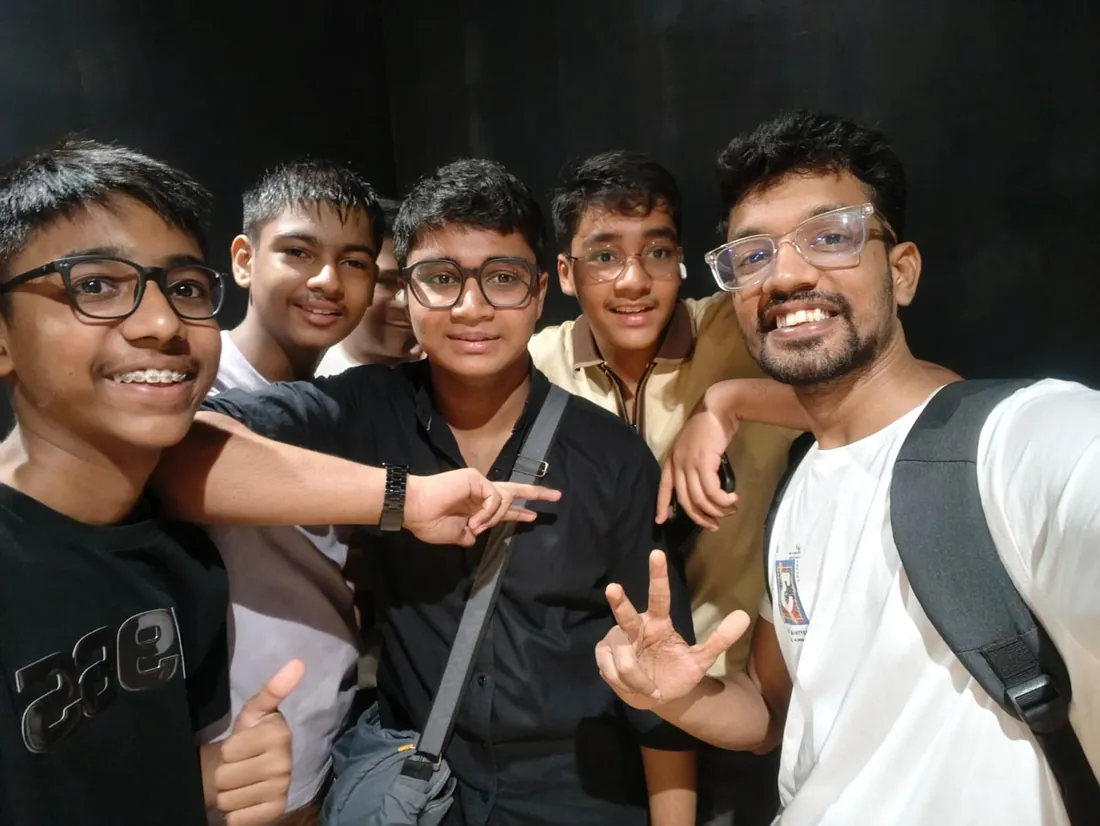
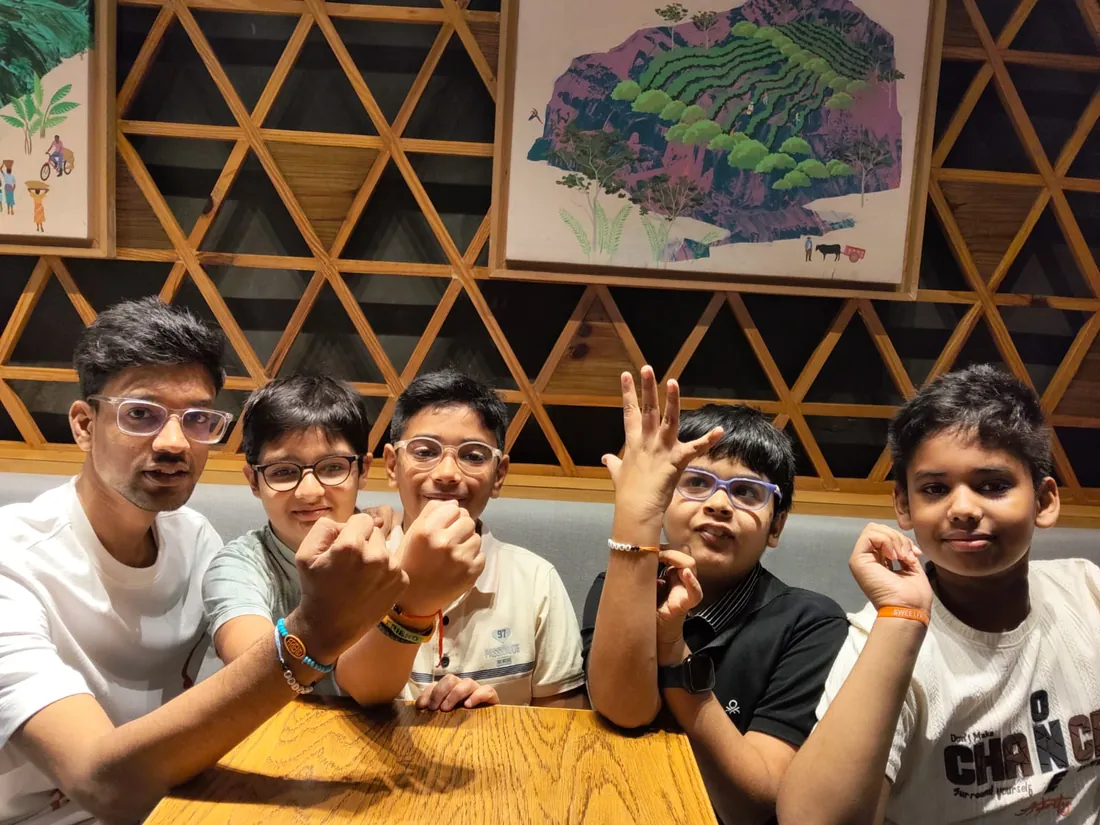
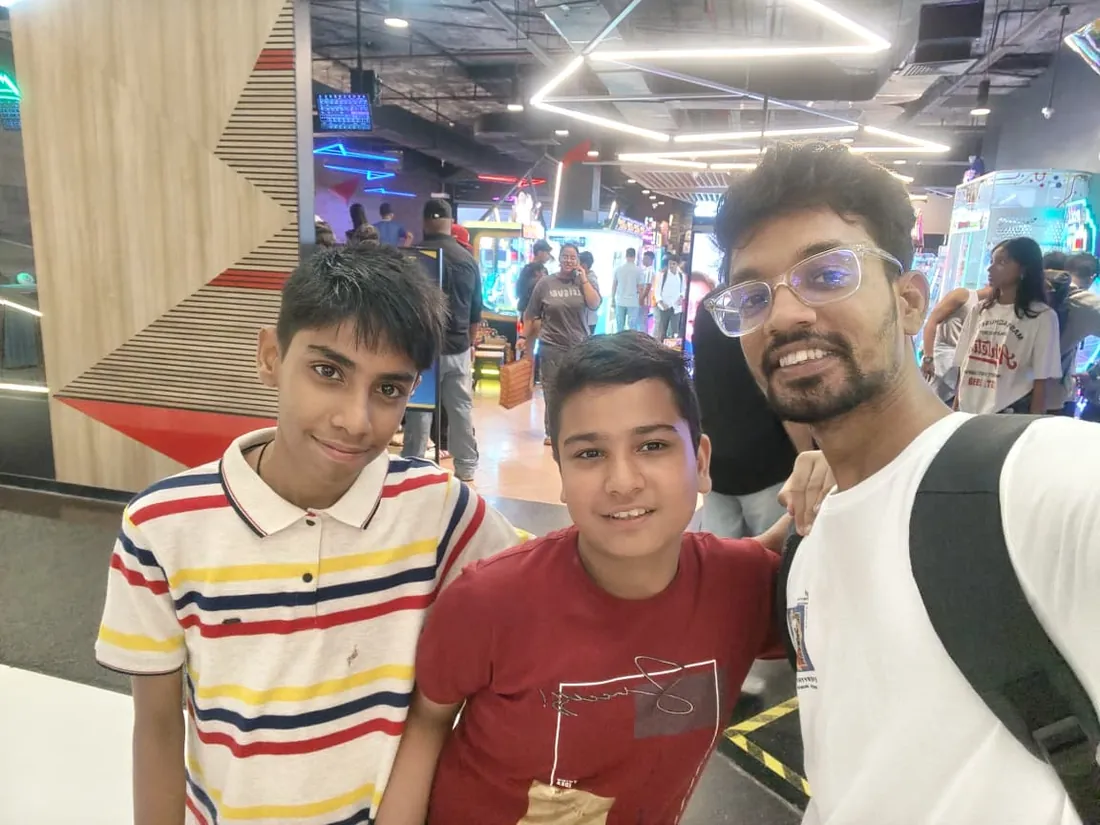
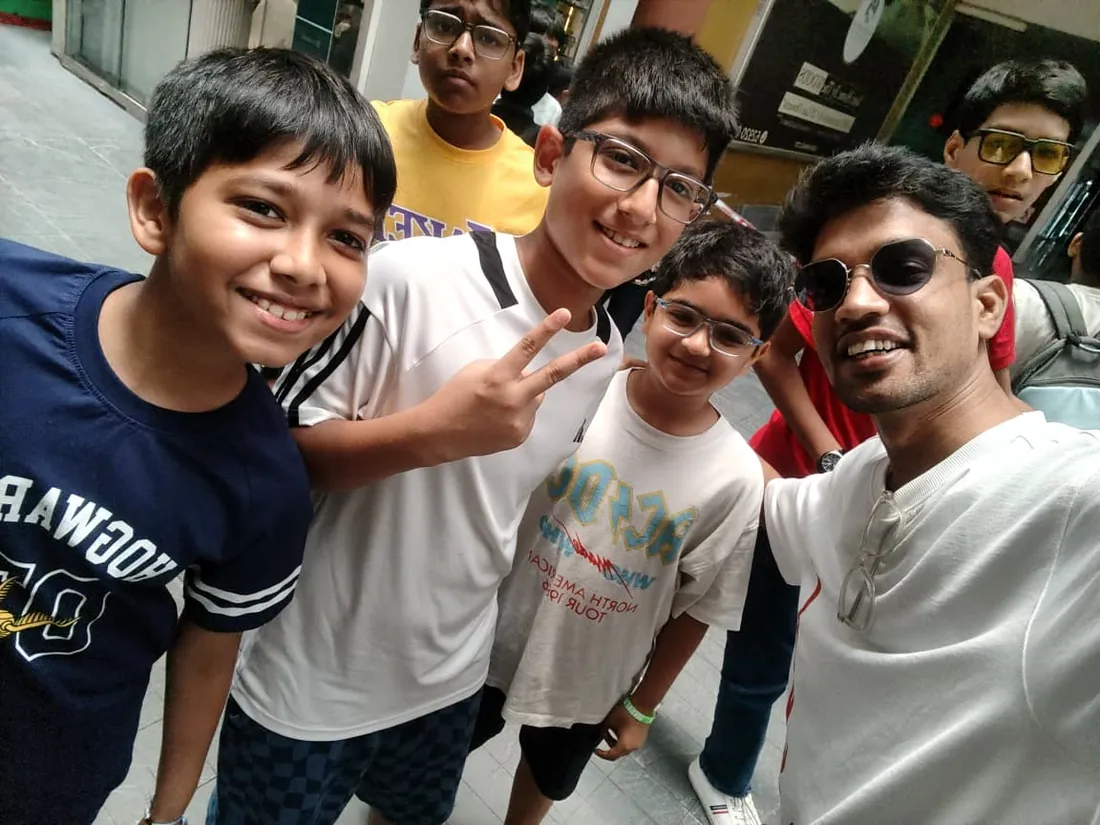
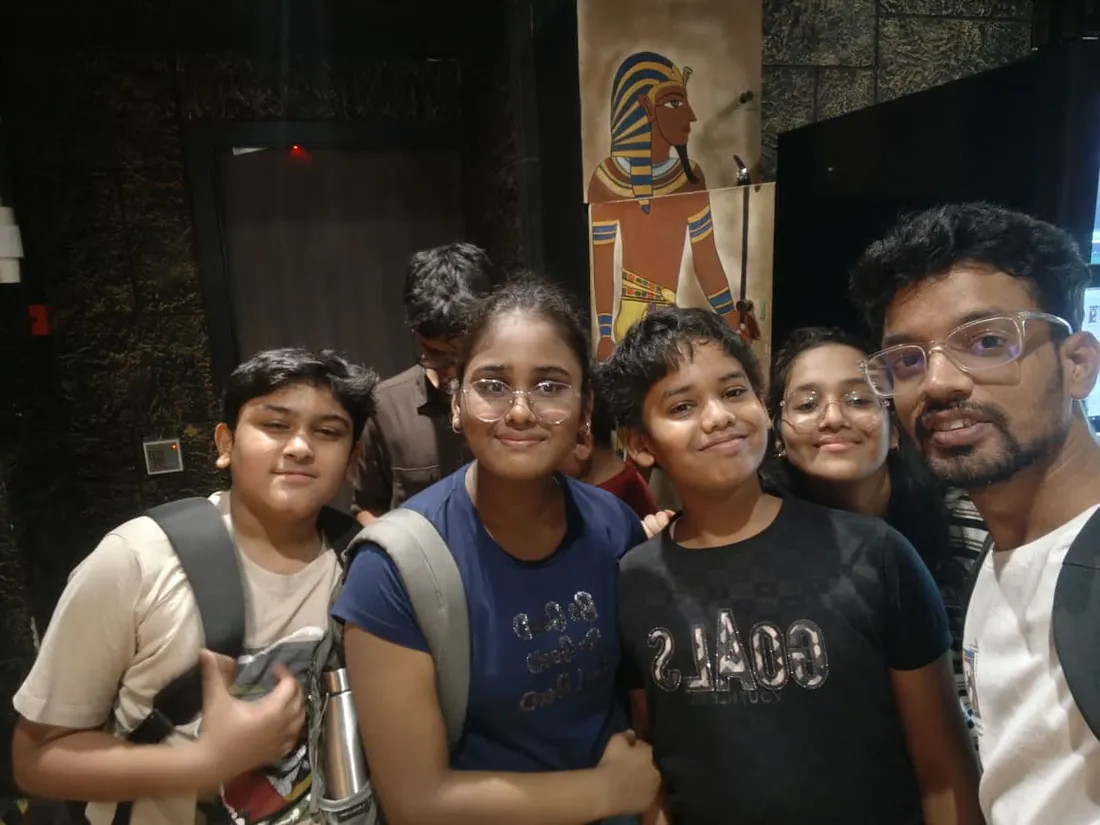
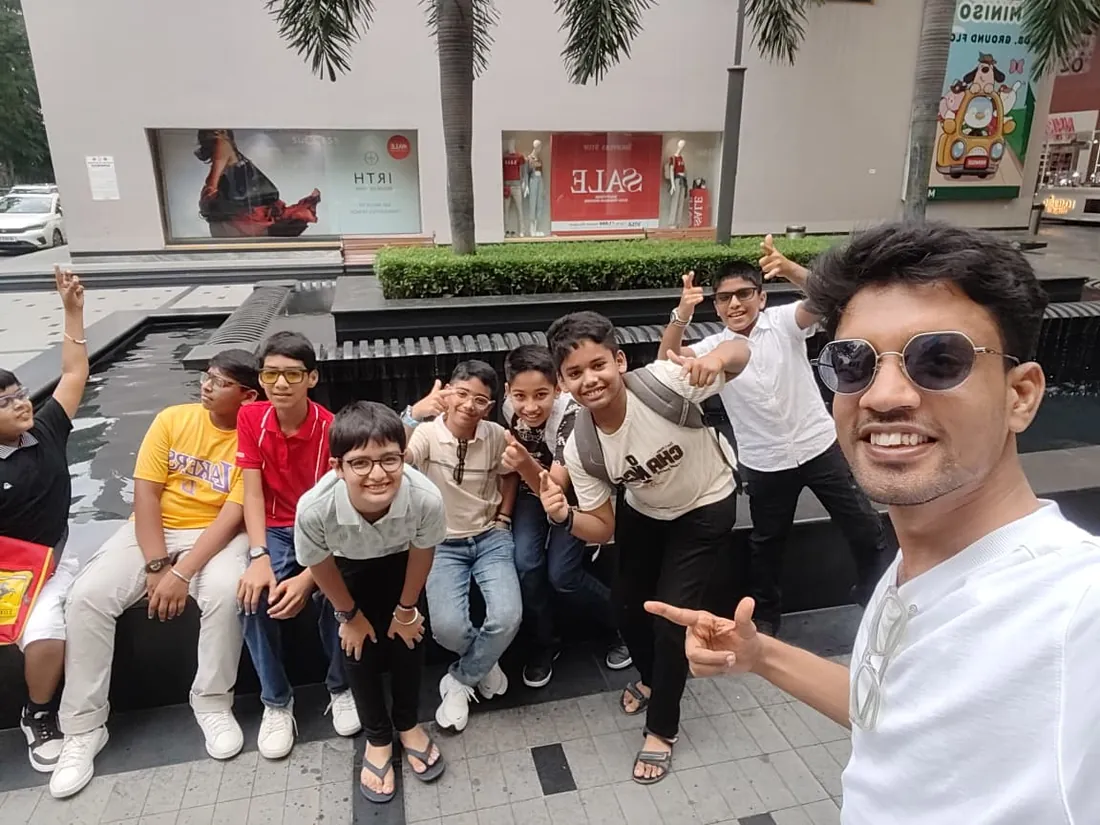
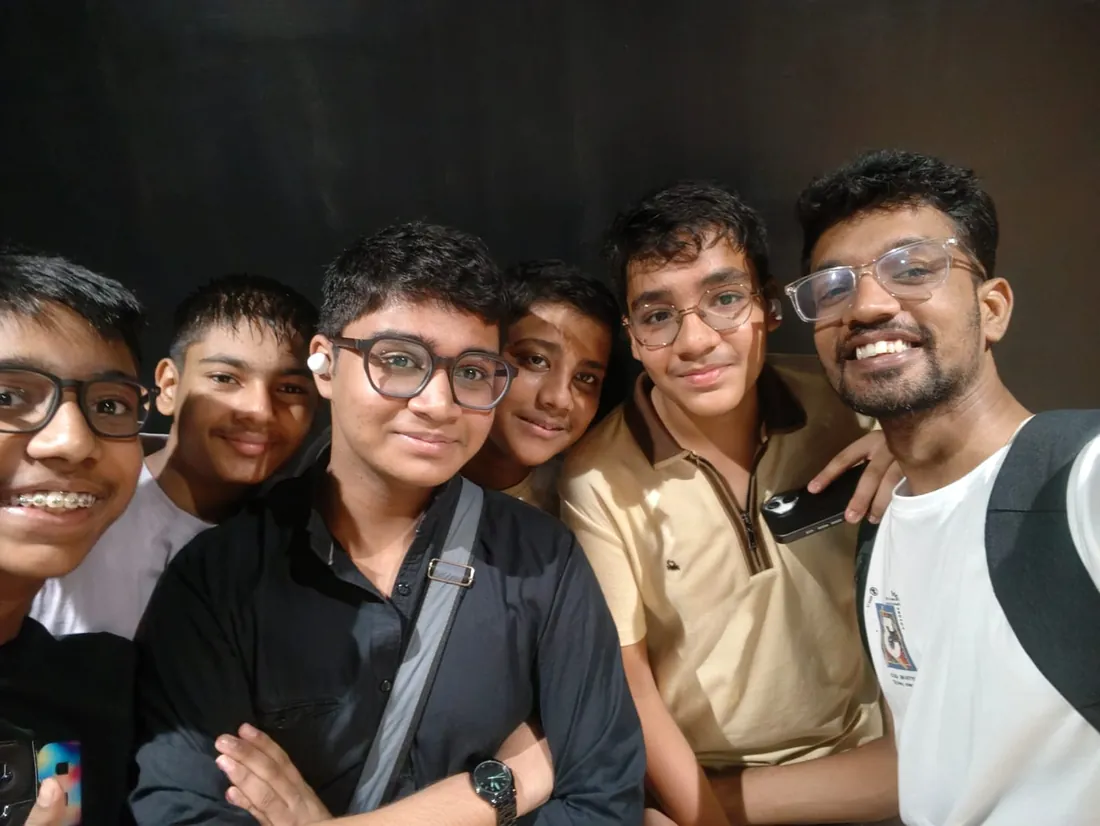
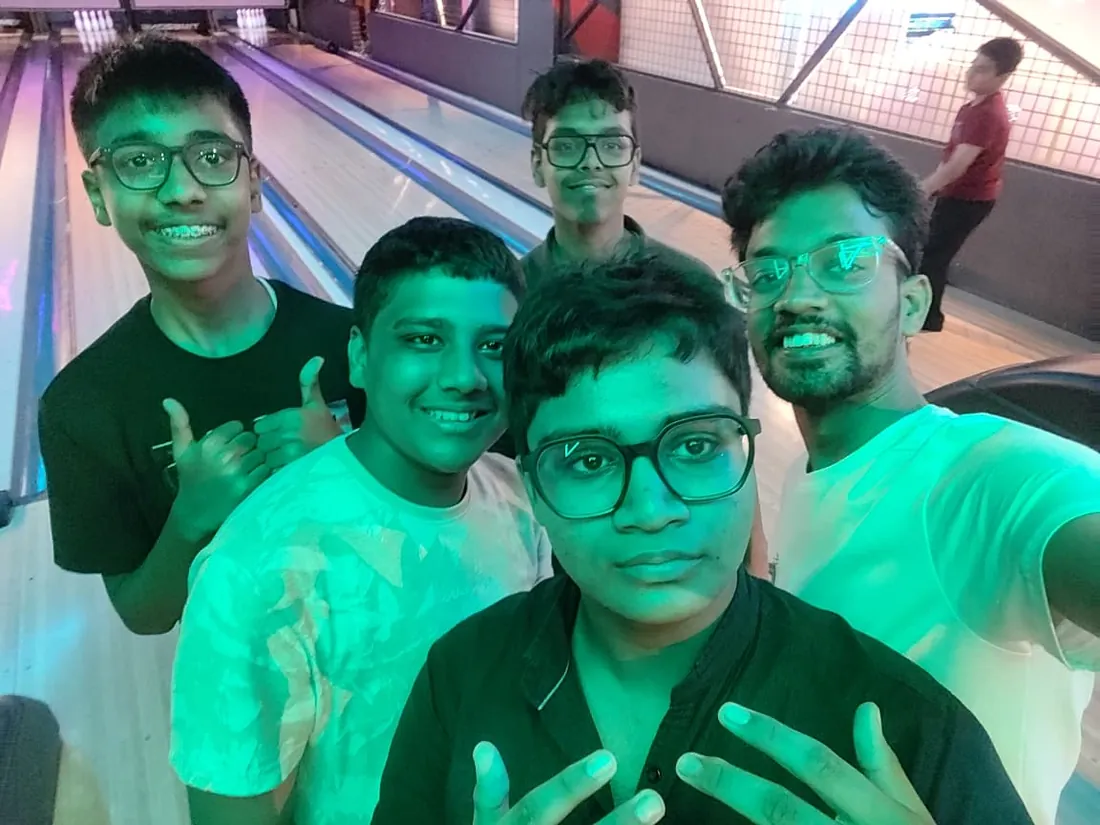
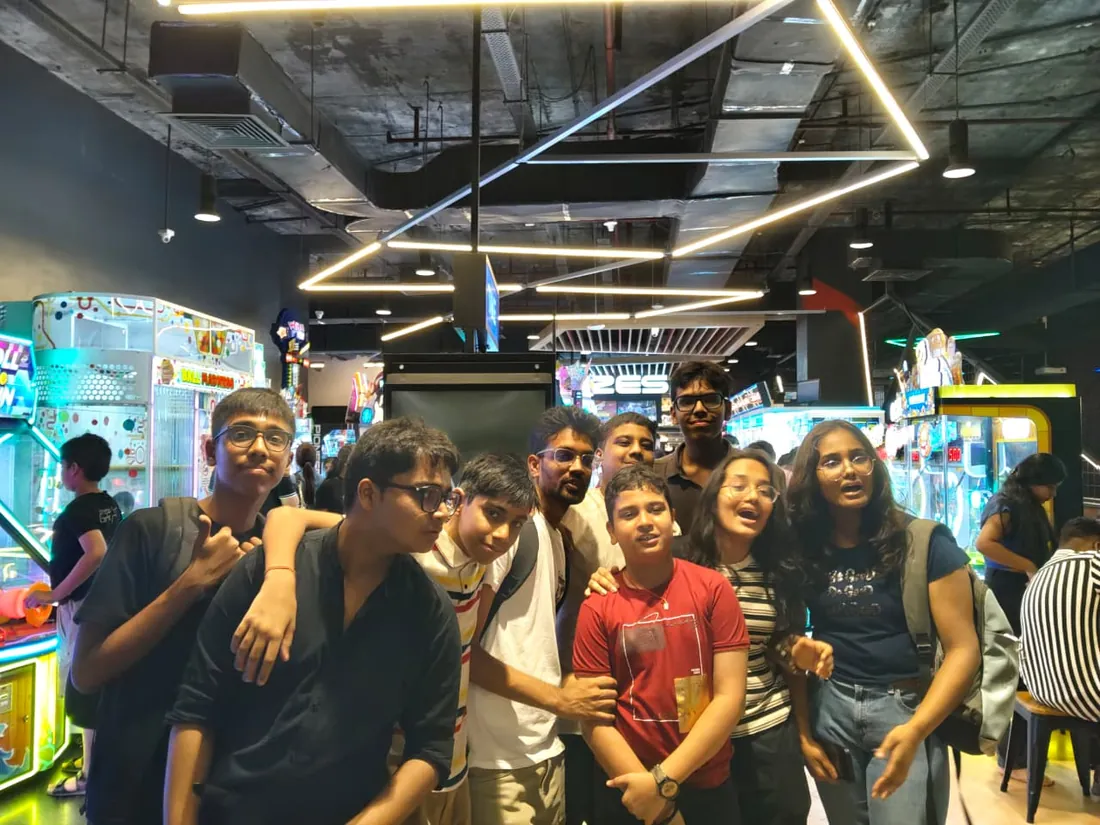
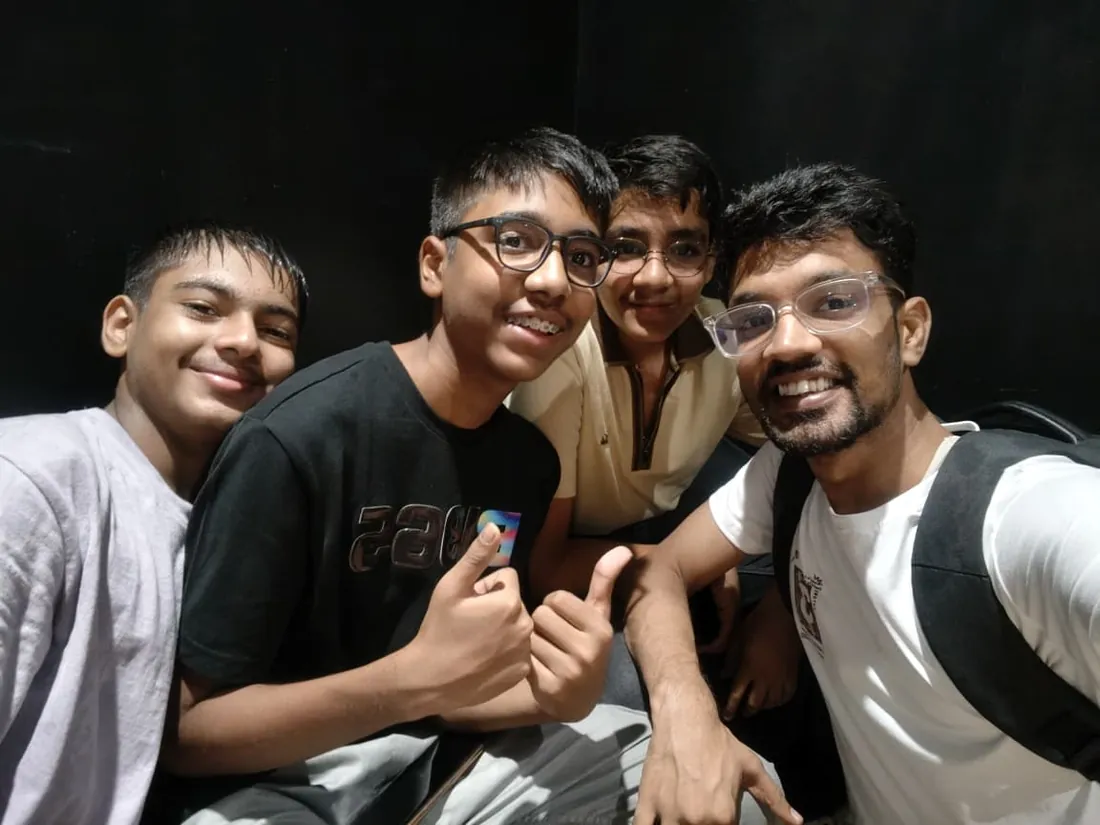
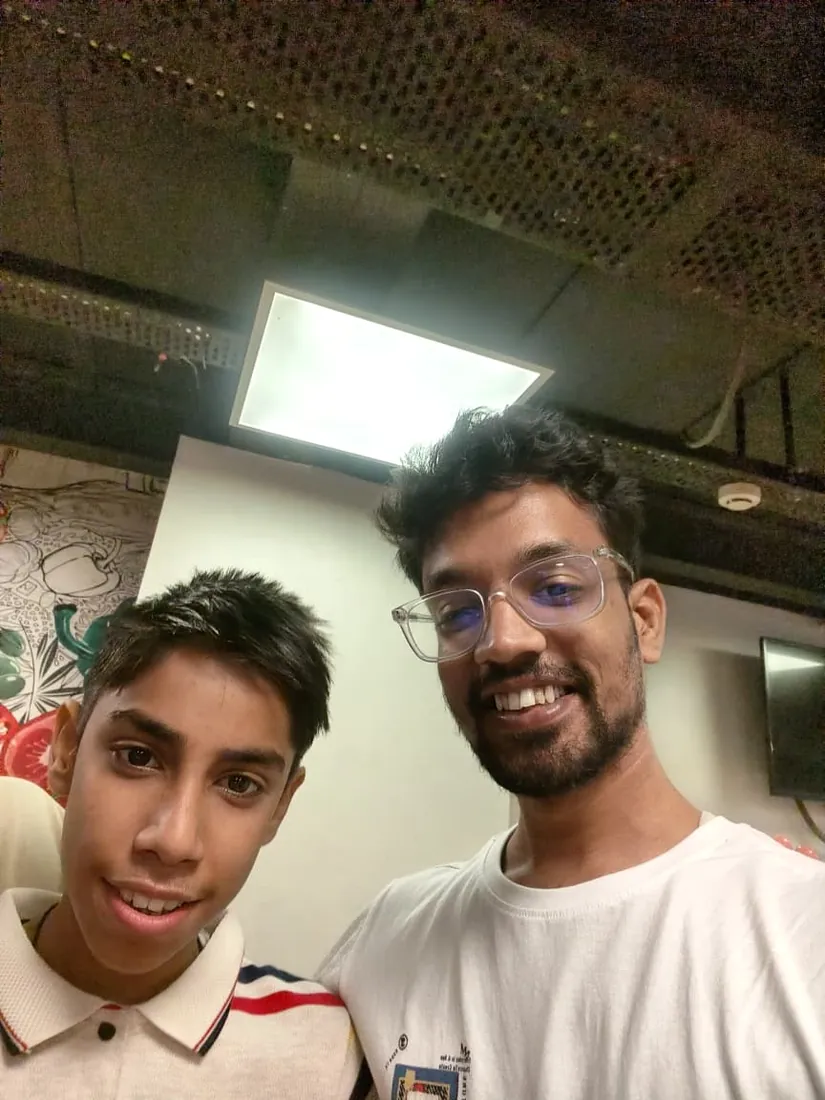
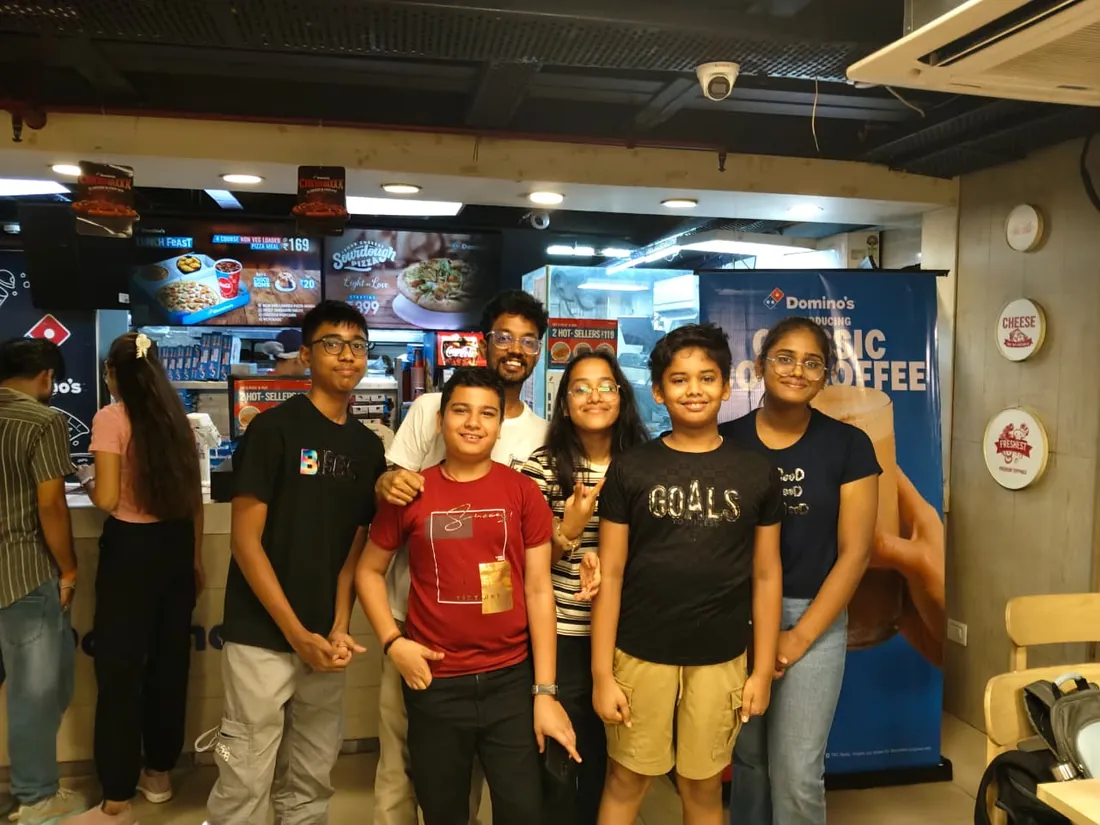
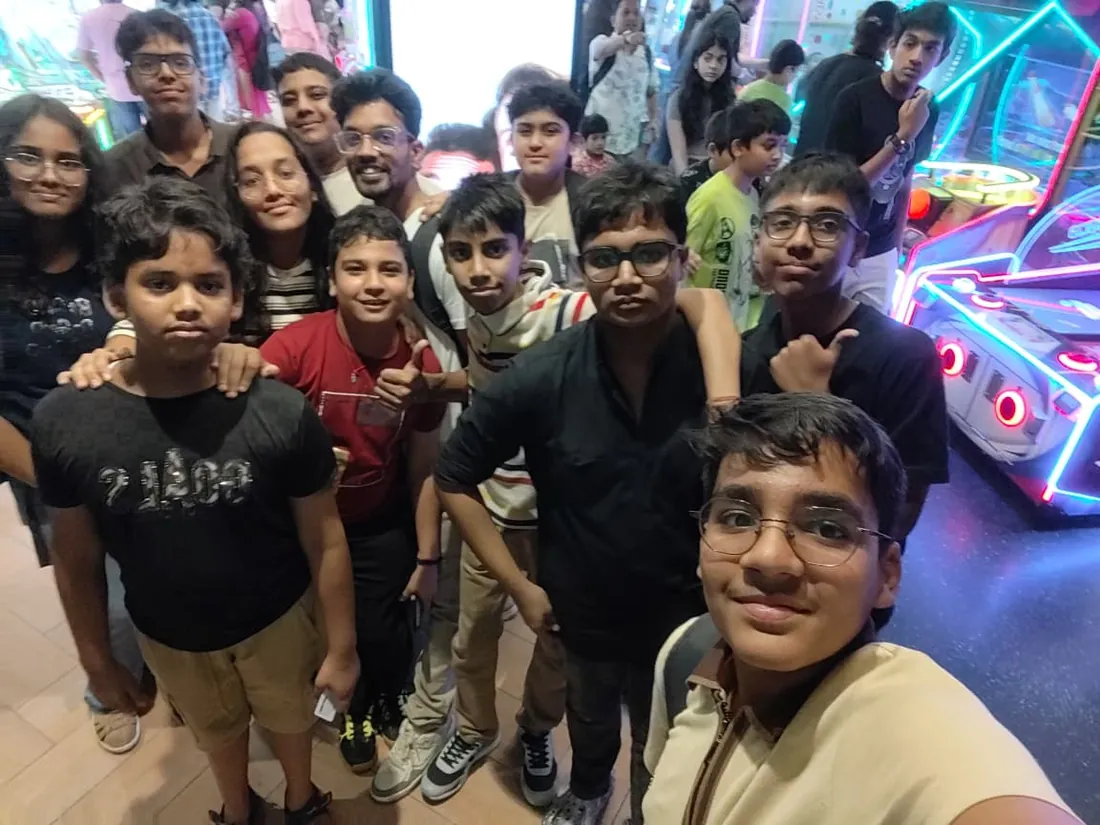
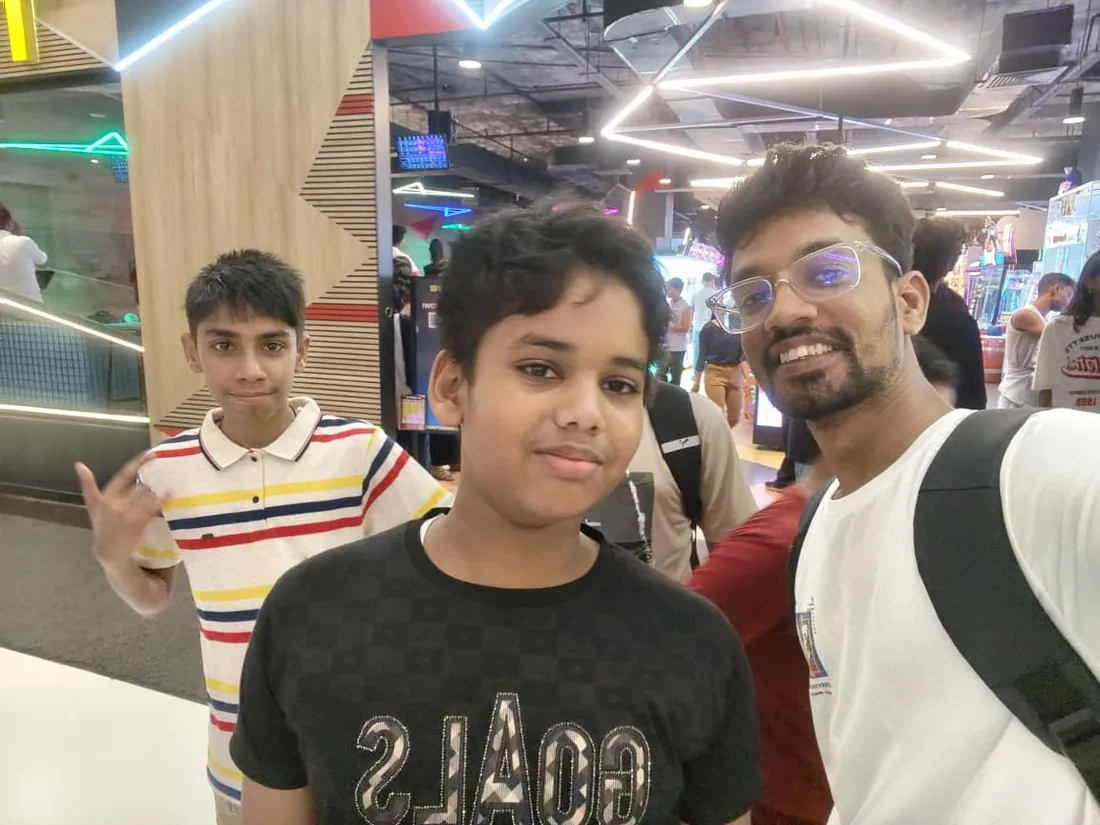
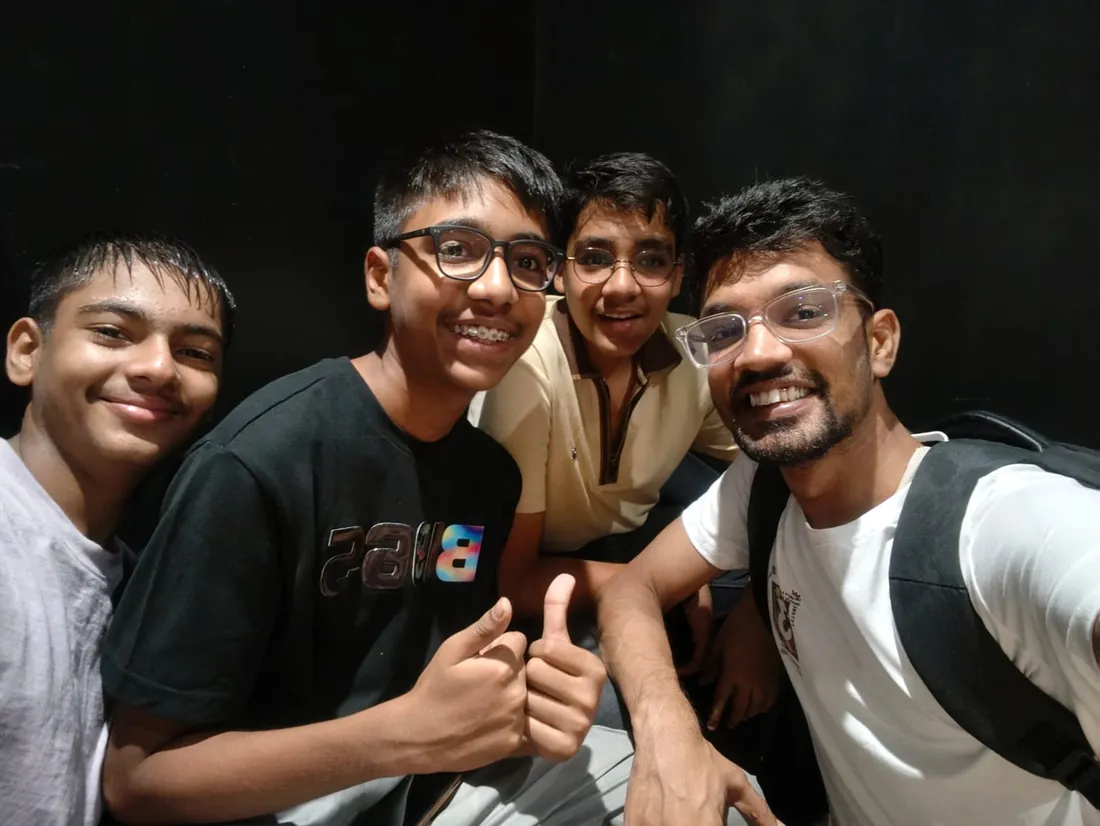
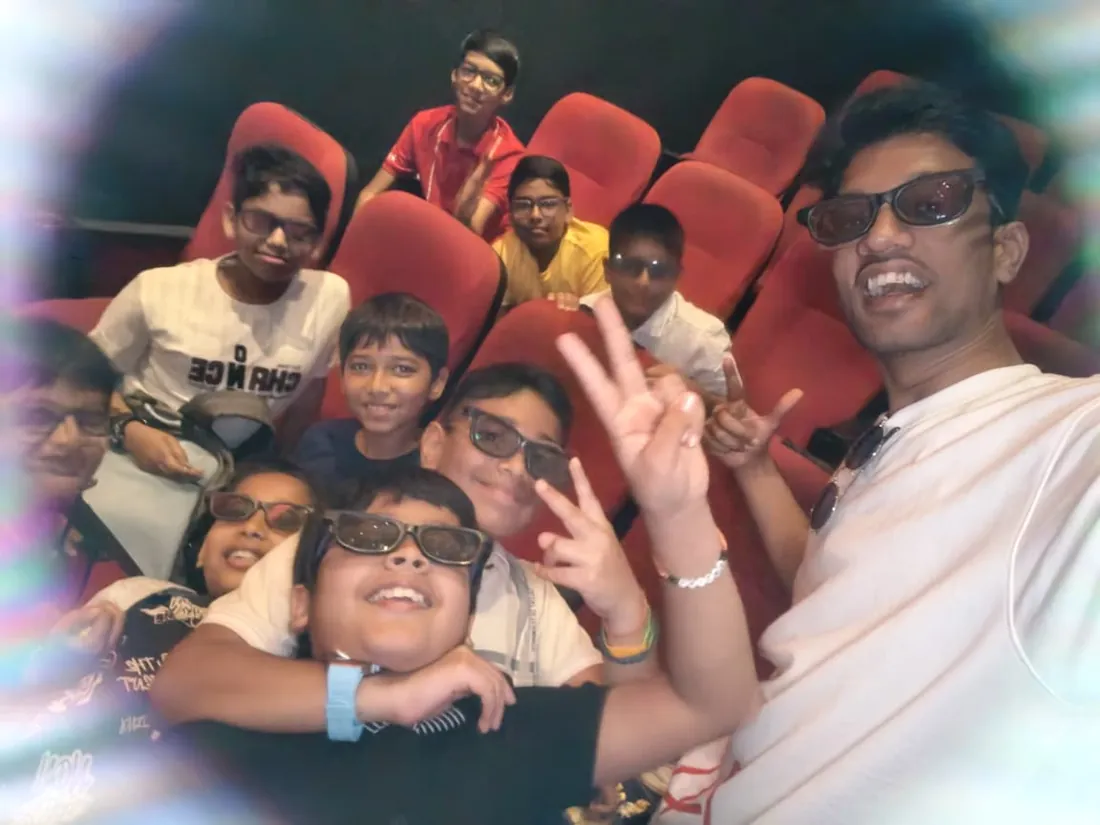
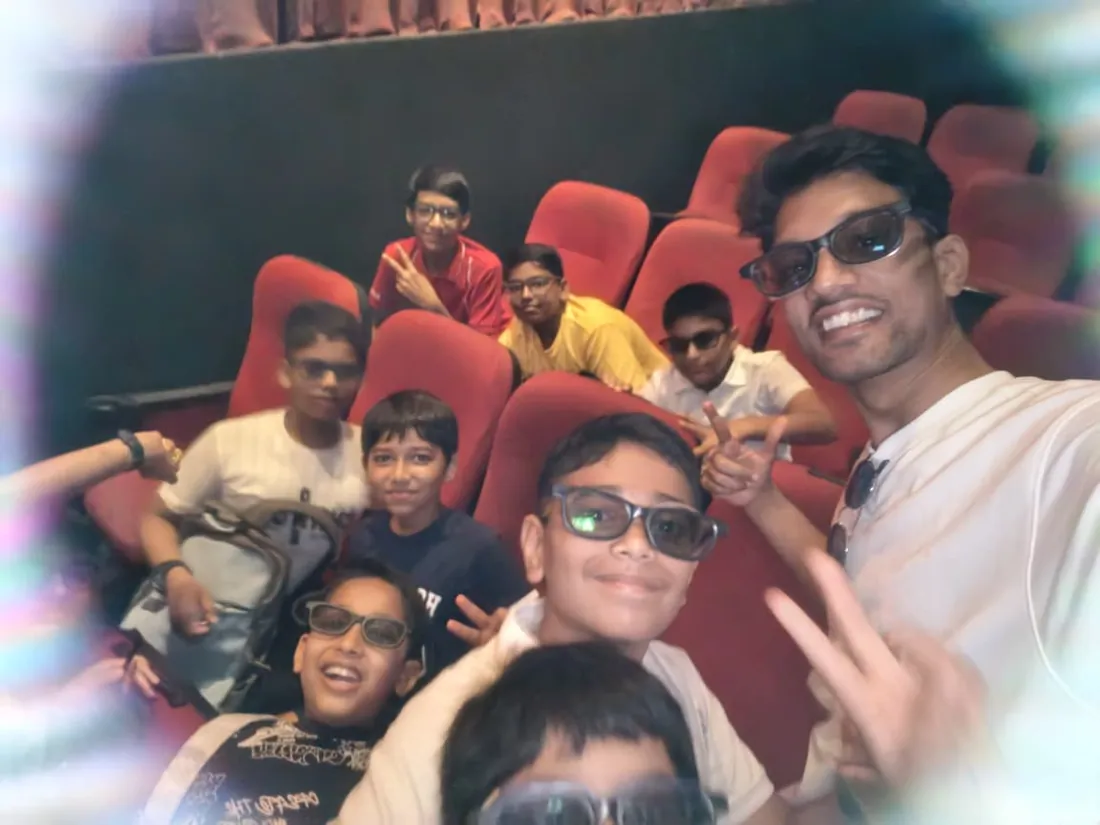
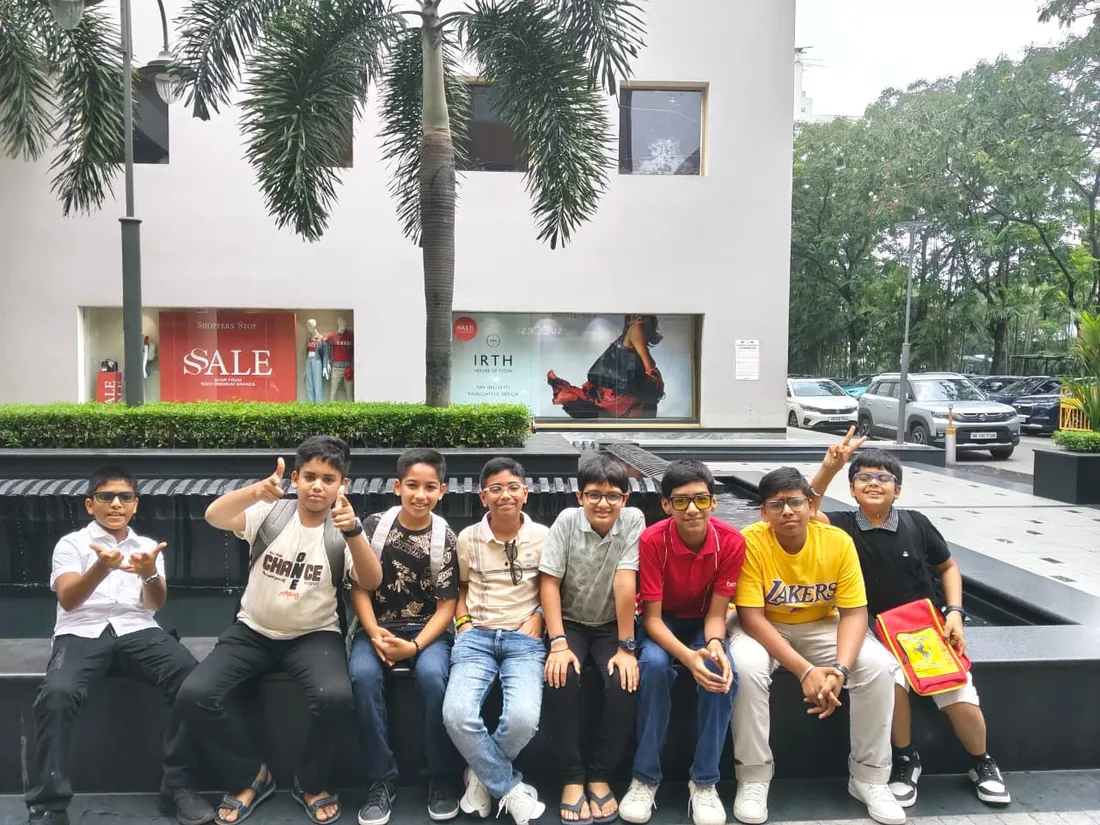
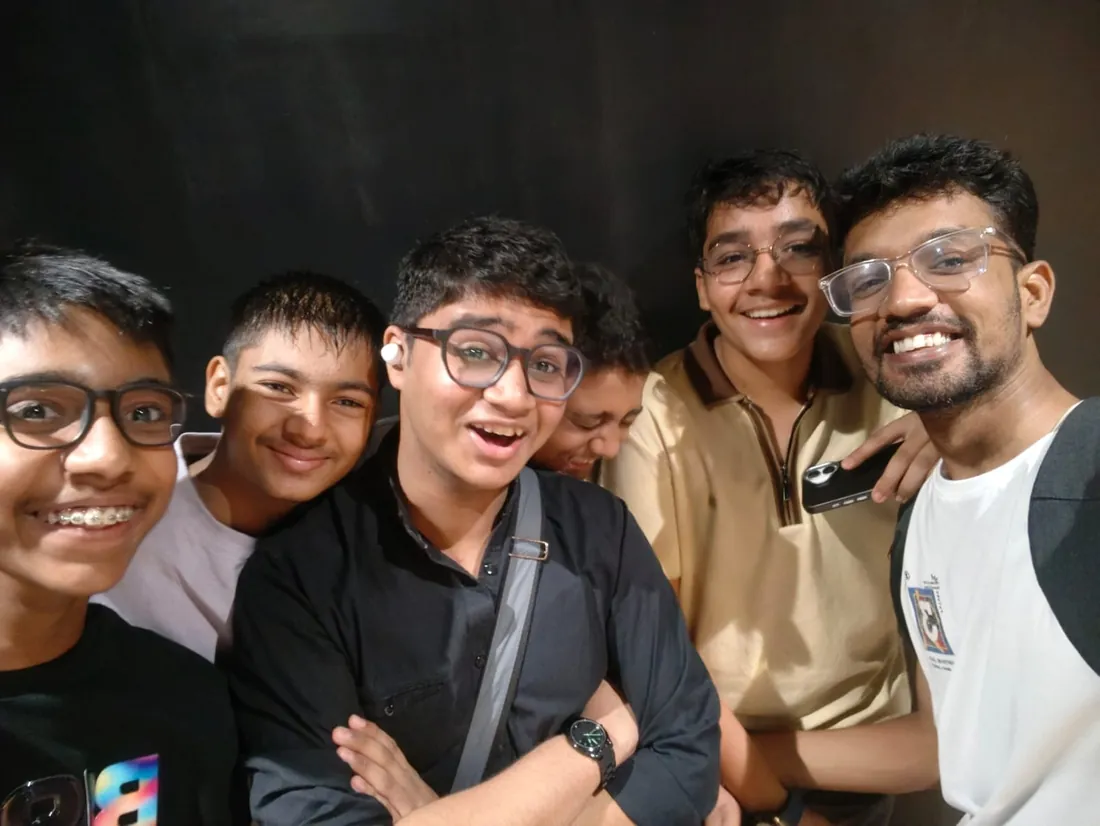
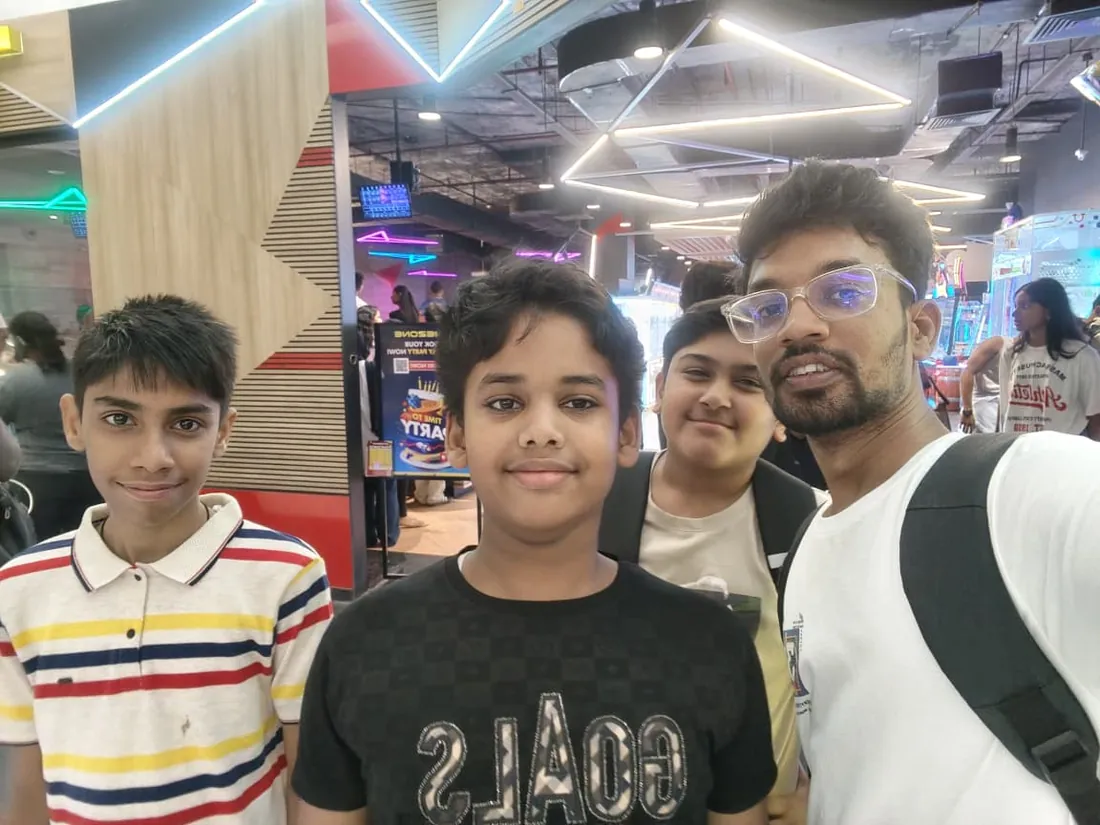
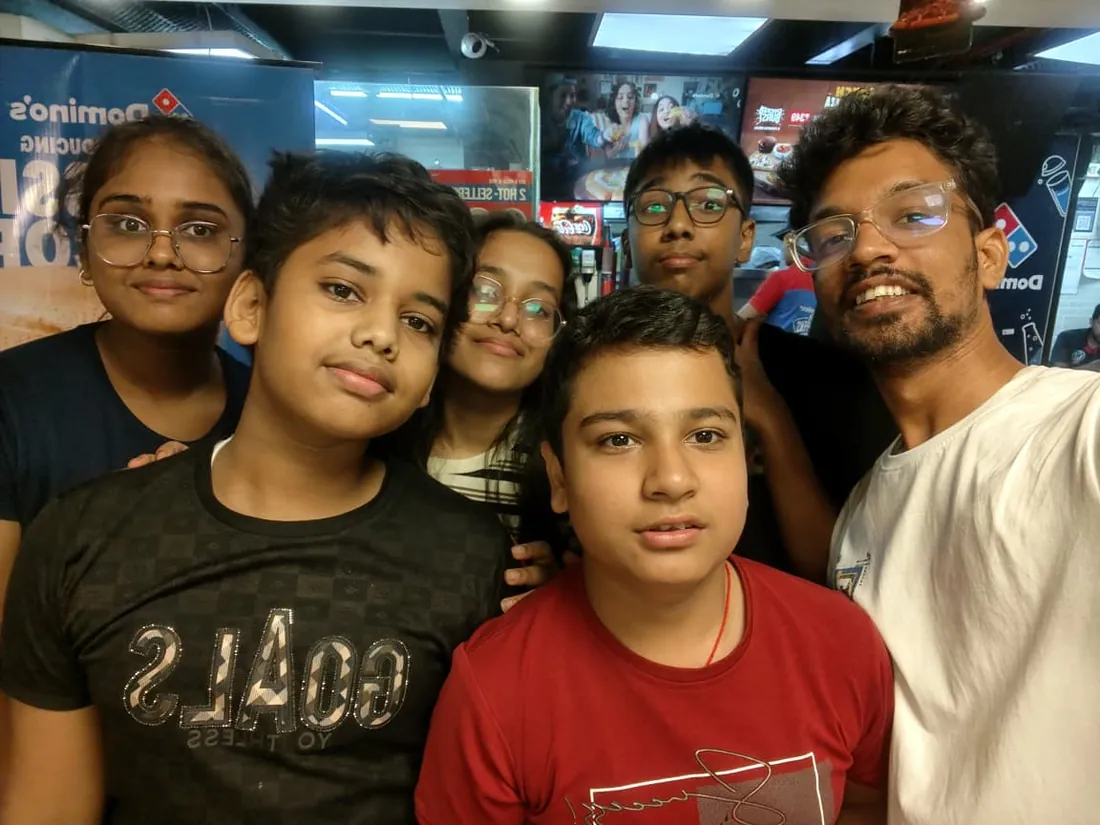
Real students. Real moments. Real joy.
These are our actual student meetups. No stock photos, no filters. Swipe through and meet the community you'll be joining.






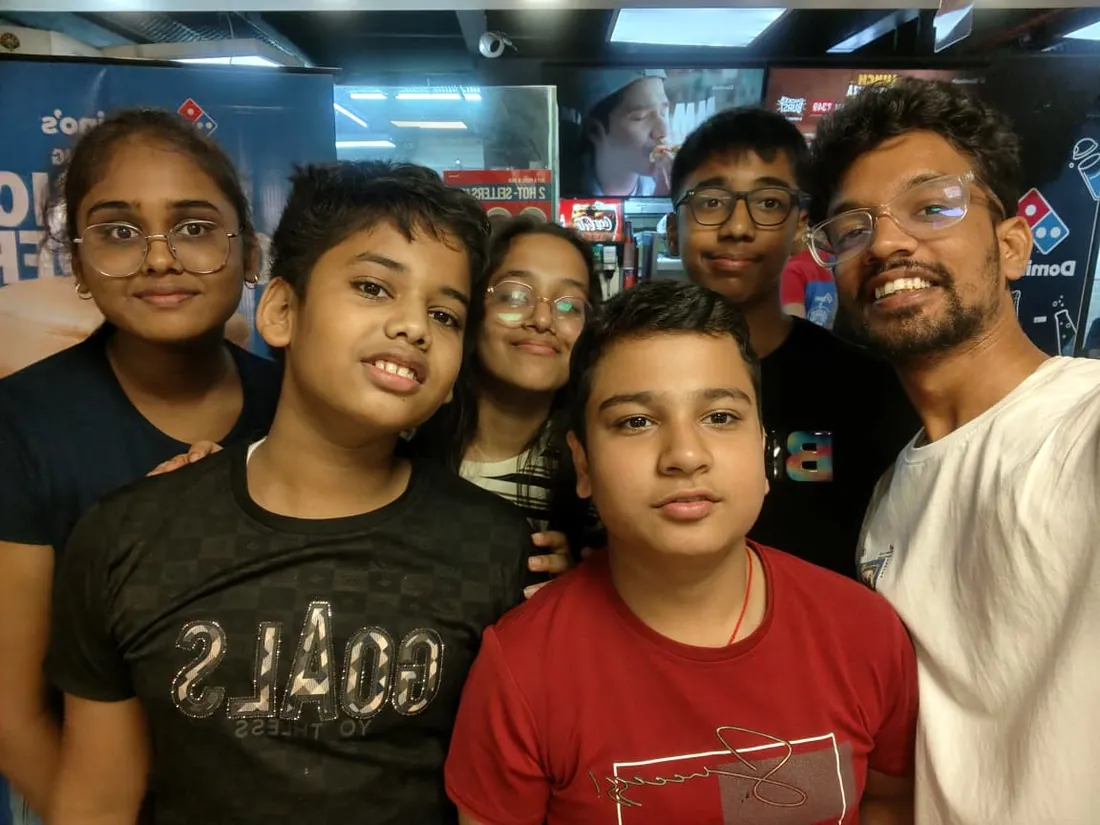
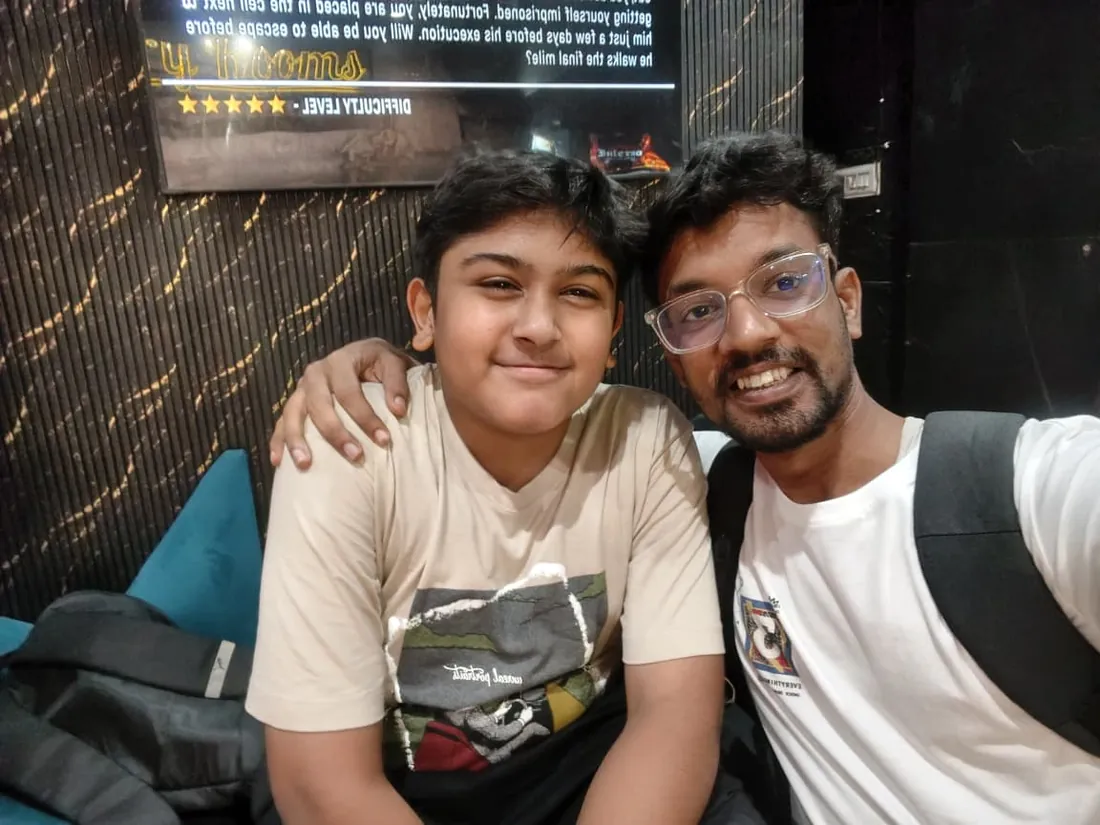
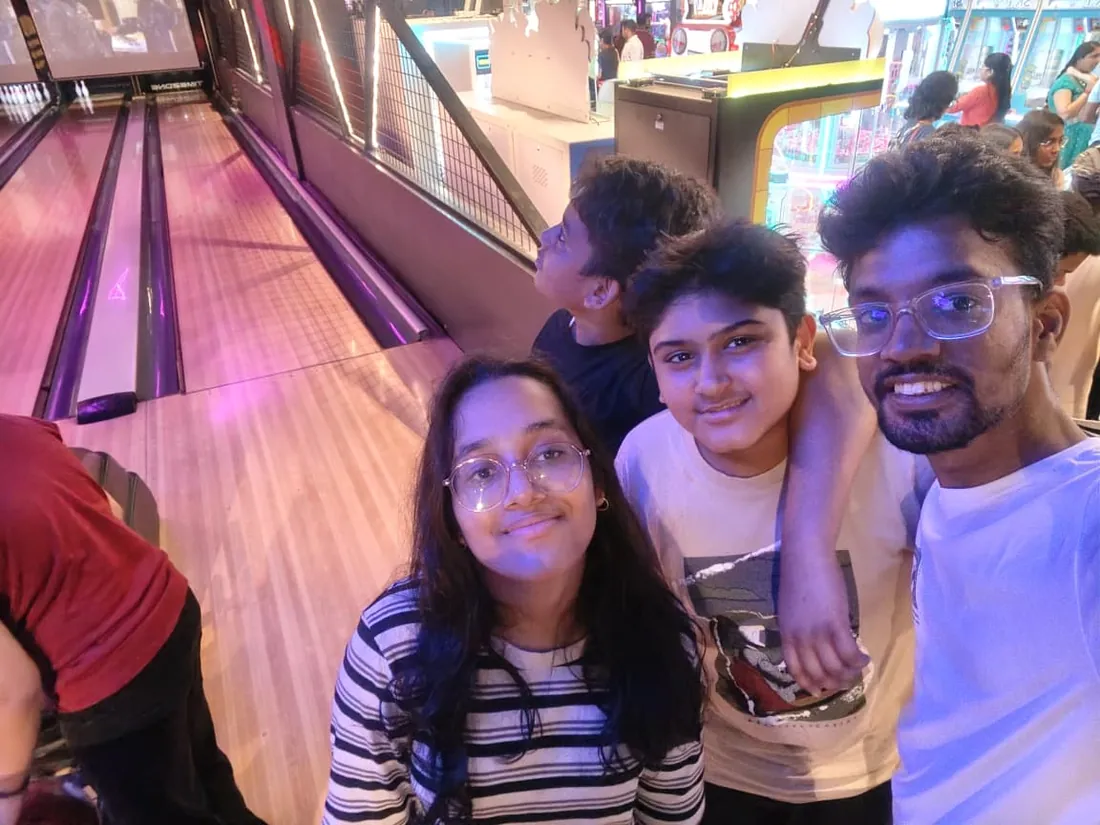
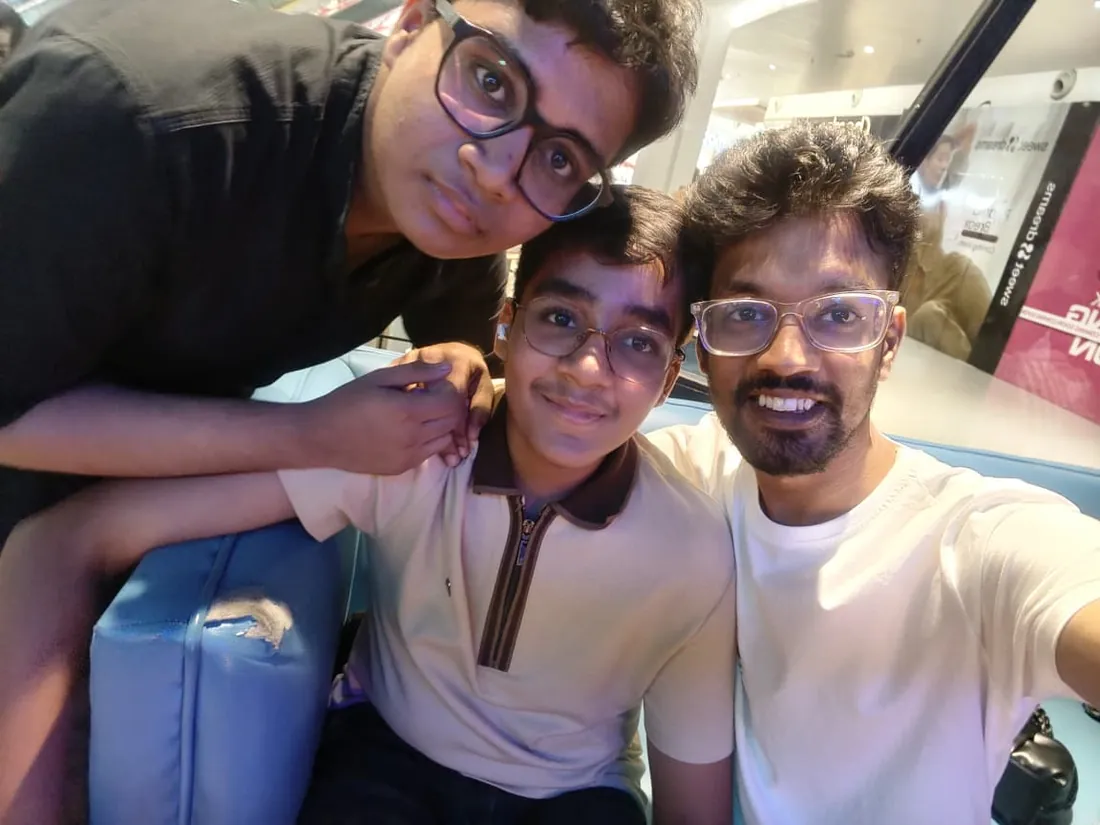




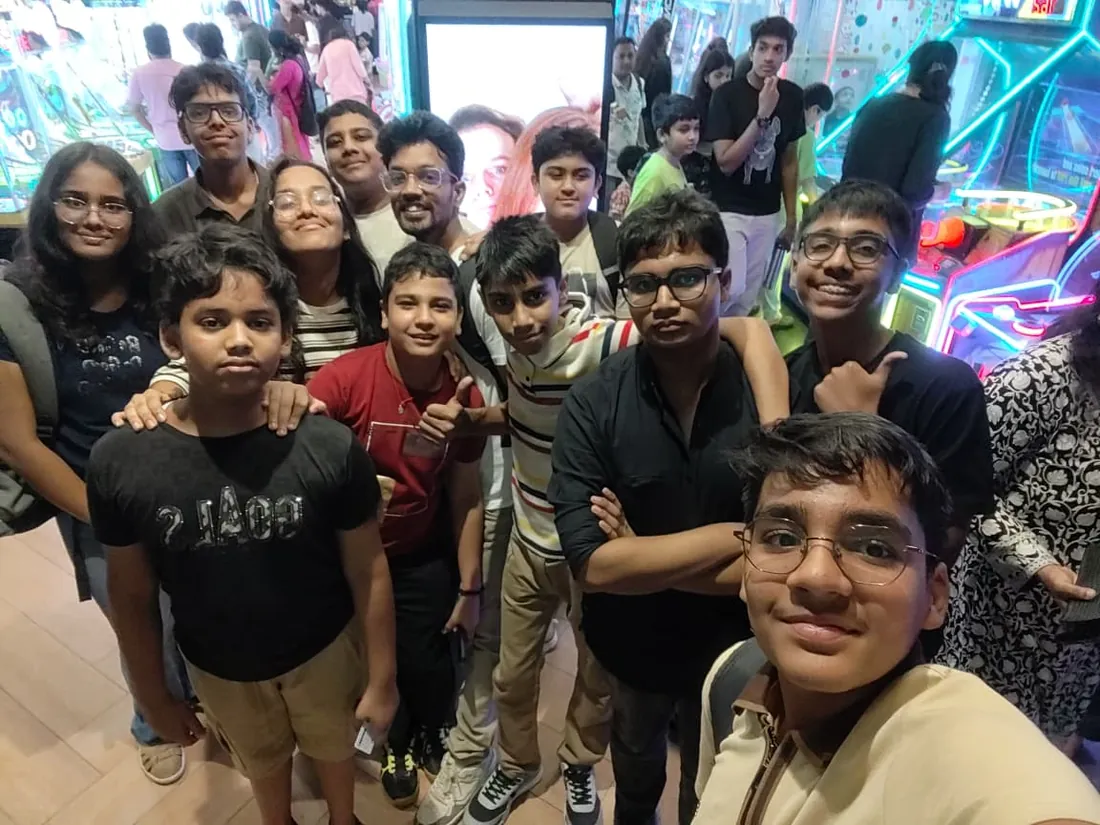
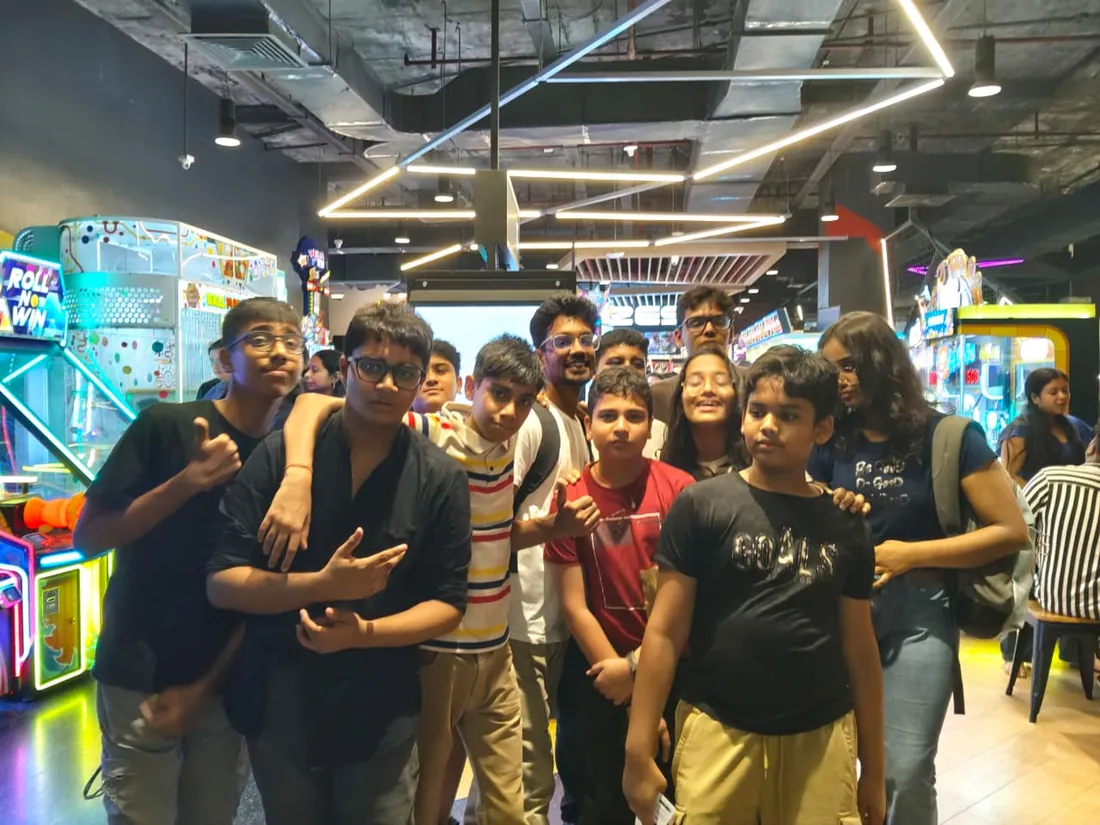
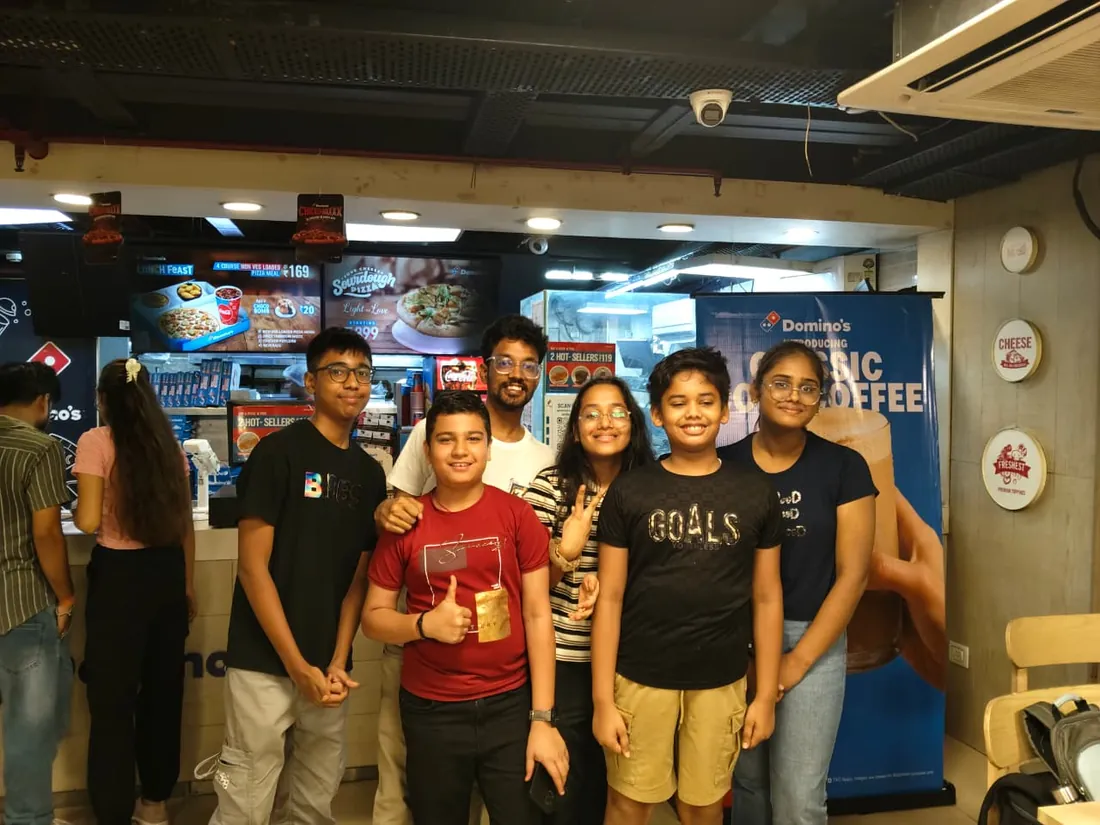
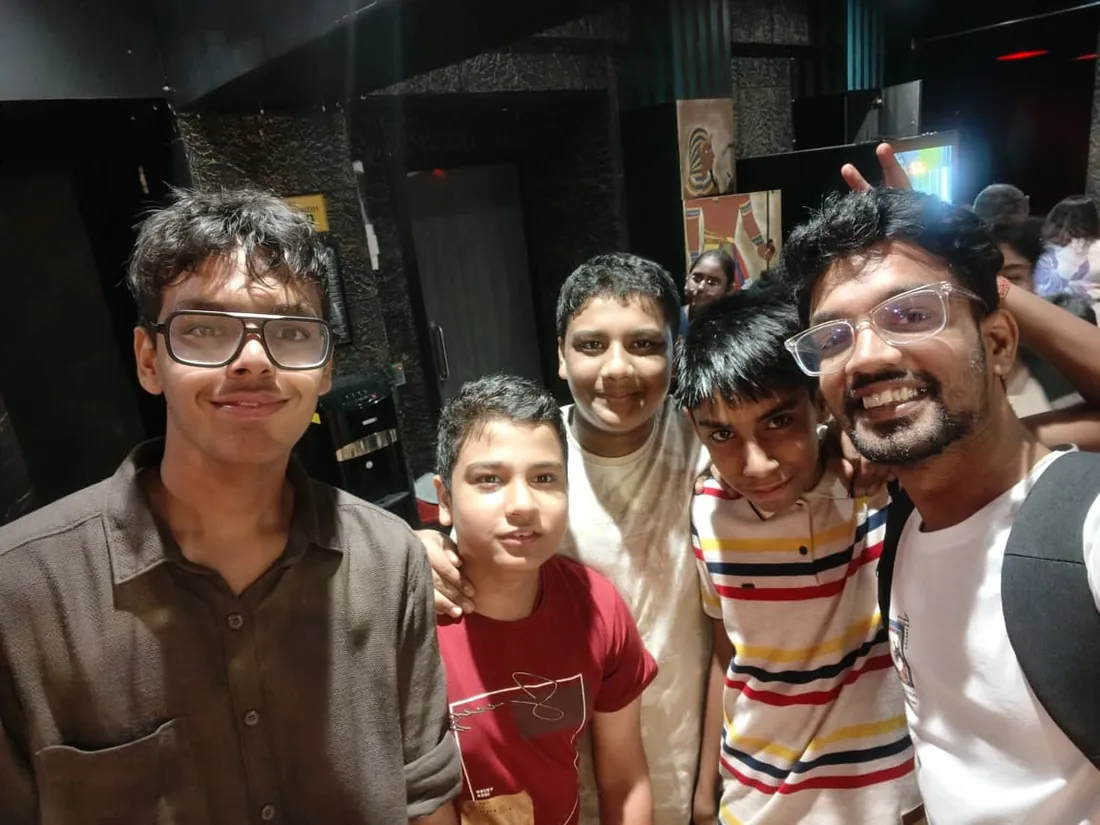
What families say
Straight from the parents and students who learn with us. Rated 4.9 across 547 Google reviews.
“Mivaan enjoys the class. He understands the concepts and completes his tasks with excitement. He started taking interest in coding… truly amazing class.”
“I absolutely love it here! I made new friends and learned important valuable coding skills while having the fun of my life. It's not just coding here, it's outings, bonding and most importantly preparing you for your future. Definitely five stars.”
“What stands out most is how excited my son is before every class. He looks forward to learning, problem-solving, and sharing what he's built. I've noticed a big boost in his confidence!”
“Modern Age Coders has been a game-changer for me! I struggled to grasp IT concepts and coding before joining, but their classes transformed everything. I'm now the topper in my class and can confidently write complex programs with ease.”
“Modern Age Coder have wonderful teachers who teach in a clear, easy and practical way. The teacher boosts students' confidence, keeps them updated with technology, and inspires them to learn without hesitation.”
“The one step solution for my son. Modern Age Coders make learning coding so simple that kids love it.”
“Coding classes here make learning very interesting and conceptual. The teachers teach us in a very easy-to-understand and efficient manner.”
“One of the most wonderful education centres out there. Education is not limited to school syllabus but focuses on skill development. Learning here has been a wonderful journey and still continuing.”
“I highly recommend this computer coding class! The teachers are incredibly knowledgeable and passionate about coding. They make every session engaging and insightful.”
“My child Dhairya is really enjoying the Modern Age Coder IT classes. This is his first online class, and he eagerly looks forward to it.”
“Very good classes. Don't worry about coding. They teach the best, especially Shivam sir.”
“Very good classes. Makes learning very easy and interactive.”
Hear it from our students
Real parents and students in their own words, on our public YouTube channel.
Straight answers about Python Web Development with Django and Flask Course
- Who should take this course?
- Intermediate, college students and working professionals with Python basics. It suits students with python from coursework who want a portfolio that says more than marks do; professionals in testing, support, data, or other fields moving toward backend development roles; self-taught programmers who can write scripts but have never shipped anything with a url.
- What will they learn and build?
- Knowing Python and being able to ship a web application are two different skills, and the second one is what this course builds. It starts where confusion usually begins: what actually happens when a browser asks a server for a page. Month 1 answers that with HTTP fundamentals and Flask, a framework small enough to see through: routes, templates, and forms with nothing hidden.
- How deeply are topics covered?
- The course runs 6 months (24 weeks) at 2 live classes/week + 3-4 hours practice, across 3 phases listed week by week in the syllabus below. A structured, well-paced curriculum taught step by step, with hands-on practice in every session.
- Who teaches it?
- Modern Age Coders mentors, who teach the live classes themselves. You can watch them at work in the free class recordings before you decide.
- How do practice, feedback and assessment work?
- Classwork every session, a task after every class, monthly reviews that mix in earlier topics, and a final exam covering the whole course that decides the certificate: real knowledge and real work, with a free retest after revision if needed. Doubt support between classes over WhatsApp, so you are never left stuck. A certificate you earn by passing the final assessment, with a free retest after revision if needed.
- What does it cost?
- Three monthly plans: a group batch, a mini batch and 1-on-1. Prices are shown in your currency in the plans section. Monthly billing, cancel any time.
- When can classes take place?
- Live classes are scheduled around your week. Group batches meet at a fixed weekly slot; 1-on-1 students choose their own. International students are scheduled in their own timezone. Ask on WhatsApp for the current slots.
- Can I watch the teaching before deciding?
- Yes. Full recordings of real 13 and up classes are free to watch, free with a Google sign-in. These recordings show how we teach, not the exact syllabus of this course. Some classes are in English and some in Hindi; everyone follows at their own pace. Watch a class end to end, like you are in it. Sessions are interactive and each moment builds on the last.
- Can I enroll without a live demo?
- Yes. Choose a plan on this page and enrol directly; a demo is not required. If you would like to see a full class with a mentor first, book a Priority Demo.
- How do I reach you with a question?
- WhatsApp +91 91233 66161, email connect@modernagecoders.com, or call +91 91233 66161. Tell us the student's age and what they have learned so far, and we will point you to the right plan and batch.
Common Questions About Python Web Development with Django and Flask Course
Get answers to the most common questions about this comprehensive program
Still have questions? We're here to help!
Contact UsRelated Courses You May Like
Continue your learning journey with these recommended programs
 Web Development
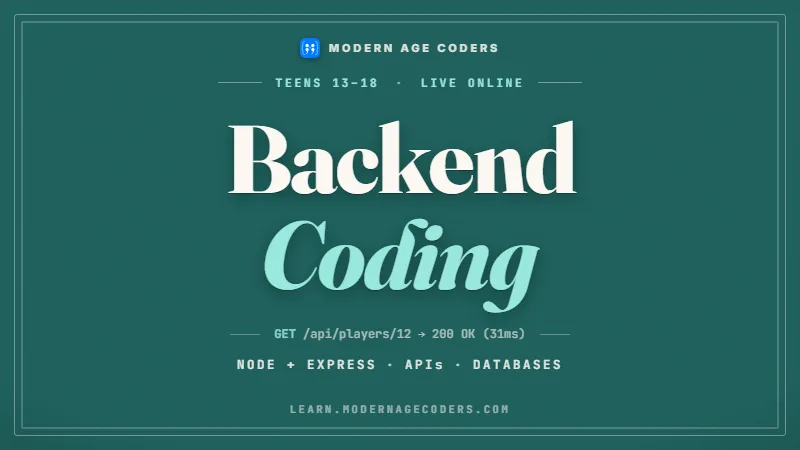
Backend Development for Teens: Node, APIs and Databases
Backend course for teens aged 13-18: Node.js, Express, REST APIs, MongoDB and PostgreSQL, auth, secu...
Explore Course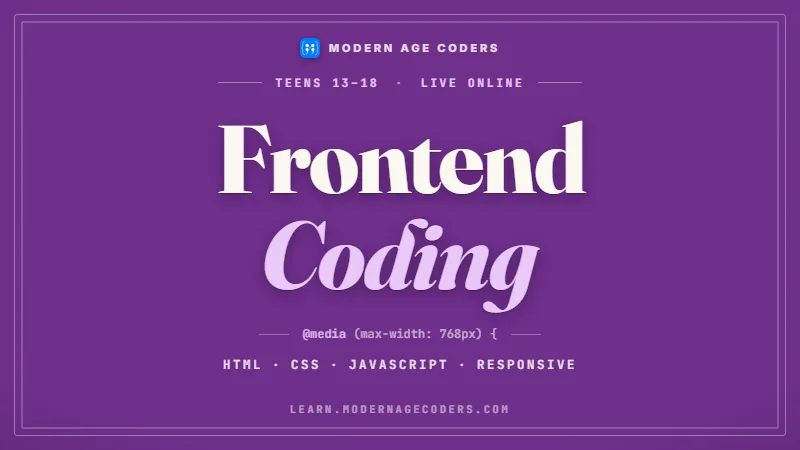 Web Development
Frontend Development for Teens: CSS Craft to React UI
Frontend course for teens aged 13-18 with a design soul: CSS mastery, Tailwind, animations, JavaScri...
Explore CourseRelated Articles & Guides
Deepen your knowledge with these hand-picked articles
 Programming
7 min read
Programming
7 min read
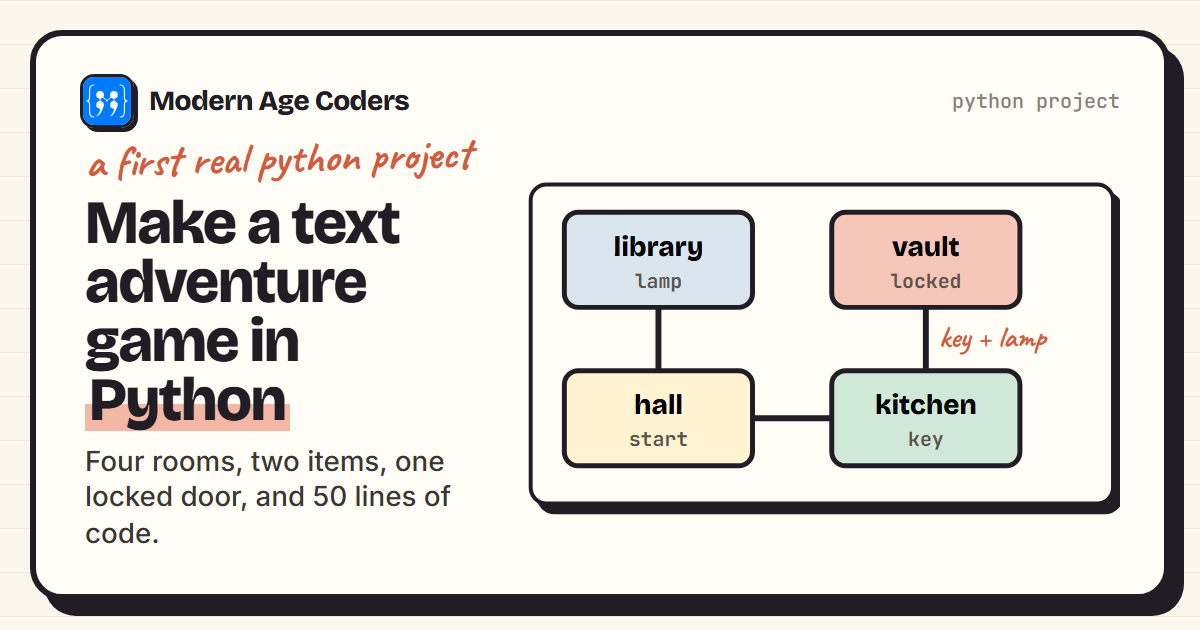
How to Make a Text Adventure Game in Python
Build a text adventure game in Python: rooms in a dictionary, the game loop, items, a locked door an...
Read Article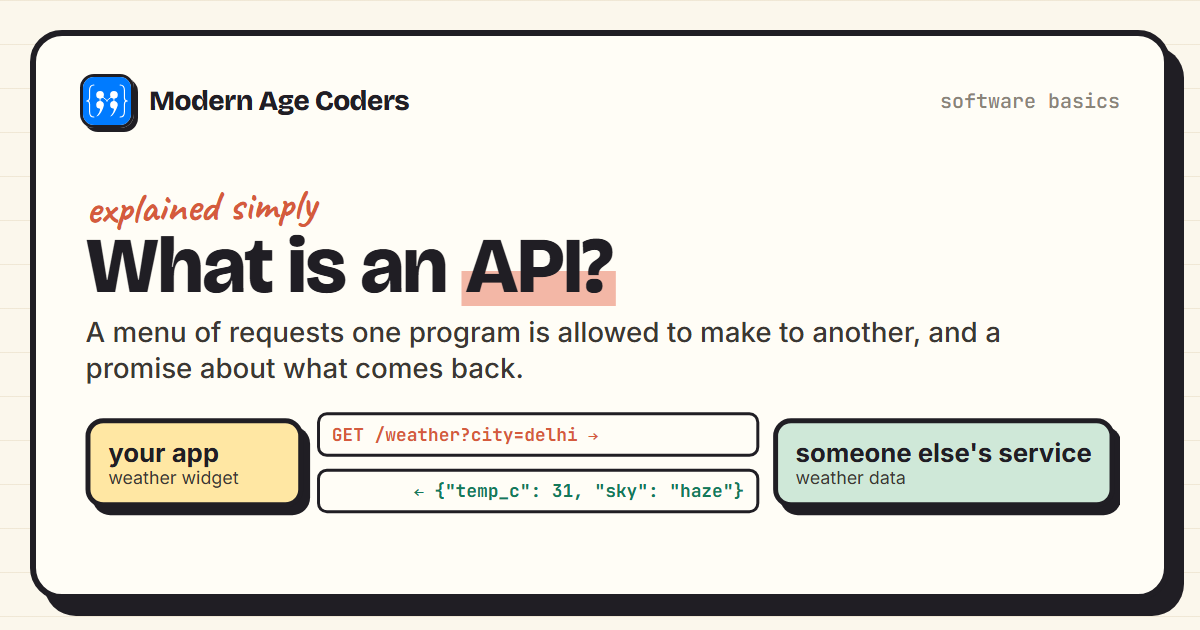 Programming
8 min read
Programming
8 min read
What Is an API? Explained Simply, With a Real One
What is an API? A plain-English explanation with a restaurant analogy, a real API built and tested i...
Read ArticleReady to start Python Web Development with Django and Flask Course?
Book a Priority Demo to see a full live class with a mentor reserved for you, today or tomorrow. Or choose a plan and enrol now.
Questions? WhatsApp +91 91233 66161 or email connect@modernagecoders.com