Elementary Mathematics, Grades 1-5
Three honest school-year levels instead of one endless course: your child is placed where they are, and finishes each level actually owning it.
Syllabus updated August 2026
Recordings are free with a Google sign-in. These recordings show how we teach, not the exact syllabus of this course.
How long this course takes
This course runs 10-12 months per level (3 levels, Grades 1-5) at 2 live classes/week + 20-30 minutes daily practice. The range allows for background and pace: a complete beginner uses the full span, and a student with prior knowledge finishes sooner. The syllabus below is planned to the shorter end, with margin kept for revision.
For personalised duration planning, call +91 91233 66161 and we'll map a schedule to your goals.
At a glance
- Who it is for
- Grades 1-5; every child is placed by grade and a short placement check. Age: Grades 1-5 (roughly ages 6-11). Placement is by a short friendly check, never age alone.
- Prerequisites
- None. Level A starts at counting; placement decides the right entry point
- Format
- Live, interactive classes with a real instructor, never pre-recorded videos. Live classes run about one hour.
- Language
- English or Hindi, depending on the batch.
- Duration
- 10-12 months per level (3 levels, Grades 1-5)
- Weekly commitment
- 2 live classes/week + 20-30 minutes daily practice
- Class size
- Group batches of 5 to 10 students, mini batches of 3 to 4, or 1-on-1.
- Certificate
- Level certificate from Modern Age Coders, awarded on passing each level exam
- Watch first
- Free recordings of real classes for ages 6 to 12, free with a Google sign-in. These recordings show how we teach, not the exact syllabus of this course.
- Live demo
- Optional. Enroll directly on this page, or book a free live demo if you would like to meet a mentor first.
How we teach
Deep understanding. Real projects. Expert guidance.
Learn coding, AI and maths through careful explanations, practical demonstrations, and hands-on problem-solving. Our instructors guide you from the foundations to advanced ideas, helping you understand what happens, why it happens, and how to build it yourself.
You will explore concepts step by step, write and improve code, investigate mistakes, ask questions, and apply your knowledge to meaningful projects. Lessons are designed around active participation, thoughtful feedback, and growing independence.
Expert-led live teaching, with practical participation built into every lesson.
- Students explain their thinking.
- Instructors demonstrate, then guide practice.
- Learners code, solve, or build during lessons.
- Questions and misconceptions get attention.
- Assignments receive useful feedback.
- Progress is checked before advancing.
Ready to Master Elementary Maths for Grades 1-5: Live Online Classes?
Choose your plan and start your journey into the future of technology today.
Rated 4.9 across 547 Google reviews. Enroll directly, or see a class first. The free demo is a waiting list and needs no card. Monthly billing, cancel anytime.
Try this course in a full live class, today or tomorrow.The Priority Live Demo is a real class of about 45 to 60 minutes with a mentor reserved for you. You get a written skill report afterwards, and the fee is adjusted against your first month if you enrol.
Book priority demo · ₹499International Students (Outside India)
Billed monthly in US dollars, the same price in every country. Contact us with any questions.
Program Overview
Primary maths is where number confidence is either built or broken, and it cannot be rushed. That is why this program is structured the way good schools structure it: three levels, each one school year long. Level A builds Grades 1-2: counting, place value, addition and subtraction, shapes, time and money. Level B builds Grades 3-4: multiplication and division fluency, fractions, decimals, data and real geometry. Level C completes Grade 5 and builds the bridge to middle school: advanced fractions, ratios, percentages, circle geometry, first algebra and probability.
Every child starts with a short, friendly placement check and joins the level that fits, never the one their age assumes. Classes are live and small, and the method is the one the strongest primary curricula in the world use: concrete first (objects and drawings), then pictorial, then abstract. Practice is 20 to 30 minutes daily rather than marathon sessions, because at this age consistency beats intensity every single time.
Each level runs 10 months of teaching at two live classes a week, with up to 12 months for children who need more repetition, the pace adapts, never the standard. Learning is checked the honest way: homework after every class, weekly mixed practice that deliberately revisits earlier topics, a mid-level check, and a level exam at the end. Passing earns the level certificate and promotion; a child who falls short gets focused revision and a free retest. Real knowledge, real work, depth over dopamine.
What Makes This Program Different
- Placement by level, not by age: a short friendly check decides where your child starts, so nothing is skipped and nothing is repeated
- Concrete, pictorial, abstract: every concept starts with objects and pictures before symbols, the sequence the world’s best primary curricula use
- Spiral revision is built in: weekly practice deliberately mixes older topics with new ones, so skills stop fading between terms
- 20-30 minutes of daily practice, not marathon sessions: at this age consistency beats intensity
- Real assessment, gently done: a mid-level check and a level exam decide the certificate, with focused revision and a free retest when needed
- Parents stay in the loop: regular written notes on what was learned, what is next, and exactly how to help at home
Your Learning Journey
Career Progression
Detailed Course Curriculum
Explore the complete week-by-week breakdown of what you'll learn in this comprehensive program.
Topics Covered
- What are numbers? History and importance
- Counting 1-20: objects, fingers, visual aids
- Number recognition and writing practice
- Number words: spelling one to twenty
- Before, after, and between numbers
- Counting forward and backward
- Skip counting by 2s introduction
- Zero concept and its importance
- One-to-one correspondence
- Greater than, less than concepts
- Equal to understanding
- Number line introduction 0-20
Projects You Build
- Create number book with illustrations
- Number hunt around the house
- Build counting games with everyday objects
Practice & Assignments
20-30 minutes of playful counting practice a day
Topics Covered
- Counting 21-100 systematically
- Tens and ones concept introduction
- Place value understanding with blocks
- Writing numbers in expanded form
- Number patterns in 100 chart
- Skip counting by 2s, 5s, and 10s
- Even and odd numbers introduction
- Comparing two-digit numbers
- Ordering numbers from least to greatest
- Number bonds to 10
- Introduction to estimation
- Rounding to nearest 10
Projects You Build
- 100 chart coloring patterns
- Place value manipulative games
- Create skip counting songs
Practice & Assignments
Master place value with 50 daily exercises
Topics Covered
- Addition concept: combining sets
- Plus sign and equals sign meaning
- Addition sentences and vocabulary
- Adding with objects and pictures
- Addition on number line
- Addition facts 0-5
- Addition facts 6-10
- Doubles facts (1+1, 2+2, etc.)
- Near doubles strategy
- Making 10 strategy
- Commutative property (turn-around facts)
- Zero property of addition
Projects You Build
- Addition fact family houses
- Create addition story problems book
- Design addition board game
Practice & Assignments
Master 100 addition facts through games and drills
Topics Covered
- Subtraction as taking away
- Subtraction as finding difference
- Minus sign understanding
- Subtraction sentences
- Subtraction with objects and pictures
- Subtraction on number line
- Subtraction facts 0-10
- Fact families: addition and subtraction
- Related facts connection
- Counting back strategy
- Counting up strategy
- Think addition to subtract
Projects You Build
- Subtraction story problems collection
- Fact family triangles craft
- Subtraction bowling game
Practice & Assignments
Master subtraction facts through 10
Assessment
Months 1-2 check: a friendly mixed quiz over everything so far, plus a take-home challenge sheet
Topics Covered
- Adding multiples of 10
- Adding two-digit numbers without regrouping
- Vertical addition alignment
- Adding ones, then tens strategy
- Breaking apart numbers to add
- Addition with regrouping introduction
- Carrying concept explanation
- Using base-10 blocks for regrouping
- Addition with multiple addends
- Checking addition with subtraction
- Mental math strategies for addition
- Estimating sums
Projects You Build
- Shopping mall addition game
- Create addition puzzle cards
- Design digital addition calculator
Practice & Assignments
Solve 200 two-digit addition problems
Topics Covered
- Subtracting multiples of 10
- Two-digit subtraction without regrouping
- Vertical subtraction setup
- Subtract ones, then tens
- Subtraction with regrouping introduction
- Borrowing/regrouping concept
- Using manipulatives for regrouping
- Checking subtraction with addition
- Subtraction across zeros
- Mental math for subtraction
- Estimating differences
- Problem-solving with subtraction
Projects You Build
- Subtraction treasure hunt
- Create subtraction word problem cards
- Build subtraction machine model
Practice & Assignments
Master 200 two-digit subtraction problems
Topics Covered
- Multiplication as repeated addition
- Groups and arrays understanding
- Times sign and multiplication vocabulary
- Multiplication sentences
- Skip counting connection
- Multiplication by 0 and 1
- Multiplication by 2 and 5
- Multiplication by 10
- Doubles in multiplication
- Using arrays to multiply
- Commutative property of multiplication
- Building multiplication tables
Projects You Build
- Multiplication array art
- Times tables wheel craft
- Create multiplication story book
Practice & Assignments
Learn multiplication facts 0-5
Topics Covered
- Circle: properties and examples
- Triangle: types and properties
- Square vs rectangle comparison
- Pentagon, hexagon, octagon
- Sides and vertices counting
- Straight vs curved lines
- Open vs closed shapes
- Symmetry introduction
- Lines of symmetry
- Creating patterns with shapes
- Combining shapes to make pictures
- Shape sorting and classification
Projects You Build
- Shape collage artwork
- Geometry in nature scavenger hunt
- Build shapes with craft sticks
Practice & Assignments
Identify and draw 50 different shapes
Topics Covered
- Operations review
- Problem-solving strategies review
- Mental math techniques
- Geometry concepts recap
- Real-world applications
Projects You Build
- Create math game combining all concepts
- Design math puzzle book
- Build interactive math display
Assessment
Mid-level check: mixed questions from months 1-4, so earlier skills are proven, not assumed
Topics Covered
- Clock reading: hour hand understanding
- Clock reading: minute hand understanding
- Reading time to the hour
- Reading time to the half hour
- Quarter past and quarter to
- Reading time to 5 minutes
- AM and PM understanding
- Days of the week sequence
- Months of the year
- Reading calendar dates
- Yesterday, today, tomorrow
- Elapsed time simple problems
Projects You Build
- Create personal daily schedule
- Build paper plate clock
- Design calendar for the year
Practice & Assignments
Read 100 different clock times
Topics Covered
- Coin identification and values
- Penny, nickel, dime, quarter
- Dollar bills introduction
- Counting coins same type
- Counting mixed coins
- Making change basics
- Dollar and cents notation
- Adding money amounts
- Subtracting money amounts
- Word problems with money
- Needs vs wants concept
- Simple budgeting introduction
Projects You Build
- Classroom store simulation
- Create money math workbook
- Design piggy bank savings tracker
Practice & Assignments
Solve 100 money word problems
Topics Covered
- Non-standard units measurement
- Introduction to ruler use
- Inches and feet
- Centimeters and meters
- Measuring classroom objects
- Comparing lengths
- Ordering by length
- Estimating lengths
- Perimeter introduction
- Measuring curved lines
- Height measurement
- Distance concepts
Projects You Build
- Measurement scavenger hunt
- Create measurement book
- Build measuring tools
Practice & Assignments
Measure 50 objects accurately
Topics Covered
- Heavy and light comparison
- Balance scale understanding
- Pounds and ounces introduction
- Kilograms and grams basics
- Weighing common objects
- Capacity: full, empty, half
- Cups, pints, quarts, gallons
- Liters and milliliters
- Comparing capacities
- Estimating weight and capacity
- Temperature introduction
- Reading thermometer
Projects You Build
- Kitchen measurement experiments
- Create weight comparison chart
- Design capacity containers game
Practice & Assignments
Complete 50 measurement activities
Topics Covered
- Integration of all Phase 1 concepts
- Real-world problem solving
- Project presentation skills
- Mathematical communication
- Reflection on learning
Projects You Build
- A proud portfolio of the year’s best work, shown to parents
Assessment
LEVEL A EXAM: a friendly written paper plus a short viva, with questions mixed from the whole level. Passing earns the Level A certificate and promotion to Level B; a child who falls short gets focused revision and a free retest
Topics Covered
- Multiplication facts 6-9
- Square numbers understanding
- Patterns in multiplication table
- Tricks for 9s facts
- Multiplication by 11 and 12
- Distributive property introduction
- Breaking apart to multiply
- Doubling and halving strategy
- Multiplication fact fluency drills
- Timed multiplication tests
- Multiplication games and competitions
- Real-world multiplication applications
Projects You Build
- Multiplication facts championship
- Create multiplication tricks book
- Design multiplication app prototype
Practice & Assignments
Master all multiplication facts 0-12
Topics Covered
- Multiplying by 10, 100, 1000
- Two-digit by one-digit multiplication
- Partial products method
- Standard algorithm introduction
- Area model for multiplication
- Lattice multiplication method
- Three-digit by one-digit
- Two-digit by two-digit basics
- Estimating products
- Checking multiplication with division
- Word problems with multiplication
- Multi-step problems
Projects You Build
- Area model visual guide
- Multiplication method comparison
- Create multiplication story problems
Practice & Assignments
Solve 200 multi-digit multiplication problems
Topics Covered
- Division as sharing equally
- Division as repeated subtraction
- Division symbol and vocabulary
- Dividend, divisor, quotient
- Division facts related to multiplication
- Dividing by 1 and itself
- Division by 2, 5, and 10
- Using multiplication to divide
- Fact families with multiplication/division
- Remainders introduction
- Division on number line
- Array model for division
Projects You Build
- Division fact family houses
- Create division story book
- Design fair sharing game
Practice & Assignments
Master basic division facts
Topics Covered
- Long division setup
- Divide, multiply, subtract, bring down
- Two-digit divided by one-digit
- Handling remainders
- Checking division with multiplication
- Three-digit divided by one-digit
- Zeros in quotient
- Estimating quotients
- Division word problems
- Interpreting remainders in context
- Mental math division strategies
- Division patterns
Projects You Build
- Long division step-by-step guide
- Division problem generator
- Create division board game
Practice & Assignments
Complete 150 long division problems
Topics Covered
- Choosing the correct operation
- Multi-step word problems
- Working backward strategy
- Guess and check method
- Drawing diagrams to solve
- Making tables strategy
- Finding patterns in problems
- Writing equations from words
- Checking reasonableness
- Problem-solving plan steps
- Creating own word problems
- Real-world applications
Projects You Build
- Problem-solving strategy poster
- Word problem collection book
- Math detective game
Practice & Assignments
Solve 100 multi-step word problems
Assessment
Months 1-2 check: mixed word problems using all four operations, reaching back to Level A skills
Topics Covered
- Fraction as part of whole
- Numerator and denominator meaning
- Unit fractions understanding
- Halves, thirds, fourths
- Fifths, sixths, eighths
- Fractions on number line
- Comparing fractions same denominator
- Comparing fractions same numerator
- Equivalent fractions with models
- Simplest form introduction
- Mixed numbers introduction
- Improper fractions basics
Projects You Build
- Fraction pizza party
- Fraction art with paper folding
- Create fraction manipulatives
Practice & Assignments
Short daily practice sets, checked and celebrated in class
Topics Covered
- Adding fractions same denominator
- Subtracting fractions same denominator
- Adding mixed numbers simple
- Subtracting mixed numbers simple
- Finding common denominators
- Adding unlike fractions basics
- Subtracting unlike fractions basics
- Multiplying fraction by whole number
- Fraction of a set
- Word problems with fractions
- Estimating with fractions
- Fractions in measurement
Projects You Build
- Fraction operations cookbook
- Fraction calculator design
- Fraction word problem collection
Practice & Assignments
Complete 150 fraction operations
Topics Covered
- Decimal point meaning
- Tenths place understanding
- Hundredths place understanding
- Reading decimal numbers
- Writing decimals in words
- Decimals on number line
- Comparing decimals
- Ordering decimals
- Rounding decimals to whole
- Rounding to nearest tenth
- Fractions to decimals (tenths, hundredths)
- Money as decimals
Projects You Build
- Decimal place value chart
- Decimal number line display
- Create decimal comparison game
Practice & Assignments
Short daily practice sets, checked and celebrated in class
Topics Covered
- Adding decimals with same places
- Subtracting decimals same places
- Adding decimals different places
- Lining up decimal points
- Adding money with decimals
- Subtracting money with decimals
- Multiplying decimals by 10, 100
- Multiplying decimal by whole number
- Estimating with decimals
- Word problems with decimals
- Decimals in measurement
- Calculator use with decimals
Projects You Build
- Decimal shopping simulation
- Create decimal workbook
- Design decimal maze game
Practice & Assignments
Solve 150 decimal problems
Topics Covered
- Collecting and organizing data
- Tally charts and frequency tables
- Pictographs reading and creating
- Bar graphs horizontal and vertical
- Line plots introduction
- Reading and interpreting graphs
- Finding range, mode, median
- Mean (average) introduction
- Creating surveys
- Double bar graphs
- Making predictions from data
- Data in real world
Projects You Build
- Class survey project
- Create graphing portfolio
- Design data collection app
Practice & Assignments
Create and interpret 30 different graphs
Assessment
Months 3-4 check: a mixed fractions-and-decimals paper with a data question, plus revision of months 1-2
Topics Covered
- Types of angles: acute, right, obtuse
- Measuring angles with protractor
- Drawing angles
- Parallel and perpendicular lines
- Types of triangles by sides
- Types of triangles by angles
- Quadrilaterals classification
- Properties of rectangles, squares
- Rhombus and parallelogram
- Trapezoid properties
- Congruent shapes
- Similar shapes basics
Projects You Build
- Geometry art portfolio
- Angle measurement tools
- Create geometry handbook
Practice & Assignments
Complete 100 geometry exercises
Topics Covered
- 3D shapes: cube, rectangular prism
- Sphere, cylinder, cone
- Pyramid types
- Faces, edges, vertices counting
- Nets of 3D shapes
- Building 3D shapes from nets
- Volume as counting cubes
- Volume of rectangular prism
- Surface area introduction
- Real-world 3D shapes
- Cross-sections basics
- 3D shape sorting
Projects You Build
- 3D shape construction kit
- Volume exploration lab
- Create 3D shape museum
Practice & Assignments
Build and analyze 30 3D shapes
Topics Covered
- Perimeter of polygons
- Perimeter word problems
- Area by counting squares
- Area of rectangle formula
- Area of square
- Area of triangle introduction
- Area of parallelogram
- Composite figures area
- Perimeter of composite figures
- Area vs perimeter understanding
- Real-world area problems
- Estimating area and perimeter
Projects You Build
- Design dream bedroom with area
- Perimeter and area games
- Create area/perimeter reference
Practice & Assignments
Solve 100 area/perimeter problems
Topics Covered
- Coordinate plane introduction
- X-axis and y-axis
- Ordered pairs (x, y)
- Plotting points on grid
- Reading coordinates
- First quadrant focus
- Creating pictures with coordinates
- Distance between points (horizontal/vertical)
- Simple transformations: slides
- Reflections across axes
- Coordinate battleship game
- Real-world coordinate uses
Projects You Build
- Coordinate art gallery
- Treasure map with coordinates
- Design coordinate game
Practice & Assignments
Plot and identify 100 coordinate points
Topics Covered
- Integration of Phase 2 concepts
- Complex problem-solving
- Mathematical reasoning
- Project presentation
- Self-assessment and reflection
Projects You Build
- A geometry-and-fractions portfolio of the year’s best work
Assessment
LEVEL B EXAM: a written paper plus a short viva, with questions mixed from the whole level and a few reaching back to Level A. Passing earns the Level B certificate and promotion to Level C; a child who falls short gets focused revision and a free retest
Topics Covered
- Numbers to millions
- Place value to millions
- Reading and writing large numbers
- Expanded form to millions
- Comparing large numbers
- Ordering large numbers
- Rounding to any place value
- Scientific notation introduction
- Powers of 10 understanding
- Number patterns in large numbers
- Estimation with large numbers
- Real-world large numbers
Projects You Build
- Large number reference book
- Population studies project
- Create million visualization
Practice & Assignments
Short daily practice sets, checked and celebrated in class
Topics Covered
- Factors definition and finding
- Factor pairs
- Prime and composite numbers
- Prime factorization
- Factor trees
- Greatest Common Factor (GCF)
- Multiples and common multiples
- Least Common Multiple (LCM)
- Using GCF and LCM
- Divisibility rules 2, 3, 5, 9, 10
- Perfect squares
- Square roots introduction
Projects You Build
- Factor and multiple game
- Prime number sieve activity
- Create divisibility rule guide
Practice & Assignments
Find factors and multiples of 100 numbers
Topics Covered
- Adding mixed numbers with regrouping
- Subtracting mixed numbers with borrowing
- Finding least common denominator
- Adding three or more fractions
- Fraction multiplication understanding
- Multiplying fractions by fractions
- Multiplying mixed numbers
- Reciprocals introduction
- Division of fractions basics
- Dividing whole numbers by fractions
- Complex fraction word problems
- Fractions in recipes and scaling
Projects You Build
- Fraction operations cookbook
- Fraction calculator model
- Create fraction game show
Practice & Assignments
Master 200 complex fraction problems
Topics Covered
- Multiplying decimals by decimals
- Division with decimals as divisor
- Repeating decimals introduction
- Terminating vs repeating
- Converting fractions to decimals
- Converting decimals to fractions
- Percent as special decimal
- Scientific notation with decimals
- Significant figures basics
- Decimal word problems complex
- Decimals in science contexts
- Calculator strategies with decimals
Projects You Build
- Decimal conversion chart
- Scientific measurement project
- Design decimal Olympics
Practice & Assignments
Complete 200 decimal operations
Assessment
Months 1-2 check: mixed numbers-and-fractions paper, with revision questions from Level B
Topics Covered
- Ratio concept and notation
- Writing ratios three ways
- Equivalent ratios
- Simplifying ratios
- Ratio tables
- Rates and unit rates
- Price per unit calculations
- Proportion definition
- Solving proportions
- Cross multiplication
- Scale drawings and maps
- Similar figures and ratios
Projects You Build
- Recipe scaling project
- Map scale investigation
- Create ratio/proportion game
Practice & Assignments
Solve 150 ratio and proportion problems
Topics Covered
- Percent meaning and symbol
- Percent as per hundred
- Converting percent to decimal
- Converting percent to fraction
- Finding percent of a number
- Mental math with percentages
- 10%, 25%, 50%, 75% shortcuts
- Percent increase introduction
- Percent decrease introduction
- Sales tax calculations
- Discount calculations
- Tips and gratuity
Projects You Build
- Shopping with percentages
- Create percent reference guide
- Design discount calculator
Practice & Assignments
Master 150 percentage problems
Topics Covered
- Complementary angles
- Supplementary angles
- Vertical angles
- Adjacent angles
- Angles in triangles sum to 180°
- Finding missing angles
- Angles in quadrilaterals
- Interior angles of polygons
- Exterior angles basics
- Angle bisectors
- Perpendicular bisectors
- Constructions with compass
Projects You Build
- Angle relationship poster
- Geometric construction kit
- Create angle puzzle game
Practice & Assignments
Solve 100 angle problems
Topics Covered
- Circle vocabulary: radius, diameter
- Chord and arc definitions
- Center, circumference understanding
- Pi introduction and history
- Circumference formula C = πd
- Circumference formula C = 2πr
- Area of circle A = πr²
- Finding radius from circumference
- Finding radius from area
- Semicircles and quarter circles
- Composite figures with circles
- Real-world circle problems
Projects You Build
- Pi Day celebration materials
- Circle measurement lab
- Design circular art project
Practice & Assignments
Solve 100 circle problems
Assessment
Months 3-4 check: ratios, percentages and geometry mixed together, the way real problems arrive
Topics Covered
- Variable as unknown number
- Writing algebraic expressions
- Translating words to algebra
- Evaluating expressions
- Substitution method
- Terms and coefficients
- Like terms identification
- Combining like terms
- Distributive property with variables
- Simplifying expressions
- Expression word problems
- Creating expressions from patterns
Projects You Build
- Algebra translation dictionary
- Expression puzzle cards
- Create algebra game
Practice & Assignments
Write and evaluate 30 expressions over the fortnight, a few each day
Topics Covered
- Equation vs expression
- Solving one-step addition equations
- Solving one-step subtraction equations
- Solving one-step multiplication equations
- Solving one-step division equations
- Inverse operations concept
- Checking solutions
- Two-step equations introduction
- Equations with fractions basics
- Equations with decimals basics
- Word problems to equations
- Real-world equation applications
Projects You Build
- Equation solving guide
- Balance scale demonstrations
- Create equation puzzle book
Practice & Assignments
Short daily practice sets, checked and celebrated in class
Topics Covered
- Mean, median, mode review
- Range and outliers
- Quartiles introduction
- Box-and-whisker plots
- Stem-and-leaf plots
- Frequency distributions
- Histograms
- Circle graphs (pie charts)
- Choosing appropriate graphs
- Misleading graphs identification
- Data collection methods
- Surveys and sampling basics
Projects You Build
- Statistical investigation project
- Data visualization portfolio
- Create statistics infographic
Practice & Assignments
Analyze 50 data sets
Topics Covered
- Probability as likelihood
- Probability scale 0 to 1
- Certain, likely, unlikely, impossible
- Experimental probability
- Theoretical probability
- Favorable outcomes
- Sample space
- Simple probability calculations
- Probability with dice
- Probability with cards
- Probability with spinners
- Compound events introduction
Projects You Build
- Probability experiment lab
- Design probability games
- Create probability reference
Practice & Assignments
Calculate 100 probabilities
Topics Covered
- Simple interest calculation
- Compound interest introduction
- Savings and investments basics
- Budget creation and management
- Profit and loss
- Markup and markdown
- Commission calculations
- Tax calculations advanced
- Unit price comparisons
- Best buy problems
- Currency exchange basics
- Financial planning introduction
- Full-course spiral review: the greatest hits of all three levels
- Exam technique for children: reading twice, showing working, checking once
Projects You Build
- A real family budget project, planned and presented
- The Level C portfolio: the year’s best work
Practice & Assignments
Daily mixed revision sets in the final fortnight
Assessment
LEVEL C EXAM: a written paper plus a short viva, with questions mixed from the whole level and earlier ones. Passing earns the Level C certificate, completing the elementary program ready for middle school; a child who falls short gets focused revision and a free retest
Projects You'll Build
Build a professional portfolio with 60+ hands-on maths projects and games across the three levels real-world projects.
Weekly Learning Structure
Certification & Recognition
Technologies & Skills You'll Master
Comprehensive coverage of the entire modern web development stack.
Support & Resources
Career Outcomes & Opportunities
Transform your career with industry-ready skills and job placement support.
Prerequisites
Who Is This Course For?
Career Paths After Completion
Course Guarantees
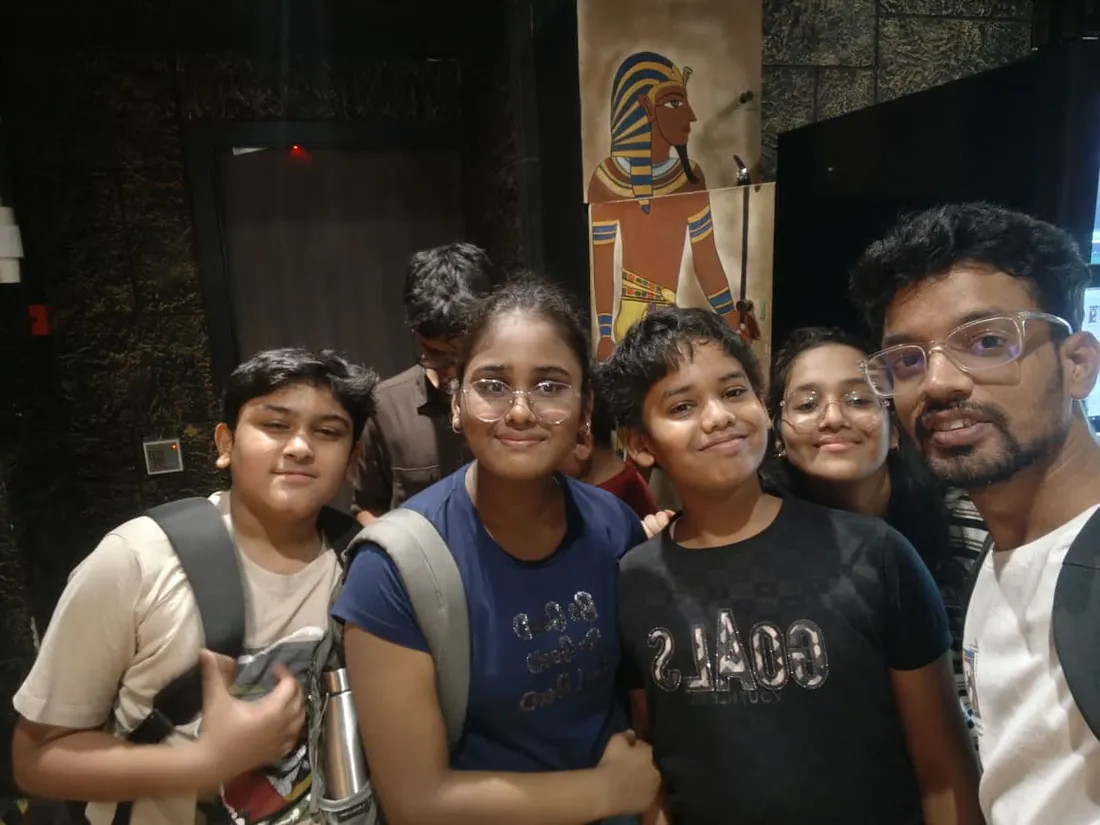
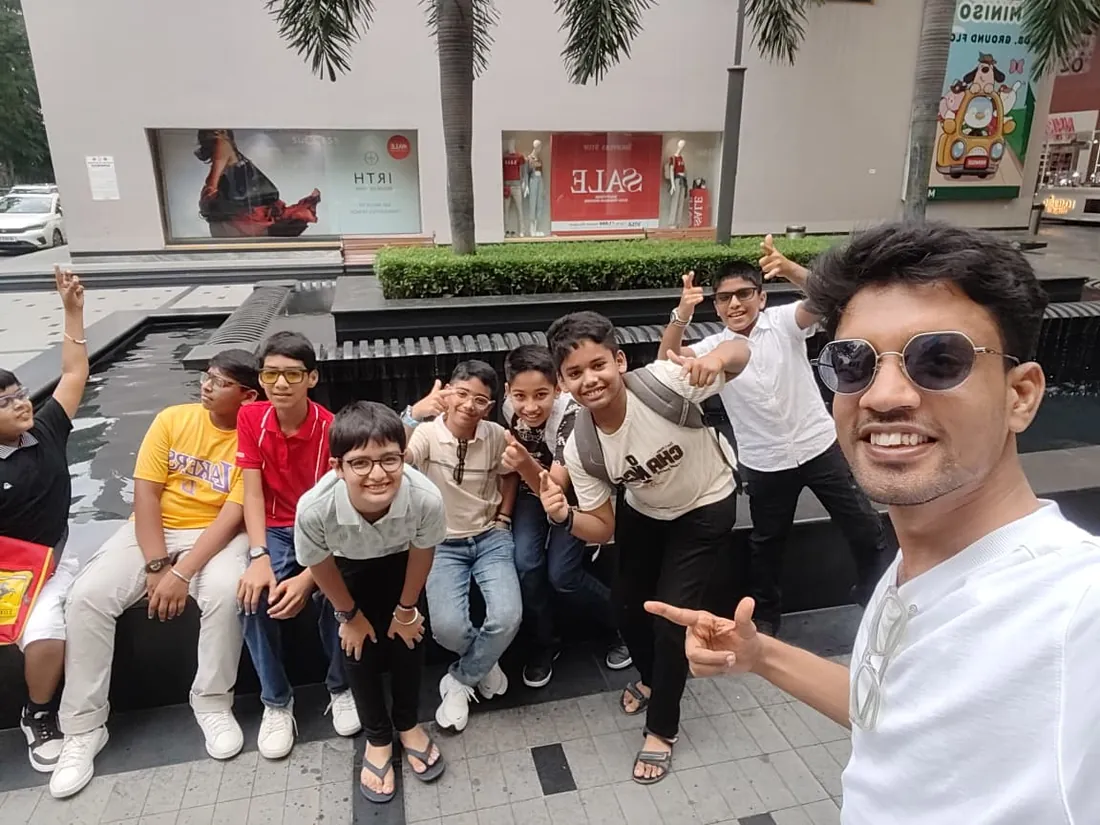
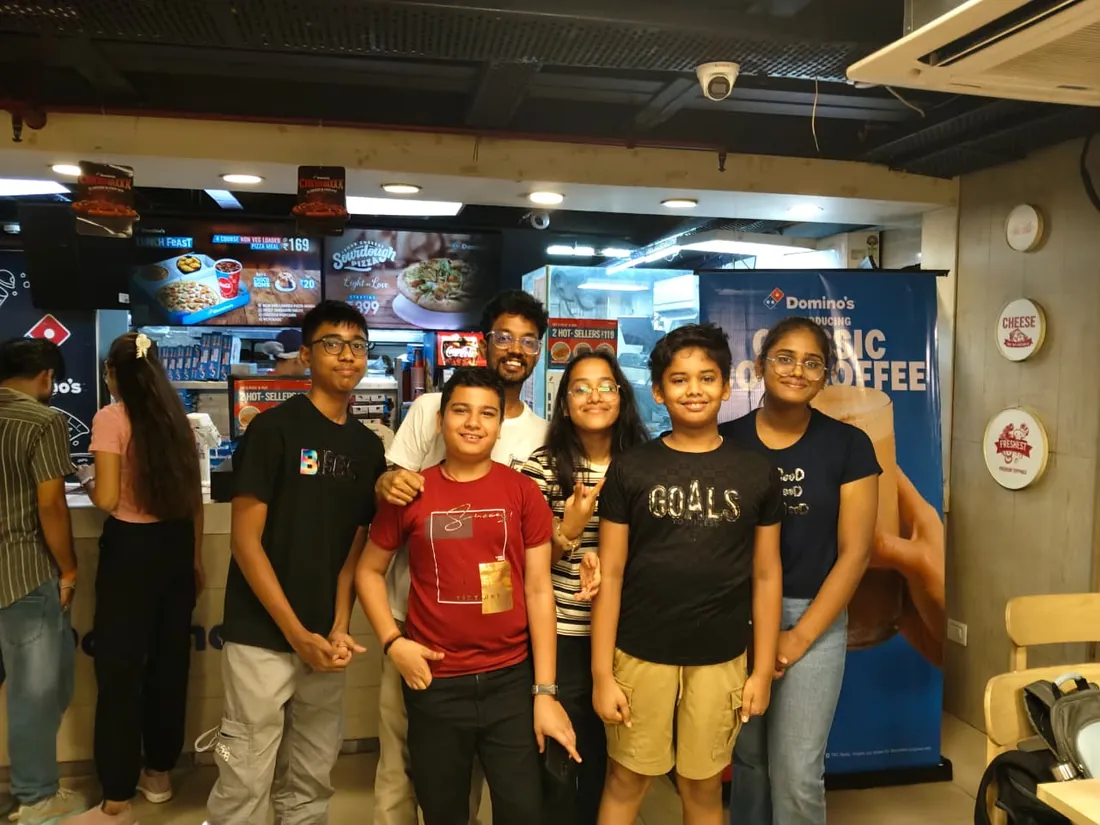
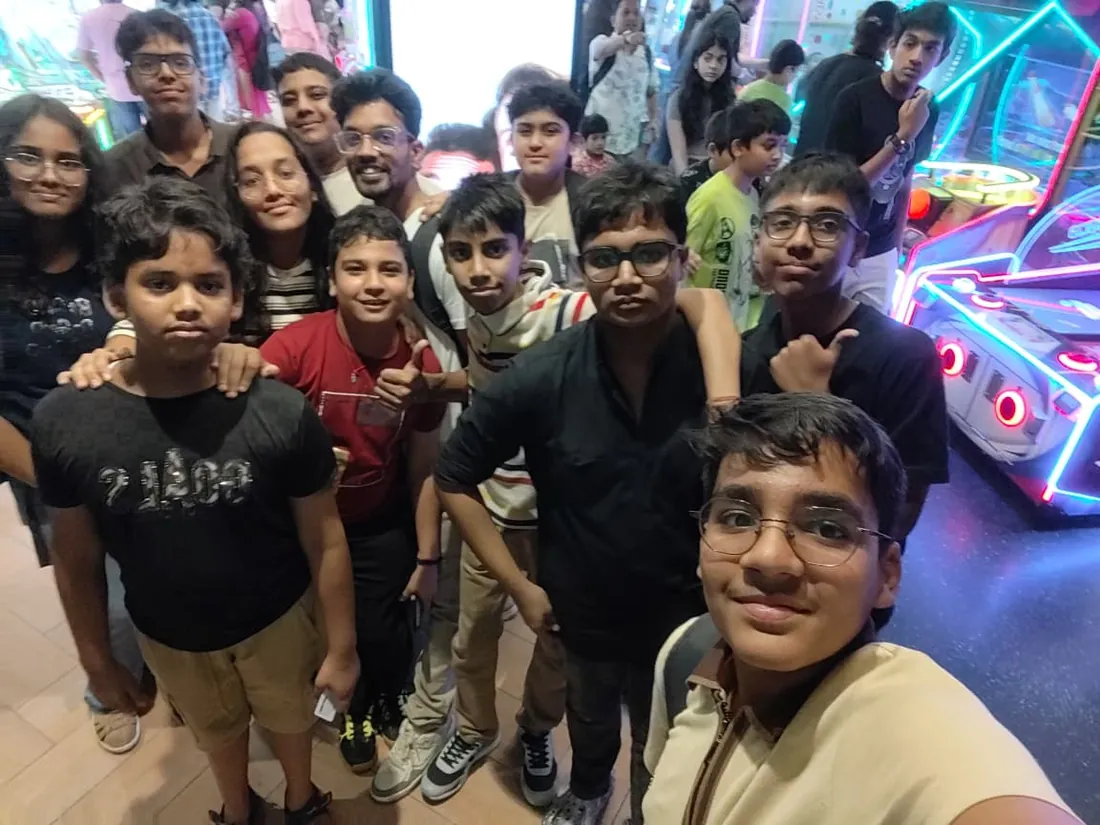
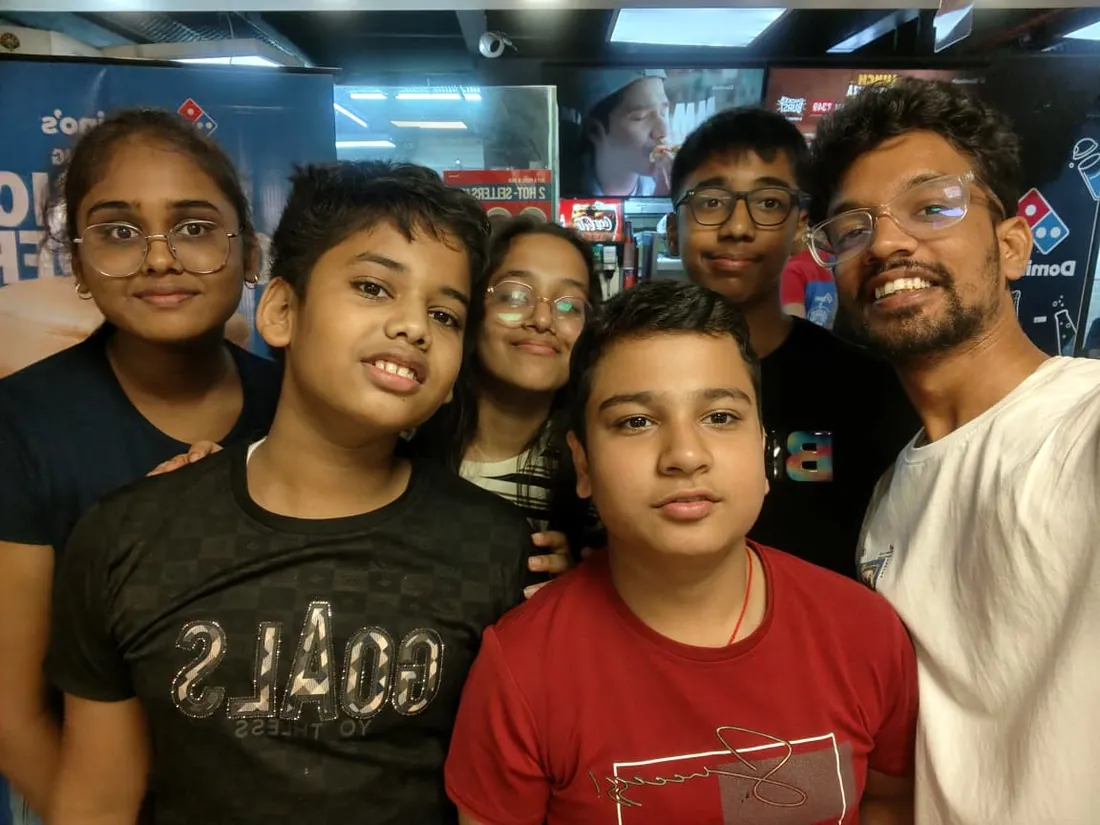
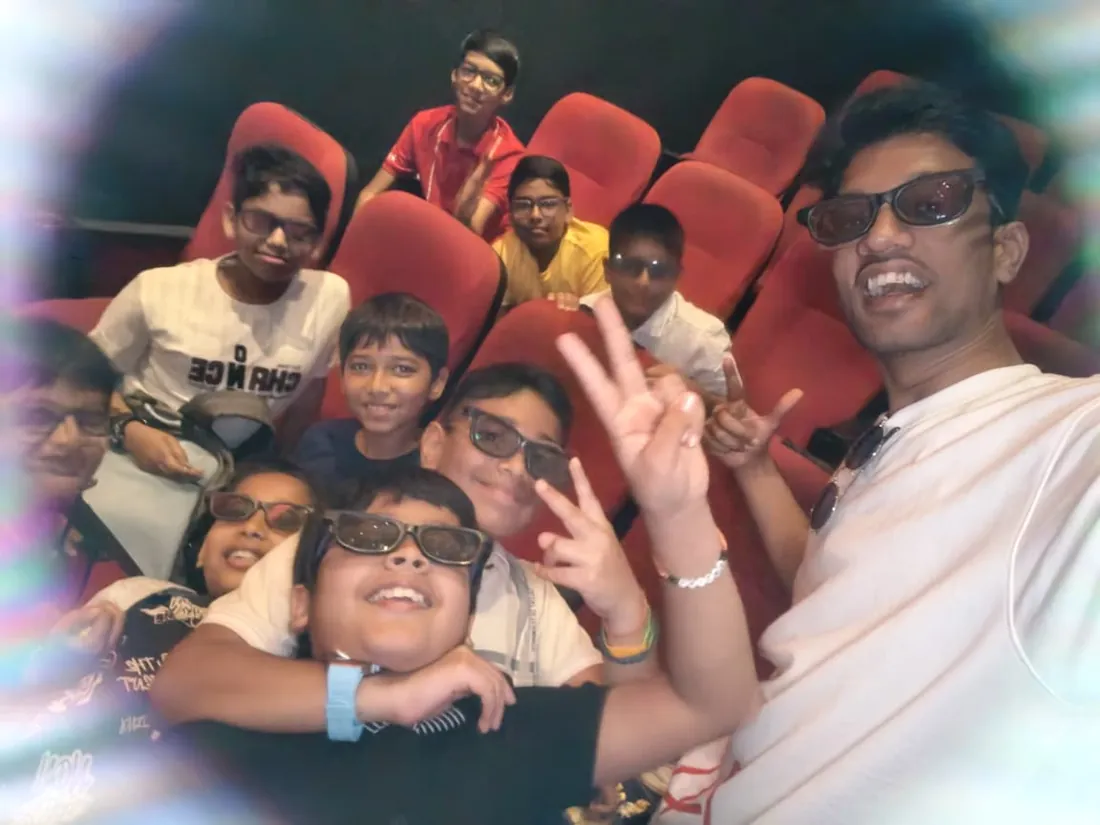
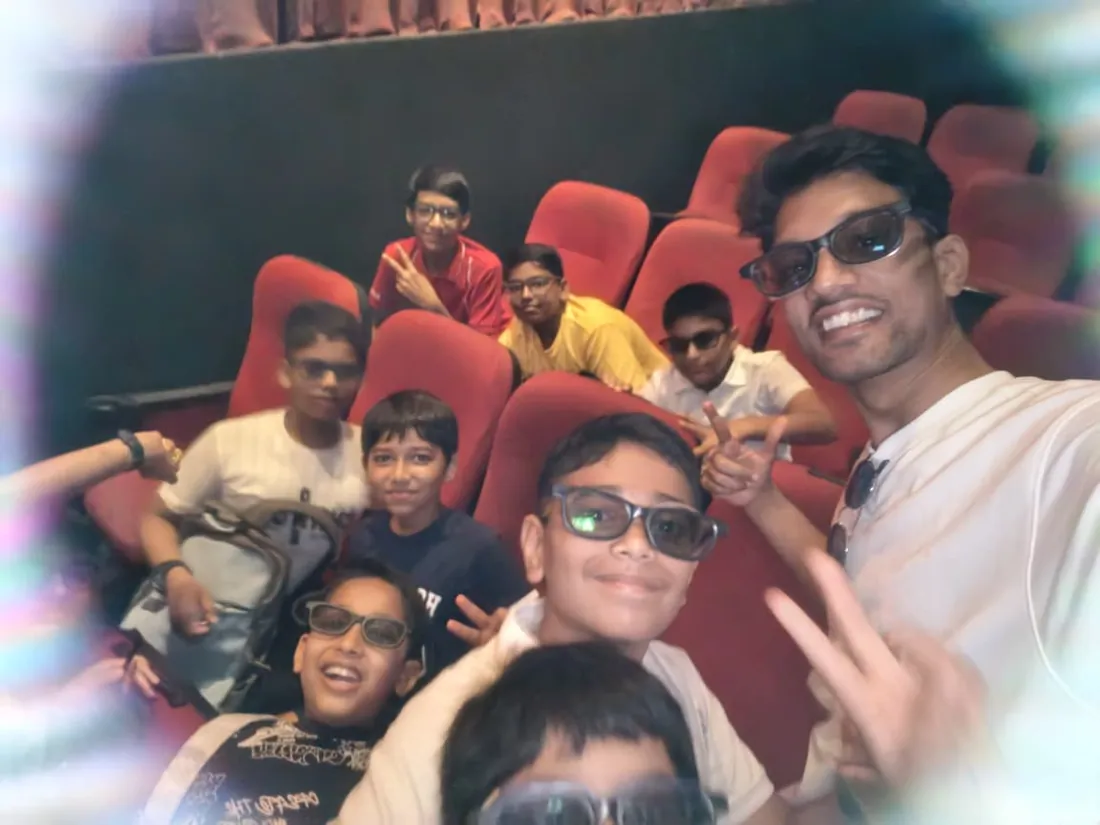
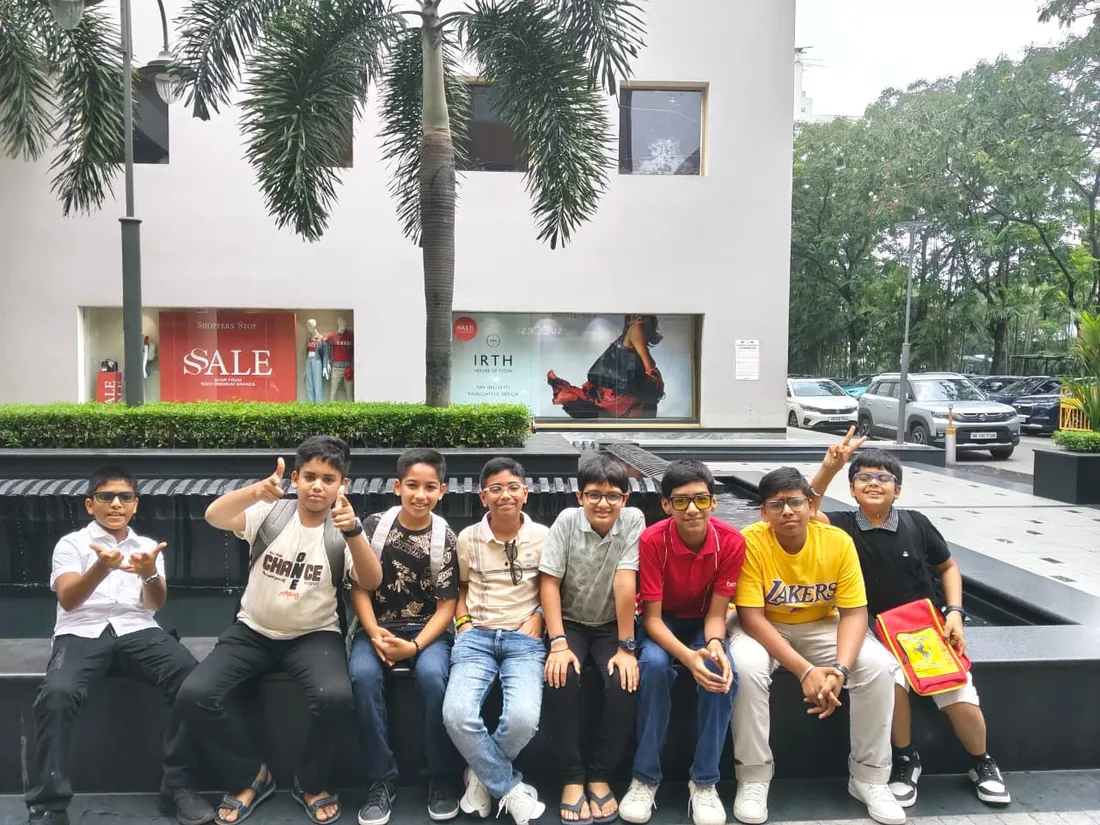
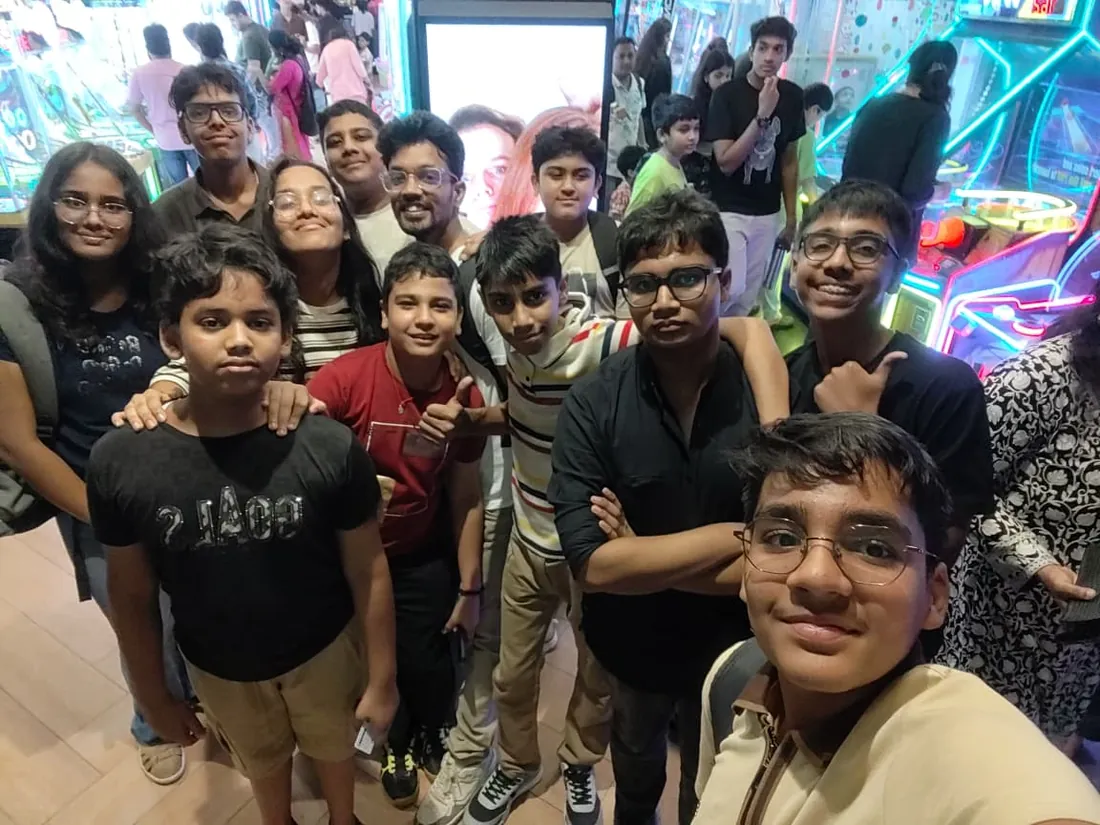
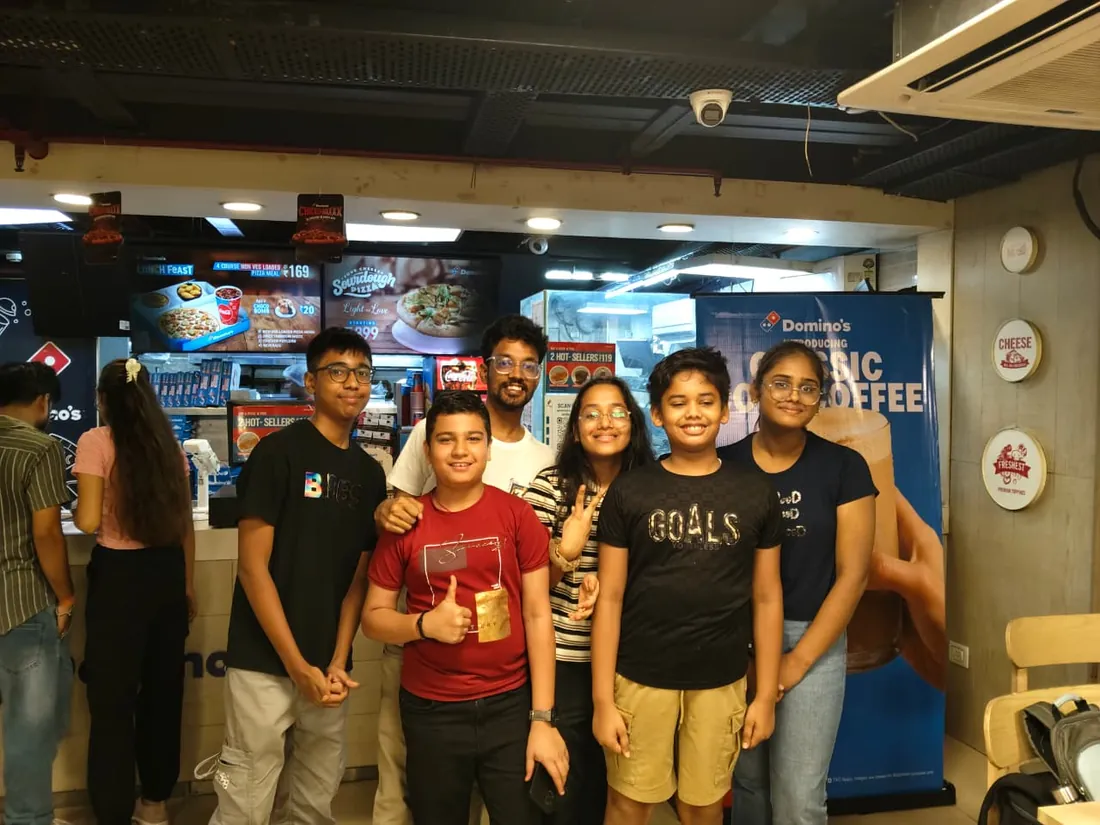
Real students. Real moments. Real joy.
These are our actual student meetups. No stock photos, no filters. Swipe through and meet the community you'll be joining.





























What families say
Straight from the parents and students who learn with us. Rated 4.9 across 547 Google reviews.
“Mivaan enjoys the class. He understands the concepts and completes his tasks with excitement. He started taking interest in coding… truly amazing class.”
“I absolutely love it here! I made new friends and learned important valuable coding skills while having the fun of my life. It's not just coding here, it's outings, bonding and most importantly preparing you for your future. Definitely five stars.”
“What stands out most is how excited my son is before every class. He looks forward to learning, problem-solving, and sharing what he's built. I've noticed a big boost in his confidence!”
“Modern Age Coders has been a game-changer for me! I struggled to grasp IT concepts and coding before joining, but their classes transformed everything. I'm now the topper in my class and can confidently write complex programs with ease.”
“Modern Age Coder have wonderful teachers who teach in a clear, easy and practical way. The teacher boosts students' confidence, keeps them updated with technology, and inspires them to learn without hesitation.”
“The one step solution for my son. Modern Age Coders make learning coding so simple that kids love it.”
“Coding classes here make learning very interesting and conceptual. The teachers teach us in a very easy-to-understand and efficient manner.”
“One of the most wonderful education centres out there. Education is not limited to school syllabus but focuses on skill development. Learning here has been a wonderful journey and still continuing.”
“I highly recommend this computer coding class! The teachers are incredibly knowledgeable and passionate about coding. They make every session engaging and insightful.”
“My child Dhairya is really enjoying the Modern Age Coder IT classes. This is his first online class, and he eagerly looks forward to it.”
“Very good classes. Don't worry about coding. They teach the best, especially Shivam sir.”
“Very good classes. Makes learning very easy and interactive.”
Hear it from our students
Real parents and students in their own words, on our public YouTube channel.
Straight answers about Elementary Maths for Grades 1-5: Live Online Classes
- Who should take this course?
- Grades 1-5; every child is placed by grade and a short placement check. Age: Grades 1-5 (roughly ages 6-11). Placement is by a short friendly check, never age alone. It suits children in grades 1-2 whose parents want the foundation laid properly the first time; children in grades 3-5 with gaps that classroom pace never allows anyone to go back and fix; confident children who finish school worksheets early and are hungry for more.
- What will they learn and build?
- Primary maths is where number confidence is either built or broken, and it cannot be rushed. That is why this program is structured the way good schools structure it: three levels, each one school year long. Level A builds Grades 1-2: counting, place value, addition and subtraction, shapes, time and money. Level B builds Grades 3-4: multiplication and division fluency, fractions, decimals, data and real geometry.
- How deeply are topics covered?
- The course runs 10-12 months per level (3 levels, Grades 1-5) at 2 live classes/week + 20-30 minutes daily practice, across 3 phases listed week by week in the syllabus below. A structured, well-paced curriculum taught step by step, with classwork in every session and homework after every class.
- Who teaches it?
- Modern Age Coders mentors, who teach the live classes themselves. You can watch them at work in the free class recordings before you decide.
- How do practice, feedback and assessment work?
- Mixed-review practice every week and a level exam that decides each certificate: real knowledge, real work. Doubt support between classes over WhatsApp, so you are never left stuck. Level certificates your child earns by passing level exams, with a free retest after revision if needed.
- What does it cost?
- Three monthly plans: a group batch, a mini batch and 1-on-1. Prices are shown in your currency in the plans section. Monthly billing, cancel any time.
- When can classes take place?
- Live classes are scheduled around your week. Group batches meet at a fixed weekly slot; 1-on-1 students choose their own. International students are scheduled in their own timezone. Ask on WhatsApp for the current slots.
- Can I watch the teaching before deciding?
- Yes. Full recordings of real 6 to 12 classes are free to watch, free with a Google sign-in. These recordings show how we teach, not the exact syllabus of this course. Some classes are in English and some in Hindi; everyone follows at their own pace. Watch a class end to end, like you are in it. Sessions are interactive and each moment builds on the last.
- Can I enroll without a live demo?
- Yes. Choose a plan on this page and enroll directly; a booking or a demo is not required. A free live demo is optional, for anyone who wants to meet a mentor first. Outside India, our team confirms the plan and completes payment with you over WhatsApp, so allow a little time for that step.
Common Questions About Elementary Maths for Grades 1-5: Live Online Classes
Get answers to the most common questions about this comprehensive program
Still have questions? We're here to help!
Contact UsWhy Levelled Maths Beats Endless Tuition
Most maths help for young children is reactive: chase the homework, patch tonight’s confusion, repeat forever. The result is a child who survives each week but never builds the compounding fluency maths actually is. A levelled curriculum works the other way: find the child’s true starting point, build in the right order, revise in spirals, and test honestly before moving up.
The three-level structure mirrors how elementary maths really develops: foundations (Grades 1-2), fluency (Grades 3-4), and the bridge to abstraction (Grade 5). Each level is one honest school year, and each ends with an exam a child can genuinely pass or genuinely learn from, followed by a free retest after revision when needed.
Everything is taught concrete-first, objects and pictures before symbols, in small live classes where the teacher watches the working, not just the answer. Parents get written notes, children get certificates they earned, and maths stops being the subject everyone in the house is quietly afraid of.
Related Courses You May Like
Continue your learning journey with these recommended programs
 School Mathematics
Algebra Foundations: Pre-Algebra & Algebra 1, Live Online
Live online Pre-Algebra and Algebra 1: repair fractions and negatives, then master linear equations,...
Explore Course College-Level Software Engineering
Vibe Coding for College: Full Stack, AI & DSA (Ages 18+)
Live online vibe coding course for college students 18+: master the MERN stack, DSA, machine learnin...
Explore CourseRelated Articles & Guides
Deepen your knowledge with these hand-picked articles
 Mathematics
6 min read
Mathematics
6 min read
How to Make Maths Fun for Kids: 9 Ideas That Really Work
How to make maths fun for kids, without gimmicks: nine practical ideas that turn maths from a chore ...
Read Article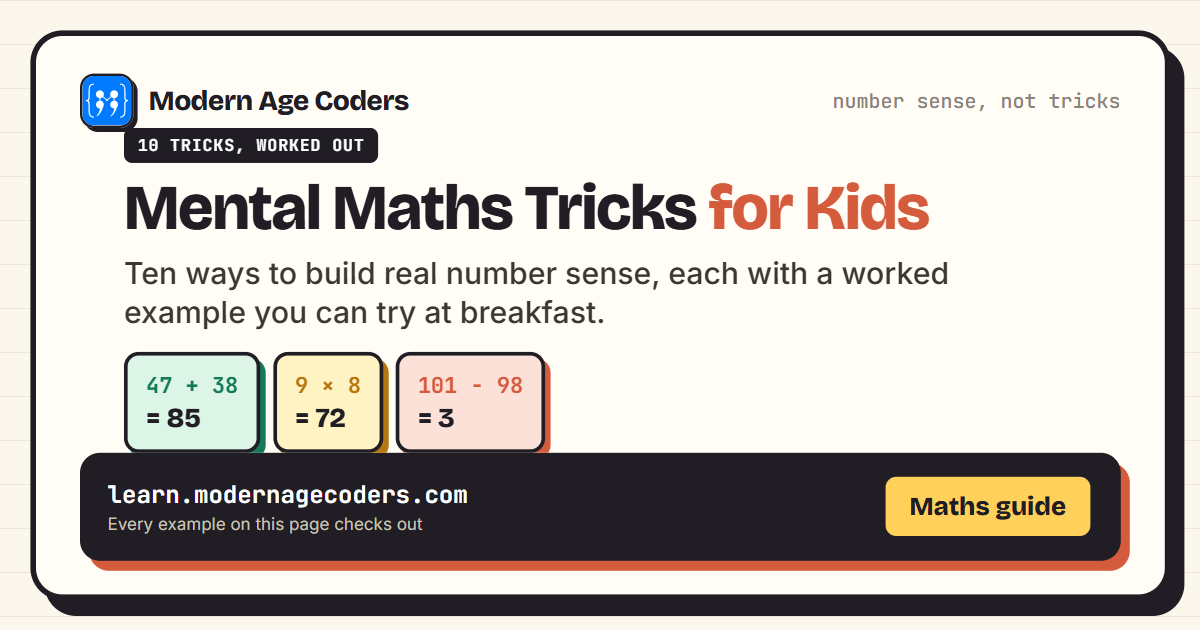 Mathematics
7 min read
Mathematics
7 min read
10 Mental Maths Tricks for Kids, With Worked Examples
Ten mental maths tricks for kids, each with a worked example, plus a daily practice plan by age and ...
Read ArticleReady to start Elementary Maths for Grades 1-5: Live Online Classes?
Book a free demo class to meet your mentor and see how we teach, with no commitment. Or enrol now and start this week.