Most children don't dislike maths. They dislike being hurried past the bit that would have made it make sense.
A child is shown a method for fractions, it works on the worksheet, and the class moves on. But the child has no idea what actually happened, so a year later, when fractions turn up inside a bigger problem, the method collapses and takes their confidence with it.
This is how a curious six-year-old slowly becomes a ten-year-old who announces they're "rubbish at maths". It's almost never true. What broke was the explanation, not the child.
A class of thirty can't always pause for the one question that would have fixed everything, and maths apps reward the right tap without ever checking whether a child understood.
We do the opposite. One child, one tutor, and the freedom to stop on the exact sentence where it stopped making sense. That is the whole job.
Understanding first. The answer comes after.
Every lesson follows the same honest shape, whether your child is counting or carrying.
Start from what they already know
We anchor each new idea to one your child has understood, so new maths feels like the next step on a path, not a cliff.
Build the idea they can see and touch
Drawings, number lines and objects on the whiteboard make the idea something a child can picture before it becomes a written rule.
Let them explain it back
A child who can say why in their own words truly owns the idea. We ask "how do you know?" far more than "what's the answer?"
Practise to fluency, then connect forward
Only once the reasoning is solid do we build speed, then show where the idea leads next, so nothing feels like a dead end.
Number bonds: why they make mental maths fast.
What often happens: a child is told to "just learn" that 7 + 8 = 15, as one of dozens of facts to memorise. It's slow, it's stressful, and a forgotten fact leaves them stuck.
How we do it. The secret is that 10 is easy to work with, so we teach children to make a 10 on the way. To add 7 + 8, borrow 3 from the 7 to turn the 8 into a 10:
give the 3 to the 8 → 8 + 3 = 10
now 10 + 4 = 15
This is the power of number bonds, knowing the pairs that make 10. Once a child has them, they don't memorise a hundred separate sums; they reason quickly from a handful of friendly facts. It's faster, it never leaves them stuck, and it builds the place-value thinking that everything in primary maths is built on. This single idea changes how a child feels about mental maths.
The thinking that builds a strong coder is the thinking that builds a strong mathematician.
Break the big into the small
A programmer splits a hard task into tiny steps. So does a child working out "how many wheels on 8 tricycles?" The skill is the same.
Spot the pattern
Noticing that 3, 6, 9, 12 jumps by three is the same instinct that lets a coder write a loop instead of repeating a line.
Check your own work
"Does this answer make sense?" is debugging. We teach children to test their thinking, not just trust the first number they write.
We're Modern Age Coders. We've taught children to think like builders for years, and maths is where that thinking begins. A child who learns maths as reasoning, not recipes, walks into coding, science and every future "hard subject" already knowing how to work things out.
The whole primary path, year by year.
Mapped to the national curriculum your child's school follows, always taught for understanding first.
Number & place value
Counting, reading and writing numbers, what each digit means, comparing and ordering, and rounding, the bedrock for everything else.
The four operations
Addition and subtraction with regrouping, multiplication and the times tables (with understanding, not dread), and division as sharing.
Fractions, decimals & percentages
Fractions as real quantities children can picture, equivalence, and the bridge to decimals and percentages in upper KS2.
Reasoning & problem solving
Reading a problem, deciding what it's asking, choosing a method, and checking the answer makes sense, the heart of the SATs reasoning papers.
Measurement, geometry & statistics
Length, time, money, area; shapes and angles; and reading and drawing simple graphs.
Confidence & Year 6 SATs
Staying calm with a hard question, showing working clearly, and arithmetic-and-reasoning practice for the KS2 SATs when the time comes.
The right fit: and an honest word on what to expect.
This fits the primary child who's bored and ahead, the one quietly slipping behind, the child anxious about maths, and any child who deserves better than another worksheet. We teach across the whole range, including children working well above their year group.
What changes, honestly. In the first few weeks, parents most often notice their child stops dreading maths. Real fluency and SATs-level results build over a term of steady, twice-weekly lessons, not overnight. We won't promise a miracle in a fortnight, because understanding isn't built that way.
What we won't do
- Drill tricks your child can't explain.
- Race ahead while gaps quietly widen.
- Make a child feel small for a wrong answer.
- Promise a SATs result we can't honestly stand behind.
Simple, consistent, and built around your week.
1:1, live
One child, one tutor, in a real-time video lesson with a shared whiteboard. No recordings, no autopilot.
8 lessons a month
Two each week, usually around 60 minutes for younger children. Enough to build momentum without overload.
UK time
After-school, early-evening and weekend slots in GMT/BST. You pick two weekly times.
You stay in the loop
A short note after each lesson and a plain-English progress summary every few weeks.
One simple price. No contract.
1:1 Private Tuition
$150 / month
- 8 live one-to-one lessons a month (2 per week, 1 hour each)
- 4 live one-to-one lessons a month (1 per week, 1 hour each)
- The same dedicated tutor throughout
- A learning plan built around your child
- Notes after every lesson · cancel any time
Small-Group Cohort
$100 / month
- 8 live small-group lessons a month (2 per week, 1 hour each)
- A handful of children at the same level
- Same teaching approach, lower price
- A friendly first step · cancel any time
Want the complete primary topic map? Explore the Primary & Elementary Mathematics course →
Tutors chosen for patience as much as for maths.
Everyone we take on has to do two things well: know primary maths deeply enough to explain it three different ways, and stay genuinely kind when a child is stuck for the fourth time. We test for both. A tutor who can't be patient with a seven-year-old doesn't teach for us.
Your child keeps the same tutor, so trust builds, and a child who trusts their tutor will admit "I don't get it", which is where every breakthrough begins.
"My son struggled with math for years. Integrating it into coding projects has transformed his understanding and confidence. Highly recommended!"
Shewta Singh, mother of Ishan · verified Google review
How we differ from the alternatives.
| What matters | Modern Age Coders | Maths apps | A typical tutor |
|---|---|---|---|
| Teaches the reasoning | Always, it's the point | Rarely, rewards taps | Sometimes |
| Notices quiet confusion | Yes, live, 1:1 | No | Usually |
| Same tutor each time | Yes, throughout | N/A | Often, varies |
| Parent updates | After every lesson | Score charts | Varies |
| Monthly price | $150 (1:1) / $100 (group) | A small monthly subscription | Charged by the hour |
Apps are inexpensive and fine for drill. A local in-person tutor is excellent and adds up quickly per hour. We sit in between, with the live attention an app can't give.
Everything you might be wondering.
What ages and year groups is this for?
Primary children aged 5 to 11: KS1 (Years 1–2) and KS2 (Years 3–6). We place each child by what they actually understand, not just their school year.
Is it aligned with the national curriculum?
Yes, number and place value, the four operations, fractions, measurement, geometry and statistics, taught for the understanding underneath each objective.
Can you help with Year 6 SATs?
Yes, the KS2 arithmetic and reasoning papers, by building genuine fluency and reasoning rather than teaching to the test.
My child has decided they're 'no good at maths'. Can this help?
This is the most common reason families come to us. One-to-one attention and a patient explanation usually rebuild confidence within a few weeks.
How much does it cost?
The fees for private 1-on-1 and small-group classes are shown in your own currency in the pricing section of this page. Billing is monthly, there is no contract and you can cancel any time.
Can we try a class before enrolling?
Yes. Book a Priority Demo: a full live class of about 45 to 60 minutes, today or tomorrow, with a mentor reserved for your child. After the class the mentor sends a written skill report and a personal learning roadmap on WhatsApp. If you enrol, the demo fee is adjusted against your first month's fee.
Will my child have the same tutor each time?
Yes, one tutor, kept throughout, so trust builds.
Do the lessons fit around UK school hours?
Yes, after-school, early-evening and weekend slots in UK time (GMT/BST).
Are lessons live, or recorded?
Every lesson is live with a real tutor who can notice the moment a child goes quiet because they're lost.
What does my child need to join?
A laptop or tablet with a camera and reliable internet. A stylus is helpful but not required.
How will I know my child is progressing?
A short note after each lesson and a plain-English progress summary every few weeks.
Can we start partway through the school year?
Yes. We start wherever your child is.
Book a Priority Demo for your child.
Meet the tutor in a full live class of about 45 to 60 minutes, see how we teach, and watch your child explain a piece of maths back to you. You get a written skill report afterwards, and the fee is adjusted against your first month if you enrol.
More maths tuition from Modern Age Coders.
Real student projects
What our students actually build
Every one is a real, live project shipped by a Modern Age Coders student. Explore more in Student Labs.
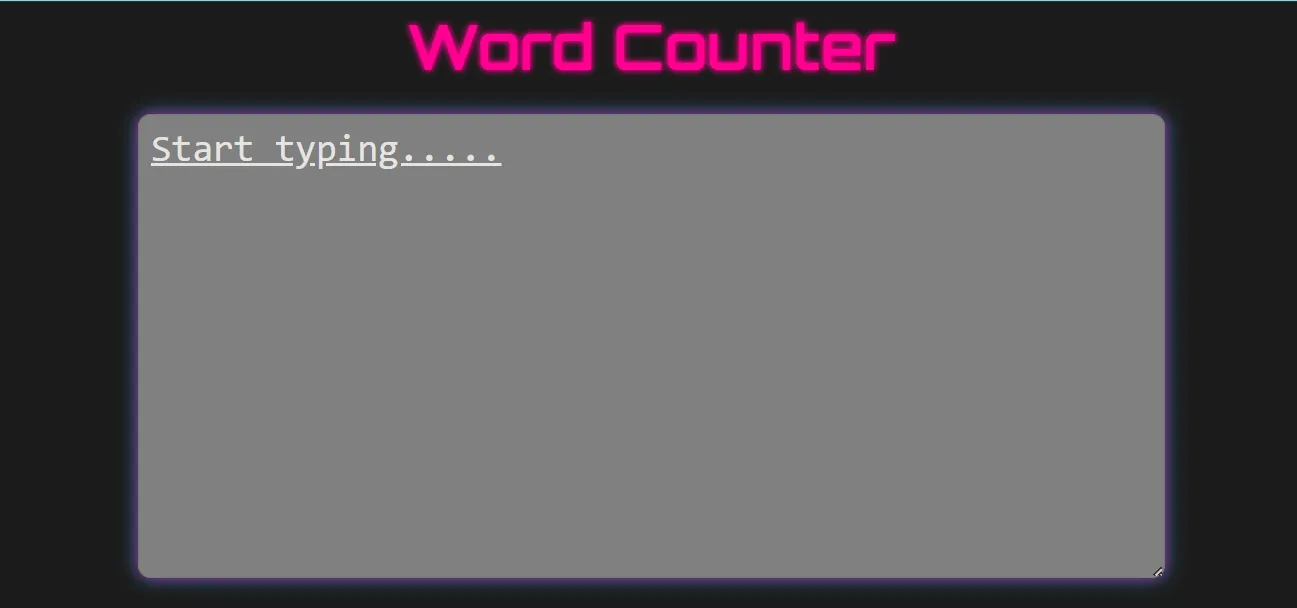 ToolWord Counter WebsiteA simple yet powerful tool that counts words, sentences and paragraphs from user input with instant, real-time results and a clean responsive interface.by VanshOpen the live project ↗
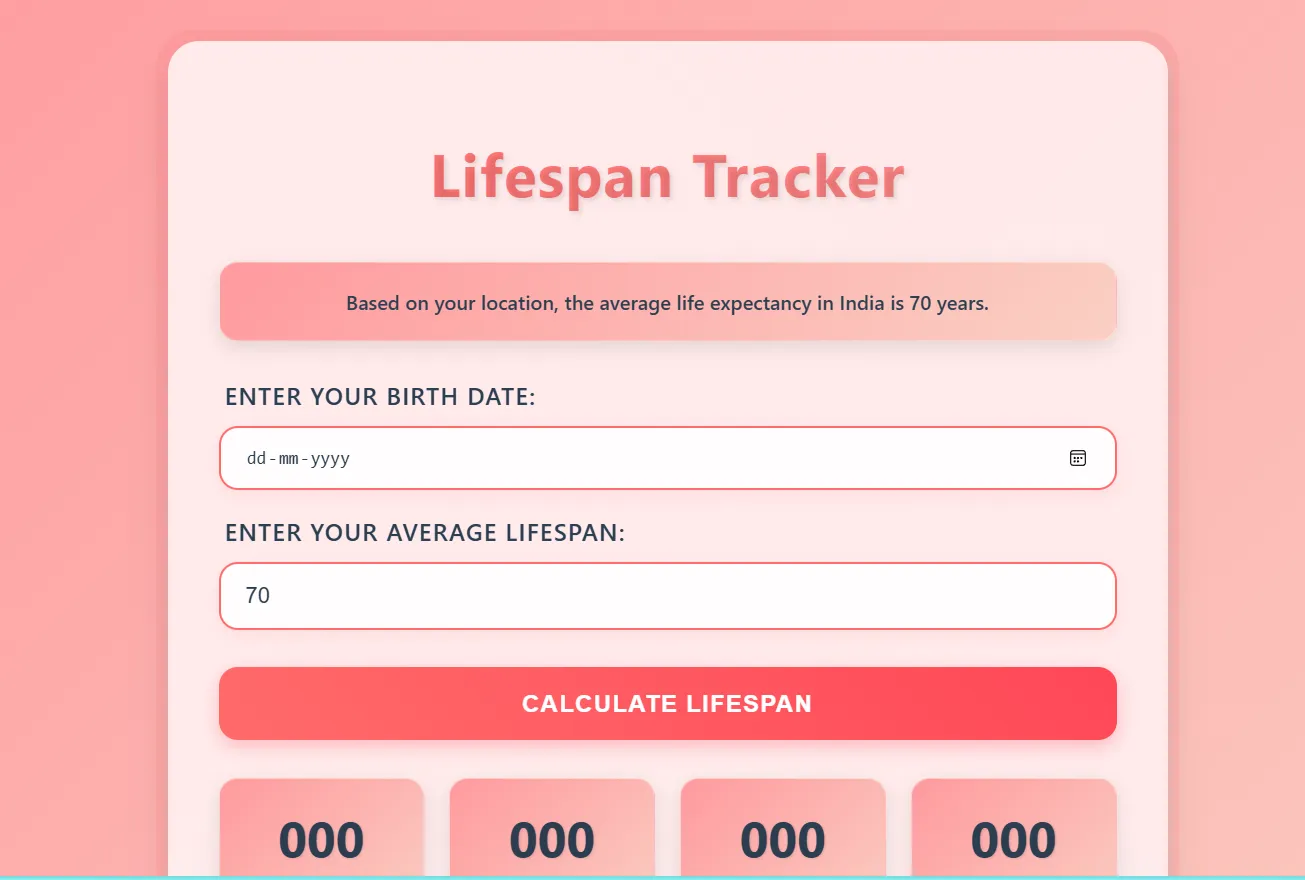 ToolLife Span TrackerAn interactive web tool that calculates expected lifespan, shows days, months and years lived, and visualises remaining time to motivate better habits.by ManayOpen the live project ↗
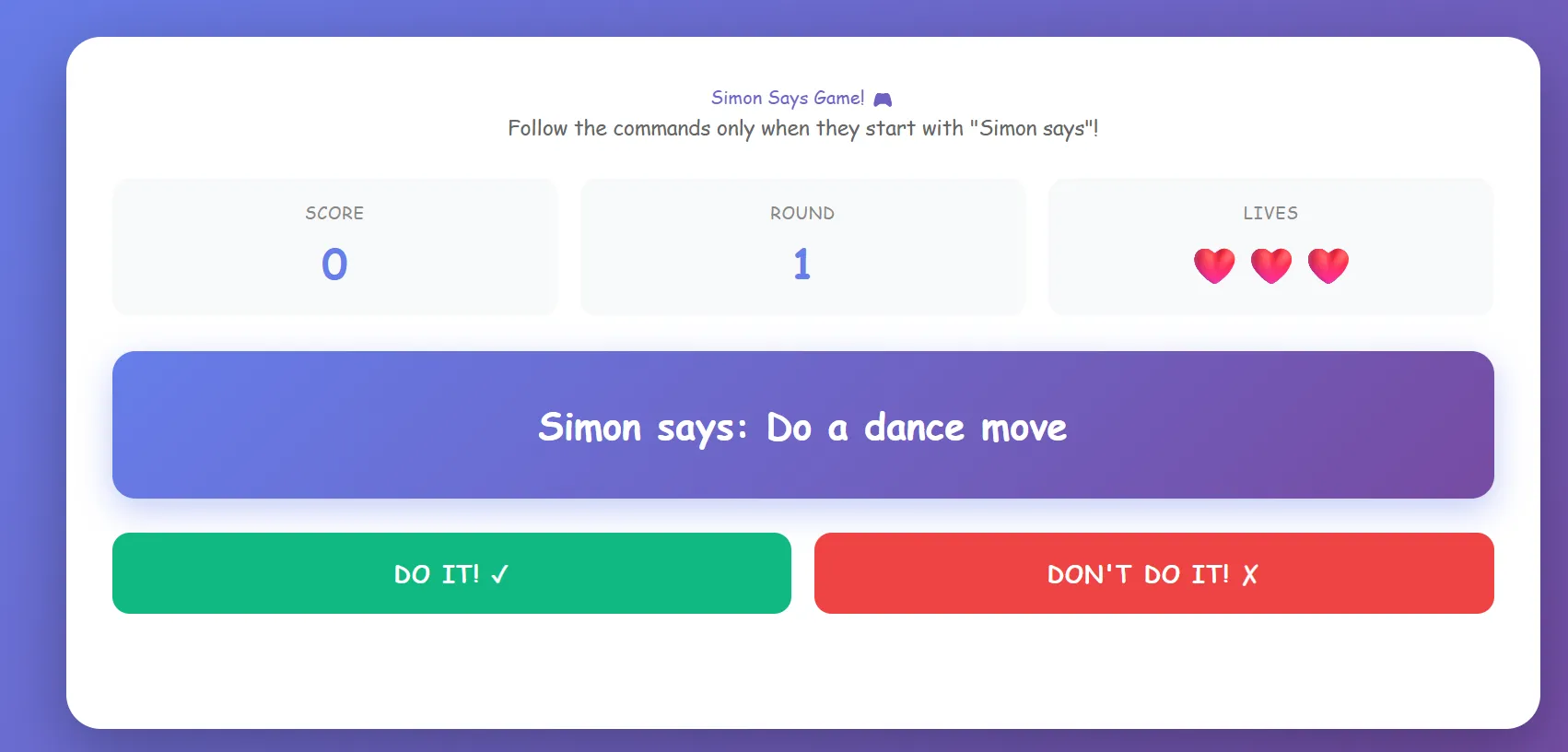 GameSimon GameA fun memory-based game where players repeat colour and sound sequences. Each level adds a new challenge, brain-boosting for kids learning logic and focus.by YashaswiOpen the live project ↗