Early Math Foundations
The years that decide whether math becomes a friend. We make it one.
Syllabus updated August 2026
Questions? WhatsApp +91 91233 66161 or email connect@modernagecoders.com
Recordings are free with a Google sign-in. These recordings show how we teach, not the exact syllabus of this course.
Our promise
The world's best learning experience, open to everyone.
- World-class instructorsEvery class is taught by an instructor who specialises in that exact field.
- No compromise on qualityEvery lesson, project and piece of feedback is held to the highest standard.
- Education for everyoneLearners aged 6 to 67, from first-time beginners to working professionals, in 25+ countries.
If you want the highest quality, Modern Age Coders is the right choice.
Book a Priority DemoHow long this course takes
This course runs 12 months (52 weeks) at 2 live one-hour classes per week (structured as playful segments) + everyday math play at home. The range allows for background and pace: a complete beginner uses the full span, and a student with prior knowledge finishes sooner. The syllabus below is planned to the shorter end, with margin kept for revision.
For personalised duration planning, call +91 91233 66161 and we'll map a schedule to your goals.
At a glance
- Who it is for
- Ages 4-7 (kindergarten to grade 2), all starting points.
- Prerequisites
- Ages 4-7; no academic prerequisites whatsoever
- Format
- Live, interactive classes with a real instructor, never pre-recorded videos. Live classes run about one hour.
- Language
- English or Hindi, depending on the batch.
- Duration
- 12 months (52 weeks)
- Weekly commitment
- 2 live one-hour classes per week (structured as playful segments) + everyday math play at home
- Class size
- Group batches of 5 to 10 students, mini batches of 3 to 4, or 1-on-1.
- Certificate
- Certificate from Modern Age Coders, awarded on passing the final assessment
- Watch first
- Free recordings of real classes for ages 6 to 12, free with a Google sign-in. These recordings show how we teach, not the exact syllabus of this course.
- Live demo
- Optional. Enrol directly on this page, or book a Priority Demo: a full live class of about 45 to 60 minutes with a mentor reserved for you.
- Questions
- WhatsApp +91 91233 66161 or email connect@modernagecoders.com.
How we teach
Deep understanding. Real projects. Expert guidance.
Learn coding, AI and maths through careful explanations, practical demonstrations, and hands-on problem-solving. Our instructors guide you from the foundations to advanced ideas, helping you understand what happens, why it happens, and how to build it yourself.
You will explore concepts step by step, write and improve code, investigate mistakes, ask questions, and apply your knowledge to meaningful projects. Lessons are designed around active participation, thoughtful feedback, and growing independence.
Expert-led live teaching, with practical participation built into every lesson.
- Students explain their thinking.
- Instructors demonstrate, then guide practice.
- Learners code, solve, or build during lessons.
- Questions and misconceptions get attention.
- Assignments receive useful feedback.
- Progress is checked before advancing.
How to join Early Math Foundations: Playful, Concrete Math (Ages 4-7)
Four steps from this page to the first class. See a full class first with a Priority Demo, or choose a plan and enrol today.
Rated 4.9 across 547 Google reviews. Monthly billing, cancel any time.
How enrolment works
See a full class first (optional)
Book a Priority Demo: a live class of about 45 to 60 minutes with a mentor reserved for you, today or tomorrow. After the class the mentor sends a written skill report and a personal learning roadmap on WhatsApp. If you enrol, the demo fee is adjusted against your first month's fee. Share your demo Order ID with us on WhatsApp and we take it off.
Book a Priority DemoDemo fee ₹499Choose a plan
Group batch (5 to 10 students), mini batch (3 to 4 students, India only) or 1-on-1 with your own mentor. Every plan is live online, and each class runs about one hour. The cards below show classes per week and the monthly fee in your currency.
Enrol and pay the first month
Press Enrol Now on your plan, fill in the student's name, email and phone, and pay through secure Razorpay checkout: UPI, cards or net banking in India, and debit or credit card from any other country.
Fix your class timings
After payment, message us on WhatsApp or call +91 91233 66161 with the student's name, the course and your preferred time slot. We confirm the batch, send the class link and schedule the first class at your chosen time.
Billing is monthly and you can cancel any time.
International Students (Outside India)
Billed monthly in US dollars, the same price in every country. Contact us with any questions.
Questions before you enrol? Talk to our team.
Ask about class timings, the right level for your child, what they need to know already, or payment. Parents and adult learners can reach us on WhatsApp, by email or by phone.
Program Overview
A 12-month live program for children aged 4-7, the years when a child's whole relationship with mathematics is quietly decided. Early math done right is not worksheets; it is counting that means something, quantities seen and handled, patterns spotted, shapes built and stories solved. Our mentors teach concrete-first in genuinely interactive classes structured as short playful segments that respect young attention spans: real objects, ten-frames, games and math talk, with the child doing and explaining rather than watching. Children leave this course fluent in early number, confident in their own thinking, and, the part parents notice most, actually liking math.
What Makes This Program Different
- Concrete before abstract, always: quantities are handled, drawn, and only then written as symbols
- Classes built for young attention: an hour of varied segments, games, movement, building, story problems, never an hour of sitting still
- Counting taught with meaning: one-to-one correspondence, cardinality and the ideas most programs skip straight past
- Number bonds and part-whole thinking started early, gently, the foundation everything to age 18 stands on
- Math talk from day one: even five-year-olds explain their thinking here, in their own words
- One dedicated mentor who knows the child, their pace and their spark
- Parents equipped too: simple everyday math-play prompts, because kitchens teach more than worksheets
- The honest opposite of drill academies, no pressure, no rankings, no tears
Your Learning Journey
Career Progression
Detailed Course Curriculum
Explore the complete week-by-week breakdown of what you'll learn in this comprehensive program.
Playful diagnostic disguised as games: counting, comparing and pattern instincts observed
Topics Covered
- Counting objects to see how far counting flows
- Comparing two small groups for more or fewer
- Copying and continuing a simple pattern
- Noticing how the child talks about numbers
- Spotting counting habits gently, without correcting
- Finding a warm, happy starting point
Practice & Assignments
Line up a few toys and ask your child to count them and tell you which pile has more, keeping it a game and not a test.
One-to-one counting with real objects; the cardinality idea, the last number IS the amount
Topics Covered
- Touching each object once while saying one number
- Matching one number word to one thing
- Understanding the last number tells the total
- Counting a group and answering how many
- Recounting a moved group to see the total stays the same
- Slowing down to count carefully
Practice & Assignments
Count the stairs together as you climb, touching each step and cheering the final number as the total.
Subitizing: seeing 3, 4 and 5 without counting, dice, dots and finger patterns
Topics Covered
- Recognising 1, 2 and 3 without counting
- Seeing 4 and 5 as quick patterns
- Reading dice dots at a glance
- Showing numbers fast with fingers
- Naming flashed dot cards instantly
- Talking about how the amount was seen
Practice & Assignments
Flash some fingers for a second, hide them, and ask how many your child saw, taking turns being the flasher.
Comparing quantities: more, fewer, same, justified with matching, not guessing
Topics Covered
- Comparing two groups for more or fewer
- Matching items one to one to compare fairly
- Recognising when two groups are the same
- Using the words more, fewer and equal
- Explaining how you know which has more
- Making two groups equal by adding or taking away
Practice & Assignments
Put out two rows of buttons and ask your child to line them up in pairs to prove which row has more, or whether they match.
Numerals connected to quantities; counting forwards and backwards as a game
Topics Covered
- Matching the written numeral to its quantity
- Recognising the numerals 0 to 10
- Counting forwards to ten smoothly
- Counting backwards from ten like a rocket
- Placing a numeral card beside the right group
- Writing or tracing numerals playfully
Practice & Assignments
Do a rocket countdown from 10 to 0 before a jump or a tickle, then count back up to ten together.
Ten-frames as home base: five-and-some structure, seeing numbers inside numbers
Topics Covered
- Filling a ten-frame from left to right
- Seeing a full row of five
- Reading 7 as five and two more
- Spotting how many empty spaces are left
- Seeing numbers hidden inside bigger numbers
- Knowing how far a number is from ten
Practice & Assignments
Draw a two-by-five grid and let your child place counters to show a number like 8, then say it as five and three more.
Part-whole play: 5 is 2-and-3, 4-and-1, decomposition as a toy, years before it is a technique
Topics Covered
- Splitting a small group into two parts
- Seeing 5 as 2 and 3, or 4 and 1
- Finding different ways to make the same number
- Putting the two parts back into the whole
- Using two hands to hold the two parts
- Talking about the parts out loud
Practice & Assignments
Hide 5 counters behind your back in two hands, show one hand, and let your child work out how many are hiding in the other.
Ordinal numbers, position words and the number line met as a walking game
Topics Covered
- Using first, second, third and last
- Describing position with in front, behind and between
- Walking along a number line as a path
- Finding which number comes before or after
- Ordering a small line of toys
- Naming who is in each place in a line
Practice & Assignments
Line up soft toys and ask playful questions like which one is third, or who is between the first and the fourth.
Repeating patterns: copy, extend, create, the beginnings of algebraic thinking
Topics Covered
- Copying a simple repeating pattern
- Continuing a pattern by what comes next
- Creating a brand new pattern of your own
- Naming the repeating unit, like red blue red blue
- Spotting patterns in colours, shapes and sounds
- Fixing a pattern with a deliberate mistake in it
Practice & Assignments
Start a pattern with household items, like spoon fork spoon fork, and ask what comes next, then let your child build one for you.
Sorting and classifying by attributes; explaining the rule you sorted by
Topics Covered
- Sorting objects into groups by colour, size or shape
- Choosing your own rule for sorting
- Explaining the rule you used
- Noticing an object that does not belong
- Sorting the same set a second, different way
- Describing groups with words like all and none
Practice & Assignments
Tip out a box of toys or socks and ask your child to sort them, then guess the rule they chose before they tell you.
Growing patterns and what-comes-next reasoning
Topics Covered
- Seeing a pattern that gets bigger each step
- Working out what comes next in a growing pattern
- Building steps like 1, then 2, then 3 blocks
- Describing how the pattern changes
- Predicting a later step in the pattern
- Comparing repeating and growing patterns
Practice & Assignments
Build a staircase of blocks that grows by one each time and ask your child how many blocks the next step needs.
Stage mastery check through play: show it, say it, teach it to your bear
Topics Covered
- Counting a group and telling the total
- Comparing quantities with more and fewer
- Showing a number on a ten-frame
- Copying and extending a pattern
- Explaining thinking out loud
- Teaching a skill to a toy or a parent
Practice & Assignments
Let your child teach a teddy how to count a small group and spot which pile has more, while you happily listen in.
Assessment
A gentle play-based check of counting, comparing, ten-frames and patterns, where the child shows a skill, says how it works, and teaches it to a toy, with no pressure.
Joining and separating stories acted with objects; the plus and minus symbols as story shorthand
Topics Covered
- Acting out a joining story with objects
- Acting out a taking-away story
- Meeting the plus sign as and more
- Meeting the minus sign as take away
- Reading a simple number story as a picture
- Telling the story back in your own words
Practice & Assignments
Tell a tiny story with toys, like three ducks and two more join them, and let your child act it out and say how many altogether.
Counting on (not starting over) and counting back; the empty-hand subtraction game
Topics Covered
- Starting from the bigger number and counting on
- Not going back to one every time
- Counting back to take away
- Using fingers to count on a few more
- Playing the hidden-in-the-hand take-away game
- Choosing to count on or count back
Practice & Assignments
Hold some counters in a closed hand, say the number inside, add a couple on top, and let your child count on from the hidden number.
Bonds of 10 through every game we know, the single most valuable fact set in mathematics
Topics Covered
- Finding two parts that make ten
- Learning pairs like 6 and 4, 7 and 3
- Filling a ten-frame to see the missing part
- Answering the partner of a number quickly
- Playing many games to make the pairs stick
- Feeling how ten is a friendly whole
Practice & Assignments
Play friends of ten: hold up some fingers on one hand and ask how many more make ten, then swap hands.
Fact families: 3+7, 7+3, 10-7, 10-3 as one idea seen four ways
Topics Covered
- Seeing three numbers that belong together
- Making two addition facts from the trio
- Making two subtraction facts from the trio
- Understanding adding and taking away as linked
- Using one known fact to find the others
- Building the whole fact family from a picture
Practice & Assignments
Give your child three numbers like 2, 8 and 10 and see how many facts they can say using all three.
Teens demystified: 14 as ten-and-four, built with materials, where place value actually starts
Topics Covered
- Building a teen number as one ten and some ones
- Seeing 14 as ten and four
- Grouping ten small items into one bundle
- Reading teen numbers correctly
- Understanding where place value begins
- Matching the numeral to the ten-and-ones picture
Practice & Assignments
Bundle ten straws or sticks with a band, add a few loose ones, and ask your child to name the teen number you made.
Numbers to 20: counting, comparing, and bridging-through-10 previewed as a game
Topics Covered
- Counting forwards and backwards to 20
- Comparing two numbers up to 20
- Ordering numbers up to 20
- Filling a second ten-frame past ten
- Previewing the make-ten bridge as a game
- Spotting the ten inside a teen number
Practice & Assignments
Count a bigger pile of objects, like 16 pasta pieces, into two ten-frames, then ask which of two numbers up to 20 is bigger.
Word problems as theatre: act it, draw it, then write it, the three-step that prevents future word-problem fear
Topics Covered
- Acting out a word problem with objects
- Drawing a simple picture of the story
- Writing the matching number sentence
- Finding the question hidden in the story
- Deciding whether to join or take away
- Checking the answer against the story
Practice & Assignments
Make up a little story, such as five apples and two eaten, and guide your child to act it, draw it, then write the number sentence.
Missing-number puzzles and both-ways thinking; stage mastery check through play
Topics Covered
- Finding a missing number in a simple sentence
- Thinking backwards from an answer
- Using fact families to fill the gap
- Reviewing story problems and bonds of ten
- Explaining how a puzzle was solved
- Showing teen numbers as ten and ones
Practice & Assignments
Pose a gentle puzzle like something plus 3 makes 7 using counters, and let your child find the missing amount.
Assessment
A relaxed play-based check of story problems, bonds of ten, fact families and teen numbers, where the child solves a puzzle and explains the thinking, with no pressure.
Tens and ones with materials: building two-digit numbers, comparing and ordering them
Topics Covered
- Building a two-digit number from tens and ones
- Bundling tens and counting the leftover ones
- Reading a number like 34 as three tens and four
- Comparing two two-digit numbers
- Ordering several numbers from small to big
- Matching the numeral to the tens-and-ones model
Practice & Assignments
Use grouped straws or blocks to build a number like 27, then build another and ask your child which is bigger and why.
Skip counting by 2s, 5s and 10s as rhythm and pattern; the 100-square explored like a map
Topics Covered
- Skip counting by 10s to one hundred
- Skip counting by 5s and by 2s
- Hearing skip counting as a rhythm
- Finding patterns on the hundred square
- Moving up, down and across the hundred square
- Spotting the tens column and its counting patterns
Practice & Assignments
Chant counting by tens up to a hundred on a walk, then try by fives, clapping to keep the rhythm.
Adding tens, adding ones: two-digit addition with materials first, mental jumps second
Topics Covered
- Adding two numbers using tens and ones blocks
- Combining the tens, then the ones
- Moving from blocks to picturing the jump
- Adding a whole ten to a number
- Solving sums like 23 plus 14
- Checking the answer with the materials
Practice & Assignments
Set out blocks for a sum like 22 plus 13 and let your child join the tens and the ones, then say the total.
Ten-more ten-less fluency; friendly-number thinking previewed gently
Topics Covered
- Finding ten more than a number quickly
- Finding ten less than a number
- Using the hundred square to jump by ten
- Noticing only the tens digit changes
- Meeting friendly round numbers
- Jumping to the next friendly ten
Practice & Assignments
Say a number like 34 and ask for ten more, then ten less, using the hundred square to check each jump.
Length, weight and capacity by comparing and then by counting units; estimation as a guessing game with feedback
Topics Covered
- Comparing lengths as longer and shorter
- Comparing weights as heavier and lighter
- Comparing capacity as holds more or less
- Measuring with repeated units like paper clips
- Guessing a measurement, then checking it
- Using words like longest, heaviest and full
Practice & Assignments
Guess how many hand-spans long the table is, then measure together to see how close the guess was.
Coins and simple shopping play; o'clock and half-past on real clocks
Topics Covered
- Recognising a few common coins
- Paying for small pretend items
- Counting a small amount of money
- Reading o'clock on a real clock
- Reading half-past on a real clock
- Linking times to parts of the day
Practice & Assignments
Play shop with real coins for a few priced items, then check what o'clock it is on a real clock together.
2D and 3D shapes built, named and hunted at home; halves and quarters as fair sharing, fractions met kindly
Topics Covered
- Naming flat shapes like circle, square and triangle
- Naming solid shapes like cube, sphere and cone
- Building and hunting for shapes at home
- Describing shapes by their sides and corners
- Sharing something fairly into halves
- Sharing into quarters as four equal parts
Practice & Assignments
Go on a shape hunt around the house, then share a snack or a drawing fairly into halves and quarters.
Simple pictographs from the child's own surveys; graduation project, the child teaches their favourite math game, and the road-ahead plan into grade-level math
Topics Covered
- Asking a simple survey question
- Collecting answers from family or class
- Drawing a picture graph of the results
- Reading which answer had the most
- Teaching a favourite math game to others
- Looking ahead to grade-level math
Practice & Assignments
Help your child survey the family on a fun question, like favourite fruit, and draw a little picture graph of the answers.
Assessment
A gentle final celebration where the child makes a simple pictograph, teaches a favourite math game, and revisits the year's ideas, with a friendly road-ahead plan instead of a test.
Projects You'll Build
Build a professional portfolio with A year of playful artifacts the child is proud of real-world projects.
Weekly Learning Structure
Certification & Recognition
Technologies & Skills You'll Master
Comprehensive coverage of the entire modern web development stack.
Support & Resources
Career Outcomes & Opportunities
Transform your career with industry-ready skills and job placement support.
Prerequisites
Who Is This Course For?
Career Paths After Completion
Course Guarantees
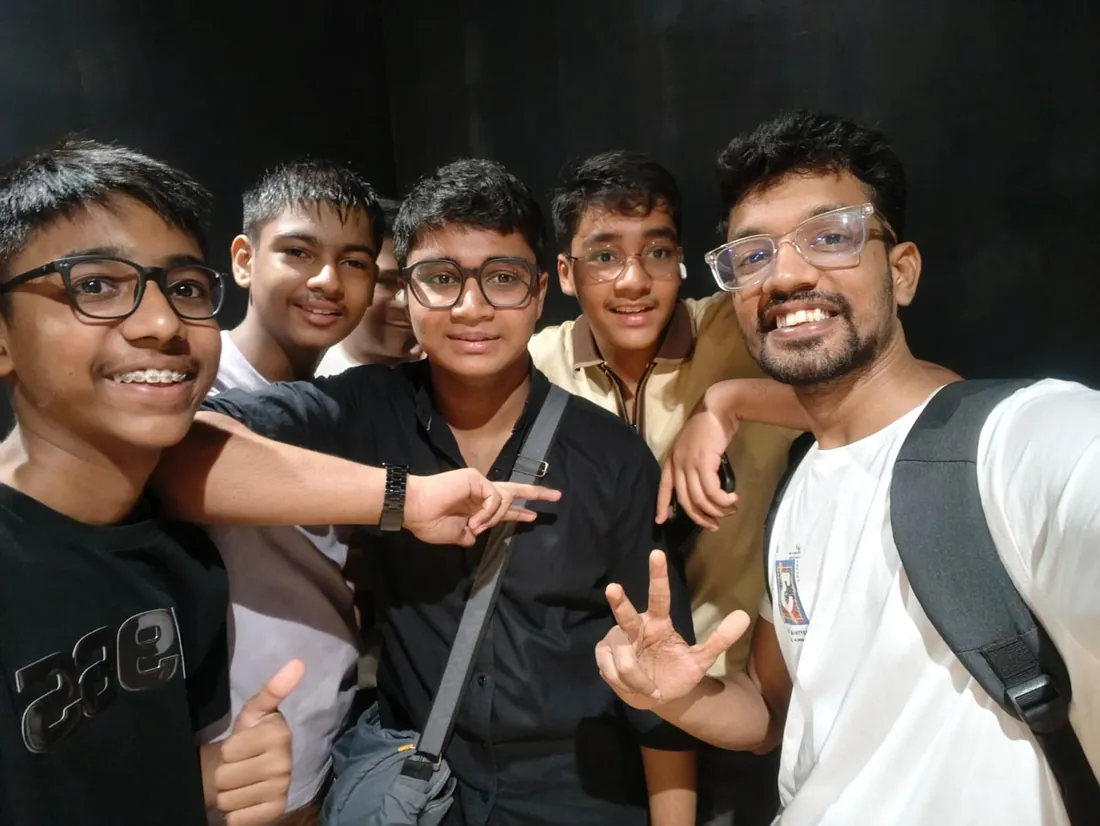
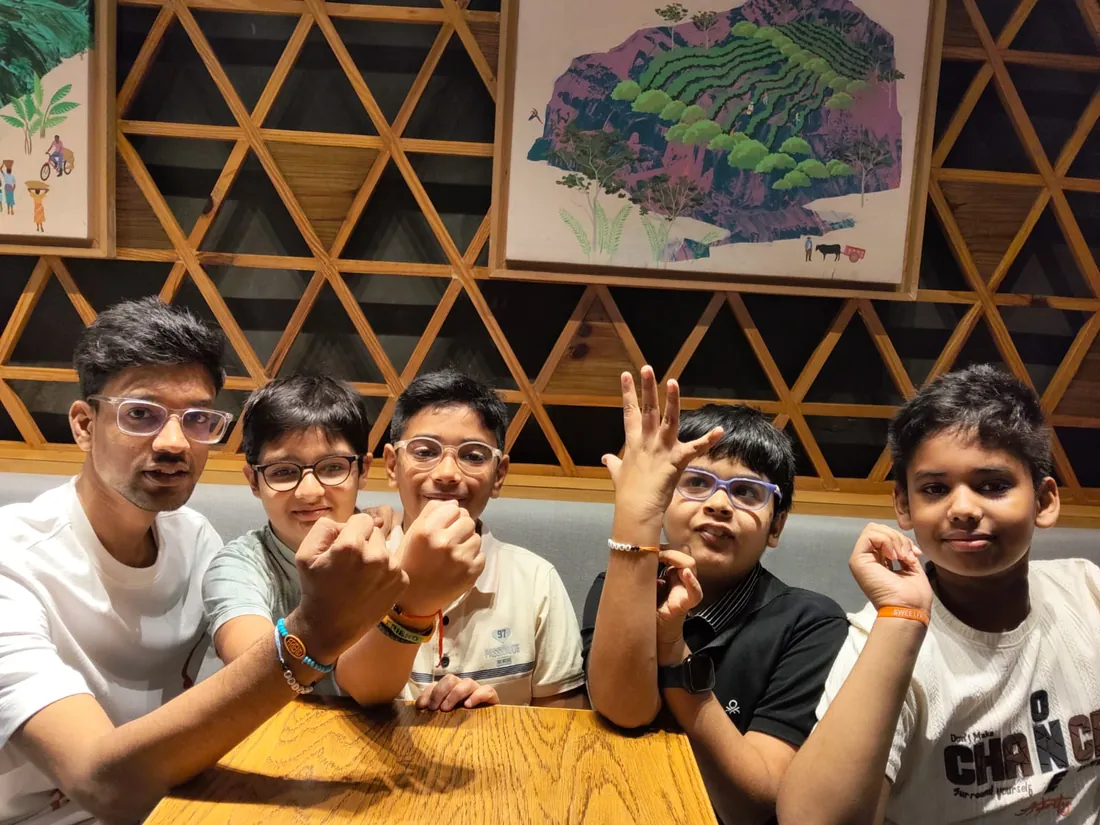
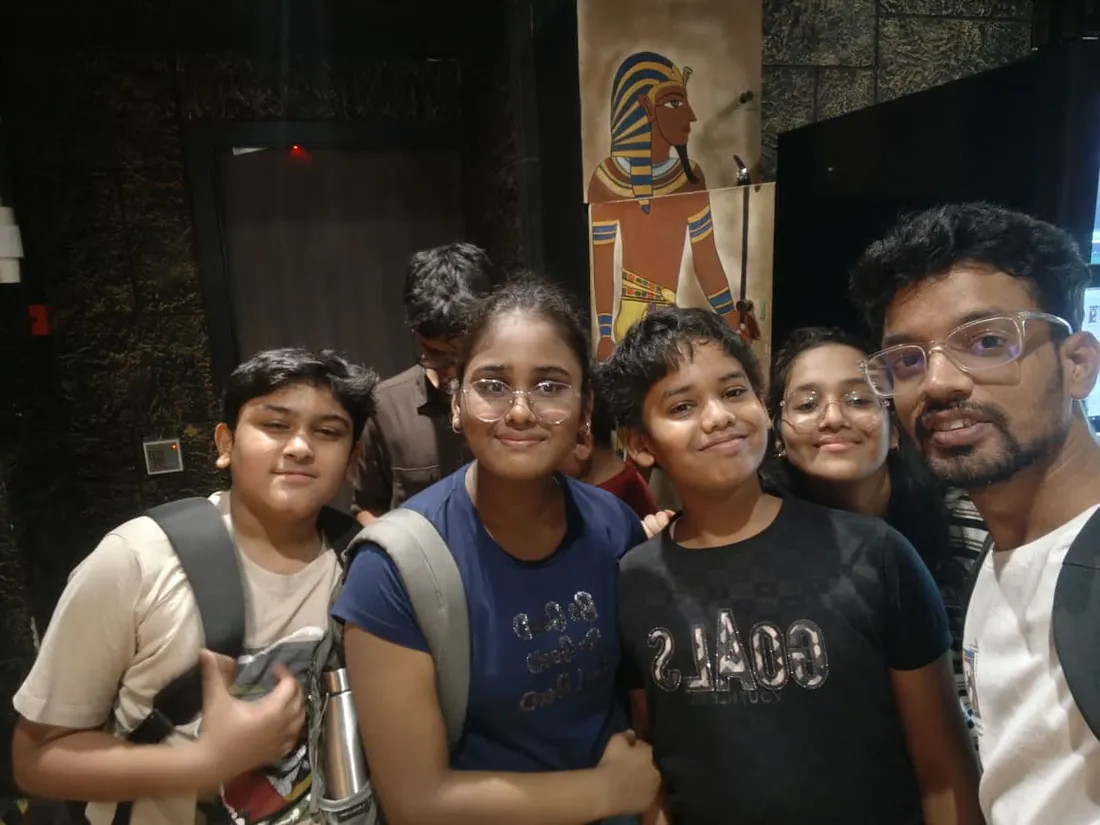
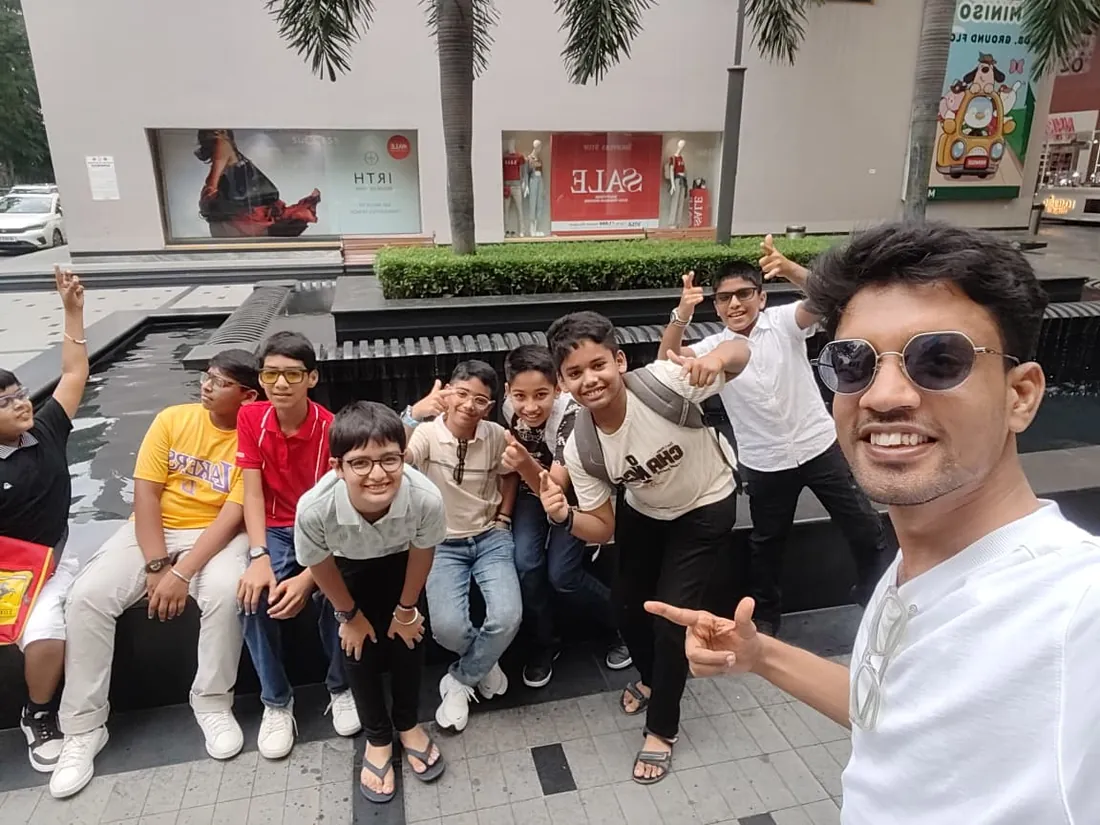
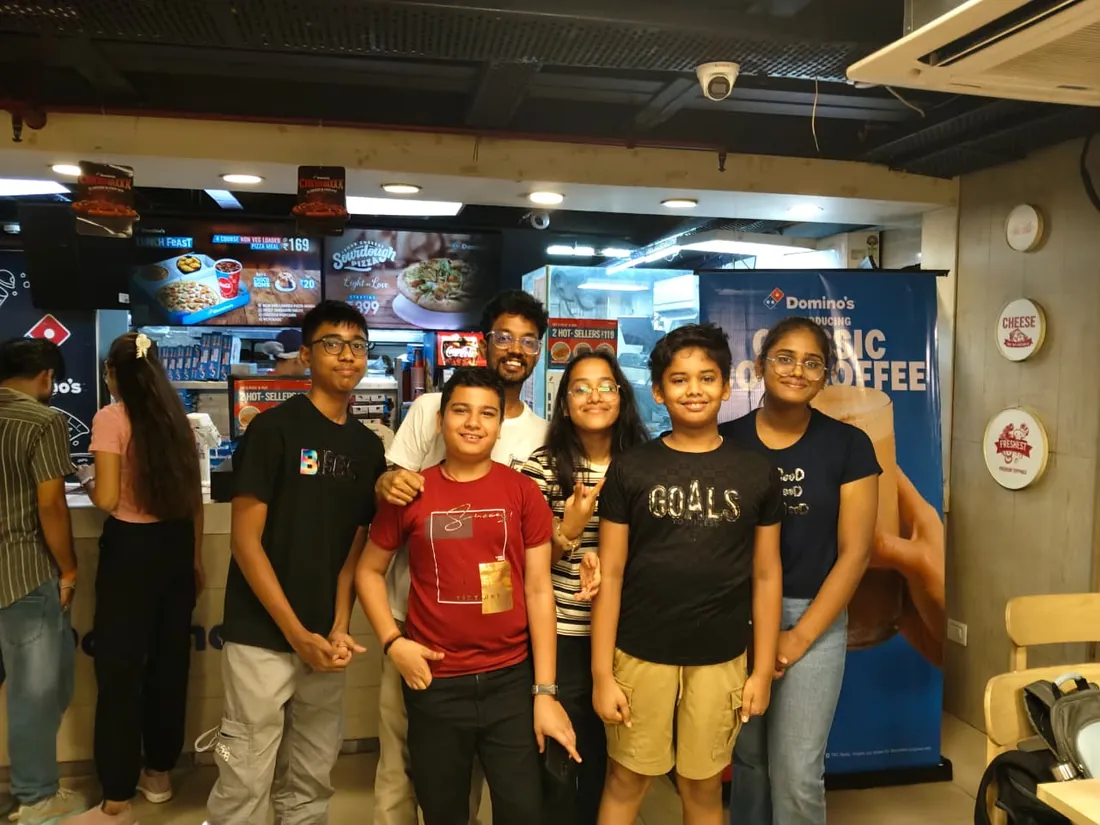
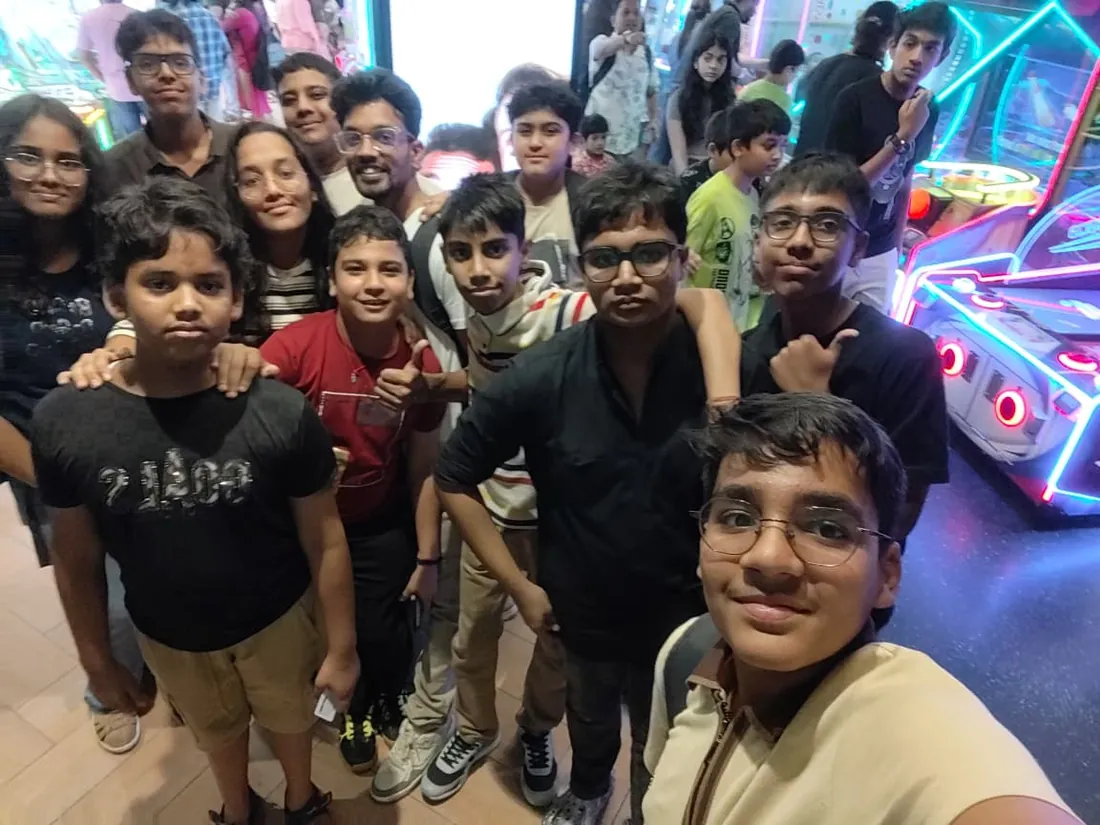
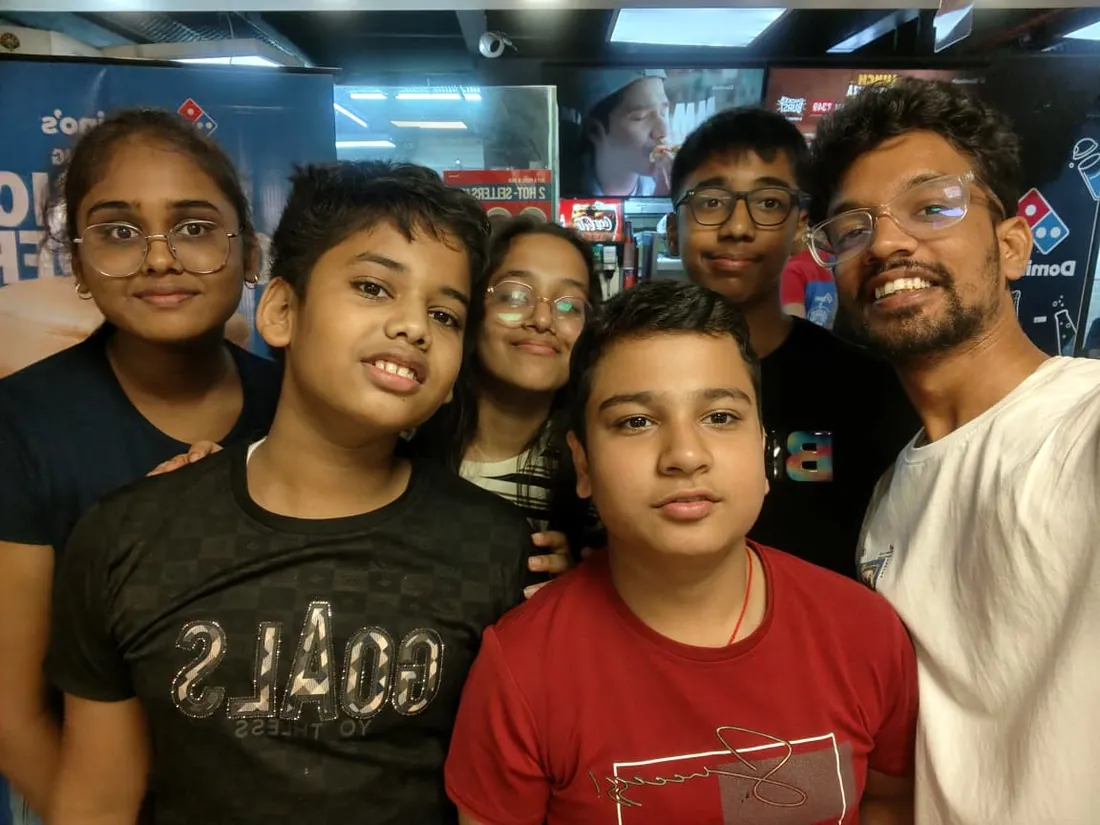
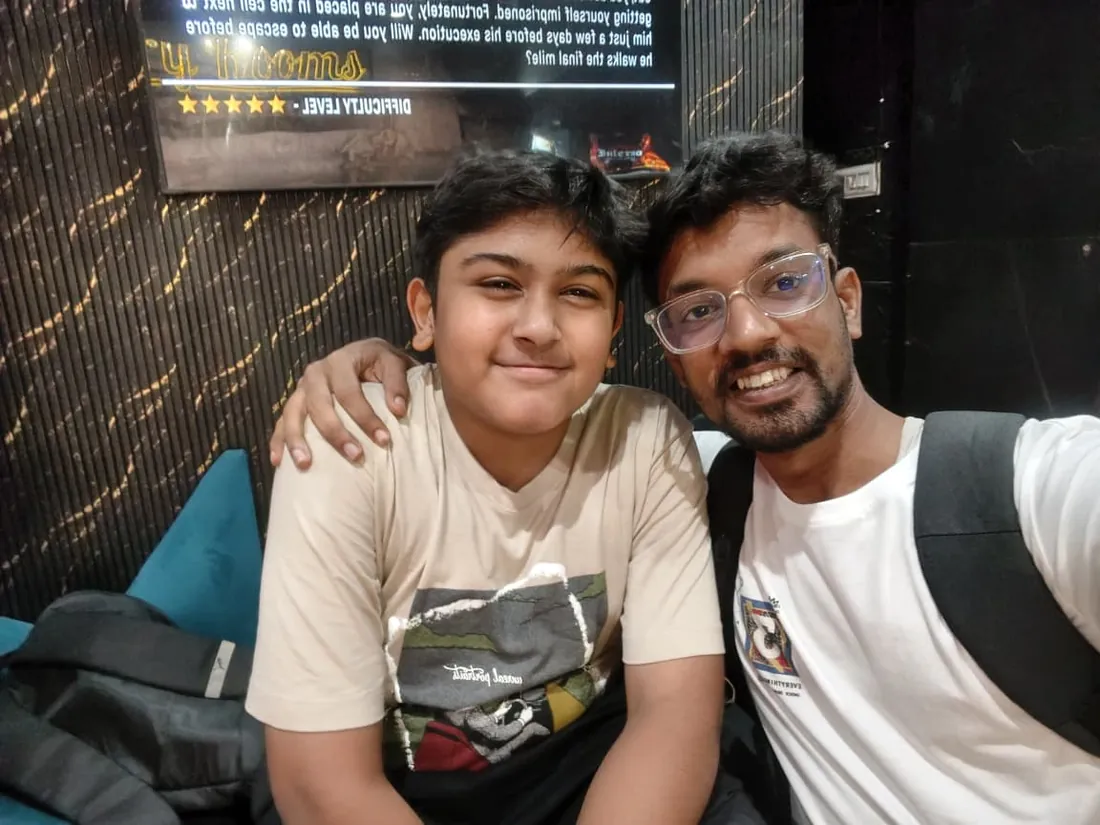
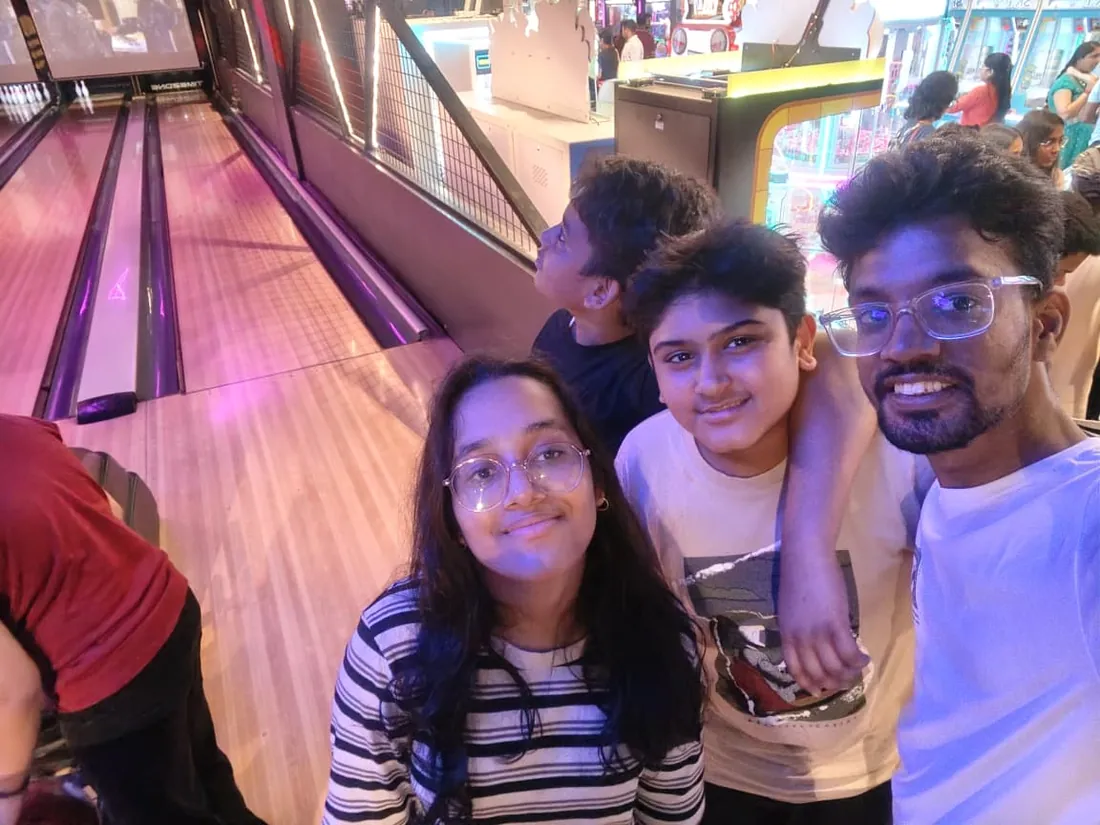
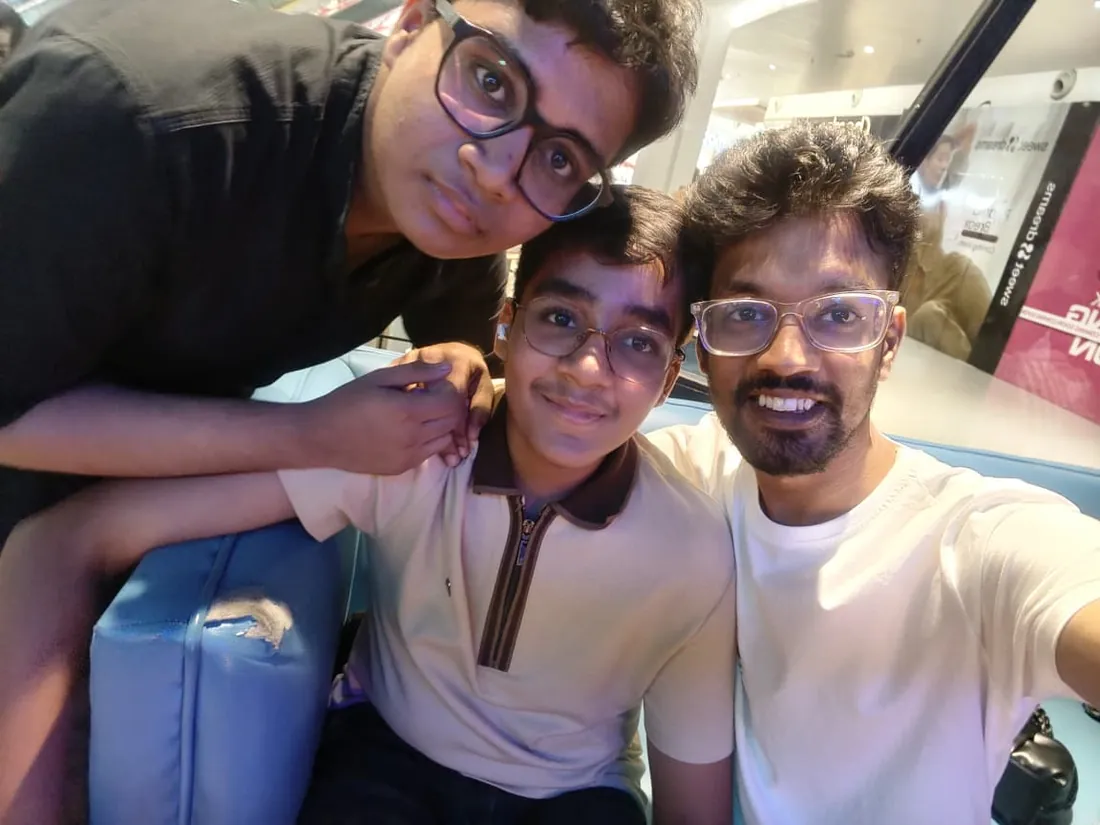
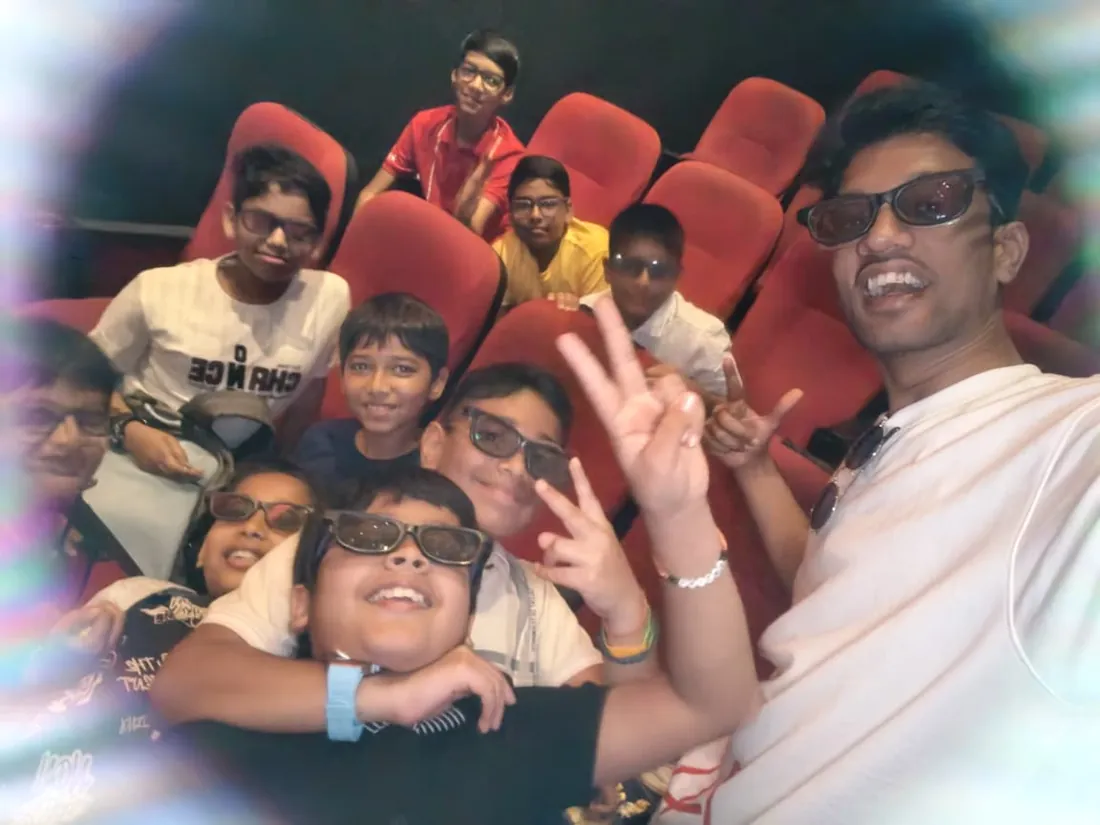
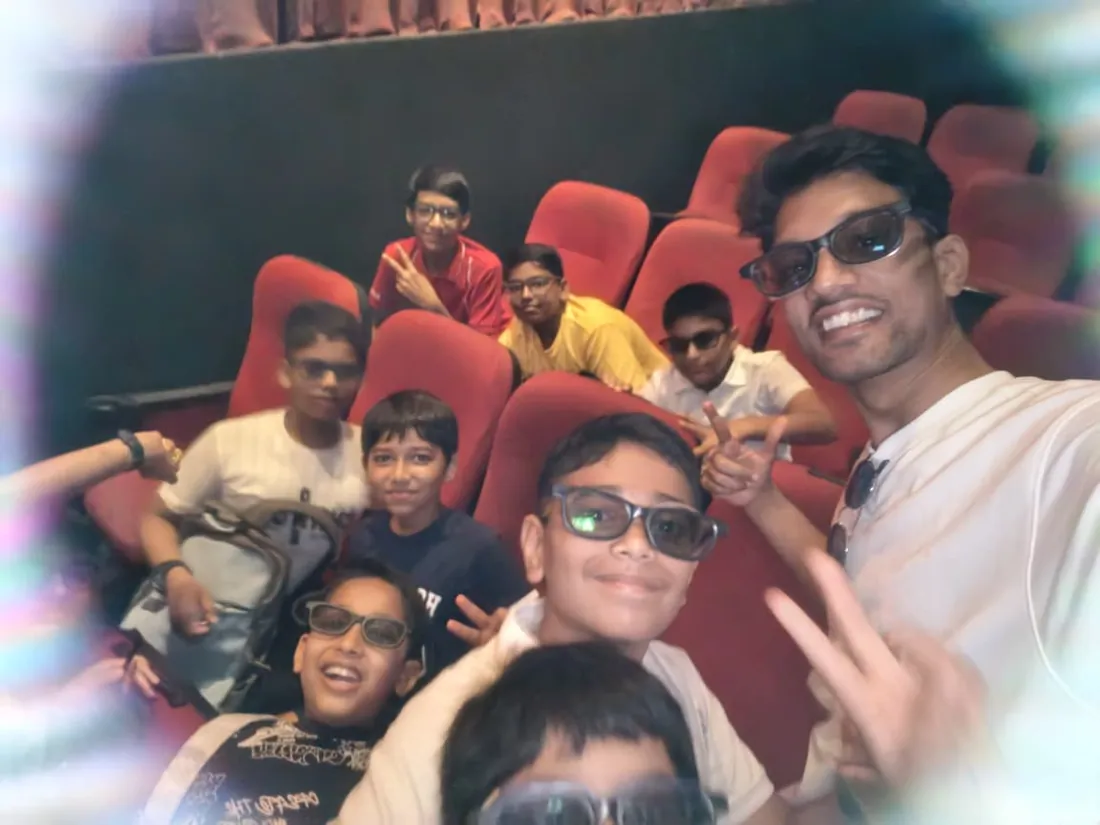
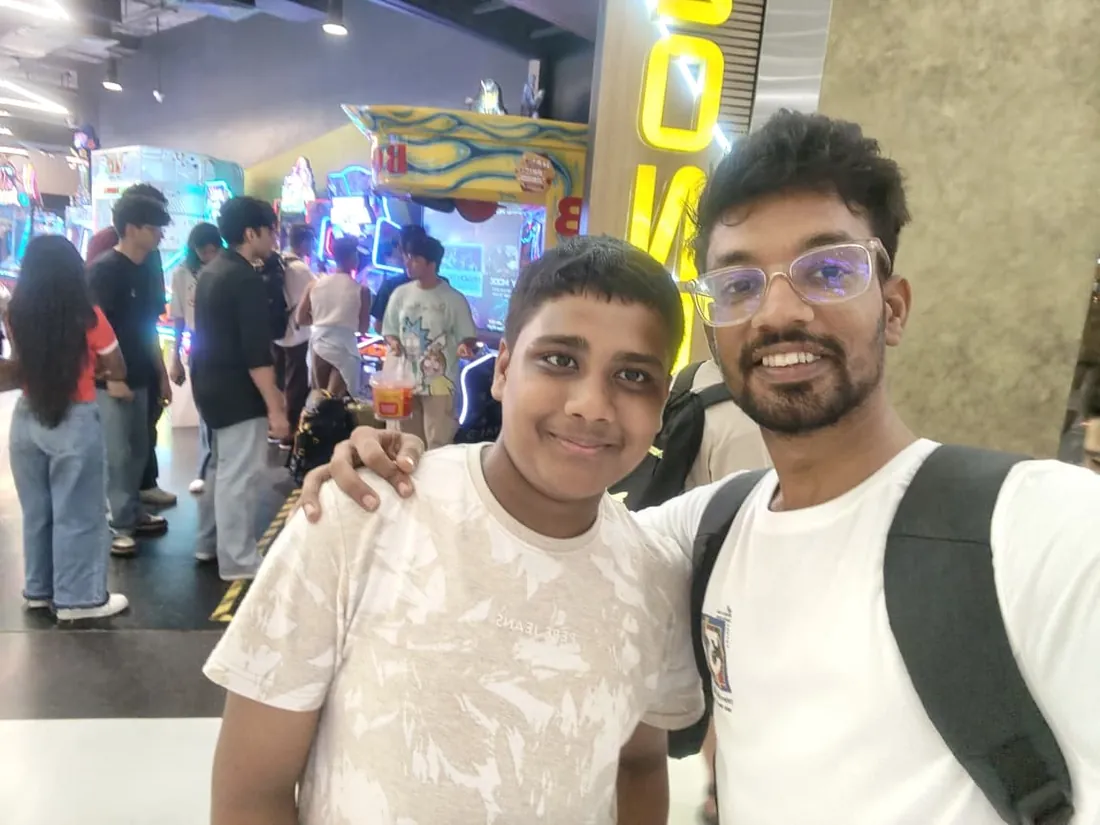
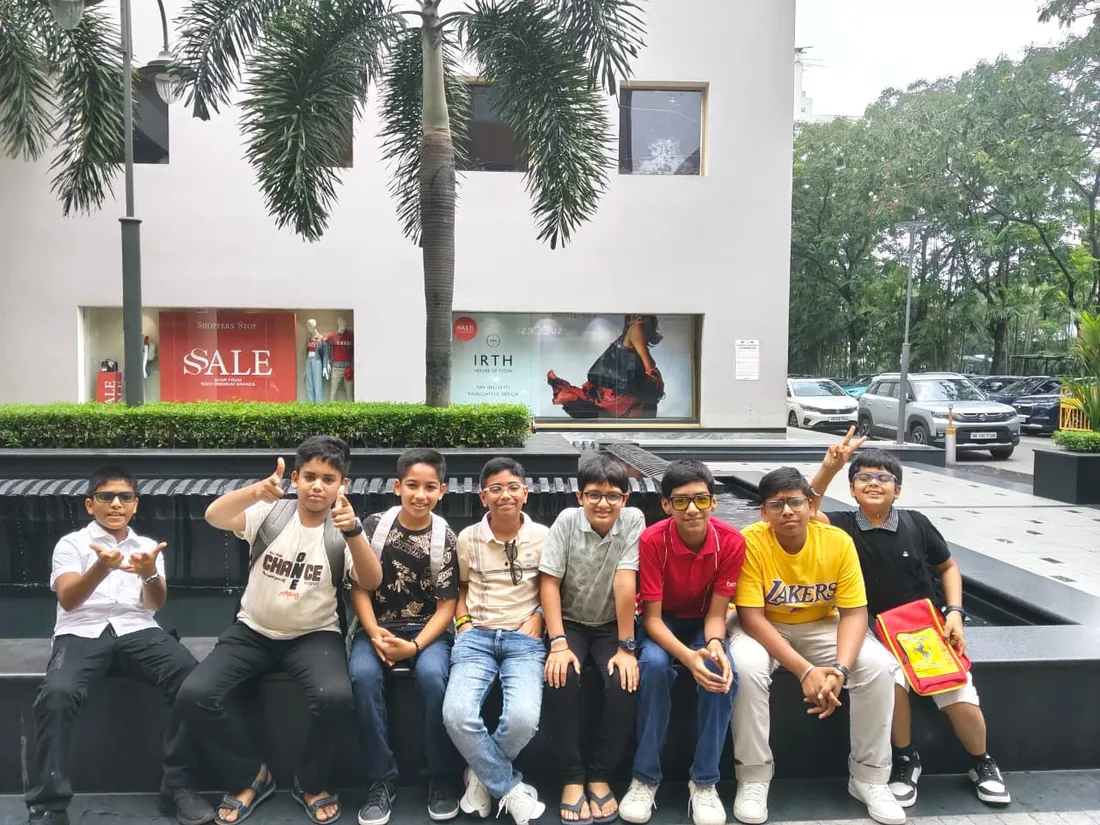
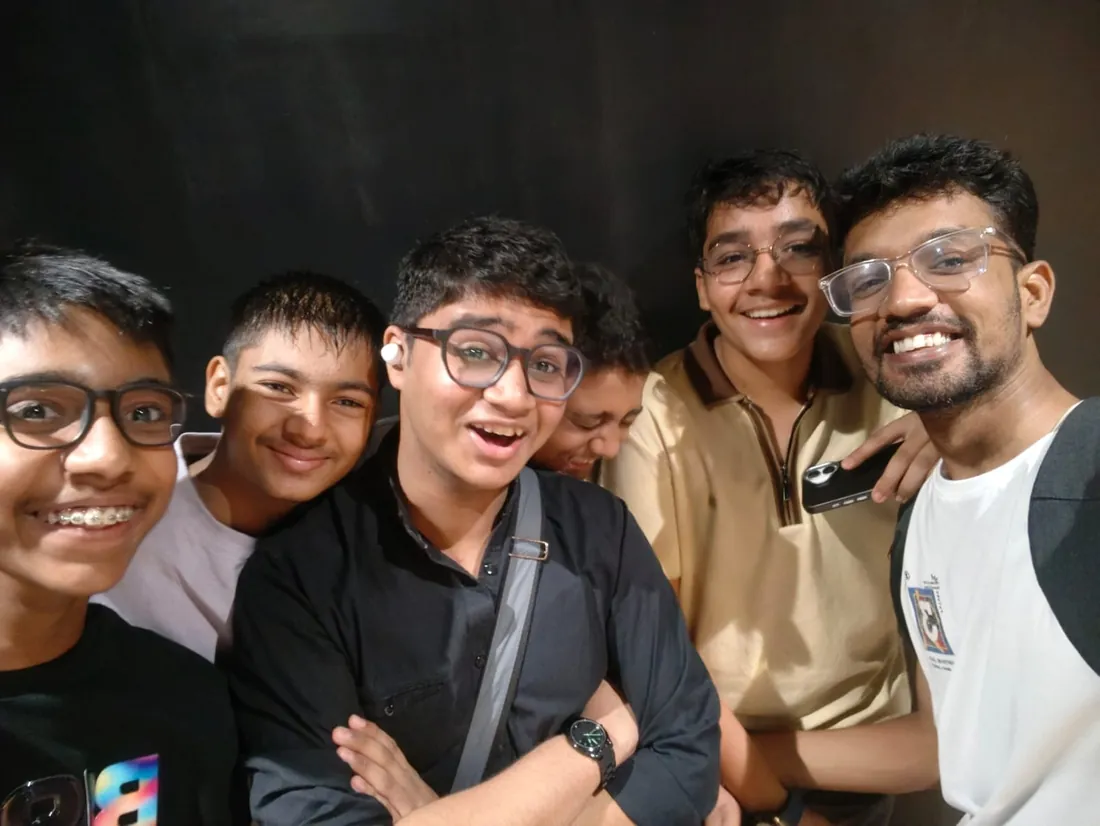
Real students. Real moments. Real joy.
These are our actual student meetups. No stock photos, no filters. Swipe through and meet the community you'll be joining.


















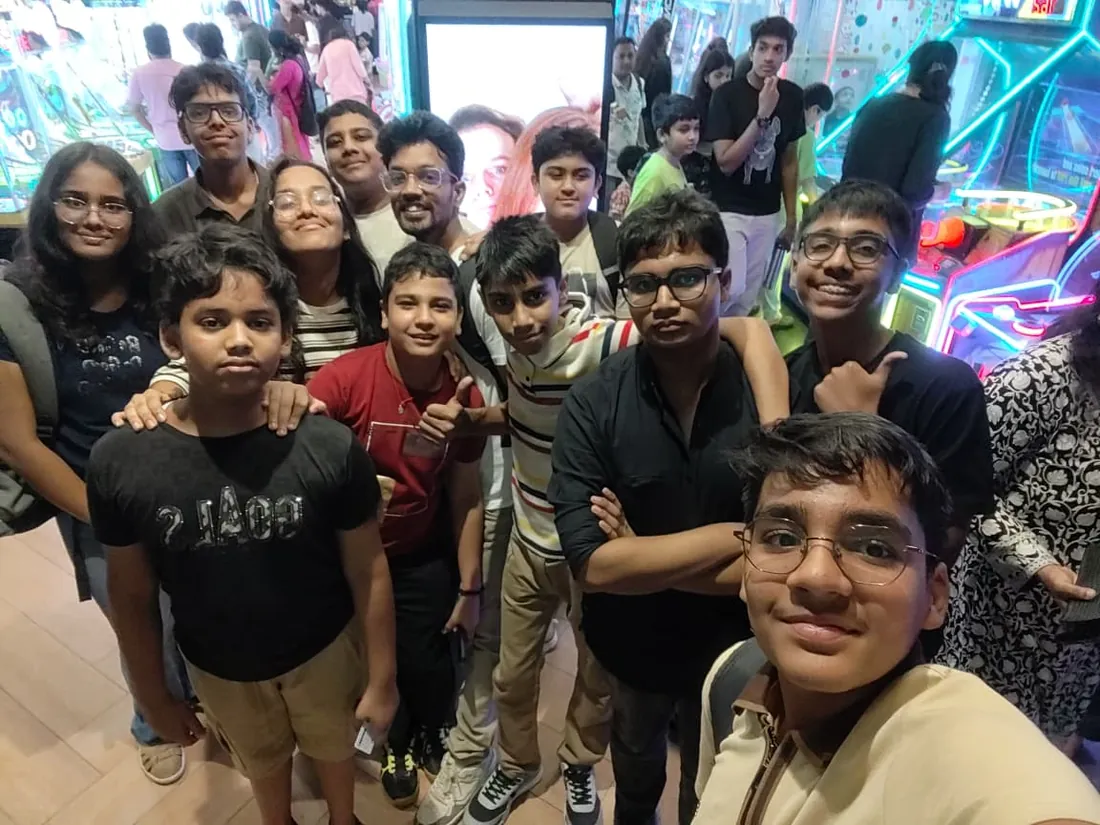

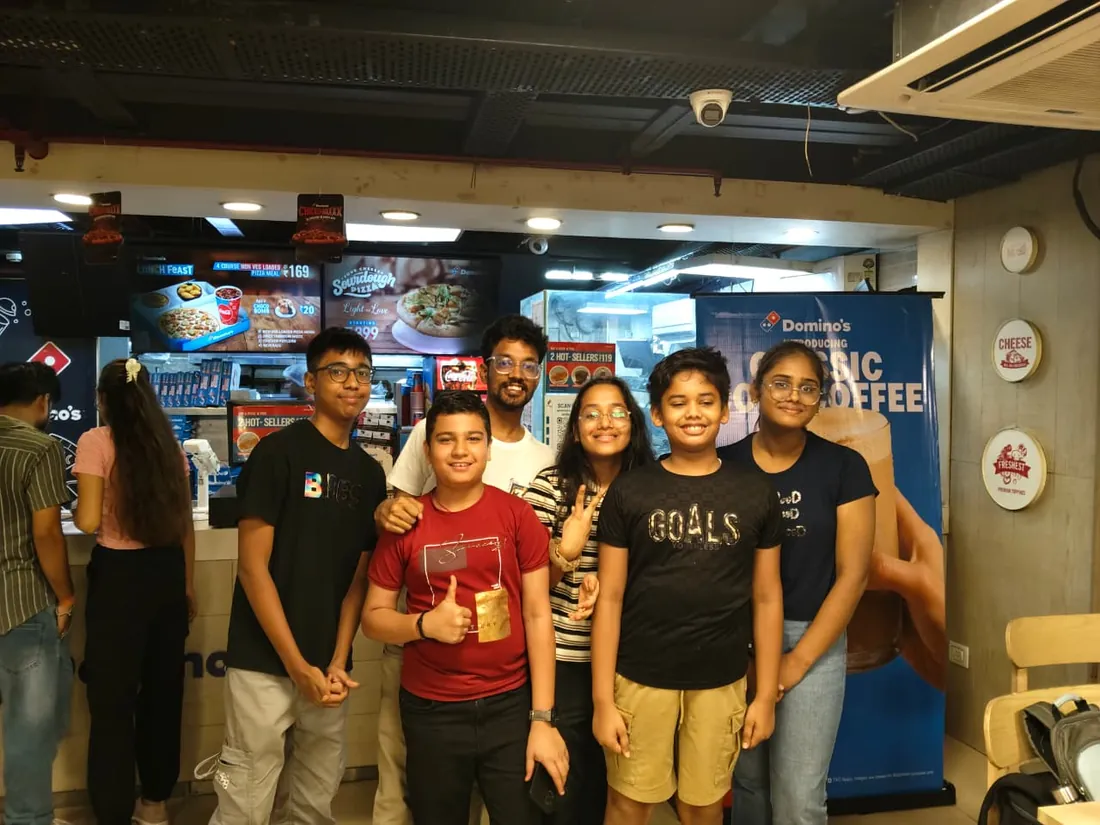
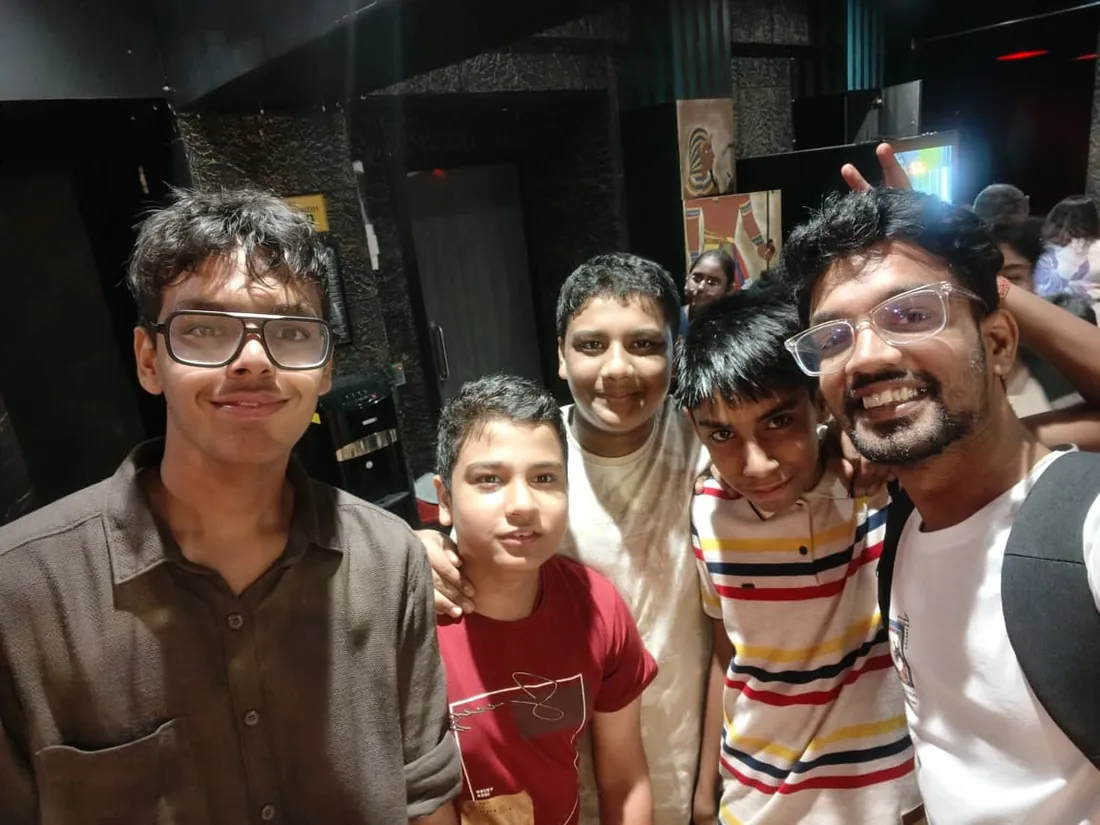


What families say
Straight from the parents and students who learn with us. Rated 4.9 across 547 Google reviews.
“Mivaan enjoys the class. He understands the concepts and completes his tasks with excitement. He started taking interest in coding… truly amazing class.”
“I absolutely love it here! I made new friends and learned important valuable coding skills while having the fun of my life. It's not just coding here, it's outings, bonding and most importantly preparing you for your future. Definitely five stars.”
“What stands out most is how excited my son is before every class. He looks forward to learning, problem-solving, and sharing what he's built. I've noticed a big boost in his confidence!”
“Modern Age Coders has been a game-changer for me! I struggled to grasp IT concepts and coding before joining, but their classes transformed everything. I'm now the topper in my class and can confidently write complex programs with ease.”
“Modern Age Coder have wonderful teachers who teach in a clear, easy and practical way. The teacher boosts students' confidence, keeps them updated with technology, and inspires them to learn without hesitation.”
“The one step solution for my son. Modern Age Coders make learning coding so simple that kids love it.”
“Coding classes here make learning very interesting and conceptual. The teachers teach us in a very easy-to-understand and efficient manner.”
“One of the most wonderful education centres out there. Education is not limited to school syllabus but focuses on skill development. Learning here has been a wonderful journey and still continuing.”
“I highly recommend this computer coding class! The teachers are incredibly knowledgeable and passionate about coding. They make every session engaging and insightful.”
“My child Dhairya is really enjoying the Modern Age Coder IT classes. This is his first online class, and he eagerly looks forward to it.”
“Very good classes. Don't worry about coding. They teach the best, especially Shivam sir.”
“Very good classes. Makes learning very easy and interactive.”
Hear it from our students
Real parents and students in their own words, on our public YouTube channel.
Straight answers about Early Math Foundations: Playful, Concrete Math (Ages 4-7)
- Who should take this course?
- Ages 4-7 (kindergarten to grade 2), all starting points. It suits ages 4-5 taking their very first structured math steps, playfully; kindergarten to grade 2 children whose school math needs a stronger foundation underneath; young children already fascinated by numbers who deserve real food for it.
- What will they learn and build?
- A 12-month live program for children aged 4-7, the years when a child's whole relationship with mathematics is quietly decided. Early math done right is not worksheets; it is counting that means something, quantities seen and handled, patterns spotted, shapes built and stories solved.
- How deeply are topics covered?
- The course runs 12 months (52 weeks) at 2 live one-hour classes per week (structured as playful segments) + everyday math play at home, across 3 phases listed week by week in the syllabus below. A structured, well-paced curriculum taught step by step, with hands-on practice in every session.
- Who teaches it?
- Modern Age Coders mentors, who teach the live classes themselves. You can watch them at work in the free class recordings before you decide.
- How do practice, feedback and assessment work?
- Classwork every session, a problem set after every class, monthly reviews that mix in earlier topics, and a final assessment (a friendly, low-pressure check of the whole year) that decides the certificate: real understanding, with a free retest after revision if needed. Doubt support between classes over WhatsApp, so you are never left stuck. A certificate you earn by passing the final assessment, with a free retest after revision if needed.
- What does it cost?
- Three monthly plans: a group batch, a mini batch and 1-on-1. Prices are shown in your currency in the plans section. Monthly billing, cancel any time.
- When can classes take place?
- Live classes are scheduled around your week. Group batches meet at a fixed weekly slot; 1-on-1 students choose their own. International students are scheduled in their own timezone. Ask on WhatsApp for the current slots.
- Can I watch the teaching before deciding?
- Yes. Full recordings of real 6 to 12 classes are free to watch, free with a Google sign-in. These recordings show how we teach, not the exact syllabus of this course. Some classes are in English and some in Hindi; everyone follows at their own pace. Watch a class end to end, like you are in it. Sessions are interactive and each moment builds on the last.
- Can I enroll without a live demo?
- Yes. Choose a plan on this page and enrol directly; a demo is not required. If you would like to see a full class with a mentor first, book a Priority Demo.
- How do I reach you with a question?
- WhatsApp +91 91233 66161, email connect@modernagecoders.com, or call +91 91233 66161. Tell us the student's age and what they have learned so far, and we will point you to the right plan and batch.
Common Questions About Early Math Foundations: Playful, Concrete Math (Ages 4-7)
Get answers to the most common questions about this comprehensive program
Still have questions? We're here to help!
Contact UsRelated Courses You May Like
Continue your learning journey with these recommended programs
 Elementary Mathematics
Mental Maths for Kids: Number Sense, Not Tricks (Ages 5-10)
Live mental maths course for kids ages 5-10: number bonds, decomposition and estimation build real n...
Explore Course Women in Tech
Queen Coders: Advanced Engineering for Women Developers
Advanced course for women developers: software architecture, cloud, security, AI engineering and tec...
Explore CourseRelated Articles & Guides
Deepen your knowledge with these hand-picked articles
 Education
14 min read
Education
14 min read
How Learning Coding Improves Mathematical Thinking in Children
Discover the research-backed connection between coding and math skills. Learn how programming develo...
Read Article Mathematics
6 min read
Mathematics
6 min read
How to Make Maths Fun for Kids: 9 Ideas That Really Work
How to make maths fun for kids, without gimmicks: nine practical ideas that turn maths from a chore ...
Read ArticleReady to start Early Math Foundations: Playful, Concrete Math (Ages 4-7)?
Book a Priority Demo to see a full live class with a mentor reserved for you, today or tomorrow. Or choose a plan and enrol now.
Questions? WhatsApp +91 91233 66161 or email connect@modernagecoders.com