Pick the course. Start this week.
Every mentor teaches from a structured programme, adapted live to your teen. Open a course to see the full syllabus and enroll in minutes, or start with a Priority Demo and let the diagnostic pick for you.
 Best fit
High School Mathematics Mastery
The grades 9-12 road: Algebra 1 through calculus readiness, with exam craft when it counts.
$100/mo group · $150/mo 1-on-1
View course & enroll
Algebra Foundations Masterclass
For the ninth grader whose real gap is middle-school algebra: the base, rebuilt properly.
$100/mo group · $150/mo 1-on-1
View course & enroll
Olympiad & Competition Mathematics
For the ninth grader who finds class easy: AMC-style reasoning and the stretch that builds mathematicians.
$100/mo group · $150/mo 1-on-1
View course & enrollGood 9th grade math tutoring does three things: teaches Algebra 1 as a language (equations as sentences, functions as machines, graphs as stories), repairs the middle-school debt inline, fractions, negatives and equation habits that the year silently assumes, and respects the new stakes, because this grade is the first one colleges see. That is what we do: live one-hour classes with a dedicated mentor, in small groups (8 a month) or private 1-on-1, priced for your country and shown in your local currency, Priority Demo first.
New school, new stakes, old gaps.
Three things collide in ninth grade. The content jumps: Algebra 1 (or Geometry for accelerated students) is a real course with abstraction at its center, functions, systems, quadratics, not arithmetic with letters sprinkled in. The stakes jump: this is the first GPA colleges will read, and a weak first semester follows a student for four years. And the safety net drops: high-school teachers with 150 students cannot chase down who is quietly lost.
Meanwhile the middle-school debt comes due. Fraction weakness, negative-number slips and memorized-not-understood equation habits, forgivable in seventh grade, now bleed points on every assignment, and the student experiences it as "I am suddenly bad at math."
Our ninth-grade work attacks all three at once. The course itself gets taught for ownership: your teen derives, explains and predicts rather than memorizing worked examples. The debt gets repaired inline, when a systems problem exposes a fraction gap, we fix the fraction gap inside that problem, where the repair sticks. And the calendar gets respected: we teach to your school's test schedule, so the GPA sees the improvement in time to matter.
One honest note that surprises parents: ninth grade is also the single best year for this work. There is runway, four years of it, and the habits built now, showing work, checking answers, asking why, compound through every course that follows, SAT included.
What 9th grade math actually covers.
Most ninth graders take Algebra 1; accelerated students take Geometry (covered on our 10th grade page, since the courses swap). The Algebra 1 map:
| Territory | What it demands | Where points die |
|---|---|---|
| Equations & inequalities | Multi-step solving with variables both sides, literal equations, meaning intact throughout | Sign errors and mystery moves: solving as ritual instead of balance reasoning |
| Functions | Notation, domain and range, reading f(x) as a machine, comparing representations | f(x) treated as "f times x", the misread that haunts every later course |
| Linear everything | Slope as rate, forms translated freely, modeling real situations, systems of equations | Graphs computed point-by-point instead of read as stories; systems solved without knowing what the answer means |
| Exponents & polynomials | Exponent rules from meaning, polynomial arithmetic, the area model under multiplication | Rules memorized wrong ("add the exponents… always?"), then misapplied for years |
| Quadratics | Factoring, the zero-product idea, graphs of parabolas, the quadratic formula | Factoring as pattern-guessing without the un-multiplying idea underneath |
| Data & statistics | Scatterplots, lines of best fit, interpreting slope in context | Rarely hard, frequently rushed at year's end |
The head-start race: systems of equations with a story attached.
but runs 2 meters per second. When does Maya catch him?
Maya: d = 3t · Jon: d = 2t + 10
catch = same distance → 3t = 2t + 10 → t = 10 seconds, at 30 meters
The ritual student learns "set them equal" as a move and applies it blindly, including to problems where it is wrong.
The meaning student can say WHY they set them equal: catching means being at the same place at the same time, so the distances match. Then the mentor's questions stretch it: "what does the 10 in Jon's equation mean?" "what would the graph look like?" "what if Jon ran 3 m/s too?", and that last one lands the idea of parallel lines and no-solution systems a week before the textbook does.
Every Algebra 1 topic gets this treatment: the story first, the meaning always, the procedure as a recording of understood moves. It is why our students stop asking "which method do I use?", they can see which one the situation is.
Ownership now, because everything later leans on it.
Algebra as a language
Equations read as sentences, functions as machines, graphs as stories: meaning first, and re-framed test questions stop being ambushes.
The debt, repaired inline
Fractions, negatives and equation habits get fixed inside current problems, where repairs stick, no remedial detours, no shame.
Taught to the test calendar
Your school's quiz and exam schedule drives pacing, so the GPA sees improvement while it still matters this semester.
Work-showing as craft
Clean written reasoning taught explicitly: it earns partial credit now and becomes the thinking discipline every later course grades.
The four-year view
Ninth grade choices echo: we keep the geometry, Algebra 2 and eventual SAT/AP road in sight while teaching this week's material.
One mentor, compounding
The same teacher all year, who knows exactly which ideas landed and which need another angle before the next unit builds on them.
From shaky start to strong transcript.
Class 1 · The Priority Demo diagnostic
A real lesson plus an audit: current course position, the middle-school debt inventory, and an honest read on the semester ahead.
Month 1 · Stabilize the grade
Current-unit mastery plus test craft, so the next assessment turns before anything else does.
Months 2-4 · The language takes hold
Functions, linears and systems taught for meaning while the fraction-and-negative debt gets repaired inside them.
Months 5-8 · The hard units, owned
Exponents, polynomials and quadratics from ideas, the units that decide whether Algebra 2 will be a step or a wall.
Months 9-10 · Finals and the handoff
Cumulative review by error-log priority, finals craft, and a written read on the road into 10th grade.
What one full hour looks like, at fourteen.
0-10 min · Retrieval + repair rep
Last idea re-derived from memory, plus one targeted rep on the current debt item.
10-35 min · The unit, taught deep
Today's topic built from meaning, your teen deriving and explaining aloud, not copying worked examples.
35-50 min · Problems at test level
Real difficulty on a light clock, then the review that matters: where the reasoning bent, not just the answer.
50-60 min · Explain-back and the week
Your teen teaches the idea back, and the week's work is set with a purpose they can state.
Parents tell us the homework battles fade first, then the grade follows. Watch a real class before believing anything: the demo is free. See exactly how we teach →
Who this genuinely fits, and who it does not.
A strong fit if…
• The first high-school report card surprised everyone, and you want it turned before the GPA pattern sets.
• Your teen "was always fine at math" until Algebra 1, the classic signature of middle-school debt coming due.
• Your teen is coasting at school and needs depth and challenge before boredom becomes a habit.
• You want one mentor who knows your teen, not a rotating cast or an app with streaks.
Honestly not the fit if…
• You expect a grade jump without attendance and honest homework. Two hours a week of real teaching works; wishful thinking does not, and we say so.
• You want homework done for your teen. We teach your teen to do it, which is slower on night one and far faster by week four.
• You want answers supplied the night before deadlines. We teach your teen to produce them, which is slower this week and transformative by midterm.
Premium teaching. One honest price.
You are paying for a real teacher, live, for a full hour, twice a week, the same format US tutoring centers charge $300 to $450 a month for. Our cost base is global, so the price is not.
1:1 Private Mentorship
$150 / month
- 8 live one-hour classes a month, 2 per week4 live one-hour classes a month, 1 per week
- A dedicated mentor who knows your teen by name
- Diagnostic-led plan against the full 9th grade map
- Class recordings for revision · cancel any time
Small-Group Class
$100 / month
- 8 live one-hour classes a month, 2 per week
- A handful of children at the same level
- Same teaching method, gentle peer energy
- Recordings included · cancel any time
That is $18.75 per dedicated hour of 1-on-1 teaching, or $12.50 in a small group. No registration fee, no contract, and you can see a full class first with a Priority Demo. Read our zero-risk promise or compare with what US math tutoring costs in 2026.
Mentors who teach the why, in classes kids wait for.
Our mentors are trained in one method: understanding before procedure, concrete before abstract, the student talking more than the teacher. They teach both math and coding, which matters more than it sounds, because a mentor with both toolkits has engagement moves a worksheet never will.
And because the same mentor stays with your teen month after month, teaching compounds: they know exactly which ideas landed, which need another costume, and when the next stretch is due.
"My child Dhairya is really enjoying the classes. This is his first online class, and he eagerly looks forward to it. I can see his improvement."
Sonam Oswal, mother of Dhairya · verified Google review
"My son struggled with math for years. Integrating it into coding projects has transformed his understanding and confidence. Highly recommended!"
Shewta Singh, mother of Ishan · verified Google review
Your real options for a 9th grade student.
| Option | Typical cost | What it really is | Best for |
|---|---|---|---|
| Modern Age Coders | $100–$150 / month | Live one-hour classes with a dedicated mentor, understanding-first teaching | Rebuilding understanding and confidence, sustained progress |
| Mathnasium center | $300-$450 / month + enrollment fee | Drop-in worksheet floor with rotating instructors | Children who focus better out of the house |
| Kumon | $150-$220 / subject / month | Daily worksheet packets, brief check-ins, no taught lessons | Building a drill habit and calculation speed |
| Local private tutor | $35-$80 / hour | Quality varies; twice-weekly quickly costs $280-$640 a month | Short-term help when you have found a gem nearby |
| Math apps | $10-$20 / month | Gamified practice, no teacher, no accountability | Casual practice between real lessons |
Competitor figures are typical published US prices as of July 2026. See our full comparisons: vs Mathnasium · vs Kumon · best online math tutoring 2026.
Everything families ask about 9th grade math tutoring.
My teen was fine at math until this year. What changed?
Usually nothing changed, something came due. Algebra 1 is the first course that charges interest on middle-school debt: thin fractions, shaky negatives, memorized equation moves. The diagnostic finds the actual gaps in one hour, and inline repair, fixing them inside current coursework, closes them without remedial detours.
How fast can the grade turn? Colleges will see this year.
Test-facing stabilization typically shows in 2-4 weeks because we teach to your school's assessment calendar. Deep ownership, the kind that makes Algebra 2 easy later, builds over the semester. And one calming fact: admissions officers read trajectory, so a ninth-grade wobble that visibly recovers reads fine. A wobble that persists is the thing to prevent, and now is when.
My ninth grader is in Geometry, not Algebra 1. Do you cover that?
Yes, accelerated ninth graders get the Geometry road (proofs, congruence, similarity, right triangles), which our 10th grade page describes in full. Same method, same mentor model; the demo places your teen in the right course, not the right grade label.
Is ninth grade too early to think about the SAT?
Too early to prep, exactly right to build. The SAT's math section is mostly Algebra 1 mastery plus problem-solving craft, so owning this year IS the early SAT work. Formal prep belongs in 10th-11th grade, and our SAT track takes over then.
My teen is embarrassed about needing help. How do you handle that?
Privately, respectfully, and with fast wins: 1-on-1 means no audience, and the first repaired test usually rewrites the story from "I am bad at math" to "I was missing two tools." Ninth graders are the age group where confidence turns fastest, because the evidence arrives on report cards they care about.
What does it cost?
Pricing is set for each country and shown on this page in your own currency. Group plans include 8 live one-hour classes a month and 1-on-1 plans run private weekly sessions, all billed month to month. To see a class first, book a Priority Demo. No registration fee, no contract. US tutoring centers charge $300 to $450 a month for the same format.
Can you also stretch a strong ninth grader?
Happily: strong students extend into AMC-style competition work and deeper proof habits, the stretch that later makes honors tracks, AP Calculus and college applications genuinely easier. Boredom in a capable ninth grader is its own kind of emergency.
How does this fit with school homework load?
The classes largely absorb the homework struggle rather than adding to it: current units get taught properly, so assignments shrink from battles to practice. Mentors also flex around exam weeks, sports seasons and the general chaos of being fourteen.
Can we try a class before enrolling?
Yes. Book a Priority Demo: a full live class of about 45 to 60 minutes, today or tomorrow, with a mentor reserved for your child. After the class the mentor sends a written skill report and a personal learning roadmap on WhatsApp. If you enrol, the demo fee is adjusted against your first month's fee.
More math help from Modern Age Coders.
Watch one full hour of real teaching. Free.
Book the demo class. Your teen gets a real lesson with a real mentor, you get a diagnostic against the full 9th grade map. If your teen does not leave the hour lighter about math, walk away with our thanks.
Real student projects
What our students actually build
Every one is a real, live project shipped by a Modern Age Coders student. Explore more in Student Labs.
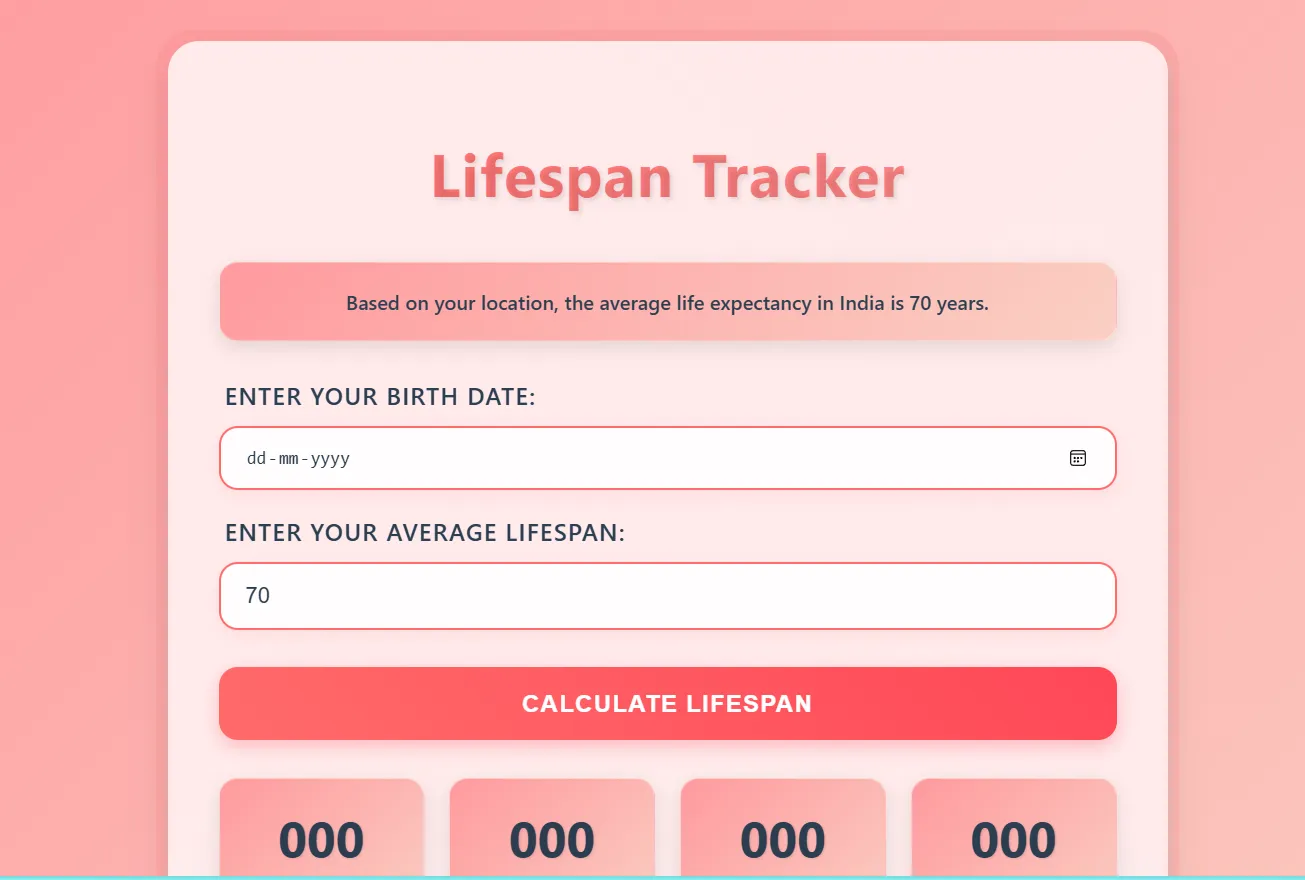 ToolLife Span TrackerAn interactive web tool that calculates expected lifespan, shows days, months and years lived, and visualises remaining time to motivate better habits.by ManayOpen the live project ↗
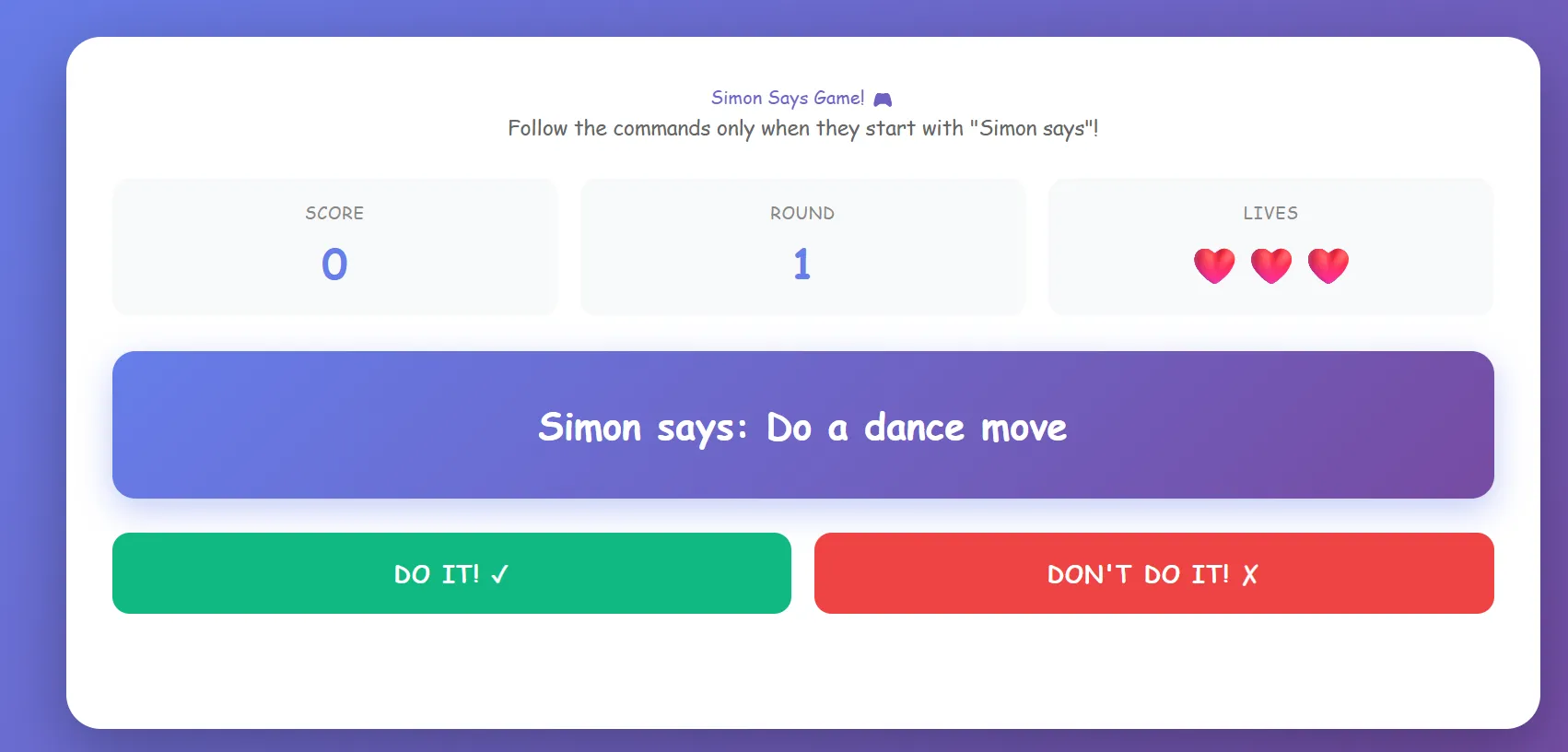 GameSimon GameA fun memory-based game where players repeat colour and sound sequences. Each level adds a new challenge, brain-boosting for kids learning logic and focus.by YashaswiOpen the live project ↗
 ToolImage Slider WebsiteA visually appealing site with a smooth image carousel, auto or manual navigation, responsive layout and beautiful transition effects.by SomrajOpen the live project ↗