JVU / CORE / 01
Java for Teens
Ages 13 to 18, from first programs to a capstone.
Open the syllabusUK · Teens and adults · Live online
In UK schools, Java arrives late. No GCSE board in England or Wales runs its programming paper in Java: AQA's GCSE works in C#, Python 3 or VB.NET, and Edexcel, Eduqas and WJEC all set their programming work in Python. OCR is the partial exception, because its GCSE lets written algorithm answers use "the high-level programming language they are familiar with". At A level the picture turns round. AQA supports C#, Java, Python and VB.Net for its on-screen paper; WJEC's Unit 2 in Wales and the Eduqas AS in England both offer Java alongside Python and Visual Basic.NET; and Cambridge International's 9618 Paper 4 is sat in Java, Visual Basic or Python, all in console mode. So a student who learned Python for GCSE may meet Java at 16, sometimes as the language of an exam worth a quarter of the A level. This page is built around that crossing, and also serves adults who want Java for university or work.
Live teaching since 2020 · 10,000+ students · Java from first class to object-oriented design
In short
Java is rarely a GCSE exam language in the UK: AQA's GCSE uses C#, Python 3 or VB.NET, while Edexcel, Eduqas and WJEC use Python, and only OCR accepts written answers in whichever high-level language a student is familiar with. At A level, Java becomes an option: AQA supports C#, Java, Python and VB.Net; WJEC's AS Unit 2 and the Eduqas AS on-screen component support Python, Visual Basic.NET or Java; and Cambridge International AS and A Level 9618 requires Java, Visual Basic or Python, in console mode, for Paper 4, worth 25% of the A Level. Some students therefore switch from Python to Java at 16. Modern Age Coders teaches Java live and online to UK teenagers and adults, from first programs to object-oriented design, collections and algorithms, with console-mode practice for students on those boards. We never work on NEA projects or assessed code. The first class is free; afterwards a group place is USD 100 a month and one-to-one lessons USD 150 a month.
Start here
Java for teenagers, Java for adults, and the Cambridge International A Level course. Each card opens the full syllabus.
JVU / 01
From first programs to object-oriented design, JavaFX, data structures and a capstone, for ages 13 to 18.
Open the syllabus →
JVU / 02
Core Java to Spring Boot, for university students, graduates and working professionals.
Open the syllabus →
JVU / 03
All four papers, including the practical Paper 4 that Cambridge sits in Java, Visual Basic or Python.
Open the syllabus →Java in UK exams
Read from each board's own specification. The languages are the ones a centre may choose for the programming paper or practical tasks; schools pick one at the start of the course.
| Qualification | Languages for the programming paper or tasks | Java? |
|---|---|---|
| AQA GCSE (8525) | C#, Python 3 or VB.NET | No |
| Edexcel GCSE (1CP2) | Python 3, on screen | No |
| Eduqas GCSE | Python 3, on screen | No |
| WJEC GCSE (Wales) | Python, with the IDLE editor and Tkinter | No |
| OCR GCSE (J277) | Exam Reference Language or a familiar high-level language, handwritten | Possible, on paper |
| AQA A level (7517) | C#, Java, Python or VB.Net | Yes |
| WJEC AS and A level (Wales), Unit 2 | Visual Basic.NET, Python or Java, on screen | Yes |
| Eduqas AS (England), Component 2 | Python, Visual Basic.NET or Java, on screen | Yes |
| Cambridge International 9618, Paper 4 | Java, Visual Basic or Python, console mode | Yes |
| OCR A level (H446), project | Any suitable language | If chosen |
AQA's GCSE specification says that "In paper 1 students will be required to design, write, test and refine program code in one of the three languages above", and the three are C#, Python and VB.NET. Edexcel's says students "answer the questions onscreen using Python 3".
OCR is different in kind. Its exam papers present code in the OCR Exam Reference Language, and Section B write-and-refine answers may use either that language or "the high-level programming language they are familiar with". A Java student can answer in Java, by hand.
AQA lists C#, Java, Python and VB.Net for A level. WJEC says it "will support the following programming languages" for Unit 2, naming Visual Basic.NET, Python and Java, and asks centres to declare their choice of language and editor at the start of the course.
Cambridge International is the strictest: for Paper 4, "Candidates will be required to use either Java (console mode), Visual Basic* (console mode) or Python (console mode) programming languages." Paper 4 is 25% of the A Level.
Sources, read 21 September 2026 from each board's PDF: AQA 8525; AQA 7517; OCR J277; OCR H446; Eduqas AS and A level; WJEC GCE Computer Science; Cambridge International 9618, 2027 to 2029. Check your own school's choice; the board permits, the centre decides.
From Python to Java
Most of the thinking carries over. What changes is how much the language makes you say out loud.
| In Python you could | In Java you must | Why it helps in the end |
|---|---|---|
| Create a variable by assigning to it | Declare its type first, such as int, double or String | Type errors are caught before the program runs |
| Write a script at the top level | Put everything inside a class, starting from main | Structure is visible from the first line |
| Use indentation to mark blocks | Use braces and semicolons | Layout mistakes stop being logic mistakes |
| Grow a list freely | Choose between a fixed array and an ArrayList | You learn what a data structure costs |
| Call input() and print() | Use a Scanner and System.out, in a console | Exactly what console-mode exams expect |
| Ignore objects for a long time | Meet classes, constructors and methods early | Object-oriented design stops being abstract |
The first month is usually the hardest, and mostly because of ceremony: a program that printed a line in Python now needs a class, a method signature and a compile step. After that, students who already think in loops and conditions tend to find Java clarifying. Types force decisions that Python let them postpone, and those decisions are exactly what A level questions on data types, records and classes ask about.
Cambridge requires console mode for Paper 4, and on-screen A level tasks elsewhere are text-based too. We practise reading input, printing output and handling files in a plain console, with no graphical framework to lean on.
Graphical Java, through JavaFX, comes later and separately, for projects rather than exams.
We never write, debug or review NEA projects, WJEC or Eduqas practical tasks, or anything submitted for assessment. Practice uses separate problems.
Our pages on AQA A level, OCR A level and the A level NEA set out those lines board by board.
Objects, properly
Java was designed around classes and objects, which makes it a natural language for learning them, and A level specifications expect students to understand them.
Designing a class, choosing its fields, writing constructors and methods, and creating objects from it.
Private fields with public methods, and why hiding data makes programs easier to change safely.
Building one class from another, overriding methods, and treating related objects through a shared type.
| Months | Focus |
|---|---|
| 1 to 3 | First programs, arrays, methods, strings and files, then object-oriented programming |
| 4 to 6 | Collections and modern Java, desktop apps with JavaFX, games and Minecraft modding |
| 7 to 8 | Data structures built from scratch, then graphs, recursion and threads |
| 9 to 10 | APIs and AI, code quality, a capstone project and a demo day |
Students preparing for an A level do not need every month of that course, and the free first class decides which parts matter. The same objects-first approach runs through our understand the code teaching: every class a student writes, they should be able to explain.
Java for adults
Outside school exams, Java is a mainstream language for server-side software, Android's history, and large organisations' systems.
| You are | A sensible route |
|---|---|
| A university student meeting Java in a module | Core Java alongside the module, with separate practice problems |
| A graduate preparing for technical interviews | Java plus data structures and algorithms |
| A professional moving into back-end development | Core Java, then Spring Boot and databases |
| A Python programmer adding a second language | The crossing above, at adult pace |
| A career changer starting from zero | Programming fundamentals first, in Java or Python, chosen in the free class |
Our Java course for college students and professionals runs from core Java to Spring Boot: the language, object-oriented design, collections, testing, and building web services.
Version control with Git runs alongside, because nobody writes Java at work alone.
Modern Android development leans on Kotlin, which runs on the same platform as Java. Our app development course teaches Flutter and native routes including Kotlin; Java is a strong foundation for either.
For degree apprenticeships, where software roles are common, see coding before a degree apprenticeship.
Stages
Placement follows what you can already do, in any language.
| Stage | What should be true |
|---|---|
| 1. Syntax and types | You write, compile and run console programs with the right types, without looking everything up |
| 2. Methods and arrays | You break programs into methods and work with arrays, strings and files |
| 3. Objects | You design classes with encapsulation and use inheritance where it genuinely helps |
| 4. Structures and projects | You choose collections sensibly, implement standard algorithms and finish a project |
Objects are where Java differs most from a first Python course.
The wider sequence of subjects is on the coding roadmap.
For A level candidates, console-mode practice runs through every stage.
Nothing in a lesson overlaps with a project you will submit.
The catalogue
Java itself, the exam and interview work around it, and where it leads.
JVU / CORE / 01
Ages 13 to 18, from first programs to a capstone.
Open the syllabusJVU / CORE / 02
Core Java to Spring Boot, for 18 and over.
Open the syllabusJVU / CORE / 03
For students who need the GCSE language first.
Open the syllabusJVU / EXAM / 01
All four papers, including Paper 4.
Open the syllabusJVU / EXAM / 02
Algorithms at A level depth.
Open the syllabusJVU / EXAM / 03
Interview-ready, for adults.
Open the syllabusJVU / NEXT / 01
Flutter, iOS and Android, including Kotlin.
Open the syllabusJVU / NEXT / 02
The data layer behind most Java services.
Open the syllabusJVU / NEXT / 03
How Java teams share and review code.
Open the syllabusHow lessons run
Our teachers are based in India, which does not change its clocks, so the UK is four and a half hours behind India in British Summer Time and five and a half in winter. After-school, evening and weekend slots in UK time all work.
After school
For sixth formers and younger students.
Evening
For adults after work.
Weekend
Longer sessions for project work.
We check what you know, in any language, and where Java fits for you.
Five to ten learners at the same level and age band.
For exam timetables or a faster pace.
Plain console programs before any graphical framework.
A teacher reads your Java and explains what to change and why.
NEA and practical tasks for exam boards are never touched.
Student work
Four projects finished by our students. Many more, across all ages and languages, are in student labs.
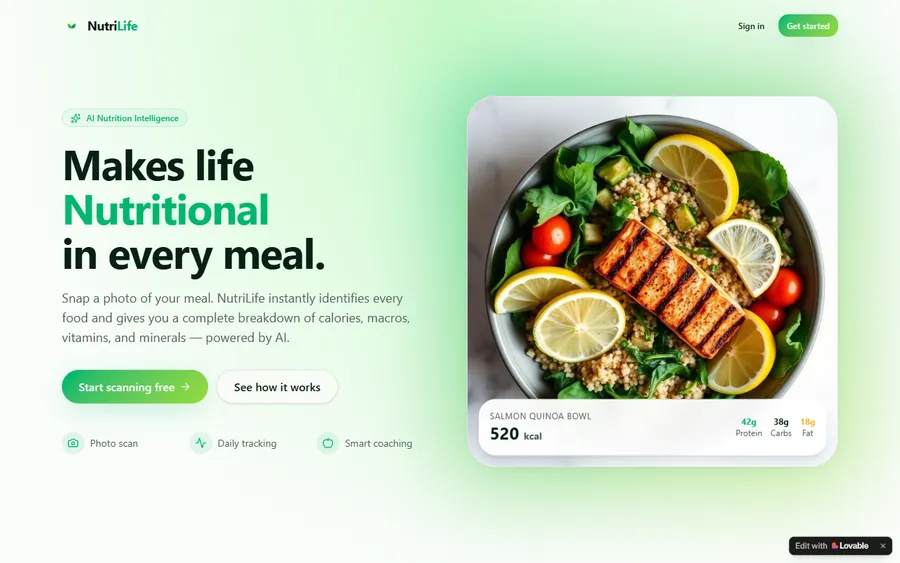
AI and ML
An AI nutrition coach that reads what you eat and works you toward a target.
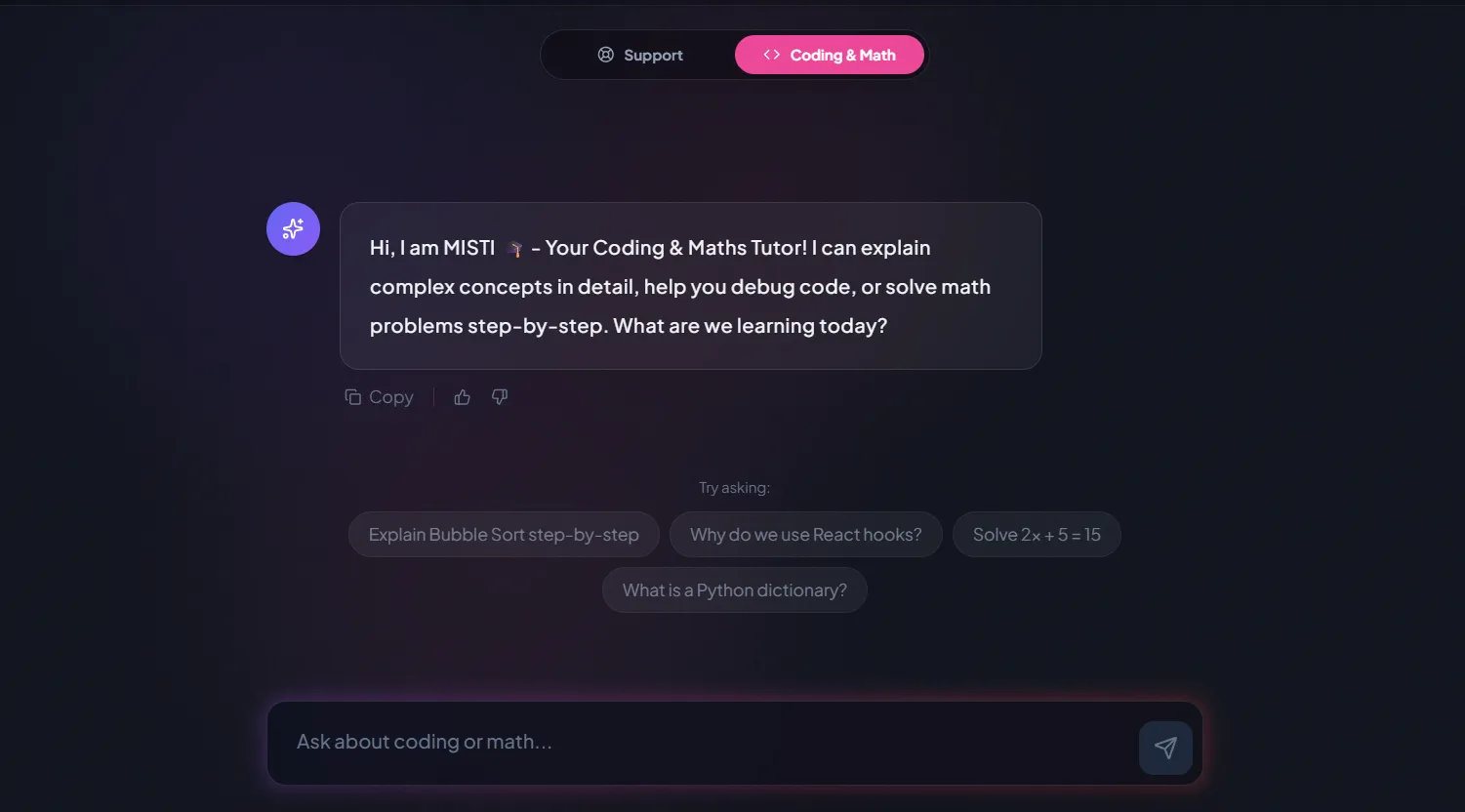
AI and ML
A chatbot that answers mathematics and programming questions, built and deployed by a student.
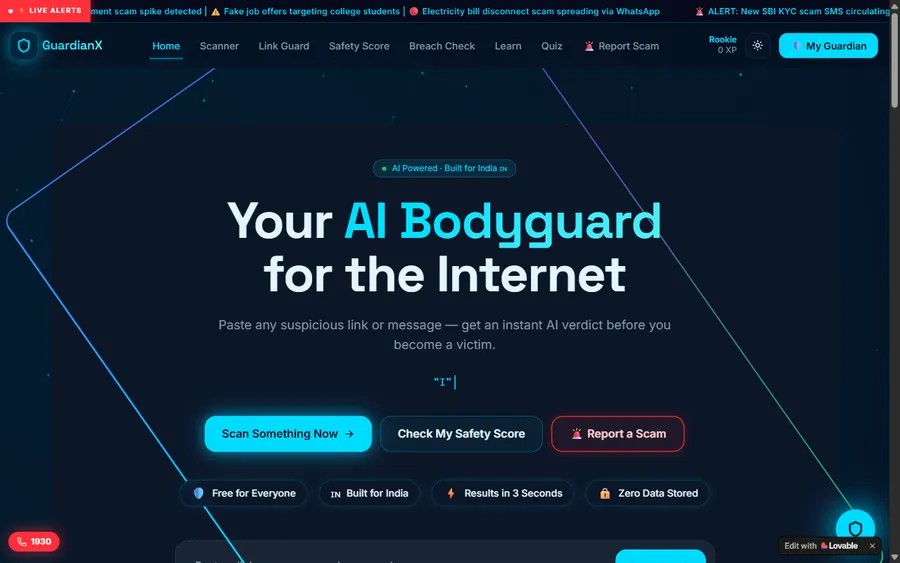
AI and ML
An assistant that helps a young person recognise unsafe situations online.
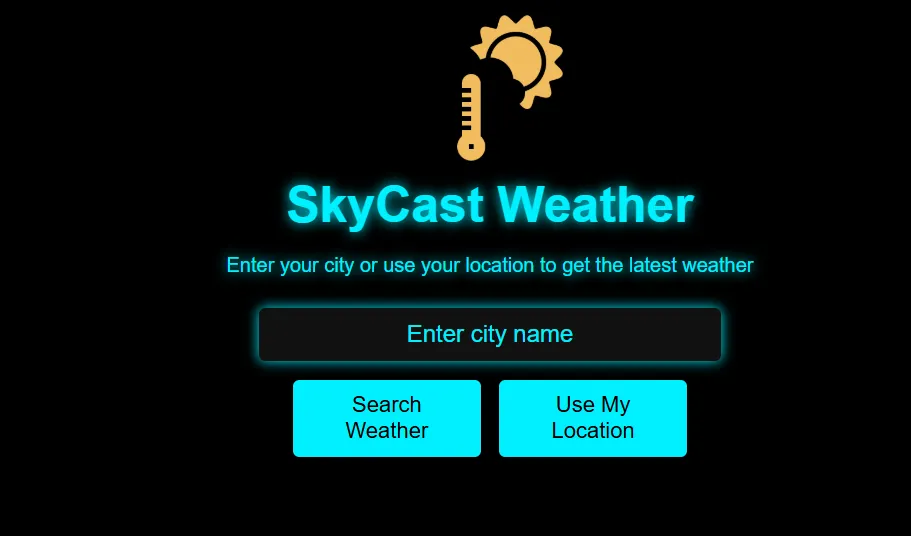
Web app
A weather forecasting site with live conditions for any location.
Fees
A single monthly fee in US dollars, identical outside India, with no enrolment fee and no commitment beyond the month you are in.
Free first class
USD 0
no card required
Group batch
USD 100
a month, billed in US dollars
One to one
USD 150
a month, billed in US dollars
What families say
Straight from Google: reviews by our students and their families, unedited.
★★★★★
"The one step solution for my son. Modern Age Coders make learning coding so simple that kids love it. The teachers explain complex concepts clearly with practical exercises and interactive content."
Ria Mukherjee
Parent
★★★★★
"Modern Age Coders has been a game-changer for me. I struggled to grasp IT concepts and coding before joining, but their classes transformed everything. I can now confidently write complex programs with ease."
Samriddha Mondal
Student
★★★★★
"One of the most wonderful education centres out there. Education is not limited to school syllabus but focuses on skill development."
Vansh Agarwal
Student
★★★★★
"My child Dhairya is really enjoying the Modern Age Coders classes. This is his first online class and he eagerly looks forward to it. I can already see his improvement, and the teachers are very cooperative."
Sonam Oswal
Parent of Dhairya
★★★★★
"Modern Age Coders have wonderful teachers who teach in a clear, easy and practical way. The teacher boosts students' confidence and inspires them to learn without hesitation."
Sonu Goyal
Parent
★★★★★
"I highly recommend this computer coding class! The teachers are incredibly knowledgeable and passionate about coding."
Ritu Kedia
Parent
Questions about Java
Not for the programming paper at AQA, Edexcel, Eduqas or WJEC, which use C#, Python or VB.NET. OCR's GCSE lets written algorithm answers use the high-level language a student is familiar with, which can be Java.
AQA supports C#, Java, Python and VB.Net; WJEC's Unit 2 and the Eduqas AS on-screen component support Visual Basic.NET, Python or Java; Cambridge International 9618 Paper 4 uses Java, Visual Basic or Python in console mode.
The school. The board sets the permitted list and the centre chooses from it, usually at the start of the course.
The first few weeks feel strict, mostly because of types, classes and braces. After that, students who already think in loops and conditions usually adapt well.
Programs that read and print plain text in a terminal window, with no graphical interface. Cambridge requires it for Paper 4, and we practise it deliberately.
No. We never write, debug or review NEA projects or any assessed practical work. Lessons use separate problems.
Yes, for object-oriented design, for back-end and enterprise software, and as a foundation for Kotlin and Android. It also appears on several UK A level syllabuses.
Yes. Our adult Java course runs from core Java to Spring Boot, for university students, graduates and working professionals.
The first class is free. After that, USD 100 a month for a group place or USD 150 a month one to one, with no enrolment fee.
After school, evenings or weekends in UK time, agreed in the free class. Our teachers are four and a half hours ahead of the UK in summer and five and a half in winter.
Elsewhere on this site
The exam boards, the other big languages, and the projects around them.
The skeleton program, in whichever language your school chose.
Where nobody types code in the exam.
The GCSE language, taught properly.
Java and more, alongside a degree.
The software route into work.
Every UK page.
Start here
Leave a number and we will call at a UK time that suits you. Tell us your board, or your goal if you are an adult; the class checks your level and ends with a route through Java.
Prefer to read first? Each course page sets out its syllabus, how we teach covers the method, and student labs collects finished work.
WhatsApp us · +91 91233 66161 · contact@modernagecoders.com
WhatsApp from a UK number usually gets the quickest reply. The team is in India, so our number starts +91, and there is no UK office.