JavaScript Programming for Teens
The language every browser runs, taught from the first variable to a game your friends can actually play.
Syllabus updated August 2026
Questions? WhatsApp +91 91233 66161 or email connect@modernagecoders.com
Recordings are free with a Google sign-in. These recordings show how we teach, not the exact syllabus of this course.
Our promise
The world's best learning experience, open to everyone.
- World-class instructorsEvery class is taught by an instructor who specialises in that exact field.
- No compromise on qualityEvery lesson, project and piece of feedback is held to the highest standard.
- Education for everyoneLearners aged 6 to 67, from first-time beginners to working professionals, in 25+ countries.
If you want the highest quality, Modern Age Coders is the right choice.
Book a Priority DemoHow long this course takes
This course runs 6 months (24 weeks) at 2 live classes/week + 2-3 hours practice. The range allows for background and pace: a complete beginner uses the full span, and a student with prior knowledge finishes sooner. The syllabus below is planned to the shorter end, with margin kept for revision.
For personalised duration planning, call +91 91233 66161 and we'll map a schedule to your goals.
At a glance
- Who it is for
- Beginner, ages 13 to 18.
- Prerequisites
- None. The course starts from the first line of code
- Format
- Live, interactive classes with a real instructor, never pre-recorded videos. Live classes run about one hour.
- Language
- English or Hindi, depending on the batch.
- Duration
- 6 months (24 weeks)
- Weekly commitment
- 2 live classes/week + 2-3 hours practice
- Class size
- Group batches of 5 to 10 students, mini batches of 3 to 4, or 1-on-1.
- Certificate
- Certificate from Modern Age Coders, awarded on passing the final assessment
- Watch first
- Free recordings of real classes for ages 13 and up, free with a Google sign-in. These recordings show how we teach, not the exact syllabus of this course.
- Live demo
- Optional. Enrol directly on this page, or book a Priority Demo: a full live class of about 45 to 60 minutes with a mentor reserved for you.
- Questions
- WhatsApp +91 91233 66161 or email connect@modernagecoders.com.
How we teach
Deep understanding. Real projects. Expert guidance.
Learn coding, AI and maths through careful explanations, practical demonstrations, and hands-on problem-solving. Our instructors guide you from the foundations to advanced ideas, helping you understand what happens, why it happens, and how to build it yourself.
You will explore concepts step by step, write and improve code, investigate mistakes, ask questions, and apply your knowledge to meaningful projects. Lessons are designed around active participation, thoughtful feedback, and growing independence.
Expert-led live teaching, with practical participation built into every lesson.
- Students explain their thinking.
- Instructors demonstrate, then guide practice.
- Learners code, solve, or build during lessons.
- Questions and misconceptions get attention.
- Assignments receive useful feedback.
- Progress is checked before advancing.
How to join JavaScript for Teens: Interactive Websites & Browser Games
Four steps from this page to the first class. See a full class first with a Priority Demo, or choose a plan and enrol today.
Rated 4.9 across 547 Google reviews. Monthly billing, cancel any time.
How enrolment works
See a full class first (optional)
Book a Priority Demo: a live class of about 45 to 60 minutes with a mentor reserved for you, today or tomorrow. After the class the mentor sends a written skill report and a personal learning roadmap on WhatsApp. If you enrol, the demo fee is adjusted against your first month's fee. Share your demo Order ID with us on WhatsApp and we take it off.
Book a Priority DemoDemo fee ₹499Choose a plan
Group batch (5 to 10 students), mini batch (3 to 4 students, India only) or 1-on-1 with your own mentor. Every plan is live online, and each class runs about one hour. The cards below show classes per week and the monthly fee in your currency.
Enrol and pay the first month
Press Enrol Now on your plan, fill in the student's name, email and phone, and pay through secure Razorpay checkout: UPI, cards or net banking in India, and debit or credit card from any other country.
Fix your class timings
After payment, message us on WhatsApp or call +91 91233 66161 with the student's name, the course and your preferred time slot. We confirm the batch, send the class link and schedule the first class at your chosen time.
Billing is monthly and you can cancel any time.
International Students (Outside India)
Billed monthly in US dollars, the same price in every country. Contact us with any questions.
Questions before you enrol? Talk to our team.
Ask about class timings, the right level for your child, what they need to know already, or payment. Parents and adult learners can reach us on WhatsApp, by email or by phone.
Program Overview
JavaScript is the only programming language every web browser understands, which makes it the most immediate language a teenager can learn: write a line, refresh the page, and something on screen changes. This 6-month live course starts at zero and builds in one direction, toward work worth showing. Months 1 and 2 cover the language core and the DOM, so pages respond to clicks and typing within weeks. Months 3 and 4 add real data: arrays, objects, JSON, saving with localStorage, and fetching from public APIs such as live weather. Month 5 is games on the HTML canvas, with a proper game loop, keyboard control, and collision detection. Month 6 is the capstone: each student scopes, builds, and deploys an interactive site of their own, then presents it.
Classes are live and small. Students write code in every session while an instructor watches them work, and homework gets reviewed, not just collected.
What Makes This Program Different
- Everything runs in the browser students already have, so the write-refresh-see loop takes seconds and motivation stays high
- The DOM arrives in month 2, not month 5: pages react to clicks within the first weeks, long before the theory runs out
- Real public APIs instead of toy data: weather, dictionaries, and services students choose themselves
- A full month of canvas games, because a game you built yourself is the project teens actually show their friends
- The capstone is deployed to a real URL, so the finished site can sit on a school application or be sent to relatives
- No prior HTML needed: the markup and CSS each project requires is taught in class, exactly when it is needed
Your Learning Journey
Career Progression
Detailed Course Curriculum
Explore the complete week-by-week breakdown of what you'll learn in this comprehensive program.
Topics Covered
- Where JavaScript runs: the browser, the console, and why no install is needed to start
- Setting up VS Code and running a script inside an HTML page
- Values and variables: let and const, and when each is right
- Numbers and strings, and what happens when you mix them
- Template literals for building sentences out of data
- console.log as your first debugging tool
- Comments and naming things so future-you understands the code
Projects You Build
- Story generator: a script that assembles a silly story from variables, then from user input via prompt
Practice & Assignments
10 short console exercises: swap variables, build sentences, fix three broken scripts
Topics Covered
- Comparisons: equal, strictly equal, greater, less, and why === matters
- if, else if, else: teaching a program to choose
- Boolean values and expressions that produce them
- Combining conditions with and, or, not
- Truthy and falsy values, and the bugs they cause
- Nesting conditions without losing the plot
Projects You Build
- Number guessing game, round one: the computer picks, you guess, it answers higher or lower
Practice & Assignments
Decision drills: grade calculator, ticket price rules, a login age check with edge cases
Topics Covered
- while loops: repeat until something changes
- for loops: counting, stepping, and counting backwards
- Accumulator patterns: totals, counters, and building strings in a loop
- break and continue, used sparingly
- Nested loops and when they are worth it
- Reading a loop you did not write and predicting its output
Projects You Build
- Times-table printer with formatting
- Guessing game, round two: limited tries, a running score, play-again logic
Practice & Assignments
12 loop katas, including FizzBuzz and a countdown timer printed to the console
Topics Covered
- Declaring functions: inputs, outputs, and the return statement
- Parameters vs arguments, and default values
- Arrow function syntax and where you will meet it
- Scope: what a function can and cannot see
- Breaking a messy script into small named functions
- Testing a function by hand with sample inputs
Projects You Build
- Tip calculator and unit converter built as a small library of reusable functions
Practice & Assignments
Write 8 functions from written specs, then refactor week 3 projects to use functions
Assessment
Month 1 skills check: write four short functions live, explaining each choice
Topics Covered
- Just enough HTML: tags, ids, and classes, taught as we need them
- The DOM tree: how the browser sees a page
- querySelector and querySelectorAll: finding elements
- Changing text with textContent and innerHTML, and the difference
- Changing styles and toggling classes from JavaScript
- The dev tools Elements panel as an x-ray of your page
Projects You Build
- Mood page: buttons that change the page's colors, text, and heading live
Practice & Assignments
Select-and-change drills on a provided practice page with 15 small targets
Topics Covered
- addEventListener: click, input, and change events
- The event object and what it tells you
- Reading values out of text inputs
- Updating the page in response to typing, live
- Preventing default behavior and when you need to
- Common event bugs: listeners attached too early, wrong element, wrong event
Projects You Build
- Click counter with milestones
- Live character counter for a message box, with a limit warning
Practice & Assignments
Build three tiny widgets from spec: a like button, a show-password toggle, a color picker preview
Topics Covered
- Showing and hiding elements cleanly with classes
- Creating and removing elements with createElement and remove
- Building lists in the DOM from JavaScript data
- classList patterns: toggle, add, remove
- Dark mode done properly: one class on the body
- Organizing widget code so each piece has one job
Projects You Build
- Dark mode toggle for a full page
- FAQ accordion that opens one answer at a time
Practice & Assignments
Recreate two widgets from screenshots of real websites, structure first, then behavior
Topics Covered
- Planning a small app: screens, states, and what happens on each click
- Keeping score and moving between questions
- Ending states: results screen and restart
- Basic input validation: no empty answers
- Polish: progress display and honest feedback messages
- Reading your own code a week later: comments and naming revisited
Projects You Build
- Interactive quiz app: questions, scoring, a results screen, and a restart button
Practice & Assignments
Extend the quiz with one feature of your own choosing, written up in three sentences
Assessment
Quiz app demo and code walkthrough: each student explains one function line by line
Topics Covered
- Creating arrays and reading items by index
- push, pop, shift, unshift: growing and shrinking lists
- Looping over arrays with for and for...of
- indexOf and includes: finding things
- Arrays and the DOM: rendering a list from data
- slice vs splice, and the bug everyone hits once
Projects You Build
- To-do list, version one: add, display, and delete tasks backed by an array
Practice & Assignments
15 array exercises: totals, longest word, reversing, filtering by hand with loops
Topics Covered
- map: transforming every item
- filter: keeping what matches
- find: the first match
- sort, and why sorting numbers needs a compare function
- Chaining methods to answer questions in one line
- When a plain loop is still the clearer choice
Projects You Build
- Movie list page: search box and filter buttons that narrow a list of films live
Practice & Assignments
Rewrite five loop solutions from week 9 using map and filter, compare readability
Topics Covered
- Objects as labeled data: properties and values
- Dot notation vs bracket notation
- Objects inside arrays: the shape of most real data
- Looping over object properties
- Nesting: objects inside objects, read carefully
- Designing the data shape before writing the code
Projects You Build
- Contact cards: render a grid of profile cards from an array of person objects
Practice & Assignments
Model three real things as objects: a song, a match result, a school timetable entry
Topics Covered
- What JSON is and why every API speaks it
- JSON.stringify and JSON.parse
- localStorage: saving data in the browser
- The save-load cycle: persisting an app's state across refreshes
- What localStorage cannot do, and where databases come in later
- Debugging storage with the dev tools Application panel
Projects You Build
- To-do list, version two: tasks survive a page refresh using localStorage
Practice & Assignments
Add save and load to the movie list project; inspect the stored JSON by hand
Assessment
Data checkpoint: given a JSON file of real data, load it, answer five questions with code
Topics Covered
- Requests and responses: how the browser asks servers for data
- URLs as questions: endpoints and paths
- Reading API documentation without fear
- fetch and .then: your first request to a live joke API
- Status codes: 200, 404, and what they mean
- Looking at raw JSON responses in the browser
Projects You Build
- Joke machine: a button that fetches and displays a fresh joke from a public API
Practice & Assignments
Explore two public APIs in the browser, write down what three endpoints return
Topics Covered
- async and await: the cleaner way to write fetch code
- Loading states: telling the user something is happening
- try and catch: handling failed requests honestly
- The network tab: watching your requests in flight
- Slow connections and what your app looks like on them
- Never trusting a response blindly: checking before rendering
Projects You Build
- Weather lookup page: type a city, see live conditions, with loading and error states
Practice & Assignments
Break your own weather app on purpose three ways, then make each failure show a decent message
Topics Covered
- Query parameters: sending the user's search to the API
- Building a URL safely from input
- Rendering result lists with the DOM skills from month 2
- Empty results and misspelled searches: designing for them
- Debouncing, gently introduced: not firing a request per keystroke
- Caching a result you already fetched
Projects You Build
- Dictionary app: search a word, show definitions, phonetics, and an example sentence from a free dictionary API
Practice & Assignments
Swap the dictionary API for a different public API of your choice, keep the same interface
Topics Covered
- Combining two data sources on one page
- Structuring code when an app has parts: one file, clear sections, named functions
- Handling two requests that can each fail independently
- Layout for dashboards: cards and sections, with just enough CSS
- A refresh button done right
- Writing a short README that says what the app does
Projects You Build
- Personal dashboard: two public APIs of the student's choice on one page, for example weather plus news headlines
Practice & Assignments
Trade dashboards with a classmate and file two improvement suggestions each
Assessment
Dashboard demo: live walkthrough plus questions on how each fetch works
Topics Covered
- The canvas element and its coordinate system
- Drawing rectangles, circles, lines, and text
- Color, stroke, and fill
- requestAnimationFrame: the heartbeat of every game
- Clearing and redrawing: why animation is just fast drawing
- Moving a shape across the screen with velocity
Projects You Build
- Bouncing ball: a ball that moves, hits the walls, and bounces, with adjustable speed
Practice & Assignments
Draw a scene of your choice in code, then animate one element of it
Topics Covered
- Keyboard events: keydown, keyup, and tracking held keys
- Moving a player smoothly, not one hop per press
- Boundaries: keeping the player on screen
- Separating update logic from drawing logic
- Game state as an object: player, score, settings in one place
- Frame-rate honesty: why movement uses small steps
Projects You Build
- Paddle controller: a paddle that glides left and right under arrow-key control, ready for a game
Practice & Assignments
Add a second control scheme (WASD) and an on-screen speed display
Topics Covered
- Rectangle collision detection, explained with pictures before code
- Circle collision using distance
- Spawning objects: falling items with random positions and speeds
- Score, lives, and difficulty that ramps up
- Removing off-screen objects so the game does not slow down
- Game over conditions and detecting them cleanly
Projects You Build
- Catcher game core: falling objects, a moving basket, score on catch, lives lost on miss
Practice & Assignments
Tune your game's difficulty curve and write down the three numbers you changed and why
Topics Covered
- Start screen, pause, and game-over screen as states
- Sound effects with the Audio API, used tastefully
- High score saved with localStorage, from month 3
- Small touches that read as polish: flash on hit, score pop
- Playtesting: watching someone else play your game without helping them
- Packaging the game on a page with instructions
Projects You Build
- Finished catcher or breakout-style game with start, pause, game over, sound, and a saved high score
Practice & Assignments
Run two playtests with family members and fix the most confusing thing each one hit
Assessment
Game demo day: every student's game played live by a classmate, followed by a code Q&A
Topics Covered
- Choosing a project you can finish: the honest feature list
- Wireframing on paper before touching code
- Picking your data source: localStorage, a public API, or both
- Breaking the build into tasks with a simple checklist
- Setting up the project folder and skeleton page
- What done means: writing acceptance criteria in plain language
Projects You Build
- Approved capstone plan: one page with wireframe, feature list, and task breakdown
Practice & Assignments
Build the static skeleton of your capstone: structure and placeholder content, no behavior yet
Topics Covered
- Working feature by feature, smallest first
- Instructor code review: reading feedback and applying it
- Debugging your own project methodically: reproduce, isolate, fix
- Keeping functions small while the project grows
- When to delete a feature: scope trimming without shame
- Committing progress notes at the end of each session
Projects You Build
- Capstone core: the two or three features that make the project itself
Practice & Assignments
Daily 30-minute build sessions with a written note on what moved forward
Topics Covered
- Wiring in the data layer: saving, loading, or fetching live data
- Making the layout survive a phone screen: the essential media query
- Empty states and first-use experience
- Error states for anything that can fail
- A second code review round
- Cutting the last risky feature if time demands it
Projects You Build
- Feature-complete capstone: data working, layout presentable on desktop and phone
Practice & Assignments
Test your capstone on a phone and one other browser, log what broke
Topics Covered
- Bug hunt: a structured final pass over every feature
- Deploying to a free host so the site has a real URL
- Writing a README: what it is, how it works, what you would add next
- Presenting technical work: demo first, code second
- Answering questions about your own code
- Where to go from here: React, Node.js, or deeper JavaScript
Projects You Build
- Deployed capstone site with README, presented live to the class and family
Practice & Assignments
Send your capstone link to three people who are not in the class
Assessment
Capstone presentation and code Q&A, plus course-completion certificate review
Projects You'll Build
Build a professional portfolio with 12+ working projects, from console games to a deployed capstone site real-world projects.
Weekly Learning Structure
Certification & Recognition
Technologies & Skills You'll Master
Comprehensive coverage of the entire modern web development stack.
Support & Resources
Career Outcomes & Opportunities
Transform your career with industry-ready skills and job placement support.
Prerequisites
Who Is This Course For?
Career Paths After Completion
Course Guarantees
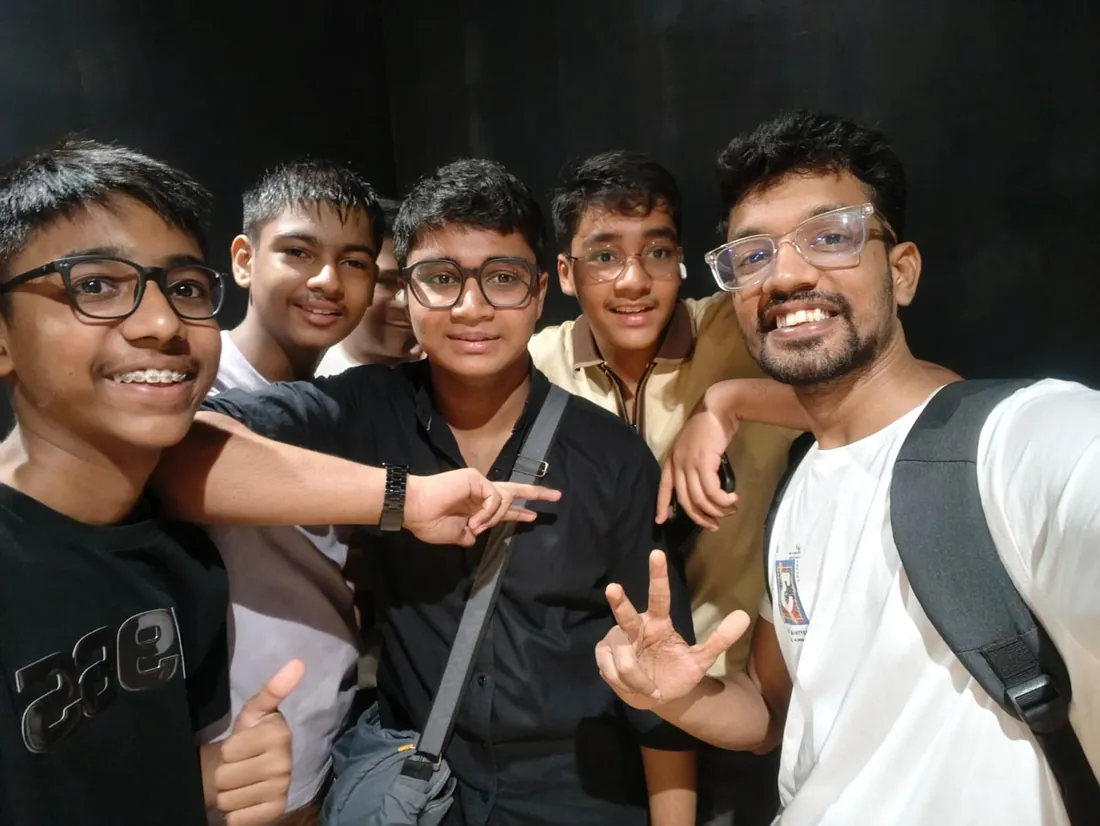
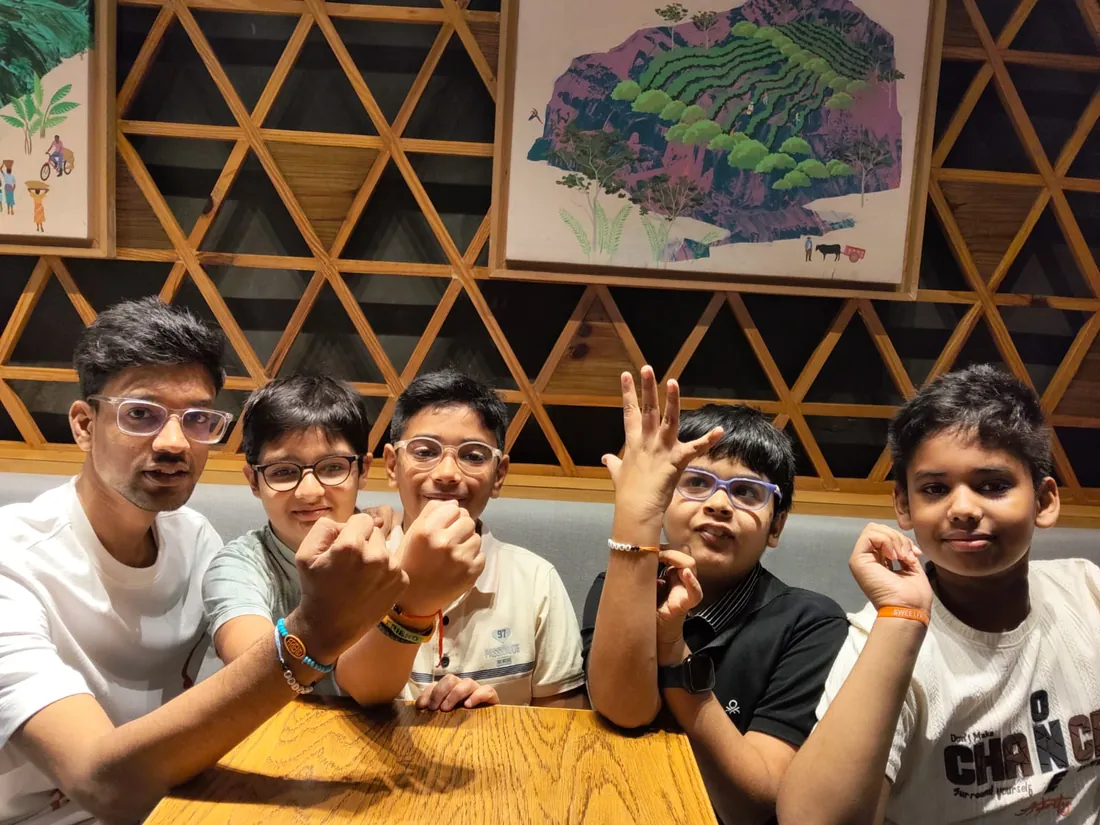
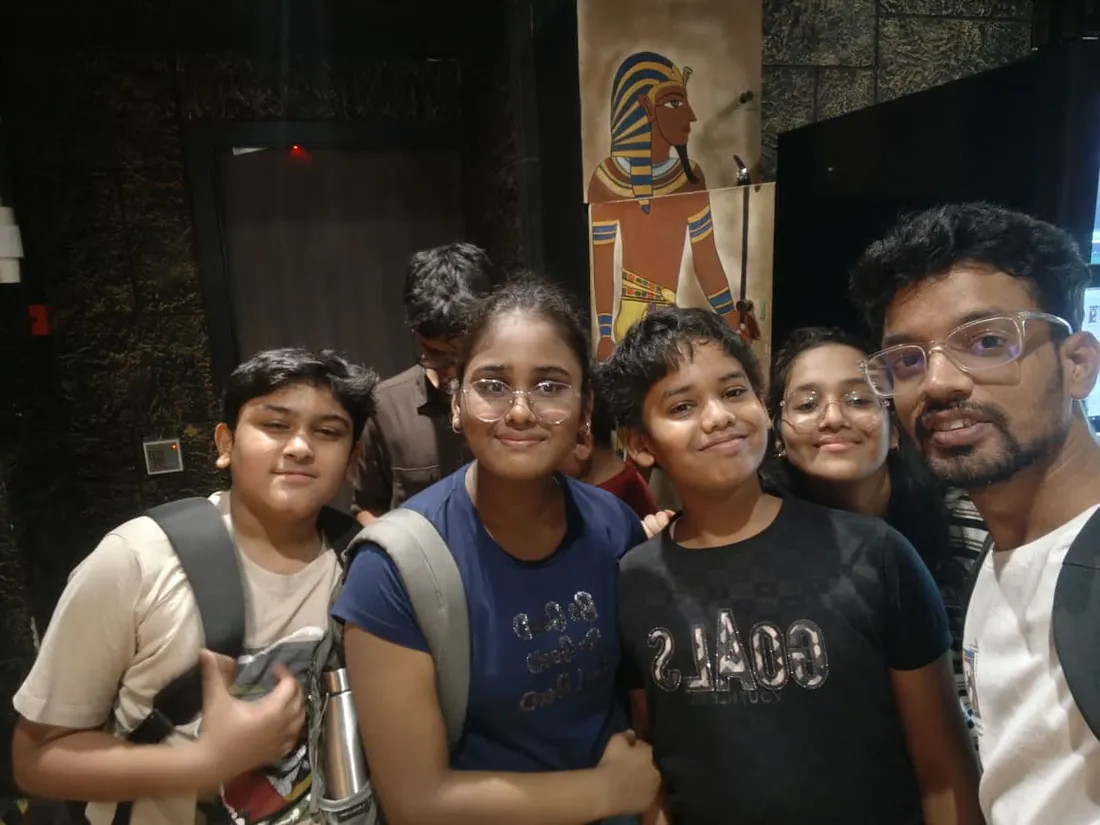
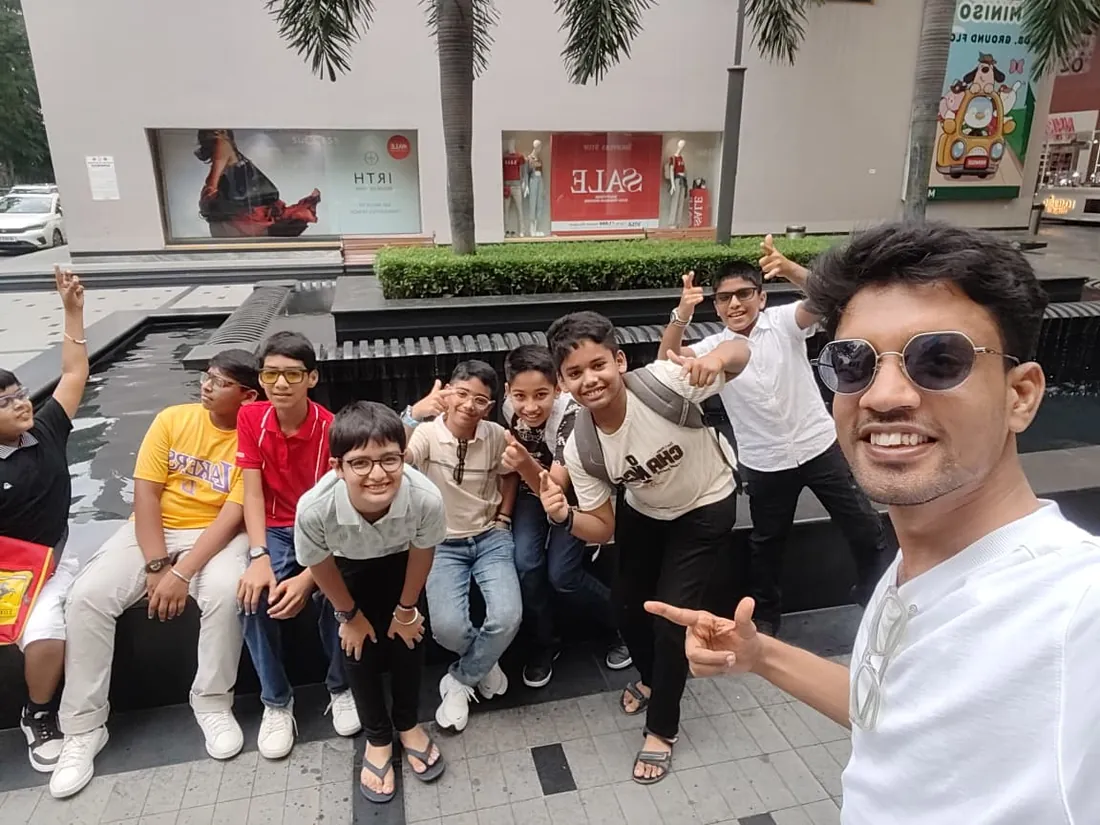
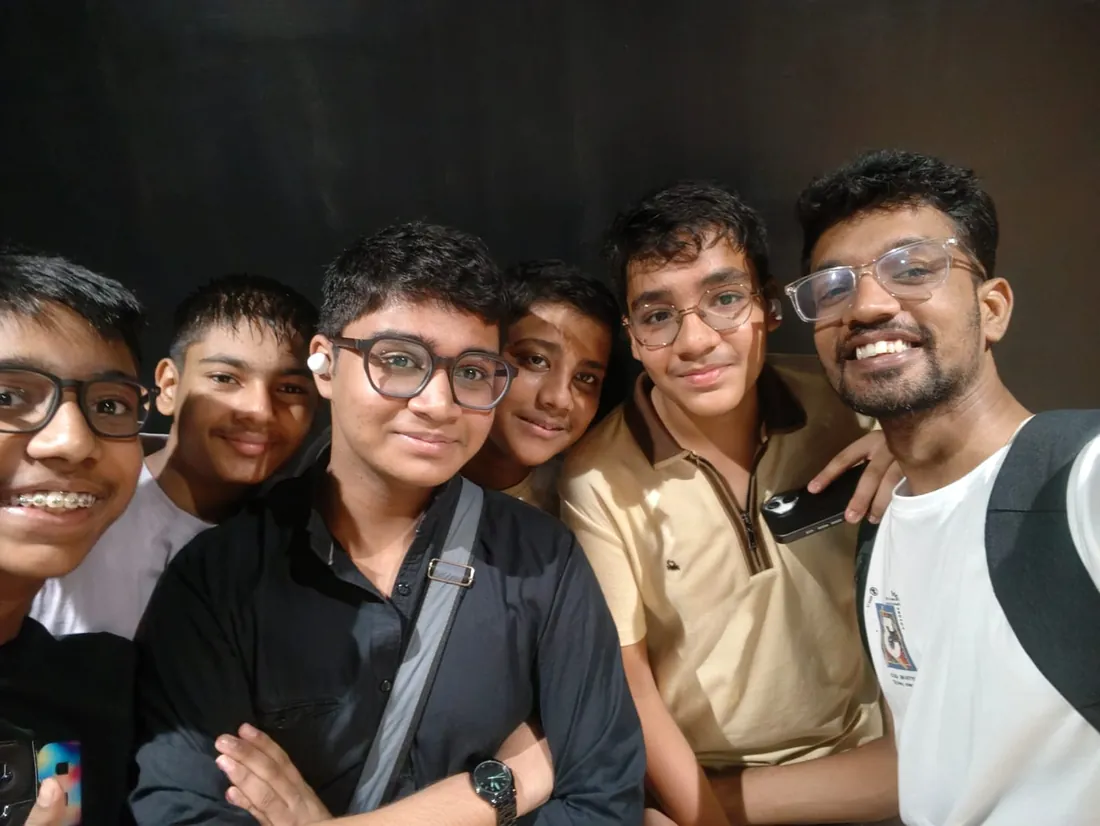
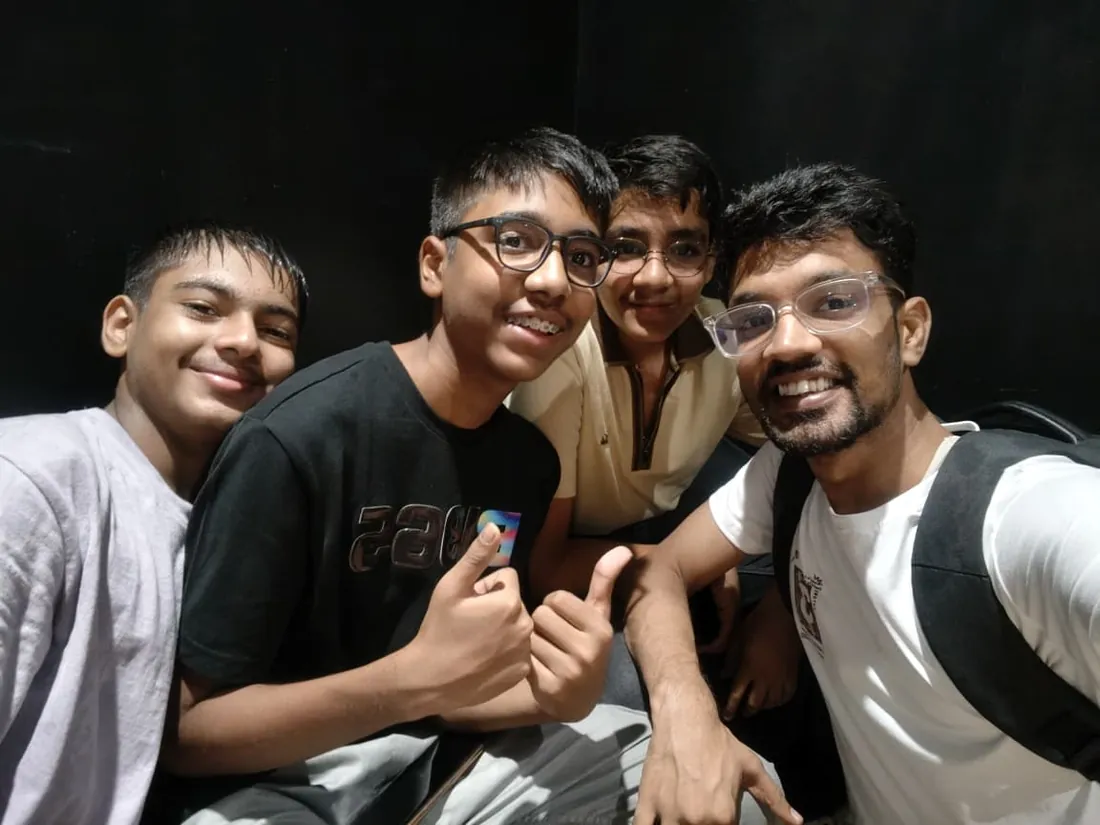
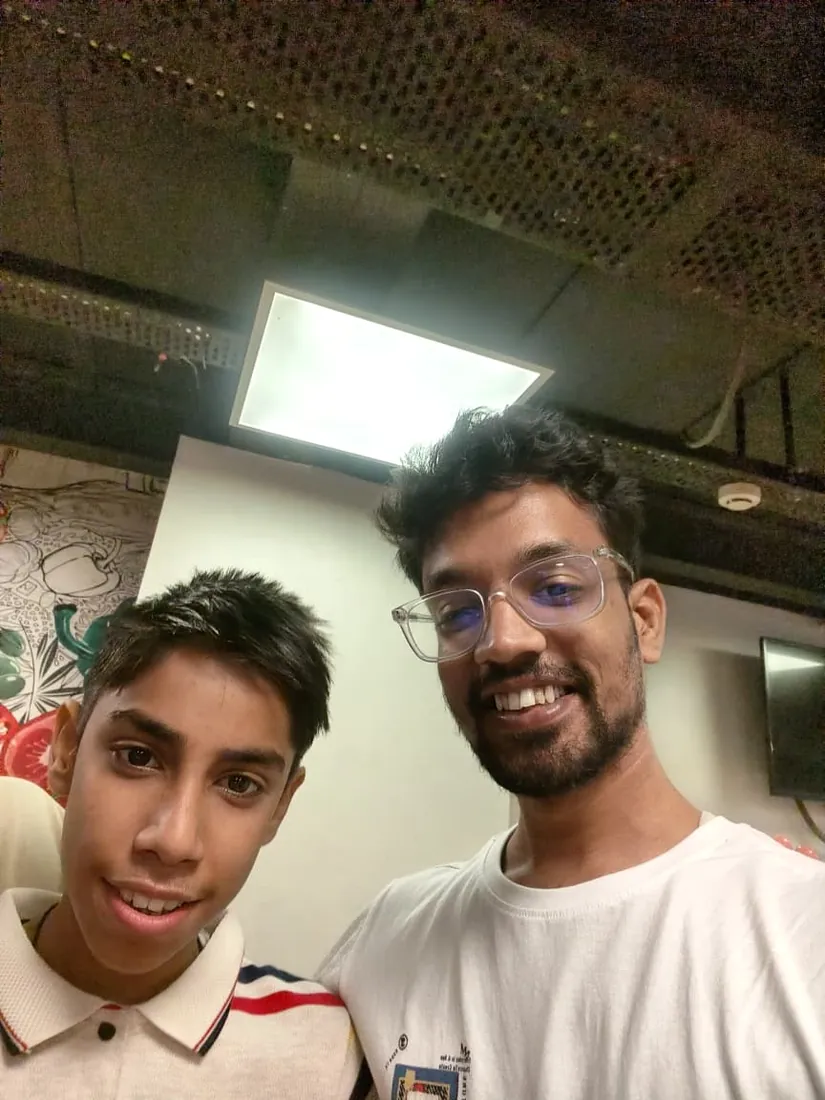
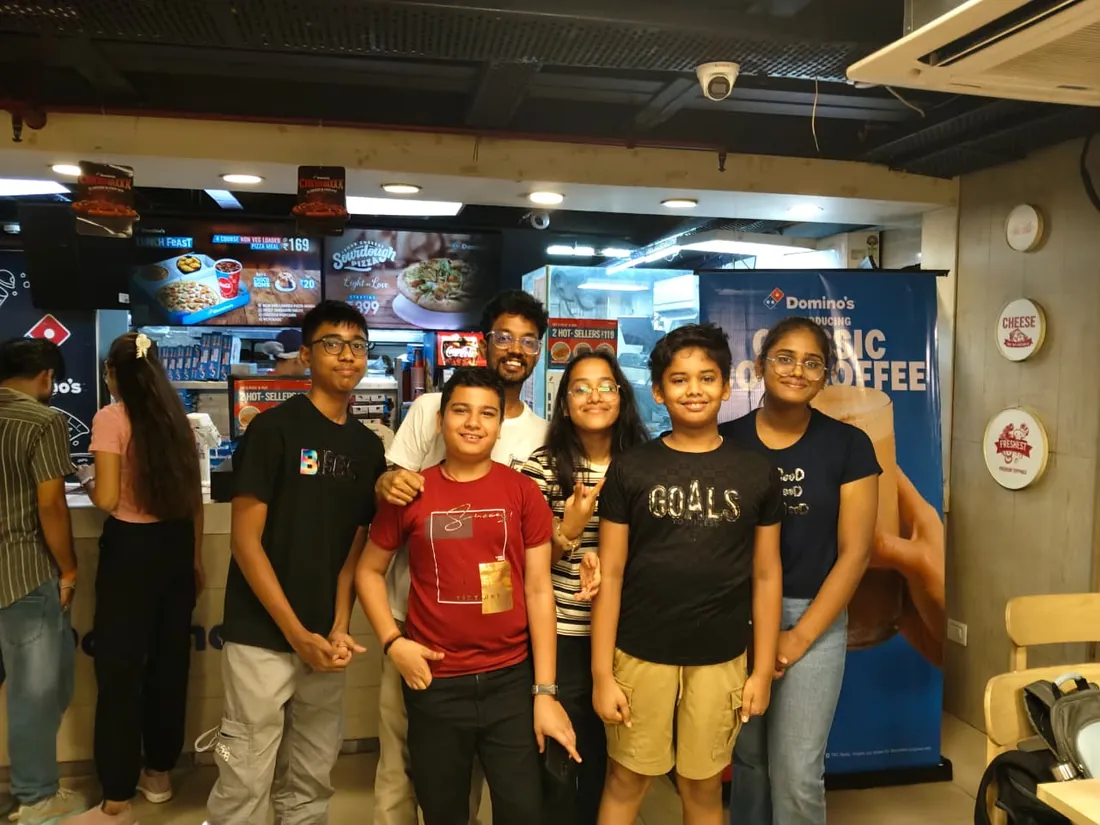
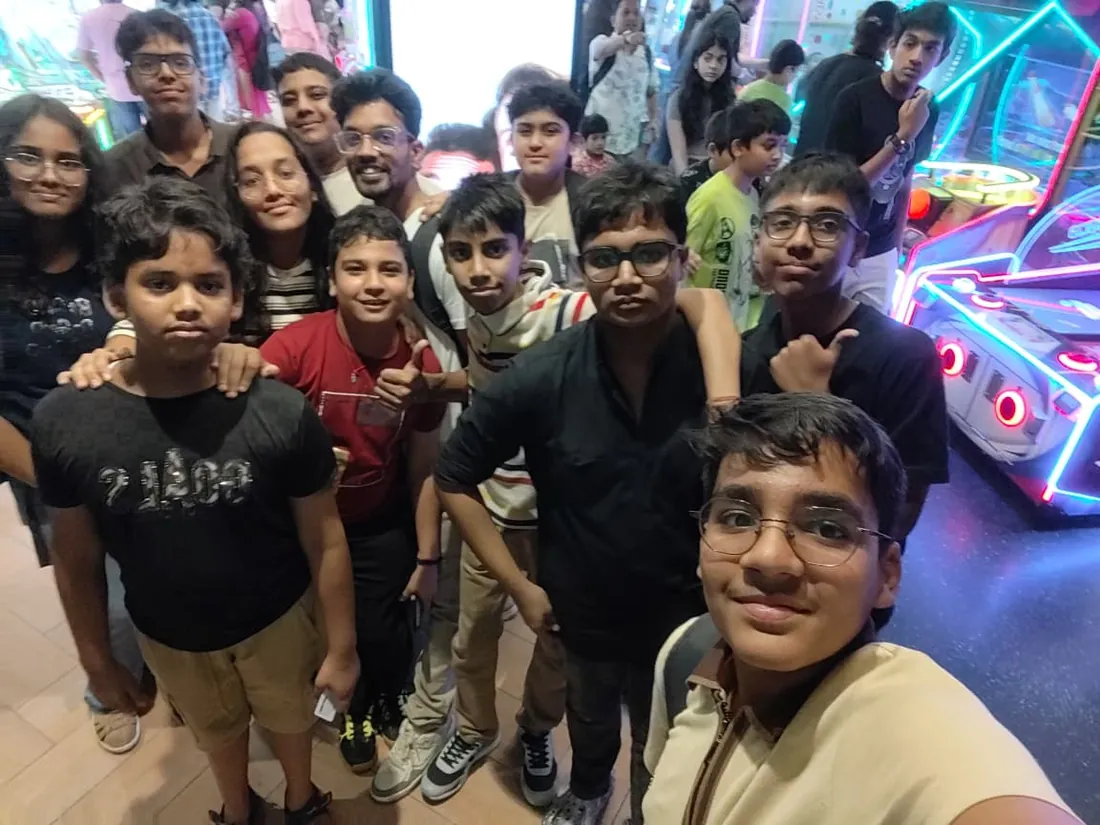
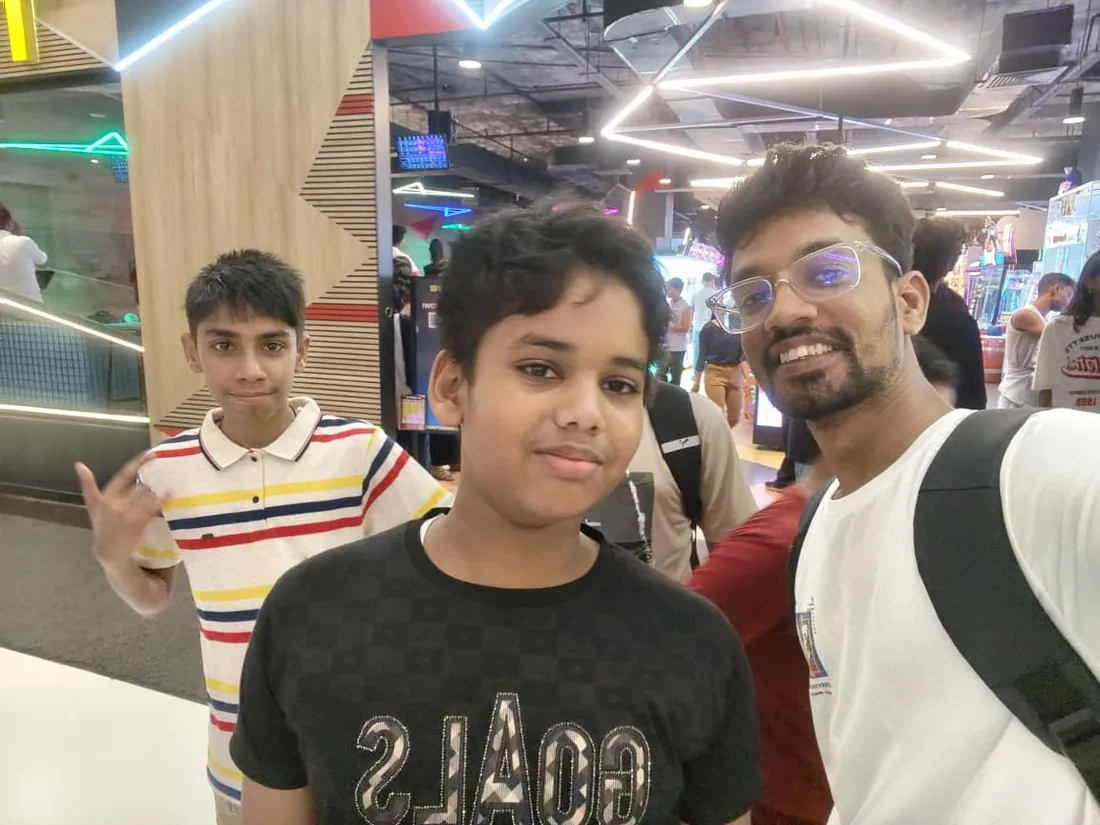
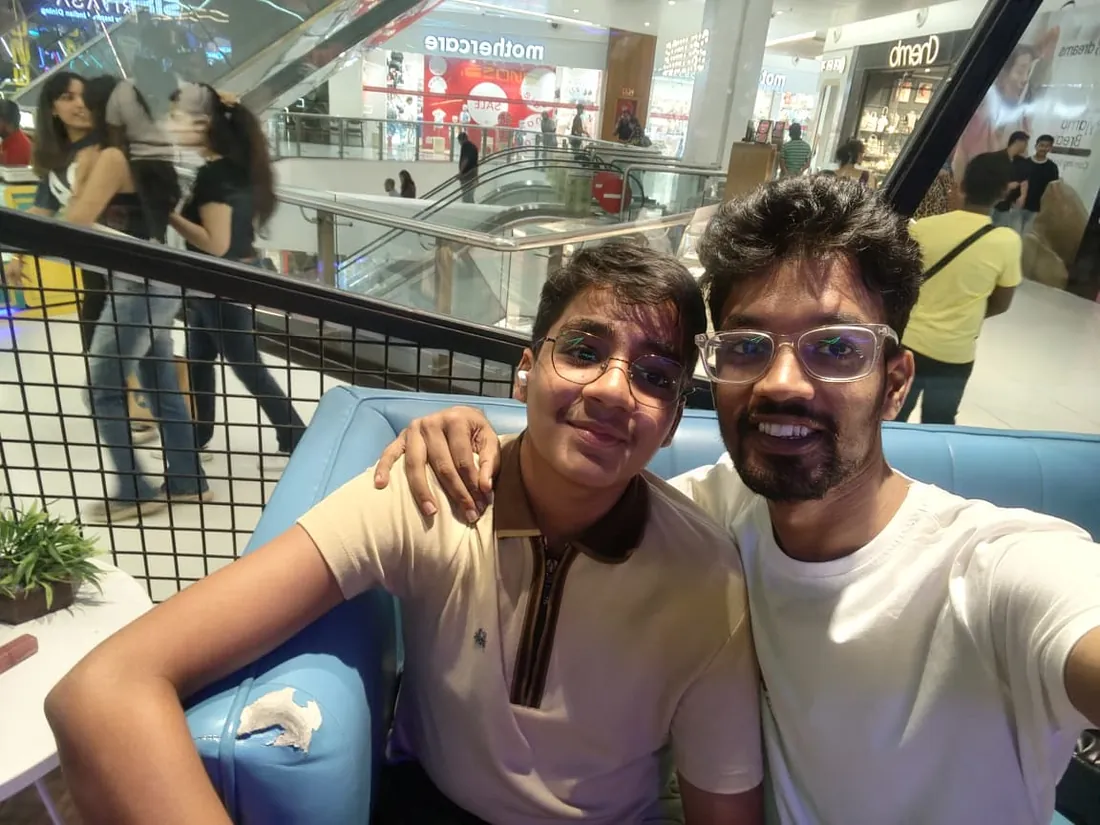
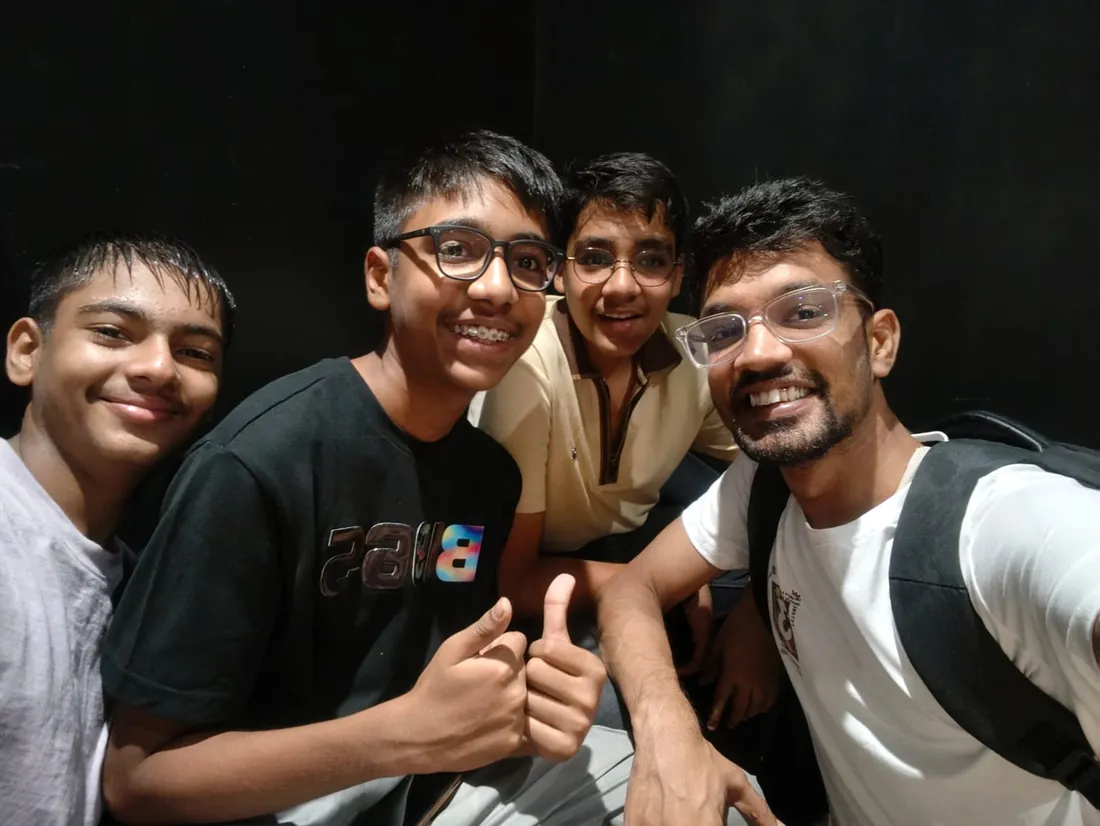
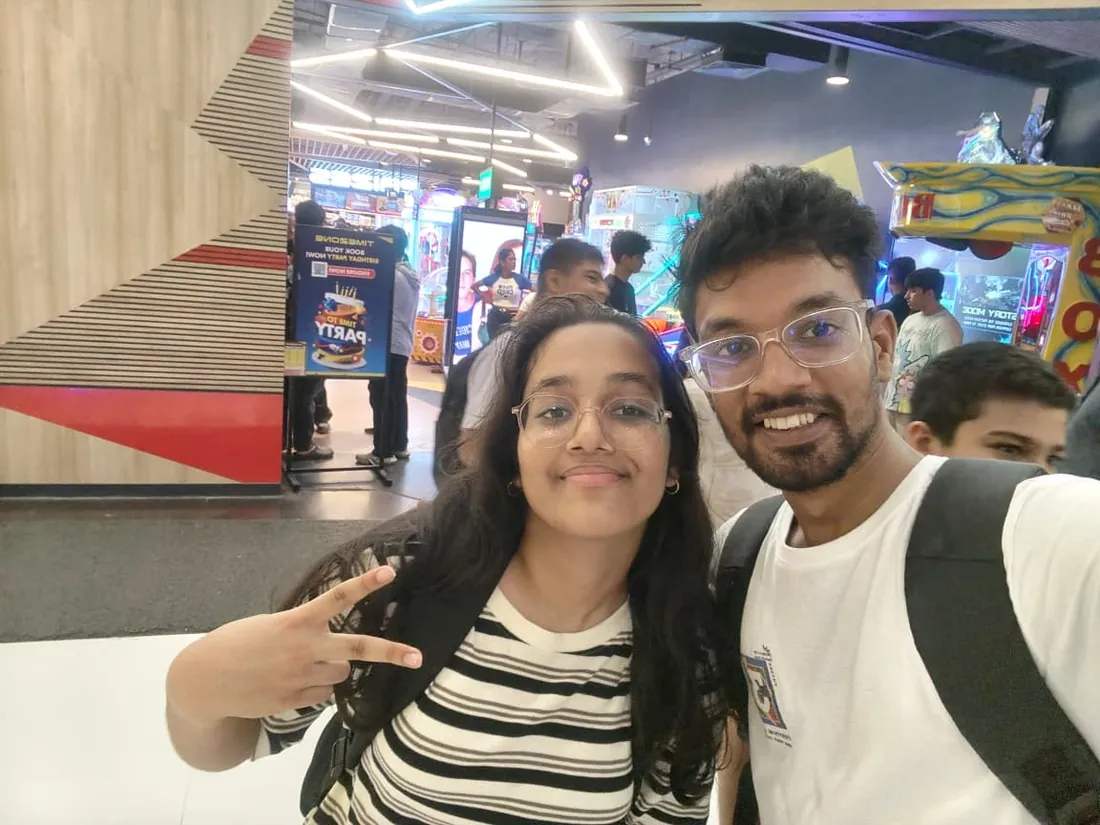
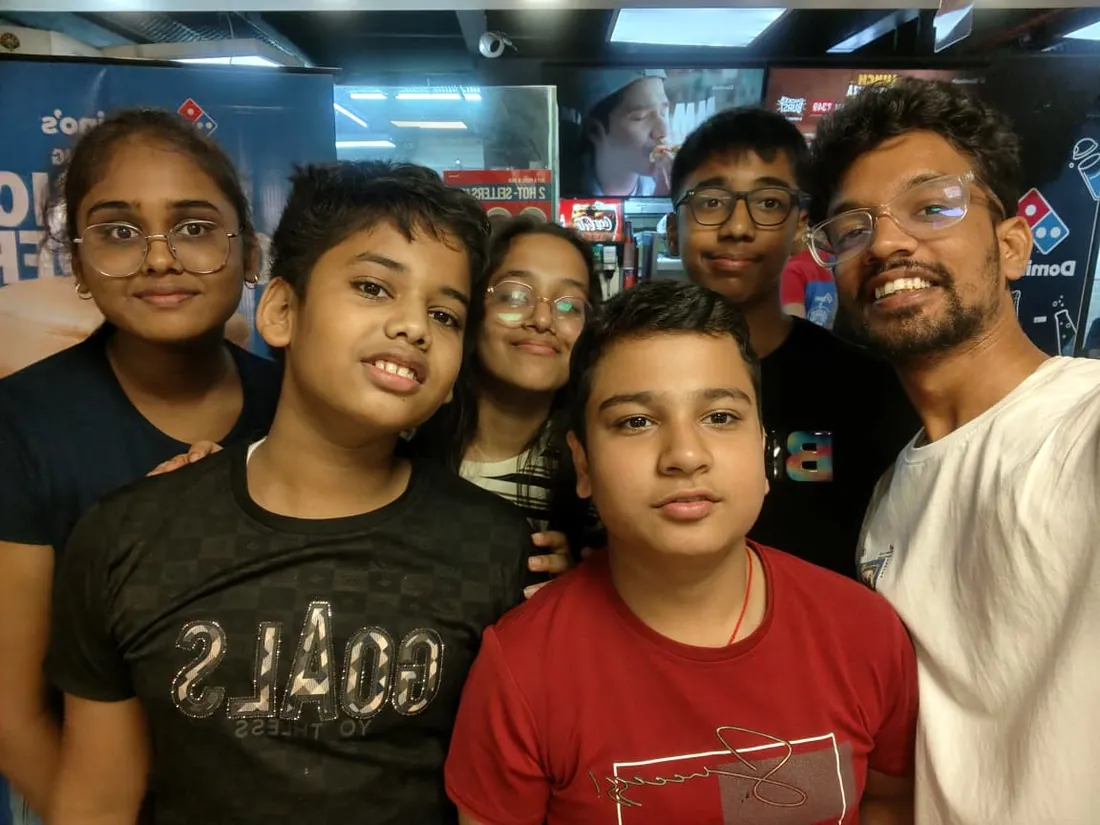
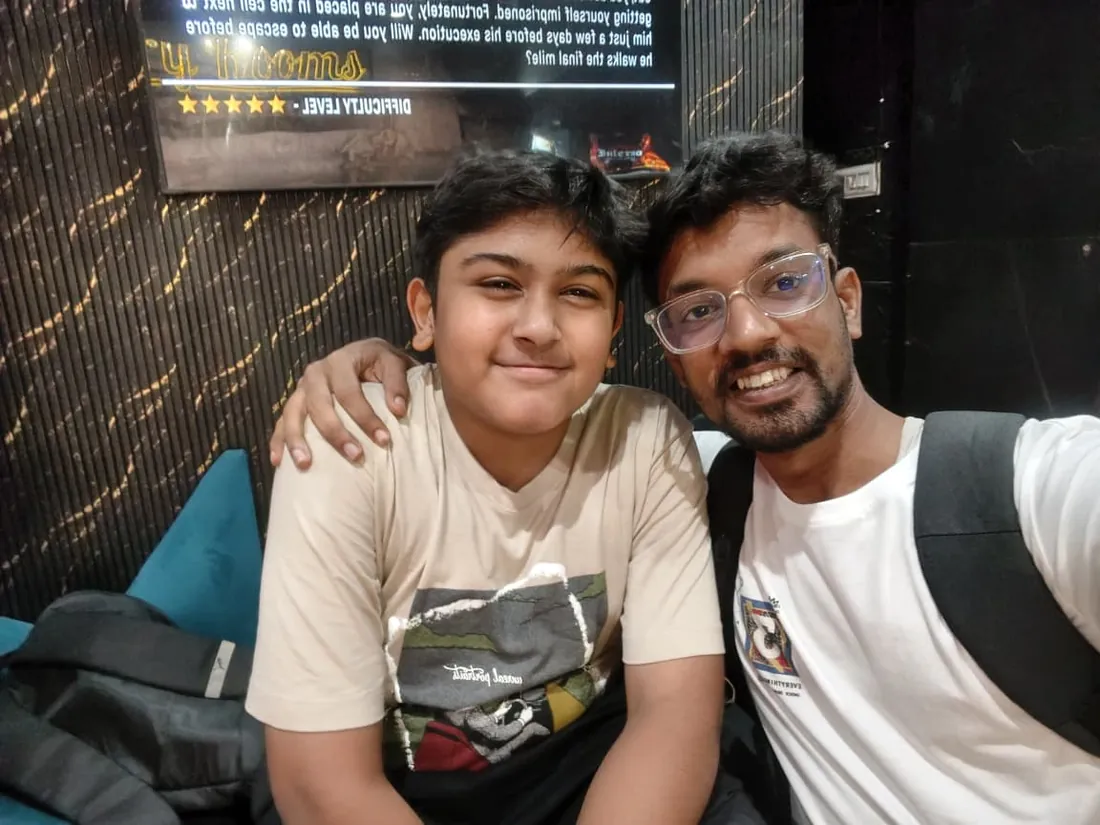
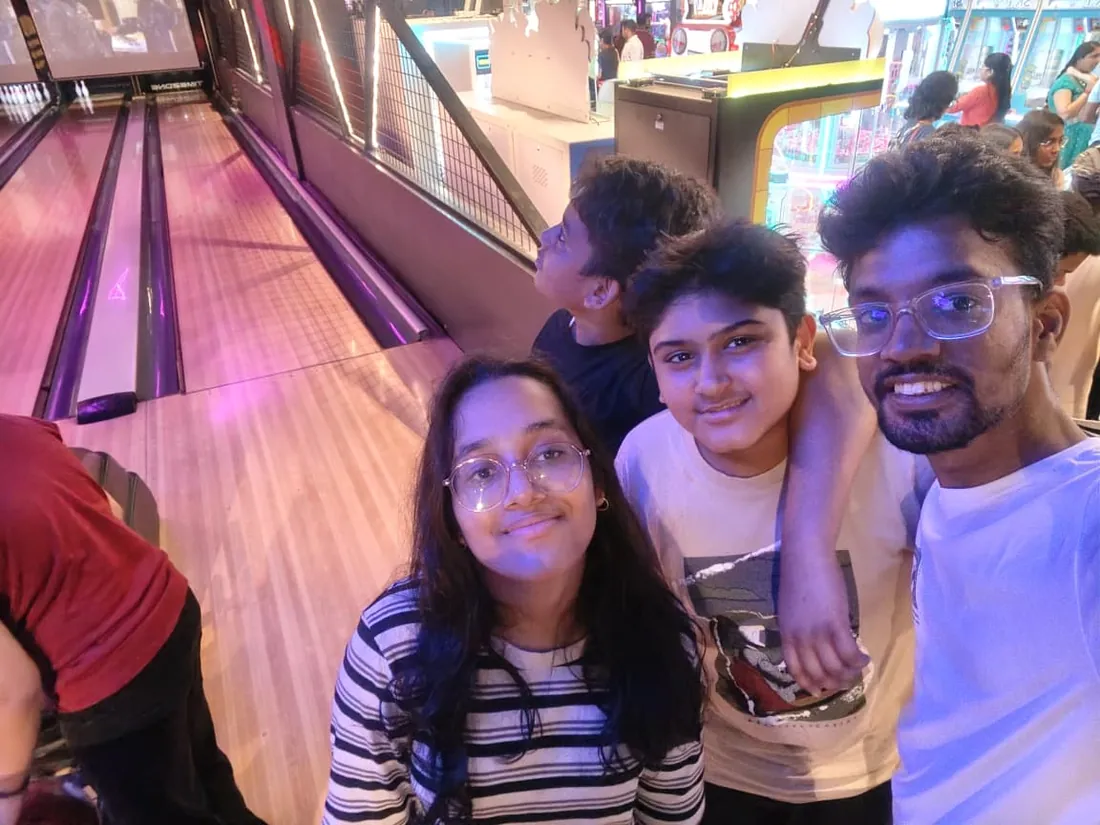
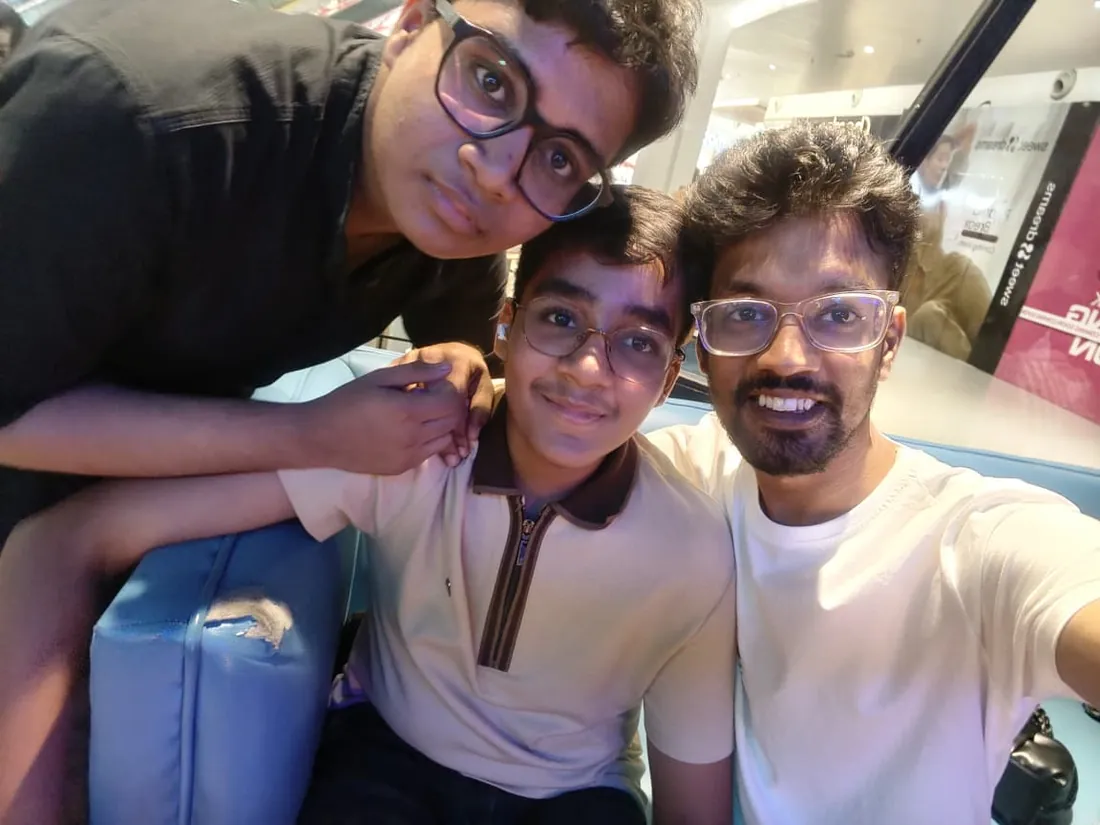
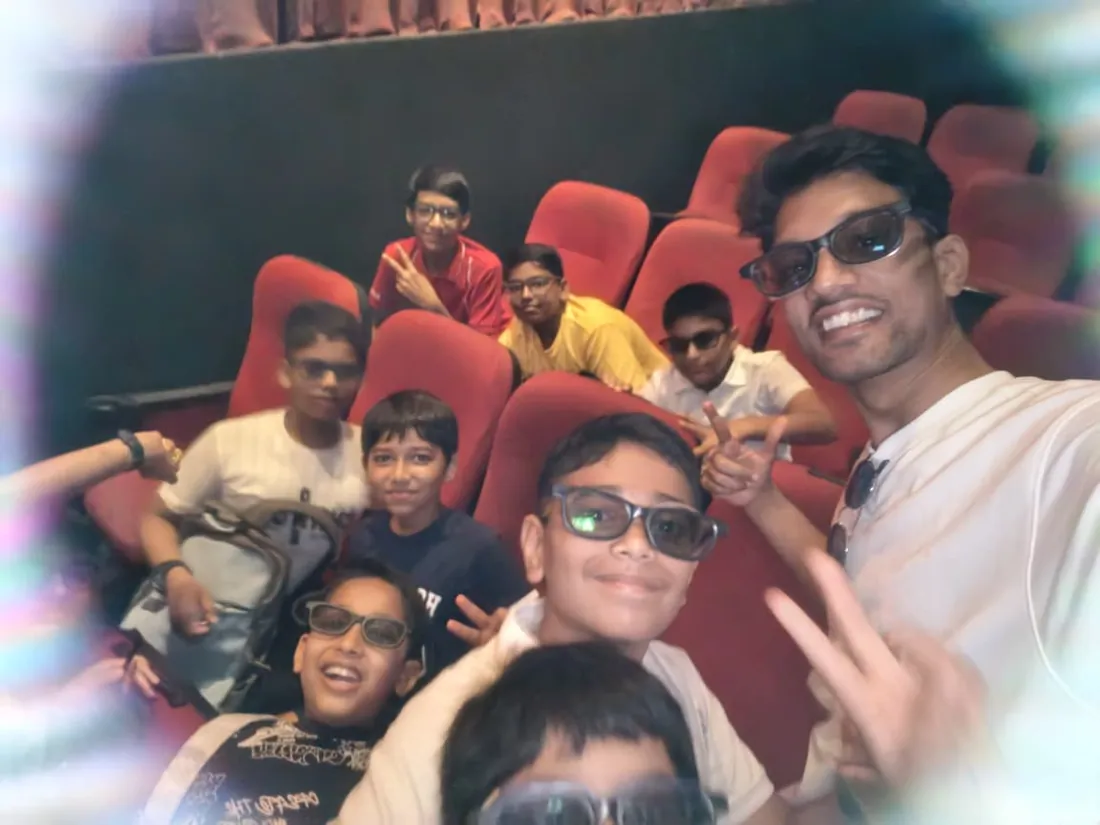
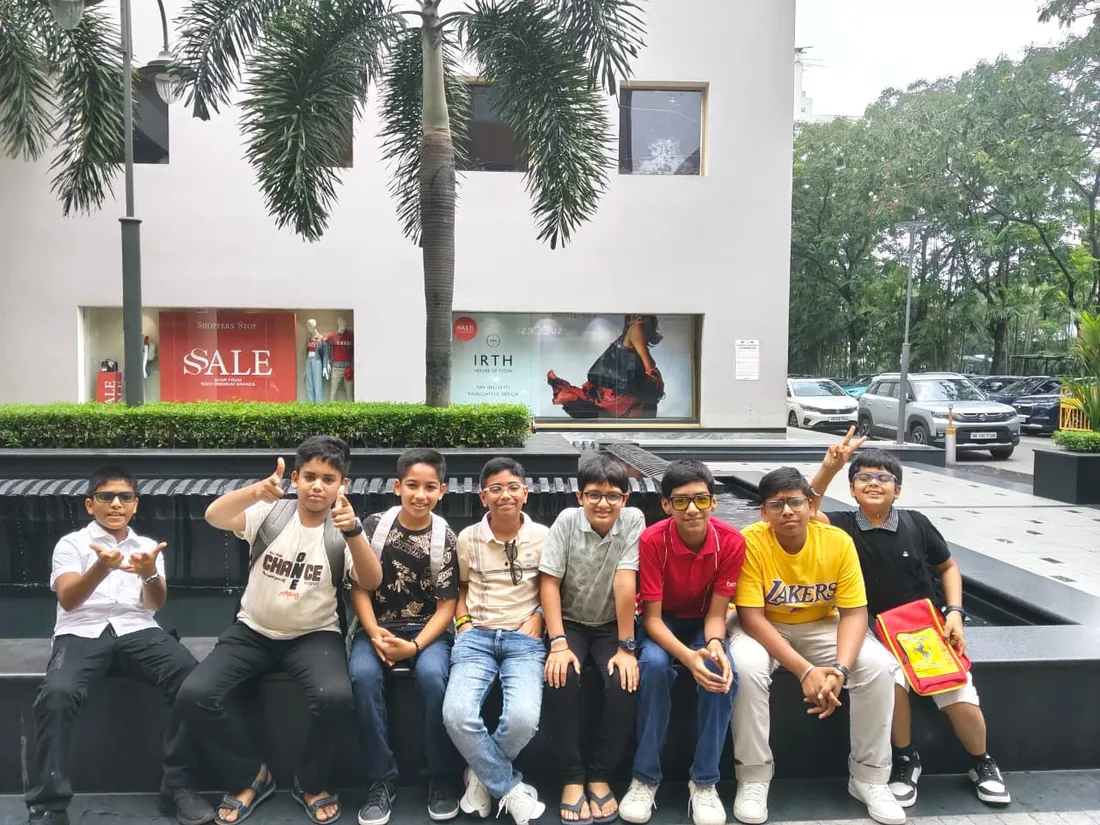
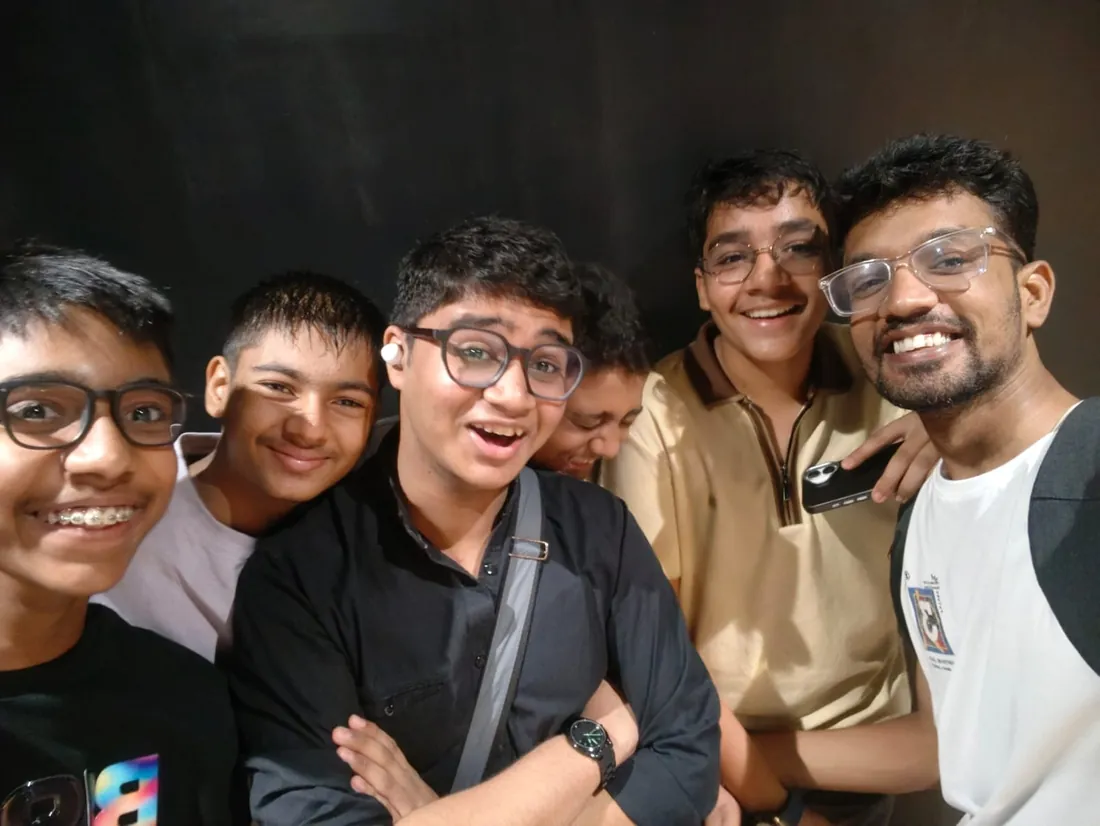
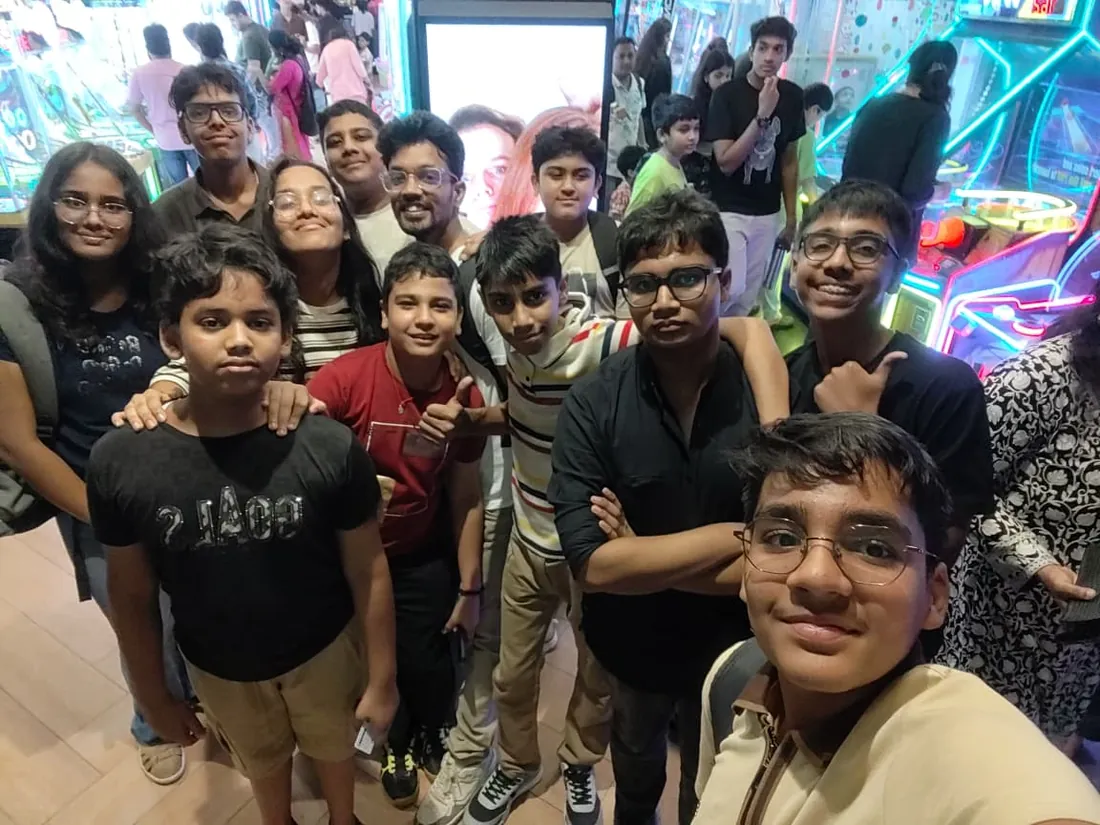
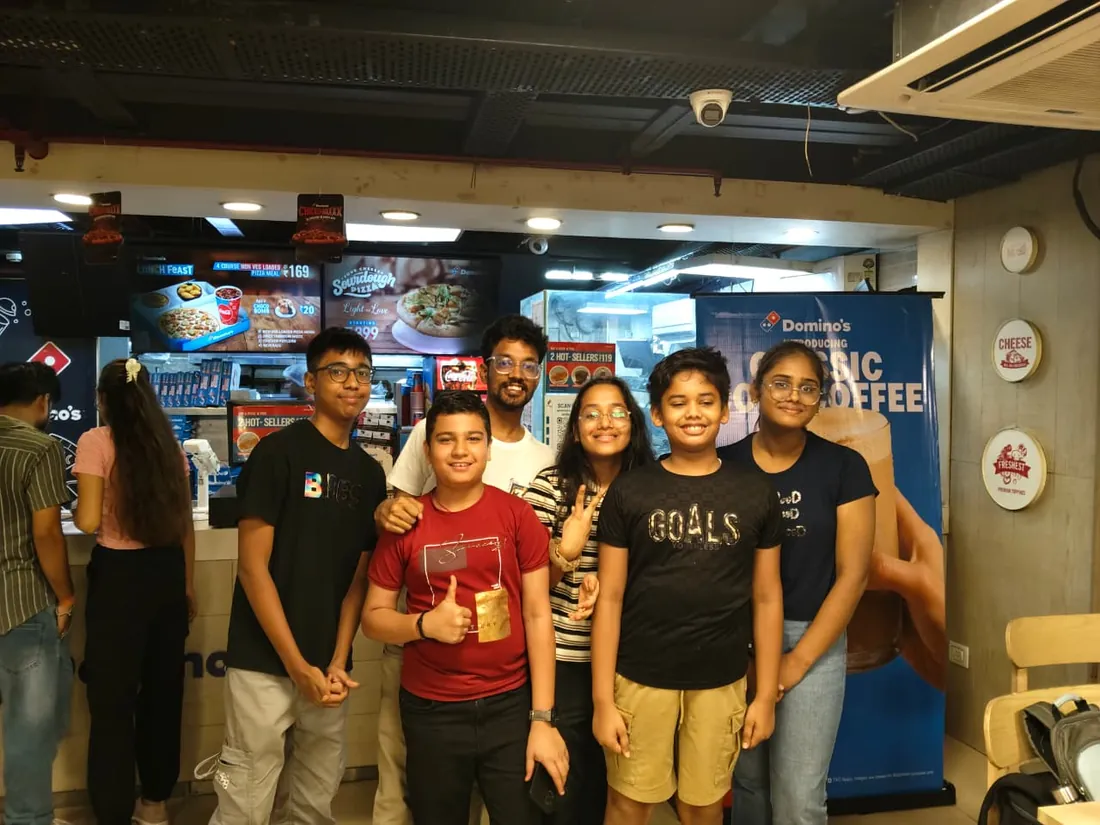
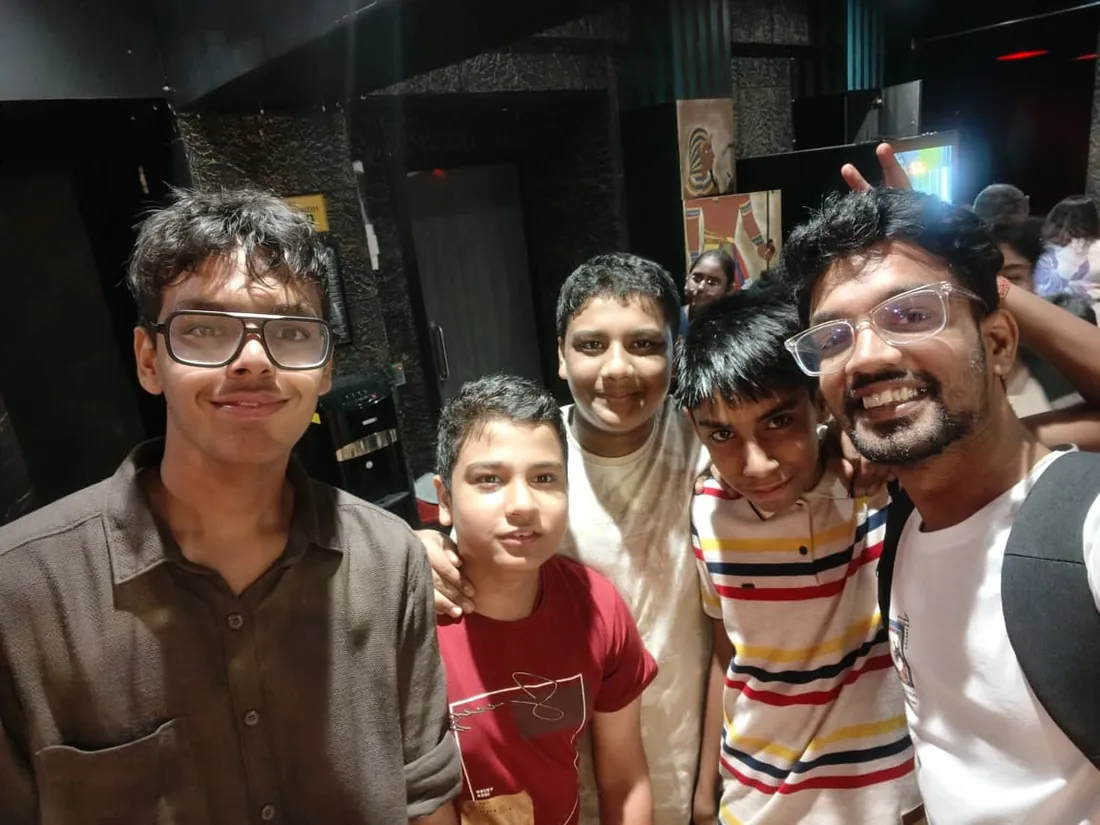
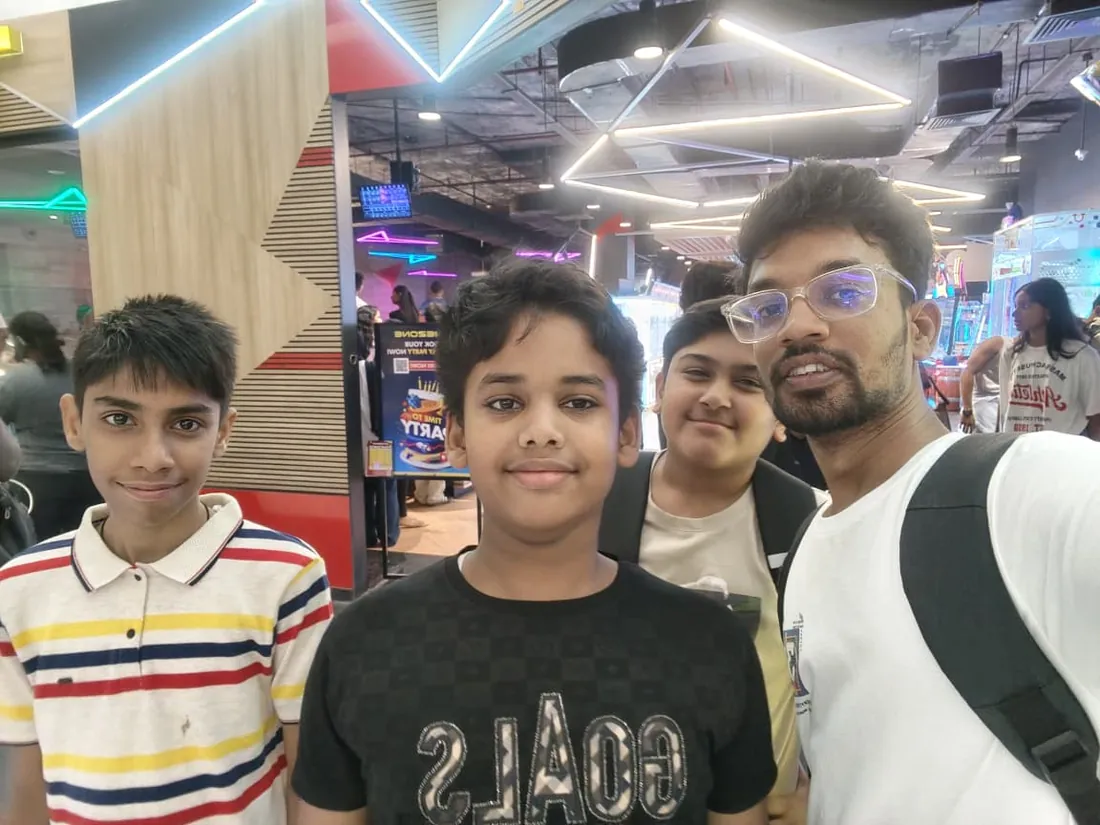
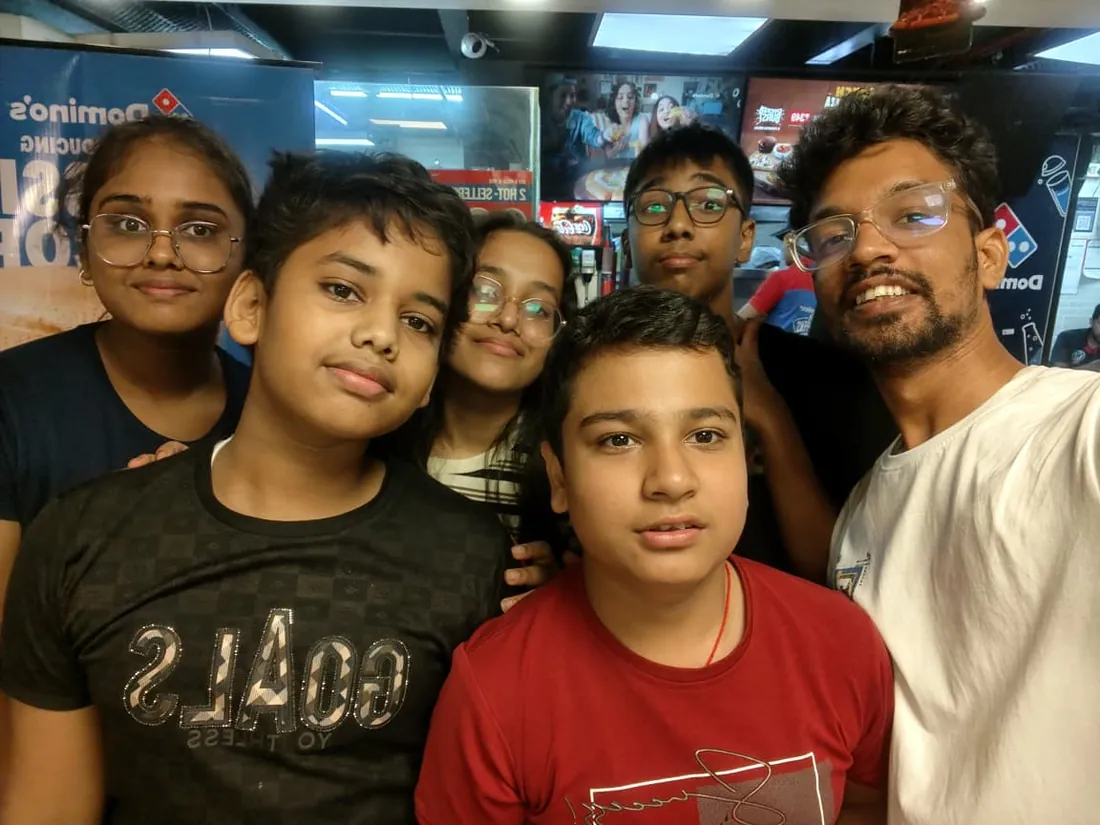
Real students. Real moments. Real joy.
These are our actual student meetups. No stock photos, no filters. Swipe through and meet the community you'll be joining.














What families say
Straight from the parents and students who learn with us. Rated 4.9 across 547 Google reviews.
“Mivaan enjoys the class. He understands the concepts and completes his tasks with excitement. He started taking interest in coding… truly amazing class.”
“I absolutely love it here! I made new friends and learned important valuable coding skills while having the fun of my life. It's not just coding here, it's outings, bonding and most importantly preparing you for your future. Definitely five stars.”
“What stands out most is how excited my son is before every class. He looks forward to learning, problem-solving, and sharing what he's built. I've noticed a big boost in his confidence!”
“Modern Age Coders has been a game-changer for me! I struggled to grasp IT concepts and coding before joining, but their classes transformed everything. I'm now the topper in my class and can confidently write complex programs with ease.”
“Modern Age Coder have wonderful teachers who teach in a clear, easy and practical way. The teacher boosts students' confidence, keeps them updated with technology, and inspires them to learn without hesitation.”
“The one step solution for my son. Modern Age Coders make learning coding so simple that kids love it.”
“Coding classes here make learning very interesting and conceptual. The teachers teach us in a very easy-to-understand and efficient manner.”
“One of the most wonderful education centres out there. Education is not limited to school syllabus but focuses on skill development. Learning here has been a wonderful journey and still continuing.”
“I highly recommend this computer coding class! The teachers are incredibly knowledgeable and passionate about coding. They make every session engaging and insightful.”
“My child Dhairya is really enjoying the Modern Age Coder IT classes. This is his first online class, and he eagerly looks forward to it.”
“Very good classes. Don't worry about coding. They teach the best, especially Shivam sir.”
“Very good classes. Makes learning very easy and interactive.”
Hear it from our students
Real parents and students in their own words, on our public YouTube channel.
Straight answers about JavaScript for Teens: Interactive Websites & Browser Games
- Who should take this course?
- Beginner, ages 13 to 18. It suits teens who have never written code and want a language where results show up on screen immediately; students who outgrew block coding and want to type real programs that do real things; teens aiming at websites and apps, for whom javascript is the non-negotiable first step.
- What will they learn and build?
- JavaScript is the only programming language every web browser understands, which makes it the most immediate language a teenager can learn: write a line, refresh the page, and something on screen changes. This 6-month live course starts at zero and builds in one direction, toward work worth showing. Months 1 and 2 cover the language core and the DOM, so pages respond to clicks and typing within weeks.
- How deeply are topics covered?
- The course runs 6 months (24 weeks) at 2 live classes/week + 2-3 hours practice, across 3 phases listed week by week in the syllabus below. A structured, well-paced curriculum taught step by step, with hands-on practice in every session.
- Who teaches it?
- Modern Age Coders mentors, who teach the live classes themselves. You can watch them at work in the free class recordings before you decide.
- How do practice, feedback and assessment work?
- Classwork every session, a task after every class, monthly reviews that mix in earlier topics, and a final exam covering the whole course that decides the certificate: real knowledge and real work, with a free retest after revision if needed. Doubt support between classes over WhatsApp, so you are never left stuck. A certificate you earn by passing the final assessment, with a free retest after revision if needed.
- What does it cost?
- Three monthly plans: a group batch, a mini batch and 1-on-1. Prices are shown in your currency in the plans section. Monthly billing, cancel any time.
- When can classes take place?
- Live classes are scheduled around your week. Group batches meet at a fixed weekly slot; 1-on-1 students choose their own. International students are scheduled in their own timezone. Ask on WhatsApp for the current slots.
- Can I watch the teaching before deciding?
- Yes. Full recordings of real 13 and up classes are free to watch, free with a Google sign-in. These recordings show how we teach, not the exact syllabus of this course. Some classes are in English and some in Hindi; everyone follows at their own pace. Watch a class end to end, like you are in it. Sessions are interactive and each moment builds on the last.
- Can I enroll without a live demo?
- Yes. Choose a plan on this page and enrol directly; a demo is not required. If you would like to see a full class with a mentor first, book a Priority Demo.
- How do I reach you with a question?
- WhatsApp +91 91233 66161, email connect@modernagecoders.com, or call +91 91233 66161. Tell us the student's age and what they have learned so far, and we will point you to the right plan and batch.
Common Questions About JavaScript for Teens: Interactive Websites & Browser Games
Get answers to the most common questions about this comprehensive program
Still have questions? We're here to help!
Contact UsRelated Courses You May Like
Continue your learning journey with these recommended programs
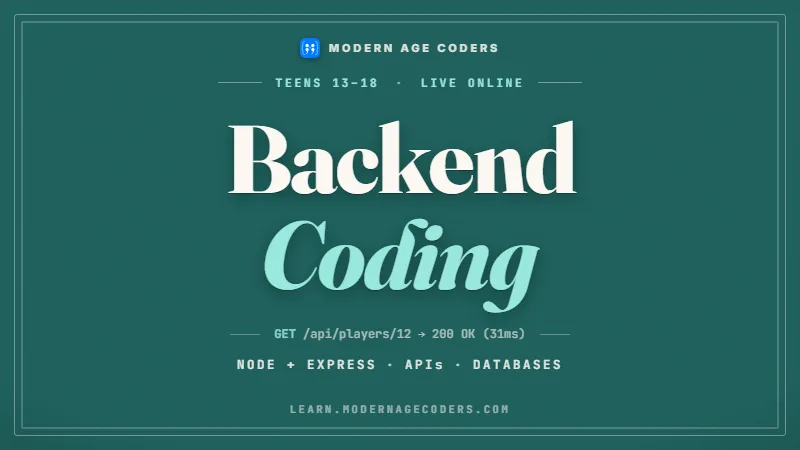 Web Development
Backend Development for Teens: Node, APIs and Databases
Backend course for teens aged 13-18: Node.js, Express, REST APIs, MongoDB and PostgreSQL, auth, secu...
Explore Course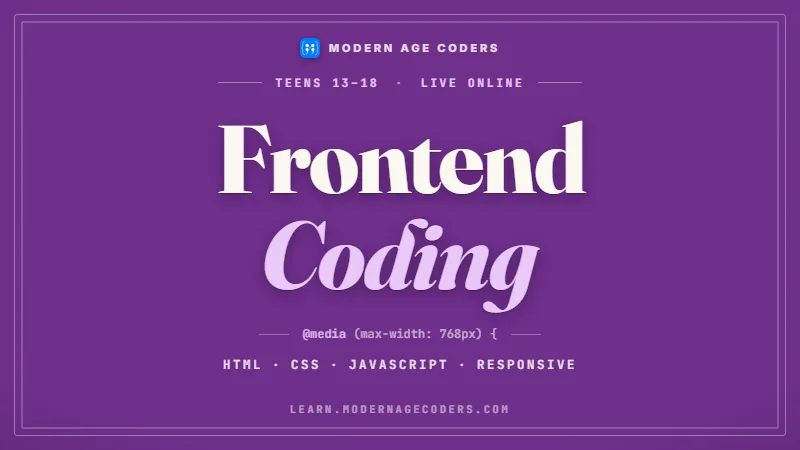 Web Development
Frontend Development for Teens: CSS Craft to React UI
Frontend course for teens aged 13-18 with a design soul: CSS mastery, Tailwind, animations, JavaScri...
Explore CourseRelated Articles & Guides
Deepen your knowledge with these hand-picked articles
 Web Development
38 min read
Web Development
38 min read
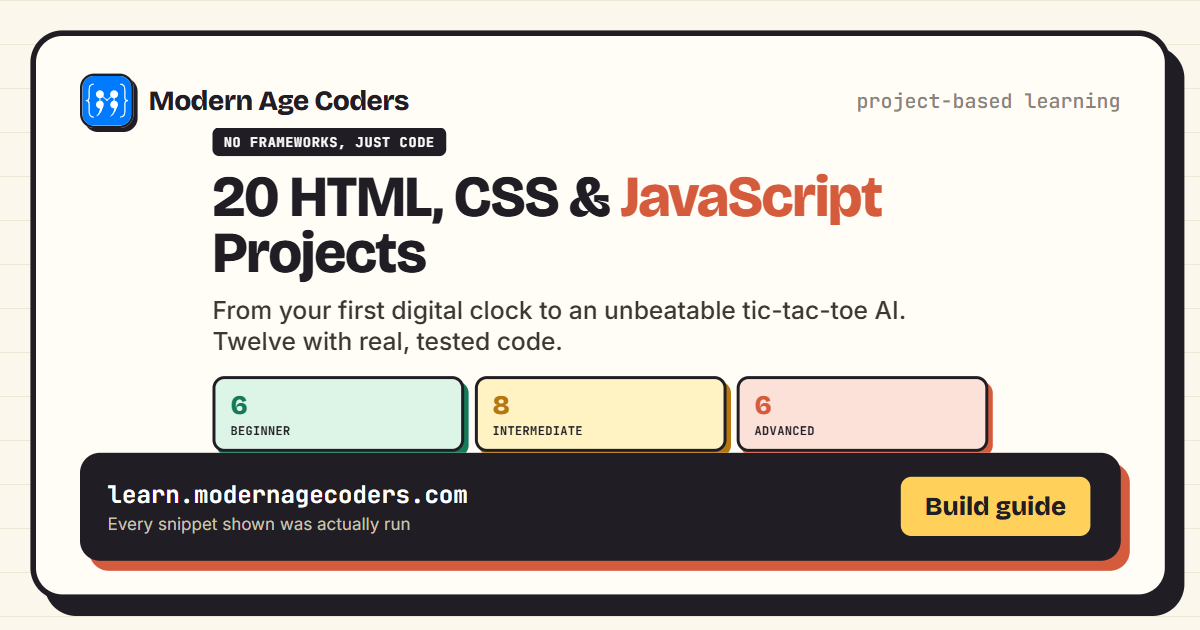
20 HTML, CSS, and JavaScript Project Ideas (With Code)
20 HTML, CSS, and JavaScript project ideas from beginner to advanced, each with the exact skills it ...
Read Article Programming
15 min read
Programming
15 min read
Learn Web Development with JavaScript - Basics, Projects & Hands-On Guide
Learn JavaScript with 7 hands-on projects! Master variables, functions, DOM manipulation, and event ...
Read ArticleReady to start JavaScript for Teens: Interactive Websites & Browser Games?
Book a Priority Demo to see a full live class with a mentor reserved for you, today or tomorrow. Or choose a plan and enrol now.
Questions? WhatsApp +91 91233 66161 or email connect@modernagecoders.com