APP / KIDS / 01
App Making for Kids
Real apps built with blocks for ages eight to twelve.
Open the syllabusNetherlands · App development · Live online
Ask which app matters most in Dutch daily life and the honest answer is not a game or a social network. It is DigiD, the login for dealing with the government. According to Logius, which runs it, DigiD was used 645 million times in 2025, and in the first half of 2026 almost three quarters of its logins went through the DigiD app. An app like that is judged less by its screens than by whether people can trust it with who they are, whether it works every time and whether it handles their data with care. Those are the qualities that separate a finished app from a demonstration, and they are what we teach alongside the code. This page covers app development for learners in the Netherlands, from a child's first block-built app to teenagers in React Native and adults in Flutter, Kotlin and Swift, live online and in English.
Live teaching since 2020 · more than 10,000 students · every app built with a live teacher
In short
Modern Age Coders teaches app development live online to learners in the Netherlands: children from about eight build real apps with blocks; teenagers build phone apps in React Native; students and adults work in Flutter for both platforms, Kotlin for Android or Swift for iOS. Every course treats the parts users never see, such as how data is stored, what an app asks permission for and what happens when something fails, as part of building the app. Lessons are live and in English, in groups of five to ten or one to one. The first lesson is free; after that a group place is USD 100 a month and private lessons USD 150.
Start here
One for children building their first app, one for teenagers making phone apps, and one for adults building for both Android and iOS. Each card opens its own page.
APP / 01
Children aged eight to twelve build real apps with blocks, a quiz, a timer, a drawing tool, and show them on a tablet.
Open the syllabus →
APP / 02
Phone apps in React Native, from the first screen to something friends can install, with data handled carefully.
Open the syllabus →
APP / 03
Dart and Flutter for apps that run on both Android and iOS, for students and adults.
Open the syllabus →An app everyone uses
The figures below come from two Logius announcements, published on 11 June and 17 August 2026. Logius is the government organisation that runs DigiD.
| Measure | Figure | Published |
|---|---|---|
| DigiD uses in 2025 | 645 million, a sharp rise on 2024 | 11 June 2026 |
| DigiD Machtigen, acting on someone else's behalf, in 2025 | 16.6 million times | 11 June 2026 |
| Messages through the MijnOverheid Berichtenbox | more than 92 million messages from 431 organisations | 11 June 2026 |
| Successful DigiD logins, first half of 2026 | almost 370 million | 17 August 2026 |
| Share of those logins with the DigiD app | almost three quarters | 17 August 2026 |
| Share with the app plus ID-check | more than half | 17 August 2026 |
The shift is striking. In the first half of 2026, almost three quarters of successful DigiD logins used the app, and more than half used the app with ID-check, an extra verification step users can add so they can log in to organisations that ask for it.
In other words, for most people in the Netherlands the phone has become the place where they prove who they are to their government, their health insurer and their tax office.
We make no claim about how DigiD is built; we have no connection with Logius. What its figures show is that the apps with the greatest reach are not always the flashiest. They are the ones people trust with something that matters, and that work every time they are opened.
That is the standard we hold learners' apps to, from a child's quiz app to an adult's Flutter project.
Sources: Logius, DigiD-gebruik groeit naar 645 miljoen inlogacties (11 June 2026); Logius, Ruim de helft van alle DigiD-logins wordt gedaan met DigiD app en ID-check (17 August 2026). Read 15 September 2026.
Built on trust
A learner's app will not carry anyone's identity. But the habits that matter for DigiD matter for every app, and they are easiest to learn from the start.
Every permission and every piece of stored data is a risk. Our learners decide what their app really needs, a location, a contact list, a login, and leave out the rest. An app that knows less has less to lose.
An app opened hundreds of millions of times cannot fail often. Learners test their apps on slow connections, full screens and wrong input, and write down what happens when something goes wrong.
An app for everyone has to be usable by everyone: readable text, clear buttons, sensible behaviour when the user makes a mistake. Learners review each other's apps with that in mind.
| Technology | What it builds | Who it suits |
|---|---|---|
| Blocks | Simple apps on tablets and phones | Children aged about 8 to 12 |
| React Native | Phone apps written in JavaScript | Teenagers, and web developers moving to mobile |
| Flutter | Apps for Android and iOS from one codebase, in Dart | Students and adults who want both platforms |
| Kotlin | Native Android apps | Learners heading into Android development |
| Swift | Native iOS apps | Learners heading into iPhone development |
A fourth habit is less visible: keeping secrets out of the code. Beginners often paste a password or an API key straight into their app and then publish the code on GitHub for anyone to read. Our learners keep keys in configuration that is never committed, and they learn why on the first project that talks to an online service.
A fifth is updating. The libraries an app depends on receive security fixes, and an app that is never updated slowly collects known weaknesses.
None of these habits makes an app look better in a screenshot. They are what separates an app a learner shows to friends from one a stranger can safely install, and they cost little to learn early and a great deal to add later.
By the end of the route, a learner can explain for every app they have built what data it holds, where that data is stored and what the app does when a request fails.
The habits in this section are our teaching practice. They describe no particular app and make no claim about DigiD's design.
Routes
The same goal, a finished app people can use, reached at different ages.
Children start with blocks and see an app on a real device within weeks; the kids page covers the wider route.
Teenagers move to React Native, often after some JavaScript; see coding classes for teens.
Adults and students choose Flutter for both platforms, or Kotlin or Swift for one; see coding and AI classes for adults. Apps with a server behind them connect to the full stack course.
Kotlin shares much with Java, covered on Java classes in the Netherlands.
The app ladder
Each rung adds something a real app needs. The last two, reliability and publishing, are the ones most courses leave out.
| Rung | What the learner can do |
|---|---|
| 1. First app | Build a working app with screens, buttons and simple logic |
| 2. Real code | Write the app in a language: JavaScript, Dart, Kotlin or Swift |
| 3. Data | Store and fetch data safely, locally or from a server |
| 4. Reliability | Test on real devices, handle errors and poor connections |
| 5. Publishing | Prepare an app others can install, with its code in a public repository |
An app that looks good but stores data carelessly is worse than a plain one that handles it well. Learners reach the data rung before they spend time on animations.
The coding roadmap shows which subjects come before app development and which build on it.
Children usually finish a small app every few weeks. Teenagers and adults build one larger app per stage, improving it rung by rung.
One-to-one lessons suit a learner with an app idea of their own and a date in mind.
The catalogue
Grouped by age. Every card opens the course page with its schedule and fee, and the free lesson places the learner.
APP / KIDS / 01
Real apps built with blocks for ages eight to twelve.
Open the syllabusAPP / KIDS / 02
A first website, often the step before a first coded app.
Open the syllabusAPP / TEEN / 01
React Native apps from the first screen to an installable app.
Open the syllabusAPP / TEEN / 02
The language behind React Native, learned through interactive projects.
Open the syllabusAPP / TEEN / 03
Components and state, the ideas React Native builds on.
Open the syllabusAPP / PRO / 01
Dart and Flutter for Android and iOS from one codebase.
Open the syllabusAPP / PRO / 02
Flutter, iOS and Android development for students and adults.
Open the syllabusAPP / PRO / 03
Native Android apps in Kotlin, from zero to publish-ready.
Open the syllabusAPP / PRO / 04
SwiftUI apps for iPhone, from the first view onwards.
Open the syllabusHow the classes run
Teachers work from India, which does not change its clocks, so the gap to the Netherlands is three and a half hours in summer and four and a half in winter. Children and teenagers usually learn after school, adults in the evening or at the weekend, at a regular time agreed in the free lesson.
After school
Late afternoon, Dutch time, for children and teenagers.
Evening
By arrangement, for students and adults.
Weekend
Saturday or Sunday, good for testing apps on devices.
You build a first screen with a teacher and see it running, and the teacher proposes the right route.
Learners at the same level from several countries, testing each other's apps.
For a learner with an app idea of their own, a deadline or a specific platform.
Apps are run on phones and tablets, not only in simulators, so real problems show up early.
The language of the frameworks and the app stores; Dutch school terms are kept for younger learners.
Every app's code goes into the learner's own GitHub repository.
Student work
Four live projects by our students. More, including apps, on the student labs page.
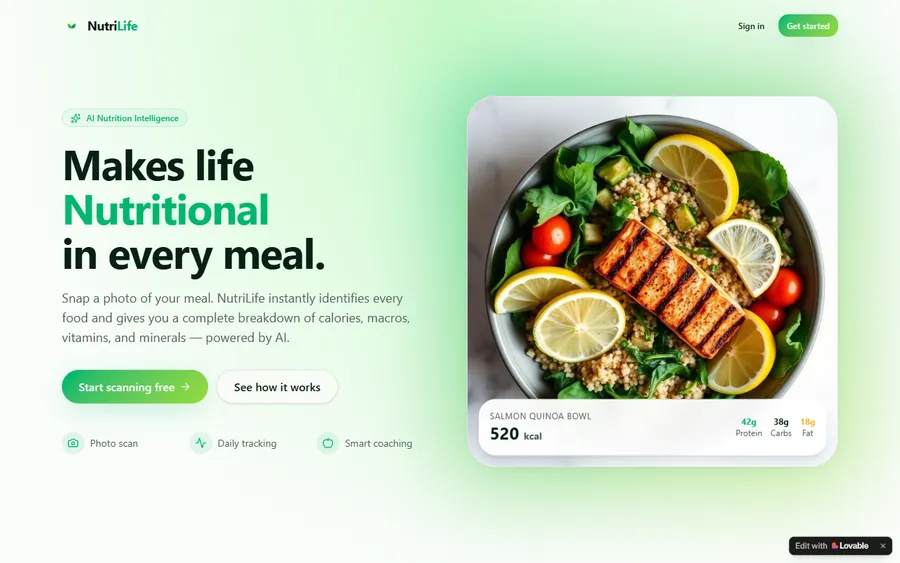
AI and ML
An AI nutrition coach that reads what you eat and works you toward a target.
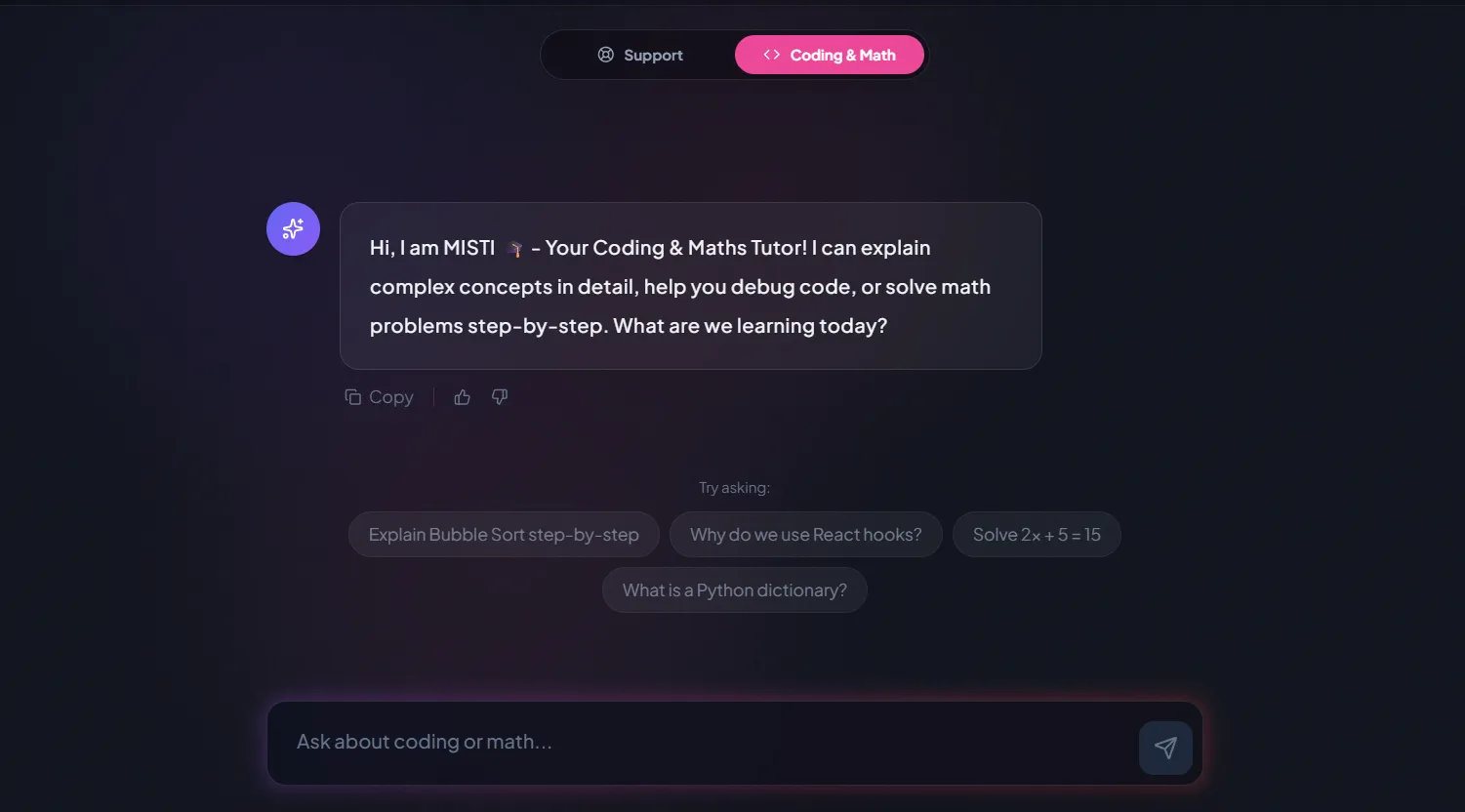
AI and ML
A chatbot that answers mathematics and programming questions, built and deployed by a student.
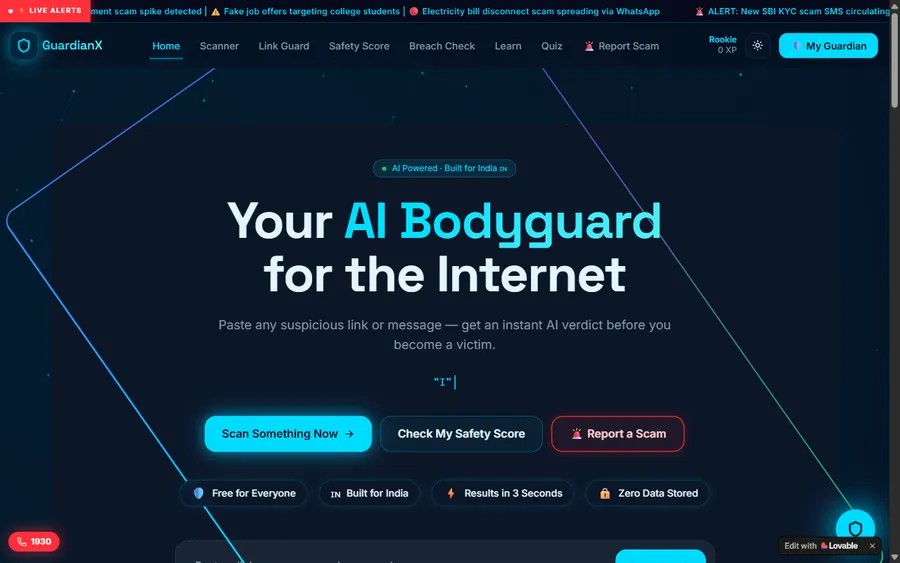
AI and ML
An assistant that helps a young person recognise unsafe situations online.
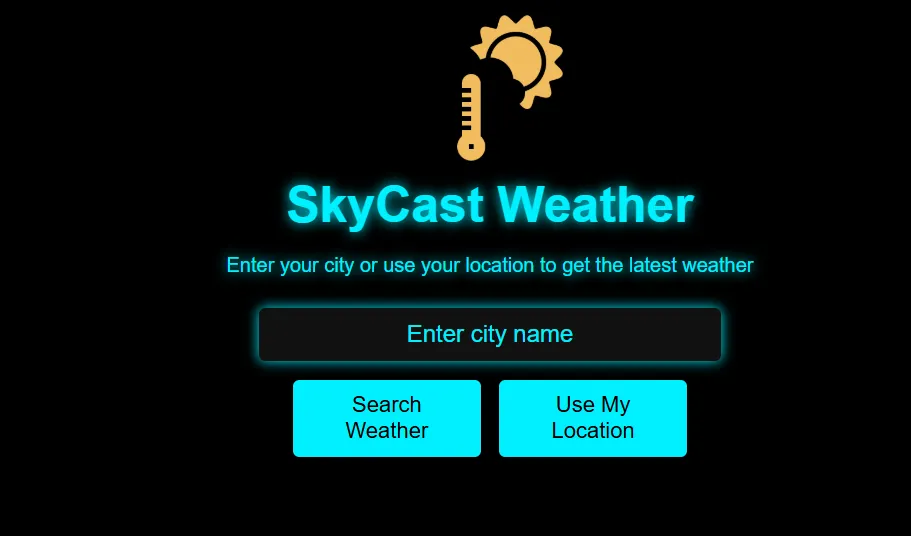
Web app
A weather forecasting site with live conditions for any location.
Fees
A single monthly rate in US dollars, identical in every country outside India and for every kind of app. You pay nothing to register and sign no annual contract.
Free first class
USD 0
no card required
Group batch
USD 100
a month, billed in US dollars
One to one
USD 150
a month, billed in US dollars
What families say
As written on Google. We do not write or pay for reviews.
★★★★★
"The one step solution for my son. Modern Age Coders make learning coding so simple that kids love it. The teachers explain complex concepts clearly with practical exercises and interactive content."
Ria Mukherjee
Parent
★★★★★
"Modern Age Coders has been a game-changer for me. I struggled to grasp IT concepts and coding before joining, but their classes transformed everything. I can now confidently write complex programs with ease."
Samriddha Mondal
Student
★★★★★
"One of the most wonderful education centres out there. Education is not limited to school syllabus but focuses on skill development."
Vansh Agarwal
Student
★★★★★
"My child Dhairya is really enjoying the Modern Age Coders classes. This is his first online class and he eagerly looks forward to it. I can already see his improvement, and the teachers are very cooperative."
Sonam Oswal
Parent of Dhairya
★★★★★
"Modern Age Coders have wonderful teachers who teach in a clear, easy and practical way. The teacher boosts students' confidence and inspires them to learn without hesitation."
Sonu Goyal
Parent
★★★★★
"I highly recommend this computer coding class! The teachers are incredibly knowledgeable and passionate about coding."
Ritu Kedia
Parent
Questions about app development
For children, blocks. For teenagers, React Native. For adults who want both Android and iOS, Flutter; for one platform natively, Kotlin or Swift. The free lesson helps decide.
Because it is the app most people in the Netherlands depend on. Logius reports 645 million DigiD uses in 2025, and almost three quarters of logins in the first half of 2026 went through the app. It shows that the apps that matter most are built on trust and reliability.
No. We quote Logius's public figures and make no claim about how DigiD is built.
Yes, from about eight, with blocks. Children see their app running on a real device within weeks.
For publishing to the App Store, Apple's tools require a Mac. Flutter and React Native let learners start on other computers and test on Android first.
Many learners prepare their apps for installation by friends and family, and some publish to the stores. The code always goes into the learner's own repository.
Yes, like the frameworks and their documentation.
Once the free trial is over, a seat in a group is USD 100 a month and private lessons USD 150 a month, billed in US dollars. There is no enrolment charge and you can leave at the end of any month.
After school, in the evening or at the weekend, Dutch time. Teaching from India, where clocks never change, our staff are three and a half hours ahead in Dutch summer and four and a half in winter.
We phone back at a reasonable time for the Netherlands and book the trial lesson, where you build a first screen. You pay only if you decide to carry on.
Elsewhere on this site
Pages for each age and for the server side of apps.
The server and data behind an app.
The language Kotlin grew from.
The teenage route, including apps.
The first steps, including block-built apps.
For adults building apps for work or a new career.
Five rungs from first Python to working AI, for the whole country.
Start here
Leave your number and someone calls back when it suits a Dutch day. In the first lesson you build a first screen with a teacher, and by the end you will know your route.
Want to look around first? The courses on offer, our way of teaching and the roadmap are a good place to begin.
WhatsApp us · +91 91233 66161 · contact@modernagecoders.com
From a Dutch phone, WhatsApp costs nothing and tends to be quickest. We use an Indian number and have no office or premises in the Netherlands.