UK / AD1 / 01
Python, zero to advanced
The full route for a complete beginner, taken at whatever speed a working week allows.
Open the syllabusUnited Kingdom · Adults · Evenings and weekends
Most adults who write to us about learning to code open with their age. Forty-four, fifty-two, sixty-one, and then a version of the same question. Ofcom has, without meaning to, answered it. When it modelled what actually predicts digital confidence in British adults this year, the strongest marker was not age but breadth of online activity, and the gap between broad and narrow internet users was wider than the gap between the youngest and oldest age groups. Age is the weaker variable. This page sets out what Ofcom found, what the free and government-funded routes cover and where they stop, and what is honestly left for everyone those routes were not designed for.
Live teaching since 2020 · 10,000+ students · Learners from 6 to 67
In short
An adult in the UK who wants to learn to code has three honest options. A Skills Bootcamp is free, lasts up to sixteen weeks and ends with a job interview, which makes it the right answer for someone changing career now. A free bootcamp such as School of Code does something similar. And from January 2027 the Lifelong Learning Entitlement funds modular study at levels 4 to 6, with tuition loans available to people up to the age of 60 at the start of a course. All three are built for a career switch, and one of them has an age ceiling. Weekly evening lessons are for everybody else: people learning alongside a job, at a pace a life allows, with no intention of becoming a developer by Christmas. That is what we do, for learners up to 67, and the first lesson is free. After that it is USD 100 a month in a group or USD 150 one to one.
Start here
Written for grown-ups with jobs: no school framing, no homework for its own sake. Each card opens a full syllabus.

ADULT / 01
A complete route for an adult who has never programmed, starting from what a variable is and ending somewhere useful.
Open the syllabus →
ADULT / 02
For people whose work involves data but whose job title does not contain the word developer.
Open the syllabus →ADULT / 03
Automating the repetitive parts of an actual job, which is where most adults first see the point.
Open the syllabus →What predicts confidence
From Ofcom's Adults' Media Use and Attitudes Report, published 2 April 2026. The regression in it is more interesting than any of its headlines.
Ofcom asked online adults how confident they feel, and the topline looks reassuring: 89 per cent say they feel confident as an internet user, 82 per cent about recognising scam messages and 81 per cent about identifying online advertising. Then it asked about judging whether online information is true or false, and the figure drops to 72 per cent, down slightly on last year.
Split confident from very confident and the floor gives way. Fifty-three per cent are very confident overall, but only 30 per cent about recognising advertising, 29 per cent about spotting scams, and 21 per cent about judging whether information is true.
Then Ofcom did the thing that matters. It ran a binary logistic regression across general internet use, scam detection, recognising advertising and judging accuracy, and reported that "breadth of online activity is the strongest marker of digital confidence", with broad and medium users significantly more likely than narrow users to feel confident across every area.
On age, its own conclusion is explicit: confidence "varies by age, although to a lesser extent than by breadth of internet use".
| Split by breadth of internet use | Confident | Split by age | Confident |
|---|---|---|---|
| Broad users | 78 per cent | 25 to 34 and 35 to 44 | 72 per cent |
| Medium users | 61 per cent | 45 to 54 | 64 per cent |
| Narrow users | 42 per cent | 16 to 24 | 62 per cent |
| 55 to 64 | 58 per cent | ||
| 65 to 74 | 47 per cent | ||
| Spread | 36 points | 75 and over | 46 per cent |
undefined
None of which means learning is effortless at any age. It means the variable that moves is the range of things you do, and learning to write a program is about as decisive a widening of that range as exists.
It is also worth knowing where adults are already meeting AI without choosing to. Three-quarters of online adults read AI search summaries at least some of the time, and more than two in five read them often or always.
Adults are more sceptical than teenagers about the results. Fifty-seven per cent say they would trust a news story written by AI less than one written by a person, 27 per cent about the same and 7 per cent more. The teens page shows the opposite pattern in children, which is worth a conversation at home.
Scepticism without a way to check is just unease. Writing code converts it into something testable, which is the practical case for an adult learning it.
Source, read 20 September 2026: Ofcom, Adults' Media Use and Attitudes Report, published 2 April 2026.
What is already free
If one of these fits you, take it. We would rather say so here than have you find out after paying us.
| Route | What it is | Where it stops |
|---|---|---|
| Skills Bootcamps | Government-funded training for adults aged 19 and over, lasting up to sixteen weeks and offering a job interview on completion | Built around moving into a job now. Intensive, and not designed for someone studying alongside full-time work |
| School of Code | In its own words, "free, intensive Bootcamps around the UK throughout the year", including fully remote and blended courses | Places are limited and intake is periodic; the site does not publish a duration or eligibility rules, so we do not state any |
| Lifelong Learning Entitlement | From January 2027, loan funding for full courses and modules at levels 4 to 6 and some level 7, with applications opening in September 2026 | Tuition loans are available to people up to the age of 60 at the start of a course. Learners aged 60 or over "may still qualify for maintenance support, though not a tuition fee loan" |
| Weekly lessons | What this page is about: one or two lessons a week with a teacher, at a pace that fits a job and a family | Not a career-change programme, and it comes with no job interview at the end |
The Skills Bootcamp design is worth understanding properly, because it explains who it is for. Employers sending an existing employee contribute 10 per cent of the training cost if they have between 1 and 249 staff and 30 per cent if they have 250 or more, while recruiting someone who has already completed one costs an employer nothing. The whole structure points at employment, which is exactly why it is the right answer for a career changer and the wrong one for someone who simply wants to become capable.
If that is you, stop reading and go and apply. We are not competing with free.
The Lifelong Learning Entitlement is the bigger structural change, and it is modular by design: a funded module has to be worth at least 30 credits, or a bundle from the same parent course adding up to 30. That makes genuinely part-time study fundable in a way it has not been.
And then there is the sentence that made this page worth writing. Tuition loans under the LLE run to the age of 60 at the start of a course. Not sixty-five, not state pension age. Sixty.
undefined
Where we fit
Being clear about what this is worth more than a list of features.
This is weekly teaching, one or two lessons a week, with a named teacher who reads what you wrote and tells you why it is wrong. It runs in the evening or at the weekend in UK time. It assumes you have a job, that some weeks will be bad, and that nobody is going to become employable in sixteen weeks doing two hours a week, because they are not.
What it does produce, over a year, is an adult who can write a working program, read someone else's, automate a piece of their own job and tell when an AI tool has handed them something wrong. For a great many people that is the actual goal, and it never needed a bootcamp.
Three groups tend to find it fits. Professionals whose work is drowning in spreadsheets and who want the repetitive part automated. Parents who want to understand what their children are being taught, and often end up going further than the children. And people who have retired or semi-retired and want something difficult and useful to do that is not a puzzle book.
One group it does not fit: anyone who needs to be job-ready by a date. Go to a bootcamp. If you want to build up to one first, a few months of weekly lessons beforehand is a good use of time, and plenty of our adult students have done exactly that.
| After | What you can do | What you still cannot |
|---|---|---|
| Three months | Write and debug short Python programs from an empty file; read simple code and predict what it does | Build anything with a database behind it |
| Six months | Handle files and data, use libraries, and automate a repetitive task from your own work | Pass a technical interview for a developer role |
| Twelve months | Build a small application end to end, test it, and explain every decision in it | Substitute for a computer science degree, and we would not claim otherwise |
| Beyond | Move into data, AI or web development with a portfolio of your own work | Skip the part where you build things nobody asked for |
undefined
Progression
Adults move through these faster than children on reading and slower on practice hours. It evens out.
| Stage | Starting point | Evidence it is done |
|---|---|---|
| 1. The basics land | Never written a line of code | Short programs written unaided, and errors read rather than feared |
| 2. Useful quickly | Can type code but cannot yet structure it | A repetitive task from your own work automated end to end |
| 3. Real projects | Comfortable with the language | An application with data behind it, built, tested and explained |
| 4. A direction | Wants to go somewhere specific | Depth in data, AI or web development, with published work to point at |
Our oldest learners are in their sixties and they do not move more slowly than a twenty-five-year-old at the same stage. They ask better questions and they practise less, and those roughly cancel out.
Ofcom's own analysis, above, points the same way: breadth of activity matters more than the year on a birth certificate.
Work gets busy and people pause. Coming back a month later costs a lesson of revision, not a term, and we would rather someone paused than quietly dropped out.
Group and private lessons can be swapped either way as circumstances change.
The catalogue
Grouped by what an adult is trying to get done rather than by difficulty. The free lesson settles the starting point.
UK / AD1 / 01
The full route for a complete beginner, taken at whatever speed a working week allows.
Open the syllabusUK / AD1 / 02
The concepts and the vocabulary, for people who need to follow the argument rather than write the code.
Open the syllabusUK / AD1 / 03
Where the data actually lives, which is often the first thing an adult genuinely needs at work.
Open the syllabusUK / AD2 / 01
The repetitive parts of a week turned into something that runs by itself.
Open the syllabusUK / AD2 / 02
Cleaning, questioning and charting real data, with the limits of each chart stated out loud.
Open the syllabusUK / AD2 / 03
Models built and tested visually first, so the ideas land before the notation does.
Open the syllabusUK / AD3 / 01
The full path from spreadsheets to models, for adults with a destination in mind.
Open the syllabusUK / AD3 / 02
Building and deploying the kind of application an employer can open and click.
Open the syllabusUK / AD3 / 03
The material technical interviews are built on, worked through slowly and properly.
Open the syllabusHow lessons work
Our teachers are in India, where the clocks do not shift, so the UK runs five and a half hours behind in winter and four and a half in summer. Adults almost always pick an evening or a weekend morning.
Early evening
Straight after work, which most people find easiest to keep.
Later evening
For anyone whose evening does not free up until the house is quiet.
Weekend morning
Longer sessions, better for finishing something in one sitting.
Adults are taught as adults. No badges, no gamification, and questions answered properly rather than simplified.
Where it is possible, the examples come from a learner's actual job, which is what makes the skill stick.
Weekly, with reasons. This is the single thing a recorded course cannot give an adult beginner.
Work travel, deadlines, illness. Tell us and we hold the slot rather than quietly dropping you.
Five to ten adults at the same stage. Nobody is the only beginner in a room of graduates.
For a specific target, an awkward schedule, or someone who would rather not learn in front of others.
Student work
Four published projects. More are on the student labs page.
AI and ML
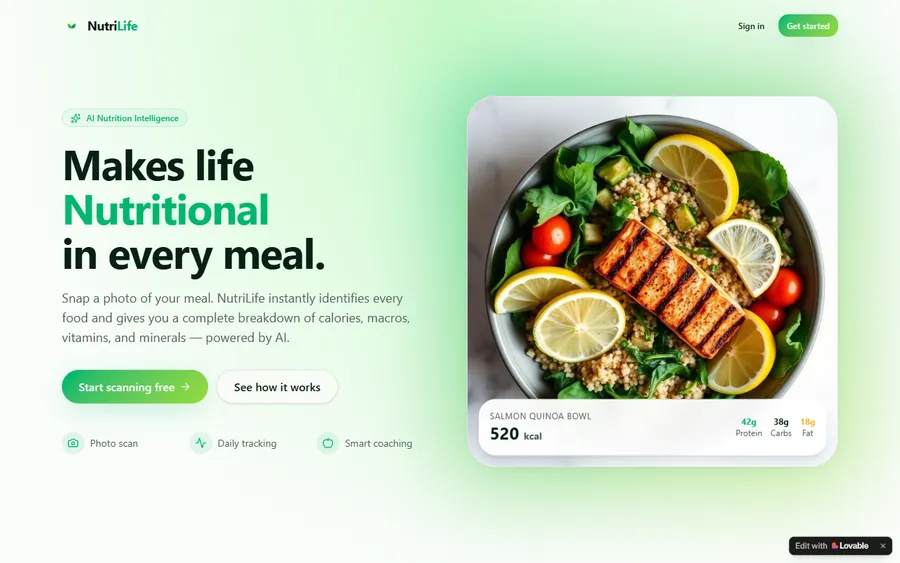
An AI nutrition coach that reads what you eat and works you toward a target.
AI and ML
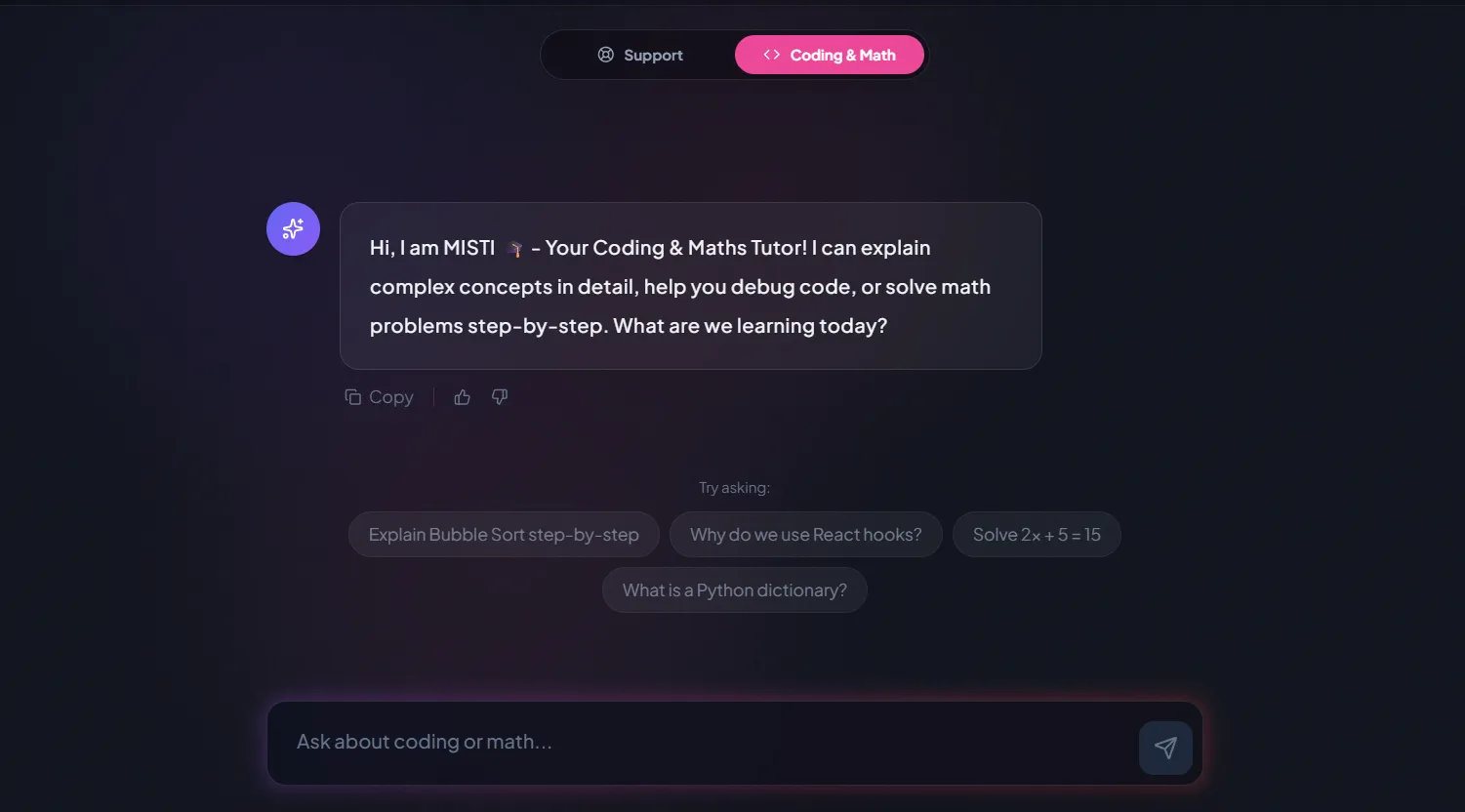
A chatbot that answers mathematics and programming questions, built and deployed by a student.
AI and ML
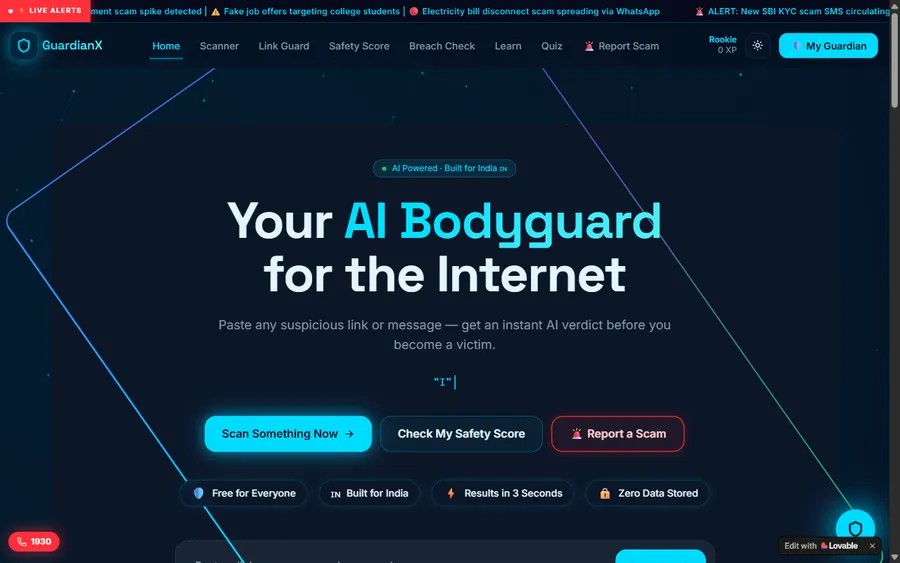
An assistant that helps a young person recognise unsafe situations online.
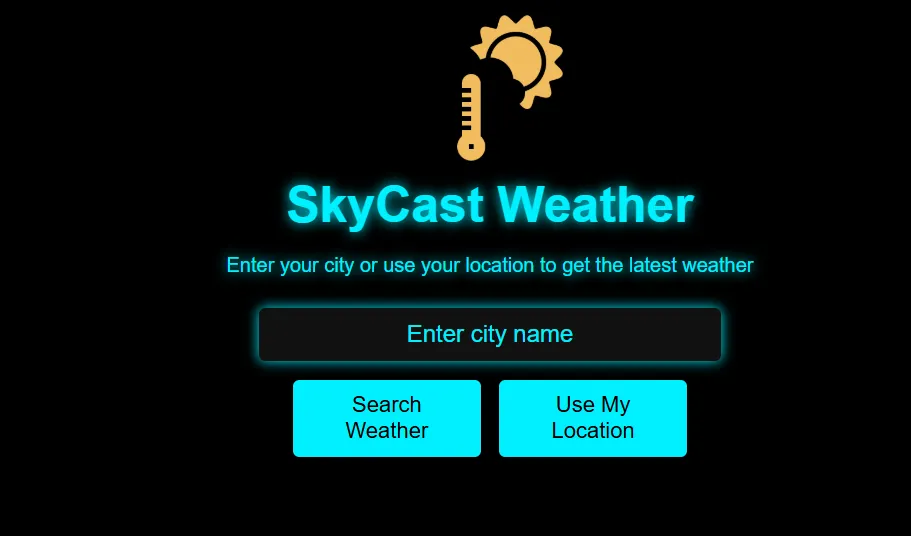
Web app
A weather forecasting site with live conditions for any location.
Fees
One figure a month, quoted in US dollars because that is how we price outside India. Nothing is taken in advance, and there is no year-long contract to sign.
Free first class
USD 0
no card required
Group batch
USD 100
a month, billed in US dollars
One to one
USD 150
a month, billed in US dollars
What families say
Copied from Google as written. Nobody is paid or prompted to leave one.
★★★★★
"The one step solution for my son. Modern Age Coders make learning coding so simple that kids love it. The teachers explain complex concepts clearly with practical exercises and interactive content."
Ria Mukherjee
Parent
★★★★★
"Modern Age Coders has been a game-changer for me. I struggled to grasp IT concepts and coding before joining, but their classes transformed everything. I can now confidently write complex programs with ease."
Samriddha Mondal
Student
★★★★★
"One of the most wonderful education centres out there. Education is not limited to school syllabus but focuses on skill development."
Vansh Agarwal
Student
★★★★★
"My child Dhairya is really enjoying the Modern Age Coders classes. This is his first online class and he eagerly looks forward to it. I can already see his improvement, and the teachers are very cooperative."
Sonam Oswal
Parent of Dhairya
★★★★★
"Modern Age Coders have wonderful teachers who teach in a clear, easy and practical way. The teacher boosts students' confidence and inspires them to learn without hesitation."
Sonu Goyal
Parent
★★★★★
"I highly recommend this computer coding class! The teachers are incredibly knowledgeable and passionate about coding."
Ritu Kedia
Parent
Questions from UK adults
Ofcom's 2026 analysis found breadth of online activity a stronger marker of digital confidence than age, and said so explicitly. The spread between broad and narrow internet users was wider than the spread across every age band. We teach learners up to 67.
If you want to move into a tech job now, probably yes. They are free for adults aged 19 and over, last up to sixteen weeks and offer a job interview on completion. We are weekly lessons alongside a job, which is a different thing.
A provider that runs what it describes as free, intensive bootcamps around the UK throughout the year, including fully remote and blended courses. Its site does not publish a duration or eligibility rules, so we do not state any.
A new student finance system covering full courses and modules at levels 4 to 6 and some level 7. Applications open in September 2026 for courses and modules starting from January 2027.
Yes. Tuition loans under the LLE are available to people up to the age of 60 at the start of their course. GOV.UK adds that learners aged 60 or over may still qualify for maintenance support, though not a tuition fee loan.
With Python, and with a free lesson that tells you honestly whether the pace suits you. Roughly three months of weekly lessons is enough to write and debug short programs unaided.
We make no claim that it will. We do not place anyone, we have no employer partners and we run no hiring pipeline. What a year produces is capability and a portfolio, and what you do with those is yours.
Yes, and we would rather you did than drop out quietly. Coming back costs a lesson of revision. The slot is held.
Yes. Groups are built by level, and adult groups are adults. Nobody is placed in a room of teenagers.
Nothing for the first lesson. A group place is then USD 100 a month and a private one USD 150, taken monthly, with no advance payment and no minimum term.
Elsewhere on this site
Each covers one part of this in more depth.
Where the four nations differ, with an index of everything we have written.
Seven checks that work whoever is doing the teaching.
The same question for a teenager, with very different data behind it.
The method, set out in full, with its limits.
What order topics come in, well past the beginner stage.
Work our learners have built and published.
Start here
Send a number and we will come back at a UK time that suits you. The free lesson is real teaching on a real problem, and it ends with a straight view of whether this is the right fit.
Prefer to read first? Syllabuses are on the course pages, the method is in how we teach, and the topic order is on the coding roadmap.
WhatsApp us · +91 91233 66161 · contact@modernagecoders.com
A WhatsApp message from a British mobile is free to send and gets the fastest reply. The number belongs to our office in India, which we would rather state here than leave you to notice.