Java for Teens: Beginner to Advanced
The language behind Minecraft, Android and the systems banks run on, taught to teenagers properly: strict enough to build discipline, fun enough to keep them building.
Syllabus updated August 2026
Recordings are free with a Google sign-in. These recordings show how we teach, not the exact syllabus of this course.
How long this course takes
This course runs 10-12 months (40-48 weeks) at 2 live classes/week + 3-4 hours practice. The range allows for background and pace: a complete beginner uses the full span, and a student with prior knowledge finishes sooner. The syllabus below is planned to the shorter end, with margin kept for revision.
For personalised duration planning, call +91 91233 66161 and we'll map a schedule to your goals.
At a glance
- Who it is for
- Absolute beginner, ages 13 to 18.
- Prerequisites
- None. The course starts from the very first line of code
- Format
- Live, interactive classes with a real instructor, never pre-recorded videos. Live classes run about one hour.
- Language
- English or Hindi, depending on the batch.
- Duration
- 10-12 months (40-48 weeks)
- Weekly commitment
- 2 live classes/week + 3-4 hours practice
- Class size
- Group batches of 5 to 10 students, mini batches of 3 to 4, or 1-on-1.
- Certificate
- Certificate from Modern Age Coders, awarded on passing the final exam
- Watch first
- Free recordings of real classes for ages 13 and up, free with a Google sign-in. These recordings show how we teach, not the exact syllabus of this course.
- Live demo
- Optional. Enroll directly on this page, or book a free live demo if you would like to meet a mentor first.
How we teach
Deep understanding. Real projects. Expert guidance.
Learn coding, AI and maths through careful explanations, practical demonstrations, and hands-on problem-solving. Our instructors guide you from the foundations to advanced ideas, helping you understand what happens, why it happens, and how to build it yourself.
You will explore concepts step by step, write and improve code, investigate mistakes, ask questions, and apply your knowledge to meaningful projects. Lessons are designed around active participation, thoughtful feedback, and growing independence.
Expert-led live teaching, with practical participation built into every lesson.
- Students explain their thinking.
- Instructors demonstrate, then guide practice.
- Learners code, solve, or build during lessons.
- Questions and misconceptions get attention.
- Assignments receive useful feedback.
- Progress is checked before advancing.
Ready to Master Java for Teens: Complete Course from Beginner to Advanced?
Choose your plan and start your journey into the future of technology today.
Rated 4.9 across 547 Google reviews. Enroll directly, or take a free live demo first if you like. No card needed for the demo. Monthly billing, cancel anytime.
International Students (Outside India)
Billed monthly in US dollars, the same price in every country. Contact us with any questions.
Program Overview
Java is the language schools trust and industry runs on: ICSE, ISC and AP Computer Science A all teach it, Minecraft is written in it, and enterprise systems everywhere depend on it. This live online course takes students aged 13 to 18 from their first line of code to genuinely advanced Java, and its strict, typed nature quietly teaches the discipline that makes every later language easier.
The first three months build the foundations: variables to loops to methods, then object-oriented programming taught the way Java demands, with classes, inheritance, interfaces and real design decisions. The middle months make Java fun on screen: the collections framework and modern streams, desktop apps with JavaFX, a complete 2D game, and Minecraft modding, the project every Java-learning teen secretly wants. The final months go where serious Java students go: data structures and algorithms built from scratch, a threaded program that does two things at once, a first REST API with Spring Boot, calling modern AI models from Java, and a capstone shipped with Git, tests and a demo.
The pace is honest: two live classes a week plus three to four hours of practice fits the syllabus in ten months, and students who need more time take up to twelve, the class adapts instead of rushing ahead. Learning is checked the honest way too: homework after every class, monthly assignments that mix new questions with earlier topics, and a final exam that decides the certificate. Real knowledge, real work, real projects, depth over dopamine.
What Makes This Program Different
- Aligned with school Java: ICSE, ISC and AP Computer Science A students find class work and school work reinforcing each other
- Minecraft modding is in the syllabus, not a teaser: students build and run their own mods in month 6
- Object-oriented programming taught as design, not syntax: students learn why classes exist, not just how to type them
- Data structures and algorithms built from scratch, the preparation serious CS paths actually require
- An honest 10-month arc with 2 months of margin built in: students who need more practice take up to 12, nobody is rushed
- Real assessment: weekly homework, mixed-review assignments every month, and a final exam that decides the certificate, with focused revision and a free retest for students who fall short
Your Learning Journey
Career Progression
Detailed Course Curriculum
Explore the complete week-by-week breakdown of what you'll learn in this comprehensive program.
Topics Covered
- What is programming? Why Java? Real-world Java applications
- How computers understand code: compilation and execution
- Java history: from coffee to code that runs everywhere
- Installing Java JDK and understanding versions
- Setting up IntelliJ IDEA (student edition)
- Your first Java program: Hello World explained
- Understanding main method and program structure
- Basic program flow and execution
- Using the command line to compile and run Java
- Introduction to debugging and reading error messages
- Code comments and documentation basics
- Programming mindset: how to think like a developer
Projects You Build
- Set up complete Java development environment
- Create and run Hello World in 3 different ways
- Build a simple personal introduction program
Practice & Assignments
Short daily exercises: 15 small programs in the first week
Topics Covered
- Variables: storing information in programs
- Primitive data types: int, double, boolean, char
- Declaring and initializing variables
- Naming conventions and best practices
- Arithmetic operators: +, -, *, /, %
- Order of operations (PEMDAS in programming)
- Type casting and conversion
- String basics: creating and concatenating
- Reading user input with Scanner class
- Formatting output with printf
- Constants and final keyword
- Common programming errors and how to fix them
Projects You Build
- Interactive calculator application
- Temperature converter (Celsius/Fahrenheit/Kelvin)
- Simple cashier program with tax calculation
- Mad Libs story generator
Practice & Assignments
Solve 25 problems on variables and operations
Topics Covered
- Boolean logic: true and false
- Comparison operators: ==, !=, <, >, <=, >=
- If statements: making decisions in code
- If-else chains for multiple conditions
- Nested if statements
- Logical operators: && (AND), || (OR), ! (NOT)
- Switch statements for multiple choices
- Ternary operator for simple conditions
- Program flow visualization
- Debugging conditional logic
- Common logic errors and edge cases
- Writing readable conditional code
Projects You Build
- Grade calculator with letter grades
- Simple adventure game with choices
- Rock-Paper-Scissors game
- Age-appropriate movie recommendation system
Practice & Assignments
Build 10 programs using different conditional patterns
Topics Covered
- Why loops? Automation and efficiency
- While loops: repeat while condition is true
- Do-while loops: execute at least once
- For loops: counting and iteration
- Loop control: break and continue
- Nested loops: loops within loops
- Common loop patterns
- Infinite loops and how to avoid them
- Enhanced for loop (for-each) preview
- Loop performance considerations
- Debugging loops effectively
- Accumulator and counter patterns
Projects You Build
- Number guessing game with attempts
- Multiplication table generator
- Pattern printer (pyramids, diamonds)
- Simple password validator with retry
- Prime number checker
Practice & Assignments
Solve 25 loop-based programming challenges
Assessment
Month 1 check: build a small menu-driven program live, plus a take-home assignment mixing everything from month 1
Topics Covered
- Introduction to arrays: storing multiple values
- Declaring and initializing arrays
- Accessing array elements with indices
- Array length and bounds checking
- Iterating through arrays with loops
- Common array operations: sum, average, max, min
- Searching arrays: linear search
- Sorting arrays: bubble sort basics
- Two-dimensional arrays (matrices)
- Arrays of strings
- ArrayIndexOutOfBoundsException
- Arrays class utility methods
Projects You Build
- Grade book system for a class
- Tic-Tac-Toe game board
- Student roster management
- Simple playlist manager
- Basic statistics calculator
Practice & Assignments
Master 25 array manipulation problems
Topics Covered
- What are methods? Why use them?
- Method structure: return type, name, parameters
- Void methods vs methods with return values
- Passing arguments to methods
- Method overloading: same name, different parameters
- Scope and local variables
- Pass by value in Java
- Recursive methods introduction
- Method documentation with Javadoc
- Testing methods independently
- Helper methods and code organization
- Static vs instance methods preview
Projects You Build
- Calculator with method for each operation
- Text analysis toolkit (word count, etc.)
- Geometry calculator library
- Simple encryption/decryption program
- Menu-driven banking application
Practice & Assignments
Create 15 useful utility methods
Topics Covered
- String class deep dive
- String immutability concept
- Common String methods: length, charAt, substring
- String comparison: equals vs ==
- Case conversion: toUpperCase, toLowerCase
- Searching strings: indexOf, contains
- Replacing and splitting strings
- StringBuilder for efficient string building
- Character class utilities
- Regular expressions basics
- Parsing strings to numbers
- Formatting strings for output
Projects You Build
- Password strength analyzer
- Palindrome checker
- Word game (like Wordle)
- Text-based email validator
- Simple markdown to HTML converter
Practice & Assignments
Complete 20 string manipulation challenges
Topics Covered
- Reading from text files
- Writing to text files
- File class and file operations
- Scanner for file input
- PrintWriter for file output
- Try-catch blocks for error handling
- Common exceptions: IOException, FileNotFoundException
- Finally block usage
- Throwing exceptions
- Creating custom exceptions preview
- Best practices for file handling
- Resource management basics
Projects You Build
- Note-taking application with file storage
- High score system for games
- Simple database using text files
- Log file analyzer
- CSV file reader/writer
Practice & Assignments
Add file storage to three earlier projects
Assessment
Month 2 check: build a program that loads, changes and saves its data, with quiz questions reaching back to month 1
Topics Covered
- Object-Oriented Programming concepts
- Real-world objects vs programming objects
- Creating your first class
- Instance variables (attributes/fields)
- Methods (behaviors)
- Constructors: default and parameterized
- Creating objects with 'new' keyword
- The 'this' keyword
- Getters and setters (accessors/mutators)
- toString() method
- Object references vs primitive values
- Garbage collection basics
Projects You Build
- Student class with grade management
- Bank account class with transactions
- Book library system
- Simple pet simulator
- Car dealership inventory
Practice & Assignments
Model 10 real-world things as classes
Topics Covered
- Information hiding principle
- Access modifiers: public, private, protected, default
- Encapsulation best practices
- Validation in setters
- Immutable objects
- Static variables and methods
- Static vs instance context
- Class constants with static final
- Package organization
- Import statements and classpath
Projects You Build
- Secure user account system
- Inventory management with validation
- Employee management system
- Game character with stats
- Shopping cart with product catalog
Practice & Assignments
Refactor earlier projects with proper encapsulation
Topics Covered
- Inheritance concept: is-a relationship
- Extending classes with 'extends'
- Super keyword and parent constructors
- Method overriding
- @Override annotation
- Protected access modifier
- Multi-level inheritance
- Object class as universal parent
- equals() and hashCode() methods
- Abstract classes introduction
- When to use inheritance vs composition
- Inheritance best practices
Projects You Build
- Animal hierarchy with different species
- Vehicle inheritance system
- Employee hierarchy (Manager, Developer, etc.)
- Shape hierarchy for geometry
- Game entity system
Practice & Assignments
Design 5 inheritance hierarchies and defend each design choice
Topics Covered
- Polymorphism: many forms
- Method overriding for polymorphism
- Dynamic method dispatch
- Abstract classes and methods
- Interfaces: contracts for classes
- Implementing multiple interfaces
- Interface default methods (Java 8+)
- Comparable and Comparator interfaces
- Polymorphic arrays and collections
- instanceof operator
- Type casting with objects
- Interface vs abstract class
Projects You Build
- Payroll system with different employee types
- Media player for different file types
- Drawing application with shapes
- RPG game with character classes
- Plugin system using interfaces
Practice & Assignments
Implement 8 interfaces across your own projects
Assessment
Phase 1 exam: build a small OOP system live from requirements and explain the design, with cumulative questions from months 1-3
Topics Covered
- Collections vs arrays: when to use what
- Collection interface hierarchy
- List interface: ArrayList vs LinkedList
- Set interface: HashSet, TreeSet, LinkedHashSet
- Map interface: HashMap, TreeMap, LinkedHashMap
- Queue and Deque interfaces
- Iterator and ListIterator
- Collections utility class
- Sorting collections with Comparable/Comparator
- Searching and shuffling
- Performance characteristics of collections
Projects You Build
- Contact management system with HashMap
- Task scheduler with PriorityQueue
- Duplicate finder using Sets
- Student database with sorting
- Cache implementation with LinkedHashMap
Practice & Assignments
Master 25 collection manipulation problems
Topics Covered
- Why generics? Type safety benefits
- Generic classes creation
- Generic methods
- Bounded type parameters
- Wildcards: ?, extends, super
- Generic interfaces
- Multiple type parameters
- Generic collections deep dive
- Best practices with generics
- Common generic patterns
Projects You Build
- Generic data structure library
- Type-safe cache implementation
- Generic DAO pattern
- Custom generic collections
- Builder pattern with generics
Practice & Assignments
Create 10 generic classes and methods
Topics Covered
- Functional interfaces concept
- Lambda expression syntax
- Method references
- Built-in functional interfaces
- Stream API introduction
- Creating streams from collections
- Intermediate operations: filter, map, sorted
- Terminal operations: collect, reduce, forEach
- Parallel streams
- Optional class for null safety
- Stream performance considerations
- Functional programming in Java
Projects You Build
- Data processing pipeline
- Report generator with streams
- Functional calculator
- Stream-based file analyzer
- Employee data analysis system
Practice & Assignments
Solve 20 problems using streams and lambdas
Topics Covered
- Exception hierarchy in Java
- Checked vs unchecked exceptions
- Try-catch-finally deep dive
- Multi-catch blocks
- Try-with-resources statement
- Creating custom exception classes
- Exception chaining
- Best practices for exception handling
- Logging with java.util.logging
- Debugging techniques in IDE
- Using breakpoints effectively
- Stack traces and error analysis
Projects You Build
- Robust file processing system
- Input validation framework
- Error handling library
- Retry mechanism implementation
- Logging system for applications
Practice & Assignments
Handle exceptions in 15 different scenarios
Assessment
Month 4 check: a debugging gauntlet plus a mixed assignment reaching back to phase 1
Topics Covered
- JavaFX vs Swing: modern GUI development
- JavaFX application structure
- Stage, Scene, and Scene Graph
- Layouts: VBox, HBox, GridPane, BorderPane
- Basic controls: Button, Label, TextField
- Event handling in JavaFX
- CSS styling for JavaFX
- FXML for UI design
- Scene Builder tool
- Images and media in JavaFX
- Menus and toolbars
- Dialogs and alerts
Projects You Build
- Calculator with GUI
- Note-taking application
- Login screen with validation
- Image viewer application
- Simple text editor
Practice & Assignments
Build 8 different GUI layouts
Topics Covered
- TableView for data display
- TreeView for hierarchical data
- ListView and observableList
- ComboBox and ChoiceBox
- DatePicker and ColorPicker
- Charts: PieChart, BarChart, LineChart
- WebView for HTML content
- Custom controls creation
- Binding properties
- Animations and transitions
- Drag and drop functionality
- Keyboard shortcuts
Projects You Build
- Student database with TableView
- File explorer with TreeView
- Data visualization dashboard
- Media player interface
- Calendar application
Practice & Assignments
Build 3 data-driven screens with tables and charts
Topics Covered
- Model-View-Controller pattern
- Separating concerns in JavaFX
- Observable pattern in JavaFX
- Data binding deep dive
- Application state management
- Navigation between screens
- Application packaging
- Keeping logic out of the UI: the habit that saves every project
Projects You Build
- Complete MVC application
- Multi-screen navigation app
- Inventory management system
- Point of Sale (POS) system
- Library management GUI
Practice & Assignments
Refactor one earlier app into clean MVC
Topics Covered
- JDBC basics and drivers
- Connecting to databases
- SQL review for Java developers
- PreparedStatement vs Statement
- ResultSet processing
- Transaction management
- DAO pattern with JDBC
- Database design basics
- SQLite for desktop apps
Projects You Build
- Database-backed todo application
- Customer management system
- Inventory with database
- Expense tracker with reports
- Student information system
Practice & Assignments
Add SQLite storage to two of your apps
Assessment
Month 5 check: present a working database-backed desktop app, plus a mixed quiz over months 1-5
Topics Covered
- Game loop concept
- Sprite handling and animation
- Collision detection
- Game physics basics
- Sound effects and music
- Game state management
- Score and lives system
- Level design principles
- 2D graphics with Canvas
- Input handling for games
- Game optimization techniques
- Packaging games for distribution
Projects You Build
- Snake game implementation
- Breakout/Brick breaker game
- Simple platformer
- Tower defense game
- Puzzle game like 2048
Practice & Assignments
Build two tiny game prototypes between classes
Topics Covered
- Choosing your game: Snake, Breakout or a simple platformer
- Structuring the game with the OOP you now own
- Levels, difficulty and progression
- Sound effects, scoring and lives done cleanly
- Menus, pause and game-over screens
- Saving high scores to a file
- Playtesting: watching someone else play, then fixing what confused them
- Packaging the game so a friend can run it
Projects You Build
- A complete, finished 2D game with menus, sound, scoring and a shareable build
Practice & Assignments
Polish pass driven by two playtesters’ honest feedback
Topics Covered
- Minecraft Forge setup
- Mod structure and basics
- Creating blocks and items
- Crafting recipes
- Custom entities
- World generation
- GUI creation
- Mod configuration
- Testing and debugging
- Forge and Fabric: the two modding worlds, explained
Projects You Build
- Your first mod: custom items and blocks that load in your own game
- A crafting-recipe mod with its own logic
- A custom tool or gadget mod
Practice & Assignments
Design and build one mod idea of your own
Topics Covered
- Choosing your phase capstone: game, desktop app or Minecraft mod, taken further
- Refactoring old code with new skills
- Code review: reading each other’s projects kindly and usefully
- A targeted review week shaped by what the batch found hard
- Writing project descriptions people understand
- What phase 3 changes: from building things to building fast things
Projects You Build
- Phase capstone: your best build, taken one honest level further
Practice & Assignments
Publish your top 3 projects in a personal portfolio folder
Assessment
Phase 2 review: capstone walkthrough plus a written mixed review spanning phases 1 and 2
Topics Covered
- Abstract Data Types (ADT)
- Implementing dynamic arrays
- Linked Lists: single, double, circular
- Stack implementation and applications
- Queue implementation and variants
- Priority queues and heaps
Projects You Build
- Custom ArrayList implementation
- Expression evaluator using stacks
- Task scheduler with a priority queue
Practice & Assignments
Implement a dynamic array, linked list, stack and queue from scratch
Topics Covered
- Hash tables from scratch
- Collision resolution strategies
- Trees: binary trees basics
- Tree traversal: inorder, preorder, postorder
- Binary search trees
- Balanced trees introduction
Projects You Build
- Spell checker with your own hash table
- File system simulator with trees
- Autocomplete with a simple trie
Practice & Assignments
Implement a hash map and a binary search tree, then test them against Java’s
Topics Covered
- Linear search and optimizations
- Binary search and variations
- Bubble sort and optimizations
- Selection sort
- Insertion sort
- Merge sort and divide-conquer
- Quick sort and partitioning
- Heap sort
- Counting sort and radix sort
- Sorting stability
- Time complexity analysis
- Space complexity
Projects You Build
- Sorting visualizer application
- Search engine for text files
- Music playlist sorter
- Leaderboard system
- Data analysis tool
Practice & Assignments
Implement and analyze 10 classic algorithms
Topics Covered
- Reading a problem statement like a solver, not a victim
- Frequency counting with maps: the pattern behind dozens of problems
- Two pointers and sliding windows
- Prefix sums for range questions
- Choosing the right structure: the decision tree
- Estimating before coding: will this even run in time?
- Practicing on HackerRank and LeetCode without drowning
- Where our dedicated DSA course goes further
Projects You Build
- A personal patterns notebook with one solved example per pattern
Practice & Assignments
Solve 20 problems, tagging each with the pattern it used
Assessment
Month 7 check: a timed three-problem set, plus mixed questions from earlier phases
Topics Covered
- Graph representations: adjacency matrix/list
- Breadth-first search (BFS)
- Depth-first search (DFS)
- Shortest path: Dijkstra's algorithm
- Minimum spanning tree
- Topological sorting
- Modeling real problems as graphs: maps, friendships, prerequisites
Projects You Build
- Social network analyzer
- Route finder on a real map grid
- Course prerequisite checker with topological sort
Practice & Assignments
Solve 12 graph problems, drawing each before coding it
Topics Covered
- Recursion re-learned properly: trust the function
- The call stack, visualized
- Classic recursion: factorial to file-tree walker
- Backtracking: exploring choices and undoing them
- Solving mazes by backtracking
- Sudoku solver: the famous application
- Memoization: remembering answers you already computed
- When recursion is the wrong tool
Projects You Build
- Maze solver with visualization
- Sudoku solver
- Word search puzzle solver
Practice & Assignments
Solve 15 recursion and backtracking problems
Topics Covered
- Thread concept and lifecycle
- Creating threads: Thread class vs Runnable
- Thread synchronization basics
- Synchronized keyword
- Deadlock and how to avoid it
- Thread pools introduction
- Callable and Future
- Concurrent collections
- Thread safety principles
- Common threading problems
Projects You Build
- Multi-threaded download manager
- Producer-consumer implementation
- Concurrent counter application
- Thread pool executor demo
- Race condition simulator
Practice & Assignments
Build 5 small programs that genuinely need two threads
Topics Covered
- Choosing the capstone: sorting visualizer, pathfinding demo or game leaderboard engine
- Designing before coding: structures chosen for reasons
- Benchmarking your structure against Java’s built-ins
- Presenting a technical project to a non-technical audience
- A cumulative review of the whole DSA phase
Projects You Build
- DSA capstone: an interactive visualizer or engine that shows an algorithm working
Practice & Assignments
Write a one-page explanation of your capstone’s core algorithm
Assessment
Phase 3 exam: implement a chosen structure live plus a written paper mixing questions from all three phases
Topics Covered
- How the web works: HTTP protocol
- Client-server architecture
- Request-response cycle
- HTTP methods: GET, POST, PUT, DELETE
- Status codes and headers
- HTML/CSS basics for Java developers
- JSON and XML data formats
- RESTful API principles
- Java’s built-in HttpClient: calling real APIs
Projects You Build
- HTTP client that talks to a public API
- JSON parser for a real API response
- Weather or trivia terminal app powered by an API
Practice & Assignments
Consume 3 public APIs from plain Java
Topics Covered
- What Spring Boot is, and why the industry runs on it
- Spring Initializr: a real project in two minutes
- @RestController: your first endpoints
- GET and POST: reading and creating data
- Path variables and request parameters
- Returning JSON objects from Java classes
- application.properties and sensible configuration
- Testing your API with a REST client
- An honest map of what enterprise Spring adds later
Projects You Build
- A working REST API for a hobby collection: books, games or trading cards
Practice & Assignments
Design and build a small API of your own from scratch
Topics Covered
- JPA and Hibernate basics
- Entity mapping with annotations
- @Entity, @Table, @Column
- Primary keys and generation strategies
- Relationships: @OneToMany, @ManyToOne
- Spring Data repositories
- Query methods
- H2: a database that lives inside your app while you learn
Projects You Build
- Your hobby API upgraded: data survives restarts
- A two-entity model with a real relationship
Practice & Assignments
Model and persist 3 small domains end to end
Topics Covered
- Calling a modern AI model from Java (accounts set up with a parent where required)
- Structured output: making the model return real objects
- Function calling and tool use in a typed language
- Retrieval over enterprise data
- Concurrency: many AI calls without melting the server
- Guardrails and validating model output
- Cost, caching and quotas
- Where Java is actually used for AI (and where Python wins)
- Testing non-deterministic systems
- Ethics and accountability in automated decisions
Projects You Build
- AI-powered study helper API endpoint
- Structured-output parser that turns model text into Java objects
- A small tool-using AI assistant
Practice & Assignments
Build 3 AI-powered features and note where each one is confidently wrong
Assessment
Month 9 check: a mixed assignment spanning APIs, persistence and AI, with questions revisiting earlier phases
Topics Covered
- Version control: why every developer uses it
- The core Git loop: status, add, commit, log
- Branches: experimenting without fear
- GitHub: publishing your portfolio
- READMEs that make a project understandable in a minute
- JUnit 5: your first real test suite
- Writing testable methods: the design pressure tests create
- Debugger over print statements: breakpoints as a way of thinking
- Where our full Git and GitHub course goes further
Projects You Build
- Course portfolio pushed to GitHub with clean READMEs
- JUnit test suite for your API’s core logic
Practice & Assignments
Commit daily for two weeks; write 20 tests across your best projects
Topics Covered
- Choosing the capstone: a polished game, a JavaFX product, a Minecraft mod pack with real logic, or an API-backed app
- Writing a one-page spec before any code
- Milestones: working core by day 4, feature-complete by day 10
- Instructor checkpoints and course corrections
- Using everything: OOP, collections, DSA judgment, tests, Git
- Cutting scope without cutting quality
- Preparing the demo: story, not feature list
Projects You Build
- The final capstone, built over two weeks with version control, JUnit tests on core logic, and a README worth reading
Practice & Assignments
Daily commits; a working build at the end of every session
Topics Covered
- Presenting the capstone: live demo plus the hardest bug story
- Portfolio final pass: GitHub profile, project pages, screenshots
- An honest skills inventory: strong, shaky, next
- Where each path leads: DSA deep-dive, Android via Kotlin, full-stack web, or school board excellence
- How ICSE, ISC and AP Computer Science A map to what you now know
- Staying sharp: projects, communities and healthy practice habits
Projects You Build
- Demo day presentation delivered to the batch and parents
Assessment
FINAL EXAM: a practical build plus a written paper with questions mixed from every phase. Passing earns the certificate; a student who falls short gets a focused revision plan and a free retest
Projects You'll Build
Build a professional portfolio with 30+ real projects, ending with working Minecraft mods, a REST API and a tested final capstone real-world projects.
Weekly Learning Structure
Certification & Recognition
Technologies & Skills You'll Master
Comprehensive coverage of the entire modern web development stack.
Support & Resources
Career Outcomes & Opportunities
Transform your career with industry-ready skills and job placement support.
Prerequisites
Who Is This Course For?
Career Paths After Completion
Course Guarantees
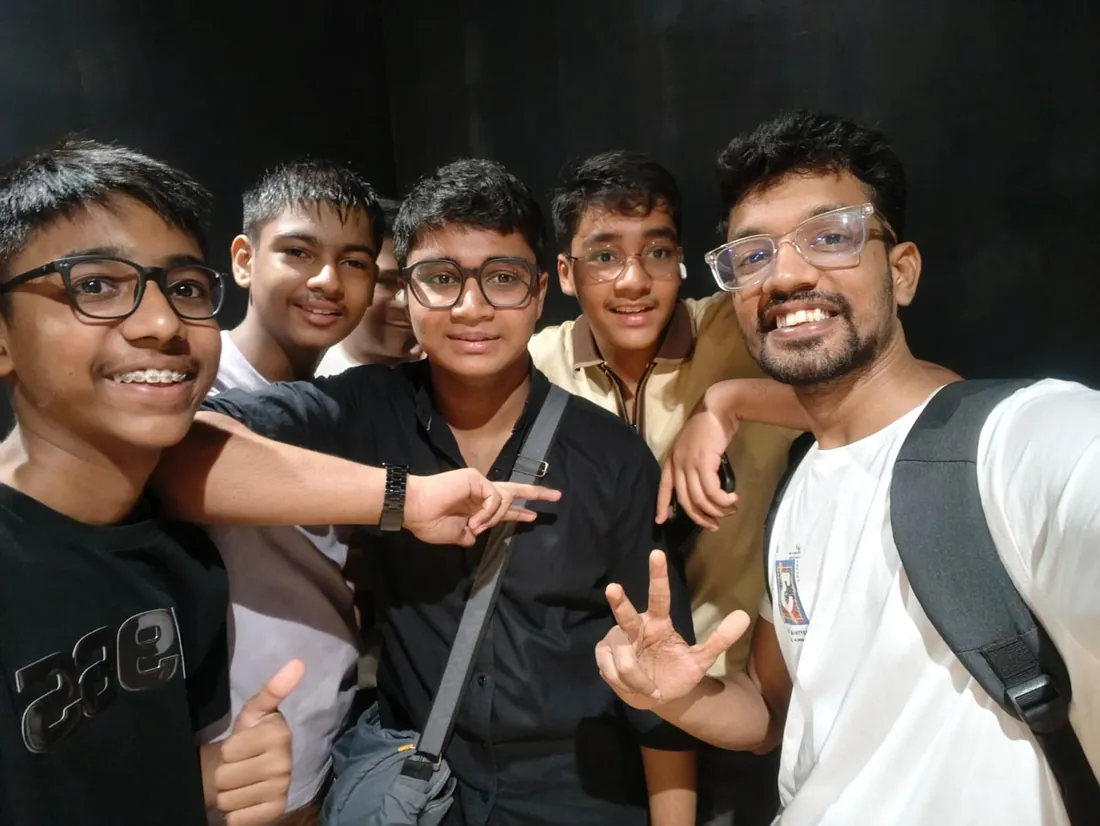
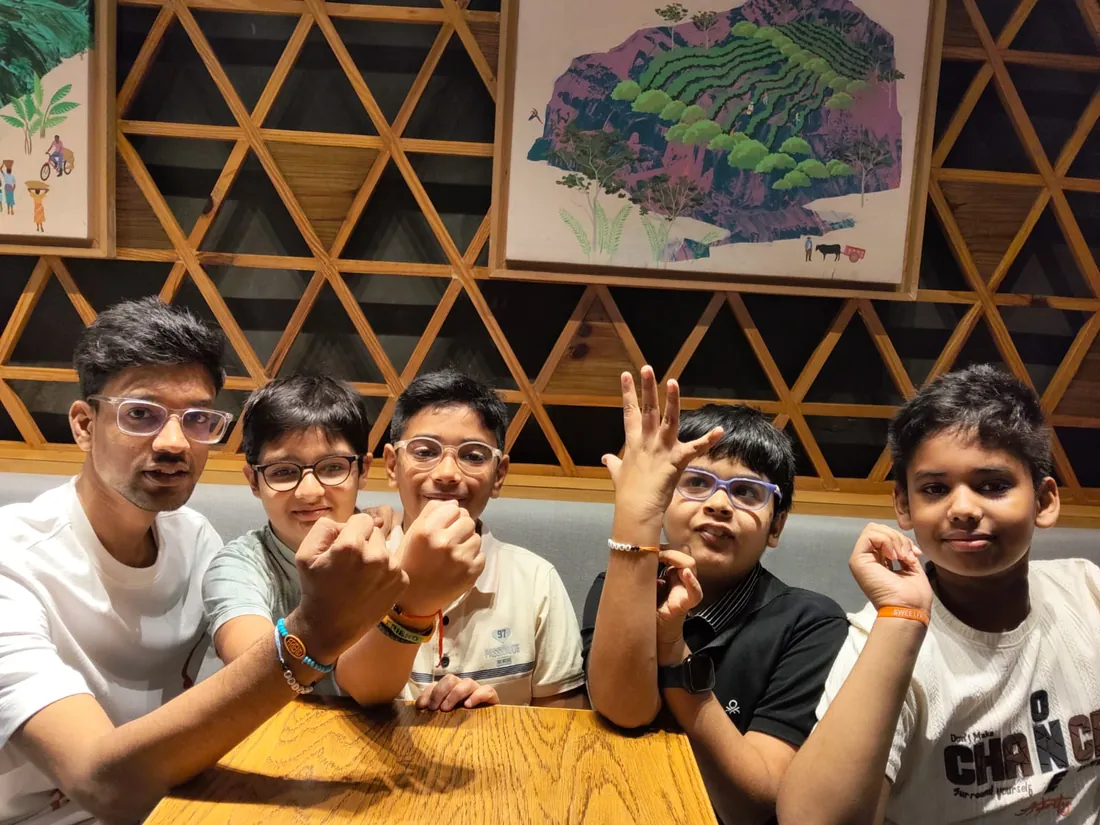
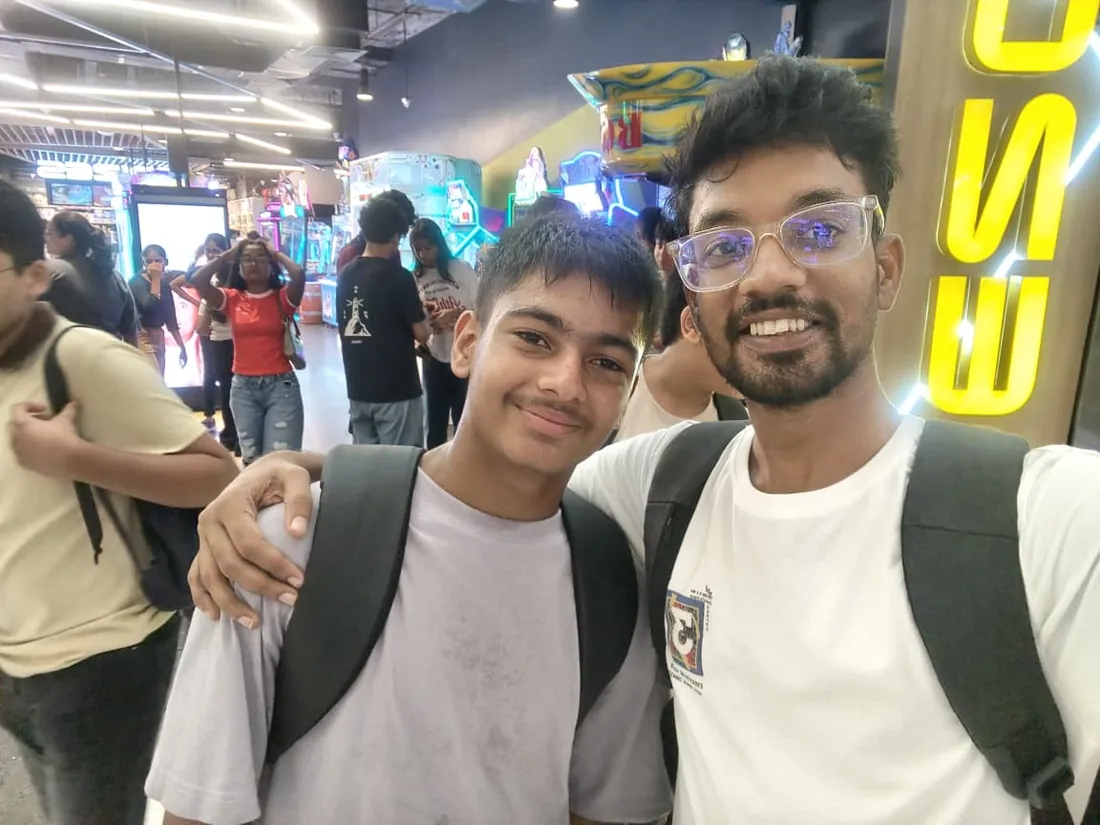
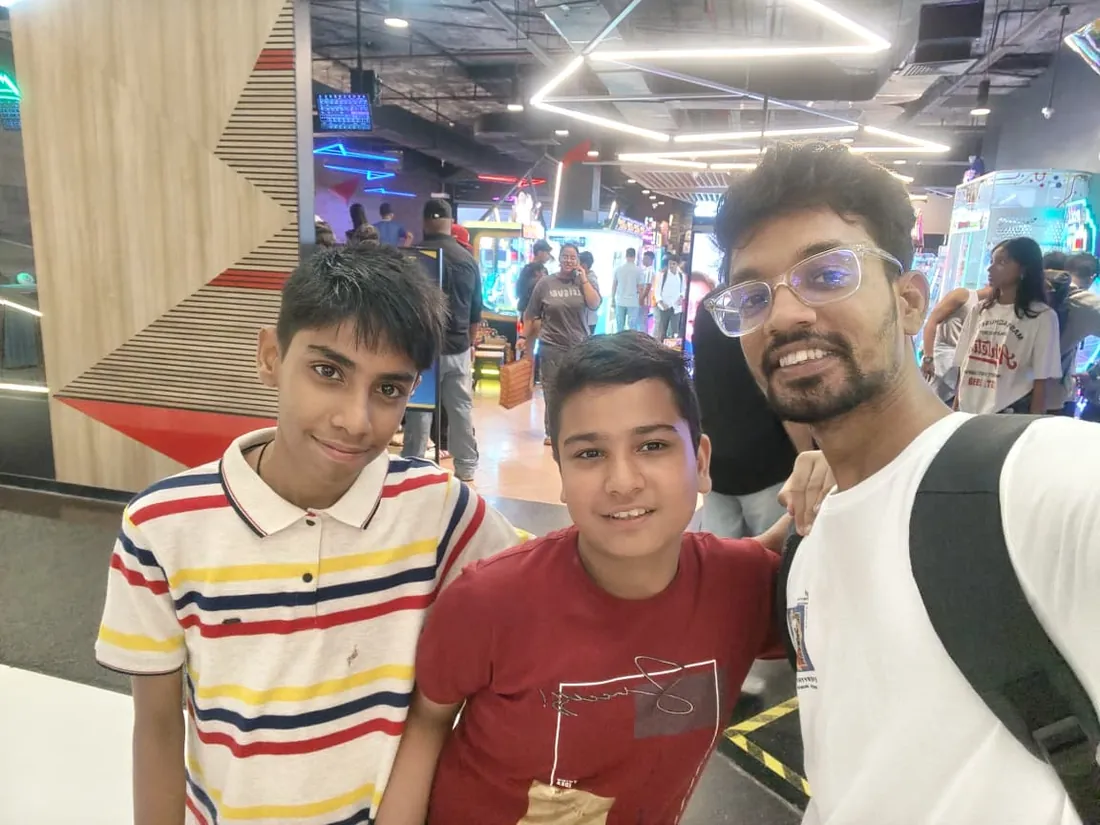
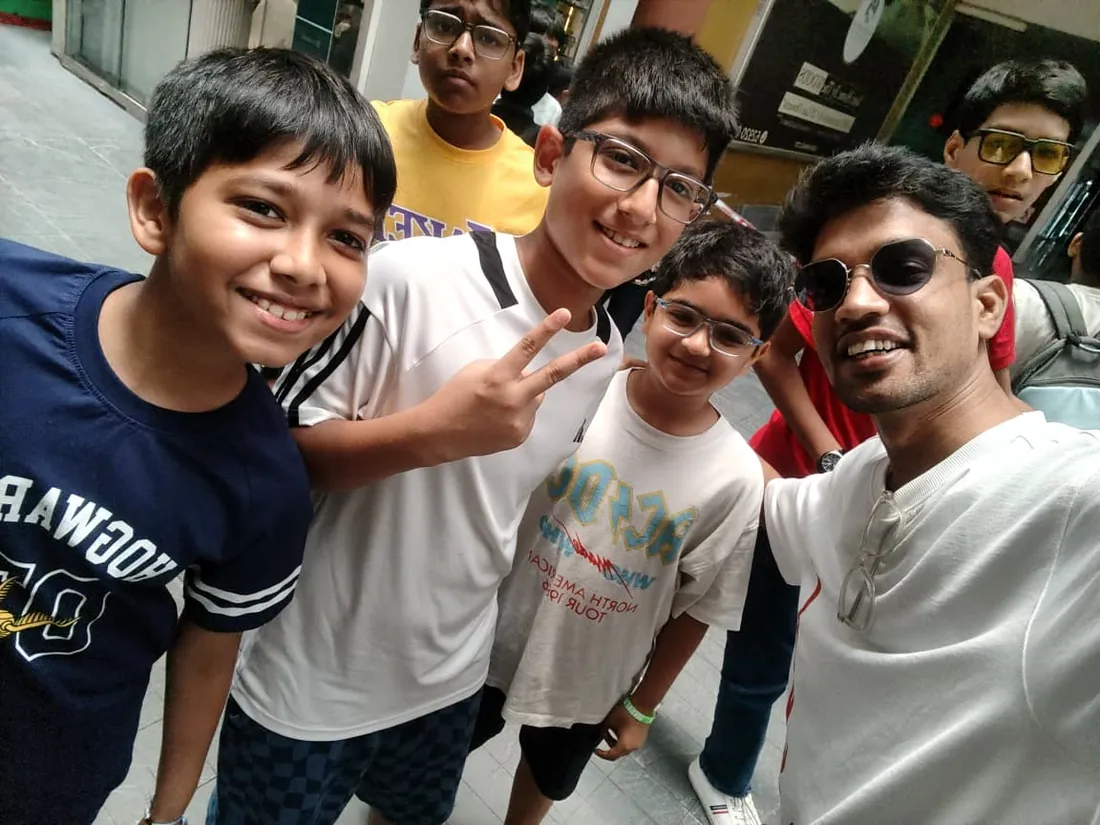
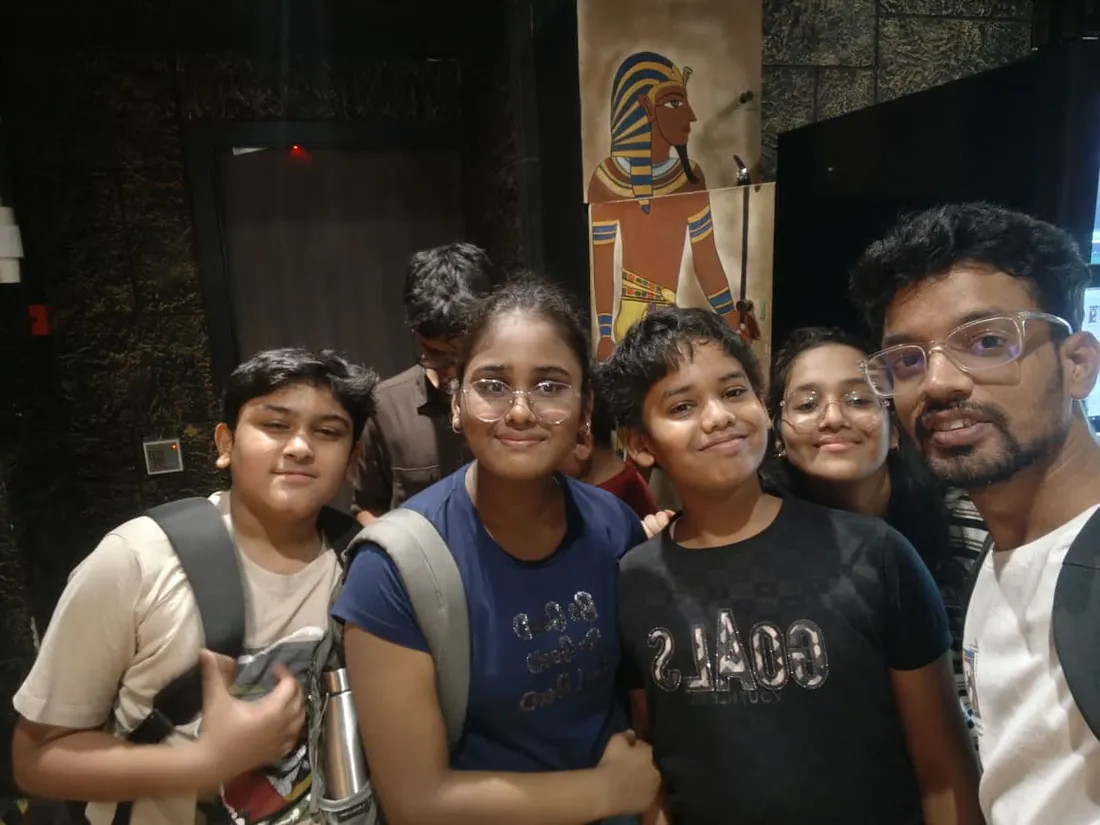
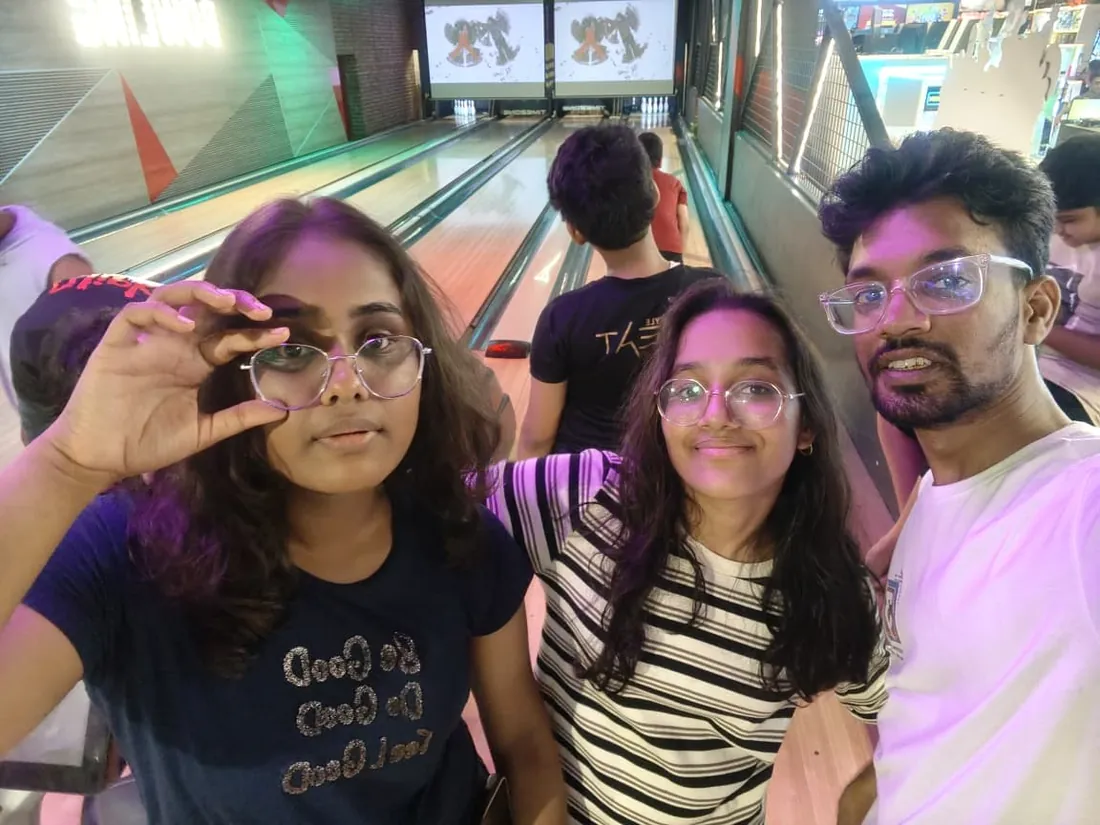
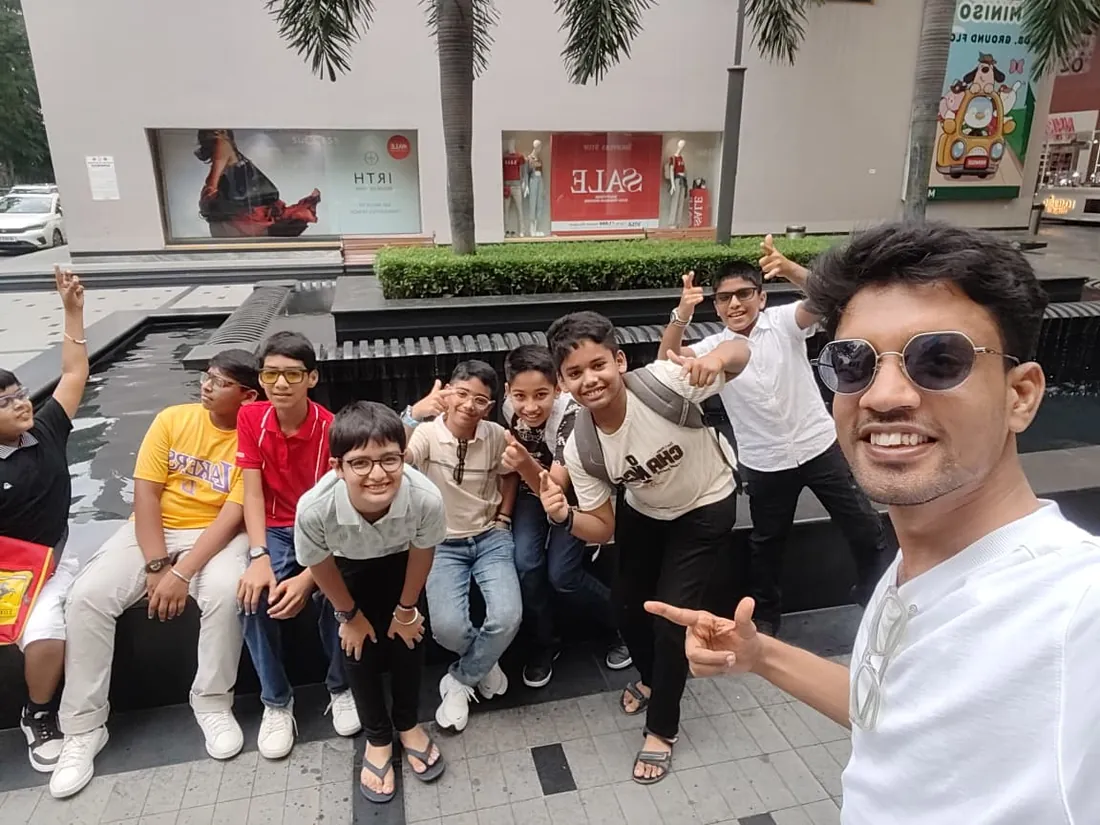
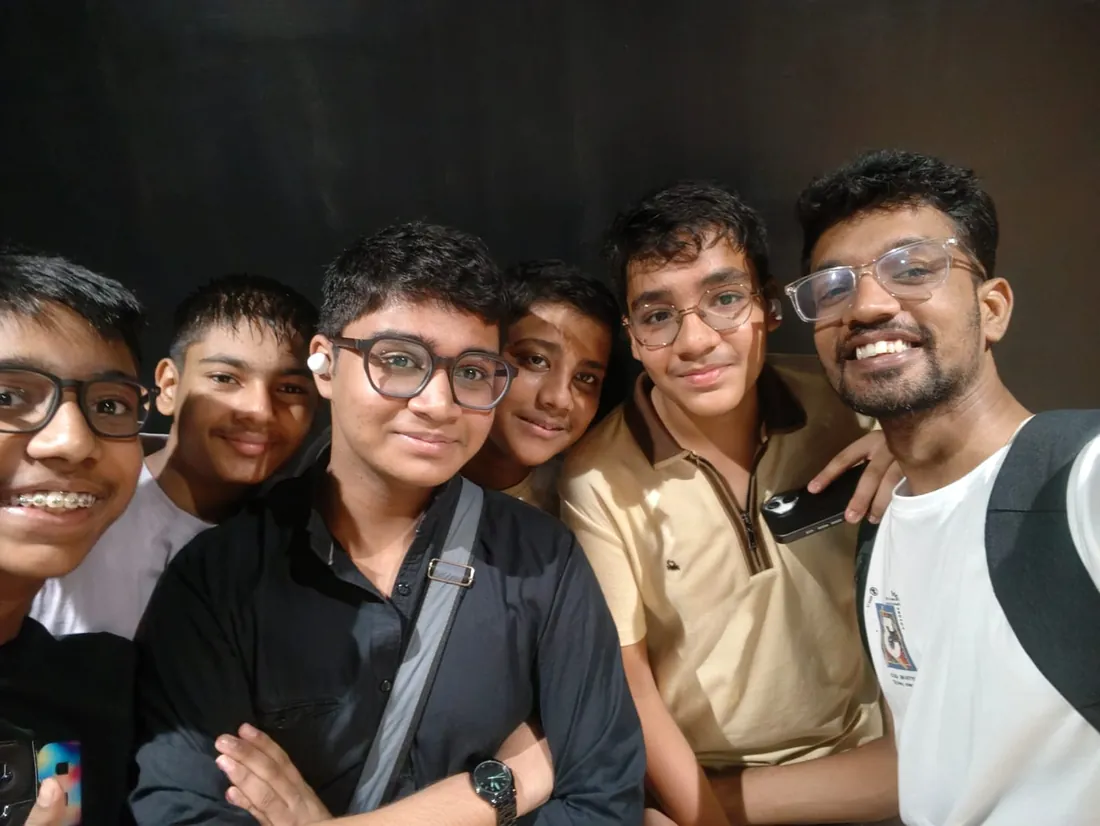
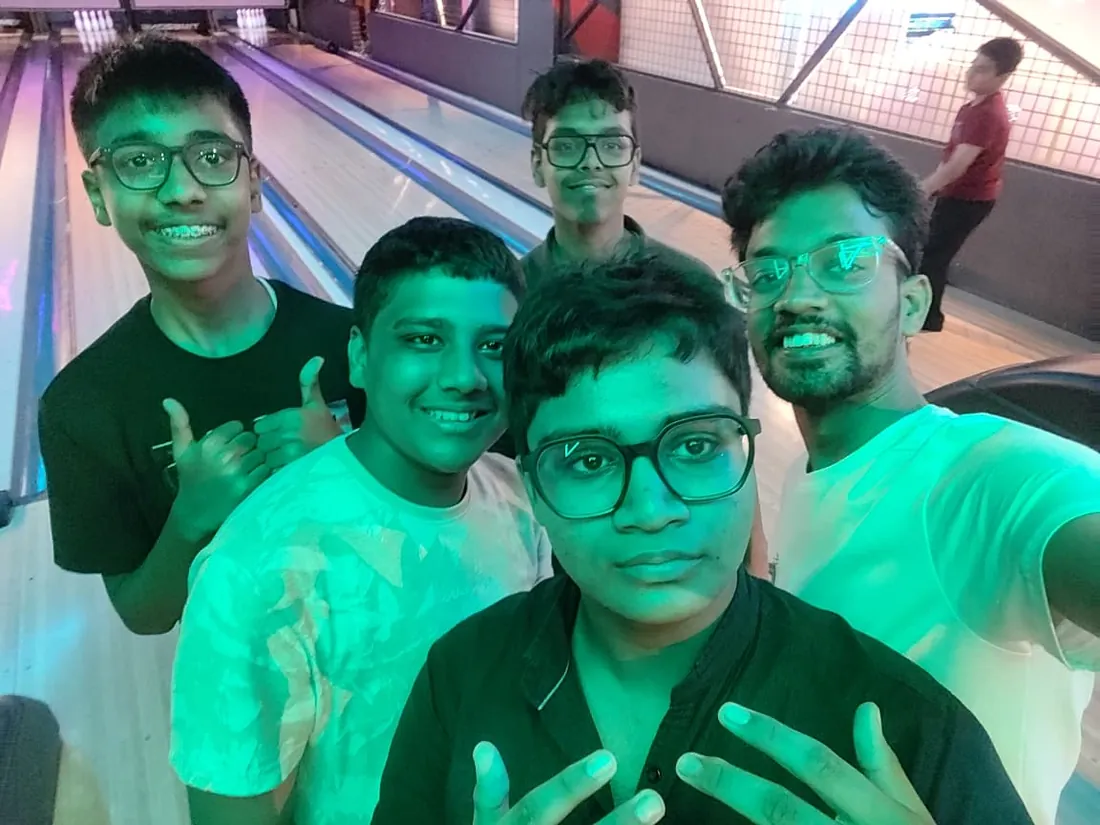
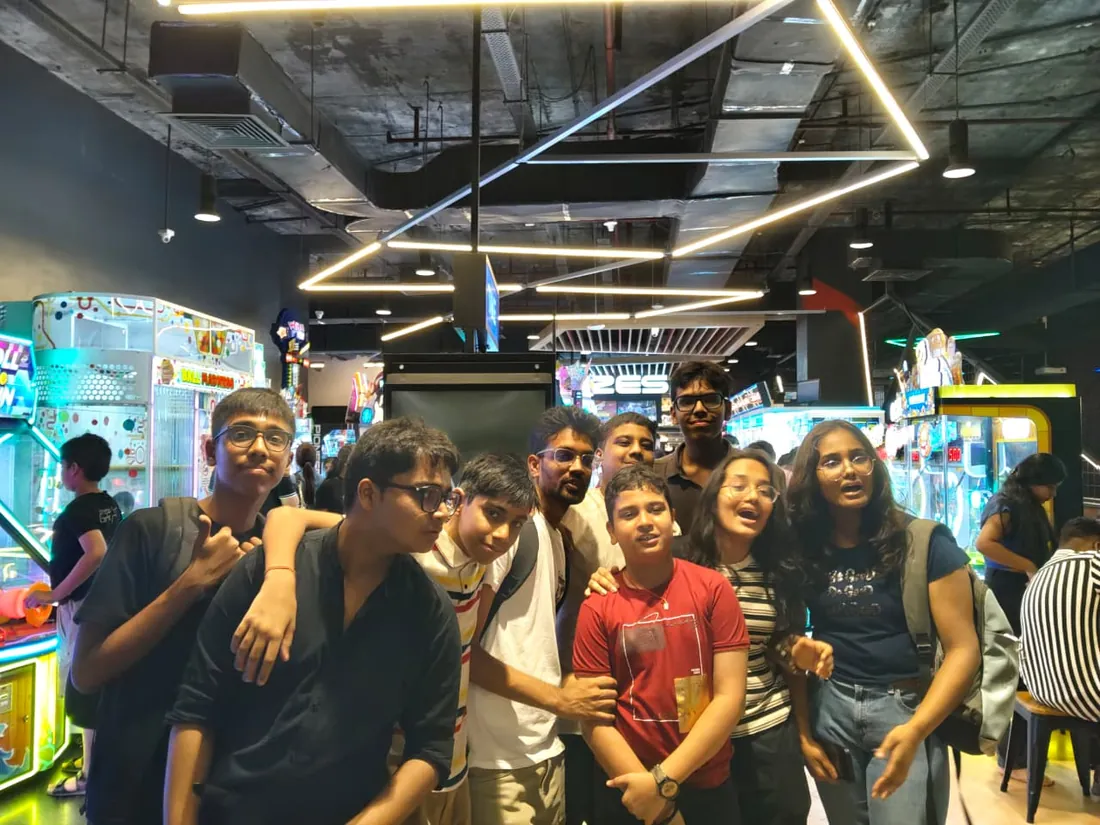
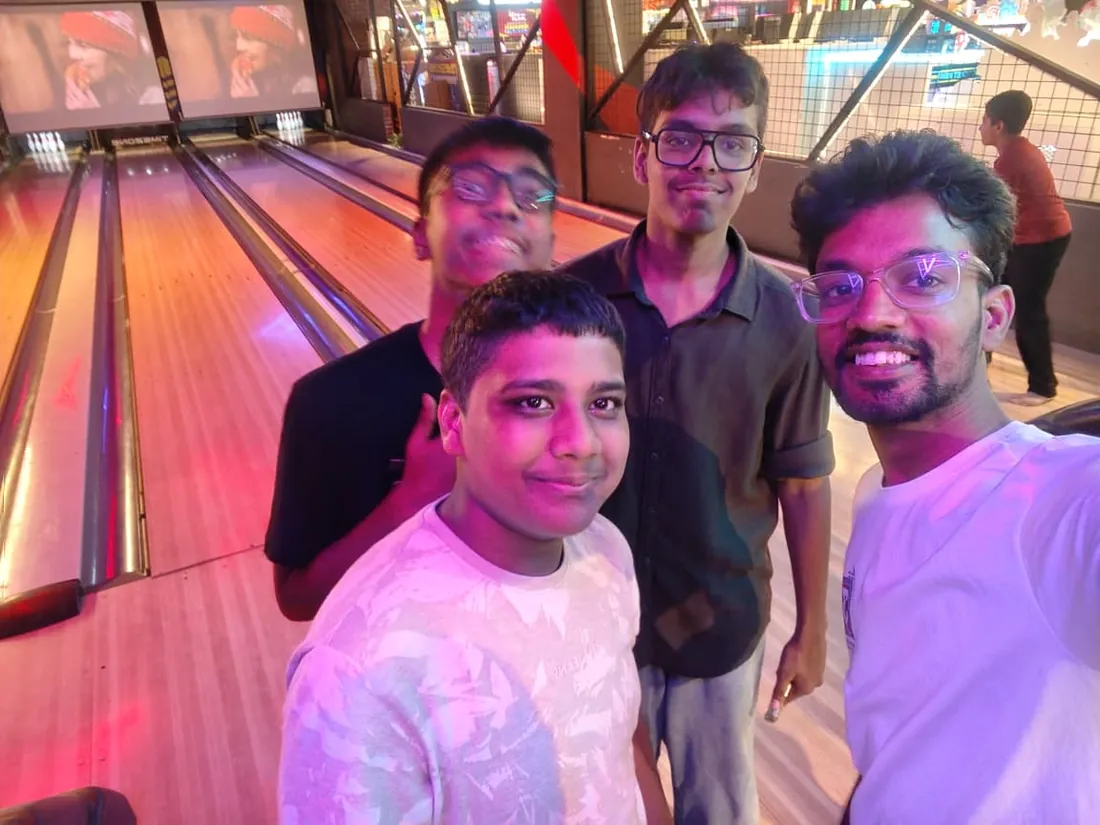
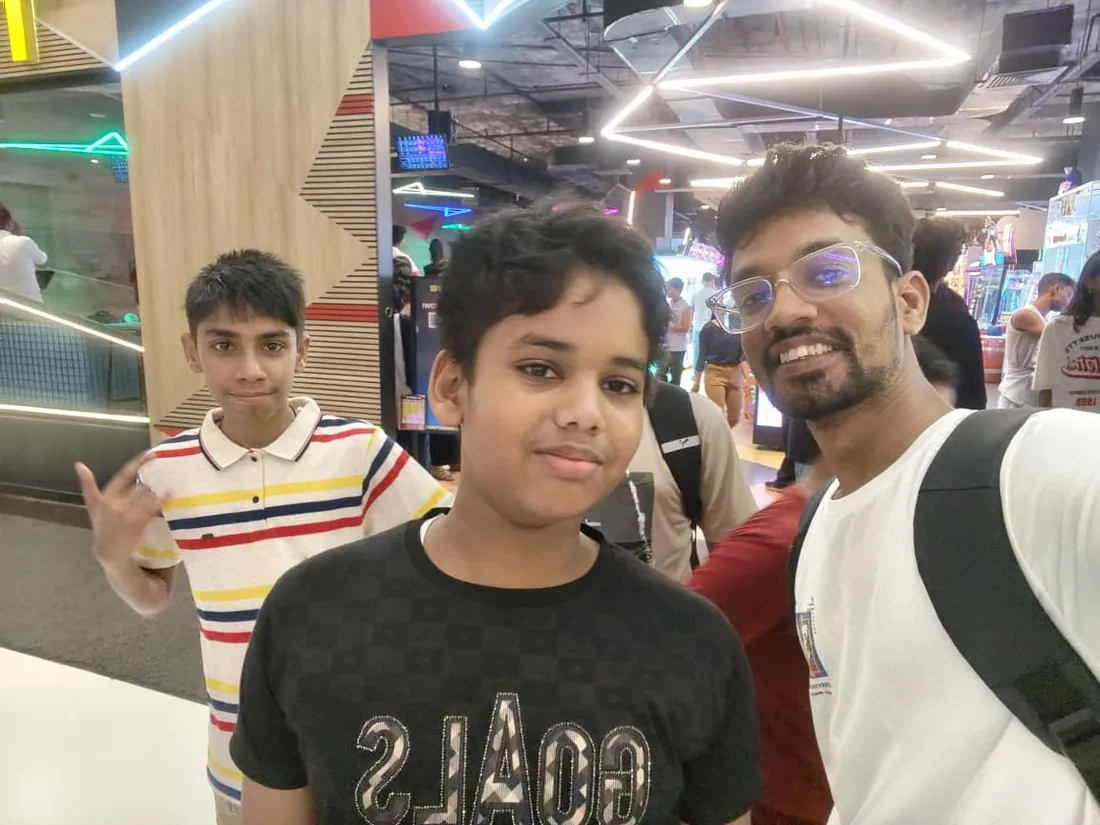
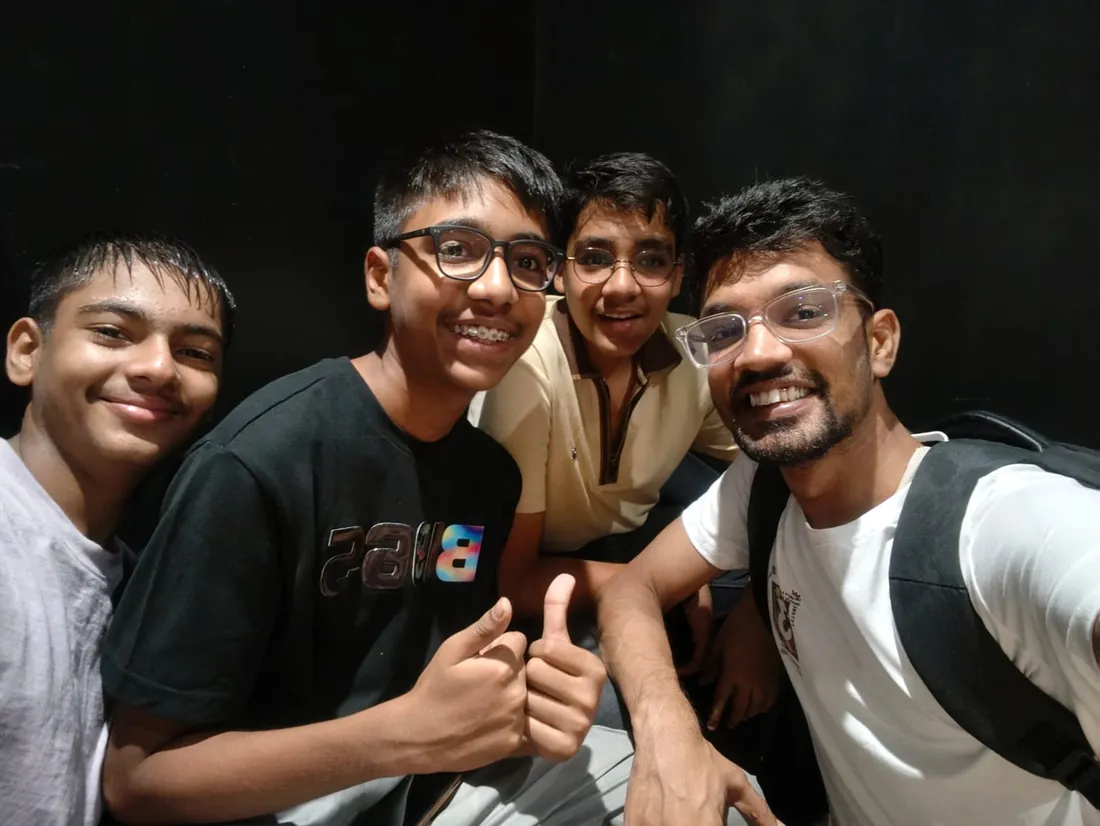
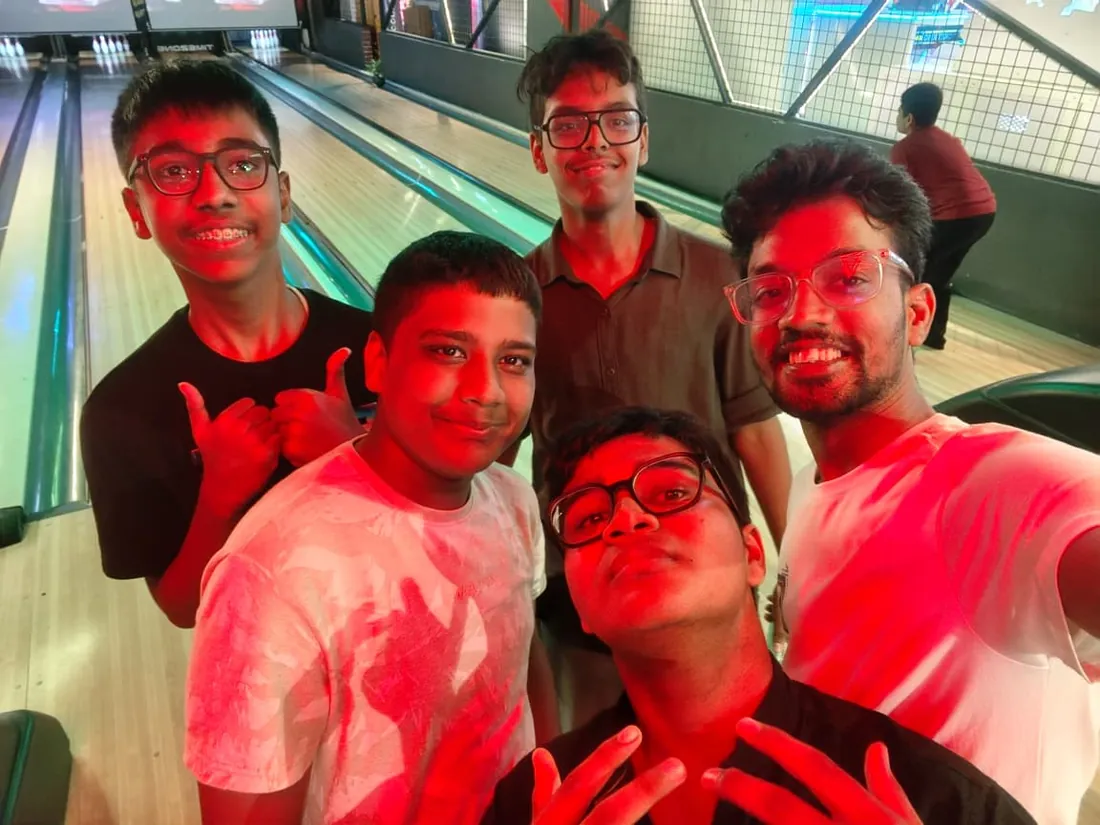
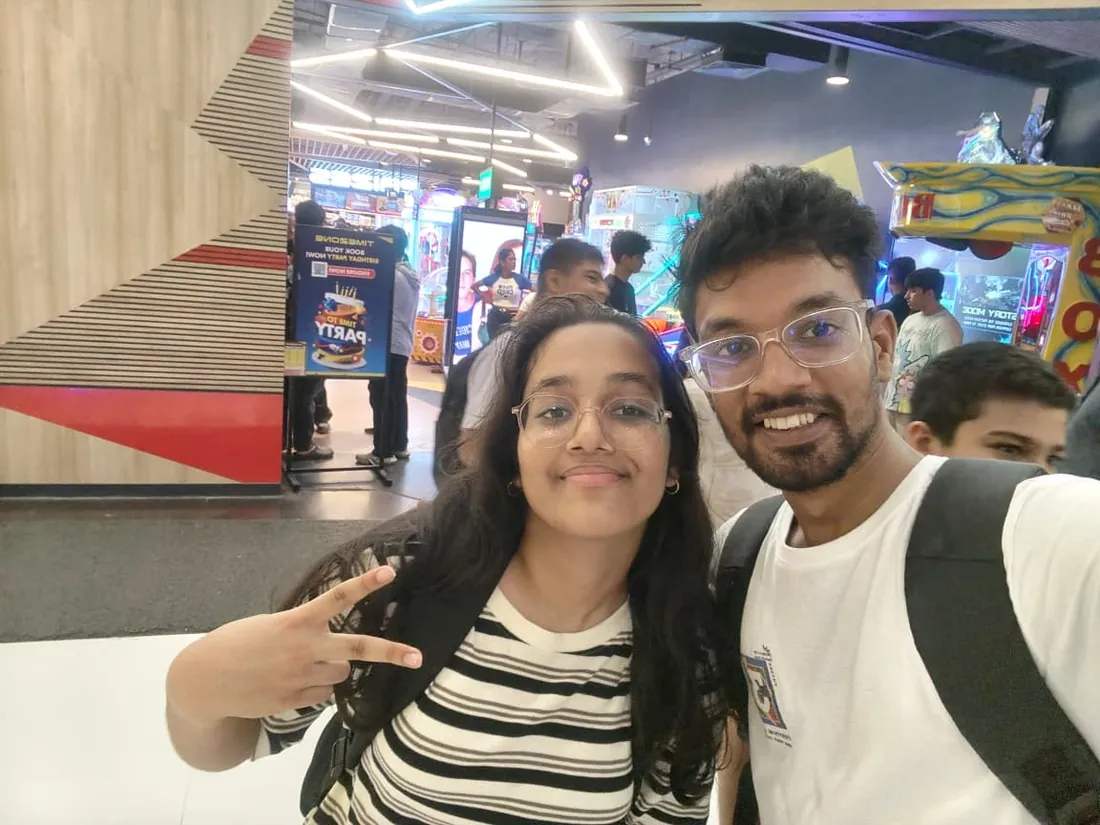
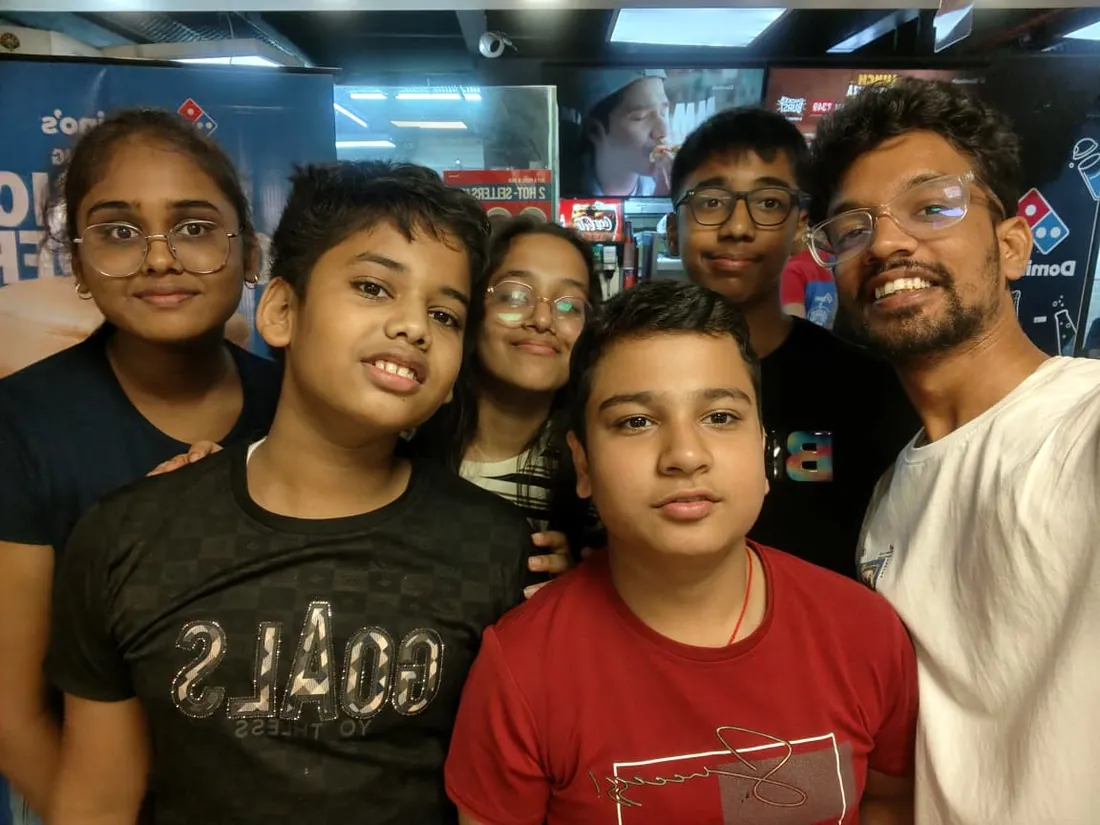
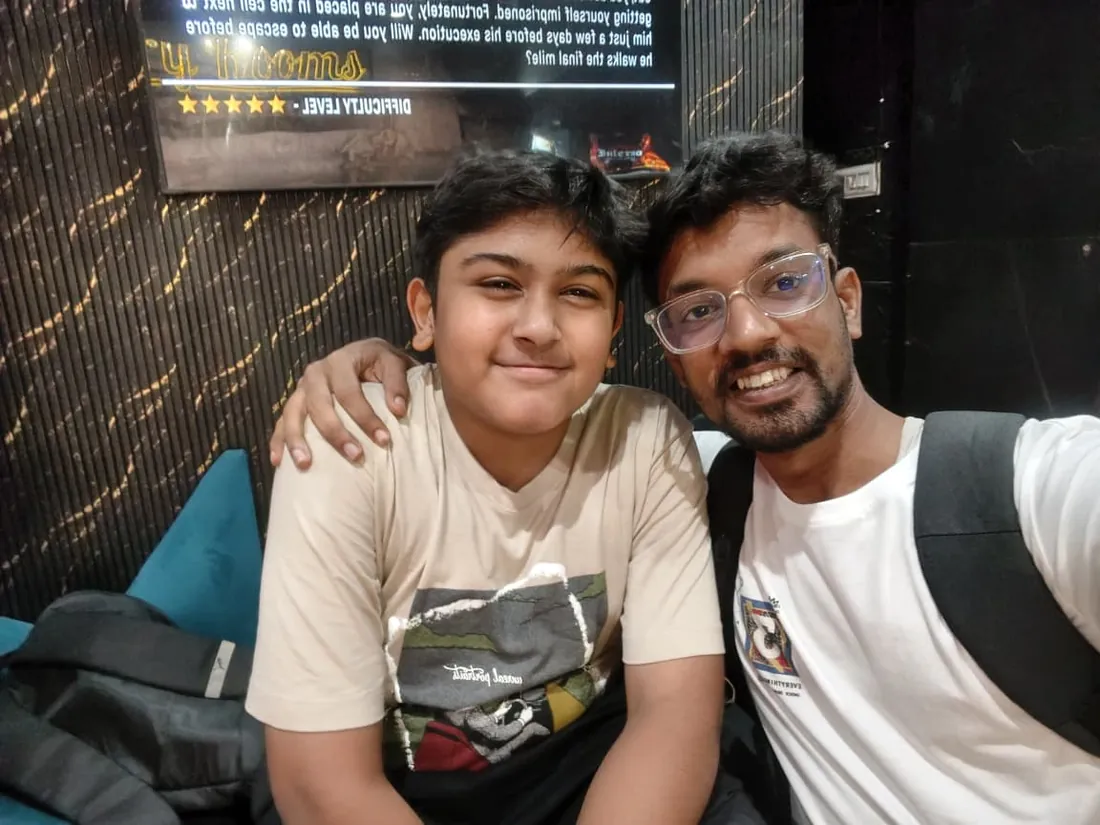
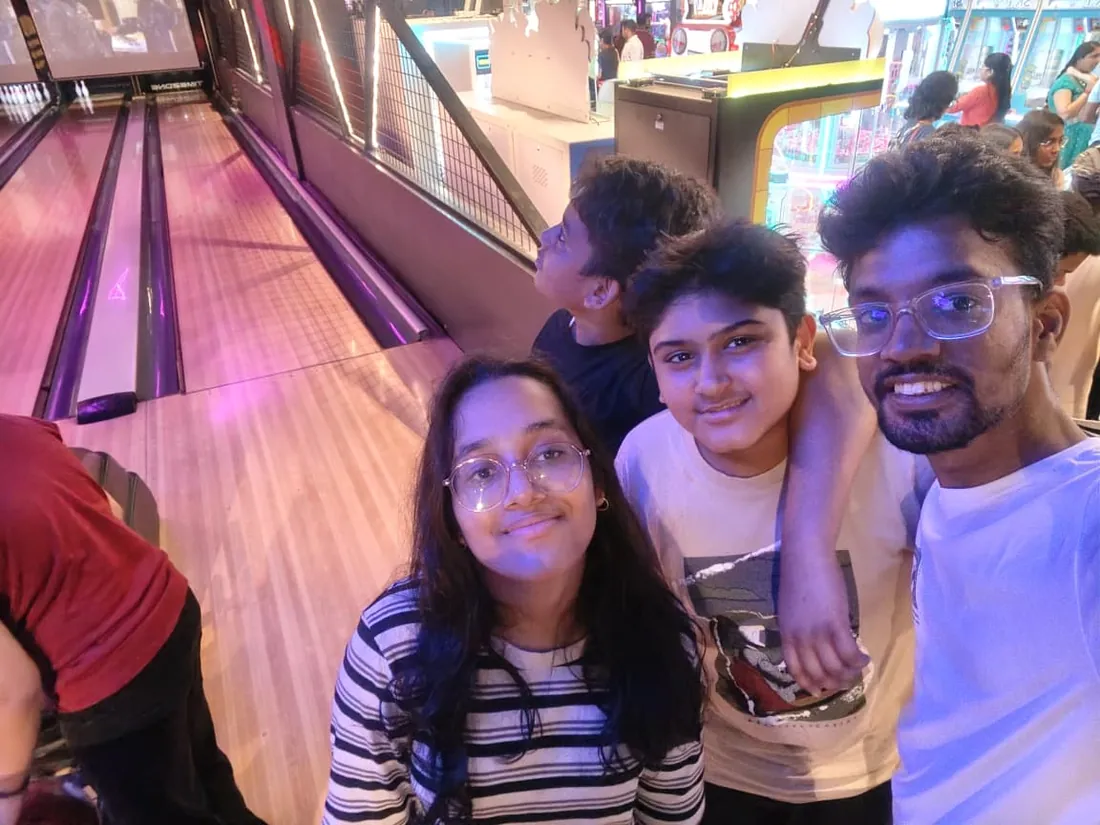
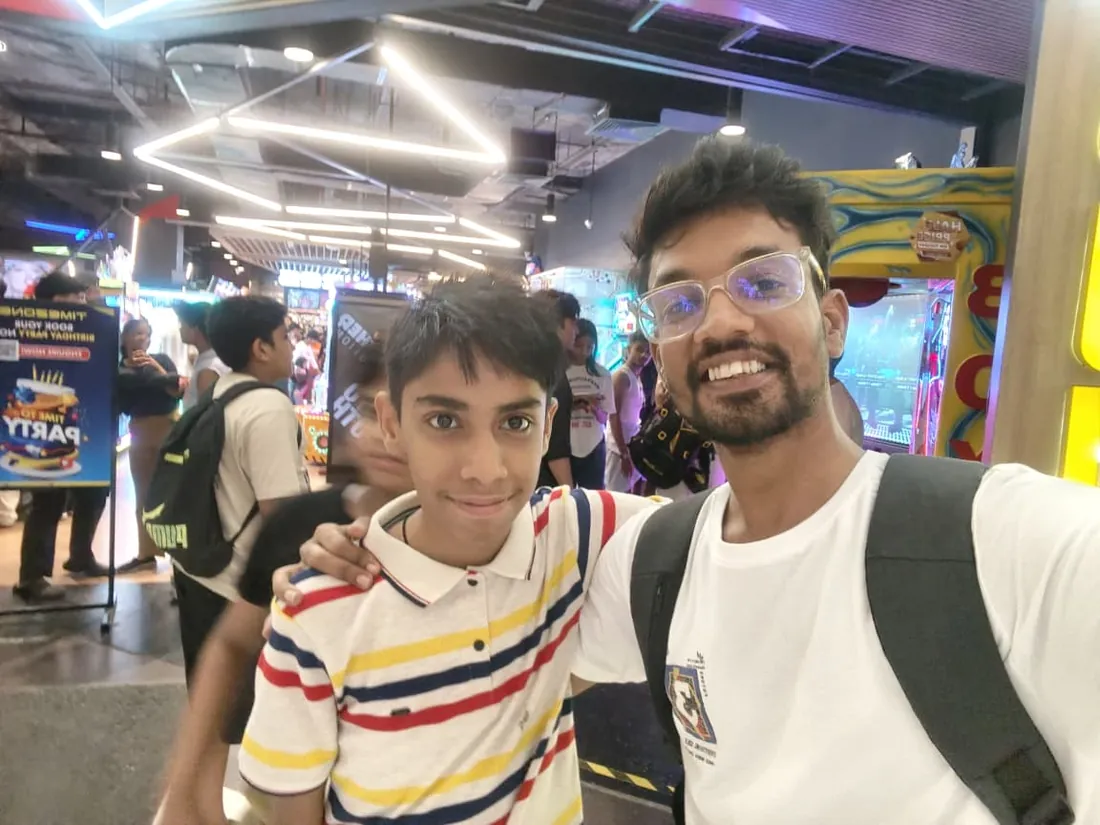
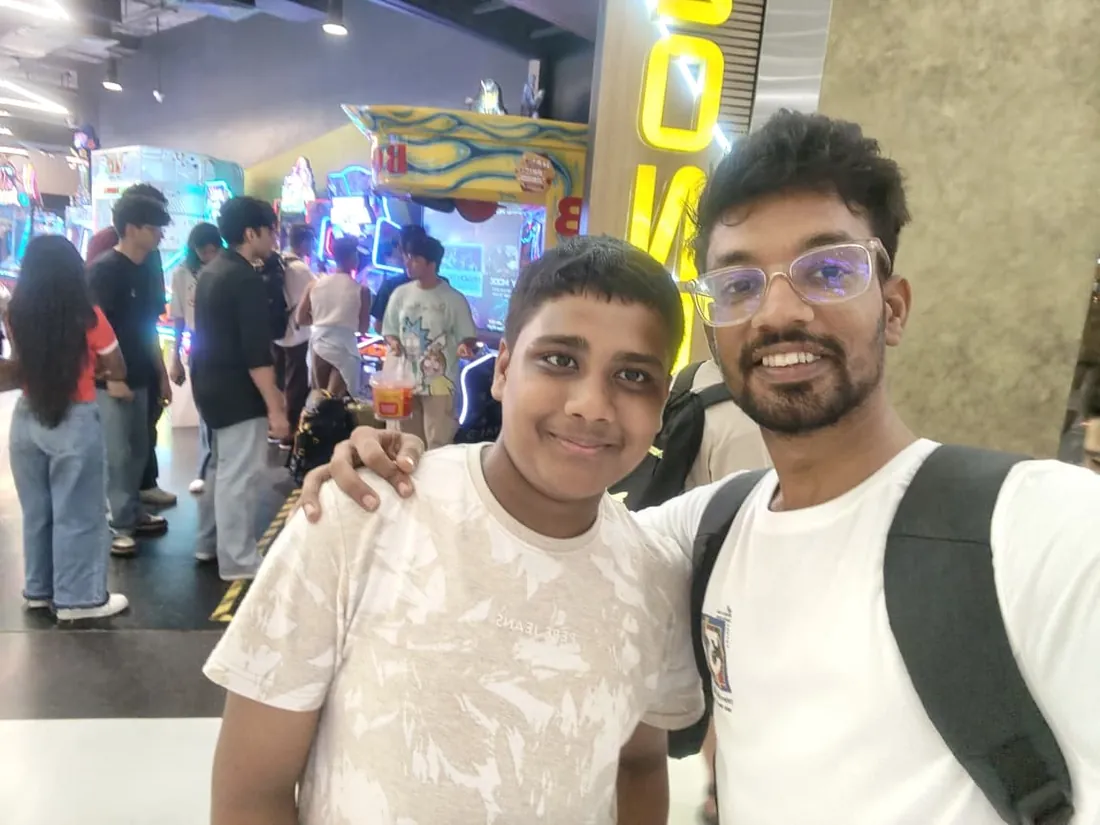
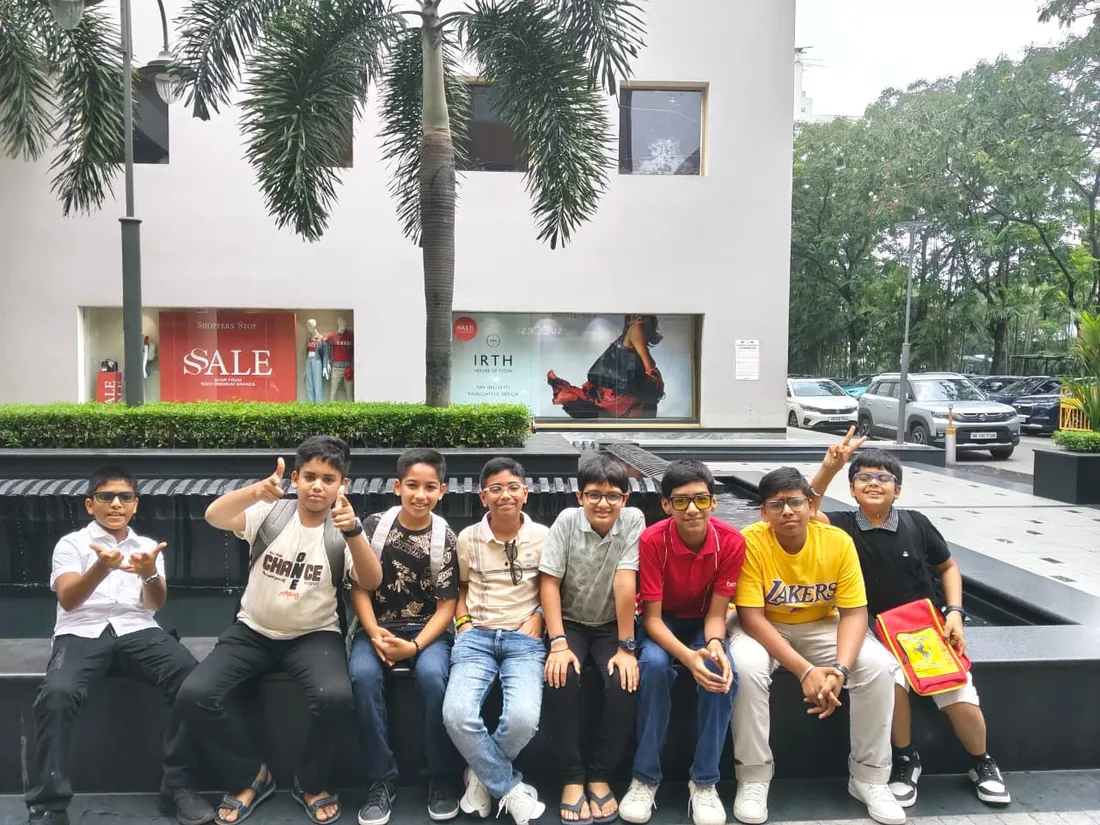
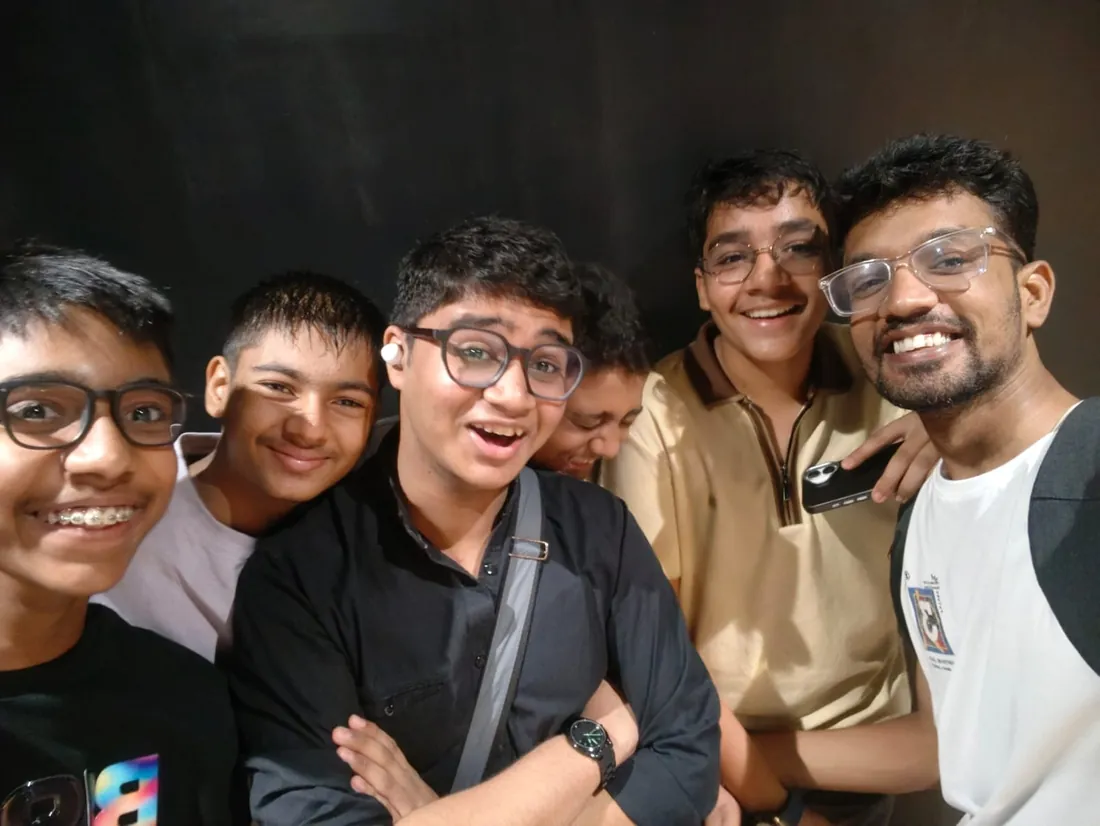
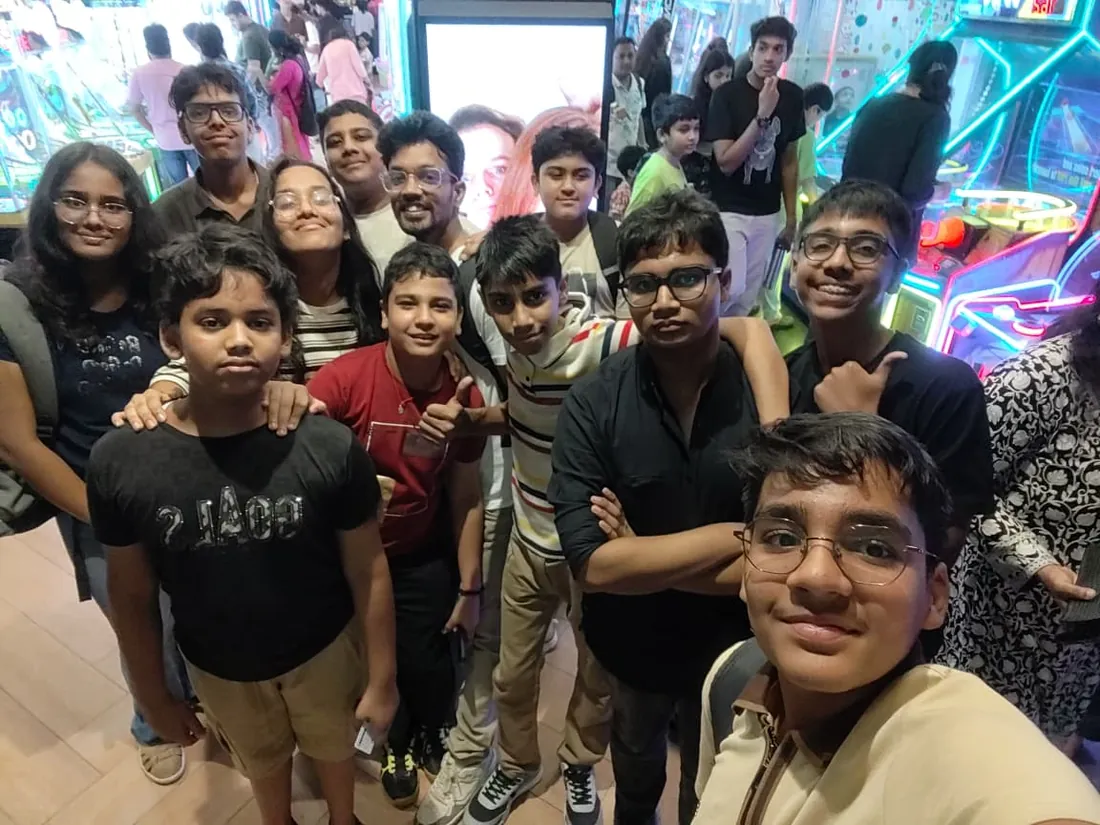
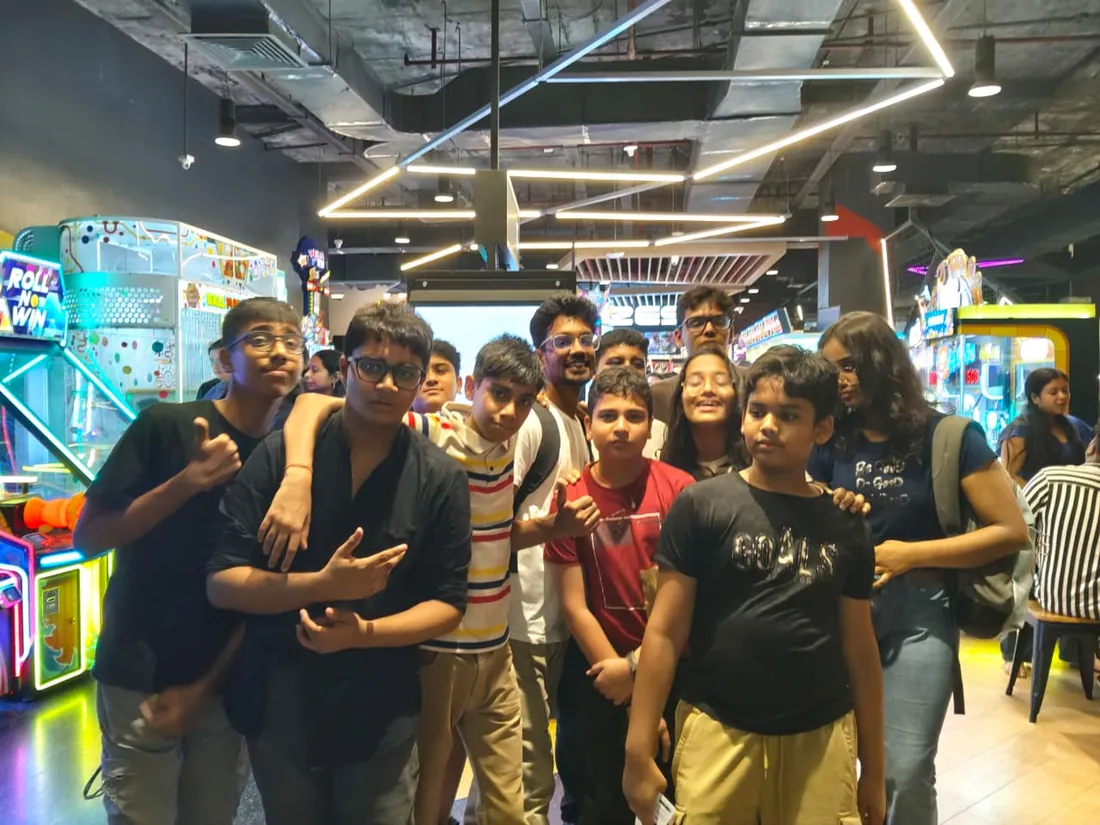
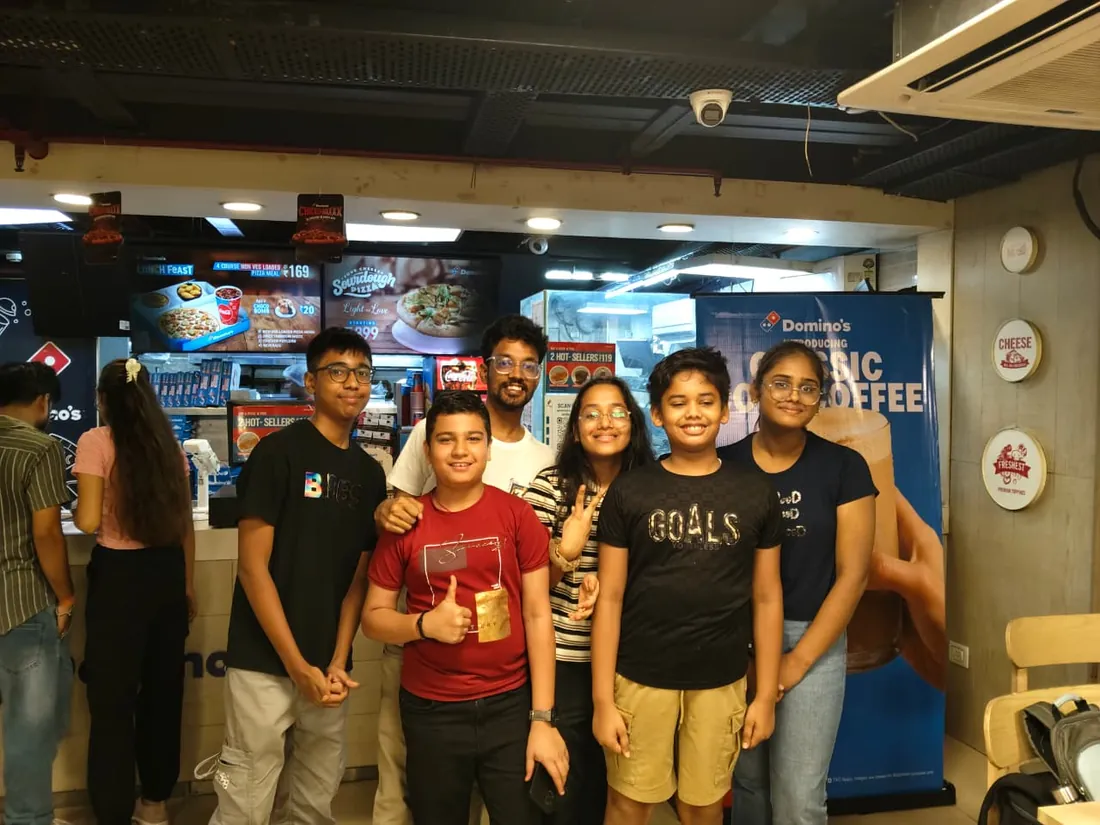
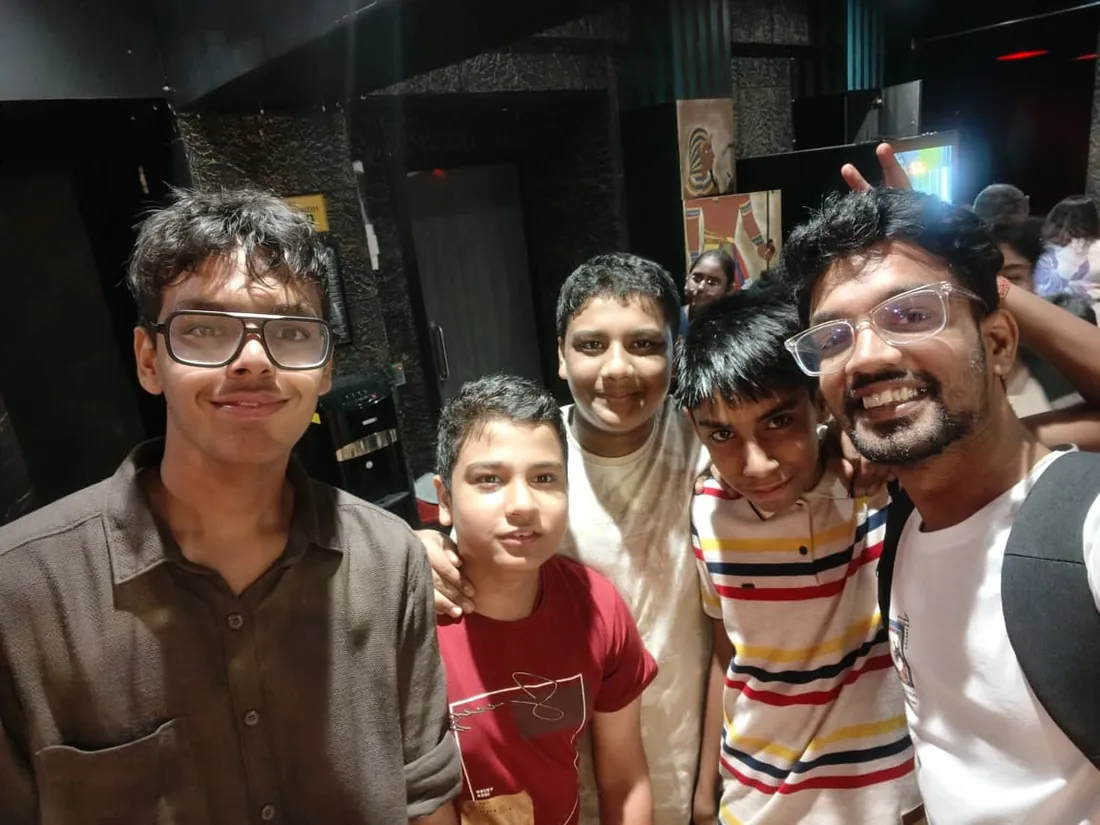
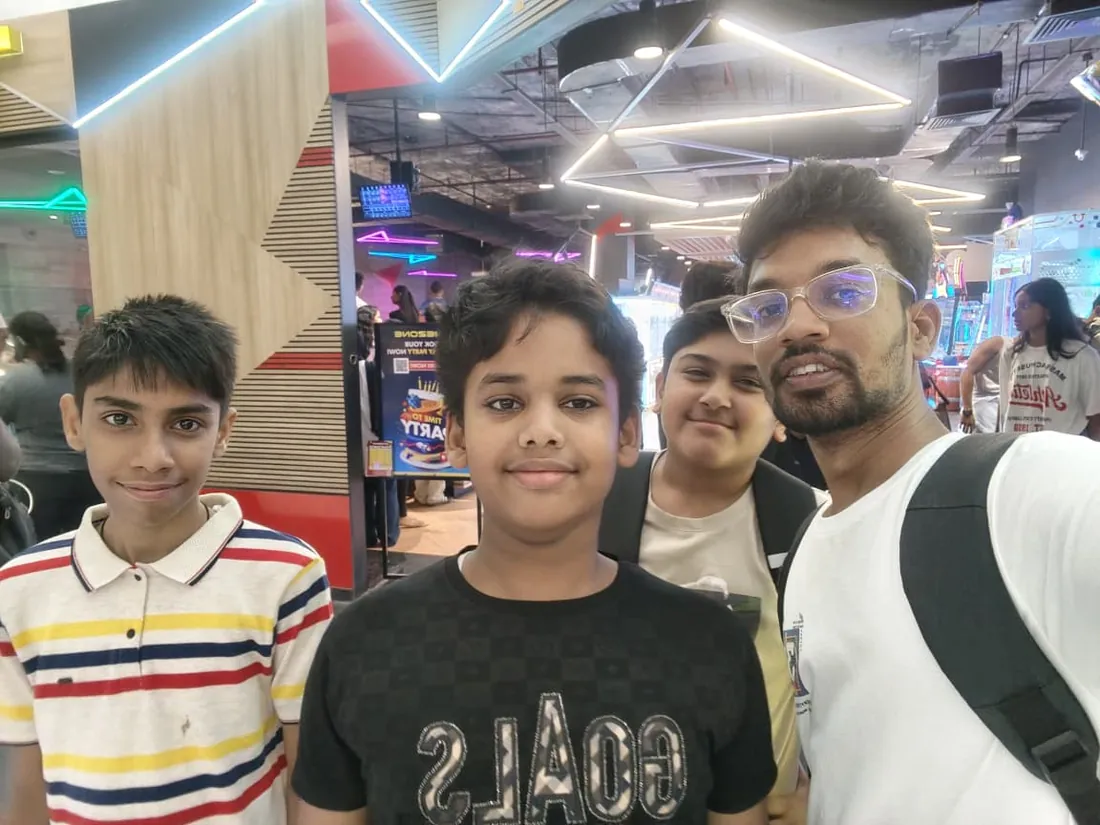
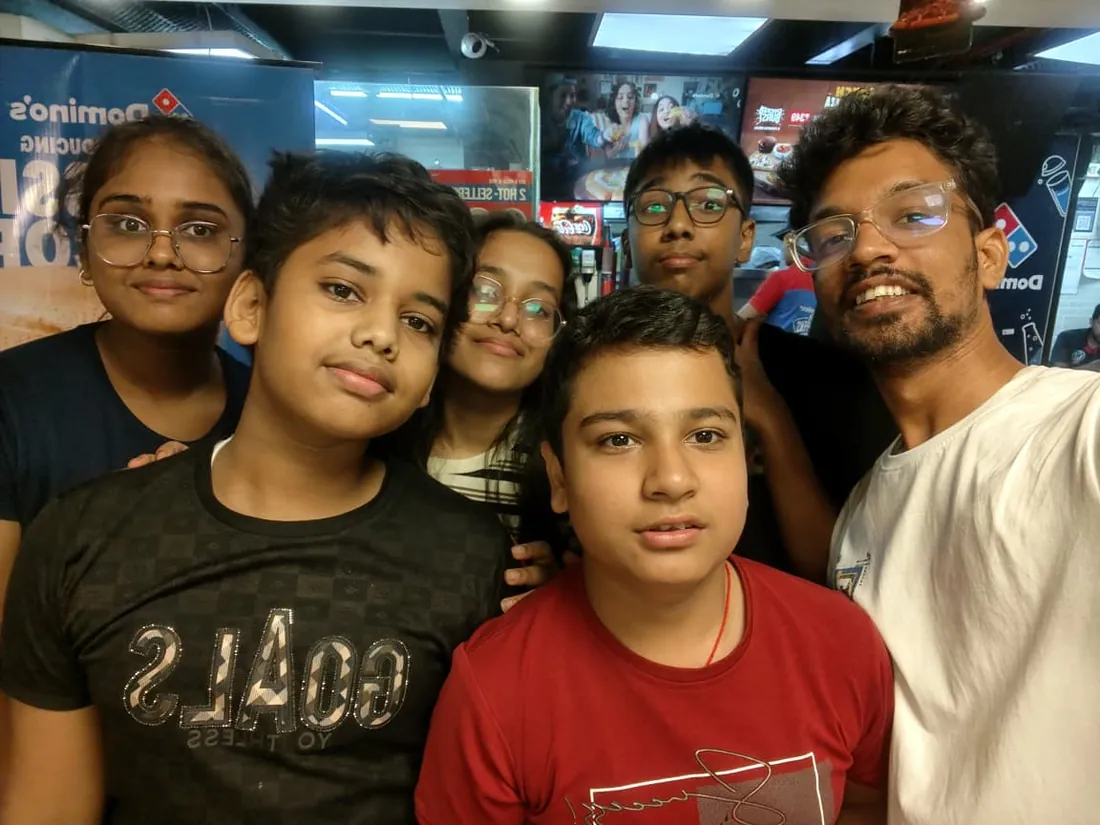
Real students. Real moments. Real joy.
These are our actual student meetups. No stock photos, no filters. Swipe through and meet the community you'll be joining.
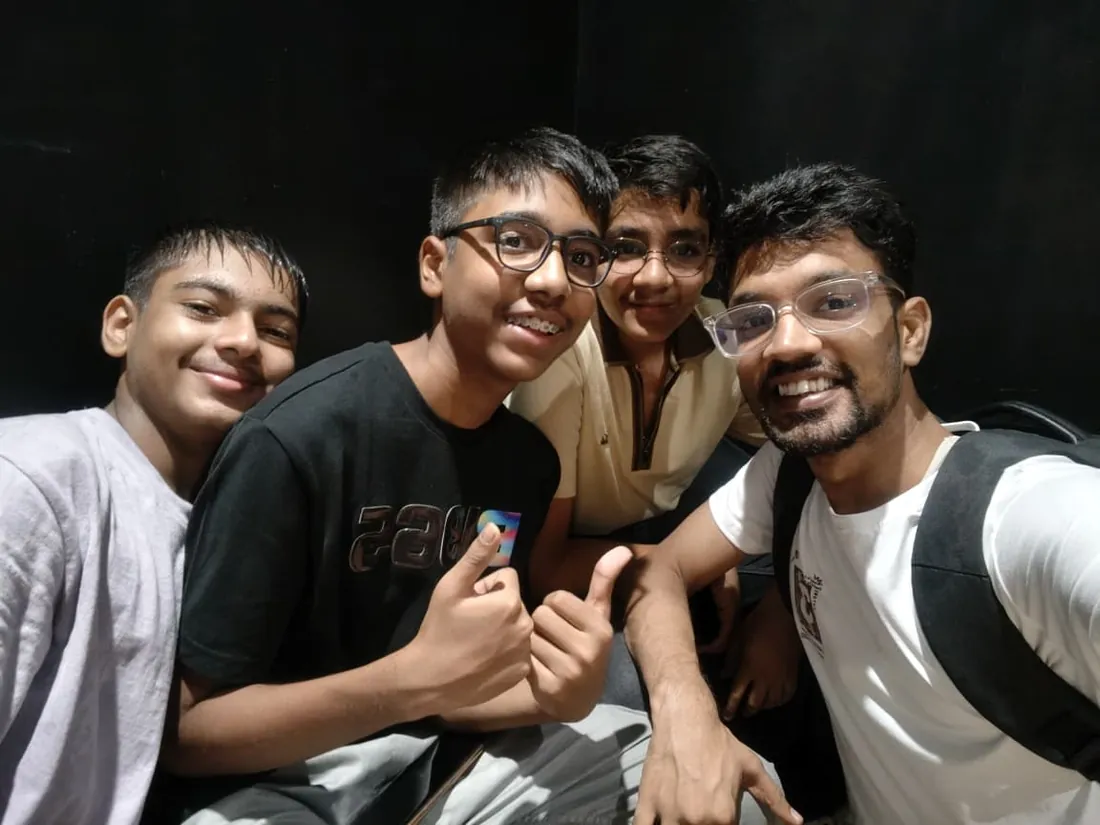
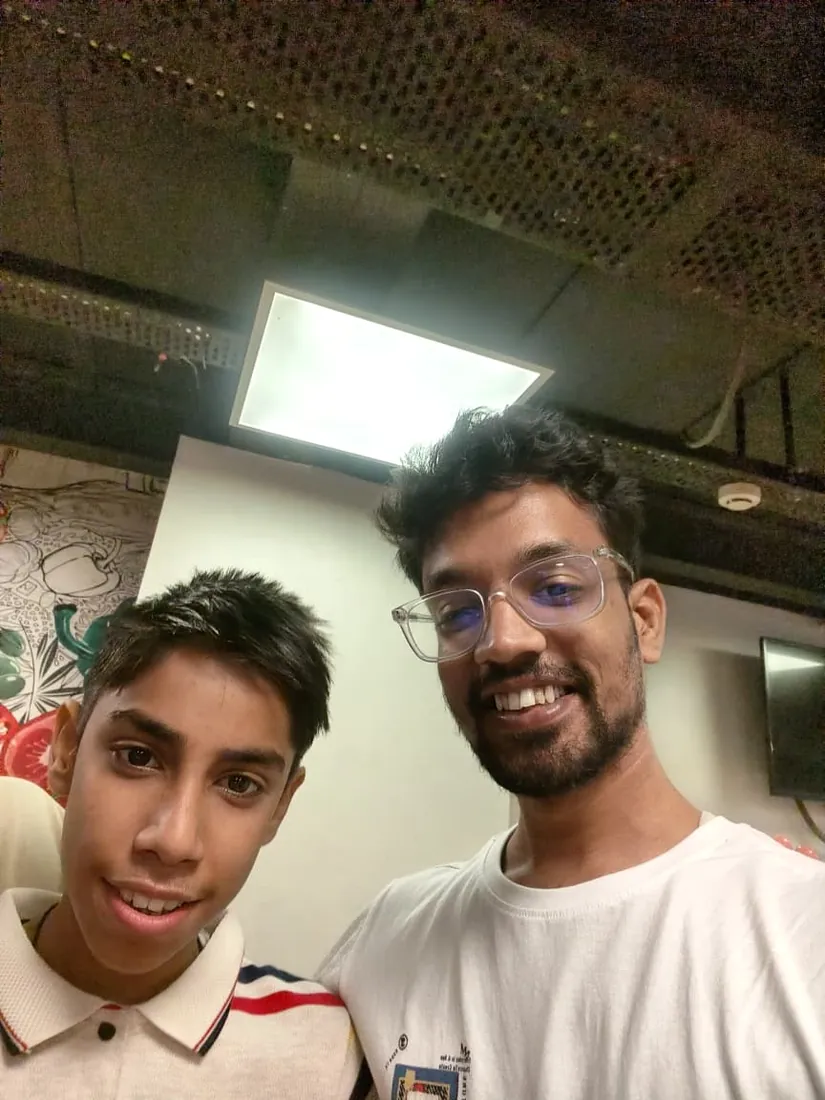
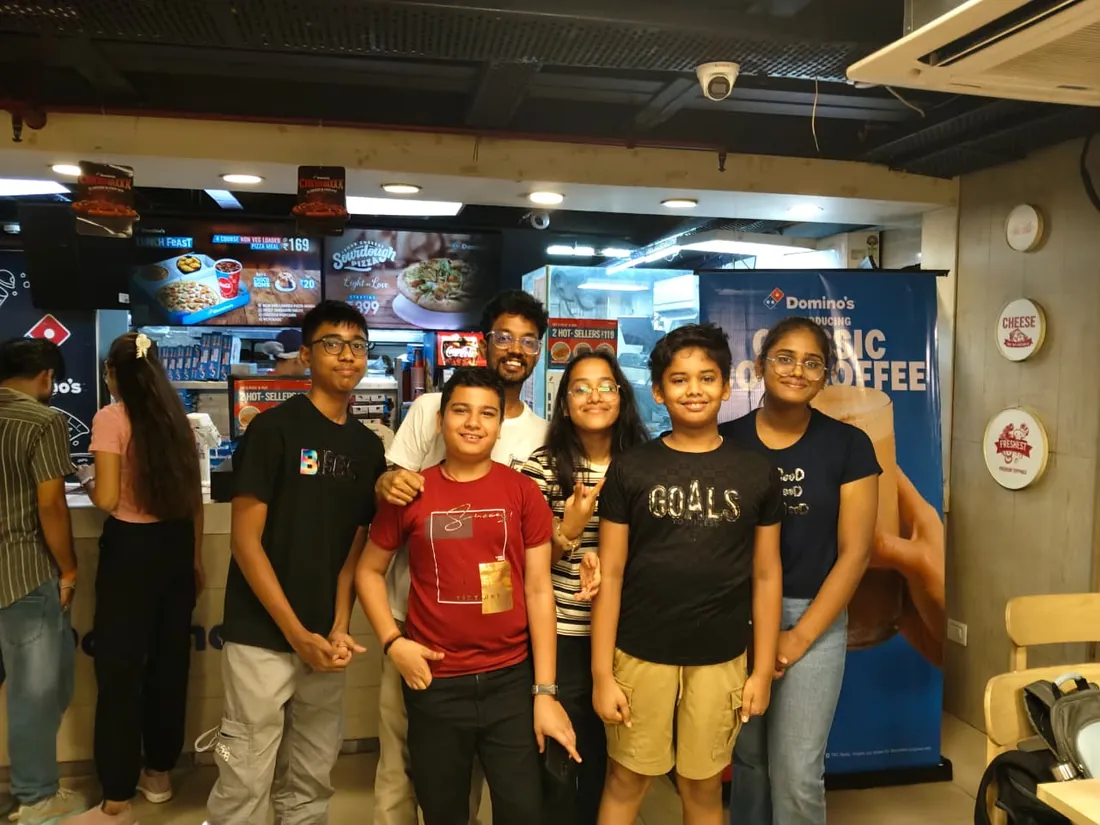
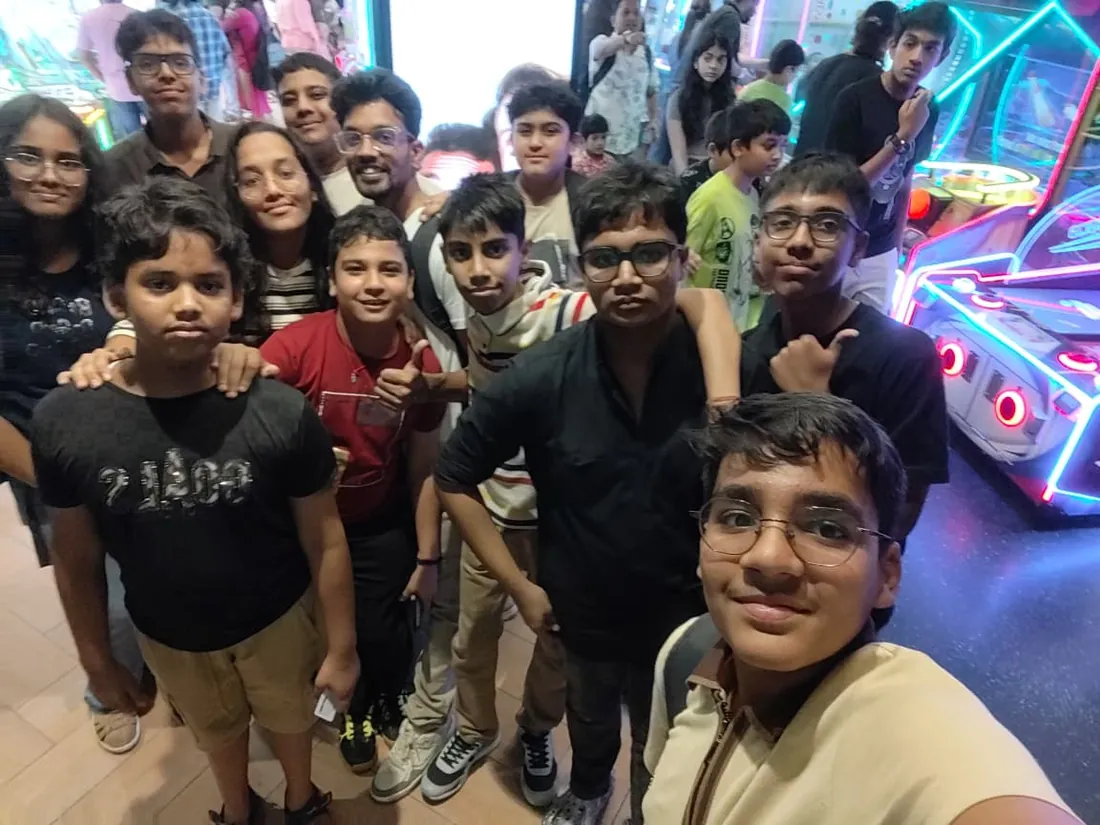

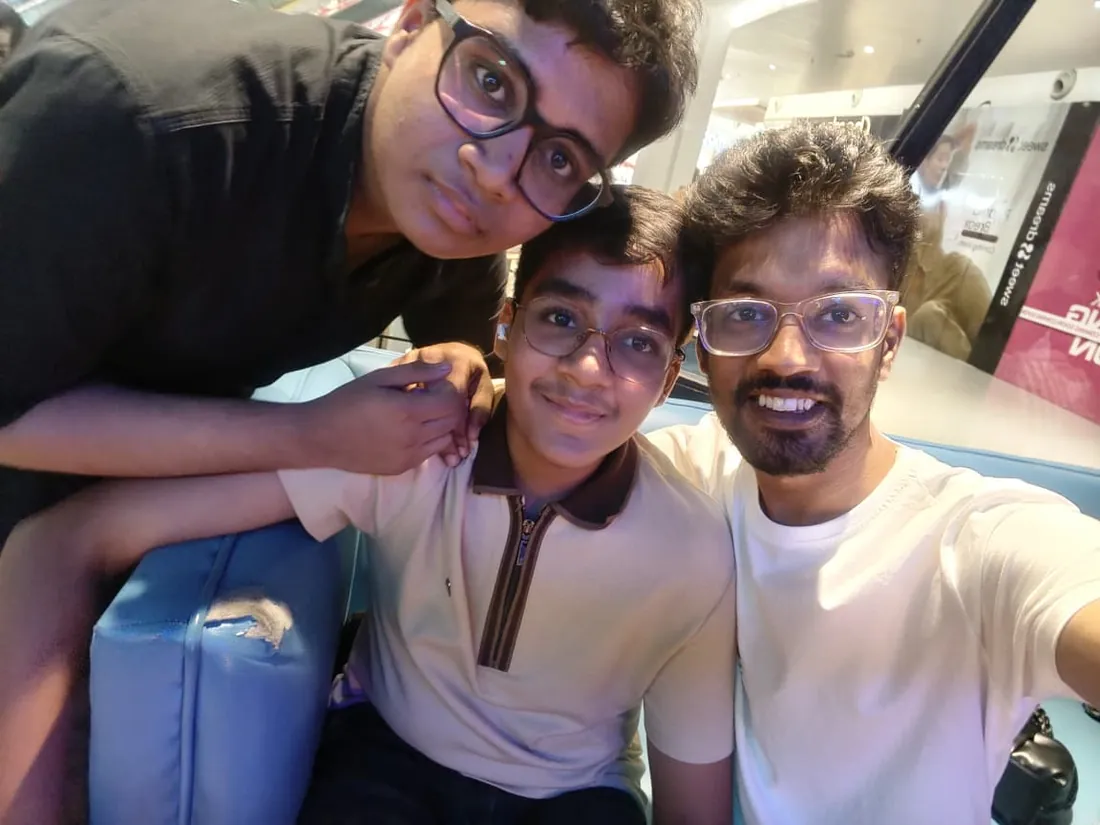
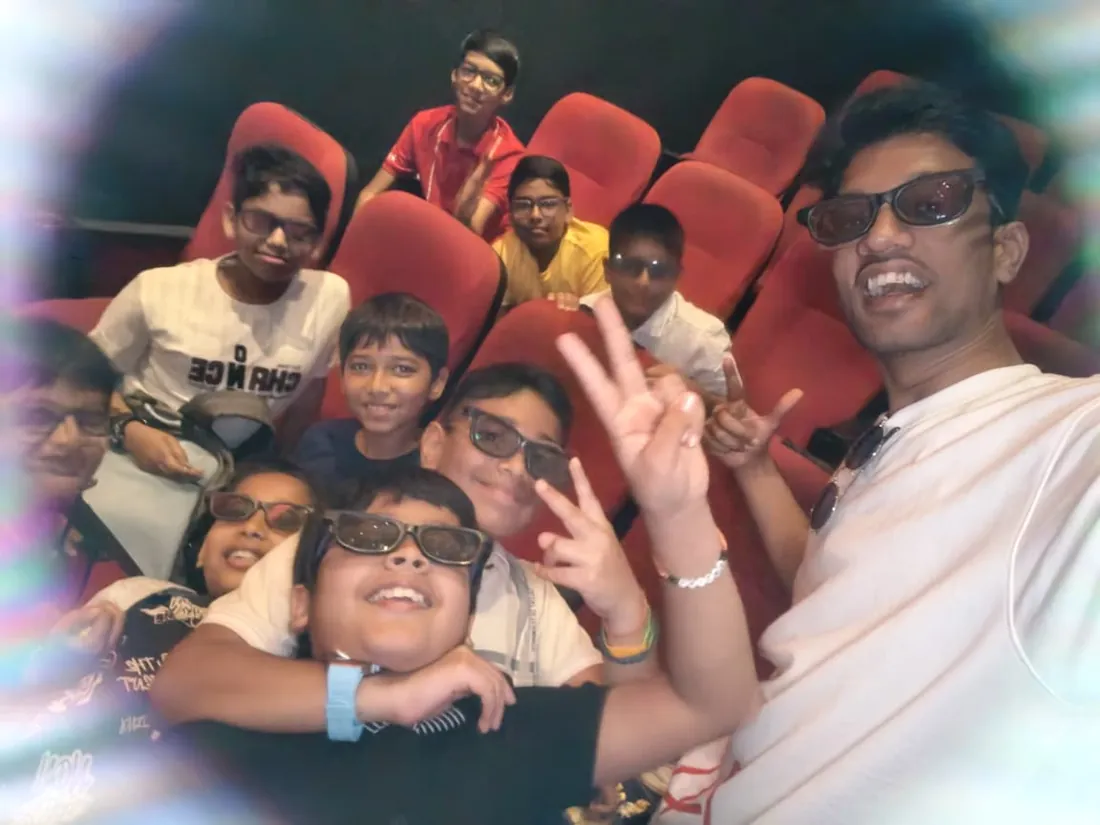
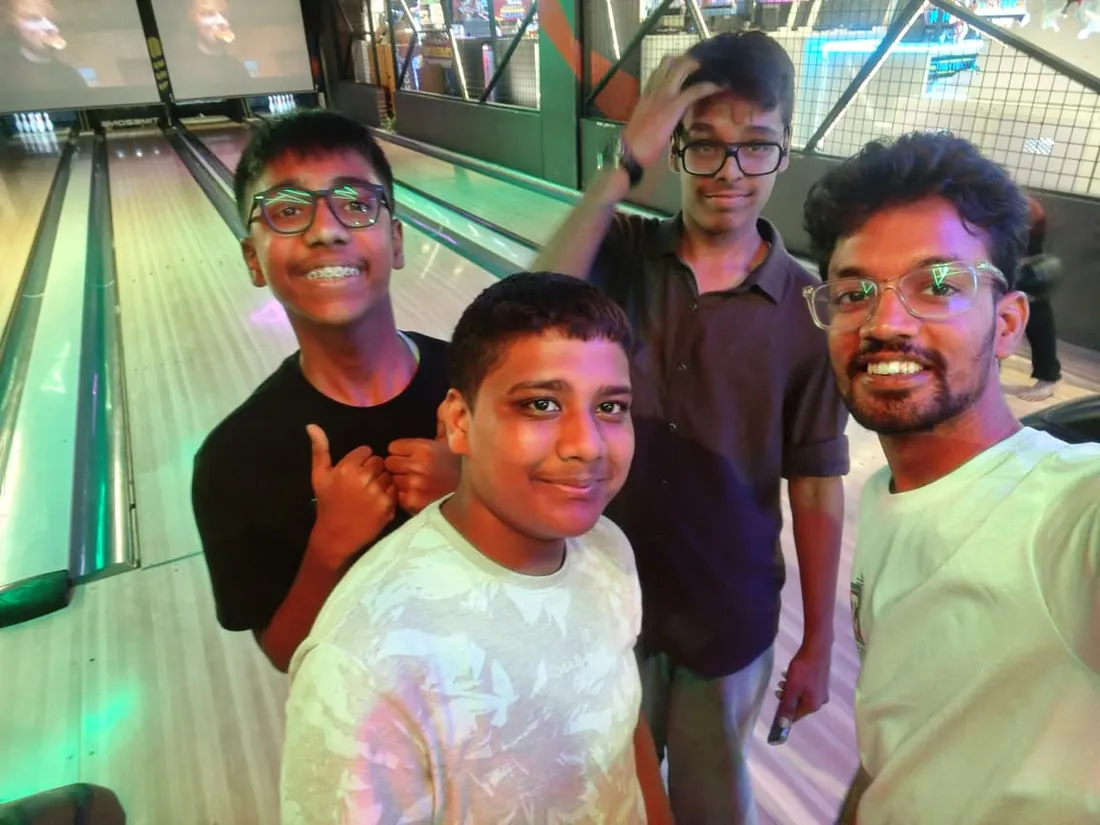
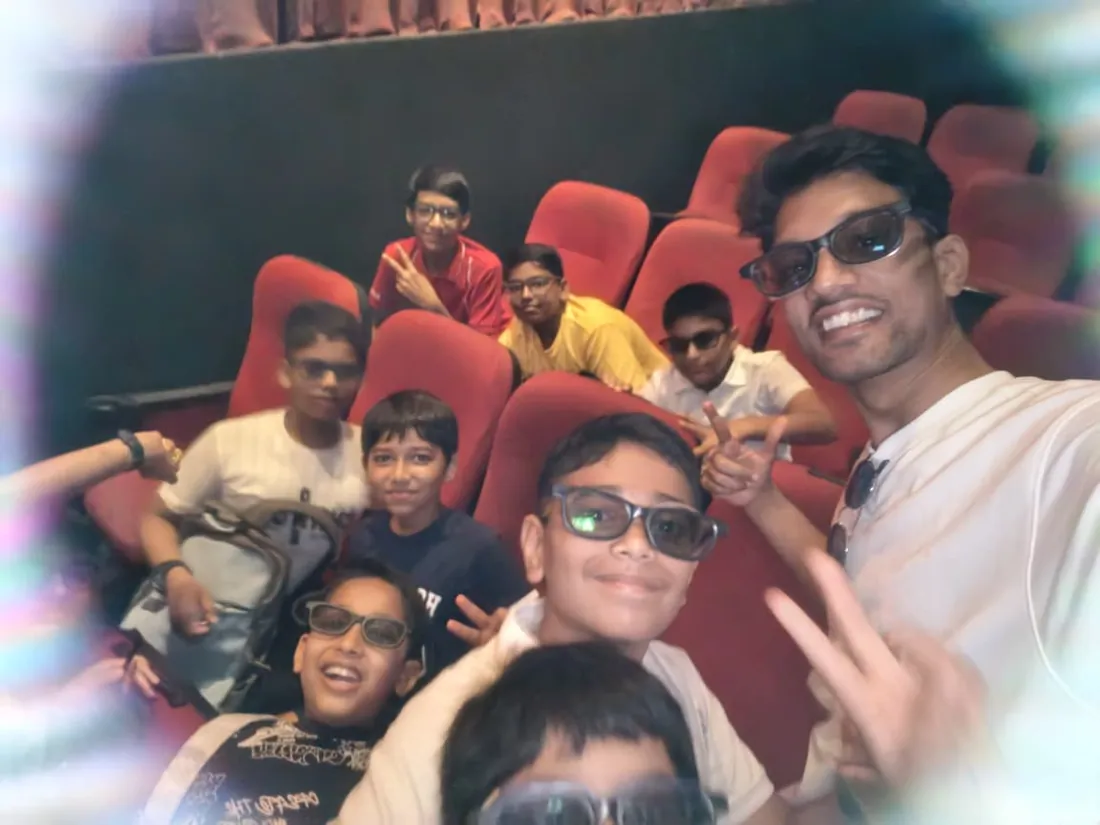

What families say
Straight from the parents and students who learn with us. Rated 4.9 across 547 Google reviews.
“Mivaan enjoys the class. He understands the concepts and completes his tasks with excitement. He started taking interest in coding… truly amazing class.”
“I absolutely love it here! I made new friends and learned important valuable coding skills while having the fun of my life. It's not just coding here, it's outings, bonding and most importantly preparing you for your future. Definitely five stars.”
“What stands out most is how excited my son is before every class. He looks forward to learning, problem-solving, and sharing what he's built. I've noticed a big boost in his confidence!”
“Modern Age Coders has been a game-changer for me! I struggled to grasp IT concepts and coding before joining, but their classes transformed everything. I'm now the topper in my class and can confidently write complex programs with ease.”
“Modern Age Coder have wonderful teachers who teach in a clear, easy and practical way. The teacher boosts students' confidence, keeps them updated with technology, and inspires them to learn without hesitation.”
“The one step solution for my son. Modern Age Coders make learning coding so simple that kids love it.”
“Coding classes here make learning very interesting and conceptual. The teachers teach us in a very easy-to-understand and efficient manner.”
“One of the most wonderful education centres out there. Education is not limited to school syllabus but focuses on skill development. Learning here has been a wonderful journey and still continuing.”
“I highly recommend this computer coding class! The teachers are incredibly knowledgeable and passionate about coding. They make every session engaging and insightful.”
“My child Dhairya is really enjoying the Modern Age Coder IT classes. This is his first online class, and he eagerly looks forward to it.”
“Very good classes. Don't worry about coding. They teach the best, especially Shivam sir.”
“Very good classes. Makes learning very easy and interactive.”
Hear it from our students
Real parents and students in their own words, on our public YouTube channel.
Straight answers about Java for Teens: Complete Course from Beginner to Advanced
- Who should take this course?
- Absolute beginner, ages 13 to 18. It suits icse, isc and ap computer science a students who want to be ahead of the syllabus, not chasing it; teens starting from zero who want a strict, structured language that builds real discipline; students who have always wanted to change the game itself, not just play it.
- What will they learn and build?
- Java is the language schools trust and industry runs on: ICSE, ISC and AP Computer Science A all teach it, Minecraft is written in it, and enterprise systems everywhere depend on it. This live online course takes students aged 13 to 18 from their first line of code to genuinely advanced Java, and its strict, typed nature quietly teaches the discipline that makes every later language easier.
- How deeply are topics covered?
- The course runs 10-12 months (40-48 weeks) at 2 live classes/week + 3-4 hours practice, across 4 phases listed week by week in the syllabus below. A structured, well-paced curriculum taught step by step, with classwork in every session and homework after every class.
- Who teaches it?
- Modern Age Coders mentors, who teach the live classes themselves. You can watch them at work in the free class recordings before you decide.
- How do practice, feedback and assessment work?
- Mixed-review assignments after every month and a final exam that decides the certificate: real knowledge, real work, real projects. Doubt support between classes over WhatsApp, so you are never left stuck. A certificate you earn by passing the final exam, with a free retest after revision if needed.
- What does it cost?
- Three monthly plans: a group batch, a mini batch and 1-on-1. Prices are shown in your currency in the plans section. Monthly billing, cancel any time.
- When can classes take place?
- Live classes are scheduled around your week. Group batches meet at a fixed weekly slot; 1-on-1 students choose their own. International students are scheduled in their own timezone. Ask on WhatsApp for the current slots.
- Can I watch the teaching before deciding?
- Yes. Full recordings of real 13 and up classes are free to watch, free with a Google sign-in. These recordings show how we teach, not the exact syllabus of this course. Some classes are in English and some in Hindi; everyone follows at their own pace. Watch a class end to end, like you are in it. Sessions are interactive and each moment builds on the last.
- Can I enroll without a live demo?
- Yes. Choose a plan on this page and enroll directly; a booking or a demo is not required. A free live demo is optional, for anyone who wants to meet a mentor first. Outside India, our team confirms the plan and completes payment with you over WhatsApp, so allow a little time for that step.
Common Questions About Java for Teens: Complete Course from Beginner to Advanced
Get answers to the most common questions about this comprehensive program
Still have questions? We're here to help!
Contact UsRelated Courses You May Like
Continue your learning journey with these recommended programs
 App Development
Swift and iOS Course: SwiftUI Apps from Zero
Swift course for college students and professionals: modern Swift, then real iOS development with Sw...
Explore Course College Mathematics
College Maths Course: Calculus, Linear Algebra to Analysis
College maths course, live online: three academic-year tracks from calculus and linear algebra to pr...
Explore CourseRelated Articles & Guides
Deepen your knowledge with these hand-picked articles
 Programming
12 min read
Programming
12 min read
Top 10 Java Programs Every School Student Should Know (With Solutions)
Master 10 essential Java programs for school students. Complete solutions, explanations, and practic...
Read Article Programming
12 min read
Programming
12 min read
Learn Python for Beginners: Complete Step-by-Step Guide (2026)
Learn Python for beginners with our free step-by-step guide. Covers variables, loops, functions, OOP...
Read ArticleReady to start Java for Teens: Complete Course from Beginner to Advanced?
Book a free demo class to meet your mentor and see how we teach, with no commitment. Or enrol now and start this week.