Maths Through Coding
If you can build it, you understand it. Students build the maths.
Syllabus updated August 2026
Questions? WhatsApp +91 91233 66161 or email connect@modernagecoders.com
Recordings are free with a Google sign-in. These recordings show how we teach, not the exact syllabus of this course.
Our promise
The world's best learning experience, open to everyone.
- World-class instructorsEvery class is taught by an instructor who specialises in that exact field.
- No compromise on qualityEvery lesson, project and piece of feedback is held to the highest standard.
- Education for everyoneLearners aged 6 to 67, from first-time beginners to working professionals, in 25+ countries.
If you want the highest quality, Modern Age Coders is the right choice.
Book a Priority DemoHow long this course takes
This course runs 9 months (36 weeks) at 2 live one-hour classes per week + one small build between classes. The range allows for background and pace: a complete beginner uses the full span, and a student with prior knowledge finishes sooner. The syllabus below is planned to the shorter end, with margin kept for revision.
For personalised duration planning, call +91 91233 66161 and we'll map a schedule to your goals.
At a glance
- Who it is for
- Ages 10-15 (grades 5-10); no coding experience required.
- Prerequisites
- None required, Python taught from zero
- Format
- Live, interactive classes with a real instructor, never pre-recorded videos. Live classes run about one hour.
- Language
- English or Hindi, depending on the batch.
- Duration
- 9 months (36 weeks)
- Weekly commitment
- 2 live one-hour classes per week + one small build between classes
- Class size
- Group batches of 5 to 10 students, mini batches of 3 to 4, or 1-on-1.
- Certificate
- Certificate from Modern Age Coders, awarded on passing the final assessment
- Watch first
- Free recordings of real classes for ages 13 and up, free with a Google sign-in. These recordings show how we teach, not the exact syllabus of this course.
- Live demo
- Optional. Enrol directly on this page, or book a Priority Demo: a full live class of about 45 to 60 minutes with a mentor reserved for you.
- Questions
- WhatsApp +91 91233 66161 or email connect@modernagecoders.com.
How we teach
Deep understanding. Real projects. Expert guidance.
Learn coding, AI and maths through careful explanations, practical demonstrations, and hands-on problem-solving. Our instructors guide you from the foundations to advanced ideas, helping you understand what happens, why it happens, and how to build it yourself.
You will explore concepts step by step, write and improve code, investigate mistakes, ask questions, and apply your knowledge to meaningful projects. Lessons are designed around active participation, thoughtful feedback, and growing independence.
Expert-led live teaching, with practical participation built into every lesson.
- Students explain their thinking.
- Instructors demonstrate, then guide practice.
- Learners code, solve, or build during lessons.
- Questions and misconceptions get attention.
- Assignments receive useful feedback.
- Progress is checked before advancing.
How to join Maths Through Coding: Learn Math in Python (Ages 10-15)
Four steps from this page to the first class. See a full class first with a Priority Demo, or choose a plan and enrol today.
Rated 4.9 across 547 Google reviews. Monthly billing, cancel any time.
How enrolment works
See a full class first (optional)
Book a Priority Demo: a live class of about 45 to 60 minutes with a mentor reserved for you, today or tomorrow. After the class the mentor sends a written skill report and a personal learning roadmap on WhatsApp. If you enrol, the demo fee is adjusted against your first month's fee. Share your demo Order ID with us on WhatsApp and we take it off.
Book a Priority DemoDemo fee ₹499Choose a plan
Group batch (5 to 10 students), mini batch (3 to 4 students, India only) or 1-on-1 with your own mentor. Every plan is live online, and each class runs about one hour. The cards below show classes per week and the monthly fee in your currency.
Enrol and pay the first month
Press Enrol Now on your plan, fill in the student's name, email and phone, and pay through secure Razorpay checkout: UPI, cards or net banking in India, and debit or credit card from any other country.
Fix your class timings
After payment, message us on WhatsApp or call +91 91233 66161 with the student's name, the course and your preferred time slot. We confirm the batch, send the class link and schedule the first class at your chosen time.
Billing is monthly and you can cancel any time.
International Students (Outside India)
Billed monthly in US dollars, the same price in every country. Contact us with any questions.
Questions before you enrol? Talk to our team.
Ask about class timings, the right level for your child, what they need to know already, or payment. Parents and adult learners can reach us on WhatsApp, by email or by phone.
Program Overview
A 9-month live course teaching mathematics the way our whole school believes it should be met: by building it. Students write Python programs that ARE the maths, a fraction simplifier that forces understanding of GCD, turtle geometry that makes angles visceral, probability simulators that settle arguments with ten thousand dice rolls, and function grapher projects that turn algebra into something you can watch. This is the signature Modern Age Coders fusion, taught by mentors genuinely fluent in both subjects, and for Ontario families, it happens to cover the coding expectations now examined inside math class from Grade 1. No prior coding needed; the mathematics runs roughly grades 5-9 territory with stretch room.
What Makes This Program Different
- The maths is the syllabus, the code is the method: every program exists to force a mathematical idea into the open
- A computer rejects vague understanding, code that half-understands fractions simply does not run, which makes debugging a mathematics lesson
- Mentors fluent in both subjects, because a coding teacher who waves at the maths (or vice versa) breaks the whole idea
- Real Python from week one, at a pace built for ages 10-15
- Every topic ends with a working artifact the student built and can demo
- Directly serves Ontario's coding-in-math strand, and the computational-thinking push in curricula worldwide
- The engagement answer for the child who says maths is boring but plays with code for hours, or the reverse
- One dedicated mentor, one full interactive hour, twice a week
Your Learning Journey
Career Progression
Detailed Course Curriculum
Explore the complete week-by-week breakdown of what you'll learn in this comprehensive program.
Hello, Python: the editor, print, variables, and a diagnostic of both maths comfort and machine comfort
Topics Covered
- Setting up and using the Python editor
- The print function
- Variables and naming
- Numbers and text as data
- A diagnostic of maths comfort
- A diagnostic of machine comfort
Projects You Build
- Write a Python script that prints a personalised greeting built from variables
Practice & Assignments
Write and run a short program that stores your name and age in variables and prints a sentence.
Arithmetic operators and order of operations: the computer obeys the same grammar your maths teacher does
Topics Covered
- Addition, subtraction, multiplication and division operators
- Order of operations in code
- Brackets to control evaluation
- Integer versus decimal results
- Matching code grammar to maths grammar
- Predicting an expression before running it
Projects You Build
- Write a Python calculator that evaluates a multi-step expression and prints the result
Practice & Assignments
Predict the value of several mixed-operator expressions, then check each by running it.
Integer division and remainders: modulo as the parity machine, even/odd detectors and cycle patterns
Topics Covered
- Integer division
- The modulo operator
- Modulo as a parity machine
- Even and odd detectors
- Cycle and repeating patterns with modulo
- The clock-arithmetic idea
Projects You Build
- Write a Python script that labels every number from 1 to 50 as even or odd using modulo
Practice & Assignments
Use modulo to test a list of numbers for even or odd and describe the pattern you see.
Conditionals with number tests: divisibility rules coded and then explained backwards
Topics Covered
- if, elif and else
- Comparison operators
- Coding divisibility tests
- Explaining divisibility rules backwards
- Combining conditions
- Reading a program's branches
Projects You Build
- Write a Python program that reports which of 2, 3, 5 and 10 a number is divisible by
Practice & Assignments
Code a divisibility checker for 2, 3 and 5 and explain in your own words why each rule works.
Loops as repetition with purpose: times tables generated, then patterns in them hunted and explained
Topics Covered
- for loops and range
- Loops as purposeful repetition
- Generating times tables
- Hunting patterns inside the tables
- Explaining the patterns found
- The nested-loop idea introduced
Projects You Build
- Write a Python script that visualises a times-table as a grid of rows and columns
Practice & Assignments
Generate several times tables with a loop and write down one pattern you notice in each.
Factor finders and prime testers: the student's first real algorithms, and why 1 is not prime, settled by code
Topics Covered
- Finding all factors of a number
- Building a prime tester
- The definition of a prime
- Why 1 is not prime, settled by code
- Writing your first real algorithms
- Testing an algorithm across many inputs
Projects You Build
- Write a Python program that lists every factor of a number
- Write a Python prime tester that prints all primes up to 100
Practice & Assignments
Run your prime tester across the numbers 1 to 30 and confirm the results by hand.
GCD discovered through the Euclidean idea; a fraction simplifier built, which forces equivalence to be truly understood
Topics Covered
- Common factors and the GCD
- The Euclidean idea for finding a GCD
- Coding a GCD function
- Fraction equivalence
- Building a fraction simplifier
- Why the machine forces real understanding
Projects You Build
- Write a Python fraction simplifier that reduces any fraction to lowest terms using the GCD
Practice & Assignments
Simplify several fractions by hand, then confirm each one with your simplifier.
Fraction arithmetic programmed (common denominators become obvious when a machine needs them); phase demo day: each student presents their number toolkit
Topics Covered
- Adding and subtracting fractions in code
- Why a machine needs common denominators
- Multiplying and dividing fractions
- Combining the GCD with fraction arithmetic
- Preparing a clear demo
- Presenting the number toolkit
Projects You Build
- Write a Python fraction calculator that adds, subtracts and simplifies two fractions
Practice & Assignments
Extend your fraction program to add and subtract two fractions and simplify the result.
Assessment
Phase demo day: each student presents their number toolkit and explains the mathematics behind it.
Turtle basics: squares, triangles and the exterior-angle discovery (why 360 divided by n draws every regular polygon)
Topics Covered
- Turtle graphics setup
- Drawing squares and triangles
- Forward and turn commands
- Discovering exterior angles by steering
- Why 360 divided by n draws a regular polygon
- Connecting turning to angle size
Projects You Build
- Write a Python turtle program that draws any regular polygon from the number of sides
Practice & Assignments
Draw three different regular polygons with turtle and record the turn angle each one needs.
Star polygons, spirals and angle art; interior-angle sums verified by walking them
Topics Covered
- Drawing star polygons
- Spirals with a changing step or angle
- Angle-art compositions
- Interior-angle sums
- Verifying angle sums by walking them
- Combining loops with turtle turns
Projects You Build
- Write a Python turtle program that draws a star polygon or spiral of your own design
Practice & Assignments
Create an angle-art pattern and explain the interior or exterior angles that make it close.
The coordinate plane as the screen it literally is; plotting points, lines and midpoints in code
Topics Covered
- The screen as a coordinate plane
- Plotting points from coordinates
- Drawing lines between points
- Finding midpoints
- The distance-between-points idea
- Reading coordinates back off a drawing
Projects You Build
- Write a Python program that plots points and draws the line and midpoint between two of them
Practice & Assignments
Plot a set of points in code and compute the midpoint of two of them.
Algebra as code: expressions evaluated, equations solved by guess-check-refine, and why balance methods beat brute force
Topics Covered
- Evaluating algebraic expressions in code
- Variables that actually vary
- Solving equations by guess, check and refine
- Why balance methods beat brute force
- Substituting into a formula
- Checking a solution programmatically
Projects You Build
- Write a Python script that solves a linear equation by guess-check-refine and prints each step
Practice & Assignments
Solve a linear equation both with a guess-check-refine loop and by balancing, then compare.
Python functions and mathematical functions introduced as the same idea: input, rule, output
Topics Covered
- Defining a Python function
- Parameters and return values
- Mathematical functions as machines
- Input, rule and output as one idea
- Evaluating a function for many inputs
- Building a table of values
Projects You Build
- Write a Python function that takes x and returns a rule such as 2x plus 1, then tabulates it
Practice & Assignments
Write a function for a simple rule and print a table of its outputs for several inputs.
The grapher project: plot y = mx + c and watch m and c do their jobs; then parabolas, and phase demo day
Topics Covered
- Plotting y = mx + c
- The role of the gradient m
- The role of the intercept c
- Plotting parabolas
- Watching parameters reshape the graph
- Presenting the grapher at demo day
Projects You Build
- Write a Python grapher that plots y = mx + c for chosen values of m and c
- Extend the grapher to plot a parabola and watch how its shape changes
Practice & Assignments
Use your grapher to compare two lines with different m and c and describe the difference.
Assessment
Phase demo day: each student presents their grapher and explains how m and c shape the line.
Randomness in code: coin flippers and dice rollers; experimental versus theoretical probability, watched converging
Topics Covered
- Random numbers in Python
- Coin-flip simulation
- Dice-roll simulation
- Experimental probability from many trials
- Theoretical probability
- Watching results converge as trials grow
Projects You Build
- Write a Python script that simulates thousands of dice rolls and reports the proportion of each outcome
Practice & Assignments
Simulate 1000 coin flips and compare the experimental probability with the theoretical value.
The classic puzzles simulated: two-dice sums, streaks in coin flips, intuition calibrated by evidence
Topics Covered
- Two-dice sum distributions
- Why 7 is the most likely sum
- Streaks in coin flips
- Calibrating intuition with evidence
- Counting outcomes versus simulating them
- Comparing simulation with theory
Projects You Build
- Write a Python simulation of two-dice sums that displays the frequency of each total
Practice & Assignments
Simulate two-dice sums many times and chart how often each sum appears.
Mean, median and range computed by the student's own code, the definitions can no longer be vague
Topics Covered
- Computing the mean in code
- Finding the median by sorting
- Calculating the range
- Making vague definitions precise
- Handling a list of data
- Checking results against a hand calculation
Projects You Build
- Write a Python program that reads a list of numbers and reports the mean, median and range
Practice & Assignments
Write code to compute the mean, median and range of a data list, then verify each by hand.
A real dataset explored: summaries, simple charts, and the sceptic's questions (outliers, sample size, fair comparisons)
Topics Covered
- Loading a real dataset
- Summarising the data
- Making simple charts
- Spotting outliers
- Questioning the sample size
- Judging whether a comparison is fair
Projects You Build
- Write a Python program that summarises a real dataset and draws a simple chart from it
Practice & Assignments
Summarise a small real dataset and write down two sceptic's questions it raises.
Capstone chosen and scoped: a times-table trainer, geometry art generator, probability game, data story, the student's call, the mentor's rigor
Topics Covered
- Choosing a capstone idea
- Scoping the mathematics inside it
- Planning the build in steps
- Setting a realistic target
- Options: a trainer, an art generator, a game or a data story
- Mentor rigour applied to the maths
Projects You Build
- Begin building your chosen capstone program in Python from your scoped plan
Practice & Assignments
Write a one-page plan for your capstone that names the mathematics it will make visible.
Build, test, polish; demo day, the student presents their program and, more importantly, explains its mathematics
Topics Covered
- Building the capstone
- Testing and debugging
- Polishing the program
- Preparing a clear demo
- Presenting the program
- Explaining the mathematics behind it
Projects You Build
- Complete, test and polish your capstone program ready to demo
Practice & Assignments
Test your capstone on several cases, fix what breaks, and rehearse your demo explanation.
Assessment
Final demo day: each student presents the capstone and explains the mathematics it is built on.
Projects You'll Build
Build a professional portfolio with 12+ working programs, demo-ready real-world projects.
Weekly Learning Structure
Certification & Recognition
Technologies & Skills You'll Master
Comprehensive coverage of the entire modern web development stack.
Support & Resources
Career Outcomes & Opportunities
Transform your career with industry-ready skills and job placement support.
Prerequisites
Who Is This Course For?
Career Paths After Completion
Course Guarantees
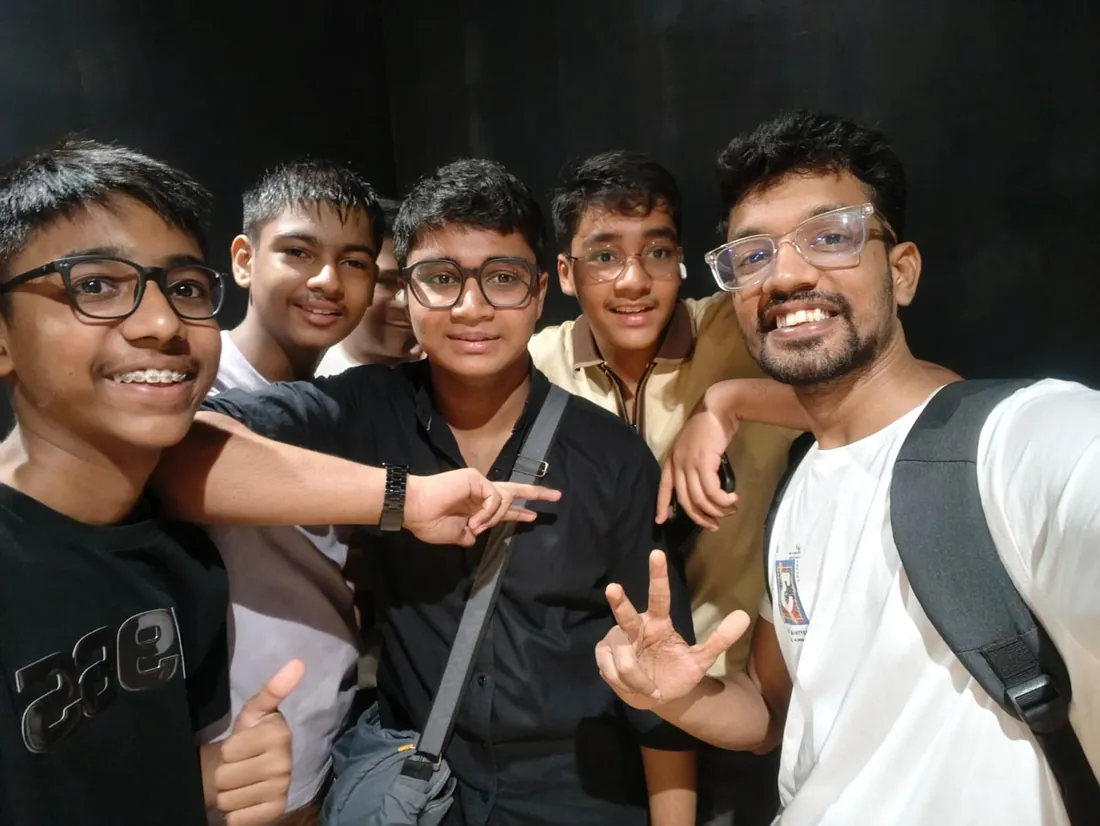
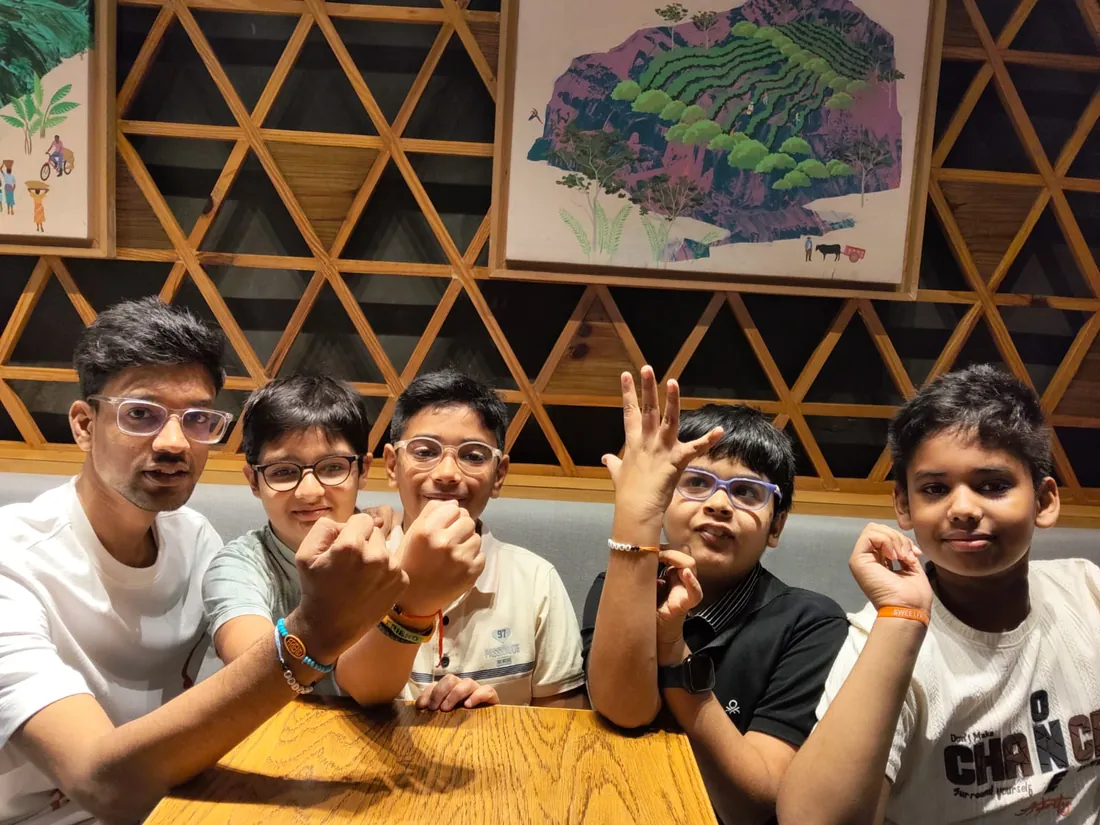
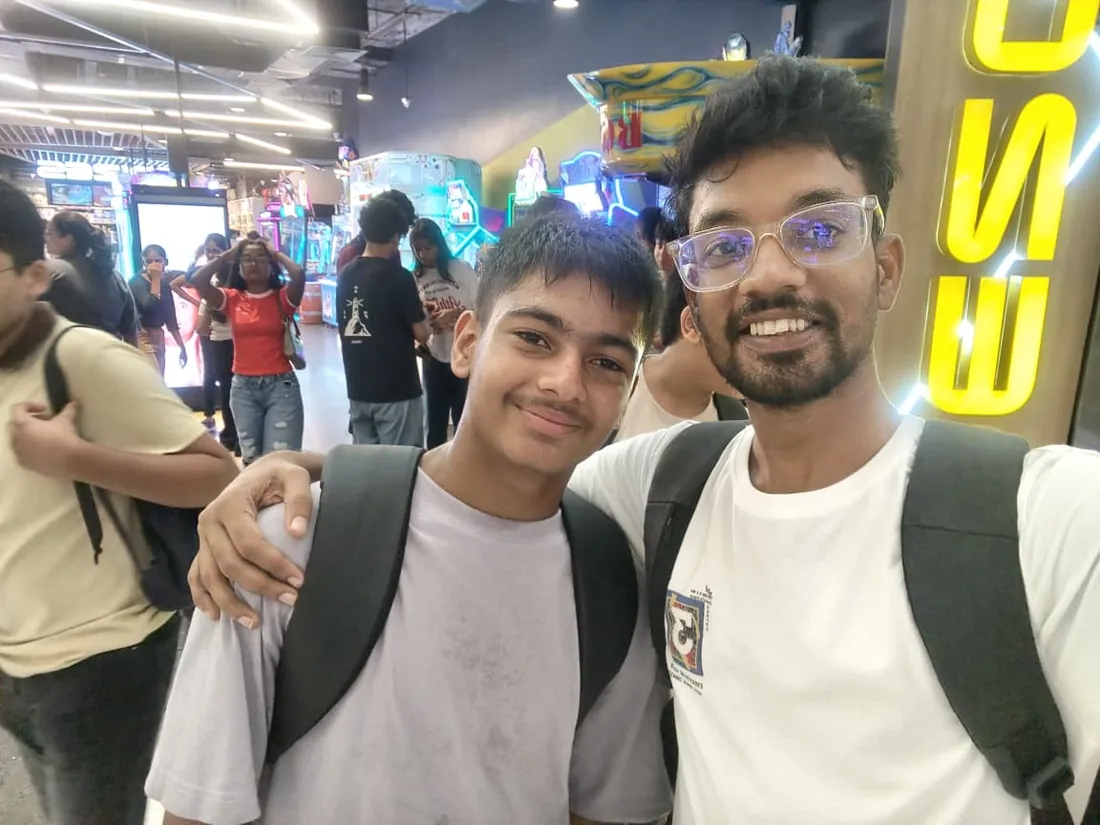
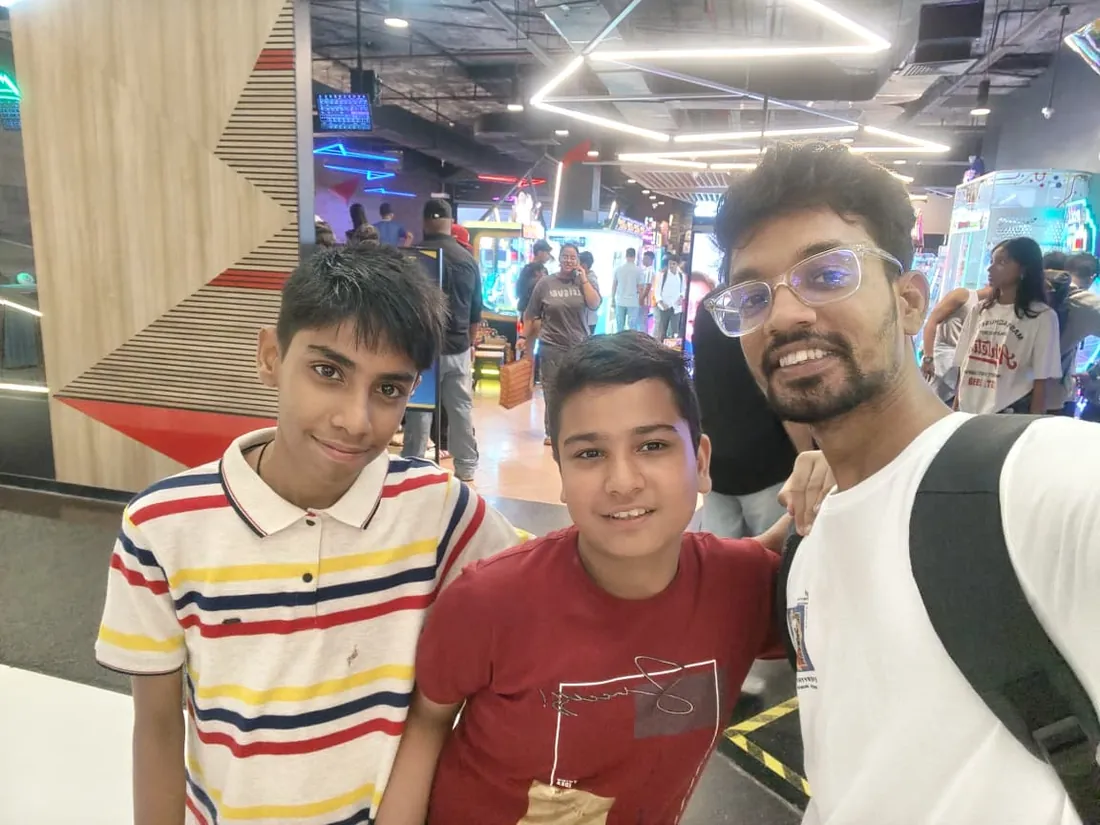
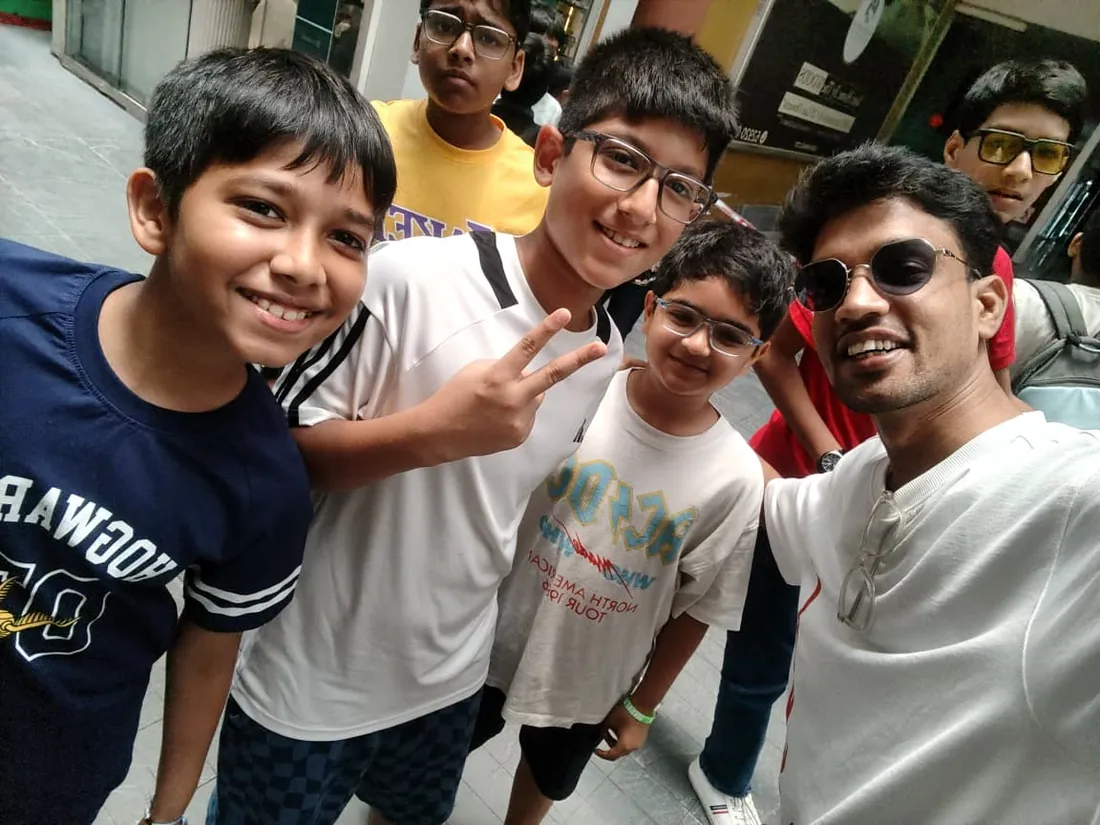
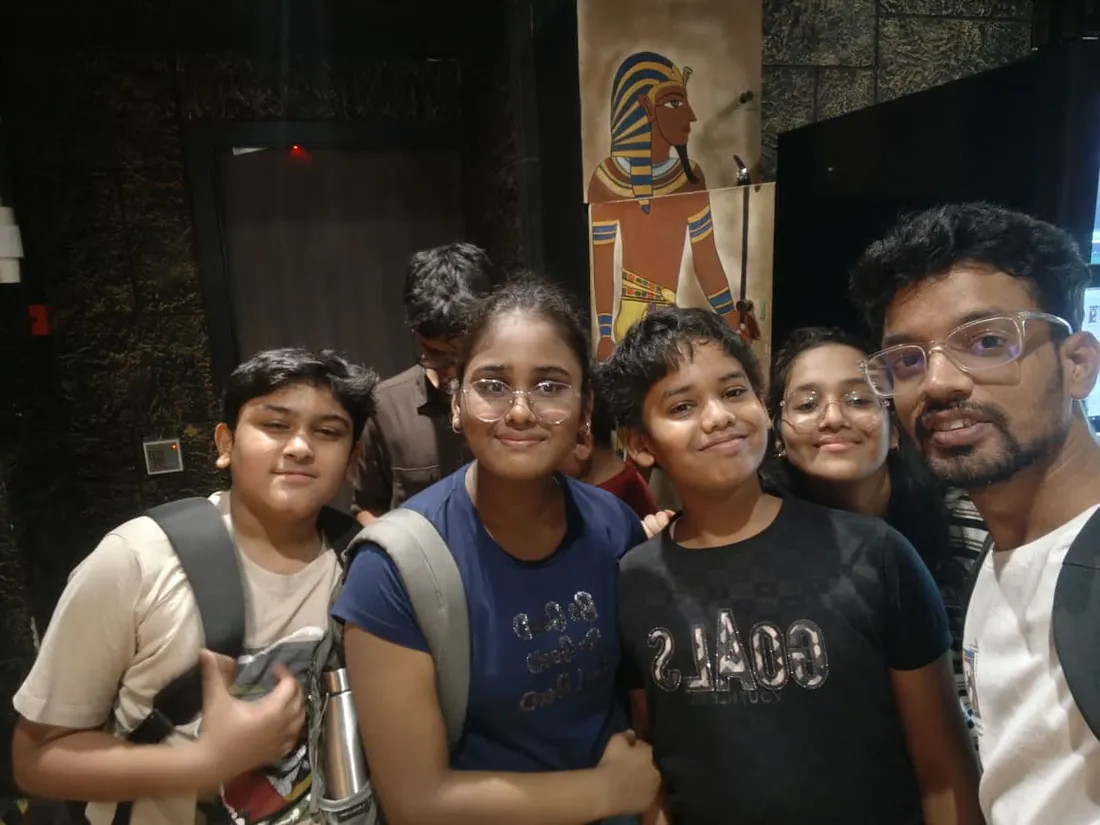
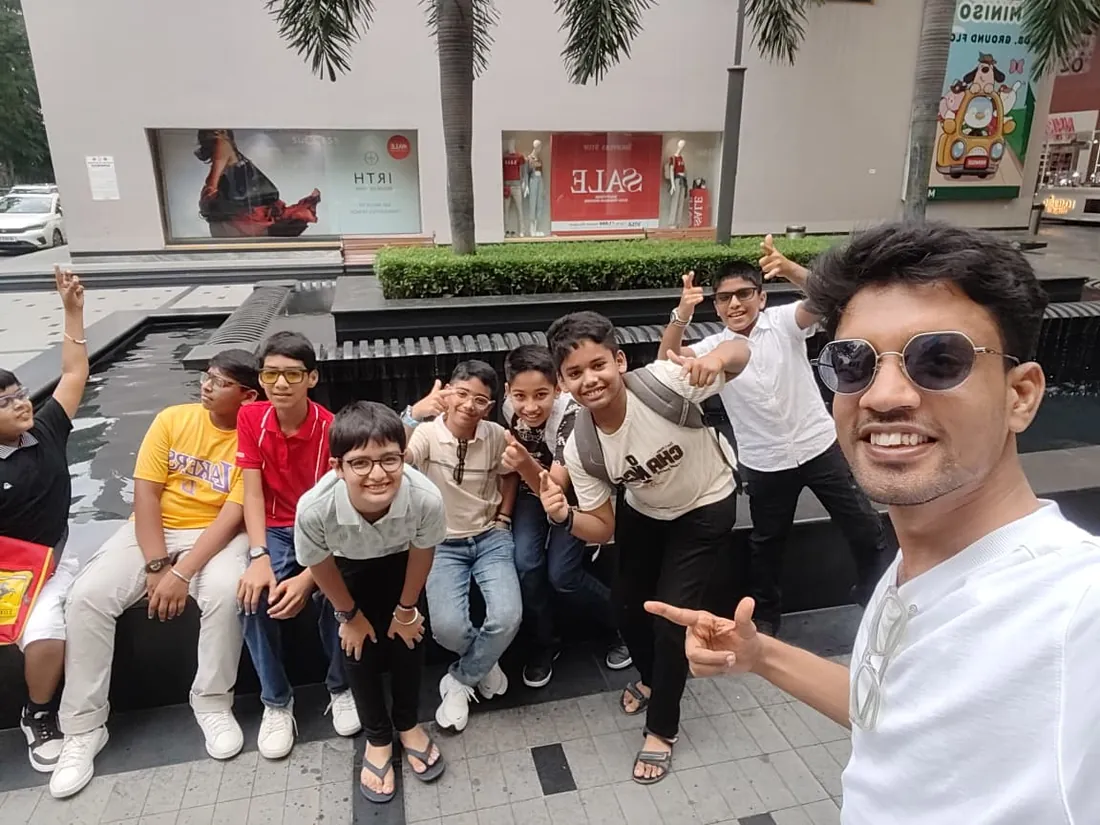
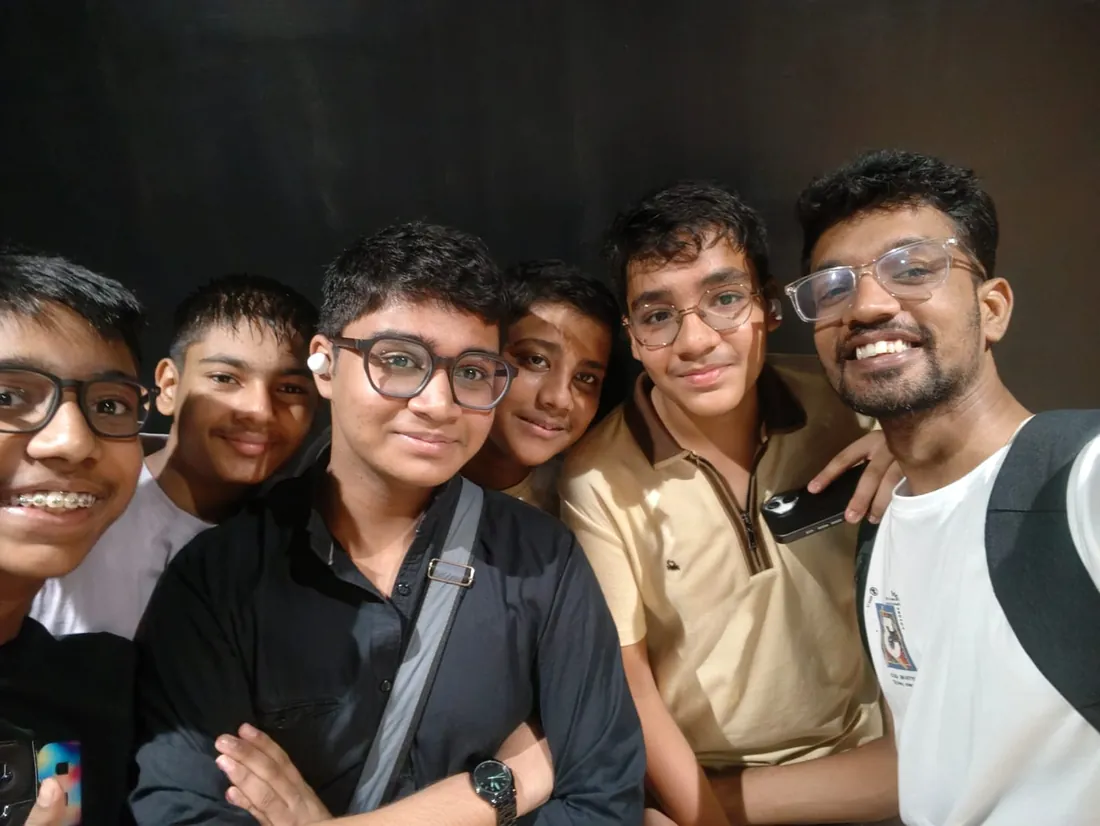
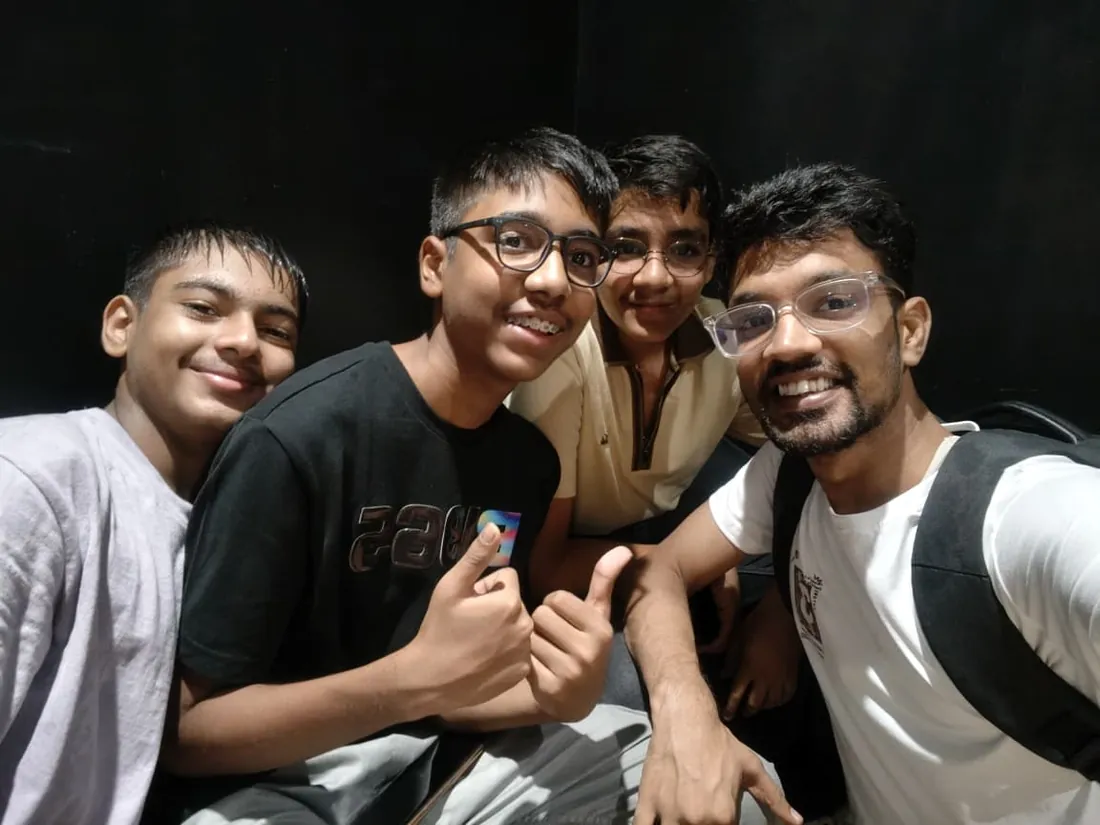
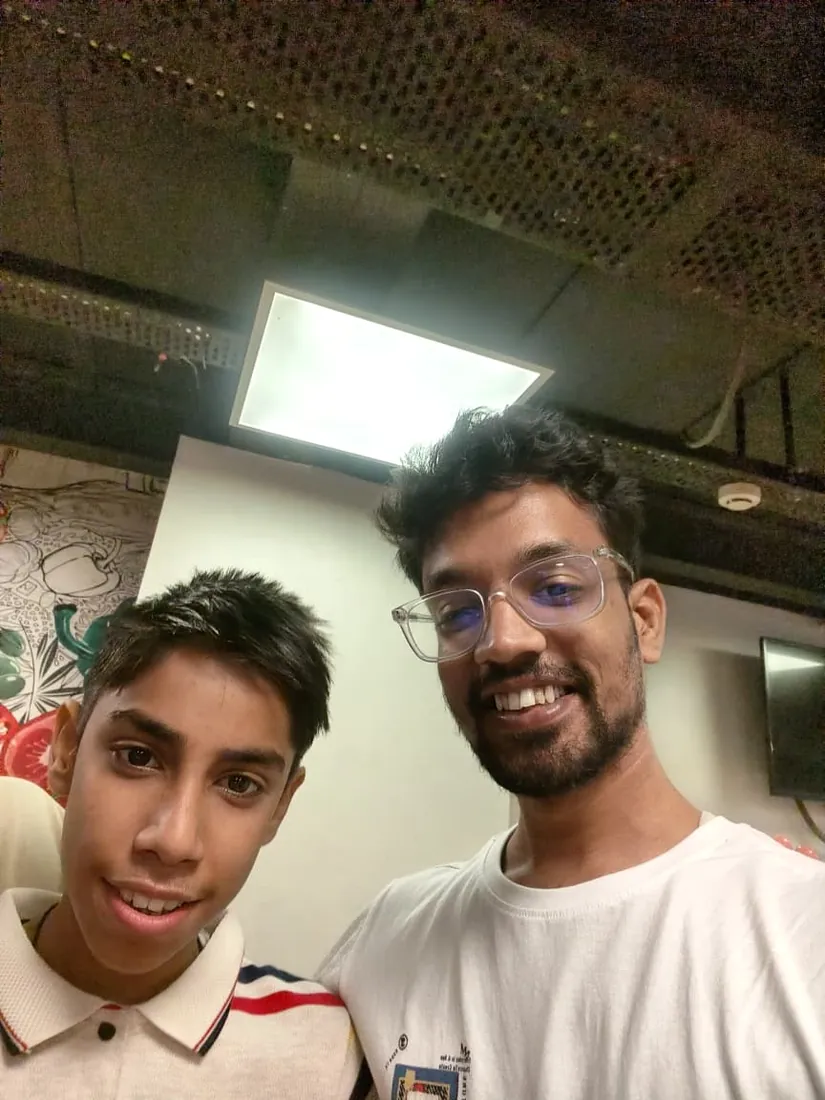
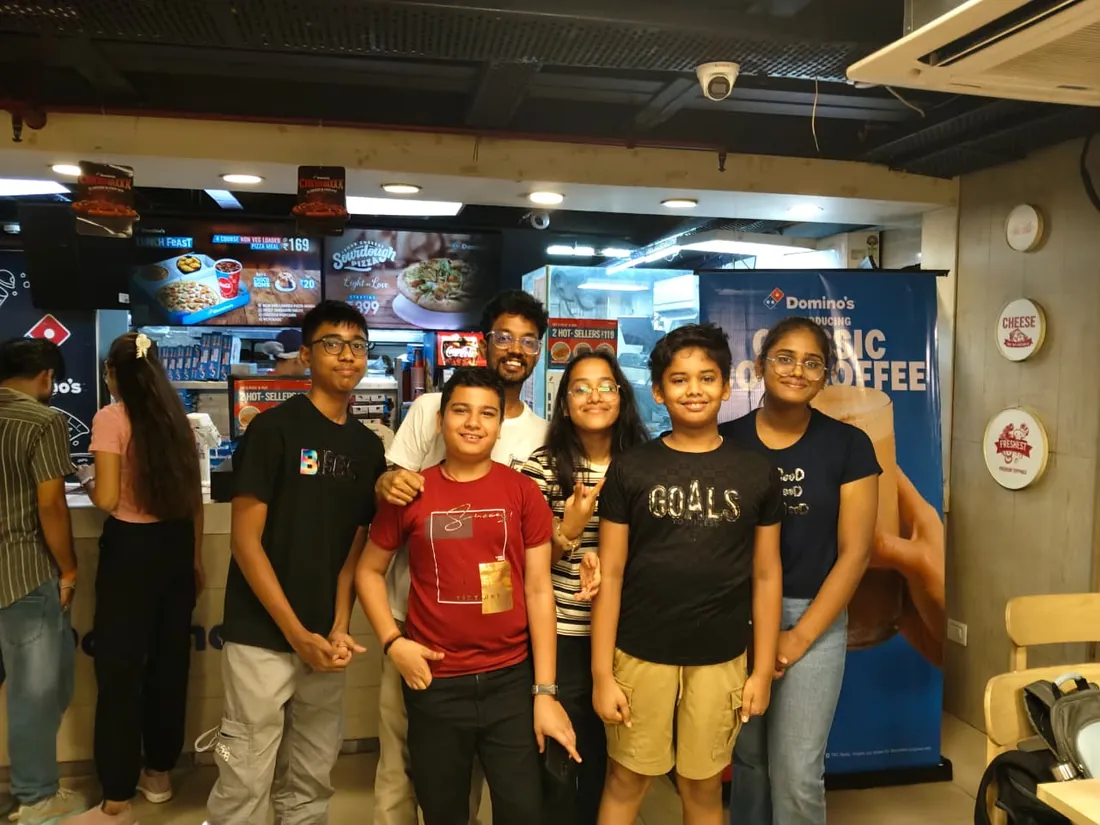
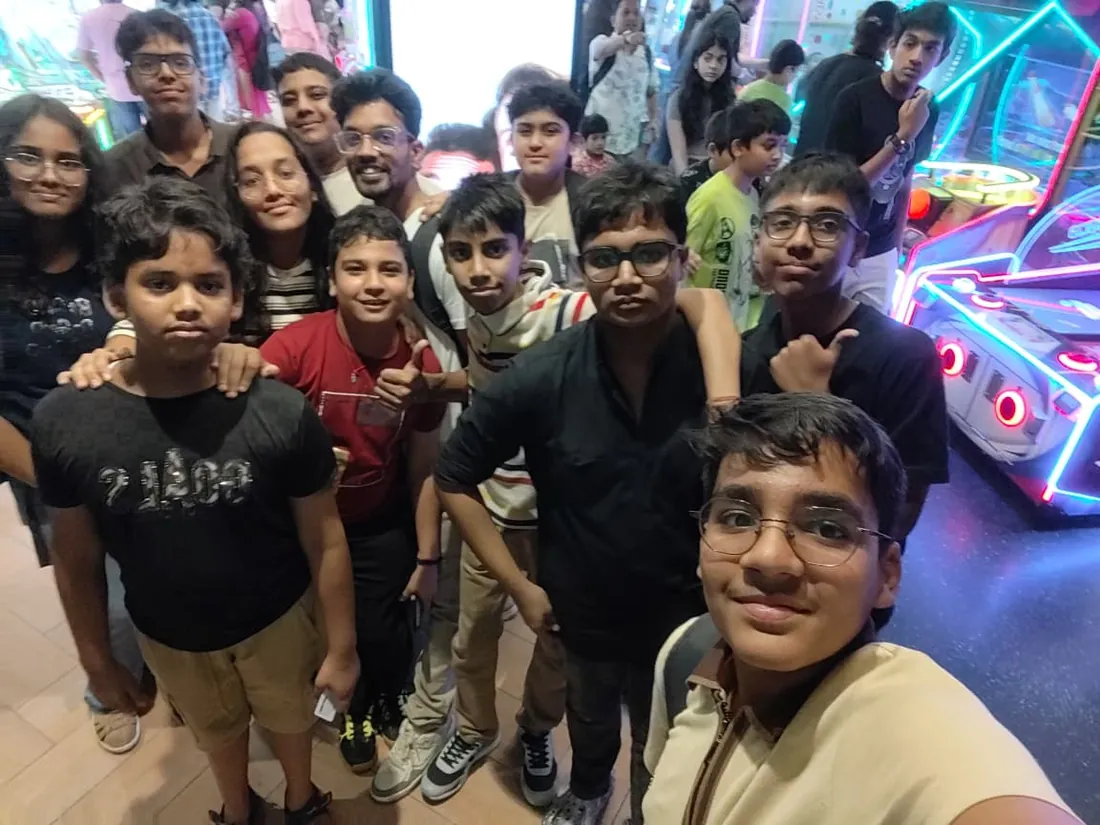
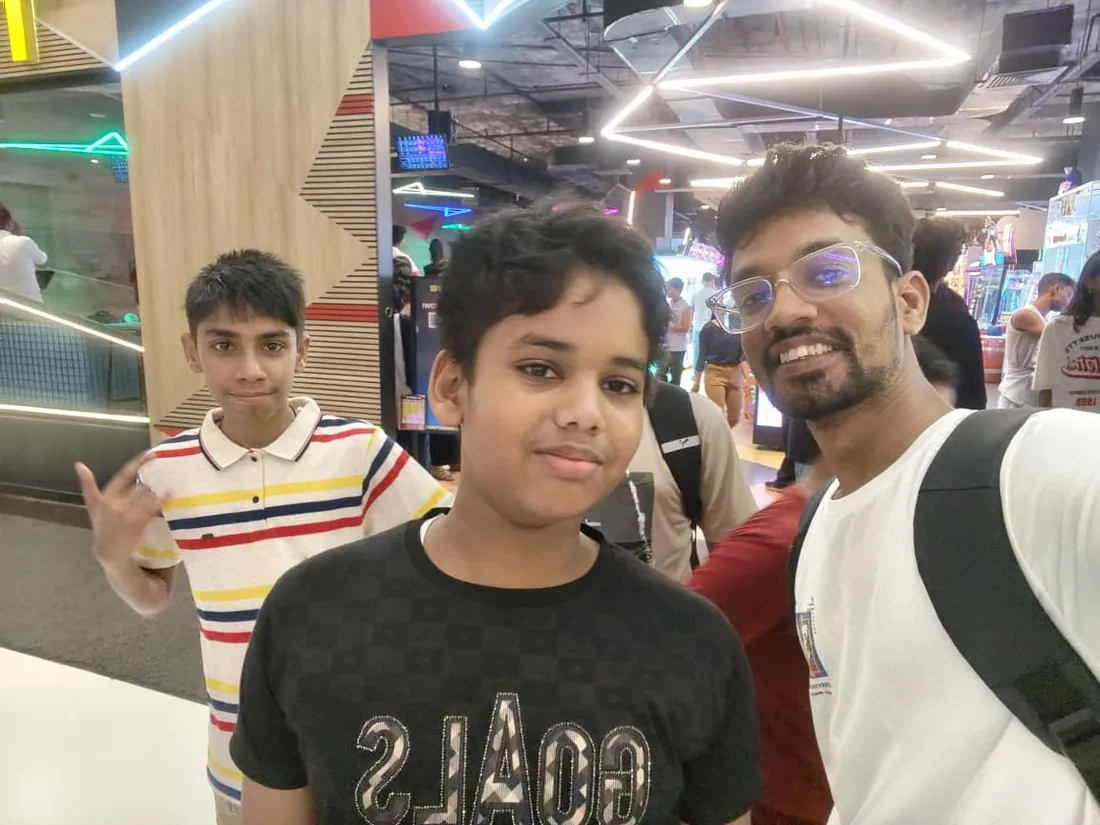
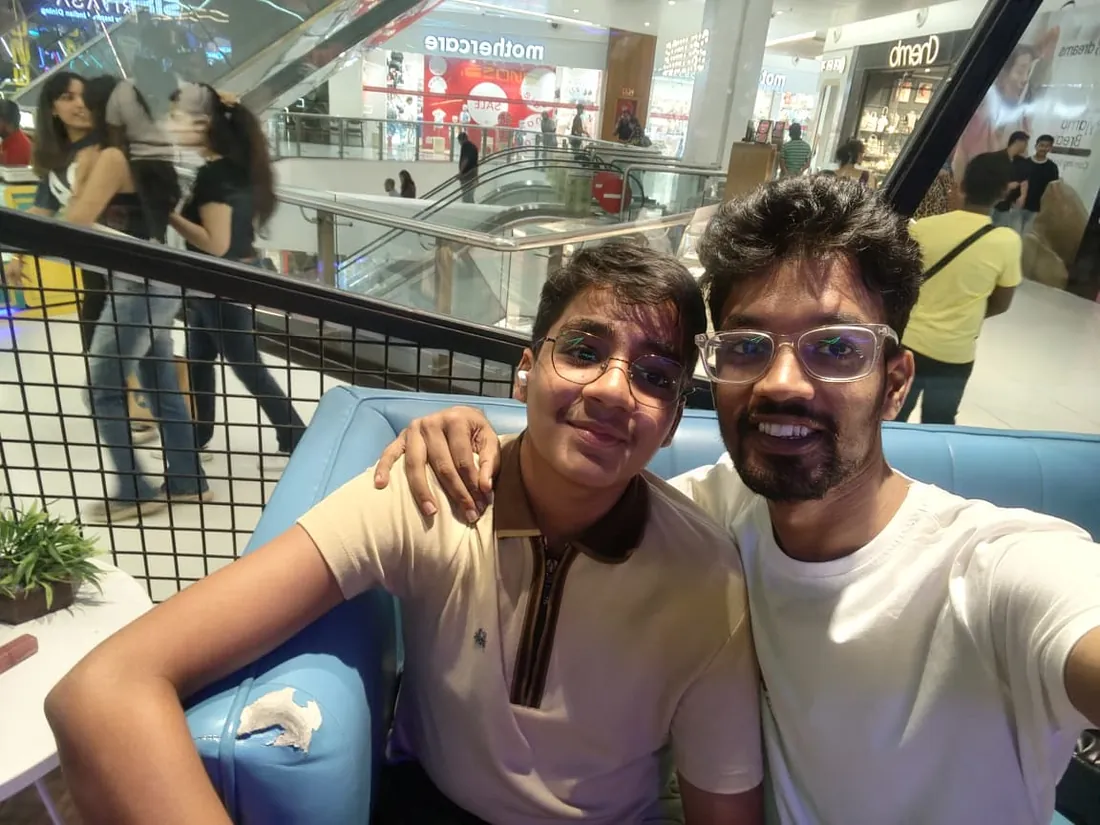
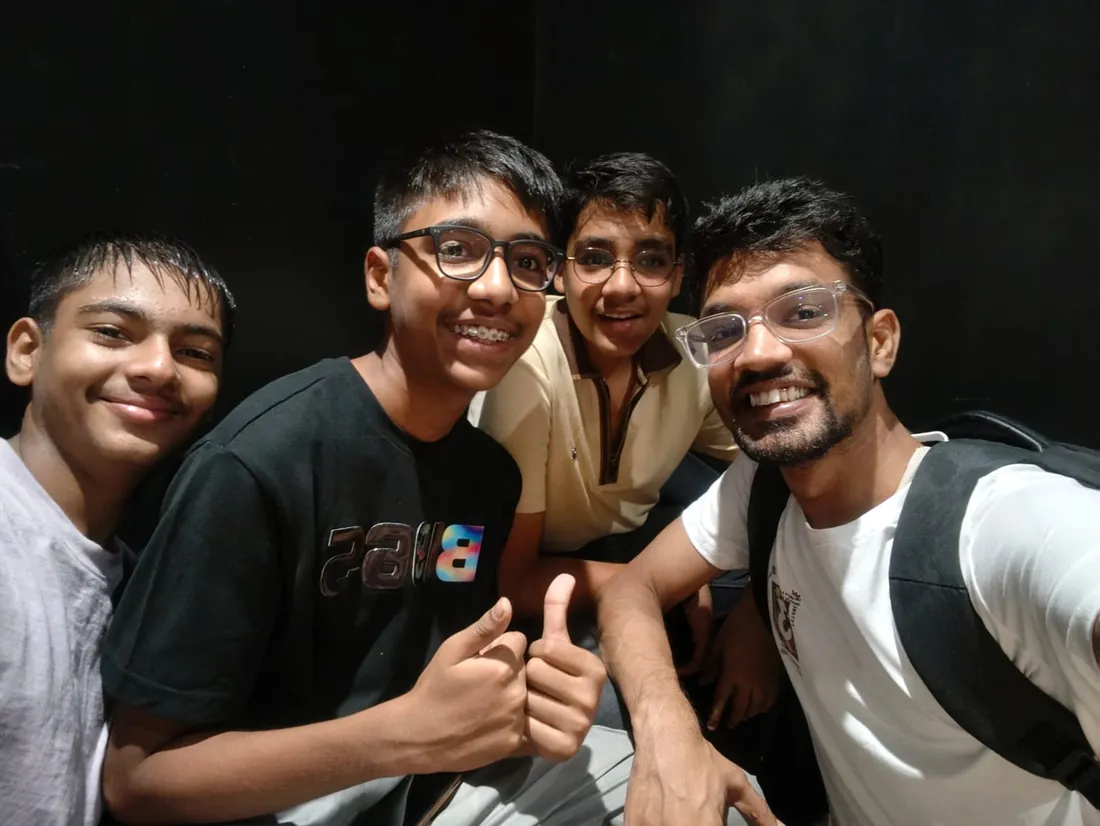
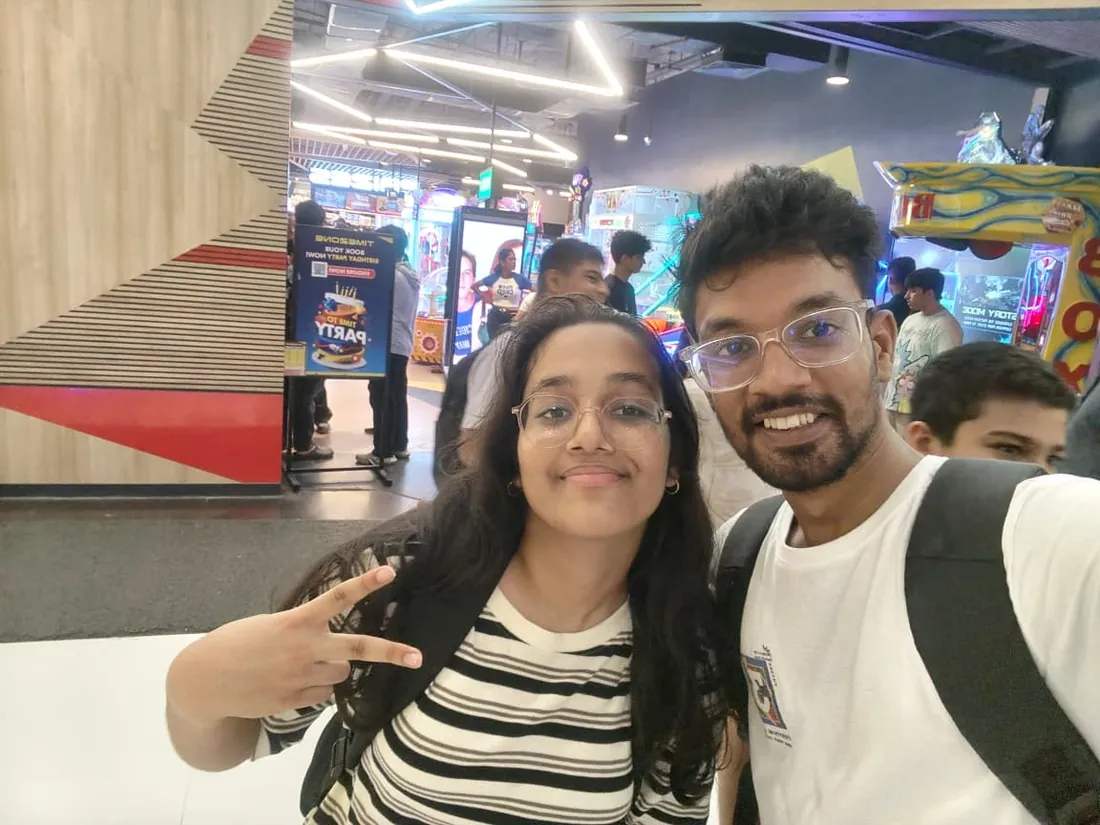
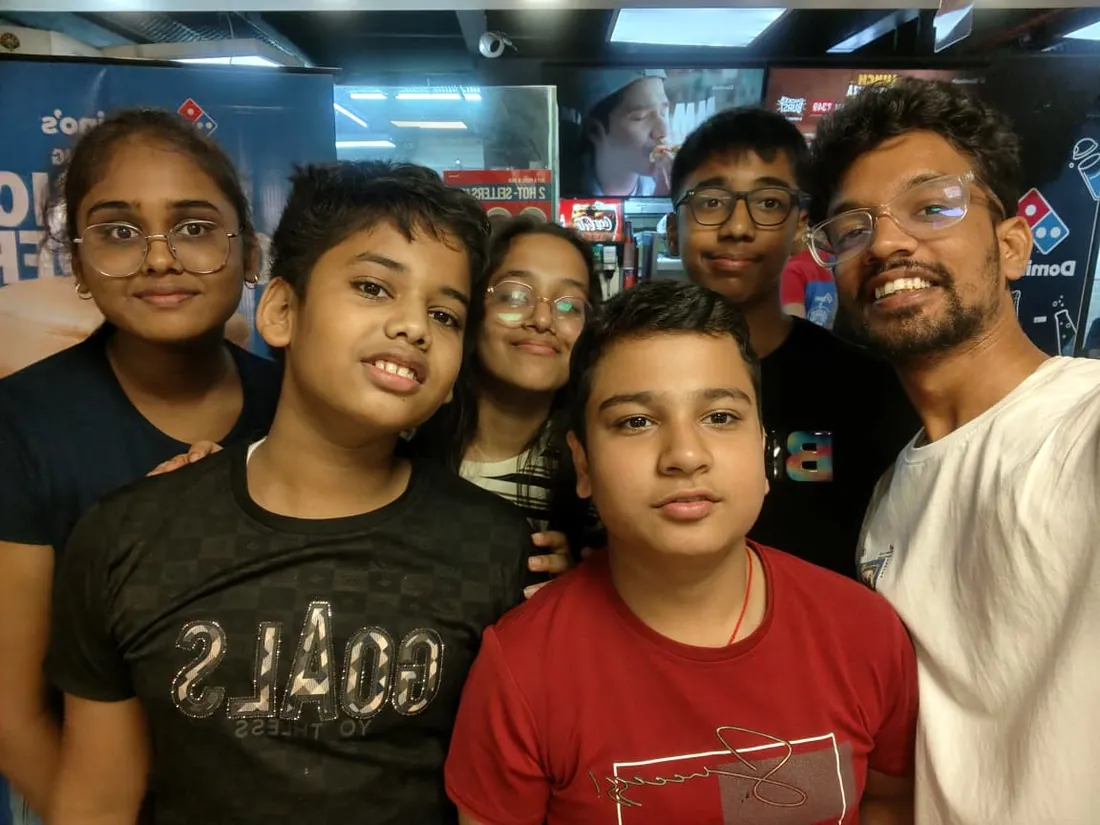
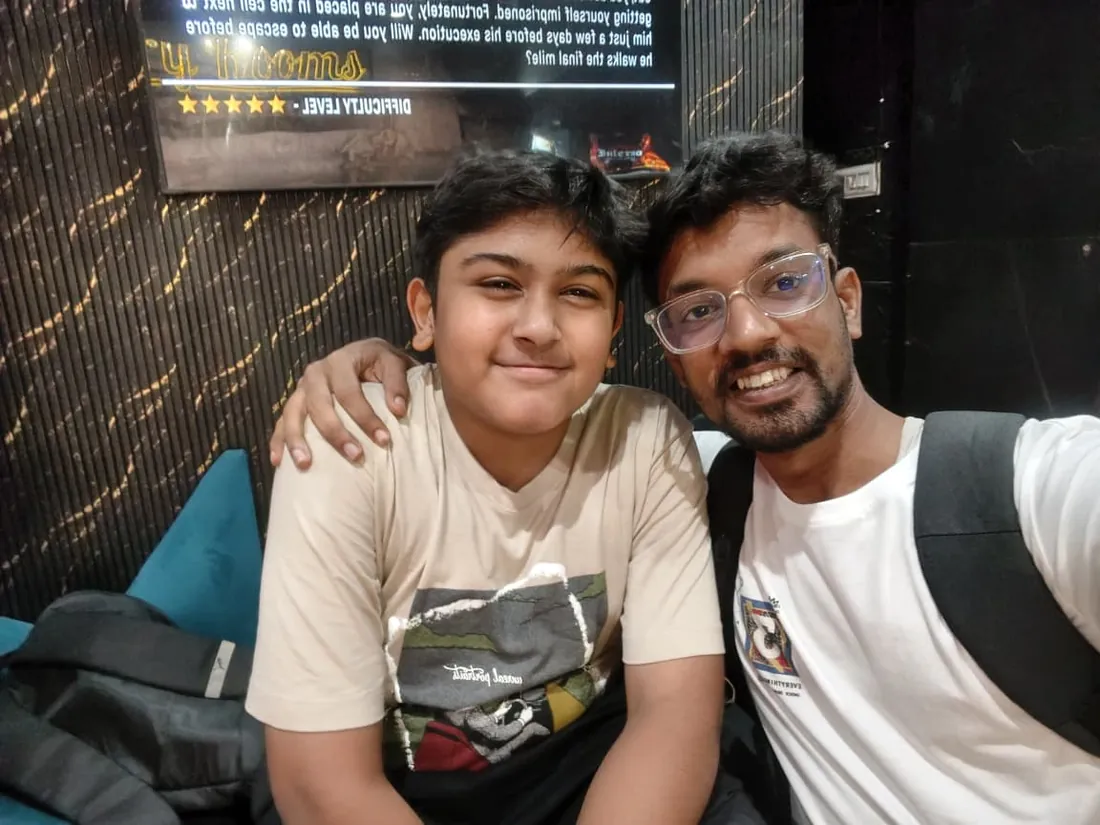
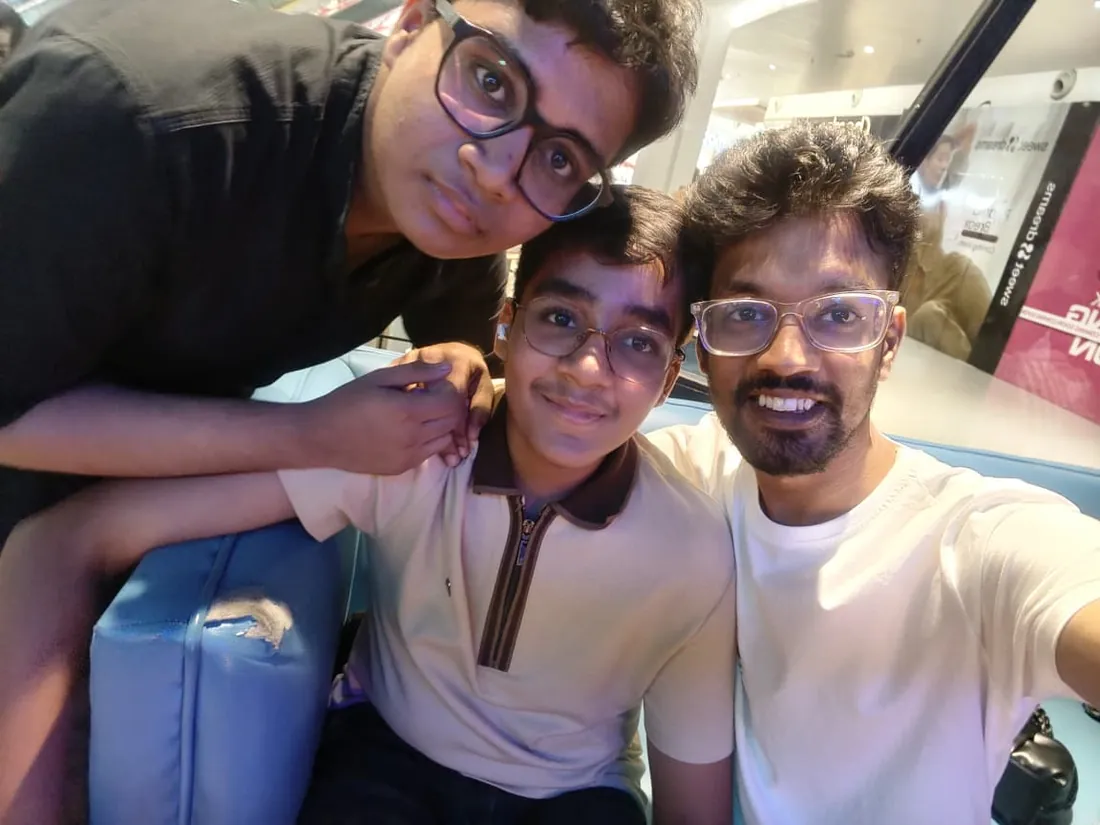
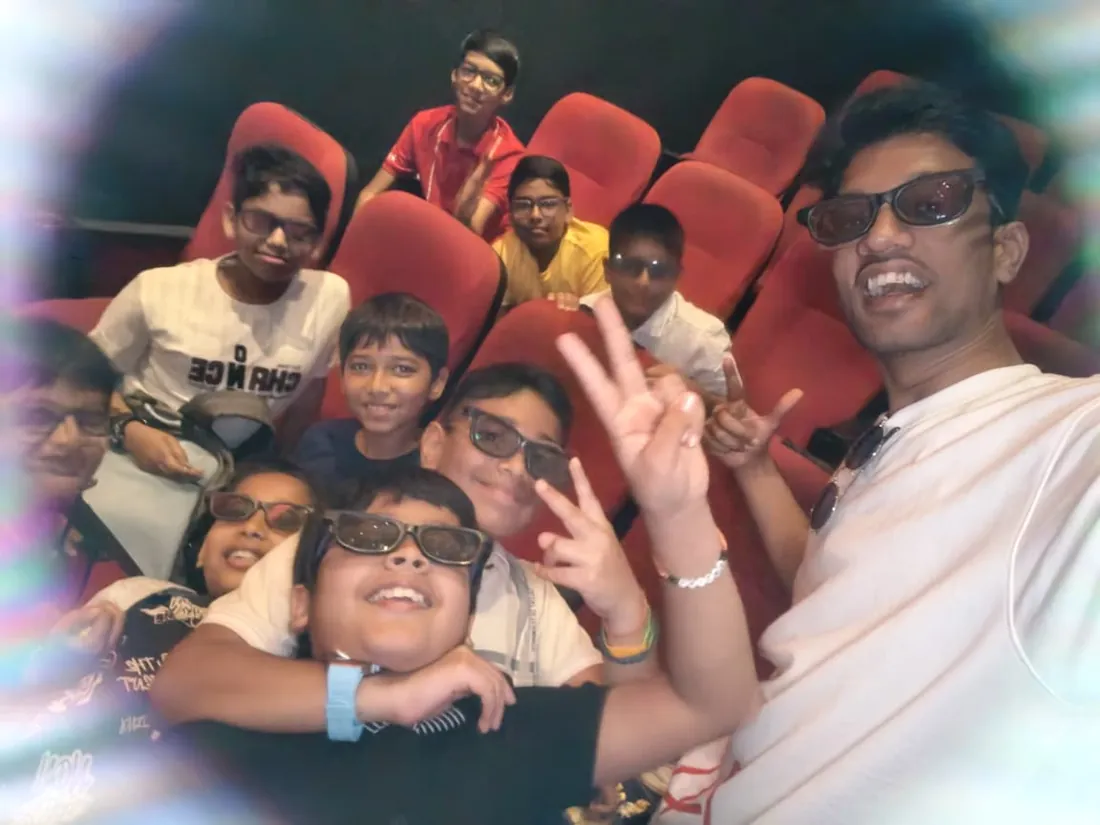
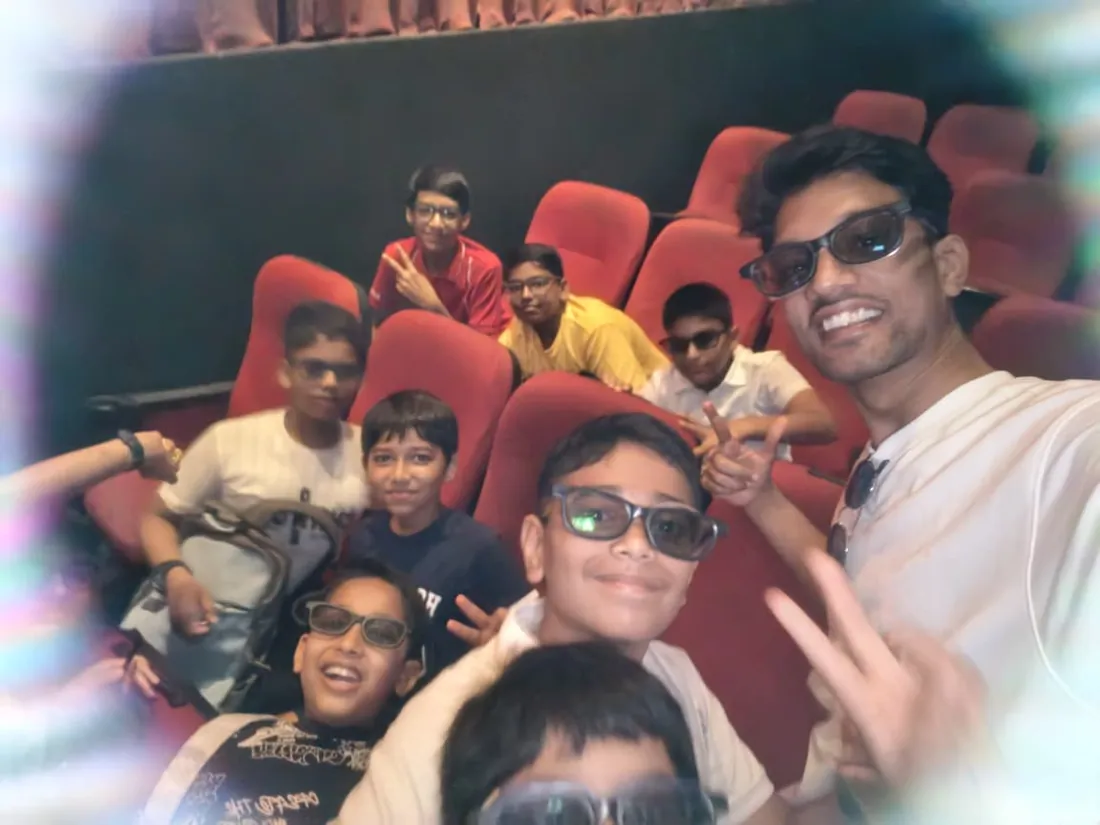
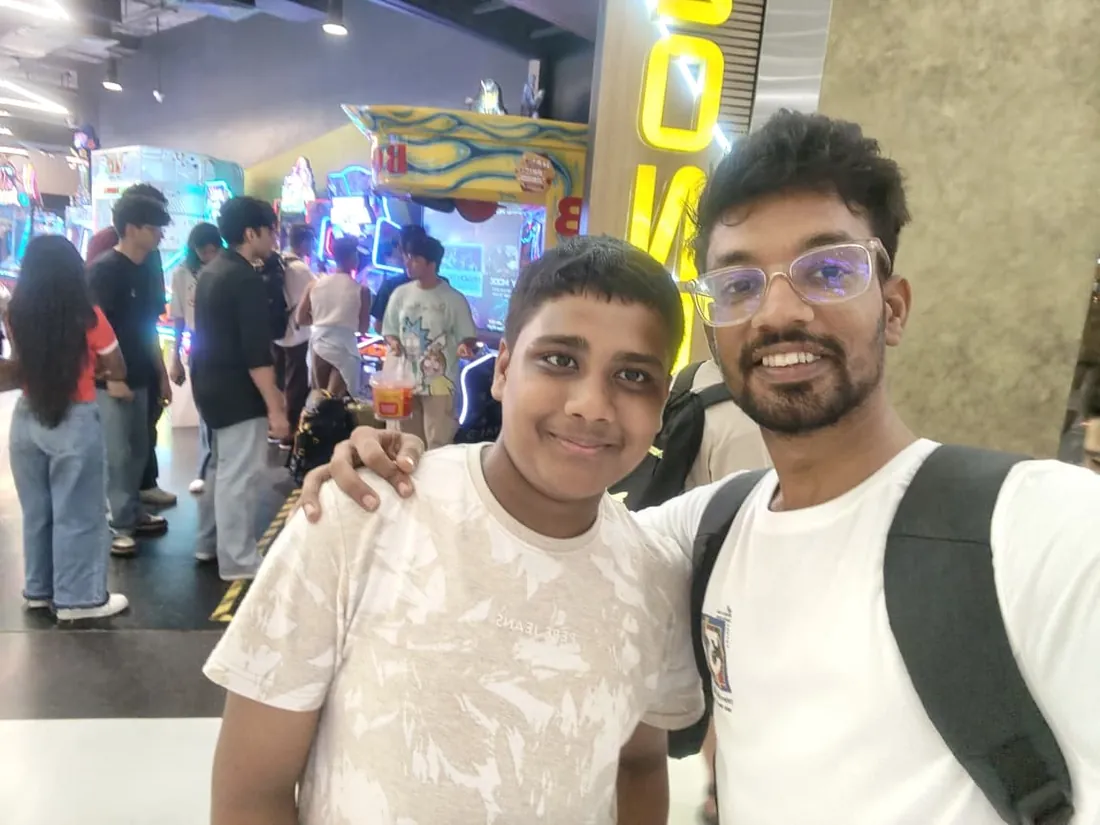
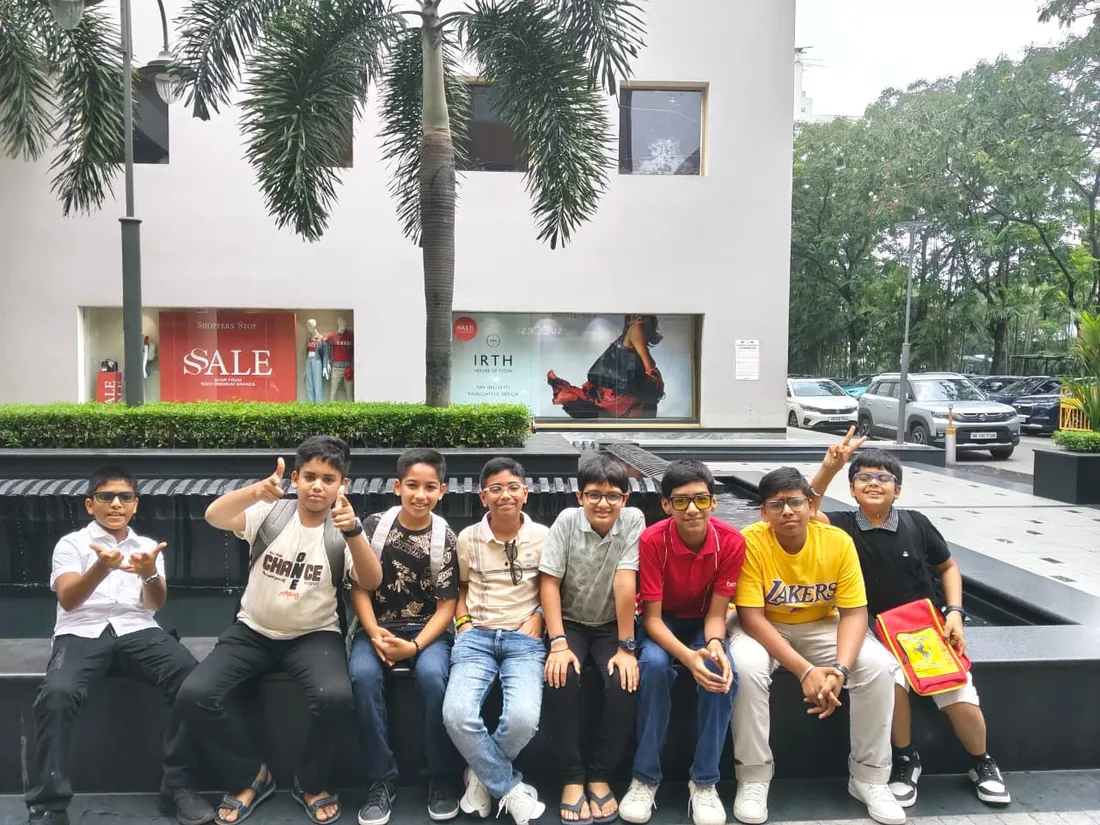
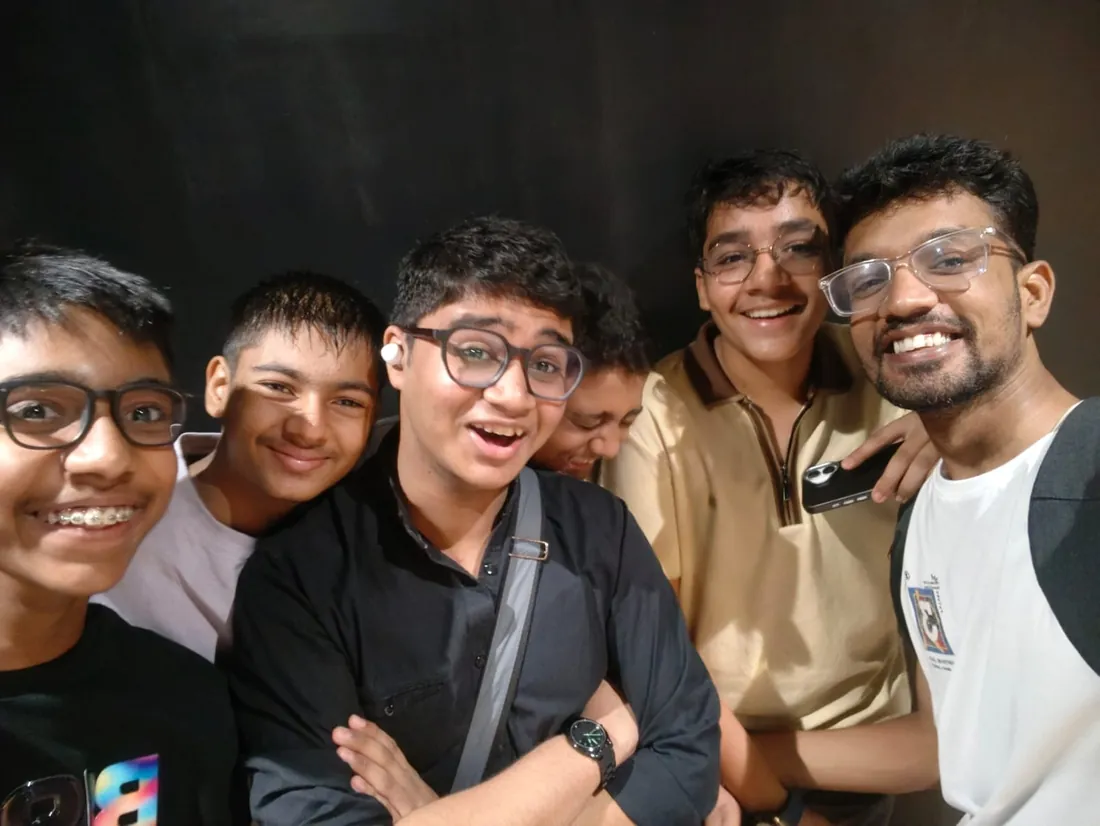
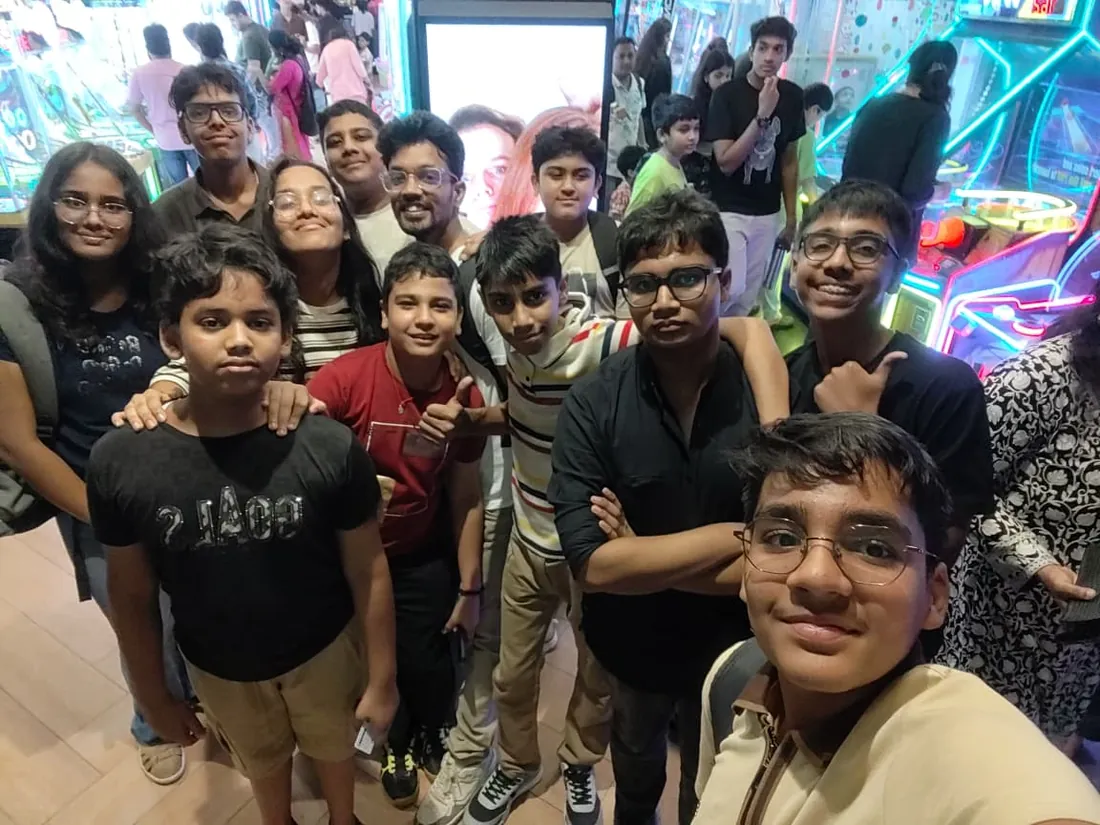
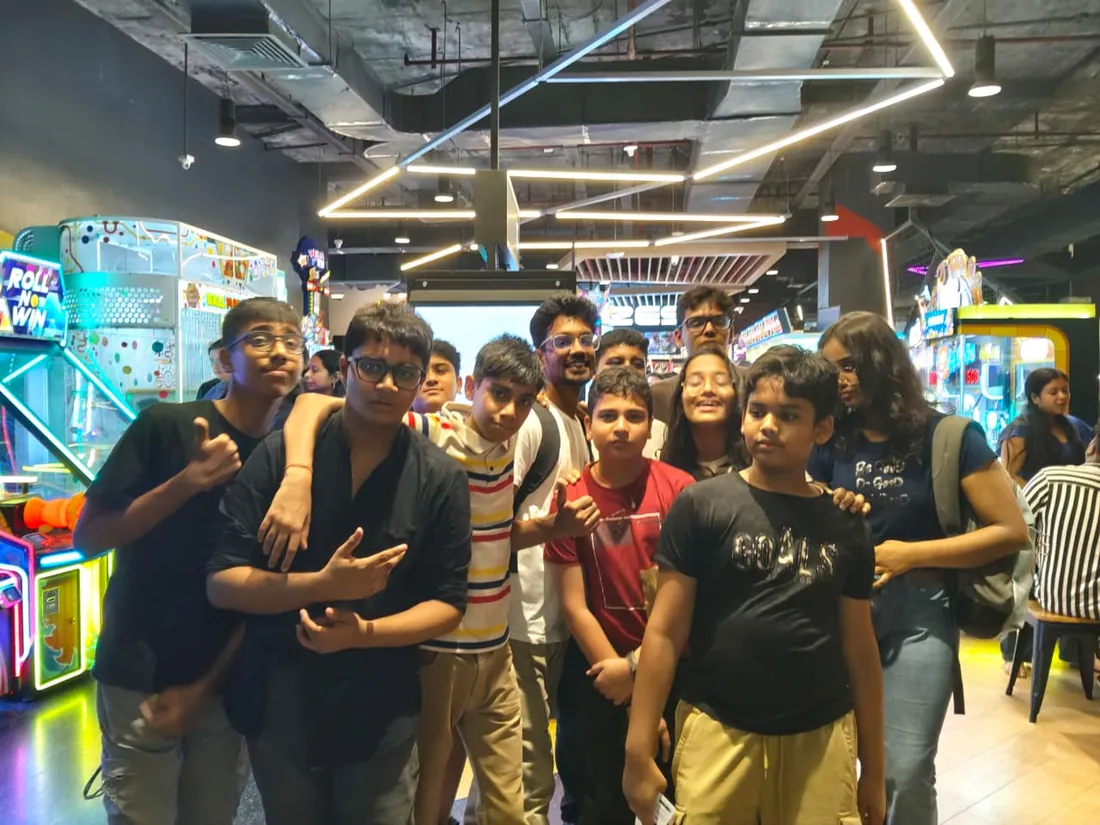
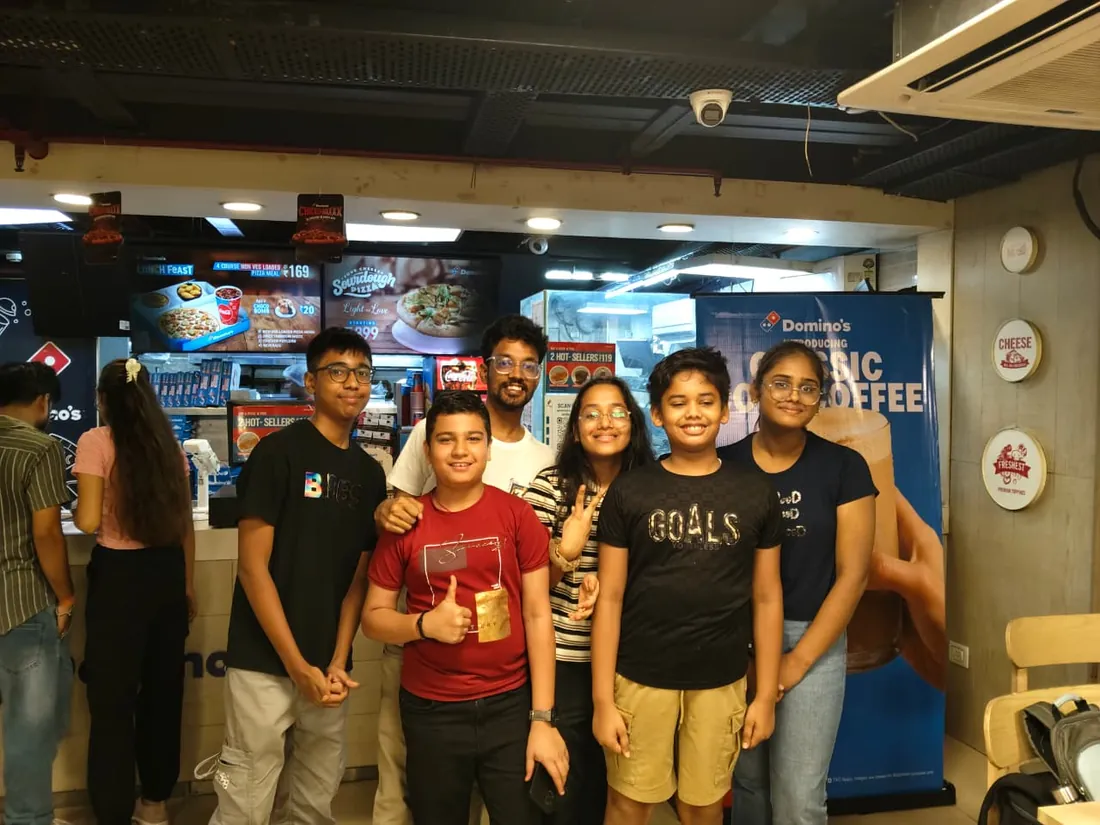
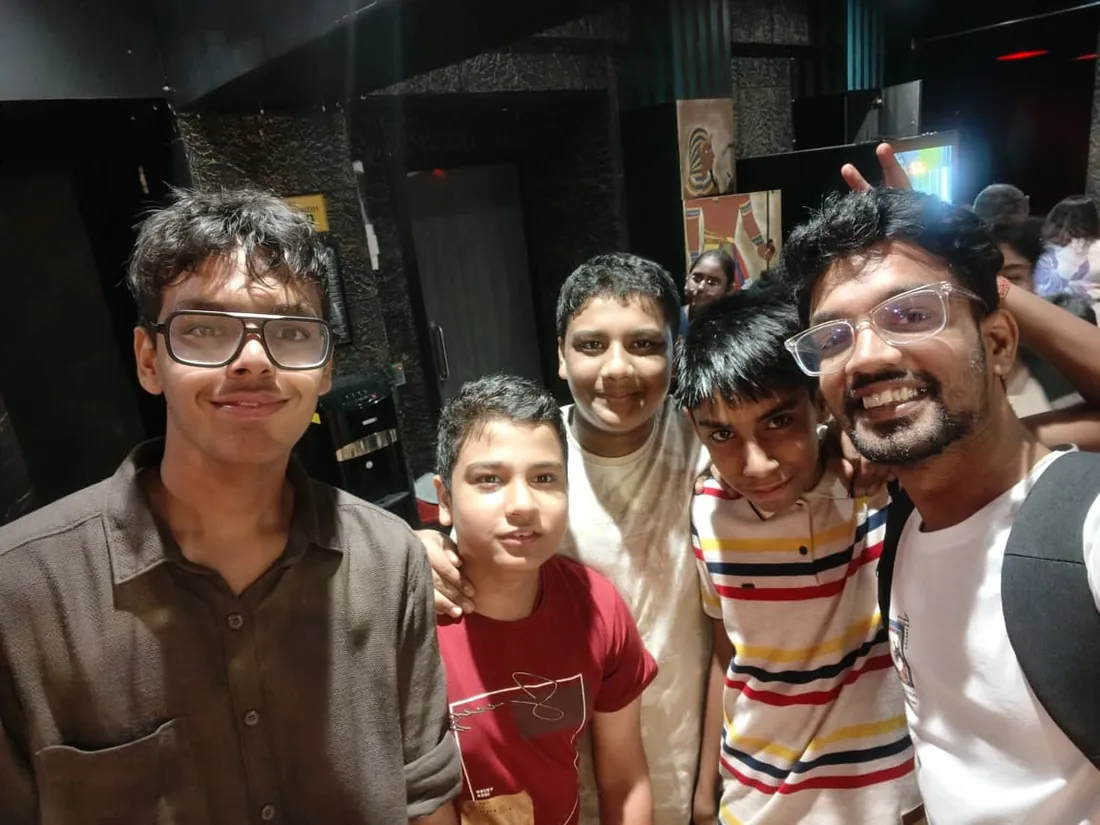
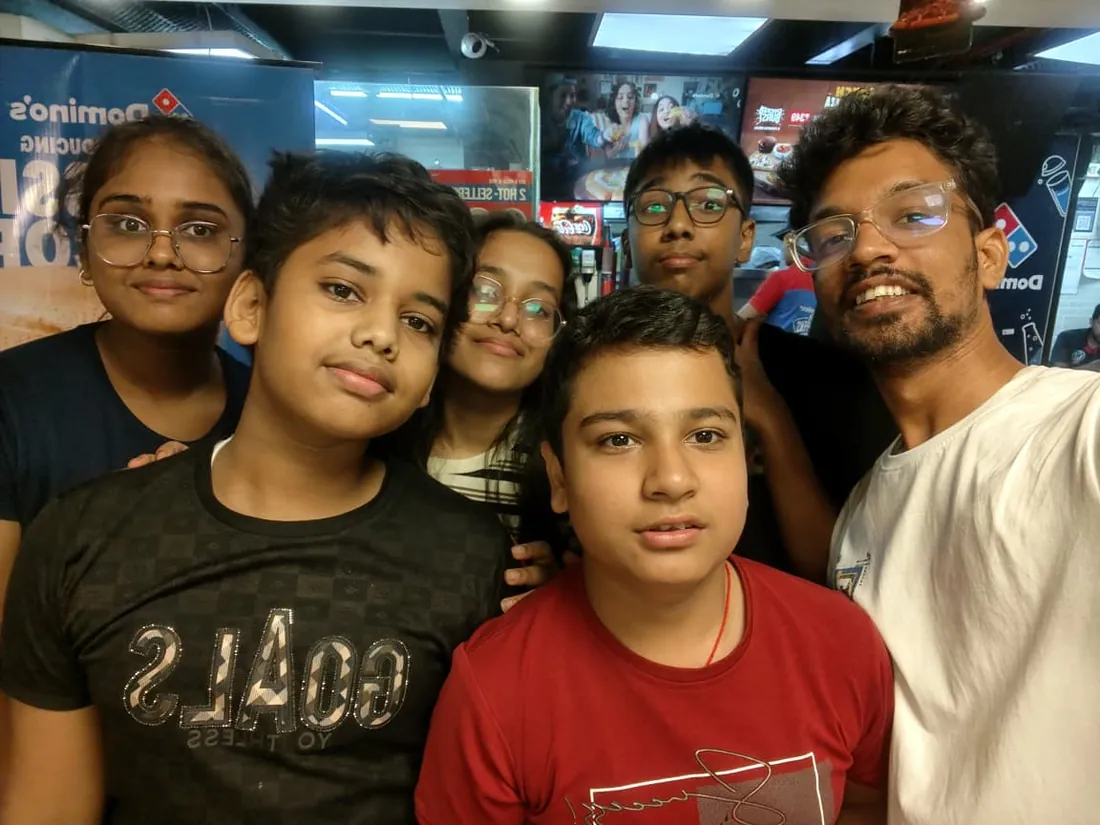
Real students. Real moments. Real joy.
These are our actual student meetups. No stock photos, no filters. Swipe through and meet the community you'll be joining.










What families say
Straight from the parents and students who learn with us. Rated 4.9 across 547 Google reviews.
“Mivaan enjoys the class. He understands the concepts and completes his tasks with excitement. He started taking interest in coding… truly amazing class.”
“I absolutely love it here! I made new friends and learned important valuable coding skills while having the fun of my life. It's not just coding here, it's outings, bonding and most importantly preparing you for your future. Definitely five stars.”
“What stands out most is how excited my son is before every class. He looks forward to learning, problem-solving, and sharing what he's built. I've noticed a big boost in his confidence!”
“Modern Age Coders has been a game-changer for me! I struggled to grasp IT concepts and coding before joining, but their classes transformed everything. I'm now the topper in my class and can confidently write complex programs with ease.”
“Modern Age Coder have wonderful teachers who teach in a clear, easy and practical way. The teacher boosts students' confidence, keeps them updated with technology, and inspires them to learn without hesitation.”
“The one step solution for my son. Modern Age Coders make learning coding so simple that kids love it.”
“Coding classes here make learning very interesting and conceptual. The teachers teach us in a very easy-to-understand and efficient manner.”
“One of the most wonderful education centres out there. Education is not limited to school syllabus but focuses on skill development. Learning here has been a wonderful journey and still continuing.”
“I highly recommend this computer coding class! The teachers are incredibly knowledgeable and passionate about coding. They make every session engaging and insightful.”
“My child Dhairya is really enjoying the Modern Age Coder IT classes. This is his first online class, and he eagerly looks forward to it.”
“Very good classes. Don't worry about coding. They teach the best, especially Shivam sir.”
“Very good classes. Makes learning very easy and interactive.”
Hear it from our students
Real parents and students in their own words, on our public YouTube channel.
Straight answers about Maths Through Coding: Learn Math in Python (Ages 10-15)
- Who should take this course?
- Ages 10-15 (grades 5-10); no coding experience required. It suits the child who says maths is boring but builds in minecraft for hours; the child who loves maths and deserves the best maths toy ever made; families facing coding-inside-math curriculum expectations with nobody home fluent in both.
- What will they learn and build?
- A 9-month live course teaching mathematics the way our whole school believes it should be met: by building it. Students write Python programs that ARE the maths, a fraction simplifier that forces understanding of GCD, turtle geometry that makes angles visceral, probability simulators that settle arguments with ten thousand dice rolls, and function grapher projects that turn algebra into something you can watch.
- How deeply are topics covered?
- The course runs 9 months (36 weeks) at 2 live one-hour classes per week + one small build between classes, across 3 phases listed week by week in the syllabus below. A structured, well-paced curriculum taught step by step, with hands-on practice in every session.
- Who teaches it?
- Modern Age Coders mentors, who teach the live classes themselves. You can watch them at work in the free class recordings before you decide.
- How do practice, feedback and assessment work?
- Classwork every session, a problem set after every class, monthly reviews that mix in earlier topics, and a final exam plus a portfolio of working maths programs that decides the certificate: real understanding, with a free retest after revision if needed. Doubt support between classes over WhatsApp, so you are never left stuck. A certificate you earn by passing the final assessment, with a free retest after revision if needed.
- What does it cost?
- Three monthly plans: a group batch, a mini batch and 1-on-1. Prices are shown in your currency in the plans section. Monthly billing, cancel any time.
- When can classes take place?
- Live classes are scheduled around your week. Group batches meet at a fixed weekly slot; 1-on-1 students choose their own. International students are scheduled in their own timezone. Ask on WhatsApp for the current slots.
- Can I watch the teaching before deciding?
- Yes. Full recordings of real 13 and up classes are free to watch, free with a Google sign-in. These recordings show how we teach, not the exact syllabus of this course. Some classes are in English and some in Hindi; everyone follows at their own pace. Watch a class end to end, like you are in it. Sessions are interactive and each moment builds on the last.
- Can I enroll without a live demo?
- Yes. Choose a plan on this page and enrol directly; a demo is not required. If you would like to see a full class with a mentor first, book a Priority Demo.
- How do I reach you with a question?
- WhatsApp +91 91233 66161, email connect@modernagecoders.com, or call +91 91233 66161. Tell us the student's age and what they have learned so far, and we will point you to the right plan and batch.
Common Questions About Maths Through Coding: Learn Math in Python (Ages 10-15)
Get answers to the most common questions about this comprehensive program
Still have questions? We're here to help!
Contact UsRelated Courses You May Like
Continue your learning journey with these recommended programs
 Python Programming
Python Masterclass: Zero to Advanced, Live Online
Python masterclass for college students and professionals: core to advanced Python, testing, Git, AP...
Explore Course Backend Engineering
Go Course: Backend Services from Zero to Production Habits
Go course for college students and professionals: the language, concurrency done right, then real ba...
Explore CourseRelated Articles & Guides
Deepen your knowledge with these hand-picked articles
 Education
14 min read
Education
14 min read
How Learning Coding Improves Mathematical Thinking in Children
Discover the research-backed connection between coding and math skills. Learn how programming develo...
Read Article Programming
7 min read
Programming
7 min read
Conway's Game of Life in Python: Rules, Patterns and Code
Conway's Game of Life: the four rules, a ten-line Python simulation, gliders and oscillators, and th...
Read ArticleReady to start Maths Through Coding: Learn Math in Python (Ages 10-15)?
Book a Priority Demo to see a full live class with a mentor reserved for you, today or tomorrow. Or choose a plan and enrol now.
Questions? WhatsApp +91 91233 66161 or email connect@modernagecoders.com