AP Computer Science Principles
A broad, honest introduction to computing, built for the exam and the Create task exactly as they exist right now.
Syllabus updated August 2026
Questions? WhatsApp +91 91233 66161 or email connect@modernagecoders.com
Recordings are free with a Google sign-in. These recordings show how we teach, not the exact syllabus of this course.
Our promise
The world's best learning experience, open to everyone.
- World-class instructorsEvery class is taught by an instructor who specialises in that exact field.
- No compromise on qualityEvery lesson, project and piece of feedback is held to the highest standard.
- Education for everyoneLearners aged 6 to 67, from first-time beginners to working professionals, in 25+ countries.
If you want the highest quality, Modern Age Coders is the right choice.
Book a Priority DemoHow long this course takes
This course runs 6 months (24 weeks) at 2 live classes/week + 3-4 hours practice. The range allows for background and pace: a complete beginner uses the full span, and a student with prior knowledge finishes sooner. The syllabus below is planned to the shorter end, with margin kept for revision.
For personalised duration planning, call +91 91233 66161 and we'll map a schedule to your goals.
At a glance
- Who it is for
- High school students preparing for AP Computer Science Principles; beginner-friendly, no prior coding required.
- Prerequisites
- Comfortable school-level arithmetic and logical reasoning. No calculus or advanced maths is required for AP Computer Science Principles
- Format
- Live, interactive classes with a real instructor, never pre-recorded videos. Live classes run about one hour.
- Language
- English or Hindi, depending on the batch.
- Duration
- 6 months (24 weeks)
- Weekly commitment
- 2 live classes/week + 3-4 hours practice
- Class size
- Group batches of 5 to 10 students, mini batches of 3 to 4, or 1-on-1.
- Certificate
- Certificate from Modern Age Coders, awarded on passing the final assessment
- Watch first
- Free recordings of real classes for ages 13 and up, free with a Google sign-in. These recordings show how we teach, not the exact syllabus of this course.
- Live demo
- Optional. Enrol directly on this page, or book a Priority Demo: a full live class of about 45 to 60 minutes with a mentor reserved for you.
- Questions
- WhatsApp +91 91233 66161 or email connect@modernagecoders.com.
How we teach
Deep understanding. Real projects. Expert guidance.
Learn coding, AI and maths through careful explanations, practical demonstrations, and hands-on problem-solving. Our instructors guide you from the foundations to advanced ideas, helping you understand what happens, why it happens, and how to build it yourself.
You will explore concepts step by step, write and improve code, investigate mistakes, ask questions, and apply your knowledge to meaningful projects. Lessons are designed around active participation, thoughtful feedback, and growing independence.
Expert-led live teaching, with practical participation built into every lesson.
- Students explain their thinking.
- Instructors demonstrate, then guide practice.
- Learners code, solve, or build during lessons.
- Questions and misconceptions get attention.
- Assignments receive useful feedback.
- Progress is checked before advancing.
How to join AP Computer Science Principles: Create Task and Exam Prep
Four steps from this page to the first class. See a full class first with a Priority Demo, or choose a plan and enrol today.
Rated 4.9 across 547 Google reviews. Monthly billing, cancel any time.
How enrolment works
See a full class first (optional)
Book a Priority Demo: a live class of about 45 to 60 minutes with a mentor reserved for you, today or tomorrow. After the class the mentor sends a written skill report and a personal learning roadmap on WhatsApp. If you enrol, the demo fee is adjusted against your first month's fee. Share your demo Order ID with us on WhatsApp and we take it off.
Book a Priority DemoDemo fee ₹499Choose a plan
Group batch (5 to 10 students), mini batch (3 to 4 students, India only) or 1-on-1 with your own mentor. Every plan is live online, and each class runs about one hour. The cards below show classes per week and the monthly fee in your currency.
Enrol and pay the first month
Press Enrol Now on your plan, fill in the student's name, email and phone, and pay through secure Razorpay checkout: UPI, cards or net banking in India, and debit or credit card from any other country.
Fix your class timings
After payment, message us on WhatsApp or call +91 91233 66161 with the student's name, the course and your preferred time slot. We confirm the batch, send the class link and schedule the first class at your chosen time.
Billing is monthly and you can cancel any time.
International Students (Outside India)
Billed monthly in US dollars, the same price in every country. Contact us with any questions.
Questions before you enrol? Talk to our team.
Ask about class timings, the right level for your child, what they need to know already, or payment. Parents and adult learners can reach us on WhatsApp, by email or by phone.
Program Overview
AP Computer Science Principles is deliberately the wide-angle course: instead of teaching one language deeply the way AP Computer Science A teaches Java, CSP is organised around five Big Ideas, Creative Development, Data, Algorithms and Programming, Computer Systems and Networks, and Impact of Computing, and it is language-flexible by design. Students may build in a block-based or a text-based language, and this course teaches with a beginner-friendly, text-based language while also teaching fluent reading of the College Board's own pseudocode, since exam questions are written in that pseudocode regardless of what a student builds with. What matters on the exam is the concept underneath, a loop, a list, a procedure with parameters, not which keyword a particular language happens to use for it.
The course is also built for the assessment as it currently works, which changed in 2024 in a way many older courses have not caught up to. Students still spend at least nine hours of guided development time building an individually developed program with a list, a procedure that takes parameters, and an algorithm that manages complexity with selection or iteration, the Create Performance Task, and they still submit their code as a Personalized Project Reference PDF through the AP Digital Portfolio near the end of April. What changed is that this submission is no longer scored on its own by AP readers. Instead, on the end-of-course exam in May, students answer two written-response questions about their own program using that same Personalized Project Reference as their permitted reference material. Section I, seventy multiple-choice questions in one hundred twenty minutes, is worth seventy percent of the score. Section II, the two written responses about the student's own code, is worth thirty percent. The six-month structure follows this directly: Months 1 and 2 build Creative Development and core programming; Months 3 and 4 cover Data and deeper Algorithms and Programming while the Create Task is planned, built, and finished; Months 5 and 6 cover Computer Systems and Networks and Impact of Computing, then turn fully to full-length multiple-choice practice and drilling the two written responses against the student's own finished project, ending in complete timed mock exams under digital conditions.
What Makes This Program Different
- Taught to the exam as it is scored now: the 2024 change to the Create Performance Task, no longer a separately scored artifact but the reference material for two written-response questions on the exam itself, is built into the course from month one
- Genuinely language-flexible teaching: concepts are taught to transfer, and students also learn to read the College Board's own pseudocode fluently, since that is the language most multiple-choice questions are actually written in
- A real, individually developed Create Task, built over guided sessions across month 4 with instructor feedback, not assembled the week before the deadline
- All five Big Ideas covered in proportion to how the exam actually weights them, so time is not lost over-teaching one area and under-teaching another
- Written-response practice done the way the exam requires it: against the student's own finished program and their own Personalized Project Reference, not a generic prompt
- Live, small batches where every class involves writing or reading real code, not lecture slides watched alone
Your Learning Journey
Career Progression
Detailed Course Curriculum
Explore the complete week-by-week breakdown of what you'll learn in this comprehensive program.
Topics Covered
- What AP Computer Science Principles covers: the five Big Ideas, Creative Development, Data, Algorithms and Programming, Computer Systems and Networks, and Impact of Computing, and how this course maps to them
- How CSP differs from AP Computer Science A: a broad, language-flexible course about computing itself, not a single-language programming course
- The two-part assessment at a glance: a seventy-question multiple-choice exam and a written-response section built around a program you build yourself
- Computational thinking as a habit: decomposition, abstraction, and pattern recognition, not just vocabulary to memorise
- A first look at the language and environment we build in, and why the concept matters more than the exact keyword a language uses for it
- Setting up your development environment and a running course notebook, where every future Create Task idea starts getting written down
Projects You Build
- First program: a short interactive program that takes input and produces output, run and explained line by line
Practice & Assignments
10 short exercises identifying which Big Idea a given exam-style question is testing, plus a first working program written and run
Topics Covered
- Variables as named, reusable storage, and why naming them clearly is a skill the exam rewards directly
- Data types CSP cares about: numbers, text, and Boolean values, and how the College Board's own pseudocode represents each
- Assignment versus comparison, and expressions that combine arithmetic and logic correctly
- Data abstraction: hiding detail behind a clear name so a program stays readable as it grows
- Lists as CSP's core data structure: creating a list and accessing an item by its index
- Reading and predicting the output of short CSP-style pseudocode blocks, the single most common multiple-choice question shape
Projects You Build
- Variable tracker: a short program that stores, updates, and reports several related values, traced by hand before it is run
Practice & Assignments
14 pseudocode-tracing problems written to the CSP Exam Reference Sheet conventions, each paired with equivalent code in our teaching language
Topics Covered
- Traversing a list with a loop, the single most tested list pattern on the exam
- FOR EACH style iteration versus counting loops, and reading both forms in CSP pseudocode
- Building a list up over time: appending, inserting, and removing items
- Searching a list: finding a matching value and correctly handling the case where none exists
- Common list bugs: off-by-one errors and changing a list while iterating over it
- Using a list to model something real, such as scores, names, or sensor readings
Projects You Build
- List toolkit: procedures that sum, count, filter, and find the maximum of a list, tested on an empty list and a single-item list
Practice & Assignments
12 list and iteration problems, half written in CSP pseudocode and translated, half written directly in code
Topics Covered
- Boolean expressions and the relational operators the exam tests
- IF, IF-ELSE, and nested selection, read in both CSP pseudocode and our teaching language
- AND, OR, and NOT, and reasoning carefully through compound conditions
- Defining a procedure with parameters and a return value
- Why breaking a program into procedures is itself a Creative Development skill, not just tidy style
- Combining selection, iteration, and procedures into one small, working program
Projects You Build
- Decision-making procedure: a small program that classifies input using nested conditionals, tested against every boundary case
Practice & Assignments
16 problems mixing selection and procedure tracing, pitched at the same difficulty as the exam's code-reading questions
Assessment
Month 1 checkpoint: a timed set covering variables, lists, selection, and procedures, scored the way Section I multiple choice is scored
Topics Covered
- What an algorithm means in CSP's terms: a precise sequence of steps that solves a problem or a whole class of problems
- Combining sequencing, selection, and iteration together to express a real algorithm
- Simulating an algorithm by hand on paper before trusting it in code
- Search: a first look at how a program finds something inside a list
- Sort: the idea of putting data in order, without needing to memorise every sorting method by name
- Recognising an algorithm's purpose from CSP-style pseudocode alone, a guaranteed multiple-choice skill
Projects You Build
- Algorithm workbook: a search and a sort implemented from a plain-language description, each hand-traced on a small list first
Practice & Assignments
12 algorithm-tracing problems in CSP pseudocode, each requiring a predicted output before running the equivalent code
Topics Covered
- Procedural abstraction: naming a block of steps so it can be reused without re-reading it every time
- Parameters as a procedure's inputs, and return values as its output
- Building a program from smaller, individually tested procedures instead of one long block
- Libraries and built-in procedures: using code you did not write, correctly and with understanding
- How the CSP Exam Reference Sheet documents procedures, and reading a procedure header quickly
- Documenting what a procedure does so a reader does not have to trace it line by line to understand it
Projects You Build
- Procedure library: a small set of reusable procedures for a chosen task, called from one main program and tested independently
Practice & Assignments
10 problems designing a procedure header from a plain-language specification, plus 4 tracing problems on procedure calls
Topics Covered
- Incremental and iterative development: build a little, test a little, the exact process Creative Development questions test
- Identifying and fixing errors, and the real difference between a syntax error and a logic error
- Testing with a range of inputs, including edge cases that break naive solutions
- Collaboration in program development, and describing working with others honestly the way CSP expects
- Program documentation: comments that explain why a choice was made, not only what a line does
- Keeping a running development log, the exact habit month 4 relies on for the Create Task
Projects You Build
- Debug and repair: a deliberately broken program fixed step by step, with every bug and its fix logged in writing
Practice & Assignments
8 debugging exercises with planted logic errors, plus a short written reflection on the development process used
Topics Covered
- What the Create Performance Task actually requires: an individually developed program with at least one list, a procedure that takes parameters, and an algorithm using selection or iteration to manage complexity
- Choosing an idea you can build and explain in your own words, not one that looks impressive but that you cannot honestly walk through
- Scoping a project to roughly nine hours of hands-on development time, the College Board's own minimum
- Sketching the program's purpose, inputs, and outputs before writing a line of code
- Planning exactly where the required list, procedure, and algorithm will live in your design
- Instructor sign-off on your Create Task idea before month 3's Data content and month 4's build sessions begin
Projects You Build
- Approved Create Task proposal: a one-page plan naming your program's purpose, its list, its procedure with parameters, and its core algorithm
Practice & Assignments
A written self-check against the official Create Task requirements, item by item, before the idea is approved
Assessment
Unit assessment: a timed multiple-choice set on Creative Development and the core programming content, reviewed question by question
Topics Covered
- Binary numbers: converting between binary and decimal by hand
- Why computers store everything, numbers, text, images, and sound, as binary underneath
- Bits, bytes, and the sizes CSP expects a student to reason about
- Representing text with character encodings, and images as grids of coloured bits
- Analog versus digital data, and what is gained and lost when something is digitised
- Reading CSP multiple-choice questions that test binary conversion directly
Projects You Build
- Binary explorer: a program that converts numbers between binary and decimal and explains each step of the conversion
Practice & Assignments
14 binary conversion problems plus 6 conceptual questions on the digital representation of text, image, and sound
Topics Covered
- Lossless compression: preserving every bit of the original data on the way back out
- Lossy compression: trading some detail for a much smaller file
- Where each type is actually used, and why source code and financial data are never compressed lossily
- A simple compression scheme worked by hand to see the size trade-off directly
- Metadata: what it is and why it travels with compressed and uncompressed data alike
- Compression questions the way CSP tends to ask them: scenario-based, not formula-based
Projects You Build
- Compression demo: a small program that compresses a repetitive data set with a simple scheme and reports the size saved
Practice & Assignments
10 scenario questions on choosing lossless versus lossy compression for a stated real-world use
Topics Covered
- Why data alone is not information, and the extraction step that sits between the two
- Filtering, sorting, and searching a large data set for a specific answer
- Combining two data sets to surface a relationship that neither shows on its own
- Using tools to explore a data set too large to read by hand
- Visualising data honestly, echoing the same cautions taught in our data-focused courses
- Drawing a defensible conclusion from a data set, and stating plainly what that conclusion cannot claim
Projects You Build
- Data-set investigation: a provided data set explored with filtering and grouping to answer three written questions with cited evidence
Practice & Assignments
8 data-extraction problems on real-style tables, each answer required to cite which rows or columns support it
Topics Covered
- Simulations as simplified models of a real or imagined process
- What a simulation can tell you, and what it cannot, since it is only ever a model
- Building a simple simulation and running it many times to see a pattern emerge
- Bias in data, and bias in the people who select or interpret it
- How Data-focused questions typically read on the exam: a short scenario, then a reasoning question
- Pulling the month together: binary, compression, extraction, and simulation as one connected story about data
Projects You Build
- Simple simulation: a small program that models a repeated random process, for example a game of chance, and reports results across many runs
Practice & Assignments
A timed set of Data-focused multiple-choice questions, reviewed with the reasoning written out for every miss
Assessment
Unit assessment: a timed multiple-choice section on data representation, compression, extraction, and simulation
Topics Covered
- Lists of lists: representing a grid or a table of data
- Traversing a two-dimensional list with nested iteration
- Choosing a data structure that fits the problem, not just the one you already know best
- A first, intuitive look at algorithm efficiency: why some approaches slow down badly as the data grows
- Undecidable problems: an honest look at problems no algorithm can solve correctly for every possible input
- Reading exam questions that compare two different algorithms solving the same problem
Projects You Build
- Grid processor: a program that stores and analyses a small two-dimensional data set, for example a seating chart or a simple game board
Practice & Assignments
10 two-dimensional list problems plus 4 short-answer questions comparing the efficiency of two approaches to the same task
Topics Covered
- Abstraction as the tool that lets a program grow without becoming unreadable
- Managing complexity with procedures, parameters, and well-named variables used together
- Building a slightly larger simulation than week 12's, with more moving parts
- Deciding what detail a simulation can safely leave out without breaking its usefulness
- Refactoring a working but messy program into a cleaner one without changing what it does
- Applying these same habits directly to your own Create Task program, starting this week
Projects You Build
- Create Task build session one: the first working version of your program's core algorithm and required list, reviewed live with the instructor
Practice & Assignments
A self-review of your in-progress Create Task code against the list, procedure, and algorithm requirements
Topics Covered
- Writing a procedure with parameters that genuinely does the work your program needs, not one added only to meet a checklist
- Testing your Create Task program against both typical and edge-case inputs
- Handling unexpected input without the program crashing, a real mark of a robust program
- Explaining your own code out loud in class, the exact skill the exam later asks for in writing
- Incorporating instructor feedback into a second, improved working version
- Keeping your development log current: what changed, why it changed, and what you tested afterward
Projects You Build
- Create Task build session two: a tested, working version of your full program, incorporating the feedback from session one
Practice & Assignments
A written walkthrough of your program explaining what your list, procedure, and algorithm each do and why you built them that way
Topics Covered
- Finalising your Create Task program: last fixes, clear comments, and a clean final run
- Producing your Personalized Project Reference, the PDF of your own code you are permitted to use on exam day
- What changed in 2024: the Create Task is no longer submitted as a separately scored artifact; instead your Personalized Project Reference becomes the material you use on the exam itself to answer two written-response questions about your own program
- Submitting through the AP Digital Portfolio, and the real deadline this falls near, around the end of April on a typical school-year calendar
- A first practice attempt at explaining your program in writing, the same task the exam itself will ask for
- Why building a program you can actually explain matters more than building one that merely runs without errors
Projects You Build
- Completed Create Task: a finished, tested program with its Personalized Project Reference PDF prepared exactly as exam day requires
Practice & Assignments
Two practice written responses about your own program, self-checked against the kind of reasoning the real prompts reward
Assessment
Create Task checkpoint: instructor review of the finished program, its documentation, and a first written explanation of your own code
Topics Covered
- The internet as a network of networks, not a single thing that lives anywhere
- IP addresses and how a message finds its way to the right destination
- Packets: breaking a message into pieces that can travel by different paths
- Protocols as the agreed rules that let different systems talk to each other reliably
- Bandwidth and latency, and why a fast connection is not the same thing as a low-delay one
- Reading a CSP question about internet infrastructure for the exact concept being tested
Projects You Build
- Packet-trace exercise: a written walkthrough of how a message would be broken into packets, routed, and reassembled between two points
Practice & Assignments
10 conceptual questions on IP addressing, packets, and protocols, each answered in one or two precise sentences
Topics Covered
- Redundancy: why the internet keeps working even when a piece of it fails
- Fault tolerance as a deliberate design goal, not an accident of good luck
- Sequential versus parallel computing, and where each is genuinely the right choice
- Distributed computing: splitting one large problem across many machines
- Speedup, and why doubling the number of machines rarely halves the time exactly
- Scenario questions that ask you to identify a fault-tolerant or a parallel design
Projects You Build
- Parallel-versus-sequential demo: a small program run two ways, timed and compared, with the result explained in writing
Practice & Assignments
8 scenario questions distinguishing genuinely fault-tolerant designs from a single point of failure
Topics Covered
- What makes a system a worthwhile target: the value of the data it holds, not just its size
- Common attacks explained plainly: phishing, malware, and denial-of-service, at the level CSP tests
- Symmetric encryption: one shared key, and where that approach breaks down
- Public-key encryption: how two sides can agree on a secret without ever meeting first
- Authentication: passwords, multi-factor methods, and why each adds a genuine barrier
- Practical safe-computing habits worth keeping regardless of the exam
Projects You Build
- Encryption walkthrough: a simple substitution-style cipher implemented and then explained alongside why real systems need something far stronger
Practice & Assignments
10 cybersecurity scenario questions, each requiring the specific vulnerability or protection to be named
Topics Covered
- Pulling the month together: the internet, fault tolerance, parallel computing, and cybersecurity as one connected system
- Common traps in this area: mixing up a protocol with a specific piece of hardware
- Practising the reading-passage multiple-choice questions, five of the seventy on the real exam
- Timing strategy for the systems and networks questions specifically
- Building a personal glossary of systems terms from the errors made this month
- A short look ahead at Impact of Computing, which closes out the exam's content
Projects You Build
- Systems glossary: a personal reference of every systems term missed this month, defined in your own words
Practice & Assignments
A timed multiple-choice set on computer systems and networks content only, reviewed with every miss traced to its specific concept
Assessment
Unit assessment: a timed multiple-choice section on computer systems and networks, including reading-passage-style questions
Topics Covered
- Computing innovations as double-edged: the same tool serving different purposes for different people
- The digital divide: unequal access to computing, and what that actually costs the people on the wrong side of it
- Bias in algorithms: where it enters, from the data going in to the decisions coming out
- Case studies of real computing innovations, weighed honestly for who benefits and who is put at risk
- Safe computing practices: privacy settings, a personal data footprint, and informed consent
- Writing a balanced answer that names both a genuine benefit and a genuine risk, the exact shape these questions want
Projects You Build
- Impact case study: one real computing innovation analysed in writing for its benefits, its risks, and who is affected by each
Practice & Assignments
6 short-answer questions each requiring one genuine benefit and one genuine harm for a given computing innovation
Topics Covered
- Intellectual property: copyright, and why code can be protected the same way other creative work is
- Open source and Creative Commons licensing, and how each differs from default copyright
- Crowdsourcing and collaborative projects as a computing-enabled way of working
- Legal and ethical questions CSP expects you to reason through, not just define
- Starting full-length, seventy-question multiple-choice practice sets under timed conditions
- Building the error log that will drive the final two weeks of review
Projects You Build
- First full multiple-choice practice set: seventy questions in one hundred twenty minutes, scored and logged by Big Idea
Practice & Assignments
The full timed multiple-choice set plus a written review of every question missed, grouped by which Big Idea it tested
Topics Covered
- The written-response section in full: two required questions about your own program, answered using your Personalized Project Reference
- What each written-response question actually asks for, and how it is scored
- Practising with your own finished Create Task code, exactly as the real exam requires
- Multiple-choice pacing refined: fifty-seven single-select, eight multiple-select choose-two, and five reading-passage questions in the mix
- Strategies for the multiple-select questions specifically, since a partial answer does not earn partial credit there
- A second full multiple-choice practice set, timed, with pacing tracked question by question
Projects You Build
- Two scored written responses about your own Create Task program, written exactly as the real exam requires and reviewed against the reasoning the rubric rewards
Practice & Assignments
The second full timed multiple-choice set, plus two written-response drafts scored and revised
Topics Covered
- A complete timed mock exam: seventy multiple-choice questions plus both written-response questions, run under digital conditions
- Reviewing the mock section by section, multiple choice against written response
- Closing the last content gaps the mock exposed
- The test-day routine: the Personalized Project Reference on hand, digital exam navigation, and timing across both sections
- An honest, evidence-based look at where you stand across all five Big Ideas
- Where to go next: AP Computer Science A, a first real coding course, or building further on the Create Task itself
Projects You Build
- Full mock exam, scored across both sections, ending in a one-page test-day plan built from your own results
Practice & Assignments
The complete mock exam plus targeted repair of the single weakest Big Idea it revealed
Assessment
Final assessment: a complete timed mock exam covering both the multiple-choice and written-response sections, plus a progress summary from week 1 to now
Projects You'll Build
Build a professional portfolio with Dozens of small programs plus a completed Create Performance Task, an impact case study, two scored written responses, and a full timed mock exam, all mapped to the current CSP exam real-world projects.
Weekly Learning Structure
Certification & Recognition
Technologies & Skills You'll Master
Comprehensive coverage of the entire modern web development stack.
Support & Resources
Career Outcomes & Opportunities
Transform your career with industry-ready skills and job placement support.
Prerequisites
Who Is This Course For?
Career Paths After Completion
Course Guarantees
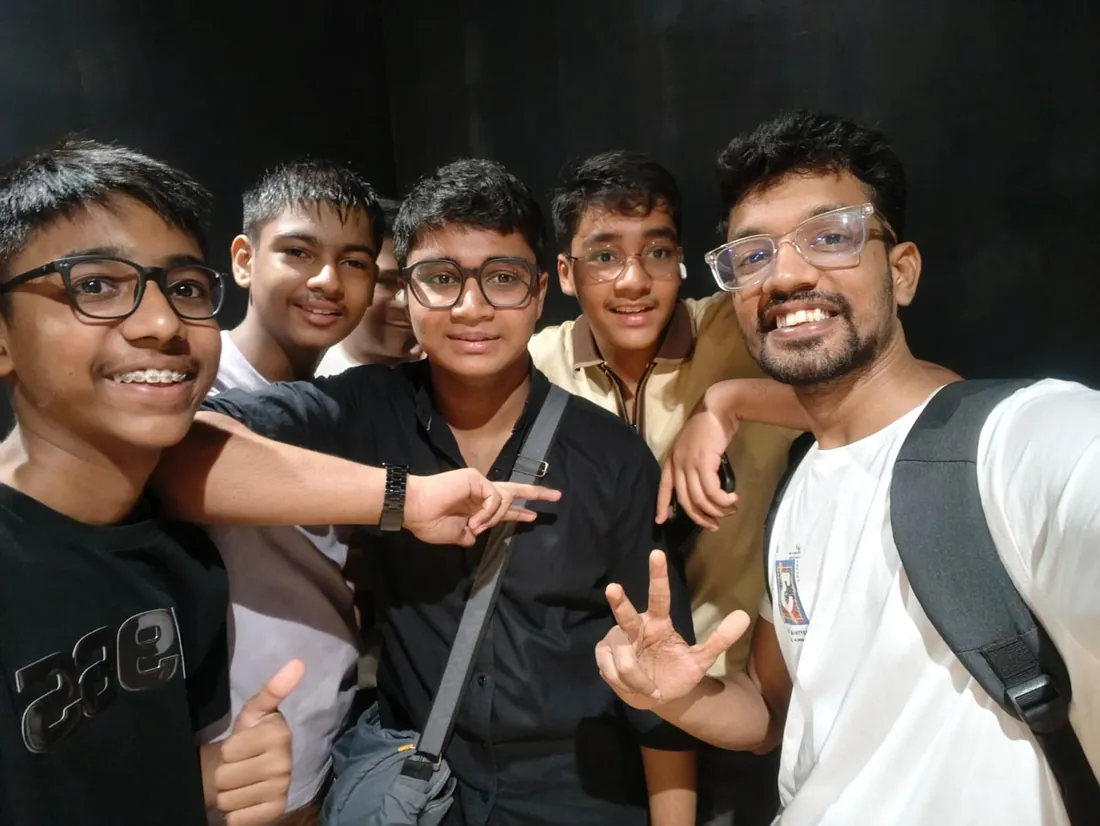
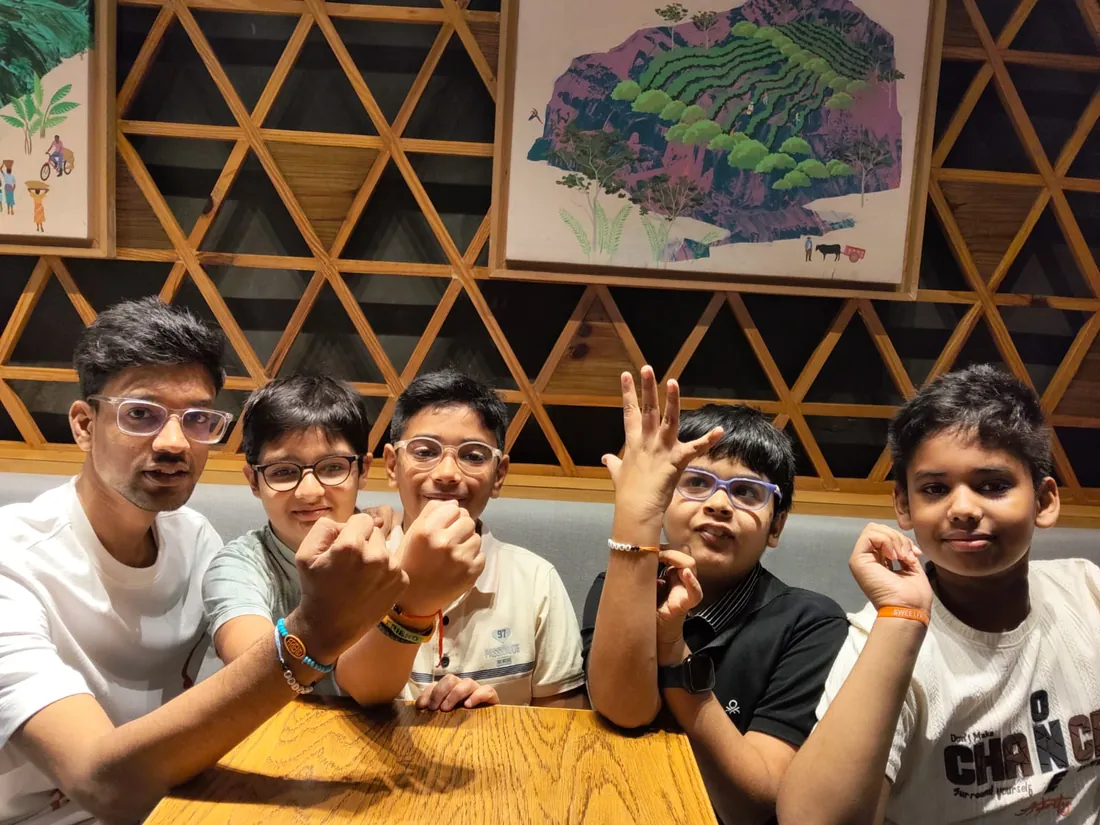
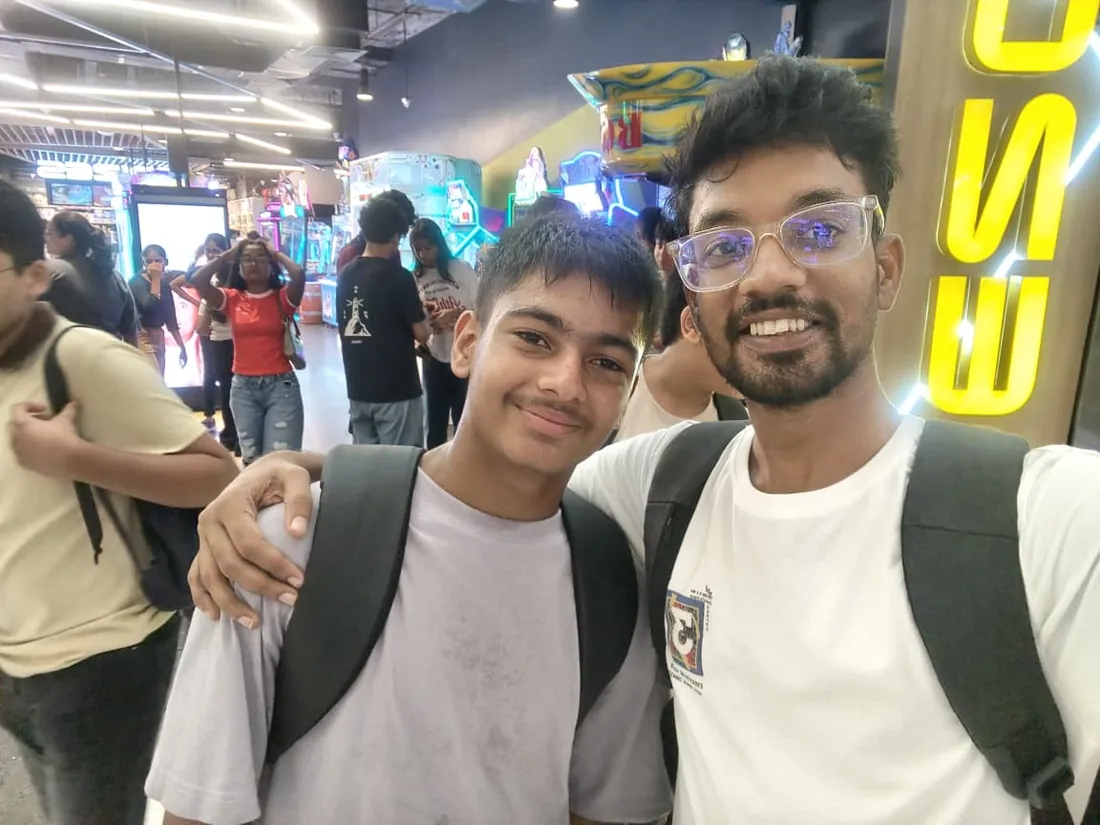
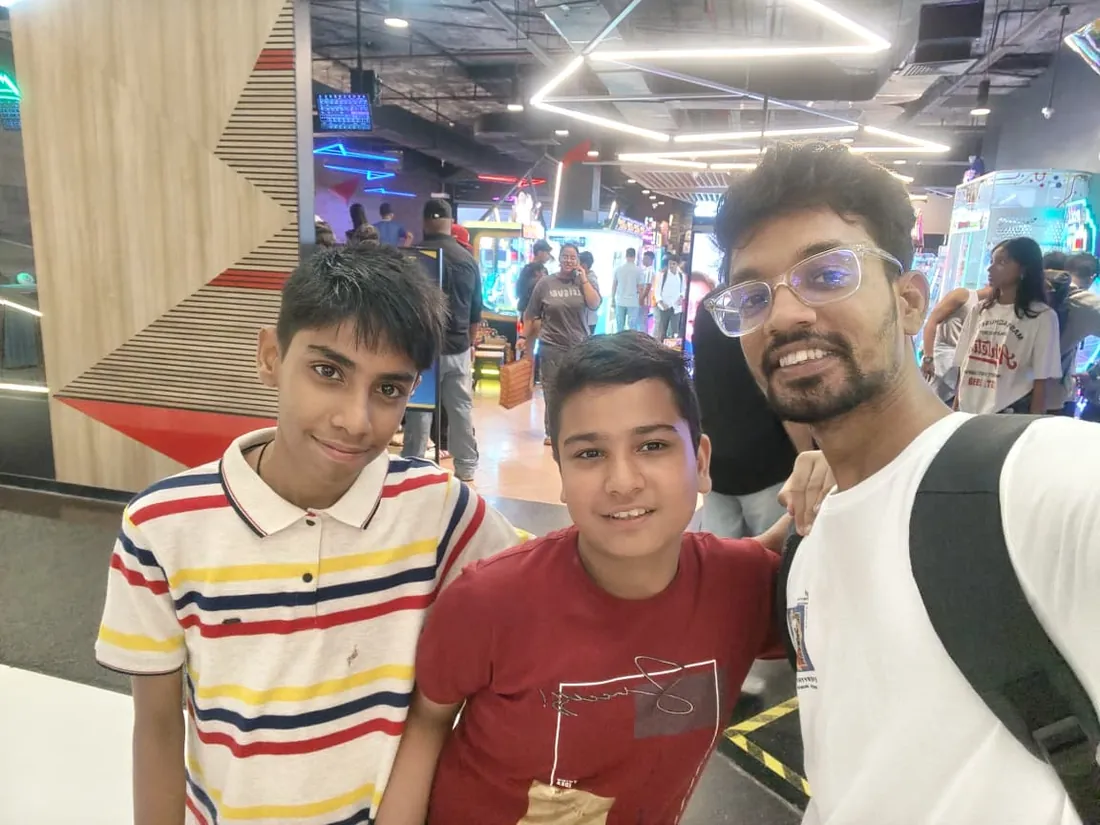
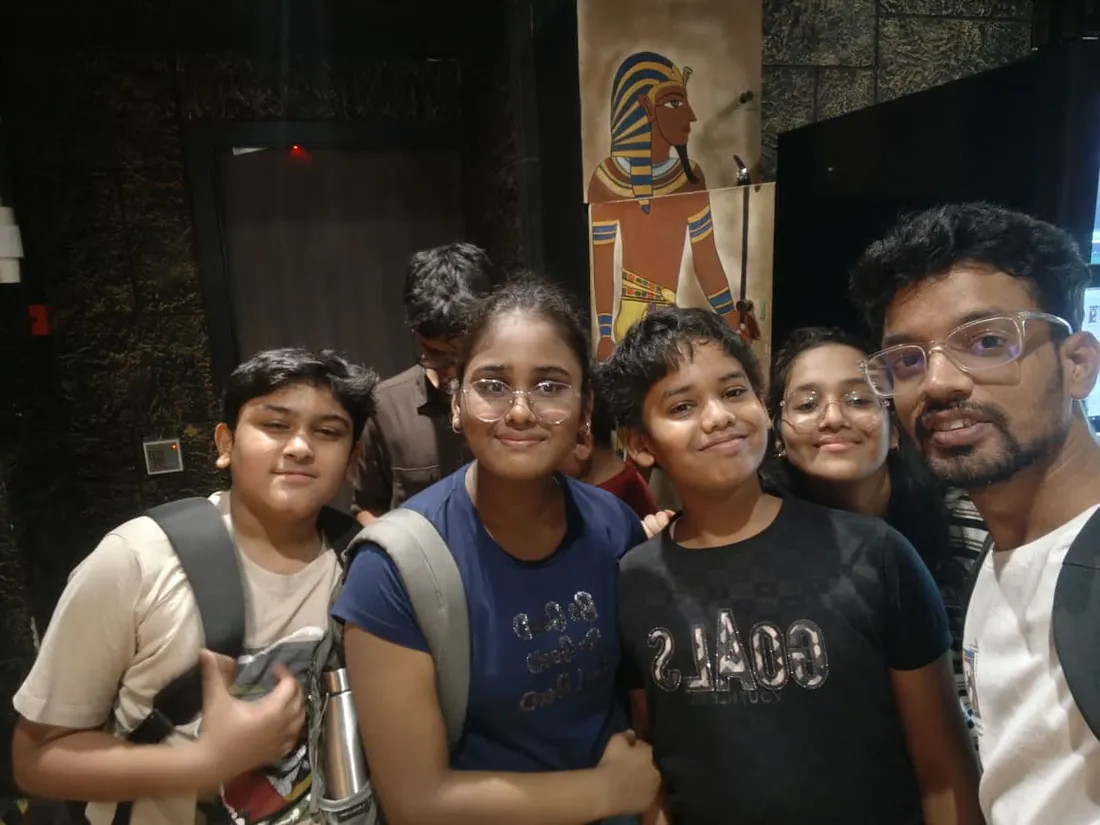
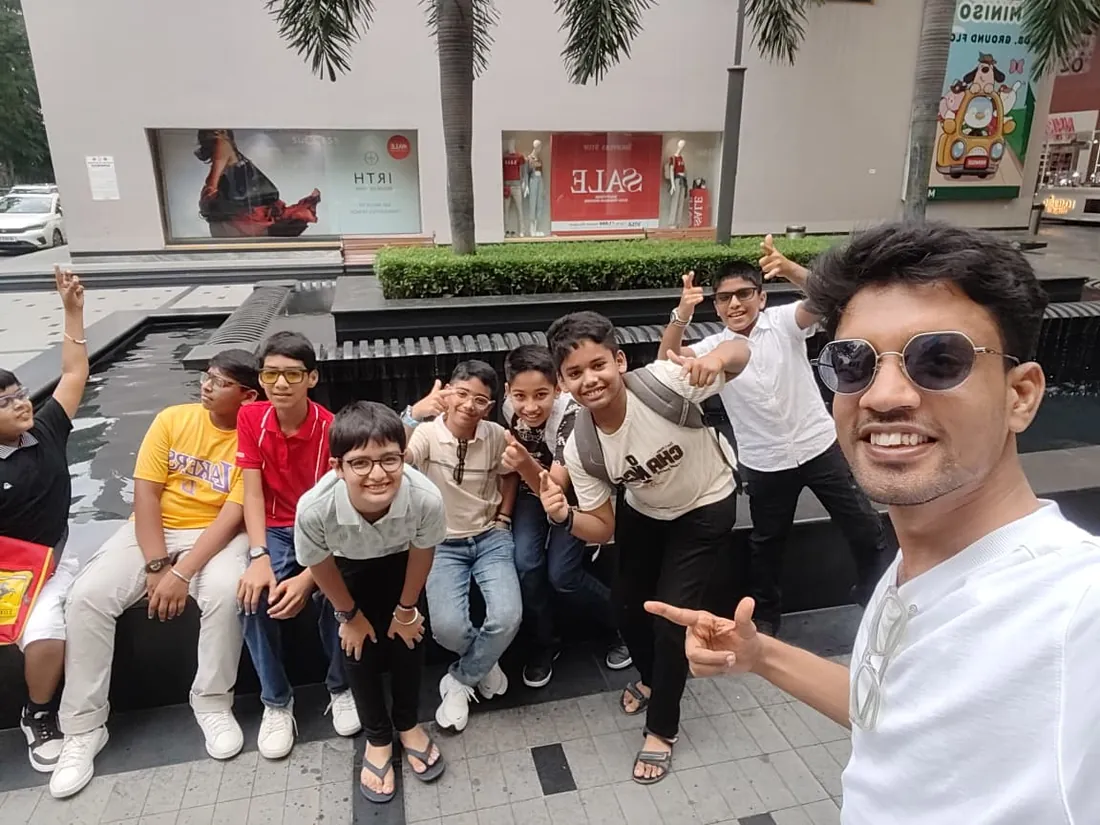
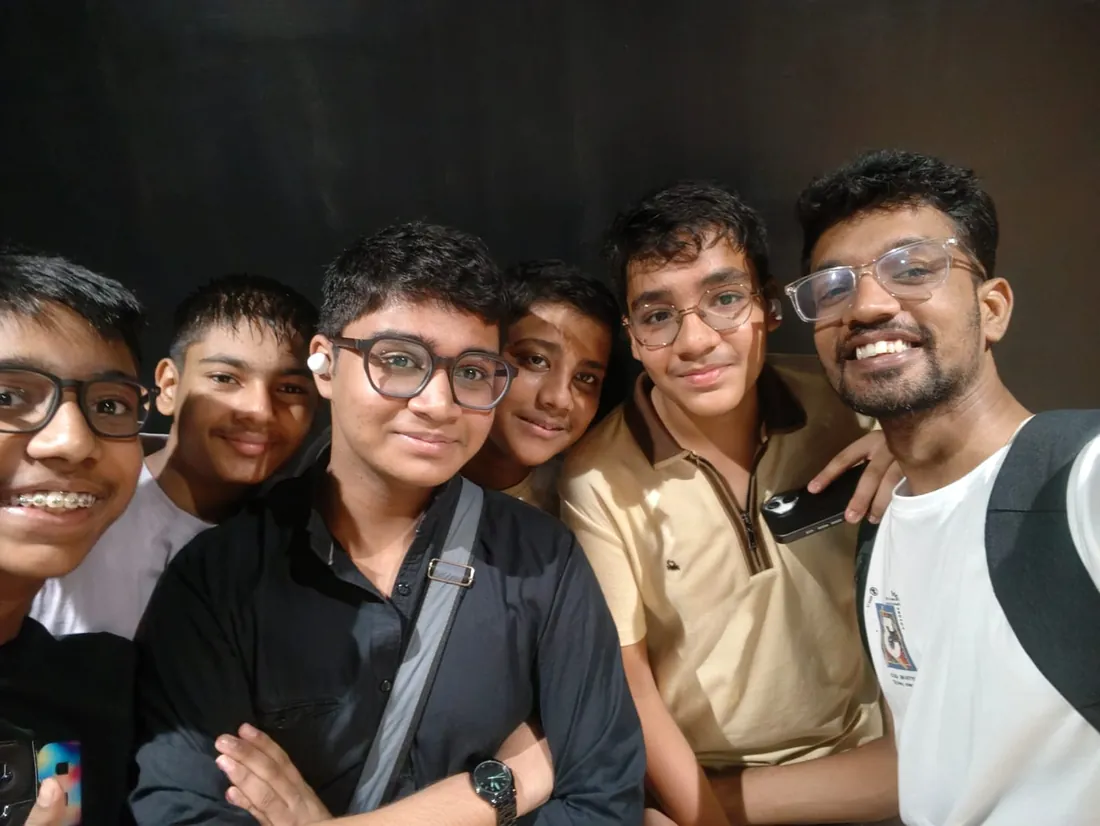
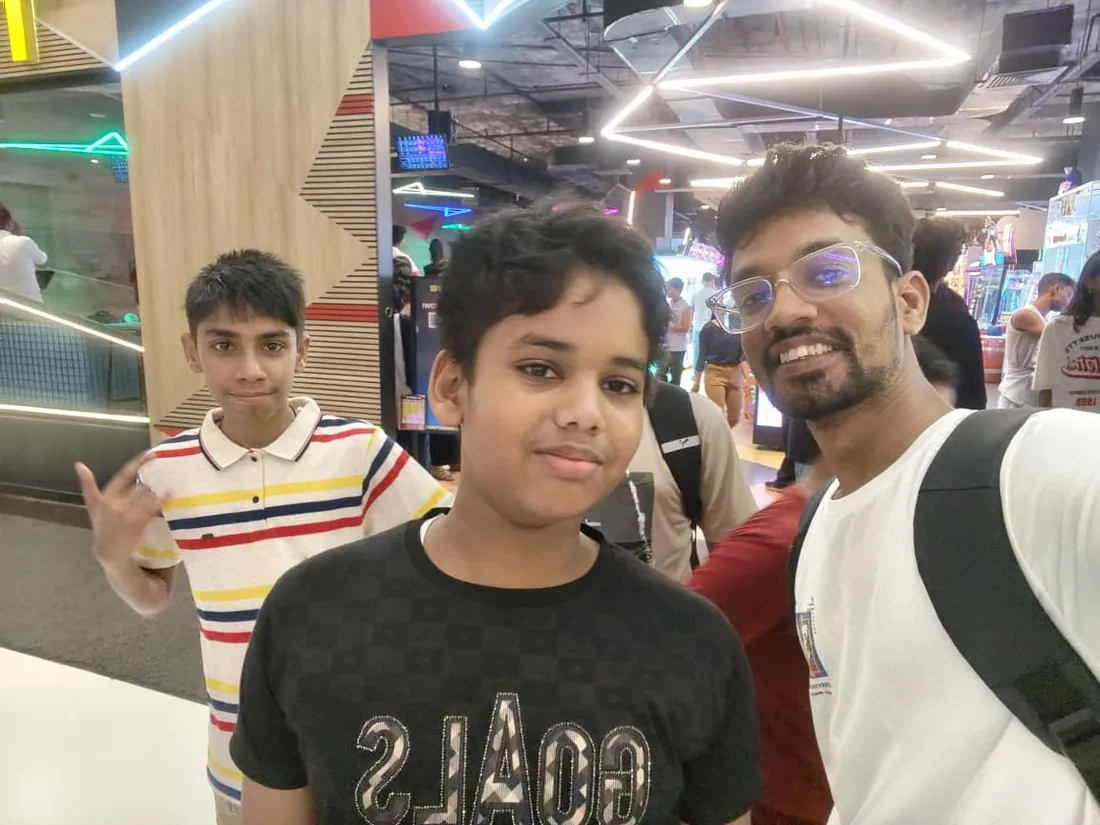
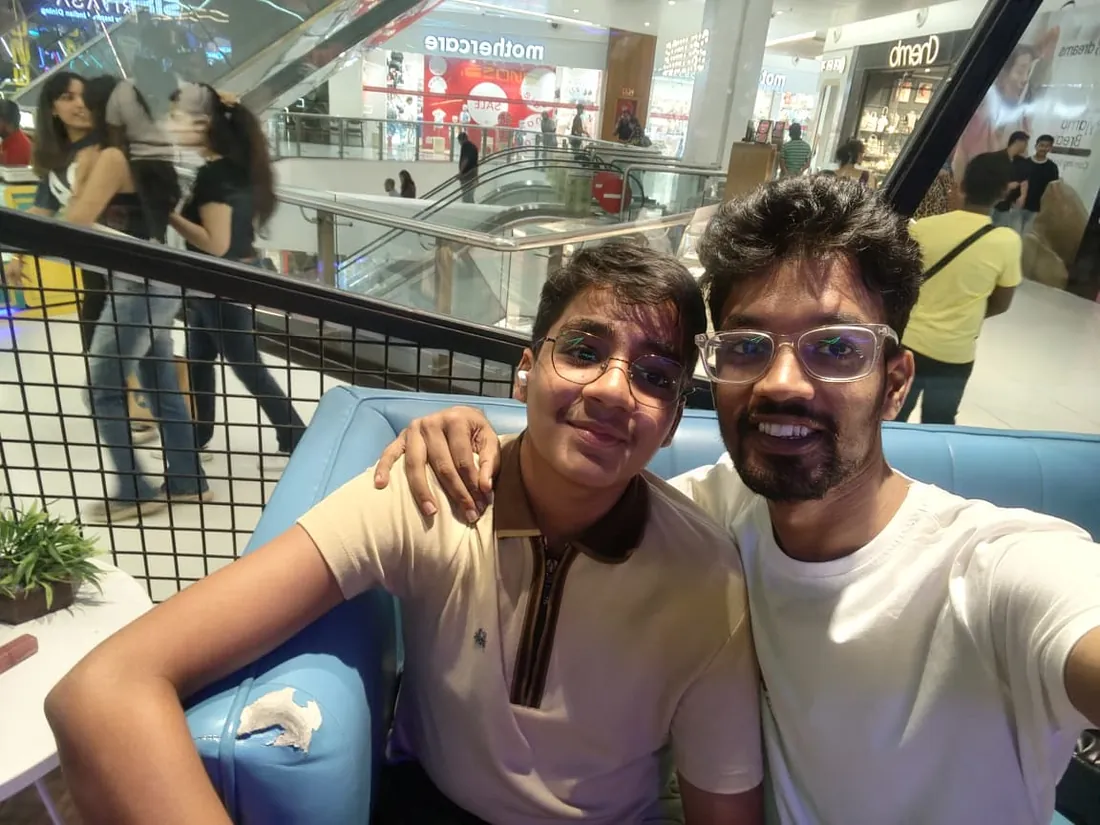
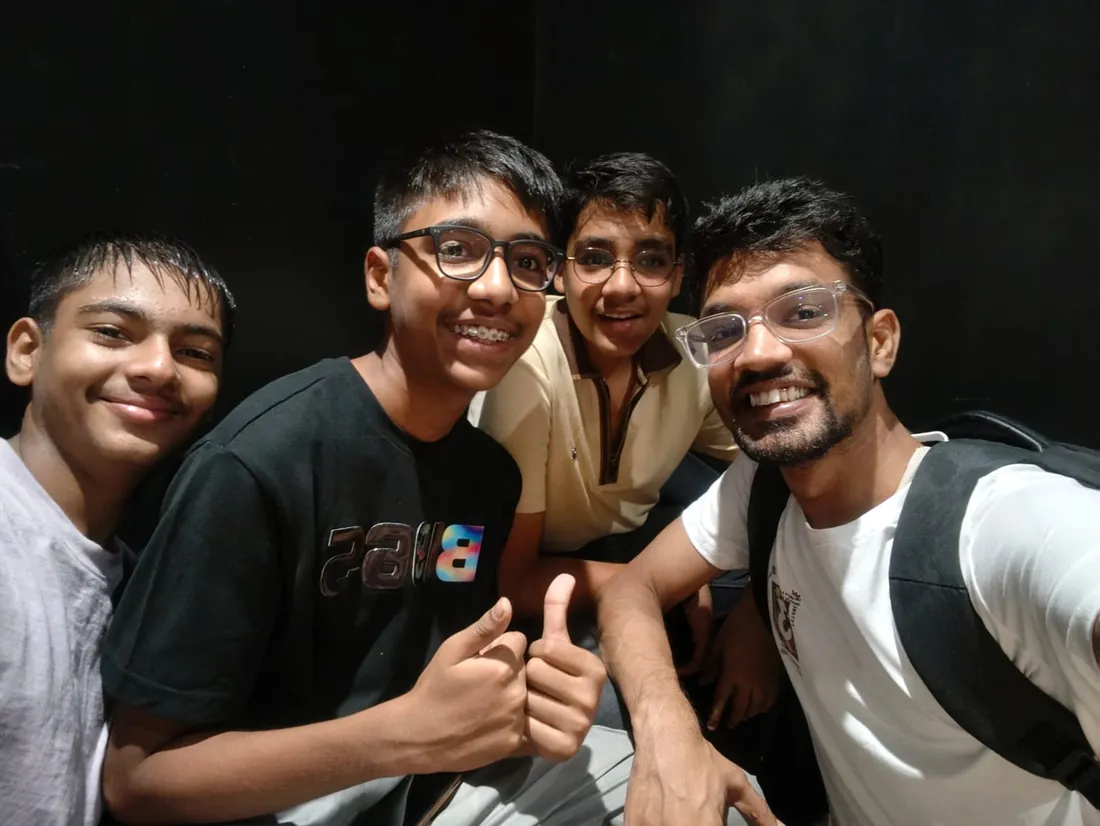
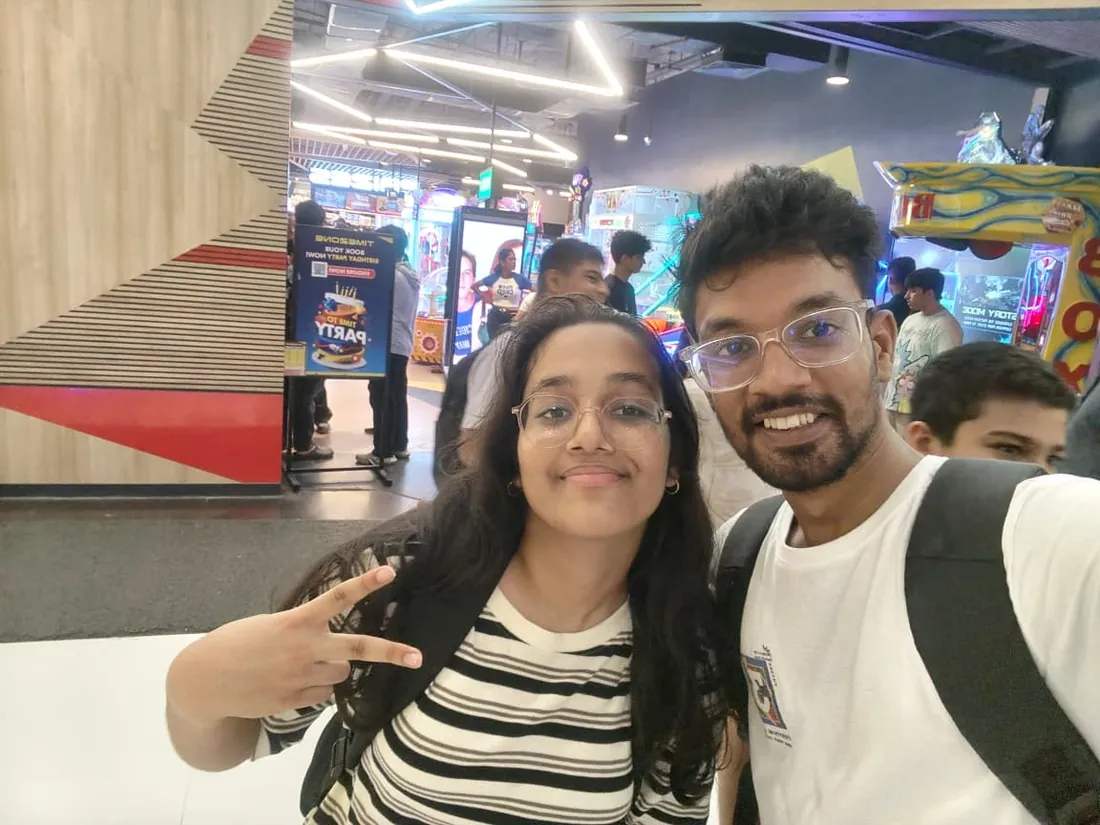
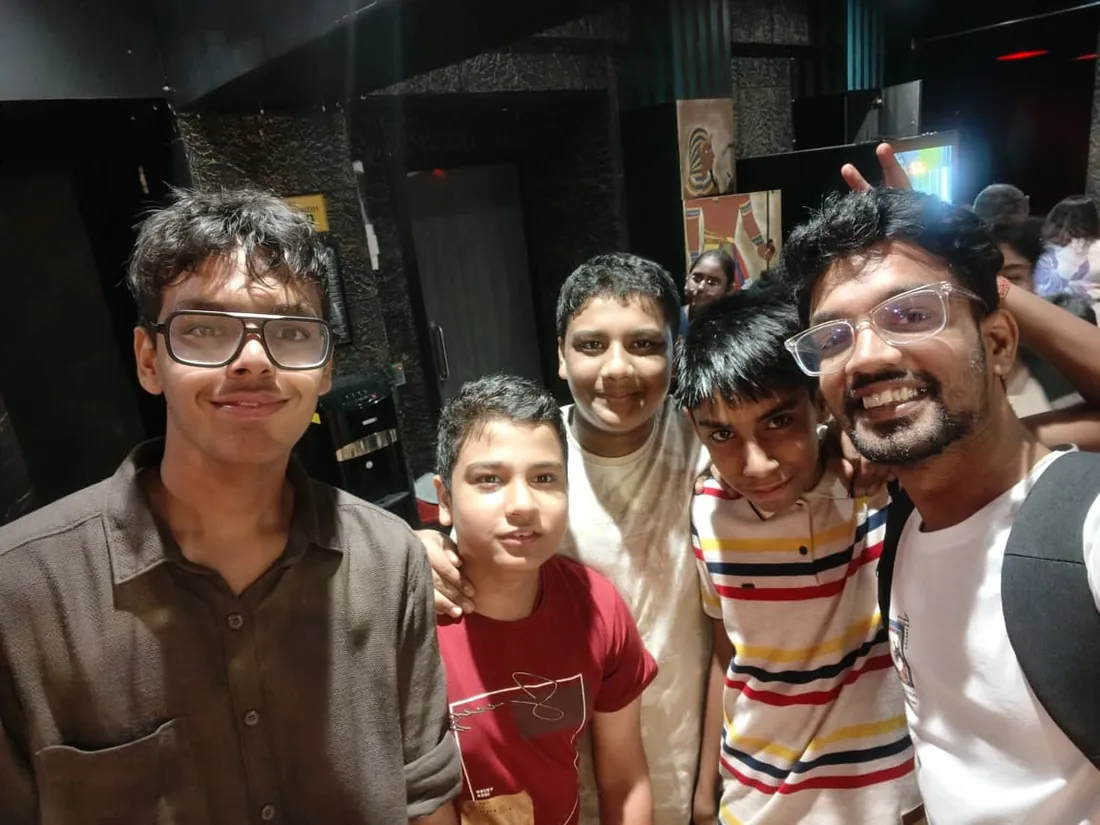
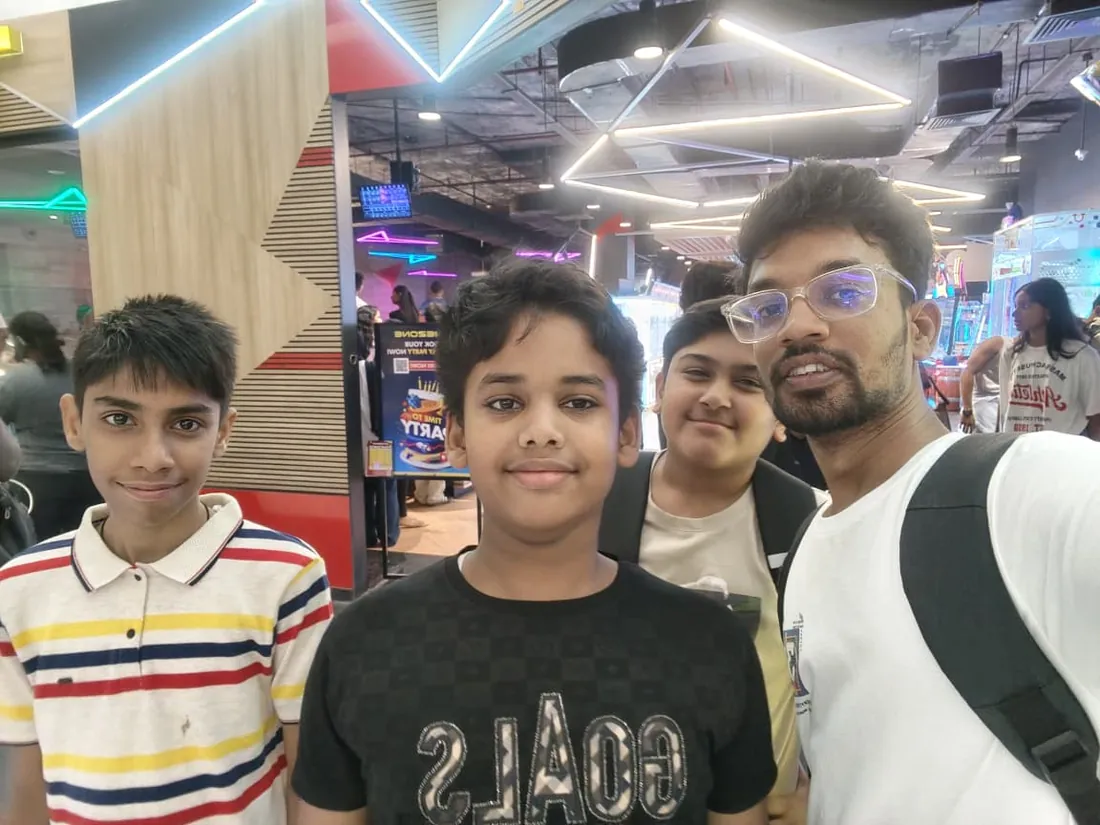
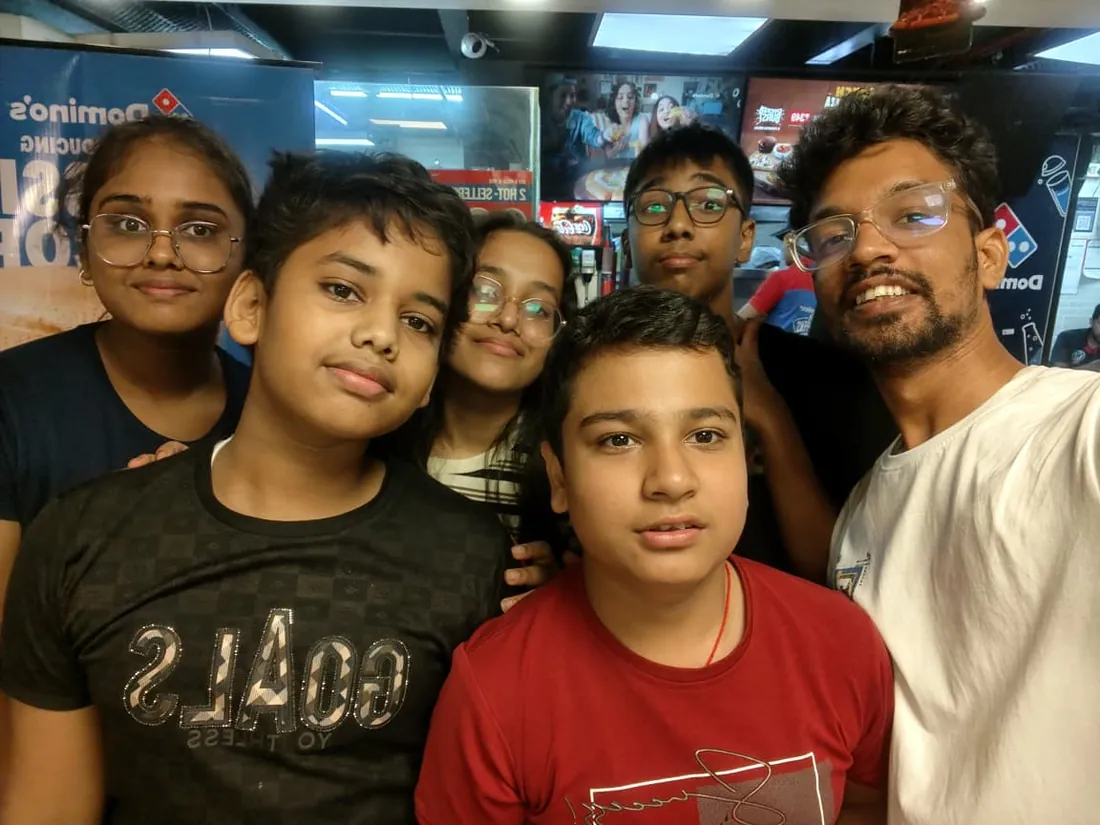
Real students. Real moments. Real joy.
These are our actual student meetups. No stock photos, no filters. Swipe through and meet the community you'll be joining.









What families say
Straight from the parents and students who learn with us. Rated 4.9 across 547 Google reviews.
“Mivaan enjoys the class. He understands the concepts and completes his tasks with excitement. He started taking interest in coding… truly amazing class.”
“I absolutely love it here! I made new friends and learned important valuable coding skills while having the fun of my life. It's not just coding here, it's outings, bonding and most importantly preparing you for your future. Definitely five stars.”
“What stands out most is how excited my son is before every class. He looks forward to learning, problem-solving, and sharing what he's built. I've noticed a big boost in his confidence!”
“Modern Age Coders has been a game-changer for me! I struggled to grasp IT concepts and coding before joining, but their classes transformed everything. I'm now the topper in my class and can confidently write complex programs with ease.”
“Modern Age Coder have wonderful teachers who teach in a clear, easy and practical way. The teacher boosts students' confidence, keeps them updated with technology, and inspires them to learn without hesitation.”
“The one step solution for my son. Modern Age Coders make learning coding so simple that kids love it.”
“Coding classes here make learning very interesting and conceptual. The teachers teach us in a very easy-to-understand and efficient manner.”
“One of the most wonderful education centres out there. Education is not limited to school syllabus but focuses on skill development. Learning here has been a wonderful journey and still continuing.”
“I highly recommend this computer coding class! The teachers are incredibly knowledgeable and passionate about coding. They make every session engaging and insightful.”
“My child Dhairya is really enjoying the Modern Age Coder IT classes. This is his first online class, and he eagerly looks forward to it.”
“Very good classes. Don't worry about coding. They teach the best, especially Shivam sir.”
“Very good classes. Makes learning very easy and interactive.”
Hear it from our students
Real parents and students in their own words, on our public YouTube channel.
Straight answers about AP Computer Science Principles: Create Task and Exam Prep
- Who should take this course?
- High school students preparing for AP Computer Science Principles; beginner-friendly, no prior coding required. It suits students taking ap computer science principles at school who want a structured, current course and real code review alongside their class; students whose school does not offer ap csp and who are preparing for the exam independently; students choosing csp as their first ap computer science course, since it is broader and more forgiving of a standing start than ap computer science a.
- What will they learn and build?
- AP Computer Science Principles is deliberately the wide-angle course: instead of teaching one language deeply the way AP Computer Science A teaches Java, CSP is organised around five Big Ideas, Creative Development, Data, Algorithms and Programming, Computer Systems and Networks, and Impact of Computing, and it is language-flexible by design.
- How deeply are topics covered?
- The course runs 6 months (24 weeks) at 2 live classes/week + 3-4 hours practice, across 3 phases listed week by week in the syllabus below. A structured curriculum that builds programming concepts from scratch and follows the current two-part exam, with hands-on coding in every session.
- Who teaches it?
- Modern Age Coders mentors, who teach the live classes themselves. You can watch them at work in the free class recordings before you decide.
- How do practice, feedback and assessment work?
- Classwork every session, a task after every class, monthly reviews that mix in earlier topics, and a full mock paper as the final assessment that decides the certificate: real knowledge and real work, with a free retest after revision if needed. Doubt support between classes over WhatsApp, so a stuck problem does not cost you a week. A certificate you earn by passing the final assessment, with a free retest after revision if needed.
- What does it cost?
- Three monthly plans: a group batch, a mini batch and 1-on-1. Prices are shown in your currency in the plans section. Monthly billing, cancel any time.
- When can classes take place?
- Live classes are scheduled around your week. Group batches meet at a fixed weekly slot; 1-on-1 students choose their own. International students are scheduled in their own timezone. Ask on WhatsApp for the current slots.
- Can I watch the teaching before deciding?
- Yes. Full recordings of real 13 and up classes are free to watch, free with a Google sign-in. These recordings show how we teach, not the exact syllabus of this course. Some classes are in English and some in Hindi; everyone follows at their own pace. Watch a class end to end, like you are in it. Sessions are interactive and each moment builds on the last.
- Can I enroll without a live demo?
- Yes. Choose a plan on this page and enrol directly; a demo is not required. If you would like to see a full class with a mentor first, book a Priority Demo.
- How do I reach you with a question?
- WhatsApp +91 91233 66161, email connect@modernagecoders.com, or call +91 91233 66161. Tell us the student's age and what they have learned so far, and we will point you to the right plan and batch.
Common Questions About AP Computer Science Principles: Create Task and Exam Prep
Get answers to the most common questions about this comprehensive program
Still have questions? We're here to help!
Contact UsRelated Courses You May Like
Continue your learning journey with these recommended programs
 Advanced Placement Computer Science
AP Computer Science A: Java Programming and Full Exam Prep
Live online AP Computer Science A prep taught to the 2025-26 redesign: Java from scratch, all four u...
Explore Course Kids Coding
App Making for Kids: Build Real Apps with Blocks
App development course for kids aged 8-12: build real mobile apps with block coding in live online c...
Explore CourseRelated Articles & Guides
Deepen your knowledge with these hand-picked articles
 Education
12 min read
Education
12 min read
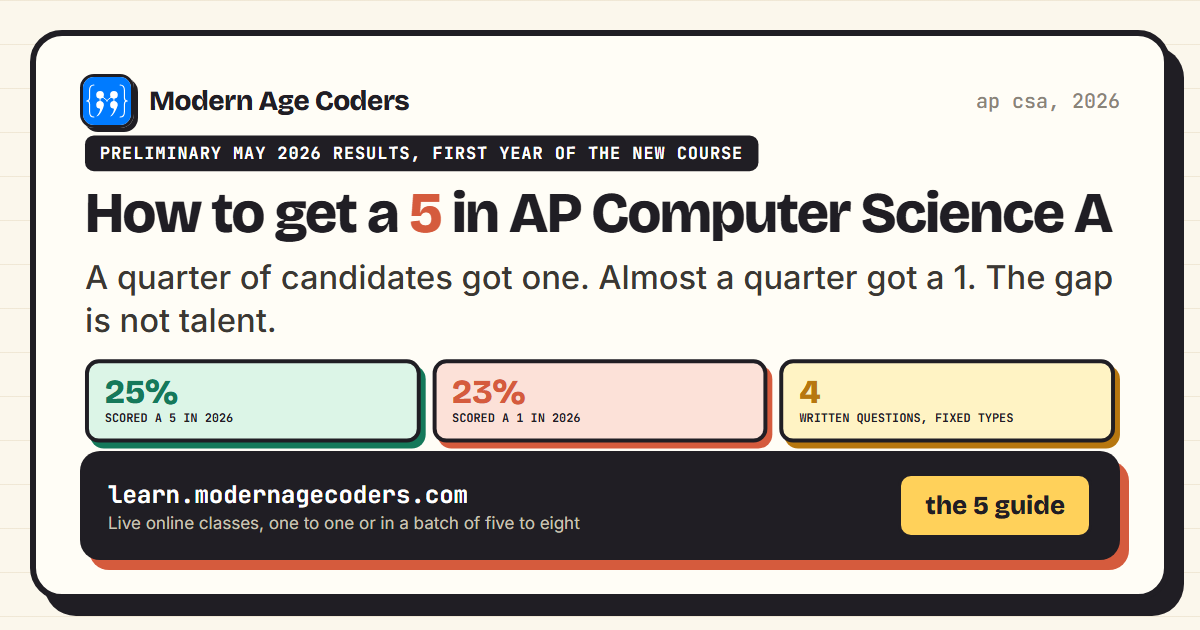
How to Get a 5 in AP Computer Science A (2026)
Preliminary 2026 data: a quarter scored 5 and almost a quarter scored 1. What separates them on the ...
Read Article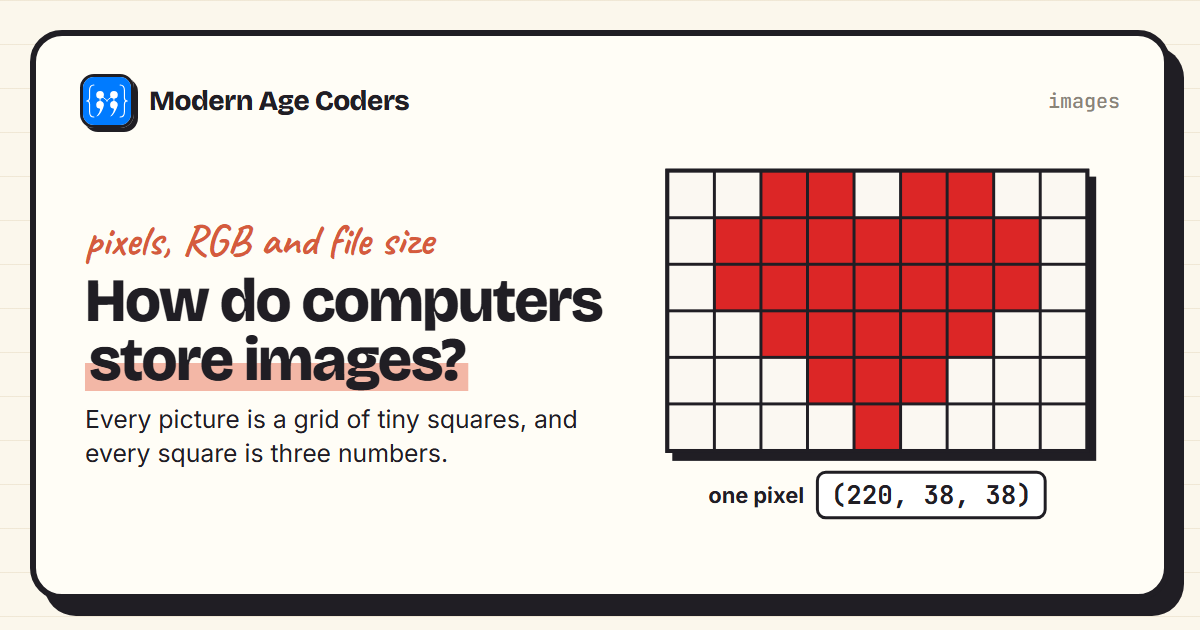 Programming
8 min read
Programming
8 min read
How Do Computers Store Images? Pixels, RGB and File Size
How computers store pictures: pixels, RGB and hex colours, greyscale, and a measured comparison of P...
Read ArticleReady to start AP Computer Science Principles: Create Task and Exam Prep?
Book a Priority Demo to see a full live class with a mentor reserved for you, today or tomorrow. Or choose a plan and enrol now.
Questions? WhatsApp +91 91233 66161 or email connect@modernagecoders.com