UK / HE1 / 01
Coding for kids
Blocks, games and first apps.
Open the syllabusUK · Home education · Ages 6 to 18
Home education in England is growing quickly. The Department for Education, whose collection became mandatory in autumn 2024, counted 126,000 children being home educated on its autumn 2025 census day, and 175,900 at some point during the 2024/25 school year, though it warns that part of the rise reflects better data. The legal position is simple and demanding at once: gov.uk says "You must make sure your child receives a full-time education from the age of 5, but you do not have to follow the national curriculum". Computing is where many families look for help, and where one practical fact matters more than any other. A home-educated teenager can sit GCSE Computer Science as a private candidate, but only at an exam centre willing to host them, and the specification a centre can manage decides which course is realistic. This page covers the law, the GCSE route, and how to choose help.
Live teaching since 2020 · 10,000+ students · Drawn from DfE guidance and the exam boards' own rules
In short
In England, parents who home educate must provide an efficient, full-time education suitable to the child's age, ability, aptitude and any special educational needs, but do not have to follow the national curriculum or use tutors. The Department for Education counted 126,000 home-educated children on its autumn 2025 census day. For computing, the main question is qualifications. Home-educated teenagers can sit GCSE Computer Science as private candidates: AQA says its 8525 specification is available to private candidates, including the home schooled, and OCR accepts private candidates for J277 but advises contacting centres early, since a centre must agree to host them and may charge. Both are assessed by written exams, which most centres can host; Edexcel's specification includes an onscreen programming paper, which needs a centre able to run it. Parents pay the exam costs. Modern Age Coders teaches coding and GCSE Computer Science content live, at times agreed in UK hours. Our teachers are based in India. The first lesson is free, then USD 100 a month in a group or USD 150 one to one.
Start here
First coding for younger children, Python for the middle years, and GCSE content for teenagers. Each card opens its syllabus.
HE / 01
Scratch, games and simple apps for younger children, with plenty of making.
Open the syllabus →
HE / 02
Typed Python from the basics, the language most GCSE papers expect candidates to read.
Open the syllabus →
HE / 03
The theory and programming a private candidate needs for the written papers.
Open the syllabus →What the law asks
From gov.uk and the Department for Education's guidance for parents, which applies to England.
| Question | What the guidance says |
|---|---|
| What must parents provide? | Under section 7 of the Education Act 1996, "efficient full-time education suitable" to the child's age, ability and aptitude, and to any special educational needs |
| From what age? | Full-time education from the age of 5 |
| The national curriculum? | Not required |
| Tutors? | "As a parent you can choose to engage private tutors or other adults, or online tuition, to assist in providing a suitable education, but there is no requirement to do so." |
| Council involvement | The council can make an informal enquiry, and can serve a school attendance order if it thinks a child needs to be taught at school |
| Exam costs | Borne by parents, entered through an external examination centre |
The guidance also lists things parents are not required to do, including teaching the national curriculum, giving formal lessons or aiming for particular qualifications. It adds, fairly, that it is easier to show an education is suitable when attention has been paid to breadth, progress and assessment. Computing fits that well: projects produce visible evidence of progress, and a portfolio of programs shows what a child can do.
| Measure | Published figure |
|---|---|
| On the autumn 2025 census day | 126,000 children |
| On the previous autumn census day | 111,700 children |
| At any point in 2024/25 | 175,900 children |
| Caution from the Department | Changes over time are likely to be partly due to improvements in data quality |
Source: gov.uk, Educating your child at home; Department for Education, Elective home education: guidance for parents (2019) and the Elective home education statistics for the autumn term 2025/26. The rules differ in Scotland, Wales and Northern Ireland; this page follows the English guidance.
GCSE as a private candidate
Home-educated teenagers can take GCSEs. The route runs through someone else's exam hall.
A private candidate is someone who studies independently and sits exams at an approved centre where they are not enrolled. AQA's specification says a private candidate "may be self-taught, home schooled or have private tuition", and that "They must be based in the UK." OCR is more explicit about the practical step: "Private candidates need to contact OCR approved centres to establish whether they are prepared to host them as a private candidate. The centre may charge for this facility and OCR recommends that the arrangement is made early in the course."
| Step | What to do | When |
|---|---|---|
| 1. Find centres | Ask local schools, colleges and specialist exam centres whether they take private candidates for Computer Science | Before choosing a board |
| 2. Ask what they can run | Check which boards and which paper formats they can host, and their fees | Early in the course |
| 3. Choose the board | Pick a specification the centre can host, then teach to it | Once a centre agrees |
| 4. Enter on time | Entries go through the centre, by the board's deadlines, well before the exams | Ask the centre for its dates |
| 5. Budget for costs | Parents pay entry fees and any centre charges | Throughout |
The Department's guidance is candid that exams "would have to be entered via an external examinations centre, which may be some distance from your home", and that local authority help with costs is discretionary. Leaving the centre question late risks finding no nearby centre able to take a computing candidate, so it is the first thing to settle.
Which board
The three main English specifications are assessed differently, and that matters when a centre hosts you.
| Specification | How it is assessed | Private-candidate note |
|---|---|---|
| AQA GCSE Computer Science (8525) | Two written exams: 2 hours, and 1 hour 45 minutes | Stated as available to private candidates, including the home schooled |
| OCR GCSE Computer Science (J277) | Two written exams of 1 hour 30 minutes each | Private candidates accepted; contact centres early; centres may charge |
| Edexcel GCSE Computer Science (1CP2) | One written paper and one onscreen programming paper | The onscreen paper needs a centre able to run it; check before committing |
Written papers are the easiest to place: any centre that runs GCSEs can seat a private candidate for them. Edexcel's specification describes an "onscreen assessment" of programming in which schools choose the development environment, which is excellent for enrolled students but means a private candidate needs a centre set up for it. That is not a reason to avoid Edexcel, only a reason to ask the centre first.
Written papers still test programming. AQA's first paper assesses writing, testing and refining code, and OCR's second paper has a section on designing, writing, testing and refining programs.
A candidate who has written plenty of real programs answers those questions far more confidently than one who has only read about code.
We have separate pages on AQA 8525, OCR J277 and Edexcel 1CP2, each built from its specification.
Families can also compare the Cambridge IGCSE, a separate international qualification some centres offer.
Choosing help
The guidance warns that tuition settings may be unregulated. Here is what to ask any provider, including us.
The Department's guidance notes that tutors and other settings "may well not be regulated in any way so there is no external assurance that they comply with basic standards, such as proper vetting of staff and safeguarding children". That is true of us too, and parents should ask every provider how they handle it.
| Question | Our answer |
|---|---|
| Who are the teachers, and where? | Our teachers are based in India and teach live online |
| Are they DBS-checked? | No. UK DBS checks cannot cover records held overseas; our tutor page explains what we do instead |
| Are lessons one to one or in groups? | Both: small groups of five to ten, or one to one |
| Will you work on assessed coursework? | Never. We teach skills; assessed work must be the candidate's own |
| What does it cost, and how is it paid? | A monthly fee in US dollars, with the first lesson free |
The full explanation of our position on checks is on the online coding tutor page. For younger children, Key Stage 2 coding and life after Code Club may help, and for older teenagers choosing computing at 14 sets out the evidence.
Progression
Placement follows what a child can build, not their age or a school year group.
| Stage | Usually | What should be true |
|---|---|---|
| 1. Making | Ages 6 to 10 | Games and animations in blocks, built from the child's own ideas |
| 2. Typing | Ages 10 to 13 | First Python programs written and debugged independently |
| 3. Building | Ages 12 to 15 | Bigger projects with functions, lists and files, kept in a portfolio |
| 4. Examined | Ages 14 to 16 | GCSE content for a chosen board, with a centre agreed and entries planned |
A folder of finished programs is useful evidence of progress for any council enquiry, and it builds confidence for exams.
The general order of topics is on the coding roadmap.
Settle the centre before choosing the board, and plan entries well ahead of the exams.
We teach to whichever board the centre can host.
The catalogue
Grouped by stage. The free lesson places each learner.
UK / HE1 / 01
Blocks, games and first apps.
Open the syllabusUK / HE1 / 02
Deep Scratch for keen makers.
Open the syllabusUK / HE1 / 03
Maths alongside coding, placed by level.
Open the syllabusUK / HE2 / 01
The first typed language.
Open the syllabusUK / HE2 / 02
Websites built from scratch.
Open the syllabusUK / HE2 / 03
Maths explored in programs.
Open the syllabusUK / HE3 / 01
Content for the written papers.
Open the syllabusUK / HE3 / 02
Programming depth for the exams and beyond.
Open the syllabusUK / HE3 / 03
A separate international qualification some centres offer.
Open the syllabusHow lessons work
Because our teachers work from India, which keeps one clock all year, the UK is four and a half hours behind in summer and five and a half in winter. UK daytime falls in India's afternoon and evening, so daytime slots can often be arranged; we confirm what is available on the first call.
Weekday daytime
Often possible; ask when you call.
Late afternoon
For families mixing groups and activities.
Evening or weekend
For older learners working independently.
Finished programs kept in a portfolio that shows progress over time.
GCSE content taught to the specification the centre will host.
Code written and debugged every lesson, so written papers feel familiar.
A clear view of the level a learner is at, before anything is paid.
Groups formed by what learners can do, not by age alone.
Five to ten learners, or one to one.
Student work
Four projects from lessons, made by the learners. More in student labs.
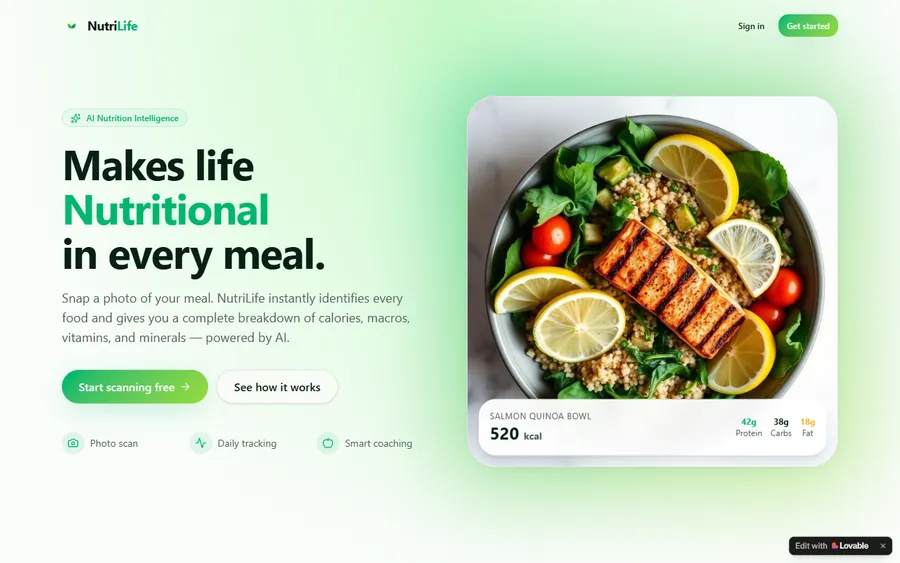
AI and ML
An AI nutrition coach that reads what you eat and works you toward a target.
AI and ML
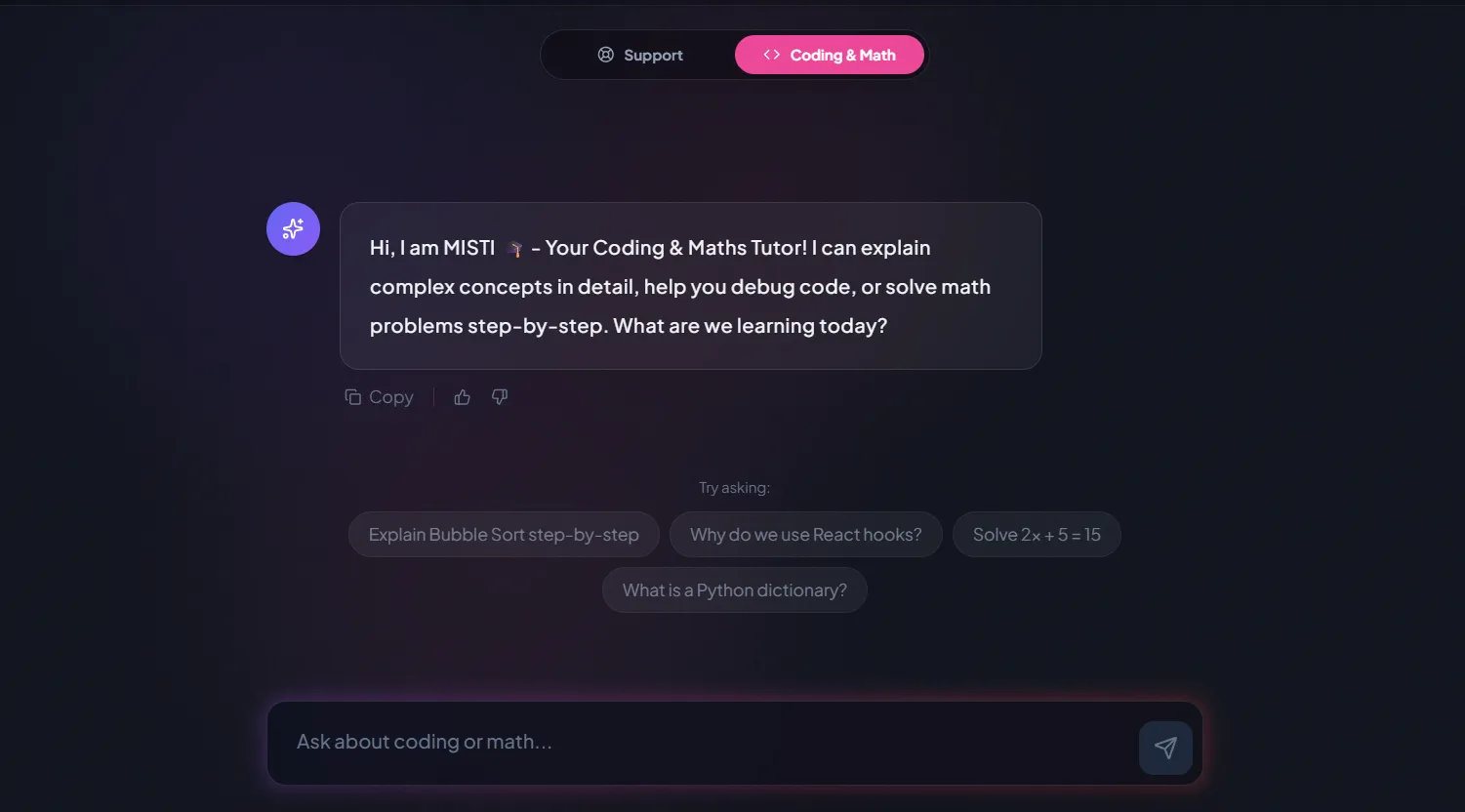
A chatbot that answers mathematics and programming questions, built and deployed by a student.
AI and ML
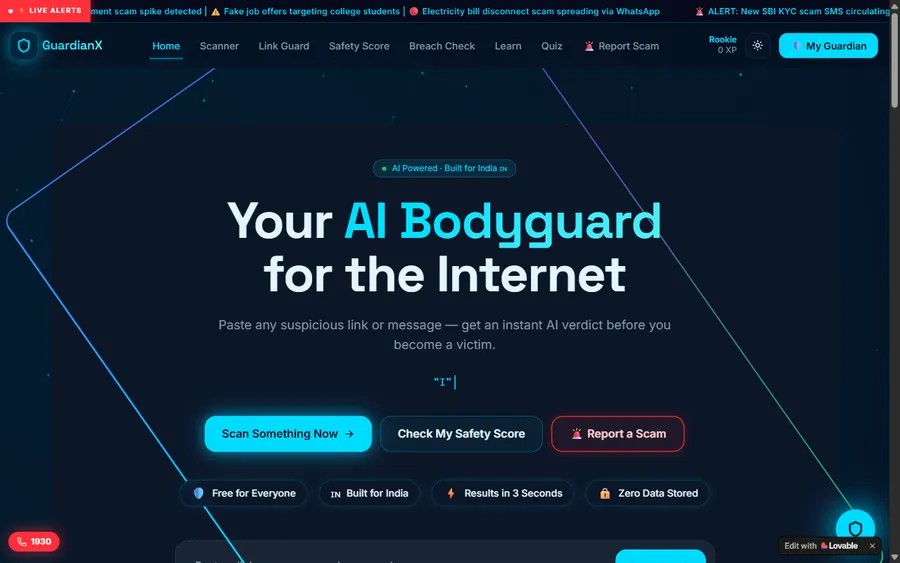
An assistant that helps a young person recognise unsafe situations online.
Web app
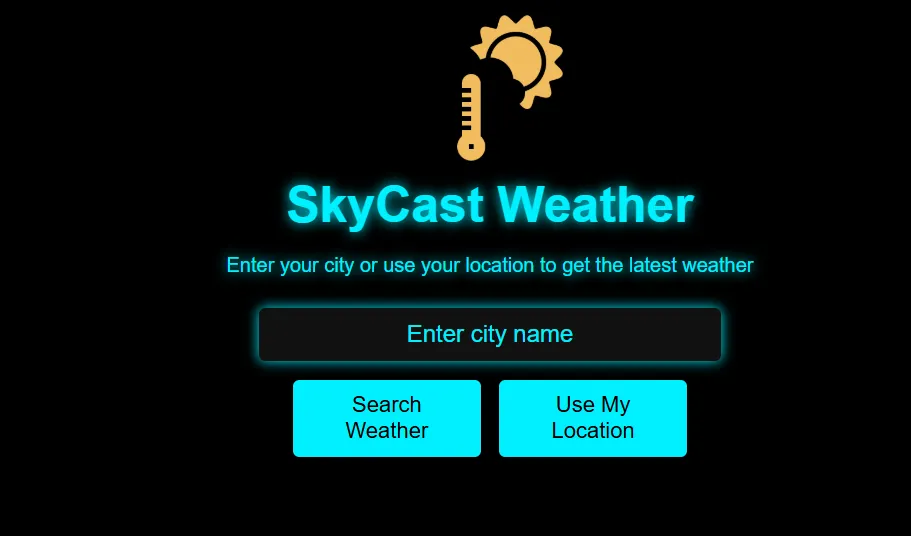
A weather forecasting site with live conditions for any location.
Fees
Payment is monthly, in US dollars, at one rate for families outside India. The first lesson is on us, and we charge nothing until a course and a regular weekly time are agreed. Exam entry and centre fees are separate and paid by families to the centre.
Free first class
USD 0
no card required
Group batch
USD 100
a month, billed in US dollars
One to one
USD 150
a month, billed in US dollars
What families say
Parents' Google reviews, as they wrote them.
★★★★★
"The one step solution for my son. Modern Age Coders make learning coding so simple that kids love it. The teachers explain complex concepts clearly with practical exercises and interactive content."
Ria Mukherjee
Parent
★★★★★
"Modern Age Coders has been a game-changer for me. I struggled to grasp IT concepts and coding before joining, but their classes transformed everything. I can now confidently write complex programs with ease."
Samriddha Mondal
Student
★★★★★
"One of the most wonderful education centres out there. Education is not limited to school syllabus but focuses on skill development."
Vansh Agarwal
Student
★★★★★
"My child Dhairya is really enjoying the Modern Age Coders classes. This is his first online class and he eagerly looks forward to it. I can already see his improvement, and the teachers are very cooperative."
Sonam Oswal
Parent of Dhairya
★★★★★
"Modern Age Coders have wonderful teachers who teach in a clear, easy and practical way. The teacher boosts students' confidence and inspires them to learn without hesitation."
Sonu Goyal
Parent
★★★★★
"I highly recommend this computer coding class! The teachers are incredibly knowledgeable and passionate about coding."
Ritu Kedia
Parent
Questions from home-educating families
No, in England. Parents must provide an efficient, full-time education suitable to the child's age, ability, aptitude and any special educational needs, but the national curriculum is not required.
Yes, as a private candidate at an approved exam centre that agrees to host them. AQA and OCR both accept private candidates based in the UK.
Parents, according to the Department for Education's guidance. Some local authorities may help, but this is discretionary. Centres may add their own charges.
Usually one assessed only by written exams, such as AQA 8525 or OCR J277, because most centres can host them. Edexcel includes an onscreen programming paper, which needs a centre able to run it.
Early. OCR recommends arranging it early in the course, and it is safest to settle the centre before choosing the board.
The Department for Education counted 126,000 on its autumn 2025 census day in England, and 175,900 at some point in 2024/25, noting that better data explains part of the rise.
No. Our teachers are in India, and UK DBS checks cannot cover overseas records. Our online coding tutor page explains how we handle safeguarding instead.
Often. UK daytime falls in India's afternoon and evening, so daytime slots can often be arranged; we confirm what is available on the first call.
The legal details on this page follow the guidance for England; the rules differ elsewhere. The private-candidate route for AQA and OCR applies to candidates based anywhere in the UK.
The first lesson is free. Lessons then cost one monthly fee in US dollars, less for a group place than one to one, as the fees section shows, with nothing charged up front. Exam fees are separate.
Elsewhere on this site
GCSE boards, younger coders, and our position on checks.
Our position on DBS and safeguarding, explained fully.
The two written papers in detail.
OCR's two papers and what they test.
What primary-age coding looks like.
For children who have outgrown club guides.
Every UK page we publish.
Start here
Leave a number and we will call at a UK time that suits your day. The lesson finds your child's level and ends with a plan, including the exam route if relevant.
Reading first? Each course page gives its syllabus, how we teach explains our approach, and student labs shows children's projects.
WhatsApp us · +91 91233 66161 · contact@modernagecoders.com
WhatsApp is the quickest way to reach us and free from a UK phone. We are based in India, so our number starts +91.