UK / K21 / 01
Block coding for younger children
The first year of dragging blocks, where the talking about why matters more than the making.
Open the syllabusEngland · Years 3 to 6 · Ages 7 to 11
Ask most parents what coding at primary school involves and they will describe a Scratch animation with a cat in it. Then read what the statutory curriculum actually requires by the end of Year 6: pupils should be taught to "use sequence, selection, and repetition in programs; work with variables and various forms of input and output", to "design, write and debug programs that accomplish specific goals", and to "use logical reasoning to explain how some simple algorithms work and to detect and correct errors in algorithms and programs". Variables. Selection. Debugging. Explaining an algorithm. Those are named requirements for eleven-year-olds, and a great many Year 6 children have never met one of them. This page sets out the whole programme of study, plainly, and what it looks like taught properly.
Teaching live since 2020 · 10,000+ students · Read against the programme of study itself
In short
The statutory computing curriculum for key stage 2 is more ambitious than most families realise. By the end of Year 6 pupils are supposed to use sequence, selection and repetition, work with variables and with input and output, design, write and debug programs that accomplish specific goals, solve problems by decomposing them, and use logical reasoning to explain how simple algorithms work and to find errors in them. Whether a particular school covers all of that varies enormously, and a parent can check simply by asking a child to explain a program they wrote. We teach exactly this content live online, in groups of five to ten at one level or one to one, for children roughly seven to eleven. The first lesson is free, then USD 100 a month in a group or USD 150 one to one.
Start here
Blocks done properly, then the first typed code. Each card opens a full syllabus.
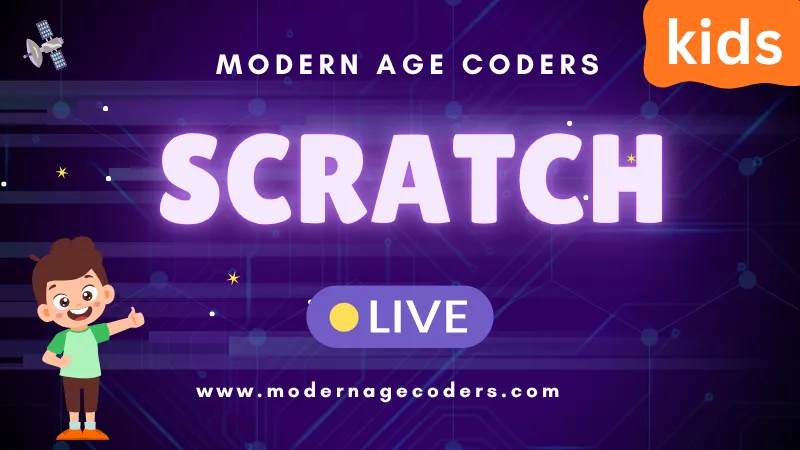
KS2 / 01
Where variables, selection and repetition are actually used rather than mentioned, which is what the programme of study asks for.
Open the syllabus →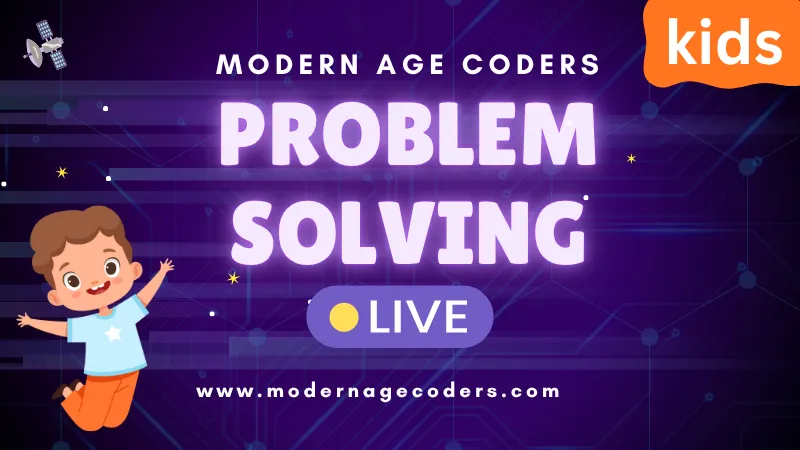
KS2 / 02
Decomposition and explaining how an algorithm works, both named in the curriculum and rarely taught directly.
Open the syllabus →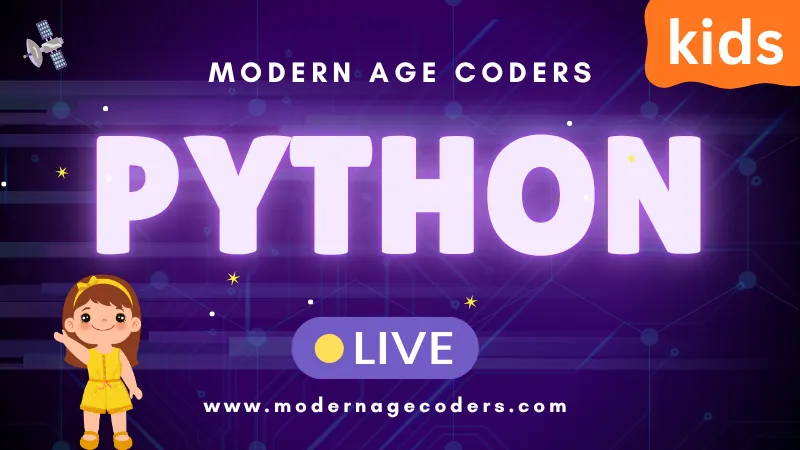
KS2 / 03
For Year 5 and 6 children ready for typed code, which puts them comfortably ahead of what key stage 3 will expect.
Open the syllabus →What is required
Seven statutory lines cover key stage 2. Here they are as written, with what each one means a child can actually do.
| Pupils should be taught to | Which means a child can |
|---|---|
| "Design, write and debug programs that accomplish specific goals, including controlling or simulating physical systems; solve problems by decomposing them into smaller parts" | Plan a program before writing it, get it working, and break a big idea into pieces small enough to build |
| "Use sequence, selection, and repetition in programs; work with variables and various forms of input and output" | Use an if, use a loop, store a value in a variable and change it, and take input from a user |
| "Use logical reasoning to explain how some simple algorithms work and to detect and correct errors in algorithms and programs" | Say why a program does what it does, and find the mistake rather than start again |
| "Understand computer networks, including the internet; how they can provide multiple services, such as the World Wide Web" | Describe roughly what happens when they open a website |
| "Use search technologies effectively, appreciate how results are selected and ranked, and be discerning in evaluating digital content" | Understand that search results are ordered by something, and question what they find |
| "Select, use and combine a variety of software ... including collecting, analysing, evaluating and presenting data and information" | Use the right tool for a job and put results together sensibly |
| "Use technology safely, respectfully and responsibly; recognise acceptable/unacceptable behaviour; identify a range of ways to report concerns" | Know what to do when something online is wrong, and who to tell |
Sequence, selection and repetition are the three control structures every programming language has. Variables are how a program remembers anything. Input and output are how it talks to a person.
Between them, those five ideas are most of what programming is, and the statutory curriculum puts them in primary school rather than secondary.
Explaining how an algorithm works, and detecting and correcting errors, is a different activity from making something. It is slower, it is less exciting to demonstrate at a parents' evening, and it is where actual understanding lives.
A child who can only make things work by trial and error has met the first half of that line and not the second.
Source, read 20 September 2026: National curriculum in England: computing programmes of study, statutory guidance first published 11 September 2013. Key stage 2 covers Years 3 to 6, ages 7 to 11.
What usually happens
Not because primary teachers are doing anything wrong. Because of how the subject sits in a primary week, and who is required to teach it.
A primary teacher covers every subject. Computing competes with reading, writing and maths for a slot, and it is the newest of them by decades.
A colourful animation looks like success and can be built without a single variable. A program using selection and a variable may look plainer and be far more advanced.
Academies are not required to follow the national curriculum at all. Just under half of primary schools are academies, so for many children this programme of study is a reference rather than an obligation.
Ask your child to show you something they made and to explain how it works. Not whether it works, how. Where does it decide something? What does it remember? What happens if you give it an unexpected answer?
If those questions land comfortably, the school is doing this well and the child is in good shape for Year 7. If they draw a blank, that is ordinary and fixable, and it is far easier to fix at nine than at fourteen.
Key stage 3 assumes all of this and then asks for two programming languages, at least one of them textual. A child who arrives in Year 7 without selection, repetition and variables is starting that from behind.
The full picture of what comes next is on the key stage 3 page, and what the English system requires of schools generally is on the England page.
None of this is an argument that primary schools should teach more computing at the expense of reading. It is an argument that a parent who wants their child to arrive at secondary school able to program has a specific, short and entirely achievable list to work from, and that the list is published by the Government.
How we teach it
Same constructs, two mediums. The order matters more than the software.
| Stage | Usually | What the child can do at the end |
|---|---|---|
| Sequence and repetition | Years 3 and 4 | Builds something that runs, and uses a loop because repeating the blocks was tedious |
| Selection and variables | Years 4 and 5 | Uses an if to make the program behave differently, and a variable to keep a score or a state |
| Input, output and debugging | Year 5 | Takes an answer from a user, handles a wrong one, and finds a bug by reasoning rather than by guessing |
| Explaining and planning | Years 5 and 6 | Says what a program will do before running it, and plans one on paper before starting |
| Typed code, if ready | Year 6 | Writes short Python programs, which puts them ahead of what Year 7 expects |
Before anything runs, the child says what will happen. It is the fastest way to find out what they actually believe, and being wrong out loud in a small group is how the belief gets corrected.
It also happens to be the skill the curriculum names: using logical reasoning to explain how a program works.
When something breaks, we do not start again. We find out why. That habit is the difference between a child who can make things and a child who can make things work, and it is explicitly in the programme of study.
It is also slower and less immediately satisfying, which is why it rarely survives a busy classroom.
Typed code is a Year 6 question rather than a Year 3 one. Some children are ready earlier and some are not ready until Year 7, and pushing it early usually produces a child who can copy syntax and cannot reason. The Python page covers what happens after the crossing.
For AI specifically, which primary children now meet whether or not anybody planned it, the AI classes for kids page explains what can be taught properly at this age and why none of it needs an account with an AI company.
Progression
A child is placed by what they can build and explain, not by their year group. Plenty of Year 4 children are ahead of plenty of Year 6 children.
| Step | What is being learnt | How a parent can tell |
|---|---|---|
| 1. Making something run | Sequence, and the idea that order matters | They can show you a thing that works and say what each part does |
| 2. Repeating and deciding | Loops and selection | The program behaves differently depending on what you do |
| 3. Remembering | Variables, input and output | It keeps a score, or a name, or a state, and uses it later |
| 4. Reasoning | Debugging and explaining algorithms | When it breaks they look rather than guess, and they can say why the fix worked |
Every earlier step can be reached by copying. Step four cannot, which is why it is the one worth paying attention to.
The whole sequence past primary runs down the coding roadmap.
Younger children need time at step one, and rushing it produces a child who can follow instructions and not much else.
The free lesson is where we work out honestly which step a child is actually on.
The catalogue
Grouped by where a child usually is. The free lesson settles which one fits.
UK / K21 / 01
The first year of dragging blocks, where the talking about why matters more than the making.
Open the syllabusUK / K21 / 02
A score that changes, a level that unlocks, and a sprite that behaves differently depending on what you do.
Open the syllabusUK / K21 / 03
Decomposing a problem and describing rules aloud, which the curriculum names directly.
Open the syllabusUK / K22 / 01
Typed code for children who are ready, with programs short enough to hold in your head.
Open the syllabusUK / K22 / 02
Loops and conditions written to change a world the child already spends time in.
Open the syllabusUK / K22 / 03
The request behind most children wanting to learn in the first place, taken seriously.
Open the syllabusUK / K23 / 01
What training a model means, using examples the child gathers themselves.
Open the syllabusUK / K23 / 02
Something that lives on a page and does something clever, built end to end.
Open the syllabusUK / K23 / 03
Typing real code because the game will not work otherwise, which is the strongest reason there is.
Open the syllabusHow lessons work
Our teachers work from India, where the clocks never change, so the UK is five and a half hours behind from October and four and a half from March. Times are agreed in UK time.
Straight after school
Where almost every primary-age child settles.
Early evening
Workable for families with a longer school run.
Weekend morning
Unhurried, and the best slot for seeing a project through to the end.
A child who has made nothing has not had a lesson. Finished things are what keep a nine-year-old coming back.
The child says what will happen first. Being wrong out loud is the mechanism, not the embarrassment.
When it breaks we find out why, which is the part the curriculum names and the part that is usually skipped.
A parent or carer at home and contactable. No need to watch the lesson, only to be findable.
Five to ten children at the same step, so nobody is the youngest in a room of teenagers.
Finished projects are saved where a family can see them, which is usually how a parent finds out it is going well.
Student work
Four projects from children of about this age. Many more sit in student labs.
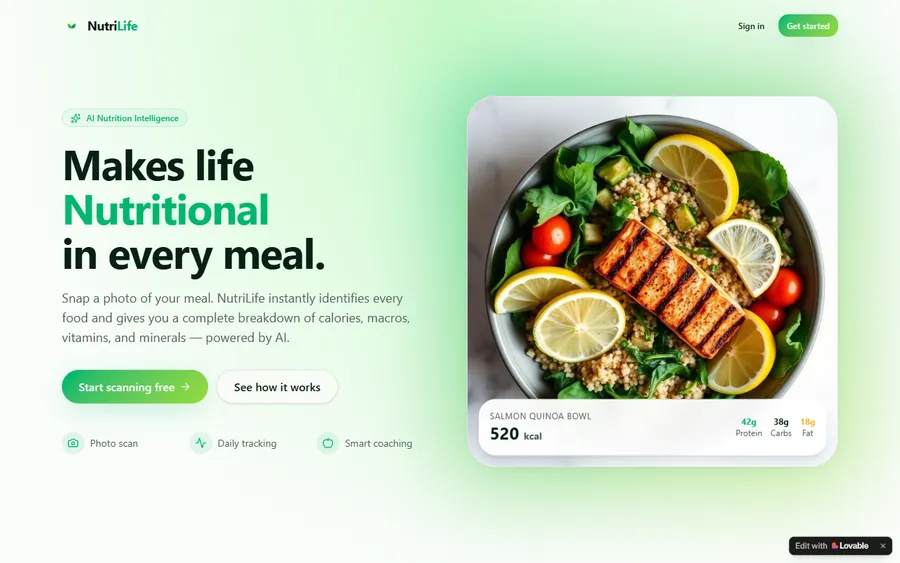
AI and ML
An AI nutrition coach that reads what you eat and works you toward a target.
AI and ML
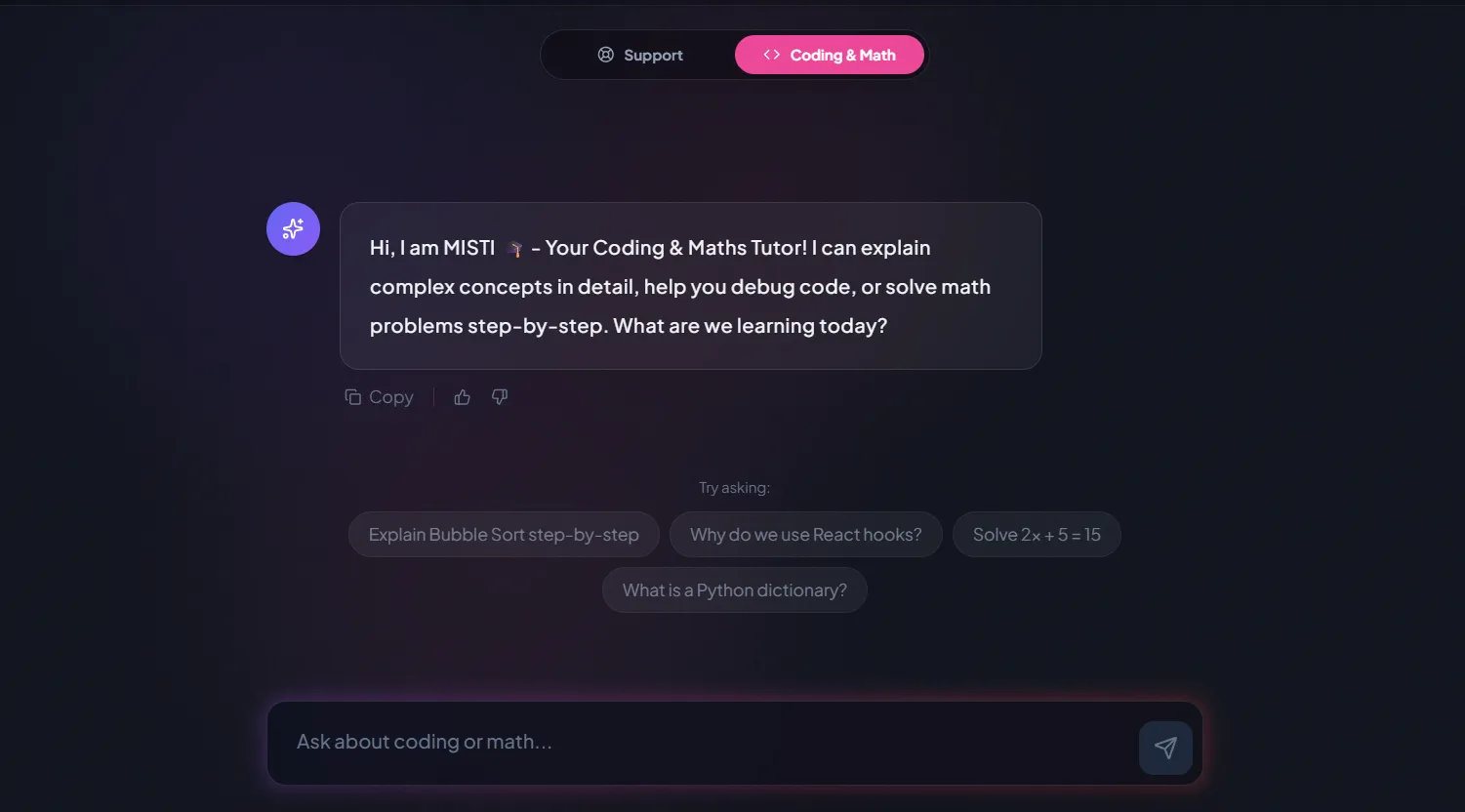
A chatbot that answers mathematics and programming questions, built and deployed by a student.
AI and ML
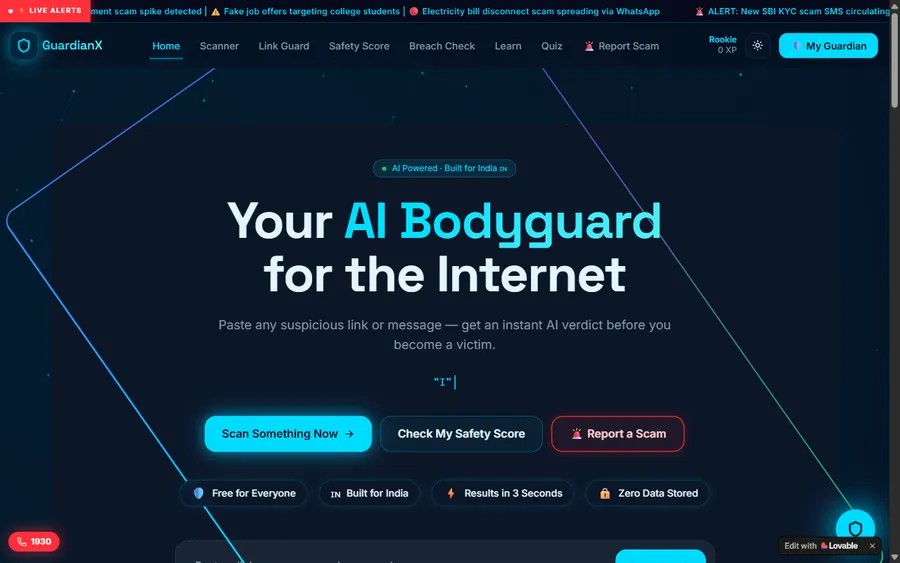
An assistant that helps a young person recognise unsafe situations online.
Web app
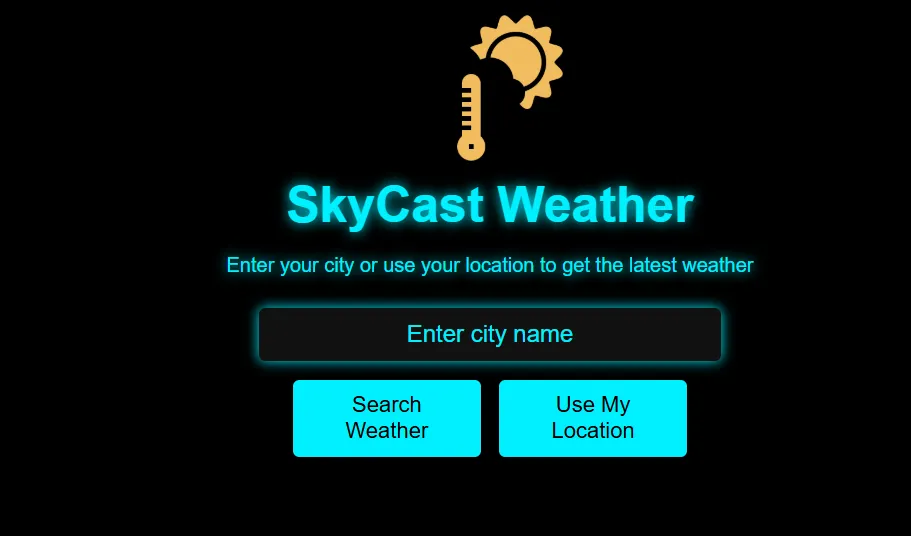
A weather forecasting site with live conditions for any location.
Fees
One monthly charge in US dollars, the rate outside India. The free lesson comes first and nothing is taken until a course and a weekly time are agreed.
Free first class
USD 0
no card required
Group batch
USD 100
a month, billed in US dollars
One to one
USD 150
a month, billed in US dollars
What families say
Taken from Google exactly as parents wrote them.
★★★★★
"The one step solution for my son. Modern Age Coders make learning coding so simple that kids love it. The teachers explain complex concepts clearly with practical exercises and interactive content."
Ria Mukherjee
Parent
★★★★★
"Modern Age Coders has been a game-changer for me. I struggled to grasp IT concepts and coding before joining, but their classes transformed everything. I can now confidently write complex programs with ease."
Samriddha Mondal
Student
★★★★★
"One of the most wonderful education centres out there. Education is not limited to school syllabus but focuses on skill development."
Vansh Agarwal
Student
★★★★★
"My child Dhairya is really enjoying the Modern Age Coders classes. This is his first online class and he eagerly looks forward to it. I can already see his improvement, and the teachers are very cooperative."
Sonam Oswal
Parent of Dhairya
★★★★★
"Modern Age Coders have wonderful teachers who teach in a clear, easy and practical way. The teacher boosts students' confidence and inspires them to learn without hesitation."
Sonu Goyal
Parent
★★★★★
"I highly recommend this computer coding class! The teachers are incredibly knowledgeable and passionate about coding."
Ritu Kedia
Parent
Questions from primary parents
The statutory curriculum expects pupils to use sequence, selection and repetition, work with variables, input and output, design, write and debug programs, and explain how simple algorithms work.
It depends what is inside them. An animation with no selection and no variable meets very little of the programme of study, however good it looks.
Ask them to show you something and explain how it works. Where does it decide something? What does it remember? What happens if you type the wrong thing?
In Year 6, often yes, if they are ready. Earlier than that it usually produces a child who can copy syntax without reasoning, which is worse than waiting.
No. Academies are not required to follow the national curriculum, and just under half of primary schools are academies.
About six for block-based coding. Key stage 2 material suits roughly seven to eleven, and we place by what a child can do rather than by year group.
No. We only ask that an adult is at home and contactable, since a seven-year-old sometimes needs a hand opening a file or sharing a screen.
Short enough that a child is still concentrating at the end. The right length is agreed in the free lesson, because it differs by age and by child.
Then they work on harder problems rather than more of the same, and often move to typed code earlier. Groups are built by level, not by age.
The first lesson is free. After that a group place is USD 100 a month and one-to-one teaching USD 150, charged monthly with nothing in advance.
Elsewhere on this site
Each takes one part of this further.
What Years 7 to 9 are supposed to cover, including two programming languages.
The general door for children, key stage by key stage.
What training a model looks like for a child, with no accounts involved.
Who is actually required to teach the national curriculum.
What happens after a child crosses from blocks to typed code.
Puzzle rounds and challenges open to Years 3 to 6 this year.
Start here
Leave a number and we will come back at a UK time that suits. The child builds something in the lesson, and it ends with an honest view of the step they are on.
Rather read first? Every course page lists its syllabus, how we teach explains the method and its limits, and the coding roadmap shows the order of topics.
WhatsApp us · +91 91233 66161 · contact@modernagecoders.com
WhatsApp is free from a British mobile and gets the fastest answer. The number is registered in India, said here rather than noticed later.