KIDS / BLOCK / 01
Scratch Coding for Kids
From a moving character to complete games with levels and scores, all in blocks, over about three months.
Open the syllabusNetherlands · Ages 6 to 12 · Live online
In June 2025 the Dutch government published its first national guidelines on children, screens and social media. They set limits, no screens at all under two and no social media before fifteen, but their main message is about the kind of screen time, not only the amount: balance it with play and movement, use media together, and look for positive experiences. A coding lesson is about as far from scrolling as a screen can get. A child plans something, builds it, sees it go wrong, works out why and fixes it, with a teacher on the other side of the screen and, often, a parent in the room. This page is for Dutch families with a child in groep 3 to 8 who want that kind of screen time: Scratch and games first, then apps, then typed Python and an honest picture of what AI is, live online and in English.
Teaching children live since 2020 · 10,000+ students · a real teacher in every lesson
In short
Modern Age Coders teaches coding live online to children in the Netherlands aged six to twelve. The youngest start with Scratch, building games from blocks; children from about eight build simple apps and learn what AI tools are and when not to trust them; from about nine, most move on to typed Python. Every lesson has a live teacher, children are grouped by what they can do, and a parent is involved from the first call. Lessons fit after school or at the weekend and need a laptop or desktop, not a phone or a social media account. The first lesson is free; after that a group place is USD 100 a month and one-to-one lessons USD 150.
Start here
One for the youngest, one for the child ready to type real code, and one for any child who uses AI tools and should understand them. Each opens its own page with syllabus, timetable and fee.
KIDS / 01
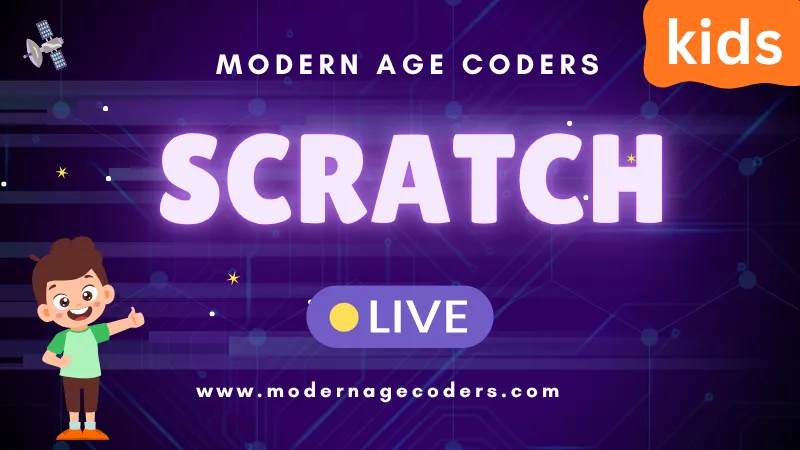
Games built from blocks for children from six: characters that move, score points and react, and the first experience of finding and fixing a bug.
Open the syllabus →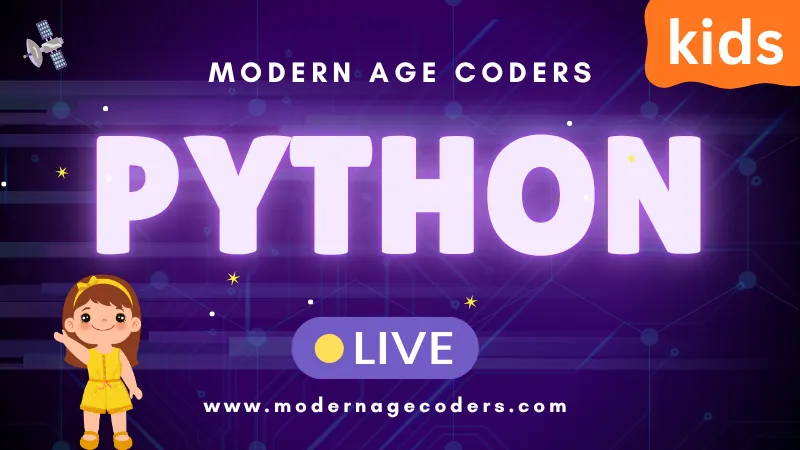
KIDS / 02
For children of nine to twelve ready to type: turtle drawings, small games and a program that learns from examples, in real Python.
Open the syllabus →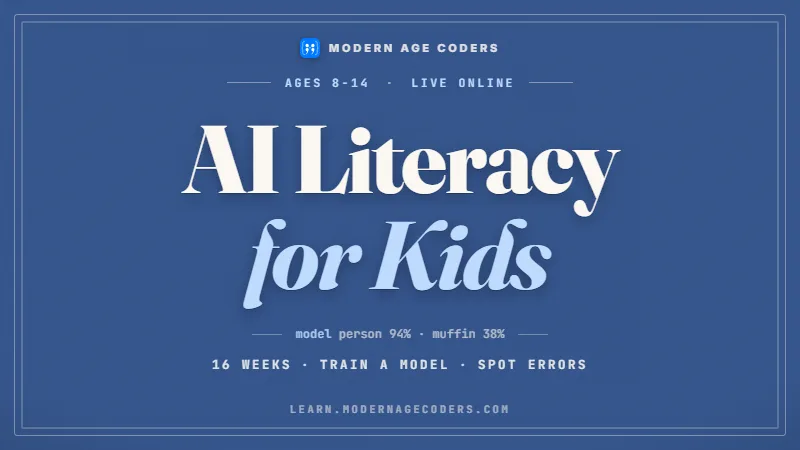
KIDS / 03
What a chatbot really is, why it can be confidently wrong, and what a child should never type into one, for children from eight.
Open the syllabus →Screens with a purpose
On 17 June 2025 the State Secretary for Youth, Prevention and Sport, Vincent Karremans, presented the Richtlijnen gezond en verantwoord scherm- en sociale mediagebruik. They were drawn up from research by scientists, experts and civil-society organisations, and they are advice to parents, not law.
| Guideline | What it says |
|---|---|
| Under 2 | Screen use is advised against |
| 2 to 4 | At most 30 minutes a day |
| 12 and over | No more than 3 hours a day behind a screen |
| First smartphone | From groep 8 |
| Social media such as Instagram and TikTok | From 15 |
| Beyond the minutes | Balance screens with other activities, use media together, look for positive experiences |
| For young children | Calm media without violence; encourage play, movement and screen-free activities |
The guidelines are careful not to treat every minute on a screen as the same. Healthy use, they say, is more than limiting time: it means balancing screens with other things, using media together and helping children have positive experiences online. They also stage the steps: chat apps such as WhatsApp in secondary school first, social media later.
Coding classes sit comfortably inside that advice. A child needs no phone and no social media account to learn to code, only a laptop or desktop at home. The screen is used to make something, not to scroll, and a teacher is present for the whole lesson.
For children aged six to twelve, where the guidelines give no single number, the guidance on balance and shared use matters most. Two short lessons a week are a small part of a child's screen time, and they can replace a less purposeful part of it rather than add to it.
Many parents sit with a younger child for the first few lessons, which is exactly the shared use the guidelines encourage. Older children usually want to work alone, and the teacher keeps them on task.
Sources: Rijksoverheid, Duidelijk advies voor ouders: wacht met sociale media tot 15 jaar (17 June 2025); Landelijk Expertisecentrum Jonge Kind, advies schermgebruik (2 to 4 years, calm media, screen-free play). Read 15 September 2026. The view that coding is purposeful screen time is ours, not the guidelines'.
The school years
Dutch children usually start school at four and must attend from five. Coding at home fits around the school years; it does not compete with them.
Every child living in the Netherlands is leerplichtig between 5 and 16. Leerplicht starts on the first day of the month after the fifth birthday, although most children already go to school at four. Our classes start at six, around groep 3, when reading takes off and a child can follow a simple instruction on screen.
Over eight school years a primary school must give at least 7,520 hours of teaching, with at least 3,520 in the first four years and 240 hours that schools may place where they choose. There is no legal maximum per day. Two short coding lessons a week at home are a very small addition to that.
In groep 8 every pupil takes the doorstroomtoets, as a second opinion on the provisional school advice. In 2027 it falls between 25 January and 12 February. On 2 July 2026 the State Secretary, Judith Tielen, announced a plan for all pupils to take the same single test from the 2029/2030 school year, instead of a choice of six.
None of those school milestones involves coding, and none needs to. What a child builds with us is extra: something made for fun and for its own sake, which is also how most programmers started.
The most useful thing a parent can do is keep it light and regular. A child who codes for a short while twice a week for a year usually surprises everyone, including themselves.
In the groep 8 year, many families slow down around the doorstroomtoets and pick up again afterwards. That is a sensible rhythm, and lessons can pause without losing a place.
For older children, the page on coding classes for teens in the Netherlands continues the route from the brugklas onwards.
Sources: Rijksoverheid, leerplicht; Rijksoverheid, onderwijstijd; Rijksoverheid, when the doorstroomtoets is taken; Rijksoverheid news, 2 July 2026. All read 15 September 2026.
What children build
Children progress by making things. Each stage below produces something a child can show a parent, a grandparent or a friend.
At six or seven, a child in Scratch makes a character move, then makes it jump when a key is pressed, then turns that into a game with a score. The ideas underneath, sequences, loops and conditions, are the same ones every programmer uses, dressed as play.
From about eight, children can build simple apps with blocks and start to learn what AI tools are: where their answers come from, why they are sometimes wrong, and why personal details never go into them. More on these routes is on Scratch coding classes for kids and AI classes for kids.
From about nine, most children are ready to type real code. In Python they draw with a turtle, build small games and write a first program that learns a pattern from examples and then gets one wrong, which teaches more about AI than any explanation.
Ideas for projects at home are on Python projects for kids. The national AI and Python Academy shows where the route leads later.
The rungs for children
Children move up when they are ready, not when a birthday says so. The free lesson places each child, and the teacher moves them on when the current rung is comfortable.
| Stage | Usually | What the child makes |
|---|---|---|
| 1. Blocks | Groep 3 to 5, ages 6 to 8 | Games and animations in Scratch |
| 2. Apps and AI literacy | Groep 5 to 6, ages 8 to 10 | Simple apps with blocks, and a clear idea of what AI tools are |
| 3. Typed Python | Groep 6 to 8, ages 9 to 12 | Drawings, games and a first learning program in real code |
| 4. Small projects | Groep 7 to 8 | A finished project of their own, shown to the family |
| 5. On to the teen route | From the brugklas | The next course, picked up without a gap |
Young children can think logically long before they can type quickly or spell commands correctly. Blocks remove the typing and keep the thinking, so a six-year-old spends the lesson solving problems rather than hunting for keys.
The complete order of subjects is on the coding roadmap.
Most families choose a late-afternoon or weekend slot that avoids sport, music and homework. In groep 8, lessons are often kept light around the doorstroomtoets.
Children at international schools follow the same stages; the free lesson places them by what they can do.
The catalogue
Grouped by age and stage. Each card opens the full course page with its schedule and fee, and the free lesson decides where a child actually begins.
KIDS / BLOCK / 01
From a moving character to complete games with levels and scores, all in blocks, over about three months.
Open the syllabusKIDS / BLOCK / 02
Coding lessons set in a game world many children already know, a familiar place to practise loops, conditions and events.
Open the syllabusKIDS / APP / 01
Real apps built with blocks, such as a quiz, a timer or a drawing app, that a child can show on a tablet.
Open the syllabusKIDS / AI / 01
How AI tools produce their answers, how to check them, and what stays private, for children from eight.
Open the syllabusKIDS / AI / 02
A child describes a game to an AI tool, gets a first version back, and learns to find and fix what it got wrong.
Open the syllabusKIDS / PY / 01
Typed Python from the first line: turtle art, games and a small program that learns from examples.
Open the syllabusKIDS / WEB / 01
Real websites built from HTML and CSS, from a first page to a small site about the child's own interests.
Open the syllabusHow the classes run
Our teachers work from India, which keeps one time all year while the Netherlands switches to summer time and back. The gap is three and a half hours in summer and four and a half in winter, which puts children's lessons naturally in the late afternoon or at the weekend. The regular time is agreed with the family during the free lesson.
After school
Late afternoon, Dutch time, once school and a snack are done. The favourite slot for most children.
Wednesday afternoon
Where a school finishes early, some families use the free afternoon. We arrange it where a teacher is available.
Weekend
Saturday or Sunday morning. Popular with families whose weekdays are full of sport and music.
The child makes something real while the teacher watches how they think. By the end, the teacher knows where to start and the child usually wants to come back.
Five to ten children who can already do the same things, from several countries, so a quick seven-year-old and a careful ten-year-old can each be in the right group.
For a child who is shy in groups, needs extra attention, or is racing ahead and wants their own pace.
We speak with a parent before anything is booked, and younger children often have a parent nearby for the first lessons.
Lessons are in English. Children at Dutch schools usually pick up the programming words quickly, and teachers keep instructions simple and visual.
Every few lessons a child finishes something they can show the family, which does more for motivation than any certificate.
Student work
Four projects our students published online. More, including work by younger children, are on the student labs page.
AI and ML
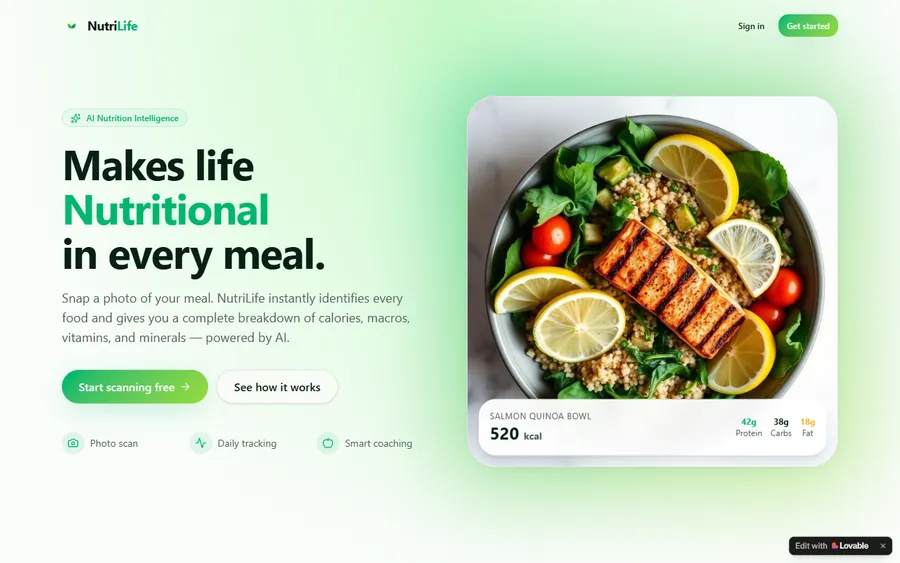
An AI nutrition coach that reads what you eat and works you toward a target.
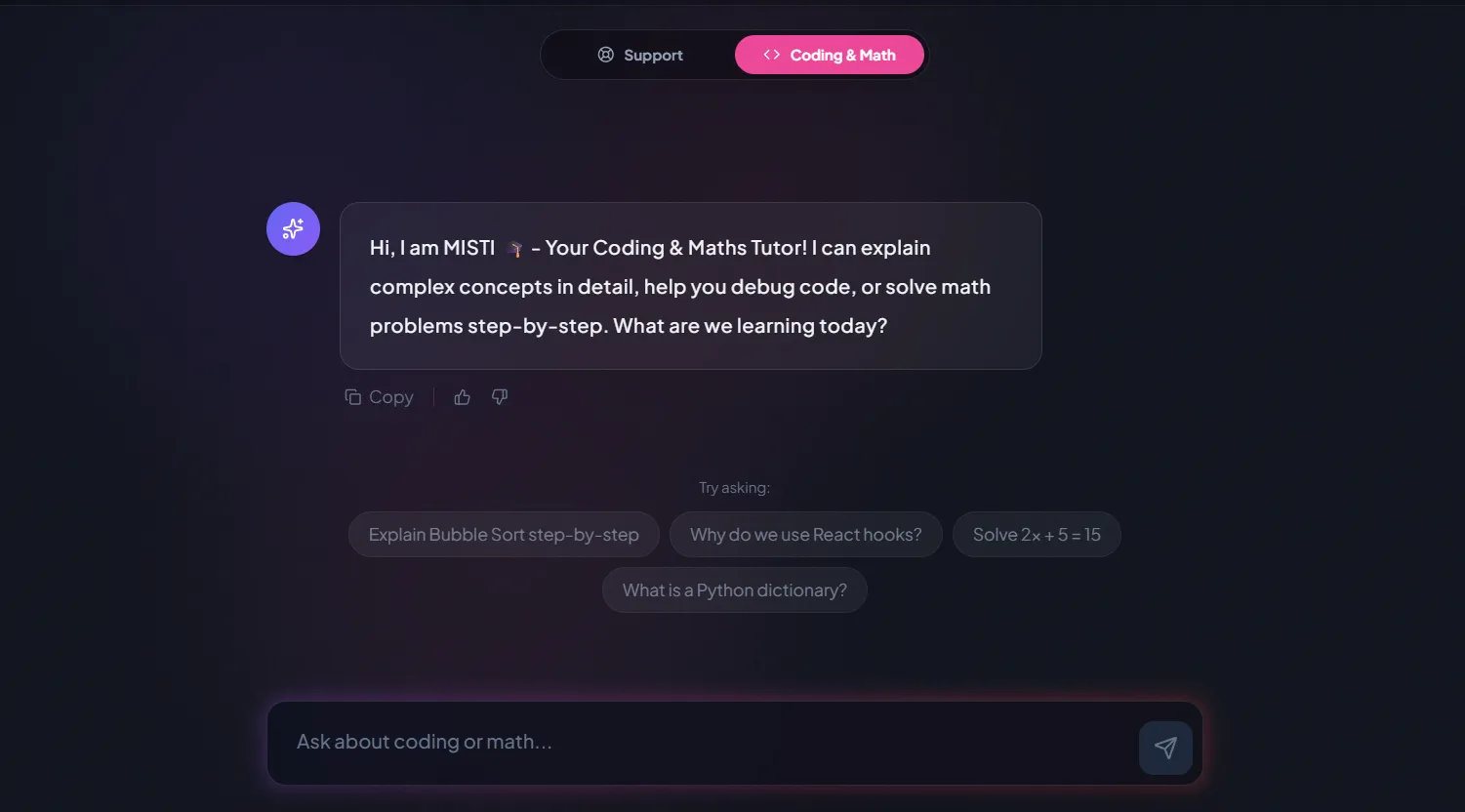
AI and ML
A chatbot that answers mathematics and programming questions, built and deployed by a student.
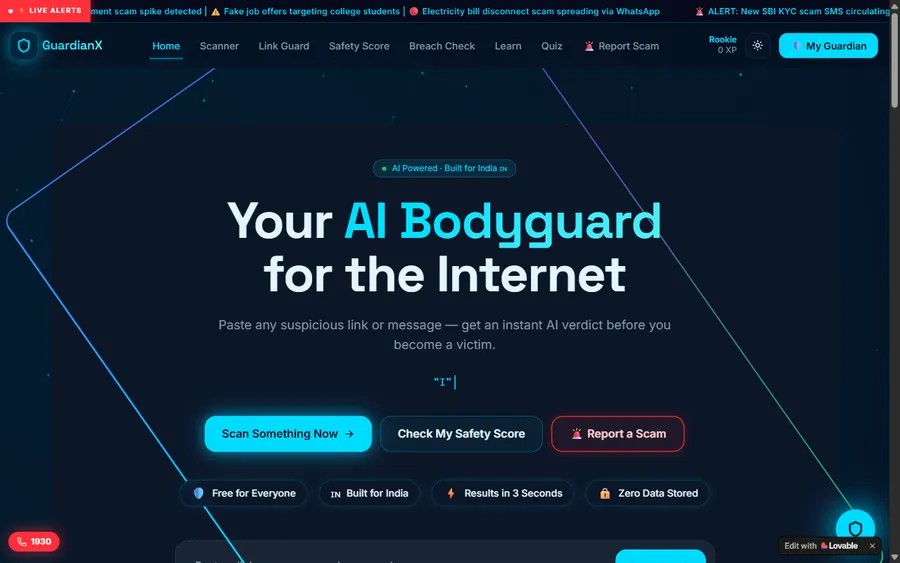
AI and ML
An assistant that helps a young person recognise unsafe situations online.
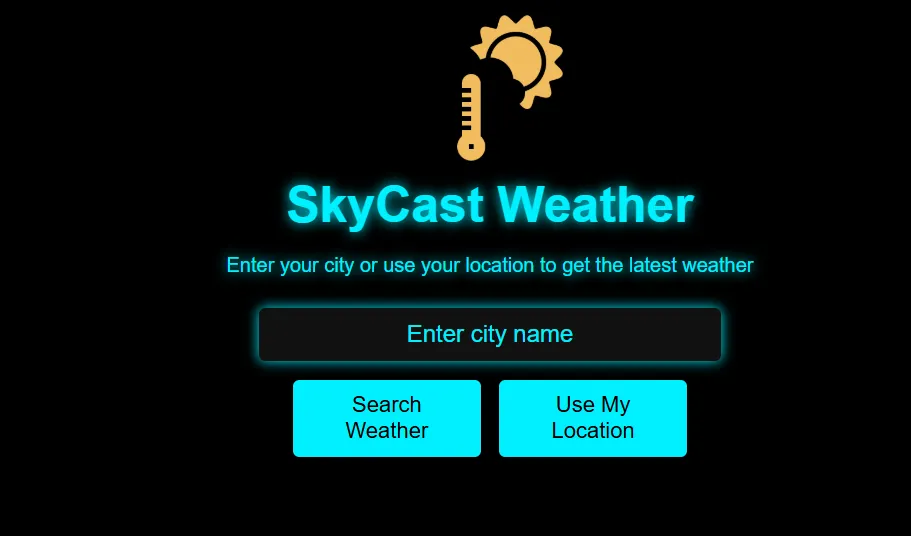
Web app
A weather forecasting site with live conditions for any location.
Fees
Monthly, in US dollars, at the same rates as every other country outside India. No separate Dutch price, no enrolment fee and no year-long contract.
Free first class
USD 0
no card required
Group batch
USD 100
a month, billed in US dollars
One to one
USD 150
a month, billed in US dollars
What families say
Reviews as parents and students posted them on Google. We do not write, change or pay for any of them.
★★★★★
"The one step solution for my son. Modern Age Coders make learning coding so simple that kids love it. The teachers explain complex concepts clearly with practical exercises and interactive content."
Ria Mukherjee
Parent
★★★★★
"Modern Age Coders has been a game-changer for me. I struggled to grasp IT concepts and coding before joining, but their classes transformed everything. I can now confidently write complex programs with ease."
Samriddha Mondal
Student
★★★★★
"One of the most wonderful education centres out there. Education is not limited to school syllabus but focuses on skill development."
Vansh Agarwal
Student
★★★★★
"My child Dhairya is really enjoying the Modern Age Coders classes. This is his first online class and he eagerly looks forward to it. I can already see his improvement, and the teachers are very cooperative."
Sonam Oswal
Parent of Dhairya
★★★★★
"Modern Age Coders have wonderful teachers who teach in a clear, easy and practical way. The teacher boosts students' confidence and inspires them to learn without hesitation."
Sonu Goyal
Parent
★★★★★
"I highly recommend this computer coding class! The teachers are incredibly knowledgeable and passionate about coding."
Ritu Kedia
Parent
Questions from Dutch parents
Yes, and the 2025 Dutch guidelines say healthy use is about more than minutes: balance, using media together and positive experiences. A coding lesson is active and creative, with a teacher present, and it needs no phone or social media account.
From six, around groep 3, with Scratch. Children usually move to typed Python from about nine, and some earlier if they are ready.
Not at all. Young children start with blocks, which need no typing. Typing comes later, when a child is ready for it.
Understanding them matters more than using them. Our AI literacy course teaches children from eight how these tools work, why they can be wrong and what never to type into them. Social media, which the Dutch guidelines advise waiting with until 15, plays no part in our lessons.
Many families slow down around the doorstroomtoets, which in 2027 falls between 25 January and 12 February, and pick up again afterwards. A place is kept during a pause.
No, in English. Children at Dutch schools usually manage well, because the programming words are English anyway and teachers keep instructions short and visual.
For the youngest, in the first few lessons, it helps. Older children usually prefer to work alone, and the teacher keeps them focused.
USD 100 a month for a place in a small group and USD 150 a month for one-to-one lessons, billed in US dollars, with no joining fee and no yearly contract. The first lesson is free.
After school or at the weekend, Dutch time. Teachers are three and a half hours ahead in summer and four and a half in winter, and the regular slot is agreed at the free lesson.
We call you at a Dutch hour to arrange the free lesson. Nothing is charged and nothing is booked until you have seen the lesson and decided.
Elsewhere on this site
Pages that go deeper into one subject or the next stage.
The next stage, from the brugklas to the exam year.
The block-based start, explained in detail.
How children can learn what AI is and how to use it safely.
Project ideas for children who have started typing code.
Where the route leads, from Python to building AI.
Every Dutch city and province page in one place.
Start here
Leave your number and we will call at a Dutch hour. The first lesson is taught by a real teacher, your child makes something real, and by the end we know where they should start.
Want to read more first? See the course list, how we teach, and the coding roadmap.
WhatsApp us · +91 91233 66161 · contact@modernagecoders.com
WhatsApp from a Dutch number is free and usually quickest. Our number is Indian; we have no office or premises in the Netherlands.