ICSE Computer Applications (Class 9-10)
A real Java course, taught in BlueJ and aligned to the current CISCE scheme, that ends in top marks in both the theory paper and the internal assessment, because your child can actually write programs, not just reproduce them.
Syllabus updated August 2026
Questions? WhatsApp +91 91233 66161 or email connect@modernagecoders.com
Recordings are free with a Google sign-in. These recordings show how we teach, not the exact syllabus of this course.
Fees and enrolment
How to join ICSE Computer Applications (Class 9-10): Java with BlueJ
Choose how you want to pay, pick a plan and press Enrol. We then fix your class timing with you.
Rated 4.9 across 547 Google reviews.
How would you like to pay?
Pay once for 6 months and save 20%. Same live classes, same mentor, a lower price for every session.
Group Classes
6 months · 48 sessions
One payment for all 6 months
- Paying monthly
₹1,499 × 6 months = ₹8,994- You save
- ₹1,795 (20%)
- Per session
- ₹150
₹187
2 sessions a week · 15 to 20 students
Stop early? Every session you have not taken is refunded at ₹150. Refund policy
Enrol for 6 monthsMini Batch
6 months · 48 sessions
One payment for all 6 months
- Paying monthly
₹2,999 × 6 months = ₹17,994- You save
- ₹3,595 (20%)
- Per session
- ₹300
₹375
2 sessions a week · Up to 6 students
Stop early? Every session you have not taken is refunded at ₹300. Refund policy
Enrol for 6 monthsHow your 6-month price works
- Sessions
- 24 one-to-one sessions over 6 months, fully flexible timing
- Price per session
- ₹1,000 instead of
₹1,250 - Your 6-month fee
- ₹1,000 × 24 sessions = ₹24,000
- Paying monthly instead
₹4,999 × 6 months = ₹29,994- You save
- ₹5,994 (20%)
Everything in the monthly 1-on-1 plan is included: your own mentor, flexible timing, personal dashboard, class recordings, progress reports and parent-teacher meetings.
Stop early? Every session you have not taken is refunded at ₹1,000. Refund policy
Pay once for 6 months and save 25%. Same live classes, same mentor, a lower price for every session.
Group Classes
6 months · 48 sessions
One payment for all 6 months
- Paying monthly
$100 × 6 months = $600- You save
- $151 (25%)
- Per session
- $9.35
$12.50
2 sessions a week · 15 to 20 students
Stop early? Every session you have not taken is refunded at $9.35. Refund policy
Enrol for 6 monthsHow your 6-month price works
- Sessions
- 48 one-to-one sessions over 6 months, 2 sessions a week
- Price per session
- $14 instead of
$18.75 - Your 6-month fee
- $14 × 48 sessions = $672
- Paying monthly instead
$150 × 6 months = $900- You save
- $228 (25%)
Everything in the monthly 1-on-1 plan is included: your own mentor, flexible timing, personal dashboard, class recordings, progress reports and parent-teacher meetings.
Stop early? Every session you have not taken is refunded at $14. Refund policy
Pay once for 6 months and save 25%. Same live classes, same mentor, a lower price for every session.
Group Classes
6 months · 48 sessions
One payment for all 6 months
- Paying monthly
$140 × 6 months = $840- You save
- $211 (25%)
- Per session
- $13.10
$17.50
2 sessions a week · 15 to 20 students
Stop early? Every session you have not taken is refunded at $13.10. Refund policy
Enrol for 6 monthsHow your 6-month price works
- Sessions
- 48 one-to-one sessions over 6 months, 2 sessions a week
- Price per session
- $19.60 instead of
$26.25 - Your 6-month fee
- $941
- Paying monthly instead
$210 × 6 months = $1,260- You save
- $319 (25%)
Everything in the monthly 1-on-1 plan is included: your own mentor, flexible timing, personal dashboard, class recordings, progress reports and parent-teacher meetings.
Stop early? Every session you have not taken is refunded at $19.60. Refund policy
How enrolment works
Pick a plan
Group (15 to 20 students), Mini Batch (up to 6, India only) or 1-on-1 with your own mentor. Pay monthly, or for 6 months at once and save.
Press Enrol and pay
Fill in the student's name, email and phone, then pay securely: UPI, cards or net banking in India, or a debit or credit card from any other country.
Fix your class timing
After paying, WhatsApp or call +91 91233 66161 with the student's name and your preferred time. We confirm the batch or 1-on-1 slot and send the class link.
Start learning
Join your first live class at the time you chose. Your mentor takes it from there.
Want to see a class first? Book a Priority Demo: a live class of about 45 to 60 minutes with a mentor reserved for you. If you enrol, the demo fee is adjusted against your first month's fee. Share your demo Order ID with us on WhatsApp and we take it off.
Pay monthly and cancel any time, or pay for 6 months at once and save. Stop a 6-month plan early and every session left is refunded.
International Students (Outside India)
Billed monthly in US dollars, the same price in every country. Contact us with any questions.
Questions before you enrol? Talk to our team.
Ask about class timings, the right level for your child, what they need to know already, or payment. Parents and adult learners can reach us on WhatsApp, by email or by phone.
Our promise
The world's best learning experience, open to everyone.
- World-class instructorsEvery class is taught by an instructor who specialises in that exact field.
- No compromise on qualityEvery lesson, project and piece of feedback is held to the highest standard.
- Education for everyoneLearners aged 6 to 67, from first-time beginners to working professionals, in 25+ countries.
If you want the highest quality, Modern Age Coders is the right choice.
Book a Priority DemoHow long this course takes
This course runs Class 9 and 10 board program, monthly enrolment at 2 live classes/week + weekly BlueJ practice. The range allows for background and pace: a complete beginner uses the full span, and a student with prior knowledge finishes sooner. The syllabus below is planned to the shorter end, with margin kept for revision.
For personalised duration planning, call +91 91233 66161 and we'll map a schedule to your goals.
At a glance
- Who it is for
- ICSE Class 9 and 10 students taking Computer Applications; taught from the basics, no prior coding required.
- Prerequisites
- None. The course starts from the beginning.
- Format
- Live, interactive online classes with a real mentor, never pre-recorded videos. Live classes run about one hour.
- Language
- English or Hindi, depending on the batch.
- Duration
- Class 9 and 10 board program, monthly enrolment
- Weekly commitment
- 2 live classes/week + weekly BlueJ practice
- Class size
- Group batches of 15 to 20 students, mini batches of up to 6, or 1-on-1.
- Certificate
- Certificate from Modern Age Coders, awarded on passing the final assessment
- Watch first
- Free recordings of real classes for ages 13 and up, free with a Google sign-in. These recordings show how we teach, not the exact syllabus of this course.
- Live demo
- Optional. Enrol directly on this page, or book a Priority Demo: a full live class of about 45 to 60 minutes with a mentor reserved for you.
- Questions
- WhatsApp +91 91233 66161 or email connect@modernagecoders.com.
How we teach
Deep understanding. Real projects. Expert guidance.
Learn coding, AI and maths through careful explanations, practical demonstrations, and hands-on problem-solving. Our instructors guide you from the foundations to advanced ideas, helping you understand what happens, why it happens, and how to build it yourself.
You will explore concepts step by step, write and improve code, investigate mistakes, ask questions, and apply your knowledge to meaningful projects. Lessons are designed around active participation, thoughtful feedback, and growing independence.
Expert-led live teaching, with practical participation built into every lesson.
- Students explain their thinking.
- Instructors demonstrate, then guide practice.
- Learners code, solve, or build during lessons.
- Questions and misconceptions get attention.
- Assignments receive useful feedback.
- Progress is checked before advancing.
Program Overview
ICSE Computer Applications is taught in Java using the BlueJ environment, and it is the subject where students who genuinely understand code pull away from the ones who memorise programs. This course treats it as a real first programming course, because that is exactly what it is: your child leaves able to write Java, read an error, and solve a problem they have not seen before, which is what the board paper actually asks for.
It is also taught to the scheme as it stands now. CISCE marks Computer Applications on a 100 plus 100 basis, unlike the usual 80 plus 20: a 100-mark external theory paper and a 100-mark internal assessment made up of practical lab work and a written project on Disruptive Technologies. Many students lose easy marks on the internal assessment simply because nobody prepared them for it, so we treat both halves seriously from day one.
The programme follows the ICSE Class 9 and 10 Computer Applications syllabus in order. It begins with object-oriented thinking and Java from nothing, moves through conditionals, loops and nested loops, then into the Class 10 core: classes as the basis of computation, user-defined methods, constructors, the library and wrapper classes, encapsulation, single and double dimensional arrays, and string handling. Alongside the theory, every student builds a proper practical file of at least fifteen BlueJ assignments and the Disruptive Technologies project, and drills the two-section board paper until earning marks is a habit. Every class is live and small, and every concept is practised by writing code in BlueJ, because that is the only way this subject is ever actually learned.
What Makes This Program Different
- Aligned to the current CISCE 100 plus 100 scheme: a 100-mark theory paper and a 100-mark internal assessment, so we prepare your child for both halves, not just the written exam most classes stop at
- Taught in BlueJ (version 5.4.2 or higher on JDK 11 or higher), the exact environment used in school and the board practical exam, so nothing on exam day is unfamiliar
- The internal assessment is taken seriously: your child builds a real practical file of at least fifteen lab assignments plus the written project on Disruptive Technologies, worth a full 100 marks
- A real Java course, not rote learning: students stop memorising programs and start writing their own, which is exactly what Section B of the paper rewards
- Board paper technique drilled directly: the compulsory Section A short answers and the answer-any-four programs of Section B, practised against real board-style questions
- Live, small batches where your child writes code during class and gets it reviewed, not lecture videos watched alone
Your Learning Journey
Career Progression
Detailed Course Curriculum
Explore the complete week-by-week breakdown of what you'll learn in this comprehensive program.
Topics Covered
- What object-oriented programming means: objects, classes, and why Java is built around them
- The principles behind OOP the syllabus names: abstraction, encapsulation, inheritance and polymorphism, explained in plain language
- Setting up BlueJ (version 5.4.2 or higher on JDK 11 or higher), the exact tool used in school and the board practical
- The anatomy of a Java program: class, main method, statements and semicolons
- The compile-and-run cycle in BlueJ, and reading your first error messages without fear
Projects You Build
- First BlueJ program: create a class, compile it, and run a method that prints a short formatted output
Practice & Assignments
8 short exercises creating and running simple classes in BlueJ, reading each error message and fixing it
Topics Covered
- Objects as instances of a class, and the class as a blueprint, with real everyday analogies
- Java's primitive data types: int, double, char, boolean and the rest, and when each is used
- Literals, identifiers, keywords and the rules for naming, exactly as the paper expects
- Type size, range and the difference between primitive and reference types
- Variables, initialisation, and Unicode and ASCII as the syllabus requires
Projects You Build
- A class that stores and prints details using the correct data type for each field
Practice & Assignments
10 questions classifying data types and choosing the right type for a given value, board-question style
Assessment
A short written check on OOP terms and data types, marked in the board's short-answer style
Topics Covered
- Arithmetic, relational, logical and assignment operators, and operator precedence
- Increment and decrement, prefix versus postfix, a classic board trap
- Type conversion: implicit widening and explicit casting, and integer versus real division
- The conditional (ternary) operator and evaluating mixed expressions by hand
- Tracing expressions on paper the way Section A questions demand
Projects You Build
- A simple calculator class that applies each operator and prints the result
Practice & Assignments
12 expression-evaluation questions, predicted on paper then checked in BlueJ
Topics Covered
- Taking input with the Scanner class, the standard the syllabus uses
- Reading int, double, char and String input cleanly
- The Math library: pow, sqrt, abs, max, min, round, ceil, floor and random
- Combining input and Math methods to solve real formulae
- Common Math-method questions exactly as they appear in the paper
Projects You Build
- A program that reads values and computes results such as area, simple interest and the roots of a quadratic using Math methods
Practice & Assignments
10 input-and-compute programs, each written and run in BlueJ
Assessment
A timed set on operators, expressions and Math methods, scored in the board's style
Topics Covered
- The if, if-else and if-else-if ladder, and choosing the right form
- Nested if statements and how to keep them readable
- Boolean conditions built from relational and logical operators
- Dry-running a decision program by hand to predict its output
- Menu-style decision problems as the paper frames them
Projects You Build
- A program that classifies input, for example grade from marks or category from a value, using an if-else-if ladder
Practice & Assignments
10 decision programs, each dry-run on paper first then verified in BlueJ
Topics Covered
- The switch-case statement and when it beats an if-else-if ladder
- The role of break, and the fall-through behaviour when it is missing, a favourite board trap
- The default case and valid switch expression types
- Converting between switch and if-else forms both ways
- Menu-driven programs using switch, exactly as asked in Section B
Projects You Build
- A menu-driven program, for example a units converter or a simple arithmetic menu, built with switch-case
Practice & Assignments
8 switch-case programs including deliberate missing-break tracing questions
Assessment
A timed check on conditionals covering both if-else and switch, board style
Topics Covered
- The for, while and do-while loops and how to convert one into another
- Loop control: initialisation, condition and update, and off-by-one errors
- The entry-controlled versus exit-controlled distinction the paper asks about
- Classic loop programs: sum of a series, factorial, counting digits, reversing a number
- Predicting how many times a loop runs, a common Section A question
Projects You Build
- A program producing a series result, for example the sum of a series, factorial, or checking a number for a property
Practice & Assignments
12 loop programs, each written three ways with for, while and do-while to build fluency
Topics Covered
- Nested for loops and how the inner loop runs fully for each outer step
- Number and star pattern programs, a guaranteed source of Section B marks
- Prime, palindrome, Armstrong and similar number-property programs
- Tracing nested loops on paper to predict the exact output
- Structuring a longer program cleanly so it earns full marks
Projects You Build
- A pattern-printing program and a number-property checker, both built with nested loops
Practice & Assignments
10 nested-loop and pattern programs at board difficulty
Assessment
End-of-phase test: a Section-A-style short-answer set plus two Section-B-style programs, scored on the board rubric
Topics Covered
- Revisiting objects and classes as the foundation of everything in Class 10
- Instance variables and methods, and the state and behaviour of an object
- Access specifiers: private, public and protected, and why they matter
- Creating objects and calling methods, and the role of the main method
- Reading a full class definition the way a Section B question presents it
Projects You Build
- A complete class, for example a Student or BankAccount, with fields and methods, created and used from main
Practice & Assignments
8 exercises writing and using small classes in BlueJ
Topics Covered
- Declaring methods: return type, name, parameters and body
- Parameters and arguments, and returning a value versus void
- Pure and impure methods, and call by value as the syllabus frames it
- Method overloading and how the compiler picks a version
- The static keyword and the difference between static and instance methods
Projects You Build
- A class with several overloaded and value-returning methods, each tested from main
Practice & Assignments
10 method-writing questions, including overloading and pure-versus-impure identification
Topics Covered
- What a constructor is and how it differs from a method
- Default, parameterised and copy constructors
- Constructor overloading and choosing the right one at object creation
- How constructors initialise object state cleanly
- Constructor questions exactly as the board asks them
Projects You Build
- A class with default, parameterised and copy constructors, demonstrated by creating objects several ways
Practice & Assignments
8 constructor programs and a set of spot-the-difference method-versus-constructor questions
Assessment
A timed check on classes, methods and constructors, marked on the board rubric
Topics Covered
- Encapsulation: private fields with public accessor and mutator methods
- Why data hiding protects an object and earns design marks
- Designing a class so its methods fully control its state
- Reading and completing a partially written class, a common Section B format
- Good naming and structure that make a program easy to mark
Projects You Build
- An encapsulated class with private fields and get and set methods, used safely from outside
Practice & Assignments
8 class-completion questions in the board's fill-in-the-method style
Topics Covered
- What the Java library provides and why we do not reinvent it
- Wrapper classes: Integer, Double, Character and the rest, and why they exist
- Autoboxing and unboxing in plain terms
- Converting between primitive types and their wrapper objects
- Parsing a String to a number with parseInt and parseDouble
Projects You Build
- A program that reads numeric text input, parses it with wrapper methods, and computes a result
Practice & Assignments
8 wrapper-class and parsing questions in board format
Topics Covered
- The char type, and ASCII and Unicode values
- Character methods: isDigit, isLetter, isUpperCase, isLowerCase, toUpperCase, toLowerCase
- Converting characters to and from their integer codes
- Counting vowels, consonants, digits and spaces, a classic program
- Character-based Section A questions and how to answer them precisely
Projects You Build
- A program that scans text and reports counts of vowels, consonants, digits and other characters
Practice & Assignments
10 character-method programs and code-value tracing questions
Assessment
A timed set on library, wrapper and character methods, board style
Topics Covered
- The internal assessment: how the 100 practical marks are actually earned
- What makes a good lab assignment: clear design, correct implementation and testing
- Writing assignments that each demonstrate a theory concept, as CISCE requires
- Documenting a program properly: purpose, variable description and output
- Starting the required set of at least fifteen assignments for the year
Projects You Build
- The first several formal BlueJ lab assignments, written up to internal-assessment standard
Practice & Assignments
Assignment write-ups reviewed and corrected to the standard a school and CISCE expect
Topics Covered
- The written project on Disruptive Technologies that carries part of the internal assessment
- Choosing a genuine topic, for example AI, blockchain, IoT or robotics
- Structuring the project: what it is, how it works, and its real-world impact
- Writing in the student's own words, honestly and clearly, not copied
- Presenting the project so it earns full internal-assessment marks
Projects You Build
- A complete, well-structured written project on a chosen disruptive technology
Practice & Assignments
Draft, review and finalise the project to internal-assessment standard
Assessment
End-of-phase test: a mixed Section-A and Section-B paper plus a practical-file review
Topics Covered
- Declaring, creating and initialising a single dimensional array
- Traversing an array with a loop, and reading and printing elements
- Finding the sum, maximum, minimum and average of an array
- Linear search and simple frequency counting
- Array questions exactly as Section B presents them
Projects You Build
- A program that reads a set of values into an array and reports statistics and a searched value
Practice & Assignments
10 single-dimensional-array programs at board difficulty
Topics Covered
- Bubble sort and selection sort, the two the syllabus expects, step by step
- Binary search on a sorted array and why order matters
- Tracing a sort or search pass by pass, a common Section A question
- Choosing the right technique for a given problem
- Writing a full sort-or-search program cleanly for maximum marks
Projects You Build
- A program that sorts an array with bubble or selection sort, then binary-searches it
Practice & Assignments
8 sorting and searching programs, plus pass-by-pass tracing questions
Topics Covered
- Declaring and using a two dimensional array as rows and columns
- Nested loops to fill, read and print a matrix
- Row sums, column sums, and the diagonal of a square matrix
- Common matrix programs the paper sets
- Keeping a two-dimensional program readable so it earns full marks
Projects You Build
- A matrix program that fills a two dimensional array and reports row, column and diagonal totals
Practice & Assignments
8 double-dimensional-array programs
Topics Covered
- The String class and common methods: length, charAt, substring, indexOf, equals and compareTo
- toUpperCase, toLowerCase, trim, replace and concatenation
- Reversing a string, checking a palindrome, and counting words
- Comparing strings correctly, equals versus the double-equals trap
- String programs exactly as Section B frames them
Projects You Build
- A text program that reverses input, checks for a palindrome, and counts words and characters
Practice & Assignments
10 string-handling programs at board difficulty
Assessment
A timed set covering arrays and strings, scored on the board rubric
Topics Covered
- How the 100-mark theory paper is structured across its two sections
- Section A: the compulsory short-answer questions and how to earn every mark
- Precise definitions, output prediction and one-line answers the way examiners want them
- Common Section A traps: operator precedence, missing break, loop counts and casting
- Timing Section A so Section B gets the minutes it needs
Projects You Build
- A full Section A attempt under time, then a question-by-question review
Practice & Assignments
Two timed Section A sets, each fully reviewed with every miss tagged by cause
Topics Covered
- Section B: answering any four of the program questions, and choosing the right four
- Structuring a full program answer so partial marks are never lost
- Writing clean, commented code by hand under exam conditions
- Handling the class-design, array and string programs that recur every year
- Checking a written program for the small errors that cost marks
Projects You Build
- A full Section B attempt of four hand-written programs, marked on the official rubric
Practice & Assignments
Timed Section B sets across class, array and string program types
Topics Covered
- How the school and board practical works in BlueJ, and what is expected
- Writing, compiling, testing and correcting a program under time in BlueJ
- Finalising the practical file of at least fifteen assignments and the project
- Reading a practical problem correctly and planning before coding
- Debugging calmly when a program does not compile the first time
Projects You Build
- A full mock practical: solve an unseen problem end to end in BlueJ under exam time
Practice & Assignments
Repeated timed BlueJ practicals on unseen problems, each reviewed
Assessment
A complete mock practical scored like the real one, with the practical file signed off
Topics Covered
- Full-length timed mock theory papers under real conditions
- Turning the error log from every mock into a focused revision plan
- Locking in the recurring high-mark programs so they are automatic
- A calm, tested routine for both the theory paper and the practical
- A clear, honest read on the target grade and the final push to reach it
Projects You Build
- Two full mock board papers, each fully reviewed and converted into a revision list
Practice & Assignments
Repeated full mocks until pacing and accuracy are consistent
Assessment
Final full mock board paper, scored and benchmarked against the target grade
Projects You'll Build
Build a professional portfolio with 50+ projects real-world projects.
Weekly Learning Structure
Certification & Recognition
Technologies & Skills You'll Master
Comprehensive coverage of the entire modern web development stack.
Career Outcomes & Opportunities
Transform your career with industry-ready skills and job placement support.
Prerequisites
Who Is This Course For?
Career Paths After Completion
Course Guarantees
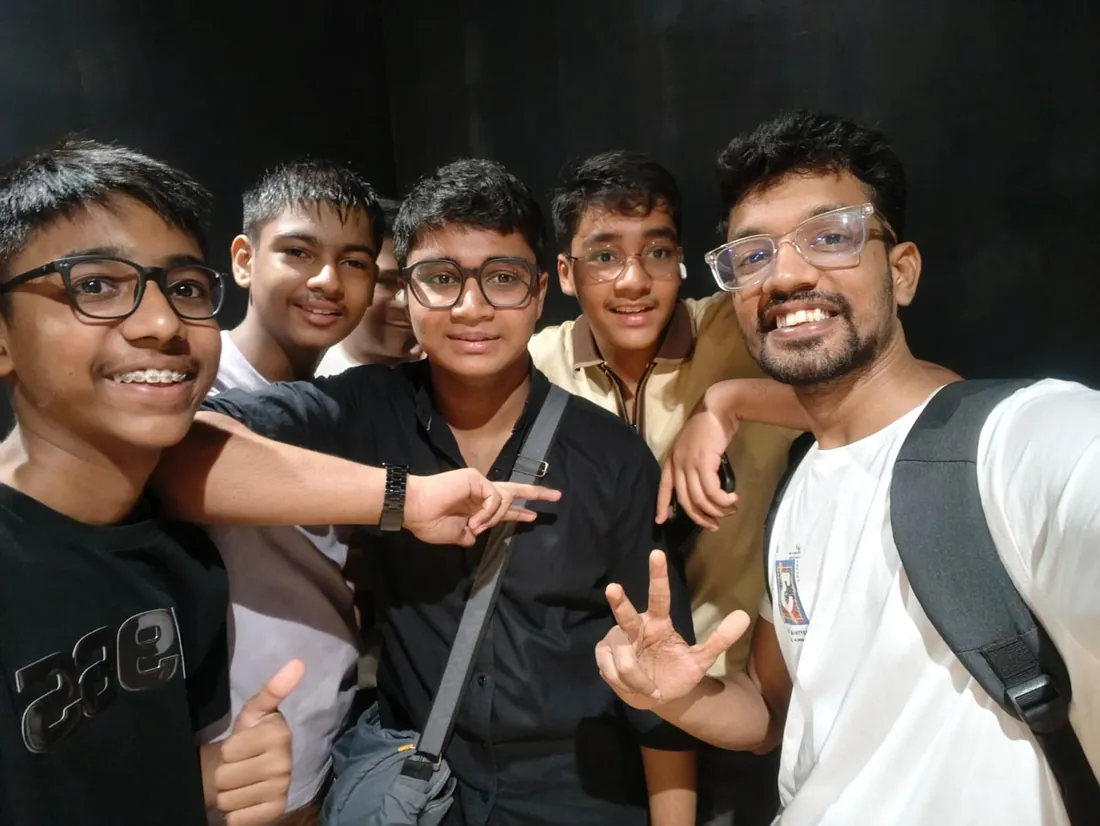
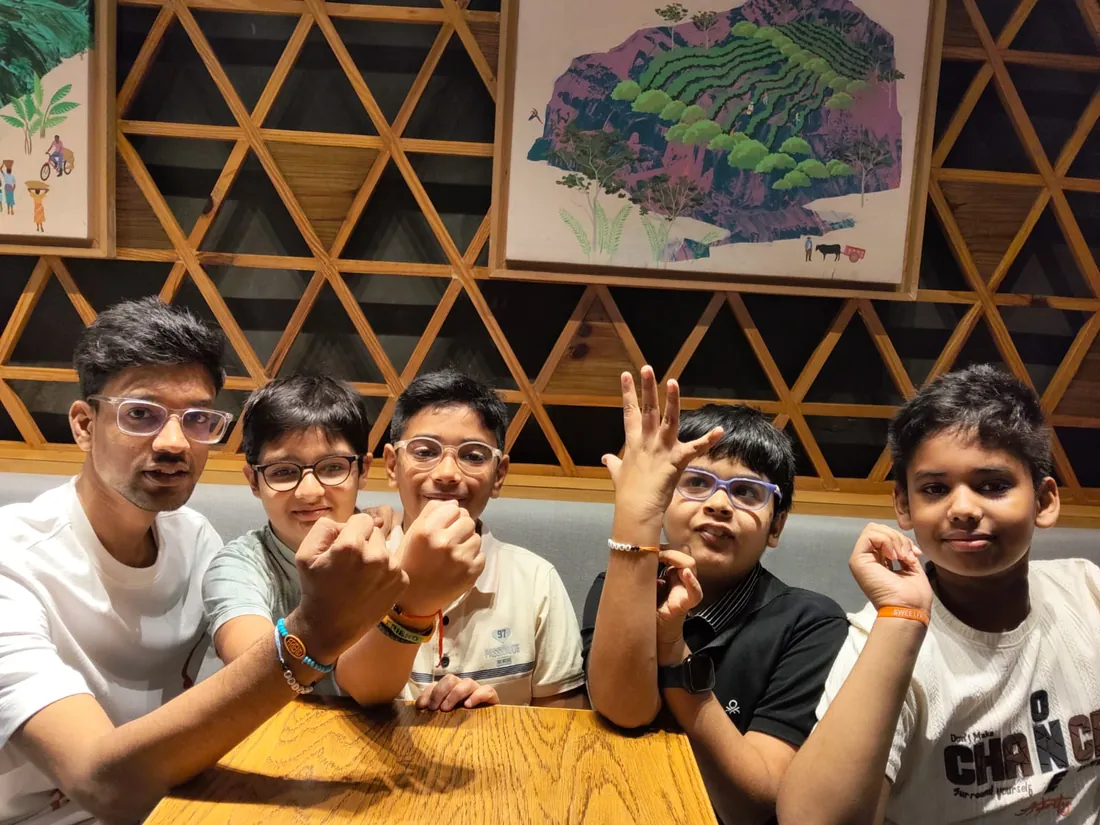
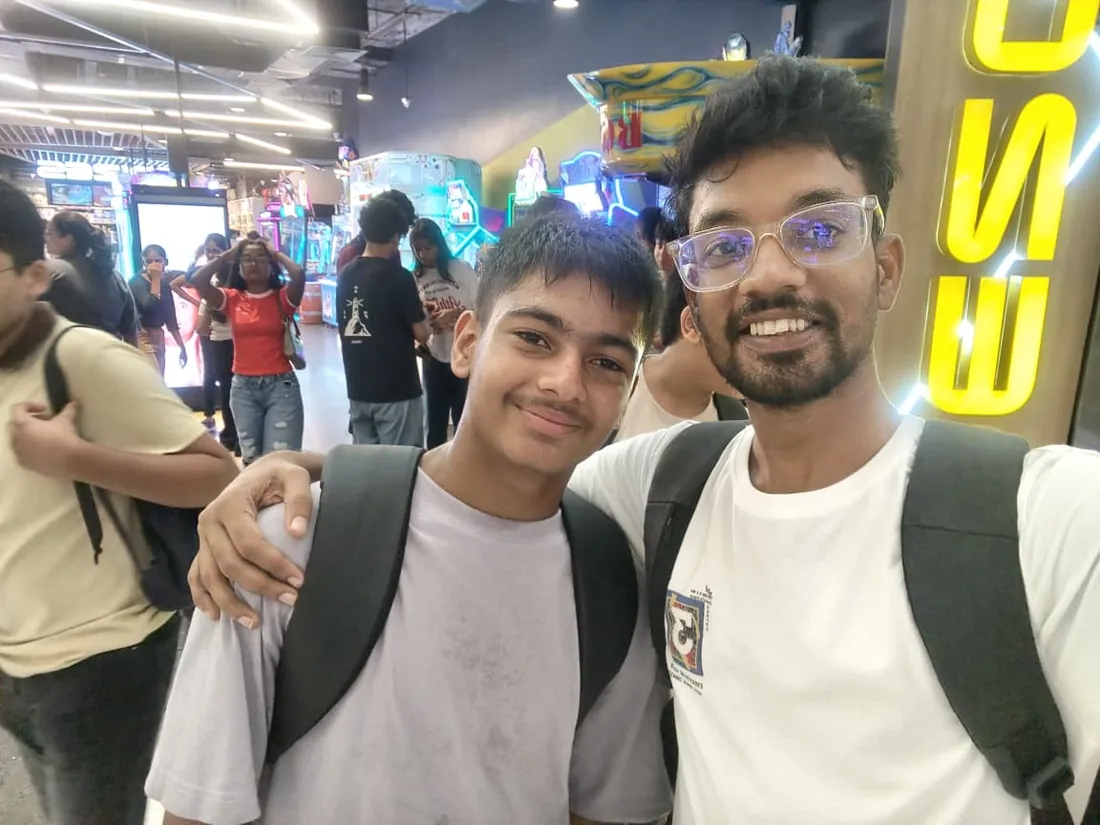
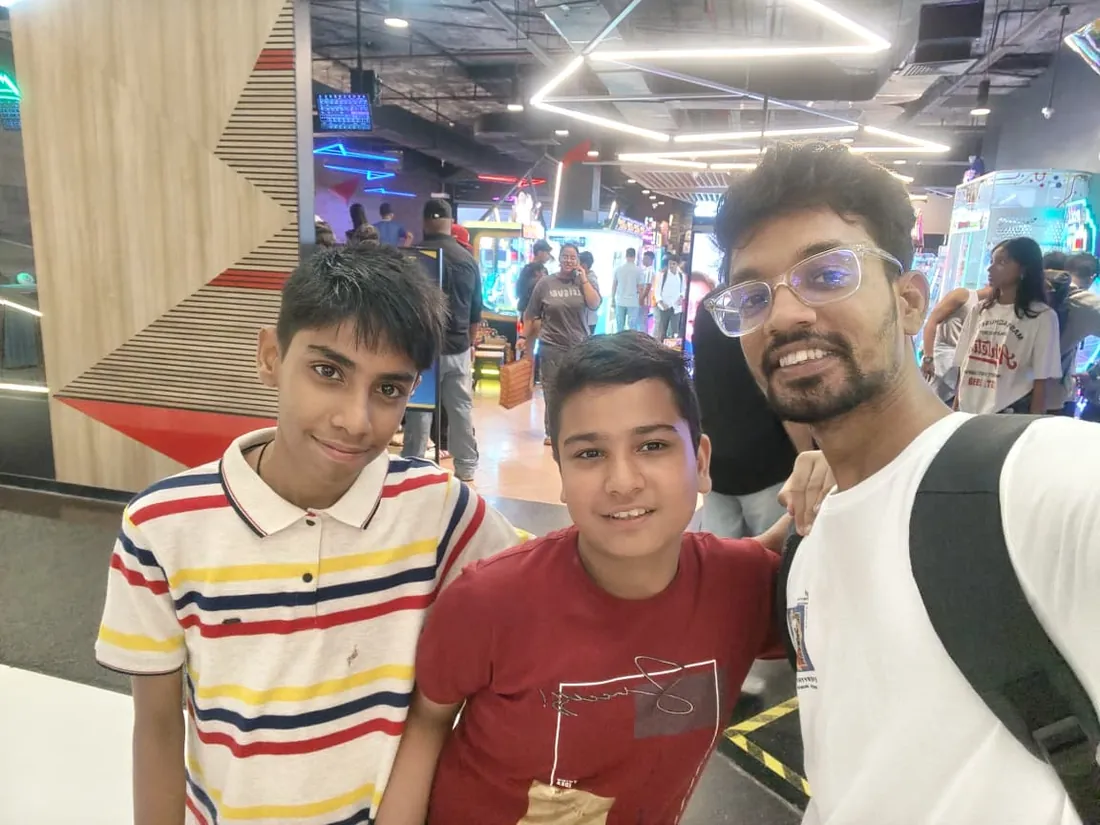
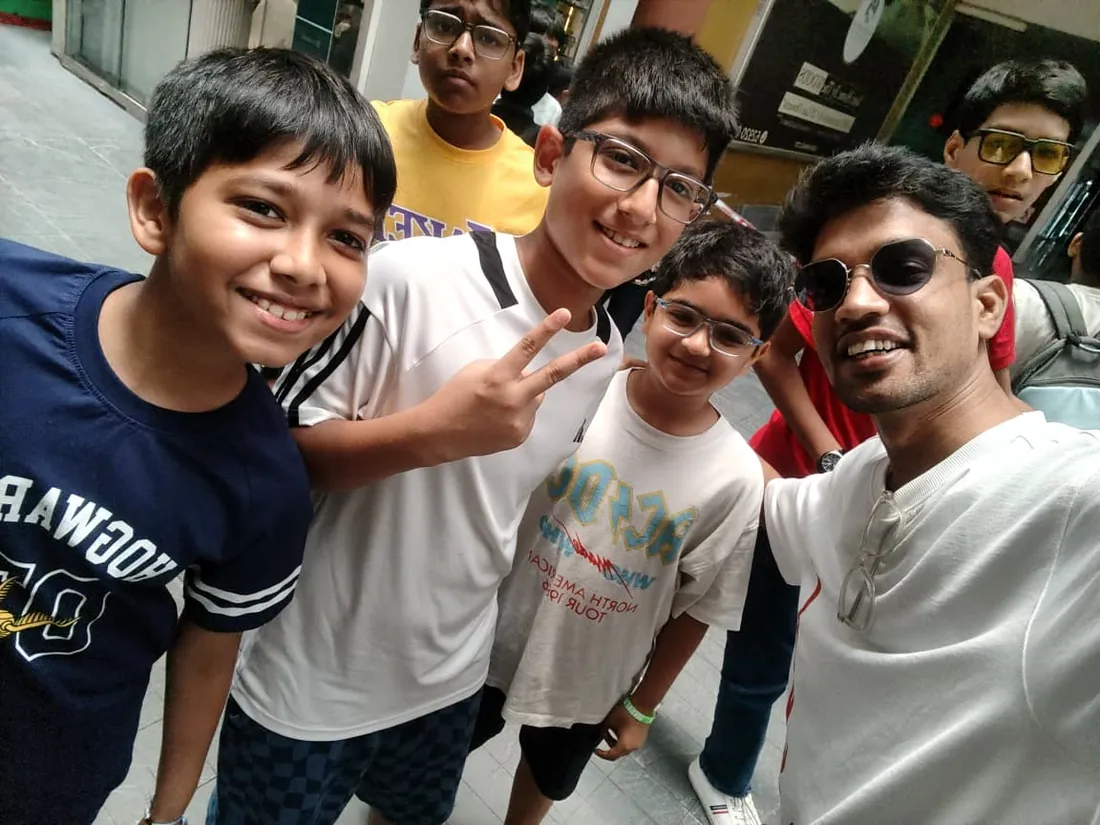
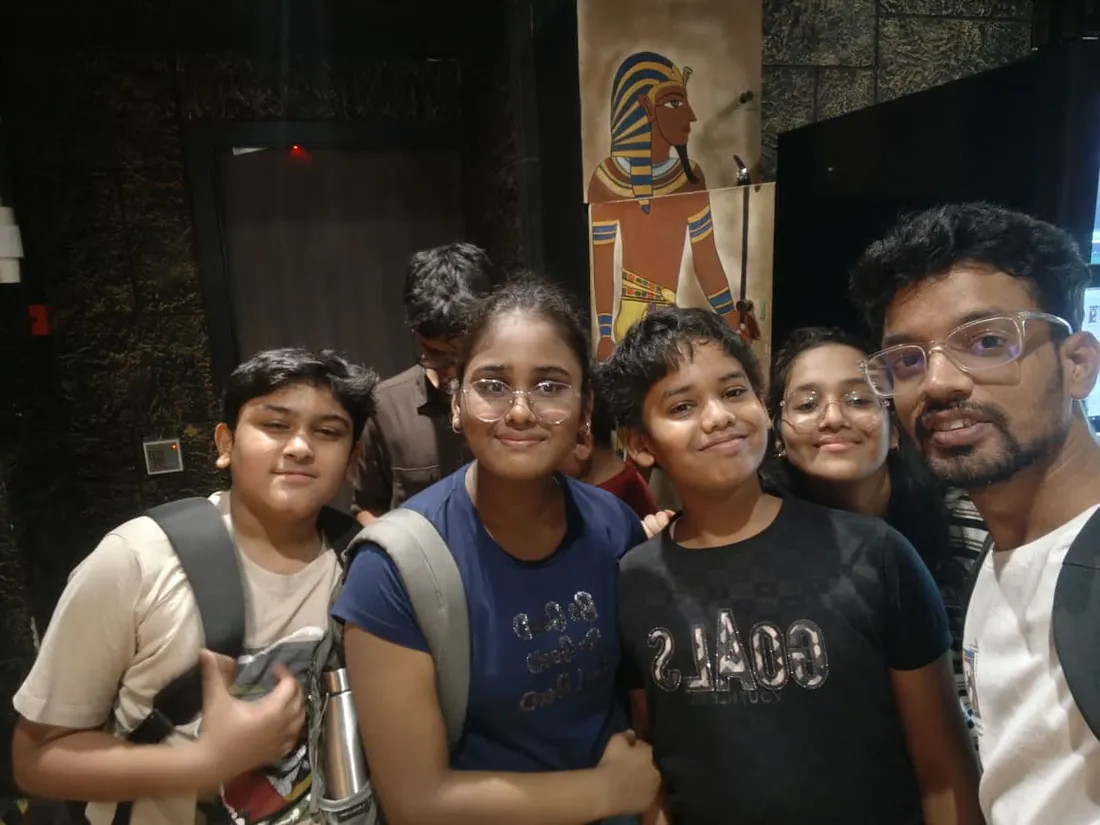
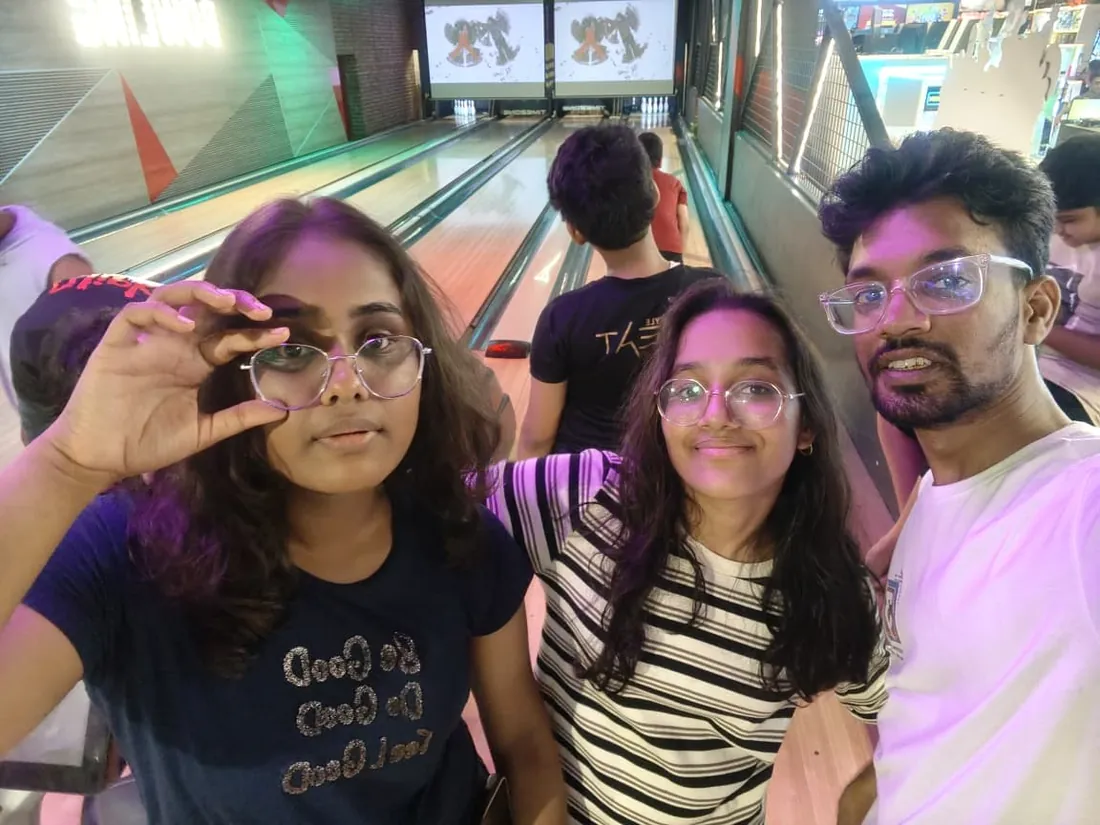
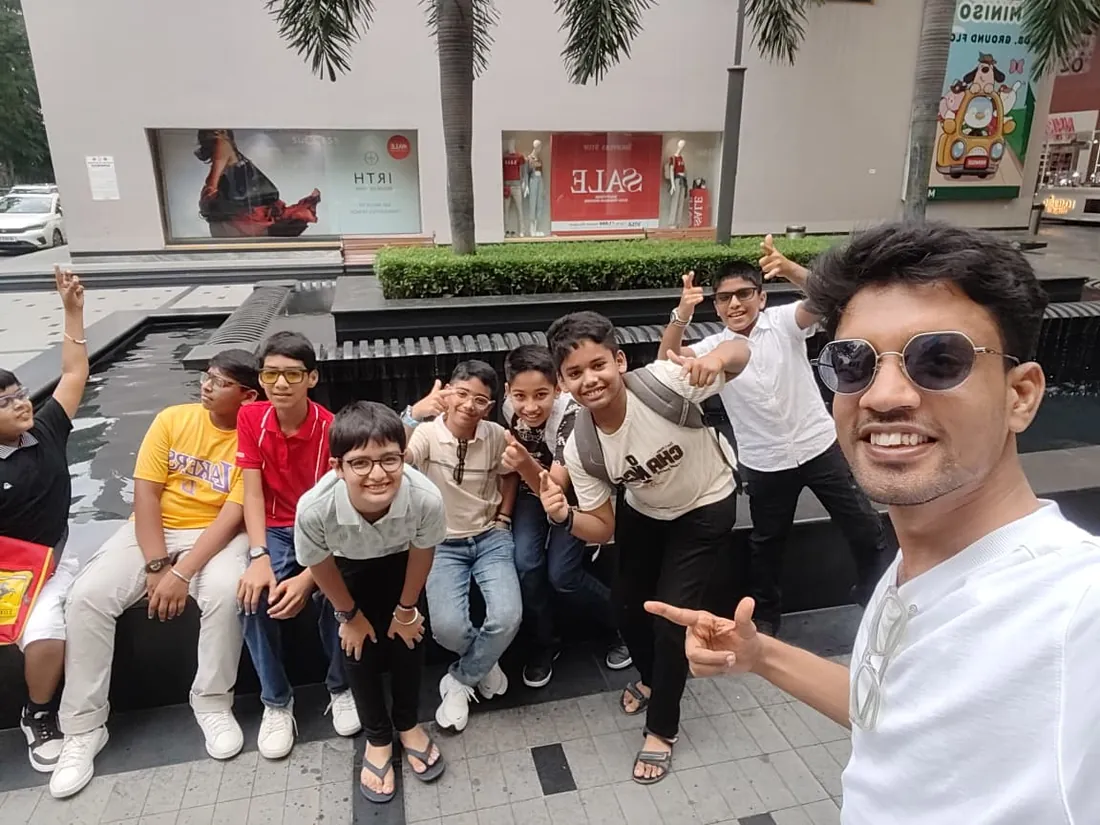
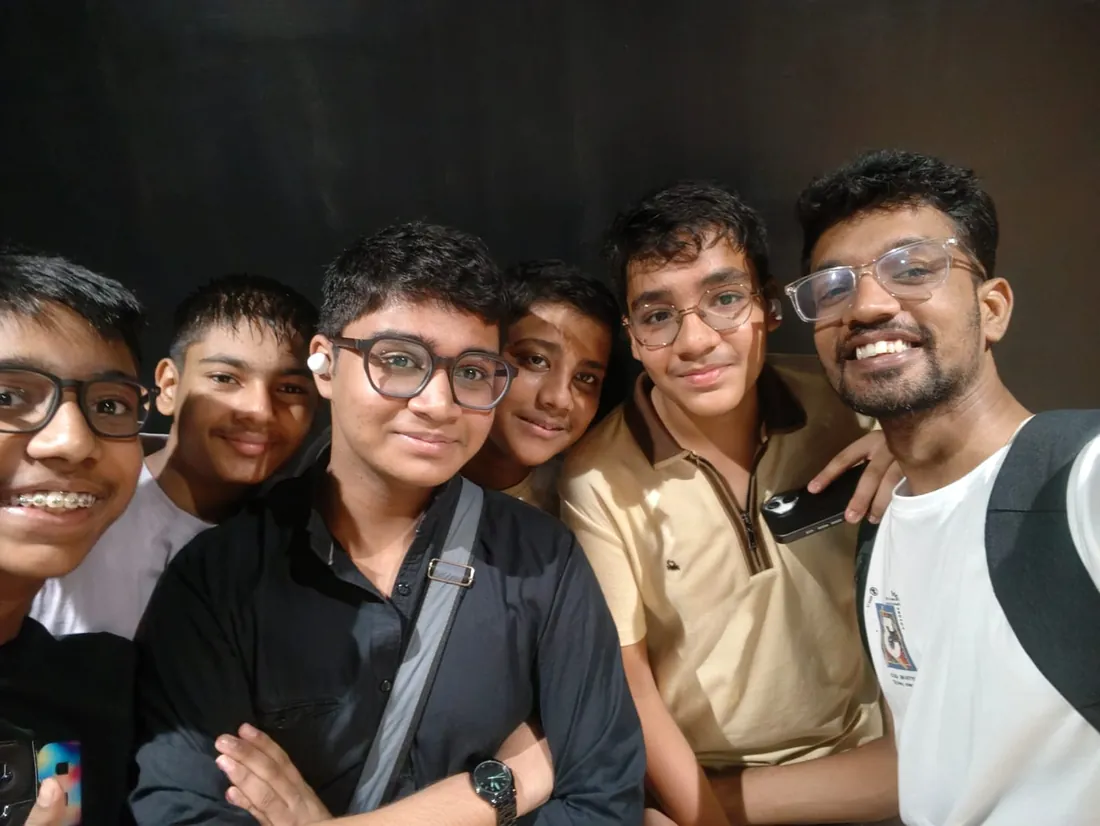
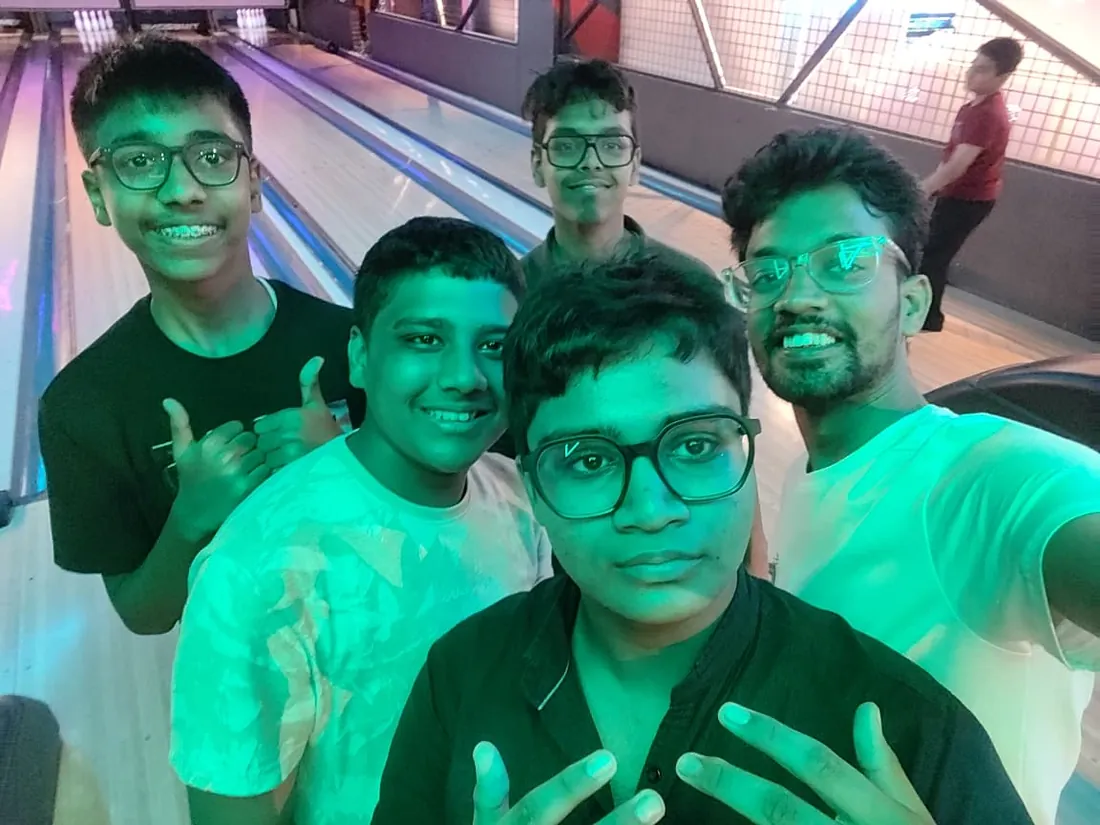
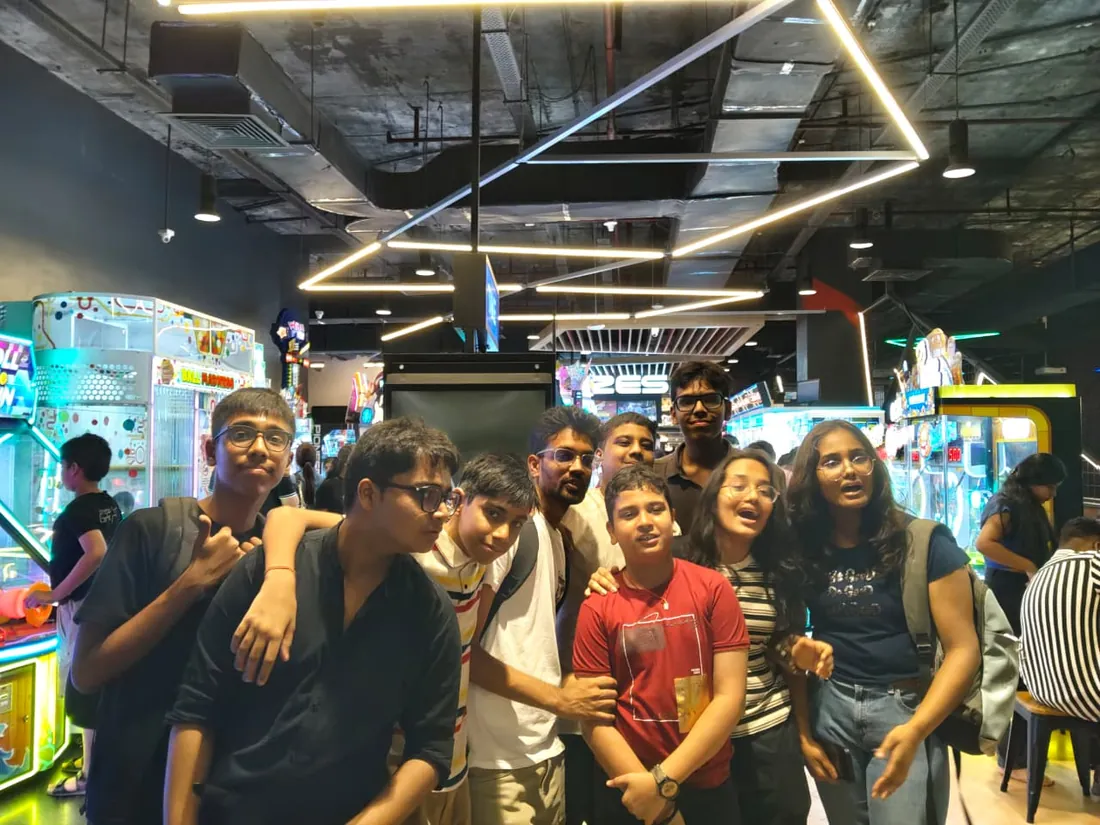
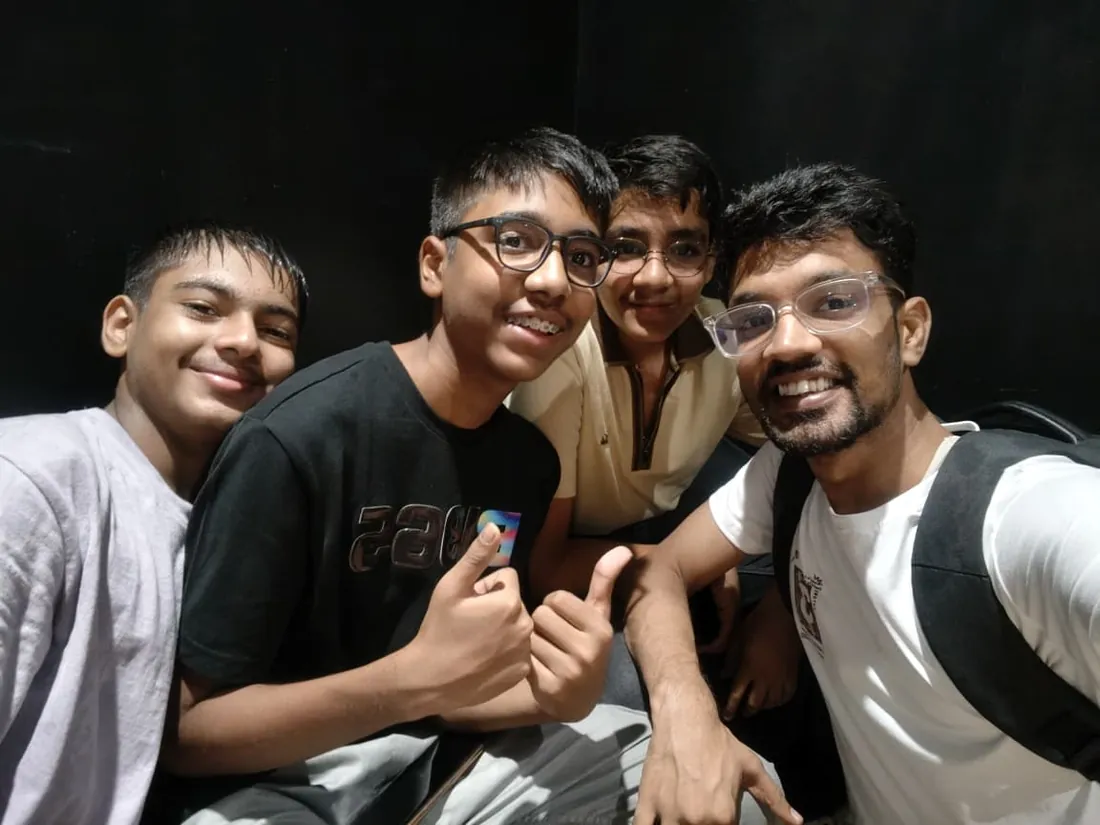
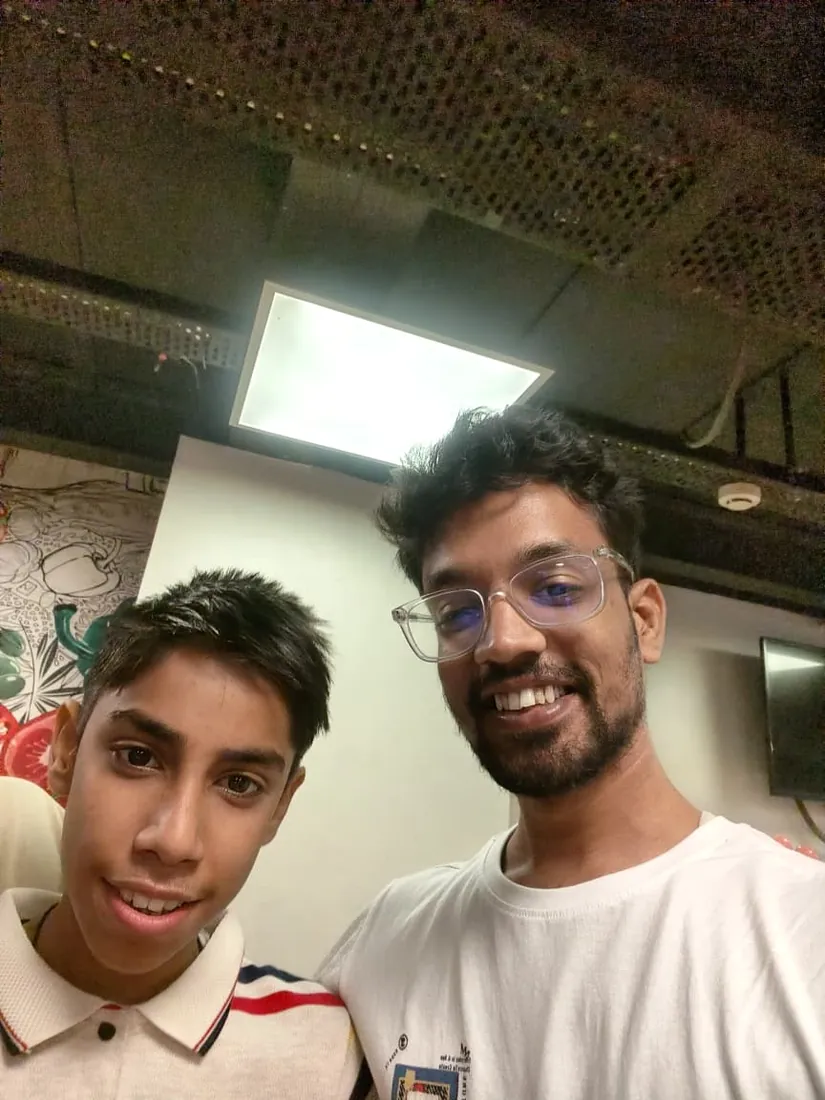
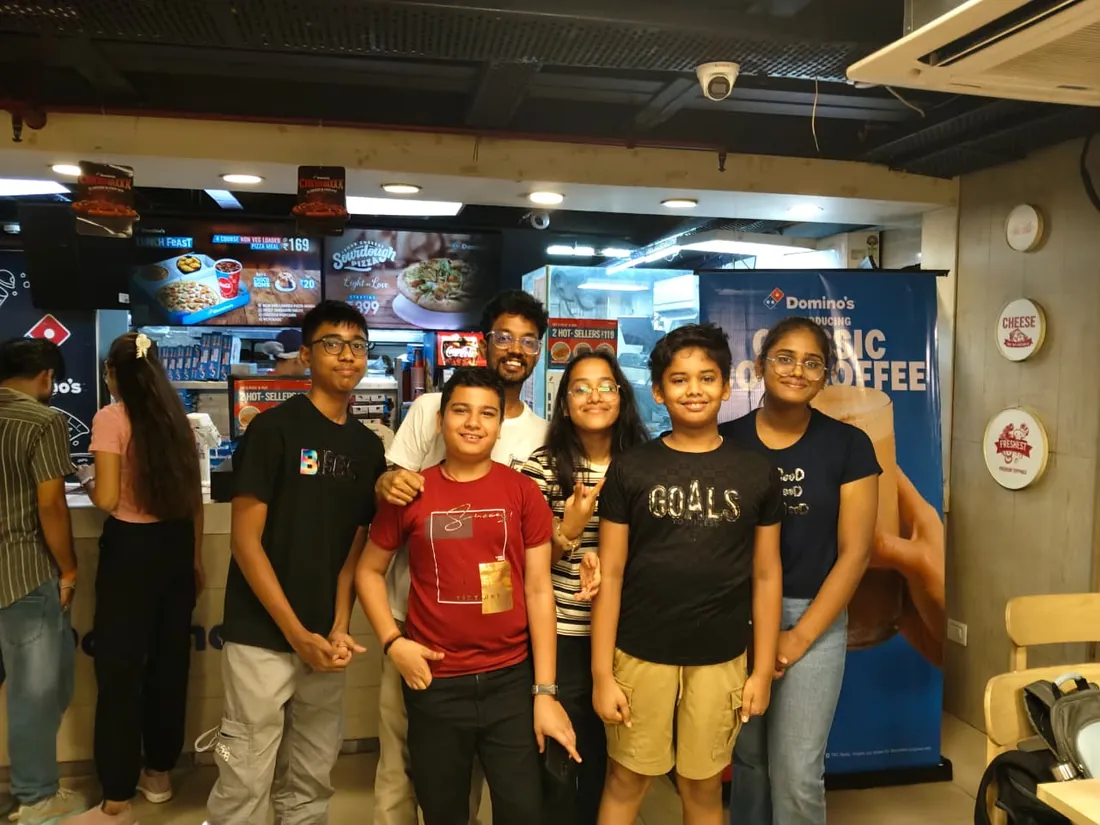
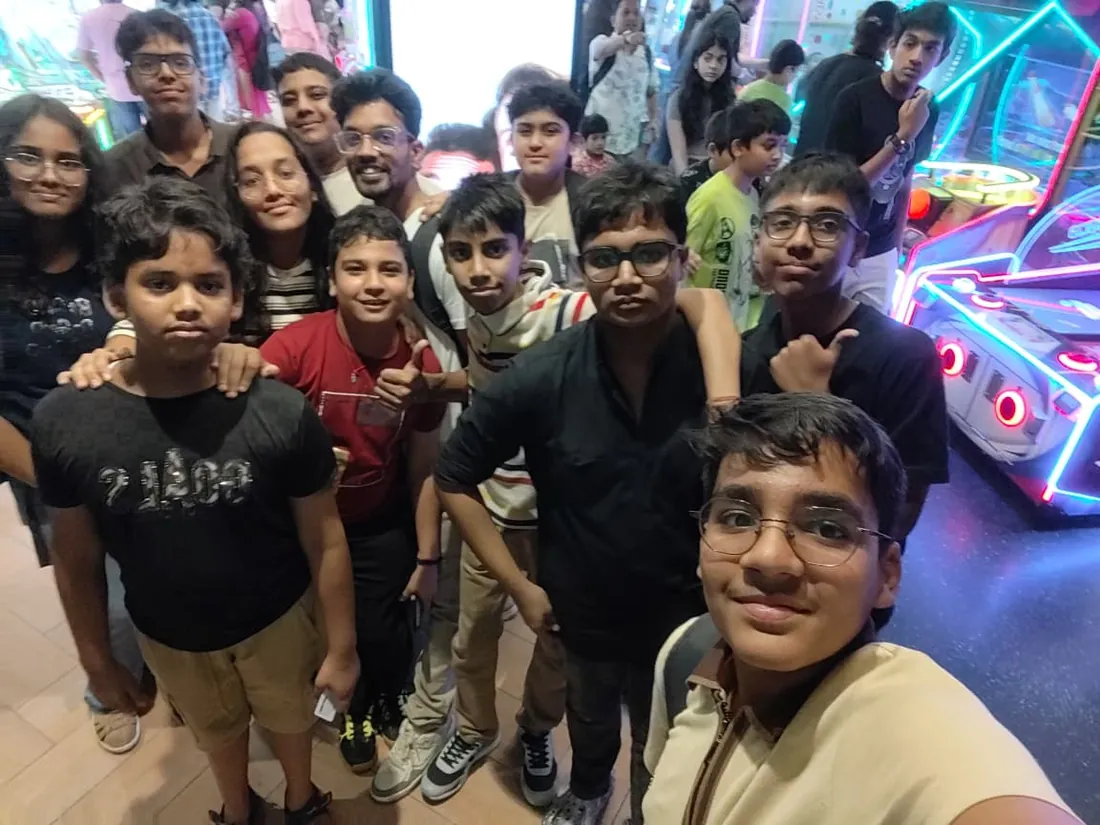
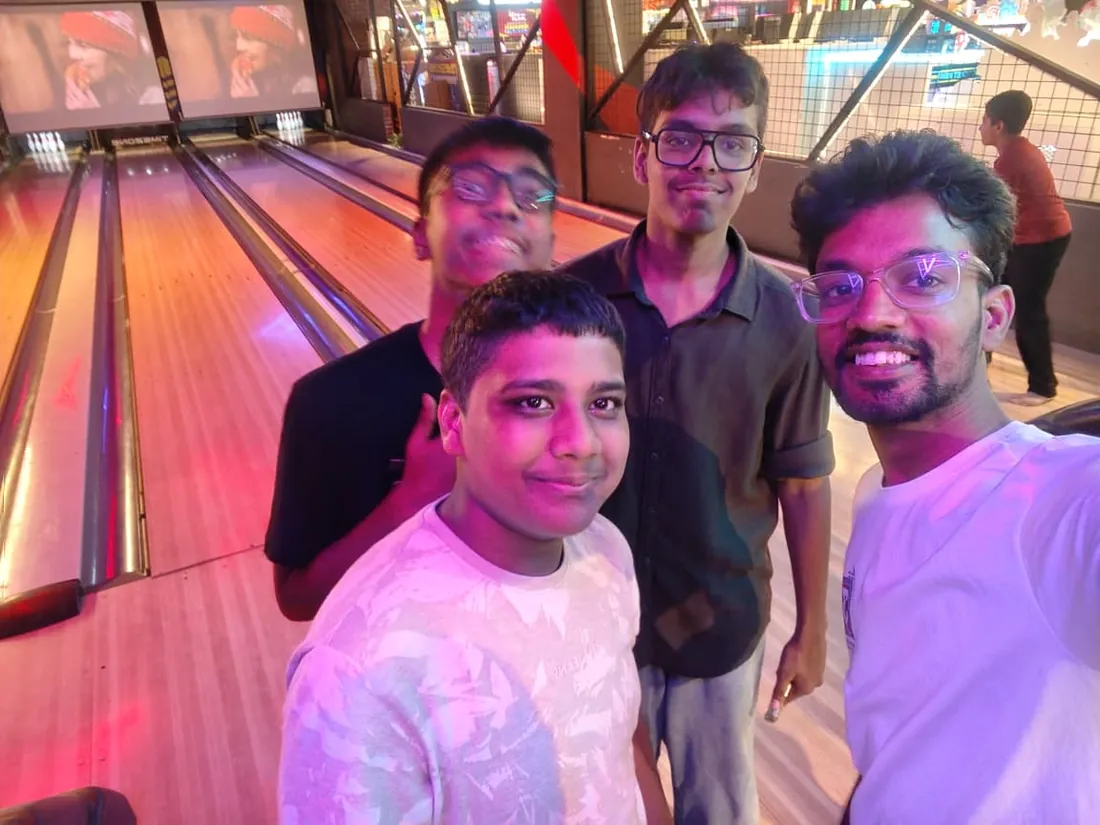
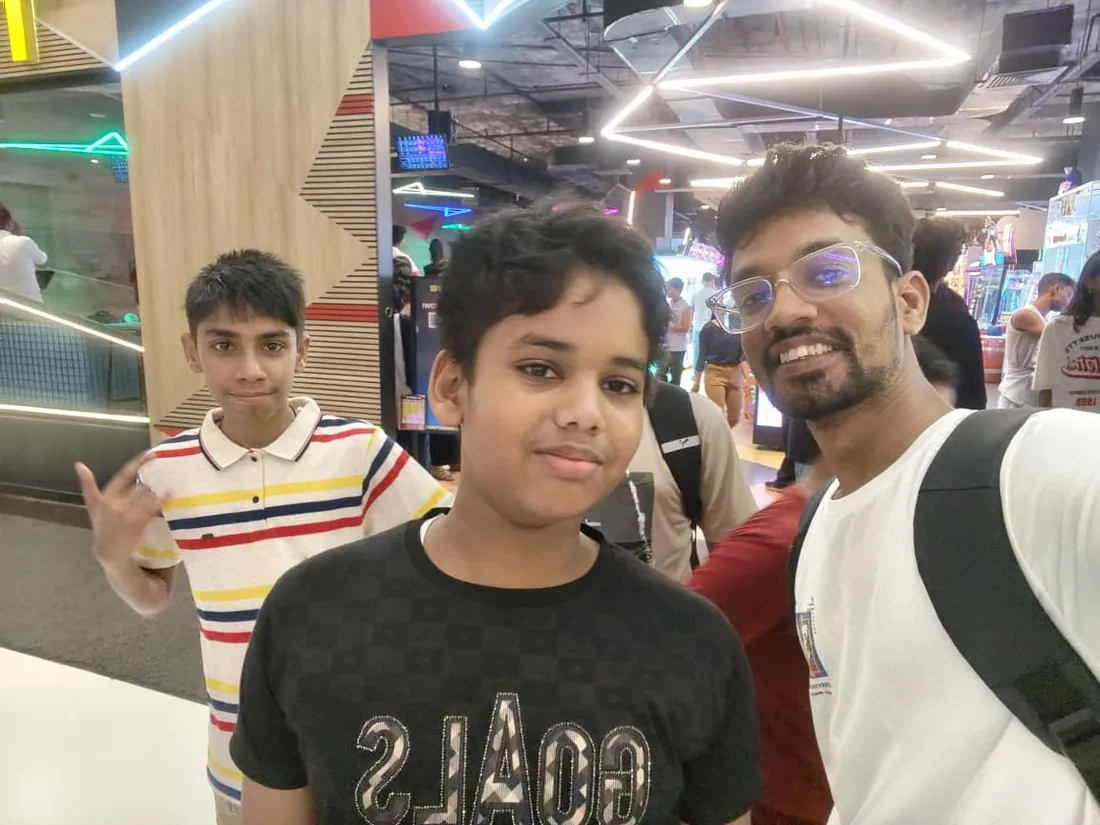
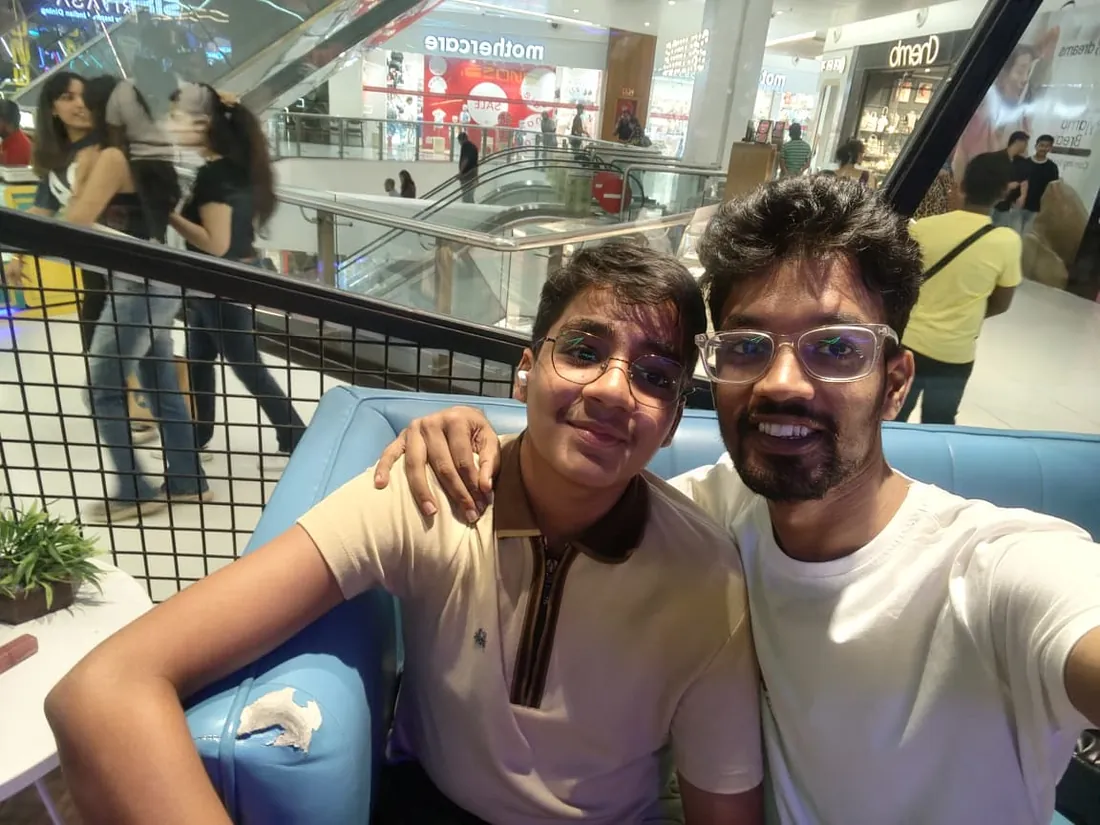
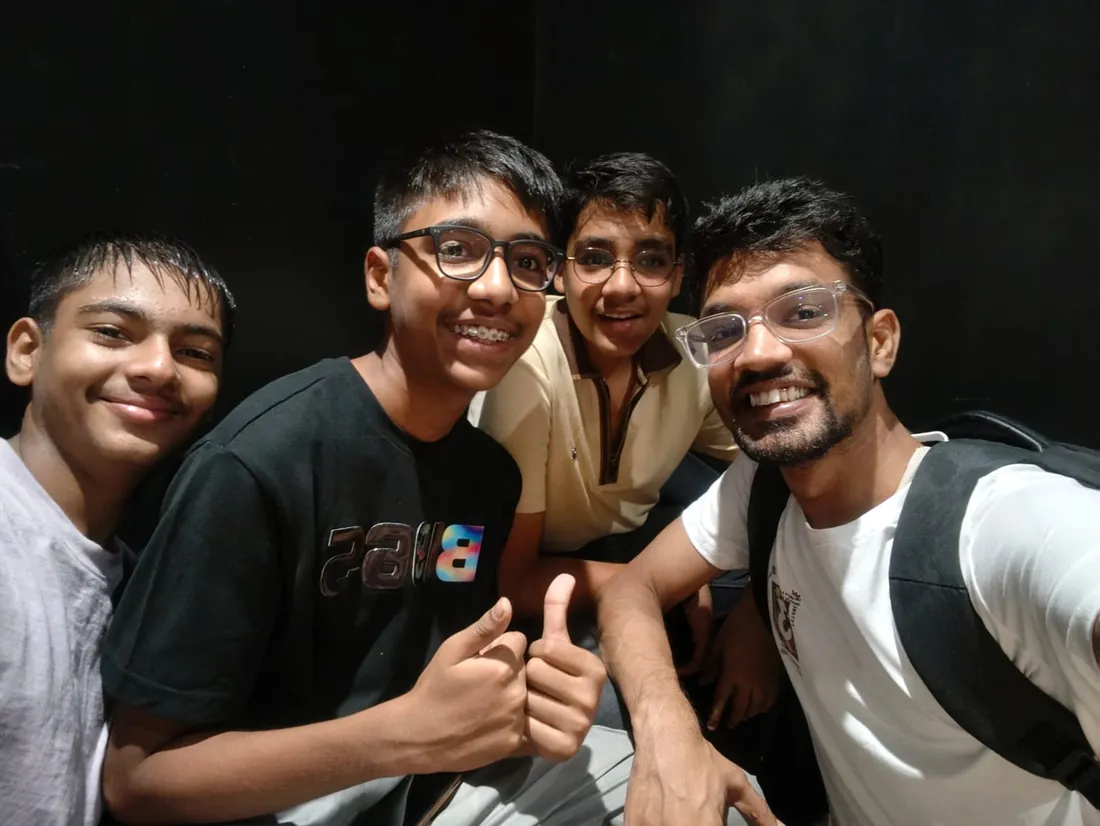
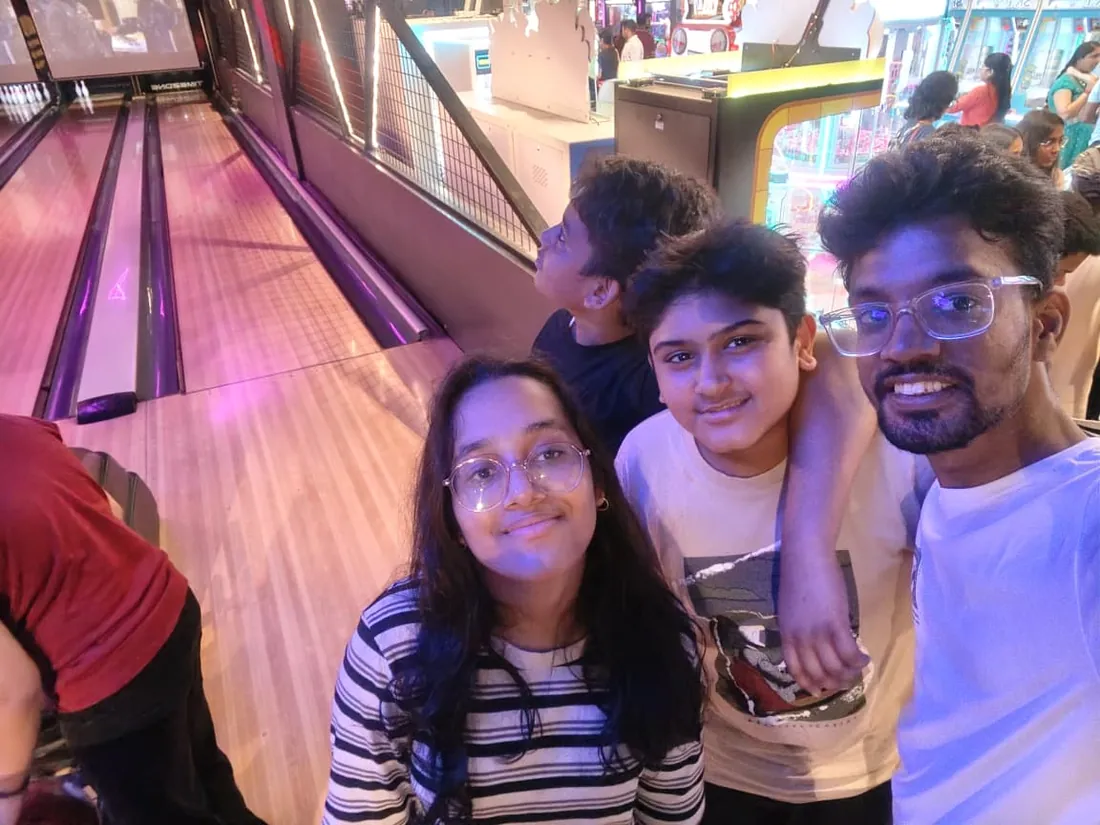
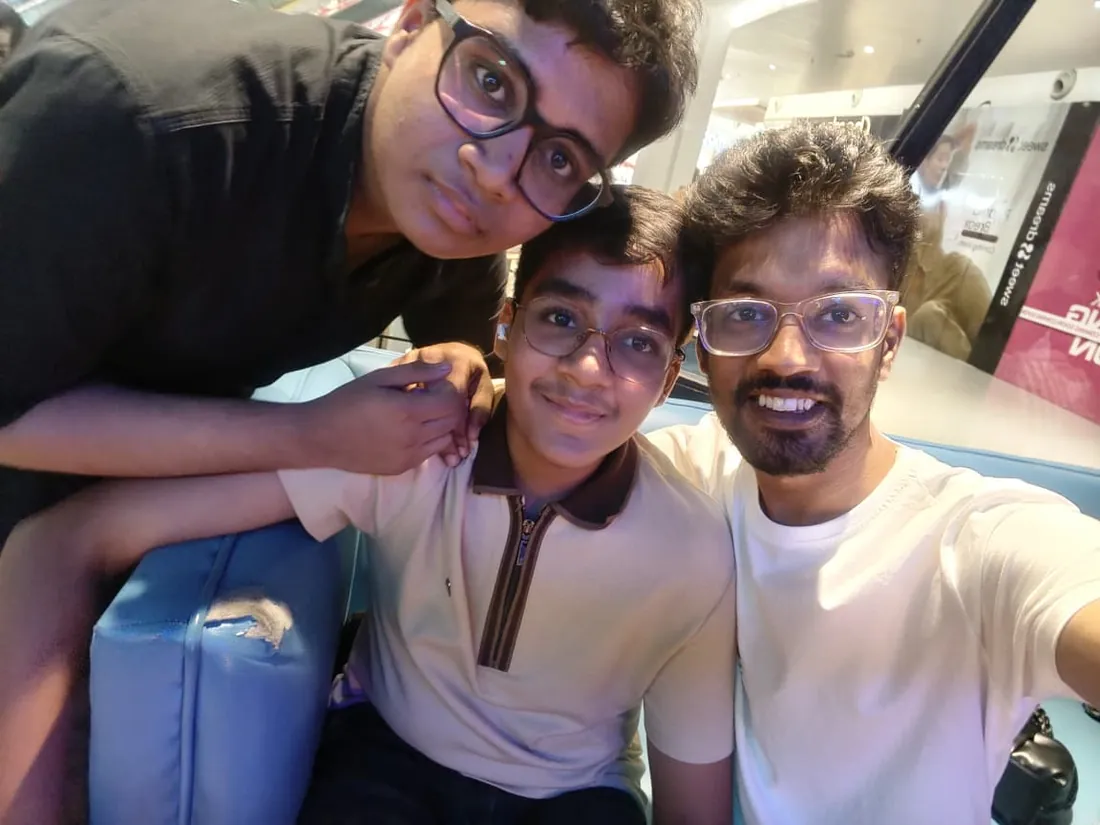
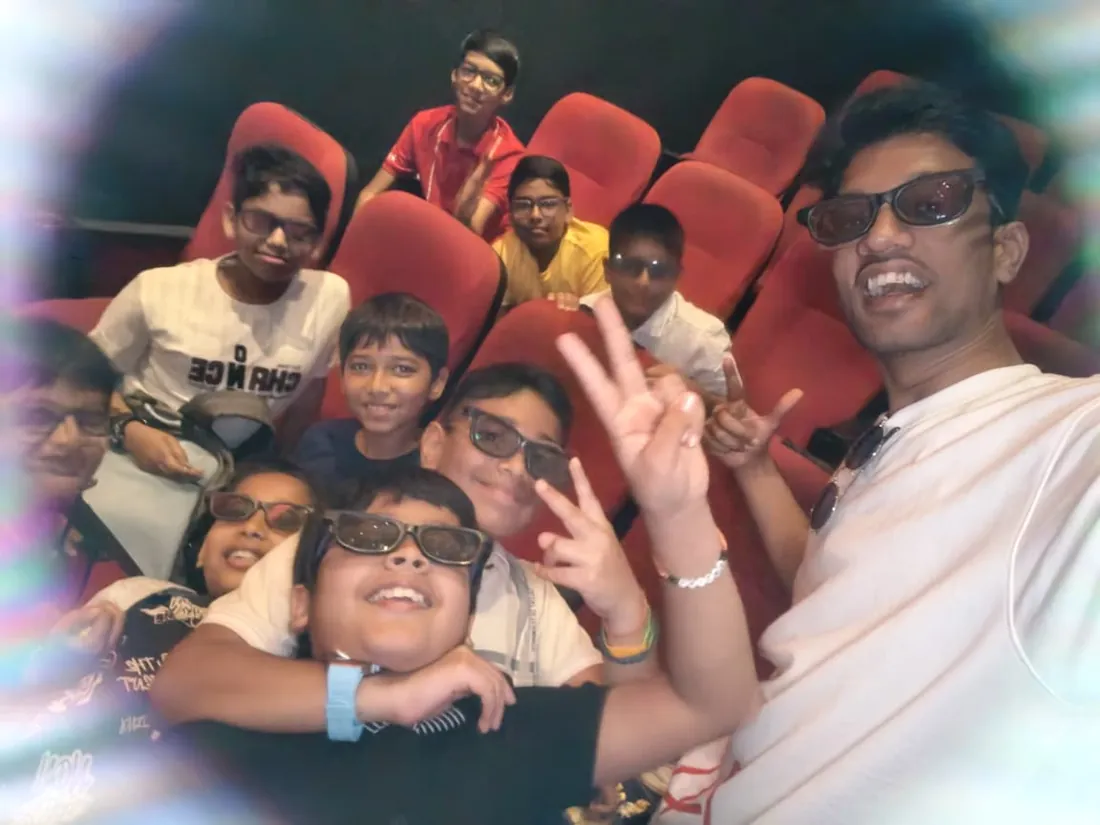
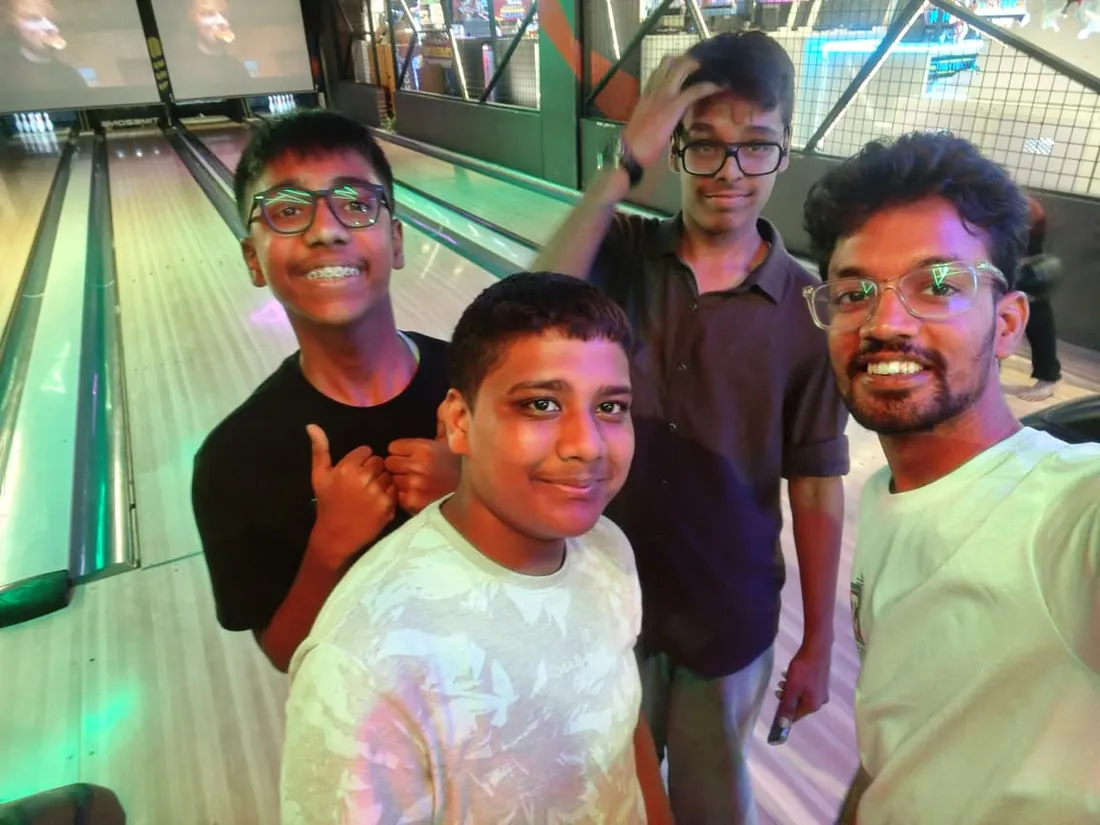
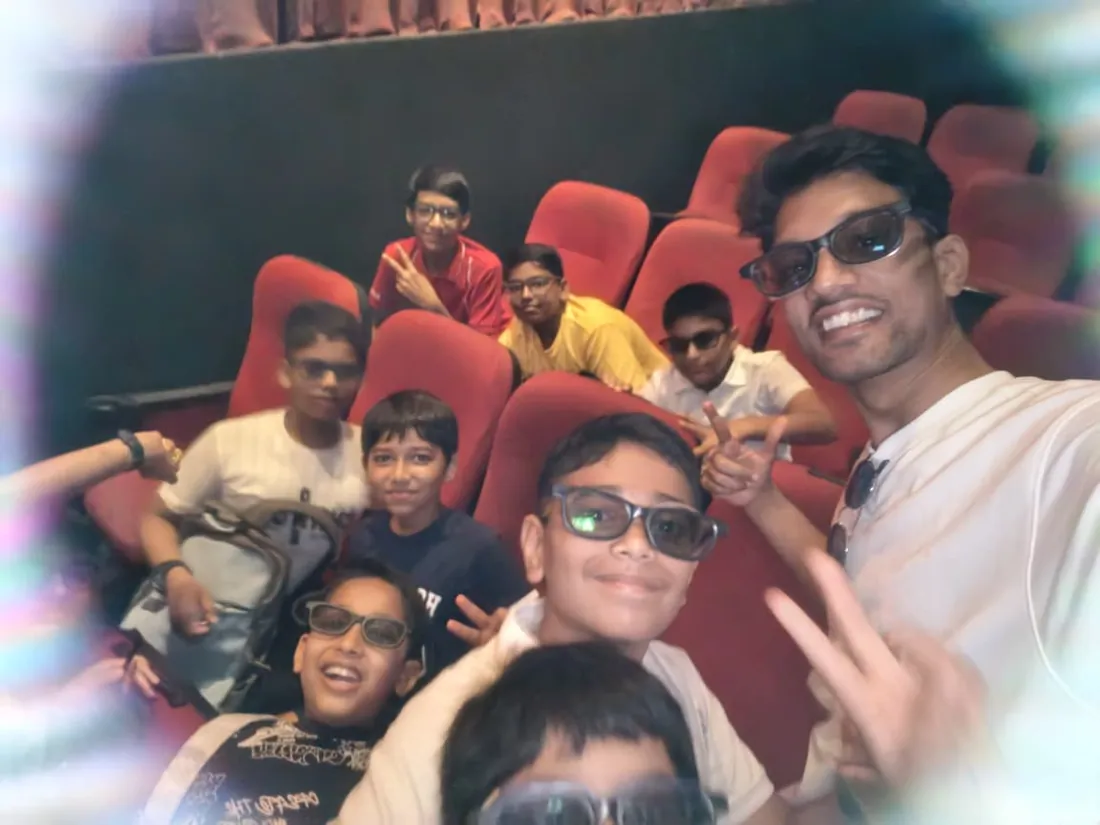
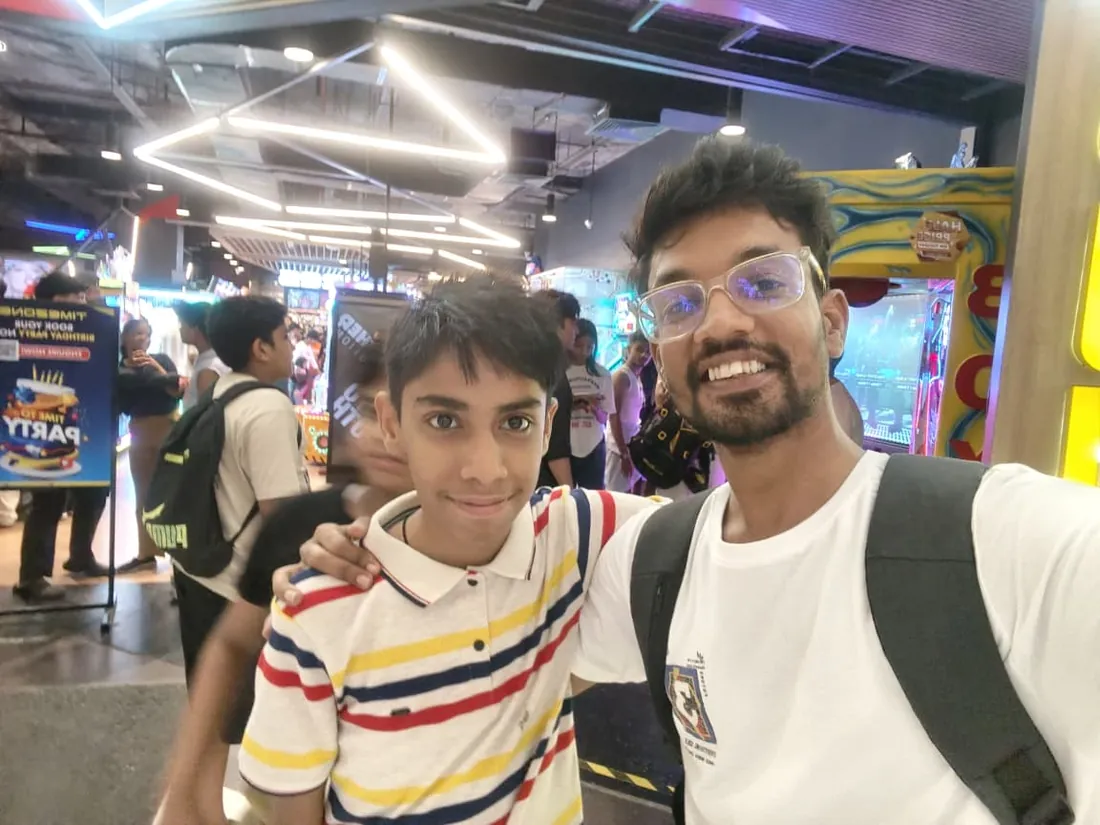
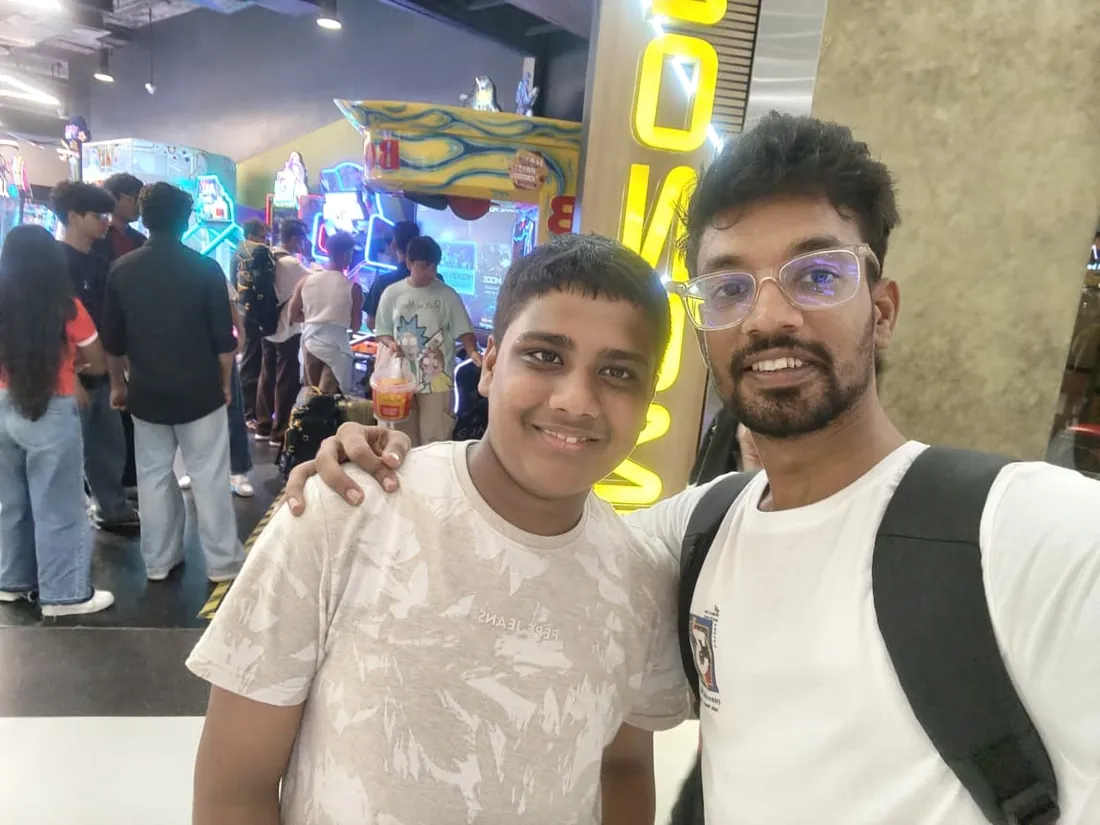
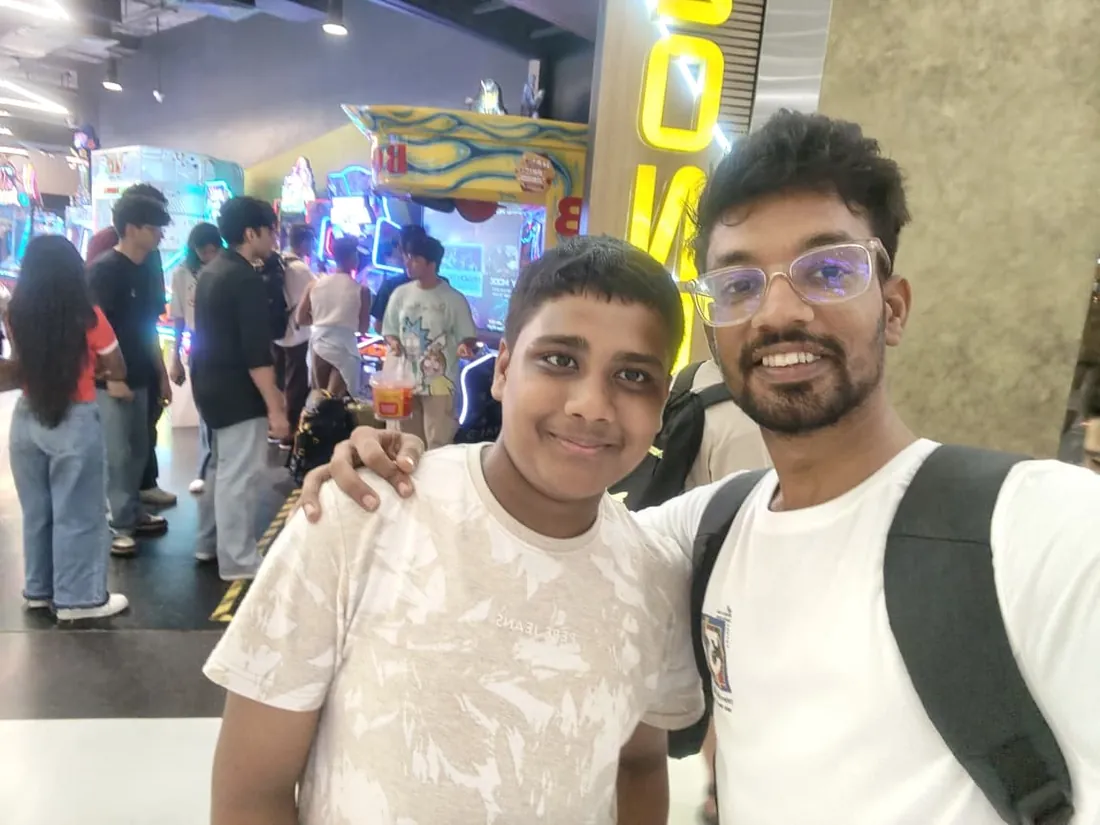
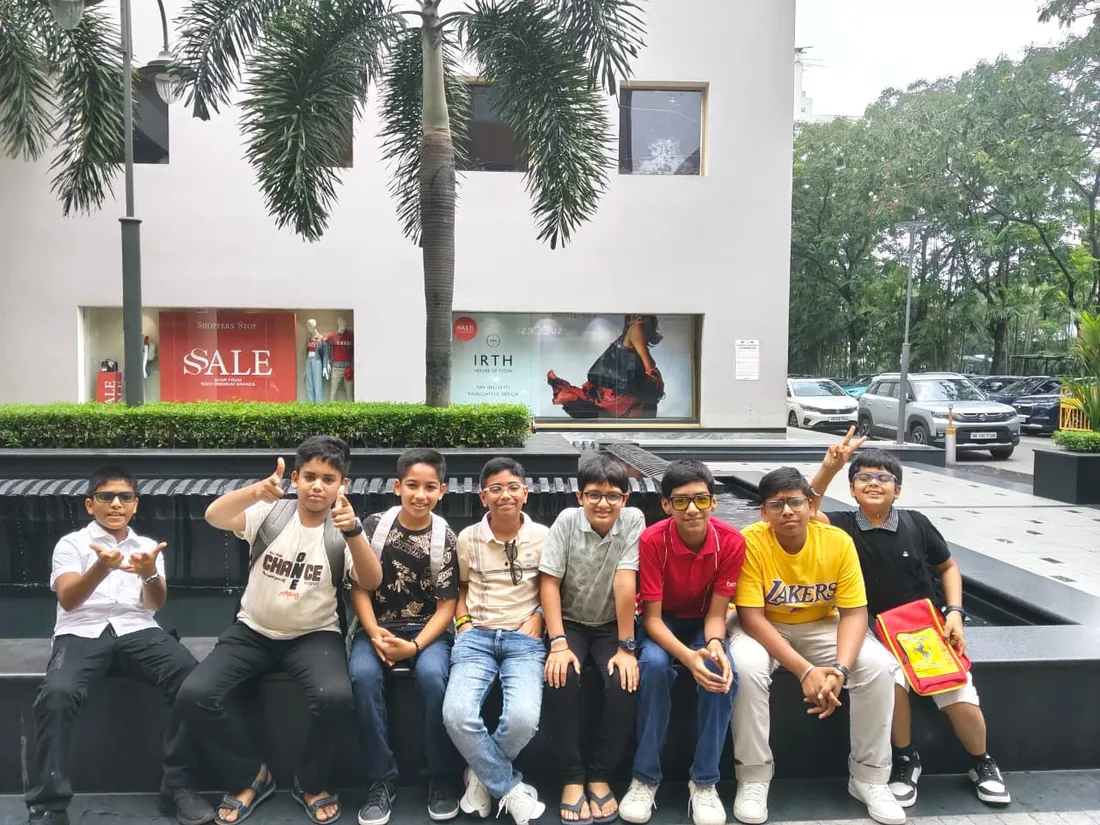
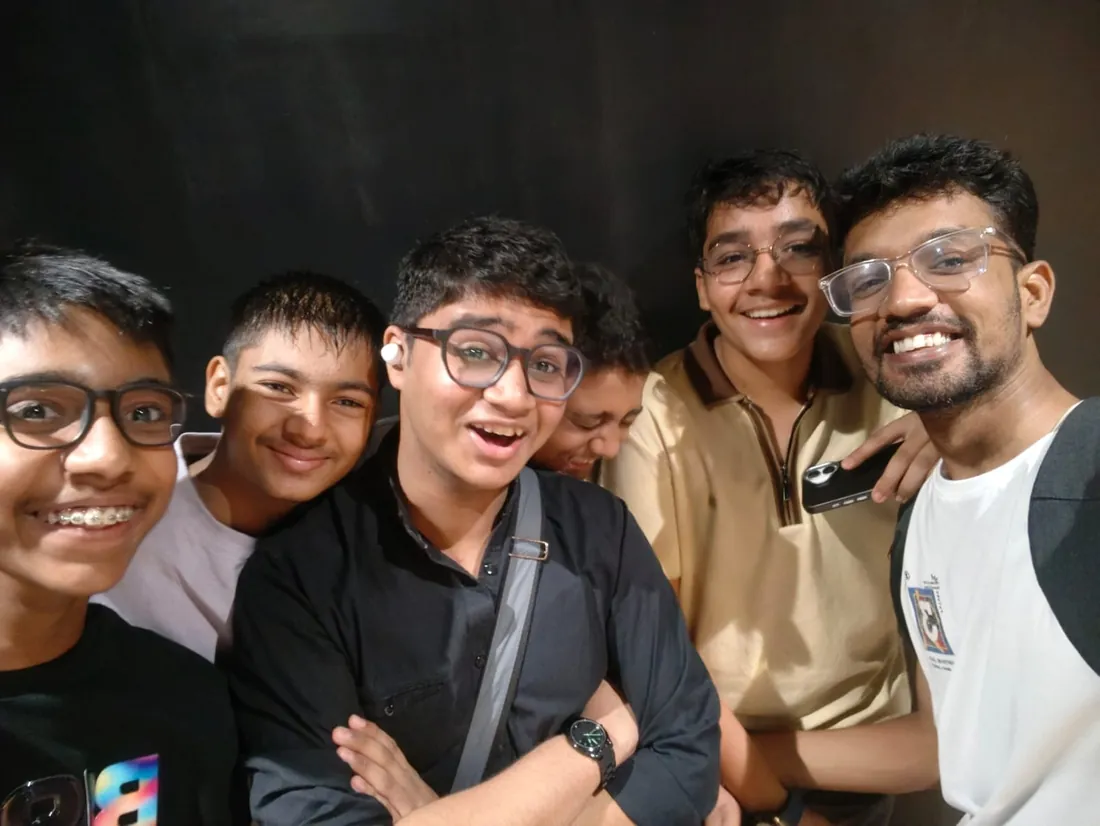
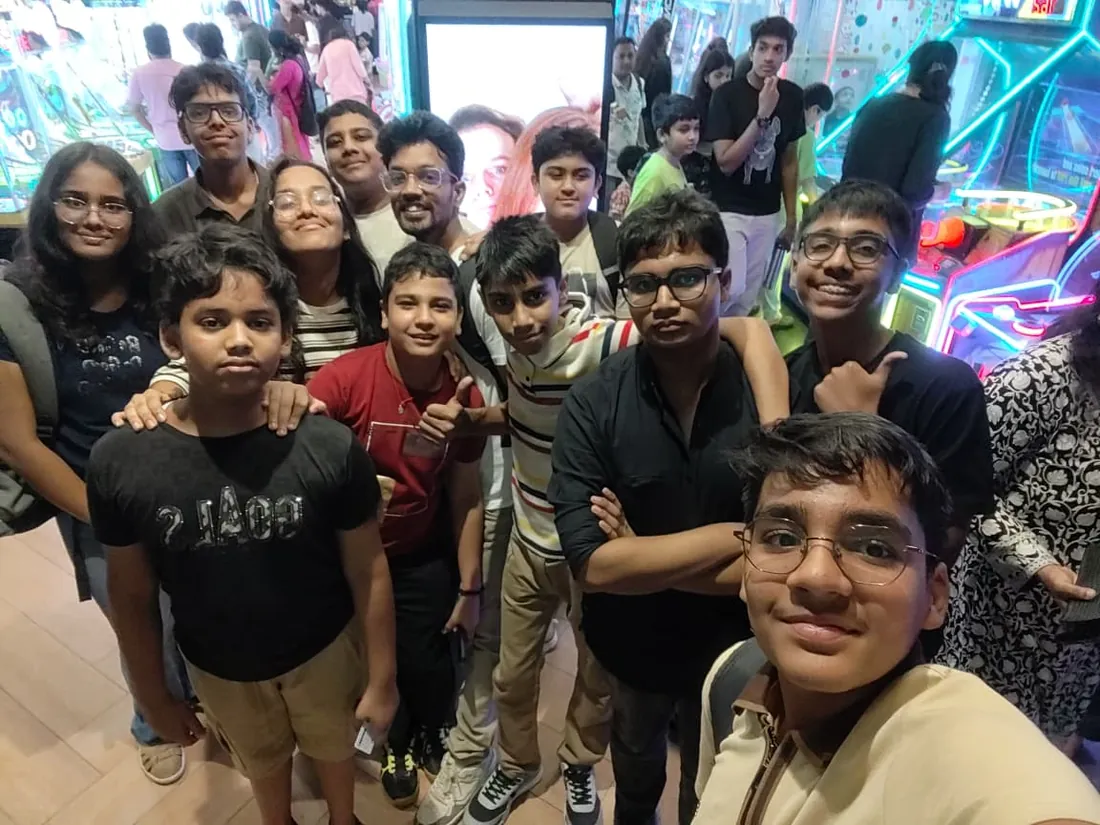
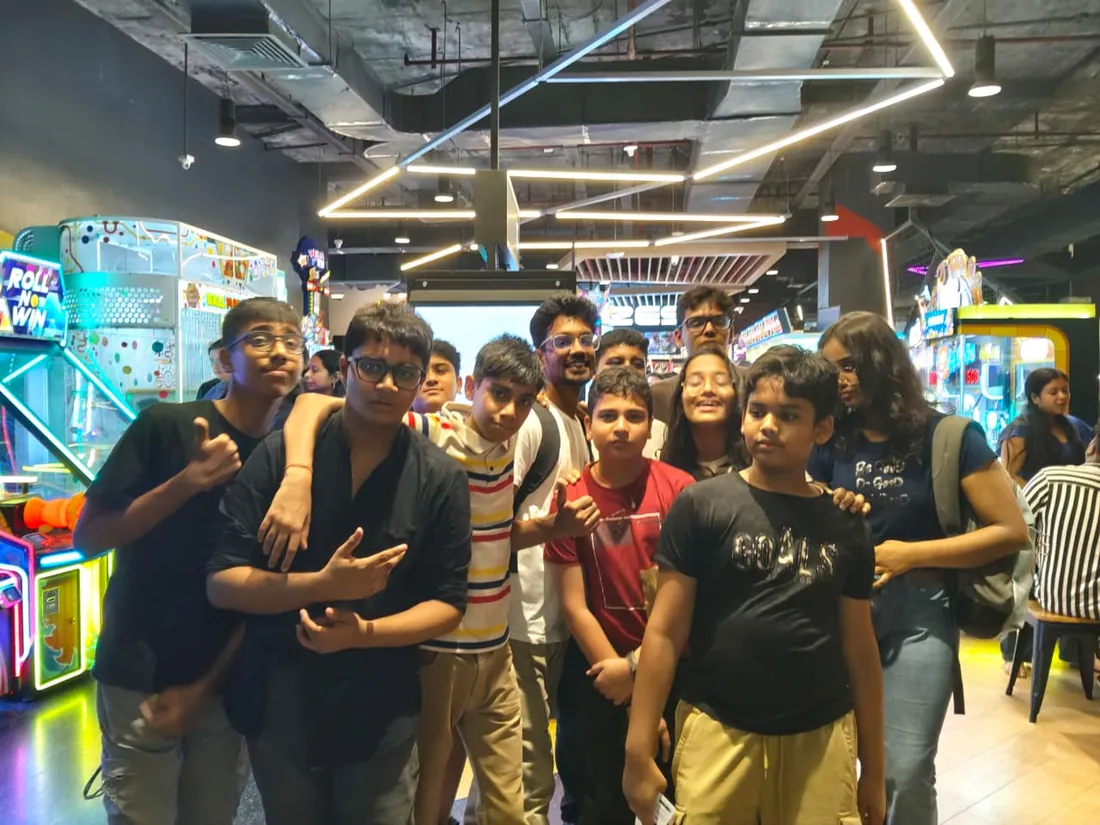
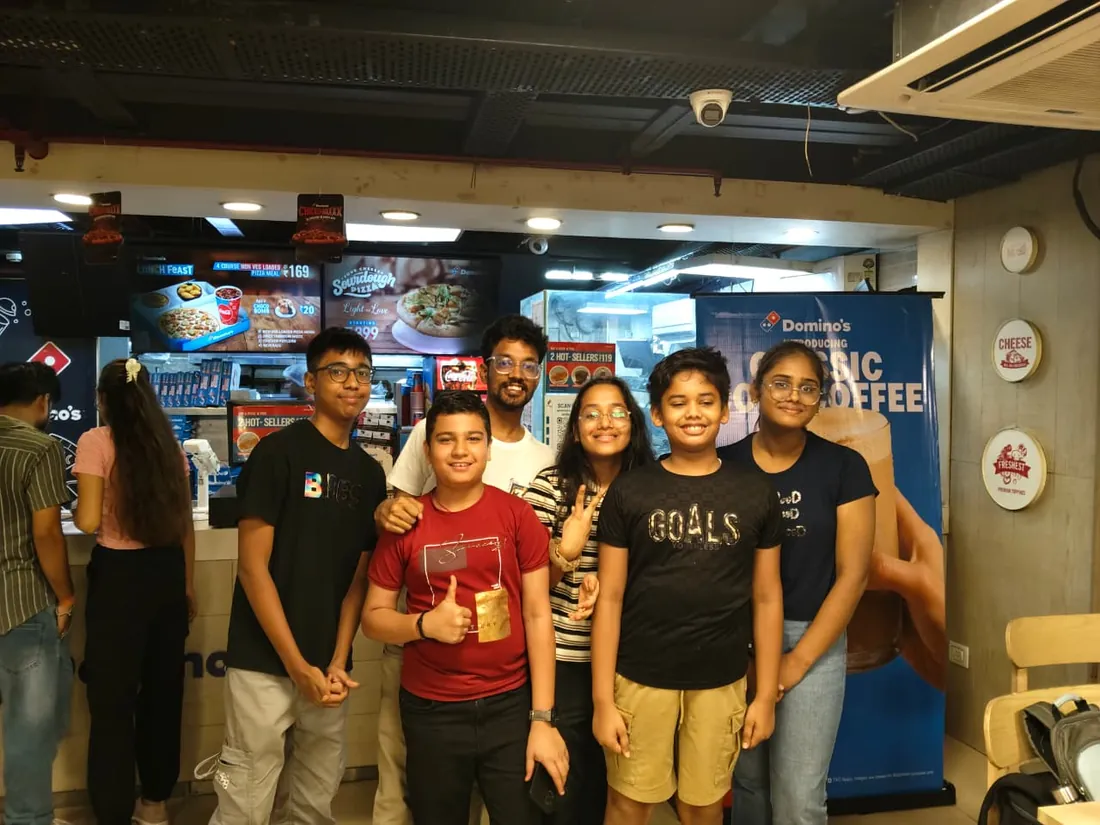
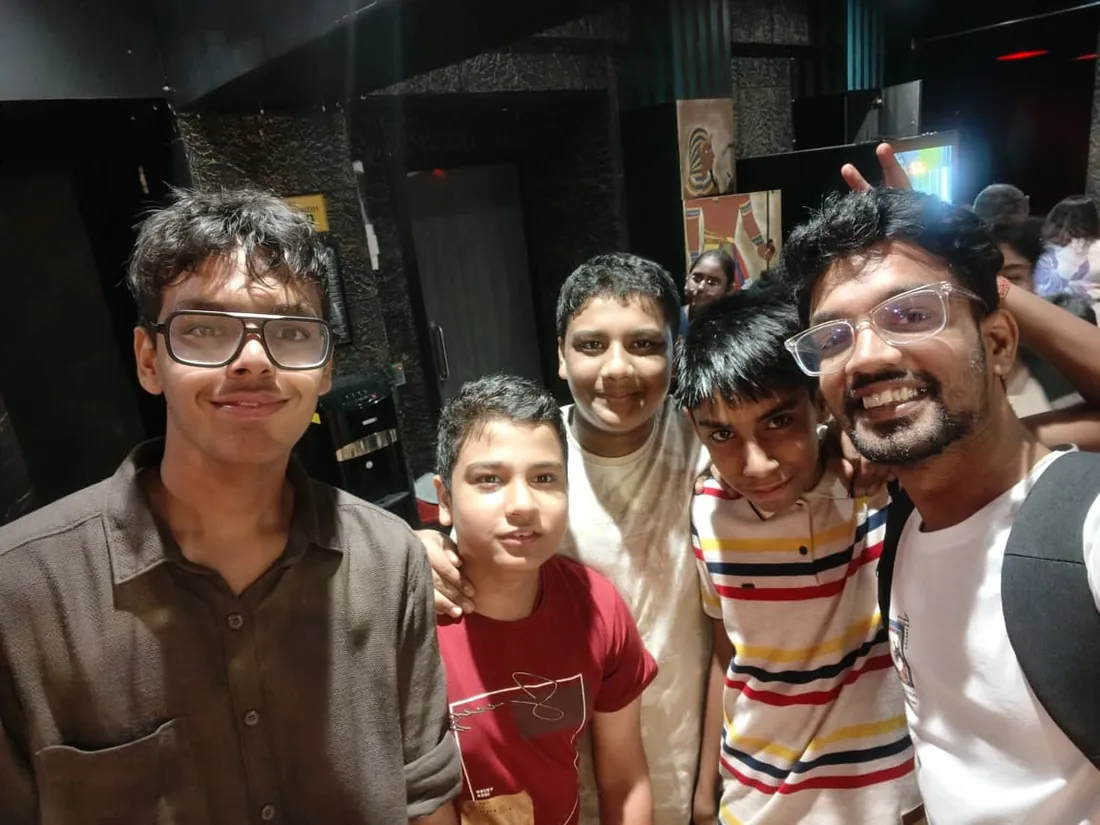
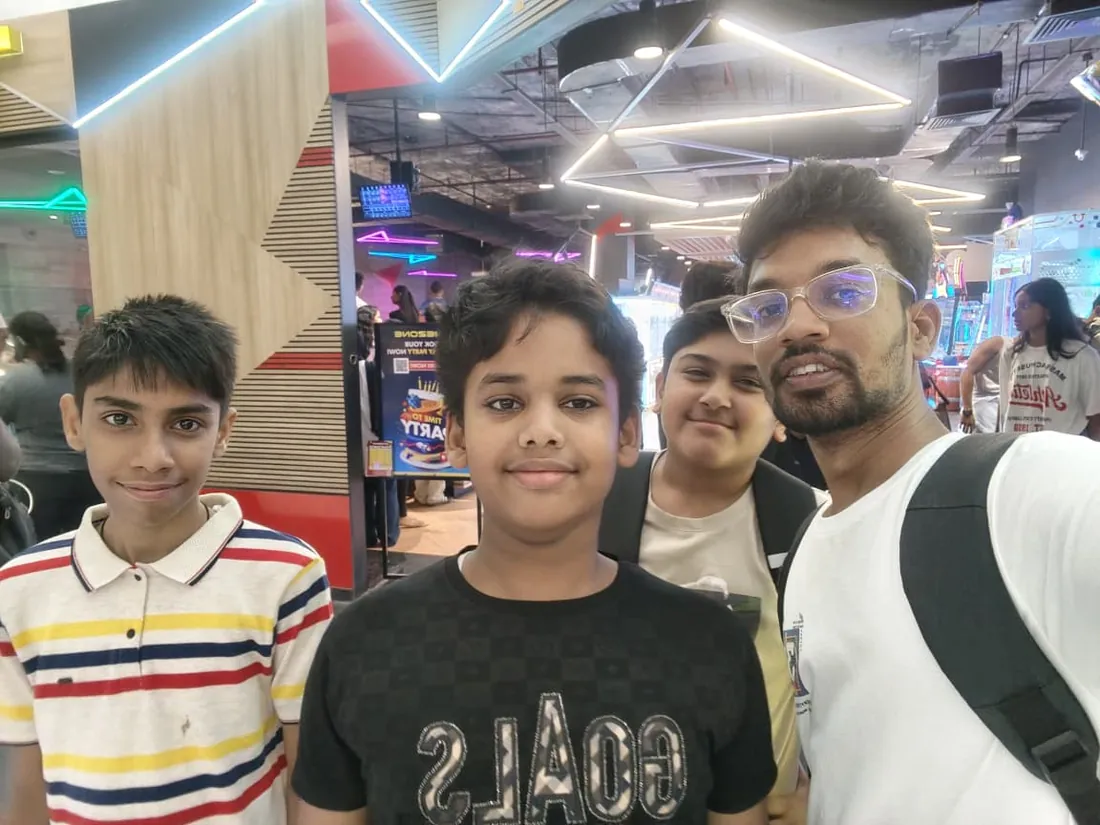
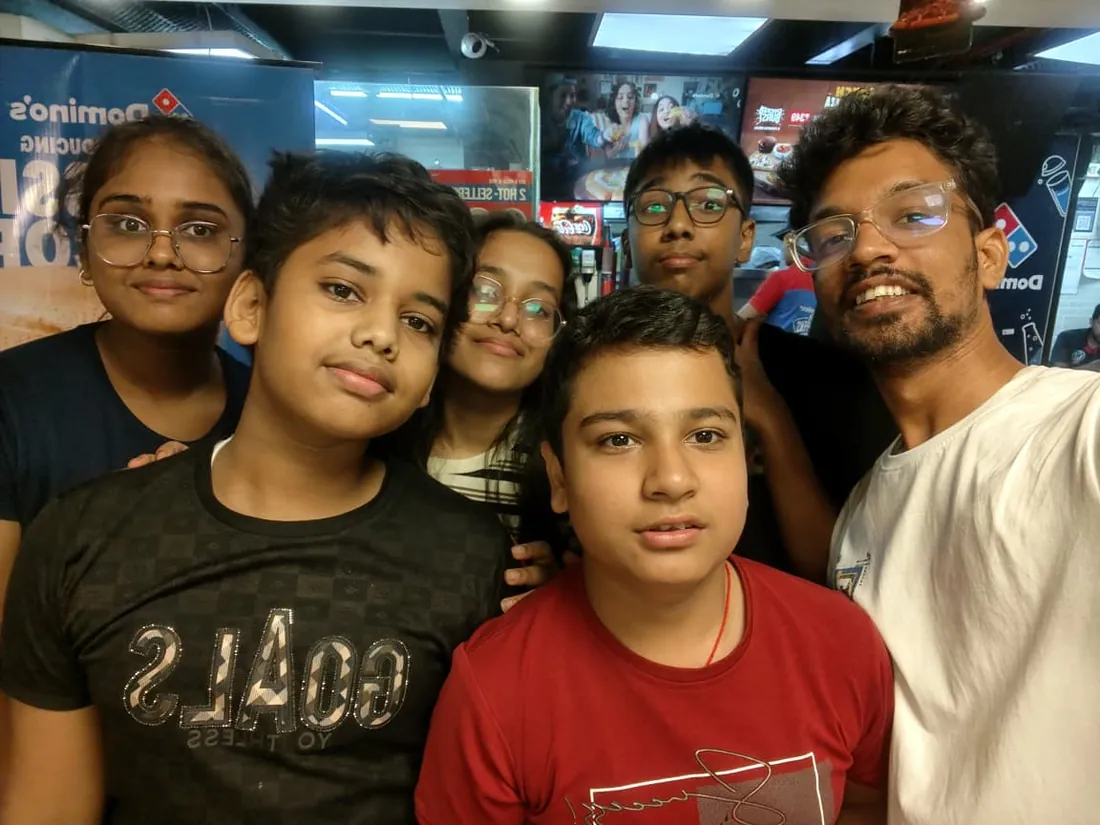
Real students. Real moments. Real joy.
These are our actual student meetups. No stock photos, no filters. Swipe through and meet the community you'll be joining.
What families say
Straight from the parents and students who learn with us. Rated 4.9 across 547 Google reviews.
“Mivaan enjoys the class. He understands the concepts and completes his tasks with excitement. He started taking interest in coding… truly amazing class.”
“I absolutely love it here! I made new friends and learned important valuable coding skills while having the fun of my life. It's not just coding here, it's outings, bonding and most importantly preparing you for your future. Definitely five stars.”
“What stands out most is how excited my son is before every class. He looks forward to learning, problem-solving, and sharing what he's built. I've noticed a big boost in his confidence!”
“Modern Age Coders has been a game-changer for me! I struggled to grasp IT concepts and coding before joining, but their classes transformed everything. I'm now the topper in my class and can confidently write complex programs with ease.”
“Modern Age Coder have wonderful teachers who teach in a clear, easy and practical way. The teacher boosts students' confidence, keeps them updated with technology, and inspires them to learn without hesitation.”
“The one step solution for my son. Modern Age Coders make learning coding so simple that kids love it.”
“Coding classes here make learning very interesting and conceptual. The teachers teach us in a very easy-to-understand and efficient manner.”
“One of the most wonderful education centres out there. Education is not limited to school syllabus but focuses on skill development. Learning here has been a wonderful journey and still continuing.”
“I highly recommend this computer coding class! The teachers are incredibly knowledgeable and passionate about coding. They make every session engaging and insightful.”
“My child Dhairya is really enjoying the Modern Age Coder IT classes. This is his first online class, and he eagerly looks forward to it.”
“Very good classes. Don't worry about coding. They teach the best, especially Shivam sir.”
“Very good classes. Makes learning very easy and interactive.”
Hear it from our students
Real parents and students in their own words, on our public YouTube channel.
Straight answers about ICSE Computer Applications (Class 9-10): Java with BlueJ
- Who should take this course?
- ICSE Class 9 and 10 students taking Computer Applications; taught from the basics, no prior coding required.
- What will they learn and build?
- ICSE Computer Applications is taught in Java using the BlueJ environment, and it is the subject where students who genuinely understand code pull away from the ones who memorise programs.
- How deeply are topics covered?
- The course runs Class 9 and 10 board program, monthly enrolment at 2 live classes/week + weekly BlueJ practice, across 3 phases listed week by week in the syllabus below.
- Who teaches it?
- Modern Age Coders mentors, who teach the live classes themselves. You can watch them at work in the free class recordings before you decide.
- How do practice, feedback and assessment work?
- Classwork in every session and homework after every class. Classwork every session, a task after every class, monthly reviews that mix in earlier topics, and a full mock paper as the final assessment that decides the certificate: real knowledge and real work, with a free retest after revision if needed. A certificate you earn by passing the final assessment, with a free retest after revision if needed.
- What does it cost?
- Three monthly plans: a group batch, a mini batch and 1-on-1. Prices are shown in your currency in the plans section. Monthly billing, cancel any time.
- When can classes take place?
- Live classes are scheduled around your week. Group batches meet at a fixed weekly slot; 1-on-1 students choose their own. International students are scheduled in their own timezone. Ask on WhatsApp for the current slots.
- Can I watch the teaching before deciding?
- Yes. Full recordings of real 13 and up classes are free to watch, free with a Google sign-in. These recordings show how we teach, not the exact syllabus of this course. Some classes are in English and some in Hindi; everyone follows at their own pace. Watch a class end to end, like you are in it. Sessions are interactive and each moment builds on the last.
- Can I enroll without a live demo?
- Yes. Choose a plan on this page and enrol directly; a demo is not required. If you would like to see a full class with a mentor first, book a Priority Demo.
- How do I reach you with a question?
- WhatsApp +91 91233 66161, email connect@modernagecoders.com, or call +91 91233 66161. Tell us the student's age and what they have learned so far, and we will point you to the right plan and batch.
Common Questions About ICSE Computer Applications (Class 9-10): Java with BlueJ
Get answers to the most common questions about this comprehensive program
Still have questions? We're here to help!
Contact UsRelated Courses You May Like
Continue your learning journey with these recommended programs
 UK Exam Board Mathematics
GCSE Maths Resit Course Online: Post-16 and Adults
GCSE maths resit course online for post-16 learners and adults: a diagnostic, targeted repair of the...
Explore Course Game Development
Roblox Game Coding for Kids: Build Real Games in Luau
Roblox coding course for kids ages 8-14: live online classes in Roblox Studio and Luau scripting, fr...
Explore CourseRelated Articles & Guides
Deepen your knowledge with these hand-picked articles
 Java
16 min read
Java
16 min read
Top 20 Java Programs for ICSE Class 10 (With Code)
The top 20 Java programs for ICSE Class 10, each with the exam-style question and tested BlueJ code:...
Read Article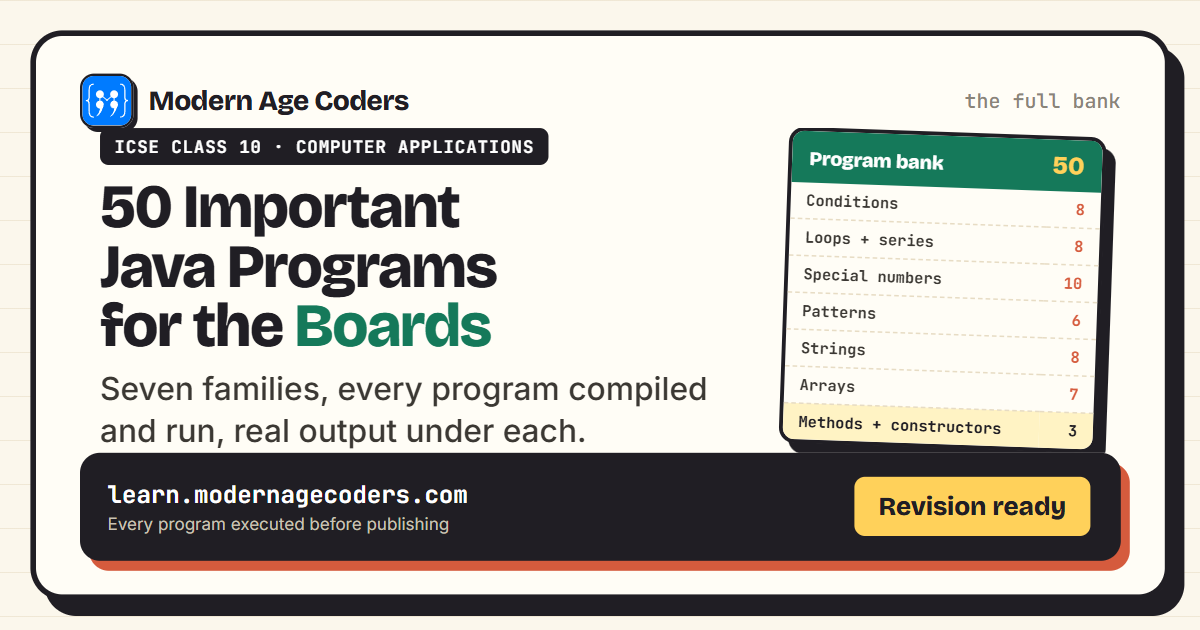 Java
24 min read
Java
24 min read
50 Important Java Programs for ICSE Class 10 Boards
The complete ICSE Class 10 Java program bank: 50 board-style programs in 7 families, every one compi...
Read ArticleReady to start ICSE Computer Applications (Class 9-10): Java with BlueJ?
Book a Priority Demo to see a full live class with a mentor reserved for you, today or tomorrow. Or choose a plan and enrol now.
Questions? WhatsApp +91 91233 66161 or email connect@modernagecoders.com