AP Computer Science A
A real Java programming course that happens to end in a top exam score, taught to the 2025-26 redesign that most courses have not caught up to yet.
Syllabus updated August 2026
Questions? WhatsApp +91 91233 66161 or email connect@modernagecoders.com
Recordings are free with a Google sign-in. These recordings show how we teach, not the exact syllabus of this course.
Our promise
The world's best learning experience, open to everyone.
- World-class instructorsEvery class is taught by an instructor who specialises in that exact field.
- No compromise on qualityEvery lesson, project and piece of feedback is held to the highest standard.
- Education for everyoneLearners aged 6 to 67, from first-time beginners to working professionals, in 25+ countries.
If you want the highest quality, Modern Age Coders is the right choice.
Book a Priority DemoHow long this course takes
This course runs 6 months (24 weeks) at 2 live classes/week + 4-5 hours practice. The range allows for background and pace: a complete beginner uses the full span, and a student with prior knowledge finishes sooner. The syllabus below is planned to the shorter end, with margin kept for revision.
For personalised duration planning, call +91 91233 66161 and we'll map a schedule to your goals.
At a glance
- Who it is for
- High school students preparing for AP Computer Science A; taught from Java basics, no prior coding required.
- Prerequisites
- Comfortable school algebra: variables, expressions and basic logic. No advanced maths is required for AP Computer Science A
- Format
- Live, interactive classes with a real instructor, never pre-recorded videos. Live classes run about one hour.
- Language
- English or Hindi, depending on the batch.
- Duration
- 6 months (24 weeks)
- Weekly commitment
- 2 live classes/week + 4-5 hours practice
- Class size
- Group batches of 5 to 10 students, mini batches of 3 to 4, or 1-on-1.
- Certificate
- Certificate from Modern Age Coders, awarded on passing the final assessment
- Watch first
- Free recordings of real classes for ages 13 and up, free with a Google sign-in. These recordings show how we teach, not the exact syllabus of this course.
- Live demo
- Optional. Enrol directly on this page, or book a Priority Demo: a full live class of about 45 to 60 minutes with a mentor reserved for you.
- Questions
- WhatsApp +91 91233 66161 or email connect@modernagecoders.com.
How we teach
Deep understanding. Real projects. Expert guidance.
Learn coding, AI and maths through careful explanations, practical demonstrations, and hands-on problem-solving. Our instructors guide you from the foundations to advanced ideas, helping you understand what happens, why it happens, and how to build it yourself.
You will explore concepts step by step, write and improve code, investigate mistakes, ask questions, and apply your knowledge to meaningful projects. Lessons are designed around active participation, thoughtful feedback, and growing independence.
Expert-led live teaching, with practical participation built into every lesson.
- Students explain their thinking.
- Instructors demonstrate, then guide practice.
- Learners code, solve, or build during lessons.
- Questions and misconceptions get attention.
- Assignments receive useful feedback.
- Progress is checked before advancing.
How to join AP Computer Science A: Java Programming and Full Exam Prep
Four steps from this page to the first class. See a full class first with a Priority Demo, or choose a plan and enrol today.
Rated 4.9 across 547 Google reviews. Monthly billing, cancel any time.
How enrolment works
See a full class first (optional)
Book a Priority Demo: a live class of about 45 to 60 minutes with a mentor reserved for you, today or tomorrow. After the class the mentor sends a written skill report and a personal learning roadmap on WhatsApp. If you enrol, the demo fee is adjusted against your first month's fee. Share your demo Order ID with us on WhatsApp and we take it off.
Book a Priority DemoDemo fee ₹499Choose a plan
Group batch (5 to 10 students), mini batch (3 to 4 students, India only) or 1-on-1 with your own mentor. Every plan is live online, and each class runs about one hour. The cards below show classes per week and the monthly fee in your currency.
Enrol and pay the first month
Press Enrol Now on your plan, fill in the student's name, email and phone, and pay through secure Razorpay checkout: UPI, cards or net banking in India, and debit or credit card from any other country.
Fix your class timings
After payment, message us on WhatsApp or call +91 91233 66161 with the student's name, the course and your preferred time slot. We confirm the batch, send the class link and schedule the first class at your chosen time.
Billing is monthly and you can cancel any time.
International Students (Outside India)
Billed monthly in US dollars, the same price in every country. Contact us with any questions.
Questions before you enrol? Talk to our team.
Ask about class timings, the right level for your child, what they need to know already, or payment. Parents and adult learners can reach us on WhatsApp, by email or by phone.
Program Overview
AP Computer Science A is a real first course in programming, taught in Java, and this course treats it that way: you leave able to write Java, not just to pass a test. It is also built for the exam as it exists now, not as it existed last year. The College Board redesigned AP CS A for 2025-26, collapsing the old ten units into four, moving the whole exam onto the digital Bluebook platform, and changing what is tested. Inheritance, polymorphism, interfaces and writing recursive methods were removed. Reading text files with Scanner, working with data sets, and tracing recursive calls were added. A course still teaching the ten-unit format with an inheritance unit is preparing students for an exam that no longer exists.
The six-month structure follows the four redesigned units in order. Months 1 and 2 build Java from nothing and cover Unit 1, using objects and methods. Months 3 and 4 cover selection and iteration, then class creation, which is exactly what the class-design free-response question asks for. Months 5 and 6 cover data collections, arrays, ArrayList, 2D arrays, file reading and data sets, then turn fully to exam craft: all four free-response question types drilled against the real rubric, multiple-choice strategy for the forty-two-question digital section, and full timed mock exams under Bluebook-style conditions. Every class is live and small, and every concept is practised by writing code, because that is the only way this subject is ever actually learned.
What Makes This Program Different
- Taught to the 2025-26 redesign: four units, the fully digital Bluebook exam, and the current content, so no time is wasted on inheritance, polymorphism or writing recursion, all of which were removed
- The added topics are covered properly: reading text files with Scanner, working with data sets, and tracing recursive calls, which many older courses and books still omit
- A real Java course, not a cram sheet: students finish able to read and write Java, which is the point of a first programming course
- Free-response mastery against the actual rubric: all four question types, drilled until earning points is a habit, with partial credit understood
- Digital-exam readiness: multiple-choice pacing for the forty-two-question section and full mock exams run under Bluebook-style conditions, so test day holds no surprises
- Live, small batches where you write code during class and get it reviewed, not lecture videos you watch alone
Your Learning Journey
Career Progression
Detailed Course Curriculum
Explore the complete week-by-week breakdown of what you'll learn in this comprehensive program.
Topics Covered
- Installing Java and a clean editor setup, plus a first look at the Bluebook exam environment
- The anatomy of a Java program: class, main method, statements and semicolons
- Printing with System.out.print and println, and reading output carefully
- Comments, whitespace and why readable code earns marks in free response
- The compile-and-run cycle and reading your first error messages without fear
- The AP Java Quick Reference: what it gives you on the exam and how to use it
Projects You Build
- First program: a short Java program that prints a formatted pattern, run and explained line by line
Practice & Assignments
10 short output-tracing exercises: predict what a snippet prints, then run it and reconcile any difference
Topics Covered
- The primitive types AP tests: int, double and boolean
- Declaration, initialisation and assignment
- Arithmetic operators, and the two that trip everyone: integer division and modulus
- Operator precedence and using parentheses to mean what you intend
- Casting between int and double, and where rounding silently happens
- Compound assignment and increment operators read correctly
Projects You Build
- Calculator methods: small programs computing averages, remainders and unit conversions, each predicting integer versus double results first
Practice & Assignments
16 expression-evaluation problems, half of them designed around the integer-division and modulus traps
Topics Covered
- Objects versus primitives, and the reference model that explains so many exam questions
- Creating objects and calling methods on them
- String concatenation and building output
- The tested String methods: length, substring, indexOf, equals and compareTo
- Why equals and == are different for objects, a guaranteed exam theme
- Reading a method's header to know what it needs and what it returns
Projects You Build
- String toolkit: methods that extract initials, reverse words and search text, using only the AP-tested String methods
Practice & Assignments
14 String problems worked against the Quick Reference, each solution using only methods the exam actually provides
Topics Covered
- The Math methods AP tests: abs, pow, sqrt and random
- Turning Math.random into an integer in a target range, a classic exam skill
- Calling methods: arguments, parameters and return values
- void methods versus value-returning methods
- Method signatures and matching a call to a header
- Tracing a program that hands values between several methods
Projects You Build
- Dice and ranges: a program that generates random values in given ranges and verifies the distribution by counting
Practice & Assignments
12 mixed problems on Math and method calls, plus 4 random-range questions built the way the exam builds them
Assessment
Month 1 checkpoint: a timed set on types, expressions, Strings and methods, marked on accuracy and correct tracing
Topics Covered
- Integer and Double wrapper classes and why they exist
- Autoboxing and unboxing seen in code you will meet later with ArrayList
- Parsing numbers and Integer.MAX_VALUE and MIN_VALUE
- Double precision surprises and why you never test doubles with ==
- Choosing int versus double deliberately, not by habit
- Reading questions that hide a type mismatch
Projects You Build
- Number-handling drill: a program that safely parses, compares and formats numeric input, with the precision traps annotated
Practice & Assignments
12 problems on wrapper classes, parsing and precision, each with a one-line note on the type decision made
Topics Covered
- Building, searching and comparing Strings at exam difficulty
- Common String algorithms: counting characters, extracting parts, reversing
- The off-by-one errors that live in substring and indexOf
- Traversing a String by index, a bridge to loops in Unit 2
- Comparing Strings correctly with equals and compareTo
- Writing a helper method that returns a processed String
Projects You Build
- Text processor: methods that clean, search and transform text, each tested on tricky edge cases like empty and single-character strings
Practice & Assignments
14 String-algorithm problems, every solution checked against an empty-string and one-character edge case
Topics Covered
- Decomposing a problem into small, named methods
- Helper methods and why they make free-response answers cleaner
- Method overloading, recognised and read correctly
- Tracing a chain of method calls and their return values
- Parameter passing in Java: what a method can and cannot change about what you pass it
- Reading a specification and turning it into method headers
Projects You Build
- Method decomposition: one larger task solved twice, once as a single long method and once split into helpers, then compared for clarity
Practice & Assignments
12 method-tracing problems plus 4 parameter-passing questions built around the value-semantics trap
Topics Covered
- Pulling Unit 1 together: objects, methods, Strings and the Math class
- The multiple-choice section as it is now: forty-two questions, choices A to D, ninety minutes
- Roughly two minutes a question, and how that changes pacing
- Reading code-snippet questions quickly and accurately
- Eliminating wrong answers on tracing questions
- A personal error log started here and grown all course
Projects You Build
- First timed multiple-choice block on Unit 1 content, reviewed question by question with each miss tagged by cause
Practice & Assignments
A timed Unit 1 multiple-choice set at exam pace, followed by a written review of every wrong and every guessed answer
Assessment
Unit 1 assessment: a timed multiple-choice section on using objects and methods, scored with the error log updated
Topics Covered
- Boolean values and relational operators
- if, if-else and if-else-if chains
- Nested conditionals and reading them without getting lost
- Common logic errors and how the exam sets them
- Writing conditions that match a worded specification exactly
- Deciding between an if-else-if chain and separate ifs, and why it matters
Projects You Build
- Decision engine: a grading or categorising program driven entirely by conditionals, tested against every boundary value
Practice & Assignments
14 conditional problems, each one required to be traced for at least three different inputs
Topics Covered
- The logical operators and, or and not
- Short-circuit evaluation and when the second condition is never checked
- De Morgan's laws and rewriting a condition as its equivalent
- Simplifying tangled boolean expressions
- Boolean-returning methods, a frequent exam and free-response pattern
- Truth-table thinking for questions that look harder than they are
Projects You Build
- Condition simplifier: a set of gnarly boolean expressions rewritten in simplest equivalent form and verified by truth table
Practice & Assignments
12 compound-condition problems including 4 De Morgan rewrites checked both ways
Topics Covered
- The while loop and its three moving parts
- The for loop as a compact while, and converting between them
- Counters, accumulators and running totals
- Sentinel-controlled loops
- Off-by-one errors and infinite loops, diagnosed on purpose
- Counting exactly how many times a loop body runs, a guaranteed multiple-choice type
Projects You Build
- Loop patterns: programs that sum, count, find and build using loops, each with the iteration count predicted before running
Practice & Assignments
16 loop problems, half asking for the exact number of executions rather than the final value
Topics Covered
- Nested loops and how the inner loop multiplies the work
- Traversing a String character by character with a loop
- Building patterns and tables with nested iteration
- Analysing nested-loop statement execution counts
- Combining loops with the conditionals from earlier weeks
- Recognising when a loop is the wrong tool
Projects You Build
- Pattern generator: nested-loop programs that draw shapes and process text grids, with execution counts worked out by hand
Practice & Assignments
12 nested-loop and String-traversal problems, execution counts required on the nested ones
Assessment
Unit 2 assessment: a timed section on conditionals and loops, including statement-execution-count questions
Topics Covered
- Instance variables and the state an object holds
- Constructors and initialising an object correctly
- Default values and the null reference
- Creating objects with new and calling their methods
- The this reference and when you need it
- Reading a class specification the way a free-response question presents it
Projects You Build
- First class from scratch: a small class with fields and a constructor, instantiated and exercised from a tester program
Practice & Assignments
10 problems building constructors and instance variables from a written specification
Topics Covered
- Accessor and mutator methods done cleanly
- private versus public and why encapsulation is tested
- Returning and updating an object's state safely
- Writing methods that use the object's own instance variables
- Method contracts: honouring exactly what a specification promises
- Common class-design mistakes that cost free-response points
Projects You Build
- Encapsulated class: a class with private fields and a full set of methods, with a test proving the state can only change through methods
Practice & Assignments
12 problems adding correct accessor, mutator and behaviour methods to given classes
Topics Covered
- static variables and methods, and how they differ from instance members
- Local versus instance scope, a frequent source of exam confusion
- Designing a whole class from a table of required behaviour
- Choosing fields, constructors and methods that satisfy every listed case
- Testing your own class against the specification before trusting it
- How this maps directly onto free-response Question 2, class design
Projects You Build
- Spec-to-class: a complete class built from a behaviour table alone, then checked case by case against that table
Practice & Assignments
10 class-design problems worked from specification to tested class, scope errors flagged as they appear
Topics Covered
- Writing a full class to specification under time
- The Class Design free-response question and its rubric
- Reading the specification table for exactly the points on offer
- Where partial credit lives in a class-design answer
- Self-checking an answer against the rubric before moving on
- Handwriting and clarity habits that protect marks on a digital exam
Projects You Build
- Full class-design response written to a released-style prompt, then scored against the rubric point by point
Practice & Assignments
Two timed class-design responses, each self-scored on the rubric with the lost points named
Assessment
Unit 3 assessment: a timed section plus one class-design free response, scored on the official rubric
Topics Covered
- Declaring, creating and initialising arrays
- Indexing, length and the out-of-bounds error
- Traversing an array with a standard for loop
- The enhanced for loop and when it can and cannot be used
- Array algorithms: minimum, maximum, sum, count and average
- The array traps the exam reuses, including modifying while traversing
Projects You Build
- Array analyser: methods that scan an array for statistics and matches, each tested on empty and single-element arrays
Practice & Assignments
14 array problems spanning both loop styles, edge cases required on every algorithm
Topics Covered
- ArrayList versus arrays, and why the exam tests both
- The tested methods: add, get, set, remove and size
- Autoboxing in an ArrayList of Integer
- Traversing and searching an ArrayList
- The removal-during-iteration bug and the two correct fixes
- ArrayList algorithms that mirror free-response Question 3, data analysis
Projects You Build
- Data-analysis methods: an ArrayList processed to filter, count and summarise, written the way the free response asks
Practice & Assignments
14 ArrayList problems, including two built specifically around the remove-while-iterating trap
Topics Covered
- Declaring and initialising 2D arrays
- Row-major order and what it means for traversal
- Nested loops over a grid, rows then columns
- 2D array algorithms: row sums, column sums, searching and counting
- Common indexing mistakes on the second dimension
- How this maps onto free-response Question 4, the 2D array question
Projects You Build
- Grid processor: methods that analyse a 2D array by row, column and whole grid, each traced on a small sample grid first
Practice & Assignments
12 two-dimensional array problems, a hand trace required before coding each solution
Topics Covered
- Reading text files with Scanner, a topic added in the 2025-26 redesign
- Working with data sets: loading, storing and processing real rows of data
- Tracing recursive calls, which the current exam tests; you trace recursion, you do not write it
- Why inheritance, polymorphism and writing recursion are not on the redesigned exam, so we do not spend time on them
- Combining files, arrays and ArrayList into one small data program
- A clear map of exactly what Unit 4 does and does not require
Projects You Build
- Mini data project: read a small text data set with Scanner, store it, and answer questions about it with array or ArrayList methods
Practice & Assignments
10 problems mixing file reading and data processing, plus 6 recursion-tracing questions that ask only for the traced result
Assessment
Unit 4 assessment: a timed section on arrays, ArrayList, 2D arrays, file reading and recursion tracing
Topics Covered
- Question 1, methods and control structures: writing two methods, or a constructor and a method, to spec
- Handling the String-method part cleanly in Question 1
- Question 2, class design, revisited under exam time
- Reading a rubric to see exactly where points are awarded
- The commonest point-losing mistakes on these two questions
- Writing code clean enough to be scored quickly and correctly
Projects You Build
- Two timed responses, one Question-1 style and one Question-2 style, each scored against the official rubric
Practice & Assignments
Timed free-response practice on Questions 1 and 2, every attempt self-scored with the lost points named
Topics Covered
- Question 3, data analysis with an ArrayList, from spec to working method
- Question 4, the 2D array question, traversed and manipulated correctly
- The data-manipulation patterns these two questions reward
- Partial-credit strategy: securing points even when the full method is hard
- Time budgeting across all four free-response questions
- Checking a method against the given examples before you commit
Projects You Build
- Two timed responses, one Question-3 style and one Question-4 style, scored against the rubric and compared to week 21
Practice & Assignments
Timed free-response practice on Questions 3 and 4, with a written note on where partial credit was won or missed
Topics Covered
- Pacing the forty-two-question digital multiple-choice section
- Fast, accurate code tracing under time
- Elimination and educated guessing when a trace stalls
- A first complete timed mock: multiple choice and free response together
- Running the mock under Bluebook-style digital conditions
- Scoring the mock and converting toward the 1 to 5 scale
Projects You Build
- Full mock exam one, scored, with a written breakdown of multiple-choice versus free-response performance
Practice & Assignments
The full timed mock plus a complete review, every missed multiple-choice question re-traced correctly
Topics Covered
- A second complete timed mock under exam conditions
- Comparing the two mocks for direction of travel
- Closing the last content gaps the mocks exposed
- The test-day digital routine: the Bluebook app, the Quick Reference, timing
- A realistic, evidence-based target score from your mock results
- Where to go next: college programming, data structures, or a first real project
Projects You Build
- Full mock exam two, scored and reviewed, ending in a one-page test-day plan built from your own results
Practice & Assignments
The second full mock plus targeted repair of any remaining weak topic
Assessment
Final assessment: a complete timed mock exam, a progress summary from week 1 to now, and certificate review
Projects You'll Build
Build a professional portfolio with Dozens of small Java programs plus eight scored free responses and two complete timed mock exams, all mapped to the 2025-26 exam real-world projects.
Weekly Learning Structure
Certification & Recognition
Technologies & Skills You'll Master
Comprehensive coverage of the entire modern web development stack.
Support & Resources
Career Outcomes & Opportunities
Transform your career with industry-ready skills and job placement support.
Prerequisites
Who Is This Course For?
Career Paths After Completion
Course Guarantees
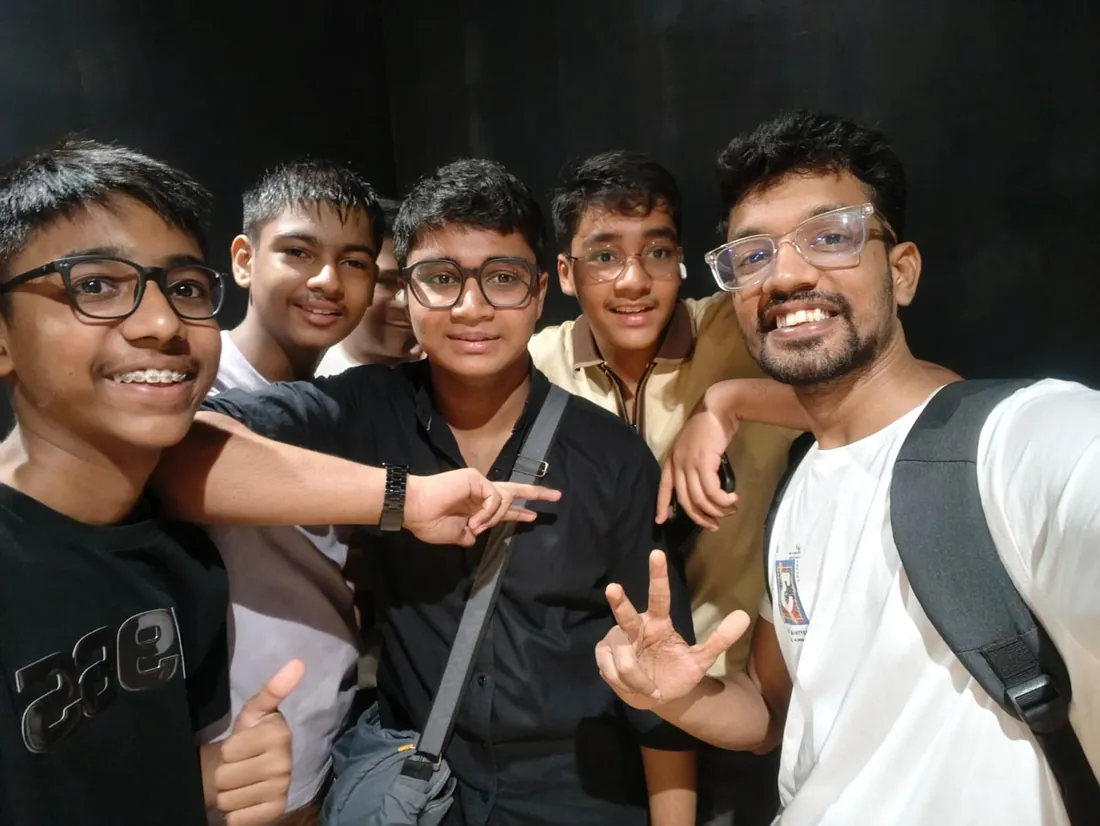
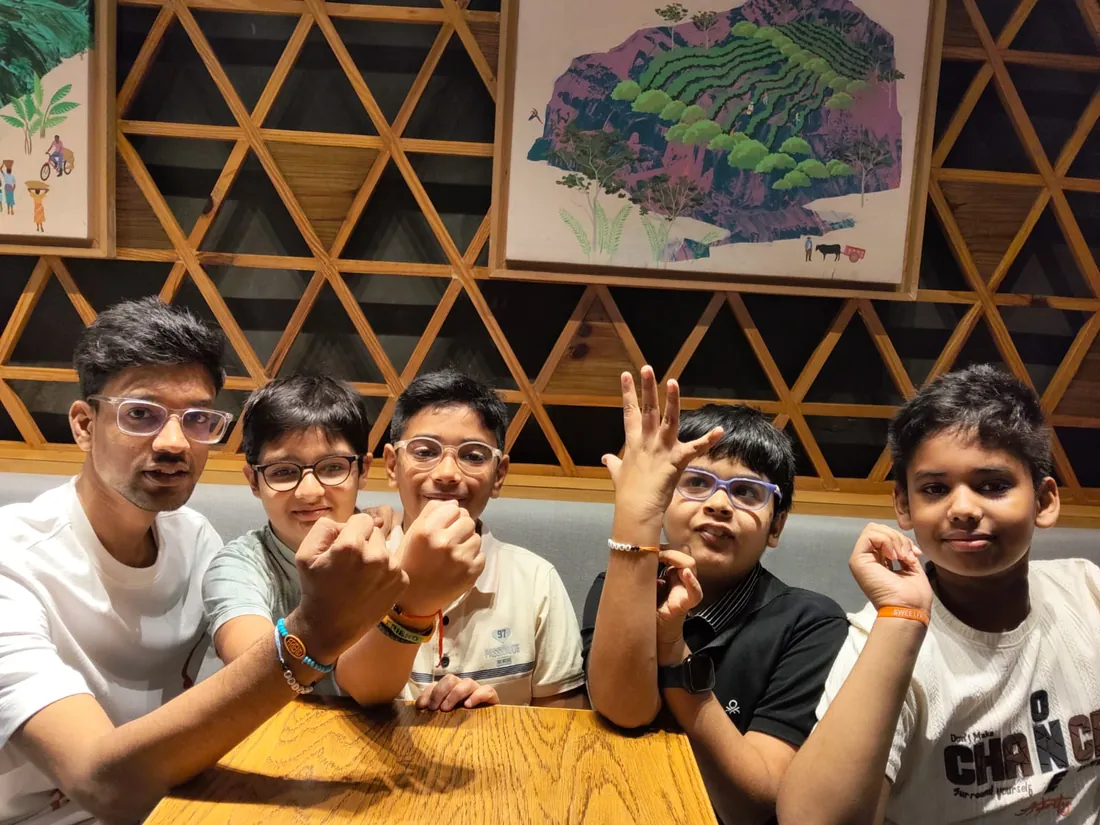
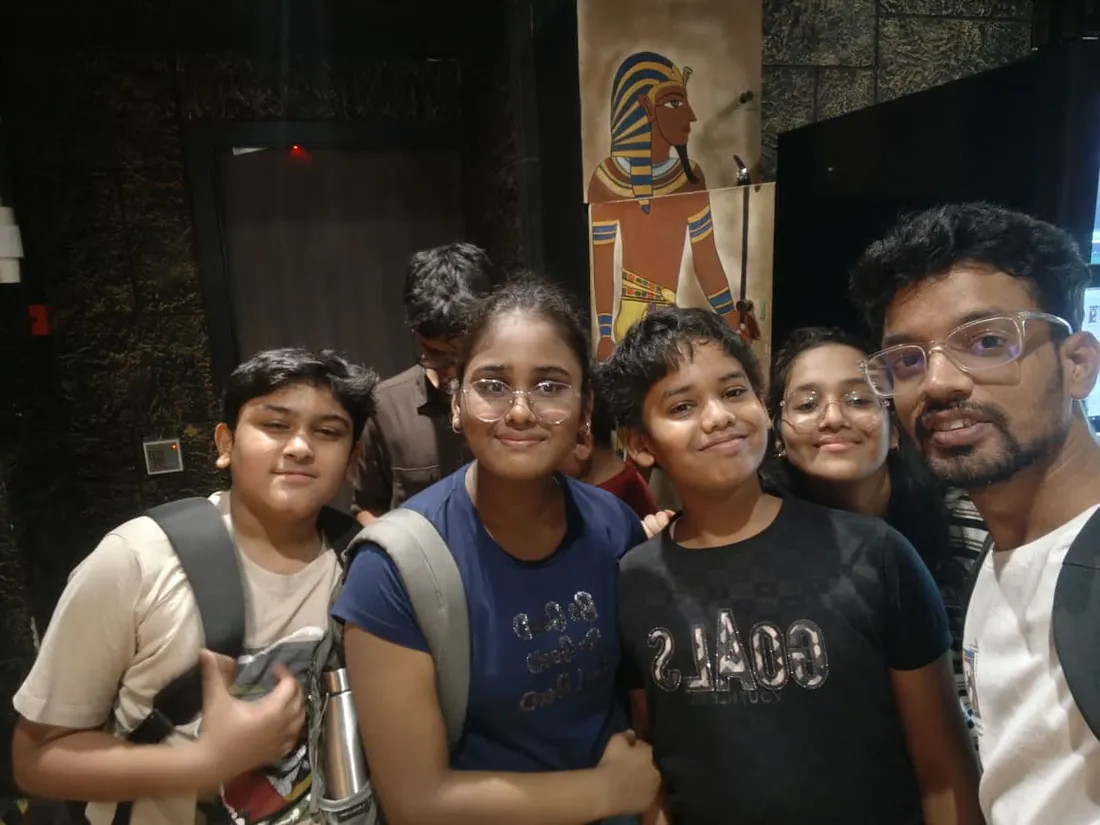
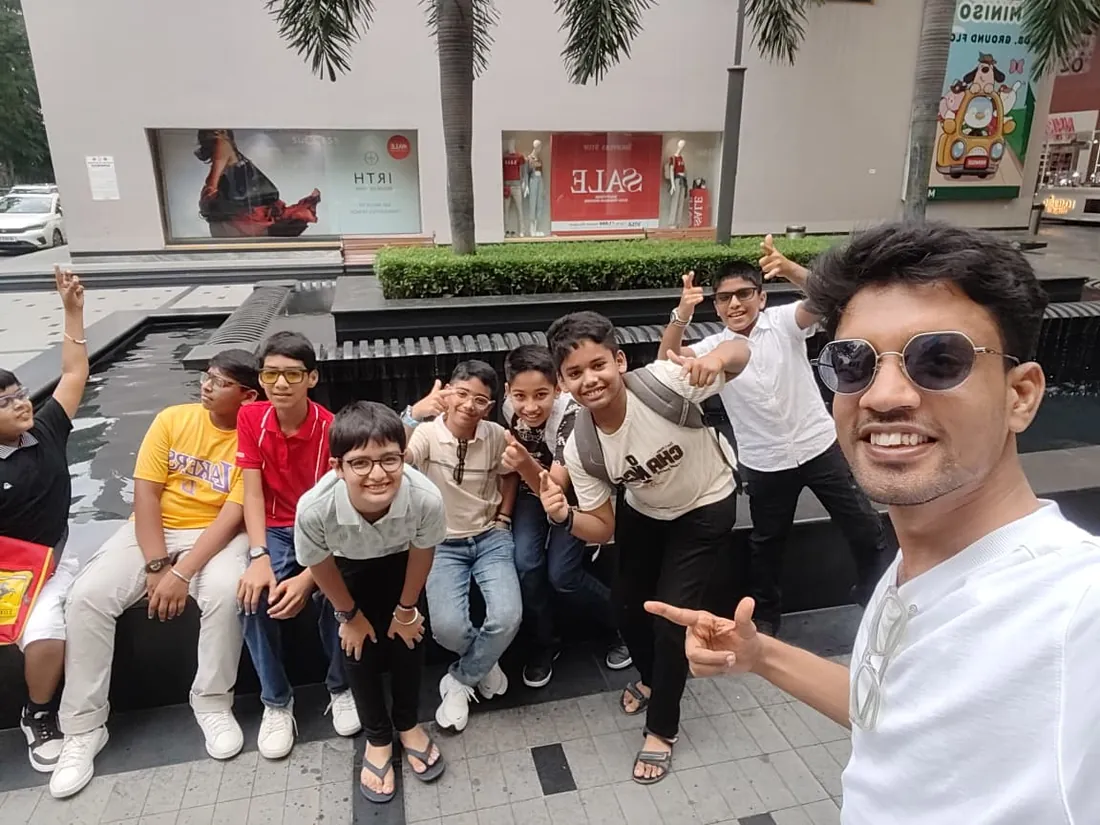
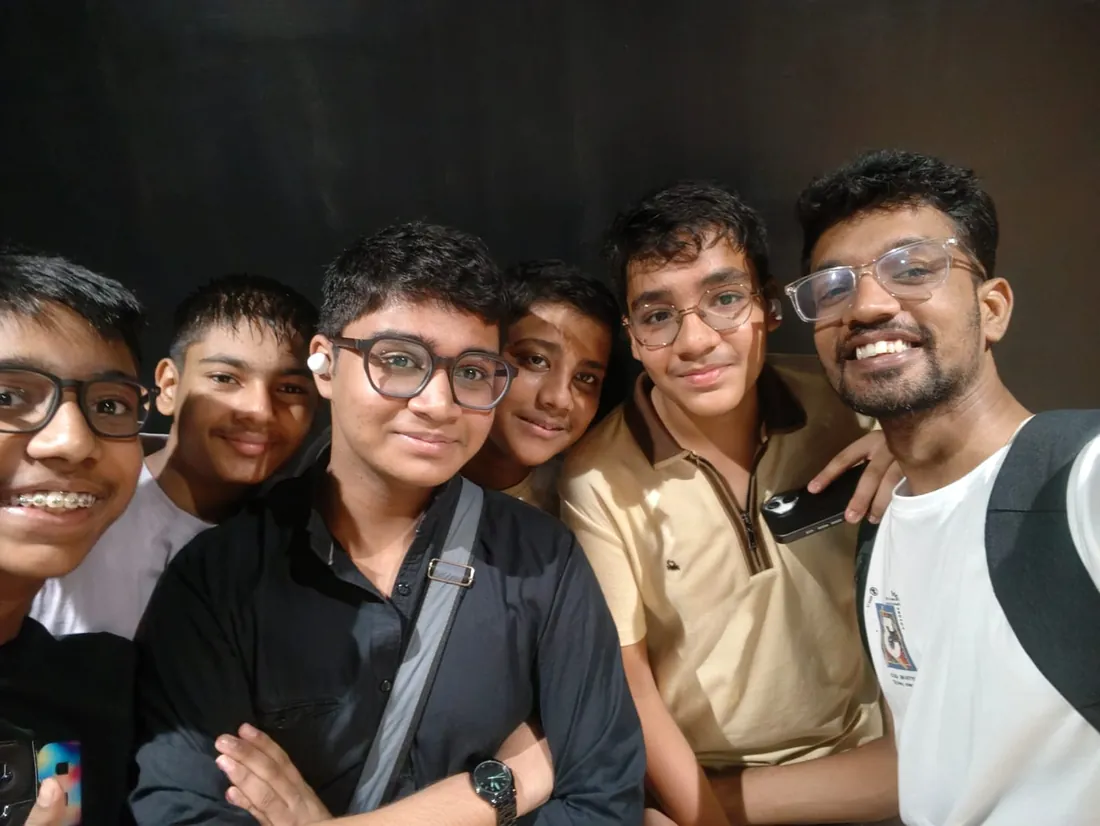
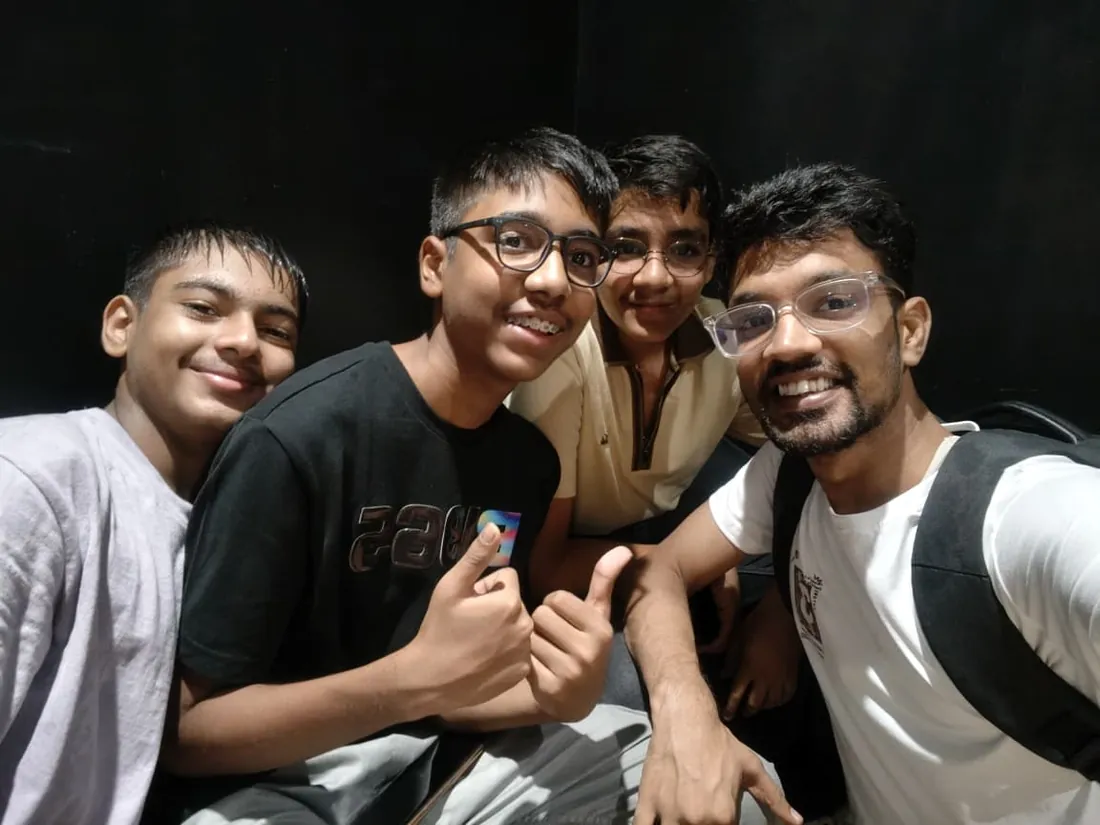
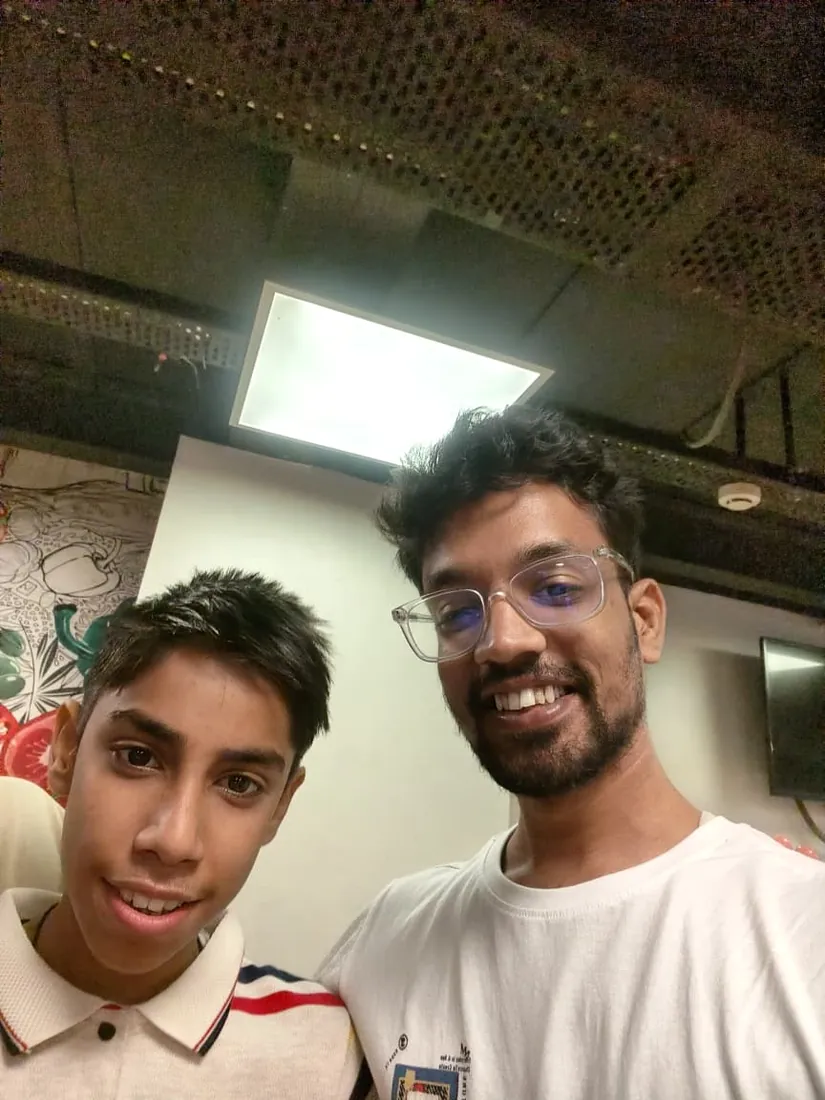
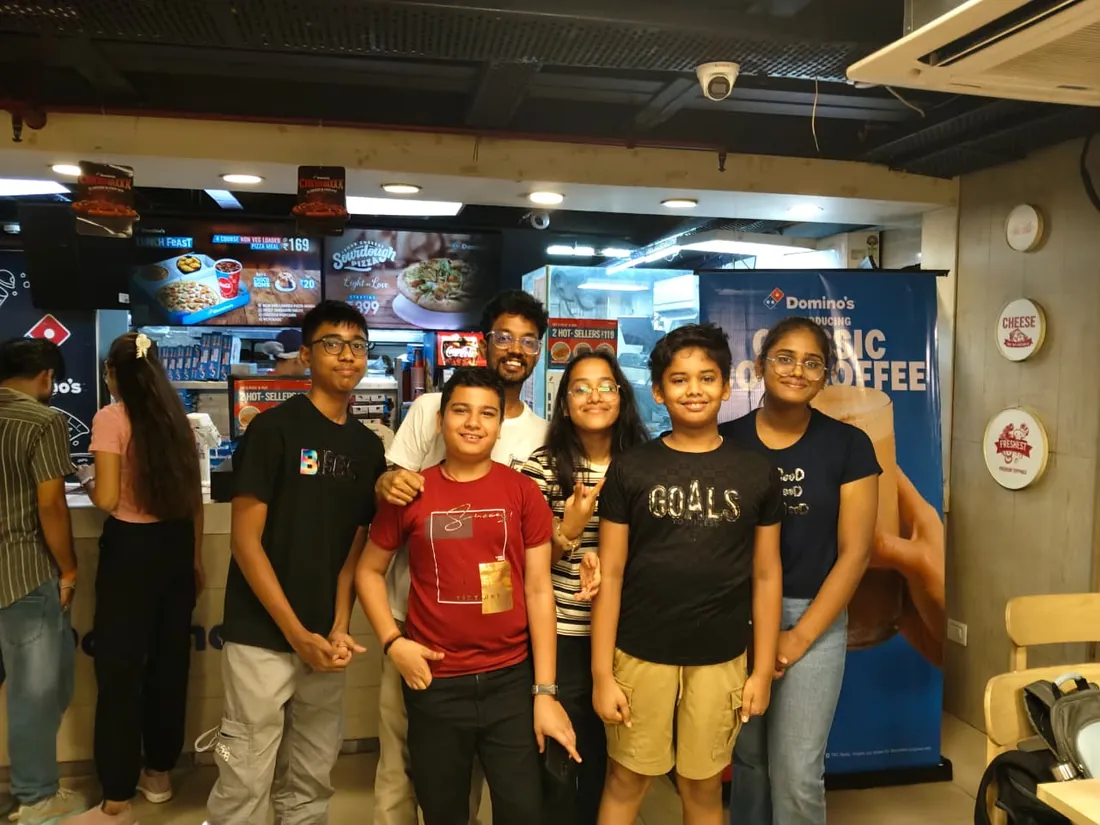
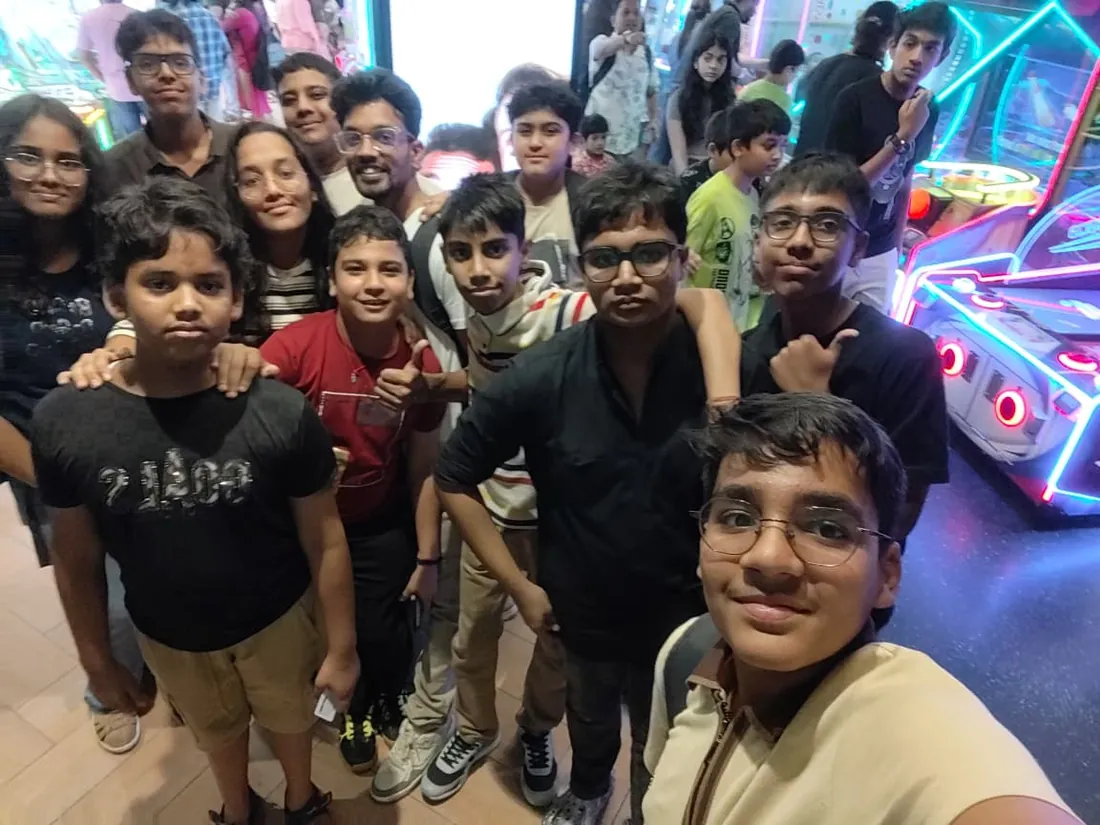
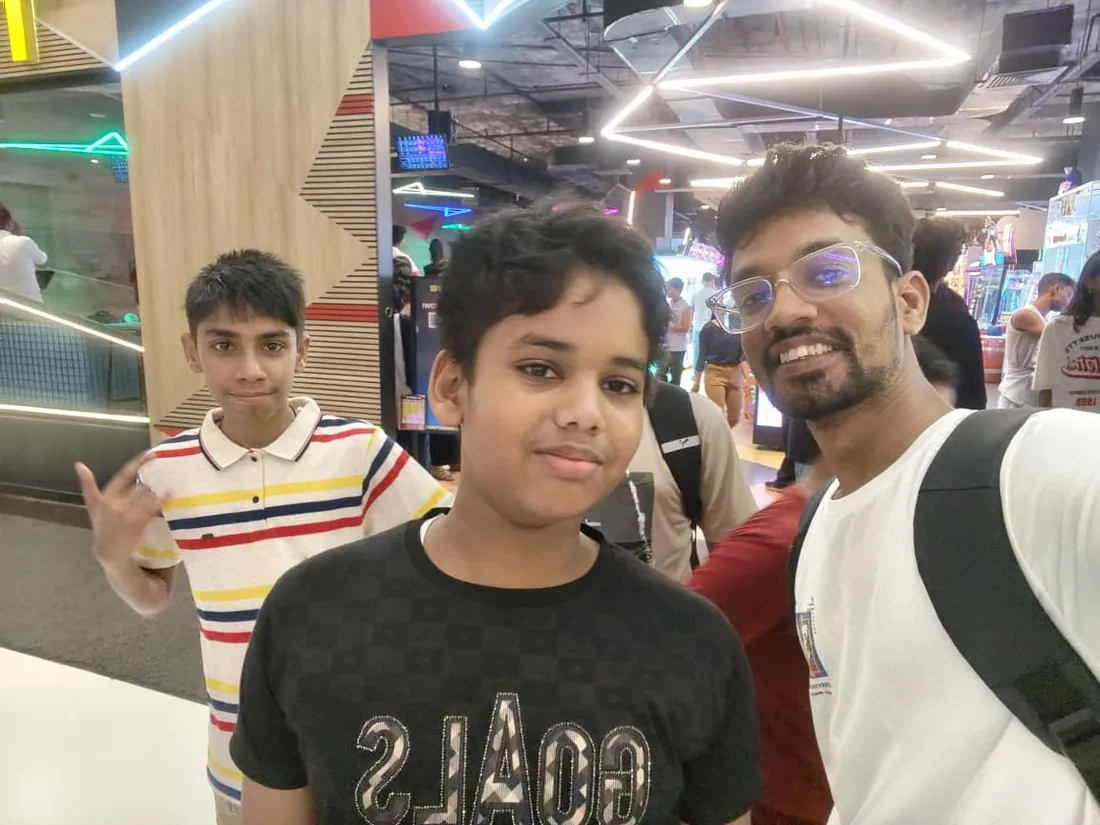
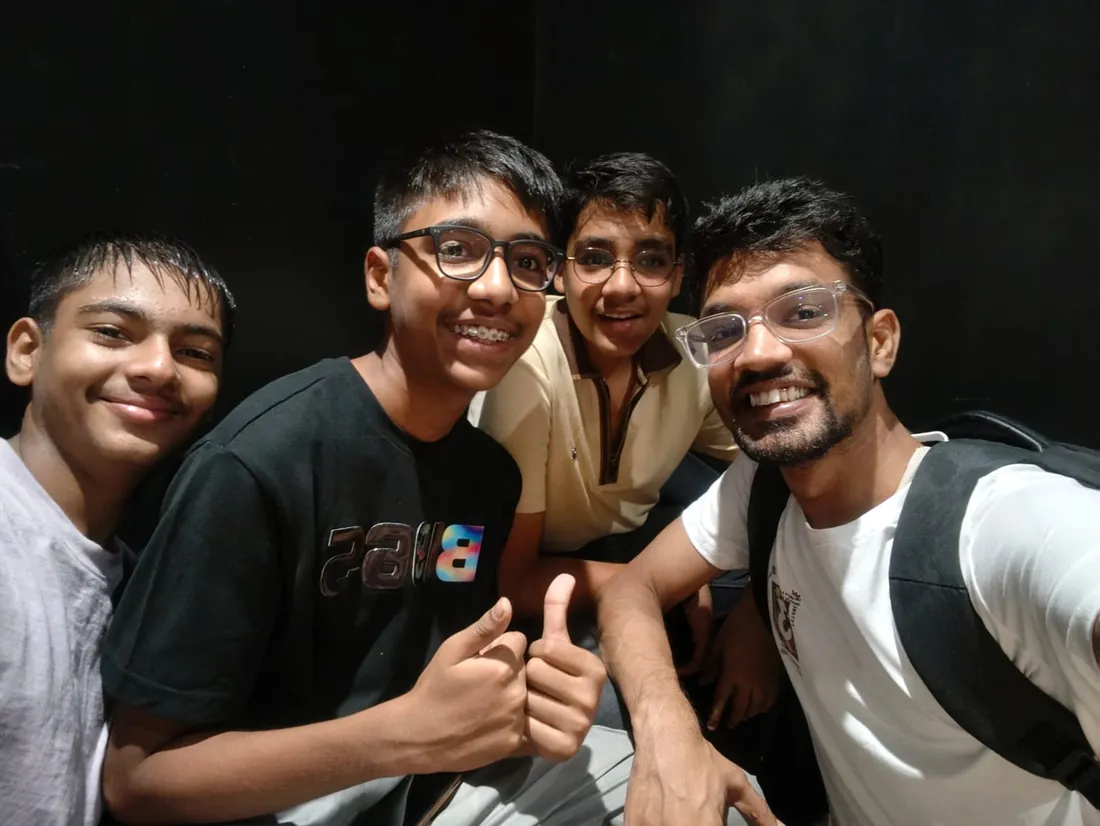
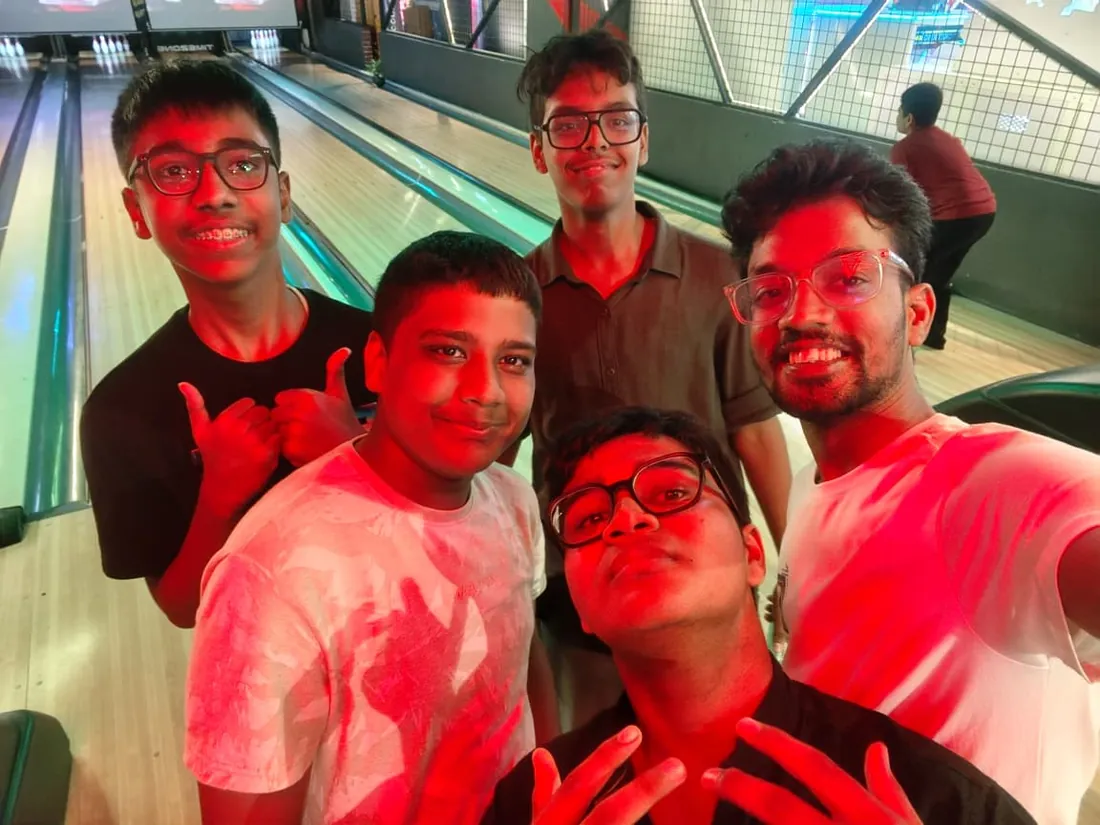
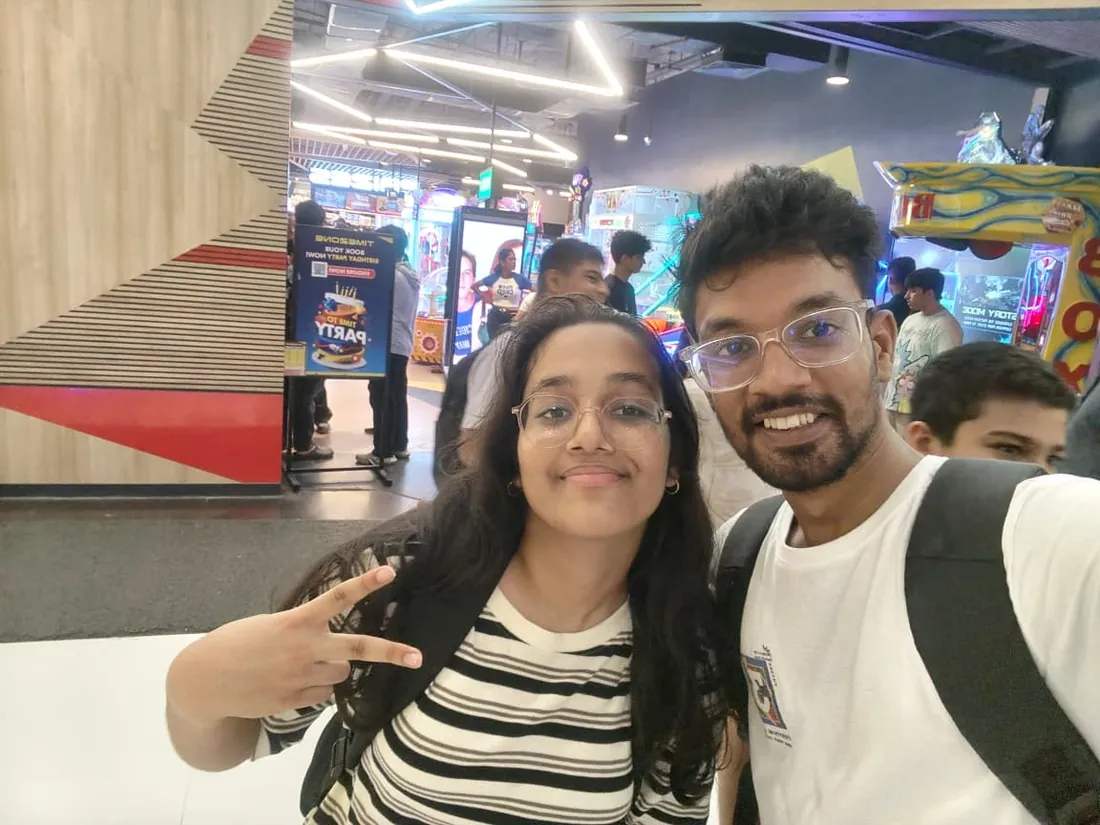
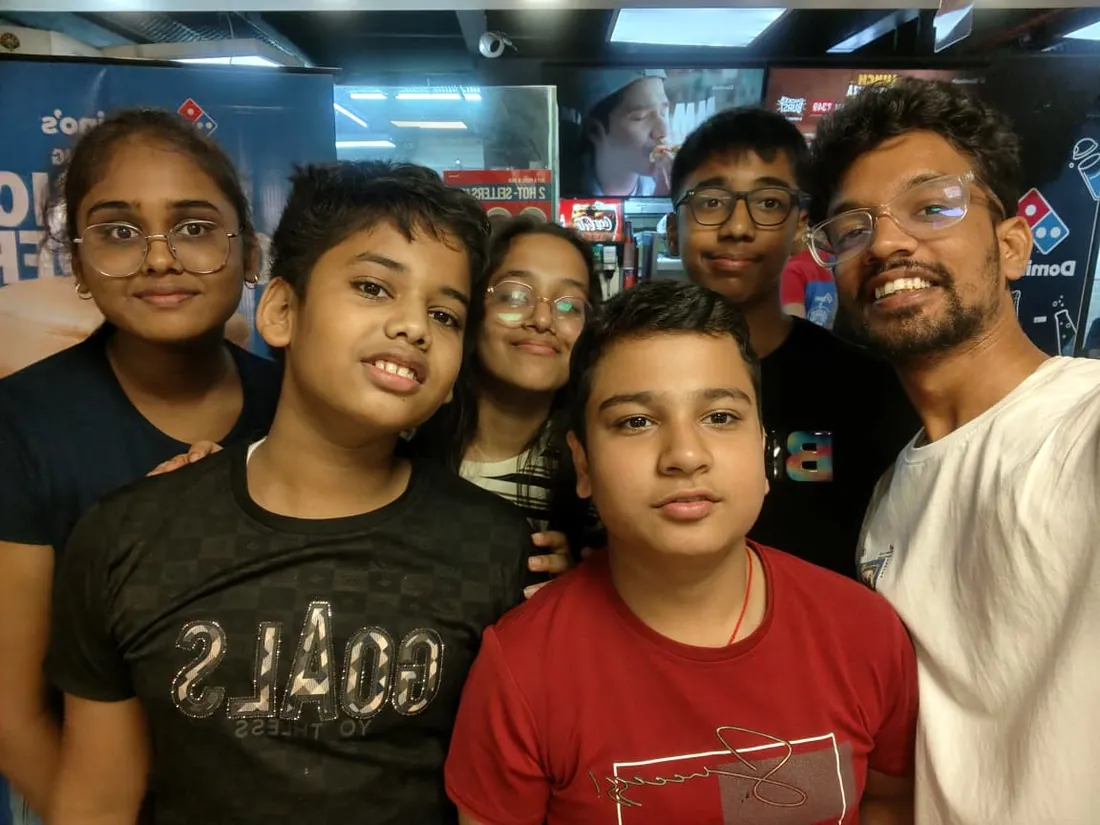
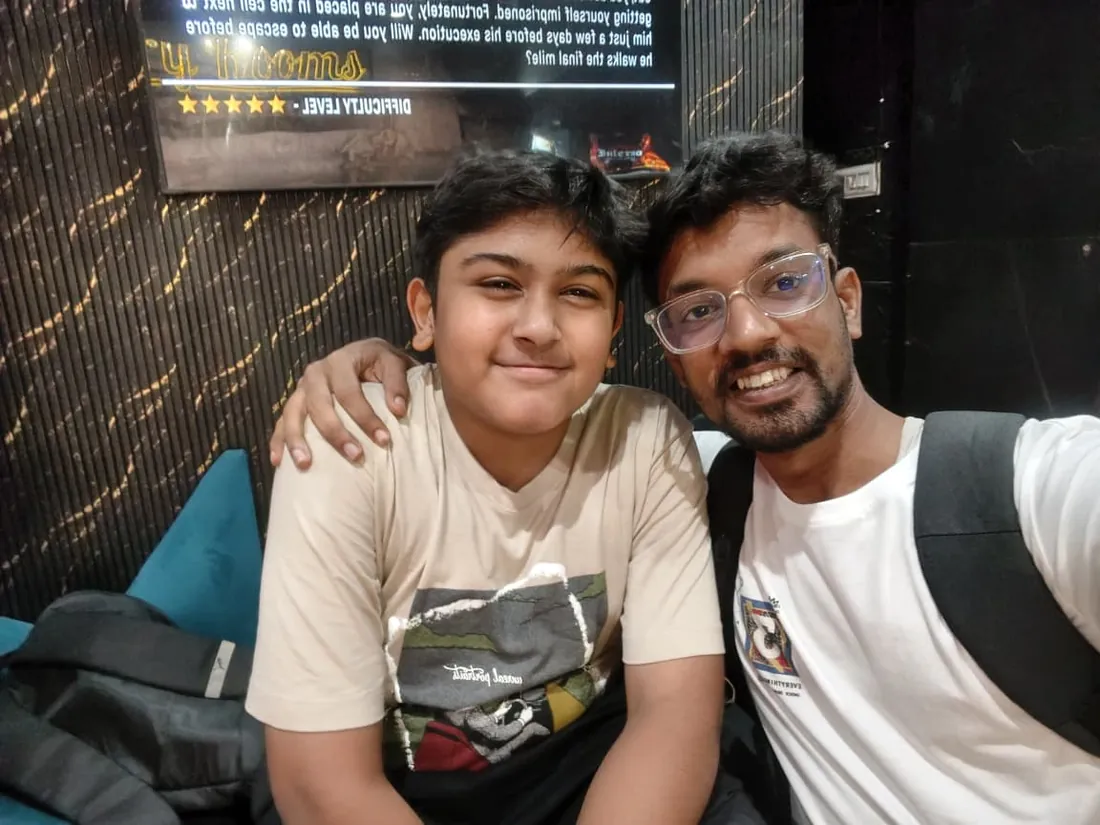
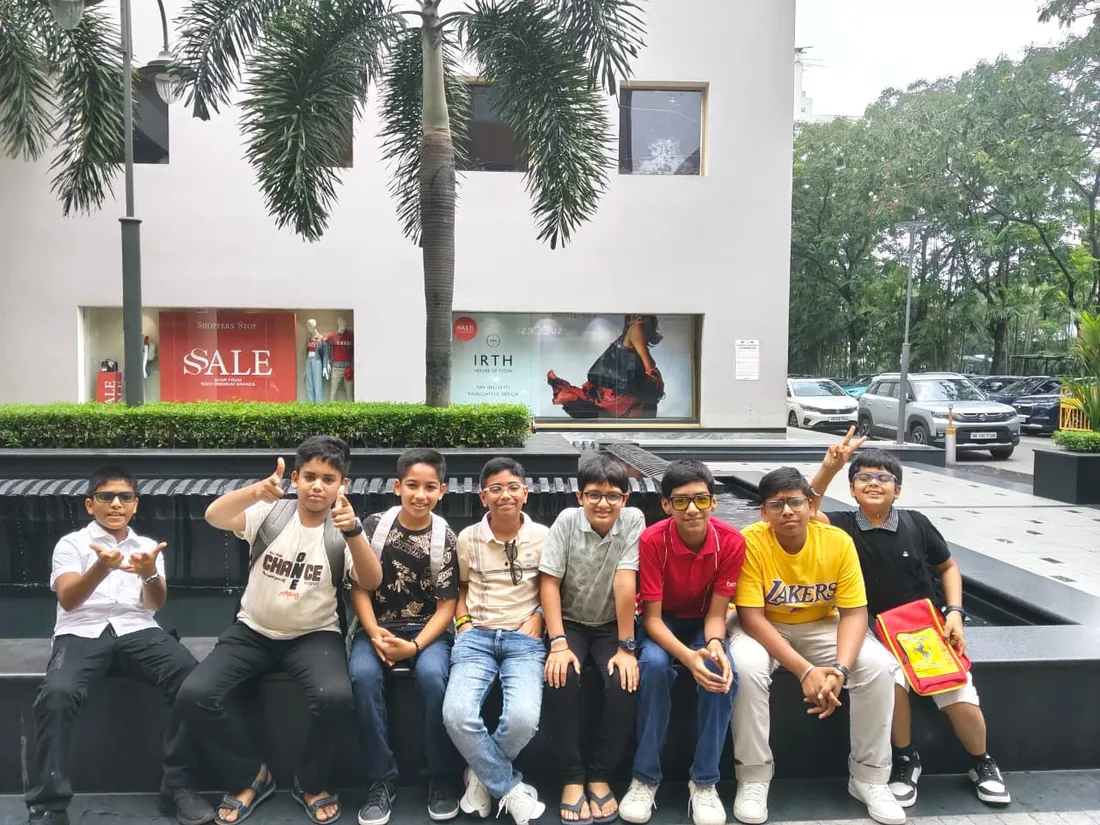
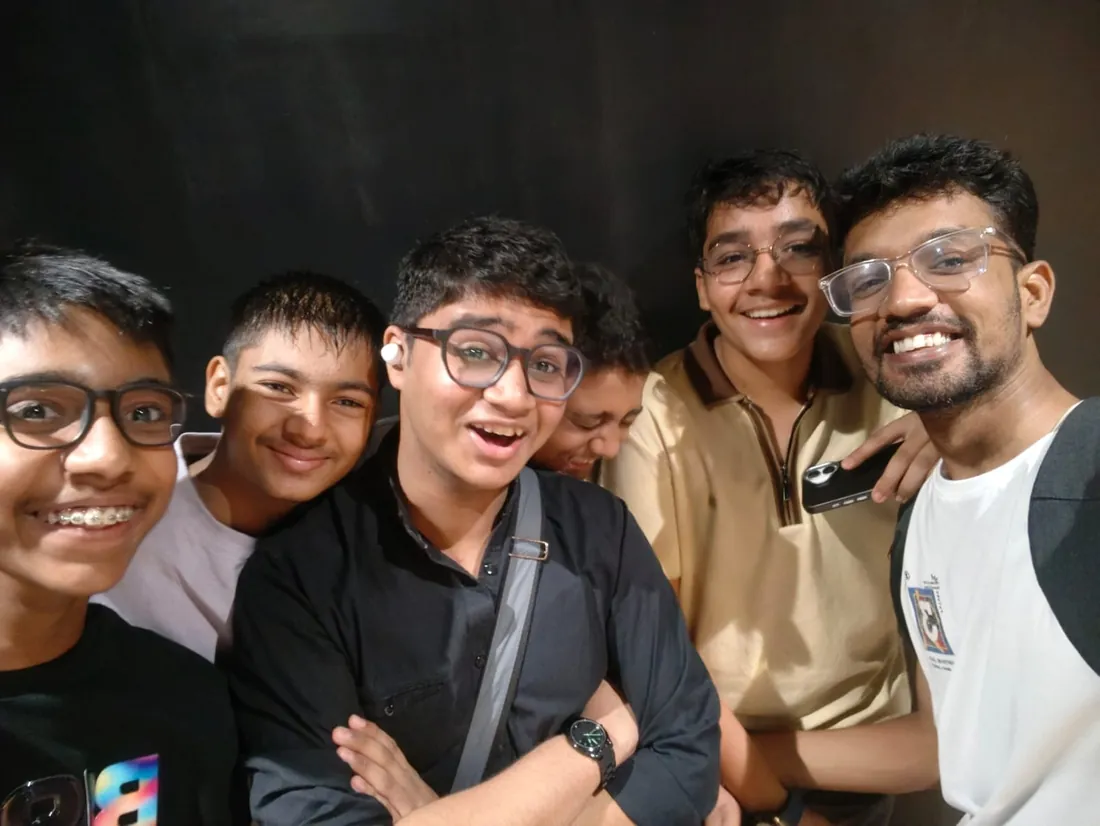
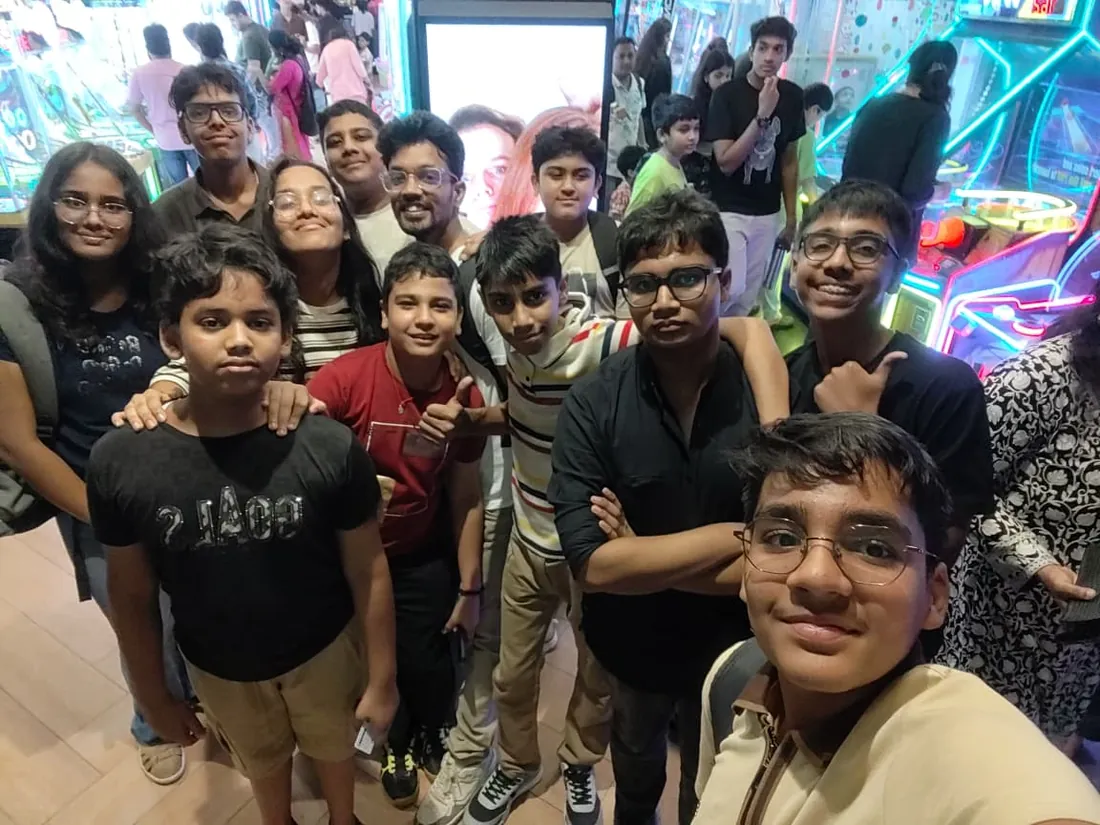
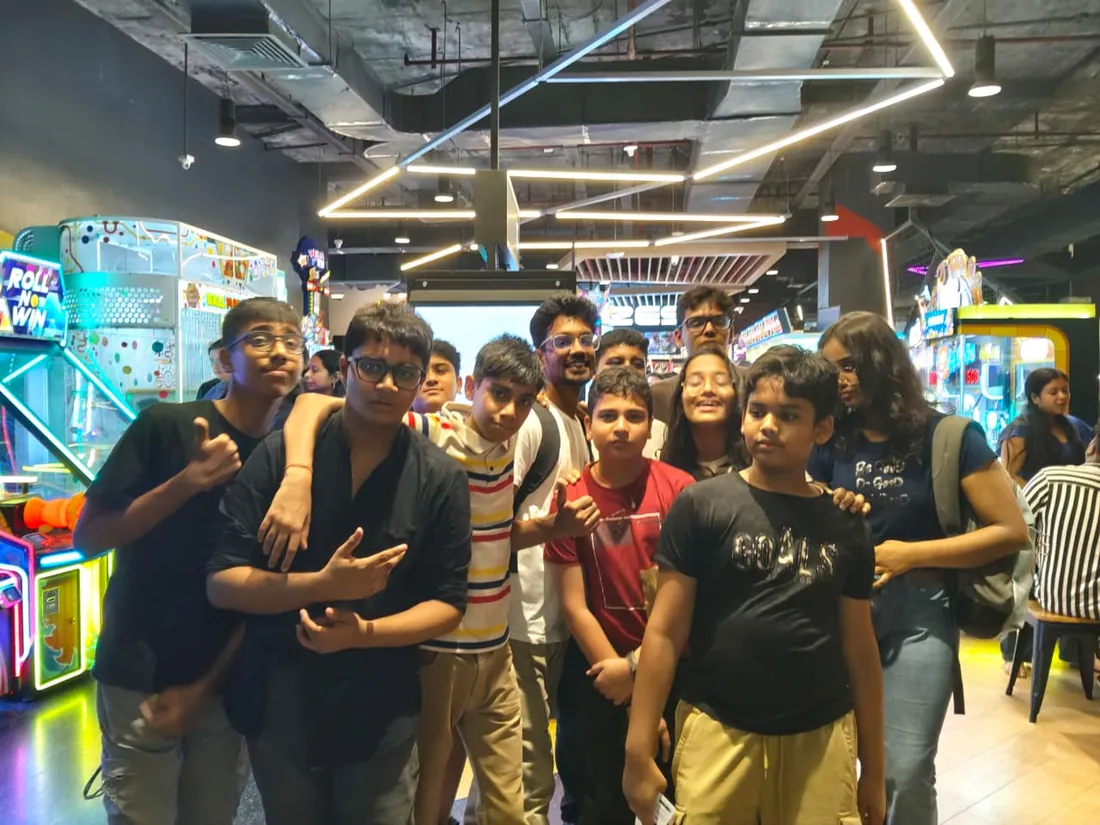
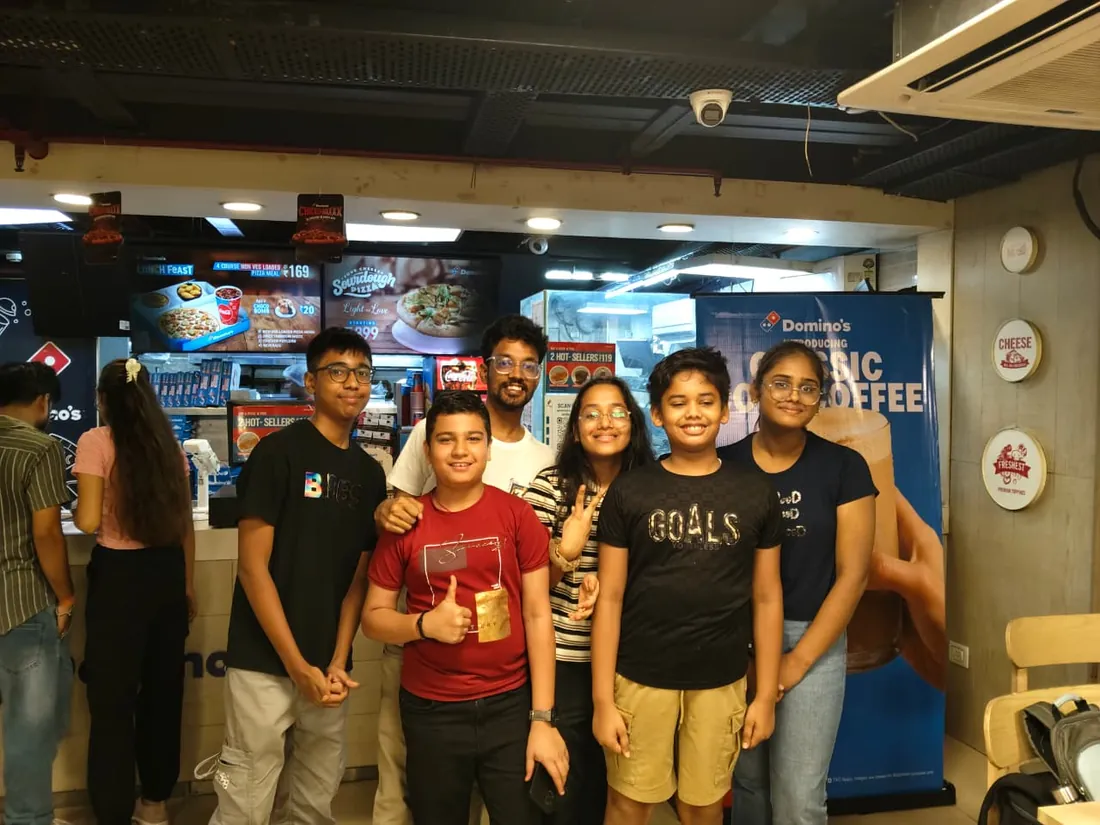
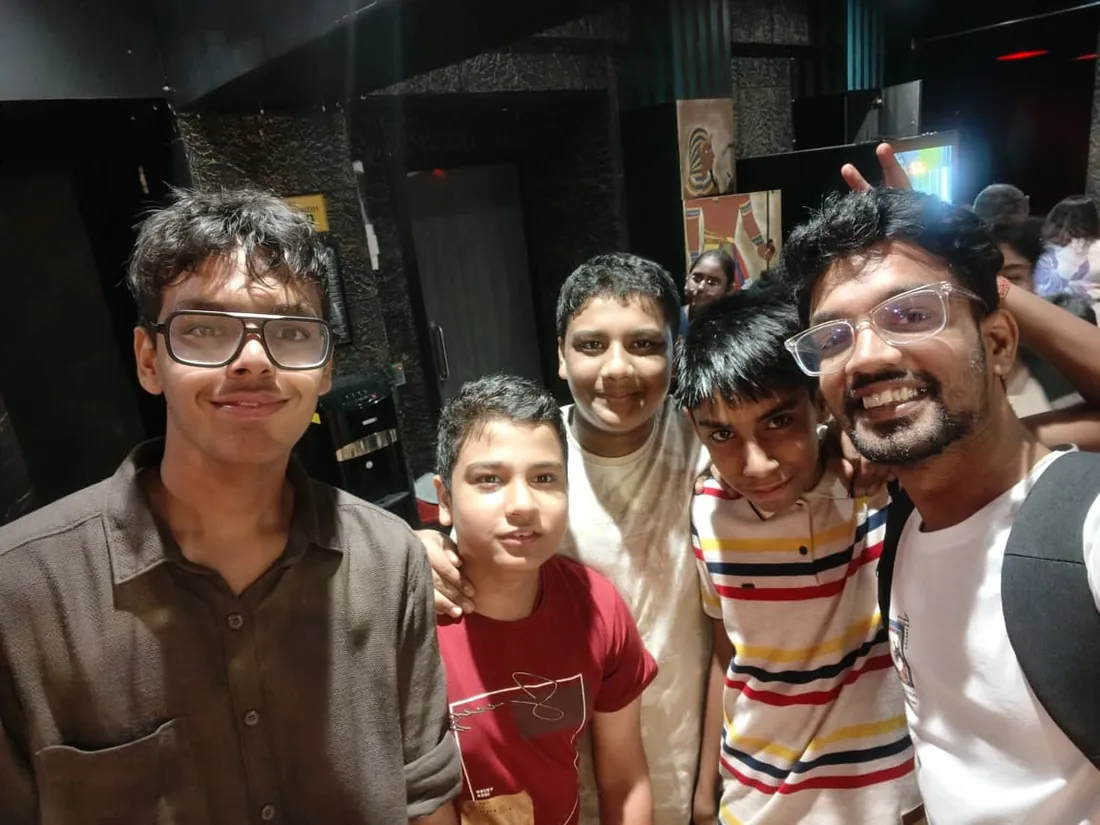
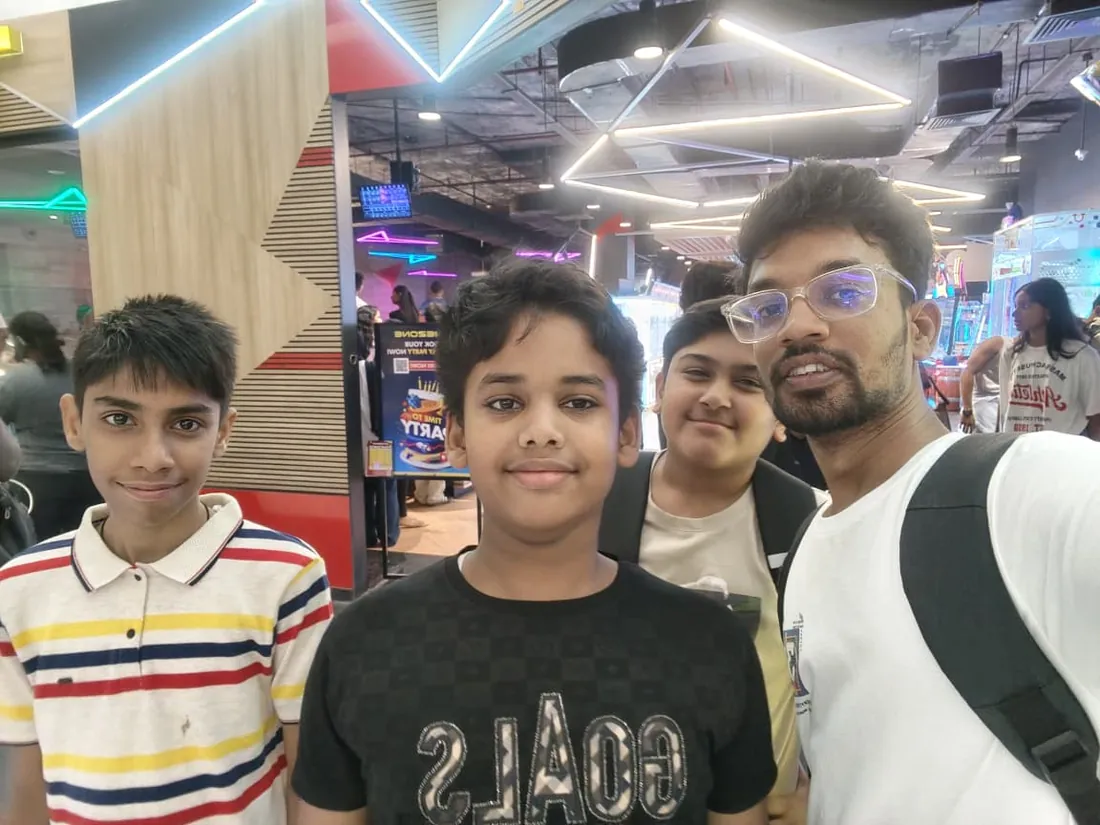
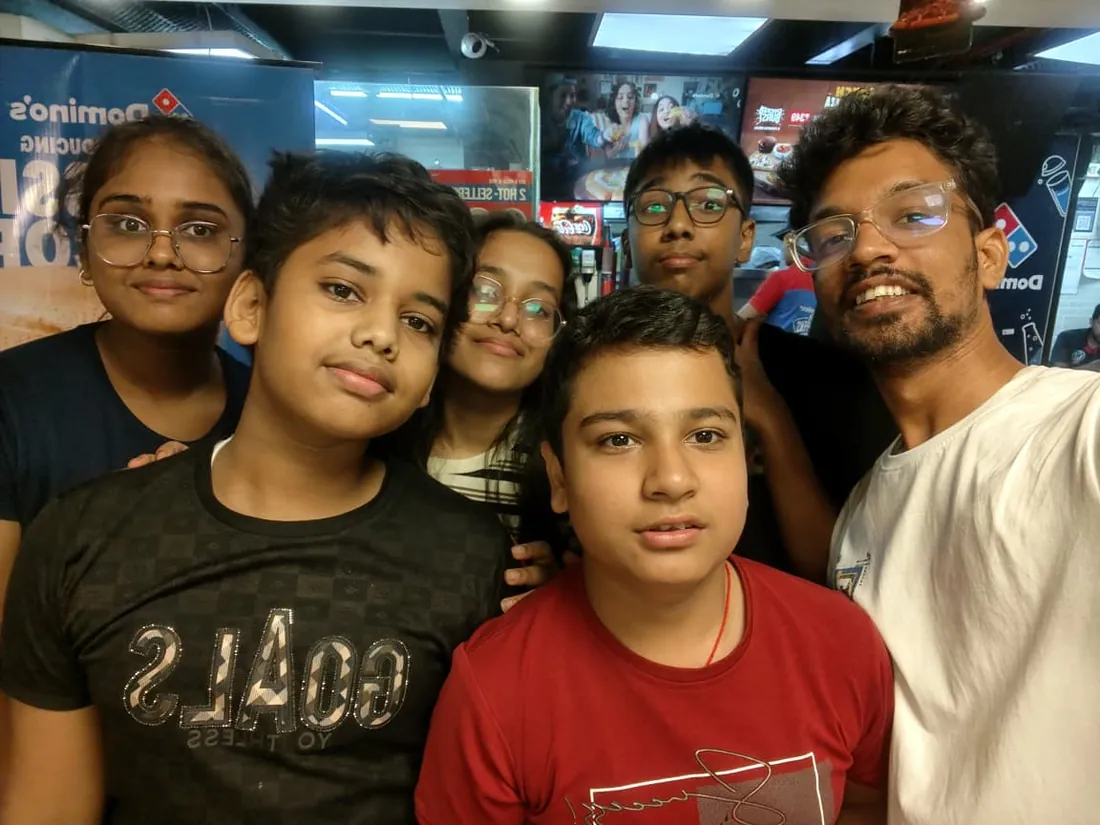
Real students. Real moments. Real joy.
These are our actual student meetups. No stock photos, no filters. Swipe through and meet the community you'll be joining.












What families say
Straight from the parents and students who learn with us. Rated 4.9 across 547 Google reviews.
“Mivaan enjoys the class. He understands the concepts and completes his tasks with excitement. He started taking interest in coding… truly amazing class.”
“I absolutely love it here! I made new friends and learned important valuable coding skills while having the fun of my life. It's not just coding here, it's outings, bonding and most importantly preparing you for your future. Definitely five stars.”
“What stands out most is how excited my son is before every class. He looks forward to learning, problem-solving, and sharing what he's built. I've noticed a big boost in his confidence!”
“Modern Age Coders has been a game-changer for me! I struggled to grasp IT concepts and coding before joining, but their classes transformed everything. I'm now the topper in my class and can confidently write complex programs with ease.”
“Modern Age Coder have wonderful teachers who teach in a clear, easy and practical way. The teacher boosts students' confidence, keeps them updated with technology, and inspires them to learn without hesitation.”
“The one step solution for my son. Modern Age Coders make learning coding so simple that kids love it.”
“Coding classes here make learning very interesting and conceptual. The teachers teach us in a very easy-to-understand and efficient manner.”
“One of the most wonderful education centres out there. Education is not limited to school syllabus but focuses on skill development. Learning here has been a wonderful journey and still continuing.”
“I highly recommend this computer coding class! The teachers are incredibly knowledgeable and passionate about coding. They make every session engaging and insightful.”
“My child Dhairya is really enjoying the Modern Age Coder IT classes. This is his first online class, and he eagerly looks forward to it.”
“Very good classes. Don't worry about coding. They teach the best, especially Shivam sir.”
“Very good classes. Makes learning very easy and interactive.”
Hear it from our students
Real parents and students in their own words, on our public YouTube channel.
Straight answers about AP Computer Science A: Java Programming and Full Exam Prep
- Who should take this course?
- High school students preparing for AP Computer Science A; taught from Java basics, no prior coding required. It suits students taking ap computer science a at school who want a structured, current course and real code review alongside their class; students whose school does not offer ap cs a and who are preparing for the exam independently; students aiming for a strong score who want free-response drilling against the real rubric and full timed mock exams.
- What will they learn and build?
- AP Computer Science A is a real first course in programming, taught in Java, and this course treats it that way: you leave able to write Java, not just to pass a test. It is also built for the exam as it exists now, not as it existed last year.
- How deeply are topics covered?
- The course runs 6 months (24 weeks) at 2 live classes/week + 4-5 hours practice, across 3 phases listed week by week in the syllabus below. A structured curriculum that teaches Java from scratch and follows the current four-unit exam, with hands-on coding in every session.
- Who teaches it?
- Modern Age Coders mentors, who teach the live classes themselves. You can watch them at work in the free class recordings before you decide.
- How do practice, feedback and assessment work?
- Classwork every session, a task after every class, monthly reviews that mix in earlier topics, and a full mock paper as the final assessment that decides the certificate: real knowledge and real work, with a free retest after revision if needed. Doubt support between classes over WhatsApp, so a stuck problem does not cost you a week. A certificate you earn by passing the final assessment, with a free retest after revision if needed.
- What does it cost?
- Three monthly plans: a group batch, a mini batch and 1-on-1. Prices are shown in your currency in the plans section. Monthly billing, cancel any time.
- When can classes take place?
- Live classes are scheduled around your week. Group batches meet at a fixed weekly slot; 1-on-1 students choose their own. International students are scheduled in their own timezone. Ask on WhatsApp for the current slots.
- Can I watch the teaching before deciding?
- Yes. Full recordings of real 13 and up classes are free to watch, free with a Google sign-in. These recordings show how we teach, not the exact syllabus of this course. Some classes are in English and some in Hindi; everyone follows at their own pace. Watch a class end to end, like you are in it. Sessions are interactive and each moment builds on the last.
- Can I enroll without a live demo?
- Yes. Choose a plan on this page and enrol directly; a demo is not required. If you would like to see a full class with a mentor first, book a Priority Demo.
- How do I reach you with a question?
- WhatsApp +91 91233 66161, email connect@modernagecoders.com, or call +91 91233 66161. Tell us the student's age and what they have learned so far, and we will point you to the right plan and batch.
Common Questions About AP Computer Science A: Java Programming and Full Exam Prep
Get answers to the most common questions about this comprehensive program
Still have questions? We're here to help!
Contact UsRelated Courses You May Like
Continue your learning journey with these recommended programs
 Advanced Placement Computer Science
AP Computer Science Principles: Create Task and Exam Prep
Live online AP Computer Science Principles course: programming fundamentals, data, algorithms, the C...
Explore Course Kids Coding & Creative Technology
Vibe Coding for Kids: AI, Scratch & Game Dev (Ages 8-12)
Live online vibe coding course for kids ages 8-12: learn Scratch, AI tools and game development in a...
Explore CourseRelated Articles & Guides
Deepen your knowledge with these hand-picked articles
 Education
12 min read
Education
12 min read
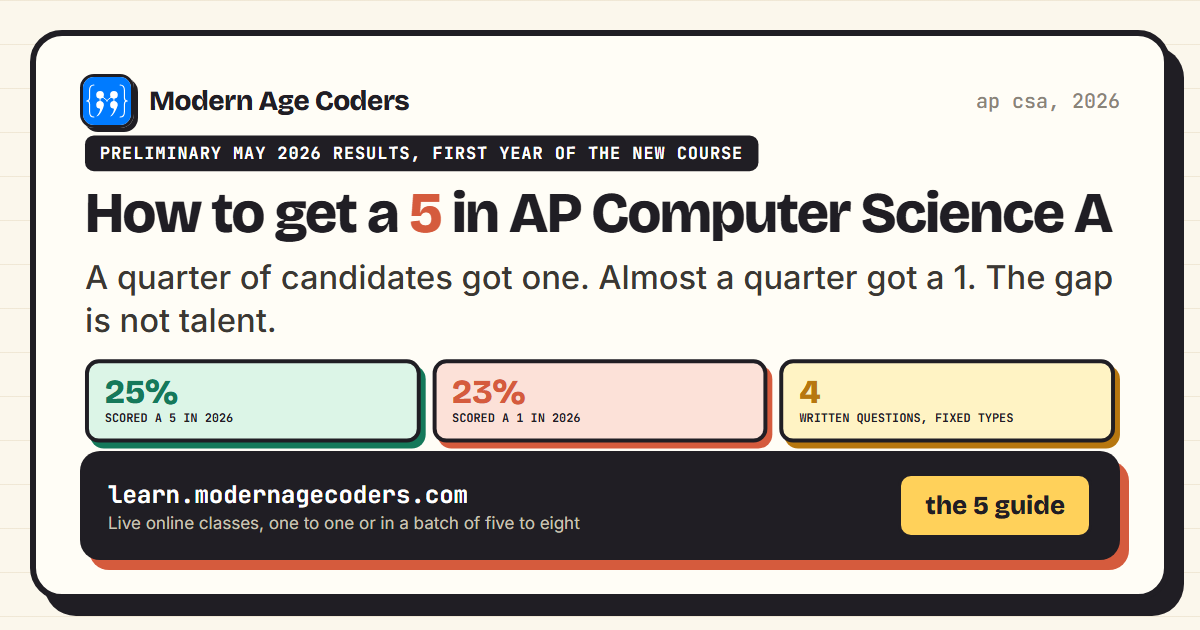
How to Get a 5 in AP Computer Science A (2026)
Preliminary 2026 data: a quarter scored 5 and almost a quarter scored 1. What separates them on the ...
Read Article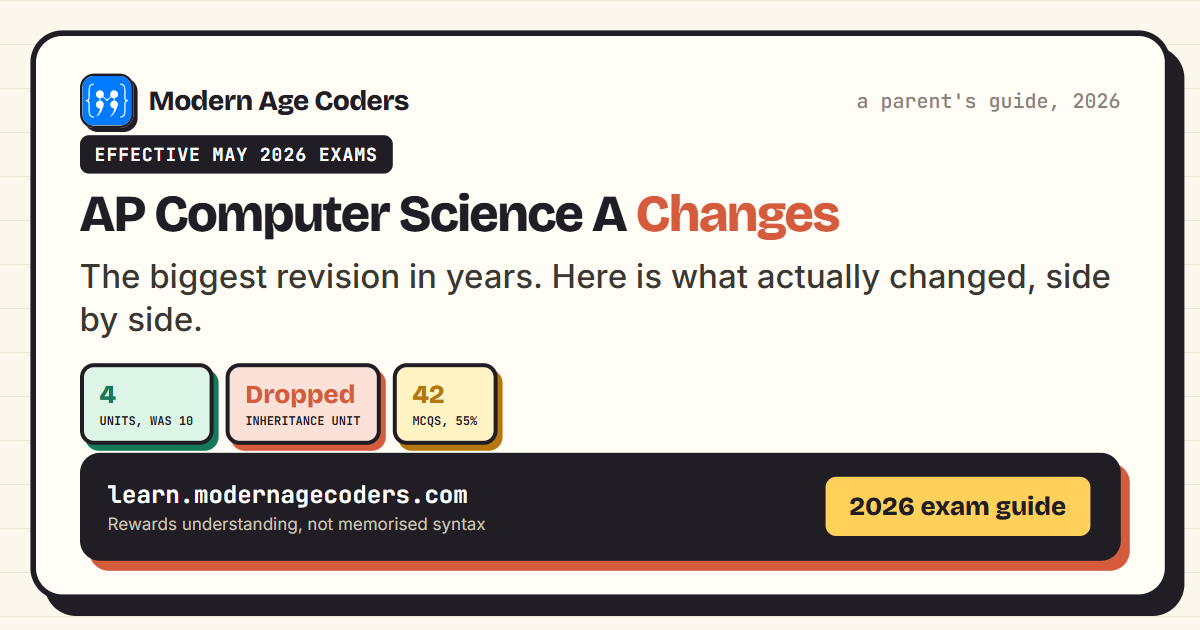 Coding
6 min read
Coding
6 min read
AP Computer Science A Changes for 2026: A Parent's Guide
AP Computer Science A was revised for 2025-26: four new units, inheritance dropped, real file and da...
Read ArticleReady to start AP Computer Science A: Java Programming and Full Exam Prep?
Book a Priority Demo to see a full live class with a mentor reserved for you, today or tomorrow. Or choose a plan and enrol now.
Questions? WhatsApp +91 91233 66161 or email connect@modernagecoders.com