UK / TL1 / 01
Python, zero to advanced
Programming depth that stands up to a real placement.
Open the syllabusEngland · T Levels · Ages 16 to 19
Most students choosing a T Level are told it is "equivalent to 3 A levels" and not much else. The detail matters more. The certificate carries two separate grades: the core, graded A* to E, and the occupational specialism, graded pass, merit or distinction. The overall grade combines them, and the top one is spelled out without ambiguity: "to be awarded a Distinction*, you must achieve an A* in the core and a Distinction in the occupational specialism(s)". On top of that sits an industry placement of "at least 315 hours", roughly nine weeks inside a real employer, without which no T Level is awarded at all. A student who is strong in examinations and weak at building software, or the reverse, cannot reach the top. This page explains the two halves, which of the three digital T Levels is actually about programming, and where outside teaching genuinely helps.
Teaching live since 2020 · 10,000+ students · Support for the skills, never the assessed work
In short
The Digital Software Development T Level is a two-year level 3 course, equivalent to three A levels, first taught in September 2020 and awarded by Pearson. It has two graded parts. The core covers problem solving, programming, data, digital environments, security, legislation and business context, and is graded A* to E. The occupational specialism covers analysing requirements, designing, implementing and testing software, and maintaining it, and is graded pass, merit or distinction. A Distinction*, worth 168 UCAS points, the same as A*A*A*, needs an A* in the core and a Distinction in the specialism, and every T Level also requires an industry placement of at least 315 hours. We do not deliver T Levels or touch assessed work; we teach the programming both parts assume. The first lesson is free, then USD 100 a month in a group or USD 150 one to one.
Start here
Programming depth, the testing habit, and the data work the core covers. Cards open the full syllabus.
TL / 01
The programming the core names and the specialism assumes, taken past the point where it is merely comfortable.
Open the syllabus →
TL / 02
Web developer is the first role the T Level lists, and this is designing, building and testing a real application.
Open the syllabus →
TL / 03
How software is changed, maintained and worked on collaboratively, which the specialism names in almost those words.
Open the syllabus →Two halves of one grade
From the Department for Education's Introduction of T Levels, updated 26 January 2026, and the Skills England qualification page.
| Element | How it is graded |
|---|---|
| Overall T Level grade | Pass, merit, distinction or distinction* |
| Core component | A* to E |
| Occupational specialism | Pass, merit or distinction |
| Industry placement | Confirmed as completed; required for the award |
| English and maths | Students work towards them if not already at grade 4, but are not required to achieve them to pass the programme |
| UCAS points | T Level overall grade | A level equivalent |
|---|---|---|
| 168 | Distinction*: A* on the core and distinction in the occupational specialism | A*A*A* |
| 144 | Distinction | AAA |
| 120 | Merit | BBB |
| 96 | Pass, with C or above on the core | CCC |
| 72 | Pass, with D or E on the core | DDD |
The core is knowledge and understanding, assessed through an examination and an employer-set project. The specialism is the occupational skill itself: building, testing and maintaining software. They reward different habits and different students.
The top grade needs the best result in both. That is unusual in English post-16 qualifications, and it means neither half can be neglected on the assumption that the other will carry it.
The two pass grades differ only by the core result: C or above gives the CCC equivalent, D or E gives DDD. So the examined half moves a student by a full A level grade on every subject, even at a pass.
Partial achievement also earns UCAS points, which DfE says vary by T Level because the weighting of core and specialism differs between them.
Sources, read 21 September 2026: DfE, Introduction of T Levels, updated 26 January 2026, applies to England; T Levels, Digital Software Development; and Skills England, T Level in digital Software Development.
Which digital T Level
A student searching for "the digital T Level" is choosing between three qualifications that lead to different work.
| T Level | First taught | Mainly about |
|---|---|---|
| Digital software development | September 2020 | Designing, building, testing and maintaining software |
| Digital data analytics | September 2021 | Working with data, as its name says |
| Digital support and security | September 2021 | Supporting systems and keeping them secure |
The student-facing site calls it Digital Software Development. The Skills England record still names its occupational specialism Digital Production, Design and Development, which was the original title, and aligns it to the occupational standard for a software development technician.
Both names describe the same qualification from Pearson, first available from 1 September 2020. If a college prospectus uses the older name, it is not a different course.
The published specialism content is a description of professional software work: "Analysing a problem to define requirements and acceptance criteria aligned to user needs", "Designing, implementing, and testing software", "Changing, maintaining and supporting software", and "Creating solutions in a social and collaborative environment".
It also names "Applying ethical principles and managing risks in line with legal and regulatory requirements when developing software", which is rarely taught before university elsewhere.
| Core area | Why a coding student needs it |
|---|---|
| Problem solving | Every programming task begins with a problem stated precisely enough to solve |
| Programming | The centre of the qualification, and the skill the specialism builds on |
| Data | Almost all real software stores, moves and reports on data |
| Digital environments | Where software actually runs, and what that changes |
| Security | The risks the core says organisations face, and how software creates or reduces them |
| Legislation and regulatory requirements | What the law requires of software and the people who build it |
| Business context | Why software is built at all, and for whom |
| Emerging issues and the impact of digital | How the field is changing, including AI |
Roles the T Levels site lists for this route include web developer, web designer, software developer, computer games tester and developer, e-learning developer and user experience designer. It also notes the T Level can lead to a related higher apprenticeship or degree. Entry requirements are set by each school or college, not nationally.
The placement
The part of a T Level no classroom and no tutor can simulate, and the part without which nothing is awarded.
Every T Level includes a placement that DfE says will "last a minimum of 315 hours (approximately 45 days) but can last longer". The student site describes it as "9 weeks minimum working with an employer". The two descriptions agree: forty-five working days is nine five-day weeks.
Employers can offer it "as a block, day release or a mix of these", and the provider offering the T Level arranges and verifies it.
A student who arrives at a placement able to read an unfamiliar codebase, use version control and write a test is useful from the first week. One who can only write small programs from scratch spends most of the placement catching up.
That is where outside teaching genuinely helps, and it is a very different thing from helping with assessed work.
| We teach | We do not do |
|---|---|
| Programming well past the minimum, in Python and for the web | Any part of the employer-set project |
| Reading and changing code you did not write | Any occupational specialism assessment |
| Version control and working on shared code | Finding or arranging industry placements |
| Testing, requirements and acceptance criteria on our own projects | Anything a provider will verify as the student's own work |
That line is the same one we hold for GCSE and A level coursework, and the page on declaring AI in assessed work explains why it matters more once a qualification counts towards university entry or a job.
For students weighing a T Level against A levels, the AQA and OCR A-level pages set out what the academic route asks, and the England page covers the wider system. T Levels apply to England only.
Progression
Judged by what a student can do in a real codebase, which is what the placement and the specialism both test.
| Rung | When | What should be true |
|---|---|---|
| 1. Programming past GCSE | The first term | Comfortable writing, running and debugging real programs in at least one language |
| 2. Working in shared code | Before the placement | Reads unfamiliar code, uses version control, and makes small safe changes |
| 3. Requirements and testing | During the first year | Turns a user need into acceptance criteria and tests against them |
| 4. Maintaining software | Second year | Changes and supports existing software without breaking what works |
A student who can work in somebody else's code is useful to an employer immediately. Nine weeks is short, and arriving ready to contribute is worth more than anything else.
The wider topic order runs down the coding roadmap.
Changing, maintaining and supporting software is named in the specialism, and it is the part school programming almost never practises.
We teach it on our own projects, never on assessed work.
The catalogue
Grouped by which part of the qualification they support. The free lesson settles where to start.
UK / TL1 / 01
Programming depth that stands up to a real placement.
Open the syllabusUK / TL1 / 02
A second language, since employers use many and the specialism names none.
Open the syllabusUK / TL1 / 03
The problem-solving and programming areas of the core, worked through properly.
Open the syllabusUK / TL2 / 01
Changing and maintaining shared code, which the specialism names directly.
Open the syllabusUK / TL2 / 02
Designing, implementing and testing a real application end to end.
Open the syllabusUK / TL2 / 03
The web developer role the T Level lists first, built in the language most students already know.
Open the syllabusUK / TL3 / 01
The data area of the core, where most real software keeps its information.
Open the syllabusUK / TL3 / 02
For students who find they prefer the data side and may look at the analytics T Level.
Open the syllabusUK / TL3 / 03
Emerging issues and the impact of digital, including AI, handled with a record of what tools contributed.
Open the syllabusHow lessons work
Our teachers work from India on a clock that never shifts, so the UK is five and a half hours behind from October and four and a half from March. Slots are agreed in UK time.
After college
The usual slot for T Level students.
Later evening
For students on day-release placement weeks.
Weekend morning
Good for longer project work of our own.
Students regularly read, explain and extend code they did not write, which is exactly what a placement asks on day one.
Every project lives in a repository, because that is how software is changed and maintained at work.
A user need turned into acceptance criteria first, then tests, then the program.
We never work on the employer-set project, specialism assessment or anything a provider will verify.
Five to ten students at one stage, reviewing each other's changes as a team would.
For a student with a specific gap before a placement starts.
Student work
Four projects from our own lessons, none of them assessed work. More in student labs.
AI and ML
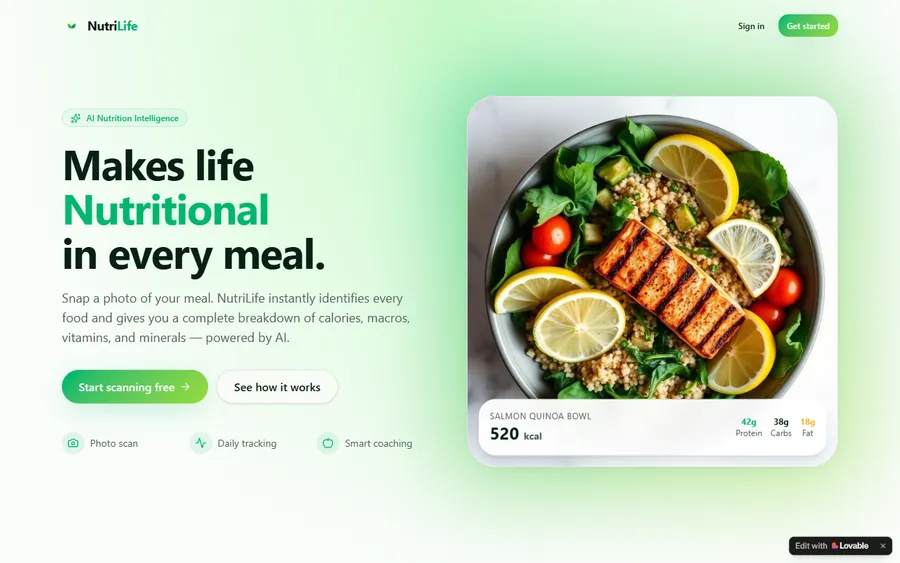
An AI nutrition coach that reads what you eat and works you toward a target.
AI and ML
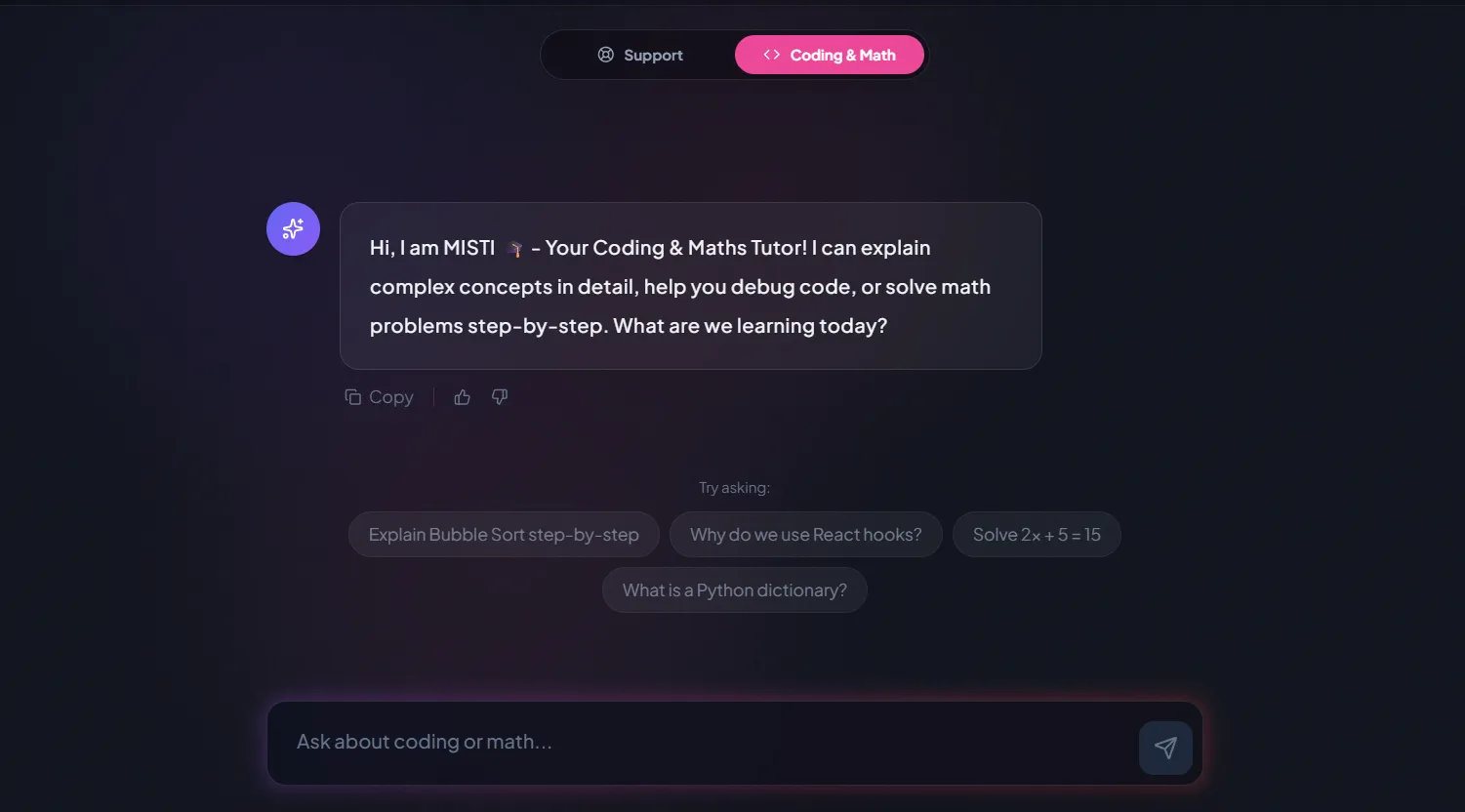
A chatbot that answers mathematics and programming questions, built and deployed by a student.
AI and ML
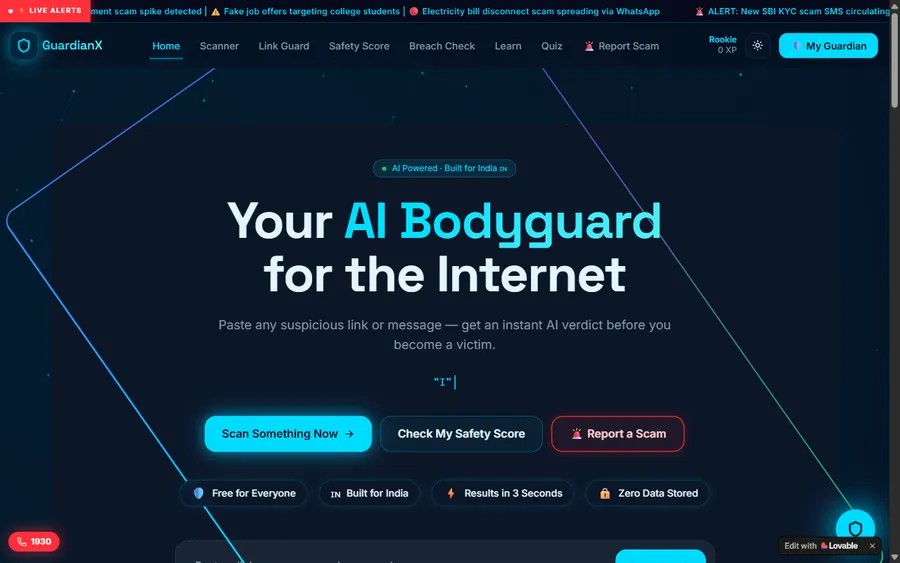
An assistant that helps a young person recognise unsafe situations online.
Web app
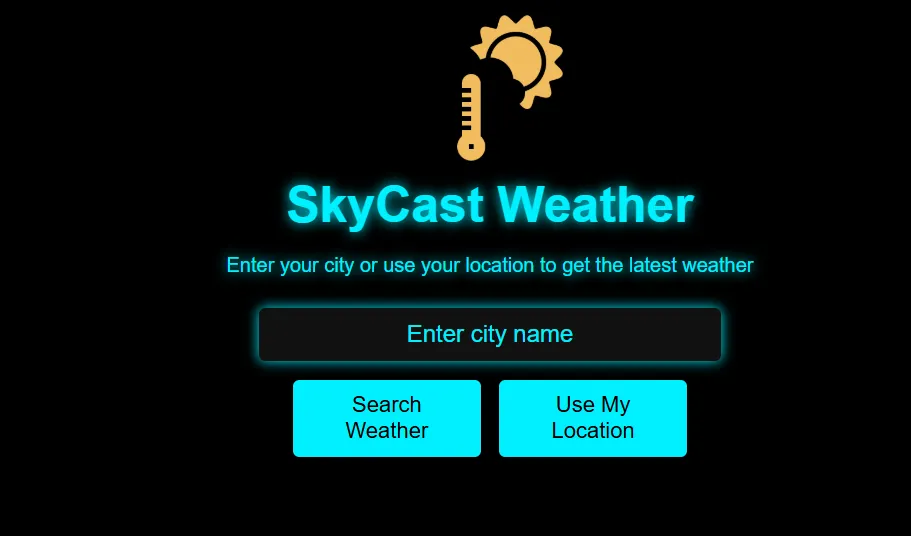
A weather forecasting site with live conditions for any location.
Fees
A flat fee each month, priced in US dollars for every country except India. Nothing is charged until the free lesson has settled a course and a regular slot.
Free first class
USD 0
no card required
Group batch
USD 100
a month, billed in US dollars
One to one
USD 150
a month, billed in US dollars
What families say
From Google, unedited, by families who volunteered them.
★★★★★
"The one step solution for my son. Modern Age Coders make learning coding so simple that kids love it. The teachers explain complex concepts clearly with practical exercises and interactive content."
Ria Mukherjee
Parent
★★★★★
"Modern Age Coders has been a game-changer for me. I struggled to grasp IT concepts and coding before joining, but their classes transformed everything. I can now confidently write complex programs with ease."
Samriddha Mondal
Student
★★★★★
"One of the most wonderful education centres out there. Education is not limited to school syllabus but focuses on skill development."
Vansh Agarwal
Student
★★★★★
"My child Dhairya is really enjoying the Modern Age Coders classes. This is his first online class and he eagerly looks forward to it. I can already see his improvement, and the teachers are very cooperative."
Sonam Oswal
Parent of Dhairya
★★★★★
"Modern Age Coders have wonderful teachers who teach in a clear, easy and practical way. The teacher boosts students' confidence and inspires them to learn without hesitation."
Sonu Goyal
Parent
★★★★★
"I highly recommend this computer coding class! The teachers are incredibly knowledgeable and passionate about coding."
Ritu Kedia
Parent
Questions about the digital T Level
Digital Software Development. There are three digital T Levels: software development, first taught in 2020, and data analytics and support and security, both first taught in 2021.
Yes. That was the original title and Skills England still uses it for the occupational specialism. The qualification is awarded by Pearson and has been available since September 2020.
DfE publishes the conversion: Distinction* is 168 UCAS points, the same as A*A*A*; Distinction is 144, the same as AAA; Merit 120, BBB; and a Pass is 96 or 72 depending on the core grade.
From two separate grades: the core, graded A* to E, and the occupational specialism, graded pass, merit or distinction. A Distinction* needs an A* in the core and a Distinction in the specialism.
At least 315 hours, which DfE describes as approximately 45 days and the T Levels site as nine weeks minimum. It can be a block, day release or a mix.
DfE says T Level students work towards them if they have not already achieved grade 4, but are not required to achieve them to pass the programme. Entry requirements are set by each college.
No. We do not work on the employer-set project, the occupational specialism assessment or anything a provider verifies as your own. We teach the programming those assessments assume.
No. Placements are arranged and verified by the provider offering the T Level.
The DfE guidance applies to England. The other nations have their own post-16 qualifications, covered on their own pages.
The first lesson is free. After that a group place is USD 100 a month and one-to-one teaching USD 150, charged monthly with nothing in advance.
Elsewhere on this site
The A-level alternative, and what counts as your own work.
The academic route, where Paper 1 is sat on screen from a skeleton program.
The other academic route, where nobody types code in an exam.
Why declared AI content earns nothing in assessed work.
How school computing works in England before a student reaches sixteen.
Skills Bootcamps and other routes for anyone past college age.
The national page, and the index of every UK page we publish.
Start here
Send a number and we will reply at a British hour you choose. The lesson is real programming, and it ends with a straight view of what to work on before your placement.
Prefer to look around first? Syllabuses are published on every course page, how we teach says plainly where the method does not fit, and the coding roadmap lists topics in order.
WhatsApp us · +91 91233 66161 · contact@modernagecoders.com
Message us on WhatsApp for the fastest reply; it costs nothing from a UK phone. The number is an Indian one, and we would rather you read that here than notice it halfway through a chat.