UK / NG1 / 01
First Python
The move to typed code, for Years 5 to 7 who will meet the new qualification.
Open the syllabusEngland · Qualification reform · Checked 21 September 2026
In November 2025 the Government said it would "replace the computer science GCSE with a broader offer that reflects the entirety of the computing curriculum whilst continuing to uphold the core principles of computer science such as programming and algorithms". It also published a timetable: a revised national curriculum published in 2027 and first taught in 2028, and updated GCSEs "for first teaching from 2029 onwards", some in 2029 and the rest in 2030. Do the arithmetic and something useful falls out. A GCSE first taught in September 2029 starts with pupils who are in Year 7 this September. One first taught in 2030 starts with today's Year 6. Every child in Years 8 to 11 now will sit the existing GCSE Computer Science. This page sets out the published facts, which side of that line your child is on, and what has simply not been decided yet.
Live teaching since 2020 · 10,000+ students · Revised as the Government publishes
In short
England plans to replace GCSE Computer Science with a broader Computing GCSE. The Government's November 2025 response to the Curriculum and Assessment Review commits to a revised national curriculum published in 2027 and first taught in 2028, then updated GCSEs first taught from 2029, with some subjects in 2029 and the rest in 2030. It says the new offer will reflect the whole computing curriculum while keeping core computer science such as programming and algorithms, and that the refreshed curriculum will teach AI literacy, using data to solve problems, and bias in technology. What has not been published is which year Computing falls in, or any detail of its content or papers. So the first cohort is today's Year 6 or Year 7, and everyone older takes the current GCSE. We teach for both. The first lesson is free, then USD 100 a month in a group or USD 150 one to one.
Start here
Programming and algorithms are staying. Data and AI literacy are arriving. These cover both. Cards open the full syllabus.
NEW / 01
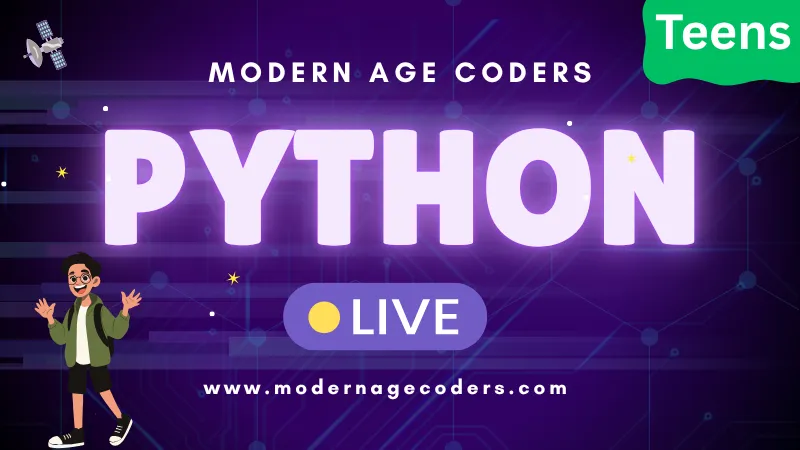
Programming is explicitly retained, so fluency in a typed language is the safest preparation for either qualification.
Open the syllabus →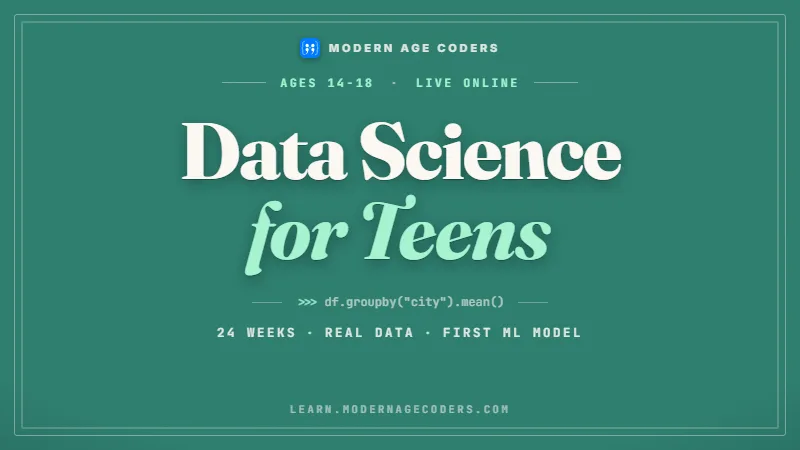
NEW / 02
Using data to complete tasks and solve problems is named in the refreshed curriculum, and this is that skill.
Open the syllabus →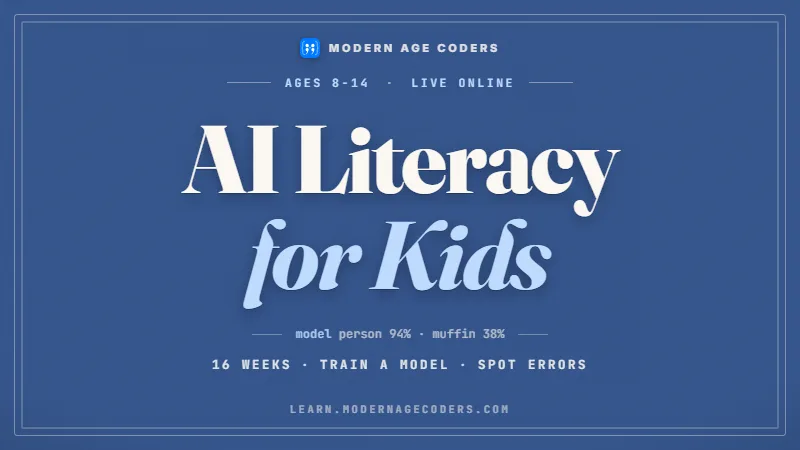
NEW / 03
For today's Year 5 to 7 children, who are the first cohorts the new content is written for.
Open the syllabus →The timeline
From the Government response to the Curriculum and Assessment Review, November 2025. Dates are the Government's; the page has not added any.
| Step | What the response says |
|---|---|
| Revised national curriculum | "publish a revised national curriculum in 2027 for first teaching in 2028" |
| Updated GCSEs | "update GCSEs, for first teaching from 2029 onwards" |
| In two groups | "Our aim is that some are ready for first teaching in 2029 and the rest for first teaching in 2030" |
| AS and A levels | To be updated "for first teaching in 2031 and 2032, as the cohort progresses to 16 - 19" |
| Computing specifically | "replace the computer science GCSE with a broader offer that reflects the entirety of the computing curriculum whilst continuing to uphold the core principles of computer science such as programming and algorithms" |
| And after 16 | "explore the development of a level 3 qualification in data science and AI" |
What the refreshed curriculum will teach
The response says: "The refreshed curriculum will teach pupils AI literacy, how to use data to complete tasks and solve problems, as well as learning about bias in technology." It also agrees with the Review "that the computing curriculum should be the main vehicle for teaching about digital literacy".
The Curriculum and Assessment Review, reporting in November 2025, recommended that the Government "Replaces GCSE Computer Science with a Computing GCSE which reflects the full breadth of the Computing curriculum and supports students to develop the digital skills they need".
The Government accepted the direction and the name, and then added the phrase that matters most to anyone worried about rigour: programming and algorithms are retained as core.
The current GCSE is Computer Science, which is one part of the computing curriculum. The curriculum itself also covers information technology and digital literacy, which the current GCSE largely does not assess.
The reform aims to make the GCSE match the whole subject rather than the most technical third of it. Whether that broadens or dilutes it will depend entirely on subject content that has not yet been written.
Sources: Government response to the Curriculum and Assessment Review, November 2025, and the Curriculum and Assessment Review Final Report, November 2025. This page was last checked on 21 September 2026 and will be revised as subject content is published.
Which children it affects
This is arithmetic on the published dates, not a forecast. A two-year GCSE starts in Year 10 and is examined at the end of Year 11.
| Year group now | Starts Year 10 in | Which Computing qualification |
|---|---|---|
| Year 11 | Already started | The current GCSE Computer Science |
| Year 10 | Already started | The current GCSE Computer Science |
| Year 9 | September 2027 | The current GCSE Computer Science |
| Year 8 | September 2028 | The current GCSE Computer Science, since no new GCSE is first taught before 2029 |
| Year 7 | September 2029 | The new Computing GCSE if Computing is in the 2029 group, otherwise the current one |
| Year 6 | September 2030 | The new Computing GCSE, whichever group Computing is placed in |
| Year 5 and younger | 2031 onwards | The new Computing GCSE |
Nothing changes for their GCSE. They will sit one of the existing specifications, and the AQA, OCR and Edexcel pages describe what each asks.
Their key stage 3 will also be taught under the current programme of study for most or all of it, because the revised curriculum is not first taught until 2028.
They are the first possible cohorts. Year 7 depends on which group Computing lands in, which has not been announced. Year 6 and below will take the new qualification either way.
They will also meet the revised curriculum during key stage 3, from 2028, which is when AI literacy, data and bias in technology are meant to arrive in lessons.
For families choosing options in the next two years, the practical conclusion is reassuring: the qualification your child actually sits is already known and already published. The uncertainty belongs to children who are not yet choosing anything.
What is not known yet
This section is as important as the rest of the page. Any provider claiming to teach "the new Computing GCSE" today is teaching something that does not yet exist.
| Question | Status |
|---|---|
| Is Computing in the 2029 group or the 2030 group? | Not announced |
| What is the subject content? | Not published; the revised national curriculum itself is due in 2027 |
| How many papers, and how long? | Not published |
| Is there any non-exam assessment or practical component? | Not published |
| Which programming language, if any is specified? | Not published |
| What will each exam board call and structure it? | Not published; boards write specifications after subject content is set |
| What happens to the level 3 data science and AI qualification? | Being explored, in the Government's own word, with no date |
Programming, because the Government has said in terms that it is retained as a core principle. A student fluent in a typed language, who can write and debug a program and reason about algorithms, is prepared for either qualification.
Working with data, because using data to complete tasks and solve problems is named in the refreshed curriculum. It is also a skill with value well beyond any exam.
Buying a revision guide, choosing a course or picking a tutor on the basis of the new GCSE's structure. The structure does not exist yet, and anything built to it now is a guess dressed as a product.
Worrying about it for a child in Year 8 or above. Their qualification is settled.
We will revise this page when the Department for Education or Ofqual publishes subject content, and the date at the top will change when we do. Until then, the honest description of the new Computing GCSE is two sentences long: it keeps programming and algorithms, and it adds a broader slice of the computing curriculum including AI literacy and data. Everything else is unwritten.
For what AI literacy actually means in a classroom, the AI classes for kids page covers the commitment that pupils will learn how computers are trained using data, and the page on learning to think sets out what the evidence says AI literacy is made of.
Progression
Because the new content is unwritten, the only sensible plan is one that is useful whichever GCSE a child ends up sitting.
| Stage | What is being built | Why it is safe |
|---|---|---|
| 1. A typed language | Writing and debugging programs without copying examples | Programming is explicitly retained as core |
| 2. Algorithms | Searching, sorting and comparing methods, reasoned out | Algorithms are explicitly retained as core |
| 3. Data | Cleaning, analysing and questioning real datasets | Using data to solve problems is named in the refreshed curriculum |
| 4. AI literacy | How models are trained, tested and where they are biased | AI literacy and bias in technology are named in the refreshed curriculum |
They are the two things the Government named as staying. A student strong in both is well placed however the rest turns out.
The wider topic order runs down the coding roadmap.
They are what the broader qualification is meant to bring in, and they are worth learning now regardless of any exam.
For the youngest children they start with the ideas rather than the tools.
The catalogue
Grouped by which part of the likely content they serve. The free lesson settles where a learner starts.
UK / NG1 / 01
The move to typed code, for Years 5 to 7 who will meet the new qualification.
Open the syllabusUK / NG1 / 02
Programming to a standard either GCSE will reward.
Open the syllabusUK / NG1 / 03
The algorithms the Government named as core, reasoned out on paper.
Open the syllabusUK / NG2 / 01
Using data to complete tasks and solve problems, as the refreshed curriculum puts it.
Open the syllabusUK / NG2 / 02
How models are trained and why they go wrong, for the youngest cohorts.
Open the syllabusUK / NG2 / 03
Training, testing and finding bias in models, which the new content names.
Open the syllabusUK / NG3 / 01
The existing qualification, taught to the board a school uses.
Open the syllabusUK / NG3 / 02
Decomposition and abstraction, which every specification old or new will assume.
Open the syllabusUK / NG3 / 03
A real project with data behind it, useful under any syllabus.
Open the syllabusHow lessons work
Our teachers work from India on a fixed clock, so the UK is five and a half hours behind from October and four and a half from March. Slots are agreed in UK time.
After school
The usual slot for school-age learners.
Early evening
For older students and busier weeks.
Weekend morning
Good for longer work with data.
We do not claim to teach a new GCSE that has not been specified. We teach what is certain to matter.
Typed code, debugged and explained, because it is the one thing both qualifications share.
Real datasets questioned rather than accepted, which is the skill the refreshed curriculum names.
How models learn and where they fail, with no accounts needed for younger children.
Five to ten learners at one stage, whatever year group they are in.
When subject content is published, this page changes and so does the advice.
Student work
Four projects from lessons. Many more sit in student labs.
AI and ML
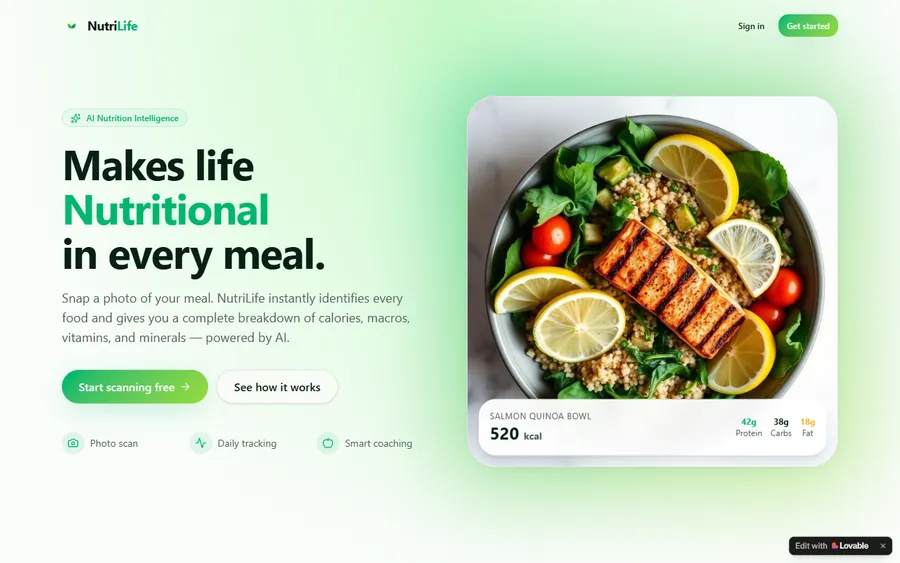
An AI nutrition coach that reads what you eat and works you toward a target.
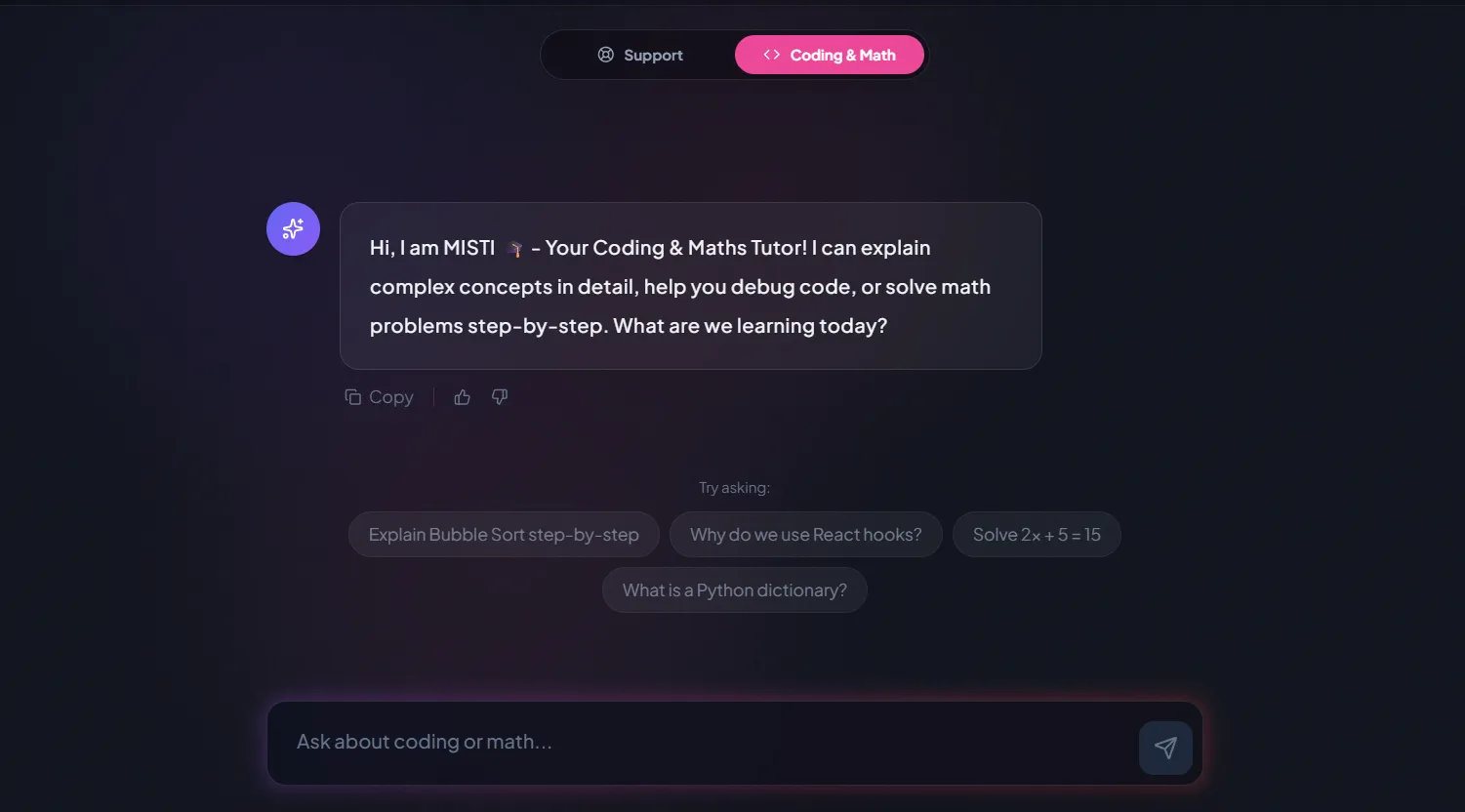
AI and ML
A chatbot that answers mathematics and programming questions, built and deployed by a student.
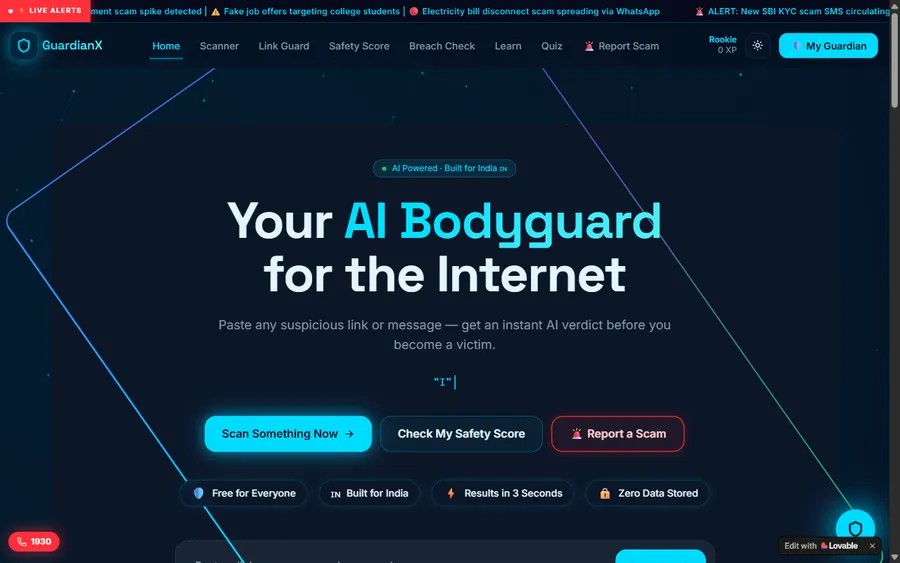
AI and ML
An assistant that helps a young person recognise unsafe situations online.
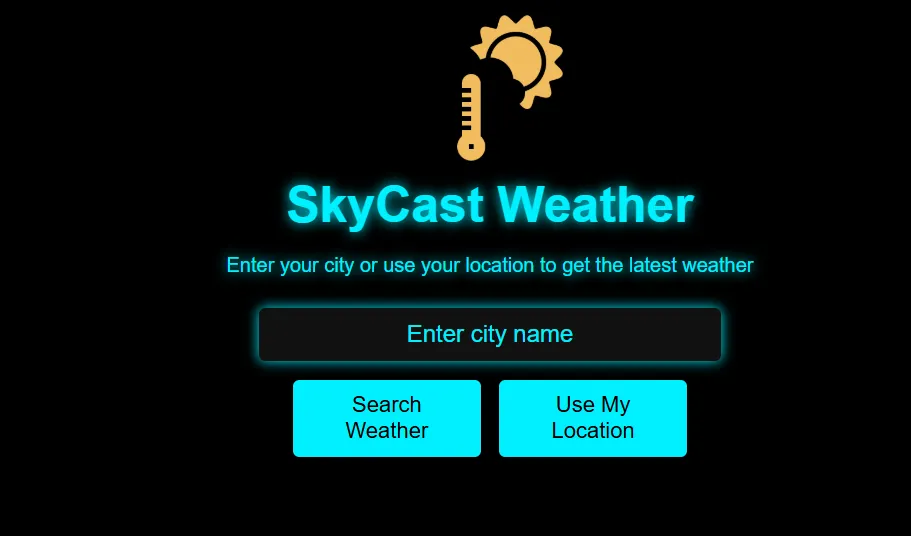
Web app
A weather forecasting site with live conditions for any location.
Fees
One monthly charge in US dollars, the rate outside India. The free lesson comes first and nothing is taken until a course and a weekly time are agreed.
Free first class
USD 0
no card required
Group batch
USD 100
a month, billed in US dollars
One to one
USD 150
a month, billed in US dollars
What families say
From Google, word for word, unpaid and unprompted.
★★★★★
"The one step solution for my son. Modern Age Coders make learning coding so simple that kids love it. The teachers explain complex concepts clearly with practical exercises and interactive content."
Ria Mukherjee
Parent
★★★★★
"Modern Age Coders has been a game-changer for me. I struggled to grasp IT concepts and coding before joining, but their classes transformed everything. I can now confidently write complex programs with ease."
Samriddha Mondal
Student
★★★★★
"One of the most wonderful education centres out there. Education is not limited to school syllabus but focuses on skill development."
Vansh Agarwal
Student
★★★★★
"My child Dhairya is really enjoying the Modern Age Coders classes. This is his first online class and he eagerly looks forward to it. I can already see his improvement, and the teachers are very cooperative."
Sonam Oswal
Parent of Dhairya
★★★★★
"Modern Age Coders have wonderful teachers who teach in a clear, easy and practical way. The teacher boosts students' confidence and inspires them to learn without hesitation."
Sonu Goyal
Parent
★★★★★
"I highly recommend this computer coding class! The teachers are incredibly knowledgeable and passionate about coding."
Ritu Kedia
Parent
Questions about the new Computing GCSE
It is being replaced. The Government has said it will replace the computer science GCSE with a broader offer reflecting the whole computing curriculum, while keeping core computer science such as programming and algorithms.
The Government says updated GCSEs will be first taught from 2029, with some subjects in 2029 and the rest in 2030. It has not said which group Computing is in.
Children in Year 8 or above in September 2026 will take the current GCSE. Year 7 depends on whether Computing is in the 2029 group. Year 6 and younger will take the new one.
Yes, according to the Government, which says the new offer will continue to uphold the core principles of computer science such as programming and algorithms.
The response says the refreshed curriculum will teach AI literacy, how to use data to complete tasks and solve problems, and bias in technology. How that appears in the GCSE has not been published.
Not published. No subject content, assessment structure, weighting or practical component has been announced as of 21 September 2026.
The Government aims to update AS and A levels for first teaching in 2031 and 2032, and says it will explore a level 3 qualification in data science and AI.
We would not. Its structure has not been written, so anything built to it today is guesswork. Programming and data skills are the safe preparation.
Yes. When the Department for Education or Ofqual publishes subject content, we revise the page and change the date at the top.
The first lesson is free. After that a group place is USD 100 a month and one-to-one teaching USD 150, charged monthly with nothing in advance.
Elsewhere on this site
For the current qualification and the ideas the new one adds.
The Year 9 options decision under the current qualification.
One of the current specifications your older child may sit.
What Years 7 to 9 study now, before the revised curriculum arrives.
What training a model means for a child, and why no accounts are needed.
Who is actually required to follow the national curriculum.
The national page, and the index of every UK page we publish.
Start here
Send a number and we will reply at a British hour you choose. The lesson is real teaching, and we will tell you plainly which qualification your child is heading for.
Rather read first? Each course page lists its syllabus, how we teach covers the method and its limits, and the coding roadmap sets out the sequence.
WhatsApp us · +91 91233 66161 · contact@modernagecoders.com
WhatsApp is free from a British mobile and usually quickest. The number is an Indian one, which we state rather than leave you to find.