Problem Solving and Computational Thinking
The skill under every other skill: children taught to break problems down, spot patterns and think in steps, six months that change how school feels.
Syllabus updated August 2026
Recordings are free with a Google sign-in. These recordings show how we teach, not the exact syllabus of this course.
How long this course takes
This course runs 6-8 months (26-32 weeks) at 2 live classes/week + 2-3 hours practice. The range allows for background and pace: a complete beginner uses the full span, and a student with prior knowledge finishes sooner. The syllabus below is planned to the shorter end, with margin kept for revision.
For personalised duration planning, call +91 91233 66161 and we'll map a schedule to your goals.
At a glance
- Who it is for
- Complete beginner, ages 7 to 12.
- Prerequisites
- None. Curiosity is the entry requirement
- Format
- Live, interactive classes with a real instructor, never pre-recorded videos. Live classes run about one hour.
- Language
- English or Hindi, depending on the batch.
- Duration
- 6-8 months (26-32 weeks)
- Weekly commitment
- 2 live classes/week + 2-3 hours practice
- Class size
- Group batches of 5 to 10 students, mini batches of 3 to 4, or 1-on-1.
- Certificate
- Certificate from Modern Age Coders, awarded on passing the final exam
- Watch first
- Free recordings of real classes for ages 6 to 12, free with a Google sign-in. These recordings show how we teach, not the exact syllabus of this course.
- Live demo
- Optional. Enroll directly on this page, or book a free live demo if you would like to meet a mentor first.
How we teach
Deep understanding. Real projects. Expert guidance.
Learn coding, AI and maths through careful explanations, practical demonstrations, and hands-on problem-solving. Our instructors guide you from the foundations to advanced ideas, helping you understand what happens, why it happens, and how to build it yourself.
You will explore concepts step by step, write and improve code, investigate mistakes, ask questions, and apply your knowledge to meaningful projects. Lessons are designed around active participation, thoughtful feedback, and growing independence.
Expert-led live teaching, with practical participation built into every lesson.
- Students explain their thinking.
- Instructors demonstrate, then guide practice.
- Learners code, solve, or build during lessons.
- Questions and misconceptions get attention.
- Assignments receive useful feedback.
- Progress is checked before advancing.
Ready to Master Problem Solving and Computational Thinking for Kids?
Choose your plan and start your journey into the future of technology today.
Rated 4.9 across 547 Google reviews. Enroll directly, or see a class first. The free demo is a waiting list and needs no card. Monthly billing, cancel anytime.
Try this course in a full live class, today or tomorrow.The Priority Live Demo is a real class of about 45 to 60 minutes with a mentor reserved for you. You get a written skill report afterwards, and the fee is adjusted against your first month if you enrol.
Book priority demo · ₹499International Students (Outside India)
Billed monthly in US dollars, the same price in every country. Contact us with any questions.
Program Overview
Before coding, before advanced maths, before every exam technique, sits one meta-skill: knowing what to do when you do not know what to do. This live online course builds it deliberately in children aged 7 to 12: decomposition (breaking big problems into small ones), pattern recognition, abstraction and algorithmic thinking, the four pillars of computational thinking, trained through puzzles, games, unplugged activities and real-world challenges children genuinely enjoy.
The transfer is the point: the same thinking that cracks a logic puzzle organizes a school project, plans a science experiment and later makes coding feel natural. Parents most often report the change in homework: less "I can’t", more "let me break it down".
Six months at two live classes a week plus two to three hours of playful practice, with two more months in hand when needed. Homework after every class, a mixed challenge every month, and a final exam, a challenge gauntlet plus a friendly viva, that decides the certificate with a free retest. Real thinking, really trained.
What Makes This Program Different
- The four pillars trained explicitly: decomposition, patterns, abstraction, algorithms, named and practiced
- Unplugged first: much of the best thinking training happens away from screens, by design
- Transfer is engineered: every skill is bridged to school work out loud
- Puzzles children actually like: games, mysteries and build-challenges, not worksheets
- An honest 6-month arc with 2 months in hand
- Real assessment, gently done: monthly mixed challenges and a final exam with a free retest
Your Learning Journey
Career Progression
Detailed Course Curriculum
Explore the complete week-by-week breakdown of what you'll learn in this comprehensive program.
Topics Covered
- What is problem solving?
- The problem-solving process
- Understanding the problem (The 5 W's and How)
- Breaking big problems into small pieces
- Pattern recognition basics
- Sequence and order
- Following instructions precisely
- Logic puzzles introduction
- Sudoku for beginners (4x4)
- Tangram puzzles
- Tower of Hanoi introduction
- Growth mindset: mistakes help us learn
Projects You Build
- Create a puzzle book
- Design a treasure hunt
- Solve 20 logic puzzles
- Build pattern art
Practice & Assignments
Daily: 15-minute puzzle time, pattern journaling
Topics Covered
- What is an algorithm?
- Recipes as algorithms
- Creating step-by-step instructions
- Flowcharts with shapes and arrows
- Decision trees
- If-then thinking
- Loops in daily life
- Debugging: finding mistakes
- Optimization: finding better ways
- Parallel vs sequential thinking
- Human robot game
- Algorithm art and music
Projects You Build
- Write algorithms for daily tasks
- Create a board game with rules
- Design a flowchart adventure
- Program a 'human robot'
Practice & Assignments
Create 10 real-life algorithms
Assessment
Month 1 check: a small build or challenge live, plus a fun take-home mixing everything so far
Topics Covered
- Code.org Course A basics
- Drag and drop programming
- Sequence of commands
- Loops to repeat actions
- Events and triggers
- Debugging practice
- Angry Birds puzzles
- Maze solving strategies
- Artist drawings with code
- Pattern creation with loops
- Harvester game logic
- Certificate achievements
Projects You Build
- Complete Code.org Course A
- Create digital art with code
- Solve 50 coding puzzles
- Design custom maze challenges
Practice & Assignments
Daily Code.org challenges
Topics Covered
- Number patterns and sequences
- Fibonacci in nature
- Magic squares
- Mathematical puzzles
- Estimation strategies
- Mental math tricks
- Geometric patterns
- Symmetry and reflection
- Fraction puzzles
- Time and scheduling problems
- Money and budgeting challenges
- Data collection and graphs
Projects You Build
- Math puzzle collection
- Create a math game
- Budget planning project
- Data investigation project
Practice & Assignments
Solve 5 math problems daily
Assessment
Month 2 check: a live challenge with questions reaching back to month 1
Topics Covered
- Scratch as a problem-solving tool
- Decomposition: breaking down projects
- Variables for storing information
- Conditional logic (if-then-else)
- Loops for efficiency
- Creating functions (My Blocks)
- Debugging with Scratch
- Testing and iteration
- Coordinate system problems
- Random number challenges
- List manipulation
- Algorithm visualization
Projects You Build
- Calculator with Scratch
- Sorting algorithm visualization
- Maze solver program
- Pattern generator
Practice & Assignments
Daily Scratch challenges
Topics Covered
- Strategy game thinking
- Chess basics and tactics
- Checkers strategies
- Tic-tac-toe perfect play
- Connect Four winning strategies
- Card game probability
- Board game design
- Winning vs learning mindset
- Analyzing opponent moves
- Planning ahead
- Risk assessment
- Decision making under pressure
Projects You Build
- Design a strategy game
- Chess puzzle solver
- Create game AI
- Tournament organization
Practice & Assignments
Play and analyze strategy games
Topics Covered
- Identifying problems around us
- Research and information gathering
- Brainstorming techniques
- Mind mapping
- SCAMPER method for kids
- Design thinking process
- Prototyping solutions
- Testing and feedback
- Iteration and improvement
- Presentation skills
- Team problem solving
- Environmental challenges
Projects You Build
- School problem solution
- Community helper app
- Recycling game design
- Invention prototype
Practice & Assignments
Identify and solve one problem weekly
Topics Covered
- Introduction to coding challenges
- Blockly Games complete
- Lightbot puzzle game
- CodeCombat basics
- Algorithm challenges
- Time complexity basics
- Space optimization
- Code efficiency
- Common algorithms
- Sorting visualization
- Search algorithms
- Competition preparation
Projects You Build
- Complete 100 coding challenges
- Algorithm portfolio
- Challenge leaderboard
- Peer challenge creation
Practice & Assignments
3 coding challenges daily
Topics Covered
- Problem-solving portfolio review
- Skills assessment
- Logic test completion
- Project presentations
- Peer review process
- Reflection and goal setting
Projects You Build
- Comprehensive problem-solving project
- Skills demonstration video
- Teaching someone else
- Progress documentation
Assessment
Mid-course check: a showcase build plus a mixed challenge spanning months 1-4
Topics Covered
- Recursion concepts for kids
- Divide and conquer strategy
- Greedy algorithms explained
- Dynamic programming basics
- Graph problems introduction
- Shortest path problems
- Optimization challenges
- Scheduling algorithms
- Data structure basics
- Stack and queue concepts
- Tree structures in life
- Algorithm complexity
Projects You Build
- Pathfinding visualizer
- Scheduling optimizer
- Recursive art generator
- Data structure game
Practice & Assignments
Implement 5 algorithms weekly
Topics Covered
- Robot logic basics
- Sensor data processing
- Decision making for robots
- Path planning
- Obstacle avoidance
- Line following algorithms
- Maze solving robots
- Virtual robotics with VEXcode
- Robot simulation
- Real-world robot applications
- AI in robotics basics
- Future of robotics
Projects You Build
- Virtual robot programmer
- Maze solving algorithm
- Robot rescue simulation
- Automated system design
Practice & Assignments
Daily robot challenges
Topics Covered
- Data analysis for kids
- Survey design and analysis
- Spreadsheet problem solving
- Database thinking
- Information organization
- Logical operators (AND, OR, NOT)
- Truth tables
- Venn diagrams
- Set theory basics
- Probability problems
- Statistics fundamentals
- Data visualization
Projects You Build
- School data analysis
- Survey project
- Probability game
- Infographic creation
Practice & Assignments
Analyze data sets daily
Topics Covered
- Lateral thinking puzzles
- TRIZ for kids
- Biomimicry solutions
- Reverse engineering
- Constraint-based creativity
- Random input technique
- Six thinking hats simplified
- Morphological analysis
- SCAMPER advanced
- Innovation frameworks
- Failure analysis
- Future problem solving
Projects You Build
- Innovation challenge
- Redesign everyday object
- Future city design
- Creative solution showcase
Practice & Assignments
Daily creative challenges
Topics Covered
- Project selection
- Problem identification
- Research and planning
- Solution development
- Testing and refinement
- Documentation
- Presentation preparation
- Peer review
Projects You Build
- THE CAPSTONE: a chosen grand challenge solved end to end, documented in steps, presented at demo day
Assessment
FINAL EXAM: capstone demo plus a friendly viva and a mixed quiz from the whole course. Passing earns the certificate; a child who falls short gets focused revision and a free retest
Projects You'll Build
Build a professional portfolio with 60+ solved challenges and a documented capstone problem real-world projects.
Weekly Learning Structure
Certification & Recognition
Technologies & Skills You'll Master
Comprehensive coverage of the entire modern web development stack.
Support & Resources
Career Outcomes & Opportunities
Transform your career with industry-ready skills and job placement support.
Prerequisites
Who Is This Course For?
Career Paths After Completion
Course Guarantees
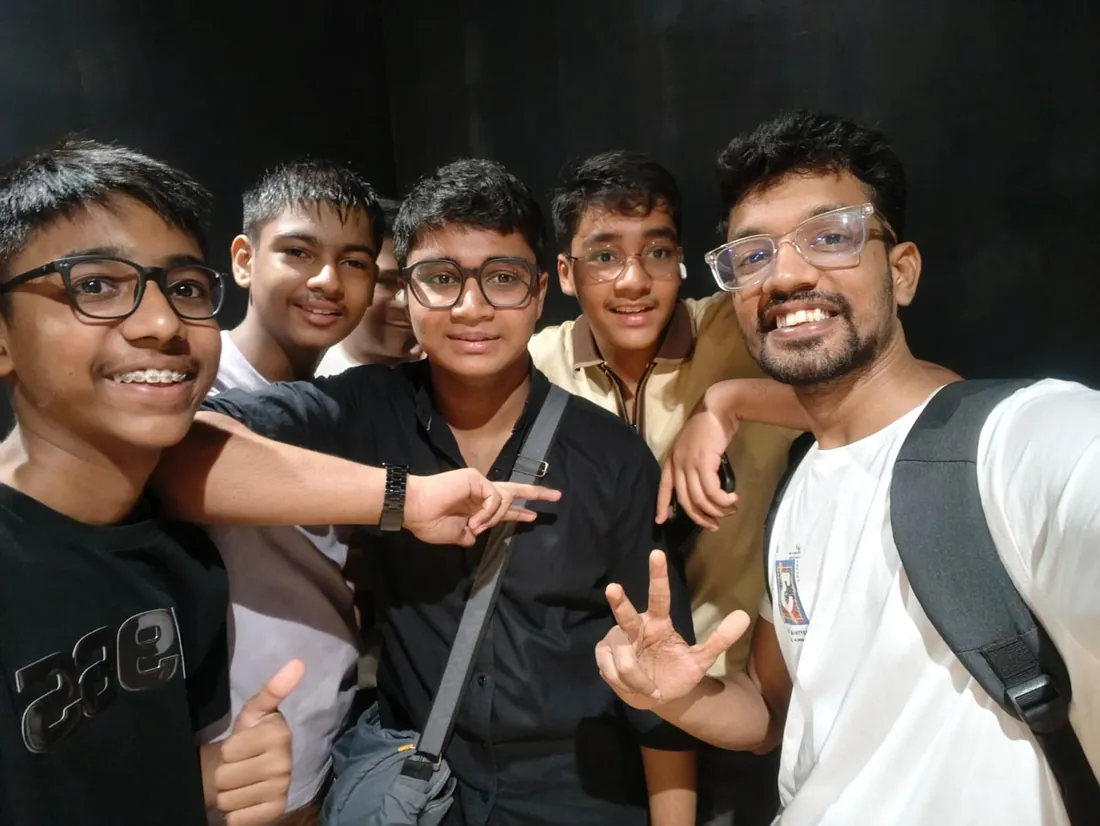
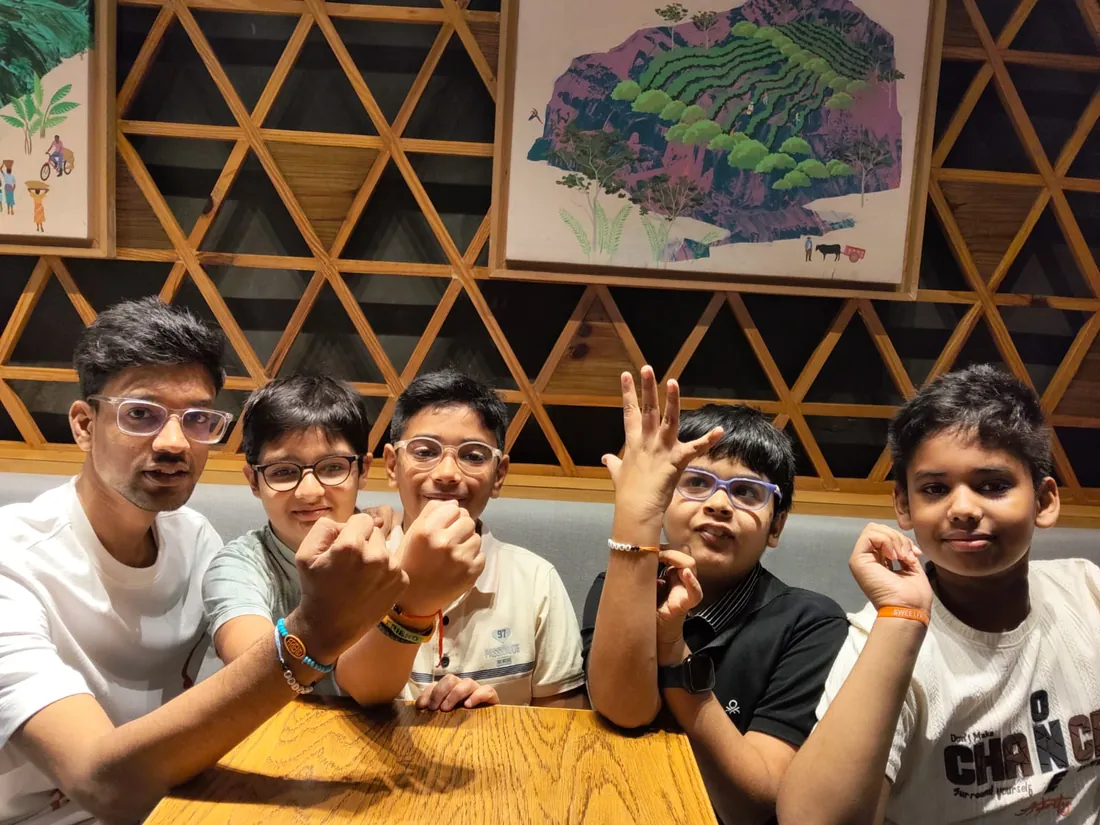
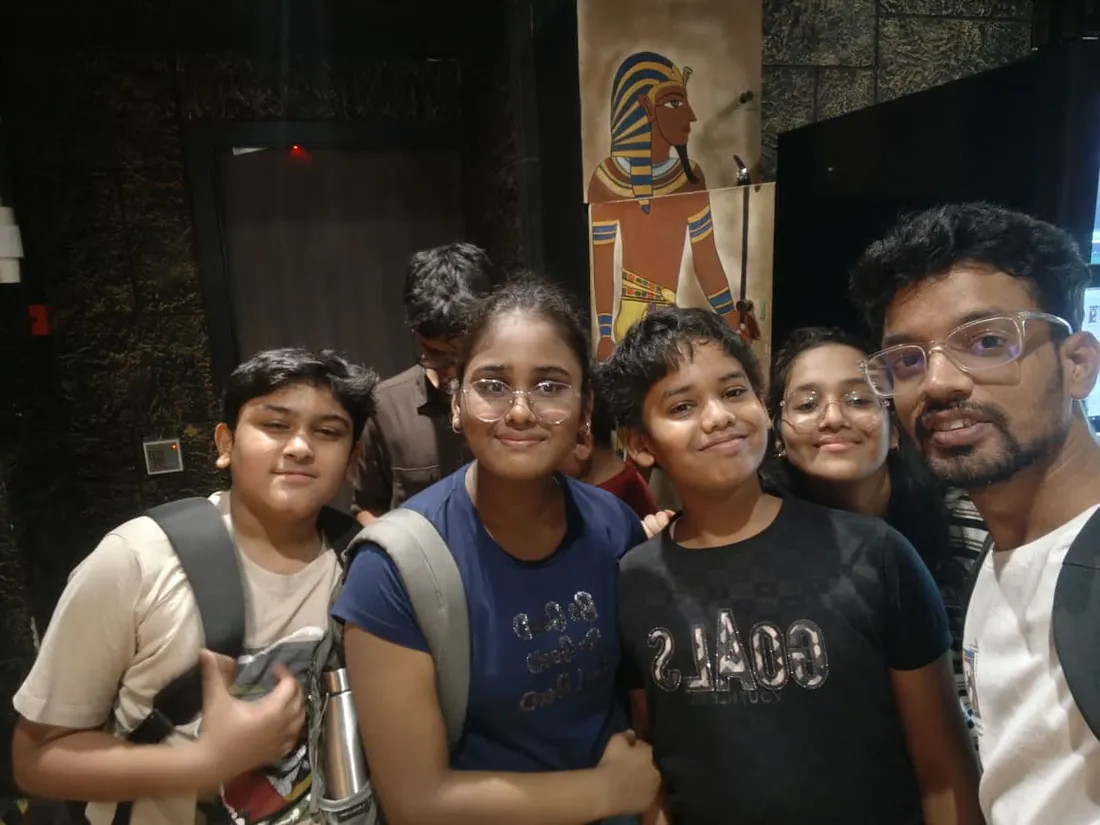
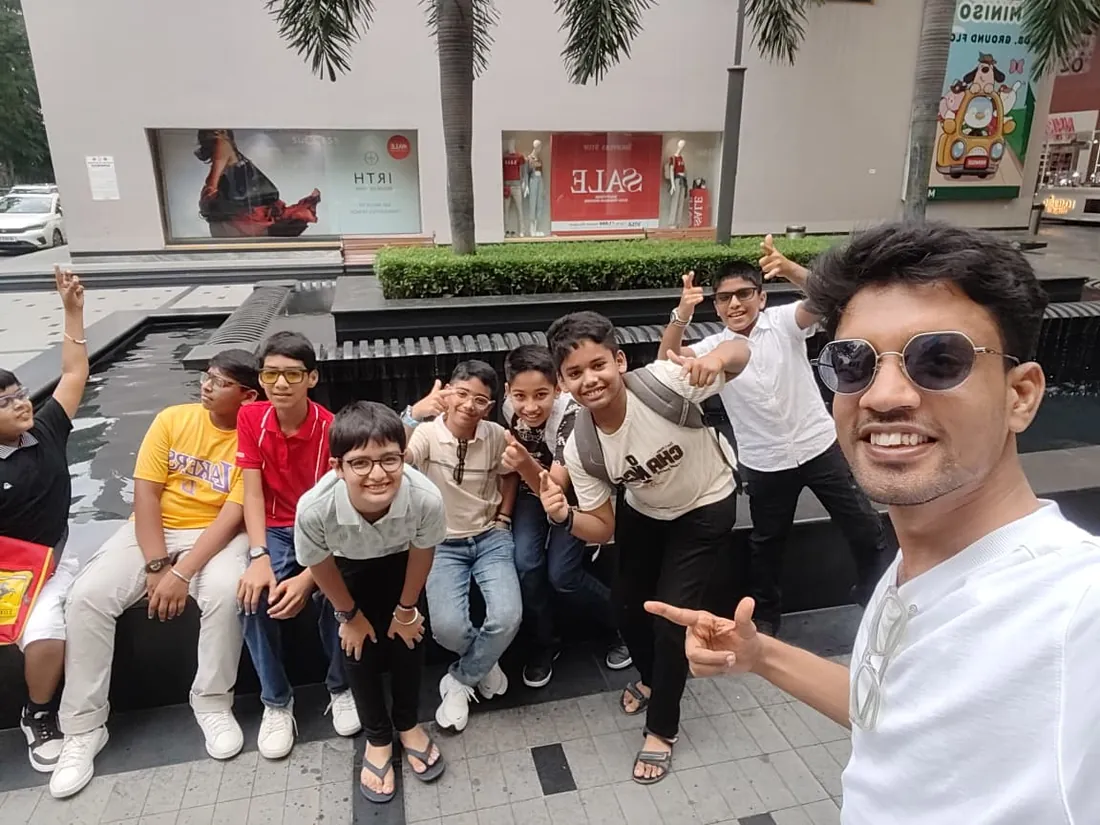
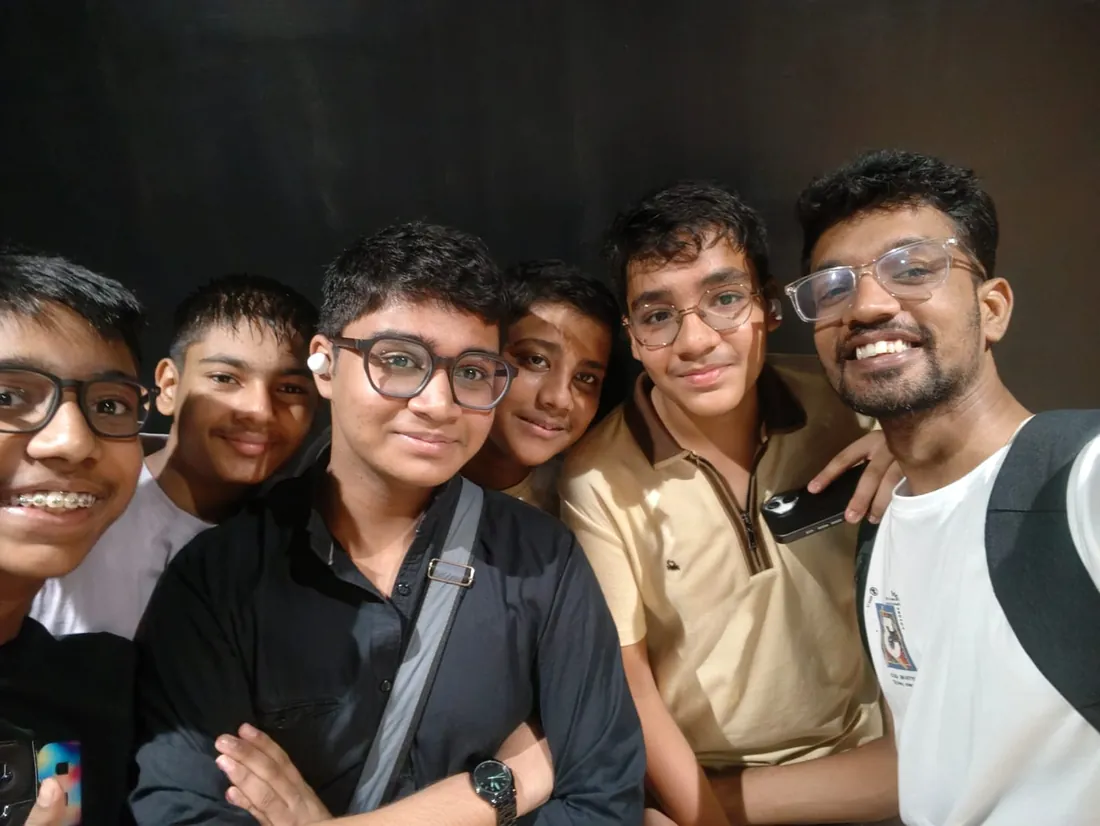
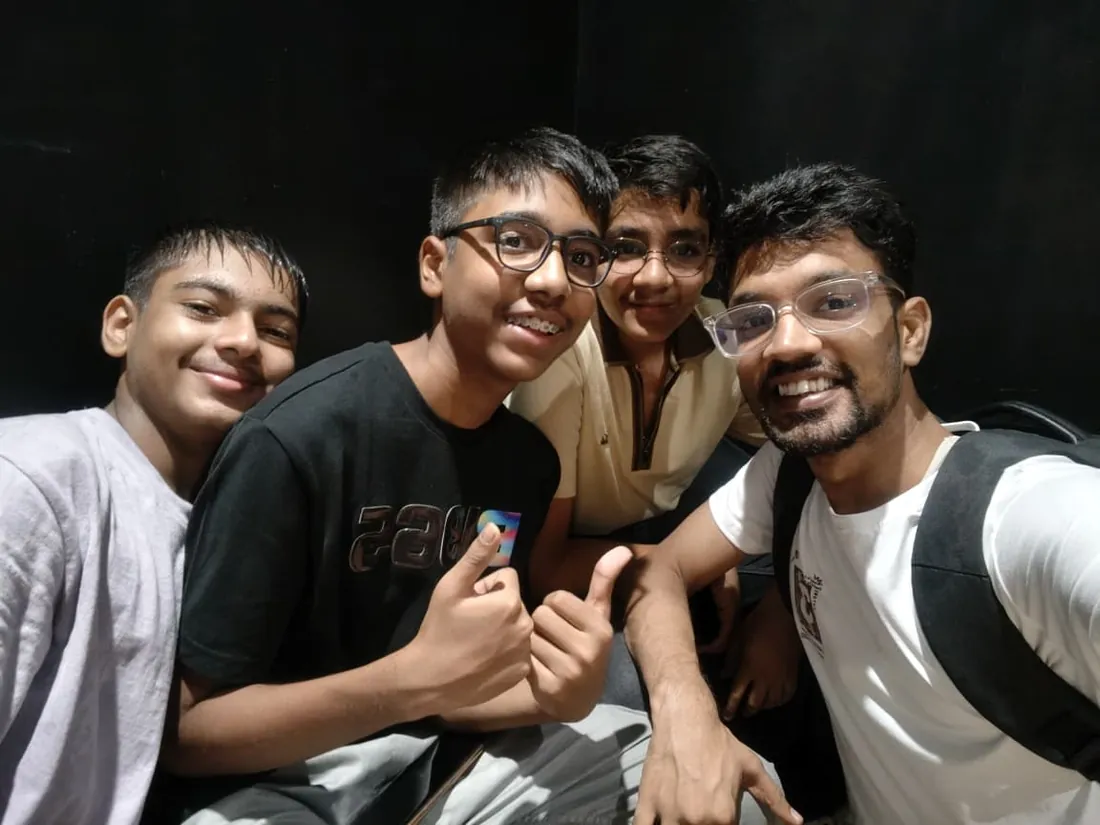
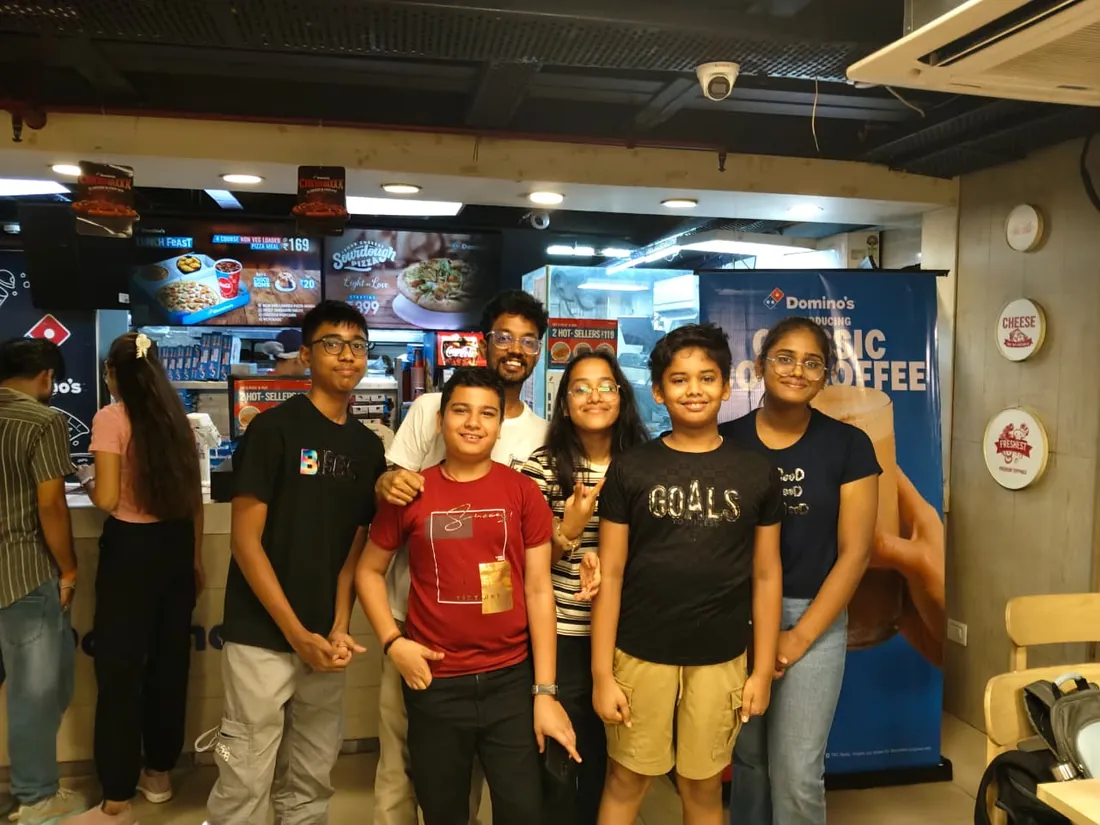
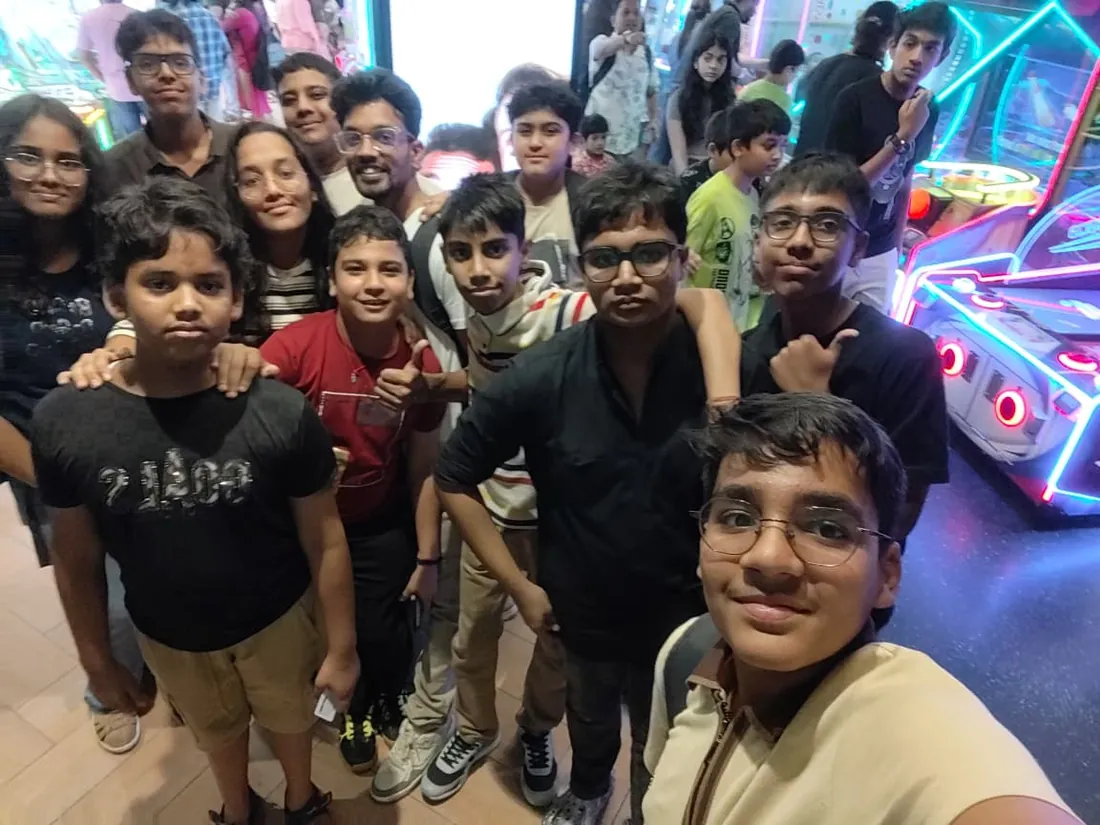
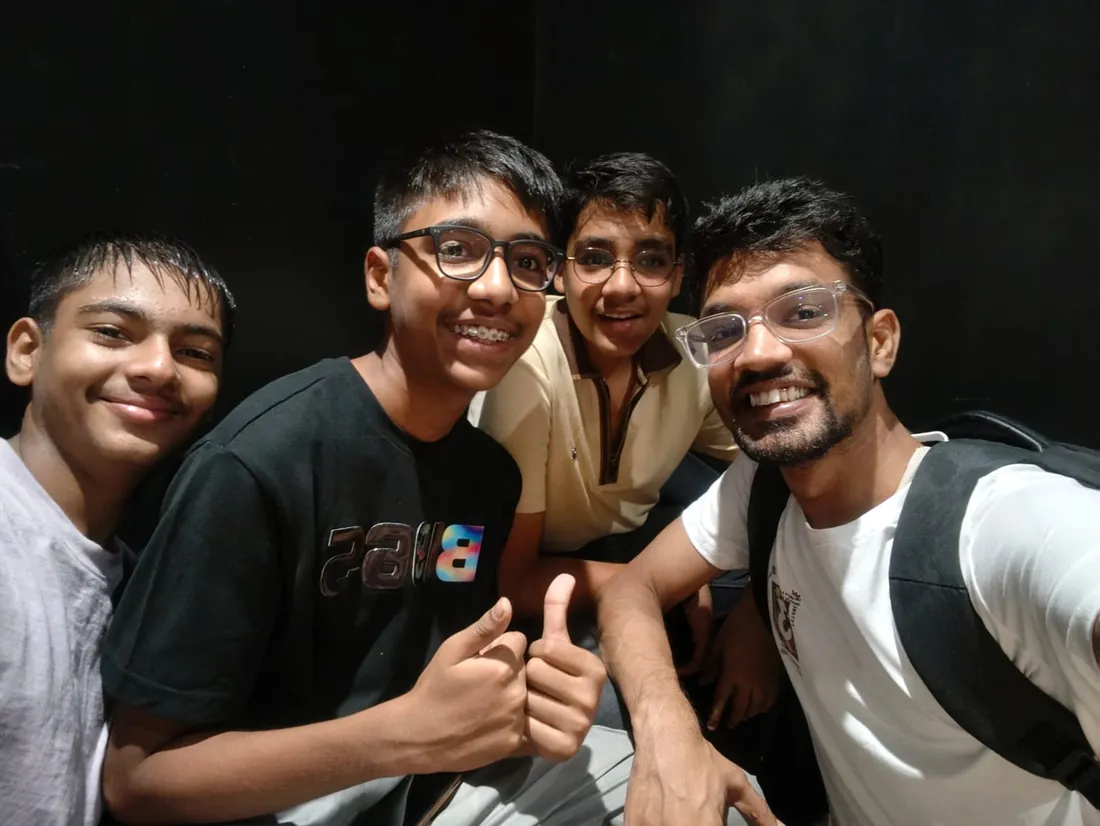
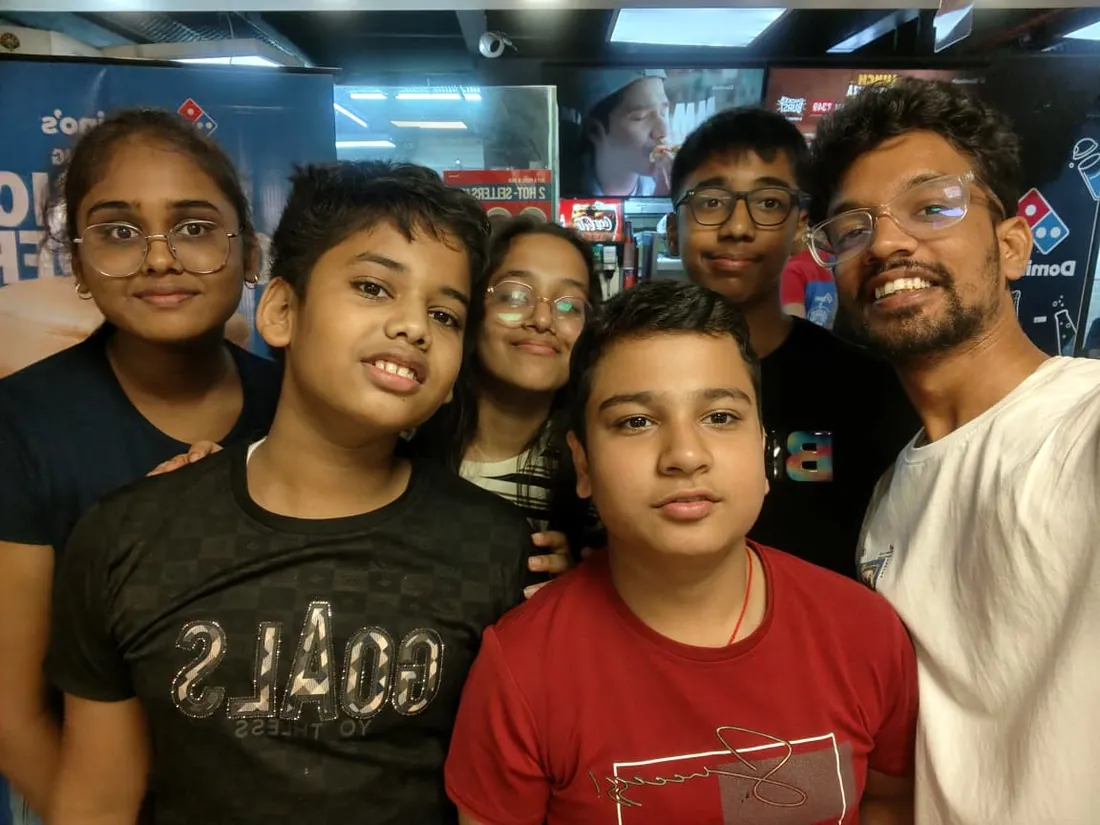
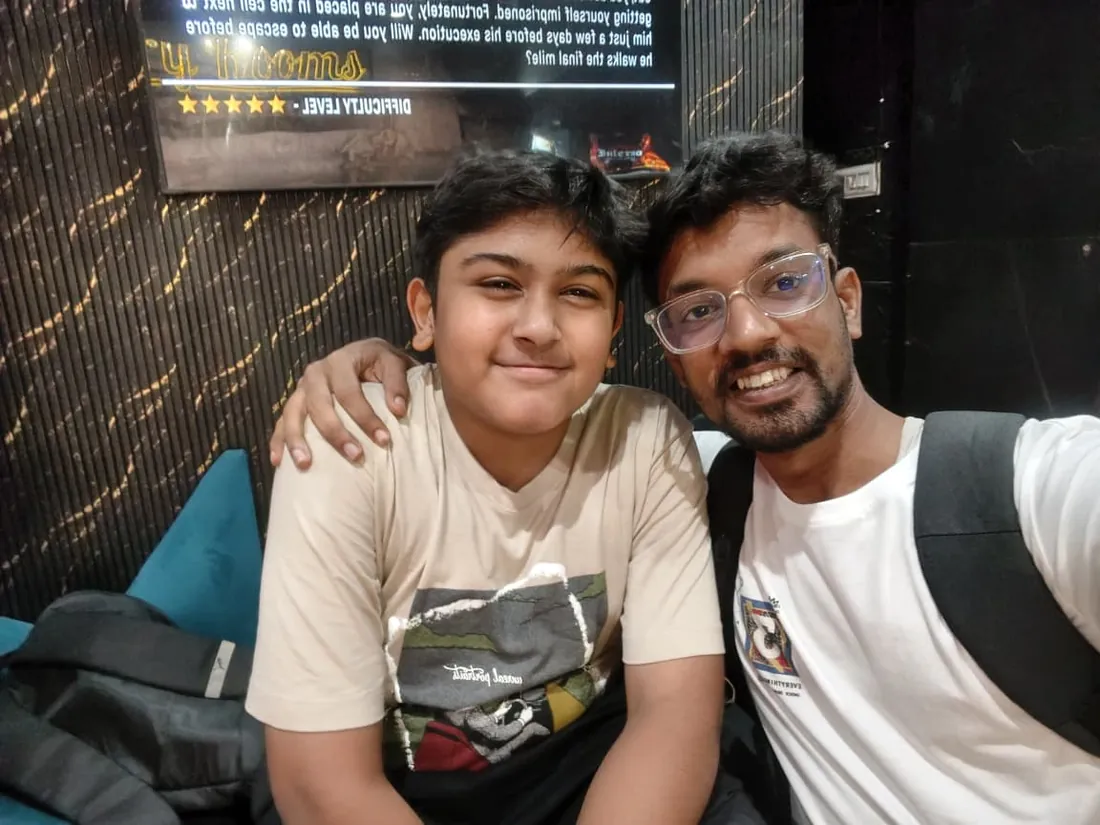
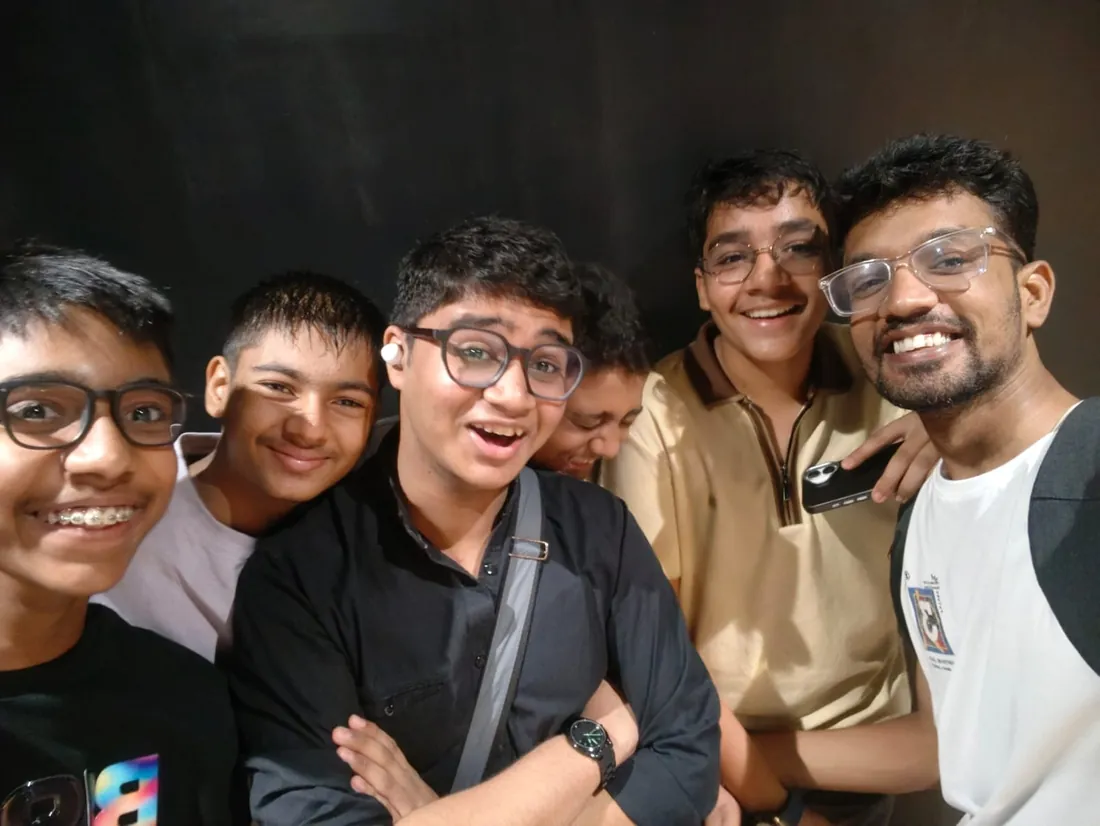
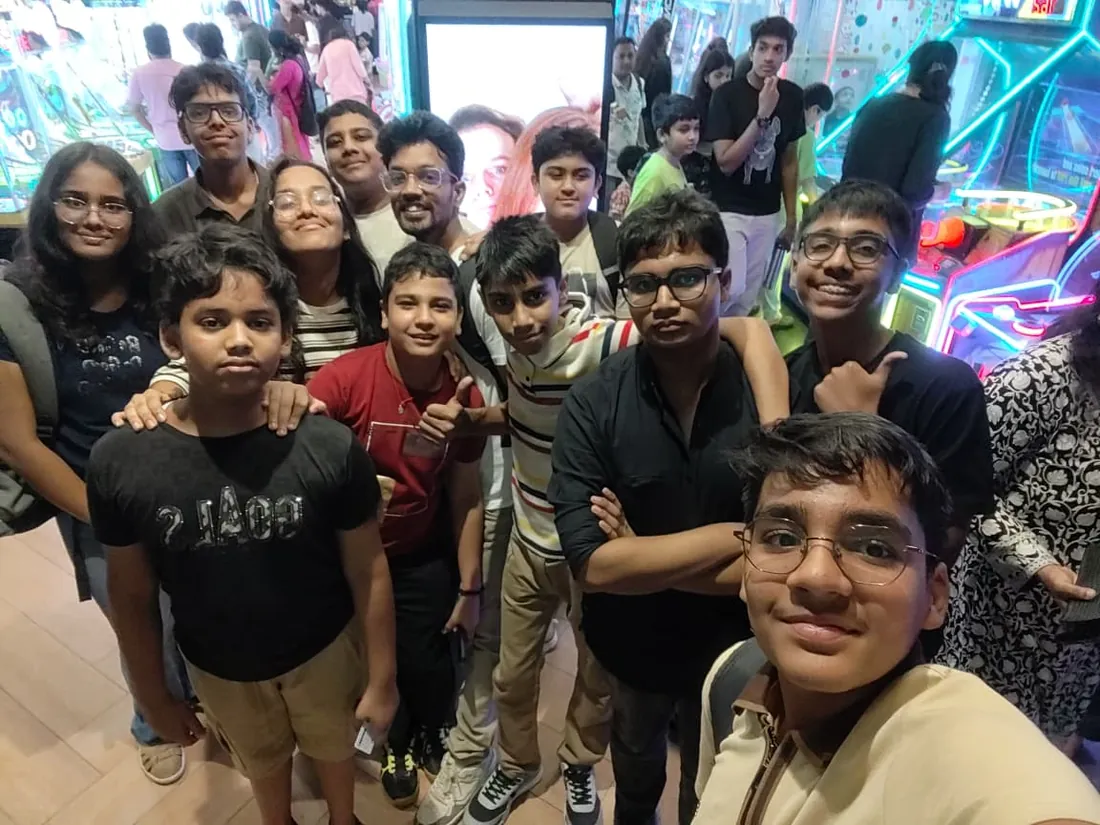
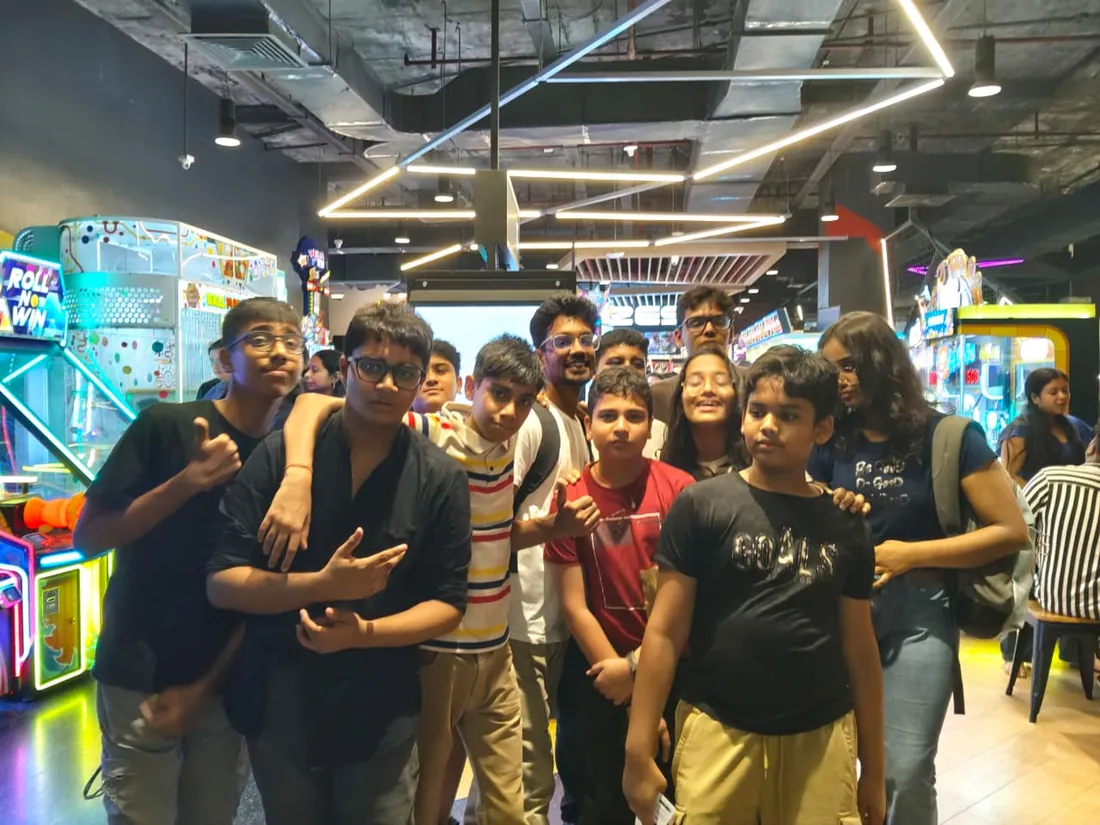
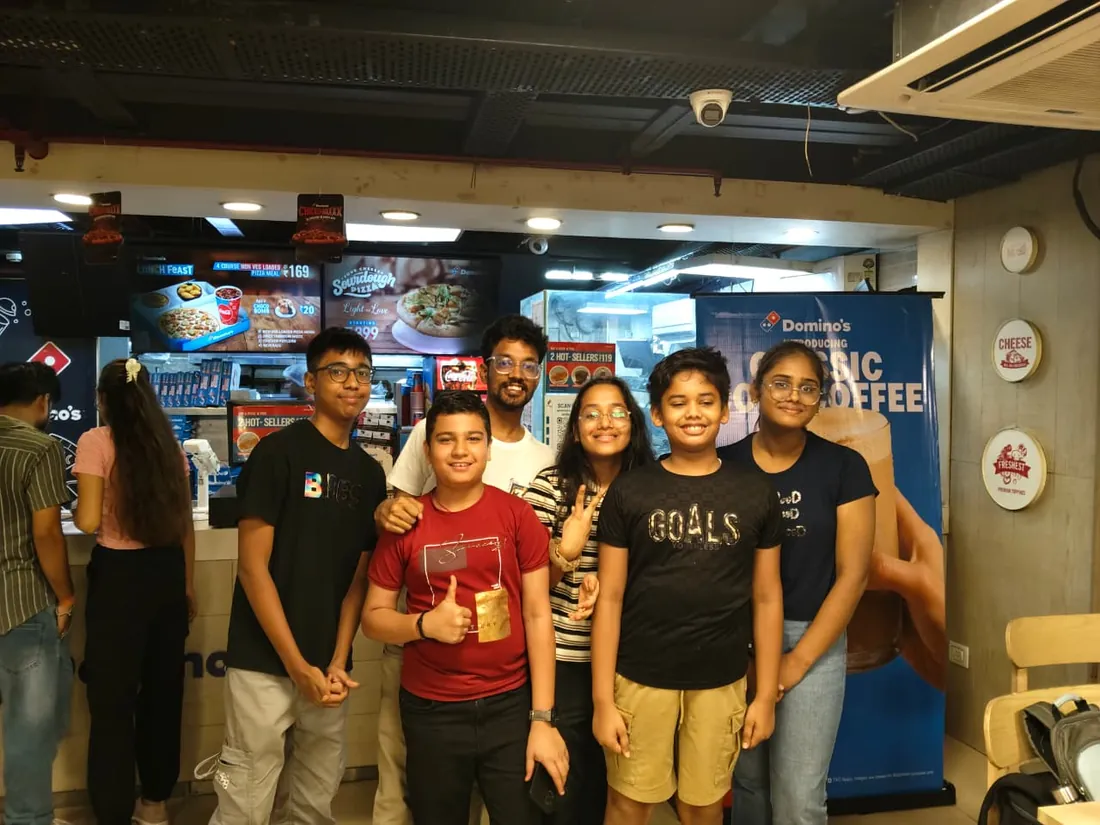
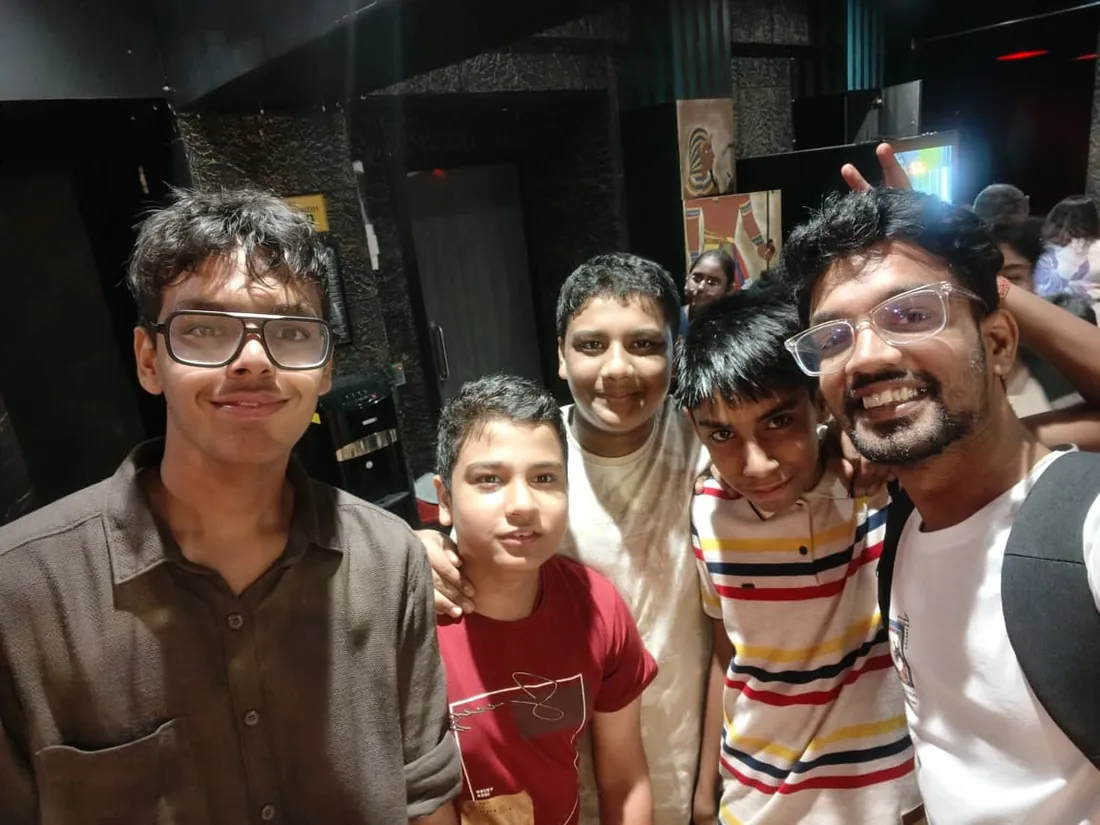
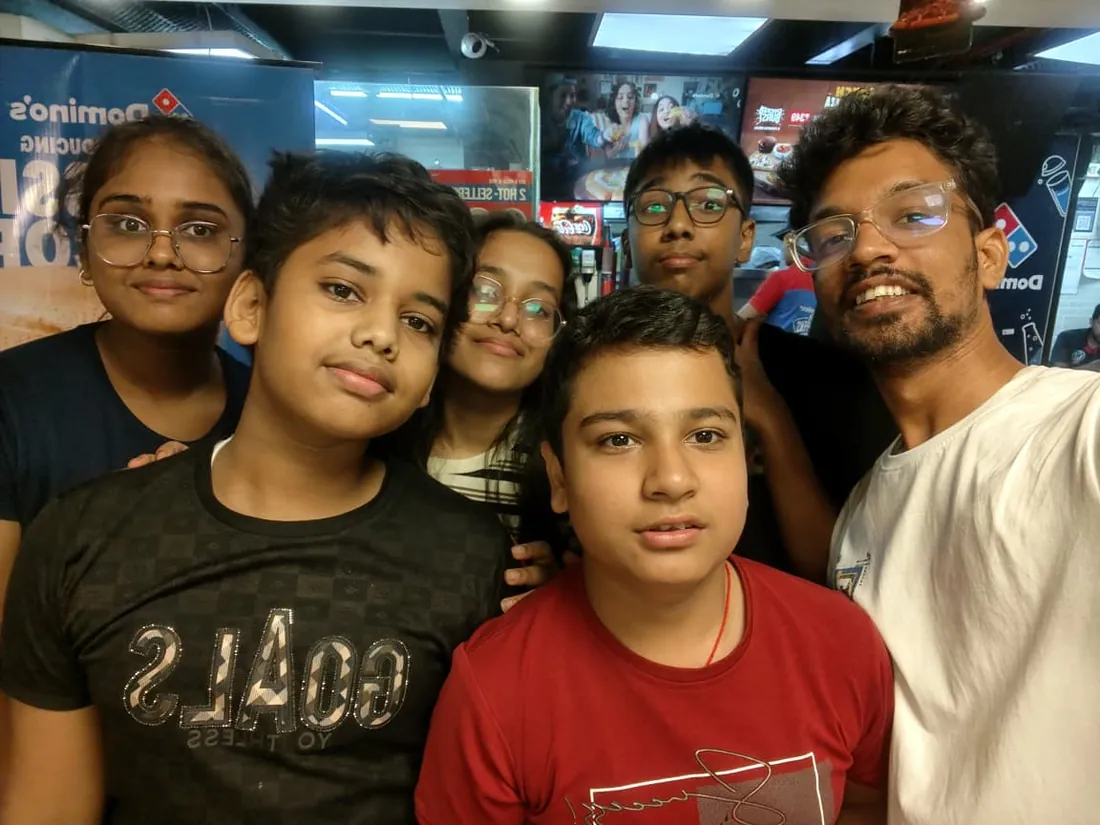
Real students. Real moments. Real joy.
These are our actual student meetups. No stock photos, no filters. Swipe through and meet the community you'll be joining.


















What families say
Straight from the parents and students who learn with us. Rated 4.9 across 547 Google reviews.
“Mivaan enjoys the class. He understands the concepts and completes his tasks with excitement. He started taking interest in coding… truly amazing class.”
“I absolutely love it here! I made new friends and learned important valuable coding skills while having the fun of my life. It's not just coding here, it's outings, bonding and most importantly preparing you for your future. Definitely five stars.”
“What stands out most is how excited my son is before every class. He looks forward to learning, problem-solving, and sharing what he's built. I've noticed a big boost in his confidence!”
“Modern Age Coders has been a game-changer for me! I struggled to grasp IT concepts and coding before joining, but their classes transformed everything. I'm now the topper in my class and can confidently write complex programs with ease.”
“Modern Age Coder have wonderful teachers who teach in a clear, easy and practical way. The teacher boosts students' confidence, keeps them updated with technology, and inspires them to learn without hesitation.”
“The one step solution for my son. Modern Age Coders make learning coding so simple that kids love it.”
“Coding classes here make learning very interesting and conceptual. The teachers teach us in a very easy-to-understand and efficient manner.”
“One of the most wonderful education centres out there. Education is not limited to school syllabus but focuses on skill development. Learning here has been a wonderful journey and still continuing.”
“I highly recommend this computer coding class! The teachers are incredibly knowledgeable and passionate about coding. They make every session engaging and insightful.”
“My child Dhairya is really enjoying the Modern Age Coder IT classes. This is his first online class, and he eagerly looks forward to it.”
“Very good classes. Don't worry about coding. They teach the best, especially Shivam sir.”
“Very good classes. Makes learning very easy and interactive.”
Hear it from our students
Real parents and students in their own words, on our public YouTube channel.
Straight answers about Problem Solving and Computational Thinking for Kids
- Who should take this course?
- Complete beginner, ages 7 to 12. It suits children who say "i can’t" before trying, this course rewires that moment; kids who already adore riddles and want real training; children headed for coding who will arrive with the thinking already built.
- What will they learn and build?
- Before coding, before advanced maths, before every exam technique, sits one meta-skill: knowing what to do when you do not know what to do.
- How deeply are topics covered?
- The course runs 6-8 months (26-32 weeks) at 2 live classes/week + 2-3 hours practice, across 1 phases listed week by week in the syllabus below. A structured, well-paced curriculum taught step by step, with classwork in every session and homework after every class.
- Who teaches it?
- Modern Age Coders mentors, who teach the live classes themselves. You can watch them at work in the free class recordings before you decide.
- How do practice, feedback and assessment work?
- Mixed challenges after every month and a final exam that decides the certificate: real skills, really tested. Doubt support between classes over WhatsApp, so you are never left stuck. A certificate your child earns by passing the final exam, with a free retest after revision if needed.
- What does it cost?
- Three monthly plans: a group batch, a mini batch and 1-on-1. Prices are shown in your currency in the plans section. Monthly billing, cancel any time.
- When can classes take place?
- Live classes are scheduled around your week. Group batches meet at a fixed weekly slot; 1-on-1 students choose their own. International students are scheduled in their own timezone. Ask on WhatsApp for the current slots.
- Can I watch the teaching before deciding?
- Yes. Full recordings of real 6 to 12 classes are free to watch, free with a Google sign-in. These recordings show how we teach, not the exact syllabus of this course. Some classes are in English and some in Hindi; everyone follows at their own pace. Watch a class end to end, like you are in it. Sessions are interactive and each moment builds on the last.
- Can I enroll without a live demo?
- Yes. Choose a plan on this page and enroll directly; a booking or a demo is not required. A free live demo is optional, for anyone who wants to meet a mentor first. Outside India, our team confirms the plan and completes payment with you over WhatsApp, so allow a little time for that step.
Common Questions About Problem Solving and Computational Thinking for Kids
Get answers to the most common questions about this comprehensive program
Still have questions? We're here to help!
Contact UsRelated Courses You May Like
Continue your learning journey with these recommended programs
 Kids Coding
App Making for Kids: Build Real Apps with Blocks
App development course for kids aged 8-12: build real mobile apps with block coding in live online c...
Explore Course Kids Coding
Game Development for Kids: Scratch, Roblox and Minecraft
Game development course for kids aged 8-12: live online classes building real games in Scratch, then...
Explore CourseRelated Articles & Guides
Deepen your knowledge with these hand-picked articles
 Kids Coding
7 min read
Kids Coding
7 min read
Is Coding Good for Kids? What It Really Teaches
Is coding good for kids? Yes, and not for the reason you think. What it actually teaches, and the ri...
Read Article Kids Coding
7 min read
Kids Coding
7 min read
Coding vs AI: What Should My Child Learn in 2026?
Coding or AI for your child in 2026? It is not a choice: why coding comes first and the age-by-age r...
Read ArticleReady to start Problem Solving and Computational Thinking for Kids?
Book a free demo class to meet your mentor and see how we teach, with no commitment. Or enrol now and start this week.