Informatik Abitur in English: Java and Python
Object-oriented programming, data structures, automata, databases and networks for Abitur Informatik, live and in English, with a mentor who matches your pace and accent.
Syllabus updated November 2026
Questions? WhatsApp +91 91233 66161 or email connect@modernagecoders.com
Recordings are free with a Google sign-in. These recordings show how we teach, not the exact syllabus of this course.
Fees and enrolment
How to join Informatik Abitur in English: Java and Python
Choose how you want to pay, pick a plan and press Enrol. We then fix your class timing with you.
Rated 4.9 across 547 Google reviews.
How would you like to pay?
Pay once for 6 months and save 20%. Same live classes, same mentor, a lower price for every session.
Group Classes
6 months · 48 sessions
One payment for all 6 months
- Paying monthly
₹1,499 × 6 months = ₹8,994- You save
- ₹1,795 (20%)
- Per session
- ₹150
₹187
2 sessions a week · 15 to 20 students
Stop early? Every session you have not taken is refunded at ₹150. Refund policy
Enrol for 6 monthsMini Batch
6 months · 48 sessions
One payment for all 6 months
- Paying monthly
₹2,999 × 6 months = ₹17,994- You save
- ₹3,595 (20%)
- Per session
- ₹300
₹375
2 sessions a week · Up to 6 students
Stop early? Every session you have not taken is refunded at ₹300. Refund policy
Enrol for 6 monthsHow your 6-month price works
- Sessions
- 24 one-to-one sessions over 6 months, fully flexible timing
- Price per session
- ₹1,000 instead of
₹1,250 - Your 6-month fee
- ₹1,000 × 24 sessions = ₹24,000
- Paying monthly instead
₹4,999 × 6 months = ₹29,994- You save
- ₹5,994 (20%)
Everything in the monthly 1-on-1 plan is included: your own mentor, flexible timing, personal dashboard, class recordings, progress reports and parent-teacher meetings.
Stop early? Every session you have not taken is refunded at ₹1,000. Refund policy
Pay once for 6 months and save 25%. Same live classes, same mentor, a lower price for every session.
Group Classes
6 months · 48 sessions
One payment for all 6 months
- Paying monthly
$100 × 6 months = $600- You save
- $151 (25%)
- Per session
- $9.35
$12.50
2 sessions a week · 15 to 20 students
Stop early? Every session you have not taken is refunded at $9.35. Refund policy
Enrol for 6 monthsHow your 6-month price works
- Sessions
- 48 one-to-one sessions over 6 months, 2 sessions a week
- Price per session
- $14 instead of
$18.75 - Your 6-month fee
- $14 × 48 sessions = $672
- Paying monthly instead
$150 × 6 months = $900- You save
- $228 (25%)
Everything in the monthly 1-on-1 plan is included: your own mentor, flexible timing, personal dashboard, class recordings, progress reports and parent-teacher meetings.
Stop early? Every session you have not taken is refunded at $14. Refund policy
Pay once for 6 months and save 25%. Same live classes, same mentor, a lower price for every session.
Group Classes
6 months · 48 sessions
One payment for all 6 months
- Paying monthly
$140 × 6 months = $840- You save
- $211 (25%)
- Per session
- $13.10
$17.50
2 sessions a week · 15 to 20 students
Stop early? Every session you have not taken is refunded at $13.10. Refund policy
Enrol for 6 monthsHow your 6-month price works
- Sessions
- 48 one-to-one sessions over 6 months, 2 sessions a week
- Price per session
- $19.60 instead of
$26.25 - Your 6-month fee
- $941
- Paying monthly instead
$210 × 6 months = $1,260- You save
- $319 (25%)
Everything in the monthly 1-on-1 plan is included: your own mentor, flexible timing, personal dashboard, class recordings, progress reports and parent-teacher meetings.
Stop early? Every session you have not taken is refunded at $19.60. Refund policy
How enrolment works
Pick a plan
Group (15 to 20 students), Mini Batch (up to 6, India only) or 1-on-1 with your own mentor. Pay monthly, or for 6 months at once and save.
Press Enrol and pay
Fill in the student's name, email and phone, then pay securely: UPI, cards or net banking in India, or a debit or credit card from any other country.
Fix your class timing
After paying, WhatsApp or call +91 91233 66161 with the student's name and your preferred time. We confirm the batch or 1-on-1 slot and send the class link.
Start learning
Join your first live class at the time you chose. Your mentor takes it from there.
Want to see a class first? Book a Priority Demo: a live class of about 45 to 60 minutes with a mentor reserved for you. If you enrol, the demo fee is adjusted against your first month's fee. Share your demo Order ID with us on WhatsApp and we take it off.
Pay monthly and cancel any time, or pay for 6 months at once and save. Stop a 6-month plan early and every session left is refunded.
International Students (Outside India)
Billed monthly in US dollars, the same price in every country. Contact us with any questions.
Questions before you enrol? Talk to our team.
Ask about class timings, the right level for your child, what they need to know already, or payment. Parents and adult learners can reach us on WhatsApp, by email or by phone.
Our promise
The world's best learning experience, open to everyone.
- World-class instructorsEvery class is taught by an instructor who specialises in that exact field.
- No compromise on qualityEvery lesson, project and piece of feedback is held to the highest standard.
- Education for everyoneLearners aged 6 to 67, from first-time beginners to working professionals, in 25+ countries.
If you want the highest quality, Modern Age Coders is the right choice.
Book a Priority DemoHow long this course takes
This course runs 6 months (24 weeks), joinable any month, Grundkurs and Leistungskurs paths at 2 live classes/week in English + weekly code, written questions and a monthly timed paper. The range allows for background and pace: a complete beginner uses the full span, and a student with prior knowledge finishes sooner. The syllabus below is planned to the shorter end, with margin kept for revision.
For personalised duration planning, call +91 91233 66161 and we'll map a schedule to your goals.
At a glance
- Who it is for
- Oberstufe students (ages 16 to 19), Grundkurs or Leistungskurs. Age: Roughly 16 to 19, in the Einführungsphase or Qualifikationsphase of the gymnasiale Oberstufe.
- Prerequisites
- Some programming at school helps; Month 1 rebuilds the basics quickly in your school's language
- Format
- Live, interactive classes with a real teacher, never pre-recorded videos. Live classes run about one hour.
- Language
- English or Hindi, depending on the batch.
- Duration
- 6 months (24 weeks), joinable any month, Grundkurs and Leistungskurs paths
- Weekly commitment
- 2 live classes/week in English + weekly code, written questions and a monthly timed paper
- Class size
- Group batches of 15 to 20 students, mini batches of up to 6, or 1-on-1.
- Certificate
- Modern Age Coders certificate on passing the final assessment (not an Abitur grade)
- Watch first
- Free recordings of real classes for ages 13 and up, free with a Google sign-in. These recordings show how we teach, not the exact syllabus of this course.
- Live demo
- Optional. Enrol directly on this page, or book a Priority Demo: a full live class of about 45 to 60 minutes with a mentor reserved for you.
- Questions
- WhatsApp +91 91233 66161 or email connect@modernagecoders.com.
How we teach
Deep understanding. Real projects. Expert guidance.
Learn coding, AI and maths through careful explanations, practical demonstrations, and hands-on problem-solving. Our instructors guide you from the foundations to advanced ideas, helping you understand what happens, why it happens, and how to build it yourself.
You will explore concepts step by step, write and improve code, investigate mistakes, ask questions, and apply your knowledge to meaningful projects. Lessons are designed around active participation, thoughtful feedback, and growing independence.
Expert-led live teaching, with practical participation built into every lesson.
- Students explain their thinking.
- Instructors demonstrate, then guide practice.
- Learners code, solve, or build during lessons.
- Questions and misconceptions get attention.
- Assignments receive useful feedback.
- Progress is checked before advancing.
Program Overview
This is a live online course for students in the gymnasiale Oberstufe in Germany who take Informatik, from the Einführungsphase through the Qualifikationsphase to the written or oral Abitur. It covers the topics that Abitur Informatik commonly examines: object-oriented modelling and programming, algorithms and their running time, linear and tree data structures, databases and SQL, finite automata and formal languages, networks and cryptography. Students work in Java or in Python, whichever their school uses, and Java students can work in BlueJ, which we support.
Classes are live and taught in English only. The mentor matches each student's pace and accent: speaks clearly, slows down on hard ideas, rephrases and checks understanding. For a student whose first language is German, every class is Informatik help and practice in technical English at the same time, which is useful for university, where much of computing is read and written in English. We never teach in German, but our notes list the German term beside the English one (Klassendiagramm and class diagram, Schlange and queue, deterministischer endlicher Automat and deterministic finite automaton), so the work links straight back to school.
The written Abitur in Informatik is often a paper exam. The GI Informatik-Monitor 2026/27 says of Bayern that "Große Teile des schriftlichen Informatikabiturs beinhalten Programmieraufgaben auf Papier, jedoch keine praktischen Anteile am Rechner", and of NRW that "Der Einsatz eines Computers ist für die Bearbeitung der schriftlich Abituraufgaben nicht vorgesehen." So we train both halves: real programs written and tested on a computer, and clean code, diagrams and explanations written by hand under time. The same monitor reports that in the NRW Qualifikationsphase Informatik can be a Grundkurs of three hours or a Leistungskurs of five, and that in Sachsen the Leistungskurs is available at selected Gymnasien only. Topics, weighting and exam rules differ by Land and year, so the mentor maps the course to the student's own Land and course level in the first class. Every practice question and mock paper is our own; we never reproduce real Abitur tasks. We are independent of every Land ministry and make no promise of grades.
What Makes This Program Different
- Live classes in English only, with a mentor who matches your pace and accent and slows down whenever a topic is hard
- Java or Python, matched to your school, with BlueJ supported for Java classes
- Paper-exam training: writing code, class diagrams and automata by hand under time, because written Informatik Abitur papers are often done without a computer
- Grundkurs and Leistungskurs paths: the Leistungskurs path adds graphs, pushdown automata and more depth on running time
- Mapped to your Land and phase in the first class, because Oberstufe Informatik differs between NRW, Bayern, Sachsen and the rest
- Original mock papers in the Abitur style every month, never copies of real tasks
Your Learning Journey
Career Progression
Detailed Course Curriculum
Explore the complete week-by-week breakdown of what you'll learn in this comprehensive program.
Topics Covered
- A diagnostic: your Land, phase (Einführungsphase or Qualifikationsphase), Grundkurs or Leistungskurs, and school language
- How we work in English: the mentor's pace, phrases for asking to repeat, and a German to English term list
- Setting up Java with BlueJ, or Python, exactly as your school does
- Classes, objects, attributes and methods, and the constructor
- UML class diagrams (Klassendiagramme): reading them and drawing them
- Encapsulation: private attributes with getter and setter methods
Projects You Build
- A Konto (bank account) class with deposits, withdrawals and validation, drawn first as a class diagram
Practice & Assignments
Short programs written on screen, then the same code written by hand
Topics Covered
- Selection and loops, with trace tables to check them
- Arrays (and Python lists): filling, traversing and finding the maximum
- Linear search and binary search, and why binary search needs sorted data
- Bubble sort, selection sort and insertion sort, traced by hand
- Counting comparisons to compare algorithms
- Explaining an algorithm in precise English, then in the operator language of exam questions
Projects You Build
- A sorting comparison program that counts steps for three algorithms
Practice & Assignments
Hand-tracing exercises of our own on searching and sorting
Assessment
Month 1 check: a short paper with code to write by hand and a trace table
Topics Covered
- Inheritance: superclass and subclass, and overriding methods
- Polymorphism, abstract classes and interfaces
- Associations, aggregation and multiplicities in class diagrams
- Modelling a real situation as classes: from a text description to a diagram
- Working from a given class documentation, the way written exams often provide it
- Discussing a design choice out loud in English
Projects You Build
- A library or school timetable model with a class hierarchy and associations
Practice & Assignments
Modelling tasks of our own: text in, class diagram and code out
Topics Covered
- Recursion: base case, recursive case and the call stack
- Recursive algorithms: factorial, power, binary search and the Towers of Hanoi
- Merge sort and quicksort, and why they beat simple sorts on large data
- Running time with O notation: constant, linear, quadratic and n log n
- Best, average and worst case
- Leistungskurs depth: proving a recursive method terminates
Projects You Build
- A timing experiment that sorts growing arrays and plots the running time
Practice & Assignments
Recursion traces and running-time questions of our own
Assessment
Phase 1 assessment: a timed paper of original OOP and algorithm questions, written by hand
Topics Covered
- Abstract data types: what a structure does versus how it is built
- Stack (Stapel) and queue (Schlange): operations and typical uses
- Linked lists built from nodes (Knoten), with insert, delete and search
- Using a given List, Stack or Queue class from its documentation
- Choosing a structure for a task and justifying the choice
- Drawing pointer diagrams by hand
Projects You Build
- A print-queue and undo-stack simulator built on your own linked list
Practice & Assignments
Written tasks of our own: use a given list class to solve a problem on paper
Topics Covered
- Binary trees: root, leaves, height, and preorder, inorder and postorder traversal
- Binary search trees: insert, search and why balance matters
- Leistungskurs depth: graphs as adjacency matrix and adjacency list
- Depth-first and breadth-first search
- Shortest paths with Dijkstra's algorithm, traced by hand
- Explaining a traversal step by step in English
Projects You Build
- A binary search tree word dictionary with all three traversals
Practice & Assignments
Tree and graph tracing exercises of our own
Assessment
Month 3 check: a timed set of data-structure questions on paper
Topics Covered
- Entities, attributes and relationships in an ER model (Entity-Relationship-Modell)
- Cardinalities 1:1, 1:n and n:m, and resolving n:m relationships
- From ER model to tables: primary keys and foreign keys
- Anomalies and normalisation to the third normal form
- Relational algebra: selection, projection and join
- Data protection and why databases need access rules
Projects You Build
- An ER model and table design for a sports club, normalised step by step
Practice & Assignments
Modelling tasks of our own: a scenario in words, a model on paper
Topics Covered
- SELECT, WHERE, ORDER BY and DISTINCT
- Joins across two and three tables
- GROUP BY, HAVING and aggregate functions
- Nested queries and when to use them
- Reading a query and saying in English what it returns
- Writing SQL by hand under exam conditions
Projects You Build
- A school database queried with twenty SQL questions of rising difficulty
Practice & Assignments
SQL query sets of our own, solved on screen and then on paper
Assessment
Phase 2 assessment: a timed paper of original data-structure and database questions
Topics Covered
- Alphabets, words and languages
- Deterministic finite automata: states, transitions, start and accepting states
- Drawing a transition diagram and writing the transition table
- Designing an automaton for a given language, and testing it with words
- Nondeterministic finite automata and converting them to deterministic ones
- Implementing an automaton in Java or Python
Projects You Build
- A validator for number plates or email-like strings, built as an automaton in code
Practice & Assignments
Automaton design tasks of our own, drawn by hand and tested
Topics Covered
- Regular grammars and regular expressions, and their link to finite automata
- Context-free grammars, derivations and syntax trees
- Leistungskurs depth: pushdown automata (Kellerautomaten) for nested brackets
- Why some languages need more than a finite automaton
- An overview of the Turing machine and the limits of computation
- Explaining a proof idea clearly in English
Projects You Build
- A bracket checker built as a pushdown automaton with a stack
Practice & Assignments
Grammar and automaton questions of our own
Assessment
Month 5 check: a timed theory paper on automata and grammars
Topics Covered
- Layer models: the TCP/IP model and the ISO/OSI model
- IP addressing, routing, DNS and the client-server model
- Protocols as agreed rules, and a simple protocol designed in class
- Symmetric encryption: Caesar and Vigenère, and how they are broken
- Asymmetric encryption, the idea behind RSA, and digital signatures
- Security, privacy and the social side of networks
Projects You Build
- A Vigenère encoder and cracker, plus a short written explanation of RSA
Practice & Assignments
Network and cryptography scenarios of our own to explain in full sentences
Topics Covered
- The operators in exam questions (nennen, beschreiben, erläutern, implementieren) and what each asks for, explained in English
- Writing correct code by hand: layout, naming and checking without a compiler
- Timed mock papers of our own in the Abitur style, Grundkurs or Leistungskurs
- Oral exam practice: explaining a model or algorithm aloud and answering follow-up questions
- An error log review and a personal revision plan up to the exam
- Matching the plan to your Land's exam dates and rules
Projects You Build
- Two full timed mock papers with detailed written feedback
Practice & Assignments
A timed paper of original questions and a spoken explanation
Assessment
Final assessment: a full timed paper of original questions and an oral explanation
Projects You'll Build
Build a professional portfolio with A portfolio of Java or Python programs, class and ER diagrams, automata drawn and coded, an SQL query bank, and a timed-paper history with written feedback real-world projects.
Weekly Learning Structure
Certification & Recognition
Technologies & Skills You'll Master
Comprehensive coverage of the entire modern web development stack.
Support & Resources
Career Outcomes & Opportunities
Transform your career with industry-ready skills and job placement support.
Prerequisites
Who Is This Course For?
Career Paths After Completion
Course Guarantees
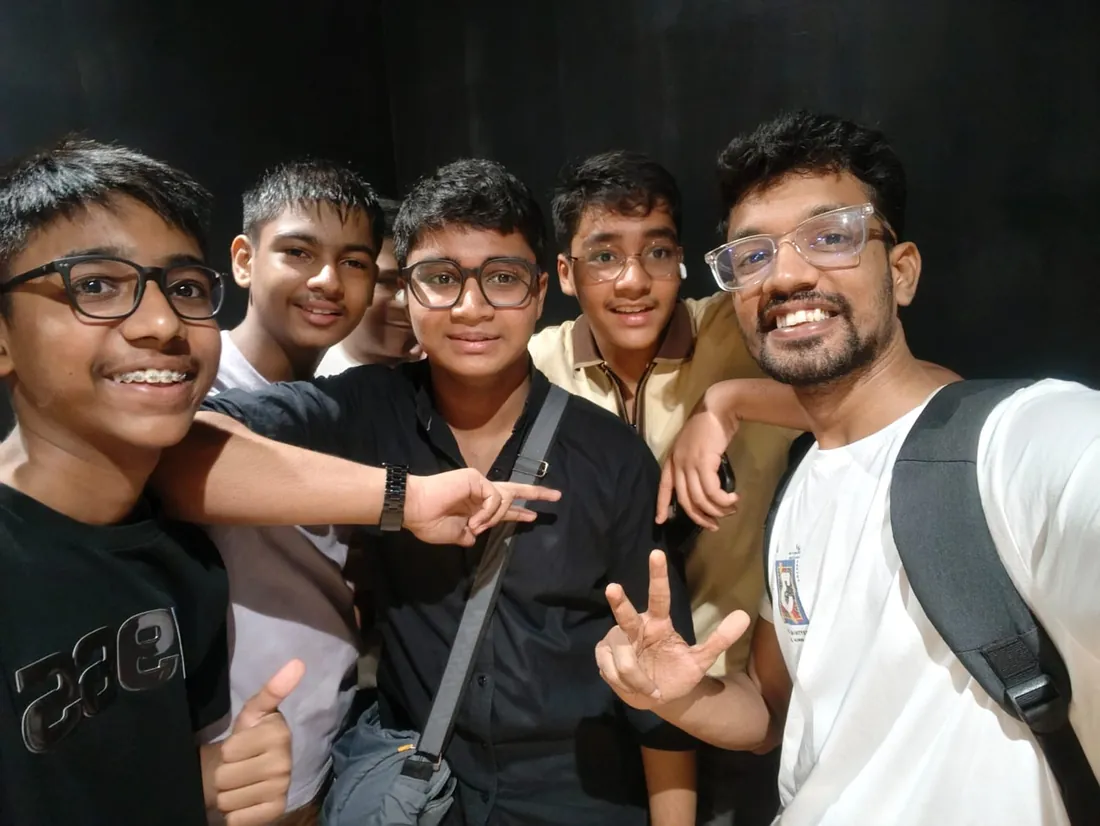
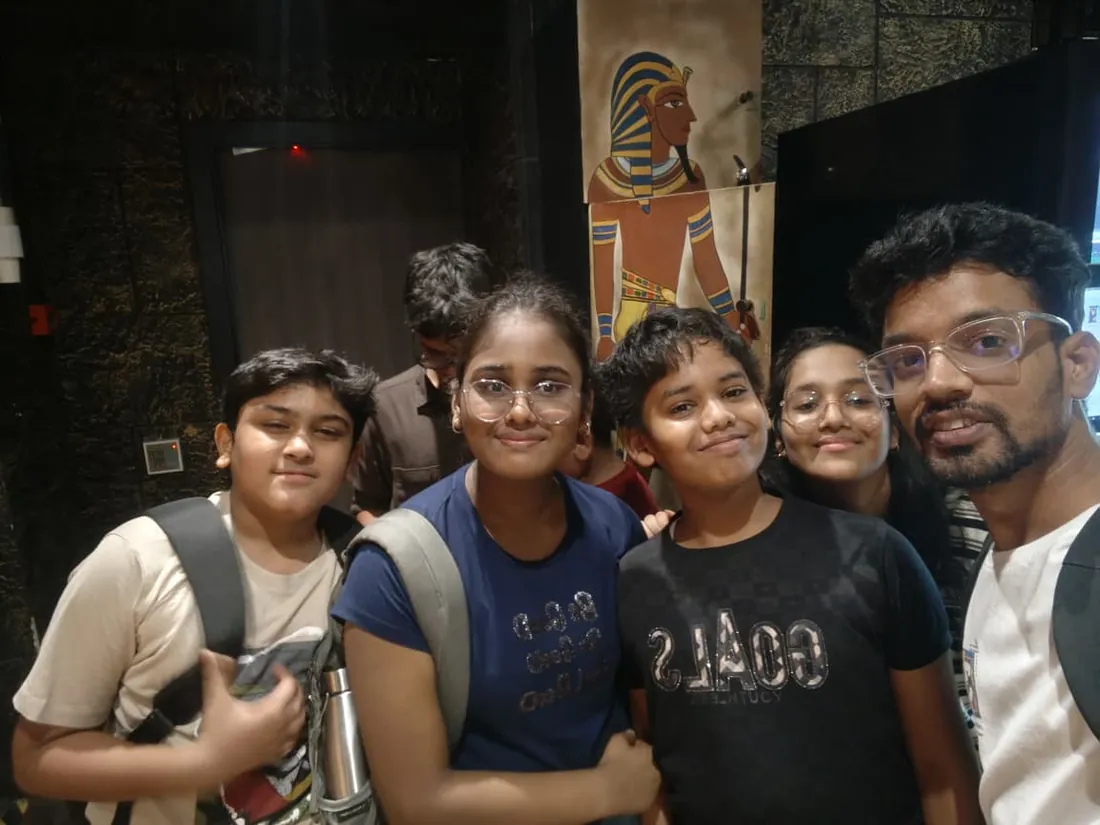
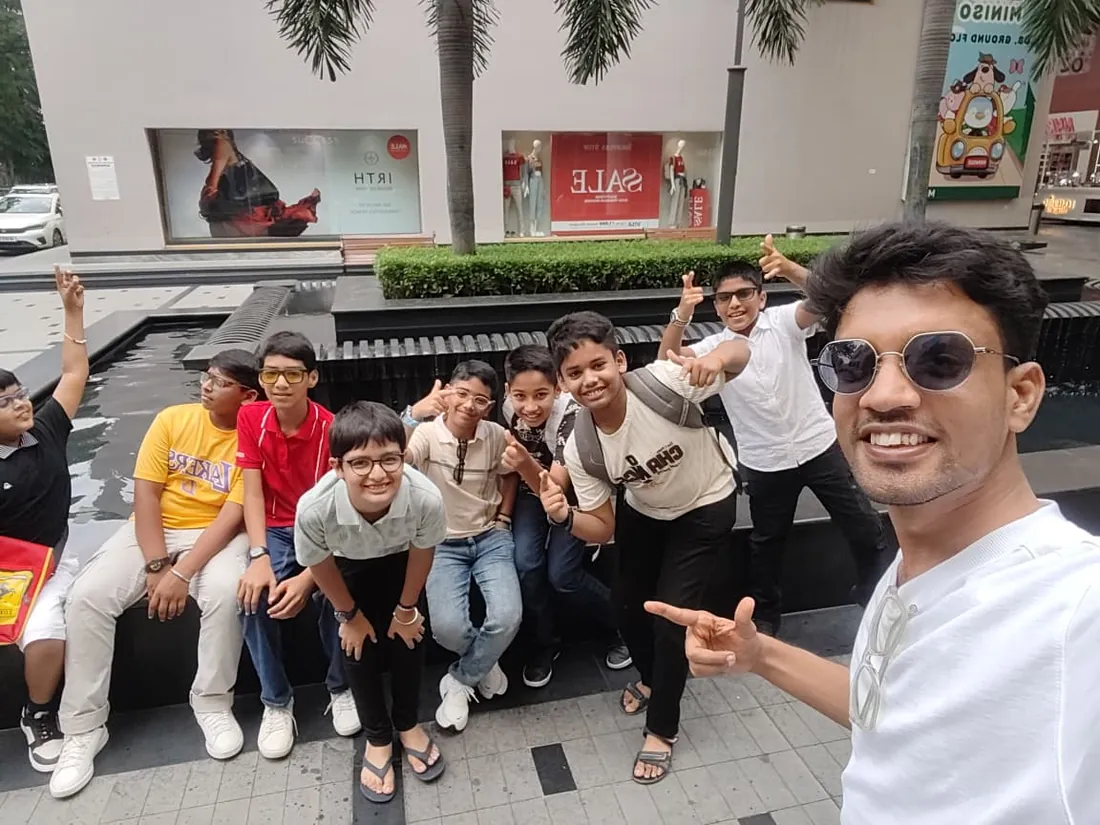
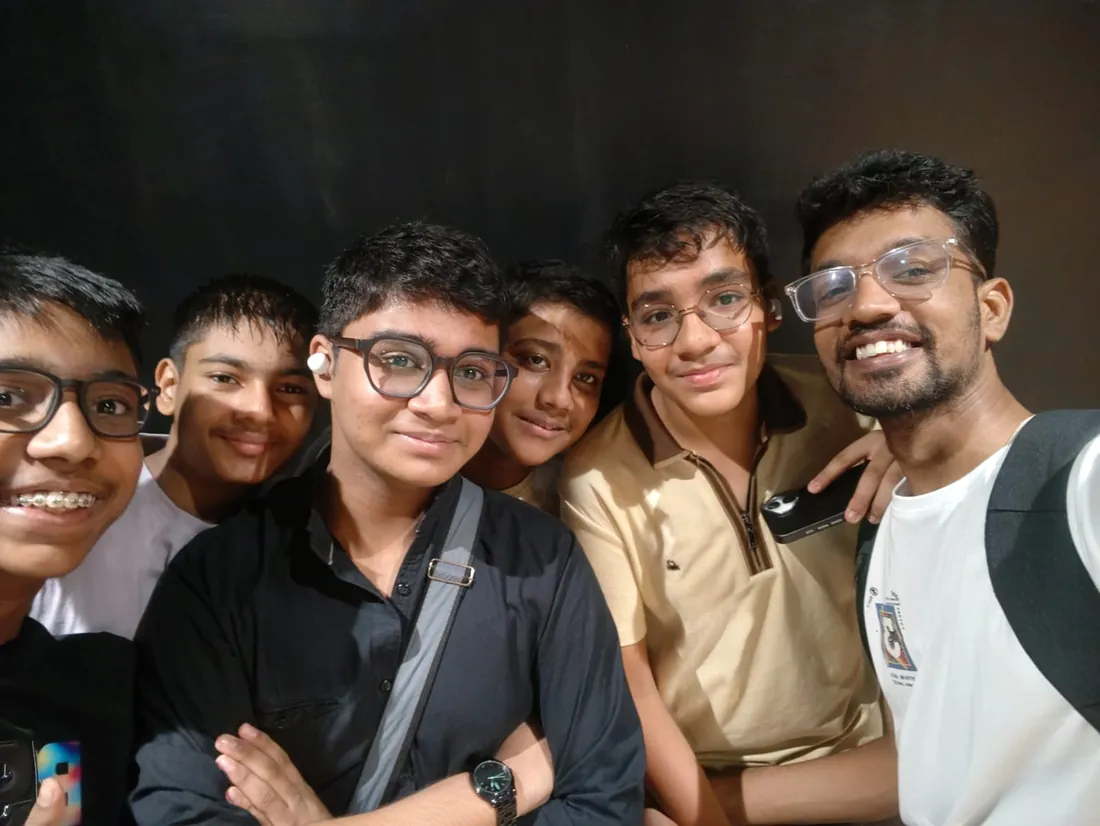
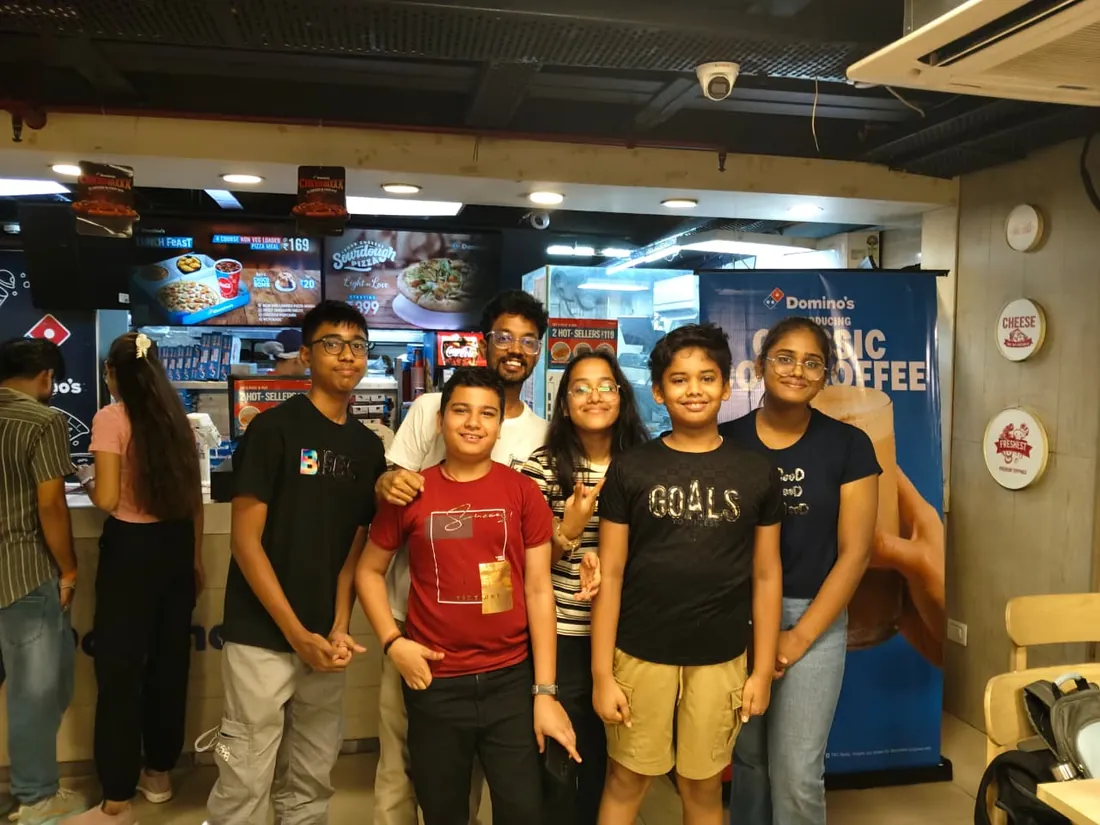
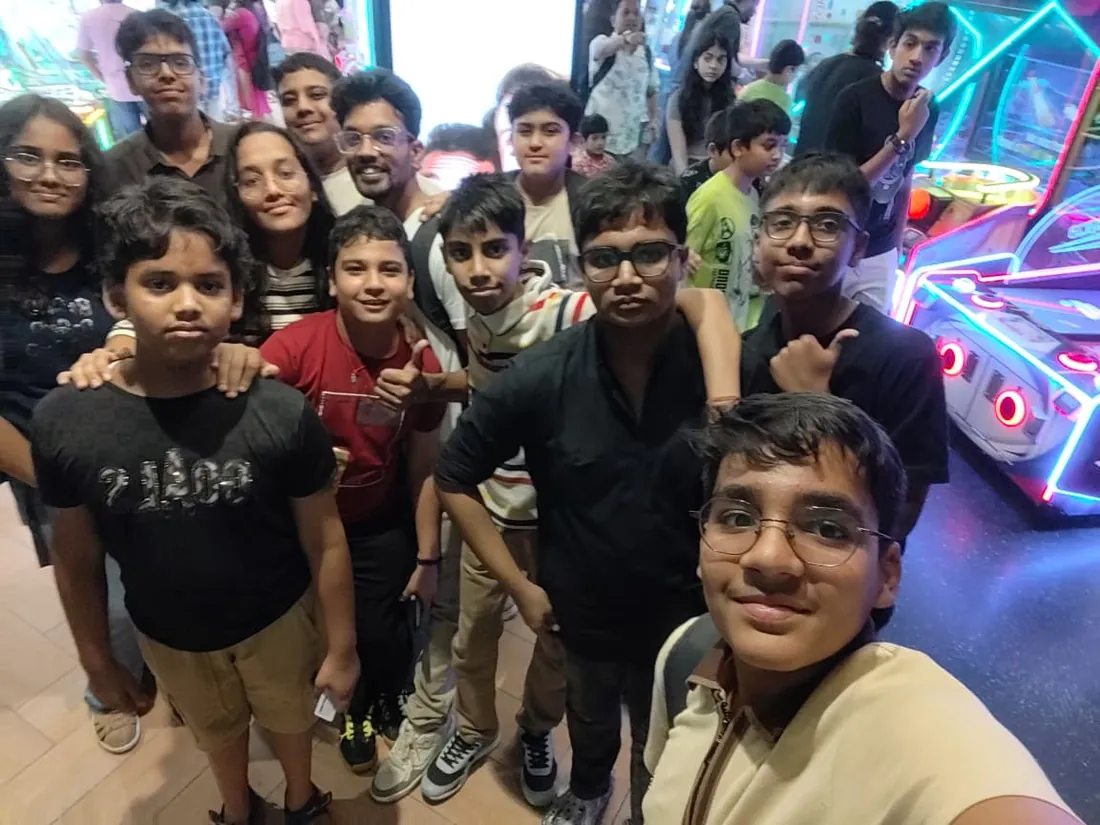
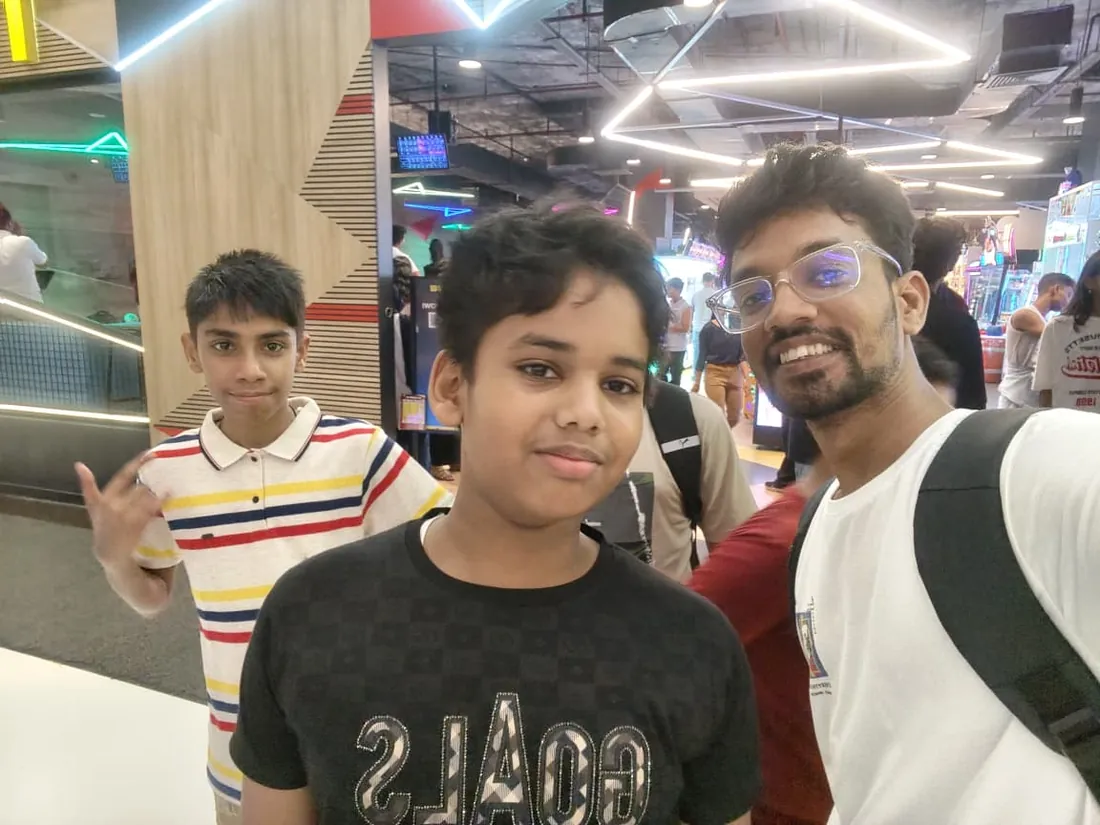
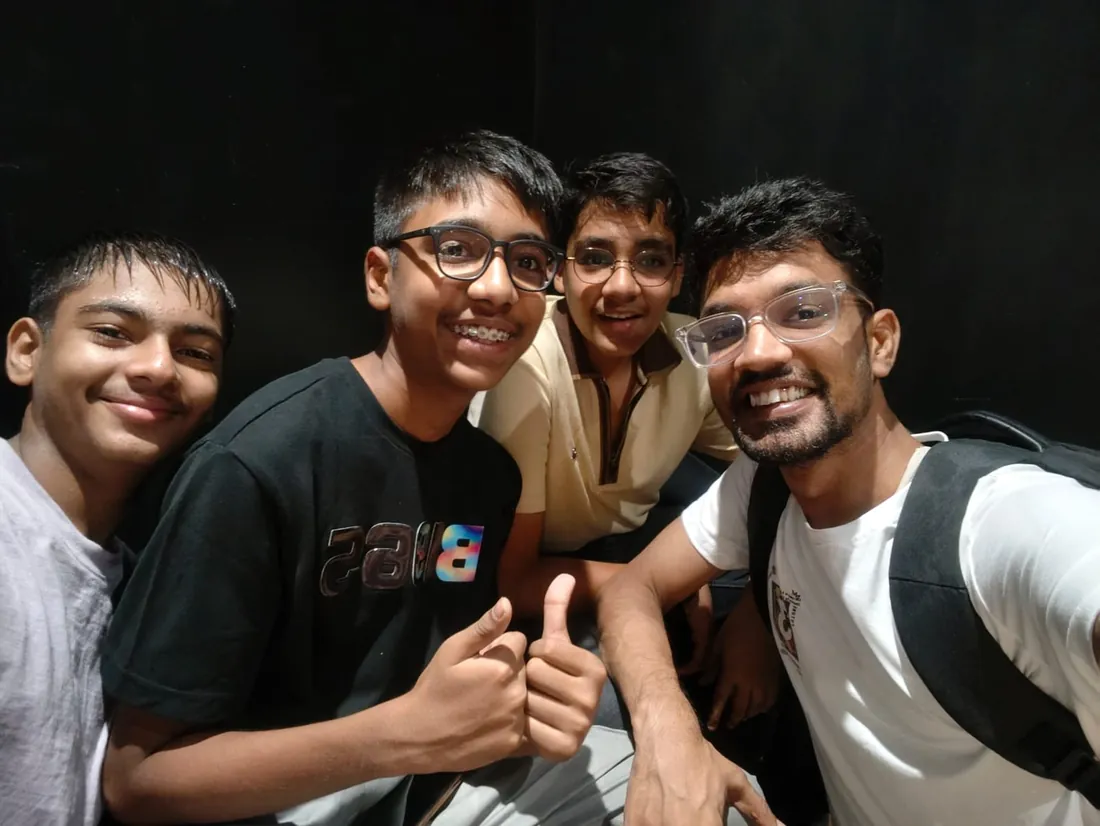
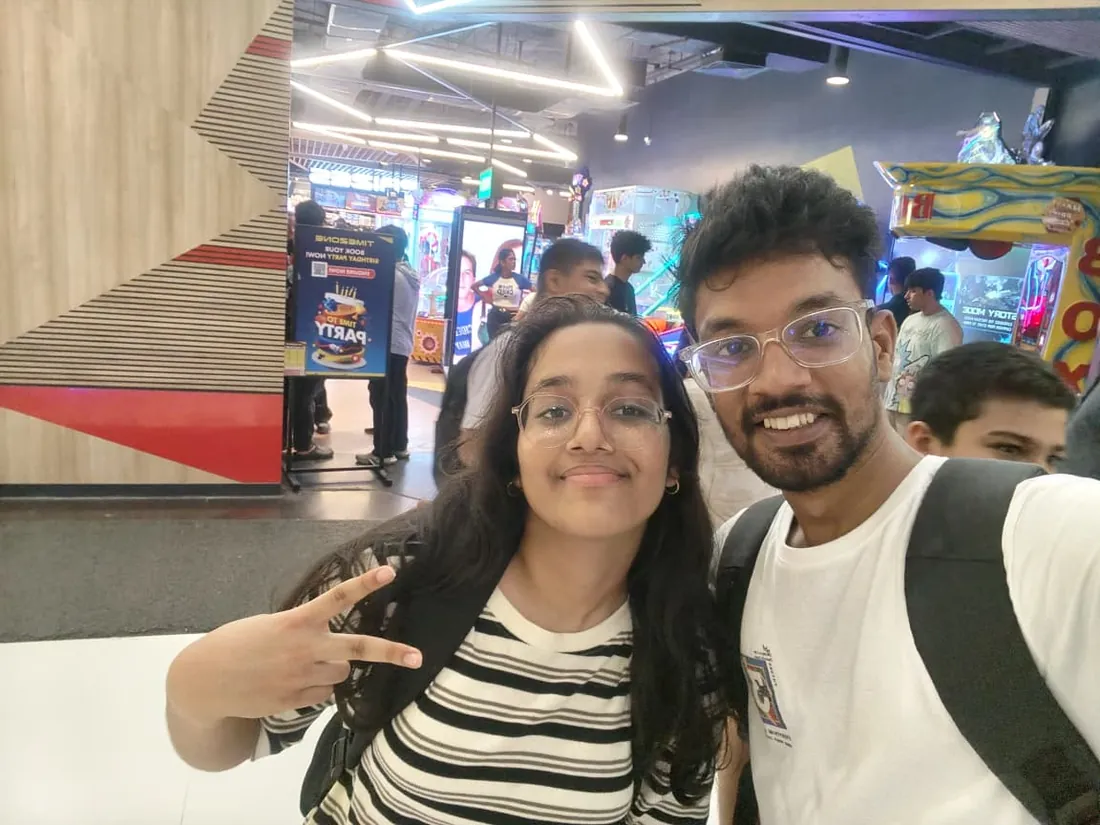
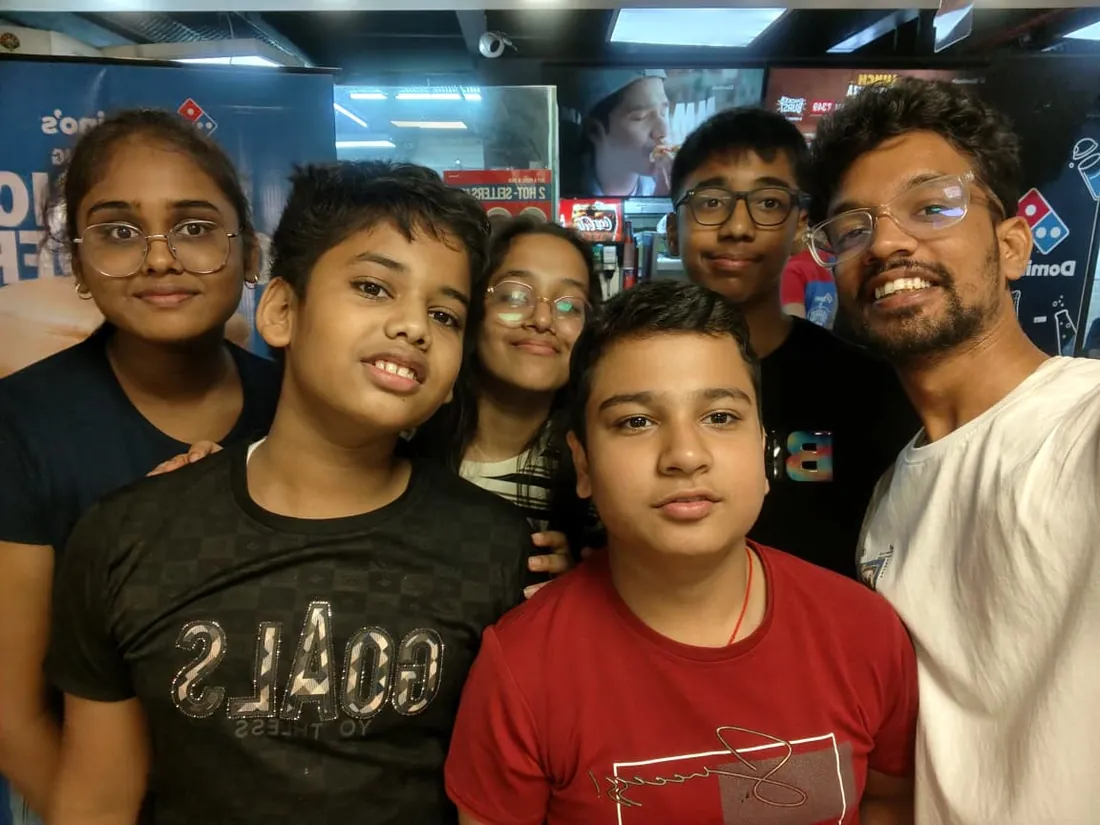
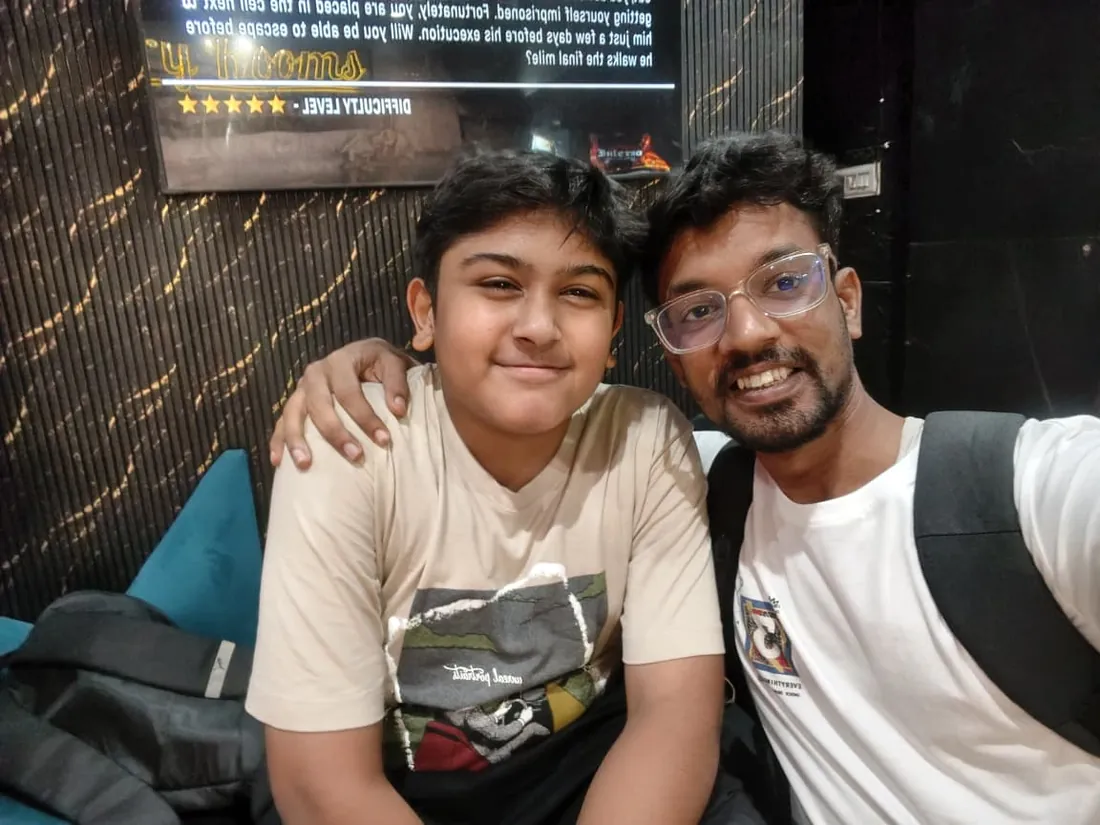
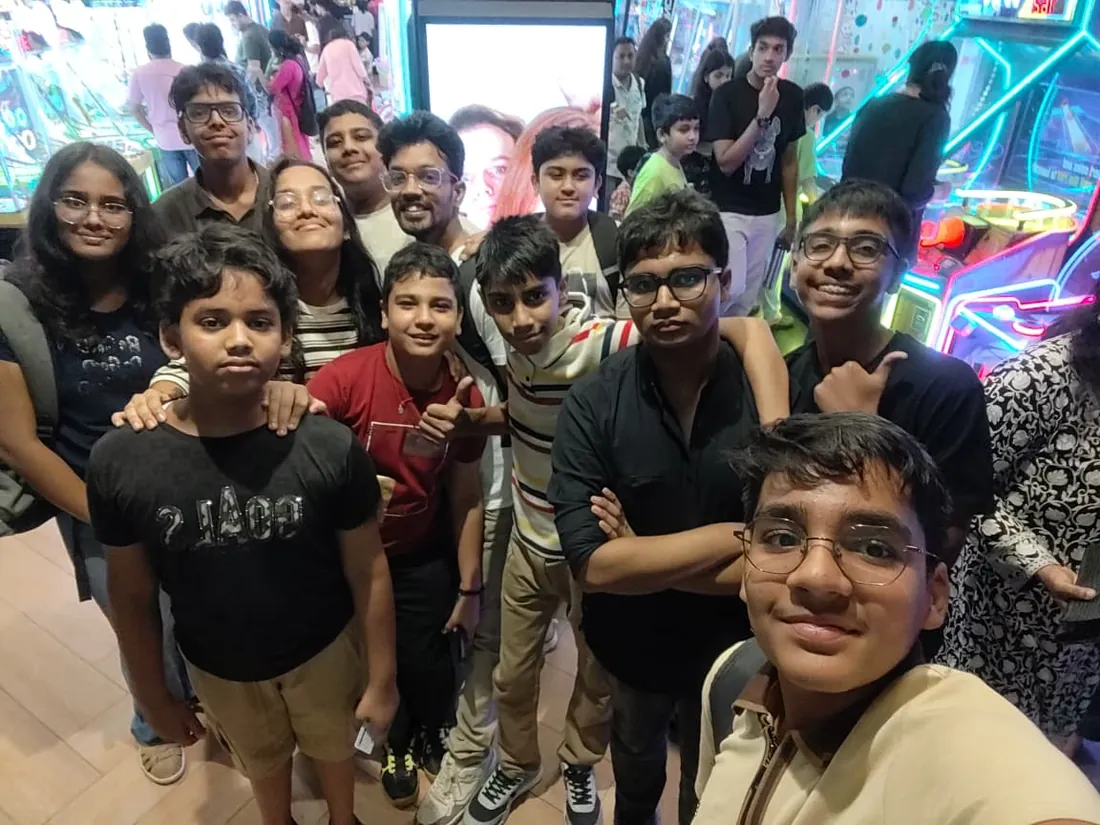
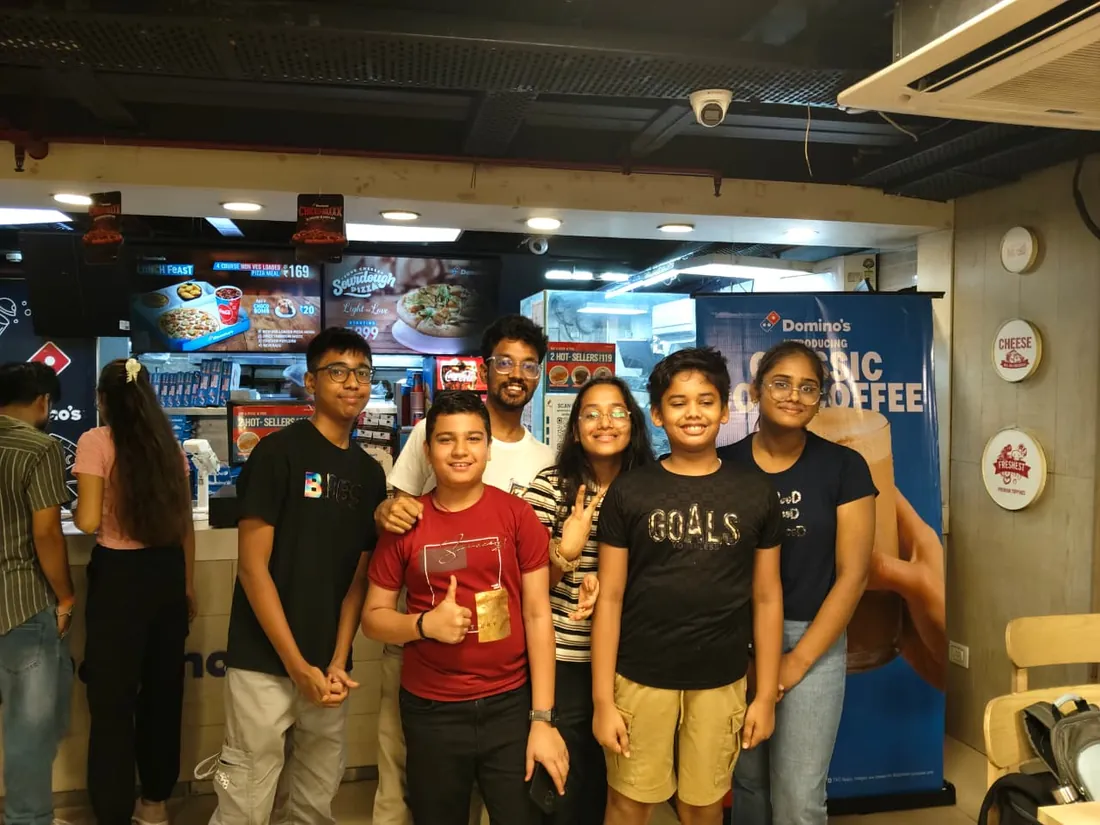
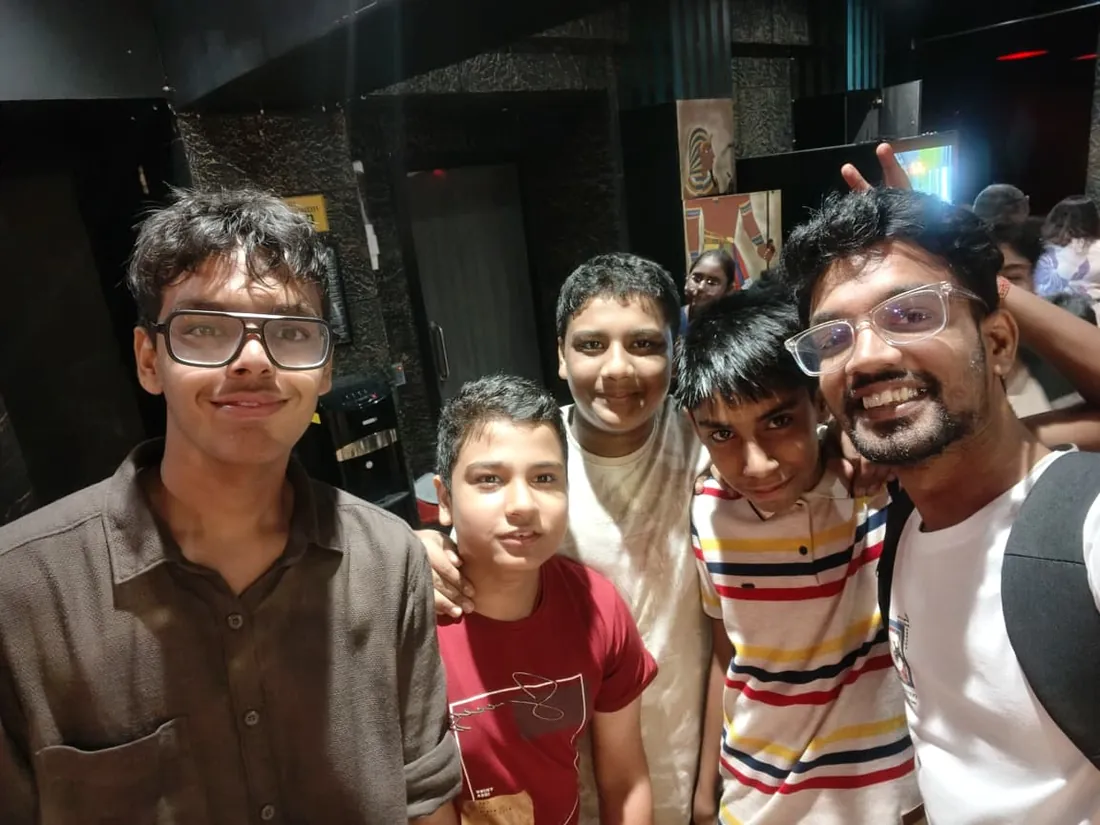
Real students. Real moments. Real joy.
These are our actual student meetups. No stock photos, no filters. Swipe through and meet the community you'll be joining.





















What families say
Straight from the parents and students who learn with us. Rated 4.9 across 547 Google reviews.
“Mivaan enjoys the class. He understands the concepts and completes his tasks with excitement. He started taking interest in coding… truly amazing class.”
“I absolutely love it here! I made new friends and learned important valuable coding skills while having the fun of my life. It's not just coding here, it's outings, bonding and most importantly preparing you for your future. Definitely five stars.”
“What stands out most is how excited my son is before every class. He looks forward to learning, problem-solving, and sharing what he's built. I've noticed a big boost in his confidence!”
“Modern Age Coders has been a game-changer for me! I struggled to grasp IT concepts and coding before joining, but their classes transformed everything. I'm now the topper in my class and can confidently write complex programs with ease.”
“Modern Age Coder have wonderful teachers who teach in a clear, easy and practical way. The teacher boosts students' confidence, keeps them updated with technology, and inspires them to learn without hesitation.”
“The one step solution for my son. Modern Age Coders make learning coding so simple that kids love it.”
“Coding classes here make learning very interesting and conceptual. The teachers teach us in a very easy-to-understand and efficient manner.”
“One of the most wonderful education centres out there. Education is not limited to school syllabus but focuses on skill development. Learning here has been a wonderful journey and still continuing.”
“I highly recommend this computer coding class! The teachers are incredibly knowledgeable and passionate about coding. They make every session engaging and insightful.”
“My child Dhairya is really enjoying the Modern Age Coder IT classes. This is his first online class, and he eagerly looks forward to it.”
“Very good classes. Don't worry about coding. They teach the best, especially Shivam sir.”
“Very good classes. Makes learning very easy and interactive.”
Hear it from our students
Real parents and students in their own words, on our public YouTube channel.
Straight answers about Informatik Abitur in English: Java and Python
- Who should take this course?
- Oberstufe students (ages 16 to 19), Grundkurs or Leistungskurs. Age: Roughly 16 to 19, in the Einführungsphase or Qualifikationsphase of the gymnasiale Oberstufe. It suits students in the einführungsphase choosing or starting informatik who want strong programming foundations; grundkurs students preparing for written or oral abitur informatik; leistungskurs students who want the extra depth in graphs, automata and running time.
- What will they learn and build?
- This is a live online course for students in the gymnasiale Oberstufe in Germany who take Informatik, from the Einführungsphase through the Qualifikationsphase to the written or oral Abitur.
- How deeply are topics covered?
- The course runs 6 months (24 weeks), joinable any month, Grundkurs and Leistungskurs paths at 2 live classes/week in English + weekly code, written questions and a monthly timed paper, across 3 phases listed week by week in the syllabus below.
- Who teaches it?
- Modern Age Coders mentors, who teach the live classes themselves. You can watch them at work in the free class recordings before you decide.
- How do practice, feedback and assessment work?
- Classwork in every session and homework after every class.
- What does it cost?
- Three monthly plans: a group batch, a mini batch and 1-on-1. Prices are shown in your currency in the plans section. Monthly billing, cancel any time.
- When can classes take place?
- Live classes are scheduled around your week. Group batches meet at a fixed weekly slot; 1-on-1 students choose their own. International students are scheduled in their own timezone. Ask on WhatsApp for the current slots.
- Can I watch the teaching before deciding?
- Yes. Full recordings of real 13 and up classes are free to watch, free with a Google sign-in. These recordings show how we teach, not the exact syllabus of this course. Some classes are in English and some in Hindi; everyone follows at their own pace. Watch a class end to end, like you are in it. Sessions are interactive and each moment builds on the last.
- Can I enroll without a live demo?
- Yes. Choose a plan on this page and enrol directly; a demo is not required. If you would like to see a full class with a mentor first, book a Priority Demo.
- How do I reach you with a question?
- WhatsApp +91 91233 66161, email connect@modernagecoders.com, or call +91 91233 66161. Tell us the student's age and what they have learned so far, and we will point you to the right plan and batch.
Common Questions About Informatik Abitur in English: Java and Python
Get answers to the most common questions about this comprehensive program
Still have questions? We're here to help!
Contact UsRelated Courses You May Like
Continue your learning journey with these recommended programs
 IB Diploma Computer Science
IB DP Computer Science (New Guide, First Assessment 2027)
Live online IB Diploma Computer Science classes for the new guide: both themes, the case study in Pa...
Explore Course Women in Tech
Queen Coders: Advanced Engineering for Women Developers
Advanced course for women developers: software architecture, cloud, security, AI engineering and tec...
Explore CourseRelated Articles & Guides
Deepen your knowledge with these hand-picked articles
 Education
8 min read
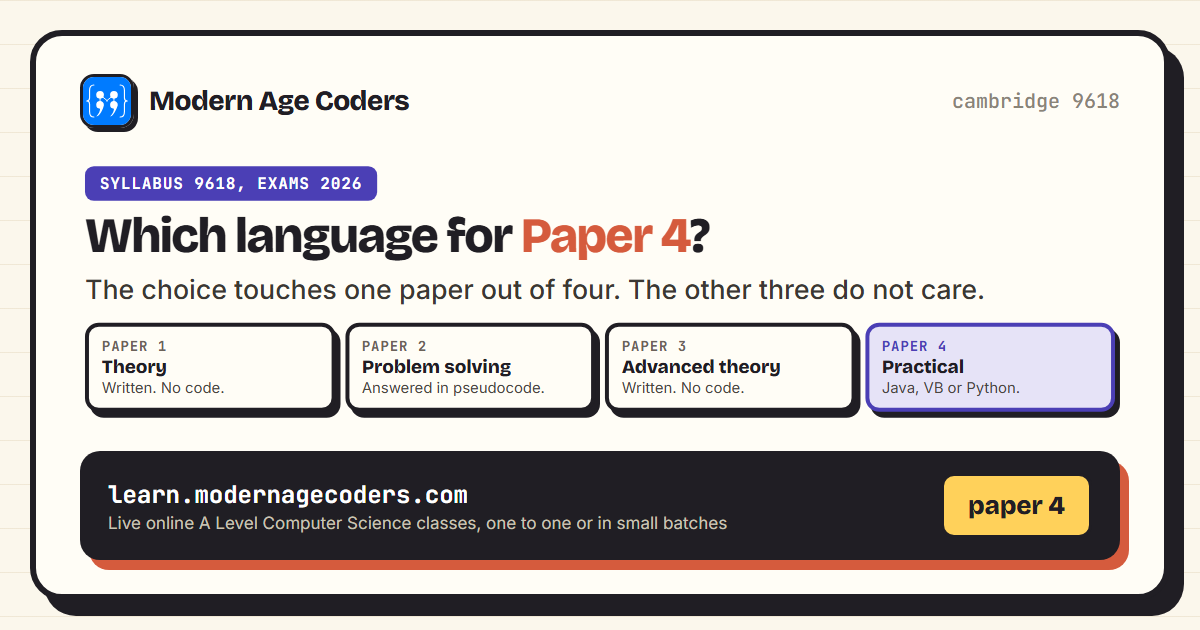
Cambridge 9618 Paper 4: Python, Java or Visual Basic?
The language choice in Cambridge A Level Computer Science reaches one paper out of four. Here is wha...
Read Article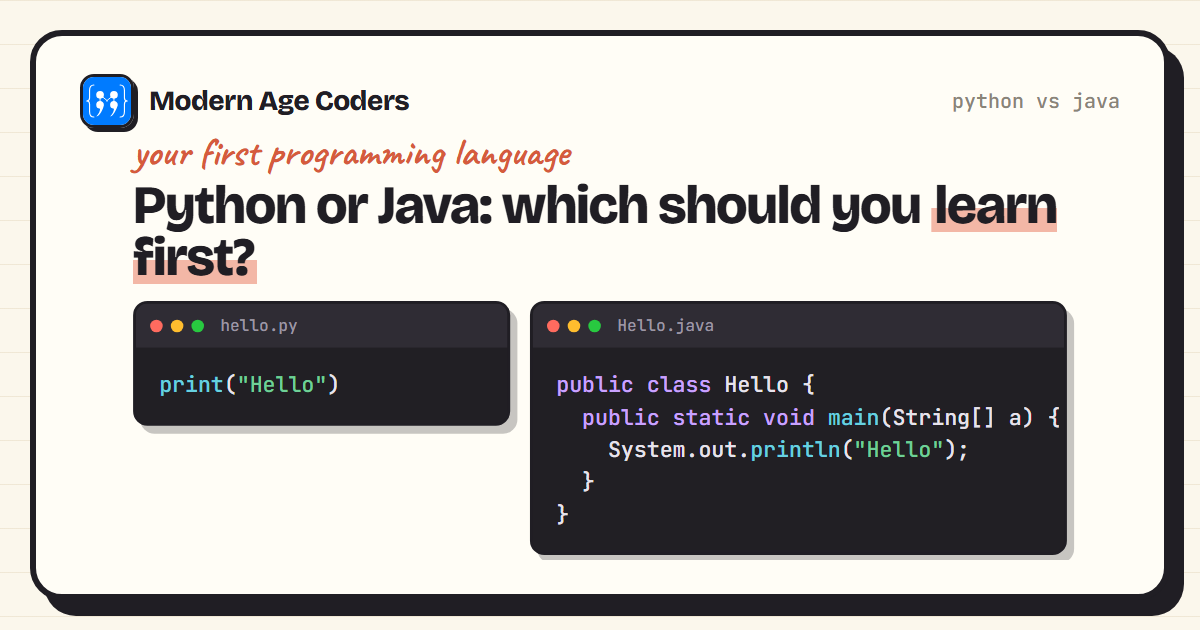 Programming
8 min read
Python vs Java: Which Should You Learn First?
Python vs Java for beginners, tested: the same programs run in both, how each catches mistakes, meas...
Read ArticleReady to start Informatik Abitur in English: Java and Python?
Book a Priority Demo to see a full live class with a mentor reserved for you, today or tomorrow. Or choose a plan and enrol now.
Questions? WhatsApp +91 91233 66161 or email connect@modernagecoders.com