Pick the course. Start this week.
Every mentor teaches from a structured programme, adapted live to your child. Open a course to see the full syllabus and enroll in minutes, or start with a Priority Demo and let the placement pick for you.
 Best fit
Early Math Foundations (K-2)
Counting with meaning, number bonds and shapes, taught playfully in the years that decide everything.
$100/mo group · $150/mo 1-on-1
View course & enroll
Mental Maths Mastery for Kids
Number sense, not tricks: bonds and strategies built through games, from age 5.
$100/mo group · $150/mo 1-on-1
View course & enroll
Elementary Mathematics Masterclass
The grades 1-5 road this year opens onto, with the same mentor carrying your child forward.
$100/mo group · $150/mo 1-on-1
View course & enrollGood kindergarten math tutoring is play with a spine: counting that means something (not just reciting), quantities handled and compared with real objects, and number bonds beginning as games, taught in short varied segments that respect a five-year-old's attention. That is what we do: live one-hour classes with a dedicated mentor, in small groups (8 a month) or private 1-on-1, priced for your country and shown in your local currency, Priority Demo first, and an honest "wait six months" when that is the right answer.
The smallest math year with the largest consequences.
Nothing in kindergarten math looks hard to an adult, which is exactly why its failures go unnoticed. A child who counts to twenty by song but cannot count five actual objects is missing cardinality, the idea that the last number said IS the amount. A child who cannot see that 7 beats 5 without recounting is missing quantity sense. These gaps hide perfectly behind cheerful recitation, and first grade quietly builds on top of them.
The other kindergarten risk is the opposite one: pushing formal, worksheet-shaped math at children whose brains want to learn through hands and play. That path builds the "I hate math" identity years early, and undoing it costs far more than waiting would have.
Our kindergarten classes thread this needle deliberately. Every idea arrives as a game with real objects, dice, blocks, snacks held up to the camera, and the hour runs as short playful segments: a counting game, a build, a story problem acted out, a movement break with skip-counting. The child experiences play; the mentor is quietly running a curriculum.
And because readiness varies wildly at five, the Priority Demo doubles as an honest readiness read. Some children are ready to fly; some need six more months of unstructured play first, and we say so plainly, because a wrong-time start costs a child more than it earns us.
What kindergarten math actually is.
| Territory | What it means at five | Where the hidden gaps live |
|---|---|---|
| Counting & cardinality | Counting to 100 by ones and tens, counting objects to 20, and knowing the last number said is the amount | The song-vs-counting gap: reciting numbers is not counting things |
| Comparing quantities | More, fewer, same, justified by matching or counting, then comparing written numerals | Children who guess from appearance (longer row = more) instead of reasoning |
| Early operations | Addition and subtraction as joining and taking-away stories, with objects, within 10; fluency within 5 | Symbols pushed before stories: +/- as marks on paper instead of things that happen |
| Teen numbers | 11-19 met as ten-and-some-more, the first place-value idea | Teens memorized as words, missing the ten inside them, the gap that resurfaces in grade 2 |
| Shapes & space | Naming 2D and 3D shapes, positions (above, beside, behind), composing simple shapes | Rarely a problem, and a wonderful confidence territory for builder kids |
| Measurement thinking | Comparing length, weight and capacity directly: taller, heavier, holds more | Skipped at home more often than taught wrong |
Six territories, all teachable through play, and all diagnosable in one gentle demo hour.
The five-cookie moment: cardinality, caught and fixed.
Child: "One, two, three, four, five!"
Mentor: "Lovely! So… how many cookies are there?"
Child: (counts again) "One, two, three, four, five!"
What just showed: the child can count beautifully and does not yet know that the last word answers the question. That is the cardinality gap, invisible to most adults, foundational to everything.
What the mentor does next: games where the answer matters, "bring me that many blocks", "feed the puppet exactly four", hide-and-reveal counts, until one day the child answers "five!" without recounting, usually with a grin, because they know something changed.
This is what specialist early-years teaching is: catching the invisible gaps behind cheerful performance, and fixing them through play the child never experiences as remediation. It is also why we place by demo, not by age.
Play with a spine.
Objects before symbols, always
Quantities are handled, compared and grouped with real things long before numerals carry them. Concrete first is non-negotiable at five.
Hours built from segments
A counting game, a build, an acted story, a movement break: variety is how a full hour works at this age, and it genuinely does.
Math talk from day one
Even five-year-olds explain here: "how do you know?" gets asked kindly and often, and the answers are the curriculum working.
Parents in the loop
A parent nearby helps the first weeks; simple kitchen-and-car-ride prompts extend the learning without worksheets.
No tests, no rankings, no tears
Progress is read through games and explain-backs. Pressure at five builds avoidance, so we simply do not use it.
The honest wait
Some fives need six more months of play first. The demo tells us, and we tell you, plainly, with suggestions for the meantime.
From counting songs to first-grade ready.
Class 1 · The playful demo
Games that double as a diagnostic: counting, quantity sense, attention span, and the honest readiness read.
Months 1-2 · Counting that means something
Cardinality secured through games, quantities compared with reasons, and numerals connected to amounts.
Months 3-5 · The number world to 10
Ten-frames as home base, part-whole play (5 is 2-and-3), and addition and subtraction as acted stories.
Months 6-9 · Teens and beyond
Teen numbers as ten-and-more, counting paths to 100, shapes composed and built, measurement compared.
Months 10-12 · First-grade runway
Fluency within 5 solid, bonds of 10 forming, and a child who walks into first grade liking math, the actual goal.
What one full hour looks like, at five.
0-10 min · Warm hello + counting game
Dice, dots and "how many?" play that doubles as a daily fluency read.
10-30 min · The day's idea, in objects
Today's territory arrives as a game with real things, the child doing, the mentor asking.
30-45 min · A build or a story
Shapes built, a story problem acted out with toys, a movement break with skip counting: variety keeps five alive.
45-60 min · Show-and-tell close
The child teaches the game back, a tiny home prompt goes to the parent, and the hour ends wanting more.
Parents of our youngest students say the same sentence: "I cannot believe a five-year-old did a whole hour." Watch one: the demo is free. See exactly how we teach →
Who this genuinely fits, and who it does not.
A strong fit if…
• Your kindergartner shows the readiness signals, curiosity, twenty-minute focus on chosen play, early counting, and you want the foundation laid right the first time.
• Counting sounds fine but you suspect the understanding underneath is thin, the cardinality and quantity gaps this page describes.
• Your child is coasting at school and needs depth and challenge before boredom becomes a habit.
• You want one mentor who knows your child, not a rotating cast or an app with streaks.
Honestly not the fit if…
• Your child is not ready to engage with a screen and a teacher yet, some fives are not, and the demo will tell us honestly. Six months of play first costs nothing.
• You want homework done for your child. We teach your child to do it, which is slower on night one and far faster by week four.
• You want worksheets, tests and rankings at age five. We think that path builds avoidance, and we will say so rather than sell it.
Premium teaching. One honest price.
You are paying for a real teacher, live, for a full hour, twice a week, the same format US tutoring centers charge $300 to $450 a month for. Our cost base is global, so the price is not.
1:1 Private Mentorship
$150 / month
- 8 live one-hour classes a month, 2 per week4 live one-hour classes a month, 1 per week
- A dedicated mentor who knows your child by name
- Diagnostic-led plan against the full kindergarten map
- Class recordings for revision · cancel any time
Small-Group Class
$100 / month
- 8 live one-hour classes a month, 2 per week
- A handful of children at the same level
- Same teaching method, gentle peer energy
- Recordings included · cancel any time
That is $18.75 per dedicated hour of 1-on-1 teaching, or $12.50 in a small group. No registration fee, no contract, and you can see a full class first with a Priority Demo. Read our zero-risk promise or compare with what US math tutoring costs in 2026.
Mentors who teach the why, in classes kids wait for.
Our mentors are trained in one method: understanding before procedure, concrete before abstract, the student talking more than the teacher. They teach both math and coding, which matters more than it sounds, because a mentor with both toolkits has engagement moves a worksheet never will.
And because the same mentor stays with your child month after month, teaching compounds: they know exactly which ideas landed, which need another costume, and when the next stretch is due.
"My child Dhairya is really enjoying the classes. This is his first online class, and he eagerly looks forward to it. I can see his improvement."
Sonam Oswal, mother of Dhairya · verified Google review
"My son struggled with math for years. Integrating it into coding projects has transformed his understanding and confidence. Highly recommended!"
Shewta Singh, mother of Ishan · verified Google review
Your real options for a kindergarten student.
| Option | Typical cost | What it really is | Best for |
|---|---|---|---|
| Modern Age Coders | $100–$150 / month | Live one-hour classes with a dedicated mentor, understanding-first teaching | Rebuilding understanding and confidence, sustained progress |
| Mathnasium center | $300-$450 / month + enrollment fee | Drop-in worksheet floor with rotating instructors | Children who focus better out of the house |
| Kumon | $150-$220 / subject / month | Daily worksheet packets, brief check-ins, no taught lessons | Building a drill habit and calculation speed |
| Local private tutor | $35-$80 / hour | Quality varies; twice-weekly quickly costs $280-$640 a month | Short-term help when you have found a gem nearby |
| Math apps | $10-$20 / month | Gamified practice, no teacher, no accountability | Casual practice between real lessons |
Competitor figures are typical published US prices as of July 2026. See our full comparisons: vs Mathnasium · vs Kumon · best online math tutoring 2026.
Everything parents ask about kindergarten math tutoring.
Does a kindergartner really need a math tutor?
Most do not "need" one, and we say that first. The honest cases for starting: invisible gaps behind cheerful counting (cardinality, quantity sense), a child already hungry for more than school offers, or parents who want the foundation built playfully and right. The case against: any child not yet ready, for whom waiting is the better teaching, and a Priority Demo reads which case is yours.
Can a five-year-old handle a full online hour?
Yes, when the hour is built for five: short varied segments, games, and real objects, closer to a play session with a warm adult than a lesson. Parents are consistently surprised. The demo settles it for your particular five-year-old in one try.
What does a parent need to do during classes?
For the first weeks, be nearby: help with materials, enjoy the show. After that, most parents drift off camera and let the recordings do the supervising. We also send tiny kitchen-and-car prompts, minutes, not worksheets.
Is this a Common Core kindergarten curriculum?
It covers the standard kindergarten territory (counting and cardinality, comparison, early operations, teen numbers, shapes, measurement) and goes deeper on the understanding layer school rarely has time for. Wherever your child schools, the map on this page is the year's real content.
My child already counts to 100. Are they advanced?
Maybe! Counting far is memory; the advanced signals are different: instant "how many?" answers, comparing without recounting, part-whole play. The demo reads the difference kindly, and genuinely advanced fives get stretched, first-grade ideas arrive early when a child is ready.
What does it cost?
Pricing is set for each country and shown on this page in your own currency. Group plans include 8 live one-hour classes a month and 1-on-1 plans run private weekly sessions, all billed month to month. To see a class first, book a Priority Demo. No registration fee, no contract. US math tutoring for young children commonly runs $200 to $400 a month for less contact time.
Group or 1-on-1 for a kindergartner?
1-on-1 usually wins at five: attention is precious and pace-fit matters most at the foundation. Sociable fives with a friend or sibling at the same stage can thrive in a tiny group, and the demo mentor will recommend honestly.
What happens after kindergarten?
The same mentor carries your child into the grades 1-5 road, our Elementary Mathematics Masterclass, with the foundation already sound. No re-onboarding, no starting over: that continuity is half the value.
Can we try a class before enrolling?
Yes. Book a Priority Demo: a full live class of about 45 to 60 minutes, today or tomorrow, with a mentor reserved for your child. After the class the mentor sends a written skill report and a personal learning roadmap on WhatsApp. If you enrol, the demo fee is adjusted against your first month's fee.
More math help from Modern Age Coders.
Watch one full hour of real teaching. Free.
Book the demo class. Your child gets a real lesson with a real mentor, you get a diagnostic against the full kindergarten map. If your child does not leave the hour lighter about math, walk away with our thanks.
Real student projects
What our students actually build
Every one is a real, live project shipped by a Modern Age Coders student. Explore more in Student Labs.
 Web AppPracy: Coding Practice & Quiz PlatformAn all-in-one coding-practice site with interactive challenges, quizzes and score tracking across multiple languages to strengthen logic and problem-solving.by RohanOpen the live project ↗
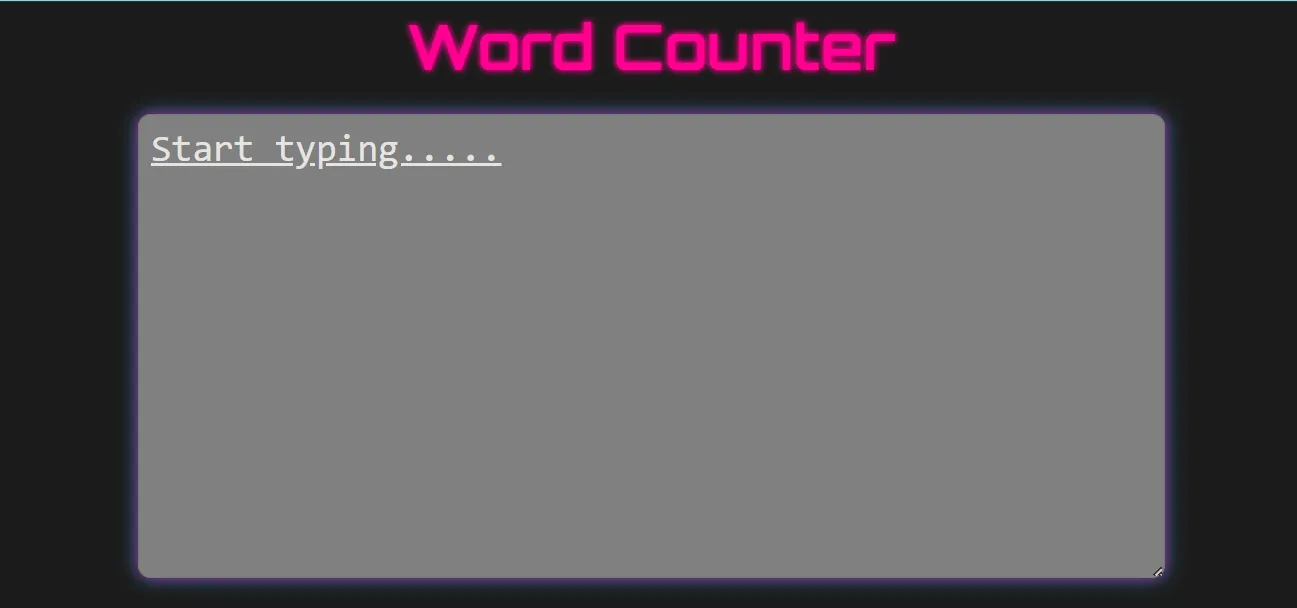 ToolWord Counter WebsiteA simple yet powerful tool that counts words, sentences and paragraphs from user input with instant, real-time results and a clean responsive interface.by VanshOpen the live project ↗
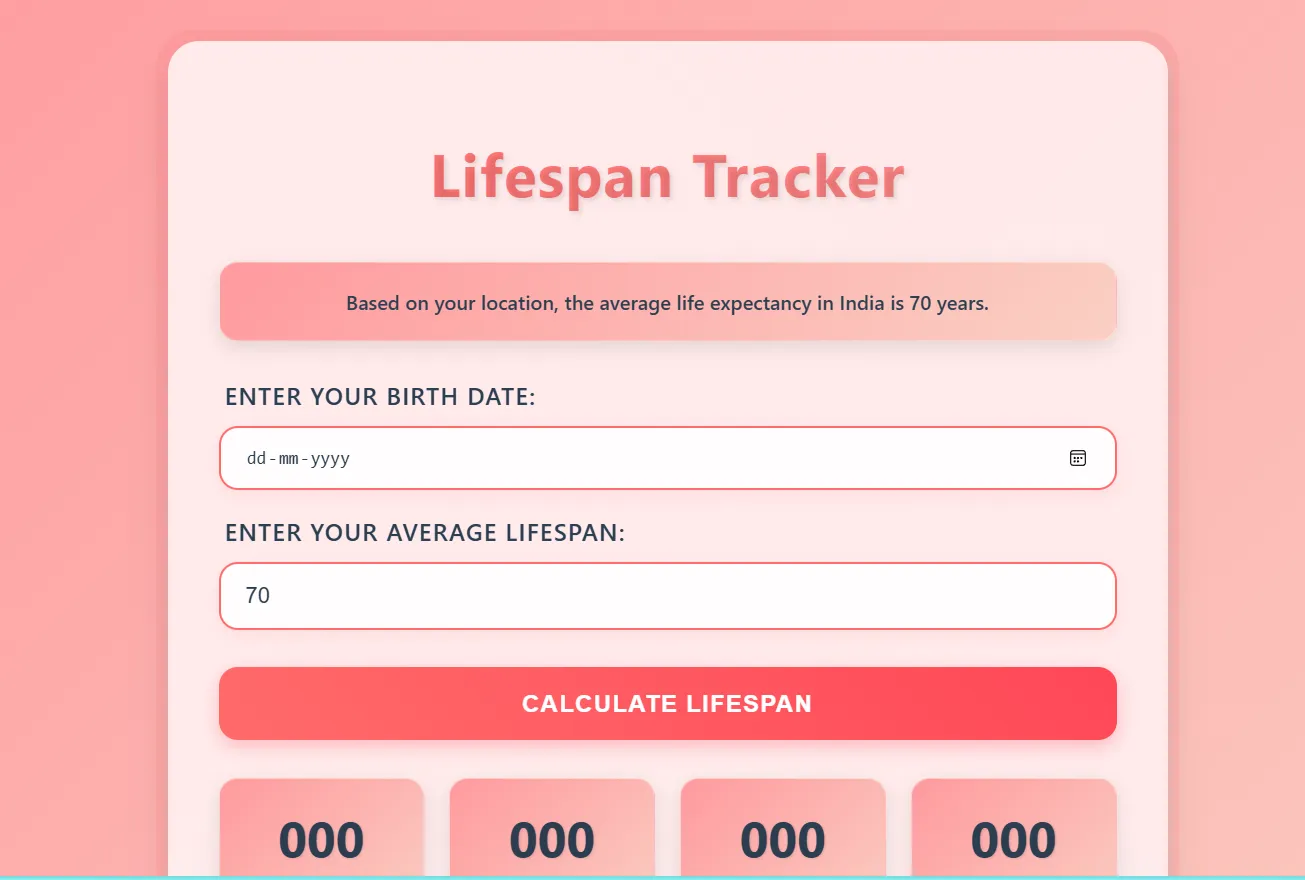 ToolLife Span TrackerAn interactive web tool that calculates expected lifespan, shows days, months and years lived, and visualises remaining time to motivate better habits.by ManayOpen the live project ↗