Can students in Oman join live AI and machine learning classes from home?
Yes. Every class is live video with the same teacher each week, so a student in Muscat, Salalah, Sohar, Nizwa or Duqm joins from home with a laptop and a normal broadband connection. Oman is on Gulf Standard Time, one hour and thirty minutes behind Indian Standard Time, which puts our teaching hours directly over Omani evenings. Nothing is pre-recorded and nothing is auto-graded.
What is the difference between learning to use AI tools and learning to build AI?
Using AI tools means typing a prompt and judging the answer. Building AI means preparing a dataset, choosing a model, training it, measuring how wrong it is, and improving it until the error is acceptable. Tool use is a skill that changes every few months as products change. Model building rests on statistics, linear algebra and code, which do not expire. We teach tool use as a first step and model building as the actual subject.
What age can a child in Oman start machine learning?
We enrol from age 6, but a six year old does not start with neural networks. Children aged 6 to 12 start with Python, turtle graphics, small games and the idea that a computer learns from examples. Teens aged 13 to 18 move into real datasets, regression, classification and their first trained models. College students and working adults go into deep learning, computer vision, language models and deployment. The oldest learner we teach is 67.
How much do AI and machine learning classes cost in Oman?
Group batches of fifteen to twenty students are USD 100 a month and one to one teaching is USD 150 a month, billed in US dollars. The fee is the same flat figure everywhere outside India, so there is no rial conversion to track. The first class is free and does not need a card.
Does this fit the CBSE curriculum taught in Indian schools in Oman?
Yes. Oman has 22 Indian schools following the CBSE curriculum, teaching more than 48,000 students, including Indian School Muscat, Indian School Darsait and Indian School Al Ghubra. Our teens track covers CBSE Artificial Intelligence and Computer Science content, and our teachers work with the same board your child sits. Students on British, American and IB curricula in Oman follow the same machine learning ladder with their own coursework mapped onto it.
Will this help my child get into Sultan Qaboos University or study computing abroad?
It builds the evidence those applications need. Sultan Qaboos University has taught computer science since September 1995 and now runs a Master of Science in Data Science and Machine Learning that expects a background in calculus, linear algebra, discrete mathematics and statistics. We teach those foundations alongside the code rather than after it, and every student leaves with published projects that an admissions reader can open and inspect.
What will my child actually build in these classes?
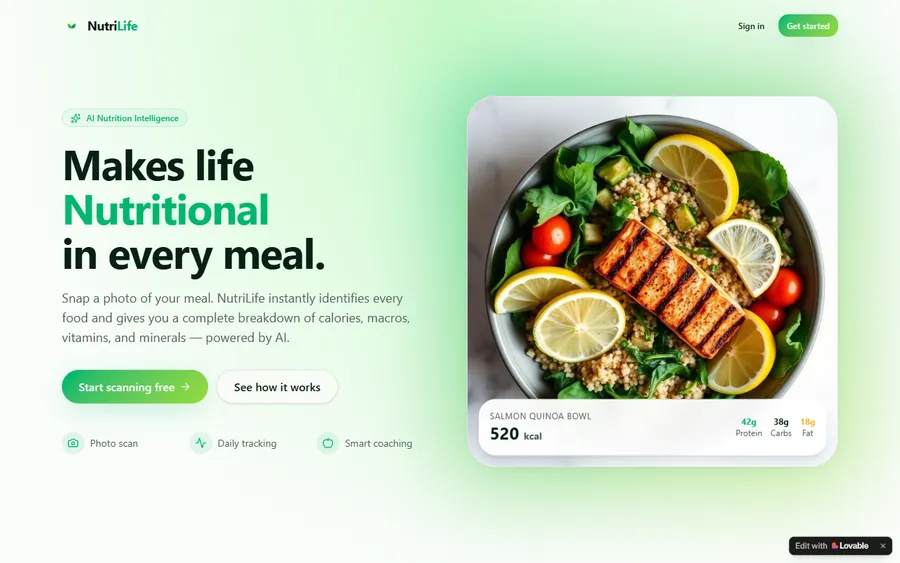
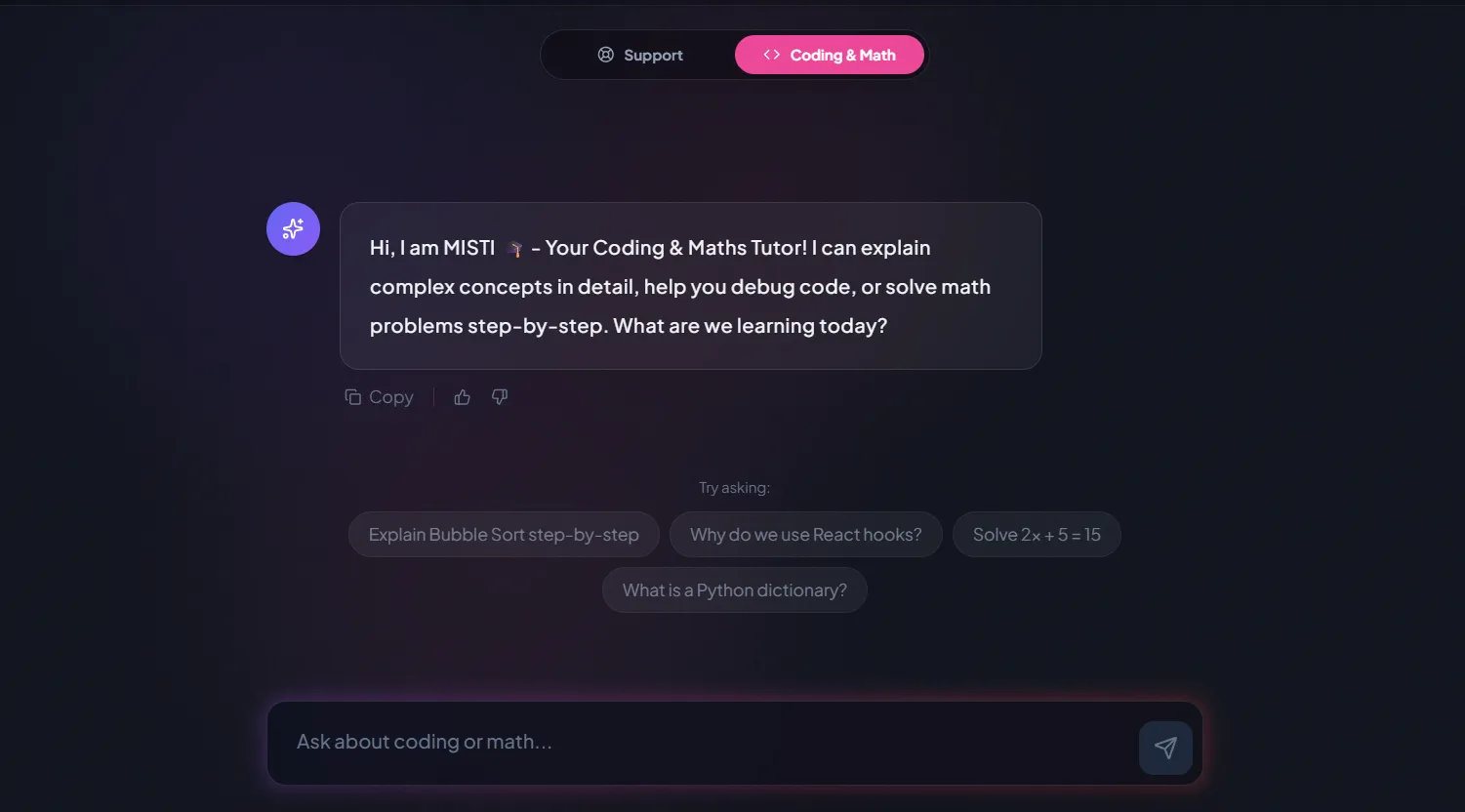
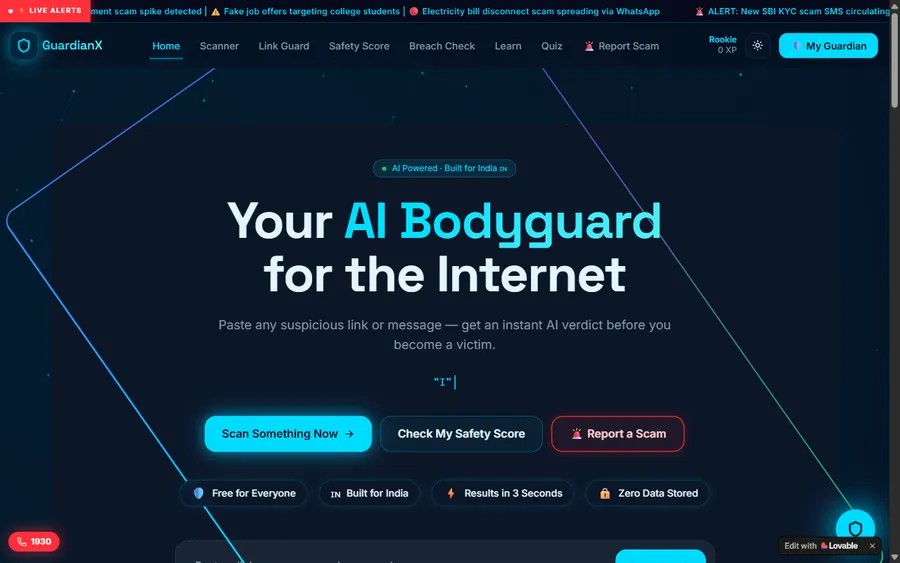
Real, working projects that go online with a link. Students in Oman build a date yield model on Omani agricultural figures, then move to their own ideas. Past students have shipped an AI nutrition coach, an AI chatbot that explains maths, a weather forecasting app and an internet safety assistant, all live on the public web. Nothing in the portfolio is a mockup.
When does the school year in Oman affect enrolment?
The 2026 to 2027 academic year in Oman begins on 10 August 2026, and the mid year break starts on 8 January 2027. Families most often start with us in the fortnight before term begins or during the mid year break, because a new habit is easier to fix in place when the school timetable is quiet. That said, we run rolling admission and a student can join in any week of the year.