PY / FIRST / 01
Python and AI for Kids
Typed Python for ages nine to twelve, with games, drawings and a first learning program.
Open the syllabusNetherlands · Python · Ages 6 to 67
The most widely taught programming language in the world was designed in Amsterdam. In December 1989 Guido van Rossum, working at the national research institute for mathematics and computer science, CWI, began a language he later named after Monty Python's Flying Circus. Version 0.9.0 was released to the public in February 1991, and for many years since Python has been among the ten most used languages, running everything from school projects to systems at NASA and CERN. For a learner in the Netherlands that is a pleasing piece of history, but the practical reasons to start with Python are better still. It reads almost like English, it is the language of data and artificial intelligence, and it grows with a learner: the same language serves a ten-year-old's first game and a professional's machine learning pipeline. This page covers Python classes for every age, live online and in English.
Teaching Python live since 2020 · 10,000+ students · a real teacher in every lesson
In short
Modern Age Coders teaches Python live online to learners in the Netherlands from six to sixty-seven. Children type their first Python at around nine; teenagers build the full language over two years; students and adults learn it from scratch or deepen it for automation, web development, data science and AI, with optional preparation for the PCEP and PCAP certifications. Learners are placed by ability, in groups of five to ten or one to one, and every lesson is taught in English by a live teacher. The first lesson is free; after that, a group place costs USD 100 a month and private lessons USD 150.
Start here
One for a child typing their first code, one for a teenager building the whole language, one for an adult starting from zero or filling gaps. Each card opens its own syllabus, schedule and fee.
PY / 01
For children of nine to twelve: turtle drawings, small games and a first program that learns from examples, all in typed Python.
Open the syllabus →
PY / 02
Two years from an empty file to object-oriented programs, files, data and small applications, the foundation for everything a teenager builds next.
Open the syllabus →
PY / 03
Python from zero to advanced at an adult pace, for students, career changers and professionals moving from spreadsheets or other languages.
Open the syllabus →Made in Amsterdam
CWI, the Centrum Wiskunde en Informatica, is the Dutch national research institute for mathematics and computer science. Its own account of Python's origins, published for the language's twenty-fifth anniversary on 4 March 2015, is the source for this section.
| When | What happened |
|---|---|
| December 1989 | Guido van Rossum designed Python while working at CWI in Amsterdam |
| 1990 | He finished the first working draft some months later |
| 20 February 1991 | The first public release, version 0.9.0 |
| The name | Taken from the British comedy series Monty Python's Flying Circus |
| Since then | For many years among the ten most used computer languages in the world |
| Users | Companies such as Dropbox, Google, Mozilla and Walt Disney Animation Studios, and banks, universities, NASA and CERN |
It is worth pausing on how unlikely this is. A language started by one researcher over a Christmas period in Amsterdam became, over three decades, the default language of scientific computing, data analysis and machine learning, and the first language taught in a great many schools and universities around the world.
For Dutch learners there is a small, real pleasure in that. The language a teenager in Groningen or Eindhoven types in their first lesson was born a short train ride away.
CWI's account also explains why the language spread. Python was designed to be readable, so that programs could be understood by people other than their author. That same quality is why it suits learners so well: a beginner can read a short Python program aloud and mostly understand it.
We have no connection with CWI. We quote its public account because it is the primary source for the language's origin.
Source: CWI, 25 Years of Python at CWI, 4 March 2015, read 15 September 2026.
Why Python first
Python is not the only good first language, and for some goals another is better. But for most learners in the Netherlands, of most ages, it is the right place to start.
Python uses words where other languages use symbols, and indentation where others use brackets. A beginner spends their energy on the problem, not on punctuation, which is exactly where a first lesson should spend it.
The libraries used to analyse data and train machine learning models are overwhelmingly written for Python. A learner who wants to reach AI eventually saves a whole language by starting here.
A child's first game, a teenager's school project, a student's thesis analysis and a professional's automation script can all be written in the same language. Nothing learned early has to be thrown away later.
| Stage | What the learner writes in Python | Where it leads |
|---|---|---|
| Child, 9 to 12 | Turtle drawings, a guessing game, a first learning program | Confidence with real, typed code |
| Teenager, 12 to 18 | Programs with files, functions and classes, small data projects | Data science, machine learning, apps |
| Student | Analysis for coursework, algorithms, a thesis pipeline | Research, internships, technical interviews |
| Adult | Scripts that automate reports, files and web data | Hours saved at work, or a new career |
When is Python not the first choice? For a teenager heading into Android development, Kotlin may suit better; for one preparing for AP Computer Science A, Java is required; for a younger child who cannot yet type comfortably, blocks come first. The free lesson sorts this out.
For learners who want proof of their Python, the Python Institute's PCEP and PCAP certifications give an external benchmark, and we prepare learners for both.
Python by age
The same language, taught differently at each stage. The age pages describe each route in more detail.
Children usually start with blocks and move to typed Python at about nine; the kids page covers that step, and Python for 10-year-olds shows what it looks like.
Teenagers build the whole language beside school; see coding classes for teens. Those drawn to models continue on machine learning for school students.
Adults learn Python for automation, data or a career change; see coding and AI classes for adults. For projects on real Dutch data, building real AI projects shows the public sources learners use.
The Amsterdam academy page follows Python and AI into the city where the language began.
The Python ladder
Each rung builds on the last. A learner who rushes to machine learning libraries without the basics can copy code but not fix it; one who climbs in order can do both.
| Rung | Usually | What the learner can do |
|---|---|---|
| 1. First Python | Age 9 up, or any beginner | Variables, loops, conditions, small programs from a blank file |
| 2. The full language | Teenagers and adults | Functions, files, classes, errors, modules |
| 3. Applied Python | After rung 2 | Automation, web development or data analysis |
| 4. Data and AI | Upper school, students, adults | Libraries for data and machine learning, used with judgement |
| 5. Proof | At any stage | A public portfolio, and PCEP or PCAP certification if wanted |
Libraries do a great deal of work in a single line, which is exactly why a learner needs to understand the language underneath them. When something goes wrong, and it will, only a learner who knows plain Python can see why.
The complete order of subjects is on the coding roadmap.
Pupils usually take two lessons a week and pause in test weeks. Students and adults often study in the evening, some one to one.
Certification preparation fits best once rung 2 is secure, often in a single focused term.
The catalogue
Grouped by stage. Each card opens the full course page with schedule and fee, and the free lesson decides where a learner starts.
PY / FIRST / 01
Typed Python for ages nine to twelve, with games, drawings and a first learning program.
Open the syllabusPY / FIRST / 02
The complete language over two years, from first lines to object-oriented programs.
Open the syllabusPY / FIRST / 03
Zero to advanced Python for students and adults, at an adult pace.
Open the syllabusPY / APPLY / 01
Scripts that handle files, reports and web data, joined with AI tools into dependable routines.
Open the syllabusPY / APPLY / 02
Web applications in Python for learners who already know the basics.
Open the syllabusPY / APPLY / 03
Python for real data, from cleaning to a first predictive model, for teenagers.
Open the syllabusPY / APPLY / 04
Python, SQL, statistics and machine learning for students and adults.
Open the syllabusPY / CERT / 01
Preparation for the Python Institute's entry and associate certifications, from about thirteen upwards.
Open the syllabusPY / CERT / 02
Focused preparation for the associate certification, for learners with PCEP-level Python.
Open the syllabusHow the classes run
The teachers are in India, which does not observe summer time, so they are three and a half hours ahead of the Netherlands from late March to late October and four and a half ahead the rest of the year. Children and teenagers usually learn in the late afternoon, adults in the evening or at the weekend, at a regular time agreed in the free lesson.
Late afternoon
After school, Dutch time, for children and teenagers.
Evening
By arrangement, for students and working adults.
Weekend
Saturday or Sunday, for any age.
The learner writes real Python while the teacher watches, and the right starting rung becomes obvious.
Learners from several countries at the same level, so a quick learner is stretched and a beginner is not rushed.
For deadlines, certification, a specific project or a learner who works best alone with a teacher.
Teachers ask learners to explain their code line by line, the habit Python's readability was designed for.
Python's keywords, error messages and documentation are in English; lessons are too, with Dutch school terms kept.
Each lesson's programs go into the learner's own GitHub repository.
Student work
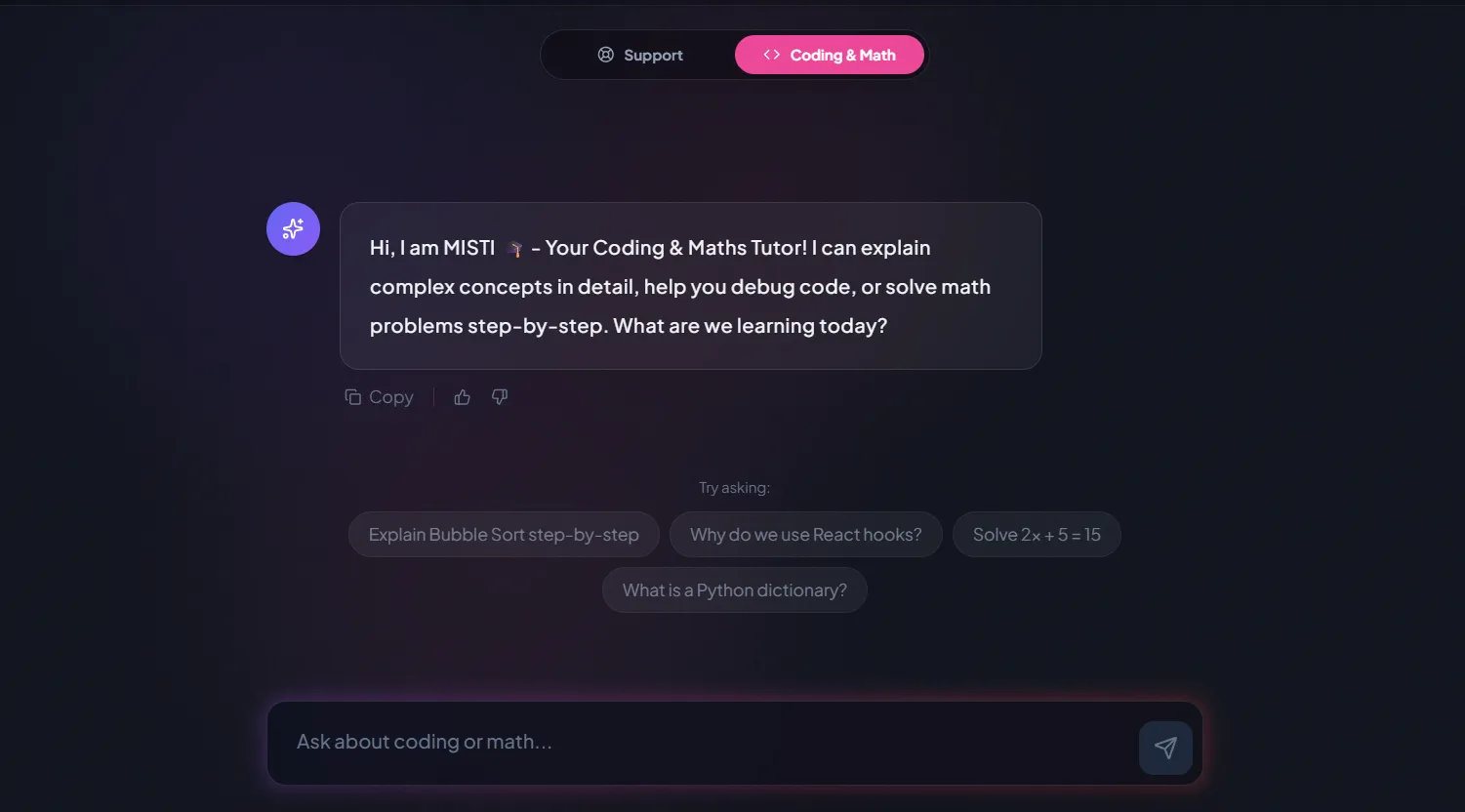
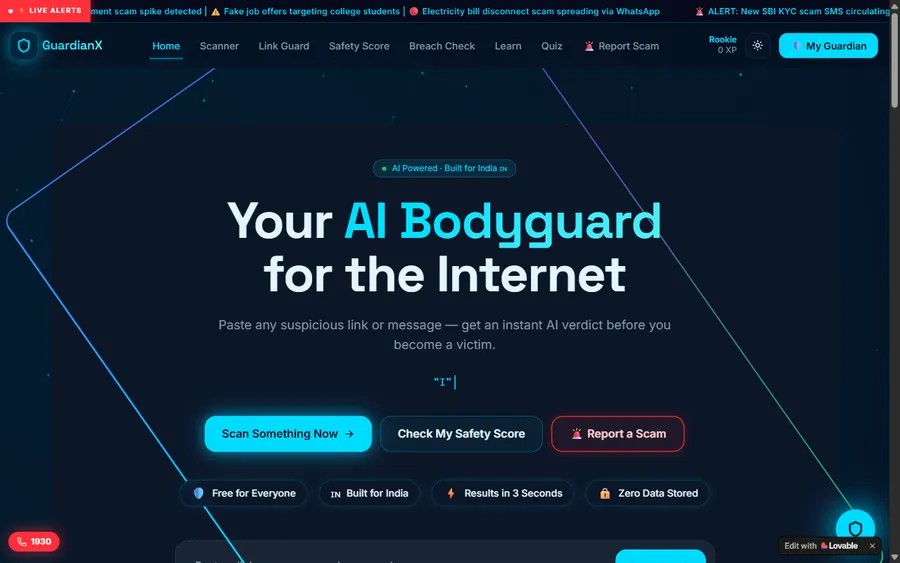
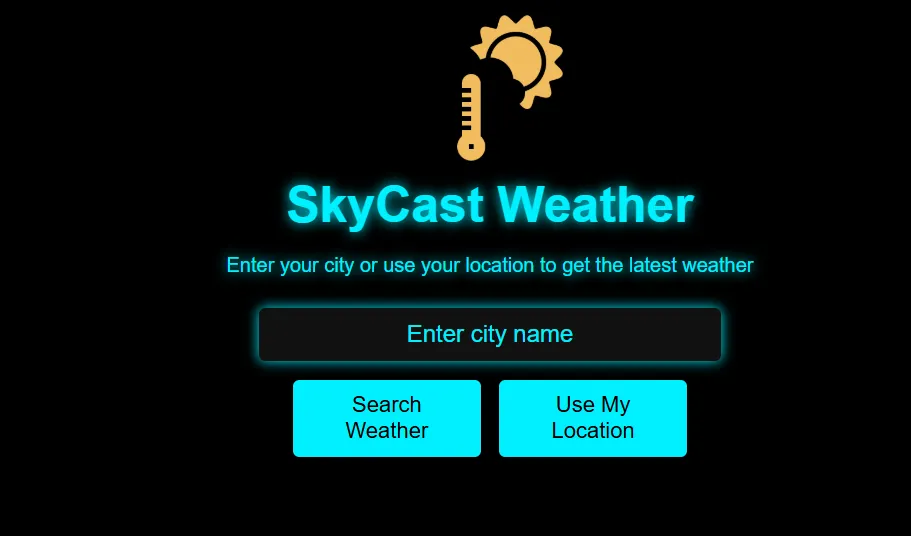
Four live projects built by our students, most of them in Python. More on the student labs page.
AI and ML
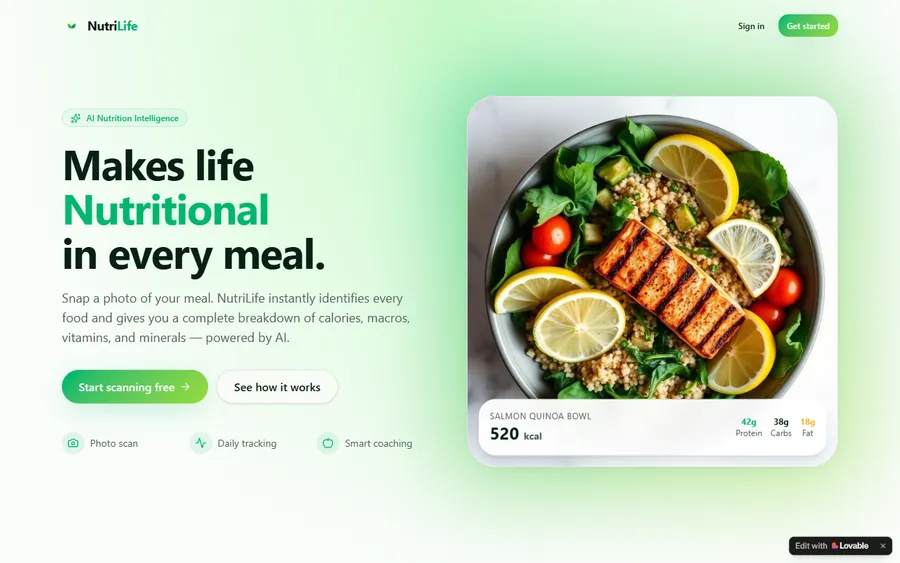
An AI nutrition coach that reads what you eat and works you toward a target.
AI and ML
A chatbot that answers mathematics and programming questions, built and deployed by a student.
AI and ML
An assistant that helps a young person recognise unsafe situations online.
Web app
A weather forecasting site with live conditions for any location.
Fees
Monthly, in US dollars, at the same rates for every country outside India. No enrolment fee, no annual contract, and the same price for every Python course.
Free first class
USD 0
no card required
Group batch
USD 100
a month, billed in US dollars
One to one
USD 150
a month, billed in US dollars
What families say
From Google, as posted. We do not write, alter or pay for reviews.
★★★★★
"The one step solution for my son. Modern Age Coders make learning coding so simple that kids love it. The teachers explain complex concepts clearly with practical exercises and interactive content."
Ria Mukherjee
Parent
★★★★★
"Modern Age Coders has been a game-changer for me. I struggled to grasp IT concepts and coding before joining, but their classes transformed everything. I can now confidently write complex programs with ease."
Samriddha Mondal
Student
★★★★★
"One of the most wonderful education centres out there. Education is not limited to school syllabus but focuses on skill development."
Vansh Agarwal
Student
★★★★★
"My child Dhairya is really enjoying the Modern Age Coders classes. This is his first online class and he eagerly looks forward to it. I can already see his improvement, and the teachers are very cooperative."
Sonam Oswal
Parent of Dhairya
★★★★★
"Modern Age Coders have wonderful teachers who teach in a clear, easy and practical way. The teacher boosts students' confidence and inspires them to learn without hesitation."
Sonu Goyal
Parent
★★★★★
"I highly recommend this computer coding class! The teachers are incredibly knowledgeable and passionate about coding."
Ritu Kedia
Parent
Questions about Python
Yes. According to CWI, the Dutch national research institute for mathematics and computer science, Guido van Rossum designed Python there in Amsterdam in December 1989, and version 0.9.0 was released publicly on 20 February 1991.
After the British comedy series Monty Python's Flying Circus, not the snake, as CWI's own account records.
Most children type their first Python at about nine. Younger children usually start with blocks such as Scratch and move to Python when they are ready.
It is the main language of data science and machine learning, so it is the right foundation. AI also needs mathematics and careful evaluation, which our later courses add.
Python for most, because of data and AI. Java for a teenager preparing for AP Computer Science A or heading for Android or enterprise software. The free lesson helps decide.
Yes. We prepare learners for the Python Institute's PCEP and PCAP certifications, usually once the full language is secure.
No, in English. Python itself is written in English words, so learners at Dutch schools usually adapt quickly.
USD 100 a month for a group place and USD 150 a month for one-to-one lessons, billed in US dollars, with no enrolment fee and no yearly contract. The first lesson is free.
Late afternoons, evenings and weekends, Dutch time. The teacher is three and a half hours ahead in summer and four and a half in winter.
We call at a Dutch hour to arrange the free lesson. There is no charge unless you decide to continue afterwards.
Elsewhere on this site
Pages for each age, and for where Python leads.
The step from blocks to first Python.
Python and beyond, from the brugklas to the exam year.
Python for automation, data or a new career.
Where Python leads for pupils interested in AI.
What a child's first Python looks like.
The national ladder from Python to building AI.
Start here
Leave a number and we will ring at a Dutch hour. In the first lesson you or your child write real Python with a teacher, and by the end we know where to start.
Would you like to read first? See the course list, how we teach and the coding roadmap.
WhatsApp us · +91 91233 66161 · contact@modernagecoders.com
WhatsApp from a Dutch phone is free and usually the quickest way to reach us. The number is Indian; we have no office or premises in the Netherlands.