 Modern Age Coders
College & adults
Python Masterclass: Zero to Advanced
The complete path: fundamentals through real projects, covering every PCEP block and beyond.
From ₹1,499/moexplore →
A complete, honest guide to the PCEP exam, full syllabus, format, cost and a week-by-week study plan, paired with live, small-batch Python coaching that gets you genuinely exam-ready. Start from zero. Finish with proof.
Live, small-batch classes built around the exact PCEP syllabus. Pick by age, from ₹1,499/month, free trial first.
The complete path: fundamentals through real projects, covering every PCEP block and beyond.
Python from scratch to confident coder, with the foundations PCEP tests built in.
A friendly first taste of real Python, building the habits a future PCEP starts from.
Where certified Python leads next, data, ML models and real AI projects.
PCEP: Certified Entry-Level Python Programmer is the entry-level certification from the OpenEDG Python Institute, the body most associated with Python certification. It proves you understand the universal ideas of programming and the core of Python: data types, operators, conditionals, loops, the four built-in collections, functions and exception handling.
It is vendor-neutral, recognised worldwide, and has no prerequisites, which makes it the ideal first credential for a student, a career-changer, or anyone who wants third-party proof that their Python foundations are real. It is officially the interim step toward the associate-level PCAP.
The 30 questions are split across four blocks with fixed weights. Control flow (29%) and Functions & exceptions (28%) are the heaviest, together nearly 57% of the exam, so that is where focused practice pays off most.
0b, 0o, 0x).** * / % // + -, assignment shortcuts, unary/binary, priorities & binding, bitwise ~ & ^ | << >>, Boolean and relational operators, float accuracy, type casting.print(), input(), the sep= and end= arguments, int() / float().if, if-else, if-elif-else, multiple and nested conditions.while and for, range(), the in operator, iterating sequences.break, continue, the pass statement.while-else and for-else, the else runs only if the loop finishes without a break.len(), methods (append, insert, index), sorted(), del, comprehensions, copying vs cloning, lists in lists (matrices).keys() / values() / items().\, multi-line strings, core methods.return, None, recursion, generators.global keyword.BaseException, Exception, ArithmeticError, LookupError, IndexError, KeyError, TypeError, ValueError.try-except, ordering except branches (parent before child makes the child unreachable), propagating & delegating exceptions.The Python Institute path runs from entry-level to professional. PCEP proves your foundations; PCAP is the career-defining associate credential it leads to.
Fundamentals: types, control flow, collections, functions, exceptions.
Object-oriented Python; design, build, debug and refactor multi-module programs.
Advanced & specialised Python: GUIs, networking, file processing, advanced OOP.
The highest general-purpose Python credential on the track.
For a true beginner, plan on 6–8 weeks at 5–7 hours/week (or 4–6 weeks at ~10 hrs/week). Code from week one, every block maps to programs you can run. Our coaching follows exactly this arc, live.
Types, operators, numeral systems, I/O, PEP-8. Build the muscle memory of reading and predicting output.
Conditionals, loops, break/continue, and the counter-intuitive for-else/while-else.
Lists, tuples, dictionaries, strings, slicing, mutability, comprehensions, copying vs cloning.
Scope and global, recursion, the exception hierarchy and try-except ordering.
Full-length practice tests on the real interactive formats. Drill weak blocks until the score is comfortably past 70%.
4–8 students per class, so a mentor actually sees your screen, catches your mistakes, and answers your questions in real time.
We teach the four blocks in their weighted order and drill the exact PCEP question formats, not generic tutorials.
Every concept is something you run, break and fix. That is how the exam’s output-prediction questions become easy.
PCEP is the first rung. We get you certified and then point you straight at PCAP and real projects, so the credential actually goes somewhere.
Class 11–12 students, undergraduates and self-taught learners who want third-party proof of their Python foundations before internships.
Anyone moving into IT, data, automation or QA who needs a credible, structured starting point on the CV.
PCEP certifies fundamentals and helps you stand out for junior roles. It is not a guarantee of a job or a salary. It is the on-ramp. Pair it with projects and PCAP to make it count.
₹1,499/month.Book a free trial class, meet a mentor, and see exactly how we take you from zero to PCEP-ready, live, in a small group.
Real student projects
Every one is a real, live project shipped by a Modern Age Coders student. Explore more in Student Labs.
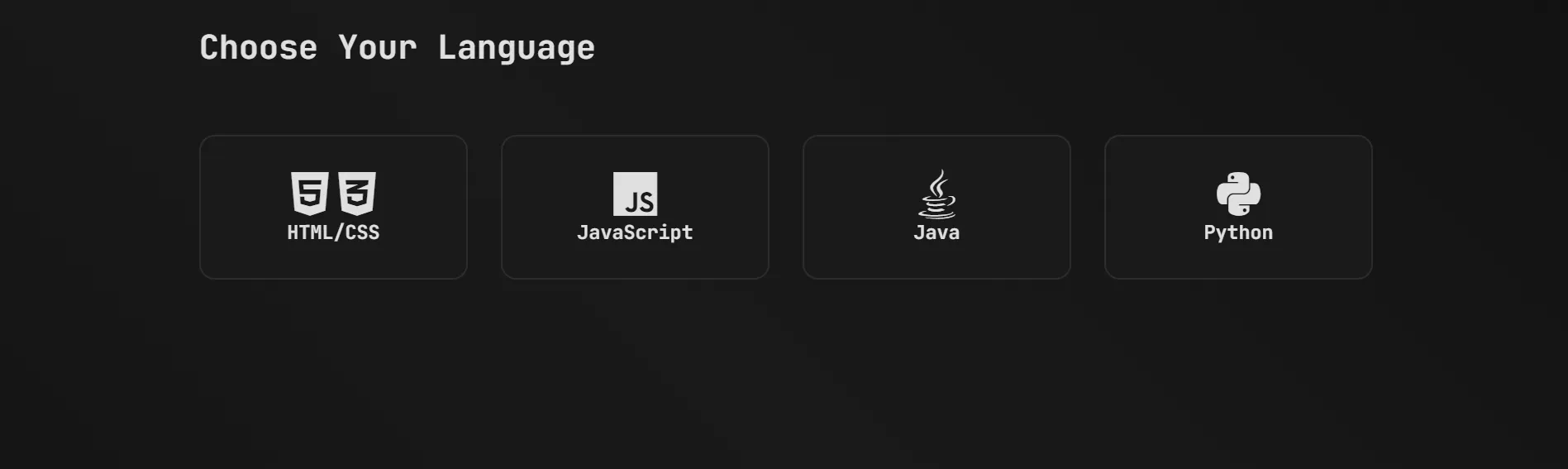 Web AppPracy: Coding Practice & Quiz PlatformAn all-in-one coding-practice site with interactive challenges, quizzes and score tracking across multiple languages to strengthen logic and problem-solving.by RohanOpen the live project ↗
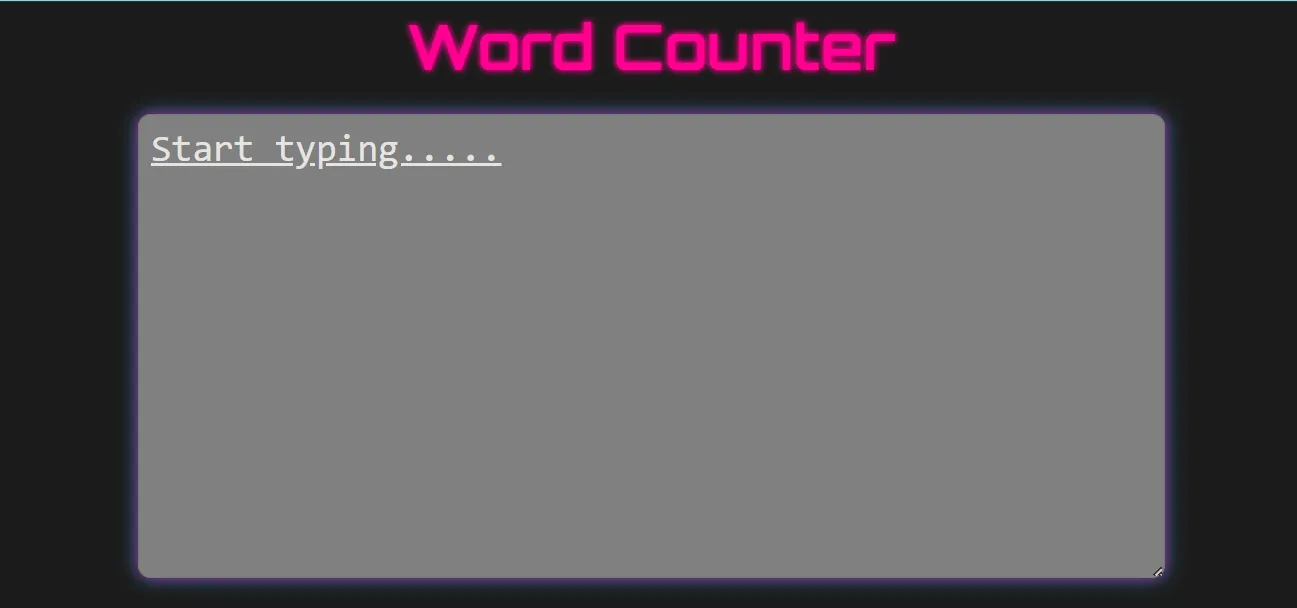 ToolWord Counter WebsiteA simple yet powerful tool that counts words, sentences and paragraphs from user input with instant, real-time results and a clean responsive interface.by VanshOpen the live project ↗
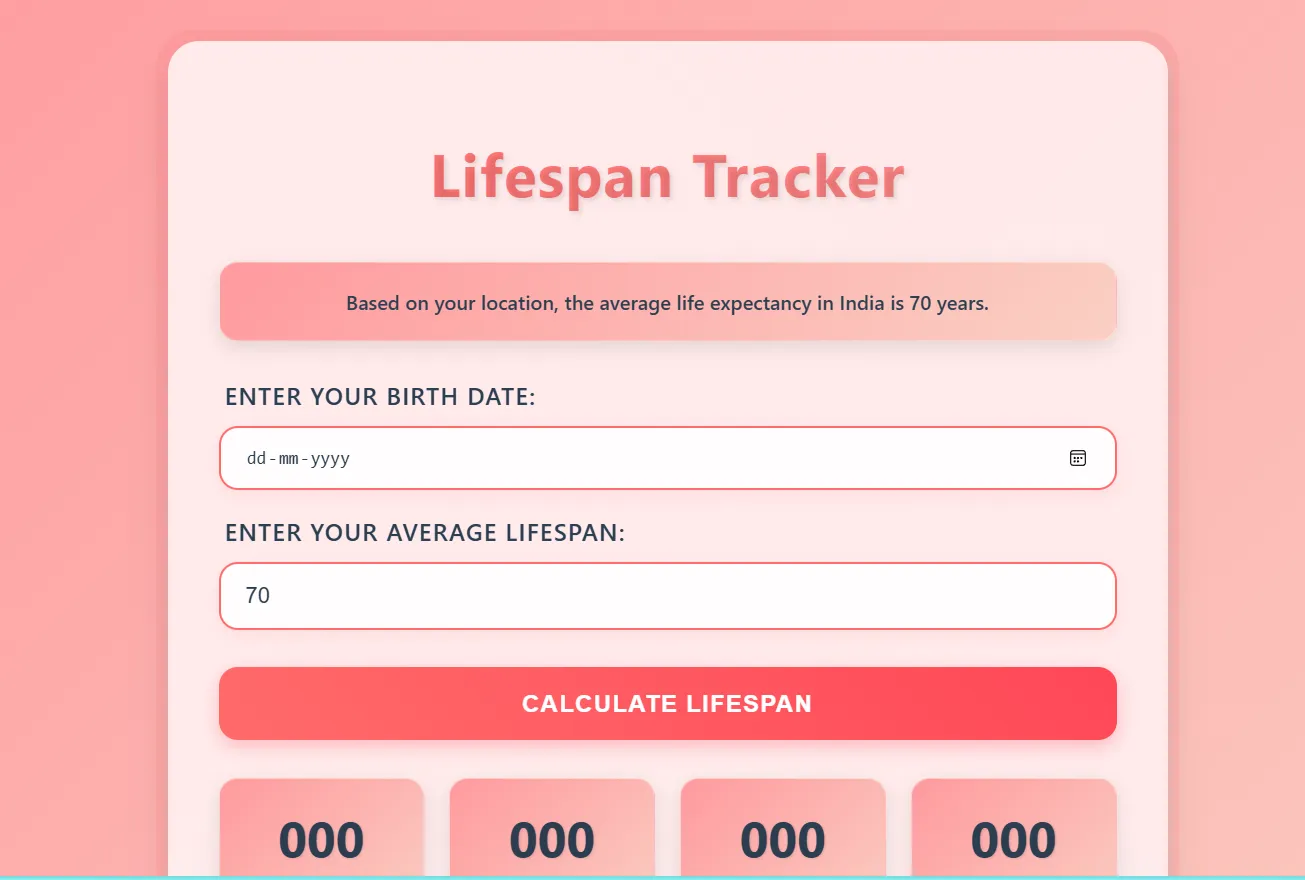 ToolLife Span TrackerAn interactive web tool that calculates expected lifespan, shows days, months and years lived, and visualises remaining time to motivate better habits.by ManayOpen the live project ↗
Parent & student voices
Real, verified reviews from Modern Age Coders families. Read hundreds more on our Wall of Love.
“Coding classes here make learning very interesting and conceptual. The teachers teach us in a very easy-to-understand and efficient manner.”
“The one step solution for my son. Modern Age Coders make learning coding so simple that kids love it. Teachers make it so simple with clear explanations, practical exercises, and interactive content. As per my son, the coding class is very helpful and engaging. Sir explains complex concepts clearly. The projects were challenging and rewarding.”
“I absolutely love it here! I made new friends and learned important valuable coding skills while having the fun of my life. It's not just coding here, it's outings, bonding and most importantly preparing you for your future. Definitely five stars.”