PCT / A / 01
Scratch for kids
Loops, conditions and variables in a visual language.
Open the syllabusUnited Kingdom · Up to Year 11 · January to March 2027
Two pupils, one computer, forty minutes. That is the first round of the Perse Coding Team Challenge, and the shared keyboard is not a limitation the organisers apologise for: it is the competition. A pair who both type produce half a program each; a pair who talk produce one that works. Round two stretches to teams of three and an hour, and the questions climb through four levels from basic text handling to genuine algorithmic complexity. The whole thing is free, it is open to any UK pupil up to Year 11, and it is marked by a machine that will tell a team how many hidden tests they failed without ever telling them which.
Quoted from the organiser with the date we read it · Our own practice tasks · Nothing promised about a result
In short
The Perse Coding Team Challenge runs from The Perse School and is "open to UK pupils up to Year 11 (S4 in Scotland) and is free to enter". Round 1 falls between 25 January and 5 February 2027 and is sat in "pairs (or solo, if necessary) sharing one computer" for "40 minutes". Round 2 runs from 1 to 12 March 2027 in "teams of up to three", with "a maximum of two Years 11 students allowed per team", for "60 minutes", across a four-level format from basic text and number processing up to algorithmic complexity, where "every question is worth an equal ten points each". A Sixth Form Gold Rush follows from 15 to 19 March 2027: six questions from Round 2 material, solo, in 50 minutes. Teams may code in "Python, C++, C#, Java, JavaScript and Visual Basic.Net" and may bring up to 20 A4 sides of code snippets. We teach the programming, live online. The first class is free; a group place is USD 100 a month and one-to-one teaching USD 150.
Where to start
The level a pupil should work at is set by what they can debug alone, not by their year group.
PCT / 01
For Years 6 to 8: a first typed language, taught until a program can be read back before it runs.
Open the syllabus →
PCT / 02
The main route: strings, lists, loops and functions until they are automatic under a clock.
Open the syllabus →
PCT / 03
For the Level 3 and Level 4 questions, where a working answer is not yet a fast one.
Open the syllabus →The two rounds
Facts read at the organiser's own pages on 20 September 2026.
| Round 1 | Round 2 | Sixth Form Gold Rush | |
|---|---|---|---|
| 2027 dates | 25 January to 5 February | 1 to 12 March | 15 to 19 March |
| Who sits it | "pairs (or solo, if necessary) sharing one computer" | "teams of up to three", with "a maximum of two Years 11 students allowed per team" | Solo, for older students |
| Length | "40 minutes" | "60 minutes" | "50 minutes" |
| Questions | Navigators: seven questions at three points each. Pathfinders: questions 1 to 5 at three points, 6 to 10 at five | A four-level format, and "every question is worth an equal ten points each" | "six questions selected from Round 2 material" |
| Levels | Two tracks by experience | Level 1 basic text and number processing, up to Level 4 algorithmic complexity | Drawn from Round 2 |
| Prize eligibility | UK pupils up to Year 11, S4 in Scotland | The same | Certificates |
The two tracks in round one matter more than they look. Navigators and Pathfinders are not age bands; they are experience bands, and a school entering a Year 10 pupil who started Python in September should think hard before putting them in the harder track. The competition is free, so there is no cost to entering a pupil at the level they can actually work at.
International schools may take part for certificates but cannot compete for prizes, which is worth knowing before a family abroad gets their hopes up.
Round two's four levels are the useful part of the design. Level 1 is basic text and number processing and Level 4 is genuine algorithmic complexity, with every question worth the same ten points. A team that can reliably finish the lower levels scores more than one that gambles on the top level and runs out of time.
That equal scoring is a strategy in itself. In a competition where all questions are worth the same, the right order is easiest first, always, and a team that has agreed that in advance does not argue about it at minute forty.
Sources: Perse Coding Team Challenge and its competition information, read 20 September 2026. Modern Age Coders is not connected with The Perse School or the challenge.
The twenty sides
The organiser allows "up to 20 A4 sides (10 double-sided pages) of printed or digital code snippets". Most teams either ignore that or fill it with the wrong thing.
| Worth the space | Why | Not worth it |
|---|---|---|
| Reading input and printing output in your language | Every question begins and ends with it, and it is the commonest thing to forget under pressure | Long tutorials on syntax already known |
| String handling: split, join, slice, case | Level 1 and 2 questions are mostly text manipulation | Whole language reference pages |
| Sorting with a custom key, and reversing | Appears constantly and is easy to get subtly wrong | Theory about sorting algorithms |
| A working loop template with a counter | Blanking on an off-by-one costs more minutes than anything else | Code nobody on the team has actually run |
| The edge-case checklist | It is the highest-value page in the pack and nobody thinks to include it | Anything copied without being understood |
The rule the organiser sets, code snippets readable at normal zoom, quietly tells a team what the notes are for. They are a personal library, not a textbook, and the useful version is built during practice by writing down whatever the team had to look up.
Six languages are permitted: Python, C++, C#, Java, JavaScript and Visual Basic.Net. A team should pick the one everybody in it can debug, not the one that sounds most serious. In a forty-minute round, familiarity beats power comfortably.
It is worth remembering that submissions can be repeated and the highest-scoring one counts, so a team that fixes a bug and resubmits loses nothing except time. That makes the checklist even more valuable: it converts a wasted submission into a fixed one.
And the whole competition is free, which is unusual enough to say plainly. A school needs a room, some computers and a teacher willing to register, and nothing else.
Getting ready
Level is set by what a pupil can fix alone, not by what they can write with help.
| Stage | Rung | The sign it is secure |
|---|---|---|
| Years 5 to 7 | 1. A program that runs | Writes and fixes twenty lines without a template |
| Years 7 to 9 | 2. Text and numbers | Splits, joins and converts without looking anything up |
| Years 9 to 10 | 3. The checklist habit | Invents awkward inputs before submitting, unprompted |
| Years 10 to 11 | 4. Complexity | Notices when a working answer will be too slow, and says so |
Practise in pairs on one computer, with the non-typing pupil reading the question aloud and listing the awkward cases. That is the round.
Build the twenty sides from whatever the team actually looks up in practice, not from a template found online.
The British Informatics Olympiad is the next step for a pupil who liked the hidden tests.
The competitions calendar has every other contest open to a UK pupil.
The full list
Sorted by what a pupil can already do alone, with each syllabus a click away.
PCT / A / 01
Loops, conditions and variables in a visual language.
Open the syllabusPCT / A / 02
Games and apps, then a first look at AI.
Open the syllabusPCT / A / 03
Programs that check whether a method works.
Open the syllabusPCT / B / 01
A first typed language, taught patiently.
Open the syllabusPCT / B / 02
Strings, lists and functions until they are automatic.
Open the syllabusPCT / B / 03
For schools and teams that work in Java.
Open the syllabusPCT / C / 01
Searching, sorting and how long a method takes.
Open the syllabusPCT / C / 02
Correctness under a clock, against hidden tests.
Open the syllabusPCT / C / 03
Taught to the board the school uses.
Open the syllabusPCT / D / 01
A site with its own database, built in slices.
Open the syllabusPCT / D / 02
Models built and evaluated honestly.
Open the syllabusPCT / D / 03
Interfaces, events and state.
Open the syllabusHow lessons run
Lessons are live on video from India, five and a half hours ahead of the UK in winter and four and a half in summer, at a time fixed in UK time.
Early weekday evening
For pupils in Years 6 to 9.
Later weekday evening
For Year 10 and 11 teams.
Weekend morning
For a full practice round, start to finish.
Every task starts by listing the awkward inputs, before a line of code is written.
We run pair tasks the way round one does, with one pupil typing and one reading.
Enough for two solutions to be compared, small enough for every program to be looked at.
Written by us in the same style. The organiser publishes its own past papers.
For a pupil working well above their year, or one with a specific gap.
We cannot register a team and promise no score, certificate or prize.
Student work
Four published projects by students at our school, built outside any competition. More on the student labs page.
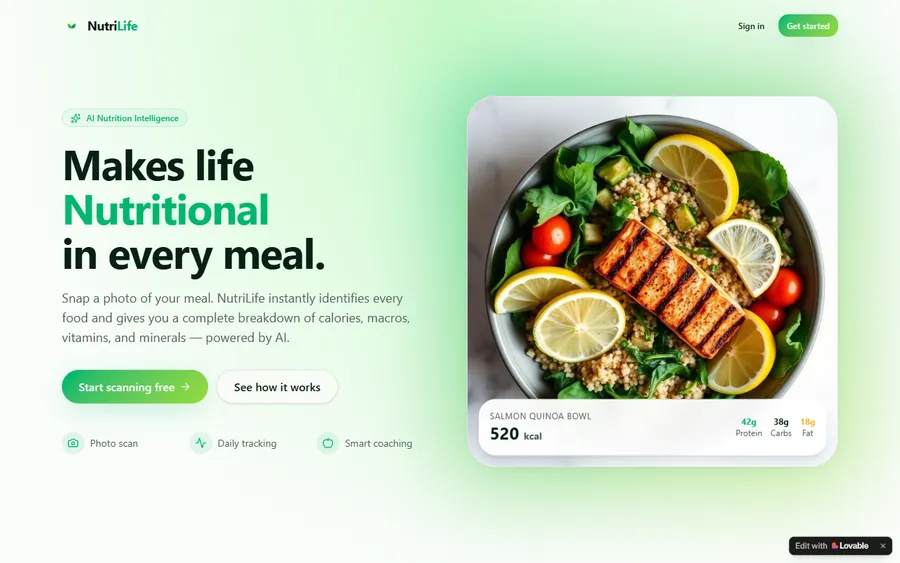
AI and ML
An AI nutrition coach that reads what you eat and works you toward a target.
AI and ML
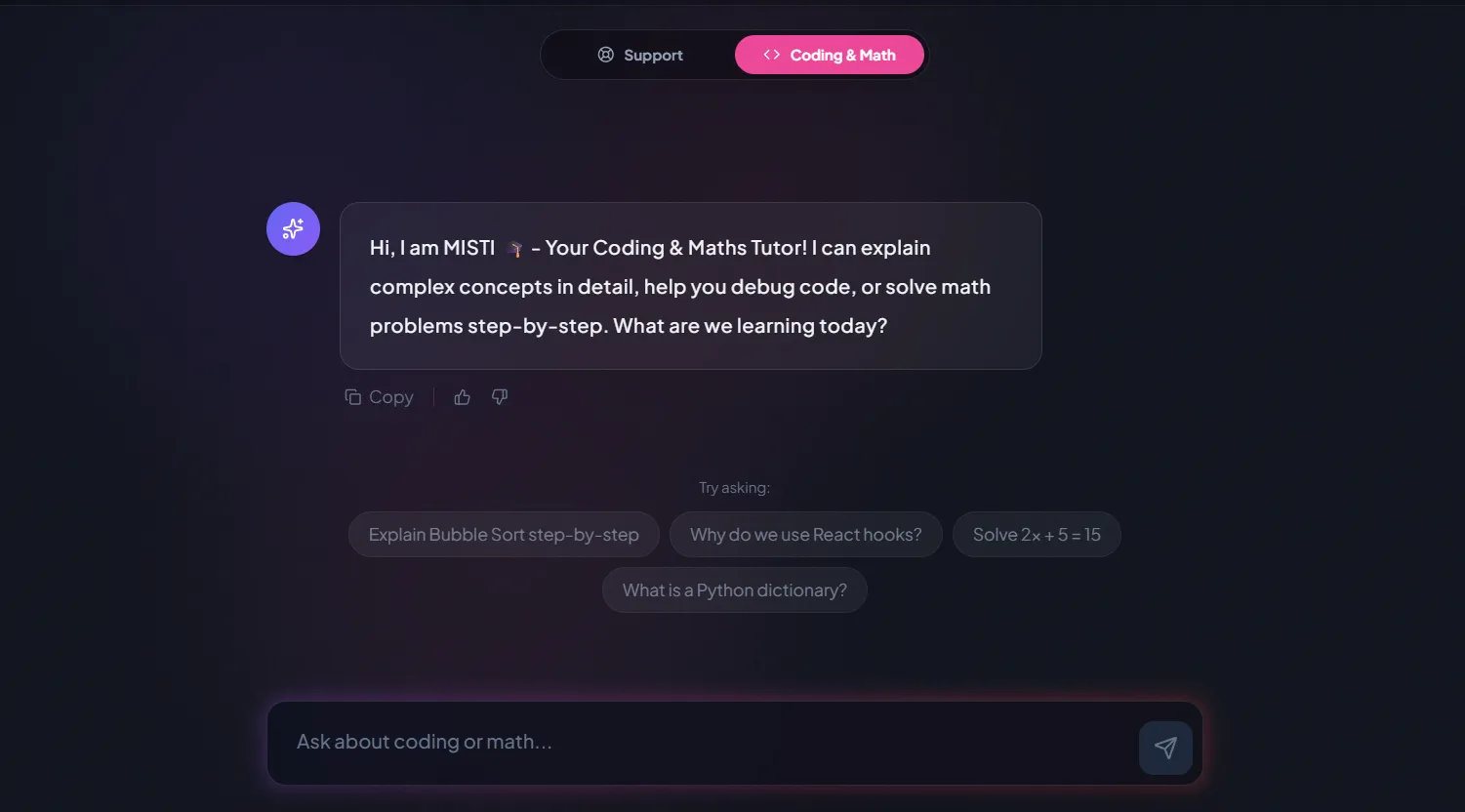
A chatbot that answers mathematics and programming questions, built and deployed by a student.
AI and ML
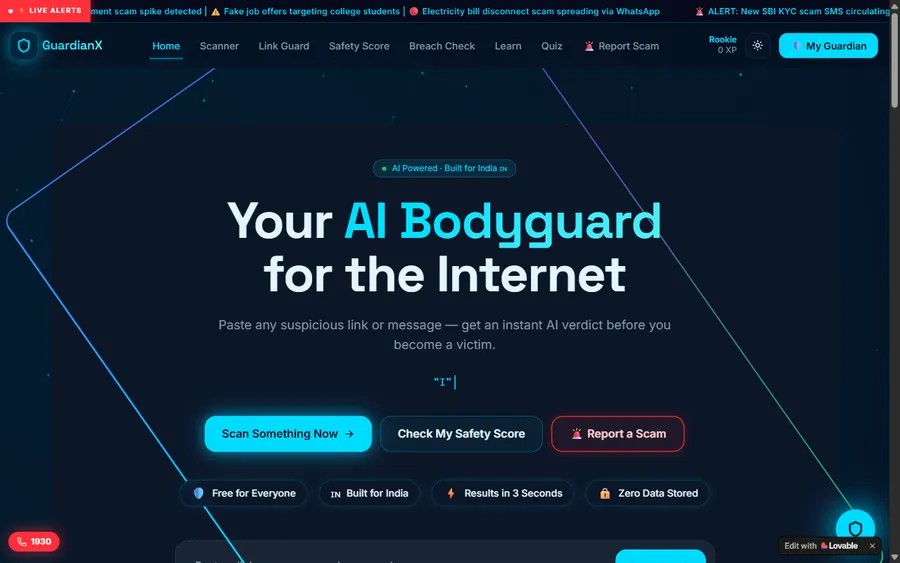
An assistant that helps a young person recognise unsafe situations online.
Web app
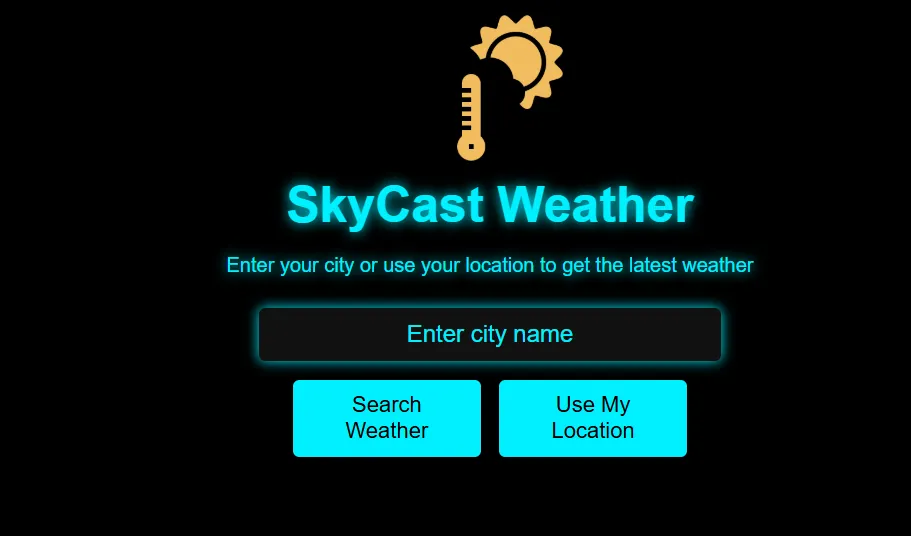
A weather forecasting site with live conditions for any location.
Fees
A single monthly rate in US dollars for families outside India, with no registration fee and no minimum term.
Free first class
USD 0
no card required
Group batch
USD 100
a month, billed in US dollars
One to one
USD 150
a month, billed in US dollars
What families say
Reviews families have left on Google, printed as written.
★★★★★
"The one step solution for my son. Modern Age Coders make learning coding so simple that kids love it. The teachers explain complex concepts clearly with practical exercises and interactive content."
Ria Mukherjee
Parent
★★★★★
"Modern Age Coders has been a game-changer for me. I struggled to grasp IT concepts and coding before joining, but their classes transformed everything. I can now confidently write complex programs with ease."
Samriddha Mondal
Student
★★★★★
"One of the most wonderful education centres out there. Education is not limited to school syllabus but focuses on skill development."
Vansh Agarwal
Student
★★★★★
"My child Dhairya is really enjoying the Modern Age Coders classes. This is his first online class and he eagerly looks forward to it. I can already see his improvement, and the teachers are very cooperative."
Sonam Oswal
Parent of Dhairya
★★★★★
"Modern Age Coders have wonderful teachers who teach in a clear, easy and practical way. The teacher boosts students' confidence and inspires them to learn without hesitation."
Sonu Goyal
Parent
★★★★★
"I highly recommend this computer coding class! The teachers are incredibly knowledgeable and passionate about coding."
Ritu Kedia
Parent
Perse Coding Team Challenge questions
The organiser says the competition is "open to UK pupils up to Year 11 (S4 in Scotland) and is free to enter". International schools may take part for certificates but cannot compete for prizes.
Round 1 runs from 25 January to 5 February 2027, Round 2 from 1 to 12 March 2027, and the Sixth Form Gold Rush from 15 to 19 March 2027.
Round 1 is sat in pairs, or solo if necessary, sharing one computer. Round 2 is teams of up to three, with a maximum of two Year 11 students per team.
Forty minutes for Round 1, sixty for Round 2 and fifty for the Sixth Form Gold Rush, which takes six questions from Round 2 material.
The organiser lists Python, C++, C#, Java, JavaScript and Visual Basic.Net. A team should choose the language everyone in it can debug rather than the most powerful one.
Yes. The organiser permits up to 20 A4 sides, or ten double-sided pages, of printed or digital code snippets, readable at normal zoom.
Automatically. Teams are told how many test cases passed or failed, but the test cases themselves are not shown, and where more than one solution is submitted the highest-scoring one counts.
With a checklist written from the question. Empty input, one item, everything the same, duplicates at the interesting end, negatives, zero and the largest allowed size will find most failures in under a minute.
The organiser describes a four-level format running from Level 1, basic text and number processing, to Level 4, algorithmic complexity, with every question worth an equal ten points.
The first lesson is free. A group place is then USD 100 a month and one-to-one teaching USD 150, with nothing to pay to register.
Related pages
What comes before this one, what comes after, and where the whole year is listed.
No programming at all, and half a million entrants.
The coding round that follows Bebras.
Three hours, three questions, hidden tests.
Dates for every contest, checked with the people who run them.
The four school systems, and every UK page.
The qualification most of these pupils are heading for.
Start here
Tell us the year group and which language the team codes in. The free lesson is a real task, checklist and all, and we say afterwards what we saw.
Rather read first? Syllabuses sit on the course pages, the method on how we teach, and the order of topics on the roadmap.
WhatsApp us · +91 91233 66161 · contact@modernagecoders.com
WhatsApp costs a UK mobile nothing and usually reaches us first. Our number is an Indian one, which we state on every page, and there is no British office.