C Programming Masterclass
Most C courses skip past pointers as fast as possible. This one is built around them.
Syllabus updated August 2026
Questions? WhatsApp +91 91233 66161 or email connect@modernagecoders.com
Recordings are free with a Google sign-in. These recordings show how we teach, not the exact syllabus of this course.
Our promise
The world's best learning experience, open to everyone.
- World-class instructorsEvery class is taught by an instructor who specialises in that exact field.
- No compromise on qualityEvery lesson, project and piece of feedback is held to the highest standard.
- Education for everyoneLearners aged 6 to 67, from first-time beginners to working professionals, in 25+ countries.
If you want the highest quality, Modern Age Coders is the right choice.
Book a Priority DemoHow long this course takes
This course runs 6 months (24 weeks) at 2 live classes/week + 3-4 hours practice. The range allows for background and pace: a complete beginner uses the full span, and a student with prior knowledge finishes sooner. The syllabus below is planned to the shorter end, with margin kept for revision.
For personalised duration planning, call +91 91233 66161 and we'll map a schedule to your goals.
At a glance
- Who it is for
- Beginner, college students and first-year engineers.
- Prerequisites
- None required. The course starts from the first compile. Students who know another language will simply move faster in month 1
- Format
- Live, interactive classes with a real instructor, never pre-recorded videos. Live classes run about one hour.
- Language
- English or Hindi, depending on the batch.
- Duration
- 6 months (24 weeks)
- Weekly commitment
- 2 live classes/week + 3-4 hours practice
- Class size
- Group batches of 5 to 10 students, mini batches of 3 to 4, or 1-on-1.
- Certificate
- Certificate from Modern Age Coders, awarded on passing the final assessment
- Watch first
- Free recordings of real classes for ages 13 and up, free with a Google sign-in. These recordings show how we teach, not the exact syllabus of this course.
- Live demo
- Optional. Enrol directly on this page, or book a Priority Demo: a full live class of about 45 to 60 minutes with a mentor reserved for you.
- Questions
- WhatsApp +91 91233 66161 or email connect@modernagecoders.com.
How we teach
Deep understanding. Real projects. Expert guidance.
Learn coding, AI and maths through careful explanations, practical demonstrations, and hands-on problem-solving. Our instructors guide you from the foundations to advanced ideas, helping you understand what happens, why it happens, and how to build it yourself.
You will explore concepts step by step, write and improve code, investigate mistakes, ask questions, and apply your knowledge to meaningful projects. Lessons are designed around active participation, thoughtful feedback, and growing independence.
Expert-led live teaching, with practical participation built into every lesson.
- Students explain their thinking.
- Instructors demonstrate, then guide practice.
- Learners code, solve, or build during lessons.
- Questions and misconceptions get attention.
- Assignments receive useful feedback.
- Progress is checked before advancing.
How to join C Programming for Beginners: Pointers, Memory & Structs
Four steps from this page to the first class. See a full class first with a Priority Demo, or choose a plan and enrol today.
Rated 4.9 across 547 Google reviews. Monthly billing, cancel any time.
How enrolment works
See a full class first (optional)
Book a Priority Demo: a live class of about 45 to 60 minutes with a mentor reserved for you, today or tomorrow. After the class the mentor sends a written skill report and a personal learning roadmap on WhatsApp. If you enrol, the demo fee is adjusted against your first month's fee. Share your demo Order ID with us on WhatsApp and we take it off.
Book a Priority DemoDemo fee ₹499Choose a plan
Group batch (5 to 10 students), mini batch (3 to 4 students, India only) or 1-on-1 with your own mentor. Every plan is live online, and each class runs about one hour. The cards below show classes per week and the monthly fee in your currency.
Enrol and pay the first month
Press Enrol Now on your plan, fill in the student's name, email and phone, and pay through secure Razorpay checkout: UPI, cards or net banking in India, and debit or credit card from any other country.
Fix your class timings
After payment, message us on WhatsApp or call +91 91233 66161 with the student's name, the course and your preferred time slot. We confirm the batch, send the class link and schedule the first class at your chosen time.
Billing is monthly and you can cancel any time.
International Students (Outside India)
Billed monthly in US dollars, the same price in every country. Contact us with any questions.
Questions before you enrol? Talk to our team.
Ask about class timings, the right level for your child, what they need to know already, or payment. Parents and adult learners can reach us on WhatsApp, by email or by phone.
Program Overview
C is the language underneath everything: operating systems, databases, embedded firmware, and the interpreters that run Python and JavaScript are written in it. It is also the language most engineering students meet first and understand least, because the part that matters, pointers and memory, is usually rushed in two lectures. This 6-month live course inverts that. Months 1 and 2 build the language core properly: types, control flow, functions, and how a .c file actually becomes an executable. Months 3 and 4 are the heart of the course: a full month on pointers taught with memory diagrams for every operation, then a month on dynamic memory, the heap, and structs, including the bugs (leaks, dangling pointers, buffer overflows) demonstrated live and safely. Months 5 and 6 put it to work: file handling, linked lists, stacks, queues, and sorting built from scratch, a look at where C runs in the real world from kernels to microcontrollers, and a capstone project compiled, debugged, and defended.
Classes are live and small. Students write and compile code in every session, homework is real programming with written feedback, and the instructor draws memory on a whiteboard until it stops being mysterious.
What Makes This Program Different
- Pointers get a full month, not two lectures, and every operation comes with a memory diagram before any code
- Memory bugs are taught on purpose: students create a leak, a dangling pointer, and an overflow in controlled exercises, then learn to catch them
- Standard library functions like strlen and strcpy are written by hand first, so nothing in string.h is magic
- Data structures are built from raw structs and malloc, the way university exams and real systems code expect
- The compilation pipeline is taught, not skipped: preprocessor, compiler, linker, and what an executable actually is
- The syllabus deliberately covers the C programming paper taught in Indian engineering first year, so college exams and this course reinforce each other
Your Learning Journey
Career Progression
Detailed Course Curriculum
Explore the complete week-by-week breakdown of what you'll learn in this comprehensive program.
Topics Covered
- Setting up GCC and VS Code on Windows, Mac, or Linux
- Your first program: main, printf, and the return value
- The compilation pipeline: preprocessor, compiler, linker, executable
- Compiling from the terminal and reading compiler errors calmly
- Why C has no training wheels, and why that is the point
- Comments, formatting, and code that reads like it was written on purpose
Projects You Build
- Banner program: compile, break, and fix a program five different ways to learn the error messages early
Practice & Assignments
Compile six small programs from the terminal, deliberately triggering and decoding one error each
Topics Covered
- int, char, float, double, and the unsigned variants
- sizeof: asking the machine how big things are
- Integer overflow demonstrated live: what happens at the edge
- Type conversion and casting, implicit and explicit
- printf and scanf format specifiers, and the crashes wrong ones cause
- Constants with const and #define
Projects You Build
- Limits explorer: a program that prints the size and range of every basic type on your machine
Practice & Assignments
Ten input-output exercises with mixed types, including two that overflow on purpose so you see it happen
Topics Covered
- Arithmetic operators and the integer division surprise
- Relational and logical operators, and short-circuit evaluation
- if, else if, else, and the switch statement
- The ternary operator, used where it helps
- Operator precedence: when to just use parentheses
- = vs ==: the classic C bug, met early
Projects You Build
- Grade and tax calculator: branching logic with real edge cases, negative inputs, and boundary values
Practice & Assignments
Twelve control-flow drills, including a leap year checker and a menu-driven calculator with switch
Topics Covered
- while, for, and do-while, and choosing between them
- Loop counters, accumulators, and running totals
- Nested loops: printing patterns the exam way
- break and continue, used sparingly
- Off-by-one errors: finding them before the compiler cannot
- Tracing a loop by hand: the skill exams actually test
Projects You Build
- Pattern engine: pyramids, diamonds, and number triangles from nested loops
- Prime and perfect number finder with a hand-traced dry run submitted alongside the code
Practice & Assignments
Fifteen loop problems ranging from digit reversal to a simple guessing game
Assessment
Month 1 lab exam: three programs written live under light time pressure, compiled and demonstrated
Topics Covered
- Defining functions: parameters, return types, and void
- Declarations vs definitions, and why prototypes exist
- Pass by value: what the function actually receives
- Designing small functions with one job each
- Header files and splitting code across files
- Reading a function signature like documentation
Projects You Build
- Number theory library: gcd, lcm, prime check, and digit sum as clean reusable functions in their own file
Practice & Assignments
Write eight functions from written specifications, then refactor month 1 projects to use them
Topics Covered
- Local vs global variables, and why globals age badly
- The call stack drawn frame by frame for a real program
- static variables: memory that survives the function
- Automatic storage: why locals vanish when the function returns
- Stack overflow: what it literally means
- Debugging with a stack diagram next to the code
Projects You Build
- Stack tracer: a set of nested function calls with a hand-drawn stack diagram matched against actual output
Practice & Assignments
Predict the output of six scope puzzles before running them, and score your predictions
Topics Covered
- Recursion as functions calling themselves, with the stack diagrams to prove it
- Base case and recursive case: the two-part contract
- Factorial, Fibonacci, and sum of digits, traced fully
- Recursion vs loops: cost, clarity, and when each wins
- Stack depth limits demonstrated by crashing one on purpose
- Reading recursive code without re-tracing every call
Projects You Build
- Recursive toolkit: power, GCD, decimal-to-binary, and Tower of Hanoi with move printing
Practice & Assignments
Convert three loop solutions to recursion and three recursive solutions to loops, and note which direction felt harder
Topics Covered
- Organizing a project: headers, source files, and include guards
- Compiling multiple files and linking them together
- A first Makefile: stop retyping compiler commands
- The preprocessor: #include, #define, and conditional compilation
- Naming, formatting, and structure conventions used in real C codebases
- Reading someone else's C file without fear
Projects You Build
- Unit converter suite: a menu-driven multi-file program with separate modules for length, weight, and temperature
Practice & Assignments
Split a provided 300-line single-file program into clean modules with headers and a Makefile
Assessment
Month 2 review: a multi-file program built from a spec, plus an oral walkthrough of one stack diagram
Topics Covered
- Memory as numbered boxes: the mental model everything rests on
- The & operator: every variable lives somewhere
- Declaring pointers: what int* p actually says
- Dereferencing with *: reading and writing through a pointer
- NULL and why pointers should never dangle uninitialized
- Printing addresses with %p and watching them change between runs
Projects You Build
- Memory mapper: a program that prints the address and value of every variable it owns, matched to a hand-drawn diagram
Practice & Assignments
Ten pointer basics drills, each answered first on paper with a box diagram, then verified in code
Topics Covered
- Why pass by value cannot swap two numbers
- Passing addresses: functions that modify their arguments
- The classic swap written and traced completely
- Out-parameters: returning more than one result
- scanf finally explained: why it always wanted the &
- Pointer parameters in library functions you already used
Projects You Build
- Statistics engine: one function that fills min, max, and mean through pointer parameters from a single pass
Practice & Assignments
Rewrite five month 2 functions to use pointer parameters, and explain in comments what changed in memory terms
Topics Covered
- Arrays in memory: contiguous boxes with one name
- Array names and pointers: the decay rule stated honestly
- Pointer arithmetic: what p+1 really adds
- Walking an array with a pointer instead of an index
- Passing arrays to functions, and why size must travel with them
- Out-of-bounds access: the bug C will not catch for you, demonstrated safely
Projects You Build
- Array toolkit: reverse, rotate, and search implemented twice, once with indices and once with pointers
Practice & Assignments
Trace eight pointer arithmetic snippets on paper, predicting values and addresses before running them
Topics Covered
- Strings as char arrays with a null terminator, no magic
- String literals vs char arrays, and what is writable
- Writing strlen, strcpy, and strcmp by hand before touching string.h
- Buffer overflow demonstrated in a controlled exercise, and why it matters for security
- Safer patterns: bounds checking and fgets over gets
- Arrays of strings and the char* array
Projects You Build
- mini_string.h: your own implementation of five standard string functions, tested against the real library
Practice & Assignments
Solve six string problems using only your own mini_string functions, no string.h allowed
Assessment
Pointer month exam: paper diagrams plus live coding, including one swap variant and one string function from scratch
Topics Covered
- Stack vs heap: two kinds of memory with different lifetimes
- malloc and free: asking for memory and giving it back
- sizeof in allocation: the pattern that avoids a whole bug family
- Checking for NULL: allocation can fail
- Memory leaks: creating one on purpose, then finding it
- Ownership thinking: who allocated this, and who must free it
Projects You Build
- Runtime array: a program that asks the user how much data is coming, allocates exactly that, and cleans up properly
Practice & Assignments
Six allocation exercises, each submitted with a one-line ownership note stating where every free happens
Topics Covered
- realloc: growing storage as data arrives
- Building a growable array with capacity doubling
- Dangling pointers: use-after-free demonstrated and diagnosed
- Double free and what the runtime does about it
- AddressSanitizer: making the invisible bugs report themselves
- Valgrind on Linux, and what a clean report looks like
Projects You Build
- Growable list: a dynamic array module with append, insert, and remove that survives a sanitizer run cleanly
Practice & Assignments
Fix five provided programs, each hiding one memory bug: a leak, a dangle, a double free, an overflow, and an uninitialized read
Topics Covered
- struct: modeling a real thing with named fields
- Declaring, initializing, and copying structs
- Arrays of structs: a table of records in memory
- Pointers to structs and the arrow operator
- typedef for names that read like types
- Nested structs and designing the record before coding it
Projects You Build
- Student database, part one: an array-of-structs record system with add, list, search, and update
Practice & Assignments
Model three real records as structs: a bank account, a library book, and a cricket scorecard entry
Topics Covered
- Allocating structs dynamically
- Structs containing pointers: records with variable-length fields
- Deep copy vs shallow copy, and the bug hiding between them
- Freeing nested allocations in the right order
- Designing a small module: header, implementation, and a test file
- Code review: reading a classmate's memory management critically
Projects You Build
- Contact book: a fully dynamic record system where both the list and each name grow to fit, sanitizer-clean
Practice & Assignments
Extend the contact book with delete and sort, keeping the sanitizer report clean
Assessment
Month 4 practical: build a small dynamic record system from a spec in one sitting, leak-free, and defend the design
Topics Covered
- fopen, fclose, and file modes that actually matter
- Reading lines with fgets and parsing them
- Writing structured data with fprintf
- Binary files: fread and fwrite for whole records
- Error handling: what to do when the file is not there
- Saving and loading the contact book: persistence at last
Projects You Build
- Persistent contact book: records saved to disk in both text and binary form, reloaded on startup
Practice & Assignments
Write a CSV report generator that reads raw marks from one file and writes a formatted result sheet to another
Topics Covered
- Why arrays are not enough: the case for nodes and links
- The node struct: data plus a pointer to the next
- Insertion at head, tail, and middle, each with a diagram first
- Traversal and search
- Deletion without losing the rest of the list
- The pointer-rewiring discipline: draw, then code, always
Projects You Build
- Singly linked list module: insert, delete, search, reverse, and print, built from scratch and sanitizer-clean
Practice & Assignments
Solve six classic list problems including middle element, nth from end, and cycle detection by hand-tracing first
Topics Covered
- The stack as a discipline: push, pop, peek
- Array-backed and list-backed stack implementations
- Balanced brackets: the interview classic, solved properly
- Queues: enqueue, dequeue, and the circular buffer trick
- Where the machine itself uses stacks and queues
- Choosing a backing structure and defending the choice
Projects You Build
- Bracket validator and a printer-queue simulator, each built on your own stack and queue modules
Practice & Assignments
Implement a stack-based postfix expression evaluator and test it against ten expressions
Topics Covered
- Linear and binary search, with the sorted-input contract
- Bubble, selection, and insertion sort, traced and timed
- Counting comparisons: a first taste of efficiency analysis
- Function pointers: passing behavior as an argument
- qsort from the standard library and writing its comparator
- Sorting an array of structs by any field
Projects You Build
- Sortable student database: the record system gains sort-by-marks, sort-by-name, and binary search, using function pointers
Practice & Assignments
Time three sorts on arrays of 1k, 10k, and 100k elements and write four sentences on what the numbers show
Assessment
Data structures lab exam: one list problem and one stack or queue problem implemented live from scratch
Topics Covered
- Bitwise operators: and, or, xor, shifts, and masks
- Flags and registers: why embedded code reads and writes single bits
- A grounded tour: C in operating systems, databases, firmware, and language runtimes
- What embedded development actually involves, without the hype
- Reading a small piece of real open-source C and surviving
- gdb basics: breakpoints, stepping, and inspecting memory in a debugger
Projects You Build
- Bit toolkit: set, clear, toggle, and test any bit, plus a permissions system stored in a single byte
Practice & Assignments
Use gdb to find the planted bug in a provided program without reading its source first
Topics Covered
- Choosing a capstone: bank record system, inventory manager, text-based game with saves, or a proposal of your own
- Writing the spec: features, data structures, and file format decided before coding
- Project skeleton: modules, headers, and a Makefile from day one
- Building the data layer first
- Estimating honestly what three weeks can hold
- Instructor sign-off on scope before the sprint starts
Projects You Build
- Approved capstone spec plus a compiling skeleton with the core data structures in place
Practice & Assignments
Implement and test your capstone's data module in isolation before any menus or files exist
Topics Covered
- Feature-by-feature building, smallest first
- Keeping the sanitizer clean while the codebase grows
- Instructor code review: memory management and module boundaries
- Debugging your own project with gdb instead of printf sprinkles
- Handling bad input like software that respects its user
- Trimming scope with a straight face when the clock demands it
Projects You Build
- Feature-complete capstone: all core features working, file persistence in, sanitizer report clean
Practice & Assignments
Exchange builds with a classmate, file two bug reports on theirs, and fix the ones filed on yours
Topics Covered
- The final pass: a written test checklist run against every feature
- README and build instructions a stranger could follow
- Publishing the semester's work to GitHub properly
- Presenting a systems project: what it does, then how memory flows through it
- Answering pointed questions about your own pointers
- What comes next: C++, embedded, operating systems, or DSA in depth
Projects You Build
- Delivered capstone: compiled, documented, pushed to GitHub, and defended in a live walkthrough
Practice & Assignments
Write the README, then have someone outside the class build and run your project using only that file
Assessment
Capstone defense: live demo, memory-flow explanation, and Q&A, plus course-completion certificate review
Projects You'll Build
Build a professional portfolio with 15+ compiled programs and modules, ending with a defended capstone on GitHub real-world projects.
Weekly Learning Structure
Certification & Recognition
Technologies & Skills You'll Master
Comprehensive coverage of the entire modern web development stack.
Support & Resources
Career Outcomes & Opportunities
Transform your career with industry-ready skills and job placement support.
Prerequisites
Who Is This Course For?
Career Paths After Completion
Course Guarantees
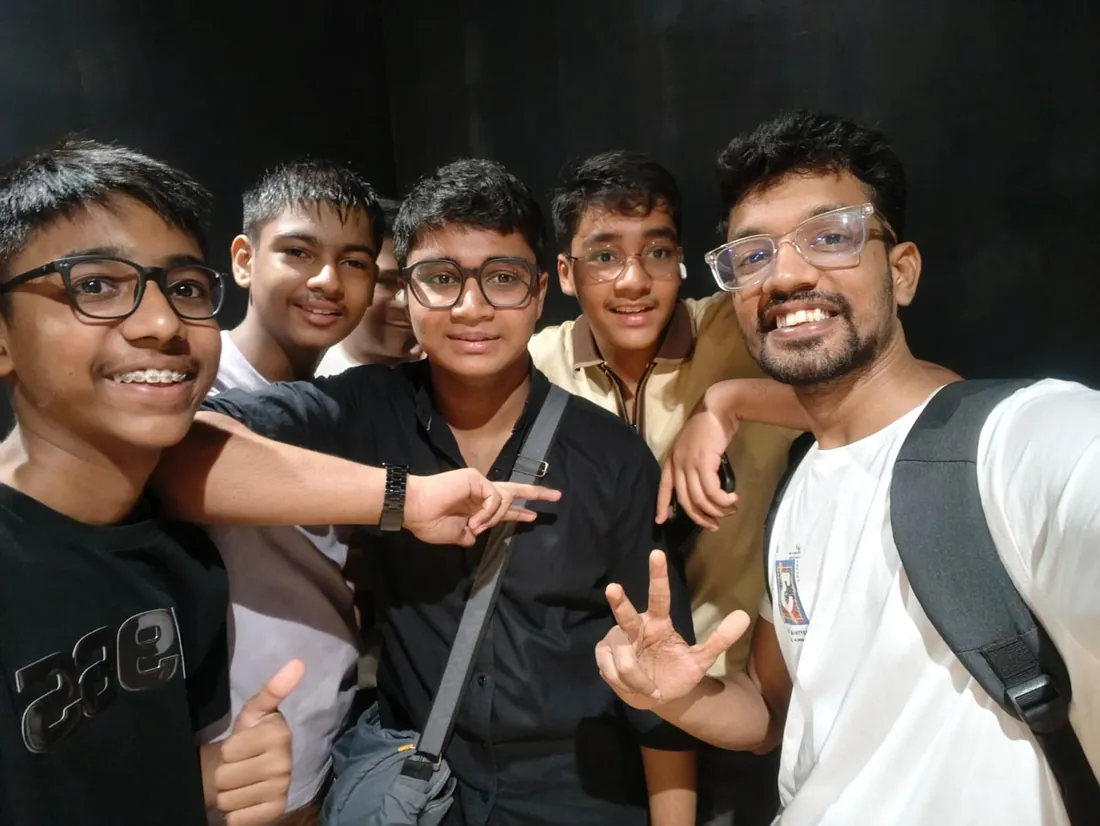
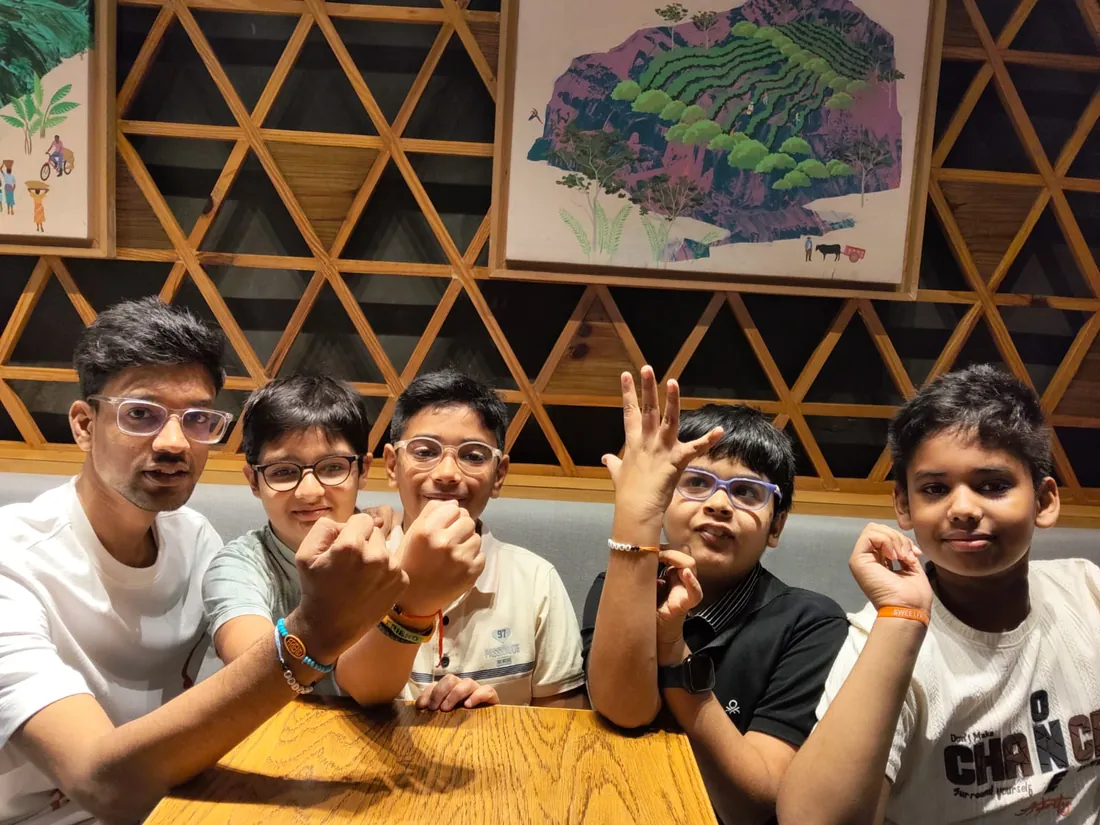
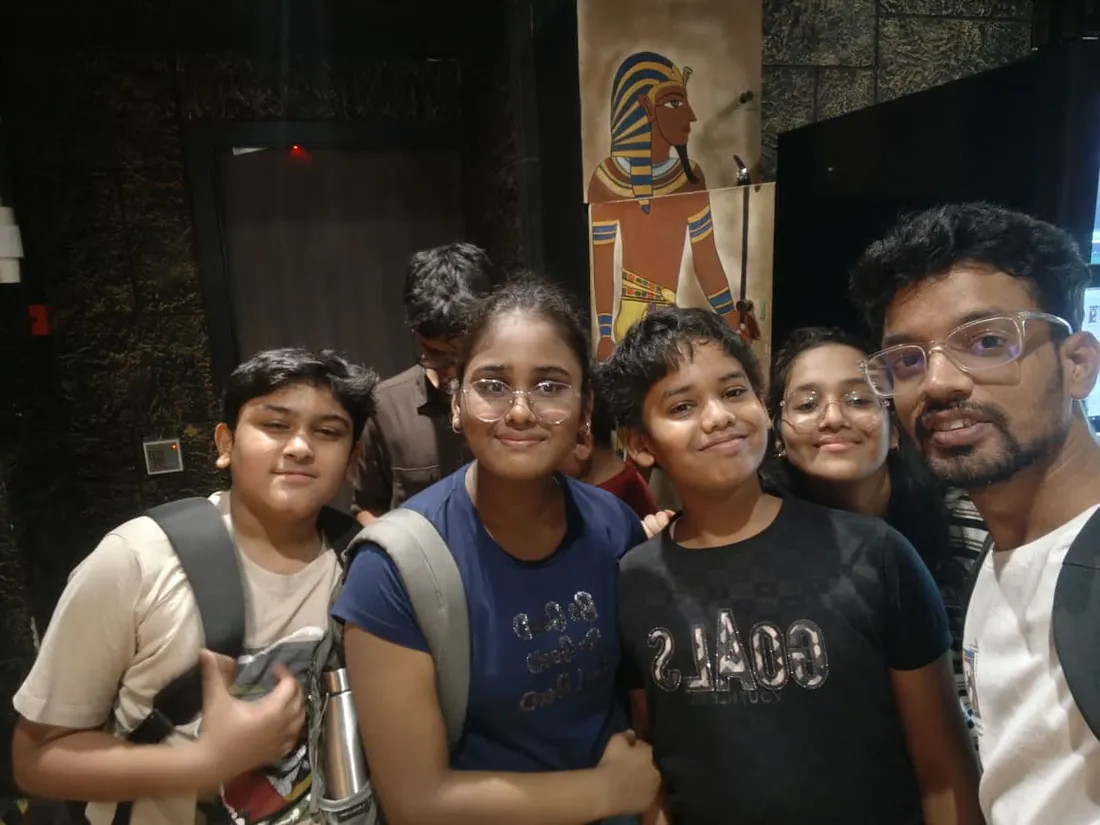
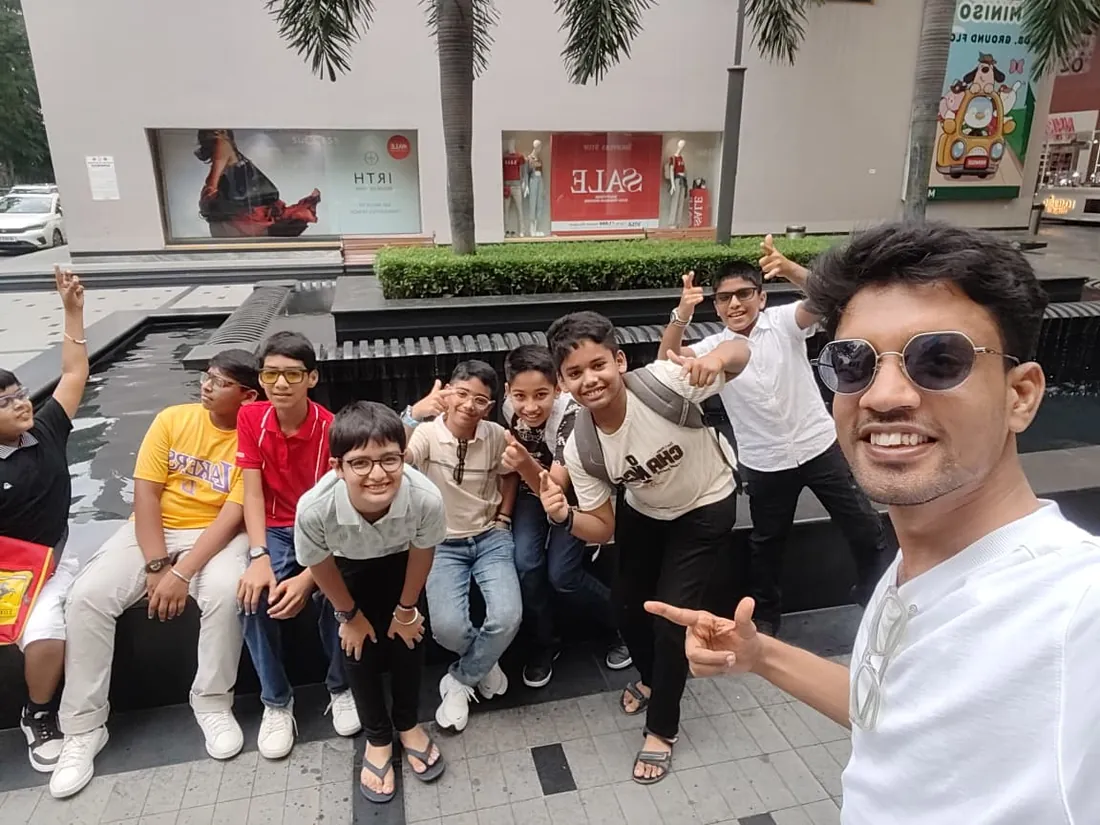
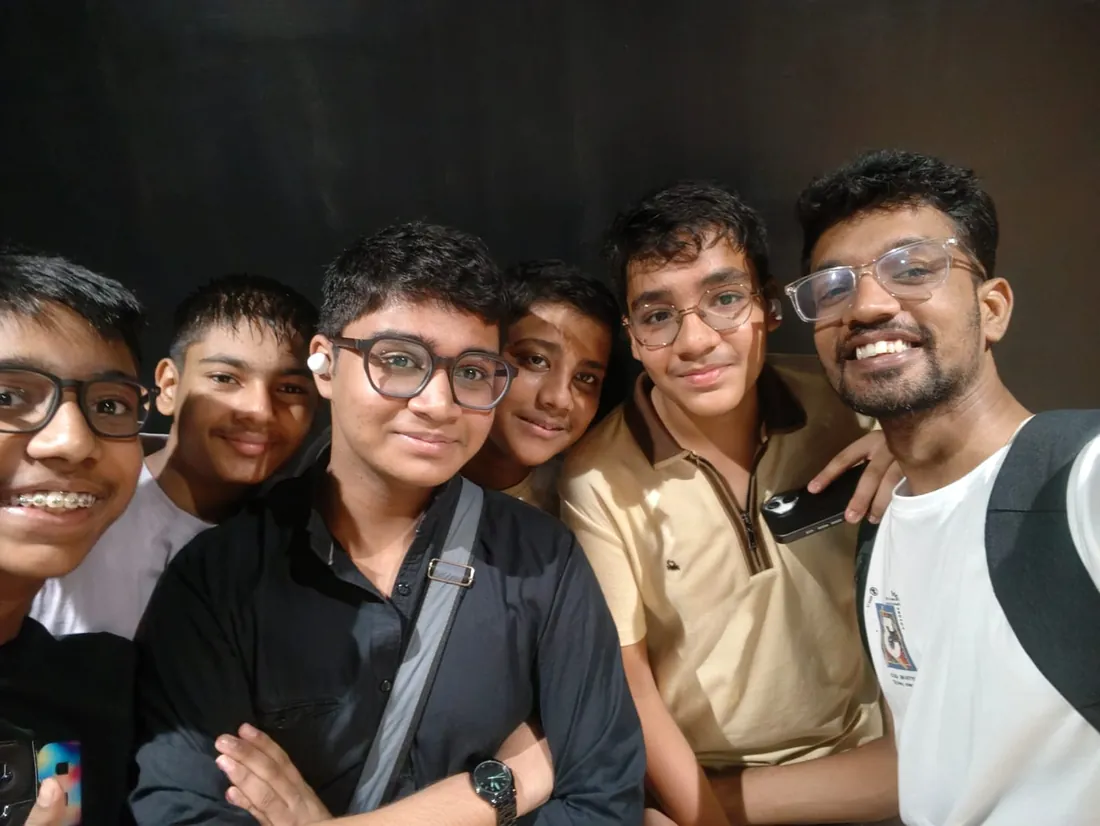
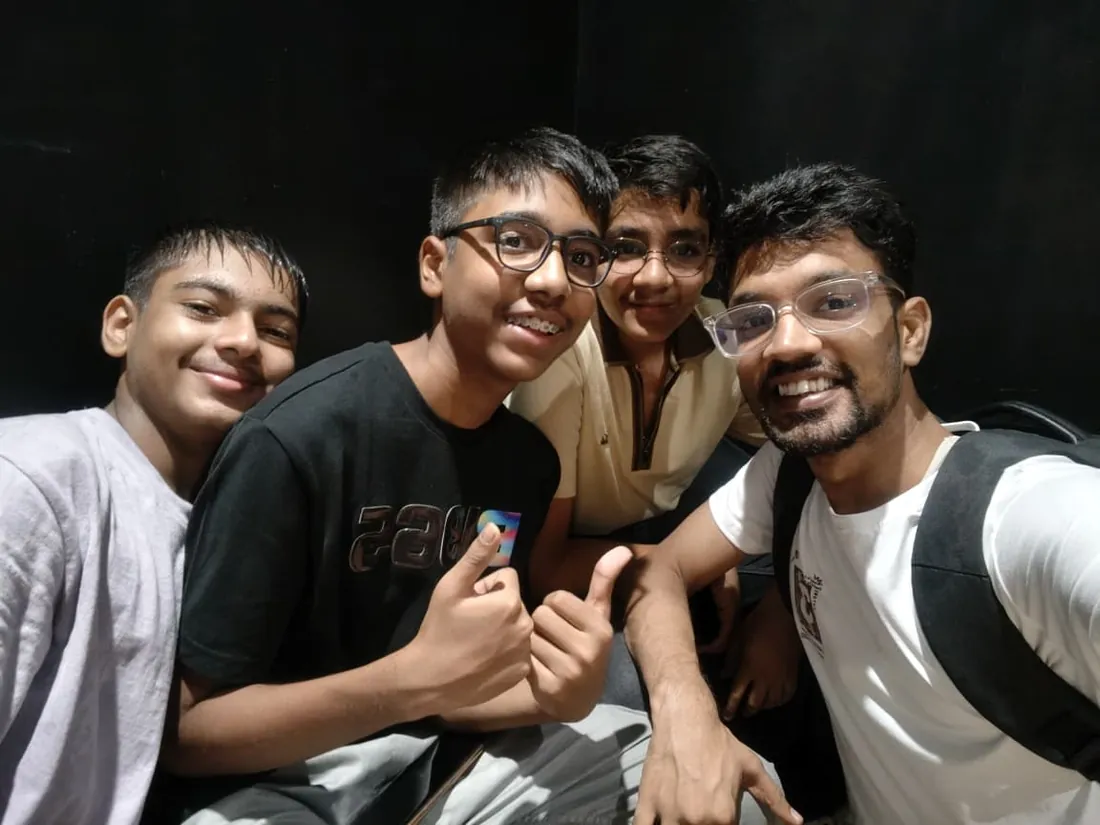
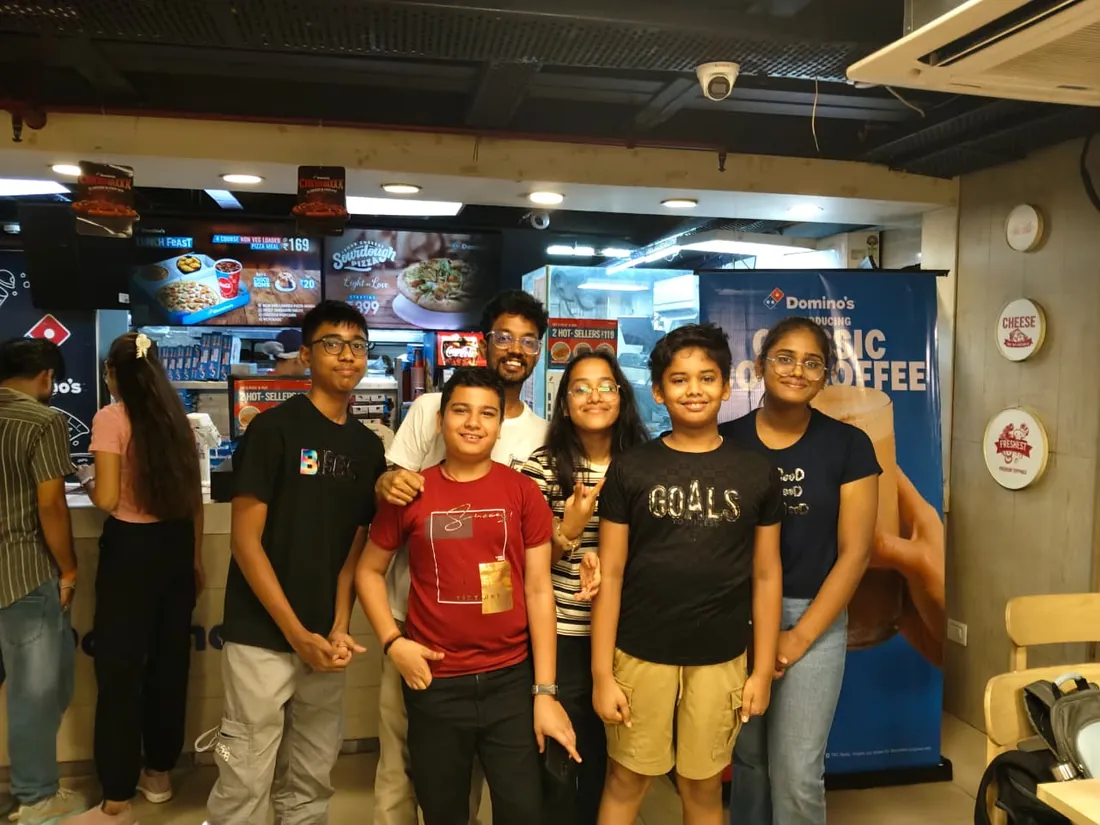
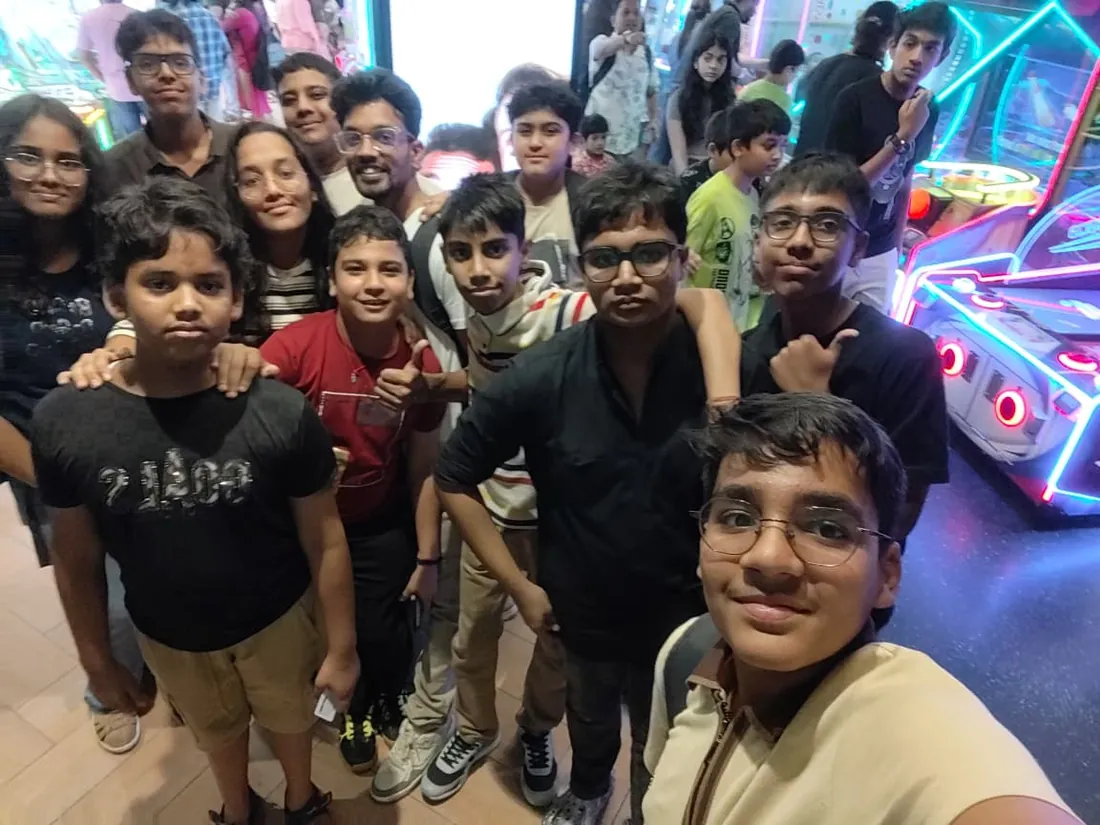
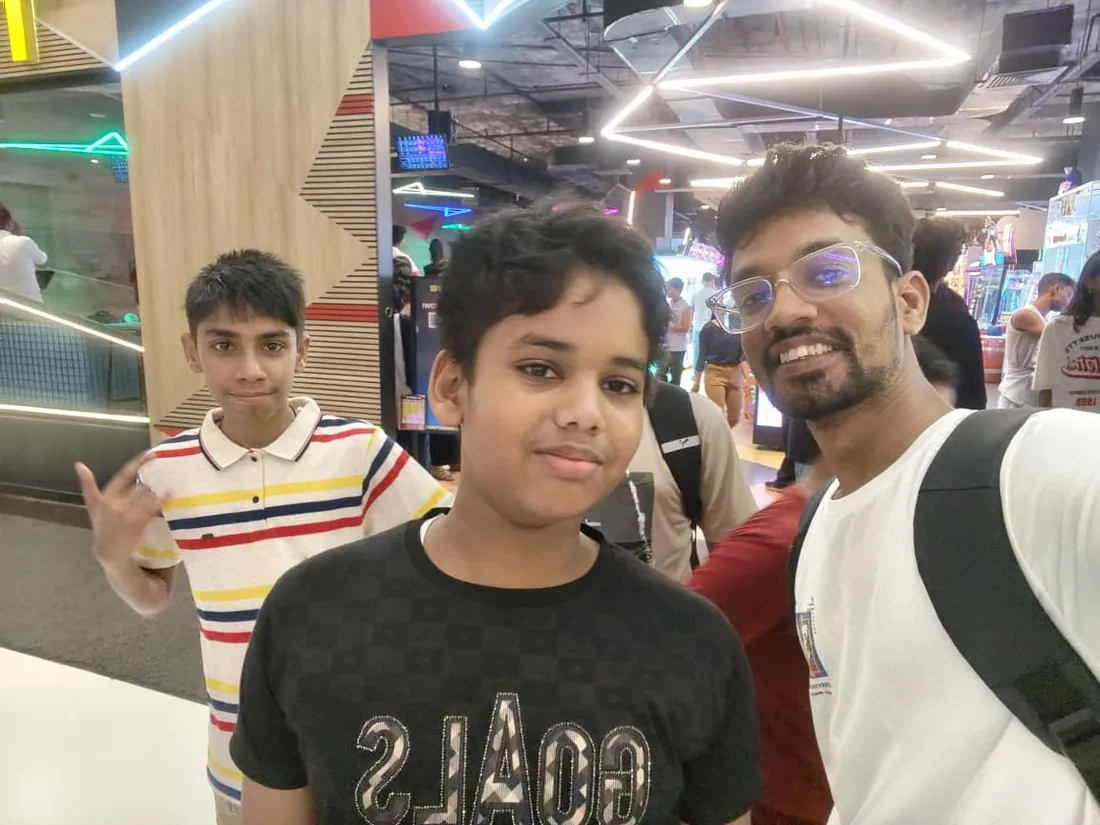
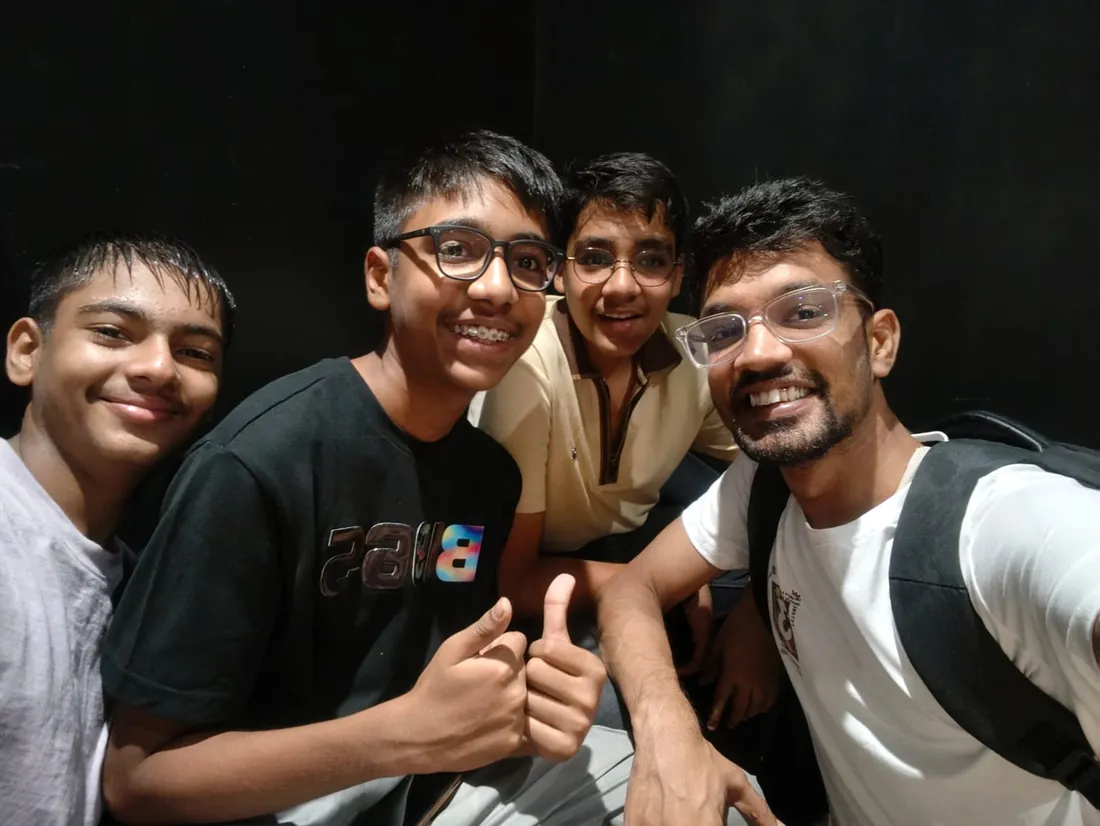
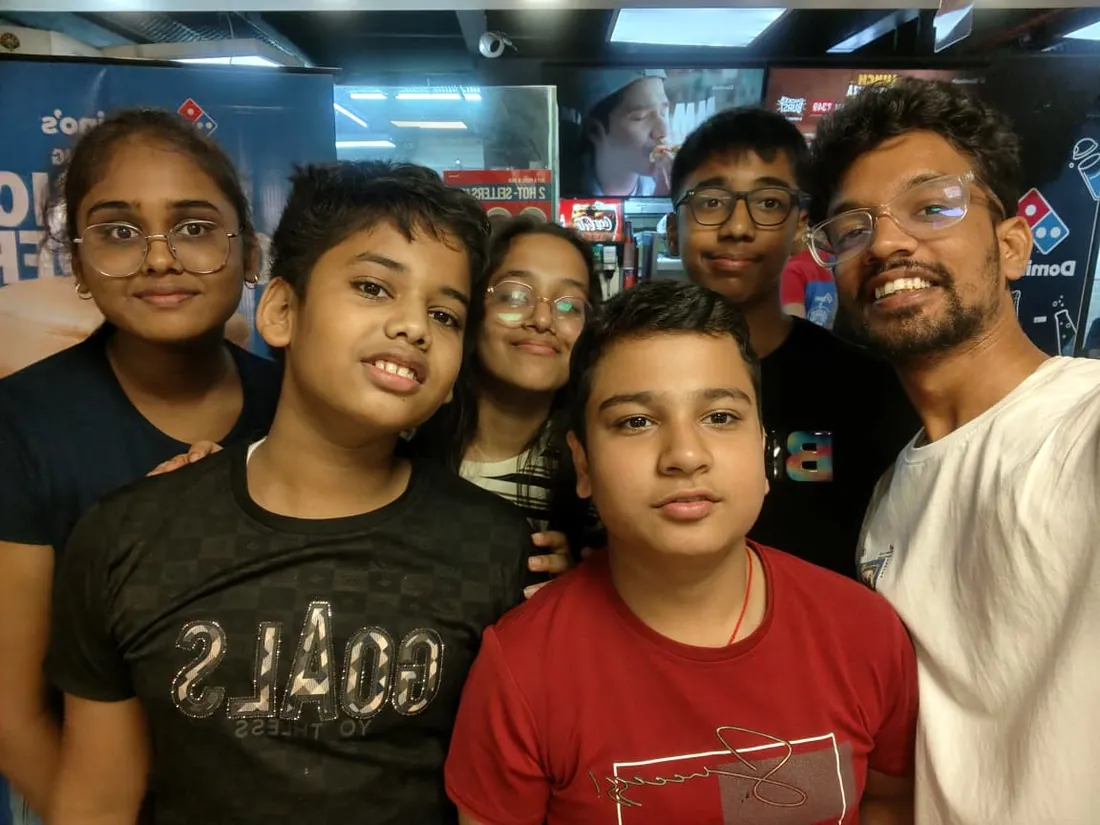
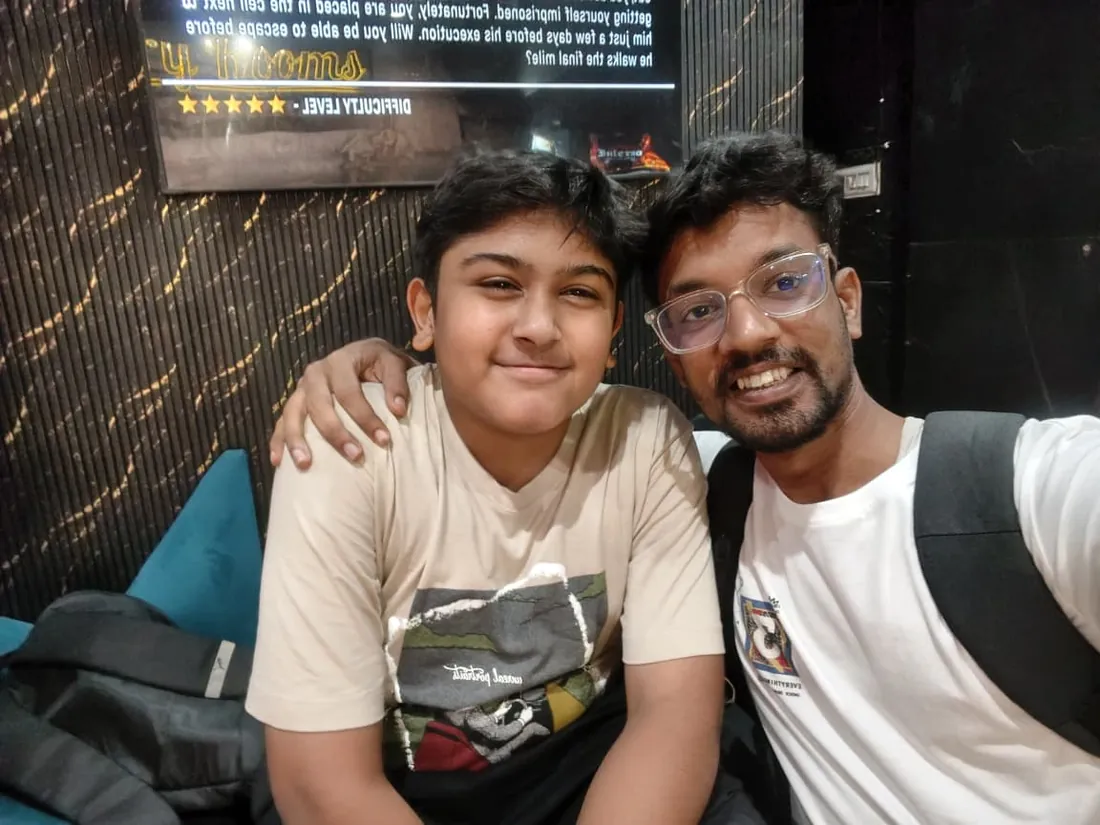
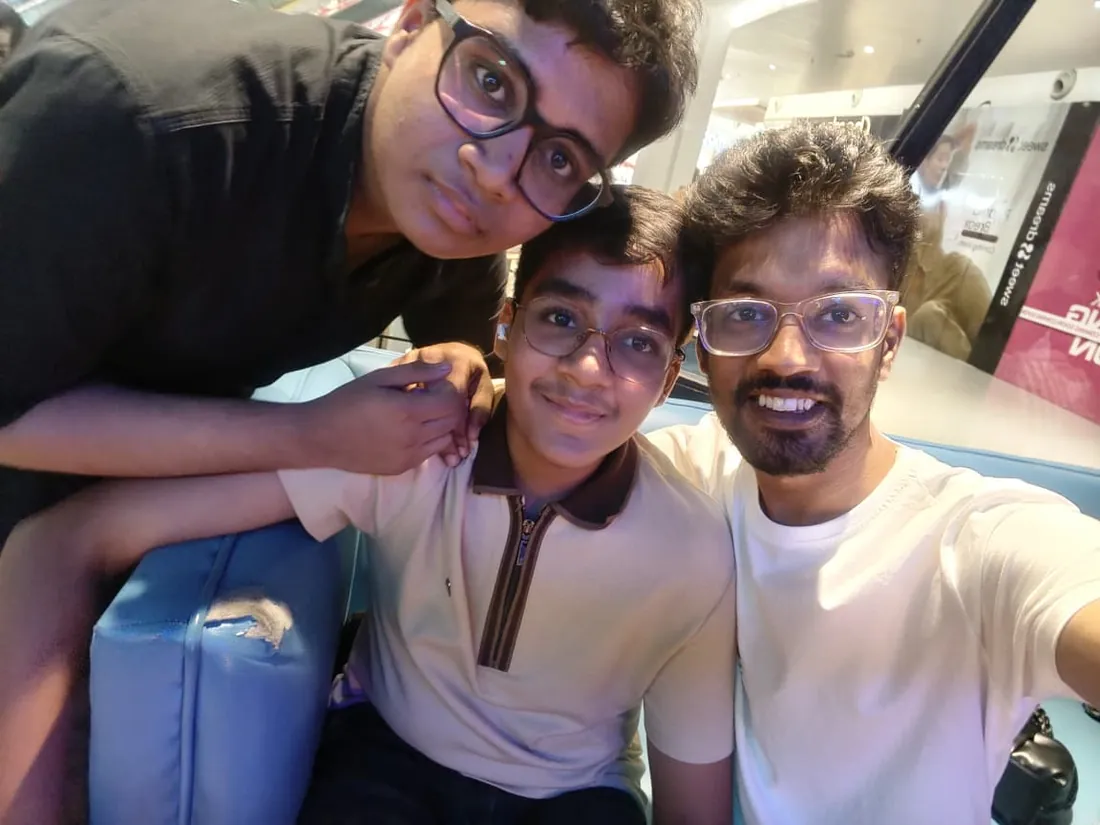
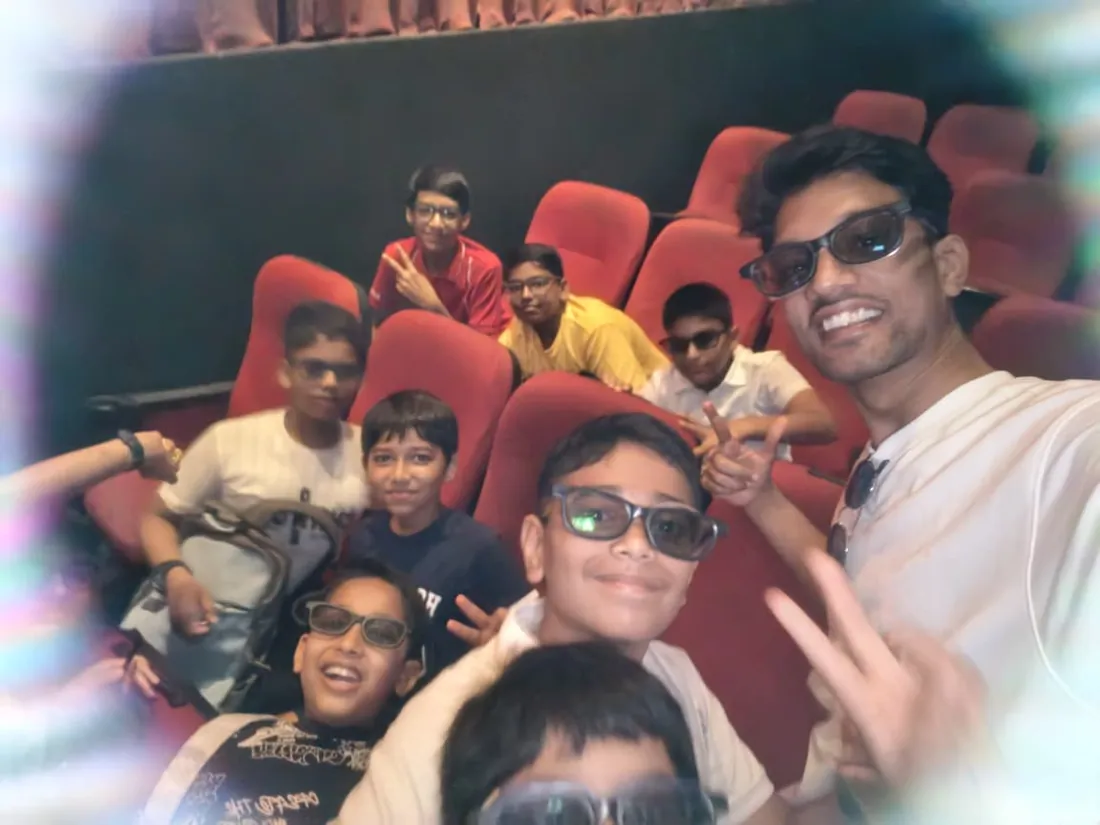
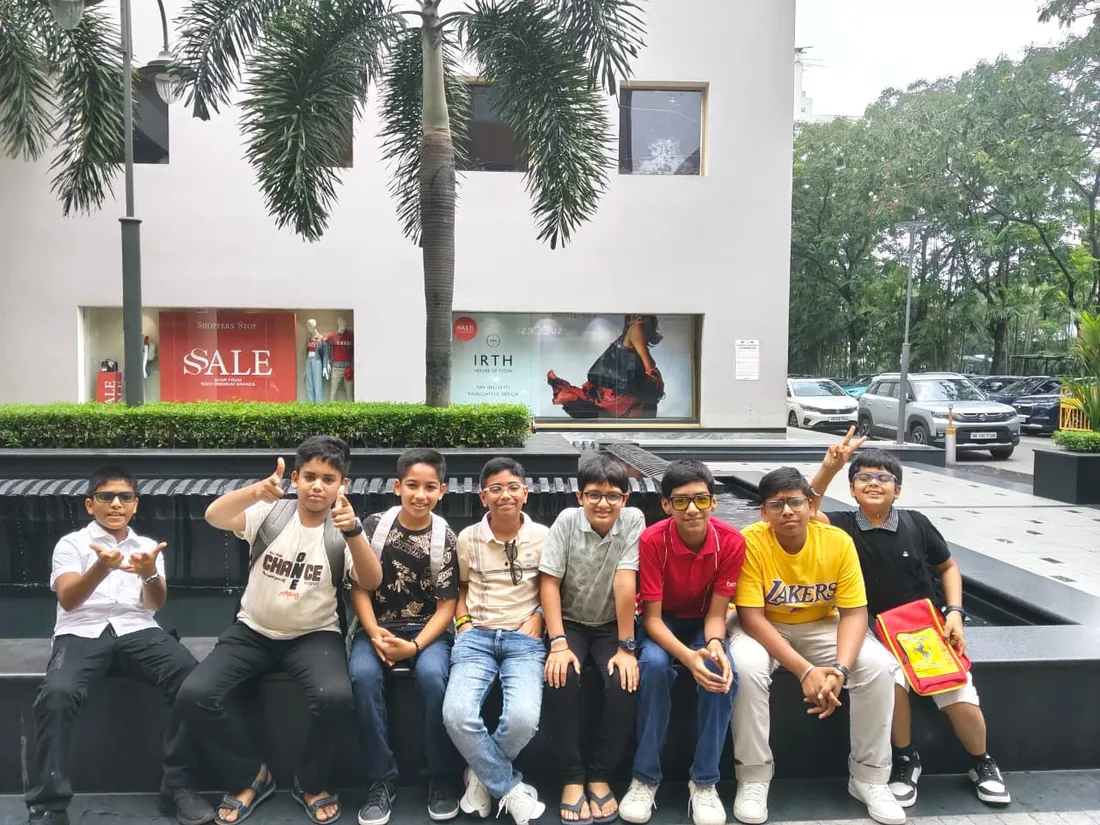
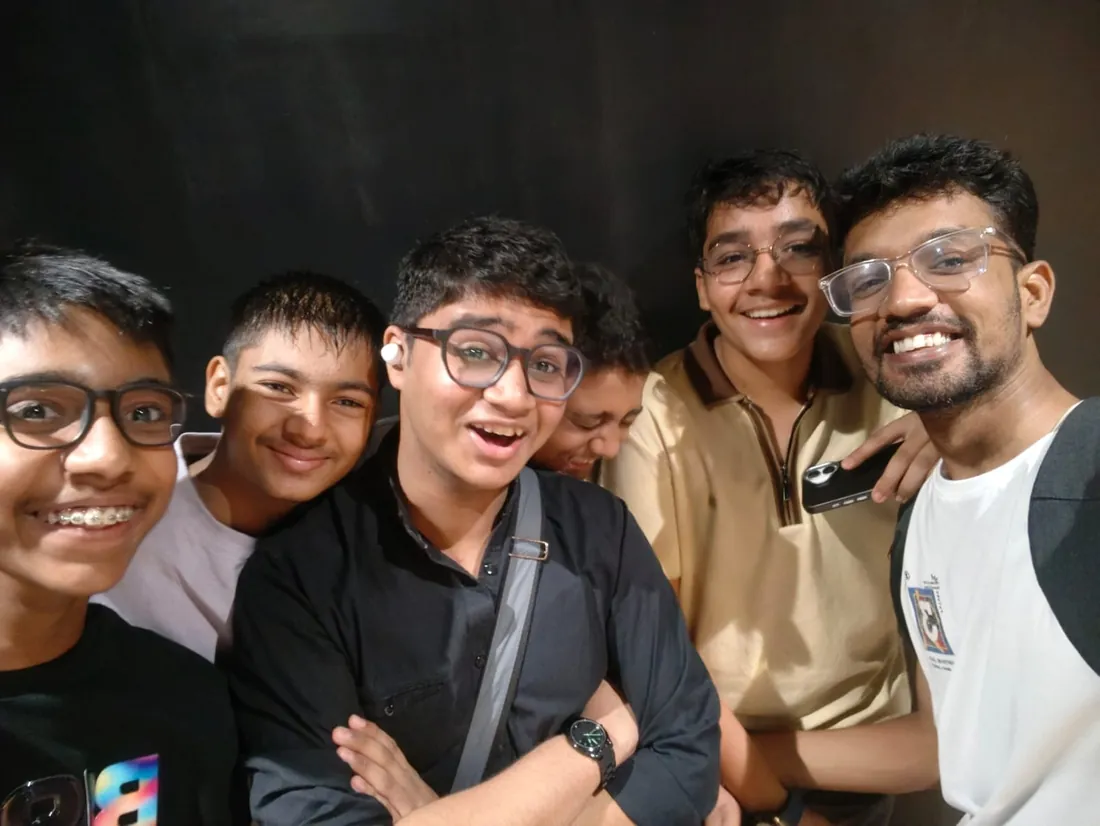
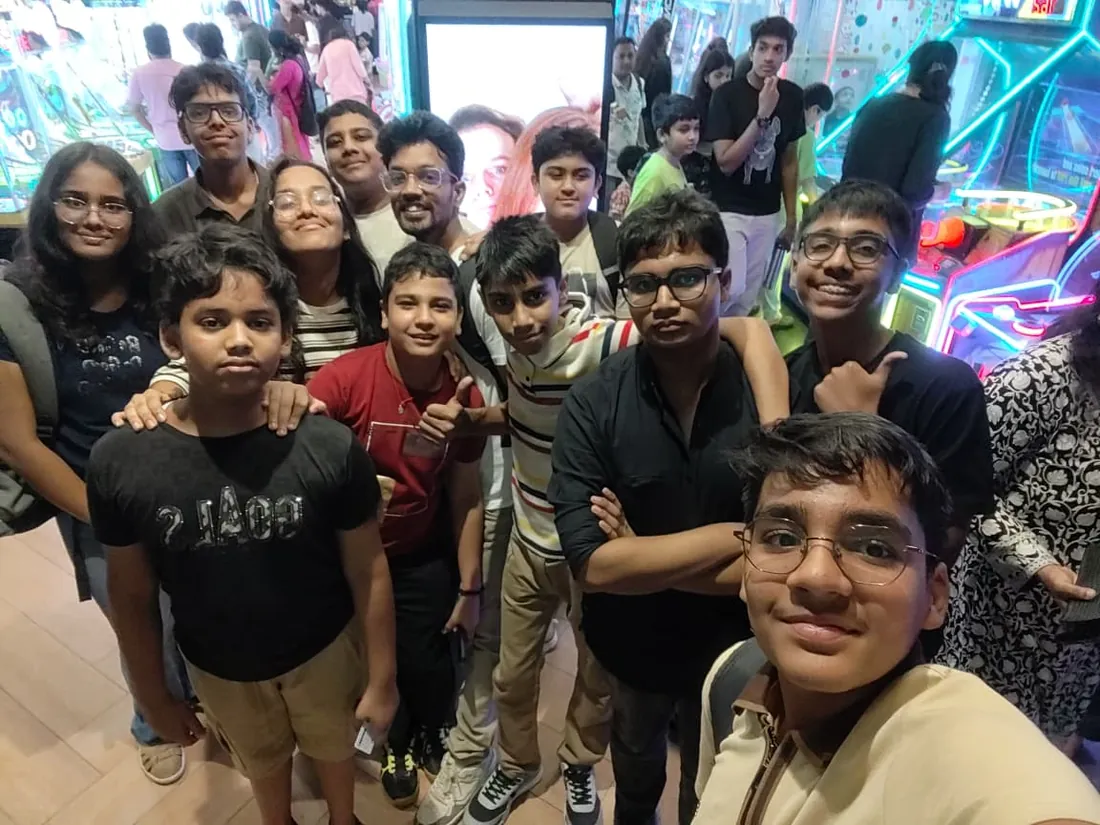
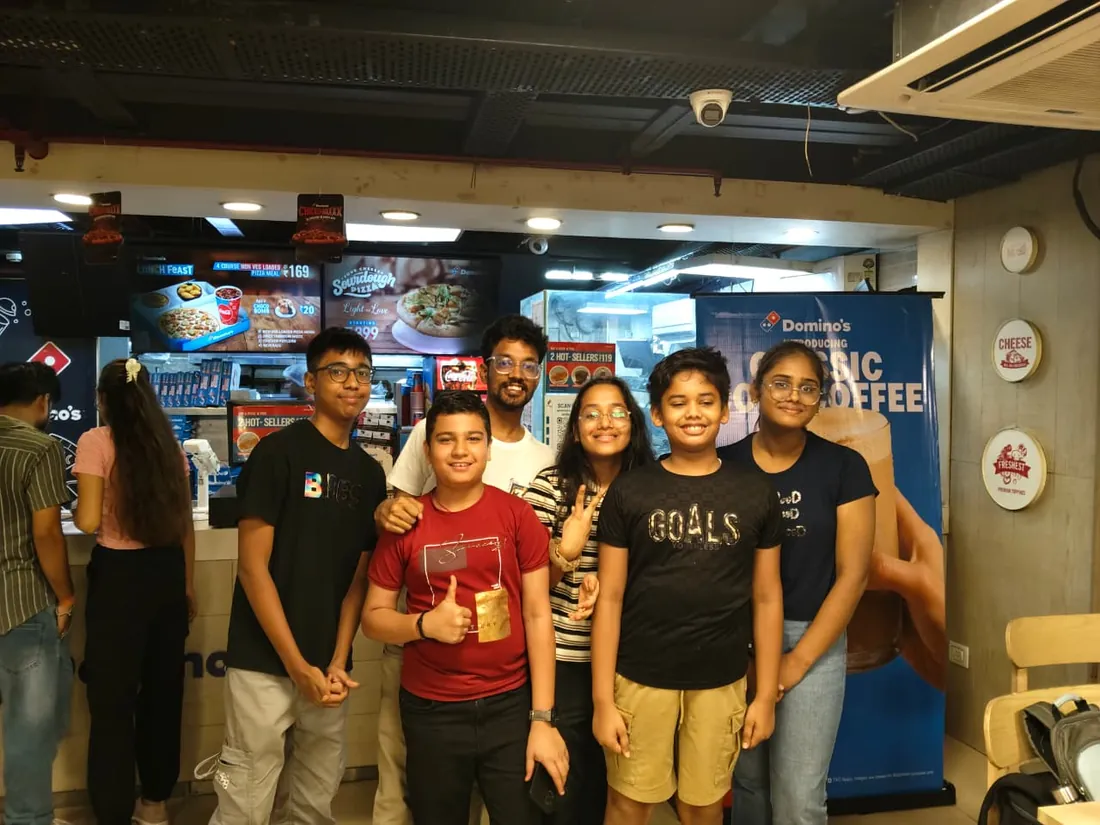
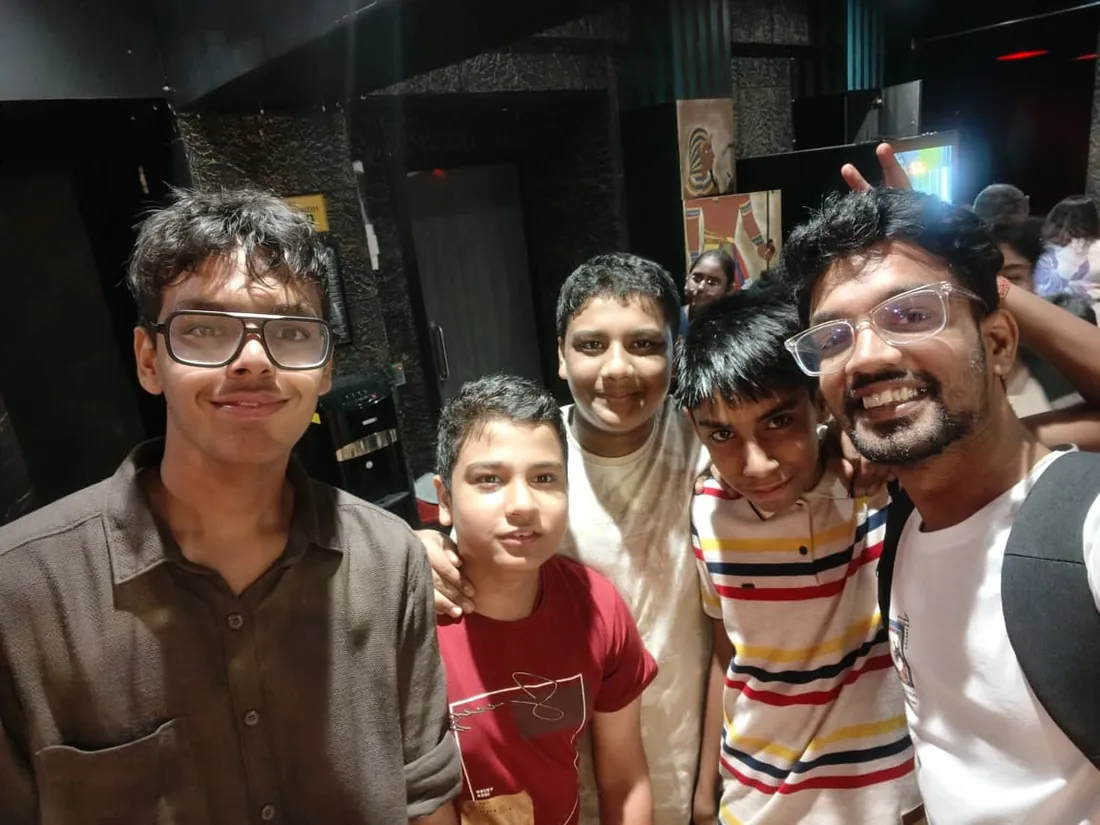
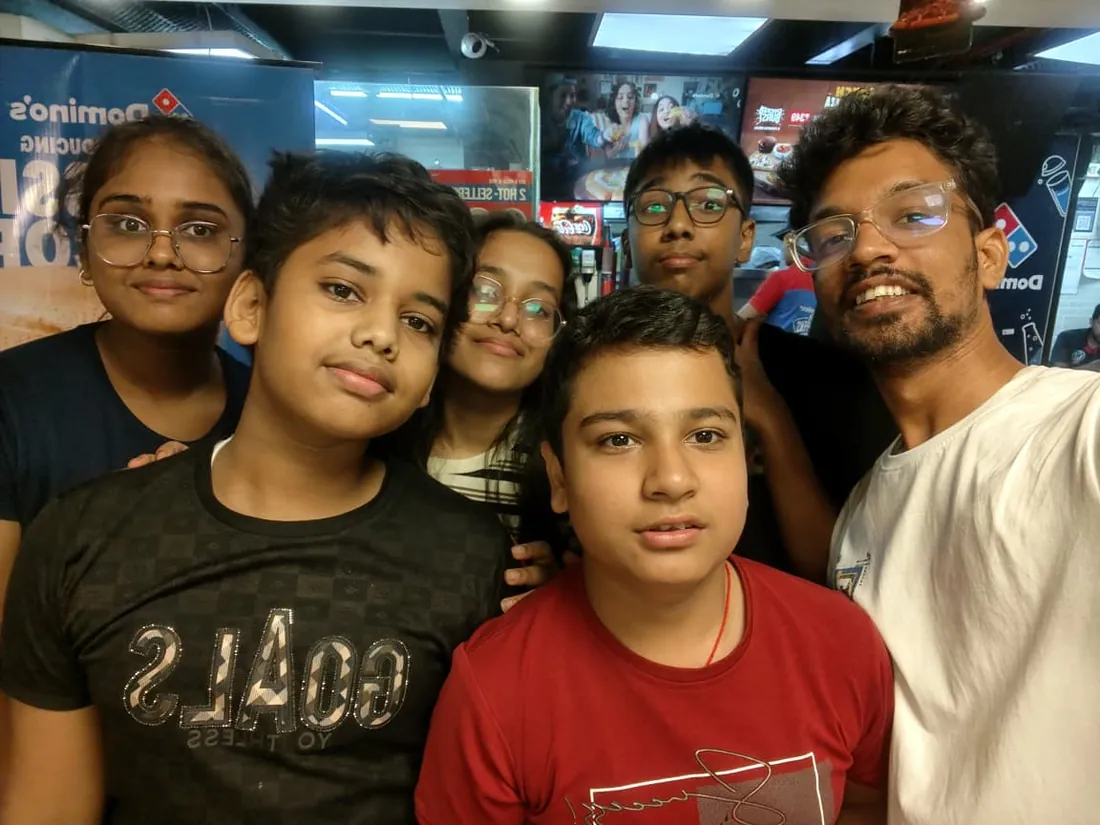
Real students. Real moments. Real joy.
These are our actual student meetups. No stock photos, no filters. Swipe through and meet the community you'll be joining.



















What families say
Straight from the parents and students who learn with us. Rated 4.9 across 547 Google reviews.
“Mivaan enjoys the class. He understands the concepts and completes his tasks with excitement. He started taking interest in coding… truly amazing class.”
“I absolutely love it here! I made new friends and learned important valuable coding skills while having the fun of my life. It's not just coding here, it's outings, bonding and most importantly preparing you for your future. Definitely five stars.”
“What stands out most is how excited my son is before every class. He looks forward to learning, problem-solving, and sharing what he's built. I've noticed a big boost in his confidence!”
“Modern Age Coders has been a game-changer for me! I struggled to grasp IT concepts and coding before joining, but their classes transformed everything. I'm now the topper in my class and can confidently write complex programs with ease.”
“Modern Age Coder have wonderful teachers who teach in a clear, easy and practical way. The teacher boosts students' confidence, keeps them updated with technology, and inspires them to learn without hesitation.”
“The one step solution for my son. Modern Age Coders make learning coding so simple that kids love it.”
“Coding classes here make learning very interesting and conceptual. The teachers teach us in a very easy-to-understand and efficient manner.”
“One of the most wonderful education centres out there. Education is not limited to school syllabus but focuses on skill development. Learning here has been a wonderful journey and still continuing.”
“I highly recommend this computer coding class! The teachers are incredibly knowledgeable and passionate about coding. They make every session engaging and insightful.”
“My child Dhairya is really enjoying the Modern Age Coder IT classes. This is his first online class, and he eagerly looks forward to it.”
“Very good classes. Don't worry about coding. They teach the best, especially Shivam sir.”
“Very good classes. Makes learning very easy and interactive.”
Hear it from our students
Real parents and students in their own words, on our public YouTube channel.
Straight answers about C Programming for Beginners: Pointers, Memory & Structs
- Who should take this course?
- Beginner, college students and first-year engineers. It suits college students taking the compulsory c paper who want to actually understand it, not just pass it; students whose degree assumes c fluency for data structures, operating systems, and gate later; programmers from python or javascript who keep hearing about pointers and want the real story.
- What will they learn and build?
- C is the language underneath everything: operating systems, databases, embedded firmware, and the interpreters that run Python and JavaScript are written in it. It is also the language most engineering students meet first and understand least, because the part that matters, pointers and memory, is usually rushed in two lectures. This 6-month live course inverts that.
- How deeply are topics covered?
- The course runs 6 months (24 weeks) at 2 live classes/week + 3-4 hours practice, across 3 phases listed week by week in the syllabus below. A structured, well-paced curriculum taught step by step, with hands-on practice in every session.
- Who teaches it?
- Modern Age Coders mentors, who teach the live classes themselves. You can watch them at work in the free class recordings before you decide.
- How do practice, feedback and assessment work?
- Classwork every session, a task after every class, monthly reviews that mix in earlier topics, and a final exam covering the whole course that decides the certificate: real knowledge and real work, with a free retest after revision if needed. Doubt support between classes over WhatsApp, so you are never left stuck. A certificate you earn by passing the final assessment, with a free retest after revision if needed.
- What does it cost?
- Three monthly plans: a group batch, a mini batch and 1-on-1. Prices are shown in your currency in the plans section. Monthly billing, cancel any time.
- When can classes take place?
- Live classes are scheduled around your week. Group batches meet at a fixed weekly slot; 1-on-1 students choose their own. International students are scheduled in their own timezone. Ask on WhatsApp for the current slots.
- Can I watch the teaching before deciding?
- Yes. Full recordings of real 13 and up classes are free to watch, free with a Google sign-in. These recordings show how we teach, not the exact syllabus of this course. Some classes are in English and some in Hindi; everyone follows at their own pace. Watch a class end to end, like you are in it. Sessions are interactive and each moment builds on the last.
- Can I enroll without a live demo?
- Yes. Choose a plan on this page and enrol directly; a demo is not required. If you would like to see a full class with a mentor first, book a Priority Demo.
- How do I reach you with a question?
- WhatsApp +91 91233 66161, email connect@modernagecoders.com, or call +91 91233 66161. Tell us the student's age and what they have learned so far, and we will point you to the right plan and batch.
Common Questions About C Programming for Beginners: Pointers, Memory & Structs
Get answers to the most common questions about this comprehensive program
Still have questions? We're here to help!
Contact UsRelated Courses You May Like
Continue your learning journey with these recommended programs
 AI and Machine Learning
AI and Machine Learning for Teens: Python to Real Models
AI and machine learning course for teens aged 13-18: Python, real ML models, neural networks, comput...
Explore Course ICSE Computer Applications
ICSE Computer Applications (Class 9-10): Java with BlueJ
Live online ICSE Computer Applications classes for Class 9 and 10, taught in Java with BlueJ and ali...
Explore CourseRelated Articles & Guides
Deepen your knowledge with these hand-picked articles
 Programming
12 min read
Programming
12 min read
Learn Python for Beginners: Complete Step-by-Step Guide (2026)
Learn Python for beginners with our free step-by-step guide. Covers variables, loops, functions, OOP...
Read Article Education
18 min read
Education
18 min read
Best Coding Courses Online for Students 2026-27: 21 Free and Paid Options Compared
The best coding courses online for students in 2026-27, free and paid, compared on teaching format, ...
Read ArticleReady to start C Programming for Beginners: Pointers, Memory & Structs?
Book a Priority Demo to see a full live class with a mentor reserved for you, today or tomorrow. Or choose a plan and enrol now.
Questions? WhatsApp +91 91233 66161 or email connect@modernagecoders.com