UK / PRI / 01
Block coding for young children
Drag-and-drop programs for children from 6, with plenty of talking about what each piece does.
Open the syllabusUnited Kingdom · Key Stage 1 to A level and beyond · Live online
A UK parent looking for coding help meets a long list: a free Code Club at school, a holiday camp, a tutor paid by the hour, a recorded course, and for adults a Skills Bootcamp. Each is sold as the answer. They solve different problems, and the right one for a child in Year 2 is not the right one for a Year 12 student weighing up A level Computer Science, or for an adult at the kitchen table after work. This page does four things. It shows what the latest entry figures say about computing at school, sets out seven checks any class should pass, explains what each option is genuinely for, and answers the checks for our own classes, including the places where we are not the right fit.
Teaching live since 2020 · 10,000+ students · Built around UK terms and UK clocks
In short
The best online coding class in the UK is one that fits the learner's school system and stage and teaches them to reason about code rather than copy it. Interest at school is moving: Ofqual's provisional figures for England show GCSE computing entries falling from 89,610 in 2025 to 83,330 in 2026, down 7.0 percent and the largest fall of any EBacc subject, while A level computing grew by 3.5 percent. A good class works around school rather than against it: a live teacher at a UK hour, a prediction before any typing, code read by a person every week, AI used openly and recorded, and evidence you can check yourself. We run classes like that for learners from 6 to 67, either in a small group of five to ten or with a teacher to themselves. Trying one costs nothing, and staying on costs USD 100 a month in a group or USD 150 for private lessons.
Where to begin
Pick the stage closest to the learner. The syllabus sits behind each card, and the free lesson confirms the choice.
UK / 01
For Key Stage 1 and 2 or P1 to P7: games sketched on paper first, then built, with the child explaining each block aloud.
Open the syllabus →
UK / 02
Typed code for Key Stage 3 and 4, S1 to S4, or Years 8 to 11 in Northern Ireland, where every new line is guessed at before it runs.
Open the syllabus →
UK / 03
Small programs that take tedious jobs off an adult's desk, with any help from an AI tool checked line by line.
Open the syllabus →What the numbers say
Every June, Ofqual publishes provisional exam entries for England. They are the freshest official signal of where computing is heading before a family picks a class.
| Qualification | Summer 2025 | Summer 2026 | Change |
|---|---|---|---|
| GCSE computing | 89,610 | 83,330 | Down 7.0 percent, the largest fall among EBacc subjects |
| A level computing | 19,010 | 19,685 | Up 3.5 percent |
Two things are true at once. Fewer pupils in England were entered for GCSE computing in 2026 than in 2025, and more students were entered for the A level. The figures do not say why, and this page does not guess. They do say that plenty of students now reach sixth form, and some reach A level Computer Science, without having sat the GCSE.
For a family, that matters in one practical way: a class for a Year 12 student cannot assume GCSE programming, and a class for a Year 9 pupil deciding on options should show what the subject is really like before the choice is made.
Beneath the exams sits the curriculum. England's computing programmes of study, published on 11 September 2013, cover key stages 1 to 4. At Key Stage 1 pupils should understand that programs run by following precise and unambiguous instructions; at Key Stage 2 they should use logical reasoning to explain how simple algorithms work and to detect and correct errors; at Key Stage 3 they should use two or more programming languages, at least one of which is textual.
Scotland, Wales and Northern Ireland run their own systems and exams, set out on our UK coding page.
Sources: Ofqual, Provisional entries for GCSE, AS and A level: summer 2026 exam series (England); Department for Education, National curriculum in England: computing programmes of study. Read 20 September 2026. Figures are provisional entries, not results.
The seven checks
Put each question to every provider on your list, and to us. Three of the checks rest on research summarised on the best coding class in the world; the other four are about the UK in particular.
| Check | The reason, here in the UK | Question to put to them |
|---|---|---|
| 1. A teacher who knows the learner | A video can explain a loop. It cannot notice that a child stopped following three minutes ago. | Will one named person teach my child every week? |
| 2. Prediction before typing | England's curriculum asks pupils to explain how algorithms work and to find their own errors, which starts with saying what code will do. | When a new idea arrives, does my child predict the output first or copy a template? |
| 3. Code read by a person | Schools mark finished work. Learning happens when someone reads the attempt in the middle. | How often does a teacher read the code, and what comes back? |
| 4. The right system and board | Key Stage 3, S3 and Year 10 in Northern Ireland are not the same, and neither are the exam boards. | Which curriculum, board or course will you teach towards? |
| 5. UK hours and the UK calendar | Half terms, inset days and holidays that each council sets for its own schools. | What time is the class in UK time, and what happens in exam weeks? |
| 6. AI used in the open | Coursework rules require AI help to be acknowledged, and in the end the work has to be the student's own. | When may my child use AI tools, and how will they record what the tool did? |
| 7. Proof you can look up | Stars on a website say nothing until you know who gave them and how many there are. | Can I read your reviews somewhere independent, and sit in on a real lesson first? |
None of these is unusual, and a good provider can answer each one in a sentence. What they screen out is common enough: videos sold as teaching, a lesson that starts by copying finished code, a slot at an hour no UK child is free, or a promise about grades nobody can keep.
The sixth check has grown in importance as AI tools reach every homework. What the rules for coursework say, and how a learner keeps work honestly their own, is on our page about GCSE Computer Science and will have a page of its own.
Your options
These are not rivals so much as tools for different moments. Plenty of families use two of them in the same year, a club for fun and a class for progress.
| Route | Built for | Leaves to someone else |
|---|---|---|
| Code Club | A sociable, free first step: clubs are part of the Raspberry Pi Foundation, open to all school-aged young people and active in 100+ countries | A planned sequence of levels over many terms |
| Holiday camps | A burst of making things while schools are closed | The weekly habit that turns a burst into a skill |
| Tutors paid by the hour | Targeted help with one exam or one weak topic | Classmates, and anything past what the paper tests |
| Recorded courses | Material at any hour, usually cheap or free | A human who spots confusion or a learner who has quietly stopped |
| Skills Bootcamps | Adults aged 19 or over who want an intensive switch: training takes up to 16 weeks and ends with a guaranteed job interview | Children, and adults who need to learn slowly around work |
| Live online classes | A named teacher, a set hour and a group, every week | Being in the same room, or standing in for school |
A club or camp to light the interest, and a weekly class once one project is no longer enough. Blocks come first, and typed code usually arrives around Year 4 or P5.
Something that goes past the timetable, a real project to finish, and a straight conversation about what GCSE or National 5 computing involves before options are chosen.
Depth next to an A level, Higher or CCEA course, or for an adult, a steadier and more thorough route than a bootcamp while still working.
Our answer
What we do first, and then what we do not.
| Check | What we do |
|---|---|
| 1. A teacher who knows the learner | A live teacher runs every lesson, and it stays the same person from week to week. |
| 2. Prediction before typing | A new idea is introduced by asking the learner what the program will print. |
| 3. Code read by a person | The teacher goes through each learner's own code with them weekly. |
| 4. The right system and board | Teachers work with key stages and English boards, National 5 to Advanced Higher, WJEC and CCEA courses. |
| 5. UK hours and the UK calendar | A fixed weekly hour in UK time, with pauses for half terms, holidays and exams. |
| 6. AI used in the open | An AI tool comes in only after the learner has made a prediction, and every suggestion it makes is logged with what was kept. |
| 7. Proof you can look up | Our Google profile shows 4.9 from 547 reviews, and the opening lesson costs nothing. |
We do not replace the computing curriculum or any GCSE, National, WJEC or CCEA course, and we do not set or mark their assessments.
Teaching happens online from India; we have no British premises. In winter India is five and a half hours ahead of the UK, and in summer four and a half.
The monthly fee is set in US dollars, the same for every family outside India, and there is no pound price list.
Progression
The stages below are what usually happens, and nobody is held back by them. The teacher moves a learner on when the evidence in their work says they are ready.
| Typical stage | Step | What the learner can show |
|---|---|---|
| Reception to Year 2, or P1 to P3 | 1. Blocks | A small block game, with a correct guess about what it will do before it runs |
| Years 3 to 6, or P4 to P7 | 2. Typed code | Short Python programs, and the bugs in them found without help |
| Years 7 to 9, S1 to S3, or Years 8 to 10 in Northern Ireland | 3. Problems | A problem taken apart, a plan, then code that is written and tested against it |
| The GCSE, National 5 or CCEA years | 4. A project | A finished app, game or analysis, with every part explained in their own words |
| Sixth form, Highers and adults | 5. Depth | Algorithms, data and AI models, and the judgement to review code from a classmate or a machine |
A confident nine-year-old can be a step ahead of a hesitant twelve-year-old, and a sixth former who starts from scratch moves through the early steps in weeks. Placement follows the work, which keeps the fast from waiting and the slow from drowning.
For the full sequence of topics, well past school, see the coding roadmap.
The usual pattern is two lessons a week with a break at half term. Exam years ease off before the papers and restart once they are over.
Grown-up learners climb the same steps, as fast or slowly as their week allows.
The catalogue
Arranged by the stage most learners are at when they begin. Syllabuses sit behind each card; the free lesson settles where your learner actually starts.
UK / PRI / 01
Drag-and-drop programs for children from 6, with plenty of talking about what each piece does.
Open the syllabusUK / PRI / 02
Characters, scores and levels, each one drawn out before a single block is placed.
Open the syllabusUK / PRI / 03
Typing real code for the first time, usually somewhere between Year 4 and Year 6.
Open the syllabusUK / SEC / 01
Every core part of the language, taught through guessing what code does before running it.
Open the syllabusUK / SEC / 02
Programming and theory taught to whichever board the school has chosen.
Open the syllabusUK / SEC / 03
A site with its own database, built piece by piece and put online for others to use.
Open the syllabusUK / ADV / 01
Sorting, searching and structures worked out on paper before they are coded.
Open the syllabusUK / ADV / 02
Real published datasets cleaned, charted and questioned, with the limits of each chart stated.
Open the syllabusUK / ADV / 03
A complete route for university students and adults who have never programmed.
Open the syllabusHow lessons work
Our teachers are in India, where the clocks never change, so the UK sits five and a half hours behind in winter and four and a half behind in summer. Most British learners settle on a late afternoon, an evening or a weekend morning, and keep that slot week after week.
Straight after school
The usual choice for primary and secondary pupils.
Later in the evening
Suited to sixth formers and to adults once work is done.
Saturday or Sunday morning
Good for longer lessons and for finishing projects.
A proper problem worked on with a teacher, ending in an honest recommendation about the right starting point.
Five to ten learners working at the same level, some from the UK and some from further away, who learn to read each other's code.
Useful when a deadline is close, when a learner is far ahead, or when an adult has one specific target.
Teachers talk about Year 10, S4, CCEA or WJEC as the learner does; all teaching is in English.
Any suggestion from an AI tool goes into a short log, with a note of what the learner kept and why.
Each finished project is saved to the learner's own online repository, where a college, university or employer can see it.
Student work
Four live examples from our students. The student labs page has more.
AI and ML
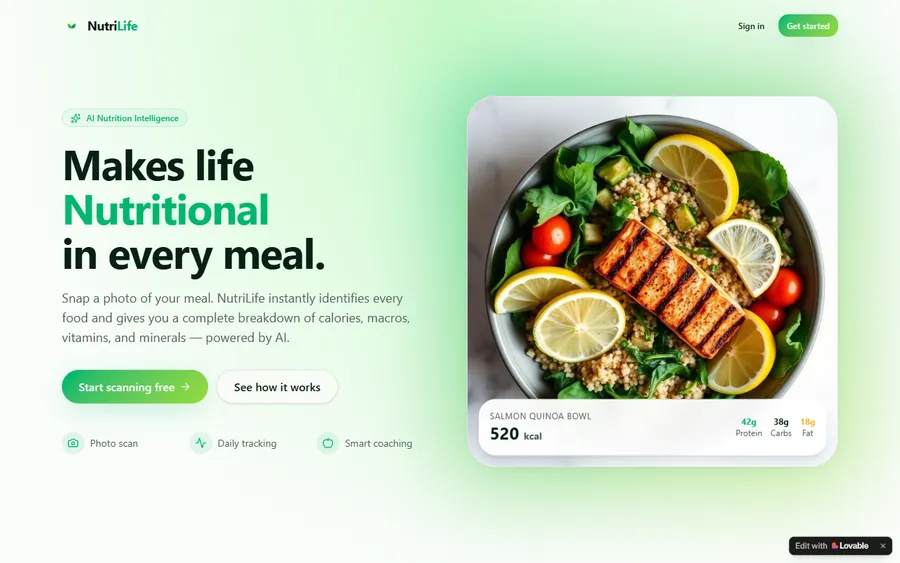
An AI nutrition coach that reads what you eat and works you toward a target.
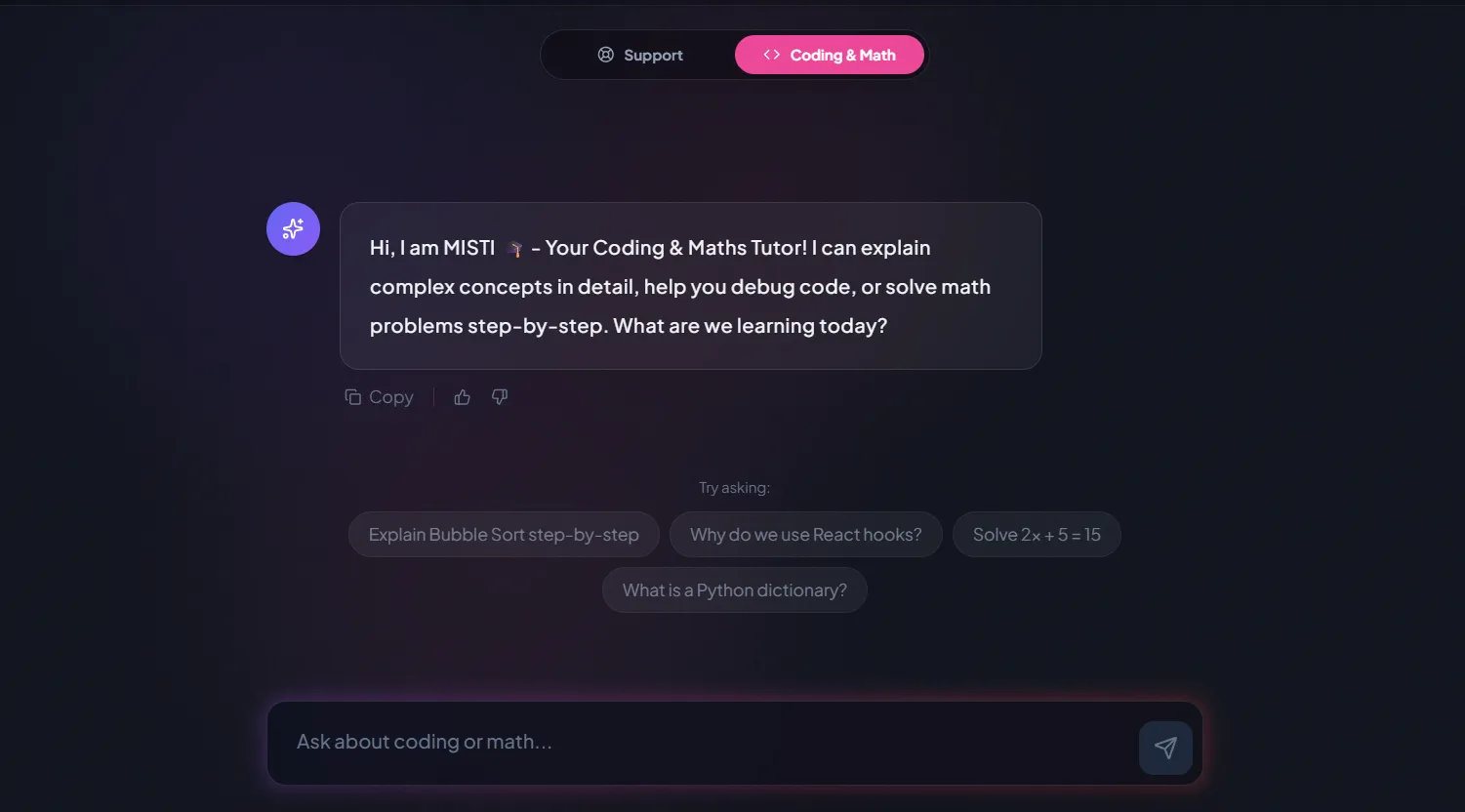
AI and ML
A chatbot that answers mathematics and programming questions, built and deployed by a student.
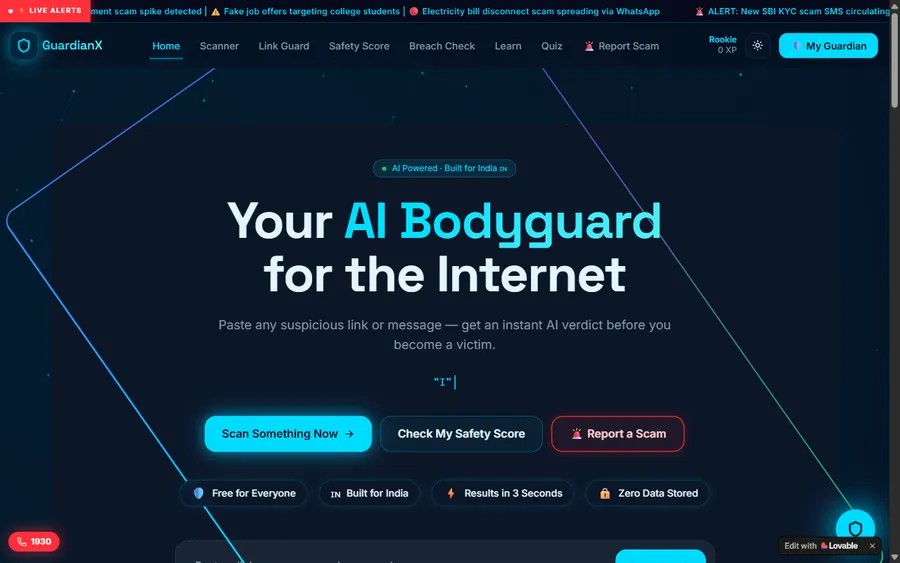
AI and ML
An assistant that helps a young person recognise unsafe situations online.
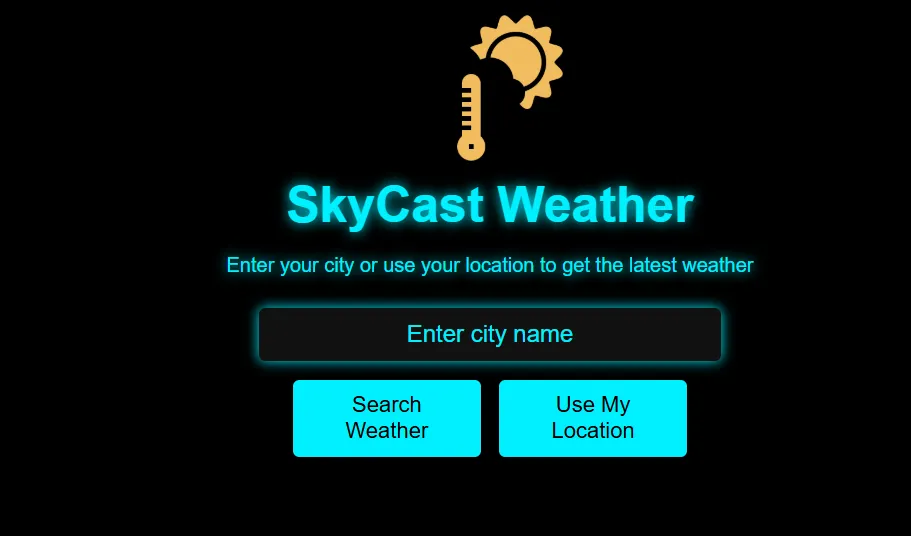
Web app
A weather forecasting site with live conditions for any location.
Fees
A monthly fee in US dollars, identical for every country outside India. Nothing to pay up front and no twelve-month commitment.
Free first class
USD 0
no card required
Group batch
USD 100
a month, billed in US dollars
One to one
USD 150
a month, billed in US dollars
What families say
Reproduced from Google word for word. Nobody is paid or prompted to write them.
★★★★★
"The one step solution for my son. Modern Age Coders make learning coding so simple that kids love it. The teachers explain complex concepts clearly with practical exercises and interactive content."
Ria Mukherjee
Parent
★★★★★
"Modern Age Coders has been a game-changer for me. I struggled to grasp IT concepts and coding before joining, but their classes transformed everything. I can now confidently write complex programs with ease."
Samriddha Mondal
Student
★★★★★
"One of the most wonderful education centres out there. Education is not limited to school syllabus but focuses on skill development."
Vansh Agarwal
Student
★★★★★
"My child Dhairya is really enjoying the Modern Age Coders classes. This is his first online class and he eagerly looks forward to it. I can already see his improvement, and the teachers are very cooperative."
Sonam Oswal
Parent of Dhairya
★★★★★
"Modern Age Coders have wonderful teachers who teach in a clear, easy and practical way. The teacher boosts students' confidence and inspires them to learn without hesitation."
Sonu Goyal
Parent
★★★★★
"I highly recommend this computer coding class! The teachers are incredibly knowledgeable and passionate about coding."
Ritu Kedia
Parent
Questions from UK families
The one that suits their school system and stage and passes seven checks: a teacher who knows them, a prediction before typing, code read by a person, the right curriculum or board, UK hours, AI used openly, and proof you can look up.
In England, yes, on Ofqual's provisional figures: GCSE computing entries fell from 89,610 in 2025 to 83,330 in 2026, down 7.0 percent, while A level computing entries rose by 3.5 percent.
By Key Stage 1, pupils should understand that programs execute by following precise and unambiguous instructions; by Key Stage 2, they should explain how simple algorithms work and detect and correct errors in algorithms and programs.
As a starting point, often yes: Code Clubs are free, part of the Raspberry Pi Foundation and open to all school-aged young people. Moving up level by level over years usually needs a regular class with a teacher who follows the learner's work.
A Skills Bootcamp, for people aged 19 or over, takes up to 16 weeks and ends with a guaranteed job interview, which suits someone ready for an intensive switch. A weekly class suits someone learning alongside a job at a slower pace. Some people do one after the other.
Yes. Teachers work with National 5, Higher and Advanced Higher Computing Science, WJEC's GCSEs in Wales and CCEA's courses in Northern Ireland, as well as the English key stages and boards.
Once they have said what the code ought to do, yes. Whatever the tool proposes goes into a short log alongside what the learner actually used, which is the kind of record coursework rules in the UK now ask for.
The opening lesson is free. Staying on costs USD 100 a month in a group or USD 150 a month for private lessons, in US dollars, with nothing to pay up front and no twelve-month tie-in.
Whichever regular slot you settle on in the free lesson, most often late afternoon, evening or a weekend morning. India is five and a half hours ahead of the UK in winter and four and a half in summer, so times are always given in UK time.
We contact you at a UK time that works for you and arrange the free lesson. You pay nothing unless the learner decides to continue.
Elsewhere on this site
Each looks at one part of the picture in more depth.
The four school systems, and every UK page in this series.
Studies behind the first three checks, read in full.
For children from age 6, key stage by key stage.
Taught to the board your school uses.
For families in the capital, all 32 boroughs and the City.
How models are really built, starting from rail data.
Start here
Send your number and we will get back to you at a UK time that suits. The free lesson is a real one, on a real problem, so you can judge each check with your own eyes.
Prefer to read before talking? The course pages list every syllabus, how we teach explains the method, and the coding roadmap shows the order of topics.
WhatsApp us · +91 91233 66161 · contact@modernagecoders.com
Messaging on WhatsApp from a UK mobile costs nothing and tends to be quickest. The number is an Indian one, and we say so; we have no British office.