The age-matched courses. The trial confirms the rung.
 Ages 6-9
Scratch Programming Complete
The classic first rung: real computer-science ideas in friendly blocks, no typing burden.
$100/mo group · $150/mo 1-on-1
View course & enroll
Vibe Coding for Kids
The bridge years: blocks, game builds and AI tools for the 8-12 crowd warming up to text.
$100/mo group · $150/mo 1-on-1
View course & enroll
Python & AI for Kids
Text code, gently: the right first language for the 9-13 starter, and the graduation for younger ones.
$100/mo group · $150/mo 1-on-1
View course & enrollWhat is the best age to start coding?
The best age to start coding is 6 to 9 for block coding like Scratch, which carries real ideas without typing or syntax in the way. From 9 to 12, children can start directly in text code such as Python. Before 6, coding-flavored play beats formal classes.
And later is never too late: a motivated 14-year-old catches a casual 8-year-start within months. The variable that outweighs age every time is readiness, curiosity about how things work, tolerance for tinkering, and enough reading fluency for the tool in question.
Age by age, honestly, including the "not yet" rows.
| Age | The honest recommendation | Why |
|---|---|---|
| 4-5 | Not formal classes yet: puzzle play, pattern games, following-instructions games | Pre-readers gain little from structured coding; the thinking skills build better through play. We say "wait" to these families, and mean it |
| 5-6 | Borderline: ScratchJr-style picture blocks IF the signals are strong | Some children are ready, most gain more by waiting a year; a Priority Demo reads it honestly |
| 6-9 | The sweet spot: Scratch, taught for ideas | Reading arrives, abstract play flourishes, and instant visual feedback matches the age's need for quick wins. Ideas learned now compound for a decade |
| 9-12 | Either door: fast-tracked Scratch or straight into Python | Typing and abstraction mature; motivation platforms (Roblox, Minecraft) peak. The single best age range for a text-code start |
| 13-16 | Python directly, with real projects fast | Teens need to be respected: real language, real builds, visible results. Blocks feel babyish and rightly so |
| 17+ | Start anywhere, anytime: the adult on-ramps work at every age | Motivation replaces neuroplasticity's head start; our college and professional tracks start from zero weekly |
The pattern behind the table: earlier starts buy runway, not superiority. A 7-year-old start means arriving at teens with years of compounding; a 13-year-old start with real appetite closes that gap startlingly fast. What never works is starting before readiness, which is why we place by evidence, not birthdays.
The six readiness signals we actually look for.
Asks how things work
"How do they make games?" is the strongest single signal at any age. Curiosity supplies the fuel no curriculum can.
Builds and tinkers
LEGO, Minecraft, crafts, taking things apart: the constructor instinct converts directly into programming.
Tolerates not-working-yet
Can the child retry a fallen tower without melting down? Debugging is that, daily. (We also train this, gently.)
Reads fluently enough for the tool
Scratch needs early reading; Python needs comfortable reading and some typing. Tool follows fluency, not age.
Holds a 20-minute focus on chosen things
Note: on CHOSEN things. A child who focuses on their own projects for 20 minutes will focus for an interactive hour, we see it daily.
Wants it (or would, if shown)
Dragging an uninterested child to coding builds resentment, not skill. The trial class is precisely the low-stakes way to find out.
"Too early ruins it" and "too late wasted it": both mostly wrong.
The too-early fear
Partly justified, badly aimed. What ruins early coding is not the age but the format: drills, syntax and worksheets pointed at a six-year-old genuinely backfire. Play-shaped teaching at the same age flourishes.
Our rule: before formal readiness, we tell families to wait, an enrollment that builds dread costs us a decade-long student, and the child something bigger.
The too-late fear
Almost entirely wrong. Programming is not gymnastics; there is no closing window. Motivated teens routinely reach in months what casual starters took years to touch, and our adult students prove the point weekly.
What late starters need is the right on-ramp, respectful, project-first, fast to real results, which is exactly how our teen and adult tracks are built.
What a young start actually buys: runway.
(each rung climbed with years to spare, zero pressure)
Start at 14: the same ladder, climbed faster, with focus
(still reaches AP CS and real fluency, on a tighter calendar)
The early start's real gift is not talent, it is pressure-free years: time to wander into game design, AI, or competition coding before any exam cares. The late start's gift is focus. Both roads reach fluency; only one of them lets a nine-year-old spend a whole summer building a dragon game because dragons. We think that summer matters, which is the least measurable and most honest reason to start young.
Everything parents ask about starting age.
Is 6 too young for real coding classes?
Not with the right format: block coding, taught playfully, in genuinely interactive classes. Six-year-olds in our Scratch track build real animations and games while absorbing real ideas. What six IS too young for: syntax, typing-heavy tools and lecture formats, which is why we use none of them at that age.
Is 14 (or 16) too late to start?
No, and the fear is backwards: teens learn faster than young children, they just need a respectful on-ramp. A motivated 14-year-old typically reaches real Python fluency within months and AP Computer Science readiness within a year or two. The window that matters is interest, not age.
Should my 5-year-old start now so they do not fall behind?
Behind whom? There is no race at five, and we will honestly tell you to wait if the demo shows more readiness runway is needed. Puzzle play, pattern games and being read to are the best pre-coding curriculum ever designed.
Blocks or straight to Python for my 10-year-old?
Either genuinely works at 10; the choice follows typing comfort and temperament. Fast typists hungry for "real code" go straight to Python; children who love visual building often do a fast Scratch arc first and cross the bridge in months. The trial class settles it with evidence.
Does starting early actually matter for careers or college?
Indirectly: early starts buy pressure-free runway toward AP Computer Science, portfolios and contests, which do matter. But admissions officers see plenty of brilliant late starters. Start when your child is ready and interested; the road is long enough from every entrance.
My child tried coding and hated it. Wrong age or wrong child?
Usually wrong format: an app with no teacher, a boring curriculum, a batch class at the wrong pace. Before concluding "not my kid", try one hour of genuinely interactive 1-on-1 teaching, a Priority Demo is built for exactly this experiment, and the result surprises parents weekly.
What about maths readiness: should maths come first?
They help each other rather than queueing: early coding builds the logical habits maths rides on, and number sense makes coding easier. If school maths is currently painful, we often suggest maths support first or alongside, our mentors teach both, and one confident subject lifts the other.
What does starting actually cost?
Class prices are set for each country and shown in your local currency, for small group and 1-on-1, Live one-hour classes with a dedicated mentor, recordings included, no registration fee. The trial that answers the readiness question is free.
The age-specific pages, one click each.
The readiness question has a one-hour answer.
Book a Priority Demo. A mentor reads your child's actual readiness, level, temperament, spark, and tells you plainly: start now, start here, or wait. No pressure, and the honest answer either way.
Real student projects
What our students actually build
Every one is a real, live project shipped by a Modern Age Coders student. Explore more in Student Labs.
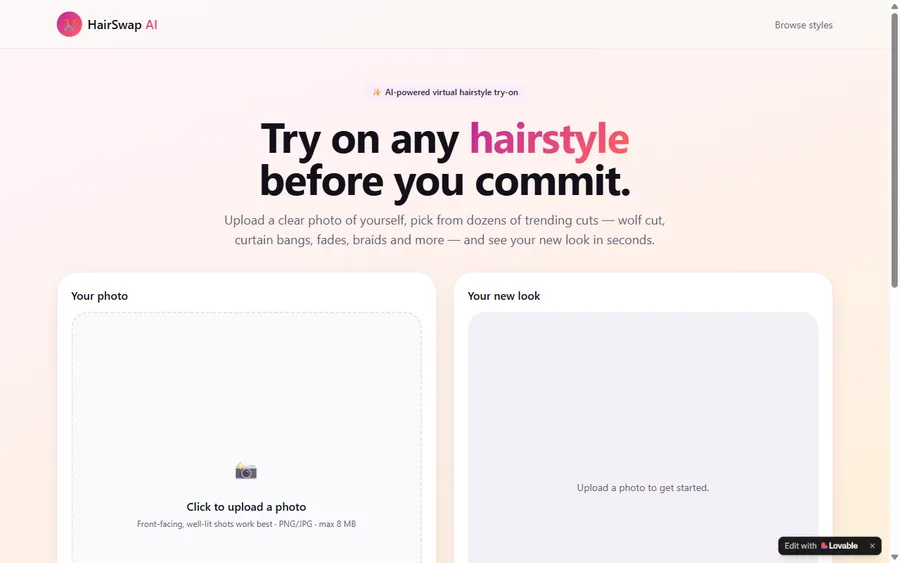 AI & MLHairSync: AI Hairstyle Try-OnUpload a clear photo and try on any hairstyle before you commit, wolf cuts, curtain bangs, fades, braids and dozens of trending looks, rendered onto your own face by AI in seconds. Kriti vibe-coded this virtual try-on studio from a single idea into a working app.by KritiOpen the live project ↗
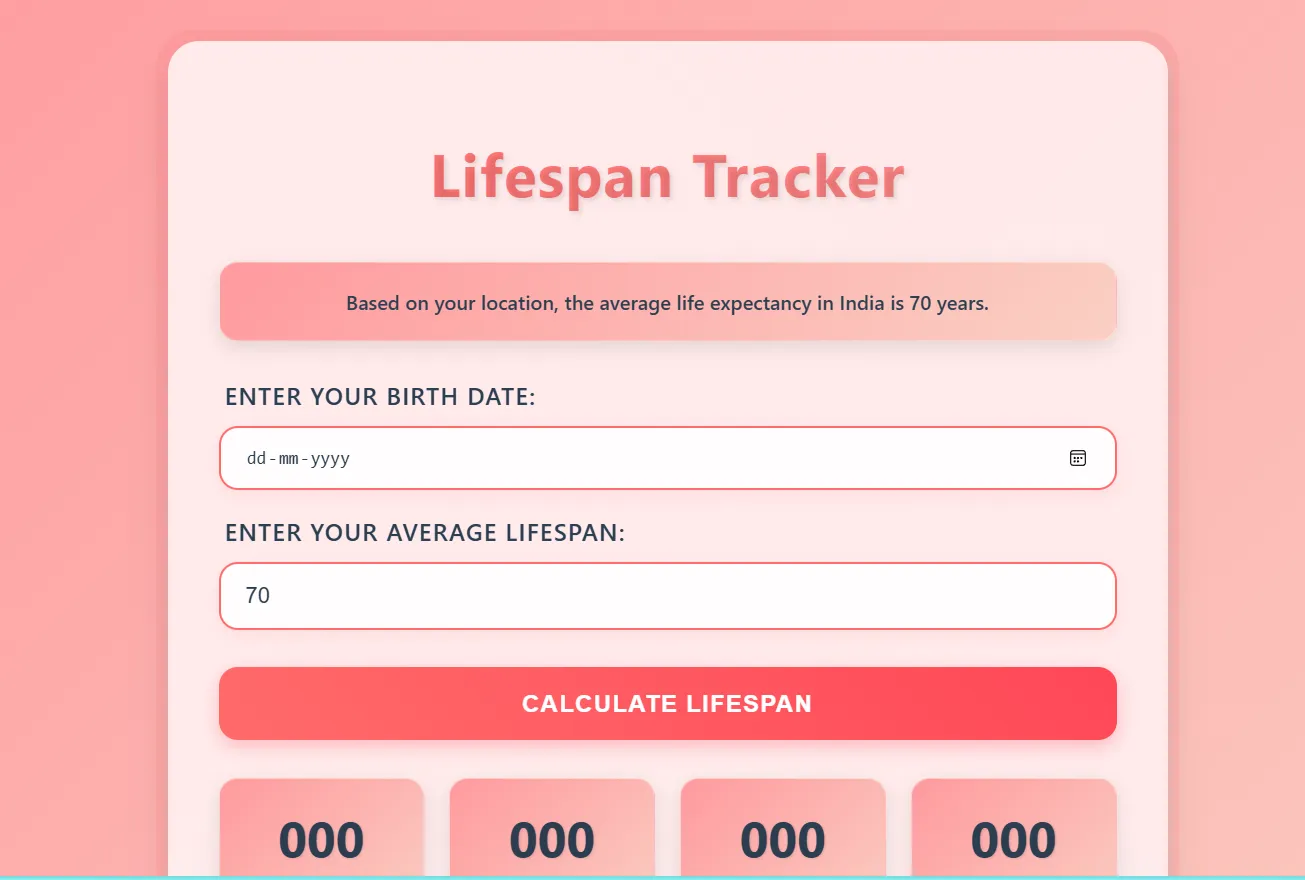 ToolLife Span TrackerAn interactive web tool that calculates expected lifespan, shows days, months and years lived, and visualises remaining time to motivate better habits.by ManayOpen the live project ↗
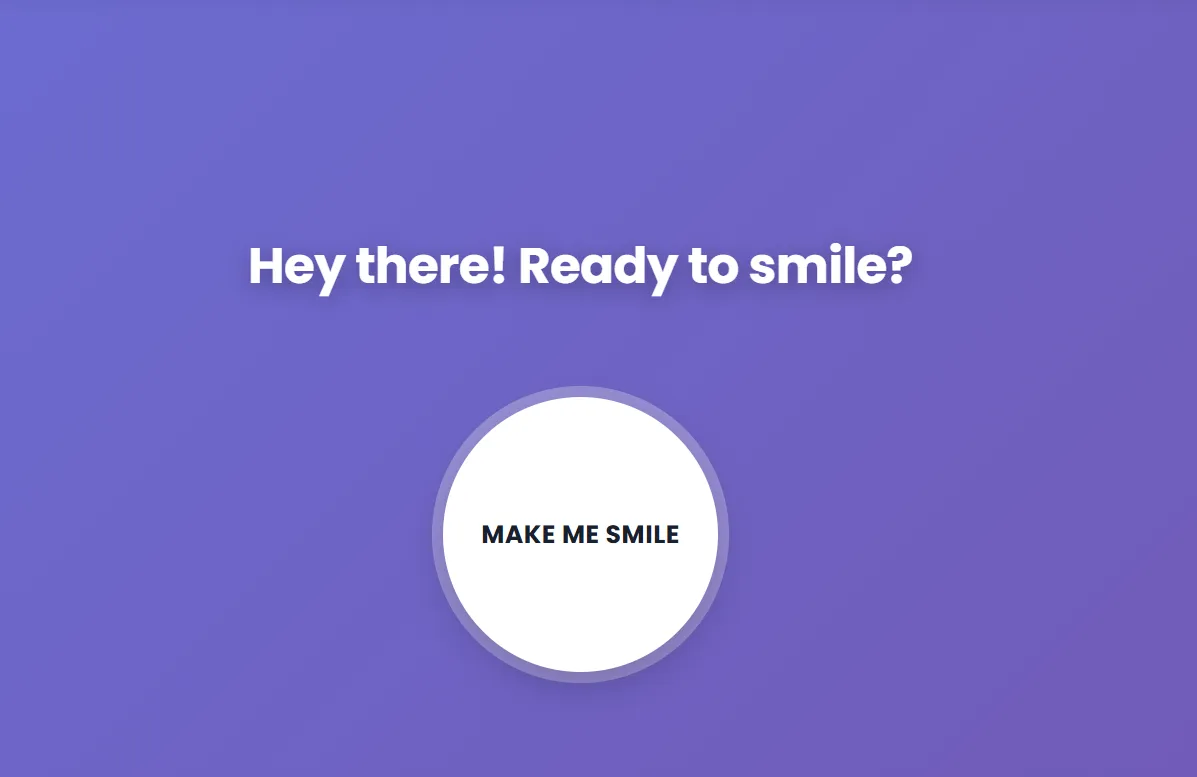 AI & MLHugSelle: AI Smile GeneratorA heartwarming AI-powered web app that detects your mood and generates uplifting quotes and visuals to make you smile, a creative blend of technology and positivity.by AnuragOpen the live project ↗
Parent & student voices
What our families say
Real, verified reviews from Modern Age Coders families. Read hundreds more on our Wall of Love.
“Very good classes. Don't worry about coding. They teach the best, especially Shivam sir.”
Student
“I absolutely love it here! I made new friends and learned important valuable coding skills while having the fun of my life. It's not just coding here, it's outings, bonding and most importantly preparing you for your future. Definitely five stars.”
Student
“I am really glad to be a part of Modern Age Coders as it helped me a lot to know what coding means and helped me find myself. I thank Shreya Ma'am, Mihir Sir and Shivam Sir for always being there for me and for showing me the real path for success.”
Student