UK / SU1 / 01
Coding for kids
Games, animations and first apps.
Open the syllabusUK · Summer holidays · Ages 6 to 18
There is no single UK summer holiday. School dates are set locally, and the four nations follow different calendars. In the 2026 to 2027 school year, pupils in West Lothian finish on Friday 25 June 2027 and Dundee's term ends on Friday 2 July, while Nottinghamshire's summer term runs to 28 July and Gwynedd's summer holidays, on dates directed by Welsh ministers, begin on 21 July. Northern Ireland's Department of Education has published the summer holiday starting on 1 July. At the other end, Scottish schools are back in mid-August, a fortnight or more before most of England, Wales and Northern Ireland return in early September. A summer coding course built around one start date suits nobody everywhere. This page explains the four summers and how to plan coding around the one your child actually has.
Live teaching since 2020 · 10,000+ students · Dates from official council and government pages
In short
UK school summers differ by nation and by council. In official 2026 to 2027 calendars, West Lothian schools break up on Friday 25 June 2027 and Dundee's term ends on Friday 2 July 2027; Northern Ireland's Department of Education has published the summer holiday beginning on 1 July; Gwynedd's summer holidays in Wales run from 21 July to 31 August 2027; and Nottinghamshire's summer term in England ends on 28 July 2027. Scottish schools typically return in mid-August, the others in early September. So a child in Scotland can be on holiday about a month before a child in England, and back before them too. Modern Age Coders runs summer coding as ordinary live lessons that can begin whenever a family's holiday begins, built around one project a child finishes over the summer, in groups formed by level rather than by nation. Summer lessons cost the usual monthly fee with no surcharge: the first lesson is free, then USD 100 a month in a group or USD 150 one to one.
Start here
A game for younger children, Python for the middle years, and AI for teenagers. Each card opens its syllabus.
SU / 01
A game a child designs and finishes over the holidays, the classic summer project.
Open the syllabus →
SU / 02
A summer is long enough to get properly started in typed Python.
Open the syllabus →
SU / 03
For teenagers who want a substantial project before the new school year.
Open the syllabus →Four summers
Examples from official 2026 to 2027 calendars. Your own council's dates may differ.
| Nation | Example | Summer begins | Schools return |
|---|---|---|---|
| Scotland | West Lothian Council | After Friday 25 June 2027 | Pupils resumed 12 August in 2026 |
| Scotland | Dundee City Council | After Friday 2 July 2027 | Staff resume 16 August 2027 |
| Northern Ireland | Department of Education table, 2024/25 | Summer holiday began 1 July 2025 | Schools resumed 1 September in 2024 |
| Wales | Cyngor Gwynedd, dates directed by Welsh ministers | 21 July 2027 | Pupils returned 2 September in 2026 |
| England | Nottinghamshire County Council | After 28 July 2027 | Set locally each year |
The pattern is consistent even where the exact dates move. Scottish children stop at the end of June or the start of July and go back in mid-August. Northern Irish children are off through July and August. English and Welsh children finish in the second half of July and return in early September. Within England there are no national term dates at all: gov.uk sends families to their local council, and schools can set some of their own days.
A Scottish family planning around a summer programme that starts in late July may lose a month of their holiday waiting for it.
A family in England booking a course that runs into late August may find it overlaps nothing in Scotland, where school is already back.
A course has to start when each child's holiday starts, not on one national date.
It also has to fit around holidays away, which fall in different weeks in each nation.
Sources: gov.uk School term and holiday dates; Nottinghamshire County Council school holidays 2026 to 2027; Cyngor Gwynedd school term dates; West Lothian Council school terms and holidays 2026/2027; Dundee City Council school term dates; Department of Education (NI) school holidays. Several other council sites refused automated requests and were not used. Check your own council or school for exact dates.
Planning the summer
A simple way to fit lessons around a holiday that includes time away.
| Part of the summer | Suggested rhythm | Why |
|---|---|---|
| First week off | A free first lesson and a project chosen | Momentum while school habits are fresh |
| Settled weeks at home | Two or three lessons a week | Enough time together to build something real |
| Weeks away | Pause, or one short check-in | Holidays matter; the project waits |
| Last fortnight | Finish and present the project | A finished thing to show at the start of term |
| Back to school | Continue weekly, or stop | No commitment beyond the month you are in |
The table is a suggestion, not a timetable. What matters is that lessons start when your holiday starts, pause when you are away, and finish with something done. Because lessons are live and online, a week in a caravan with a laptop and a signal can still include a lesson, if the child wants one.
Scottish families can begin at the end of June and still finish before schools return in mid-August.
A whole July at home is a generous window for a first project.
Start as term ends, and finish before the early September return.
One summer project
A summer goes further with one clear goal a child chooses and finishes.
| Age | A good summer project | What it teaches |
|---|---|---|
| 6 to 9 | A Scratch game with levels and a score | Sequences, loops, events and design |
| 9 to 12 | A quiz or adventure game in Python | Variables, conditions, lists and typing real code |
| 12 to 15 | A website about a hobby, or a playable game | Structure, styling and building something others use |
| 15 to 18 | A small AI or data project | Working with real data and explaining results |
A project gives the summer a shape. It is easier to keep going when there is a thing to finish, and far more satisfying to return to school with something to show. We help each child choose a project that fits the weeks they actually have, which may be seven in Scotland or six in England, and scale it so it gets finished.
Trying something new without exam pressure: a first language, a first game, a first website.
Going deeper on a project a child has wanted to build all year.
Turning the holiday into extra school. Summer lessons should feel like making, not homework.
Promising outcomes. A summer of coding is valuable in itself; we do not claim it will change grades.
Mixed-nation groups
Online lessons mean a child in Dundee and a child in Nottingham can share a group.
Because our groups are online and formed by level, children from different nations can learn together. In summer that has a practical benefit: as Scottish children return to school in August, their places free up, and as English and Welsh children finish in late July, new learners join. Groups are formed so that each child is with others at the same stage, whenever they start.
| Question | Answer |
|---|---|
| When can we start? | Any week; a free first lesson finds the right level |
| What if we go away? | Pause for the weeks you are away |
| Can we continue in term? | Yes, or stop at the end of the month; there is no minimum term |
| One to one instead? | Yes, at the one-to-one monthly fee |
| Is there a summer surcharge? | No; summer lessons cost the usual monthly fee |
For school-year options, see coding classes for teenagers, Key Stage 2 coding and AI classes for children. Children who want a challenge over the summer may like the UK competitions calendar.
Progression
Placement follows what a child can build now; the summer goal follows from that.
| Stage | Usually | A realistic summer goal |
|---|---|---|
| 1. First coding | Ages 6 to 9 | A finished Scratch game or animation of their own design |
| 2. First typed code | Ages 9 to 12 | A working Python program they wrote and debugged |
| 3. Building | Ages 12 to 15 | A website or game others can use |
| 4. Real projects | Ages 15 to 18 | A data or AI project with results explained |
A single finished project beats several half-started ones.
The longer order of topics is on the coding roadmap.
Many children carry on weekly after the holiday; many stop. Both are fine.
There is no minimum commitment beyond the month.
The catalogue
Grouped by age. The free lesson settles where to start.
UK / SU1 / 01
Games, animations and first apps.
Open the syllabusUK / SU1 / 02
A summer game from idea to finish.
Open the syllabusUK / SU1 / 03
Deep Scratch for keen young makers.
Open the syllabusUK / SU2 / 01
A first typed language, started properly.
Open the syllabusUK / SU2 / 02
A hobby website, built from scratch.
Open the syllabusUK / SU2 / 03
Keep maths ticking over through code.
Open the syllabusUK / SU3 / 01
A substantial summer AI project.
Open the syllabusUK / SU3 / 02
From basics to real programs.
Open the syllabusUK / SU3 / 03
A real game in a professional engine.
Open the syllabusHow lessons work
Our teachers are in India, which keeps a single time all year, so the UK is four and a half hours behind in summer. Summer daytime in the UK falls in India's afternoon and evening, and slots are agreed in UK time.
Morning
Popular in summer, before the day gets busy.
Afternoon
Around camps, clubs and trips.
Early evening
For families who prefer a later slot.
Lessons begin when your holiday begins, whichever nation you are in.
A single project chosen early and finished by the end of the summer.
Weeks away are simply paused.
Children from across the UK grouped by what they can do.
Each child presents what they built before term starts.
The same monthly fee as any other time of year.
Student work
Four projects from lessons, each finished by the student. More in student labs.
AI and ML
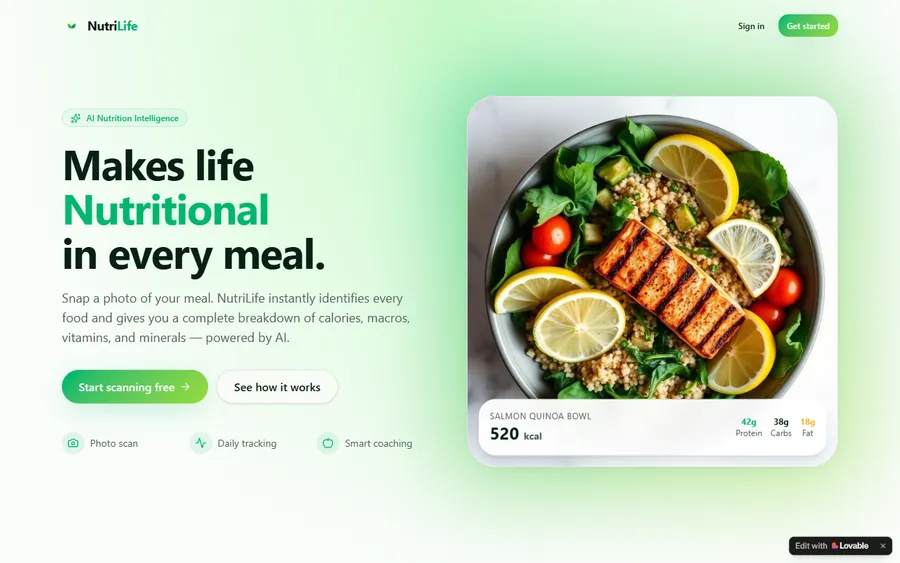
An AI nutrition coach that reads what you eat and works you toward a target.
AI and ML
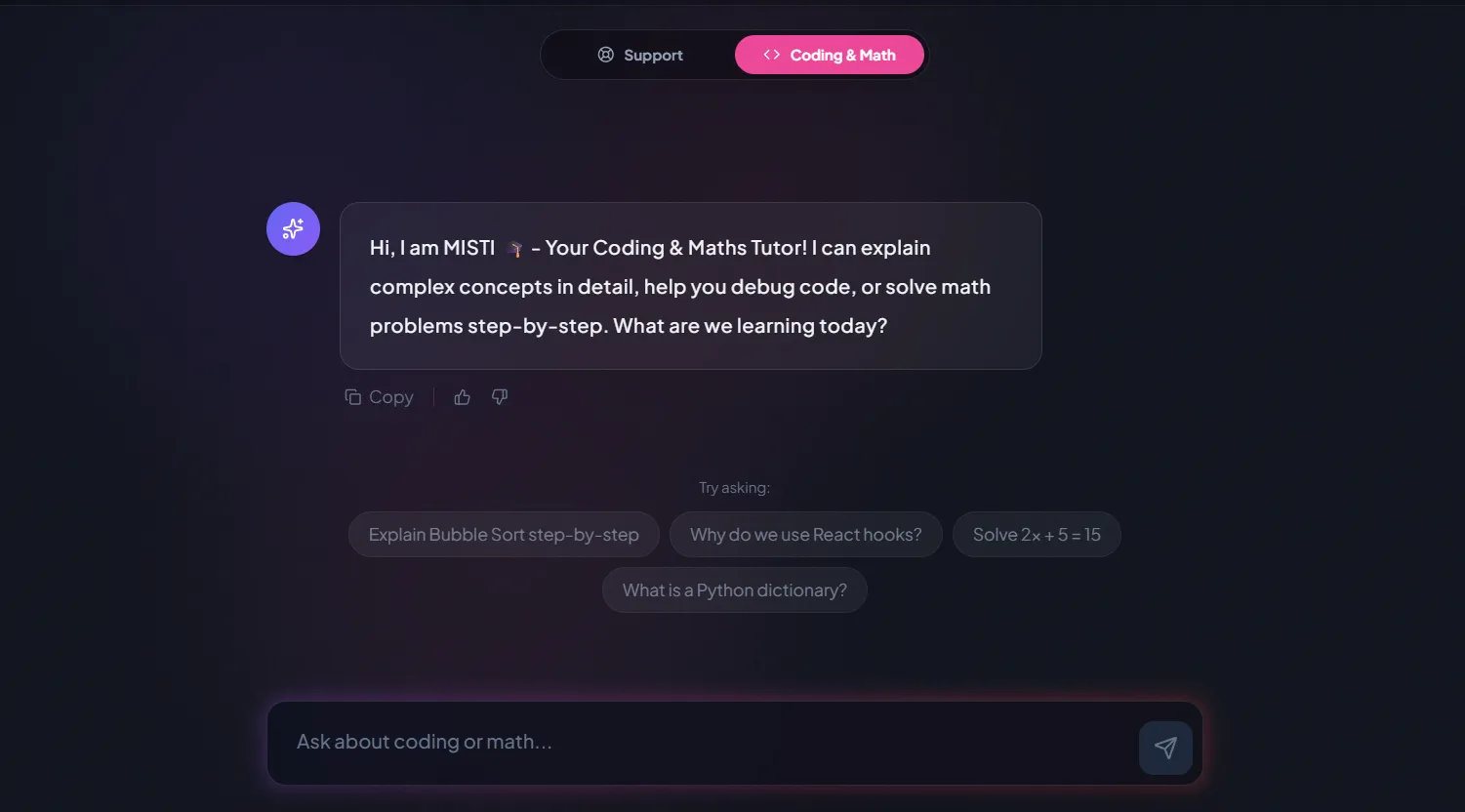
A chatbot that answers mathematics and programming questions, built and deployed by a student.
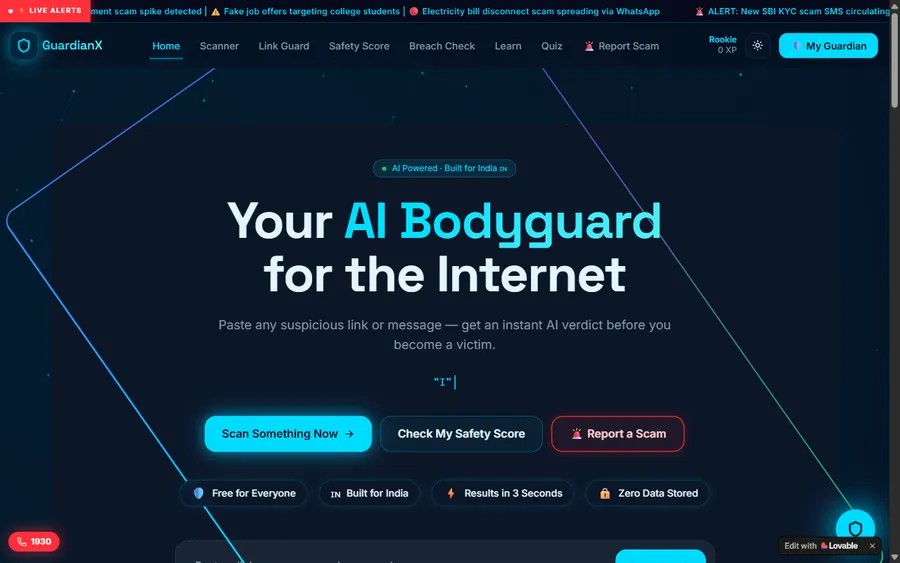
AI and ML
An assistant that helps a young person recognise unsafe situations online.
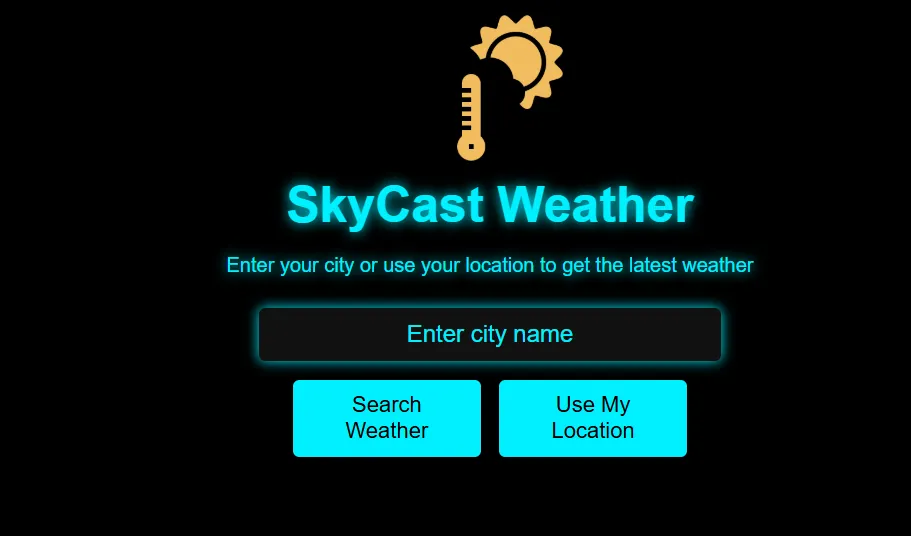
Web app
A weather forecasting site with live conditions for any location.
Fees
Summer costs what any other month costs: one monthly fee in US dollars, the rate outside India, with no surcharge, no registration fee and no commitment past the month you are in. The first lesson is free.
Free first class
USD 0
no card required
Group batch
USD 100
a month, billed in US dollars
One to one
USD 150
a month, billed in US dollars
What families say
Parents' Google reviews, as posted.
★★★★★
"The one step solution for my son. Modern Age Coders make learning coding so simple that kids love it. The teachers explain complex concepts clearly with practical exercises and interactive content."
Ria Mukherjee
Parent
★★★★★
"Modern Age Coders has been a game-changer for me. I struggled to grasp IT concepts and coding before joining, but their classes transformed everything. I can now confidently write complex programs with ease."
Samriddha Mondal
Student
★★★★★
"One of the most wonderful education centres out there. Education is not limited to school syllabus but focuses on skill development."
Vansh Agarwal
Student
★★★★★
"My child Dhairya is really enjoying the Modern Age Coders classes. This is his first online class and he eagerly looks forward to it. I can already see his improvement, and the teachers are very cooperative."
Sonam Oswal
Parent of Dhairya
★★★★★
"Modern Age Coders have wonderful teachers who teach in a clear, easy and practical way. The teacher boosts students' confidence and inspires them to learn without hesitation."
Sonu Goyal
Parent
★★★★★
"I highly recommend this computer coding class! The teachers are incredibly knowledgeable and passionate about coding."
Ritu Kedia
Parent
Questions about summer coding
It depends on the nation and council. In official 2026 to 2027 calendars, West Lothian breaks up on 25 June 2027, Dundee on 2 July, Nottinghamshire's term ends on 28 July, and Gwynedd's holidays start on 21 July. Northern Ireland has published 1 July as the start of the summer holiday.
Scottish schools follow their own calendar, finishing around the end of June or start of July and returning in mid-August, several weeks ahead of most of England and Wales.
Any week. Lessons begin whenever your holiday starts, with a free first lesson to find the right level.
Pause for the weeks you are away. Lessons are live and online, so a lesson from a holiday with a good connection is possible too.
No. Summer lessons cost the usual monthly fee, with no surcharge and no registration fee.
One project chosen at the start and finished by the end: a game, a website, a Python program or, for teenagers, a small AI or data project.
Yes. Groups are online and formed by level, so a child in Scotland and one in England can learn together.
Yes, weekly during term, or you can stop at the end of the month. There is no minimum commitment.
They are examples from official council and government pages. Always check your own council or school, as dates vary and schools can set some of their own days.
The first lesson is free. Then USD 100 a month in a group or USD 150 one to one, the same as any other time of year, with nothing paid in advance.
Elsewhere on this site
Term-time options, competitions, and the nations.
Year-round options for 13 to 18.
Challenges to aim for across the year.
The Scottish system, with its earlier summer.
The system with a July and August summer.
What children can safely learn about AI.
All our UK pages.
Start here
Leave a number and we will call at a UK time that suits. Tell us when your holiday starts; the first lesson can be in that week.
Reading first? Each course page sets out what it covers, how we teach explains the approach, and student labs shows finished projects.
WhatsApp us · +91 91233 66161 · contact@modernagecoders.com
WhatsApp is the quickest way to book and free from a UK phone. We are based in India, so the number begins +91.