SUMMER / PRIMARY / 01
Coding for Kids
Blocks and movement for the youngest coders.
Open the syllabusIreland · Summer holidays · Ages 6 to 18
An Irish summer holiday is long, and it is not the same for every child. There is no national finishing date: the Department of Education sets the Christmas, mid-term and Easter breaks, but leaves the start and end of the school year to each school. Secondary schools stop teaching by the Friday before the June bank holiday, when the State exams begin, and primary schools, which must open for at least 182 days, usually run later into June. Almost all return in the week that contains 1 September. That gives a secondary student about three months and a primary child about ten weeks. This page is honest about what those weeks are for. We will not tell you your child will fall behind without lessons; the Department itself now says pandemic learning loss has diminished significantly for most children. The better reason to code in summer is time: enough of it to start a real project in June and finish it before school starts again.
Live online since 2020 · 10,000+ students worldwide · one project across the summer
In short
Irish summer holidays are set by each school, not nationally: secondary schools stop teaching by the Friday before the June bank holiday and most schools reopen in the week of 1 September. A good summer coding course uses that time for one real project, a game, an app, a website or a data investigation, taught live by the same teacher each week. Modern Age Coders runs live online coding for ages 6 to 18 across the Irish summer, with no entrance test, in groups of five to ten placed by level or one to one. The first class is free; after that the cost is USD 100 a month in a group or USD 150 a month one to one, and a family can stop when September comes.
Start here
One for primary school, one for the Junior Cycle years and one for older teenagers. Each card opens its syllabus.
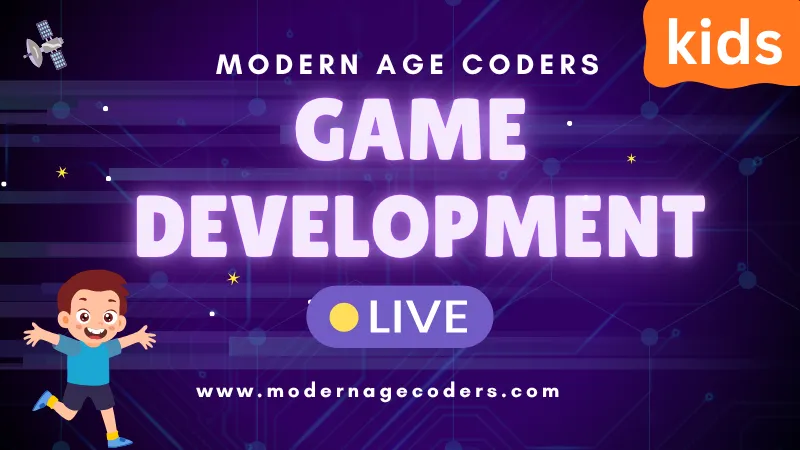
SUMMER / 01
A whole game designed and built over the holidays, with levels, a score and a title screen, ready to play with cousins by August.
Open the syllabus →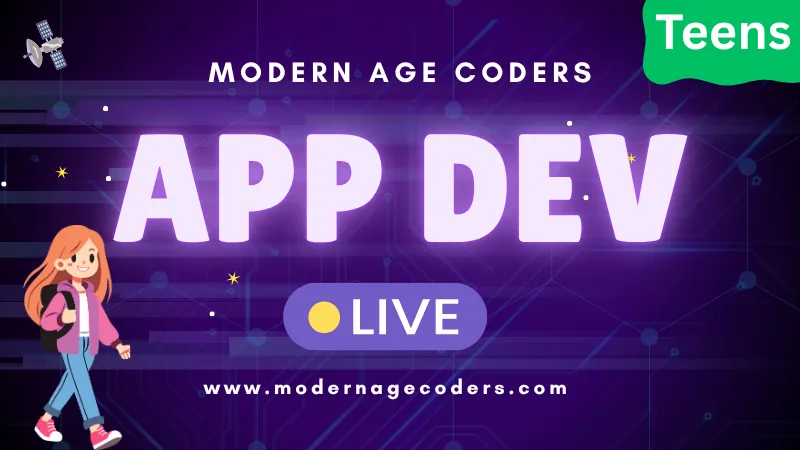
SUMMER / 02
A working phone app started in June and in friends' hands before the return to school.
Open the syllabus →
SUMMER / 03
For older students with a long summer: a model trained, tested and explained, the kind of project that stands out later.
Open the syllabus →Irish summer dates
Parents often search for a national list of summer dates. There isn't one. These are the rules that decide them, from the Department's circular on the school year for 2026/27 to 2028/29 and its school holiday page.
| Rule | What the Department says |
|---|---|
| National summer dates | School summer holidays are not standardised; check the dates with your school |
| End of secondary teaching | Post-primary schools will not be open for tuition beyond the Friday preceding the June bank holiday, when the State examinations begin |
| Return | The school year normally starts in the week in which 1 September falls, or the week before if a school needs it |
| Minimum school days | 182 for primary and special schools, 166 for post-primary |
| What the circular fixes | Only the Christmas, Easter and mid-term breaks, for the three school years from 2026/27 |
Put together, a secondary student is usually out of class from the start of June, though many sit or supervise State exams through the month. A primary child, with sixteen more required school days, usually finishes later in June.
Those are our readings of the rules, not published dates. Each school sets its own, so the summer course starts whenever a family is ready.
The return is more predictable. For the summer of 2027, the week in which 1 September falls begins on Monday 30 August, and most schools will reopen that week or the one before.
A summer course should end cleanly then. We move students back to a term-time slot or pause, whichever the family prefers.
Sources, read 16 September 2026: Circular 0018/2026, standardisation of the school year; gov.ie, School holiday dates.
Summer options
Ireland has some well-known summer programmes. They suit different children, and it helps to know how each one works before choosing.
| Programme | Ages | Format | Entry |
|---|---|---|---|
| CTYI Summer Programme | 12 to 16 | Three-week courses in two sessions, June and July | High ability: the 95th percentile, by Talent Search or psychologist's report |
| CTYI CAT Programme | 12 to 16 | Two weeks | Typically the 85th to 95th percentile on the Talent Search |
| DCU Summer Scholars | 12 to 17 (1st to 5th year) | Two weeks, non-residential | Open to any student in that age range |
| CTYI primary summer courses | 6 to 12 | One-week half-day courses in July, some weeks online | Assessment or psychologist's report |
| Department Summer Programme | School-age | Two weeks at post-primary | Students with complex special educational needs or at risk of educational disadvantage |
These are good programmes, and a child with a CTYI place should take it. They are also short, concentrated and, for most of them, selective by test. Some run on campus, which means travel.
The Department's programme is something different again: support for particular students, run by schools, not general enrichment.
A live online course fills a different gap. There is no entrance test: a child is placed by what they can already do. It runs across the whole summer instead of a fortnight, and it moves with a family, including to a holiday house or relatives abroad.
None of these options excludes the others. A student can do two weeks on a campus in July and keep a weekly project going either side of it.
Sources: DCU CTYI, Secondary School Programme Overview, Primary School Students and Summer Scholars; Department of Education, Summer Programme 2026. Read 16 September 2026. We have no connection with DCU or CTYI.
An honest reason
Summer courses are often sold on fear. We would rather quote the Department. In the terms of its 2026 Summer Programme it writes that "it is hoped that for the majority of children, the impact of pandemic-related learning loss has diminished significantly in the following years."
In term, a child codes for an hour a week between everything else. In summer there is room to stay with one idea for weeks, which is how real programs get finished.
Summer projects are chosen by the child: a game about their dog, an app for a club, a chart of the weather on holiday. Owning the idea is what keeps them coming back.
A child who has been building all summer comes back in September with a finished thing to show, and often with a clear idea of what to learn next.
A summer project
Every Irish family has an opinion about summer weather. CSO table MTM01 lets a student test it: monthly rainfall at 15 Met Éireann stations from 1958 to 2022.
| Station | Total rainfall, 2022 |
|---|---|
| Valentia Observatory, County Kerry | 1,681.5 mm |
| Dublin Airport | 686.3 mm |
Five stations stopped reporting years ago: Birr in 2009, Galway in 2011, and Clones, Kilkenny and Rosslare in 2008. Their later rows are blank. Treat a blank as zero and those towns look like deserts.
The table mixes total rainfall in millimetres, the most rain in a single day, and a count of rain days. Add a station's rows together and you add millimetres to days.
The table was last updated in January 2023 and stops at December 2022. A student who wants this summer's rain has to go to Met Éireann's own data and join the two.
Younger children do a simpler version: a rain gauge in the garden, a daily tally in Scratch, and a bar chart at the end of the holidays. Teenagers load the table in Python and ask which month is really the wettest where they live.
Either way the lesson is the one every programmer needs: check what a number means and whether it is really there before you draw a conclusion from it.
Source: CSO table MTM01, Rainfall, read 16 September 2026; the figures come from Met Éireann stations.
The summer plan
Secondary students can start in early June; primary children usually join towards the end of the month. The plan stretches or shrinks to fit.
| When | Stage | The student |
|---|---|---|
| First week | 1. Pick the idea | Chooses a project and sketches what it will do |
| Next two or three weeks | 2. Learn what it needs | Learns the blocks, Python or tools the project calls for |
| July | 3. Build | Makes the first working version, piece by piece |
| Early August | 4. Test and improve | Lets family and friends try it, then fixes what breaks |
| Before school reopens | 5. Finish and show | Presents the project and picks what to learn in term time |
Families go away in summer. Lessons move with a laptop, pause for a week, or switch to a different slot while a child is abroad.
For what comes after the summer, the coding roadmap sets the whole route out by stage.
Some older students take two lessons a week in summer and one in term. Others do a CTYI or DCU fortnight in July and keep their own project going around it.
Children coming from a coding club can start further on; see after CoderDojo.
The catalogue
Grouped by school stage. The free first class decides which one a child starts with and at what level.
SUMMER / PRIMARY / 01
Blocks and movement for the youngest coders.
Open the syllabusSUMMER / PRIMARY / 02
A holiday game, from title screen to high score.
Open the syllabusSUMMER / PRIMARY / 03
Typed code for older primary children with time to spare.
Open the syllabusSUMMER / JUNIOR / 01
A summer to become properly fluent.
Open the syllabusSUMMER / JUNIOR / 02
An app finished before September.
Open the syllabusSUMMER / JUNIOR / 03
Lua scripting inside a game world they already know.
Open the syllabusSUMMER / SENIOR / 01
A model built and honestly tested.
Open the syllabusSUMMER / SENIOR / 02
Irish open data, questioned properly.
Open the syllabusSUMMER / SENIOR / 03
A full website over a long summer.
Open the syllabusHow the classes run
Every class is live with a teacher in India, at a fixed time set in Irish time. Through the Irish summer our teachers are four and a half hours ahead, so a ten o'clock class in Ireland is mid-afternoon for them, and summer is the one season when morning lessons are easy to arrange. From the end of October the gap widens to five and a half hours.
Morning
Popular in summer, before the day gets going.
Afternoon
For families with morning camps or sport.
Evening
Carries on into term time without a change.
The child starts a tiny project with a teacher, who then suggests a course and a level.
Children at the same level, from Ireland and other countries, showing each other their summer builds.
For shy children, very quick ones, or families whose holidays make a group hard.
Placement is by what a child can do in the free class, nothing else.
Home, a holiday house or grandparents abroad: a laptop and a steady connection are all it takes.
Every summer ends with something to show, saved so it can be shown again in September.
Student work
Four projects our students built and published online. The student labs page gathers many more.
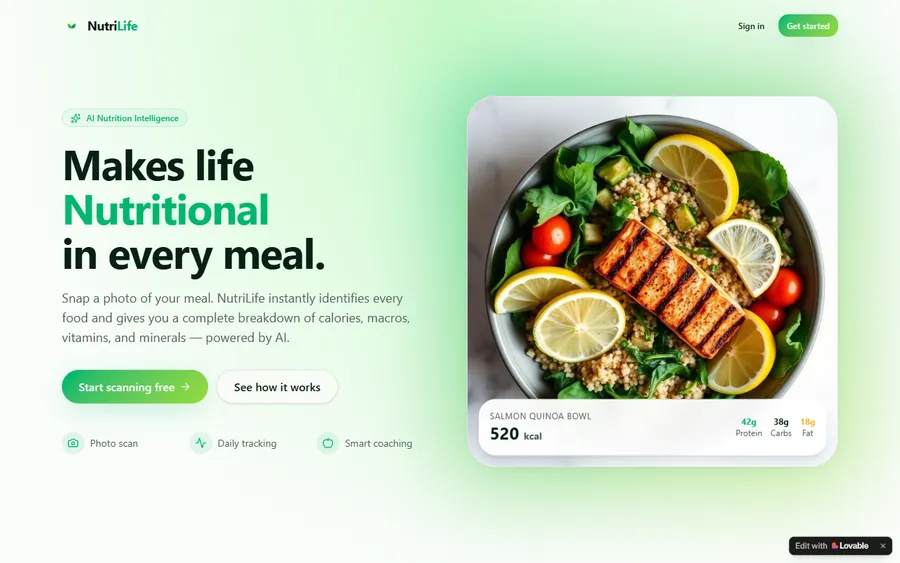
AI and ML
An AI nutrition coach that reads what you eat and works you toward a target.
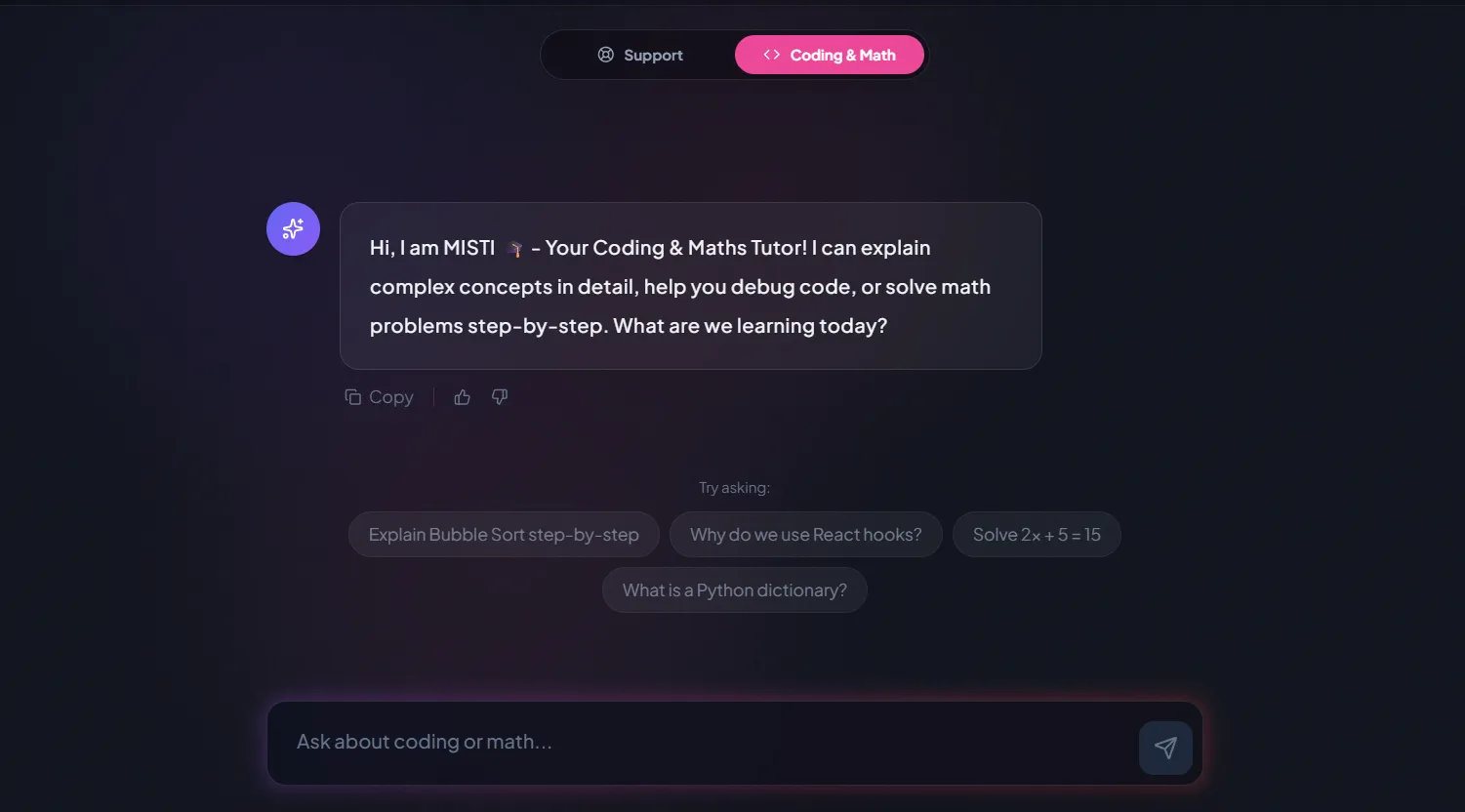
AI and ML
A chatbot that answers mathematics and programming questions, built and deployed by a student.
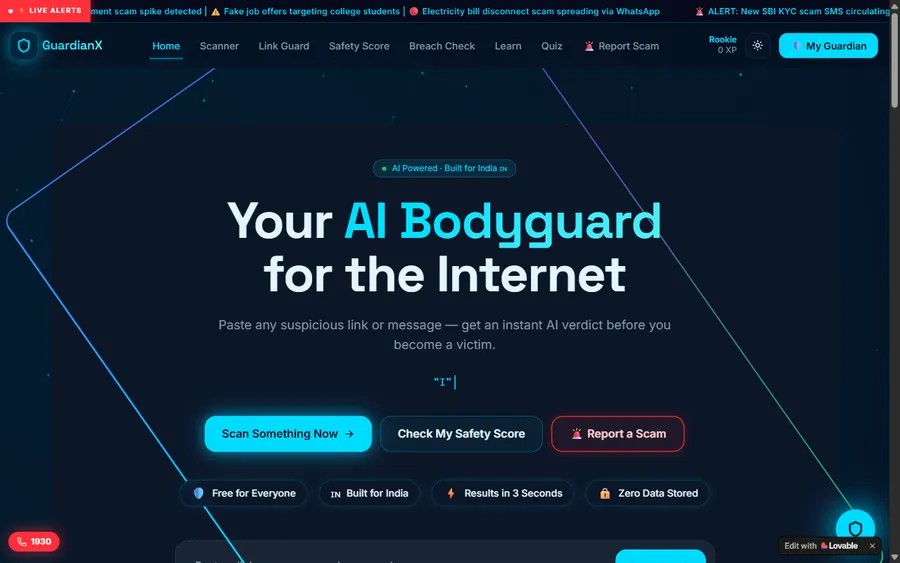
AI and ML
An assistant that helps a young person recognise unsafe situations online.
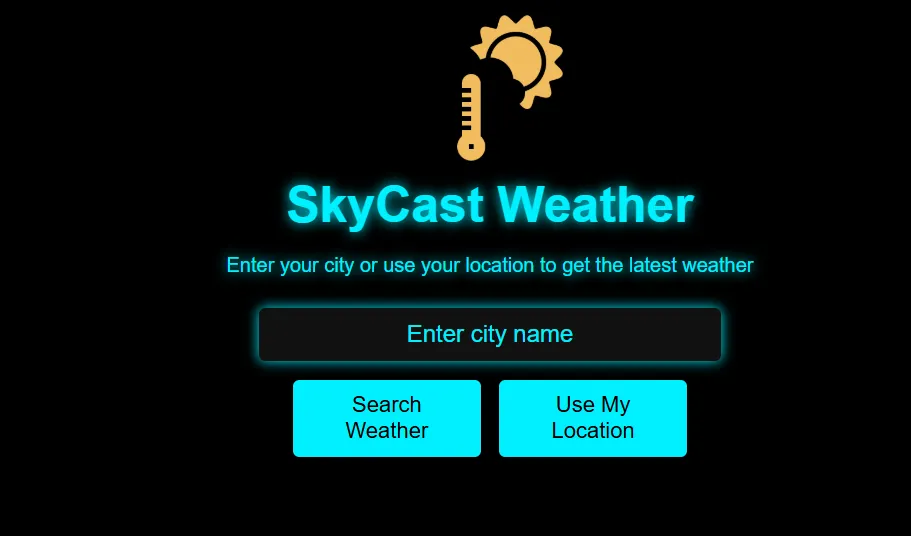
Web app
A weather forecasting site with live conditions for any location.
Fees
The same monthly price in US dollars that families pay in every country except India, with no summer surcharge, no registration fee and no commitment past the month you are in.
Free first class
USD 0
no card required
Group batch
USD 100
a month, billed in US dollars
One to one
USD 150
a month, billed in US dollars
What families say
Straight from our Google reviews, untouched. None were bought or ghost-written.
★★★★★
"The one step solution for my son. Modern Age Coders make learning coding so simple that kids love it. The teachers explain complex concepts clearly with practical exercises and interactive content."
Ria Mukherjee
Parent
★★★★★
"Modern Age Coders has been a game-changer for me. I struggled to grasp IT concepts and coding before joining, but their classes transformed everything. I can now confidently write complex programs with ease."
Samriddha Mondal
Student
★★★★★
"One of the most wonderful education centres out there. Education is not limited to school syllabus but focuses on skill development."
Vansh Agarwal
Student
★★★★★
"My child Dhairya is really enjoying the Modern Age Coders classes. This is his first online class and he eagerly looks forward to it. I can already see his improvement, and the teachers are very cooperative."
Sonam Oswal
Parent of Dhairya
★★★★★
"Modern Age Coders have wonderful teachers who teach in a clear, easy and practical way. The teacher boosts students' confidence and inspires them to learn without hesitation."
Sonu Goyal
Parent
★★★★★
"I highly recommend this computer coding class! The teachers are incredibly knowledgeable and passionate about coding."
Ritu Kedia
Parent
Questions from parents
There is no national date. Secondary schools stop teaching by the Friday before the June bank holiday, primary schools usually later in June, and each school sets its own dates.
The Department expects the school year to start in the week in which 1 September falls, or the week before if a school needs extra days.
We do not claim that. The Department has said it hopes pandemic-related learning loss has diminished significantly for most children. Summer coding is about time for a real project.
No. A child is placed by what they show in the free first class. Some other summer programmes in Ireland do select by assessment.
Yes. Many families combine a short campus programme with a weekly online project either side of it.
Lessons can continue from anywhere with a laptop and a steady connection, or pause for a week and resume.
From 6 to 18. Younger children start with blocks and games, and teenagers work in Python on apps, data or AI.
A first class costs nothing. Continuing is USD 100 a month in a group or USD 150 a month one to one, billed in US dollars, with no summer surcharge and nothing past the current month.
Yes, and summer is the easiest time for them. Our teachers are four and a half hours ahead of Ireland in summer, so a morning class in Ireland falls in their afternoon.
We phone at a convenient Irish time and book the free class. You pay only if your child carries on.
Elsewhere on this site
Pages for term time, by age.
Term-time coding for primary school.
The secondary years.
A project for the whole TY year.
For children who started at a club.
How to choose any class.
The national page.
Start here
Leave a number and we will ring at a good time for you in Ireland. In the free class your child starts a small project with a teacher, and you find out which course fits the summer ahead.
You can also read up first: how we teach, the course syllabuses and projects from our students.
WhatsApp us · +91 91233 66161 · contact@modernagecoders.com
On WhatsApp we usually reply fastest, and messaging from an Irish phone is free. The number is based in India, where our teachers are; there is no office in Ireland.