
Table of Contents
- Why Coding Has Become the New English
- What Makes 2026 the Perfect Year to Start?
- The Real Benefits of Learning to Code in 2026
- But I'm Not a 'Tech Person': Can I Still Learn?
- Where to Begin: A Practical Roadmap for 2026
- Coding Careers to Watch in 2026
- What About Kids? Should They Learn Coding Too?
- Common Excuses (And Why They Don't Hold Up)
- Learn Coding with Modern Age Coders
- Frequently Asked Questions
- Conclusion
Think about how English became a global language. Decades ago, speaking English was a bonus, something that looked nice on your resume. Fast forward to today, and it's practically a requirement in most industries worldwide. Now, coding is following that exact same trajectory.
Here's the thing: we're living in a world where everything runs on code. The apps on your phone, the websites you browse, the cars that drive themselves, all of it is powered by lines of code written by someone who decided to learn this skill. And in 2026, the gap between those who understand coding and those who don't is growing wider every single day.
Why Coding Has Become the New English

Let's be honest, comparing coding to English might sound dramatic at first. But when you really think about it, the parallels are striking. English connects billions of people across different countries and cultures. It's the language of business, science, and international communication.
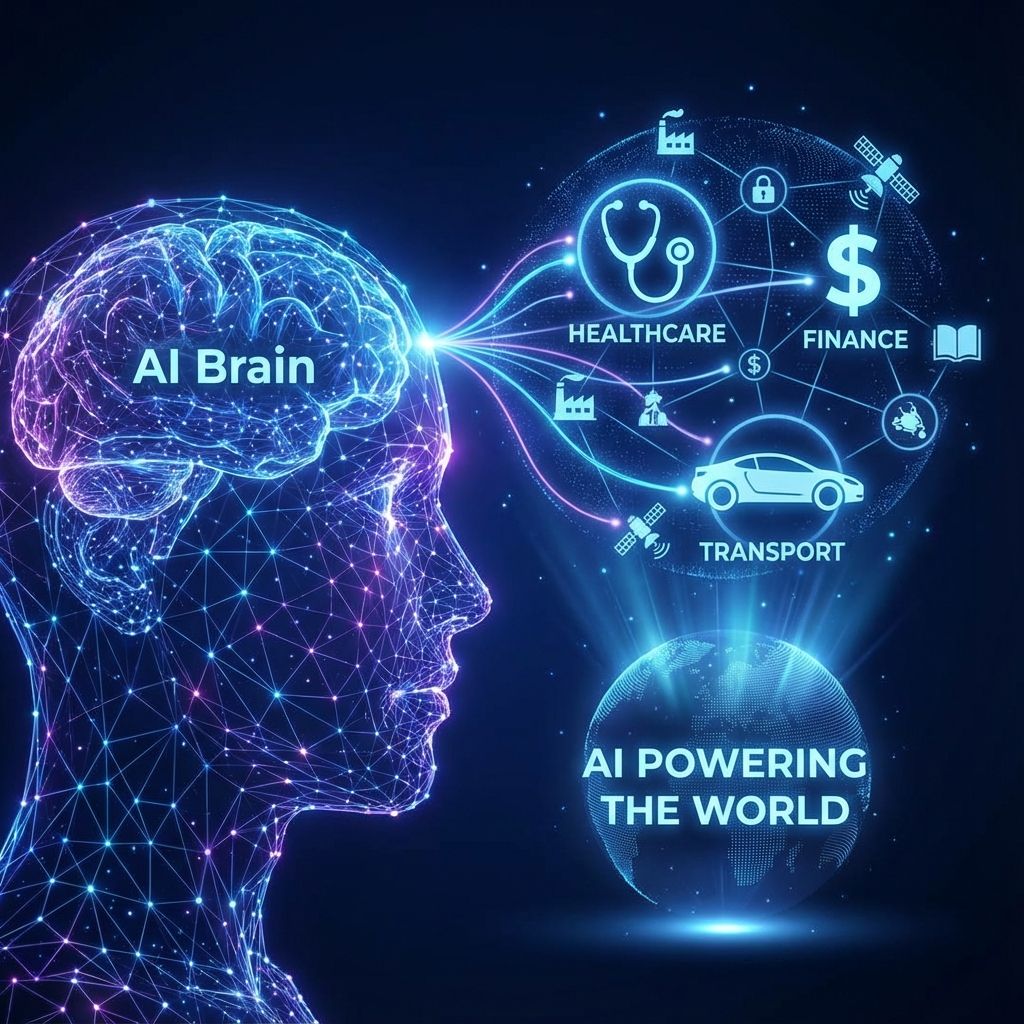
Coding does something similar, but for the digital world. It's the language that powers every industry you can think of, healthcare, finance, entertainment, education, agriculture, you name it. Whether you're a doctor analyzing patient data, a musician producing tracks, or a farmer using precision agriculture tools, code is running in the background making it all possible.
The difference? English took centuries to reach its current status. Coding? It's happening right now, in real time, and 2026 marks a tipping point where digital literacy is no longer optional.
Did You Know?
The World Economic Forum predicts that 65% of children entering primary school today will work in jobs that don't even exist yet. Most of which will require some level of coding or tech skills.
What Makes 2026 the Perfect Year to Start?
You might be wondering: why specifically 2026? Why not last year, or next year? The truth is, several factors are converging right now that make this moment uniquely suited for jumping into coding.
1. AI Has Changed the Game (For the Better)
There's been a lot of noise about AI replacing programmers. But here's what's actually happening: AI tools like GitHub Copilot and ChatGPT are making coding more accessible than ever. They help beginners understand concepts faster, debug code quickly, and build projects that would have taken weeks in just days.
Think of AI as your coding assistant, not your replacement. The people who understand how to work alongside AI, giving it the right instructions, understanding its output, and refining the results, will have a massive advantage. And to do that effectively, you need to understand code.
2. Remote Work is Here to Stay
The pandemic permanently shifted how companies think about work. Remote and hybrid roles are now standard, and tech skills have become essential for navigating this new landscape. Coding opens doors to location-independent careers where you can work from anywhere in the world.
3. Learning Resources Have Never Been Better
Remember when learning to code meant expensive bootcamps or four-year computer science degrees? Those options still exist, but 2026 offers something different. Free and affordable resources are everywhere, interactive platforms, YouTube tutorials, community forums, and structured courses designed for complete beginners.
4. Every Industry Needs Coders
This isn't just about working at Google or Meta. Healthcare needs developers for medical apps. Banks need them for fintech solutions. Schools need them for ed-tech platforms. Even traditional industries like construction and manufacturing are integrating software solutions. The demand is everywhere.
Pro Tip
You don't need to become a full-time software developer to benefit from coding. Even basic skills can help you automate tasks, analyze data, or simply communicate better with technical teams.
The Real Benefits of Learning to Code in 2026
Beyond career prospects, learning to code transforms how you think and solve problems. Here's what you actually gain:
- Problem-Solving Mindset: Coding teaches you to break down complex problems into smaller, manageable pieces. This skill transfers to literally every area of life.
- Career Flexibility: Tech skills give you options. Whether you want to switch industries, freelance, or start your own business, coding opens doors.
- Higher Earning Potential: Let's not dance around it, tech jobs pay well. Even entry-level positions often offer salaries above the national average.
- Creative Expression: Coding isn't just logic and numbers. It's a creative tool for building apps, games, websites, and digital art.
- Future-Proofing: As automation increases, roles that require human creativity combined with technical skills become more valuable, not less.
The truth is, coding confidence changes how you see the digital world. Instead of feeling like technology is something that happens to you, you start feeling like someone who can shape it.
But I'm Not a 'Tech Person': Can I Still Learn?
This is probably the biggest myth we need to bust. There's this persistent idea that some people are just 'built for coding' and others aren't. That's simply not true.
Coding is a skill, not a talent. Just like learning to cook, drive, or speak a new language, it takes practice and patience. Some people might pick it up faster than others, but anyone willing to put in consistent effort can learn.
We've seen artists become web developers. Teachers become app creators. Accountants become data analysts. Age doesn't matter either. We've taught kids as young as 6 and adults well into their 60s. The common thread isn't some innate 'tech gene.' It's simply showing up and being willing to learn.
Real Talk
The only difference between someone who can code and someone who can't is that the first person decided to start. That's it. No magic, no special brain wiring, just a decision followed by action.
Where to Begin: A Practical Roadmap for 2026
Okay, so you're convinced. But where do you actually start? The sheer number of programming languages, frameworks, and tools can feel overwhelming. Here's a straightforward path:
Step 1: Pick Your Starting Point Based on Your Goals
- Want to build websites? Start with HTML, CSS, and JavaScript.
- Interested in data or AI? Python is your best friend.
- Dreaming of mobile apps? Look into mobile app development, or try cross-platform options like Flutter.
- Just want to explore? Scratch or Blockly are perfect for understanding how coding logic works without getting bogged down in syntax.
Step 2: Choose a Learning Platform
- Modern Age Coders: Structured courses designed for beginners with real projects and mentorship.
- freeCodeCamp: Free, comprehensive curriculum covering web development.
- Codecademy: Interactive lessons with immediate feedback.
- YouTube: Countless free tutorials for every language and skill level.
Step 3: Build Something Real
This is where most people get stuck. They complete tutorials but never actually build anything on their own. The secret to real learning is projects. Start small, a personal website, a simple calculator, a to-do list app. It doesn't have to be revolutionary. It just has to be yours.
Part of the reason is that following a finished program and producing one are different skills. Our guide on why you can understand solutions but not solve problems explains the gap and a simple close-the-book method that closes it.
Step 4: Join a Community
Coding alone can feel isolating. Find communities on Discord, Reddit, or local meetups. Ask questions, share your progress, help others when you can. Learning with others keeps you motivated and exposes you to different perspectives.
Step 5: Stay Consistent (Not Intense)
You don't need to code for 8 hours a day. In fact, that's a recipe for burnout. Aim for 30 minutes to an hour of focused practice daily. Consistency beats intensity every single time.
Coding Careers to Watch in 2026
If you're wondering what doors coding can open, here are some of the hottest roles right now:
- Full-Stack Developer: Builds both the front-end (what users see) and back-end (server logic) of applications.
- Data Scientist: Analyzes complex data to help companies make smarter decisions.
- Machine Learning Engineer: Creates AI systems that learn and improve over time.
- DevOps Engineer: Bridges the gap between development and IT operations for faster, more reliable releases.
- Cybersecurity Analyst: Protects systems and data from digital threats.
- Mobile App Developer: Designs and builds applications for smartphones and tablets.
- Cloud Architect: Designs and manages cloud computing strategies for organizations.
And honestly, this is just scratching the surface. New roles are emerging constantly as technology evolves.
What About Kids? Should They Learn Coding Too?
Absolutely. In fact, introducing coding to children early gives them a massive head start. Kids' brains are wired for learning new languages, and that includes programming languages.
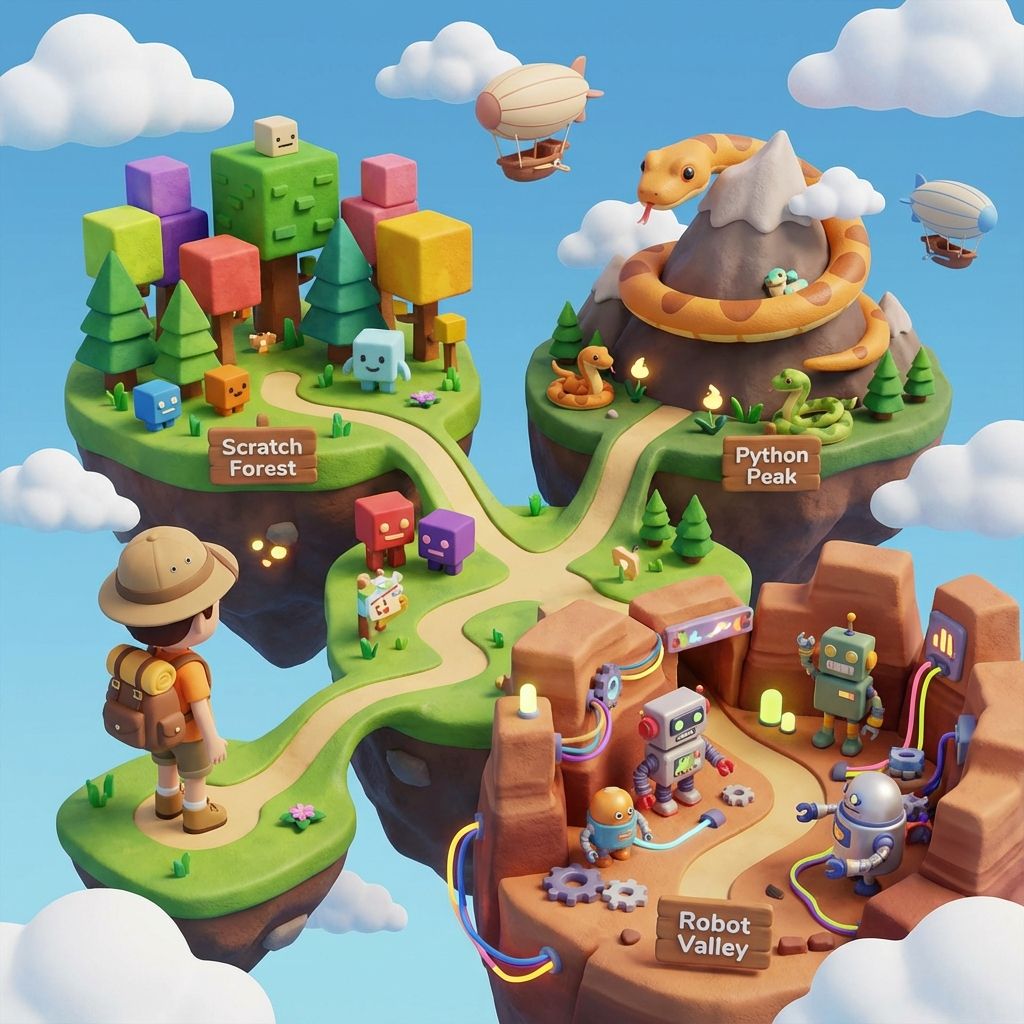
Visual programming tools like Scratch and Blockly make coding accessible even for children as young as 5 or 6. They learn logic, sequencing, and problem-solving through play. By the time they're ready for text-based coding, the foundational thinking is already in place.
Think about it this way: kids growing up now will enter a workforce even more dominated by technology. Teaching them to code isn't just about career prep. It's about giving them the tools to understand and shape the world around them. Check out our Kids Coding courses to get started.
For Parents
You don't need to be a coder yourself to help your child learn. Plenty of kid-friendly platforms guide them through the process step by step. Your role is encouragement and curiosity!
Common Excuses (And Why They Don't Hold Up)
Let's address some of the reasons people give for not starting:
- "I'm too old.": People switch careers into tech in their 30s, 40s, and beyond. It's never too late.
- "I'm not good at math.": Most everyday coding doesn't require advanced math. Basic logic is enough to start.
- "I don't have time.", 30 minutes a day is enough. We all have 30 minutes, it's about priorities.
- "It's too hard.": It's challenging, yes. But so was learning to read, write, and drive. You did those.
- "AI will do all the coding soon.": AI is a tool, not a replacement. Understanding code makes you better at using AI.
The excuses will always be there. The question is whether you'll let them stop you or push through anyway.
Learn Coding with Modern Age Coders
Ready to make 2026 the year you finally learn to code? Modern Age Coders offers courses designed for complete beginners, whether you're a kid, a teen, or an adult starting fresh.
- Structured, project-based learning that keeps you engaged.
- Expert instructors who break down complex concepts simply.
- Supportive community to learn alongside.
- Flexible schedules that fit your life.
We don't believe in overwhelming you with jargon or rushing through material. Our goal is to help you build real skills at a pace that works for you. Have questions? Get in touch with our team.
Frequently Asked Questions
In terms of global relevance and career impact, yes. While English connects people across cultures, coding connects you to the digital economy that runs nearly every modern industry.
It depends on your goals. Basic proficiency can be achieved in a few months with consistent practice. Becoming job-ready typically takes 6-12 months of dedicated learning.
Python is widely recommended for beginners due to its readable syntax. If you're interested in web development, HTML, CSS, and JavaScript are great starting points.
No. Many successful developers are self-taught or learned through bootcamps and online courses. What matters most is your portfolio and demonstrated skills.
Absolutely. Many people learn coding on the side. Even 30-60 minutes of daily practice adds up significantly over time.
That's perfectly fine! The skills you gain, logical thinking, problem-solving, attention to detail, transfer to many other areas. You lose nothing by trying.
Conclusion
Coding has quietly become one of the most valuable skills of our time. Just like English opened doors to global communication and opportunity, coding opens doors to the digital world that increasingly defines our future.
The question isn't really whether you should learn to code. It's when. And if you've been waiting for a sign, consider this it. 2026 offers better resources, stronger demand, and more pathways into tech than ever before. The only thing standing between you and this skill is the decision to start.
So stop waiting for the perfect moment. Pick a language. Find a course. Write your first line of code. Your future self will thank you for it.
Your Journey Starts Now
Every expert coder once wrote their first 'Hello, World!' Just like you're about to. Take the leap: 2026 is your year.