Reasoning and Readiness for Young Thinkers (Ages 6 to 9)
Patterns, shapes, folding, sorting and number play: the thinking that ability screenings look for, built through puzzles, never through test-item drilling.
Syllabus updated October 2026
Questions? WhatsApp +91 91233 66161 or email connect@modernagecoders.com
Recordings are free with a Google sign-in. These recordings show how we teach, not the exact syllabus of this course.
Fees and enrolment
How to join Reasoning and Readiness for Young Thinkers (Ages 6 to 9)
Choose how you want to pay, pick a plan and press Enrol. We then fix your class timing with you.
Rated 4.9 across 547 Google reviews.
How would you like to pay?
Pay once for 6 months and save 20%. Same live classes, same mentor, a lower price for every session.
Group Classes
6 months · 48 sessions
One payment for all 6 months
- Paying monthly
₹1,499 × 6 months = ₹8,994- You save
- ₹1,795 (20%)
- Per session
- ₹150
₹187
2 sessions a week · 15 to 20 students
Stop early? Every session you have not taken is refunded at ₹150. Refund policy
Enrol for 6 monthsMini Batch
6 months · 48 sessions
One payment for all 6 months
- Paying monthly
₹2,999 × 6 months = ₹17,994- You save
- ₹3,595 (20%)
- Per session
- ₹300
₹375
2 sessions a week · Up to 6 students
Stop early? Every session you have not taken is refunded at ₹300. Refund policy
Enrol for 6 monthsHow your 6-month price works
- Sessions
- 24 one-to-one sessions over 6 months, fully flexible timing
- Price per session
- ₹1,000 instead of
₹1,250 - Your 6-month fee
- ₹1,000 × 24 sessions = ₹24,000
- Paying monthly instead
₹4,999 × 6 months = ₹29,994- You save
- ₹5,994 (20%)
Everything in the monthly 1-on-1 plan is included: your own mentor, flexible timing, personal dashboard, class recordings, progress reports and parent-teacher meetings.
Stop early? Every session you have not taken is refunded at ₹1,000. Refund policy
Pay once for 6 months and save 25%. Same live classes, same mentor, a lower price for every session.
Group Classes
6 months · 48 sessions
One payment for all 6 months
- Paying monthly
$100 × 6 months = $600- You save
- $151 (25%)
- Per session
- $9.35
$12.50
2 sessions a week · 15 to 20 students
Stop early? Every session you have not taken is refunded at $9.35. Refund policy
Enrol for 6 monthsHow your 6-month price works
- Sessions
- 48 one-to-one sessions over 6 months, 2 sessions a week
- Price per session
- $14 instead of
$18.75 - Your 6-month fee
- $14 × 48 sessions = $672
- Paying monthly instead
$150 × 6 months = $900- You save
- $228 (25%)
Everything in the monthly 1-on-1 plan is included: your own mentor, flexible timing, personal dashboard, class recordings, progress reports and parent-teacher meetings.
Stop early? Every session you have not taken is refunded at $14. Refund policy
Pay once for 6 months and save 25%. Same live classes, same mentor, a lower price for every session.
Group Classes
6 months · 48 sessions
One payment for all 6 months
- Paying monthly
$140 × 6 months = $840- You save
- $211 (25%)
- Per session
- $13.10
$17.50
2 sessions a week · 15 to 20 students
Stop early? Every session you have not taken is refunded at $13.10. Refund policy
Enrol for 6 monthsHow your 6-month price works
- Sessions
- 48 one-to-one sessions over 6 months, 2 sessions a week
- Price per session
- $19.60 instead of
$26.25 - Your 6-month fee
- $941
- Paying monthly instead
$210 × 6 months = $1,260- You save
- $319 (25%)
Everything in the monthly 1-on-1 plan is included: your own mentor, flexible timing, personal dashboard, class recordings, progress reports and parent-teacher meetings.
Stop early? Every session you have not taken is refunded at $19.60. Refund policy
How enrolment works
Pick a plan
Group (15 to 20 students), Mini Batch (up to 6, India only) or 1-on-1 with your own mentor. Pay monthly, or for 6 months at once and save.
Press Enrol and pay
Fill in the student's name, email and phone, then pay securely: UPI, cards or net banking in India, or a debit or credit card from any other country.
Fix your class timing
After paying, WhatsApp or call +91 91233 66161 with the student's name and your preferred time. We confirm the batch or 1-on-1 slot and send the class link.
Start learning
Join your first live class at the time you chose. Your mentor takes it from there.
Want to see a class first? Book a Priority Demo: a live class of about 45 to 60 minutes with a mentor reserved for you. If you enrol, the demo fee is adjusted against your first month's fee. Share your demo Order ID with us on WhatsApp and we take it off.
Pay monthly and cancel any time, or pay for 6 months at once and save. Stop a 6-month plan early and every session left is refunded.
International Students (Outside India)
Billed monthly in US dollars, the same price in every country. Contact us with any questions.
Questions before you enrol? Talk to our team.
Ask about class timings, the right level for your child, what they need to know already, or payment. Parents and adult learners can reach us on WhatsApp, by email or by phone.
Our promise
The world's best learning experience, open to everyone.
- World-class instructorsEvery class is taught by an instructor who specialises in that exact field.
- No compromise on qualityEvery lesson, project and piece of feedback is held to the highest standard.
- Education for everyoneLearners aged 6 to 67, from first-time beginners to working professionals, in 25+ countries.
If you want the highest quality, Modern Age Coders is the right choice.
Book a Priority DemoHow long this course takes
This course runs 6 months (24 weeks), joinable any month, in two age bands: ages 6 to 7 and ages 8 to 9 at 2 short live classes/week (about 45 minutes) + a few minutes of puzzle play at home each day. The range allows for background and pace: a complete beginner uses the full span, and a student with prior knowledge finishes sooner. The syllabus below is planned to the shorter end, with margin kept for revision.
For personalised duration planning, call +91 91233 66161 and we'll map a schedule to your goals.
At a glance
- Who it is for
- Children aged 6 to 9 (roughly kindergarten or Year 1 to grade 4 or Year 5) who enjoy puzzles; no prior experience needed. Age: Ages 6 to 9, placed into a 6 to 7 or 8 to 9 band after the free demo class.
- Prerequisites
- None. A love of puzzles helps, but is not needed
- Format
- Live, interactive classes with a real teacher, never pre-recorded videos. Live classes run about one hour.
- Language
- English or Hindi, depending on the batch.
- Duration
- 6 months (24 weeks), joinable any month, in two age bands: ages 6 to 7 and ages 8 to 9
- Weekly commitment
- 2 short live classes/week (about 45 minutes) + a few minutes of puzzle play at home each day
- Class size
- Group batches of 15 to 20 students, mini batches of up to 6, or 1-on-1.
- Certificate
- Certificate from Modern Age Coders, awarded on completing the course's final puzzle portfolio (this is not a test publisher's or school district's document or result)
- Watch first
- Free recordings of real classes for ages 6 to 12, free with a Google sign-in. These recordings show how we teach, not the exact syllabus of this course.
- Live demo
- Optional. Enrol directly on this page, or book a Priority Demo: a full live class of about 45 to 60 minutes with a mentor reserved for you.
- Questions
- WhatsApp +91 91233 66161 or email connect@modernagecoders.com.
How we teach
Deep understanding. Real projects. Expert guidance.
Learn coding, AI and maths through careful explanations, practical demonstrations, and hands-on problem-solving. Our instructors guide you from the foundations to advanced ideas, helping you understand what happens, why it happens, and how to build it yourself.
You will explore concepts step by step, write and improve code, investigate mistakes, ask questions, and apply your knowledge to meaningful projects. Lessons are designed around active participation, thoughtful feedback, and growing independence.
Expert-led live teaching, with practical participation built into every lesson.
- Students explain their thinking.
- Instructors demonstrate, then guide practice.
- Learners code, solve, or build during lessons.
- Questions and misconceptions get attention.
- Assignments receive useful feedback.
- Progress is checked before advancing.
Program Overview
Many schools and districts look for advanced learners in the early grades, and some use group ability tests to help. These tests are designed to measure reasoning, not school knowledge. Riverside Insights, the publisher of the Cognitive Abilities Test (CogAT), explains it this way: "Unlike a traditional achievement test, which measures how well a student has mastered the curriculum, the Cognitive Abilities Test (CogAT) shows us how well a child can reason abstractly and identify patterns and relationships in the world around them." CogAT measures reasoning in three batteries, Verbal, Quantitative and Nonverbal, and at the levels for grades K to 2 its items are picture based. Pearson describes the Naglieri Nonverbal Ability Test, Third Edition (NNAT3) as "a nonverbal measure of general ability for students in kindergarten through grade 12", and says the Otis-Lennon School Ability Test, Eighth Edition (OLSAT 8) "assesses verbal, nonverbal, and quantitative cognitive abilities for K-12 students".
Because these tests aim to measure reasoning, honest preparation looks different from cramming. Seattle Public Schools, for example, answers the question "Does my child need to study for the NGAT?" (the Naglieri General Ability Test it uses for first graders) with: "No. The NGAT is not designed to measure skills that can be learned through studying or test preparation." The process NYC Public Schools describes for Gifted and Talented entry in fall 2027 includes no admissions test: kindergarten eligibility comes from pre-K teacher nominations or Division of Early Childhood Education interviews, and for grades 1 to 4 NYC Public Schools looks at report card grades of 3 or 4 in Math, Reading and Writing.
So this course is not test prep in the drilling sense. It is a warm, playful reasoning class for children aged 6 to 9 that grows the broad skills such screenings look for: seeing patterns, comparing and classifying, picturing shapes turning and folding, and understanding numbers deeply. Every puzzle is our own, made for this course, and none is presented as a real test item. Near the end, children meet the general shape of a group test (listening to directions, choosing from options, working quietly for a set time) so that a screening day feels familiar rather than strange. Families in the UK whose child has been noticed as more able at school can use the same course for enrichment. We are independent of Riverside Insights, Pearson and every school district, and we make no promise about any screening result or program place.
What Makes This Program Different
- Reasoning taught through play: pattern blocks, folding paper, sorting games and number puzzles, never worksheets of imitation test items
- All four kinds of thinking covered: pattern, spatial, verbal-free figural reasoning and quantitative reasoning
- Number sense built properly alongside, so quantitative reasoning rests on real understanding
- Honest about screening tests, quoting what the publishers and districts say they measure
- Gentle familiarity with the format of a group test near the end, so a screening day is not a shock
- Short, lively classes for ages 6 to 7 and 8 to 9, with a few minutes of puzzle play at home
Your Learning Journey
Career Progression
Detailed Course Curriculum
Explore the complete week-by-week breakdown of what you'll learn in this comprehensive program.
Topics Covered
- Repeating patterns of colors, shapes and sizes with real objects
- Finding the part that repeats and saying it aloud
- What comes next, and what is missing from the middle
- Making your own pattern for a friend to continue
- Patterns with two changes at once: color and size
- A gentle starting puzzle set of our own to see where each child is
Projects You Build
- A pattern necklace or pattern strip the child designs and explains
Practice & Assignments
Five minutes a day of pattern spotting at home, with our printable puzzle cards
Topics Covered
- Growing patterns: towers that get taller by the same amount
- Shapes that rotate a little each step
- Shapes that gain a part each step
- Patterns in grids: rows and columns that follow a rule
- Describing a rule in a full sentence
- Checking a guess against every step, not just the last one
Projects You Build
- Build a growing pattern with blocks and draw the next two steps
Practice & Assignments
Original grid puzzles, from easy to stretching
Assessment
Month 1 puzzle check: a friendly set of our own pattern puzzles, talked through with the teacher
Topics Covered
- Sorting objects by one feature, then by two
- Odd one out, and explaining why
- Which picture belongs with this group, and what the group shares
- Venn diagrams with hoops and toys
- Categories in everyday life: animals, foods, tools
- Finding more than one sensible way to sort
Projects You Build
- A family sorting game the child invents and teaches at home
Practice & Assignments
Picture sorting puzzles of our own design
Topics Covered
- A is to B as C is to what: relationships with pictures
- Relationships of size, part and whole, and before and after
- Shape analogies: what change turned the first shape into the second
- Number relationships: one more, double, half
- Saying the relationship before choosing the answer
- Checking that the same change works both times
Projects You Build
- Draw three picture analogies of your own for the class to solve
Practice & Assignments
Original picture and shape analogy cards
Assessment
Phase 1 puzzle check: patterns, sorting and analogies, explained aloud
Topics Covered
- Turning a shape a quarter turn and a half turn
- Mirror images and lines of symmetry
- Tangram and pattern block puzzles
- Building a shape from smaller shapes
- Seeing a shape from a different side
- Grids with shapes that follow a rule across and down
Projects You Build
- A tangram picture book: five pictures built and named by the child
Practice & Assignments
Daily spatial play with blocks or paper shapes
Topics Covered
- Folding paper and predicting the shape when it opens
- Cutting a folded paper and predicting the holes
- Nets of cubes: which ones fold into a box
- Counting cubes in a stack, including the hidden ones
- Mazes and paths on a grid
- Drawing what you picture before checking with real paper
Projects You Build
- A folding and cutting predictions journal, checked with real paper each time
Practice & Assignments
Fold-and-cut challenges at home with scrap paper
Assessment
Month 3 puzzle check: spatial puzzles of our own, with real paper allowed for checking
Topics Covered
- Place value with tens and ones (and hundreds for ages 8 to 9)
- Number bonds to 10 and 20 known by heart
- Comparing and ordering numbers, and estimating amounts
- Odd and even numbers and skip counting
- Addition and subtraction strategies, not just answers
- Early multiplication as equal groups (ages 8 to 9)
Projects You Build
- A number-line wall chart the child builds and uses in class
Practice & Assignments
Number games at home: dice, cards and quick mental questions
Topics Covered
- Balance puzzles: what makes both sides equal
- Missing-number sentences, such as 9 equals 5 plus something
- Number series that go up or down by a rule
- Number series with two steps, such as add 2 then add 3
- Comparing two groups of objects and making them equal
- Explaining a number rule in words and testing it
Projects You Build
- Invent a number series puzzle and a balance puzzle for the class
Practice & Assignments
Original number puzzle cards from easy to stretching
Assessment
Phase 2 puzzle check: spatial and number puzzles, explained aloud
Topics Covered
- Shape grids where color and position both change
- Number patterns hidden in shape puzzles
- Classifying by two features at once
- Logic puzzles: who has which pet, with simple clues
- Trying an idea, checking it and trying again
- Talking about a mistake as useful information
Projects You Build
- A two-rule puzzle the child designs, with a written or spoken explanation
Practice & Assignments
Mixed original puzzles at home, a few minutes a day
Topics Covered
- Listening carefully to a direction read aloud before starting
- Looking at every option before choosing
- Crossing out options that cannot be right
- Working quietly on your own for a short set time
- Staying calm when a puzzle feels hard
- Picture-based thinking without needing to read
Projects You Build
- A puzzle trail around the home with clues the child follows
Practice & Assignments
Short timed puzzle rounds of our own, kept light and fun
Assessment
Month 5 puzzle check: a mixed set of original puzzles in a quiet, timed round
Topics Covered
- What happens on a screening day in general terms: a quiet room, a teacher reading directions and picture choices
- Practising the format with our own original puzzles, never real or imitation test items
- Taking turns, raising a hand and following instructions in a group
- Short breaks, a good night's sleep and arriving rested
- For parents: what CogAT, NNAT and OLSAT publishers say their tests measure
- For parents: checking your own school's or district's process, which varies widely
Projects You Build
- A calm-day plan made with the child, in pictures
Practice & Assignments
Light puzzle play only, to keep the fun
Topics Covered
- Choosing favorite puzzles from the six months
- Explaining a favorite puzzle to family in a short show-and-tell
- Next steps in math: elementary math, olympiad-style puzzles or early coding
- Keeping reasoning play going at home
- Celebrating effort and curiosity, whatever any test says
- A short note to parents on each child's strengths
Projects You Build
- A puzzle portfolio: the child's own invented puzzles from the course
Practice & Assignments
A take-home puzzle pack of our own for the holidays
Assessment
Final check: the puzzle portfolio and a friendly talk-through with the teacher
Projects You'll Build
Build a professional portfolio with A six-month puzzle portfolio, a predictions journal and a set of the child's own invented pattern, spatial and number puzzles real-world projects.
Weekly Learning Structure
Certification & Recognition
Technologies & Skills You'll Master
Comprehensive coverage of the entire modern web development stack.
Support & Resources
Career Outcomes & Opportunities
Transform your career with industry-ready skills and job placement support.
Prerequisites
Who Is This Course For?
Career Paths After Completion
Course Guarantees
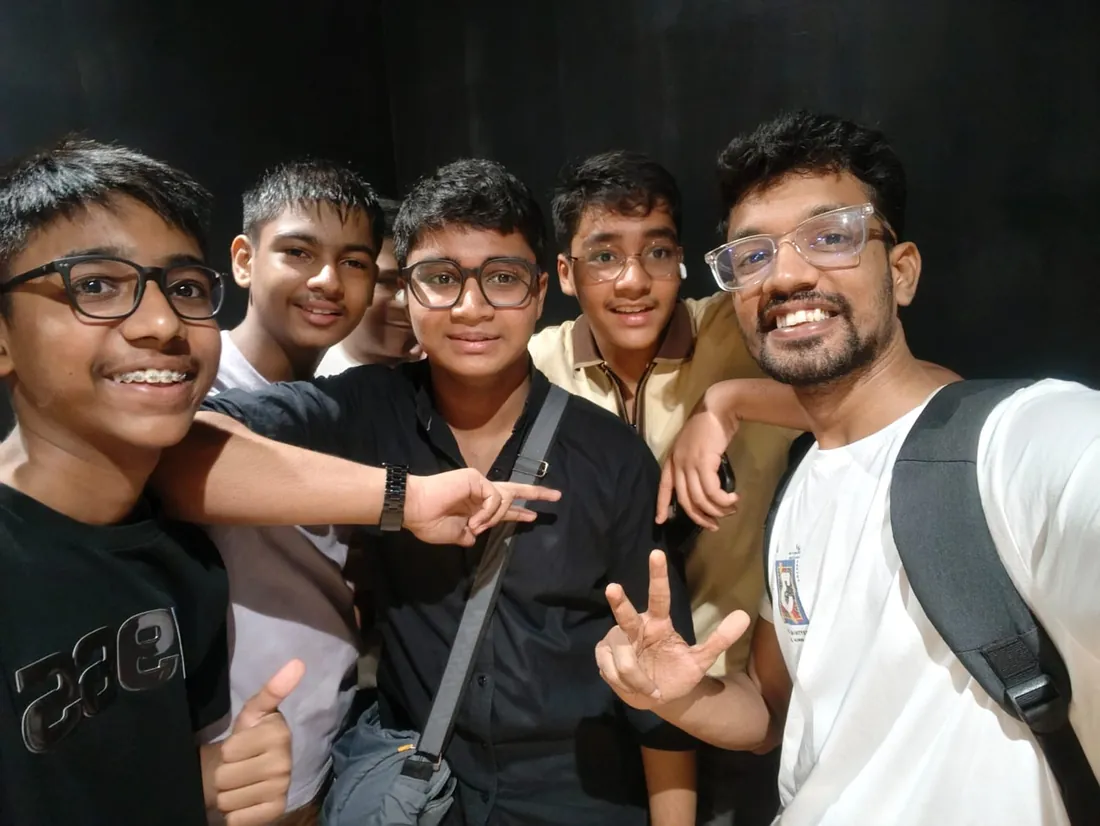
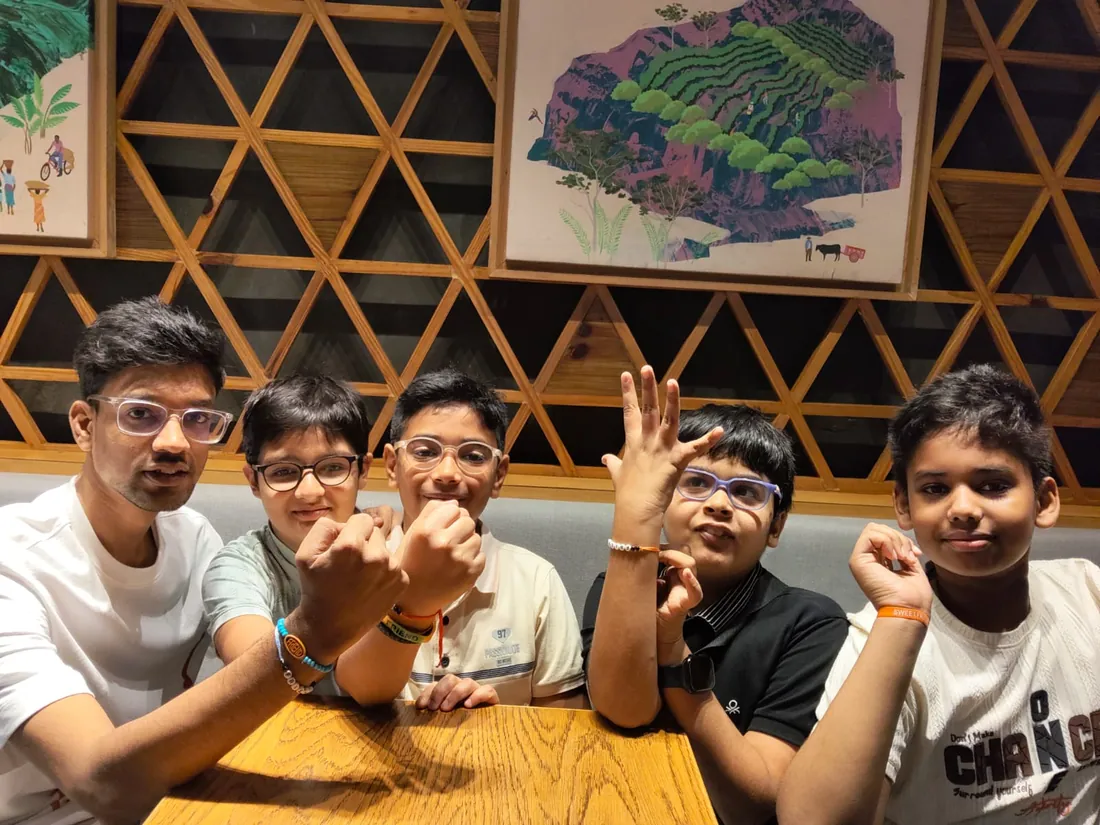
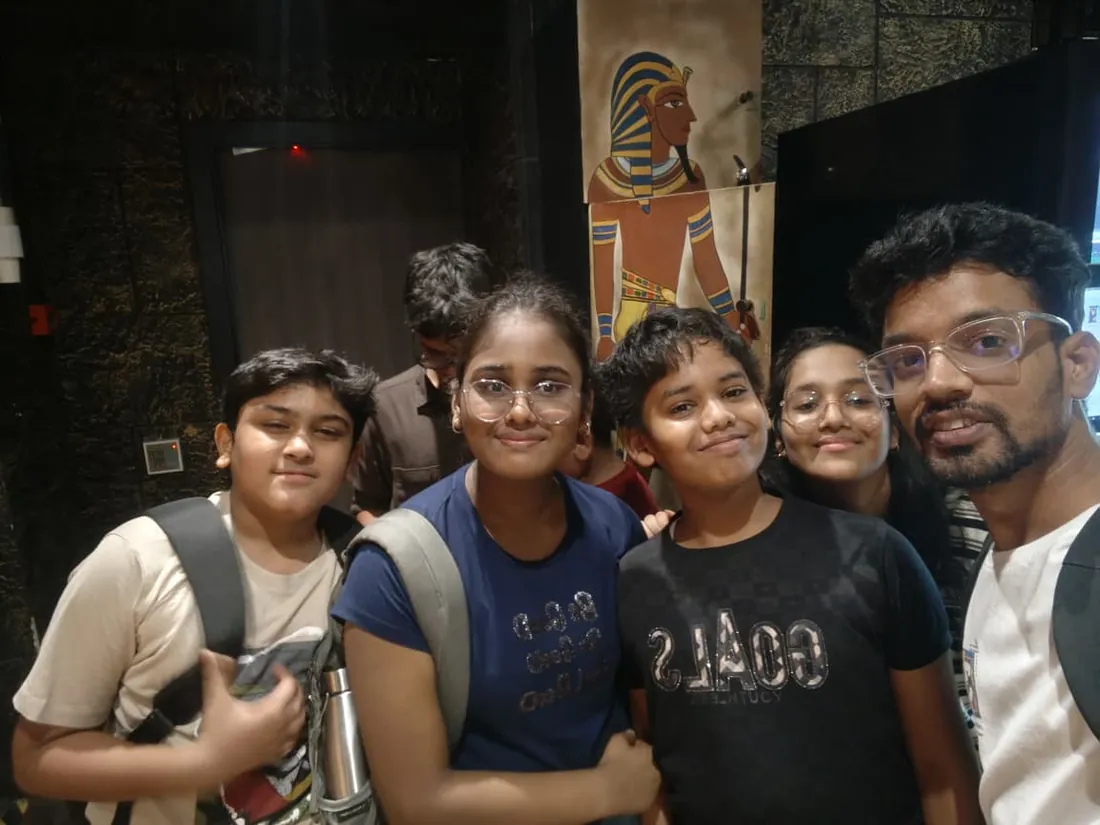
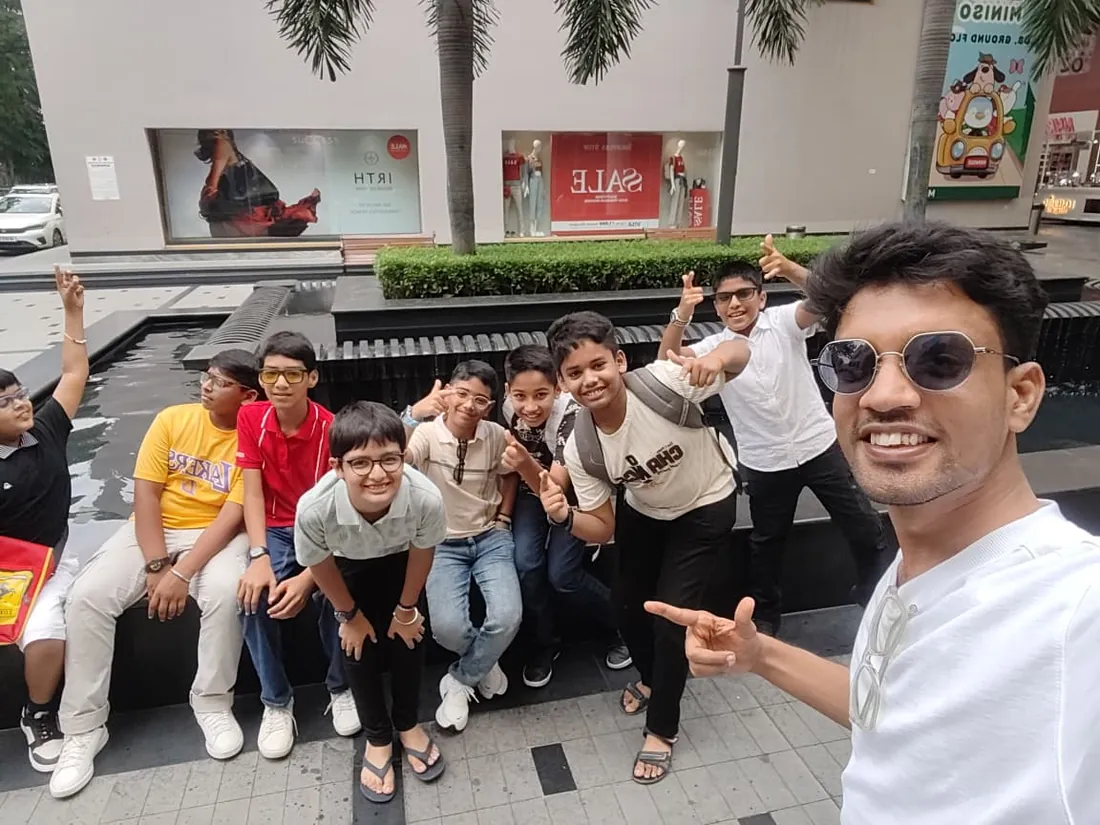
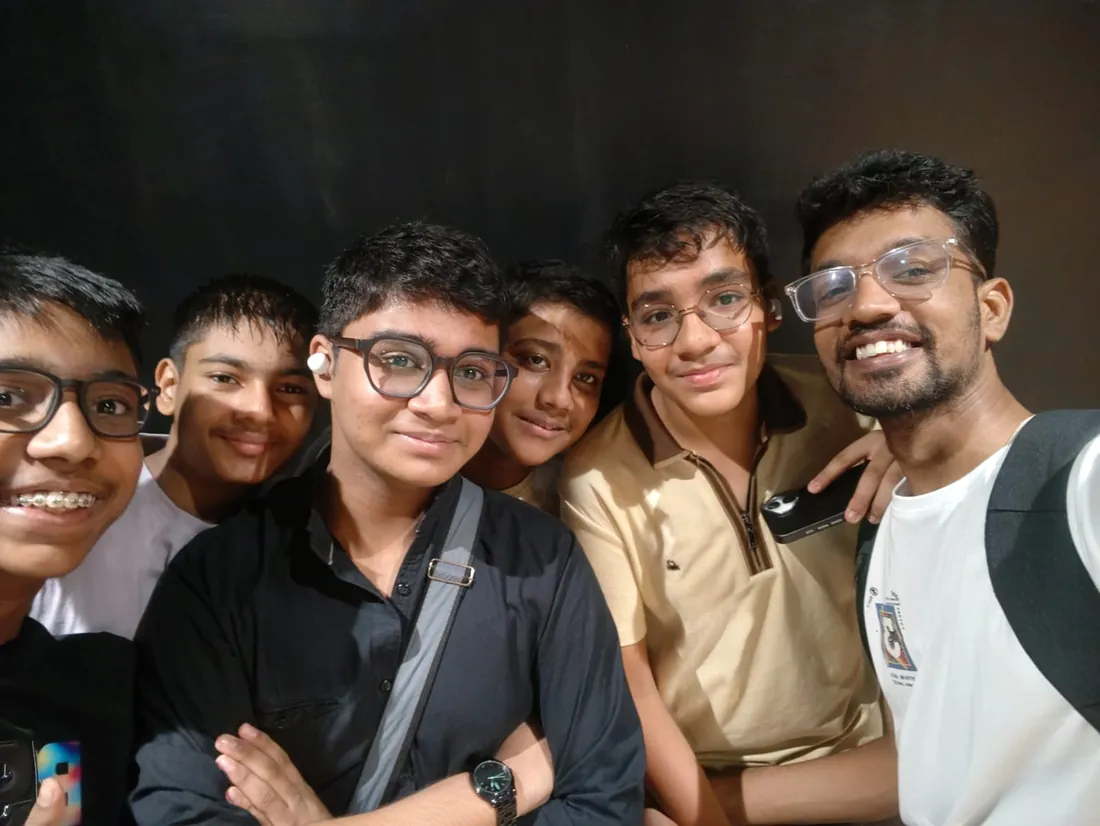
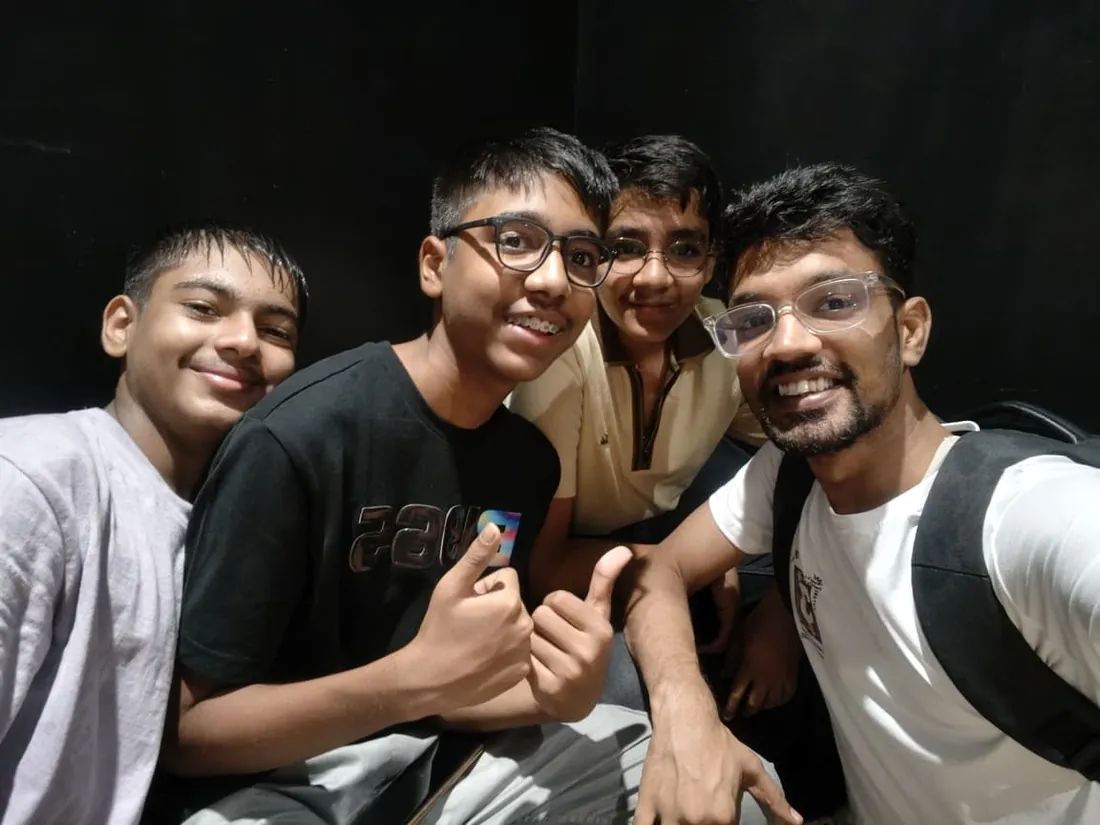
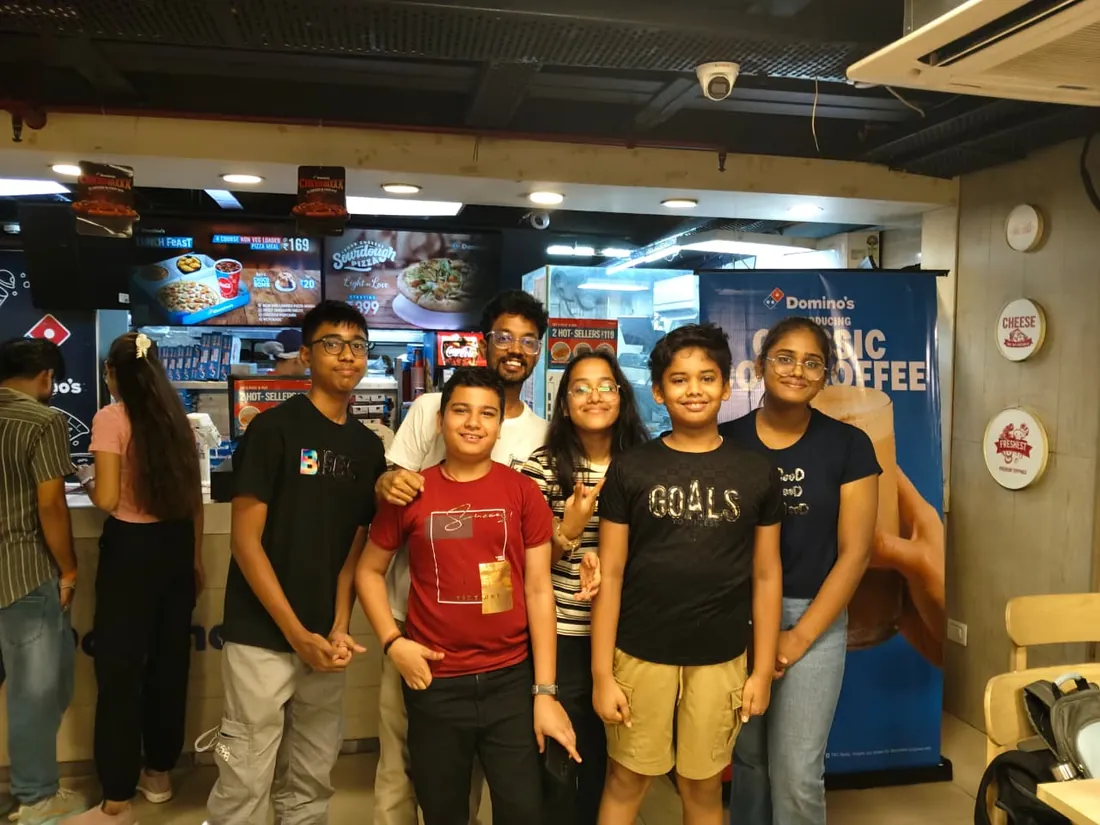
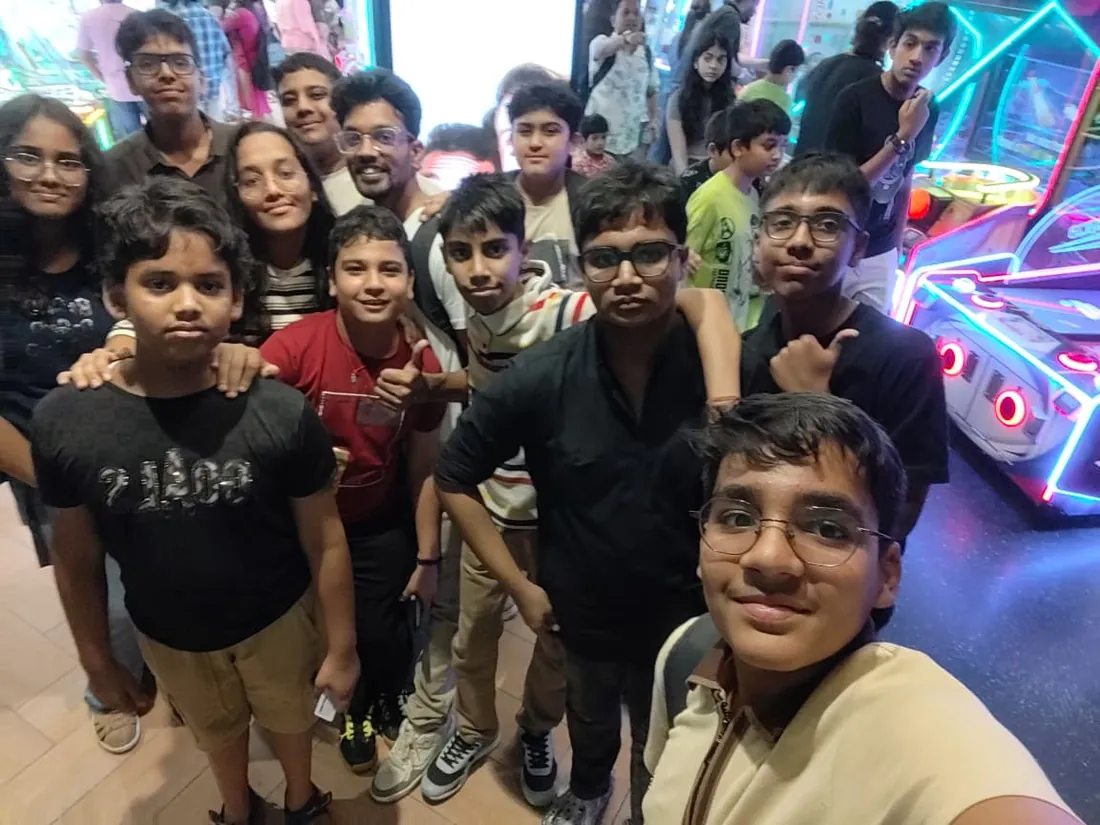
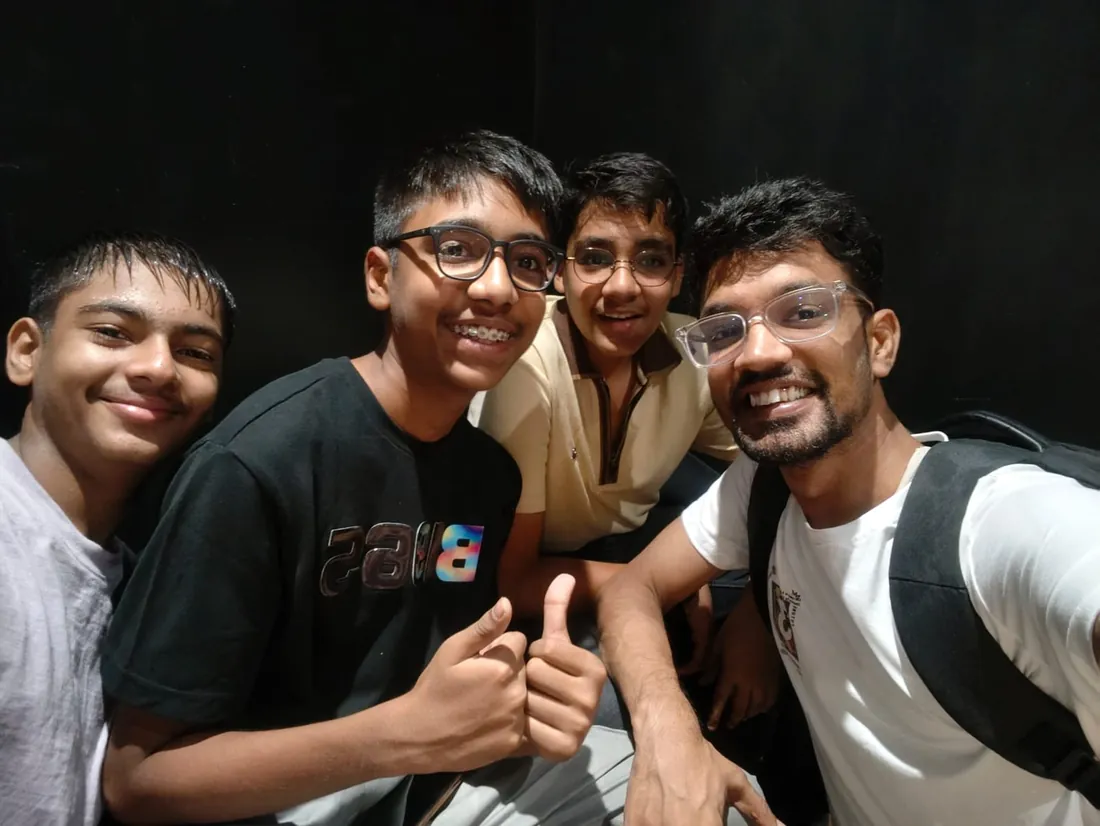
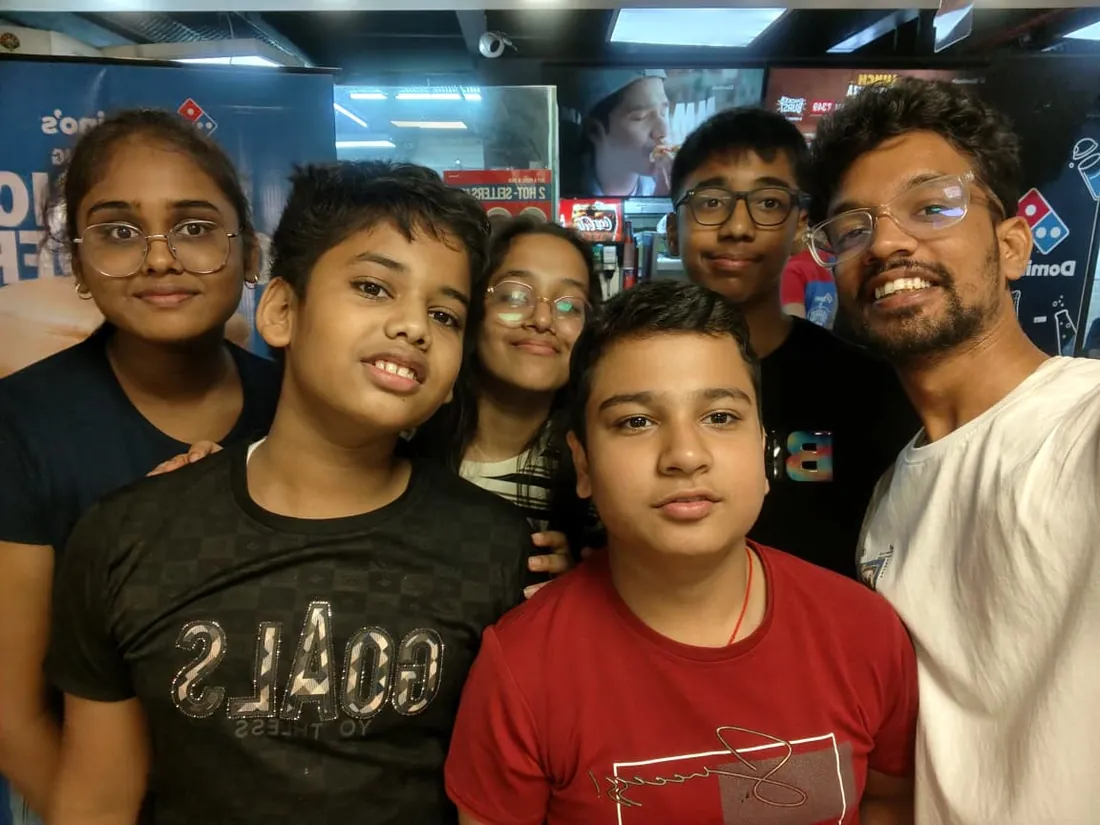
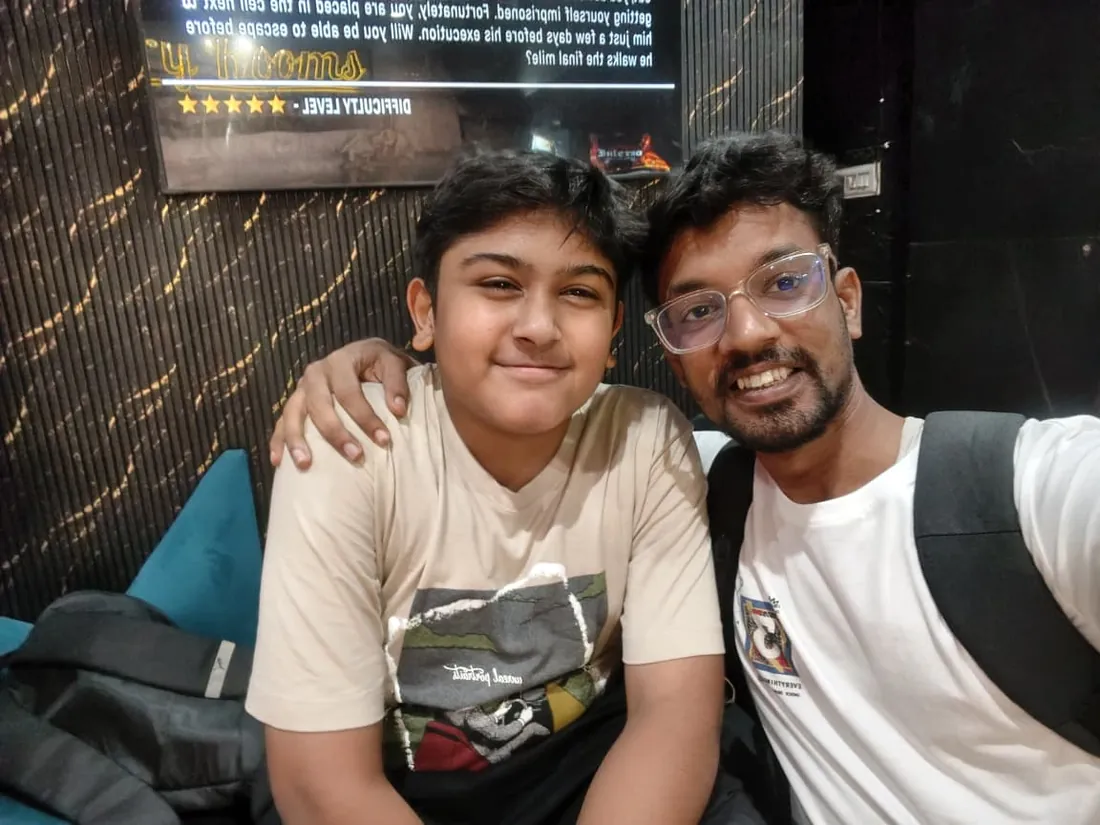
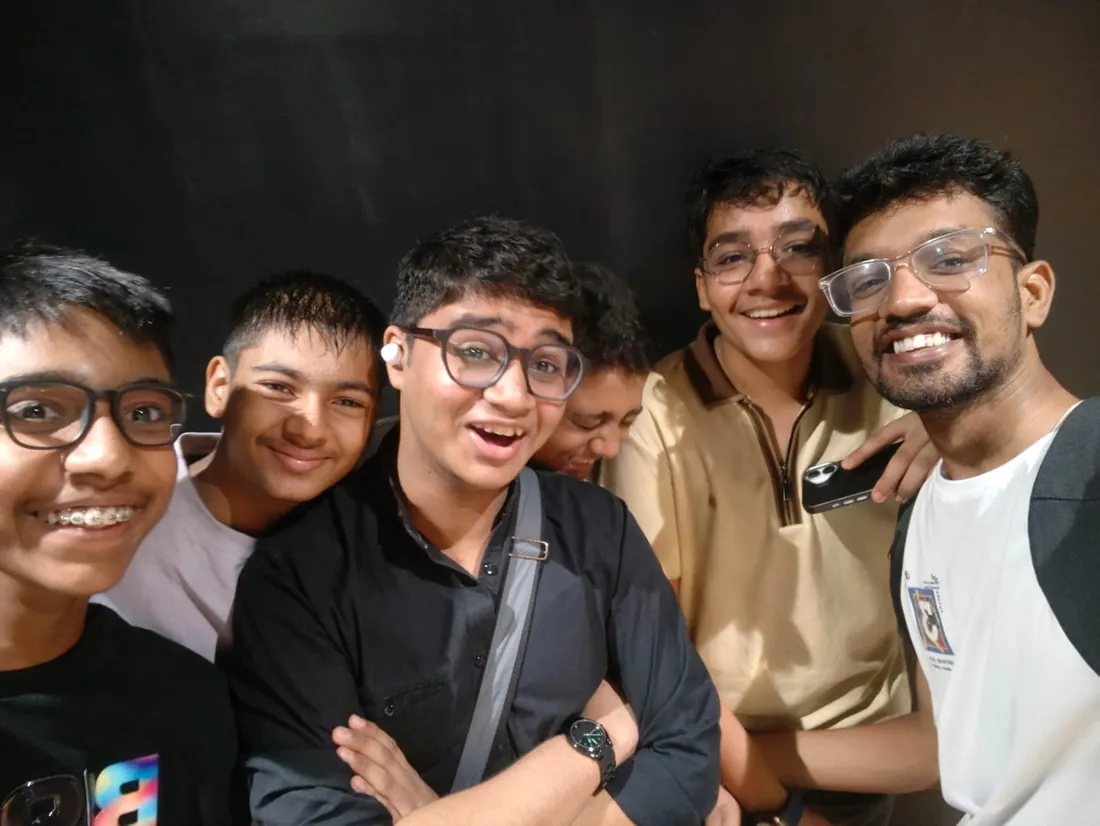
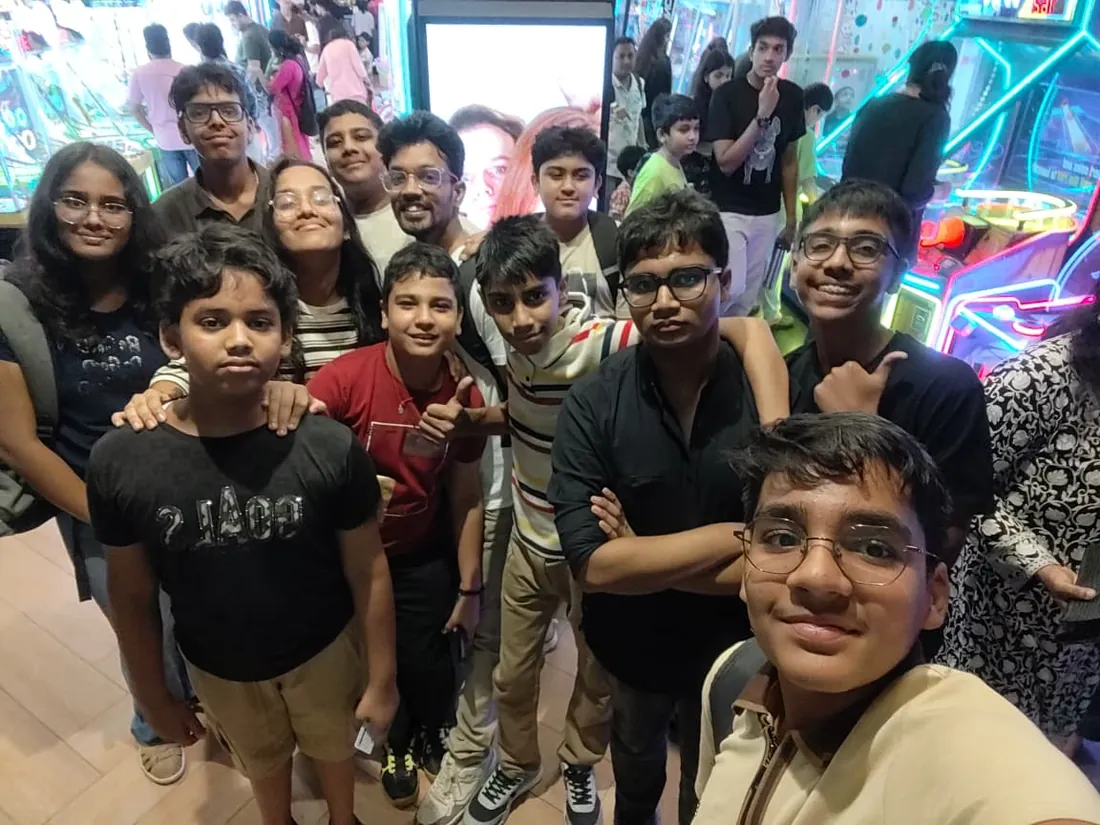
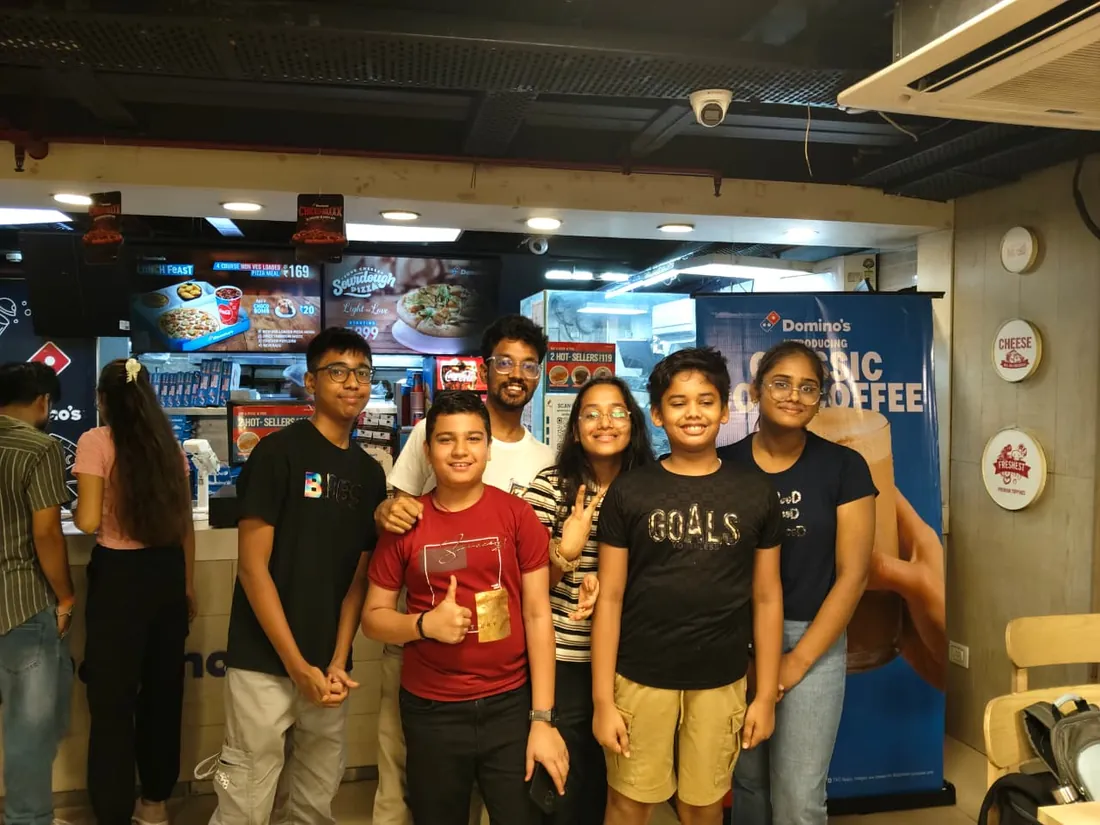
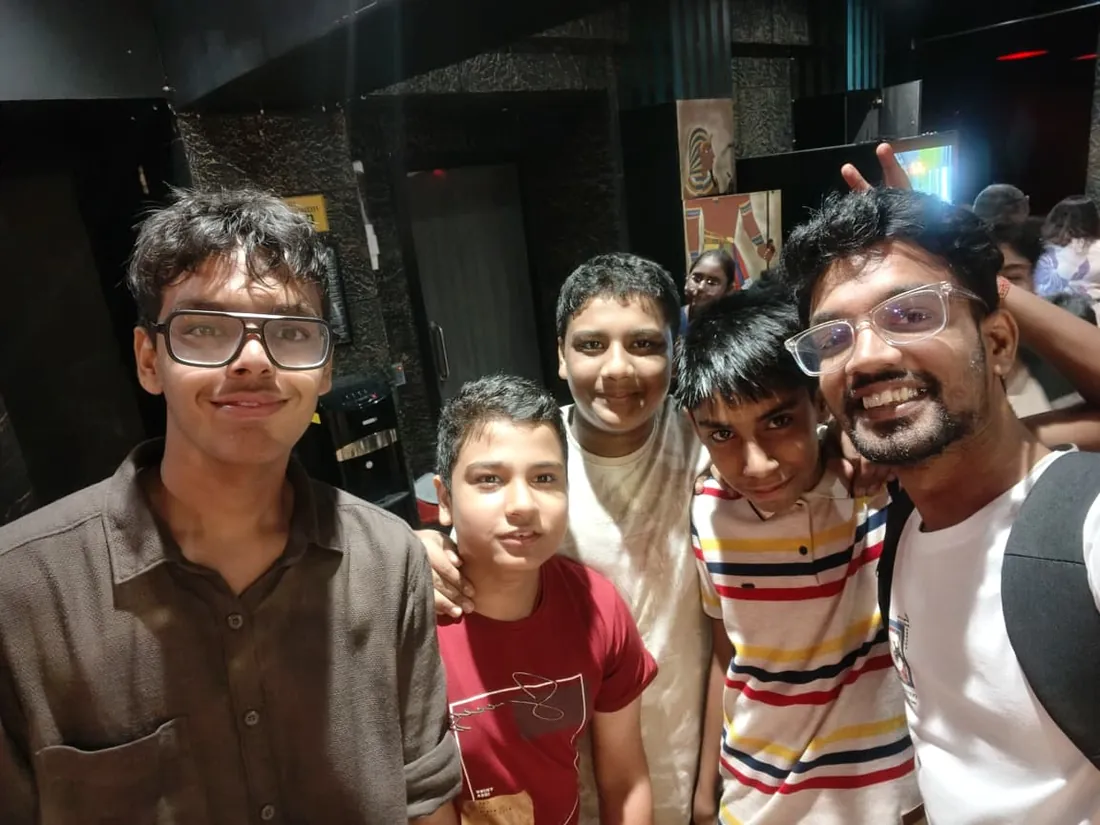
Real students. Real moments. Real joy.
These are our actual student meetups. No stock photos, no filters. Swipe through and meet the community you'll be joining.













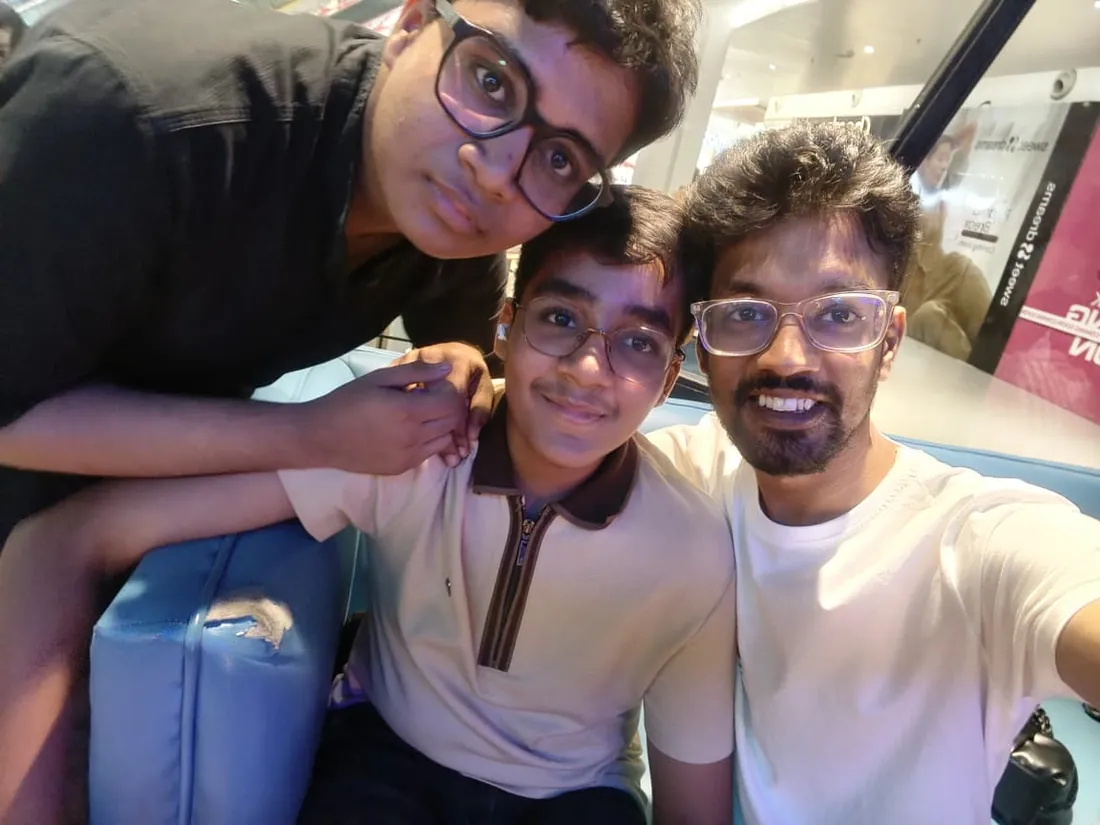
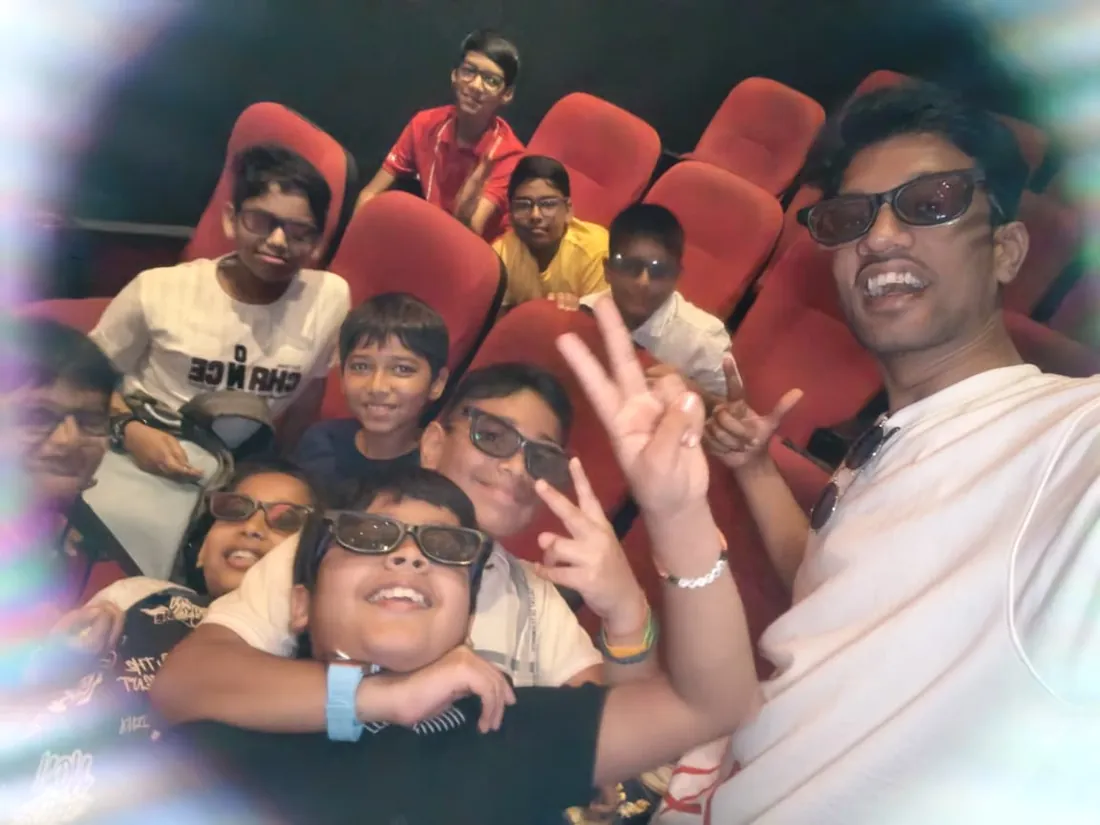

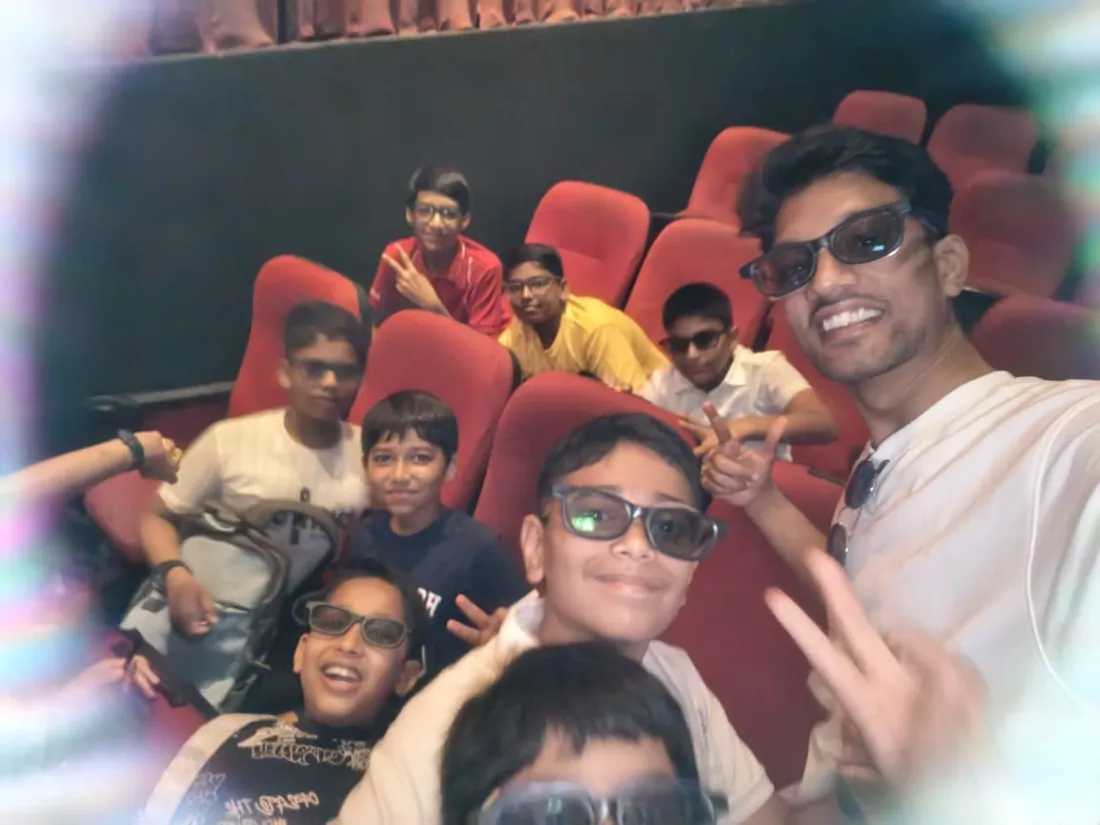



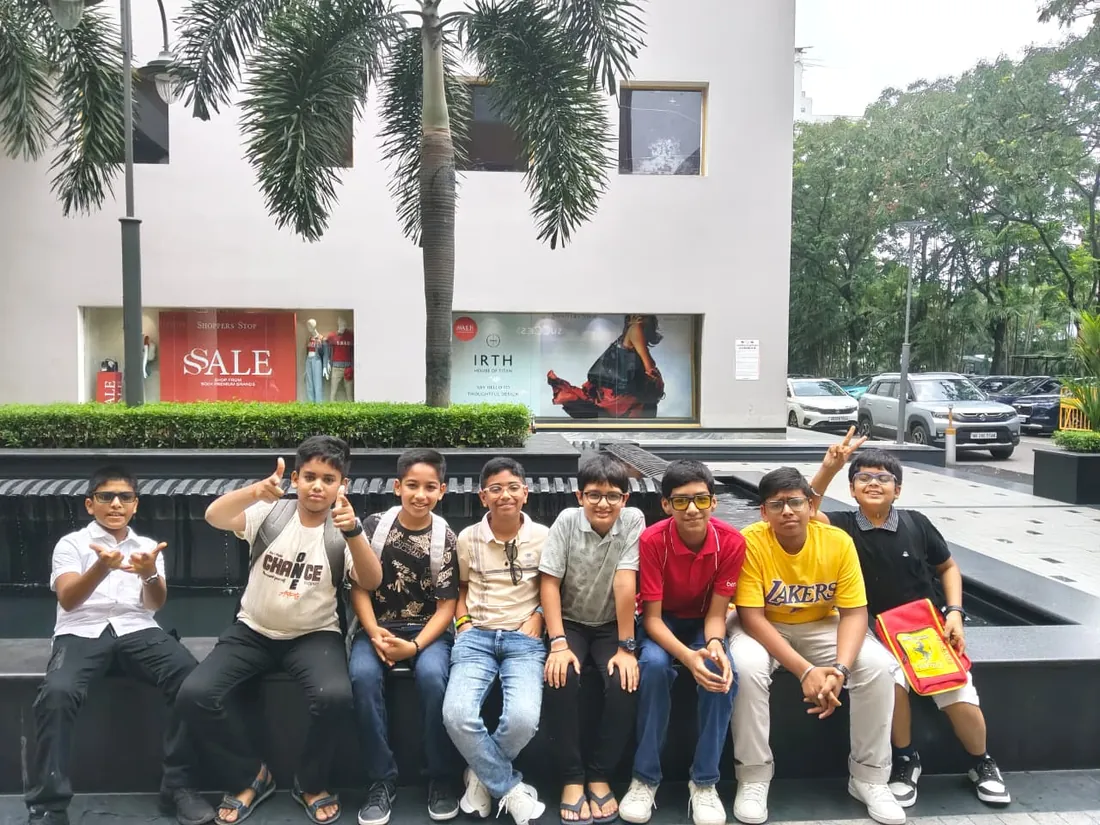



What families say
Straight from the parents and students who learn with us. Rated 4.9 across 547 Google reviews.
“Mivaan enjoys the class. He understands the concepts and completes his tasks with excitement. He started taking interest in coding… truly amazing class.”
“I absolutely love it here! I made new friends and learned important valuable coding skills while having the fun of my life. It's not just coding here, it's outings, bonding and most importantly preparing you for your future. Definitely five stars.”
“What stands out most is how excited my son is before every class. He looks forward to learning, problem-solving, and sharing what he's built. I've noticed a big boost in his confidence!”
“Modern Age Coders has been a game-changer for me! I struggled to grasp IT concepts and coding before joining, but their classes transformed everything. I'm now the topper in my class and can confidently write complex programs with ease.”
“Modern Age Coder have wonderful teachers who teach in a clear, easy and practical way. The teacher boosts students' confidence, keeps them updated with technology, and inspires them to learn without hesitation.”
“The one step solution for my son. Modern Age Coders make learning coding so simple that kids love it.”
“Coding classes here make learning very interesting and conceptual. The teachers teach us in a very easy-to-understand and efficient manner.”
“One of the most wonderful education centres out there. Education is not limited to school syllabus but focuses on skill development. Learning here has been a wonderful journey and still continuing.”
“I highly recommend this computer coding class! The teachers are incredibly knowledgeable and passionate about coding. They make every session engaging and insightful.”
“My child Dhairya is really enjoying the Modern Age Coder IT classes. This is his first online class, and he eagerly looks forward to it.”
“Very good classes. Don't worry about coding. They teach the best, especially Shivam sir.”
“Very good classes. Makes learning very easy and interactive.”
Hear it from our students
Real parents and students in their own words, on our public YouTube channel.
Straight answers about Reasoning and Readiness for Young Thinkers (Ages 6 to 9)
- Who should take this course?
- Children aged 6 to 9 (roughly kindergarten or Year 1 to grade 4 or Year 5) who enjoy puzzles; no prior experience needed. Age: Ages 6 to 9, placed into a 6 to 7 or 8 to 9 band after the free demo class. It suits children aged 6 to 9 who love puzzles, patterns and building; families whose school or district uses cogat, nnat, olsat or a similar screener and who want their child to feel at ease; children in the uk and elsewhere noticed as more able, who want more challenge.
- What will they learn and build?
- Many schools and districts look for advanced learners in the early grades, and some use group ability tests to help. These tests are designed to measure reasoning, not school knowledge.
- How deeply are topics covered?
- The course runs 6 months (24 weeks), joinable any month, in two age bands: ages 6 to 7 and ages 8 to 9 at 2 short live classes/week (about 45 minutes) + a few minutes of puzzle play at home each day, across 3 phases listed week by week in the syllabus below.
- Who teaches it?
- Modern Age Coders mentors, who teach the live classes themselves. You can watch them at work in the free class recordings before you decide.
- How do practice, feedback and assessment work?
- Classwork in every session and homework after every class.
- What does it cost?
- Three monthly plans: a group batch, a mini batch and 1-on-1. Prices are shown in your currency in the plans section. Monthly billing, cancel any time.
- When can classes take place?
- Live classes are scheduled around your week. Group batches meet at a fixed weekly slot; 1-on-1 students choose their own. International students are scheduled in their own timezone. Ask on WhatsApp for the current slots.
- Can I watch the teaching before deciding?
- Yes. Full recordings of real 6 to 12 classes are free to watch, free with a Google sign-in. These recordings show how we teach, not the exact syllabus of this course. Some classes are in English and some in Hindi; everyone follows at their own pace. Watch a class end to end, like you are in it. Sessions are interactive and each moment builds on the last.
- Can I enroll without a live demo?
- Yes. Choose a plan on this page and enrol directly; a demo is not required. If you would like to see a full class with a mentor first, book a Priority Demo.
- How do I reach you with a question?
- WhatsApp +91 91233 66161, email connect@modernagecoders.com, or call +91 91233 66161. Tell us the student's age and what they have learned so far, and we will point you to the right plan and batch.
Common Questions About Reasoning and Readiness for Young Thinkers (Ages 6 to 9)
Get answers to the most common questions about this comprehensive program
Still have questions? We're here to help!
Contact UsRelated Courses You May Like
Continue your learning journey with these recommended programs
 College Mathematics
College Maths Course: Calculus, Linear Algebra to Analysis
College maths course, live online: three academic-year tracks from calculus and linear algebra to pr...
Explore Course AI & Automation
Python Automation Course: Scripting, Scraping & Applied AI
Python automation course for college students and professionals: Python core, web scraping, browser ...
Explore CourseRelated Articles & Guides
Deepen your knowledge with these hand-picked articles
 Education
14 min read
How Learning Coding Improves Mathematical Thinking in Children
Discover the research-backed connection between coding and math skills. Learn how programming develo...
Read Article Mathematics
6 min read
How to Make Maths Fun for Kids: 9 Ideas That Really Work
How to make maths fun for kids, without gimmicks: nine practical ideas that turn maths from a chore ...
Read ArticleReady to start Reasoning and Readiness for Young Thinkers (Ages 6 to 9)?
Book a Priority Demo to see a full live class with a mentor reserved for you, today or tomorrow. Or choose a plan and enrol now.
Questions? WhatsApp +91 91233 66161 or email connect@modernagecoders.com